GUIDANCE CROSS-SECTORAL - Unicef
←
→
Page content transcription
If your browser does not render page correctly, please read the page content below
CROSS-SECTORAL
GUIDANCE

COVID-19 INDONESIA
OVERVIEW

OVERVIEW                                         COVID-19 OUTBREAK TIMELINE

                                                            MANY COVID-19 INFECTIONS
                                                              Mild symptoms (~80%)
                                                                   No symptoms
                                                                    Undetected

                                                                                                   FACTORS INFLUENCING THE TIMELINE

                                                                              Peak Sick            • Date of introduction/transmission
                                                                               Cases               • Public health interventions
                                                                                                   • Social factors
                          # CASES PER DAY

                                                                                                             o   Population density
                                                                                                             o   Hygiene
                                                                                                             o   Mobility
                                                                                                             o   Age of population
                                                                                                             o   Health of population

                                                                                          Peak Deaths

            Undetected
                                            Confirmed          Confirmed
                                            Sick Cases                                                                   Risk of Transmission Recurrence
           Transmission                                         Deaths
OVERVIEW                            RISK COMMUNICATION AND COMMUNITY ENGAGEMENT

                       Risk
                       Communication
                       & Community
                       Engagement

                  PREVENTION
               COVID-19 awareness
           Handwash & Hygiene Promotion
                                                                                                                          RESILIENCE
                                      CONTAINMENT
                                                                                                                       Maintain prevention
                                 Early detection & isolation
                                      Contact tracing                                                                    Stop recurrence

                                                                                                                      Address consequences
                                                                MITIGATION
                                                              Social distancing                                        Strengthen systems
                                                         Health seeking, Safe burials

                                                                                            RECOVERY
                                                                                • Detect remaining cases & contacts
                                                                                • Slowly remove social distancing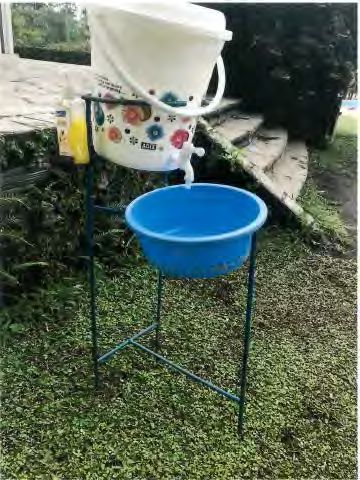
OVERVIEW              CROSS-SECTORAL INTERVENTIONS FOR EACH STAGE OF COVID-19 RESPONSE

           Water Sanitation &
           Hygiene                                  Child Protection

                                    Education in
                                    Emergency

              Health Sector
              Preparedness &                        Financing &
              Essential services                    Social Protection
WATER SANITATION & HYGIENE

             Homes, Public transport areas, Markets, Restaurant & Food stalls, Offices, Schools, Mosques/Churches
OVERVIEW

                                                                                                     Frequent
                                                             IMPLEMENT                            handwashing
               Disinfect indoor                                                                     with soap
              areas & frequently                                                                         &
              touched surfaces                                                                       Low cost
                                                                                                  handwashing
             1 part bleach: 9 parts water                                                         stations public
                                                                                                      spaces

                                                               AVOID
                                                                                                        Disinfection
           Disinfection                                                                                   of open
            chambers                                                                                       public
                                                                                                          spaces
OVERVIEW   HEALTH SECTOR PREPAREDNESS & ESSENTIAL SERVICES

                                               N95 Mask
                                                                         Keep the
                 Improve case                  Goggles
                                                                       health system
                 detection and                 Gloves
                                                                       COVID-19 free
                    testing                    Apron

                                                             Maintain
              Expand health                                  Essential
              sector capacity                             Primary Health
                                                             Services
                                         POSYANDU                          PUSKESMAS
OVERVIEW                      EDUCATION IN EMERGENCY

                    SCHOOL CLOSURE                     SAFE SCHOOL PROTOCOL

                                                                      IMPLEMENT

                                                                  ๏ Handwashing
                                                                    stations
                                                                  ๏ Handwashing with
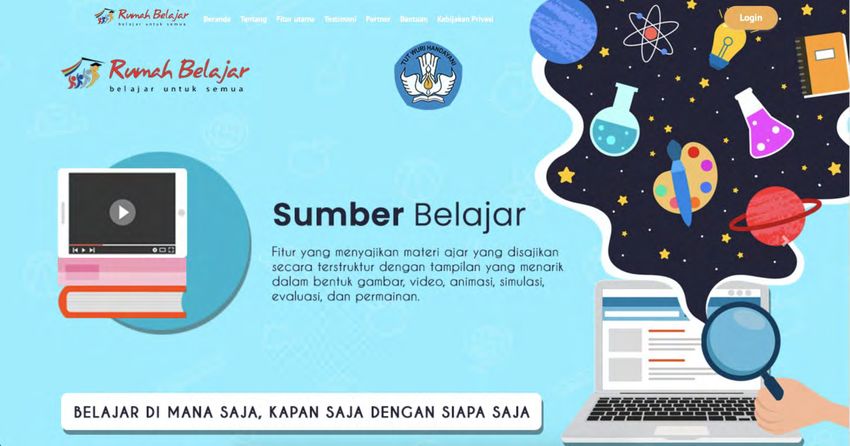
           Ruang Guru                Rumah Belajar                  soap

                        ONLINE &
                         REMOTE                                    ๏ Healthy food options
                        LEARNING                                   ๏ No food sharing

                                                                               AVOID

                                                                     ๏ Assemblies and inter-
                                                                        school activities
                                                                     ๏ Contact between
           Print        Television       Radio                          students
OVERVIEW   CHILD PROTECTION

                                Address    Map
                              household    Resources
                                violence

                 Psycho-                               Strengthen
                   social                              core
                 support                               services

                    Reduce                              Expand
                   stigma &                             alternative
             discrimination                             care
                                                        options
OVERVIEW                    FINANCING AND SOCIAL PROTECTION

               ADDITIONAL SUB-NATIONAL GOVERNMENT FINANCING FOR COVID-19 RESPONSE

               Sub-national financing                                Health Sector
               Presidential decrees                                  Health Operational Assistance (BOK)
               Ministry of Finance                                   Physical Special Allocation funds
               Ministry of Home Affairs

                                                          EXPANDED SOCIAL PROTECTION FOR
           SUPPORT TO VILLAGES FOR COVID-19
                                                                   HOUSEHOLDS

                                                      Kartu Sembako Murah    Program Keluarga Harapan    Kartu Pra-Kerja
               Guidance on the use of Village Fund
                                                      Staple food purchase         Cash Grants           Small Business
                  For local COVID-19 Response                                                           Informal Workers
RISK COMMUNICATION & COMMUNITY ENGAGEMENT
RISK COMMUNICATION & COMMUNITY ENGAGEMENT Overall COVID-19 Risk Communication Objectives
Build public trust in government and other health
authorities on public health information and
instructions.
Increase quality, quantity and reach of
actionable information on COVID-19 for target
audiences online.RISK COMMUNICATION & COMMUNITY ENGAGEMENT Table of Contents
01 Establish COVID-19 Risk Communications Task Team
02 Identify objectives, target groups and influencers
03 Define key messages materials and channels
04 Develop messages for today and tomorrow
05 Use a single national authoritative online platform
06 Train media spokespeople and conduct media outreach
07 Monitor and dispel hoaxes and false media
08 Tool KitRISK COMMUNICATION & COMMUNITY ENGAGEMENT 01. Establish COVID-19 Risk Communications Task Team
Gubernur / Bupati/ Walikota Internal coordination mechanism
leadership with designated for issues or messages that require
spokesperson review and approval (WhatsApp
group)
Ensure key stakeholders are External communication: Daily
represented: scheduled public updates for (e.g.
“daily press conference at 3:30
Relevant Ministries (Health, PM”)
Education, Social Affairs, Refer to SK Gugus Tugas No
Home Affairs, Communication 16 Tahun 2020 and join sub-
and Information) local NGOs national Gugus Tugas
(PMI, NU, Muhammadiyah), coordination groups for risk
Media, and Private Sectors. communicationRISK COMMUNICATION & COMMUNITY ENGAGEMENT 02. Identify target audiences and influencers
Refer to National COVID-19 Risk Communication Strategy
Guidebook
as a guidebook.
Leaders, services providers (health workers, social workers,
etc), general population
๏ Online audiences: Who can be reached through existing
Target Audiences: digital platforms - internet, Facebook and social media
platforms, Whatsapp
๏ Offline audiences: Which populations do not have digital
access? Identify the best strategy for outreach and messagingRISK COMMUNICATION & COMMUNITY ENGAGEMENT 02. Identify objectives, target groups and influencers
Map target audiences and influencers
Influencers:
๏ Can promote behavior change among target audiences, especially hard-to-reach or high-risk groups
๏ Religious leaders, midwives, media personalities, local leaders
๏ These influencers need to be linked to the Risk Communications Team
EXAMPLE
Target Audience Desired Behavior Influencers Channels / Tactics Messages
• Elderly people are at highest
risk for COVID-19. Protect
yourself and others by
isolating yourself physically
from others and stay at home
• WhatsApp groups for 14 days.
Practice self-isolation • Community volunteers • Reach out to family, friends
Example: Imams, religious going door-to-door
for 14 days, and stay at and religious community via
Elderly people leaders,
home • Leaflet phone if you need support.
• Mosque broadcasts • Find the right information on
COVID-19 from credible
resources including your
health worker,
COVID19.go.id or calling
119.RISK COMMUNICATION & COMMUNITY ENGAGEMENT 03. Define key messages, materials and channels
๏ Key messages must be continually adapted: What are the key
messages this week?, Who are groups that need to be reached?
(health, education, religious community, etc)
๏ Keep messages simple and clear
๏ Disseminate messages through influencer network to target
audiences
๏ Use the ‘toolkit’ for messages and materials ( covid19.go.id ) :
‘Materi Edukasi’ – download and add logos, Online / offline
dissemination
Target Audiences:RISK COMMUNICATION & COMMUNITY ENGAGEMENT 03. Define key messages, materials and channels
Key Messages
Learn how to reduce risk Know what to do when you're sick Get correct information
Often wash your hand with soap If you are feeling unhealthy, fever, COVID-19 is a new illness and much
and water flowing for at least 20 aches and cough is dry: self-isolation in remains unknown. Information changes
seconds and remind the child to the home. When accompanied by rapidly and misleading information is
wash hands properly with soap. difficulty breathing (tightness or often circulated.
(Use the easy way to measure breathlessness), immediately treatment Keep up with the latest information from
the duration of 20 seconds, e.g. to health care facilities. credible experts.
2x Happy Birthday song) .
COVID-19 hotline: 119
Visit: COVID19.go.idRISK COMMUNICATION & COMMUNITY ENGAGEMENT 04. Develop messages for today and tomorrow
Preparedness Contain / Stop transmission Mitigation / Stop the damage Resilience
Desired Behaviors Desired Behaviors Desired Behaviors Desired Behaviors
• Learn the facts about COVID-19 • Prepare your family for • Follow public health authorities and • Understand that COVID-19 may
economic/social disruption (e.g. their advice. come back unless we work
• Prevent COVID-19 transmission by schools closing). Start making together.
washing hands with soap, keeping plans • Seek care: only if you are short of
distance from people exhibiting breath. Mild symptoms should self- • Reduce social distancing
symptoms • Reduce exposure by avoiding isolate at home restrictions gradually
crowds, reconsidering attending
• Share accurate health information large events and continue to • Protect the elderly and those with • Maintain good hygiene practices
and health authority updates with practice healthy handwashing and medical conditions from COVID including handwashing with soap
friends and family social distancing behaviors exposure.
• Support families who have lost
• Be responsible: Masks are in • Self-isolation: stay at home if you • Support people and families who loved ones to COVID-19
short supply an should only be are sick or a contact of a have been affected by COVID-19
used if you are sick or caring for suspect/case through expressing solidarity,
someone who is sick compassion and helping however
you can
• Communicate any needs or
concerns you have through
community leadership and health
systems channels
• Provincial COVID-19 risk assessment identifies stage of the response
• Key behaviors for different scenarios of COVID-19 outbreak can be used for key message development and activity planningRISK COMMUNICATION & COMMUNITY ENGAGEMENT 04. Develop messages for today and tomorrow
Future Planning
Identify most likely scenarios
๏ When will we move to the next phase?
๏ How will our strategy change?
Prepare communications plans for most likely scenarios
๏ Clusters of cases
๏ Stigma
๏ Pray at home / restrictions in religious gatherings
๏ School closure
๏ Unavailability of regular health services
๏ Dealing with COVID-19 deaths; among leaders, health workers, needs for cremation,
mass graves.RISK COMMUNICATION & COMMUNITY ENGAGEMENT 05. Use a single national authoritative online platform
Rely on a single national website for authoritative content; Source
messages, materials and data from here
For local content:
๏ Request BNPB to include local content on COVID19.go.id
๏ Any local content should be reviewed and approved before dissemination
to ensure message alignment
Design and share positive messages:
๏ Share strategies that work
๏ Profile examples through influencers, online and through the mediaRISK COMMUNICATION & COMMUNITY ENGAGEMENT 06. Train media spokespeople and conduct media outreach
Schedule spokesperson training for identified government
spokespeople responsible for communicating COVID-19
updates
Recommend in each province or district, minimum:
๏ 2 from BNPB
๏ 2 from MOH
๏ 2 religious leaders
๏ 2 from medical association
๏ 2 from government media office
๏ Other NGO partners are trained to speak to the media
Invite media to attend webinar / remote updates to provide
information on COVID-19, including effective public health
messages and responsesRISK COMMUNICATION & COMMUNITY ENGAGEMENT 07. Monitor and dispel hoaxes and false media
Refer to the national website for guidance: Identify a focal point to monitor
https://www.covid19.go.id/hoaks-buster/ false news and hoaxes at the
local level (eg;
https://www.liputan6.com/tag/hoa
ks-virus-corona)
The best way to address hoaxes is
regular credible updates from an
authoritative source Eg; If the hoax is about ‘overcrowding
Not all hoaxes need to and poor health care’, counter by
be addressed locally – emphasizing positive messages such
as this may create as the safety and effectiveness of
The ‘substance’ of the hoax by clear and
backlash health facilities and providers.
accurate guidanceRISK COMMUNICATION & COMMUNITY ENGAGEMENT 08. Tool Kit
Covid19.go.id (Materi Edukasi) Infografis Penanganan COVID-19
National hotline: 119 (for general COVID-19 enquiries)
UNICEF Chatbot and Kominfo Chatbot ( +62 811-3339-9000 )
UNICEF Website & Social Media ( Instagram, Facebook, Twitter)
BNPB Social Media ( Instagram, Facebook, Twitter )
WHO Indonesia
National risk communication strategy documentWATER SANITATION & HYGIENE
WATER SANITATION & HYGIENE Disinfection Guide for Households
With NO suspected COVID case With suspected COVID-19 case or contacts
Clean and disinfect all
“high-touch” surfaces everyday
• “sick room”, bathrooms, common areas
• High touch surfaces include phones,
remote controls, counters, tabletops,
doorknobs, bathroom fixtures, toilets,
keyboards, tablets and bedside tables
• Clean and disinfect areas that may have
blood, stool, or body fluids on them
• Clean with soap and water or detergent or ๏ The MOH guidelines focus on
use a mixture of 1 part bleach:9 parts handwashing in households.
water ๏ COVID-19 related guidelines for
households disseminated through
• Caregivers of suspects or cases should overall public messaging for COVID-19
wear a mask
• Having separate toilets for patient to the ๏ The above guidance is taken from
extent possible CDC guidance for householdsWATER SANITATION & HYGIENE Disinfection Guide for Public Places
Disinfectant Recommendations Personal Hygiene Guide:
Clean with disinfectant 3 times/day
Sodium hypochlorite at 0.5% (equivalent
5000ppm) for disinfection of surfaces
1 part bleach: 9 parts water
Handwashing with water and soap
๏ Install hand washing stations with soap and water or
hand sanitizers dispensers or water with chlorine
Public transport stations, Markets, Eating solution (0,05% = 1 part bleach : 90 parts water) at all
areas, Schools, Mosques and Churches key points of entry and exit in indoor and outdoor public
areas.
There is no evidence that spraying
disinfectants in open spaces is effective
๏ Promote hand hygiene messaging:
Disinfect Indoor Areas ‣ Wash hands after touching high contact surfaces,
Closed rooms/areas, Elevators, after using public toilet, before / after eating
corridors, staircases ‣ Wash hands for at least 20 secs
‣ Wash hands after coughing, blowing nose, do not
dispose used tissues in public places (use bins)
Disinfect Frequently Touched
Surfaces ๏ MOH guidance
MOH issues circular to prohibit use of ๏ Kantor Kesehatan Kelas II, Tanjung Pinang, 2020: Persiapan
Elevator buttons, handrails, disinfection chambers Pelaksanaan Disinfeksi Ruangan
counters, doorknobs/ handles, Spraying directly on human bodies is not ๏ Panduan Pencegahan Penularan COVID-19 di Tempat dan Fasilitas
locks, keys, light switches, table recommended as it can harm the skin, Umum, Kementerian Kesehatan, 2020
tops, chair handles eyes and mouth and could lead to irritation ๏ Circular letter of Ministry of Health on Utilization of Disinfection
and have long term adverse health impact Chamber to transmission prevention of COVID-19WATER SANITATION & HYGIENE Guidance on Handwashing Stations
High-cost knock down model Low-cost portable model
Two designs
have been
endorsed by
MoH
Low-cost handwashing stations should be installed in
key public places to promote handwashing with soapWATER SANITATION & HYGIENE Toolkit
Guidelines for the Prevention and Control of Coronavirus Disease (COVID-19) - Protocol for Prevention and Control of COVID-19 for Schools
Rev 4 https://www.kemkes.go.id/resources/download/info-terkini/COVID-
19%20dokumen%20resmi/REV-04_Pedoman_P2_COVID- https://www.covid19.go.id/wp-content/uploads/2020/03/Protokol-Area-
19_%2027%20Maret2020_Tanpa%20TTD.pdf.pdf Institusi-Pendidikan-COVID-19.pdf
Protocol for the Prevention and Control of COVID-19 in Islamic
Home care for patients with COVID-19 presenting with mild symptoms and
Boarding School
management of their contacts: https://www.who.int/publications-detail/home- https://www.covid19.go.id/wp-content/uploads/2020/04/NU-Protokol-
care-for-patients-with-suspected-novel-coronavirus-(ncov)-infection-presenting-
Pencegahan-Penyebaran-COVID-19-di-Pondok-Pesantren.pdf
with-mild-symptoms-and-management-of-contacts
The six Health Protocols for COVID-19 Protocol for the Prevention of COVID-19 in Educational Unit
https://www.kemkes.go.id/article/view/20012900002/Kesiapsiagaan-
menghadapi-Infeksi-Novel-Coronavirus.html; or http://kemdikbud.go.id/main/files/download/cb03fc1ae14452f
https://www.covid19.go.id/daftar-protokol/
Guidance for Disinfectan in Public Areas Guidance on WASH in School for Elementary Schools
https://www.covid19.go.id/download/panduan-pencegahan- fhttps://www.unicef.org/indonesia/sites/unicef.org.indonesia/files/2019-
penularan-covid-19-di-tempat-dan-fasilitas-umum/ 05/WASHinSchool-Booklet.pdf
Hand Washing with Soap Circular Letter on Prevention of COVID-19 in Educational Unit
http://promkes.kemkes.go.id/download/epcj/files31505Flyer- https://setjen.kemdikbud.go.id/setjen/files/SE%20Nomor%203%20Tah
2020-6%20Langkah%20CTPS.pdf un%202020%20tentang%20Pencegahan%20Corona%20pada%20sat
uan%20pendidikan.pdf
Hand Washing with Soap
Hand Washing with Soap
http://promkes.kemkes.go.id/download/epcj/files8872Flye
r-2020-waktu%20CTPS.pdf https://gln.kemdikbud.go.id/glnsite/infografis-cuci-tangan/PRIMARY HEALTH CARE PREPAREDNESS & ESSENTIAL SERVICES
HEALTH SECTOR PREPAREDNESS AND RESPONSE                      Table of Contents

                                          01   Establish health sector coordination mechanism

                                          02   Rapidly enhance health system capacity

                                          03   Testing: Benefits to each stage of the COVID-19 response

                                          04   Keep the Primary Health Care system COVID-19 free

                                          05   Maintain essential health & nutrition services

                                          06   Tool Kit

                                          07

                                          08

                                          09
HEALTH SECTOR PREPAREDNESS AND RESPONSE 01. Establish health sector coordination mechanism
Establish Health Sector Strategy guidance for the stage of the response:
Emergency Coordination team
๏ Prevention and Containment: Hygiene, early case-detection / contact
tracing, Self-isolation, Social Distancing
๏ Mitigation: Save lives, protect health workers
Map transmission and expected
cases
Risk Communications &
Monitoring and
Community Engagement
reporting systems
—————————
———————————
Dedicated health sector
Review protocols and guidance COVID and non-COVID
spokesperson – regular
materials routine health services
message updatingHEALTH SECTOR PREPAREDNESS AND RESPONSE 02. Rapidly enhance health system capacity
Assess service capacity against expected cases:
Jumlah kasus
Without Protective Measures
๏ Beds – regular, isolation, critical care
๏ Staff
Healthcare system capacity ๏ Equipment (oxygen, ventilators)
With Protective Measures
Time since first case
Addressing gaps early will save lives:
๏ Mobilize Public + Private Health Systems
๏ Re-purpose facilities for anticipated COVID cases;
basic oxygen and nutrition support are essential
๏ Fast-track procurement shortages
๏ Stop non-emergency / non-essential services at all
levels (ie. elective surgeries)
๏ Recruit temporary health workforce - volunteers,
retired, students
๏ Strict admission and discharge guidelines –
hospitalize only the sickest03. Testing: Benefits to each stage of the COVID-19 response
Recovery / Resilience
HEALTH SECTOR PREPAREDNESS AND RESPONSE
Mitigation
Containment
Protect Health Workers End the Response
Keep health facilities COVID When / where to lift restrictions
Stop Transmission Early free
Detect and isolate cases
with contact tracing Strengthen Health
Guide Social Distancing Surveillance
Restrictions Prevent recurrence of COVID
and other diseases
CONTAINMENT MITIGATION RECOVERY / RESILIENCE
Daily COVID-19 cases
Increase Political Commitment & Public AwarenessHEALTH SECTOR PREPAREDNESS AND RESPONSE 03. Testing: Benefits to each stage of the COVID-19 response
TESTS BODY
Do I have COVID-19 now? TEST FOR Have I been infected with COVID-19 in
RESPONSE
Can I transmit the virus to others? VIRUS the past? TO VIRUS
POLYMERASE CHAIN REACTION (PCR) RAPID BLOOD TEST
๏ Laboratory only
๏ Cool box transport
๏ Results in days
XPERT RAPID TEST
๏ Hospitals/clinics
๏ Small machines
๏ No health facility or laboratory required
๏ No laboratory
๏ Blood sample (finger poke)
๏ Results in hours
๏ Results in 15 minutes
Sample from the nose / throat
Test positive 2 weeks after infection; remains positive for 2+ years
Positive early and for 2-4 weeks only; negative after recoveryHEALTH SECTOR PREPAREDNESS AND RESPONSE 04. Keep the health system COVID-19 free
The public should: Health workers should: Health facilities should*:
๏ Know COVID-19 symptoms and basic
๏ Understand rights, roles and
๏ Implement Principles of Infection
responsibilities of health workers, including
protective measures against COVID-19, Prevention and Control (IPC) strategies
key considerations for occupational safety
particularly hand washing with soap. during health care when COVID-19
and health.
infection is suspected, such as triage
๏ Know the location of dedicated COVID
๏ Implement risk communication measures screening, physical distancing.
facilities in their area, such as referral
for health facilities including IPC during
hospitals.
healthcare and the Rational use of PPE for
๏ Clear signage to alert patients, visitors and
health workers and anyone in the health
๏ Understand that routine health services COVID-19.
facility on flow of patients, infection
may be temporarily interrupted, and only
access health facility in emergency, as well
๏ Screen all patients for COVID -19 prevention and control related to COVID-
symptoms on a dedicated area that should 19.
as homecare when only mild symptoms.
be separated with general patients, from
๏ Properly implement IPC measures to
๏ Beware of misinformations and keep the entrance up to exit and set up clear
ensure there is no further transmission to
updated to reliable source of information signage.
HCW or to other patients and others in the
such as www.covid19.go.id,
https://infeksiemerging.kemkes.go.id/
๏ Advice on the use of mask in health care healthcare facility, including Provide
setting, in the community and during home screening stations for COVID with isolation
care in the context of COVID-19. rooms for sick suspects, limit visitors and
crowding, routine facility disinfection, and
๏ Conduct appropriate management for provide safe transport options.
health care facilities and health workers
during exposure.
*WHO Guidelines on Infection Prevention and Control for COVID-19HEALTH SECTOR PREPAREDNESS AND RESPONSE 04. Keep the Primary Health Care system COVID-19 free
Protective equipment at Primary Health Care level
SAFE SCREENING / INTERVIEW COVID SUSPECT SAFE EXAMINATION NON-COVID SUSPECT SAFE EXAMINATION
Place: Screening station near or outside entrance Place: Isolation Room (Emergency / Non Emerbency) Place: Hospital
HEALTH WORKER ATTIRE PATIENT ATTIRE HEALTH WORKER ATTIRE PATIENT ATTIRE HEALTH WORKER ATTIRE PATIENT ATTIRE
UNSAFE Physical Distance
UNSAFE Physical Distance
SAFE Physical Distance
N95 Mask
Goggles
Gloves Gloves
> 1 meter < 1 meter Regular Surgical Regular Surgical < 1 meter
Regular Surgical Mask Free Apron Regular Surgical Mask
Mask Mask
Notes: Notes:
ALL PATIENTS ARE COVID-19 SUSPECTS Notes:
EXAMINE COVID-19 SUSPECTS IN ISOLATION ROOMS ALWAYS USE PRECAUTIONS IF DISTANCE < 1m
SAFE SCREENING IS ESSENTIAL
REDUCE TRANSMISSION RISK
All health personnel at PHC facilities recommended to complete the online training - https://openwho.org/courses/COVID-19-IPC-IDHEALTH SECTOR PREPAREDNESS AND RESPONSE 04. Keep the Primary Health Care system COVID-19 free
Safe COVID-19 Transport and Referral
DRIVER / ACCOMPANYING STAFF TRANSPORT VEHICLE DISINFECTION
After each COVID suspect transport
๏ After each COVID suspect transport
๏ Disinfect all contact surfaces inside
vehicle with cleaning agent
๏ 1 cup bleach = 9 cups water
๏ Bleach = 0.5 sodium hypochlorite
(i.e. equivalent to 5000 ppm)
N95 Mask
Goggles
Gloves
ApronHEALTH SECTOR PREPAREDNESS AND RESPONSE 04. Keep the Primary Health Care system COVID-19 free
COVID-19 Screening Guide
Maintain Essential Services
POSYANDU PUSKESMAS ๏ *Standard IPC (Infection Prevention & control): Handwashing stations with water & soap/handsanitizer, >1 m
๏ *Standard IPC distance, no patient clustering, daily facility disinfection, safe waste collection & disposal
How to adapt for the COVID-19 response ๏
๏ ± Safe screening ± Safe screening: Safe distance > 1 m ; Health workers: Regular surgical mask
๏ √ Safe assessment of COVID suspects: Patient: surgical mask. Health worker: N95 mask, goggles, gloves, apron.
๏ √ Safe assessment of COVID suspects
๏ Follow protocols for IPC and Rational use of PPE according to WHO Guidelines
๏ Maintain essential services*
NON COVID-19 TRANSMISSION
SAFE POSYANDU MODEL
NON COVID-19 EMERGENCY REFERRAL
๏ *Standard IPC HOSPITAL
๏ Physical distancing Emergency Care, Essential services
๏ Large well-ventilated room Follow protocols for IPC and
๏ Sick children should home-isolate or be rational use of PPE
referred
Screen, Isolate, Refer
REFER TO COVID-19 HEALTH FACILITY
CONFIRMED LOCAL COVID-19 TRANSMISSION
COVID-19 REFERRAL FACILITY
๏ In COVID areas local government may
temporarily suspend routine services Testing, Isolation, Care
๏ Catch-up campaigns will be required
๏ Home visits for children with undernutrition and Follow protocols for IPC and
for other groups such as high-risk pregnant Screen, Isolate, Refer rational use of PPE
mothers or those in the last trimesterHEALTH SECTOR PREPAREDNESS AND RESPONSE 04. Maintain essential health & nutrition services
Service Posyandu Puskesmas Hospital
Routine services should continue with IPC precautions.
Routine services continue with IPC precautions.
COVID-19 affected areas: local government may implement
COVID-19 affected areas: local government may implement
Immunization physical distancing regulations with possible temporary
physical distancing regulations with possible temporary
suspension of services, with alternative measures in place
suspension of services, with alternative measures in place
Plan catch-up campaigns.
Routine services should continue with IPC precautions.
Routine services should continue with IPC precautions.
COVID-19 affected areas: local government may implement
Undernutrition COVID-19 affected areas: local government may implement
physical distancing regulations with possible temporary
monitoring suspension of services, with alternative measures in place
physical distancing regulations with possible temporary
suspension of services, with alternative measures in place
Home visits for vulnerable children.
Routine services should continue with IPC precautions.
COVID-19 affected areas: local government may implement
Undernutrition physical distancing regulations possible temporary suspension
Continue as usual with triage screening, IPC & safe distance
management of services, with alternative measures in place
Home visits for low weight-for-age children.
Children with wasting should be referred to puskesmas
Use MTBS flow of guidelines to screen children and refer sick child to Screen every child for COVID-19 using MTBS guidelines
Sick childcare Puskesmas or health facility Separate suspects from other patients in a separate room
Routine services should continue with IPC precautions.
COVID-19 affected areas: local government may implement
Antenatal care physical distancing regulations with possible temporary Continue as usual with COVID-19 screening, IPC & safe distance
suspension of services, with alternative measures in place
Home visits high-risk pregnancies or last trimester
Skilled delivery Continue as usual with COVID-19 screening, IPC and safe distance
3-month supply during
Chronic disease 3-month supply during COVID-19
COVID-19
3-month supply during
Family planning 3-month supply during COVID-19
COVID-19
3-month supply during
Mental health 3-month supply during COVID-19
COVID-19
Emergencies
REFERENCE: Yankes Balita Masa Covid 5 Bahasa, April 2020HEALTH SECTOR PREPAREDNESS AND RESPONSE 05. Maintain essential health & nutrition services
Guidelines on Continuity of essential mothers & child health services during COVID-1906. Tool Kit - Health
IPC documents (Coronavirus disease (COVID-19) technical
HEALTH SECTOR PREPAREDNESS AND RESPONSE
Introduction to emerging respiratory viruses, including COVID-19
guidance: Infection prevention and control / WASH)
COVID-19: Operational Planning Guidelines & COVID-19 Partners IPC documents (Evidence, guidelines and publications)
Platform to support country preparedness and response
E-Protect: Health and safety briefing for respiratory disease Risk communication measures for health facilities
IPC (Infection Prevention & Control) for COVID-19 Infection prevention and control during health care when novel
coronavirus (COVID-19) infection is suspected.
Clinical Care Severe Acute Respiratory Infection Home care for patients with suspected COVID-19 infection
presenting with mild symptoms and managements of contacts.
Advice on the use of masks in the community, during home care
WHO Coronavirus Homepage and in health care settings in the context of the novel coronavirus
(COVID-19) outbreak
Coronavirus (COVID-19) technical guidance documents and
educational materials WHO Guidance on maintaining essential services during COVID-19
Guidance on maintenanceWHO
of essential health services WHO frequently asked questions
WHOHEALTH SECTOR PREPAREDNESS AND RESPONSE 06. Tool Kit – Nutrition
Infant & Young Child Feeding in the context of COVID-19 Summary of Guidance for Nutrition in Emergencies Practitioners
Breastfeeding for a mother confirmed or under investigation for COVID-19 and impact on food prices in Indonesia (to be updated
COVID-19 every month)
UNFPA statement on novel corona virus and pregnancy Universal vitamin A supplementation for preschool-aged children in
the context of COVID-19: GAVA consensus statement
Q&A for COVID-19, pregnancy, childbirth and breastfeeding Global Nutrition Cluster COVID-19 Resources
Management of child wasting in the context of COVID-19EDUCATION IN EMERGENCY
EDUCATION IN EMERGENCY Table of Content
01 Establish an Education in Emergencies Task Team for COVID-19
02 Schools open: Implement “Safe Schools” guidelines
03 School closure: Ensure learning continuity
04 Monitoring and Evaluation
05 Tool Kit
06
07
08
09EDUCATION IN EMERGENCY 01. Establish an Education in Emergencies Task Team for COVID-19
COVID-19 is an emergency
situation with more than 80%
learning and teaching disrupted
The Ministry of Education and
Culture has issued guidance on
Education in Emergencies.
The Pos Pendidikan (Education Post) should be
activated at province / district / city levels and has Pos Pendidikan Team: Regular updated reports should be
provided to the National Safe School
several responsibilities: ๏ Education office
Secretariat (Sekretariat SPAB), MoEC.
๏ Religious affair office (MoRA)
๏ Leadership and Coordination (led by Head of ๏ Teacher’s associations
Education Office) ๏ NGOs and faith -based
๏ Needs and capacity assessment organizations
๏ Information management ๏ Private sectors More information on Pos Pendidikan
๏ Resource mobilization ๏ Other local education activation please contact Sekretariat
๏ Capacity building stakeholders SPAB. Mr. Jamjam Muzaki (0812-
๏ Advocacy. 2176-6512).EDUCATION IN EMERGENCY 02. Schools open: Implement “Safe Schools” guidelines
Suspend
school
assemblies and
inter-school
activities
๏ Provide hygiene information to students / ๏ Monitor teacher and student attendance
teachers ๏ Sick students / teachers should not be at
๏ Hand washing at dedicated stations for 20 school
seconds several times/day ๏ Limit school visitors
SAFE SHOOL PROTOCOLS
Safe school guidance: MoEC (SE No.3/2020)
Avoid
๏ Daily disinfection (Spray or wipe all contact direct ๏ Monitor teacher and student body
surfaces) [1 cup bleach: 9 cups water] physical contact temperature
๏ Safe disposal of cleaning materials /waste amongst ๏ Students exercise regularly
๏ Cleaning staff use gloves and aprons studentsEDUCATION IN EMERGENCY 03. School closure: Ensure learning continuity
Printed homework:
Textbooks, worksheets
Television
National Government Platform: Support the needs
Rumah Belajar
Online of vulnerable
children: Remote
Learning
Disabilities, remote
Private platform (Free during COVID-19): areas, no internet, Learning
Ruang Guru religious schools
RadioEDUCATION IN EMERGENCY 04. Monitoring and Evaluation
Pos Pendidikan responsible for monitoring learning Information required:
activities and the education sector response
Weekly reports should be sent to the National Safe Number of school and children reached with
School Secretariat targeted messages and information on Covid-
19 on personal hygiene and improved
sanitary practices.
More information on Pos Pendidikan
activation please contact Sekretariat SPAB.
Mr. Jamjam Muzaki (0812-2176-6512).
Number of school and children reached with
online / distance education lessons.
Disaggregate data for: Male or female learners
MoEC and MoRA supervised facilities
Each level of education: PAUD, SD, SMP, SMA, SLB, SMK, MI, MTs,
MA, and Higher EducationEDUCATION IN EMERGENCY Tool Kit
Education sector task team: EiE Guidance from MoEC Additional information on Safe School and EiE materials
Safe School Operations: Circular Letter for COVID-19 Prevention at
School by Ministry of Education
Continuity of learning guidance: Continuous Remote Learning
Decision Tree
Continuity of learning guidance: Learning without internet
Online learning platforms - Government platform: Rumah Belajar
Online learning platforms - Government platform: Provincial
Education Office website
Online learning platforms - Other digital learning platform: Ruang
GuruCHILD PROTECTION
CHILD PROTECTION                   COVID-19 will increase vulnerabilities and social service demands

                   Psycho-social support                                        Stigma and discrimination
                    needs will increase for                                     against COVID-19 affected
                   households and service              COVID-19 related          individuals is taking place
                          providers                   deaths will have long        but can be prevented
                                                   term affects on household
                                                       income and family
                                                            structure

                    Sickness of essential
                   service providers (health,
                       education, social                                        Intra-household violence
                     services) will reduce                                        will increase to loss of
                        service capacity                                            household incomes,
                     —————————                                                    sickness/loss of family
                     Millions of COVID-19           Alternative care needs
                                                                                  members and isolation
                      patients will require        for children will increase
                                                                                         measures
                     hospital care for 1-2          due to sickness/death of
                      weeks in Indonesia                   caregivers
CHILD PROTECTION Table of Content
01 Identify and support vulnerable groups
02 Map resources and improve cooperation between agencies
03 Expand alternative care options and COVID-19 prevention
04 Reduce stigma and discrimination
05 Improve psychosocial support services
06 Expand services to respond to household violence
07 Resources, information and tool kit
08
09CHILD PROTECTION 01. Identify and support vulnerable groups
Who is vulnerable? Data on vulnerability Take action
๏ Children and family living in poverty ๏ KPPPA - Simfoni ๏ Review existing data
๏ Children in child-care institutions or ๏ Ministry of Social Affairs ๏ Agree on key vulnerable populations in
homeless local area
‣ BDT
๏ Children in detention and juvenile prisons ๏ Map locations of vulnerable children
‣ PKH beneficiaries
๏ Children in pesantren ๏ Develop strategies
‣ PKSA
๏ Children living with grandparents or single ‣ Targeted outreach
headed households ๏ Susenas
‣ Information
๏ Undocumented children ๏ Education data; out of school children
‣ Health and social services
๏ Migrants, refugee and displaced children ๏ CSO / NGO data
๏ Victims of violence and abuse
๏ Children with disabilitiesCHILD PROTECTION 01. Identify and support vulnerable groups
Interventions for vulnerable households
Address
Map
household
Resources
violence
Psycho-
Strengthen
social
core
support
services
Reduce Expand
stigma & alternative
discrimination careCHILD PROTECTION 02. Map resources and improve cooperation between agencies
Map institutions: Identify core social welfare workforce:
Government agencies and CSOs / NGOs ๏ Numbers of social workers
including: ๏ Para-social workers
๏ Case management ๏ Psychologists
๏ Shelters
๏ Counselling
Core services to be maintained:
๏ Case management
๏ Emergency shelter for victims of violence
๏ Referral to alternative care
๏ Access to justice
Inter-agency referral protocols
๏ Between MOSA, MOH, CSOs
๏ Anticipated issue of children without caregivers
‣ Sickness, isolation, quarantine, hospitalization or
death of caregiverCHILD PROTECTION 03. Expand alternative care options and COVID-19 prevention
Improve alternative care capacity in your area
Review locations, staff and capacity of registered and unregistered
institutions and CSOs / NGOs including:
๏ Panti
๏ Pesantran
๏ Juvenile Detention facilities
๏ Prisons (where juveniles are held)
๏ Foster care options
๏ Extended family care
Establish COVID-19 prevention protocols at all institutions
๏ WASH and hygiene facilities
๏ Social distancing procedures including sleeping arrangements
๏ Procedures for visitors
๏ Plan for illness and absence of caregivers
๏ Review and strengthen procedures for admitting children to the
Review MOSA guidelines for Child Welfare facility including health screening
Institutions (LKSA)CHILD PROTECTION 04. Reduce stigma and discrimination
Effective public messaging
Do not stigmatize or discriminate against people
affected by COVID-19
Social and physical distancing
Ensure these measures (lock downs, quarantine,
etc) do not lead to stigma and discrimination
Ensure equal access for vulnerable groups
Local COVID-19 regulations for health and social
welfare services should ensure vulnerable
populations are addressed
Enable return to employment
Ensure COVID-19 infected persons can return to
work after recoveryCHILD PROTECTION 05. Improve psychosocial support services
Map psycho-social support and mental health
resources in your local area
Counseling services, faith-based organizations, recreation
activities, communication and information channels
Define target audiences for psycho-social support
๏ Households: Parents, children, adolescents
๏ Service providers: Teachers, health workers, social
workers, etc
Access to up-to-date information through traditional
Use multiple channels to increase access to support and social media
๏ Online counseling ๏ Child helpline: TEPSA 150077 dan TESA 129
๏ Community and religious organizations ๏ Parenting support: TEPAK
๏ Off-line resources and information such as bulletin ๏ Resources: Psychosocial support for parents and
boards, radio, etc childrenCHILD PROTECTION 06. Expand services to respond to household violence
Map services available for responding to household COVID-19 related challenges
violence:
Loss of income, deaths and isolation will increase the risk
๏ Emergency shelters of violence against women and children
๏ Access to police, health care, counselling
๏ Helpline
Identify core services to be maintained during COVID-19
Train service providers to identify and refer
๏ Training health and social welfare staff on increased
risk of household violence from COVID-19
๏ Enhance capacity to identify and refer
Resources
Household and gender-based violence recommendationsPERLINDUNGAN ANAK 7. Resources, information and tool kit
General Guideline for Child Protection during COVID-19 (KPPPA) Tips for parents and children (KPPPA)
https://www.kemenpppa.go.id/index.php/page/read/41/2631/pedom https://www.kemenpppa.go.id/index.php/page/read/31/2627/
an-umum-perlindungan-anak-penanganan-vovid-19 tool-tips-menghadapi-covid-19-untuk-orang-tua-dan-anak
6 tips for parenting during COVID-19 (UNICEF)
Guideline for Child Protection during COVID-19 in Child Care
Institutions https://www.unicef.org/indonesia/id/coronavirus/
kiat-pengasuhan-COVID-19
https://www.kemsos.go.id/uploads/topics/15852851813701.pdf
Guideline
TIPS fortua
untuk Orang Social Workers
dan Anak during COVID-19
https://kemsos.go.id/panduan-untuk-satuan-bakti-pekerja-
sosial-sakti-peksos-menghadapi-covid19
PKSAI
P2TP2A
https://www.kemenpppa.go.id/index.php/page/view/58
Intersectoral protocols for children in need of protection
Temporary Care Data sharing for children
Release of children from Juvenile Detention FacilitiesFINANCING & SOCIAL PROTECTION
FINANCING AND SOCIAL PROTECTION                             COVID-19 will create economic and poverty crisis at many levels

                                        Household income will be                Business income will be              Government revenue will be
                                      negatively affected, increasing                  reduced                               reduced
                                               poverty level
                                                                           ๏   Business closures (temporary      ๏    Reduced production capacity
                                  ๏   Short term loss                          and permanent)                    ๏    Lower demand from markets
                                      ‣ Unemployment in the formal         ๏   Reduced workforce capacity        ๏    Currency devaluation
                                        sector                             ๏   Supply chain interruption         ๏    Loss of tax revenues
                                      ‣ Loss of income for informal        ๏   Loss of customers due to social
                                        sector workers                         distancing restrictions

                                  ๏   Long term loss
                                      ‣ Sickness and death of
                                        household income providers
FINANCING AND SOCIAL PROTECTION Table of Content
01 Review of COVID-19 related social protection programs
02 Using the Village Fund for COVID-19 response
03 Additional subnational government financing for COVID-19
04 Tool KitFINANCING AND SOCIAL PROTECTION 01. Poverty crisis effects at national level
Review of COVID-19 related social protection programmes
Increased benefits for Additional cash assistance Small business and
purchase of staple foods to households informal sector workers
Social protection
measures for ๏ Kartu Sembako ๏ Family Hope Program ๏ Pre-employment Card
๏ Subsidy to purchase (PKH) (Kartu Pra Kerja)
household income staple foods ๏ Cash assistance to the ๏ Increased budget for from
๏ Additional funding of 4.6 poorest households 10 T to 20 T Rph
trillion Rph to support 20 ๏ More frequent payments: ๏ Coverage will support
million low-income from quarterly to monthly small businesses and 5.6
households ๏ No poverty targets million informal workers
๏ Increased household
benefit from 150,000 to
200,000 Rph per monthFINANCING AND SOCIAL PROTECTION 01. Poverty crisis effects at national level
Protecting workers and rewarding frontline health workers
Surat Edaran Menteri Keternagakerjaan
Republik Indonesia
“This is a token of appreciation
Tentang Perlindungan Pekerja / Buruh
dan Kelangsungan Usaha dalam rangka to the medical team and all
Pencegahan dan Penanggulan COVID-19
individuals involved in
17 Maret 2020 handling the coronavirus in
Jakarta because they are most
at risk of exposure.”
Improved worker protection
—Governor Anies Baswedan
๏ Ministry of Manpower and Transmigration decree No.
M/3/HK.04/III/2020 on Worker Labor Protection and Business
Continuity for the Prevention and Control of COVID-19 short Health staff incentives
term loss
๏ Governor of Jakarta:
๏ Governors must ensure full payment of salaries to workers Incentives (Rp 215.000 /day) to frontline medical and health staff
(public and private sector)
๏ Government of East Java:
๏ Governors should introduce measures to prevent and respond ‣ Each team of doctors, nurses, administrative staff and
to COVID-19 in workplaces photographers will receive a reward of Rp 15 million per
patient/month
๏ Support to COVID-19 contacts: ‣ Outpatient management teams: Rp 7 million per medical
People Under Surveillance (ODP) team /month (with a maximum of 3 teams).
‣ ODP are required to stay-at-home for 14 days of observation
‣ They should continue to receive full wages during this periodFINANCING AND SOCIAL PROTECTION 02. Poverty crisis effects at village level
Using the Village Fund for COVID-19 preparedness and response
Refer to updated Village Fund Review and implement COVID-19 support programs
guidance
๏ Create Cash for Work Programmes (Program Padat Karya
๏ Minister of Villages, Tunai Desa/PKTD) such as village level local infrastructure
Development of projects
Disadvantaged Regions, and
Transmigration (CE No. ๏ Establish COVID-19 responsive village volunteers, led by
8/2020 and CE No. 11/2020) the head of the village
๏ Modify the APBD to shifting spending to disaster
๏ Village Against COVID-19 management and emergencies, and to support Cash for
Work (PKTD) activities
๏ Protocol for Village Volunteers Disseminate local messages
Against COVID-19
๏ Ensure communities are aware of local COVID-19 support
programs
๏ The materials should include a list of services and programs
๏ Easy to understand infographicsFINANCING AND SOCIAL PROTECTION 03. Lower Fiscal Revenue
Additional subnational government financing for COVID-19
๏ MoHA decree No. 20 2020 the acceleration of COVID-19 response at
sub-national level
๏ MoF decree No. 19/PMK.07/2020 on disbursement and the utilization of
profit sharing funds (DBH), General Allocation Funds (DAU), and Sub-
national Incentive funds (DID) fiscal year 2020 responding to COVID-19
๏ MoF decree No. 6/KM.7/2020 on the disbursement of health sector
physical special allocation funds and Health Operational Assistance
(BOK) in the prevention and treatment of COVID-19
๏ S-121/PK/2020 (MoF) on the management of Health Sector Physical
Special Allocation funds related to COVID-19
President’s Instruction
No. 4 2020 permits the ๏ Minister of Health Decree No. HK.01.07/MENKES/215/2020 on the
reallocation of activities, utilization of Physical Special allocation fund in responding to COVID-19
and the procurement of
additional goods and ๏ Head of Government Procurement Agency (LKPP) regulation No. 13
services in response to 2018 on the procurement of goods and services in emergency response.
COVID-19FINANCING AND SOCIAL PROTECTION 03. Lower Fiscal Revenue
MoHA decree No. 20/2020: Sub-national government financing for COVID-19
How to revise sub-national budgets (APBD)
Reviews options to increase
subnational COVID-19 financing ๏ If contingency budget not sufficient, other options include:
Planning, budgeting, and ‣ Use funds from rescheduling program targets and other activities
‣ Reprogram expenses from the current year
management of sub-national budgets
‣ Utilize existing cash balances
to respond COVID-19
How to reschedule program targets and activities
๏ Should be reflected in the revision of budget implementation documents from
How to use contingency budgets technical offices (DPA-SKPD) within one day.
Sub-national government can use
contingency budgets (belanja tak ๏ The mechanism for shifting/revision of DPA through APBD should be endorsed
by head of sub-national government by decree and later included in sub-national
terduga) to respond to COVID-19
government regulation of APBD revision (perubahan)FINANCING AND SOCIAL PROTECTION 03. Lower Fiscal Revenue
Guidance on additional health sector financing for COVID-19 response
Ministry of Finance decree No. 6/KM.7/2020
Allows the disbursement of health sector physical special allocation funds
and Health Operational Assistance (BOK) for COVID-19
Ministry of Finance regulation S-121/PK/2020
Reviews the planning mechanism and activity menu related to the Health
Sector Physical Special Allocation funds (DAK Fisik) for COVID-19
Minister of Health Decree No. HK.01.07/MENKES/215/2020
Reviews how to utilize the Physical Special allocation fund for COVID-19FINANCING AND SOCIAL PROTECTION Tool Kit
Fiscal (APBD): MoF decree No. 19/PMK.07/2020 on disbursement and the
Social Protection: Government Regulation in Lieu of Law (PERPU) No. 1/2020 on
utilization of profit sharing funds (DBH), General Allocation Funds (DAU), and Sub-
Financial Policy and Financial System Stability for COVID-19 response
national Incentive funds (DID) fiscal year 2020 responding to COVID-19
Social Protection: Minister of Manpower and Transmigration decree No. Fiscal (APBD): MoF decree No. 6/KM.7/2020 on the disbursement of health sector
M/3/HK.04/III/2020 on Worker /Labor Protection and Business Continuity for the physical special allocation funds and Health Operational Assistance (BOK) in the
Prevention and Control of COVID-19 prevention and treatment of COVID-19
Village Fund: Minister of Villages, Development of Disadvantaged Regions, and
Fiscal (APBD): S-121/PK/2020 (MoF) on the management of Health Sector
Transmigration’s Circular Letter No. 8/2020 and Circular Letter No. 11/2020 on
Physical Special Allocation funds related to COVID-19
Villages Against COVID-19
Fiscal (APBD): Minister of Health Decree No. HK.01.07/MENKES/215/2020 on the
Village Fund: Village Against COVID-19 Guideline
utilization of Physical Special allocation fund in responding to COVID-19
Fiscal (APBD): Head of Government Procurement Agency (LKPP) regulation No.
Village Fund: Protocol for Village Volunteers Against COVID-19
13/ 2018 on the procurement of goods and services in emergency response.
Fiscal (APBD): President’s Instruction No. 4 2020 on refocusing and reallocation of
activities, and the procurement of goods and services responding to COVID-19
Fiscal (APBD): MoHA decree No. 20 2020 the acceleration of COVID-19 response
at sub-national levelYou can also read


