Quality Improvement Plan (QIP) Narrative for Health Care Organizations in Ontario 2017-2018 - London Health Sciences Centre
←
→
Page content transcription
If your browser does not render page correctly, please read the page content below
Quality Improvement Plan (QIP)
Narrative for Health Care
Organizations in Ontario

2017-2018

         March 29, 2017

London Health Sciences Centre                   1
800 Commissioners Road East – London, Ontario
N6A 5W9
Overview
         Work of today builds the foundation for tomorrow. London Health Sciences Centre (LHSC) continues to
         work diligently in building a foundation that allows LHSC to take a leading role together with our system
         partners in planning for the future needs of health care in our community. We strive to ensure that
         everyone we serve receives the highest quality of care, demonstrating value for our patients, families,
         physicians, staff and community.

         Murray Glendining, CEO, notes that, “As one of Canada’s largest acute care hospitals we are
         committed to systems solutions, including working with community and health-care
         partners to take advantage of opportunities to improve care for all patients”.

         For any organization to accelerate systematic improvement efforts in
         quality and patient experience, there needs to be a consistent
         understanding of what “quality” and "patient experience"
         means. It is critically important to define Quality and
         Patient Experience in order to provide clarity of purpose,
         direction and vision. In 2016/17 LHSC sought to engage
         individuals towards re-defining and re-affirming our
         meaning of these important imperatives.

         Through a series of consensus sessions held over
         September and October 2016, physicians, staff, leaders,
         patients and families have contributed to our collective
         understanding of how LHSC will define and move forward
         with advancing quality and patient experience at LHSC.

London Health Sciences Centre                                                                                    2
800 Commissioners Road East – London, Ontario
N6A 5W9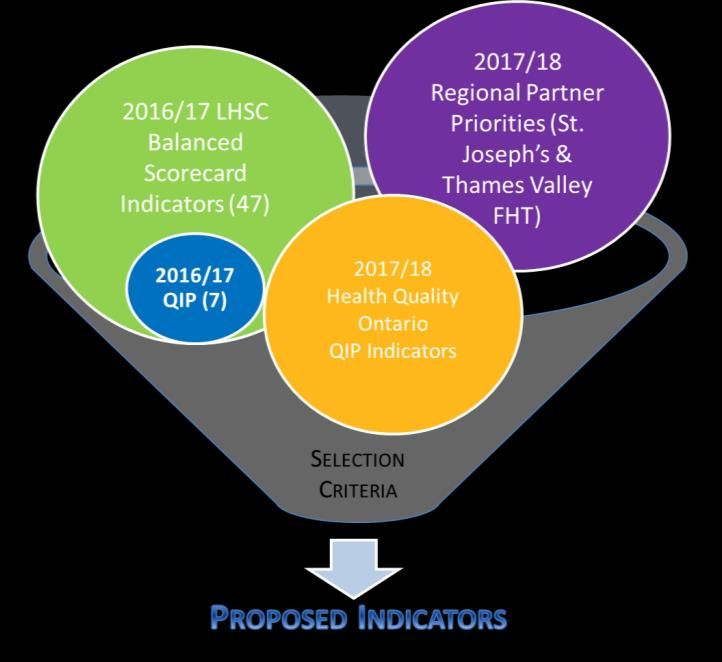
Through this consultation process, which built upon previous consultations and was informed by current
hospital wide groups, the affirmed LHSC Definition of Quality that received strong endorsement is as
follows:
Quality encompasses three equally
important parts;
Care that is clinically effective – not just in
the eyes of clinicians but in the eyes of
patients themselves;
Care that is safe; and
Care that provides as positive an
experience for patients as possible.
The definition of Patient Experience that was adapted and affirmed for LHSC is as follows:
Patient experience is the sum of all interactions
that influence the patients’ perception of care.
Patient experience is the outcome of a person
focused approach to the planning, delivery, and
evaluation of health care that is grounded in
respect, dignity, choice and mutually beneficial
partnerships among health care providers,
patients, and families.
With these definitions in mind, a renewed road map for Quality and Patient Safety has been developed.
This road map includes strong partnerships and a shared accountability model with physicians.
Working together, we will create positive and lasting change to improve care for the patients we serve,
in addition to ensuring standardization of practices and processes within the hospital.
OVERRIDING PRIORITIES: QUALITY, SAFETY AND THE PATIENT EXPERIENCE
Patients are at the centre of all we do; our entire organization from the bedside to the board room is
focused on serving our population. To be certain that all work strengthens patient-centred care, a two-
year transitional plan was implemented in 2016/2017, The transitional plan (the plan) uses a quality,
safety and patient experience lens as its guidepost. All current and new initiatives associated with the
transitional plan will be assessed for alignment and the ability to positively impact the provision of safe,
high-quality patient-centred care.
London Health Sciences Centre 3
800 Commissioners Road East – London, Ontario
N6A 5W9
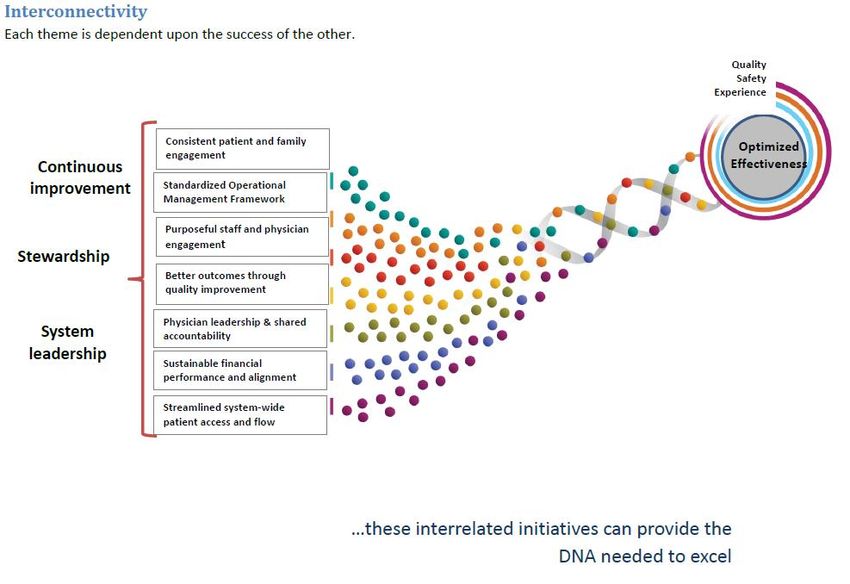
The overarching goal of the Transitional Plan is to deliver a focused, relentless and standardized
approach to improving the quality, safety and consistency of care and the patient experience
across our organization. The chart above depicts the key elements of the Transitional Plan. All of the
identified components are needed to drive our work forward. This will lead to a:
More consistent and mature culture of quality, safety and patient experience
Holistic and standardized approach to continuous quality management and improvement
Consistent improvement in each domain of quality, safety and patient experience across all
LHSC programs and departments
A focus on financial sustainability by living within our means
QI Achievements from the Past Year
Building on our proud legacy of care and innovation this past year, LHSC celebrated a number of
medical firsts and award-winning initiatives, and also realized important outcomes through dynamic
partnerships. Through these achievements, LHSC helped improve patient care and the patient/family
experience, and strengthen system capacity to better support population health-care needs. Some of
our achievements showcase our ongoing work in the area of surgical quality of care.
London Health Sciences Centre 4
800 Commissioners Road East – London, Ontario
N6A 5W9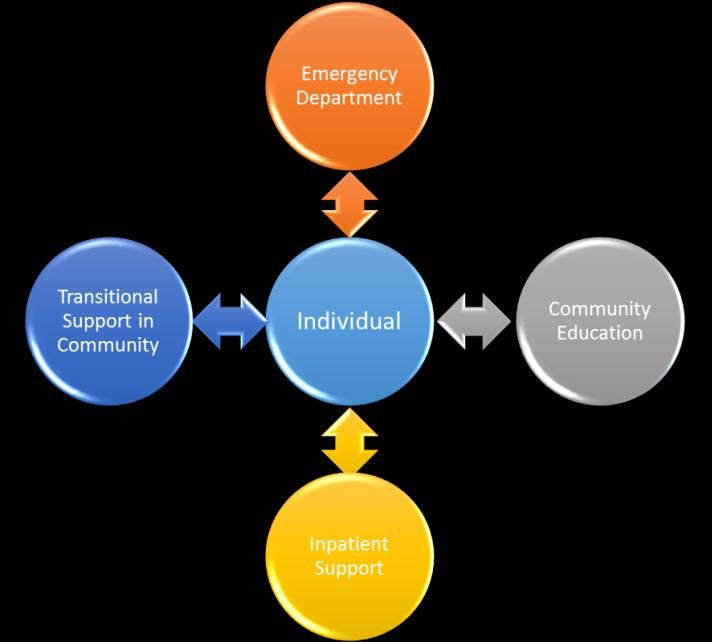
Ontario Surgical Quality Improvement Network (ON-SQIN)

         LHSC is an active participant in the Ontario Surgical Quality Improvement Network (ON-SQIN) - a
         community of surgical teams across Ontario that shares a commitment to achievement of long-term
         surgical quality improvement goals.

         Led by a surgeon champion and supported by the CEO of each member hospital, participating teams in
         the network:

             •        Access an online collaborative space where surgical teams can discuss best practices,
                      share innovations, and discover ways of improving surgical care in Ontario
             •        Benchmark surgical outcomes and contribute to the comparison of outcomes from across
                      Ontario
             •        Empower providers to implement quality improvement initiatives
             •        Establish common improvement goals

         A key aspect of participating in the Network is the implementation of the American College of Surgeon’s
         National Surgical Quality Improvement Program (ACS-NSQIP). NSQIP-ON, Ontario’s version of this
         internationally recognized program is designed to measure and improve the quality of surgical care and
         is applicable in academic, community and rural hospital settings. LHSC benefits by having an
         opportunity to look at our practices and facilities to examine and benchmark how we are performing and
         ensuring quality relative to our peers. This allows us to continue to improve the quality of care.

         Health Quality Ontario supports the spread of NSQIP across the province in order to help hospitals
         collect high quality clinical data. This data is then utilized to inform and develop a quality improvement
         program designed to decrease surgical complications, improve patient care and outcomes, and
         decrease the cost of health-care delivery. NSQIP uses a prospective, peer-controlled, validated
         database to quantify 30-day, risk-adjusted surgical outcomes, enabling the comparison of outcomes
         among all hospitals in the program. This information helps organizations measure and understand their
         outcomes, and compare their outcomes to benchmarks and to those of other participating sites.
         Collaboration between participants accelerates improvement through shared learning.

         Surgical Quality Improvement Plans

         To ensure our planned actions are achieved, a Surgical Quality Improvement Plan is developed. This
         plan is a programmatic initiative for members of the ON-SQIN. The high-quality clinical data extracted
         from NSQIP can be used to determine where there may be opportunities for improvement, enabling
         surgical teams to develop programmatic Surgical Quality Improvement Plans (SQIPs) and to identify
         and implement specific quality improvement initiatives. Creating a SQIP will allow ON-SQIN members
         to track baseline data, change ideas, process measures and outcomes.

         By developing a SQIP and submitting it to the Surgical Quality Improvement Network, common barriers
         to improvement can be identified and teams that have identified similar quality improvement goals can
         be connected through the Network.

         This year, LHSC has focused its SQIP on surgical site infections. A specialized team meets every two
         weeks to address issues related to preventable infections. This includes looking at giving patients

London Health Sciences Centre                                                                                     5
800 Commissioners Road East – London, Ontario
N6A 5W9
antibiotics before their surgery as well as making sure those antibiotics are the right dose at the right
time to best prevent infections after surgery.
This work plays a role in the provincial common quality agenda and contributes to Ontario’s vision for a
high-performing health care system.
Population Health
In 2015, seniors (adults 65 and older) accounted for just more than 18 per cent of the South West
LHIN’s population, compared to 16 per cent in 2010. By 2021, 20.5 per cent of the population will fall
within that age group. The South West LHIN (SWLHIN) continues to have a higher proportion of adults
aged 65 years or older than the provincial average of 6 per cent.
It is not entirely surprising then that prevalence of chronic disease in the SWLHIN is also high, as there
is a higher prevalence of complex chronic disease in the over 65 population. Across all age groups,
approximately 39 per cent of the residents in the SWLHIN have a chronic condition, including 4.8 per
cent with chronic obstructive pulmonary disease (COPD). The SWLHIN also has higher mortality rates
and more average time spent in hospital for chronic conditions than the provincial average. Given this
reality, LHSC is partnering in important work with system partners to improve care for patients with
chronic diseases. Through intentional partnership and engagement, LHSC is striving to increase the
quality of care for individuals with a chronic disease by reducing the amount of time spent in the
hospital and increasing the amount of time preventing and managing chronic disease in the home
before the need for hospital care is required.
Connecting Care to Home (CC2H): Integrated Clinical Pathway improves care for COPD
& CHF chronic patients in London Middlesex
In October 2015, the Connecting Care to Home (CC2H) project team introduced an integrated clinical
pathway for patients with chronic obstructive pulmonary disease (COPD), which is a long-term
incurable lung disease.
Partners in this program include:
London Health Sciences Centre Thames Valley Family Health Team
South West Community Care Access Primary care physicians
Centre South West Local Health Integration
St. Joseph’s Health Care London Network
Some of the benefits of the Integrated Clinical Pathway are:
A much more streamlined and effective care pathway across hospital, homecare and patient
self-management, based upon consistent, leading practice clinical education for all providers
across care settings
Two new roles: Navigator and Clinical Care Coordinator to help transition from hospital to
community to self-management
London Health Sciences Centre 6
800 Commissioners Road East – London, Ontario
N6A 5W9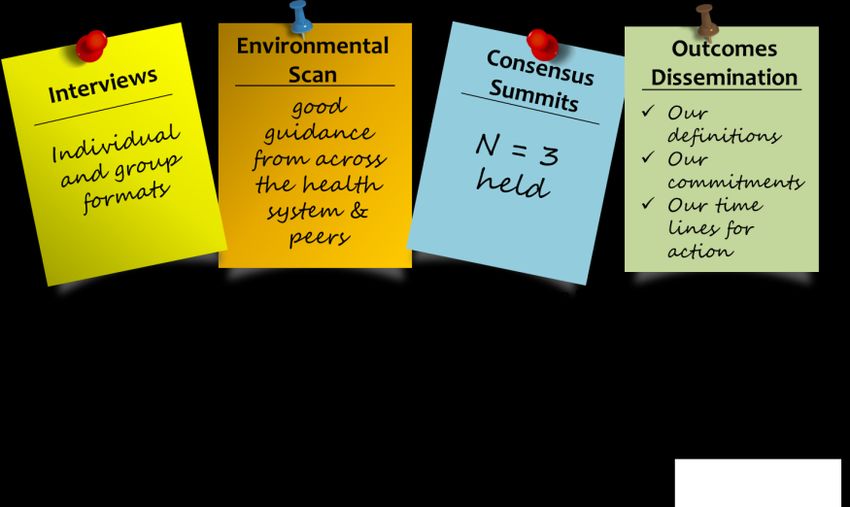
Consistent leading practice self-management education used and reinforced by providers
across all care settings
Physician Specialist remains Most Responsible Physician for a period post discharge with
virtual, warm hand-off to Primary Care/Ambulatory Care Clinics
Technology enabled Home Care intervention using real-time shared patient record
(CHRIS/eShift) with dashboard in the home enabling monitoring. Direct care and virtual
collaboration across care settings (MD and care team) to predict and pre-empt crises/ED
Consistent providers, 24/7 LIVE answer by primary homecare nurse leveraging shared medical
record
Providing info and referrals to community resources, updating hospital chart and update to
primary care
Further supporting self-management with Tele-Homecare
To date, this integrated care pathway has led to improved quality of care and patient experience, with
reductions in:
1. Hospital length of stay
2. Emergency Department visits
3. Readmission rates for these patients.
“Many people have partnered together to make this successful, including the patients themselves.
Working with an integrated care team and participating in the patient care conferences has proven
beneficial. It has significantly decreased gaps when transitioning from hospital to home. With the
extra support and education provided patients now don’t just know that they have COPD, but truly
understand the disease and implications; feeling empowered to participate and take ownership of
their chronic disease,”
Caitlin Schultz, COPD Patient Navigator at LHSC.
CC2H implemented evidence-based tools to assist in stratifying these patients into low, moderate and
high intensity levels of community-based care upon discharge from hospital. The focus of this care
pathway is on those with moderate intensity care needs. Patients enrolled in the CC2H care pathway
are discharged with enhanced homecare supports in place. Patients are provided a robust care plan
with CCAC care coordination, in home supportive care and telehome monitoring by a Registered Nurse
in a graduated e-care model for up to 60 days. Through a more comprehensive discharge planning
process and enhanced collaboration among all care providers, patients and their families, CC2H
ensures smoother transitions from hospital to home.
In early 2017, a Patient Navigator was introduced for patients managing Chronic Heart Failure.
Equity
While there are no specific equity indicators provided by HQO for this year’s QIP, LHSC is working with
a representative from the Schulich Interfaculty Program in Public Health at Western University to
identify a monitoring indicator related to health equity for consideration for inclusion in our balanced
scorecard. This will ensure that as LHSC moves forward in its quality initiatives it is inclusive of all
London Health Sciences Centre 7
800 Commissioners Road East – London, Ontario
N6A 5W9
residents and sensitive to groups that may experience disparities in their health status. One initiative
         that LHSC has been instrumental in establishing and supporting is the Community Health Collaborative.

         Community Health Collaborative (CHC)

         The Community Health Collaborative involves a broad range of partners across the continuum of
         health, education and social services that impact population health in London and Middlesex. The CHC
         believes that, by leveraging our collective strengths, we can better utilize system resources to create
         positive change for healthier communities. Member organizations are making a long-term commitment
         to partner in developing new capacity to enhance wellbeing in our communities through a population
         health lens.

         The CHC adheres to a strengths-based approach (versus focusing on gaps and creating stigmas) and
         wherever possible builds on proven examples of resilience to build enhanced capacity across
         communities. They actively engage experts in the community, including those with the lived experience
         of inequity, and/or direct service providers, to partner in developing and implementing solutions. The
         CHC seeks evidence-based and sustainable outcomes, but the strongest measure of success is the
         positive feedback of the people we are working to help and the direct service providers who support
         them every day.

         Currently, the CHC has identified MH and Addictions and Poverty and Homelessness as two areas of
         primary focus. The group is in the research phase, after which evidence-informed action plans will be
         developed.

Integration and Continuity of Care
         System level integration and continuity of care has been an increasingly important focus at LHSC over
         the last several years as we recognize that we are an important partner in work that happens
         throughout the health-care system.
         In 2016/17, LHSC initiated a number of transformational projects in three key areas: Emergency
         Department, Mental Health and Medicine Admission/Discharge. The process involved active
         engagement with staff, physicians, community partners, along with patients and families. In 2017/18,
         the key areas of focus remain on the Emergency Department’s length of stay, transition of care and
         overall patient experience. Additionally, patient safety in the areas of medication reconciliation on
         admission and discharge is a top priority for LHSC. The overall goal continues to focus on improving
         access and flow through the system and delivering a more patient centred experience. Integration and
         continuity of care are key themes in each of these areas of focus.
         In 2016/17, the Mental Health Care Program at LHSC implemented a Transitional Planning Protocol
         focused on strengthening navigation services between LHSC (acute care) and the Developmental
         Services System in London/Middlesex and Elgin counties. The main objective was to establish a
         coordinated response of defined roles and accountabilities between Community Developmental
         Services within London Middlesex and the Health System (Mental Health Services) on behalf of each
         individual supported within these guidelines who is admitted to the hospital for intensive short-term
         treatment and/or crisis intervention and stabilization.

London Health Sciences Centre                                                                                    8
800 Commissioners Road East – London, Ontario
N6A 5W9
One key element established
this year, which will continue in
2017/18, is the utilization of a
Mental Health Navigator. The
Navigator was implemented
because it was recognized that
there are many services and
teams who serve individuals,
often all at once and unaware
of the other services caring for the individual.
With the patient/client at the core, the Mental Health Navigator focuses on four key components to
ensure quality of care is achieved and sustained. Each component is anchored in continuous
engagement with the patient/client by the appropriate care team as well as high degrees of
collaboration between all services.
I. Purposeful collaboration with the Emergency Department (ED) staff working with the
patients ensures that we continue to provide 1:1 interventions to assist with minimizing
behaviours and increasing quality of life during the time spent in the ED. Additionally, the MH
Navigator collaborates with Long Term Care (LTC) homes to establish if goals can be met in the
community, and discharge from hospital whenever possible.
II. Collaboration within-patient care teams (Psychiatry, Nursing, OT, Recreation, CCAC) to
develop a care plan proactively facilitates both 1:1 interventions and group opportunities to
assess what activities will provide meaning and purpose on the in-patient unit. Staff is also
coached to develop successful interventions to minimize behaviours and increase success in
activities of daily living (ADL) care.
III. Great emphasis is on establishing
Transitional Support in the community. A
significant effort is made to coach staff at
LTC homes by utilizing the non-
pharmacological care plan developed
specifically for the patient while in the
hospital. Home visits are conducted on the
day of transition from the hospital, to support
patients and staff in the transition with regular
communication occurring for 12-72 hours
after leaving the hospital. Transitional support
continues for approximately one month
depending on how the individual is settling.
IV. Community education is provided on the Gentle Persuasive Approach (GPA) about
responsive behaviours in dementia to staff in LTC and retirement homes and community
outreach workers such as Personal Support Workers and nursing staff. Additionally, through
collaborations with community support agencies such as Alzheimer Society and McCormick
Dementia Care, formalized education about responsive behaviours in dementia is provided to
informal caregivers such as family.
London Health Sciences Centre 9
800 Commissioners Road East – London, Ontario
N6A 5W9Access to the Right Level of Care - Addressing
ALC Issues
Ensuring that patients are in the right place at the right time is key to providing high quality care
throughout the health system. When patients no longer need acute services at LHSC we want them to
move as quickly as possible to the next stage of their health-care journey. This past year LHSC
implemented a more standardized approach to designating patients as Alternate Level of Care (ALC).
This means that discharge and other policies related to ALC are applied consistently across all of our
programs. In addition, weekly reports of longer stay patients are provided to leaders to ensure that they
can support their clinical teams in addressing barriers to accessing the right level of care.
In addition, the Home First philosophy was re-launched to include emphasis on home as the discharge
destination and clarity of roles and responsibilities to frontline staff and physicians. An ongoing
education strategy for Medicine Residents is being planned with the Senior Medicine Residents. LHSC
continues to promote earlier involvement of CCAC and community partners to maximize discharge
supports for patients with complex care needs, such as Intensive Hospital to Home (IH2H) for the frail
elderly, and Canadian Mental Health Association (CMHA) Addiction Services for patients with chronic
injection drug use addictions. In the third quarter of this last year we decreased the number of ALC
patients by 192 over the previous year third quarter, and have surpassed the South West LHIN target
rate for ALC days.
These successes reflect strengthened partnerships across the health continuum and the engagement
of a wide range of teams and disciplines, establishing a strong foundation to build upon in 2017/18.
Although reducing ALC occupancy in-hospital is not an identified area for formal Quality Improvement
Plan work, it has significant benefits for patients and their journey of care, and improves overall hospital
access and flow for those awaiting an acute care bed. As such, it will remain a key organizational focus
within our performance framework to ensure results are sustained.
Engagement of Clinicians, Leadership &
Staff
This year, LHSC continues to enhance our level of engagement with all levels of leadership, physicians,
clinicians and staff. One key initiative is the development and implementation of a shared accountability
model. This model has proactively linked and enabled co-ownership of decision making between
administrative and physician leadership.
Over August and early September 2016, a systematic review/analysis of our past LHSC QIP indicator
selection practice was completed. Feedback from varied stakeholders (including prior year LHSC
indicator development leads, physicians, executive team members, Health Quality Ontario (HQO),
South West Local Health Integration Network (SWLHIN) quality documents, and select peer hospital
quality leads) were components of the review. The review identified areas of past successes as well
as areas for potential opportunity. The LHSC 2017/18 QIP indicator selection process revisions were
introduced with the aim of enhancing our ability to establish priorities that balance alignment with
LHSC’s Transitional Plan, and Balanced Scorecard (BSC) areas of focus, in concert with regional and
London Health Sciences Centre 10
800 Commissioners Road East – London, Ontario
N6A 5W9system priorities as identified by HQO and the SWLHIN. Additionally, the process components related
to target setting evaluation and rationale have been revised to enhance standardization.
For the 2017/18 QIP development a detailed and standardized vetting process for identification of
proposed indicators was completed. This process included a review of all 2016/17 Balanced Scorecard
(BSC) Indicators, current 2016/17 QIP indicators and proposed 2017/18 QIP Indicators from Health
Quality Ontario (HQO), in concert with critical incident data and patient experience information. All of
these indicators were evaluated against a standardized set of selection criteria designed to take into
consideration a number of factors including alignment with the strategic direction of the organization,
ability to measure and influence the indicator and
potential for regional collaboration.
Extensive stakeholder consultation was
completed where the indicators were reviewed
with Patient and Family Advisory Councils, the
Patient Experience Coordinating Council,
Physician Chair/Chiefs, staff and leaders. New
this year, LHSC is partnering with St. Joseph’s
Health Care and the Thames Valley Family
Health Team to identify criteria where
collaboration will drive success at the system
level.
Resident, Patient, Client Engagement
Patient and family-centred care is a key strategic focus at LHSC. The 2016-18 Transitional Plan
includes a goal of increasing patient and family voice throughout all areas of the hospital using
standardized approaches. Engaging patients and families in the QIP process is one example of
bringing this goal to life.
In the 2017-18 QIP development process patients and families played a central role in the selection of
priority areas of focus. Through the use of four Patient and Family Experience Committees (which also
included staff, physicians and leaders), we were able to narrow our focus to these key areas:
Ensuring a positive experience in the Emergency Department, including reduced wait times for
sicker patients
Ensuring medication safety through a standardized approach to checking medicines both when
patients arrive at the hospital and when they go home
Ensuring that patients and families have all the information they need at the time of discharge
London Health Sciences Centre 11
800 Commissioners Road East – London, Ontario
N6A 5W9Here is what our patients and families said about being involved in this important process:
“Having an opportunity to include a patient voice in LHSC directions builds trust which is the
foundation of collaboration between patients/ people and health-care providers. It is also a plus
for LHSC as they gain a complete view of what is most important to monitor for safety and
quality in the health care they provide. The opportunity to have input into the QIP was very
much appreciated.”
Theresa Malloy-Miller, Co-Chair of the Patient Experience Committee (Patient/Family Advisor)
“It was a great opportunity to take part in the consensus activity for QIP - it makes me as a
patient feel that I am having some input into the direction the hospital is taking and they are
listening to the patient voice.”
Bonnie Field (Patient Advisor)
“As a participant in PECC, my voice represents also a voice for others, who may not have a
forum to do so. Having direct input to possible changes in QIP is appreciated! Knowing our
voice is important and valued, opens the door to building a relationship of trust and caring. It is
the principle of patient and family-centred care.”
Bev McDonald (Family Advisor)
Within the organization, the knowledge and application of patient and family-centred care (PFCC)
principles is more prevalent today than ever before, with over 200 patient/family volunteers serving on
advisory committees across the hospital. Involving patients and their families in the care provided and
garnering their thoughts and feelings related to the quality of care is becoming embedded in the culture
at LHSC.
Staff Safety & Workplace Violence
Keeping our staff, physicians, and volunteers safe at LHSC is an important part of what we do each and
every day. Some of the steps we take to reduce incidents of harm and violence include:
Extensive mandatory training for all staff
Transparent reporting of incidents and trends on the AEMS intranet website
Diligent investigation into each and every adverse event to identify root cause(s) and corrective
action(s)
Actively involving our leaders and Joint Health & Safety Committee in ensuring a safe workplace
Work ahead in 2017-18 includes:
Review of the standards of civility and code of conduct
Development of policies and procedures for our Emergency Departments to reduce the risk of
violence in relation to contraband items including weapons entering their areas. This builds on
work already in place in our Mental Health programs, and will include physical changes that
create clear visual tools to assist patients in understanding what they may or may not bring into
the Emergency Department.
London Health Sciences Centre 12
800 Commissioners Road East – London, Ontario
N6A 5W9Performance Based Compensation
ECFAA requires that the compensation of the CEO and executives reporting to the CEO be linked to
the achievement of performance improvement targets laid out in your QIP. The purpose of
performance based compensation related to ECFAA is to drive leadership alignment, accountability and
transparency in the delivery of QIP objectives.. ECFAA mandates that hospital QIPs must include
information about the manner in and extent to which executive compensation is linked to achievement
of QIP targets.
The proposed compensation plan for the 2017-2018 QIP is for 10% of the CEO's annual salary to be
directly based on the organization’s ability to meet or exceed the targets as outlined on the three
compensation based indicators. For the remaining executive staff, 3% of their annual salary will be at
risk. Compensation, as it relates to the three indicators, will be awarded as follows:
1. The three indicators below carry an equal weight of 33.3%.
2. For the three compensation based indicators, there are three levels of achievement
Less than 50% of target achieved - no compensation awarded for that particular indicator.
Midpoint between current and target, to approaching target performance - prorated
compensation will be awarded for that particular indicator equal to the percent towards target
achieved.
Equal to or greater than 100% of target achieved - 100% of compensation awarded for that
particular indicator.
Measure Compensation
Indicator Baseline Target Missed Partial Met Weight
(=100%)
Medication
83.90% to
Reconciliation at 82.8% 85.0% < 83.90% >= 85.00% 33.3%
84.99%
Admission (%)
Medication
Reconciliation at 74.50% to
72.0% 77.0% < 74.50% >= 77.00% 33.3%
Discharge (%) 76.99%
Emergency
Department Wait
Times: 90th%ile 10.31 hrs
10.85 hrs to 33.3%
ED LOS for hrs
10.85 hrs
Complex Patients
(hrs)
London Health Sciences Centre 13
800 Commissioners Road East – London, Ontario
N6A 5W9Sign-off
It is recommended that the following individuals review and sign-off on your organization’s Quality
Improvement Plan (where applicable):
I have reviewed and approved our organization’s Quality Improvement Plan
ORIGINAL SIGNED BY
__________________________ __________________________ __________________________
Mr. Tom Gergely Mr. Lawrence McBride Mr. Murray Glendining
Board Chair Quality Committee Chair Chief Executive Officer
London Health Sciences Centre 14
800 Commissioners Road East – London, Ontario
N6A 5W9You can also read


