Report 2019 Gender pay gap - Network Rail
←
→
Page content transcription
If your browser does not render page correctly, please read the page content below
Gender pay gap
                            report 2019

This report is prepared on behalf of Network Rail Infrastructure Limited, a member
of the Network Rail Group of companies owned by Network Rail Limited.

Network Rail’s gender pay gap has been calculated in accordance with Government regulations.
The report is based on snapshot data as of 31 March 2019.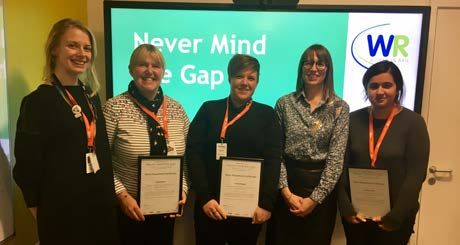
Andrew Haines
                                            Chief executive

                                            I want us to lead the way in making our industry more diverse and inclusive.
                                            It’s the right thing to do and it makes good business sense.

We know that a diverse workforce performs better – the variety of ideas different       small initial increase but shows that change is happening and that the hard work
people bring help us to challenge the status quo and find new, better ways of           of our colleagues is paying off.
working. A diverse workforce also helps us to better understand and meet the
                                                                                        As expected, this has had a negative impact on our gender pay gap and we have
different needs of the huge variety of passengers who travel by rail every day. Our
                                                                                        seen a slight increase from 11.2 per cent to 11.6 per cent. We know we have a long
workforce should reflect the world around us.
                                                                                        way to go but I am confident that we are on the right track to creating a diverse,
We are under no illusions about the challenge the journey towards having a truly        balanced workforce in the long term.
diverse workforce at Network Rail presents. In an industry that is both traditionally
                                                                                        Over the next year we will continue with our plans to increase the proportion of
and still overwhelmingly male, eradicating the gender pay gap is hugely important,
                                                                                        women at Network Rail at all levels in our business. As well as attracting more
but can only be sustainably achieved in the long-term by addressing the overall
                                                                                        women, we are focused on developing the phenomenal talent we already have at
gender imbalance. That is why, in our last report, we said that while we were
                                                                                        Network Rail.
pleased that our gender pay gap was well below the national average, we knew
our priority must be to address the significant gender imbalance at Network Rail.       Reducing the gender pay gap and having a more balanced workforce is a critical
In practice, that means inviting a lot more women into junior engineering and           part of our vision where every individual is able to succeed and is encouraged to
operational roles.                                                                      reach their full potential. By creating a culture that promotes diversity, inclusion
                                                                                        and mutual respect I am confident that we will create the diverse and inclusive
We knew that this approach would, most likely, negatively impact our gender pay
                                                                                        railway that this country deserves.
gap in the short term. As we increase the proportion of women in junior roles, we
increase the number of women on lower salaries. But it’s absolutely the right thing
to do. Without nurturing the talent of many more women in junior roles, we will be
relying on others to develop the pipeline of talent needed to build a future where
significantly more women fill our most senior roles.
Over the last year, some great work has taken place to begin to address this
imbalance. As a result, between March 2018 and March 2019 we have raised the
proportion of women in our business from 16.6 per cent to 17.3 per cent. This is a

Introduction         Our gender pay gap            20by20 update            Attraction and recruitment             Progression and retention                        02
Pauline Holroyd
                                             Group HR director

                                             Since joining in summer 2019, I have been extremely impressed by Network Rail’s
                                             commitment and dedication to diversity and inclusion. We know our gender pay
                                             gap cannot be fixed overnight and will continue to fluctuate as we improve our
                                             gender diversity over the coming years. However, by recognising and understanding
                                             the makeup of our workforce better, we can tailor our approach to tackling gender
                                             diversity in these areas more effectively.

The 20by20 project, designed to increase the proportion of females to males to 20        personal protective equipment for expectant mothers. However, there is still a lot
per cent by 2020, has really built momentum this year. We have increased female          more we can do. As our frontline workforce directly support our passengers and train
representation across all levels of the organisation; from our technical and clerical    operating companies, it is imperative that we increase gender diversity in these roles
roles up to our management roles and also those working on the frontline. These          to enable us to deliver the best possible service for everyone.
three groups present very different challenges when it comes to gender diversity due
                                                                                         The gender pay gap is not a challenge specific to Network Rail. It is an industry-wide
to the nature of the roles and, more significantly, the female talent available.
                                                                                         challenge and we are working with other similar organisations to better understand
This year we have increased female representation in our management roles,               it. In 2019 we took part in a project commissioned by the Royal Academy of
where talent is in shorter supply and competition from other organisations is fierce.    Engineering for Women in Science and Engineering to examine the gender pay
Just 27.1 per cent of our management roles are held by women, which shows just           gap specifically in engineering roles. The recommendations from this project are
how underrepresented females are - but we are shifting the balance. This year the        expected in early 2020.
number of women in management roles grew by nine per cent compared to four per
                                                                                         We continue to work in communities to promote science, technology, engineering
cent for men in the same roles.
                                                                                         and maths subjects in schools and at events including the Big Bang Fair to
The proportion of females in technical and clerical roles paints a different picture.    encourage the next generation who will feed our talent pipeline. We are working
Women make up 46 per cent of these roles, and the number is increasing. We need          hard on all fronts to make Network Rail accessible to all, to dispel myths about the
to ensure this trend continues and that we provide the support and opportunities         railway culture and to reinforce our belief that diversity is what will set us apart from
these women need to progress up through the organisation.                                other businesses.
Our most difficult challenge remains attracting more women to our operations
and maintenance roles, which continue to be male dominated. Women make up
only 3.3 per cent of our 21,800 strong frontline workforce. I’m passionate about
creating a better environment for our people and really pleased about the steps we
are taking to address the specific barriers to creating an inclusive environment, such
as improving welfare facilities for women trackside and introducing high visibility

Introduction          Our gender pay gap            20by20 update             Attraction and recruitment             Progression and retention                          03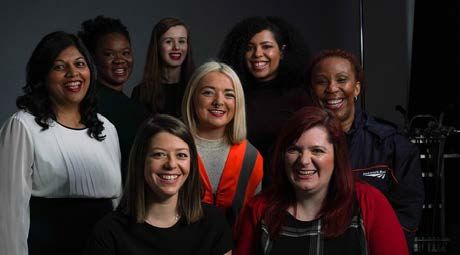
Gender pay gap figures 2019

      Mean (average)               Median (middle)                 Mean (average)              Median (middle)
                                                                                                                         Understanding our pay gap
                   Gender pay gap                                             Gender bonus gap                           Network Rail’s median pay gap has increased by 0.4
                                                                                                                         per cent to 11.6 per cent this year. The mean pay
                                                                                                                         gap has also increased slightly by 0.6 per cent to 7.8
           7.8%                        11.6%                           -14.7%                       -5.8%                per cent. Our median pay gap remains significantly
                                                                                                                         lower than the national average of 17.9 per cent.

As we laid out in last year’s report, we expect our          This year the median bonus gap increased from zero                             Median Pay Gap
gender pay gap to fluctuate as we work to improve the        per cent to -5.8 per cent in favour of women. The
gender diversity in our organisation. Focusing on only       bonus scheme for technical, clerical and operations
                                                                                                                              18.1%               18.4%               17.9%
one area of the business can cause large fluctuations        and maintenance staff – which make up 71 per cent
and artificially skew our pay gap. So, gender diversity      of the workforce – has also changed to align bonus
needs to be tackled at all levels, from our apprenticeship   payments to route or business area performance.
schemes that will feed our talent pipeline to executive      This means that for the first time in years, there is
leaders who can drive the business forward and make          differentiation in bonus payments to this population
positive impact for our passengers.                          to better reward higher performing areas. In previous
                                                             years, all employees in this population were aligned to          11.5%               11.2%               11.6%
Taking a holistic and balanced approach means our pay
                                                             national performance and therefore all received the
gap will be a better representation of our organisation
                                                             same payments, hence the zero median bonus gap in
while we increase the proportion of women in our

                                                                                                      ?
                                                             previous reports. A negative mean and median bonus
workforce.
                                                             gap indicate that on average, women are paid higher
                                                             bonuses compared to men.

   Did you know?
   The gender pay gap and equal pay are often confused, however they are quite different. The gender pay
   gap is the difference between the average pay of men compared to the average pay of women within
   an organisation, across all levels of the business. What this means in practice is that if women do more
   of the less well-paid jobs, the gender pay gap is usually bigger. Equal pay, on the other hand, is the legal                         Network Rail          National
   requirement for men and women to be paid the same for performing the same work or work of equal value.
                                                                                                                              2017                2018                2019

Introduction          Our gender pay gap              20by20 update           Attraction and recruitment               Progression and retention                         04
Proportion of males and females in each pay quartile

                    25%                          15.7%                       15%                         14.1%

                                                                                                                   Since last year, the proportion of females has increased
                                                                                                                   across all quartiles except the lower mid quartile which
                                                                                                                   remains broadly the same. The largest increase was in
 75%                           84.3%                      85%                         85.9%                        the lower quartile which has contributed to the slight
                                                                                                                   increase in the median pay gap this year.

                                Lower middle quartile     Upper middle quartile
  Lower quartile up to                                                                  Upper quartile from                Female %
                                  from £17.31               from £21.68
       £17.30                       to £21.67                   to £26.65                     £26.66
        per hour                                                                              per hour                      Male %
                                      per hour                    per hour

                                                                    Gender distribution by role type

The proportion of males in management, technical
and clerical and operations and maintenance roles                                                                                    10%
remains the same this year. There was a one per cent                                              26%
decrease in the proportion of females in technical &            63%
clerical roles and one per cent increase of females in                                                                                                         46%
management roles.

        Management                                                             Male                                                     Female
        Technical & Clerical                                                                             11%

                                                                                                                           44%
        Operations & Maintenance

Introduction         Our gender pay gap             20by20 update        Attraction and recruitment              Progression and retention                       05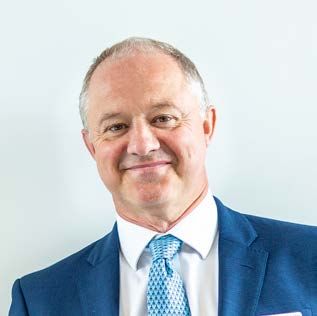
Proportion of females vs males by role type

                       Total                                 Total                              Total
                       6,700                                11,800                             21,800

                                                                                                                       The proportion of females increased across all
100%
                                                                                                                       roles types this year. The largest increase was in
                                                                                                                       management roles which saw a one per cent shift
80%                                                                                                                    in proportion of males to females. Females are best
                   54.0% (-0.5%)                                                                                       represented in technical and clerical roles which
                                                       72.9% (-1.0%)                                                   continues to increase at a steady rate, up 0.5 per cent
60%                                                                                                                    this year. The proportion of females in operations and
                                                                                           96.7% (-0.2%)
                                                                                                                       maintenance roles also grew slightly this year by 0.2
40%                                                                                                                    per cent. However, this still represents a very small
                                                                                                                       minority of these roles and is a priority area for the
                  46.0% (+0.5%)                                                                                        organisation.
20%
                                                      27.1% (+1.0%)
                                                                                            3.3% (+0.2%)
0%                                                                                                                              Females              Males
                Technical & Clerical                   Management                    Operations & Maintenance

                                                              Proportion of males and females who received a bonus

For bonus payments, employees in management
positions participate in the annual performance
related pay (APRP) scheme which is a ‘percentage of
salary’ scheme. This has higher pay-outs compared
to the general performance related pay (GPRP)
scheme which is a ‘fixed amount’ scheme that all
other employees participate in, i.e. technical, clerical,
operations and maintenance staff. As a higher                                        Male                                                   Female
proportion of males are eligible for the lower general
performance related pay scheme compared to females
(74 per cent vs 54 per cent respectively), the average                       Received a             No bonus                        Received a               No bonus
                                                                     99.4%                   0.6%                           99.5%                    0.5%
bonus payment for males is lower.                                            bonus                  received                        bonus                    received

Introduction         Our gender pay gap              20by20 update              Attraction and recruitment           Progression and retention                       06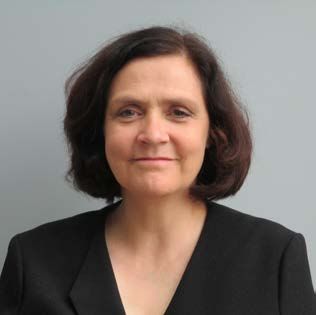
20by20 update
                                           Loraine Martins MBE
                                           Director of diversity and inclusion

                                           It has been a positive year and we have continued to increase gender diversity in the
                                           business, making it a more open, inclusive and diverse environment where women
                                           want to work. We have built on the changes made last year and continued to be
                                           creative. For example, we are utilising social media such as LinkedIn and Mumsnet in
                                           different ways to reach a more diverse pool of talent.

We have introduced development programmes for all employees currently in, or                               % of females in the workforce
looking to move into, middle management, of which a third of all applicants have
been women. We have also piloted a specific Women in Leadership programme              20%     16.1%                    16.6%                 17.3%
which targets talented females in middle management to support their career
development.                                                                           18%
We have improved our welfare facilities for women by introducing more mobile
welfare units which were short-listed for an award in the innovation category of       16%
the Rail News Awards. We also introduced a ground-breaking menopause project,
creating more resources available for women’s health and well-being.                   14%

These initiatives demonstrate our continued commitment to improving diversity in       12%
all parts of the business, from the office to the frontline.
Our business has made improvements against the Women in Science and                    10%
Engineering ten steps programme for building a framework for increasing gender               March 2017                March 2018           March 2019
diversity, moving from 14th to 9th in the rankings of 33 large organisations who
took part.
Each element of our 20by20 project is driven by our colleagues in the regions,
routes and functions across the business and is a testimony to their effort and                   The following sections of this report showcase
dedication. At the end of the pay gap reporting year (March 2019) we had 17.3
per cent females in our workforce and will be over 18 per cent by the end of 2019.                some of the work we are doing to attract,
We are proud that we are making strides to increase diversity whilst broadly                      recruit, progress and retain female talent.
maintaining our gender pay gap.

Introduction         Our gender pay gap           20by20 update              Attraction and recruitment    Progression and retention         07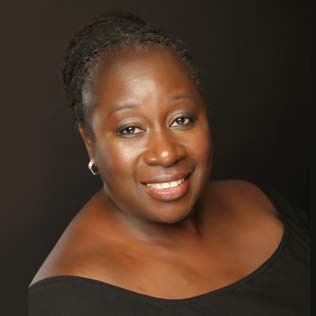
Attraction and recruitment

To address the gender imbalance in our organisation, we need to attract and
recruit more female candidates into roles across all levels of the business.

                 Taking ownership in a devolved world

Our regions and routes have been working hard to take ownership of diversity and inclusion in their own areas. Initiatives developed and delivered by the people who have a
better understanding of local challenges and are closest to these areas often reap the best results.

Our Anglia route piloted a returners programme            A programme was introduced in Scotland to address             In the Eastern region, colleagues collaborated with
in their asset protection and optimisation team.          inequalities and access to Network Rail by people from        Women in Rail and other large organisations to pilot
Workingmums.co.uk was utilised to advertise the           underrepresented communities, tackling social and             the Never Mind the Gap initiative. This targeted
scheme resulting in 5,000 views and 500 applications.     gender inequality.                                            women who were either not in employment or looking
Three women were successfully appointed to roles                                                                        for a career change into the rail industry. The initiative
                                                          The Saltire programme provided high calibre students
through the scheme.                                                                                                     provided them with free training and a two-week work
                                                          in the area with placement opportunities for 10
                                                                                                                        placement to re-ignite their careers and give them
                                                          weeks. The entire intake was female and covered a
                                                                                                                        experience of what it is like to work in the rail industry.
                                                          broad programme of activities across Network Rail
                                                          and Abellio Scotland. Participants responded very
                                                          positively, and many indicated an interest in pursuing
                                                          a career in the rail industry that they hadn’t previously
                                                          considered.

Introduction         Our gender pay gap            20by20 update           Attraction and recruitment                 Progression and retention                          08
Attraction and recruitment continued

                                                                            Celebrating International
         Utilising social media                                                                                                     Apprentices
                                                                            Women’s Day

                                                                                                                                     % of female apprentices

                                                                                                                                   6.7%            8.2%            12.6%
                                                                                                                      16%

                                                                                                                      12%

                                                                                                                      8%

                                                                                                                      4%
We introduced a social media campaign to raise                                                                        0%
awareness about Network Rail as a great place to                                                                              March 2017      March 2018       March 2019
work. This campaign aimed to increase the number of       We celebrated International Women’s Day by
females following Network Rail’s LinkedIn career page.    showcasing short videos of eight Network Rail women         Last year we made a commitment to increase female
Candidates who follow a company on LinkedIn are six       from various roles across the business to show the          representation in our apprentices up to 50 per cent by
times more likely to apply for a role with that company   variety of opportunities available in our organisation.     2024. In the last year we have increased the number
and more likely to stay within that company in the        The videos featured on all our social media platforms       of female apprentices from 62 to 105. This is excellent
future.                                                   and reached tens of thousands of people. The videos         progress, yet we know that there is more work to do in
                                                          were also shown in our managed stations, where they         this area to meet our ambitious targets.
A LinkedIn campaign which targeted females across
                                                          could be seen by millions of passengers.
several professions ran for three months and resulted                                                                 We know that bringing in more female apprentices
in 1,400 new female followers across target areas. This   You can view the full-length video here:                    who are typically lower paid will increase the gender
enabled Network Rail to nurture the new followers with    https://www.youtube.com/                                    pay gap. That is why developing our women and
engaging candidate-focused content that takes people      watch?v=qKViU7KoYHU&t=18s                                   ensuring they have opportunities to participate
further along the decision-making process to join us by                                                               in initiatives and programmes that can help them
really bringing the experience of working at Network                                                                  progress is vital, so that in future we have more women
Rail to life.                                                                                                         in senior roles.

Introduction         Our gender pay gap            20by20 update          Attraction and recruitment                Progression and retention                      09
Progression and retention
Developing and progressing our existing female workforce into senior
roles is a crucial part of reducing the gender pay gap at Network Rail.
Management roles
We are pleased that the proportion of females has increased compared to last year, and it is also encouraging to see that the increase is in all areas, particularly management
roles. This is testament to the initiatives implemented to support the 20by20 project.
Female representation in management grades grew at a faster rate this year compared to those in technical and clerical roles and those in operations and maintenance roles.
This is crucial from a business perspective, because as well as balancing our gender pay gap, increased diversity breeds better ideas, collaboration and performance. As we
look to increase the number of females at all levels, we are mindful that if we only recruit women into lower levels through our apprenticeship and graduate schemes, we will
widen our pay gap. Therefore, it is vital that we look to increase female representation at all levels of our organisation.
% change in proportion of females
Management Technical and Clerical Operations and Maintenance
2018
44.5%
46.0%
26.1%
27.1%
3.1%
3.3%
2019
Introduction Our gender pay gap 20by20 update Attraction and recruitment Progression and retention 10Progression and retention continued
Women in leadership programme Leadership programmes
After a review of a previous leadership programme, it was decided to split the
programme into two separate schemes. These were piloted this year each with
30 cohorts - the emerging leaders programme (ELP), for bands four and five, and
a leadership exploration and development programme (LEaD), for bands two and
three. The new programmes will recognise and develop people from a wider reach of
the business, enable cross-function learning, and support the career development of
our future leaders.
Both programmes were hugely popular with 10 times more applicants than places
on offer. We anticipate opening the programmes out to more employees in the
future.
Even with the best recruitment policies in place, we would not be able to reduce our
gender pay gap effectively without ensuring we can retain the invaluable females
currently working at Network Rail.
This year we have introduced a career development programme specifically
targeted at women in middle management already in the business. This offering
was designed to feed the pipeline of female talent for future senior and leadership
roles. We cannot rely on external markets to produce the talent we need to run a
successful business. It is critical that we continue to invest and ‘grow our own’.
Working Forward pledge
Nikki Martin, project manager in group transformation, recently joined the In 2018 we signed up to the ‘Working Forward’ pledge by the
programme and said ‘I really value the investment Network Rail has put into me and Equalities and Human Rights Commission, which is a commitment to
others like me. It is just one example of the positive action Network Rail is taking to making our workplace the best it can be for pregnant women and new
support all minority groups, not just women. The Women in Leadership programme parents through four action areas; leadership, employee confidence,
is a great opportunity to support my own personal development plan and build on supporting managers and flexible working. Work is continuing to take
the skills, experience and confidence I have already gained through my years here place across Network Rail to deliver on this pledge.
at Network Rail. My line manager was incredibly supportive of me taking part and it
should be something all people like me get involved in.’
Introduction Our gender pay gap 20by20 update Attraction and recruitment Progression and retention 11Progression and retention continued
Women in Network Rail Improved welfare facilities
Inspire allies programme
focus groups
Inspire – the gender We are committed to continuing to give women A key recommendation to address gender diversity in
equality employee at Network Rail a voice and using their insights our operations and maintenance roles was to provide
network, created and experiences to influence and improve future more adequate welfare facilities for females, because
the Inspire Allies representation of women in the rail industry. To of the negative impact that limited or even a lack of
programme in 2017 do this, in March 2018 58 females from across all appropriate facilities can have. In Wales a number of
to engage more functions and geographic locations took part in six improvements have been made including the creation
men in the gender focus group sessions, facilitated by two diversity of more female toilets, lockers and a drying room. Work
equality conversation and inclusion champions. The findings of the focus continues with further toilets and shower facilities
and to encourage groups were shared with the executive leadership planned. These improvements are vital because in
colleagues to make team and underpinned many initiatives in the 20by20 March 2019 the Wales Region welcomed two female
pledges to support a programme. One area requiring more work is gender apprentices and a further three in September 2019.
more gender balanced diversity in our operations and maintenance roles. The continuing work to provide better facilities for all
workforce. Since 2018 These have been and will continue to be our biggest ensures that our welfare facilities are inclusive.
membership has grown challenge as these roles have traditionally been
Scotland have started to provide free sanitary products
from 182 to over 300 predominately male.
across the region. Stigma around periods continues
allies. This year there
to affect women and trans men around the world. In
has been a focus on communications to showcase
the UK, the conversations have started to break down
what colleagues across Network Rail are doing to
the taboo around menstruation, but some women are
support gender equality. The Allies team have also
still being impacted. It is hoped the policy will have
attended all apprentice and graduate inductions to
a positive impact on the wellbeing of employees and
promote the employee networks amongst these new
reduce stigma surrounding periods.
starter communities. A particular highlight was one of
the leadership team, Tim Milford, senior programme
manager, being shortlisted for the Women in Rail
‘Inspirational Man of the Year’ award for his work with
Inspire Allies.
Introduction Our gender pay gap 20by20 update Attraction and recruitment Progression and retention 12Progression and retention continued
Maternity personal protective equipment (PPE)
Another key finding from the focus groups was that often PPE is not the correct size for women using it. In 2017 a Trades Union Congress report on PPE and pregnant women
also found that half of the respondents interviewed had been forced to cut back on their normal duties or change roles due to suitable PPE not being available. Previously
expectant mothers had to wear oversized male protective clothing and make their own alterations.
To address this Network Rail has introduced high visibility maternity PPE for expectant mothers. This supports our aim of creating a more inclusive environment and diverse
workforce where all employees can be safe and comfortable.
We continue to deliver a range of initiatives and are pleased that we continue to make steady progress
in creating a diverse and inclusive workplace. We are constantly looking for ways to accelerate
improvements in the gender pay gap, and while we know that this is not straightforward, we remain
committed to creating positive change that promotes diversity and inclusion.
Introduction Our gender pay gap 20by20 update Attraction and recruitment Progression and retention 13Network Rail Limited and Network Rail Infrastructure Limited 1 Eversholt Street London NW1 2DN Tel 020 7557 8000 networkrail.co.uk Company number: 4402220 Registered in England and Wales
You can also read


