Risk control COVID-19 - The Next Wave of Issues - Risk Management Partners
←
→
Page content transcription
If your browser does not render page correctly, please read the page content below
Risk control
                         COVID-19 – The Next
                         Wave of Issues

In partnership with                            In partnership with

   Risk Management Partners
   rmpartners.co.uk
COVID-19 – The Next
Wave of Issues

Introduction
As we emerge from lockdown; the return to the workplace is        At the time of print, the Government advice was that
in our sights. As employers, this presents a wave of new          clinically extremely vulnerable individuals are strongly
challenges and issues to be worked through. A cautious            advised to work from home because the risk of exposure to
approach to workplace return should be adopted -                  the virus may be higher. If they cannot work from home,
maintaining a stance of working from home where possible          then they should not attend work. Further guidance can be
and re-entering the workplace on a gradual, stepped and           found on the Government website 1.
managed programme.
There will be roles and individuals that would benefit being      The Vaccination Programme
prioritised for a return. Those roles that would be performed     The national vaccination programme is now well underway,
more effectively from the workplace and those individuals
                                                                  but in itself presents new risks and will undoubtedly impact
who are struggling with a homeworking environment and are         on our workforce and the wider population. The vaccine is
displaying a health and wellbeing need to be back in the          only one measure of protection and vigilance - social
workplace. Factors such as these should be considered as
                                                                  distancing, regular handwashing and other protective
part of the organisations return planning process.                measures are still required to maximise its effectiveness.
This briefing provides a high level overview of a number of       Employers should encourage their workforce to be
the emerging issues as well as embedded links to more             vaccinated and are supported in this stance through their
detailed supplementary information and advice provided by         imposed duties via the Health and Safety at Work Act 1974
BLM Law.                                                          which obliges them to take reasonable steps to reduce
                                                                  workplace risks. Employers should also recognise that
Clinically Extremely Vulnerable Individuals                       whilst many will welcome the opportunity to be vaccinated;
                                                                  others may be more reluctant and in some cases may not
Within the workforce, there could be individuals classified as    be able to have the vaccine due to medical, religious or
clinically extremely vulnerable who would like to return to       spiritual reasons.
the workplace. This can present leaders with a conflict
where there is a desire to support the individual’s needs and     The Government and the NHS take the lead role in
wants but there is concern for their welfare, compliance with     addressing vaccine hesitancy but employers can contribute
Government shielding advice and the potential liability           though proactive encouragement based on factual,
exposure for the organisation should the individual contract      informative messages and through early consideration of
the virus as a result of their return. There is a sensitive       ‘what if’ scenarios in terms of how it may impact on service
balance to be struck between satisfying the mental health         delivery and liability exposure.
and wellbeing needs and protecting on a clinical need basis.      The Chartered Institute of Personnel and Development
Priority vaccination for those clinically extremely vulnerable    (CIPD) has produced a Guide for Employers in Preparing for
individuals will mean they are better protected and they may      the Vaccination which provides practical solutions and
be able to finishing shielding and return to the workplace        advice on how to approach this next stage of lockdown exit 2.
once they have received both doses of the vaccine. If             Employers should map the implications of the vaccination
mental health impacts are potentially an acute risk or a          programme for their workforce, visitors and those they may
return is business critical, a detailed individual suitable and   come into contact with as part of their activities.
sufficient risk assessment should be undertaken which             Consideration will need to be given to contractual terms,
considers all influencing factors and is set with rigorous        data protection implications and employee policies.
controls.
                                                                  Further guidance on the subject the vaccination programme
                                                                  and the employers’ key considerations by BLM can be
                                                                  accessed here: BLM - News - Jabs for Jobs – COVID
                                                                  vaccines and EL/PL considerations (blmlaw.com).

1 https://www.gov.uk/government/publications/guidance-on-
shielding-and-protecting-extremely-vulnerable-persons-
from-covid-19/guidance-on-shielding-and-protecting-               2Preparing for the COVID-19 vaccination: guide for
extremely-vulnerable-persons-from-covid-19
                                                                  employers | Guides | CIPD

COVID-19 – The Next Wave of Issues                                                                                     2/7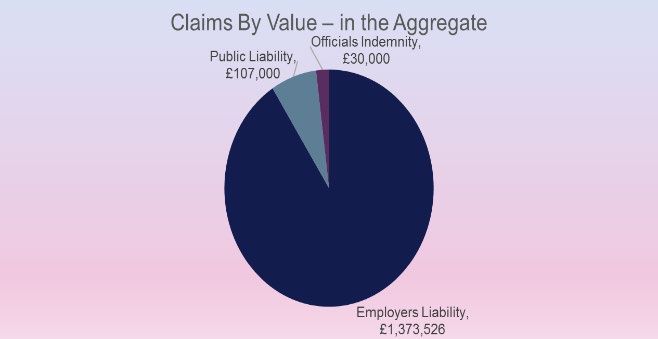
Data
As part of their approach to vaccination; organisations may       There could be discrimination claims from individuals who
want to consider whether it is appropriate or morally justified   are not hired for vacant roles because they have not been
to ask employees if they have received the vaccine. The           inoculated or from existing staff who could bring claims of
majority of organisations will adopt a non-mandatory              unfair or constructive dismissal if changes to their contract
position in line with the Government, but recent press            are made which they refuse to agree on and are dismissed
reports show that others have taken a different stance.           or resign as a consequence.
Pimlico Plumbers has controversially introduced a ‘No Jab,        Vaccination in the UK is voluntary but it could be argued
No Job’ policy, pertaining to amending employment                 that, if business critical for some roles, that there is a strong
contracts and introducing mandatory vaccinations across           rationale behind mandating the vaccine for key workers in
the company 3. Whilst some may question whether this is           social and health care settings due to the increased risk of
the right approach it nevertheless raises questions around        exposure as they could be placing those most vulnerable in
the data management requirements.                                 our society at risk.
Information pertaining to whether an employee has received        ‘Reasonable management request’ is a phrase we are likely
the COVID-19 vaccination will constitute health-related           to hear more of in the coming months. It may be that
sensitive personal data. Any data collected will have to be       organisations are able to put forward a persuasive argument
done so in accordance with GDPR and the Data Protection           to compel their employees to receive the vaccine without the
Act 2018. Processing of this category of data is complex          need for firmer measures. A risk assessment, taking into
and employers should carefully weigh the risks pertaining to      consideration exposure risk based on the work activities,
such a request carefully.                                         need for in person contact, health vulnerabilities and other
If vaccination data is collected, the organisation should         related factors will support the organisation shape its
ensure a suitable policy document and data risk assessment        vaccination policy and procedures and demonstrate a
is in place which ensures compliance with all key data            considered and measured approach has been taken.
protection principles. It may also be prudent to review           Any such policy should set out the organisations position on
employee privacy policies and contracts of employment as          requesting employee declarations and/or evidence of
part of the process.                                              vaccination and their approach to requests for testing.
Further guidance on the subject of data management                Further guidance on the subject of lateral flow testing and
considerations by BLM can be accessed here:                       the legal implication of this produced by BLM can be
https://bestofboth.blmlaw.com/insights/news/workplace-            accessed here:
covid-testing-data-protection-risk-v-                             https://bestofboth.blmlaw.com/insights/news/lateral-testing-
reward/?utm_source=RMP&utm_medium=Article&utm_cam                 and-the-workplace-where-do-you-
paign=covid%20and%20data%20protection                             stand/?utm_source=RMP&utm_medium=Article&utm_camp
                                                                  aign=employment%20lateral%20flow
Employment Law                                                    In relation to the COVID-19 pandemic, the Health and
This new wave of COVID exit issues places employers in a          Safety Executive (HSE) stated that “Despite the demanding
tough position. On one hand there is an obligation to             circumstances, compliance with occupational health and
protect the health, safety and welfare of their employees         safety legal requirements remains with duty holders and
and those they come into contact with in the course of            HSE will continue its regulatory oversight of how duty
undertaking their duties and activities; but legally forcing      holders are meeting their responsibilities 5.” Whilst the HSE
employee vaccination would be classed as assault and              has adopted a flexible and proportionate approach to the
battery 4.                                                        risks and challenges presented by the virus, the onus has
                                                                  remained with clients as employers to have full awareness
A mandatory vaccination policy carries risks for the              and appreciation of their health and safety obligations and
employer which should be fully considered.                        manage exposures to their organisations and workforce
                                                                  accordingly.

3                                                                 5
 Pimlico Plumbers boss prepared to defend 'no jab no job'          HSE Regulating occupational health and safety during the
policy in future court battle (msn.com)                           coronavirus (COVID-19) outbreak - Epica Health, Safety &
4BLM - News - Jabs for Jobs – COVID vaccines and EL/PL            Wellbeing
considerations (blmlaw.com)

COVID-19 – The Next Wave of Issues                                                                                         3/7
Guidance for employers is readily available on the Health For many regions crime fell, our communities connected,
and Safety Executive website covering risk assessment, cycling and other forms of exercising such as walking rose
social distancing, cleaning, hygiene, handwashing, dramatically and we all had a renewed sense of
ventilation and air conditioning, communication with the appreciation and gratefulness for what we had. Many
workforce, working from home and vulnerable workers 6. positive impacts will be here to stay, but there are others we
should have on our radar in readiness for the exit from
The Government has issued clear guidance on how to
lockdown.
ensure a COVID secure workplace 7 which includes
checklists and advice on personal protective equipment,
hygiene facilities, reduced occupation and social distancing Insurance and Claims Management
guidelines.
As we prepare this paper it is interesting to take a snap shot
Failure of organisations to adhere to this guidance could of where we are in terms of claim numbers and potential
bring about employers liability claims on the grounds that costs. At this stage we all recognise the claims data is very
the measures implemented were inadequate or not fit for raw and is likely to change substantially over the coming
purpose. Organisations will be judged on their months and years. Below we share the data.
reasonableness of measures in the circumstances and
We have received claims in the expected areas of risk
based on the guidance issued at the time.
namely:
Where many employees will have been working from home
Care Homes
over the last 12 months, we could see a rise in emerging
musculoskeletal and display screen related injury claims Police Sector
where the home office environment may have been Education
unsuitable for a prolonged period of homeworking. The common theme being, these are all areas where
Workplace stress and psychiatric injury claims are also likely employees come into contact with other employees and
to emerge. Not only from affected front-line workers, but members of the public.
those who have struggled with the change in work The fundamentals of the claims discussions have centred
environment and possible increased pressure and on:
expectation to deliver. Employers should revisit their
communication plan and ensure there are plans in place for Duty of Care
effectively managing what will be a testing transition for Causation
many back to the workplace after a prolonged period of Proof
alternative working style.
Nature of Injury – short and long term recovery.
Further information on Wellbeing at Work can be accessed
So far a very robust and firm stance has been taken with
here: Sponsor segment – wellbeing at work | ALARM
claimants.
(alarmrisk.com).
The Indirect Consequence of COVID-19
As we emerge from the depths of lockdown to resume our
‘pre pandemic’ lives, there will be many indirect
consequences that will impact society. The recovery of the
economy will undoubtedly have a negative impact on the
environment. The pandemic gave our planet time to
rejuvenate - we have seen cleaner beaches, improved air
quality and less congestion on our roads whilst the world
effectively ‘stood still’. Will all of this good work be undone
in a matter of months?
6 7
Making your workplace COVID-secure during the Working safely during coronavirus (COVID-19) - Guidance
coronavirus pandemic (hse.gov.uk) - GOV.UK (www.gov.uk)
COVID-19 – The Next Wave of Issues 4/7In terms of number and possible cost of claims; as at the Checklist
end of February 2021 we had reported to us circa 93
incidents of which around 50% were actual claims. As you Employers should keep up to date with Government
can see from the graph employers liability claims led the Guidelines and regularly review and refresh their COVID
way. secure workplace procedures are adequate.
Set and implement a stepped return to the workplace plan.
Consider the implications of receiving requests from
clinically extremely vulnerable employees wishing to return
to the workplace and develop an appropriate risk
assessment.
Positively encourage vaccine take-up across the workforce.
Map the implications arising from the vaccination
programme – the impact on the organisation and individuals
and steps to be taken to address these.
Consider if a vaccination policy is required and what this
should include.
If employee vaccination data is to be captured, ensure this
is done so in line with GDPR and the Data Protection
By way of cost, the initial reserves are circa £1.5m but this is Regulations.
very much an early estimate and nothing too much can be
read into the figures at this stage of genuine concern is the Summary
possibility of ‘long COVID’ claims and their potential cost
Fluid and reactive pandemic planning is not easy.
where the claimants face life changing medical conditions,
Organisations need to be able to respond to changing rules
which by definition could prove to be very expensive.
and operating parameters as Government messaging
evolves and the need to have an effective internal
communication strategy with employees has never been
more important.
New COVID-19 related issues will continue to emerge; this
is far from over and is new ground for all of us to navigate
our way through. The learning we build through our
experience of living and working through a global pandemic
for the last 12 months, will prove invaluable in strengthening
our contingency and recovery plans in preparation for other
future interruptive events.
Risk Management
Organisations should ensure they have a robust risk
management plan in place to address the risks arising from
the COVID-19 pandemic. This should include policies,
procedures and processes for maintaining a COVID secure
work environment, COVID secure risk assessment and
programme of education for employees on working in these
different times.
Employers should ensure any decisions taken are
communicated effectively to the workforce and any other
relevant stakeholders. The checklist below highlights a
selection of risk management considerations.
COVID-19 – The Next Wave of Issues 5/7References
1 https://www.gov.uk/government/publications/guidance-on-
shielding-and-protecting-extremely-vulnerable-persons-
from-covid-19/guidance-on-shielding-and-protecting-
extremely-vulnerable-persons-from-covid-19
2 Preparing for the COVID-19 vaccination: guide for
employers | Guides | CIPD
3 Pimlico Plumbers boss prepared to defend 'no jab no job'
policy in future court battle (msn.com)
4 BLM - News - Jabs for Jobs – COVID vaccines and EL/PL
considerations (blmlaw.com)
5 HSE Regulating occupational health and safety during the
coronavirus (COVID-19) outbreak - Epica Health, Safety &
Wellbeing
6 Making your workplace COVID-secure during the
coronavirus pandemic (hse.gov.uk)
7 Working safely during coronavirus (COVID-19) - Guidance -
GOV.UK (www.gov.uk)
COVID-19 – The Next Wave of Issues 6/7Further information For access to further RMP Resources you may find helpful in reducing your organisation’s cost of risk, please access the RMP Resources or RMP Articles pages on our website. To join the debate follow us on our LinkedIn page. Get in touch For more information, please contact your broker, RMP risk control consultant or account director. contact@rmpartners.co.uk Risk Management Partners The Walbrook Building 25 Walbrook London EC4N 8AW 020 7204 1800 rmpartners.co.uk This note is not intended to give legal or financial advice, and, accordingly, it should not be relied upon for such. It should not be regarded as a comprehensive statement of the law and/or market practice in this area. In preparing this note we have relied on information sourced from third parties and we make no claims as to the completeness or accuracy of the information contained herein. It reflects our understanding as at 26 April 2021, but you will recognise that matters concerning COVID-19 are fast changing across the world. You should not act upon information in this bulletin nor determine not to act, without first seeking specific legal and/or specialist advice. No third party to whom this is passed can rely on it. We and our officers, employees or agents shall not be responsible for any loss whatsoever arising from the recipient’s reliance upon any information we provide herein and exclude liability for the content to fullest extent permitted by law. Should you require advice about your specific insurance arrangements or specific claim circumstances, please get in touch with your usual RMP Risk Control consultant or account director. Risk Management Partners Limited is authorised and regulated by the Financial Conduct Authority. Registered office: The Walbrook Building, 25 Walbrook, London EC4N 8AW. Registered in England and Wales. Company no. 2989025. FP588-2021
You can also read


