Rural health? Yes please!
←
→
Page content transcription
If your browser does not render page correctly, please read the page content below
...good health and wellbeing in rural and remote Australia

Magazine of the National Rural Health Alliance Number 45 December 2012

                                                       Rural health? Yes please!
                                                                          Kidney health in rural Australia

                                                             Review of health workforce programs

                                                                        Starting the conversation about
                                                                                     rural palliative care

 Aboriginal and Torres Strait Islander readers are advised that this newsletter may contain images of people who have died.
IN THIS ISSUE:
                                 4   Editorial: The globalisation of wealth   46   The path to education in the 21st
                                     and uncertainty                               century
                                 6   Medicare cap is short-sighted policy     48   Connecting, engaging and inspiring
                                     for rural eye health                          future rural health professionals
                                 8   Diagnosing the dialysis dilemma in       50   Outcomes of the 2012 national
                                     rural Australia                               SARRAH conference
                                 10 Rural health? Yes please!                 52   Deadly Days Festival: Ballina
                                 16 Going global – going rural                54   12th Conference: make a
                                 18 Telehealth update                              commitment – to be an early bird!
                                 20 Wound care project                        56   News from Friends of the Alliance
                                 22 AHPA’s definition of ‘Allied Health       58   AJRH: Serving rural health
                                    Professions’                                   for 20 years
                                 23 Independent review of health              59   Editorial details
                                    workforce programs

                                                                                                                           p.52
                                 24 Walking paths and exercise stations
                                 25 Inaugural National Rural Women’s
                                    Conference
                                 26 Southern Inland Health Initiative –
                                    one year on
                                 28 Stories from Country
                                 29 Reaching out to rural and remote men
                                 30 Palliative Care – an issue that belongs
                                    to all of us
                                 32 Aged care scholarship winners
                                    inspired by conference
                                 34 Letters to the Editor:
                                     – A call for cross-border services
                                     – NZ experience a warning for rural
                                        Queensland
    GOOD                             – Exploring HACC access for
                                                                                              p.44
  HEALTH
                                        multicultural groups in NSW
                                 38 eHealth is here
                                 40 Medicare Locals and community
                                                                              p.30
    AND                             engagement

  WELLBEING IN                   42 Check out my backyard
                                 44 A double dose of medicine

     RURALAND REMOTE             45 Celebrating Frontier Services’
                                    centenary

         AUSTRALIA
   2 KAREN
PHOTO:     EMMOTTDecember 2012
       Partyline                                                                                       Partyline December 2012   3
EDITORIAL                                                                               international competition, in order to
                                                                                            protect current jobs or (it is suggested)
                                                                                                                                        Australian’, even if the price is higher,
                                                                                                                                        is a reasonable appeal to those who
THE GLOBALISATION OF WEALTH                                                                 to underpin the manufacturing sector        can afford it to make a contribution to
                                                                                            of the future. These include the car and    the wellbeing of Australian producers.
AND UNCERTAINTY                                                                             car-parts industries.                       And the ‘Slow Food’ movement is a
                                                                                                                                        reasonable attempt to reduce the global
                                                                                            Most people in rural and remote areas
       Globalisation is the process of           a government’s election or re-election                                                 cost of the food sector by minimising
                                                                                            benefit from globalisation as much
       international integration arising         being shaped by the price of coal and                                                  transport costs.
                                                                                            as any others. Although it is difficult,
       from the interchange of world             iron ore.                                  farmers must accept that having juice       But since globalisation is, on-balance,
       views, products, ideas, and other                                                    makers use South American fruit and         good for us and here to stay, why
                                                 It has also stamped its mark for ever
       aspects of culture. In particular,                                                   permitting the (scientifically-checked)     don’t we take it further? We could
                                                 on the daily lives of ordinary people.
       advances in transportation and                                                       importation of New Zealand apples           require educational institutions,
                                                 The shopkeeper in Mudgee and the
       telecommunications infrastructure,                                                   (after being banned for 90 years!) are      governments and the media to feed us
                                                 wheat grower in Merredin are probably
       including the rise of the Internet, are                                              the necessary corollaries of driving a      daily information about international
                                                 wearing clothes made in China,
       major factors in globalisation and                                                   fair-priced Land Cruiser.                   wellbeing, food and water security
                                                 driving a car or tractor made in Japan
       precipitate further interdependence                                                                                              in developing nations, and regular
                                                 or Venezuela, and drinking juice from      Some of the other benefits of
       of economic and cultural activities.                                                                                             bulletins (after the share price and
                                                 fruit grown in Chile.                      globalisation (relating to information,
       (Wikipedia)                                                                                                                      currency news?) of metrics relating
                                                                                            communication and knowledge) will
    It seems odd that despite the fact           Some of the key drivers of globalisation
                                                 underpin the relative affluence            only be experienced by many in rural
                                                                                                                                        to population pressure, climate
    that Australia survived the global                                                                                                  change and hunger. All this could
                                                 of Australia. Without a floating           and remote Australia when they
    financial crisis better than any other                                                                                              be couched in terms of progress
                                                 currency, support (more or less) for       have access to affordable high speed
    industrial nation, there isn’t any                                                                                                  with the eight United Nations
                                                 international free trade, and adherence    broadband.
    money for good ideas like the National                                                                                              Millennium Development Goals
                                                 to international protocols on the          National support for farming must           (www.un.org/millenniumgoals).
    Disability Insurance Scheme (NDIS)
                                                 movement of goods, services and            avoid any recourse to ‘agricultural
    and the Gonski recommendations on                                                                                                   The spoils of our wonderful world could
                                                 travellers, Australia would be stuck       fundamentalism’ – the notion that
    education.                                                                                                                          be better distributed, both nationally
                                                 with a small domestic market and a         farming is intrinsically good and that
    The reason is, of course, that economic      poor supply of chocolate.                                                              and around the globe.
                                                                                            an increasingly urbanised society is
    globalisation is far more potent a force                                                not. Trying to persuade people to ‘Buy      NRHA
                                                 It’s not too long ago that rural and
    than domestic financial matters. Thus
                                                 regional areas in Australia had to
    it is that the prospects for the NDIS
                                                 adjust to the demise of much of
    and for additional investment of $5
                                                 the domestic textile, clothing and                                                                           PHOTO: COTTON AUSTRALIA
    billion a year in education rest more
                                                 footwear industries, as cheaper product
    on the Chinese middle class, the
                                                 was sourced from China and the
    United States Congress and European
                                                 Philippines. Consumers have been the
    banks than on anything happening in
                                                 major beneficiaries, with the nation’s
    Australia.
                                                 affluence rising for many with the
    And globalisation is not just a              buying power of their wage packet.
    financial phenomenon which sees
                                                 There are still some pockets of
    the Australian dollar traded 24 hours
                                                 economic activity being protected by
    a day in huge volumes – sometimes by
                                                 governments against the rigours of
    automated means – and the prospect of

4    Partyline December 2012                                                                                                                           Partyline December 2012          5
Medicare cap is short-sighted                                                  The practice treated several patients      Tim and Alison have established a

        policy for rural eye health
                                                                                       with Christmas Eye over the holiday        good rapport with ophthalmologists
                                                                                       season. Christmas Eye is a rare and        in Tamworth, 80 kilometres away,
                                                                                       painful eye condition localised in         and local GPs. With ophthalmology
                                                                                       northern Victoria and southern             services at least a one-hour drive away
    If you flick to ‘O’ in the Yellow Pages   referred to a GP or ophthalmologist
                                              for urgent treatment because I am        New South Wales. The condition is          in Tamworth, Tim and Alison are in
 and run your finger down the list of                                                  believed to be caused when a small         the vanguard of eye care for their local
                                              therapeutically endorsed, but the
 optometric practices in Gunnedah,                                                     insect secreting toxic substances gets     community.
                                              practice does not benefit financially
 you will find only one. Tim Duffy and                                                 too close to the human eye. The
                                              from that consultation because of the                                                Dr Anderton says this is a classic
 Alison Stuart (pictured) are the only                                                 substance causes a painful red eye with
                                              Medicare cap.                                                                        example of how optometry does not
 optometrists in the rural New South                                                   corneal ulcers.
                                                                                                                                   receive appropriate recognition in
 Wales town, which is teetering on the “Meanwhile, the patient with the
                                            9.30am appointment might have been         “People suffering Christmas Eye are         rural areas. “Tim and Alison are saving
 cusp of a mining boom.
                                            prepared to purchase new frames or          another example of walk-ins needing        the sight of the people of Gunnedah
 Tim and Alison both hold therapeutic                                                   emergency therapeutic treatment,           but they don’t reap the reward or
                                            lenses, but because their consultation
 endorsement, which allows them to                                                      because they cannot be asked to wait,      recognition for their service,” he said.
                                            has been delayed, they might not have
 specialise in the treatment of ocular                                                  holding their head in their hands and
                                            time to try on frames or understandably,                                               Rhiannon Riches
 conditions through prescribing                                                         rocking back and forth in considerable
                                            not wish to make a rushed purchase.”                                                   Optometrists Association Australia
 therapeutic medications.                                                               pain,” Alison said. “There should be
                                            Convenor of the Rural Optometry             a special provision for treating this
“We treat a steady stream of emergency
                                            Group, Dr Philip Anderton, says             condition under Medicare, because
 cases and see on average four or five
                                            that the Medicare cap means rural           they need to return three or four times
 cases of red eye every day,” Alison said.
                                            optometrists like Tim and Alison are        for follow-up treatment.”
 They emphasise that it is very             caught  between a rock and a hard place.
                                           As   the only eye-care practitioners in     Tim established Tim Duffy Optometrist
 rewarding; however, in their atypical
                                            a large  town, they cannot refuse to       Vision Splendid in 1985. Alison joined
 practice, endorsement has wider
                                            see  patients   with sight-threatening     Tim in December 2009. “I started
 implications.
                                            conditions; neither can they charge        working a few days a week, flying back
“If my 9.30am patient is in the waiting                                                and forth from Sydney,” she said. It’s
                                            accordingly for their services.
 room and an emergency case walks                                                      a five-hour drive from Sydney to
 in with a sight-threatening condition, “If the patient were referred to an            Gunnedah. “The five years I spent
 I am obliged to attend to the more         ophthalmologist, they could charge a       in Sydney and the last two years in
 urgent patient. This might involve         high fee because they are not restrained   Gunnedah are like chalk and cheese.
 treating them therapeutically while my by a Medicare cap,” Dr Anderton said.          You just don’t see the same breadth
 9.30am patient is left waiting.”                                                      and number of cases in the city that
                                           “Patients should be charged for the
 She explains the financial ramifications   services they receive, regardless          require therapeutic treatment as you
 of the need to treat the emergency of who is providing them – a GP,                   do in the country,” she said. “When
 patient first.                             ophthalmologist or optometrist. The        I was working in Sydney, pathology
                                            current system is nonsensical,” Tim        was not as challenging; here, four or
“The emergency patient with red eye is                                                 five patients a day require therapeutic
                                            said.                                                                                 Tim Duffy and Alison Stuart, Gunnedah.
 spared the time and expense of being                                                  treatment.”

6    Partyline December 2012                                                                                                                        Partyline December 2012   7
Once dialysis is initiated, patients
                                                                                                                                        PHOTO: KHA
                                                                                          who reside outside major cities often

    Diagnosing the                                                                        experience worse outcomes. Data
                                                                                          from the Australian and New Zealand

    dialysis dilemma                                                                      Dialysis and Transplant Registry has
                                                                                          demonstrated that survival of patients

    in rural                                                                              on dialysis is worse in regional and
                                                                                          remote areas compared with major

    Australia .
                                                                                          cities. Similarly, regional and remote
                                                                                          peritoneal dialysis (PD) patients have
                                                                                          a greater risk of peritonitis-related
                                                                                          complications and mortality compared
                                                                                          with their metropolitan counterparts.
                                                                                          Providing access to home dialysis or
                                                                                          treatments closer to home is therefore
    PHOTO: KHA                                                                            pivotal to improving the health and
                                                                                          quality of life outcomes for individuals,
                                                                                          families and the community. PD is
                                                                                                                                      addition to a new project focusing on
    So often with health conditions it is      Rural and remote patients with CKD
                                               who plan to initiate RRT face a unique
                                                                                          already commonly utilised in rural
                                                                                          areas. Home haemodialysis is another
                                                                                                                                      improving the uptake of home dialysis
    all about the warning signs – noticing                                                                                            where appropriate.
                                               set of challenges beyond those of their    viable home dialysis treatment, but
    the symptoms and seeking treatment
                                               metropolitan counterparts. Firstly,        water quantity and quality and access       While the symptoms of CKD are not
    early. Unfortunately, in the case of
                                               patients living in non-urban areas         to local training facilities may inhibit    always immediately apparent, the
    chronic kidney disease (CKD) it is
                                               often have fewer treatment options         uptake of this modality in some rural       hurdles to treatment of CKD in rural
    possible to lose up to 90 per cent of
                                               for dialysis. Dialysis may be required     and remote regions.                         locations certainly are. It is clear that
    kidney function before symptoms
                                               for up to five hours three times each                                                  additional and improved support – be
    appear – meaning many people are                                                      Access to specialists is also a key
                                               week and those who initiate ‘in-centre’                                                it transport, accommodation or social
    unaware they may have CKD.                                                            issue. A nephrology workforce survey
                                               or ‘satellite haemodialysis’ can face                                                  support – for those travelling for dialysis
    It should come as no surprise then that    long travel times to attend dialysis       conducted in 2007 highlighted that
                                                                                                                                      forms part of the answer. But equally,
    CKD is a major public health problem,      sessions. This has been shown to be        while 40 per cent of nephrologists
                                                                                                                                      improved access to specialists and the
    affecting one in nine Australian           associated with increased mortality and    provide a clinical service to the rural
                                                                                                                                      option to dialyse at home are critical if
    adults. CKD may further deteriorate        a diminished quality of life. Transport    community, only 8 per cent report this
                                                                                                                                      the barriers for rural Australians are to
    into end-stage kidney disease (ESKD),      options are often lacking which further    as a regular practice location. With
                                                                                                                                      be overcome, and on that front we still
    when renal replacement therapy             complicates the relocation to larger       limited access to on-call specialist
                                                                                                                                      have some distance to travel.
    (RRT) – dialysis or transplantation – is   centres for dialysis treatment. Family     care, the education of rural primary
    required to stay alive. Without kidney     and community support are two              care providers is integral to improving     Kidney Health Australia is the national
    function death will occur in a matter      necessary elements in helping patients     health outcomes of rural and remote         peak body with the vision ‘to save
    of days. At the end of 2010 a total of     to fully engage in the management          dialysis patients. To that end, Kidney      and improve the lives of Australians
    10,590 Australians were on dialysis,       of their condition. However the            Health Australia has been working           affected by kidney disease’. It provides
    and according to the Australian            requirement to travel can cause social,    to improve the support available to         a range of services and support to those
    Institute of Health and Welfare this       emotional and cultural isolation as well   primary care providers and patients         with CKD – see www.kidney.org.au or
    figure is expected to increase 80 per      as potential financial disadvantage.       through the development of a range of       sign up to our newsletter for further
    cent by 2020.                                                                         resources and supporting materials, in      information.

8    Partyline December 2012                                                                                                                          Partyline December 2012    9
OUNCILFEST

          PHOTO: PENNY BRADFIELD

 The National Rural Health Alliance’s          Australia’s major cities. Health
                                               status is determined by many things,
                                                                                          Performance Authority, Australia’s
                                                                                          National Preventive Health Agency
                                                                                                                                       1. Preventing chronic disease:
                                                                                                                                       smoking as a sentinel issue
     Council assembles annually in Canberra
                                               including lifestyle, access to health      and the Independent Hospital Pricing
     with Alliance staff members for a                                                                                                 Health promotion activity has not
                                               care, and health promotion and illness     Authority.
     5-day marathon meeting affectionately                                                                                             been working as well in rural and
                                               prevention strategies, so there are
     known as CouncilFest. One of the                                                     This year’s CouncilFest ran from 14-18       remote areas as in the capital cities.
                                               challenges and opportunities across a
     important purposes of CouncilFest is                                                 September. Council spent one of the          Coupled with that, health risk factors
                                               wide front.
     for Council members, representing the                                                days in Parliament House speaking            remain worse in rural areas and there is
     (now) 34 Member Bodies, to consider       Council identified eight immediate         with over 50 Members of Parliament           poorer access to health services. Rates
     the most important issues facing rural    priorities and these will form the basis   about the eight priorities. Key meetings     of smoking provide an important and
     and remote communities around             of an action agenda which the Alliance     were held with Health Minister Tanya         well-evidenced example of the rural
     Australia and agree which are the         will pursue by various means, including    Plibersek, Shadow Health Minister            deficits where health promotion is
     priorities for urgent action to improve   through representation to the review of    Peter Dutton and Australian Greens           concerned.
     rural health and wellbeing.               health workforce programs currently        Senator Richard Di Natale. Decked
                                               in train, as well as through ongoing       out in rich blue Rural health? Yes please!   First results from the Australian Bureau
     Improvements in health status and                                                                                                 of Statistics’ Australian Health Survey
                                               work with agencies such as the rural       t-shirts they made a fine showing in the
     life expectancy for rural people                                                                                                  show that in 2011-12 there were 2.8
                                               Medicare Locals, the National Health       gallery at Question Time.
     are not keeping up with those in                                                                                                  million Australians aged 18 years and

10    Partyline December 2012                                                                                                                         Partyline December 2012   11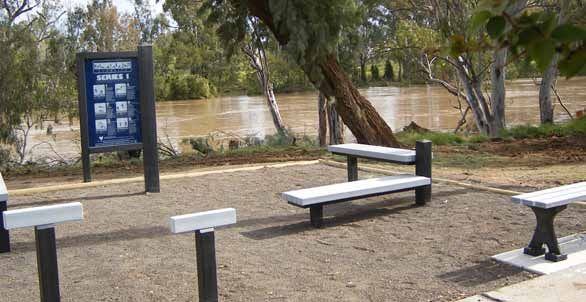
over who smoked daily (16.3 per cent) smoking rates will have important to involve more collaboration between their access as soon as possible. The
– a fall of nearly 3 per cent over the lessons for health promotion and public dental services and private Alliance is pushing for special programs
last four years. A city-country analysis illness prevention for a range of health practitioners. to enable broadband connection early
O
provided to NRHA by ABS shows that risk factors and chronic conditions for those with the greatest need, such
There is uncertainty about how the
daily smoking rates declined in Major that contribute to the greater burden as those on low incomes, families who
new system can cater properly for the
Cities from 17.5 per cent in 2007-08 of disease in rural and remote are geographically isolated, Aboriginal
dental care needs of elderly people who
to 14.7 per cent in 2011-12, compared communities. and Torres Strait Islander communities,
make up a growing proportion of the
with declines from 20.1 per cent to and people with a disability. These
population in rural areas, including
18.5 per cent in Inner Regional areas, 2. Oral health programs would provide support
those in residential aged care facilities.
and from 26.1 per cent to 22.8 per cent through Regional Development
Second on the Alliance’s list of The States and Territories must be
in Outer Regional areas. Hopefully Australia Committees or community
priorities is for the new programs for encouraged by every means to meet
these declines indicate that rates in organisations for people with high
oral health to be rolled out in ways the quite evident public demand
Australia’s rural areas are starting to needs to get through the application
that ensure rural people are among for improved oral health services by
shift downwards at last, but the existing process, negotiate with Internet Service
those who benefit first and most. maintaining their own financial effort.
rates are still 1.3 to1.6 times higher Providers and complete installation.
than in Major Cities (and higher again Overcoming the shortage of oral health
in Remote areas). professionals in rural and remote areas 3. Broadband
will be critical. The capacity of public
4. Medicare Locals and
Urban-centric strategies don’t work oral health services in rural areas
High speed broadband is essential Healthy Communities Reports
well in rural and remote areas. Unless infrastructure for households,
targeted to children and low-income The National Health Performance
there is significant additional progress businesses, services and health. By
adults can only be significantly and Authority is to produce Healthy
in rural and remote areas, Australia will whatever means, people in all parts
rapidly increased through using some Communities Reports for each of the
not meet its national target of reducing of Australia should have access to
of the time of dentists in the private 61 Medicare Locals – 26 of which
the national rate to 10 per cent by 2018. high speed broadband at the same
sector. have at least a substantial proportion
The Australian National Preventive affordable price. People who live in
of rural people. The Alliance believes
Health Agency (ANPHA) must The package of oral health measures rural and remote communities want to
it is a priority for the Medicare Locals’
devote a significant proportion of its announced in this year’s federal Budget be informed about the schedule for the
needs assessment reports to be made
resources to the particular challenges and in August is very welcome. Having provision of fast broadband services,
public and for the Healthy Communities
of preventing rural and remote chronic fully funded on-budget programs including through interim satellite
Reports to monitor how well needs are
conditions – commensurate with the targeting children and low income service, and want to be assured about
met across different locations in their
extent of health need. adults will place oral health services the full price they will pay.
area. Local people will then be able to
on a firmer footing than has been the
Reducing smoking is not only critical People most in need of broadband be closely involved in the priorities of
case to date.
in its own right for the health of should have special assistance to enable MLs.
people in the bush, it is also a marker However no real progress will be made
These reports will provide valuable
of inequity in relation to the social in improving oral health for people
evidence of health outcomes within
and economic determinants of health in rural and remote areas unless there
and among Medicare Locals. Focusing
status. Smoking will be one of the are adequate numbers of dentists,
on these reports will also highlight the
focus issues on the program at the therapists and hygienists providing
importance of data on health services
12th National Rural Health Conference service in those areas. There are also
and health outcomes – and show up
in Adelaide next year. some concerns about operationalising
the gaps in the evidence needed to
the new children’s and low-income
The Alliance is confident that finding ensure improvements in health are
adults’ programs. For one thing,
ways to significantly reduce rural being effected.
successful implementation will need
12 Partyline December 2012 Partyline December 2012 13
PHOTO: PENNY BRADFIELD
                                                                                                 money is currently being spent. Such       8. Quad bike safety
                                                                                                 teams would include mental health
                                                                                                 nurses and psychologists. It would also    Quad bikes are now the largest single
                                                                                                 be important to build the capacity of      cause of fatalities on Australian farms;
                                                                                                 other health staff to give them greater    160 people have died in quad bike
                                                                                                 capacity to deal with mental health        accidents since 2001. Council members
                                                                                                 issues.                                    are strong in their support of the Mt
                                                                                                                                            Isa Statement on Quad Bike Safety of 3
                                                                                                                                            August 2012. It called for the Federal
                                                                                                 7. Aged care                               Government to mandate an Australian
                                                                                                 The package of aged care measures          crush protection device design standard
                                                                                                 under the banner Living Longer,            for roll over protection on all quad
                                                                                                 Living Better is designed to improve       bikes, and for manufacturers to comply
     Health Minister, Tanya Plibersek, meets wuth Council of the NRHA.
                                                                                                 the system for consumers. The new          with safety design specifications.
                                                                                                 agencies involved (the Aged Care           At a safety forum with farmers, unions
                                                                                                 Reform Implementation Council, the         and industry representatives on
     5. Workforce                                    This would be a good example of the         Aged Care Financing Authority and
                                                     greater equivalence the Alliance seeks                                                 19 October 2012, the Minister for
     Because of the shortage in rural and                                                        the single Gateway to services) are no     Employment and Workplace Relations,
                                                     across the board for incentives for         doubt going to be important.
     remote areas of both health positions           recruitment, retention, placements and                                                 Bill Shorten, announced a number of
     and staff to fill them, some of the             training of rural health professionals.     However these new administrative           measures to improve quad bike safety.
     multidisciplinary health service models                                                     arrangements do not ease the day-to-       Safe Work Australia is to report on
     that might work well in more remote                                                         day challenges facing the aged care        the key findings of an earlier quad bike
     areas are not possible. Health services         6. Mental health
                                                                                                 sector in rural and remote areas. These    issues paper and the safety forum by 19
     sometimes have to employ short-term             The next of the immediate top priorities    challenges are mainly related to           November 2012.
     contract staff at pay rates that seem           is for a new approach to rural and          staffing matters and financial security
     excessive and are detrimental to the                                                                                                   Comcare, the Commonwealth
                                                     remote mental health care. There has        for residential aged care facilities and
     morale and tenure of permanent                                                                                                         workplace safety regulator, is to
                                                     been additional investment in mental        community care; and serious shortages
     health professionals in the area. What                                                                                                 immediately review the conditions
                                                     health services, including through          of resources and staff for aged care in
     is required is a local multidisciplinary                                                                                               under which quad bikes are used by
                                                     EPPIC and Headspace. However,               the home. The rural aged care sector is
     team of health professionals who are                                                                                                   those employed in federal agencies and
                                                     the effectiveness of these programs is      seriously short of infrastructure and in
     flexible and able to work effectively.                                                                                                 consider their possible substitution. The
                                                     limited in rural and remote areas by        some regions has to compete for staff      Government will also work with other
     Important members of these teams                their ‘central place’ nature and by the     and other resources with the mining        regulators to sponsor the development
     include nurses, midwives and allied             shortage or absence of GPs and the          sector.                                    of a technical standard to underpin
     health professionals. To increase the           funding stream they generate. Effective
                                                                                                 It is to be hoped that the Aged            the design, manufacture, testing and
     number of these professionals in rural          and widely-distributed mental health
                                                                                                 Care Financing Authority will give         installation of crush protection devices
     and remote areas, the Alliance strongly         services in rural and remote areas
                                                                                                 particular consideration to the            for quad bikes during manufacture or
     supports the recommendation from                need a quite different approach to the
                                                                                                 financial sustainability of residential    for after-market applications.
     the recently-published Senate Report            delivery of care, including for children.
                                                                                                 aged care facilities and community care
     that HECS reimbursement should                  One way forward would be a trial of         in rural and remote areas.                                                  NRHA
     be available to allied health and               supported primary mental health care
     nursing graduates on the same terms             teams in areas that have poor access to                                        The Eight priorities for rural health as presented
     as it is currently available for medical        GPs and are at a distance from regional                                        in Parliament House in September 2012 are
     graduates.                                      centres in which much of the new                                               available at www.ruralhealth.org.au

14     Partyline December 2012
                                                                                                      OUNCILFEST                    (Publications/Other papers).
                                                                                                                                                            Partyline December 2012      15
ALUMNI                                           including Broome, Alice Springs,
                                                                                                    Cooktown, Mossman, Cairns and the
                                                                                                    Torres Strait. Lachlan is a Fellow of
                                                                                                    the Australian College of Rural and
     Going global - going rural                                                                     Remote Medicine (ACRRM) and
                                                                                                    the Australasian College of Tropical
                                                                                                    Medicine (ACTM). He is also an
                                                                                                    examiner for ACRRM and a member
 What do a volunteer doctor working in a clinic                                                     of the ACRRM Research Committee.
     on the Thai-Burmese border, a doctor currently
     researching the impacts on health of climate                                                   He is currently completing a PhD
     change in the South Pacific, and a Melbourne-                                                  investigating the health impacts of
     based Obstetrics and Gynaecology trainee have in                                               climate change in the South Pacific
     common?                                                                                        region and in 2010 was awarded a
                                                                                                    research fellowship in the USA for          Mikhaila Lazanyi, in
     All three are former RAMUS scholarship holders                                                 a project examining the factors that        Switzerland with WHO.
     and all have a passion to play a leadership role in                                            affect health outcomes in very remote
     improving the health of people living in rural and                                             areas of Australia, for which he           department of maternal health, was
     remote Australia.                                                                              received the GPRA registrar research       to assist in updating the Integrated
     Anthony Cardin is an accredited general surgical                                               prize in 2011.                             Management of Pregnancy and
     registrar but has interrupted his surgical training                                                                                       Childbirth (IMPAC) guidelines, a key
                                                                                                    Lachlan says, “I have endeavoured
     for 12 months to work as a volunteer doctor (as                                                                                           element to Millennium Development
                                                                                                    over the years to equip myself with a
     part of the Australian Volunteers for International                                                                                       Goals 4 and 5. She is currently an
                                                                                                    well-rounded set of skills that enable
     Development program, an AusAID initiative) in an                                                                                          Obstetrics and Gynaecology trainee
                                                              Anthony Cardin, accredited            me to contribute to society both within
     NGO hospital on the Thai-Burmese border, treating                                                                                         at the Royal Women’s Hospital in
                                                              general surgical registrar.           and outside the sphere of clinical
     mostly Burmese refugees and displaced persons.                                                                                            Melbourne and is also undertaking
                                                                                                    medicine, and my FACRRM training
                                                                                                                                               a Masters of Public Health through
     Commenting on his plans for the future, Anthony                                                was a huge part of this process. Through
                                                                                                                                               James Cook University.
     said, “As a general surgeon I will one day be a senior                                         participation in various committees,
     clinician at a rural or regional hospital. … Doctors                                           research projects and extra-curricular     Mikhaila commented, “In present day
     are often seen as leaders in small communities and                                             activities I have attempted to shape my    Australia and despite our enviable
     I am looking forward to being heavily involved in                                              career trajectory in a way that enables    healthcare system, disparity in
     other community organisations and fostering strong                                             me to perform at the highest level in a    healthcare still continues, particularly
     ties between them for the benefit of the community.”                                           diverse range of roles.”                   in rural and remote areas. It is my
                                                                                                                                               desire and ambition to advocate for
     Lachlan McIver is currently the Climate Change                                                 Since graduating in 2008, Mikhaila
                                                                                                                                               equality and to facilitate improvement
     and Health Officer with the World Health                                                       Lazanyi has completed a Diploma
                                                                                                                                               in healthcare across all communities,
     Organisation Division of Pacific Technical                                                     of Obstetrics and Gynaecology and
                                                                                                                                               particularly focusing on those within
     Support, based in Suva, Fiji. Since completing                                                 undertaken an internship with the
                                                              Lachlan McIver, in Fiji researching
                                                                                                                                               Australia.”
     his internship in Perth in 2006, Lachlan spent                                                 World Health Organization in Geneva,
                                                              health impacts of climate change.
     several years training in rural and remote locations,                                          Switzerland. The internship, in the

16    Partyline December 2012                                                                                                                                 Partyline December 2012   17
Telehealth Update.
Patient Services by Remoteness Area as at 31 May 2012
allow people in rural and remote areas
to benefit from specialist consultations Remoteness Percentage of
Remoteness Area Name Number of Services
Area Code1 Services
with the support of their local health
professional, for example for a follow-up 0 Major Cities of Australia 4,568 23.2%
or urgent consultation. Because the 1 Inner Regional Australia 7,054 35.8%
majority of medical specialists are 2 Outer Regional Australia 6,626 33.6%
city-based, in many circumstances the 3 Remote Australia 1,057 5.4%
patient would otherwise be required to
4 Very Remote Australia 390 2.0%
travel for consultation.
9 Unallocated2 2 0.0%
The latest update from the Department
Total 19,698 100.0%
of Health and Ageing reports that
1. Remoteness Area according to Australian Bureau of Statistics classification.
by 30 June 2012 payment for 26,062
2. Service not allocated to a state or territory.
telehealth items had been processed,
involving service to 13,856 patients Patient and Provider Services by State as at 31 May 2012
by 5,173 practitioners. The latest
breakdown of these consultations by Services by Percentage Services Services by Percentage Services
State
Patient State by Patient State Provider State by Provider State
remoteness, State/Territory and by
various specialties, as at 31 May 2012, NSW 5,118 26.0% 5,040 25.6%
is shown in tables from MBS Online. VIC 2,228 11.3% 2,361 12.0%
For years much has been expected of The total number of services stood at
just under 20,000 and the tables show
QLD 6,122 31.1% 6,471 32.9%
the capacity of health practitioners to their distribution by remoteness and by
SA 1,749 8.9% 1,602 8.1%
communicate with each other – and various specialists. For more information WA 3,507 17.8% 3,690 18.7%
with patients in all sorts of remote go to ‘Specialist video consultations TAS 741 3.8% 416 2.1%
situations – through information under Medicare’ on the MBS Online NT 196 1.0% 79 0.4%
technology. home page at www.mbsonline.gov.au ACT 34 0.2% 39 0.2%
The Alliance was therefore strongly Three tables are shown below/opposite
Unallocated 1
2 0.0% NA NA
supportive of the Federal Government’s – or you can extract your own data from
Total 19,698 100.0% 19,698 100.0%
decision in November 2010 to extend the ‘telehealth statistics’ link on the
Medicare item numbers to provide information page. The Department 1. Service not allocated to a state or territory.
reimbursement for both the referring GP reports that its first year target for the Number of Services and Providers by Provider Type as at 31 May 2012
and the specialist ‘on the line’ (or ‘in the percentage of specialists who provide
picture’). Commencing on 1 July 2011, it some of their services by telehealth has Provider Type Services Providers
applies when a GP (or nurse practitioner been surpassed.
Consultant physician 6,660 515
or Aboriginal health worker) arranges The changes to telehealth services Psychiatry 3,282 212
a telehealth specialist consultation for announced by the Government in
a patient living in outer urban, rural Specialist 2,616 326
October 2012 in conjunction with its
or remote locations or in residential GP/ Nurse Practitioner/Midwife 7,138 2,045
aged care facilities. The purpose is to (story continued page 20) Total 19,696 3,098
18 Partyline December 2012 Partyline December 2012 19WOUND CARE
WOUND CARE PROJECT
dressings used within the health service
from 130 different products to about
20. This has made the management
of dressing much simpler yet equally
effective.
PHOTO: NICK HIGGINS
Ms Crowe says patients admitted to
hospital are more comprehensively
assessed to determine whether they
Pressure ulcers or ‘bed sores’ have is being introduced by a number of
other Victorian health services.
have a pressure ulcer or could develop
been reduced to an all-time low at one, regardless of the procedure or
Ballarat Health Services (BHS). Clinical Nurse Consultant working on treatment they are scheduled to have
the program, Marianne Crowe, says performed.
A fresh approach to wound care has
the program reviewed fundamental “Very few people now have a pressure-
seen the number of acute care patients
aspects of wound care. This resulted in related injury that is hospital-acquired,”
with pressure wounds at the Ballarat
the adoption of new, evidence-based Ms Crowe said, “although there will
Base Hospital drop to just three per cent
education modules on how to better still be a small number of patients
this month, down from 11 per cent in Clinical nurse consultants Marianne Crowe
care for patients who entered hospital who present with compromised health and Matt Squire with patient.
early 2010. These figures represent one
with an existing pressure ulcer, or who and where a pressure-related injury is
of the lowest international pressure
were at risk of developing a pressure unavoidable.”
ulcer rates and are believed to set a new
ulcer while in hospital.
benchmark for Victorian hospitals. As Pressure ulcers can be painful, result
a consequence the BHS Wound Care The other significant change involved standard but had improved outcomes
in a patient staying longer in hospital,
Improvement Program, begun in 2010, a streamlining of the range of wound for patients and achieved significant
reduce patient mobility and make a
savings in wound care products and
patient more susceptible to infection
reduced length of stay.
and other complications. All nursing
staff – from undergraduate students Mr Rowe said BHS had re-invested
(continued from page 19) through to experienced nurses – are part of the savings achieved into the
encouraged to complete the wound employment of additional clinical
Mid Year Economic and Fiscal Outlook services that are provided to patients of care education modules. nurse consultants to provide expert
will not affect patients in rural and an Aboriginal Medical Service or of a advice throughout BHS on wound care
Pressure ulcer rates in other areas of
remote communities, for whom residential aged care facility. Another as well as ongoing education to clinical
Ballarat Health Services including
distance is the most significant barrier amendment will be introduced to staff. The re-investment in clinical
sub-acute and residential areas have
to accessing specialist care. From 1 require that the patient and remote nurse consultants is aimed at making
also fallen. BHS Chief Executive
January 2013, geographic eligibility specialist be at least 15 kilometres these results sustainable.
Officer, Andrew Rowe, said the
criteria for MBS telehealth services apart, so that the benefits will be
program had been a spectacular
will be amended to exclude patients targeted to people for whom distance Nick Higgins
success. He said in conjunction with
in outer metropolitan areas and is a real barrier to specialist health care.
partner Smith and Nephew, BHS has Media and Communications Manager
major cities of Australia as defined by (See the fact sheet on recent changes
not only achieved a massive reduction Ballarat Health Services
the ASGC-RA. The amendment to to telehealth at MBS Online.)
in pressure ulcers to an international
geographical eligibility will not affect NRHA
20 Partyline December 2012 Partyline December 2012 21AHPA’s definition of Independent
‘allied health professions’ review of
I n both the International and Allied Health Professions Australia
(AHPA) has recently published
national domain there has been no
health workforce
universally accepted definition of
allied health professions. Instead a
its definition of the allied health
professions and their professionals. programs .
The new AHPA definition uses and
range of definitions is used in various builds on Professions Australia’s
sectors and for different purposes;
sometimes this amounts to little more
definition of ‘a profession’ with
additional specifications, as under:
Acting Minister for Health, Mark services and health professionals
they need.
than a listing of the professions that Butler, announced in September that
are included under the banner – or An allied health profession is one Ms Jenny Mason, an independent The greater number of medical and
those that are excluded. For example, which has: expert with a background in policy nursing students now in our universities
it is well accepted that ‘allied health’ design and service delivery, would should provide the basis for better
• a direct patient care role and access to their services in areas currently
sub-set does not include medical, lead a review of the Commonwealth
may have application to broader
nursing or dental professionals. Government’s health workforce experiencing workforce shortages. But
public health outcomes
programs. The Government expects there are still many challenges for rural
• a national professional
the review to concentrate on the and remote Australia. It is therefore
organisation with a code of ethics/
Professions Australia has defined ‘a conduct and clearly defined challenges associated with meeting particularly important that the review
profession’ as: membership requirements the needs of an ageing population deals well with the Term of Reference
• university health sciences and – this next bit will ring bells for relating to the analysis of existing rural
“a disciplined group of individuals
courses (not medical, dental readers of Partyline – “ensuring that and remote health programs to ensure
who adhere to ethical standards and
who hold themselves out as, and are or nursing) at AQF Level 7 or people across the country can access optimal service delivery.
accepted by the public as possessing higher, accredited by their relevant the health professionals they need”. The review will also need to consider
special knowledge and skills in a widely national accreditation body The Review is seen as a major the role of critical ancillary assets,
recognised body of learning derived • clearly articulated national entry such as health infrastructure, training
opportunity to address workforce
from research, education and training level competency standards and supervision, and professional and
shortages and support a better
at a high level, and who are prepared and assessment procedures
distribution of health professionals family support.
to apply this knowledge and exercise • a professionally defined
and a publicly recognised across the nation. (A broader and Written submissions are not being
these skills in the interest of others.
core scope of practice longer-term study of the health sought by the Review, but a series of
It is inherent in the definition of a
• robust and enforceable workforce will soon be underway at the formal consultations was held in early
profession that a code of ethics governs
the activities of each profession. Such regulatory mechanisms Productivity Commission.) November. A draft report from the
codes require behaviour and practice and has allied health professionals who: By considering the state of affairs for review is expected by the end of the year,
beyond the personal moral obligations nurses, midwives and allied health with a final report to the Government
of an individual. They define and • are autonomous practitioners professionals, as well as doctors, there by March 2013 – presumably in time
demand high standards of behaviour in • practise in an evidence based is scope for the government to provide for changes to be implemented in the
respect to the services provided to the paradigm using an internationally May Budget.
greater equivalence of support across
public and in dealing with professional recognised body of knowledge
these various professions. As is well The full Terms of Reference are
colleagues. Further, these codes are to protect, restore and maintain
known, although they have more available at www.health.gov.au
enforced by the profession and are optimal physical, sensory,
psychological, cognitive, social and health-related problems than their (Choose Mark Butler’s Ministerial
acknowledged and accepted by the
cultural function city counterparts, many people in rural page/Media Hub/September 2012.)
community.”
• may utilise or supervise assistants, and remote areas go without the health
NRHA
technicians and support workers.
22 Partyline December 2012 Partyline December 2012 23Walking paths exited the path. Most sampling was
undertaken in the early morning and
We believe that this is the first study of
usage of fitness stations in a rural town.
and exercise evening at a time when usage would be
expected to be maximal.
Although limited in its scope it shows
regular usage of both the pathway
and the equipment by a small number
stations Over approximately 50 hours of survey
107 different users were identified.
Three quarters of the path users were
of the population. Future research
is needed across various towns over
different seasons to determine patterns
women and there was a wide range of
Over the last decade there has been an a report from the ACT which revealed of usage, behavioural change as a result
ages represented. The vast majority
explosion of walking trails and paths low usage (per cent) by local residents. of installation and the factors which
of those surveyed reported repeated
across Australian rural towns. Their support and detract from use. Until
We undertook a pilot study in use, with over half using the path at
purpose is to provide opportunities then the true value of these amenities
Goondiwindi (population 5000) in least three times per week. The fitness
for physical activity. Most recently remains unknown.
southern Queensland. The town’s equipment was used by 30 per cent of
outdoor exercise equipment or fitness the path users; 14 of the 22 men and 19 Dr Rob Eley,
easily accessed and well-maintained
stations have been added to many of 82 women, with all eight of the men Centre for Rural and Remote
cycleway/walkway runs for two
of those walkways, with a number under 40 years using the equipment. Area Health, University of
kilometres along the river bank. In
funded by the government’s Healthy Southern Queensland,and
2010 the district’s population health Although 51 people said that they
Communities Initiative. the School of Medicine,
unit provided financial support to the used the facility with someone else,
Although the efficacy of the facilities local Council to install 12 exercise University of Queensland,
no-one did so for reasons of safety;
in increasing activity is often stated, a stations situated in pairs at six locations all said it was for companionship. and
major review published in the Journal along the path. Opinions about the facilities were
of Physical Activity and Health in Richard Henshaw,
Between February and May 2012 highly favourable, although some
2011 concluded that actual evidence of Darling Downs Public Health
opportunistic sampling was undertaken. concerns were expressed about lack of
a positive effect is limited. Information Unit, Southern Regional Services
Twenty-one blocks of three hours (on 15 consideration by dog owners. Improved
on exercise stations is even scarcer. The lighting allowing for night use was the
different days) were spent interviewing
only evidence for use of public exercise major suggestion for improvement.
all adult members of the public who
stations on walking trails appears to be
PHOTO: ROB ELEY
Inaugural National Rural
Women’s Conference
Registrations are now open for the
inaugural National Rural Women’s
Conference to be held in Canberra from Maggie Beer, Fashion Designer Liz
18-20 February 2013. The Conference Davenport, and Sex Discrimination
will bring together more than 500 Commissioner, Elizabeth Broderick,
women from rural, regional and remote are just some of the speakers.
Australia to learn, discuss challenges,
To register and for more information,
celebrate and share their vision for
visit www.nrwc.com.au
the future. Australia’s favourite cook,
24 Partyline December 2012 Partyline December 2012 25The initiative is still fairly new, so
it’s important to get the word out to
other doctors who are considering their
options.”
Just 100 kms down the road from Collie
Southern Inland Health is the regional centre of Narrogin,
where Dr Peter Smith moved, having
Initiative – One year on spent many years in the State’s north-
west.
“I was working in hospitals in the
north-west for many years and these
In 2011, the WA State Government together a round-the-clock ED roster.
We have doctors on the hospital floor
are typically staffed by salaried medical
announced the $565 million Southern officers with procedural skills. The Felicity Jefferies.
for 12 hours, with the remaining 12 south has a very different model of care,
Inland Health Initiative (SIHI) to
hours served by a doctor on ‘close with GPs providing emergency services,
significantly boost health services to
on-call’, which means we can service as well as primary care, to the entire
the State’s vast southern inland area.
the ED and our GP patients without community,” said Dr Smith.
The cornerstone of the initiative was
running ourselves ragged.”
the $182 million medical workforce “I believe telehealth shows great
investment program to attract doctors Dr Peter Wutchak has been practising potential for improving the delivery
to the area and provide 24-hour in the small town of Collie for 13 of health services to smaller areas.
emergency coverage at key sites. years and has seen a steady decline Linking up major hospital EDs, country
Telehealth was also to play a significant in the number of local GPs and the hospitals and smaller nursing posts will
role, with a $35.5 million investment procedures they offer. have a huge impact on how we respond
in technology and staffing throughout “When I first joined the practice we to emergency presentations, though
the region. had several doctors offering obstetrics there is still a way to go in getting this
A year on from this announcement, we and anaesthesia, but I’ve seen these established.”
spoke to some of the doctors practising doctors retire or move away, and feel a Dr Felicity Jefferies, Executive Director
in the Southern Inland area to see what bit like I’ve been left holding the fort. Medical Workforce and Clinical
impact the initiative has made on their I think the SIHI project is a step in the Reform for the WA Country Health
practice and their community. right direction for regional Western Service, was a key instigator of the
Australia to help bring doctors, Southern Inland Health Initiative.
Dr Toby Pearn, who works out of one
especially those with procedural skills,
of the largest GP clinics in the SIHI “A critical element of the Southern
back to the country,” said Dr Wutchak.
catchment based in the tourist-mecca Inland Health Initiative is that it needs
of Esperance, reported a huge influx of “The SIHI incentives on offer to doctors to be flexible and responsive. Each of
tourists over the summer months. recently helped my practice to ‘seal the these inland towns has different health
deal’ with an overseas-trained doctor, needs so it’s very encouraging that SIHI
“Servicing the Emergency Department
who was choosing between an outer is able to benefit each doctor and their
can become quite challenging during
metropolitan practice and a position communities in a slightly different
this time,” Dr Pearn said. “The SIHI
with us. It meant we were able to way,” Dr Jefferies said.
funding offered to doctors providing Toby Pearn.
offer a competitive financial package.
ED coverage has enabled us to put WA Country Health Service
26 Partyline December 2012 Partyline December 2012 27PHOTO: ANGELA WOLTMANN
community profile fact sheets), Jabiru, Utopia, Ampilatwatja,
STORIES
the DVDs have improved health Mutitjulu, Santa Teresa and Tennant
professionals’ knowledge of the NT Creek.
and assisted in dealing with unrealistic
If you are interested in working
FROM expectations before they arrive in a
new position. As well as assisting with
recruitment of health professionals to
in the NT, please contact us via
email: recruit@ntml.org.au for more
COUNTRY
East Arnhem. information.
the Northern Territory, the DVDs also
inform and support health professionals To view the videos online visit:
and their families already living and www.ntml.org.au or
Recruiting health professionals for about communities and their people
and the opportunity to hear what
working in remote communities. www.youtube.com/gpnnt
rural and remote vacancies is always The following communities have Angela Tridente
community people had to say about
challenging. This is particularly so been filmed: Galiwinku, Nhulunbuy,
their health and their culture. Manager NT Health Workforce and
in the Northern Territory where the Hermannsburg, Beswick, Kintore,
geography and clinical practice can be Each community is different so a DVD Member Services
Timber Creek, Oenpelli/Gunbalanya,
unlike that experienced anywhere else is made for each one. The process for NT Medicare Local
in Australia – or the world. each begins with extensive community
consultation, then filming takes place PHOTO: DAVID BEVERIDGE
NT Health Workforce, a unit of
over a few days. Traditional owners
Northern Territory Medicare Local,
and community people are interviewed
has developed specialised resources
where possible. The footage is
to introduce prospective recruits to
professionally edited to produce a 20
the vibrant and fulfilling experiences
minute DVD, and two 7 minute web
available to health professionals living
edits (a community focused story and a
and working in the NT.
GP/Health Professional focused story).
The DVD Stories from Country
The DVDs allow community members
provides community profiles using
to provide information on their culture,
the voices of the traditional owners
traditional healing, how they would
and elders of communities across the
like health service employees to engage Aerial view of Kintore. Andy and Joan during DVD preparation.
Northern Territory. It is a unique
with them and their expectations of
tool that provides opportunity for
service delivery – a true community
Indigenous people to talk about
voice. The health professionals
living in their particular community,
expressing their needs and desires for
interviewed as part of the project
provide real life examples of what it
Reaching out to rural and remote men
better health, and giving the viewer an Crisis Support Services recently of Australia who may have limited
is like to live and work in a remote
insight into their culture. launched free video counselling, or no access to professional, face-to-
NT community, better preparing new
The project was developed from initial health professionals and their families available through MensLine Australia. face counselling. The service will be
discussions with general practitioners before they arrive. The Skype-based video counselling particularly helpful for men who seek
in February 2009. They saw a need to program is a valuable new addition to a more personal connection as they
The DVDs are sent to interested people the services that MensLine offers men work through their concerns. For
have, early in the recruitment process,
as part of the recruitment process. In with family and relationship issues. The information or to book a session, visit
a resource that provided potential
conjunction with other recruitment new technology is a way of connecting mensline.org.au or call 1300 78 99 78.
applicants with visual information
strategies (such as site visits and with men in rural and remote areas
28 Partyline December 2012 Partyline December 2012 29Hence, the majority of end of life care It was encouraging to see specific
beyond the city outskirts is delivered by recommendations about palliative
nurses and GPs. care services for Aboriginal and Torres
Strait Islander populations, including
To ensure that these health professionals
training more Indigenous health
PALLIATIVE are well supported to provide the best
possible care, the Inquiry heard about
workers and increasing the cultural
competency of all health workers
CARE – AN various innovations in telehealth
enabling connections beyond the local
providing services to Indigenous people.
It recommended increased funding for
ISSUE THAT workforce. Senators were also informed
of the importance of education
palliative care programs for Indigenous
communities in rural and remote areas
BELONGS TO in palliative care for all health
professionals, both at undergraduate
with a particular emphasis on return to
country.
ALL OF US level and as professional development.
Existing federally funded programs such PCA was pleased to see an emphasis
as the Palliative Care Curriculum for on advance care planning. The
Undergraduates and the Professional complexities of the current system,
“
Access to palliative care and appropriate treatment of pain is clearly a human right Experience in a Palliative Approach where each state and territory has
are making inroads, but much more different legislation governing the
“
in accordance with various international declarations and protocols. Yet access to
palliative care in Australia is nothing short of a lottery, predominantly determined
by your location, but also affected by your diagnosis, the education of your health
needs to be done.
None of these measures can guarantee
use of advance care planning, was
acknowledged in the Report and the
Senators recommended developing
professional, your cultural background, and your age. the provision of best practice end of life
national model legislation to support
care, and action to increase the health
people to make choices about their
Palliative Care Australia (PCA), Submission to the Senate Inquiry into Palliative Care in Australia workforce in rural and regional areas
end of life care and for advance care
is clearly an essential component for
directives to be incorporated into
palliative care delivery, as for care at
the national electronic health record
other stages in life.
As with most health services, access The comprehensive report has been
generally well received by the sector. The Report considers the broad
system.
to palliative care is most highly Perhaps most important was the
PCA is hopeful that it will help drive spectrum of issues currently facing
concentrated in and around the Senators’ call for there to be a ‘national
the agenda to ensure that palliative the palliative care sector and makes
major cities. Recognising this, the conversation’ about palliative care – for
care is recognised as an integral part of 38 comprehensive recommendations,
Senate Community Affairs References everyone to recognise the importance
the Australian health system. focusing on the needs of specific
Committee placed the effects of of talking about end of life issues.
rurality high on the terms of reference Many submissions discussed the groups such as Indigenous Australians,
for its Inquiry into Palliative Care in challenges to providing high quality culturally and linguistically diverse Palliative Care Australia looks forward
Australia. care until death and through communities and children. to getting the national conversation
bereavement in rural and remote started and making quality care at the
Senators praised the contributions The Report highlighted difficulties
locations. Whilst palliative care end of life a reality for all Australians.
of the individuals and organisations accessing medication in rural areas
operates within a multidisciplinary We value any feedback about the
that provided submissions and verbal due to a lack of medical practitioners
model, workforce constraints in recommendations in the report.
accounts of their personal experience available to prescribe the necessary
rural areas mean that important drugs, and recommended that the Yvonne Luxford
with palliative care. They described
team members such as palliative Federal Government review the role of CEO, Palliative Care Australia
listening to the oral evidence as,
medicine specialists and allied health nurse practitioners and registered allied
at times, ‘harrowing’ but always
professionals are often unavailable. health professionals in prescribing
‘ennobling.’
palliative care medications.
30 Partyline December 2012 Partyline December 2012 31You can also read


