Saving species by connecting habitats - Small grants for the Purchase of Nature - IUCN NL
←
→
Page content transcription
If your browser does not render page correctly, please read the page content below
Saving species
by connecting
habitats
 Small grants for the Purchase of Nature

Connect forest
fragments
                   Photo credits

                   Page 7 Fundación Vida Silvestre Argentina
                   Page 7 Jan Vermeer
                   Page 7 Laurens Gomes
                   Page 9 Luciano Candisani

Protect habitats   Page 11 Sabuh Jahas
                   Page 12 Iranian Cheetah Society
                   Page 13 Ciro Albano, NE Brazil Birding
                   Page 14 Manuk Manukyan
                   Page 17 Andinobates cassidyhorni Luis Mazariegos
                   Page 17 Pristimantis sp Luis Mazariegos
                   Page 19 Misad Dreamstime
                   Page 19 Manuk Manukyan
                   Page 22 Pleprakaymas Dreamstime

Save species       Page 23 worldswildlifewonders/Shutterstock
                   Page 25 GreenEmpowerment/ATDER
                   Page 27 Diego J. Lizcano, IUCN/SSC Tapir Specialist Group (TSG)
                   Page 27 Natura y Cultura Ecuador
                   Page 34 Manuk Manukyan
                   Page 39 Ciro Albano, NE Brazil Birding

                                           ColoPHon

                                           Editors: Marc Hoogeslag,
                                           Gemma Span, Marijn van der Pas
                                           Thanks to: Viv Burton,
                                           Christina Ballinger, Juan David Guevara
                                           Design: Margo Vlamings
                                           Printing: Straatsma Printmanagement Services
our projects

Latin America • Mexico • Guatemala • Honduras • Nicaragua • Dominican Republic • Panama
• Costa Rica • Peru • Ecuador • Bolivia • Chile • Argentina • Brazil • Paraguay • Colombia •
Africa • Kenya • Uganda • Tanzania • Madagascar • Asia • Vietnam • Myanmar • Malaysia •
India • Indonesia • Iran • Armenia
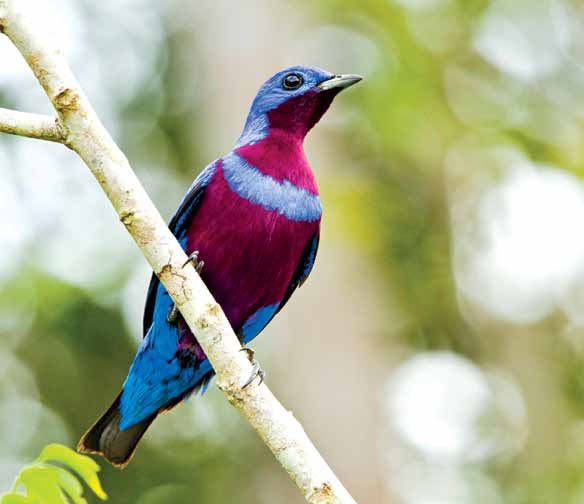
Table of contents

Saving species by connecting habitats     2
Facts & figures 				                      4
Connecting habitats 			                   6
   Case study Brazil 				                 8
   Case study India 				                  10
Creating safe reserves 			                12
   Case study Colombia 			                16
   Case study Armenia 			                 18
Capturing wildlife on camera 		           20
Signs of conservation 			                 21
Safeguarding ecosystem services           22
   Case study Nicaragua 			               24
   Case study Ecuador 			                 26
From project proposal to protected area   28
Snowball effect of small grants 		        30
Sharing and inspiring 			                 32
Voices from the field 				                36
Ingredients for success 			               38
Looking forward 				                      39
Dutch Postcode Lottery 			                40

                                               1
Saving species by                                                            The strategic acquisition of

    connecting habitats                                                          nature offers a threefold gain:
                                                                                 (1) connecting habitats, (2)
                                                                                 creating safe reserves, and (3)
                                                                                 safeguarding ecosystem services

    Acquire nature                         Local ownership
    The strategic acquisition of small     The SPN approach places the
    patches of land is an extremely        ownership and management
    targeted and cost effective tool       responsibility of natural
    to protect nature. It takes only a     resources in the hands of local,
    few hectares of land to create a       in-country organizations with          1                        2                  3
    corridor between two isolated          a clear conservation objective        connecting              creating            safeguarding
    forests, thereby greatly increasing    and eye for the needs of local        habitats                safe reserves       ecosystem
    the living space for wide ranging      communities. Empowering these                                                     services
    species such as parrots,               dedicated professionals working
    elephants, monkeys and jaguars.        in the frontline is the best way of
                                           achieving long-term sustainable
    All over the world, large scale        conservation. SPN’s open window
    logging of forests and conversion      for funding applications from              Purchase or lease
    of the natural environment for         NGOs all over the world makes our
                                                                                      Land acquisition includes the actual purchase
    agriculture results in fragmentation   grants unique in the conservation
    of habitats. Age-old animal            sector.                                    of ownership rights from private landowners,
    migration routes are obstructed,                                                  as well as long term lease agreements with
    making it hard for species to          Benefits for humans                        local communities or authorities.
    find food and a mate. With the         The acquisition and protection of
    help and expertise of our global       natural areas not only provides
    network, the Small grants for the      a lifeline to highly endangered
    Purchase of Nature (SPN) program       species, it also benefits humans.
    provides funds for specialist NGOs     Ecosystems such as forests                 “We’re talking just fifty acres, hundred acres,
    to acquire threatened patches of       are the lifeblood of sustainable           twenty acres. But this patch of land connects
    wilderness to create or expand         development and human well-                thousands and thousands of square kilometers
    safe reserves and connect wildlife     being, providing communities               of forest, and therefore it is critical to the
    habitats.                              with food, fresh water, clean air,         wellbeing of several key biodiversity species.”
                                           and many other assets that are
                                           generally referred to as ecosystem         Vivek Menon, Wildlife Trust of India
                                           services.

2                                                                                                                                           3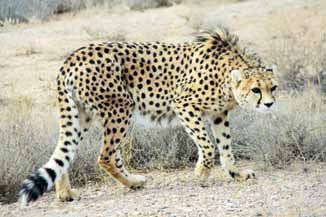
Facts & figures

                                E 9787
                                highest
                                price per
                                hectare

    106              32.000
          projects
          funded

                                            8
                     hectares                     hectares
                                                  smallest
                     secured                      acquisisition

    27

                                            415
                                              hectares
                                              average
                                              size project
                                              area
    countries

                                            5200
     62      NGOs supported
                                E19
                                lowest
                                price per
                                hectare
                                            hectares
                                            largest
                                            acquisition

4                                                                 5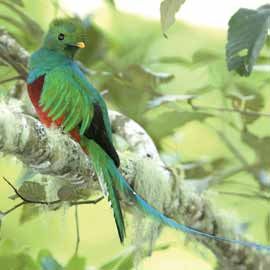
Connecting habitats
    How a few hectares make a huge
    difference

                                                                                   The Urugua-í and Foerster Provincial Parks    With support from IUCN NL, the Peruvian
    Even a relatively small piece of        A land acquisition of a few            were on the verge of becoming cut off         NGO Ucumari created a corridor between
    land can be enough to maintain          hundred hectares on its own,           from one another because of agricultural      larger forest fragments that are crucial for the
    landscape ‘connectivity’, or the        isolated in the middle of an           expansion. With SPN support, the 300          survival of the critically endangered yellow-
                                                                                   hectare Urugua-í Foerster Biodiversity        tailed woolly monkey.
    extent to which species are able        agriculture area for instance,         Corridor was secured, enabling species like
    to move from one area to another.       cannot sustain populations of          jaguars to roam freely between these two
    This is the case if the piece of land   large predators such as jaguars        parks in Argentina.
    forms a bridge between two or           or large herbivores such as
    more larger fragments of forests or     elephants. If however, the few
    if it functions as a stepping stone     hundred hectares provides a
    for species to move from one            corridor between two large, but
    forest to another.                      isolated protected areas, such as
                                            a national park or a forest reserve,
    Targeted, strategic acquisitions        the impact is significantly higher.    “It’s all about location,
    that maintain or enhance
                                                                                   location, location.
    connectivity have a significantly
    greater impact than the acquisition                                            Acquiring a strategically
    of the same sized area if it is                                                chosen forest patch
    isolated.                                                                      can very well mean
                                                                                   the difference between
                                                                                   survival and extinction.”
                                                                                   Marc Hoogeslag, coordinator
                                                                                   SPN program at IUCN NL

                                                                                                                                 IUCN NL has supported Malaysian partner
                                                                                                                                 Hutan to secure contiguous areas of forest
                                                                                                                                 to create wildlife corridors in a landscape
                                                                                                                                 dominated by oil palm plantations.
                                                                                                                                 Safeguarding connectivity is crucial for the
                                                                                                                                 survival of Bornean pygmy elephant and the
                                                                                                                                 orang-utan.

6                                                                                                                                                                                   7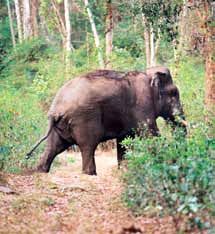
CASE study • BRAZIL                                                  i   NGO: Associação Mico-Leão
                                                                                    Dourado
                                                                                    Country: Brazil

    Golden lion tamarin                                                             Hectares: Acquisition of 113
                                                                                    ha of land to create a corridor

    makes a comeback
                                                                                    Partnership created: 2007

    In the 1990s, golden lion tamarins were barely hanging
    on to a thread of survival with only 150 remaining
    in Brazil’s Atlantic coastal rainforest. Thanks to the
    purchase and protection of their natural habitat, fuelling
    a tenfold increase in the population, the golden lion
    tamarin is now on the comeback trail.

    Problem                               Approach
    Brazil’s Atlantic rainforest in the   For the past 20 years, our local
    state of Rio de Janeiro is home to    partner Associação Mico-Leão-
    numerous exceptional species of       Dourado (AMLD) has led efforts
    animals and plants. But the area      to conserve endangered golden
    is under enormous pressure due        lion tamarins. Supported by IUCN
    to the rise in human population,      NL’s land purchase programme
    urban sprawl and expanding            and SavingSpecies, AMLD
    agricultural areas. As a result,      takes action towards restoring
    the rainforest has been reduced       degraded forests and creating and   Result                                  IUCN Red List of Threatened
    to 7.3 percent of its original        protecting corridors between the    Thanks to the efforts of AMLD, the      Species changed from ‘critically
    forest cover. One of the most         remaining forest fragments.         protected forest areas currently        endangered’ to ‘endangered’.
    charismatic forest inhabitants is                                         cover a connected area of over          The long-term goal for 2025 is
    the golden lion tamarin. Population                                       13,000 hectares. The expansion          to establish a nature reserve of
    density and deforestation have                                            of the golden lion tamarin’s            25,000 hectares where 2,000
    led to enormous fragmentation                                             habitat has allowed the primate         golden lion tamarins live freely.
    of the primate’s original habitat:                                        to thrive. The wild population has      The SPN contribution added
    a staggering 80 percent of                                                risen to 1,500, a tenfold increase      another 113 protected hectares to
    the remaining forest consists                                             compared to the historic low of         the golden lion tamarin’s habitat
    of tiny fragments of less than                                            the 1990s. The first milestone          and more importantly, created an
    50 hectares, which is too small                                           was achieved in 2003: the status        important corridor between larger
    to support a healthy tamarin                                              of the golden lion tamarin on the       forest fragments.
    population.
8                                                                                                                                                         9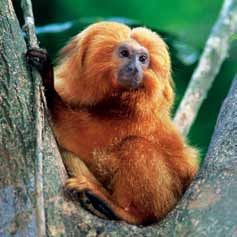
CASE STUDY • INDIA                                                      i   NGO: Wildlife Trust of India
                                                                                         Country: India
                                                                                         Hectares: Acquisition of 8

     Making way for                                                                      hectares of land to secure an
                                                                                         elephant migration corridor

     elephants in India
                                                                                         Partnership created: 2006

     For generations, elephants in India have been using
     the same routes as they migrate. Yet more and more
     people are making settlements or creating farmland
     within these traditional migration paths. This is causing
     increased conflict between people and elephants. IUCN
     NL is working with the Wildlife Trust of India so that the                       “IUCN NL was
                                                                                      absolutely critical,
     elephants can once again move freely between the
                                                                                      because it came in at
     protected areas.                                                                 the right moment with
                                                                                      the right amount of
                                                                                      money to ensure that
                                                                                      this corridor is free of
                                                                                      human pressure and
                                                                                      can be rewarded back
                                                                                      to elephants.”
     Problem                               Approach
     The huge rise in India’s population   The Wildlife Trust of India (WTI) has      Vivek Menon, Wildlife Trust
     is causing more and more people       identified 88 elephant corridors           of India
     to move to areas that were            across the country where human
     formerly the exclusive domain of      settlements block the passage
     the elephant, leopard and tiger.      between the protected elephant
     This is causing increased conflict    habitats. With support from
     between people and animals.           WTI, the villagers are voluntarily
     Because the traditional migration     relocated to an area with better        Result
     paths of the elephant are no          amenities, better housing and           As early as two weeks after the       The corridor has also improved the
     longer accessible, the animals are    better farmland where they can          Kerala villagers were relocated the   livelihoods of rural communities:
     forced to move through residential    live without fear, away from            elephants returned to the area.       the relocated villagers now live
     areas, trampling crops and            elephants. The areas that become        Other wild animals such as the        under better circumstances,
     causing havoc and panic. Each         available are reforested with           tiger, leopard and primates also      without fear, and no longer have to
     year, people and elephants die as     indigenous strains of trees which       make use of the corridor to move      worry about nuisance caused by
     a result.                             are grown, planted and maintained       from one forest area to another.      the elephants.
                                           by the local people.
10                                                                                                                                                             11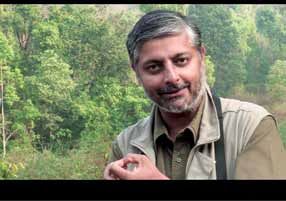
Creating safe reserves
     How purchasing land gives
     endangered species a boost

                                     2

     Habitat destruction and              havens for endangered species
     fragmentation are prominent          can be created. Especially for
     causes of the growing list of        species like frogs and birds,
     threatened species worldwide.        protecting small areas can
     The IUCN Red List of Threatened      provide a lifeline. What’s more:
     Species shows that out of a total    saving one single species
     of 73,686 species that have been     usually means saving many,
     assessed, 22,103 are threatened      since they all benefit from the
     with extinction. By acquiring        improved habitat.
     pieces of land strategically, safe

                                                                                                    IUCN NL enabled Brazilian NGO Instituto
                                                                                                    UIRAÇU to extend their Serra Bonita reserve
                                                                                                    in southern Bahia with an extra 210 hectares.
                                                                                                    This reserve is a safe haven for many species
                                                                                                    like the colourful banded cotinga. The
                                                                                                    global population of this magnificent bird
                                                                                                    is estimated to number 250-1000 mature
                                                                                                    individuals.

                                                            IUCN NL is supporting the Iranian
                                                            Cheetah Society in the creation of
                                                            a livestock-free national park for
                                                            the benefit of the last 40-70 Asiatic
                                                            cheetahs in the world. By providing
                                                            shepherds with alternative grazing
                                                            areas outside Turan National Park,
                                                            potential conflicts for cheetahs are
                                                            seriously reduced.

12                                                                                                                                                  13
The IUCN Red List is the world’s most comprehensive
information source on the global conservation status
of animal, fungi and plant species. The Red List
shows where urgent conservation action needs to be
taken and thus guides the selection of SPN projects.
Many species have found a safe haven in SPN-
funded reserves.
14 152 CASE STUDY • COLOMBIA i NGO: Hummingbird
Conservancy
Country: Colombia
Refuge for newly Hectares: 720 hectares to
extend the Mesenia-Paramillo
discovered species
Nature Reserve
Partnership created: 2011
in the Andes
The northwest Andes Mountains are one of the most
biodiverse places on earth. To protect the abundance
of species in this region against logging and mining,
the Hummingbird Conservancy created the Mesenia-
Paramillo Nature Reserve. Recent expeditions in this
Reserve have resulted in many new discoveries, further
underlining the need to secure these areas.
Recent discoveries at Mesenia-Paramillo
Problem
Situated in the northwest Andes of logging and mining companies,
Colombia, the Mesenia-Paramillo responsible for clearing trees and
Nature Reserve shelters one of the polluting the area.
most biodiverse habitats on the
planet. Within the 2,500 hectare Approach
reserve, consisting of cloud To prevent the deterioration
forest and alpine tundra, no less of these important habitats, Results Recently several research projects
than 302 bird species have been extension of the Mesenia-Paramillo The land purchase added extra have revealed new species of
registered. Among these are 15 Nature Reserve was urgently areas of cloud forest, humid reptiles, amphibians, insects and
threatened species, including the needed. In 2011, IUCN NL granted montane forest and alpine tundra orchids that are currently under
dusky starfrontlet which is listed 85,000 euros to the Hummingbird to the reserve, increasing the odds study and description. These new
as critically endangered on the Conservancy which was used of survival for many species, both discoveries have further confirmed
IUCN Red List. This makes this to purchase 720 hectares of known and yet to be discovered. the biodiversity value of the area
area one of the most important threatened forest on the fringes As it turned out, the reserve is an and attracted the attention of more
habitats for birds in all of the of the reserve and thus expand even richer biodiversity paradise research groups that have chosen
Americas. However, these plants Mesenia–Paramillo substantially. than previously thought. the reserve as a base to carry out
and animals are threatened by their scientific research.
16 172 CASE study • ARMENIA i NGO: Foundation for the
Protection of Wildlife and
Cultural Assets
Safe haven for unique Country: Armenia
Hectares: 5 year lease on 839
Armenian flora and
hectares to create Caucasus
Wildlife Refuge
Partnership created: 2010
fauna
Leasing a unique nature area in the Caucasus allows
vulnerable species to be protected from hunters. With
support from IUCN NL, the leopard and bear have a
chance at survival.
Problem
The unique Khosrov Reserve Protection of Wildlife and Cultural
in Armenia is home to all kinds Assets) received a grant to lease
of waterfowl, birds of prey such 839 hectares of land in the
as eagles and vultures, and no vulnerable boundary areas of the
less than 40 mammal species, reserve. Some of the money has
some of which can only be found gone towards building a facility for
in this part of the Caucasus. the park rangers. The park rangers
Unfortunately, many of these are in charge of enforcing park
animals, including the Caucasian regulations. The work of FPWC
leopard, lynx, mouflon (wild is also supported by the British
sheep), bear and bezoar goat are World Land Trust.
faced with extinction. The greatest
danger comes from hunters, but Result
also from farmers in the area who The Caucasus Wildlife Refuge the vicinity of the park. Other inside the reserve. In addition, the
let their cattle graze in the reserve, is increasingly becoming a animal populations are restoring people living in the area benefit
disrupting the habitat of the safe haven for flora and fauna, themselves as well. The number of from the reserve, so it receives
species that live there. as became incontrovertably bezoar goats has increased and a lot of local support. Four park
clear when in the end of 2013 a the animals are also less timid, rangers have been hired, and in
Approach Caucasian leopard was captured which is a sign that they feel at the future ecotourism is expected
Armenian partner organization on camera. It was eight years ease there. Herds numbering up to create jobs for the people in the
FPWC (Foundation for the since one had been seen in to 30 goats are now regularly seen nearby village of Urtsadzor.
18 19Capturing wildlife Signs of conservation
on camera
Cameras that snap
automatically
provide an excellent
opportunity to
monitor animals
without disturbing
them.
Tamandua, Bolivia
Syrian brown bear, Armenia Red shanked douc langur, Vietnam
Striped hyena, Iran Maned wolf, Bolivia
20 21Safeguarding ecosystem
services
How protecting nature benefits people IUCN NL helped local NGO
AESMO to secure crucial parts
of the mountainous Güisayote
3 reserve in Honduras. This reserve
contains dozens of springs that
supply water to many nearby
communities. By acquiring 348
extra hectares, the home of the
quetzal is safeguarded and water
The overwhelming majority of land of the acquired areas. After all, supply is protected.
acquisitions funded by SPN have protecting these forests also
the primary objective to preserve means protecting the services
habitats that are important for they provide, such as a
wildlife. Many of the projects constant supply of clean water.
however have the parallel objective This way, our projects create
to secure ecosystem services for a win-win for biodiversity and
communities that live in the vicinity human well-being. Food Fresh water
ecosystem
services
Creating a protected area
in the 20,000 hectare Khe
Nuoc Trong forest in Vietnam
is essential if many, very
rare species such as the red
shanked douc langur are
to survive. It also secures
important hydrological
functions. IUCN NL enabled
local NGO VietNature
Conservation Center to
negotiate a 30 year lease on a
781 hectare area.
Clean air Pollination Carbon storage
22 233 CASE STUDY • NICARAGUA i NGO: Association of Rural
Development Workers &
Green Empowerment
More trees for more Country: Nicaragua
Hectares: Extension of the
El Bote Forest Reserve with a
water and more land purchase of another 581
hectares
electricity
Partnership created: 2006
By protecting the forests around El Bote in Nicaragua,
valuable biodiversity is protected and a steady supply “The SPN program was
critical for us in order to
of water is ensured. This enables the local villagers to
establish and expand
operate a small hydropower plant. the El Bote Forest Reserve,
protecting the area’s
tremendous biodiversity
and conserving critical
water and soil resources.”
Anna Garwood,
Problem deforestation. This has led to Green Empowerment
El Bote is located in a remote the destruction of wildlife habitat.
mountainous area of Central Moreover, the loss of forest has
Northern Nicaragua. The area disrupted water supply in the
harbors unique flora and fauna, region.
including several endangered
species like jaguar, resplendent Approach
quetzal and the harpy eagle. The A strategy was needed to tackle
tropical mountain forests capture the threats to biodiversity, but Result
rainwater and consequently also to secure the hydrological clinics and companies. To keep The El Bote community realized
ensure clean drinking water and functions of this important this hydropower plant in operation, that conserving the water basin
irrigation water for the farmland in water basin. Local NGOs Green sufficient water must be available. not only guarantees the long-term
the lower lying valleys. Empowerment and ATDER This was ensured by creating a protection of the area’s exceptional
The region is under increasing worked together to implement a 245 hectare reserve protecting natural resources, but also
threat from commercial logging community-based hydroelectric the trees up in the mountains. supplies power to approximately
and population growth. Road water basin conservation project in Between 2006 and 2013, IUCN 7,000 people. Local residents y
construction has enabled the community of El Bote. NL supported the extension of the now actively manage and protect
settlers and logging companies A 900kW hydroelectric plant reserve by another 581 hectares. their 956 hectare reserve. This is a
to penetrate further into the was constructed to bring reliable win-win for biodiversity and human
forest and accelerate the rate of electricity to homes, schools, well-being.
24 253 CASE STUDY • ECUADOR i NGO: Natura y Cultura Ecuador
Country: Ecuador
Hectares: Acquisition of 250
Saving tapirs and hectares of cloud forest in high
biodiversity watershed
securing water through
Partnership created: 2008
forest protection
Protection of the forests on the western slope of
Podocarpus National Park in Ecuador simultaneously
achieves two important goals: conserving vital habitat
for tapirs and securing the reliable supply of clean
drinking water to the city of Loja.
Problem affected by human activity
The Podocarpus-El Condor such as cutting down trees for
National Park provides the wood and clearance of land to
last ecological connection make way for cattle grazing and
between three of the world’s other agriculture. Forest fires
most important forest areas: the intentionally set during the dry
Tumbesian Dry Forest, the Andean season have damaged the forest
Forest, and the Upper Amazonian severely. As the trees are lost so
Forest in Ecuador. The park is the soil is unable to retain water, Results
one of the world’s biodiversity which affects Loja’s water supply signing an agreement with Natura Acquiring these forests served two
hotspots, with an estimated 800 and water quality. y Cultura Ecuador (NCE) to important goals. First it protects
species, half of Ecuador’s total. It stop further deforestation. With some of the last remaining forest
is one of the last places on earth Approach support from IUCN NL, NCE has in a biodiversity hotspot, crucial
where the threatened bearded The municipality of Loja realized purchased 250 hectares of forest for the survival of many unique
guan still occurs. The area is also that the lack of forest protection on the slopes of the Podocarpus species. Secondly, protecting the
home to the endangered Andean was costing them an estimated National Park. Additionally, forest also benefits the 160,000
tapir, a large herbivore, and the one million dollars every year, together with the municipality, inhabitants of Loja. Preserving the
spectacled bear. through increased costs in they agreed to spend part of the trees means that the hydrology in
water treatment, damage money from water taxes on the the region will improve, securing
Over the past few decades, to infrastructure and costs management of these forests. their supply of drinking water for
the area surrounding the city associated with forest fires. This the future.
of Loja has been seriously has resulted in the municipality
26 27From project NGOs
proposal STEP
1 Submit pre-proposal
to protected area
May 1st
±100 proposals STEP
First selection 2
30-40 proposals
STEP
Second selection 3
Funding priority is given to: 20 proposals
• Areas with endangered species 4
STEP
Third selection
• Ecosystems under represented in the public
after consulting
protected areas system international network
• A reas with a strategic importance for 12-15 proposals
the protection of the hinterland (buffer STEP
5 Submit full proposal
zones) or which connect important areas
August 15th
(corridors)
12-15 proposals
STEP
Assessment by 6
IUCN NL and
international network
10 proposals
STEP
Final selection by 7
International Review
Committee
5-10* proposals
STEP
8 Sign contract and
acquire threatened
nature
October
* Depending on available budget
28 29Snowball effect of “The SPN grant was crucial to catalyze the
small grants
collaboration with other donors. Once
we received SPN support, American Bird
Conservancy was willing to offer a match of
funds for the purchase price, whereby four
How SPN support creates leverage other institutions then felt the project would
succeed and offered their support.”
Fundación Armonia, Bolivia
The impact of land acquisition The backing from IUCN NL
projects is not restricted to the provides added value on an
purchase of pristine nature. institutional level. For many of “[The grant] has been
Becoming a landowner enables our beneficiaries, having been
very important as it gave
local NGOs to establish a solid selected to receive a grant from “For FPWC the
foothold in their region. It provides an international donor allows relevance and visibility
SPN grant was a
them a chance to show their them to participate more actively to Fundaexpresión both
starting point for the
competence and their long-term in the debates concerning at a national level,
implementation of
vision, which earns them the environmental issues. It improves where we are advising
trust and respect of both local their reputation and they gain a totally new model
in national programs for
communities and authorities. credibility with authorities and of protected areas
community sanitation, and
This support, in turn, creates decision makers. management in
international level, where
opportunities for developing joint Armenia. This had a
we are participating in
projects with the local people, In addition, the international tremendous impact
involving them closely in the support from IUCN NL is seen Rio+20 People’s Summit.”
on the development of
creation of a sustainable future for by many other donors as a our organization and Fundaexpresión, Colombia
their region. ‘quality stamp’, which helps
its strategic position
our partners to raise additional
funding from other local and and perception in the
international donors contributing country as well as in its
to the long term sustainability international relations.”
of the reserves.
FPWC, Armenia
“The support of IUCN NL has given greater
visibility to our work and helped us get
more donors to purchase areas.”
Instituto Rã-bugio para Conservação da Biodiversidade,
Brazil
30 31Sharing and inspiring “The visit showed us that conservation
is something that many different people
How exchanging knowledge drives are working toward, in many different
places, and that we, two park rangers
projects forward from the Jama-Coaque Reserve, are part
of this more universal project to preserve
tropical forests before they are lost.”
The exchange of information is a By visiting peer projects, our
crucial aspect in conservation. The partners compare and share Third Millenium Alliance park rangers Edilberto
partners of SPN harbor a wealth experiences for mutual benefit. Marquez and Dany Murillo after visiting three SPN
of experience and know-how as During exchange visits, networks funded reserves in other parts of Ecuador
well as a great willingness to share are created, ideas evolve and
their knowledge. Looking for ways inspiration is found in observing
to exploit this, IUCN NL regularly and questioning the work of
organizes seminars and exchange dedicated fellow-conservationists.
visits for and between partner Often, a visit turns out to be an
organizations. eye-opening experience that “Our trip was highly educating not only for
fosters a feeling of camaraderie the ideas, but also for the methodologies
and companionship between
that Grupo Ecológico Sierra Gorda is using.
fellow park rangers.
Using models learnt from them, we are now
beginning to design our own conservation
Symposium Symposium methodologies adapted to our conditions.”
LOCATION: The Netherlands LOCATION: Brazil
TITLE: Land purchase as TITLE: Payments for
CREA Panama director Michael Roy after visiting GESG
Exchange visit
an intervention ecological services LOCATION: Ecuador
in Mexico
strategy for biodiversity and strengthening TITLE: Forest rangers
conservation memberships sharing experiences
“I greatly value the diversity of the
participating organizations and
2006 2007 2008 2009 2010 2011 2012 2013 2014 the real life experience of several
organizations which are already
very successful in securing land.
I am grateful for the opportunity
given to me.”
Symposium Symposium Exchange visit
LOCATION: Belize LOCATION: Singapore LOCATION: Peru Pham Tuan Ahn from VietNature Conservation
TITLE: Financial TITLE: Securing land for TITLE: Exploring
Center after visiting the 2010 symposium
sustainability of private conservation in Asia: different governance
protected areas Opportunities, pitfalls models
and alternatives
32 3334 35
Voices from the field
                                                                             “It’s more than just an
     “To me these mountains are
                                                                             area for conservation, it’s
     so precious, so beautiful, so
                                                                             emotionally in my heart.”
     wise that I have dedicated
                                                                             Ruben Khachatryan, FPWC
     my life to their conservation.”
     Pati Ruiz Corzo, GESG

                                                                                                    Ruben and his team at FPWC are
                                                                                                    committed to safeguarding Armenia’s
                             Grupo Ecologico Sierra Gorda, founded by                               unique natural heritage with the help of
                             Pati, protects a precious area in the heart                            IUCN NL. • vimeo.com/iucnnl/armenia
                             of Mexico. • vimeo.com/iucnnl/mexico

           Watch and
           share our                                                                                              “We are securing the

           intro video                 This short animation explains                                              future of this animal for
                                                                                                                  perhaps another hundred
                                       how IUCN NL helps to save
                                       species by connecting habitats                                             years at least. It gives me
                                       vimeo.com/iucnnl/spn                                                       great peace.”
                                                                                                                  Vivek Menon, WTI

                                                                           In India, IUCN NL supports Vivek and his
                                                                           team at WTI in securing elephant corridors.
                                                                           • vimeo.com/iucnnl/india

36                                                                                                                                              37
Ingredients for success Looking forward
Making an acquisition project a success is a joint effort. The SPN program has Our fourteen year track record of
From the NGO’s end, the crucial factor is the capacity, undoubtedly accomplished successful projects proves that
its mission of connecting and our concept of strategic nature
passion, commitment and permanent presence of local protecting key nature reserves. acquisition works. Even the
staff. Without this, projects will fail. From IUCN NL’s Thanks to support from IUCN acquisition of a small patch of land
end, three ingredients are key: NL, these valuable habitats are can deliver visible and long-lasting
preserved, not just for now, but results. You can help make a
also for future generations. In difference.
Expertise frustrating future acquisition addition, we can rely on capable
Local intelligence is key in the projects, and not too low, making NGOs who have taken on the
selection process, to verify NGO sellers feel they are ‘squeezed responsibility of caring for their
capacities, land prices and how out’ and giving them a negative land – a task they take extremely
the proposed land purchase attitude to conservation. That’s seriously. These people, with
intervention ‘fits’ in with other why IUCN NL doesn’t rush. their amazing passion and Take action today
conservation strategies. IUCN NL commitment, are the foundation and contact us to
explore opportunities.
therefore invests time in expanding Trust for our work and it is these
and maintaining its network of IUCN NL’s role is to facilitate dedicated people who guarantee mail@iucn.nl
local experts and NGOs. partner NGOs to work as the long-term sustainability of our www.iucn.nl
efficiently as possible. This means projects.
Patience first of all being flexible, accepting
Land acquisition can be a very that for the most part the NGO has
time-consuming process. NGOs superior knowledge about what is
need time to negotiate the right best in a given situation.
price: not too high, to prevent
“Though we have funded a wide
variety of organizations, in many
parts of the world, they all share
one thing in common: they all feel
a strong connection to the project
area and truly care about its
future.”
Maas Goote, Director IUCN NL
38 39Dutch Postcode Lottery
The Small grants for the Purchase of Nature program
could not exist without the support of the Dutch
Postcode Lottery. The Dutch Postcode Lottery has
been raising funds for organizations that work for a
greener and fairer world since 1989. Fifty percent of
the proceeds from the lottery tickets are distributed
to charitable organizations. Over 2013, the lottery
donated a record €302 million to 90 good causes.
IUCN NL has been beneficiary of the Dutch Postcode
Lottery since 2001 and receives a yearly contribution
of €900,000. www.postcodeloterij.nl
40Creating wildlife corridors is an extremely
targeted and cost effective tool to protect
nature. With the financial support of the
IUCN NL program Small grants for the
Purchase of Nature (SPN), local NGOs
are able to acquire strategically important
parcels of land to connect isolated forests,
thereby greatly increasing the living space
for wild animals such as birds, jaguars and
monkeys. The pioneering approach by SPN
can make all the difference to the chances
of survival of many unique and endangered
species.
IUCN NL
(National Committee of The Netherlands)
Plantage Middenlaan 2K
1018 DD Amsterdam
T + 31 (0) 20 626 17 32
mail@iucn.nl
www.iucn.nlYou can also read


