School Programs Dutchess County Department of Public Works Parks Division
←
→
Page content transcription
If your browser does not render page correctly, please read the page content below
Dutchess County
Department of Public Works
      Parks Division

School Programs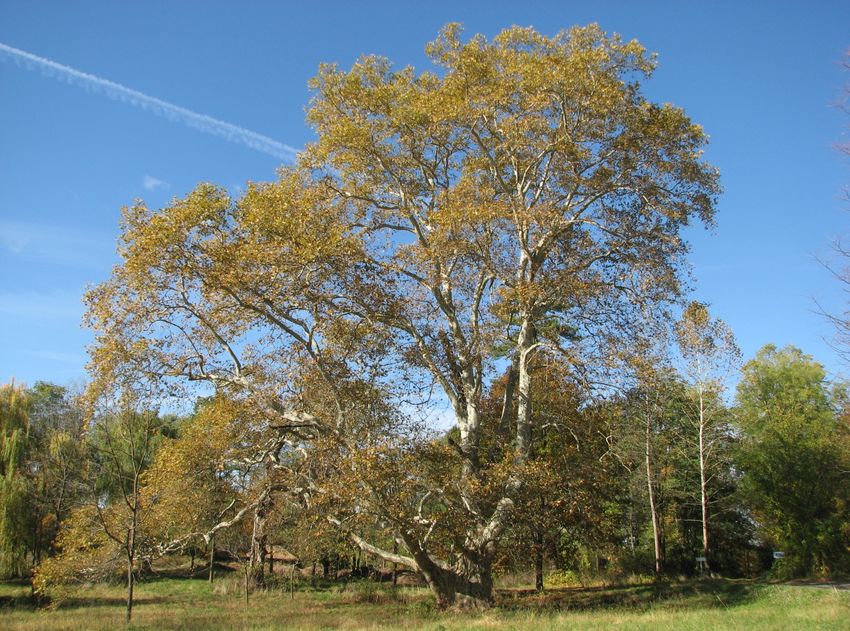
2021 Program                                         Mammal Studies                     Grades K to 3
                                                                      What makes a mammal a mammal? This question and more will be explored using
                                                                      furs and skulls of mammals native to the New York area. Concepts covered will

                                                                      include: adaptations, carnivore/herbivore/omnivore, habitat, hibernation, predator/
                                                                      prey, senses, and camouflage. The onsite program will also include the use of ani-
       We offer educational opportunities for children of all ages.   mal dioramas so the students can see animals in examples of their natural habitat.
Our programs tend to be hands-on to facilitate learning through
experience rather than lecture. Each program focuses on various
aspects of environmental awareness, prehistoric Native American
culture, and survival skills. Our goal is to give children a deeper
understanding and appreciation of nature within a fun and
entertaining atmosphere. We strive to relate these program topics
to the curriculum students are currently studying. Programs held
onsite can be combined to accommodate larger groups. A
frequent example is the pairing of Compass with Map Skills. When
this occurs, each class will have the opportunity to participate in
both programs. The cost for such a combination remains $5 per
child. Most of our programs can be adapted for outreach to the
schools if transportation is an issue.

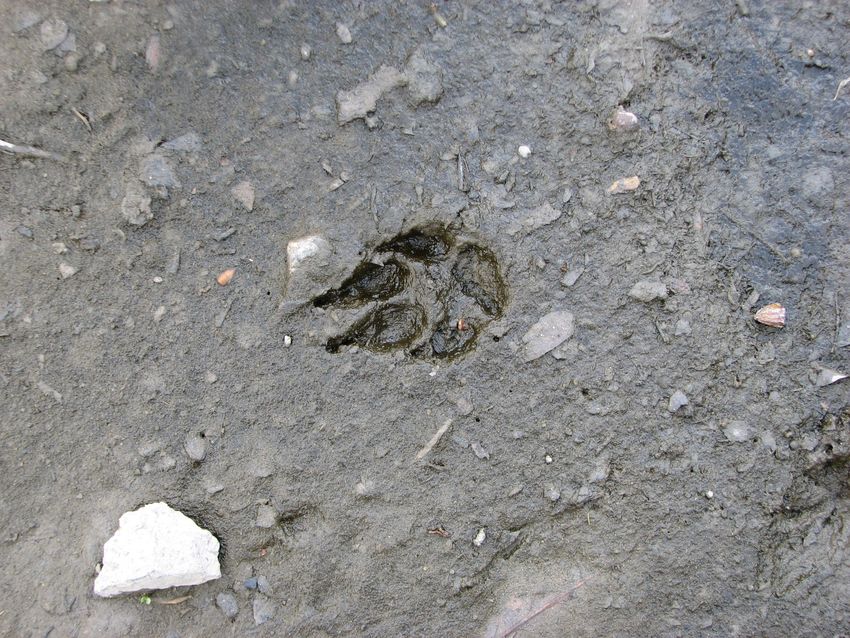
                                                                      Animal Track ID                             Grade 3+
                                                                      What is that track in the snow? What animal does it belong to and what does the
                                                                      footprint tell us about the animal? These are the questions we will answer by
                                                                      learning to identify animal tracks. The ground outside of our homes and schools is
                                                                      a book waiting to be read. It can tell us much about the lives of the animals that
                                                                      we normally do not see. By providing the participants with an opportunity to see
                                                                      animal tracks under controlled circumstances and allowing them to discover the
                                                                      track type themselves, they will recognize the same tracks in the outdoors. Time
                                                                      permitting, we then venture outside to look at actual tracks under natural

                                                                      conditions.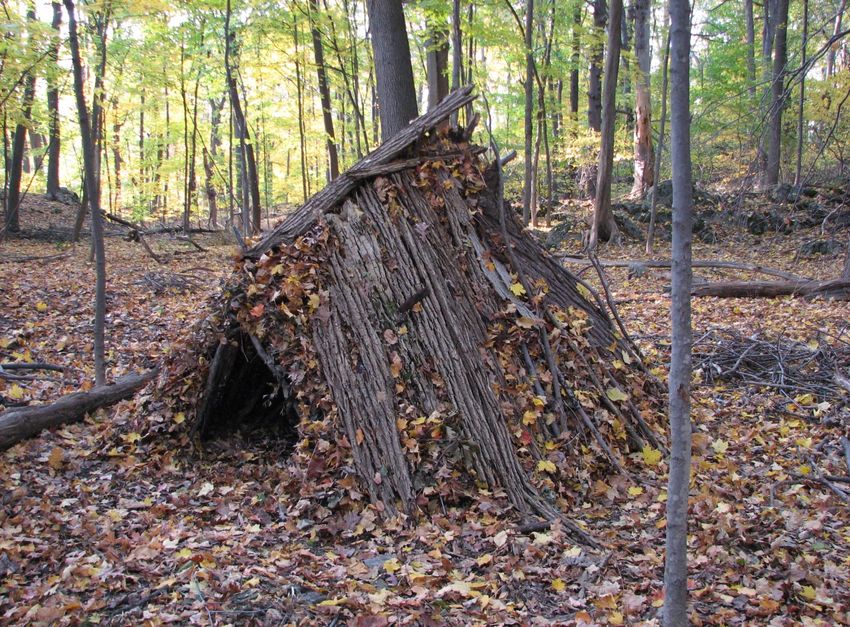
Prehistoric Native American Studies All Ages
Come take a journey into the distant past to discover what life was like for prehistoric
people living within Bowdoin Park. How did they meet their daily needs without
our modern conveniences? How did they build their homes? How did they view the
world? We will immerse ourselves in many of the activities that would have been
a part of daily life 7000 years ago. This will be combined with a visit to a reconstructed
rock shelter dwelling to help participants understand how prehistoric people
interacted with and depended on the land around them. Groups may choose one of
the following points to focus on.
Map Skills Grade 3+
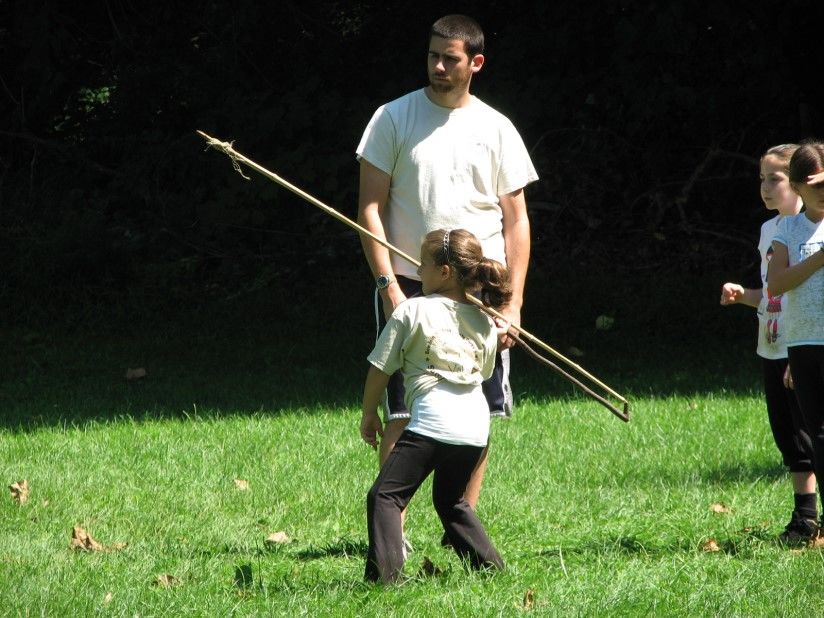
Hunting
Through a combination of two activities, participants will become familiar with the
Hunting was a fact of life for the native people of the Hudson Valley. We will
reading of maps and the use of a grid. *May only be combined with Compass.
look at the methods that were used to provide food for survival. Participants
will have a chance to practice the skills of silent movement and awareness. Map
The beliefs surrounding hunting will be discussed and compared to modern We will discuss the parts of a map and how to read topographic lines. Students
views. Everyone will then get a chance to try an ancient hunting device will then learn how to orient a map using landmarks to find north. They will then
known as an atlatl to test their skill. be given a map and must use their understanding to find check points in the
Worldview surrounding area. Groups will then check their work to see if they followed the
Indigenous people from all over the world held the common belief that all of course correctly.
nature was alive. Animals and plants were seen as teachers instead of objects Grid
to be used. This knowledge was passed from generation to generation
Through a series of games, participants will learn how to:
through stories and songs. We will look at these beliefs by exploring the
Read a grid with numbers and letters
stories and songs of the Algonquian peoples of the northeast. Participants
will go on a walk to see if we can learn to see nature in a different way. Place an object in the grid and read the coordinates
Determine the number of boxes in a grid
Use strategy and forward thinking to outwit other teams
Compass Grade 3+
Students will learn the parts of a compass and the principles of its operation.
Instruction will then be given on the proper use of the compass. Students will then
put their knowledge to use by participating in several activities including a compass
course. * May only be combined with Map Skills.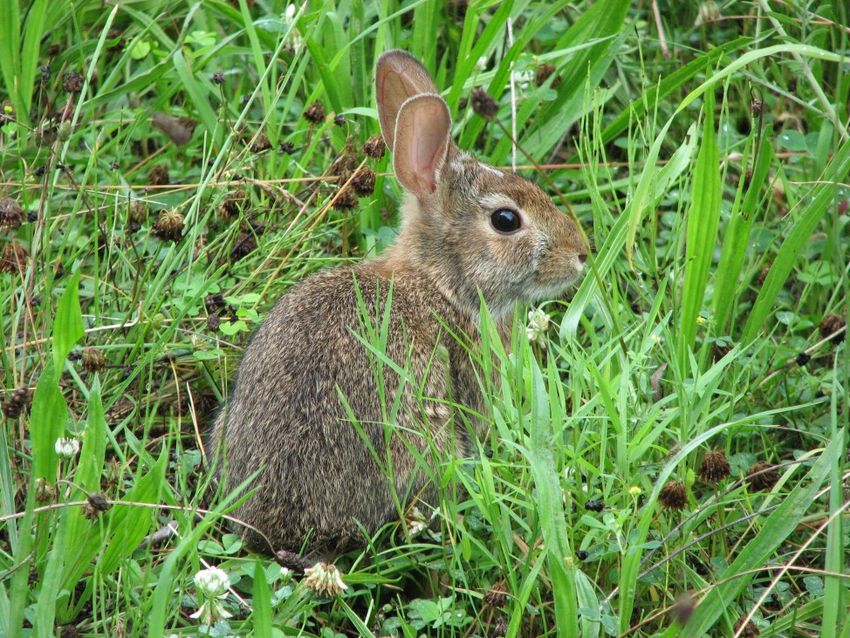
Nature Awareness                             All Ages
                                                                                      Everyone loves to see animals in the woods. The problem is for each one you
                                                                                      see, you have passed by dozens that went unnoticed. Awareness is one of the
                                                                                      most important tools one can develop to see the natural world we normally miss.
                                                                                      In this program we will look at different ways to blend into our surroundings. We
                                                                                      will learn to move in ways that animals will not detect and how to use our senses
                                                                                      to the fullest. The woods will come alive with animals just by changing the way
                                                                                      we use our eyes. We will also cover how animals use there senses and various
                                                                                      types of camouflage for protection.
Maple Sugaring                                        Grades K to 5
Come and learn the art of making maple syrup. This is a hands-on program,
where participants are able to take part in the process from tapping the trees,
to collecting the sap, and then boiling it down to syrup. We also explore Native
American methods used to create maple sugar. Students will learn about wood-
en containers, early tapping methods, fire by friction and rock boiling sap. Eve-
ryone will come away with a greater appreciation of the work that goes into
making maple syrup and why it was such an important part of early American
life.

Pond Exploration                                      Grades Pre-K to 2
Come learn about life in a pond. What kinds of plants and animals call the pond
home? We will talk about the interdependency of life and how each part plays
an important role in the health of this habitat. Through interactive games we
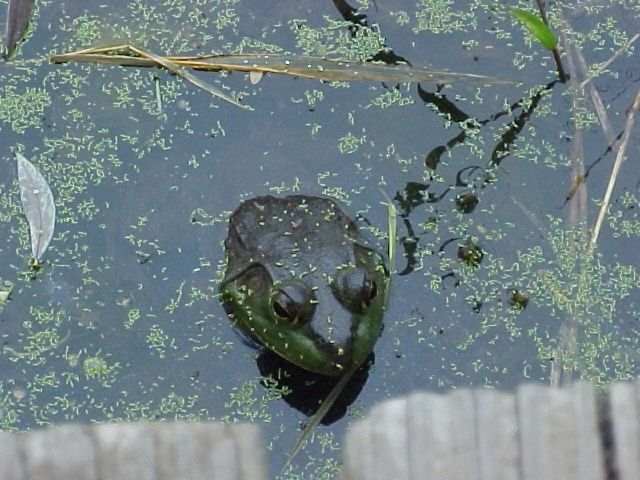
will look at the food chain of the pond, the life cycle of a frog, and what impact
                                                                                     Woodland Survival                                     Grade 2+
environmental damage can have. Other topics may include movement of ener-
gy through the system, water cycle, invasive plants and pollution.                   If you find yourself lost in the woods, would you be able to survive until rescuers
                                                                                     came? This program helps participants understand the necessary steps to take in
                                                                                     a survival situation. We will look at shelter, water, fire, food, and their im-
                                                                                     portance to safety and security. The group will then work together to build a
                                                                                     survival shelter from all natural materials.

                                                                                     Nature Exploration                                    Grades Pre-K to 2
                                                                                     Come hike with a Park Naturalist at Bowdoin or Wilcox Park. Learn about the
                                                                                     animals and plants that live in the parks. We will use our senses to explore the
                                                                                     trail and see what nature has for us to discover. Other topics may include
                                                                                     tracking, tree ID, simple plant ID, animals’ habits and habitat.
Dutchess County
Department of Public Works
Parks Division

                    dutchessny.gov

  Sandra Washburn                    Marcus J. Molinaro
You can also read


