Seafarers Happiness Index - Quarter 1 2021 Special Covid-19 edition
←
→
Page content transcription
If your browser does not render page correctly, please read the page content below
Seafarers
Happiness Index
Quarter 1 2021
Special Covid-19 edition

2   Seafarers Happiness Index Q1 2021                                                                                          Seafarers Happiness Index Q1 2021    3

                                        Seafarers Happiness Index
                                        Quarter 1
                                        The Seafarers Happiness Index (SHI) is the shipping industry’s ongoing barometer
                                        of the key issues facing those at sea today. Seafarers are asked 10 key questions
                                        every quarter, enabling them to share their views about specific issues affecting
                                        their life and work.

                                        This first quarter of 2021 saw answers and data                When it came to general happiness, the spread of data
                                        generated against the backdrop of the COVID-19                 returns was as wide as it is possible to be. There were
                                        pandemic and at a time when global maritime issues             some 10/10 responses, where seafarers were going
                                        have been brought to the fore. We heard from crews all         home and felt elation at the prospect. These spoke of the
                                        over the world on their thoughts and feedback on their         “beauty” of the sea, and of how wonderful it was to be a
                                        experiences.                                                   seafarer.

                                        We are grateful to every single seafarer who participated      Conversely, many respondents were recording 1/10 on
                                        in the survey, not simply for sharing their views, but         the Index, the lowest possible score. These were seafarers
                                        for their efforts in keeping trade flowing in these            who felt weighed down by concerns about various
                                        most difficult circumstances. That they do so with             aspects of life on board, not least whether they would
                                        professionalism, care and resolve, and even the                get home on time, or at all. The issue of crew changes is
                                        occasional smile, is testament to those dedicated              still a huge problem, and while there are some signs of
                                        enough to make seafaring their career.                         improvement there are still many countries with rising
                                                                                                       infection rates who are not yet able to deal with the
                                                                                                       effective movement of crew.
                                        Special COVID-19 focus
                                                                                                       Sadly, but perhaps unsurprisingly given the problems
                                        This edition of the SHI will take a special focus, looking     facing crews, tensions on board appear to be running
                                        at some of the areas of seafarer life where the effects of     high. Continuing a trend seen in recent reports, there
                                        the pandemic are being felt the most. It will examine the      was an increase in the number of seafarers speaking
                                        problems, the things that are worsening, the issues which      of bullying, harassment, and friction on their ships. We
                                        should be monitored, and the areas where seafarers are         heard worrying concerns too about xenophobia, and
                                        feeling positive. It is hoped that this in-depth approach      even racism. There were also repeated mentions about
                                        will enable a more detailed insight into the impact that       seafarers from different nationalities, with a number
                                        COVID-19 is having on specific aspects of seafarers’ lives,    saying they were being treated badly on board because
                                        at what has arguably been the most challenging time for        of where they come from.
                                        seafarers in a generation or more.
                                                                                                       If COVID-19 has brought any single seafaring issue to
                                        The average SHI results showed happiness levels of             the fore, it has been that of connectivity. Encouragingly,
                                        seafarers for the first quarter of 2021 at 6.46/10, a slight   it seems that some progress is being made, with more
                                        increase from 6.37 in Quarter 4 2020. While it was             seafarers being able to get online and connect with
                                        good to see this upward trajectory, the margins are very       friends, family and loved ones back home.
                                        fine, and we are yet to see significant leaps in overall
                                        happiness.                                                     As was also seen in the latter part of 2020, evidence is
                                                                                                       growing that more shipping companies are working to
                                        Despite some positive results, the first quarter’s responses   ensure their crews have access to Wi-Fi. The impact has
                                        revealed lingering fears, worries and doubts about             been positive, with those who can now more easily and
                                        the ongoing crew change situation. The issue of how            cheaply stay connected reporting that it has improved
                                        seafarers will be vaccinated also came to the fore and is      their life at sea.
                                        likely to be a long-running concern until the solutions
                                        and plans are made internationally clear.                      The latest results again revealed shore leave to be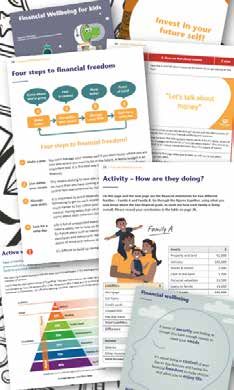
4    Seafarers Happiness Index Q1 2021                                                                                                                                                                            Seafarers Happiness Index Q1 2021   5

something of a contentious issue. Once a fundamental
staple of what it was to be a seafarer, now even asking
about it opens a range of negative responses. According
                                                             relation to paperwork and working hours. The message
                                                             from a number of respondents was that rest hours are
                                                             not being complied with, and they stated concerns about
                                                                                                                          COVID-19 – the data
to respondents, the costs, hassles and knock-on effects      an endemic and systematic culture of fraud. They spoke
of time off the ship are not worth it, and this has been     of pressures to make things appear compliant, and of the
drastically exacerbated by COVID-19.                         impact on crew of doing so.                                  As seen in the average happiness score over recent past reports, COVID-19 has
                                                                                                                          had a noticeable impact, with results sharply dipping away during what was
There was praise, however, for the efforts of port welfare   Crew repeatedly and consistently spoke of pressures
                                                                                                                          perhaps the most troubling global first wave.
teams. When it came to the question of welfare facilities,   to sign against working hours which do not reflect
we heard many reports of ship visitors making it to the      what they have worked. Seafarers are telling us that the
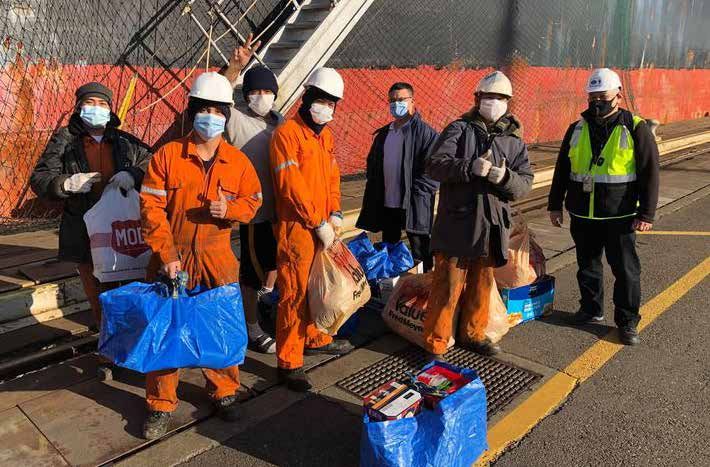
vessel gangway and providing small tokens of gratitude       systems do not reflect the realities of the tasks and that
and support. These may seem small gestures, but they go      the times recorded as being spent working and resting
a long way.                                                  are manipulated.
                                                                                                                                                                      Coping through COVID

The issue of food onboard, the standard of catering,         Towards the end of the reporting period, there was also               6.7
cooking and ingredients has often been a major sticking      a growing sentiment that seafarers are all too easily
point for seafarers. Once again we heard of welcome          overlooked. The impact of the recent Suez Canal closure               6.6
improvements as it seems companies have been                 on global trade and the role of seafarers and shipping
investing more in better food.                               fired up respondents to question the levels of risk and               6.5
                                                             reward. Why respondents asked, when shipping company
Similarly, when it came to mental wellbeing, there were      earnings have surged, have seafarer wages remained                    6.4
signs more is being done to protect or improve crews’        stagnant?
ability to keep fit and healthy on board. From gyms to                                                                             6.3
table tennis, games consoles and video on demand,
there are increasing signs of investment in the non-work                                                                           6.2
environment on board.
                                                                                                                                   6.1
While some were seeing improvements with life at sea,
others were unfortunately left struggling. Sleep and                                                                                 6
good quality rest were repeatedly reported as problems.
There were also issues with noise, bad weather, and                                                                                5.9
poor-quality mattresses and bedding, problems which
                                                                                                                                                    Q3          Q4          Q1            Q2         Q3          Q4           Q1
are apparently slipping through the MLC and port State
                                                                                                                                                   2019        2019        2020          2020       2020        2020         2021
control net.

The ramifications of seemingly small issues are magnified
at sea, and only further exacerbated by the ongoing
                                                                                                                          It was felt that the rise in happiness levels was driven by     That said, there has been a slow recovery, but it is a
crew-change crisis and the stresses and strains of life at
                                                                                                                          a significant positive upturn in the early part of Quarter 3    fragile one. It shows that seafarers, despite the pressures,
sea in a pandemic.
                                                                                                                          2020, which then dropped away in the latter months of           concerns, fears, stresses and hardships faced, are
Once again, a key issue was workload, particularly in
                                                                                                                          the year. In July 2020, seafarers spoke of indications that     resilient in the face of problems. Again, as happened in
                                                                                                                          the worst of the pandemic had passed, and of increasing         2020, there are indications that seafarers feel borders
                                                                                                                          optimism as national borders appeared to be opening             are opening again, but as some nations are edging into
                                                                                                                          once more.                                                      the third wave of infections, any progress could be
                                                                                                                                                                                          swiftly lost.
                                                                                                                          However, as the year continued, there was a sense that
                                                                                                                          the second wave of COVID-19 was dashing the hopes
                                                                                                                          of many to get home, or indeed back to work. As might
                                                                                                                          be expected, this was marked by a drop in the happiness
                                                                                                                          levels expressed.
6 Seafarers Happiness Index Q1 2021 Seafarers Happiness Index Q1 2021 7
New Measurements Approach This edition of the Seafarers Happiness Index focusses on the impact of
COVID-19 and particularly those areas of seafarer life, such as workload, social
interaction and shore leave, where the effects of the pandemic are being felt the
The Seafarers Happiness Index is increasingly being used by companies seeking most. To read more analysis of this quarter’s results, visit www.happyatsea.org
to drive positive change and improvements within their fleets. Using the Index
as a tool to benchmark the happiness of their own crews against the global Positive changes
population, and as a new way of engaging, listening and responding.
Contact with family 6.91 ↑ from 6.90
Problems Pessimists Passives Positives There have been positives to report, and it has been It is considered a “lifeline” for many seafarers, and being
very pleasing to again see that there are signs of able to look forward to speaking with home was a
1 2 3 4 5 6 7 8 9 10 investment in seafarer wellbeing and welfare. Such motivation through their working day. “Knowing I can
feedback surrounded better connectivity, while there go online after my shift makes such as difference”. It was
appeared to also be continued improvements to food also seen as being a real “stress buster” as “talking with
and facilities onboard. family makes me feel better, every time”.
Once again, the responses were about the gratitude There are, however, still all too many seafarers who
when employers do the small things which make a do not benefit from good, affordable and high-quality
difference. Any gesture or thought which can make life connectivity. As one respondent commented, “The
more enjoyable at sea has a great impact, and seafarers international space station can have video calls with Earth,
feel valued, appreciated and understood. yet we get a crackly and intermittent voice call at best”.
Companies can ease their employees’ woes through When it came to staying fit and healthy on board, we
new ideas, investment and encouragement, and it can saw a rise in the figures this quarter to 6.73. From gyms
In order to better support this process and to give a The aim of the report is to capture the data and the
do so much to alleviate the burdens in this challenging to table tennis, games consoles and video on demand –
more usable and useful set of outputs, we have been experiences of those at sea so that the positives can be
time. It is not always about being able to achieve the there are increasing signs of investment in the non-work
working on a new approach to the data. As such, our shared and used elsewhere, and the negatives can be
impossible or even the difficult. environment on board.
2021 figures will not simply produce figures and trends, acted upon and improved.
but will also flag the areas which need some urgent
Towards the end of 2020, it seemed that some shipping Responses towards the end of last year started to
attention, those which seem to be working, and those in One of the most challenging barriers to conducting
companies were doing more to ensure their crews could indicate a new trend of companies being rather more
which we are excelling. seafarer data analysis is the vast differences between
get online, and this appeared to intensify in the first generous than usual when it came to food. With crews
vessels, trades, crews and cultural expectations, making
quarter of 2021 with a slight rise in the data to 6.91/10. unable to get ashore, or not even certain when they
This Seafarers Happiness Index scoring system is a it very difficult to produce workable methods of
would go home, there have seemingly been better
measure of satisfaction, and is a key metric regarding measurement and mechanisms of improvement.
The impact has been very positive, with those who meals to look forward to. This has made a big difference
how employees feel about vital aspects of their role and In essence, this approach looks to give us a quantitative
can now more easily, cheaply stay connected with for those whose employers have dug a little deeper.
time at sea. It represents an organic, word of mouth, interpretation of qualitative data. We can use the
loved ones reporting the improvement to their life at
insight that tracks not only crew feelings but also feedback to shape reactions, while using the data to
sea. While there are issues around the challenges and We all know that it is proving incredibly challenging to
predicts areas of concern or progress. measure what the impacts are.
problems of remaining closely linked to issues at home, get seafarers home, but there is a real sense of increased
it seems that seafarers crave the engagement and happiness when owners invest in better or cheaper
The foundation of the metric is the belief that So, this is not about goals, but about constant
feeling closer to others. connectivity for their fleet, when they increase budgets
seafarers fall into four categories - they are either engagement, responsiveness and empathy with what
to allow for better food and more choice, or provide
facing problems, feeling pessimistic, they are passively seafarers are experiencing. By listening, by caring and
new gym or entertainment equipment.
engaged, or they are positively promoting. using a systematic approach of reacting, we can have a
deeper understanding and a means of making life better
The extremely positive, those scoring over 9, will serve for those who are struggling, while learning lessons from
as enthusiastic ambassadors for their company, for their and spreading the good news of those who are thriving.
roles and careers at sea in general. While conversely
those who are in the lower reaches of the results will
likely be detractors. Equally, we are able to track the Knowing I can go online after my shift
trajectory and direction of sentiment, which allows us to makes such a difference.
see whether we are making seafarers more or less happy.8 Seafarers Happiness Index Q1 2021 Seafarers Happiness Index Q1 2021 9
Working hours and rest Social interaction
Workload 6.39 ↑ from 6.03 Interaction with crew 7.24 ↓ from 7.25
COVID-19 has had many implications for life on ship, Crew repeatedly and consistently spoke of pressures to Relationships on board are usually the highest-rated There were also criticisms of mixed nationality manning
and while the crew change crisis drew most headlines, sign against working hours which do not reflect what aspect of life at sea and the written feedback a real models, and this was particularly with regards to
the need to ensure better hygiene on board has meant they had actually worked. Indeed, there was criticism beacon of positivity. They often highlight the good at the impact of COVID-19. It was stated that some
significantly extra work for crews. Washing, scrubbing, of shore managers as they are deemed to be “primarily sea, the wonderful friendships, working relationships nationalities are not allowed ashore or allowed crew
relentless laundry demands, the list of manual labour concerned regarding paper trail for audit versus actual and bonds which grow amongst crewmates. changes, while others are. This appeared to be a source
requirements grew, and this was not universally conditions of the work required”. of great tension and strain on vessels.
matched by an increase in resources. Through the early part of the pandemic crisis, we heard
It seems there is a massive hidden problem. While repeatedly that crew felt a sense of camaraderie, as It was also troubling to read that some seafarers felt
This had been a key message throughout 2020, and it many companies manage working hours properly, they struggle through extended contracts together. that management ashore “encouraged” such divisions
was encouraging to see that with the rise in happiness effectively and well, there are others not applying the Those who spoke positively said shared activities and onboard. It was not made immediately clear how this
score, there are indications that seafarers are now either rules, and flouting conventions, and laws. These are mealtimes were vital opportunities to see others on was evident, but some narratives suggested some
getting the support they need or, at the very least, have damaging the system meant to keep our seafarers safe board. companies showed more favourable treatment for
been able to accommodate it within their work patterns. and our seas clean. certain nationalities when it came to workload, time off,
However, the written responses revealed that problems Alas, this time around it appears too many seafarers overtime, and even food.
are getting worse on some vessels. Others spoke of a constant pressure to reduce manning need a break from not just work, but each other. While
even more. “The number of crew members has reached the data remained relatively high compared to other Where crews complained, they spoke of a worrying
One of the key messages to emerge was that such ridiculous level that there is time for sleep and areas, there were some causes for concern creeping in atmosphere of “if you don’t like it, don’t go to sea”. It is
management systems and safe manning certification work only”, ran one comment. We also heard from a as responses captured a rather tense environment on concerning that such a culture could still be evident,
assessments tend to factor in “perfect conditions”, Master who was being forced to cover 8-12 watches as board many vessels. despite the efforts of industry to develop a more
or an ideal state with little or no focus on competing there was no longer a third mate onboard. accepting and supportive environment.
demands. While the Safety Management Systems have It appears that the stresses of COVID-19, the uncertainty
to consider safety and security, they do not necessarily Aside from concern over hours, the jobs themselves and of crew changes and worries about the safety and It was very sad to read the impact of the current
anticipate or reflect other surrounding factors. the tasks being completed also take a heavy toll. The wellbeing of families at home are starting to take situation on shipboard life, and this has been the case
impact of long working hours combined with intense their toll. There are definite indications of frayed for over a year now. Things will likely get worse before
There were also reports that rest hours are not being concentration and responsibility were a toxic mix for nerves, which in turn are jeopardising usually positive they get better, which is a major concern.
complied with. A number of respondents spoke of many: “In bad weather or high traffic areas the demands relationships. Seafarers spoke of running out of patience
an endemic and systematic culture of fraud, and that of the job feel so tough”. with colleagues, or of feeling frustrated by perceived To this backdrop of a tired, irritable, stressed and
pressures to make things appear compliant are coming issues surrounding the conduct of others. overworked group, it cannot seemingly be long until the
at the expense of seafarers’ wellbeing. When it came to sleep and rest, we heard from a pressure gets too much. There will likely be episodes of
number of seafarers who were extremely frustrated Oppression, bullying and intimidation were mentioned self-harm, there is talk in the industry of a rise in suicides
“Companies are forcing the crew to fill fake rest hour by the quality of bedding and claimed that this had a and are a real cause for concern. Resentment towards and the feedback we receive does nothing to ease those
sheet”, said one. Others commented, “Rest hours? major effect on their health. “A port State inspector does those of different nationalities was also raised, with concerns. Then there is the likely rise in accidents too,
Doesn’t matter about reality the company wants all to not know how bad a pillow is, or how hard mattress seafarers feeling they were treated badly on board people are not performing to their best when under
be perfect on paper. It’s all about money”, and “We work is – so how can they say what is good or bad”, said one because of where they are from. such stress and there are real concerns that seafarers are
more than we ought to. We work 14 to 15 hours every respondent. at breaking point.
day. And they force us to sign a monthly working slip
which complies with working hours”. This is a potentially serious issue, as poor mattresses
mean bad sleep, leading to tiredness, fatigue and even
physical issues such as bad backs, which in turn can lead
to stress and injuries.
We work more than we ought to. We work
Without us, so many countries would
14 to 15 hours every day. And they force
struggle for food and fuel, how aren’t we
us to sign a monthly working slip which
seen as key?
complies with working hours.10 Seafarers Happiness Index Q1 2021 Seafarers Happiness Index Q1 2021 11
Shore leave Seafarer stresses
Shore leave 5.25 ↓ from 5.53
The issue which has in essence defined the COVID-19 the roof, but salaries for seafarers stayed the same as 20
era for seafarers is the problem of crew changes. Forced years ago. Isn’t that strange?”
Shore leave was once a fundamental part of what it A year with no prospect of shore leave has seemingly hit to serve beyond their contract period, crews have been
was to be a seafarer. The lure of signing up and seeing the very expectation of getting ashore hard. Time and stuck on board for extended periods with little idea of There were also points made about the importance of
the world meant that going to sea and spending time again the responses were about many months on when they will be able to return home to their families. seafarers, and how this is not adequately reflected. “And
time ashore in far-flung lands was an integral part of board without getting off, and of how the very idea of now we have a single giant container vessel disrupted
a seafaring career. Now, the reality of getting ashore trying to get time off the vessel was increasingly a folly. The crew change problem waxed and waned through the Suez and shipping for days. Ask yourself how much
is as difficult as one might expect, and as such many the latter months of 2020, and there have been signs of a helmsman on that container vessel earn per month?
seafarers have simply given up on the concept. It seems obvious that in a pandemic shore leave will progress. However, just as one nation opens and crew Less than USD1700. And on the navigation bridge, junior
become virtually non-existent. The question then, is can move it seems that there are spikes in infections, or deck officer’s salary has not changed in a long time”.
It seems we have reached a tipping point, where even whether it can ever make a return and in what form? new variants, and the route home is slammed shut. This
asking seafarers their thoughts on shore leave opens up is taking a very heavy toll on seafarers indeed. In addition to the financial sense of worth, there is
criticism and a range of negative responses. “Why do you However, there were positives when it came to reports a growing call for seafarers to be designated and
even ask anymore?” ran one response, which echoed of visitors making it to the vessel gangway and being Over the past year, we have heard from crew feeling recognised as key workers globally, which could be a
others: “Shore leave is not even part of my life anymore”, able to communicate with the crew in a socially increasingly trapped, isolated, and desperate to get major factor in solving crew change problems. Indeed,
“I can’t get ashore and would not want to if I could”, distanced manner, or leave gifts of gratitude and home. Respondents have spoken of feeling physically the issue of status came up repeatedly, and there was
“Even before COVID shore leave just doesn’t happen”. support, such as toiletries, confectionary and books. exhausted, mentally disturbed, anxious and homesick. a growing sense of frustration that the world does
While among the more hard-hitting responses there They are concerned about their families, their safety on not seem to understand or fully appreciate seafarers.
was cynicism too: “You are ignorant to think this is part These may seem small gestures, but those seafarers board, and their access to medical treatment ashore if it “Without us, so many countries would struggle for
of the lifestyle of seafaring…It’s laughable really. It hasn’t who had such experiences recorded far higher scores is needed. food and fuel, how aren’t we seen as key?” asked one
changed in me being at sea for 15 years and it won’t.” than those on ships unable to receive such “care seafarer.
packages”. One area of positivity was the knowledge that seafarers
The responses on shore leave have repeatedly fallen are keeping world trade moving. However, as the There was also frustration about vaccines. As more of
away over the past year, and each report reveals Once again, there were many expressions of thanks to reporting period went on some were reminded that the global population ashore were receiving vaccination,
negative reactions. Like some tantalising glimpse of ship welfare visitors. One comment ran, “I have felt very they are all too easily overlooked. The events which there were multiple questions about the logistics for a
a past world, it seems there is a lingering memory of overwhelmed to see seafarers centre at some ports saw the Suez Canal blocked brought both the role of crew of getting one shot of a vaccine, and worries that
what it once was to get time off the ship, to go and help crews. I really appreciate it.” This was a sentiment seafarers and ships into sharp focus, and a number of it may not be possible to get two, especially of the same
explore, to see new sights and to buy things that no one repeated by many. Another stated, “Thank you Mission respondents voiced regret that the public still seemed to brand, and of what that means. Questions are being
else back home had. Sadly, it seems that shore leave is to Seafarers, sending love and appreciation”. ignore or overlook the sacrifices made by people at sea. asked, and it seems there is a dearth of useful responses.
becoming something of an anachronism. This is an issue that is likely to grow in the coming
The incident also fired up respondents to question the quarter and the year ahead.
The desire to get ashore appears to have dropped over levels of risk and reward. Why they asked, when shipping
the past few years of SHI reports. Many crew say the company earnings have surged, have seafarer wages
costs, hassles and knock-on effects of time off the ship remained stagnant? As one commented, “One would
are not worth it. “There are simply not enough people to expect when prices for anything related to ships went to
get the work done, and we cannot cope if people are off
ashore,” was the honest reflection of one senior officer.
It had become the norm for seafarers to simply try to
get through their trips and look forward to getting home
rather than the benefits of shore calls. This has been
drastically exacerbated by COVID-19.
I can’t get ashore and would And now we have a single giant container
not want to if I could. vessel disrupted the Suez and shipping for
days. Ask yourself how much a helmsman
on that container vessel earn per month?12 Seafarers Happiness Index Q1 2021 Seafarers Happiness Index Q1 2021 13
Conclusions
The average SHI score showed happiness levels of seafarers for the first quarter
of 2021 at 6.46, increasing from 6.37/10 in the final quarter of 2020.
While it was good to see a rise in the overall results, through to the rather more challenging issues of
satisfaction levels have generally fallen since the onset of certificate fraud and falsification of working hours.
the pandemic and it would therefore be too early to view
this as a recovery. The numbers still fell into the “passive Another major concern was workload. Over the past
zone”, with a sense of watching and waiting for the real year, seafarers have reported incessant work with not
sense of whether crew changes will be improved. enough time or manpower, and of being exhausted and
at breaking point. There are real fears on the impact of
There were, however, some positives, particularly when safety as there is a heightened likelihood of accidents
it came to connectivity and there were again reports of with tired, fatigued and stressed seafarers.
some companies investing more in food and facilities
on board. It was also seen that despite shore leave A number of respondents also told us that rest hours
problems, and seafarers struggling to access welfare are not being complied with. Some also spoke of an
centres, there was praise and gratitude for the centre endemic and systematic culture of fraud. Seafarers are
staff who are still managing to get support and care telling us that the systems do not reflect the realities of
packages onto vessels. This was making a significant their work, and they repeatedly and consistently spoke
difference to morale. of pressures to sign against working hours which do not
reflect what they had actually worked. It seems that the
Looking at some of the concerns raised, a central theme pressures to make things appear compliant on paper are
in the responses was that seafarers feel that they should, coming at the expense of seafarers’ safety and wellbeing.
and indeed they must, be recognised and designated
as key workers. A major and repeated issue was also
whether vaccines will be provided for seafarers and how COVID-19 – looking ahead Thank You
this will be done. Many respondents wondered about
the mechanism for receiving vaccines, particularly if a Over the past 15 months or more, there have been Thank you to all those seafarers who took the time
second dose would be needed. There are questions many indications of problems which have continued to to share their thoughts with us. We are extremely
being asked, and few answers being given. grow. We are often surprised that the positive seafarer grateful. They told us the things which really frustrate
experiences outweigh the bad in the data, and we and concern them, the things that make a positive
We also heard from seafarers of their frustration that receive higher scores than the written feedback suggests. difference, and offered some opportunities for
despite shipping being fundamental to society, crews improvement.
so often seem to be the forgotten figures. This was The uptick in happiness from Quarter 2 2020 until
seemingly brought to something of a head when the Quarter 1 2021 was built on optimism that things would We always need more data, and to hear the stories of
Suez Canal closure had the world’s press waking to the get better. Moving forward, any positives rest very much more seafarers…and for those who have already done
importance of shipping. Why then, asked many seafarers, on seafarers regaining their freedom of movement, so, to share again. So please visit www.happyatsea.org
aren’t they adequately recognised and rewarded? on receiving vaccinations, and gaining the respect and to find out more, and to complete the survey. We also
recognition that their work, sacrifices and commitment want these reports to be spread as far and wide across
There were repeated reports of xenophobia on board, warrant. shipping as possible, so please do share these findings.
and how the delicate social balances are at risk through
the attitudes and actions of some seafarers and even Without improvements in these regards, the problems We would like to thank our 2021 sponsors, maritime
shore management. There is a sense of a growing of deteriorating relationships on board, and the seeming solutions company Wallem Group and specialist marine
divide and a feeling of resentment. Pressures on board rising tide of allegations of working hour manipulation and energy insurer Standard Club. We must also thank
are rising, and there were many more seafarers than will begin to impact seafarers even harder. the companies which have approached us about setting
previously talking of bullying, harassment and frictions up bespoke happiness surveys for their own fleets so
on their ships. It is a testament to the nature of our global population they can benchmark their own performance against the
of seafarers that they have coped with such a terrible wider population of seafarers.
There were other serious issues raised. These ranged year in the way they have. It would be very hard to see
from the relatively easy to remedy, with seafarers stating how a second year of such hardships could be tolerated
that they were not having good enough bedding, and managed.14 Seafarers Happiness Index Q1 2021 Seafarers Happiness Index Q1 2021 15
Ship Type Age Range 4 8
15
27
29
Once again, the highest number of Bulk Carrier Once again, the 25-35 age range was 16-25
respondents served on tankers, but the Cable the best represented, making up 31% of 25-35
31
returns from bulk carriers ran a very close
second place this time. There was also a
Container
Cruise
% 3
all responses. However, we saw a large
growth in the number of seafarers in the
35-45
45-55 19
%
4
slow but steady increase from cruise ships General Cargo 35-45- and 45–55 age groups engaging 55-65
and offshore vessels, which will hopefully Offshore 9 18 with us. This is good news as it reflects a 65+
continue to grow as the respective sectors Ro-Ro 6 4 better spread of views and feedback. 23
reawaken from the pandemic. Tanker
8.25
7.84
7.28
6.77
6.5 6.59 6.77
6.12 6.26 6.4
5.9
Bulk Carrier
Container
Offshore
Tanker
Cruise
Vessel Types 16-25 25-35 35-45 45-55 55-65 65+
Ship types and Of those with the highest response rates, bulk
carriers moderately took the lead, but the
Age range and The youngest and oldest groups returned the
highest happiness levels, while the figures waxed
happiness responses from offshore and cruise vessels
happiness and waned across those in the middle of the
contained doubly good news. Not only was working age population.
the number of respondents up, but so too the
happiness levels recorded.16 Seafarers Happiness Index Q1 2021 Seafarers Happiness Index Q1 2021 17
1
Rank 7
Gender 4
3
There was a wide spread of seafarers Captain 10 31 The number of female seafarers Other
across all ranks, but it was disppointing to Catering 2 completing the Seafarers Happiness Female
note a negative departmental skew with
many more returns from deck crew and
Cheif Engineer
Chief Officer
4
2
% Index remains low, though it holds steady
at around 4%. Though small, it does at
Male
%
1
officers. More engagement with maritime Deck Cadet 5 least keep pace with the female seafaring
engineering groups and professional Deck Crew
24
4 population. We hope that we can
bodies will be needed to remedy this. Electrical 3 4 represent the voice of more women at 95
Engine Cadet sea, and that we can be a positive outlet
Engine Crew for them once they start their careers.
Second Engineer
Second Officer
Third Engineer
Third Officer
6.46 6.55
9.4
8
7.14 7 6.93 6.95
6.51 4.38
6.42
5.9 5.9 6
5.47
Third Officer
Third Engineer
Second Engineer
Second Officer
Chief Engineer
Chief Officer
Engine Crew
Deck Cadet
Deck Crew
Electrical
Catering
Captain
Female
Other
Male
Ranks
Rank and happiness The data trends across ranks were similar to
those at the end of 2020, save for the electrical
Gender and There was a drop in female seafarer happiness this
time around, falling sightly below male colleagues.
department – though they only represented a
small number of respondents. Looking at the
happiness Looking at the data, there was a very diverse
split. There were those who recorded high levels,
other ranks, the Chief Engineers appear to have and they spoke of the great team atmosphere
been the best performing and far happier than onboard. Conversely, those who recorded very
their deck department colleagues. low figures spoke of intimidation and feeling
uncomfortable in their interactions onboard.18 Seafarers Happiness Index Q1 2021 Seafarers Happiness Index Q1 2021 19
Where
This time around we saw a large rise in the number of South-East Asian seafarer 20%
respondents, which is a positive reflection of our ongoing efforts to engage with Western
Europe
seafarer centres such as the Philippines. South-East Asia also overtook the Indian
Subcontinent as the best represented region.
3% 10%
North Eastern
America Europe
Regions and happiness
The happiest seafarers by far were from North
America, recording the highest score we have
seen, of over 9.14. As seen in previous reports
with similar positive outliers, it must be stressed
that there was only a relatively small number
of responses from this region, and once more
it seemed that the short sea nature of their
trades saw them less affected by crew change
concerns. Elsewhere the largest groups, of
Indian Subcontinent and South-East Asian
crews, scored average happiness levels of 6.67
and 6.45 respectively.
37%
South East
10 Asia
9
8
7
6
5
4
8%
3 Africa 19%
2 Indian Sub-
3% continent
1
Middle
0 East
ca
e
t
st
a
ia
e
en
ic
p
p
As
Ea
ri
ro
ro
er
tin
Af
SE
Eu
Eu
e
Am
on
dl
n
n
id
bc
th
er
r
M
te
or
st
Su
es
Ea
N
W
n
dia
In20 Seafarers Happiness Index Q1 2021 Seafarers Happiness Index Q1 2021 21
The Mission to Seafarers
launches WeCare E-learning
What makes your
The maritime sector offers huge opportunities to seafarers and is an exciting and
rewarding career. However, life at sea can be challenging, and there are times
crew happy at sea?
when situations on board and on shore can prove physically and emotionally
demanding. The Mission to Seafarers is now able to run bespoke
Happiness Surveys for your crew, so you can benchmark
This is where the Mission to Seafarers’ WeCare WeCare E-learning is available through The Mission your quality of care against the international survey.
programme comes in – a diverse, inclusive and to Seafarers. The programme is presented by Oceans
accessible range of learning resources, promoting Technology Group and may be hosted through an If you’re interested in finding out more, contact
wellbeing across the maritime community. organisation’s private training provider. To find out more
please visit www.mtswecare.org. Because together, ben.bailey@missiontoseafarers.org
Miscommunication with loved ones, homesickness, WeCare.
and financial concerns are amongst the most common
challenges seafarers face. The WeCare courses aim to
address the issues at the very heart of poor seafarer www.happyatsea.org
mental health by focussing on two key areas:
Financial Wellbeing explores the links between money
and mental health. It addresses the challenges seafarers
face managing their money and provides four practical
steps to achieve financial wellbeing.
Social Wellbeing identifies the links between social
media and mental health, how it affects our emotions
and influences our relationships, and provides
techniques to manage wellbeing on board.
These courses help seafarers address the root causes
of poor mental health, explore practical methods to
achieve wellbeing, and promote coping strategies to
empower action.
We are excited to announce that in 2021, the WeCare
mental health and wellbeing programmes are now
available online. Thanks to the support of the UK P&I
Club, the TK Foundation, and Prime Tanker & Gas
Management, the new WeCare E-Learning programme
can be accessed by seafarers on board and on shore.
Both flagship courses, Financial Wellbeing and Social
Wellbeing, are available in a format that blends
multimedia content with reflective learning exercises to
engage seafarers. Our courses are complemented by a
‘safe space’ zone providing wellbeing videos, weblinks
and downloads to use on board.
Whether at sea or at home, WeCare provides seafarers
support when they need it most.The Mission to Seafarers
St Michael Paternoster Royal
College Hill
London
United Kingdom
EC4R 2RL
Tel: +44(0)20 7248 5202
Fax: +44(0)20 7246 4761
Email: HappinessIndex@missiontoseafarers.org
www.missiontoseafarers.org
@FlyingAngelNews
The Mission to Seafarers
JustGiving.com/themissiontoseafarers
Registered charity no: 1123613 (England and Wales) and SCO41938 (Scotland)You can also read


