Sociodemographic and Geographic Variation in Awareness of Stroke Signs and Symptoms Among Adults - United States, 2017 - CDC
←
→
Page content transcription
If your browser does not render page correctly, please read the page content below

Morbidity and Mortality Weekly Report
Weekly / Vol. 69 / No. 44                                                                                              November 6, 2020

Sociodemographic and Geographic Variation in Awareness of Stroke Signs and
            Symptoms Among Adults — United States, 2017
        Sandra L. Jackson, PhD1; Brian Legvold2; Anjel Vahratian, PhD3; Debra L. Blackwell, PhD3; Jing Fang, MD1; Cathleen Gillespie, MS1;
                                                 Donald Hayes, MD1; Fleetwood Loustalot, PhD1

   Stroke is the fifth leading cause of death in the United States
(1). In 2017, on average, a stroke-related death occurred every
                                                                               INSIDE
3 minutes and 35 seconds in the United States, and stroke is a
leading cause of long-term disability (1). To prevent mortality or             1622 Computerized Capability of Office-Based Physicians
long-term disability, strokes require rapid recognition and early                   to Identify Patients Who Need Preventive or
                                                                                    Follow-up Care — United States, 2017
medical intervention (2,3). Common stroke signs and symptoms
                                                                               1625 Network Characteristics and Visualization of
include sudden numbness or weakness of the face, arm, or leg,
                                                                                    COVID-19 Outbreak in a Large Detention Facility in
especially on one side; sudden confusion or trouble speaking;                       the United States — Cook County, Illinois, 2020
sudden trouble seeing in one or both eyes; sudden trouble walk-
                                                                               1631 Transmission of SARS-COV-2 Infections in
ing, dizziness, or loss of balance; and a sudden severe headache                    Households — Tennessee and Wisconsin, April–
with no known cause. Recommended action at the first sign of                        September 2020
a suspected stroke is to quickly request emergency services (i.e.,             1635 Birth and Infant Outcomes Following Laboratory-
calling 9-1-1) (2). Public education campaigns have emphasized                      Confirmed SARS-CoV-2 Infection in Pregnancy —
recognizing stroke signs and symptoms and the importance of                         SET-NET, 16 Jurisdictions, March 29–October 14, 2020
calling 9-1-1, and stroke knowledge increased 14.7 percentage                  1641 Update: Characteristics of Symptomatic Women of
points from 2009 to 2014 (4). However, disparities in stroke                        Reproductive Age with Laboratory-Confirmed
awareness have been reported (4,5). Knowledge of the five signs                     SARS-CoV-2 Infection by Pregnancy Status —
and symptoms of stroke and the immediate need to call emer-                         United States, January 22–October 3, 2020
gency medical services (9-1-1), collectively referred to as “recom-            1648 Telework Before Illness Onset Among Symptomatic
mended stroke knowledge,” was assessed among 26,076 adults                          Adults Aged ≥18 Years With and Without COVID-19
aged ≥20 years as part of the 2017 National Health Interview                        in 11 Outpatient Health Care Facilities — United
Survey (NHIS). The prevalence of recommended stroke                                 States, July 2020
knowledge among U.S. adults was 67.5%. Stroke knowledge                        1654 A SARS-CoV-2 Outbreak Illustrating the Challenges
differed significantly by race and Hispanic origin (p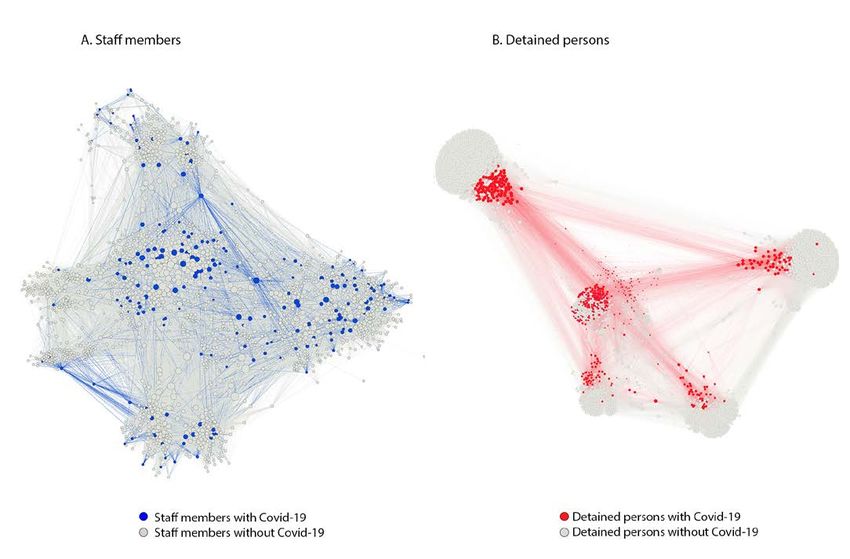
Morbidity and Mortality Weekly Report

   NHIS is an annual survey of the civilian noninstitutional-                            speaking” (93.6%), and “trouble walking” (90.8%). “Sudden trou-
ized U.S. population. In 2017, NHIS included supplemental                                ble seeing” was identified by 83.5%, and “sudden severe headache”
content in the sample adult interview that provided a list of                            by 76.5%. Awareness of calling 9-1-1 was high (96.3%). Prevalence
five signs and symptoms and asked respondents to identify                                of recommended stroke knowledge was 67.5%.
whether each was a symptom “that someone may be having                                     Awareness of individual signs and symptoms of stroke and
a stroke.” Respondents also were asked to choose “the best                               recommended stroke knowledge differed significantly among
thing to do right away” if “you thought someone was having                               subgroups (Table 1). The percentage of adults with recom-
a stroke.” One choice was to call 9-1-1.*                                                mended stroke knowledge ranged from 57.8% among Hispanic
   The prevalence of knowing each of the five signs and symp-                            adults to 71.3% among non-Hispanic White adults and from
toms, to call 9-1-1 for a suspected stroke, and the combination                          54.8% among adults with less than a high school education
of recommended stroke knowledge was estimated overall and                                to 73.1% among college graduates. After multivariable adjust-
by subgroup. Point estimates and corresponding variances were                            ment, disparities in recommended stroke knowledge persisted
calculated using SAS-callable SUDAAN (version 11.0; RTI                                  by race and Hispanic origin and by education status. Smaller
International), accounting for the complex sample design, and                            differences in the prevalence of recommended stroke knowl-
weighted to be nationally representative. Satterthwaite-adjusted                         edge were noted by sex, age, urbanicity, and region (Table 2).
chi-squared tests were used to assess significant (p
Morbidity and Mortality Weekly Report

TABLE 1. Percentages (and standard errors)* of adults aged ≥20 years who knew stroke signs and symptoms and appropriate action to take
in the event of a stroke, by sociodemographic and geographic characteristics — National Health Interview Survey, United States, 2017
                                                                                  % (Standard error)
                           Face, arm,       Confusion,         Sudden                       Sudden        Knows all five                   Knows all five signs
                            leg, side         trouble          trouble       Trouble         severe        stroke signs      Knows to      and symptoms and
Characteristic             numbness          speaking          seeing        walking       headache       and symptoms       call 9-1-1       to call 9-1-1§

Total                    94.4 (0.22)        93.6 (0.25)      83.5 (0.34)   90.8 (0.26)     76.5 (0.37)      69.1 (0.42)      96.3 (0.16)       67.5 (0.43)
Sex
Men                      93.7 (0.32)         93.0 (0.36)     83.0 (0.48)    90.1 (0.38)    74.3 (0.53)      67.0 (0.60)      96.0 (0.23)        65.3 (0.60)
Women                    95.0 (0.25)         94.2 (0.29)     83.9 (0.42)    91.4 (0.33)    78.6 (0.46)      71.2 (0.52)      96.6 (0.21)        69.6 (0.53)
p-value†
Morbidity and Mortality Weekly Report
TABLE 2. Adjusted prevalence ratios (and 95% CI)* of knowledge of stroke signs and symptoms and appropriate action to take in the event of
a stroke, among adults aged ≥20 years — National Health Interview Survey, United States, 2017
Prevalence ratio (95% CI)
Face, arm, Confusion, Sudden Sudden Knows all five Knows all five signs
leg, side trouble trouble Trouble severe stroke signs Knows to and symptoms
Characteristic numbness speaking seeing walking headache and symptoms call 9-1-1 and to call 9-1-1†
Sex
Men versus women 0.99 0.99 0.99 0.99 0.95 0.94 0.99 0.94
(0.98–0.99) (0.98–0.99) (0.97–1.00) (0.98–1.00) (0.93–0.96) (0.92–0.96) (0.99–1.00) (0.92–0.96)
Age group (yrs)
20–44 versus ≥65 1.02 1.01 1.06 1.01 0.96 0.98 1.02 0.99
(1.00–1.03) (1.00–1.02) (1.04–1.08) (0.99–1.02) (0.94–0.98) (0.96–1.01) (1.01–1.03) (0.97–1.02)
45–64 versus ≥65 1.02 1.02 1.07 1.02 1.01 1.03 1.02 1.04
(1.01–1.03) (1.01–1.03) (1.05–1.09) (1.01–1.03) (0.99–1.03) (1.01–1.06) (1.01–1.03) (1.02–1.07)
Race and Hispanic origin
Hispanic versus White, 0.94 0.93 0.89 0.92 0.94 0.88 0.99 0.87
non-Hispanic (0.93–0.95) (0.91–0.94) (0.87–0.92) (0.91–0.94) (0.91–0.97) (0.84–0.91) (0.98–1.00) (0.83–0.91)
Black versus White, 0.98 0.97 0.95 0.96 0.96 0.91 1.01 0.92
non-Hispanic (0.96–0.99) (0.95–0.98) (0.92–0.97) (0.94–0.98) (0.92–0.99) (0.88–0.95) (1.00–1.02) (0.88–0.96)
Other versus White, 0.94 0.92 0.90 0.94 0.91 0.87 0.98 0.87
non-Hispanic (0.92–0.96) (0.90–0.94) (0.87–0.93) (0.92–0.96) (0.88–0.95) (0.83–0.91) (0.96–0.99) (0.83–0.91)
Level of education§
Less than HS versus 0.92 0.90 0.84 0.89 0.86 0.79 0.97 0.78
college degree (0.90–0.93) (0.88–0.92) (0.81–0.87) (0.87–0.91) (0.83–0.89) (0.75–0.83) (0.96–0.98) (0.74–0.82)
HS or GED versus 0.96 0.96 0.91 0.95 0.93 0.88 0.99 0.87
college degree (0.95–0.97) (0.95–0.97) (0.89–0.93) (0.94–0.96) (0.91–0.95) (0.85–0.90) (0.98–1.00) (0.84–0.90)
Some college versus 1.00 0.99 0.97 1.00 0.98 0.96 1.00 0.95
college degree (0.99–1.00) (0.99–1.00) (0.96–0.99) (0.98–1.01) (0.96–1.00) (0.93–0.98) (0.99–1.00) (0.93–0.97)
County urbanicity
Rural versus large 1.01 1.01 1.01 1.01 1.02 1.04 1.00 1.04
metropolitan (0.99–1.03) (0.99–1.03) (0.98–1.03) (0.99–1.03) (0.99–1.05) (1.00–1.08) (0.99–1.01) (1.00–1.08)
Medium or small 1.02 1.02 1.02 1.02 1.05 1.05 1.01 1.05
metropolitan versus (1.01–1.03) (1.01–1.03) (1.01–1.04) (1.01–1.03) (1.03–1.07) (1.02–1.08) (1.00–1.01) (1.02–1.08)
large metropolitan
Region
Northeast versus 1.00 0.99 1.00 0.98 1.04 1.05 1.00 1.05
Midwest (0.99–1.01) (0.97–1.00) (0.98–1.03) (0.97–1.00) (1.01–1.07) (1.01–1.09) (0.99–1.01) (1.01–1.09)
South versus Midwest 0.99 0.98 1.01 0.99 1.05 1.05 0.99 1.05
(0.98–1.00) (0.97–1.00) (0.99–1.03) (0.98–1.01) (1.02–1.07) (1.02–1.09) (0.99–1.00) (1.02–1.08)
West versus Midwest 1.00 1.00 1.01 1.00 1.04 1.04 0.99 1.03
(0.99–1.01) (0.99–1.01) (0.98–1.03) (0.98–1.01) (1.01–1.07) (1.00–1.08) (0.99–1.00) (1.00–1.07)
Unweighted sample 25,985 25,985 25,985 25,985 25,985 25,983 25,985 25,982
size
Abbreviations: CI = confidence interval; GED = general educational development; HS = high school.
* Models included sex, age, race and Hispanic origin, education, county urbanicity, and region. “Don’t know” responses on knowing the signs and symptoms of stroke
were treated as no; all not ascertained and refused responses were treated as missing and excluded from these analyses.
† The combination of knowing all five signs and symptoms of stroke and to call 9-1-1 is referred to as “recommended stroke knowledge.”
§ Education was missing for 91 adults in the sample; these participants were omitted when education was assessed.
Previous studies have shown that stroke morbidity and Program† aims to improve the continuum of care, including
mortality vary across populations and communities and dis- emergency services activation. In addition, the U.S. Department
proportionately affect racial and ethnic minorities, persons of Health and Human Services’ Million Hearts§ initiative aims
with less education, and persons living in the Southeast (i.e., to prevent 1 million heart attacks and strokes by 2022 through
the “stroke belt”) (1). Among some subgroups, stroke mortal- targeted community and health system interventions. The Get
ity might be increasing, and overall, declines in stroke death With The Guidelines-Stroke¶ program of the American Heart
rates have stalled in most states (9). The extent to which an Association and the American Stroke Association has supported
increase in stroke knowledge could affect existing disparities improvements in care, including evidence-based interventions
and trends in stroke mortality is unknown.
† https://www.cdc.gov/dhdsp/programs/stroke_registry.htm.
Improvements in stroke outcomes depend on early recognition § https://millionhearts.hhs.gov/.
and timely initiation of care, as well as medical advances and ¶ https://www.heart.org/en/professional/quality-improvement/get-with-the-
care coordination. CDC’s Paul Coverdell National Acute Stroke guidelines/get-with-the-guidelines-stroke.
1620 MMWR / November 6, 2020 / Vol. 69 / No. 44 US Department of Health and Human Services/Centers for Disease Control and PreventionMorbidity and Mortality Weekly Report
Corresponding author: Sandra Jackson, SLJackson@cdc.gov, 770-488-4221.
Summary
1Division for Heart Disease and Stroke Prevention, National Center for Chronic
What is known about this topic?
Disease Prevention and Health Promotion, CDC; 2Rollins School of Public Health,
Awareness of stroke signs and symptoms and the need to call Department of Epidemiology, Emory University, Atlanta, Georgia; 3Division of
9-1-1 when those occur can improve stroke outcomes. Health Interview Statistics, National Center for Health Statistics, CDC.
What is added by this report? All authors have completed and submitted the International
During 2017, high levels of awareness of individual signs and Committee of Medical Journal Editors form for disclosure of potential
symptoms of stroke and the need to call 9-1-1 when those conflicts of interest. No potential conflicts of interest were disclosed.
occur were reported. However, only two thirds of U.S. adults had
the combination of all recommended stroke knowledge, with References
sociodemographic and geographic variation. 1. Virani SS, Alonso A, Benjamin EJ, et al.; American Heart Association
What are the implications for public health practice? Council on Epidemiology and Prevention Statistics Committee and
Stroke Statistics Subcommittee. Heart disease and stroke statistics—2020
Increasing awareness of the signs and symptoms of stroke update: a report from the American Heart Association. Circulation
continues to be a national priority. Estimates from this report 2020;141:e139–596. PMID:31992061 https://doi.org/10.1161/
might be used to inform communication strategies that CIR.0000000000000757
improve awareness and reduce disparities. 2. Powers WJ, Rabinstein AA, Ackerson T, et al.; American Heart
Association Stroke Council. 2018 Guidelines for the early management
of patients with acute ischemic stroke: a guideline for healthcare
such as tissue plasminogen activator (tPA) (10). Rapid recogni- professionals from the American Heart Association/American Stroke
tion of stroke signs and symptoms and then immediately call- Association. Stroke 2018;49:e46–110. PMID:29367334 https://doi.
org/10.1161/STR.0000000000000158
ing 9-1-1 increases the potential for ischemic stroke patients to 3. Fonarow GC, Zhao X, Smith EE, et al. Door-to-needle times for tissue
quickly receive tPA, maximizing the health benefit. plasminogen activator administration and clinical outcomes in acute
The findings in this report are subject to at least five limitations. ischemic stroke before and after a quality improvement initiative. JAMA
First, all data were self-reported and subject to recall and social 2014;311:1632–40. PMID:24756513 https://doi.org/10.1001/
jama.2014.3203
desirability biases. Second, questions did not capture all potential 4. Patel A, Fang J, Gillespie C, et al. Awareness of stroke signs and symptoms
stroke signs and symptoms. Third, close-ended (yes/no) questions and calling 9-1-1 among US adults: National Health Interview Survey,
might overestimate awareness. Fourth, no established standard 2009 and 2014. Prev Chronic Dis 2019;16:180564. PMID:31228234
https://doi.org/10.5888/pcd16.180564
is available for determining stroke awareness or how knowledge 5. Ojike N, Ravenell J, Seixas A, et al. Racial disparity in stroke awareness
translates into appropriate action in response to a stroke, overall in the US: an analysis of the 2014 National Health Interview Survey.
or across subgroups. Finally, the sample size was large, enabling J Neurol Neurophysiol 2016;7:365. PMID:27478680 https://doi.
org/10.4172/2155-9562.1000365
detection of slight statistical differences, but no clear threshold 6. Higashida R, Alberts MJ, Alexander DN, et al.; American Heart
exists for classifying meaningful differences in stroke knowledge Association Advocacy Coordinating Committee. Interactions within
to prompt earlier recognition and more timely care. stroke systems of care: a policy statement from the American Heart
Primary prevention is central to promoting cardiovascular Association/American Stroke Association. Stroke 2013;44:2961–84.
PMID:23988638 https://doi.org/10.1161/STR.0b013e3182a6d2b2
health and includes assessment and management of stroke risk 7. Adeoye O, Nyström KV, Yavagal DR, et al. Recommendations for the
factors (7). When strokes do occur, recognition of signs and establishment of stroke systems of care: a 2019 update. Stroke
symptoms and then calling 9–1-1 are needed to initiate care 2019;50:e187–210. PMID:31104615 https://doi.org/10.1161/
STR.0000000000000173
quickly to improve outcomes. This report identified overall 8. US Department of Health and Human Services. Healthy people 2020:
high awareness of individual signs and symptoms, yet observed heart disease and stroke. Washington, DC: US Department of Health
lower awareness for certain symptoms. Only approximately two and Human Services; 2014. https://www.healthypeople.gov/2020/
topics-objectives/topic/heart-disease-and-stroke/objectives
thirds of adults surveyed had the combination of recommended 9. Yang Q, Tong X, Schieb L, et al. Vital signs: recent trends in stroke death
stroke knowledge, and geographic variation and sociodemo- rates—United States, 2000–2015. MMWR Morb Mortal Wkly Rep
graphic disparities remain. Focused public health efforts, com- 2017;66:933–9. PMID:28880858 https://doi.org/10.15585/mmwr.
munity engagement, innovative strategies to tailor messaging, mm6635e1
10. Howard G, Schwamm LH, Donnelly JP, et al. Participation in Get With
and continued advances in clinical care and coordination might The Guidelines–Stroke and its association with quality of care for stroke.
help address stalled declines in stroke mortality (9). Increasing JAMA Neurol 2018;75:1331–7. PMID:30083763 https://doi.
awareness of the signs and symptoms of stroke continues to be org/10.1001/jamaneurol.2018.2101
a national priority (6), and estimates from this report might
be used to inform communication strategies.
US Department of Health and Human Services/Centers for Disease Control and Prevention MMWR / November 6, 2020 / Vol. 69 / No. 44 1621Morbidity and Mortality Weekly Report
Computerized Capability of Office-Based Physicians to Identify Patients Who
Need Preventive or Follow-up Care — United States, 2017
Damon F. Ogburn, PhD1; Brian W. Ward, PhD2; Alicia Ward, MPH3
Preventive care or follow-up care have the potential to affirmatively to the question, “Does the reporting location use
improve health outcomes, reduce disease in the population, and a computerized system to identify patients due for preventive or
decrease health care costs in the long-term (1). Approximately follow-up care?” Having this computerized capability indicates
one half of persons in the United States receive general recom- that the physician’s office uses a software program that identifies
mended preventive services (2,3). Missed physician appoint- if a patient is in need of preventive or follow-up care, and if so,
ments can hinder the receipt of needed health care (4). With has a computer send an alert or reminder to notify the patient
electronic health record (EHR) systems able to improve interac- that this care is needed (8). This capability is distinct from an
tion and communication between patients and providers (5), EHR system, which might contain medical information from all
electronic reminders are used to decrease missed care. These clinicians involved in a patient’s care (not just those in a specific
reminders can improve various types of preventive and follow- office), and all authorized clinicians involved in a patient’s care
up care, such as immunizations (6) and cancer screening (7); can access the information contained. However, these computer-
however, computerized capability must exist to make use of ized notifications might be part of some EHR systems.
these reminders. To examine this capability among U.S. office- The percentage of physicians having computerized capabil-
based physicians, data from the National Electronic Health ity to identify patients due for preventive or follow-up care
Records Survey (NEHRS) for 2017, the most recent data was estimated for U.S. office-based physicians by selected
available, were analyzed. An estimated 64.7% of office-based physician characteristics, including specialty, medical degree,
physicians had computerized capability to identify patients sex, age group in years, currently accepting new patients, and
who were due for preventive or follow-up care, with 72.9% practice characteristics (size, ownership, uses an EHR system,
of primary care physicians and 71.4% of physicians with an and metropolitan status). The prevalence ratios of physicians
EHR system having this capability compared with surgeons having this computerized capability (adjusted for the above-
(54.8%), nonprimary care physicians (58.5%), and physicians mentioned physician and practice characteristics) were also
without an EHR system (23.4%). Having an EHR system examined by these characteristics using multivariable logistic
is associated with the ability to send electronic reminders to regression. The estimates resulting from this regression were
increase receipt of preventive or follow-up care, which has been used to calculate prevalence ratios according to methods
shown to improve patient health outcomes (8). detailed elsewhere (9). All estimates meet NCHS standards
NEHRS is a nationally representative, mixed-mode survey of reliability for proportions (10). Sample weights were used
of U.S. office-based physicians that collects information on the for all analyses, and NEHRS complex sample design was
adoption, use, and interoperability of EHR systems. Information accounted for by using SUDAAN software (version 11.0.1;
on physician and practice characteristics is also collected. RTI International). For comparisons of estimates among
NEHRS is sponsored by the Office of the National Coordinator subgroups, statistical significance (pMorbidity and Mortality Weekly Report
TABLE. Percentages and adjusted prevalence ratios for office-based
physicians who have computerized capability to identify patients Summary
who are due for preventive or follow-up care, by selected physician What is already known about this topic?
and practice characteristics — National Electronic Health Records
Survey, 2017 Preventive or follow-up care can improve health outcomes and
reduce disease. Missed physician appointments hinder receipt of
Characteristic % (95% CI) aPR (95% CI) health care. Electronic reminders can reduce missed appointments.
Total 64.7 (61.5–67.8) — What is added by this report?
Physician characteristic
In 2017, 64.7% of U.S. office-based physicians had computerized
Specialty capability to identify patients due for preventive or follow-up
Primary care 72.9* (68.6–77.0) Ref*
Surgical care 54.8† (47.3–62.0) 0.8† (0.7–0.9)
care. A lower percentage of surgeons and nonprimary care
Nonprimary care 58.5† (52.5–64.4) 0.8† (0.8–0.9) physicians had this capability compared with primary care
Medical degree physicians. A higher percentage of physicians whose practice
Doctor of medicine 64.8 (61.4–68.0) Ref used an electronic health record system had this capability.
Doctor of osteopathic 63.6 (50.7–75.3) 1.0 (0.8–1.2) What are the implications for public health practice?
medicine
Sex These findings highlight physician and practice characteristics
Female 67.1 (61.4–72.5) Ref associated with capability for computerized identification of
Male 63.7 (59.8–67.5) 1.0 (0.9–1.1) patients due for preventive or follow-up care which might
Age group (yrs) inform efforts to increase patient follow-up.Morbidity and Mortality Weekly Report
the ability to examine the computerized capability to identify References
patients for preventive or follow-up care by physicians in 1. Sabbath EL, Sparer EH, Boden LI, et al. Preventive care utilization:
hospitals, jails and prisons, Veterans Affairs medical facilities, association with individual- and workgroup-level policy and practice
perceptions. Prev Med 2018;111:235–40. PMID:29567439 https://doi.
or other non-office-based locations could not be determined. org/10.1016/j.ypmed.2018.03.013
Second, only having this computerized capability could be 2. Koh HK, Sebelius KG. Promoting prevention through the Affordable
examined, not whether the physician regularly used it, or Care Act. N Engl J Med 2010;363:1296–9. PMID:20879876 https://
whether it was effective in getting the patient to make a care doi.org/10.1056/NEJMp1008560
3. McGlynn EA, Asch SM, Adams J, et al. The quality of health care
appointment. Finally, there might also be additional physician delivered to adults in the United States. N Engl J Med 2003;348:2635–45.
characteristics (e.g., years in practice) and practice characteris- PMID:12826639 https://doi.org/10.1056/NEJMsa022615
tics (e.g., daily patient volume) that could be considered but 4. George A, Rubin G. Non-attendance in general practice: a systematic review
and its implications for access to primary health care. Fam Pract
were not available in NEHRS. 2003;20:178–84. PMID:12651793 https://doi.org/10.1093/fampra/20.2.178
Previous research indicates that the use of electronic remind- 5. Office of the National Coordinator for Health Information Technology.
ers can increase the likelihood of patients returning for preven- Connecting health and care for the nation: a shared nationwide
interoperability roadmap (final version 1.0). Washington, DC: Office
tive or follow-up care (6,7). However, before this can occur, a of the National Coordinator for Health Information Technology; 2015.
physician must have the capability to identify these patients. https://www.healthit.gov/sites/default/files/hie-interoperability/
Having an EHR system can increase the likelihood a physi- nationwide-interoperability-roadmap-final-version-1.0.pdf
cian has this capability, potentially increasing the potential for 6. Bar-Shain DS, Stager MM, Runkle AP, Leon JB, Kaelber DC. Direct
messaging to parents/guardians to improve adolescent immunizations.
patient returns for preventive or follow-up care through use of J Adolesc Health 2015;56(Suppl):S21–6. PMID:25863550 https://doi.
electronic reminders. This has been shown to improve patient org/10.1016/j.jadohealth.2014.11.023
health outcomes (8). 7. Greaney ML, Puleo E, Sprunck-Harrild K, et al. Electronic reminders
for cancer prevention: factors associated with preference for automated
1Division of Health and Nutrition Examination Survey, National Center for voice reminders or text messages. Prev Med 2012;55:151–4.
Health Statistics, CDC; 2Division of Health Care Statistics, National Center for PMID:22659227 https://doi.org/10.1016/j.ypmed.2012.05.014
Health Statistics, CDC; 3Strategic Innovative Solutions, St. Petersburg, Florida. 8. Perri-Moore S, Kapsandoy S, Doyon K, et al. Automated alerts and reminders
Corresponding author: Damon F. Ogburn, ooe7@cdc.gov, 301-458-4342.
targeting patients: a review of the literature. Patient Educ Couns
2016;99:953–9. PMID:26749357 https://doi.org/10.1016/j.pec.2015.12.010
All authors have completed and submitted the International 9. Bieler GS, Brown GG, Williams RL, Brogan DJ. Estimating model-adjusted
Committee of Medical Journal Editors form for disclosure of potential risks, risk differences, and risk ratios from complex survey data. Am J Epidemiol
2010;171:618–23. PMID:20133516 https://doi.org/10.1093/aje/kwp440
conflicts of interest. No potential conflicts of interest were disclosed.
10. Parker JD, Talih M, Malec DJ, et al. National Center for Health Statistics
data presentation standards for proportions. Vital Health Stat 2
2017;175:1–22. PMID:30248016
1624 MMWR / November 6, 2020 / Vol. 69 / No. 44 US Department of Health and Human Services/Centers for Disease Control and PreventionMorbidity and Mortality Weekly Report
Network Characteristics and Visualization of COVID-19 Outbreak in a Large
Detention Facility in the United States — Cook County, Illinois, 2020
Uzay Kırbıyık, MD1,*; Alison M. Binder, MS2,*; Isaac Ghinai, MBBS3,4; Chad Zawitz, MD5,6; Rebecca Levin, MPH7; Usha Samala, MPH4; Michelle
Bryant Smith7; Jane Gubser PsyD7; Bridgette Jones5,6; Kate Varela, DVM3; Josh Rafinski5,6; Anne Fitzgerald7; Peter Orris, MD8; Alex Bahls7; Sharon
Welbel, MD6; Connie Mennella, MD5,6; Stephanie R. Black, MD4; Paige A. Armstrong, MD2
Correctional and detention facilities have been disproportion- specimen from a detained person, and, among staff members,
ately affected by coronavirus disease 2019 (COVID-19) because as reported COVID-19–compatible symptoms or detection of
of shared space and movement of staff members and detained SARS-CoV-2 in specimens by real-time RT-PCR. Detained
persons within facilities (1,2). During March 1–April 30, 2020, persons who reported symptoms or who were a close contact
at Cook County Jail in Chicago, Illinois, >900 COVID-19 of someone with a positive test result were tested; those who
cases were diagnosed across all 10 housing divisions, repre- were not tested (2,763; 72%) or who received a negative test
senting 13 unique buildings.† Movement within the jail was result (608; 16%) were grouped together for analyses and
examined through network analyses and visualization, a field visualizations. Although staff members were not systematically
that examines elements within a network and the connections tested, they were required to report symptoms of COVID-19
between them. This methodology has been used to supple- or receipt of positive test results immediately to CCSO; staff
ment contact tracing investigations for tuberculosis and to members reporting positive test results (confirmed case) or
understand how social networks contribute to transmission symptoms (probable case) were considered to have COVID-19.
of sexually transmitted infections (3–5). Movements and Staff member test results were confirmed through the Illinois
connections of 5,884 persons (3,843 [65%] detained persons National Notifiable Disease Surveillance System.
and 2,041 [35%] staff members) at the jail during March 1–
April 30 were analyzed. A total of 472 (12.3%) COVID-19 Description of Networks
cases were identified among detained persons and 198 (9.7%) In the person-division networks, divisions represent hous-
among staff members. Among 103,701 shared-shift connec- ing buildings within the jail. Connections occur between
tions among staff members, 1.4% occurred between persons persons (detained persons or staff members) and the divisions
with COVID-19, a percentage that is significantly higher than to which they are assigned, either for housing or a work shift.
the expected 0.9% by random occurrence alone (pMorbidity and Mortality Weekly Report known to be positive), and negative-negative connections, The observed rate decreased to 1.0% when the divisions expe- and these ratios were compared using chi-squared tests of riencing the highest clustering related to intentional movement independence; significance was assessed at α = 0.05. as detained persons with COVID-19 were removed from the A joined network of detained persons and staff members network (e.g., to RTU, division 16, or offsite locations). In was constructed but did not demonstrate clear patterns of March, as the number of persons with COVID-19 in the Cook clustering or spread. Detained person and staff member County Jail was increasing, the mean number of interactions networks, displayed separately as unique patterns for each between staff members with COVID-19 (377) was significantly network, were more easily visualized. Data management and higher than that between staff members with negative test results analyses were conducted using SAS (version 9.4; SAS Institute) (321) (p
Morbidity and Mortality Weekly Report

FIGURE 1. Visualization of staff members (A)* and detained persons (B)† epidemiologically linked to an outbreak of COVID-19§ using person-
division networks¶ — Cook County Jail, Illinois, March 1–April 30, 2020

Abbreviations: COVID-19 = coronavirus disease 2019; OL = offsite location; RTU = residential treatment unit.
* Staff members–division network includes 1,843 persons who did not have COVID-19 (gray) and 198 with COVID-19 (blue) as reported to the Cook County Sheriff’s
  Office. Lines (connections) are colored according to the same color scheme.
† Detained persons–division network includes 3,371 persons without COVID-19 (gray) and 472 persons with COVID-19 (red). Lines (connections) are colored according
  to the same color scheme.
§ COVID-19 cases were defined as detection of SARS-CoV-2 (the virus that causes COVID-19) by real-time reverse transcription–polymerase chain reaction (RT-PCR)
  testing in specimens from detained persons, and among staff members, as reported symptoms or SARS-CoV-2 positive RT-PCR test results.
¶ Numbers and letters in large circles within figure represent the individual housing divisions; circle sizes correlate to the number of connections (e.g., a larger circle
  indicates higher number of connections). Location of division node is not representative of the geographic location of the division on-site at the jail.

recorded in this analysis might also contribute, including staff                         confirmed COVID-19 case report counts (9). These studies
members returning to their household and community after                                 demonstrate the capability of a network approach to supple-
each work shift. The higher than expected percentage of staff                            ment traditional investigations and provide timely evidence to
members with COVID-19 reinforces the need for cohorting                                  inform mitigation strategies and policy decisions.
staff members (i.e., keeping groups together), maintaining                                  The findings in this report are subject to at least four limita-
consistency in shift assignment locations, and enforcing mask                            tions. First, the networks described in this report were gener-
use for source control.                                                                  ated by time- and location-based connections among persons,
   This is the first known report using network analyses and                             which might not cover other types of disease transmission,
visualization techniques to describe a COVID-19 outbreak                                 such as fomite spread. Second, for this study, data for staff
in a U.S. correctional or detention facility. Use of network                             member work shift dates and locations were only available for
analyses in China revealed disease occurring in clusters (8).                            CCSO staff members with assignments in housing divisions
Another network study estimated and visualized pandemic                                  and not for those in functional roles (e.g., transportation or
risk by calculating worldwide connectedness using the newly                              central kitchen), or other non-CCSO staff members on site

US Department of Health and Human Services/Centers for Disease Control and Prevention                 MMWR / November 6, 2020 / Vol. 69 / No. 44                     1627
Morbidity and Mortality Weekly Report

FIGURE 2. Visualization of staff members* (A) and detained persons† (B) epidemiologically linked to an outbreak of COVID-19§ using person-
person networks — Cook County Jail, Illinois, March 1–April 30, 2020

Abbreviation: COVID-19 = coronavirus disease 2019.
* Staff members–person-person network includes 103,701 connections between 1,843 persons who did not have COVID-19 (gray) and 198 persons with COVID-19
  as reported to the Cook County Sheriff’s Office (blue). Lines (connections) are colored according to the same color scheme. Observed positive-positive connections
  were higher than expected (n = 1,420 [1.4%] versus n = 976 [0.9%], p
Morbidity and Mortality Weekly Report

  FIGURE 3. Correlation* between percentage of staff members (A)† and detained persons (B)§ with COVID-19¶ with number of connections for
  all divisions — Cook County Jail, Illinois, March 1–April 30, 2020
                        A. Staff members                                                                                  B. Detained persons
                   14                                                                                         100
                                                                 RTU     Div. 6                                                Div. 16
                                                                                                                     90
                   12
                                                        Div. 5                          Div. 2                       80
Percent positive

                   10
                                                                                                                     70

                                                                                                  Percent positive
                   8                                    Div. 11                                                      60
                               Div. 8               Div. 9
                                                                                                                     50
                   6        Div. 4                                                                                                                                            RTU
                                                                                                                     40                   Div. 8
                   4                                                                                                 30
                              Div. 16
                                                                                                                                         OL
                   2                    Div. 10                                                                      20                                                       Div. 10
                                                                                                                     10                         Div. 5           Div. 6                 Div. 11
                   0                                                                                                            Div. 4                           Div. 2       Div. 9
                        0     100       200       300        400       500        600       700                       0
                                                                                                                          0      200          400        600        800        1,000         1,200
                                              No. of connections
                                                                                                                                               No. of connections
  Abbreviations: COVID-19 = coronavirus disease 2019; OL = offsite location; RTU = residential treatment unit.
  * Staff members: r = 0.86, p
Morbidity and Mortality Weekly Report 6. Christakis NA, Fowler JH. The spread of obesity in a large social network 8. Wang P, Lu JA, Jin Y, Zhu M, Wang L, Chen S. Statistical and network over 32 years. N Engl J Med 2007;357:370–9. PMID:17652652 https:// analysis of 1212 COVID-19 patients in Henan, China. Int J Infect Dis doi.org/10.1056/NEJMsa066082 2020;95:391–8. PMID:32339715 https://doi.org/10.1016/j. 7. CDC. Coronavirus disease 2019 (COVID-19): interim guidance on ijid.2020.04.051 management of coronavirus disease 2019 (COVID-19) in correctional and 9. So MKP, Tiwari A, Chu AMY, Tsang JTY, Chan JNL. Visualizing detention facilities. Atlanta, GA: US Department of Health and Human COVID-19 pandemic risk through network connectedness. Int J Infect Services, CDC; 2020. https://www.cdc.gov/coronavirus/2019-ncov/ Dis 2020;96:558–61. PMID:32437929 https://doi.org/10.1016/j. community/correction-detention/guidance-correctional-detention.html ijid.2020.05.011 1630 MMWR / November 6, 2020 / Vol. 69 / No. 44 US Department of Health and Human Services/Centers for Disease Control and Prevention
Morbidity and Mortality Weekly Report

       Transmission of SARS-COV-2 Infections in Households — Tennessee and
                         Wisconsin, April–September 2020
Carlos G. Grijalva, MD1,*; Melissa A. Rolfes, PhD2,*; Yuwei Zhu, MD1; Huong Q. McLean, PhD3; Kayla E. Hanson, MPH3; Edward A. Belongia, MD3;
                     Natasha B. Halasa, MD1; Ahra Kim, MPH1; Carrie Reed, DSc2; Alicia M. Fry, MD2; H. Keipp Talbot, MD1

   On October 30, 2020, this report was posted as an MMWR                       members of the household should wear a mask when in shared
Early Release on the MMWR website (https://www.cdc.gov/mmwr).                   spaces in the household.§
   Improved understanding of transmission of SARS-CoV-2,                           The data presented in this report are from an ongoing, CDC-
the virus that causes coronavirus disease 2019 (COVID-19),                      supported study of household transmission of SARS-CoV-2 in
within households could aid control measures. However, few                      Nashville, Tennessee and Marshfield, Wisconsin, and include
studies have systematically characterized the transmission of                   households enrolled during April–September 2020. ¶
SARS-CoV-2 in U.S. households (1). Previously reported                          Households were eligible if the index patient had symptom
transmission rates vary widely, and data on transmission rates                  onset
Morbidity and Mortality Weekly Report [IQR] = 24–48 years); 14 (14%) index patients were aged TABLE 1. Characteristics of index patients with laboratory-confirmed
Morbidity and Mortality Weekly Report

TABLE 2. Rates of secondary laboratory-confirmed SARS-CoV-2
infections among household members enrolled in a prospective                         Summary
study of SARS-CoV-2 household transmission — Tennessee and                           What is already known about this topic?
Wisconsin, April–September 2020
                                                                                     Transmission of SARS-CoV-2 occurs within households;
                                     Laboratory-confirmed    Secondary               however, transmission estimates vary widely and the data on
                                    SARS-CoV-2 infections/ infection rate
                                                                                     transmission from children are limited.
Characteristic                     Household members at risk % (95% CI)*
All household members                       102/191               53 (46–60)         What is added by this report?
Nasal swab–positive tests only               89/191               47 (40–54)         Findings from a prospective household study with intensive
RT-PCR–negative at enrollment                48/137               35 (28–43)         daily observation for ≥7 consecutive days indicate that
Index patient age group, yrs                                                         transmission of SARS-CoV-2 among household members was
Morbidity and Mortality Weekly Report
Jennifer Anderson, Elizabeth Armagost, Deanna Cole, Joe Finamore, References
Erica Joy Graves, Sherri Guzinski, Linda Heeren, Jacob Johnston, Chris 1. Lewis NM, Chu VT, Ye D, et al. Household transmission of SARS-CoV-2
Kadolph, Julie Karl, Tamara Kronenwetter Koepel, Diane Kohnhorst, in the United States. Clin Infect Dis 2020;ciaa1166 Epub August16,
Erik Kronholm, Eric LaRose, Karen McGreevey, Sudha Medabalimi, 2020. https://doi.org/10.1093/cid/ciaa1166
Nidhi Mehta, Nan Pan, Rebecca Pilsner, DeeAnn Polacek, Martha 2. Wyllie AL, Fournier J, Casanovas-Massana A, et al. Saliva or nasopharyngeal
swab specimens for detection of SARS-CoV-2 [Letter]. N Engl J Med
Presson, Carla Rottscheit, Jacklyn Salzwedel, Ram Shrestha, Sandy 2020;383:1283–6. https://doi.org/10.1056/NEJMc2016359
Strey, Melissa Wendt, Marshfield Clinic Research Institute. 3. Burke RM, Midgley CM, Dratch A, et al. Active monitoring of
Corresponding author: Melissa A. Rolfes, ydi8@cdc.gov. persons exposed to patients with confirmed COVID-19—United
States, January–February 2020. MMWR Morb Mortal Wkly Rep
1Vanderbilt University Medical Center, Nashville, Tennessee; 2CDC COVID-19 2020;69:245–6. https://doi.org/10.15585/mmwr.mm6909e1
Response Team; 3Marshfield Clinic Research Institute, Marshfield, Wisconsin. 4. Wu J, Huang Y, Tu C, et al. Household transmission of SARS-CoV-2,
Zhuhai, China, 2020. Clin Infect Dis 2020;ciaa557.
All authors have completed and submitted the International 5. Wang Z, Ma W, Zheng X, Wu G, Zhang R. Household transmission
Committee of Medical Journal Editors form for disclosure of of SARS-CoV-2. J Infect 2020;81:179–82. https://doi.org/10.1016/j.
potential conflicts of interest. Carlos G. Grijalva reports personal jinf.2020.03.040
consulting fees from Sanofi, Merck, and Pfizer; grants from Sanofi, 6. Lei H, Xu X, Xiao S, Wu X, Shu Y. Household transmission of COVID-19-a
Campbell Alliance, the National Institutes of Health, the Agency systematic review and meta-analysis. J Infect 2020. Epub August 25. https://
doi.org/10.1016/j.jinf.2020.08.033
for HealthCare Research and Quality, and a contract from the Food 7. Wang Y, Tian H, Zhang L, et al. Reduction of secondary transmission
and Drug Administration, outside the submitted work. Natasha B. of SARS-CoV-2 in households by face mask use, disinfection and
Halasa reports grants from Sanofi and Quidel and personal fees from social distancing: a cohort study in Beijing, China. BMJ Glob Health
Genetech, outside the submitted work. No other potential conflicts 2020;5:e002794. https://doi.org/10.1136/bmjgh-2020-002794
of interest were disclosed. 8. Haroon S, Chandan JS, Middleton J, Cheng KK. Covid-19: breaking
the chain of household transmission. BMJ 2020;370:m3181. https://
doi.org/10.1136/bmj.m3181
9. Mina MJ, Parker R, Larremore DB. Rethinking Covid-19 test sensitivity—a
strategy for containment. N Engl J Med 2020. Epub September 30, 2020.
10. McCulloch DJ, Kim AE, Wilcox NC, et al. Comparison of unsupervised home
self-collected midnasal swabs with clinician-collected nasopharyngeal swabs
for detection of SARS-CoV-2 infection. JAMA Netw Open 2020;3:e2016382.
https://doi.org/10.1001/jamanetworkopen.2020.16382
1634 MMWR / November 6, 2020 / Vol. 69 / No. 44 US Department of Health and Human Services/Centers for Disease Control and PreventionMorbidity and Mortality Weekly Report
Birth and Infant Outcomes Following Laboratory-Confirmed SARS-CoV-2
Infection in Pregnancy — SET-NET, 16 Jurisdictions, March 29–October 14, 2020
Kate R. Woodworth, MD1; Emily O’Malley Olsen, PhD1; Varsha Neelam, MPH1; Elizabeth L. Lewis, MPH1; Romeo R. Galang, MD1;
Titilope Oduyebo, MD1; Kathryn Aveni, MPH2; Mahsa M. Yazdy, PhD3; Elizabeth Harvey, PhD4; Nicole D. Longcore, MPH5;
Jerusha Barton, MPH6; Chris Fussman, MS7; Samantha Siebman, MPH8; Mamie Lush, MA9; Paul H. Patrick, MPH10; Umme-Aiman Halai, MD11;
Miguel Valencia-Prado, MD12; Lauren Orkis, DrPH13; Similoluwa Sowunmi, MPH14; Levi Schlosser, MPH15; Salma Khuwaja, MD16;
Jennifer S. Read, MD17; Aron J. Hall, DVM1; Dana Meaney-Delman, MD1; Sascha R. Ellington, PhD1; Suzanne M. Gilboa, PhD1; Van T. Tong, MPH1;
CDC COVID-19 Response Pregnancy and Infant Linked Outcomes Team
On November 2, 2020 this report was posted as an MMWR and reemerging threats.§ Supplementary pregnancy-related
Early Release on the MMWR website (https://www.cdc.gov/mmwr). information is reported for women with SARS-CoV-2
Pregnant women with coronavirus disease 2019 (COVID-19) infection (based on detection of SARS-CoV-2 in a clinical
are at increased risk for severe illness and might be at risk specimen by molecular amplification detection testing¶) dur-
for preterm birth (1–3). The full impact of infection with ing pregnancy through the day of delivery. As of October 14,
SARS-CoV-2, the virus that causes COVID-19, in pregnancy 2020, 16 jurisdictions** have contributed data. Pregnancy
is unknown. Public health jurisdictions report information, status was ascertained through routine COVID-19 case sur-
including pregnancy status, on confirmed and probable veillance or through matching of reported cases with other
COVID-19 cases to CDC through the National Notifiable sources (e.g., vital records, administrative data) to identify or
Diseases Surveillance System.* Through the Surveillance confirm pregnancy status. Data were abstracted using standard
for Emerging Threats to Mothers and Babies Network forms††; sources include routine public health investigations,
(SET-NET), 16 jurisdictions collected supplementary informa- vital records, laboratory reports, and medical records. Chi-
tion on pregnancy and infant outcomes among 5,252 women squared tests were performed to test for statistically significant
with laboratory-confirmed SARS-CoV-2 infection reported (pMorbidity and Mortality Weekly Report one underlying medical condition was reported for 1,564 Discussion (45.1%) women, with prepregnancy obesity (body mass index In this analysis of COVID-19 SET-NET data from ≥30 kg/m2) (35.1%) being the most commonly reported. Most 16 jurisdictions, the proportion of preterm live births among (84.4%) women had infection identified in the third trimester women with SARS-CoV-2 infection during pregnancy (based on date of first positive test result or symptom onset). (12.9%) was higher than that in the general population in Symptom status was known for 2,691 (60.6%) women, 376 2019 (10.2%) (4), suggesting that pregnant women with (14.0%) of whom were reported to be asymptomatic. SARS-CoV-2 infection might be at risk for preterm delivery. Among 4,527 fetuses and infants, the outcomes comprised These data are preliminary and describe primarily women 4,495 (99.3%) live births (including 79 sets of twins and one set with second and third trimester infection, and findings are of triplets), 12 (0.3%) pregnancy losses at
Morbidity and Mortality Weekly Report

TABLE 1. Demographics, underlying medical conditions, and SARS-CoV-2 infection characteristics of pregnant women with known pregnancy
outcomes, by symptom status — SET-NET, 16 jurisdictions, March 29–October 14, 2020
                                                                                                         No. of women (%)
                                                                                         [Total no. of women with available information]
                                                                                             With symptomatic*       With asymptomatic        Unknown symptom
                                                                         Total                    infection               infection                status
Characteristic                                                    N = 4,442 (100.0)            N = 2,315 (52.1)          N = 376 (8.5)          N = 1,751 (39.4)
Age group, yrs                                                           [3,097]                   [1,883]                     [298]                    [916]
Median (IQR)                                                    28.9 (24.4–34.0)          30.0 (24.7–34.0)          28.0 (24.2–33.7)         30.0 (24.2–34.0)
Morbidity and Mortality Weekly Report
TABLE 2. Pregnancy and birth outcomes among pregnant women with laboratory-confirmed SARS-CoV-2 infection by symptom status* —
SET-NET, 16 jurisdictions, March 29–October 14, 2020
No. of outcomes (%)
[Total no. of women with available information]
Women with Women with Women with no
symptomatic asymptomatic symptom status
Total infection† infection reported
Characteristic N = 4,442 N = 2,315 (52.1) N = 376 (8.5) N = 1,751 (39.4)
Days from first positive RT-PCR test to pregnancy outcome [3,278] [2,104] [278] [894]
Median (IQR) 17.5 (1–58) 23 (3–61) 1 (0–12) 12 (1–58)
Induction of labor [3,846] [2,113] [264] [1,469]
Induced 1,091 (28.4) 593 (28.1) 78 (29.5) 420 (28.6)
Delivery type [3,920] [2,145] [285] [1,490]
Vaginal 2,589 (66.0) 1,403 (65.4) 195 (68.4) 991 (66.5)
Cesarean 1,331 (34.0) 742 (34.6) 90 (31.6) 499 (33.5)
Emergent 110 (39.6) 72 (42.6) 11 (37.9) 27 (33.8)
Non-emergent 168 (60.4) 97 (57.4) 18 (62.1) 53 (66.3)
Pregnancy outcome [4,527] § [2,372] [384] [1,771]
Live birth 4,495 (99.3) 2,355 (99.3) 379 (98.7) 1,761 (99.4)
Pregnancy loss 32 (0.7) 17 (0.7) 5 (1.3) 10 (0.6)
Pregnancy lossMorbidity and Mortality Weekly Report
TABLE 3. Characteristics of laboratory-confirmed infection among infants born to pregnant women with laboratory-confirmed SARS-CoV-2
infection — SET-NET, 13* jurisdictions, March 29–October 14, 2020
No. of infants (%)
[Total no. of infants with available information]
Not tested or RT-PCR RT-PCR
Total missing data† positive results negative results
Characteristic N = 2,869 (100.0) N = 2,259 (78.7) N = 16 (0.6)§ N = 594 (20.7)
Maternal symptom status [1,871] [1,475] [13] [383]
Asymptomatic 231 (12.3) 127 (8.6) 4 (30.8) 100 (26.1)
Symptomatic 1,640 (87.7) 1,348 (91.4) 9 (69.2) 283 (73.9)
Timing of maternal infection¶ [1,851] [1,440] [14] [398]
≤7 days before delivery 740 (40.0) 456 (31.7) 11 (84.6) 273 (68.6)
8–10 days before delivery 77 (4.2) 56 (3.9) 1 (7.7) 20 (5.0)
>10 days before delivery 1,034 (55.9) 928 (64.4) 1 (7.7) 105 (26.4)
Median (IQR) days from mother’s first positive test to delivery 17 (2–53) 28 (3–63) 1 (0–4) 2 (0–12)
Maximum days from mother’s first positive test to delivery 191 191 12 132
Gestational age at birth [2,692] [2,085] [16] [591]
Term (≥37 wks) 2,349 (87.3) 1,849 (88.7) 8 (50) 492 (83.2)
Late preterm (34–36 wks) 237 (8.8) 168 (8.1) 3 (18.8) 66 (11.2)
Moderate to very preterm (Morbidity and Mortality Weekly Report
Liana, Robin M. Williams, Nebraska Department of Health and Human All authors have completed and submitted the International
Services; Joy Rende, New Jersey Department of Health; Zahra S. Alaali, Committee of Medical Journal Editors form for disclosure of potential
Dierdre Depew, Elizabeth Dufort, Clair McGarry, Cori J. Rice, Amy conflicts of interest. No potential conflicts of interest were disclosed.
Robbins, Jamie N. Sommer, Nadia Thomas, New York State Department
of Health; Megan Meldrum, NYS Immunization Information System, References
New York State Department of Health; Bethany Reynolds, Pennsylvania 1. Zambrano L, Ellington S, Strid P, et al. Update: characteristics of
Department of Health; Stephany I. Perez-Gonzalez, Puerto Rico symptomatic women of reproductive age with laboratory-confirmed
SARS-CoV-2 infection by pregnancy status—United States, January 22–
Department of Health; Lindsey Sizemore, Heather Wingate, Tennessee
October 3, 2020. MMWR Morb Mortal Wkly Rep 2020. Epub
Department of Health. November 2, 2020.
2. Delahoy MJ, Whitaker M, O’Halloran A, et al.; COVID-NET Surveillance
COVID-19 Pregnancy and Infant Linked Outcomes Team (PILOT) Team. Characteristics and maternal and birth outcomes of hospitalized
Augustina Delaney, CDC; Jason Hsia, CDC; Kellianne King, pregnant women with laboratory-confirmed COVID-19—COVID-NET,
13 states, March 1–August 22, 2020. MMWR Morb Mortal Wkly Rep
CDC; Mirna Perez, CDC; Megan Reynolds, CDC; Aspen Riser, 2020;69:1347–54. https://doi.org/10.15585/mmwr.mm6938e1
CDC; Maria Rivera, CDC; Christina Sancken, CDC; John Sims, 3. Panagiotakopoulos L, Myers TR, Gee J, et al. SARS-CoV-2 infection
CDC; Ashley Smoots, CDC; Margaret Snead, CDC; Penelope among hospitalized pregnant women: reasons for admission and pregnancy
Strid, CDC; Tineka Yowe-Conley, CDC; Laura Zambrano, CDC; characteristics—eight U.S. health care centers, March 1–May 30, 2020.
Lauren Zapata, CDC; Susan Manning, Massachusetts Department MMWR Morb Mortal Wkly Rep 2020;69:1355–9. https://doi.
org/10.15585/mmwr.mm6938e2
of Public Health; Veronica Burkel, Eagle Medical Services; Amanda 4. Martin J, Hamilton B, Osterman M. Births in the United States, 2019.
Akosa, Eagle Global Scientific; Carolyne Bennett, Eagle Global US Department of Health and Human Services, CDC, National Center
Scientific; Isabel Griffin, Eagle Global Scientific; John Nahabedian, for Health Statistics; 2020. https://www.cdc.gov/nchs/data/databriefs/
Eagle Global Scientific; Suzanne Newton, Eagle Global Scientific; db387-H.pdf
Nicole M. Roth, Eagle Global Scientific; Neha Shinde, Eagle Global 5. Allotey J, Stallings E, Bonet M, et al. Clinical manifestations, risk factors,
and maternal and perinatal outcomes of coronavirus disease 2019 in
Scientific; Erin Whitehouse, Epidemic Intelligence Service; Daniel pregnancy: living systematic review and meta-analysis. BMJ
Chang, Oak Ridge Institute for Science and Education; Charise Fox, 2020;370:m3320. https://doi.org/10.1136/bmj.m3320
Oak Ridge Institute for Science and Education; Yousra Mohamoud, 6. Flaherman VJ, Afshar Y, Boscardin J, et al. Infant outcomes following
Oak Ridge Institute for Science and Education; Florence Whitehill, maternal infection with SARS-CoV-2: first report from the PRIORITY
Oak Ridge Institute for Science and Education. study. Clin Infect Dis 2020. https://doi.org/10.1093/cid/ciaa1411
7. Liese KL, Mogos M, Abboud S, Decocker K, Koch AR, Geller SE. Racial
Corresponding author: Kate Woodworth, eocevent397@cdc.gov. and ethnic disparities in severe maternal morbidity in the United States.
1 CDC COVID-19 Response; 2 New Jersey Department of Health;
J Racial Ethn Health Disparities 2019;6:790–8. https://doi.org/10.1007/
3Massachusetts Department of Public Health; 4Tennessee Department of
s40615-019-00577-w
8. Petersen EE, Davis NL, Goodman D, et al. Racial/ethnic disparities in
Health; 5New York State Department of Health; 6Georgia Department of
pregnancy-related deaths—United States, 2007–2016. MMWR Morb Mortal
Public Health; 7Michigan Department of Health and Human Services;
8Minnesota Department of Health; 9Nebraska Department of Health and Wkly Rep 2019;68:762–5. https://doi.org/10.15585/mmwr.mm6835a3
Human Services; 10Oklahoma State Health Department; 11Los Angeles County 9. Pruitt SM, Hoyert DL, Anderson KN, et al. Racial and ethnic disparities
Department of Public Health; 12Puerto Rico Department of Health; in fetal deaths—United States, 2015–2017. MMWR Morb Mortal Wkly
13Pennsylvania Department of Health; 14California Department of Public Rep 2020;69:1277–82. https://doi.org/10.15585/mmwr.mm6937a1
Health; 15 North Dakota Department of Health; 16 Houston Health
Department; 17Vermont Department of Health.
1640 MMWR / November 6, 2020 / Vol. 69 / No. 44 US Department of Health and Human Services/Centers for Disease Control and PreventionMorbidity and Mortality Weekly Report
Update: Characteristics of Symptomatic Women of Reproductive Age with
Laboratory-Confirmed SARS-CoV-2 Infection by Pregnancy Status —
United States, January 22–October 3, 2020
Laura D. Zambrano, PhD1,*; Sascha Ellington, PhD1,*; Penelope Strid, MPH1; Romeo R. Galang, MD1; Titilope Oduyebo, MD1; Van T. Tong, MPH1;
Kate R. Woodworth, MD1; John F. Nahabedian III, MS1; Eduardo Azziz-Baumgartner, MD1; Suzanne M. Gilboa, PhD1; Dana Meaney-Delman, MD1;
CDC COVID-19 Response Pregnancy and Infant Linked Outcomes Team
On November 2, 2020, this report was posted as an MMWR Data on laboratory-confirmed and probable COVID-19
Early Release on the MMWR website (https://www.cdc.gov/mmwr). cases† were electronically reported to CDC using a standardized
Studies suggest that pregnant women might be at increased case report form§ or NNDSS¶ as part of COVID-19 surveil-
risk for severe illness associated with coronavirus disease 2019 lance efforts. Data are reported by health departments and can
(COVID-19) (1,2). This report provides updated information be updated by health departments as new information becomes
about symptomatic women of reproductive age (15–44 years) available. This analysis included cases initially reported to
with laboratory-confirmed infection with SARS-CoV-2, CDC during January 22–October 3, 2020, with data updated
the virus that causes COVID-19. During January 22– as of October 28, 2020. Cases were limited to those in symp-
October 3, CDC received reports through national COVID-19 tomatic women aged 15–44 years in the United States with
case surveillance or through the National Notifiable Diseases laboratory-confirmed infection (detection of SARS-CoV-2
Surveillance System (NNDSS) of 1,300,938 women aged RNA in a clinical specimen using a molecular amplification
15–44 years with laboratory results indicative of acute infection detection test). Information on demographic characteristics,
with SARS-CoV-2. Data on pregnancy status were available for pregnancy status, underlying medical conditions, symptoms,
461,825 (35.5%) women with laboratory-confirmed infection, and outcomes was collected. Pregnancy status was ascertained
409,462 (88.7%) of whom were symptomatic. Among symp- by a pregnancy field on the COVID-19 case report form
tomatic women, 23,434 (5.7%) were reported to be pregnant. or through records linked to the Surveillance for Emerging
After adjusting for age, race/ethnicity, and underlying medical Threats to Mothers and Babies Network (SET-NET) optional
conditions, pregnant women were significantly more likely than COVID-19 module**,†† (3). CDC ascertained symptom status
were nonpregnant women to be admitted to an intensive care either through a reported symptom status variable (symptom-
unit (ICU) (10.5 versus 3.9 per 1,000 cases; adjusted risk ratio atic, asymptomatic, or unknown) or based on the presence of at
[aRR] = 3.0; 95% confidence interval [CI] = 2.6–3.4), receive least one specific symptom on the case report form. Outcomes
invasive ventilation (2.9 versus 1.1 per 1,000 cases; aRR = 2.9; with missing data were assumed not to have occurred. Crude
95% CI = 2.2–3.8), receive extracorporeal membrane and adjusted RRs and 95% CIs were calculated using modi-
oxygenation (ECMO) (0.7 versus 0.3 per 1,000 cases; fied Poisson regression. Overall and stratified risk ratios were
aRR = 2.4; 95% CI = 1.5–4.0), and die (1.5 versus 1.2 per adjusted for age (in years), race/ethnicity, and presence of
1,000 cases; aRR = 1.7; 95% CI = 1.2–2.4). Stratifying these diabetes, cardiovascular disease (including hypertension), and
analyses by age and race/ethnicity highlighted disparities chronic lung disease. SAS (version 9.4; SAS Institute) was used
in risk by subgroup. Although the absolute risks for severe to conduct all analyses. This activity was reviewed by CDC
outcomes for women were low, pregnant women were at and was conducted consistent with applicable federal law and
increased risk for severe COVID-19–associated illness. To CDC policy.§§
reduce the risk for severe illness and death from COVID-19, During January 22–October 3, a total of 5,003,041
pregnant women should be counseled about the importance laboratory-confirmed cases of SARS-CoV-2 infection were
of seeking prompt medical care if they have symptoms reported to CDC as part of national COVID-19 case
and measures to prevent SARS-CoV-2 infection should be surveillance, including 1,300,938 (26.0%) cases in women
strongly emphasized for pregnant women and their families † https://wwwn.cdc.gov/nndss/conditions/coronavirus-disease-2019-covid-19/
during all medical encounters, including prenatal care visits. case-definition/2020/08/05/.
Understanding COVID-19–associated risks among pregnant § https://www.cdc.gov/coronavirus/2019-ncov/downloads/pui-form.pdf.
¶ https://wwwn.cdc.gov/nndss/covid-19-response.html.
women is important for prevention counseling and clinical
** https://www.cdc.gov/coronavirus/2019-ncov/downloads/cases-updates/case-
care and treatment. report-form-pregnancy-module.pdf.
†† https://www.researchsquare.com/article/rs-90329/v1.
* These authors contributed equally to this report. §§ 45 C.F.R. part 46, 21 C.F.R. part 56; 42 U.S.C. Sect. 241(d); 5 U.S.C. Sect.
552a; 44 U.S.C. Sect. 3501 et seq.
US Department of Health and Human Services/Centers for Disease Control and Prevention MMWR / November 6, 2020 / Vol. 69 / No. 44 1641You can also read


