South Africa Mega: Kruger Extension II - 25th February to 1st March 2019 (5 days) - Rockjumper Birding Tours
←
→
Page content transcription
If your browser does not render page correctly, please read the page content below
South Africa
                    Mega: Kruger Extension II
                    25th February to 1st March 2019 (5 days)

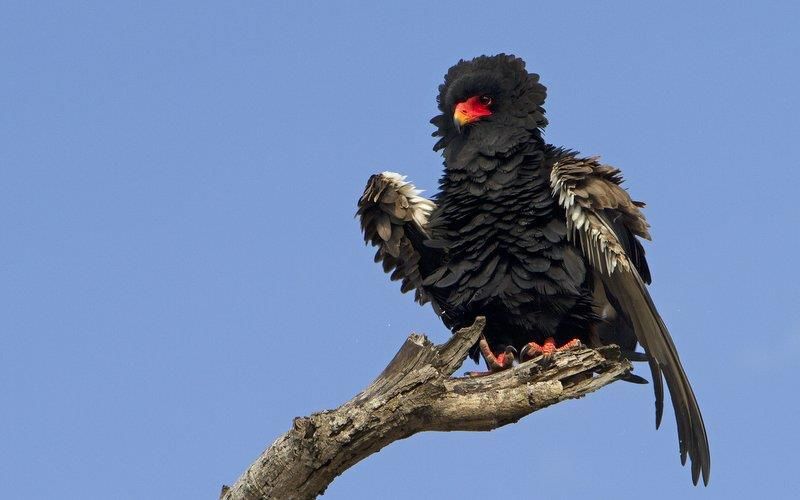
                                       Bateleur by Marius Coetzee
Kruger National Park is one of Africa’s most famous and fabulous reserves. On this birding and wildlife
safari we will explore the area’s superb road system in our quest to locate some of the most iconic birds
and big game in Africa, including the legendary “Big 5” - Lion, African Elephant, Leopard, African
Buffalo and Rhinoceros. Kruger provides an excellent opportunity to witness these spectacular beasts in
their natural habitat, with some of them in large numbers and at very close quarters. In addition, the
park’s rich bushveld habitat will provide us with amongst the most exciting and rewarding birding to be
had anywhere in Africa. Of special note here are species requiring vast areas of wilderness, such as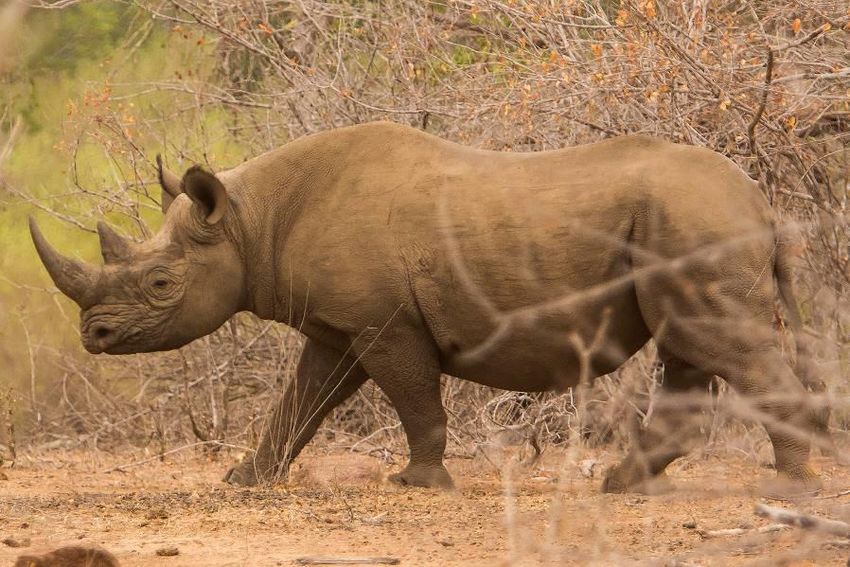
RBT South Africa - Kruger National Park Extension Itinerary                                2

Common Ostrich, Kori Bustard, the incomparable Southern Ground Hornbill, Martial Eagle, Bateleur,
up to five species of vulture and an incredible diversity of other raptors!

                                THE TOUR AT A GLANCE…

THE ITINERARY
 Day 1      Johannesburg to Kruger National Park
  Days 2 to 4    Kruger National Park
  Day 5          Kruger National Park to Johannesburg for departure

                                          TOUR MAP
RBT South Africa - Kruger National Park Extension Itinerary                                       3

                                      THE TOUR IN DETAIL…

                                                         Day 1: Johannesburg to Kruger National
                                                         Park. This morning we depart Johannesburg
                                                         and transfer eastwards to the world-renown
                                                         Kruger National Park in South Africa's
                                                         ‘lowveld’ region. On leaving Johannesburg,
                                                         we will first make our way across the once
                                                         extensive grasslands that covered the area
                                                         known as the ‘highveld’. Here, remnant
                                                         patches of this grassland still offer good
                                                         birding and some of the more obvious species
                                                         we will be on the lookout for include Long-
                                                         tailed,   Red-collared    and     Fan-tailed
                                                         Widowbirds, Southern Red and Yellow-
                                                         crowned Bishops, a variety of waterfowl,
                                                         Banded Martin and African Wattled Lapwing,
                                                         as well as the possibility of the regal
         Lilac-breasted Roller by Gareth Robbins         Secretarybird.

After a few hours of driving we will eventually leave the highveld’s highland grasslands and wind our
way through the rugged and picturesque Mpumalanga Drakensberg Mountains into the warm, humid
acacia savanna of the ‘lowveld’. The change in habitat and scenery is stark and here we will be welcomed
by a completely different and mouth-watering suite of birds. We are likely to encounter typical lowland
‘bushveld’ species while driving through this bird-rich habitat, including the splendid Lilac-breasted
Roller, Magpie Shrike, Southern Red-billed and Southern Yellow-billed Hornbills, quirky Grey Go-
away-bird and Burchell’s Starling. We expect to arrive at the entrance to the park at around midday, and
from here we begin our epic Kruger adventure!

We already have a good chance of encountering some of Kruger’s great mammals and special birds this
afternoon, which could include any of the ‘Big Five’. We will almost certainly be entertained by regular
herds of Plains Zebra, Common Wildebeest
and Impala, while smaller groups of Warthog,
Greater Kudu and Giraffe will also be a
constant feature. In the mid to late afternoon
we will arrive at our perfectly situated camp
and base for the next two nights. There will
be an option after dinner this evening to do a
night walk around camp and this will offer us
an excellent chance of seeing African Scops
Owl and Western Barn Owl, while
possibilities of finding Spotted Hyena
patrolling the surrounding fence are good.
Falling asleep to the calls of African Scops
Owl, Spotted Hyena and roaring Lion is a
very special experience indeed.
                                                                  Lion by Adam Riley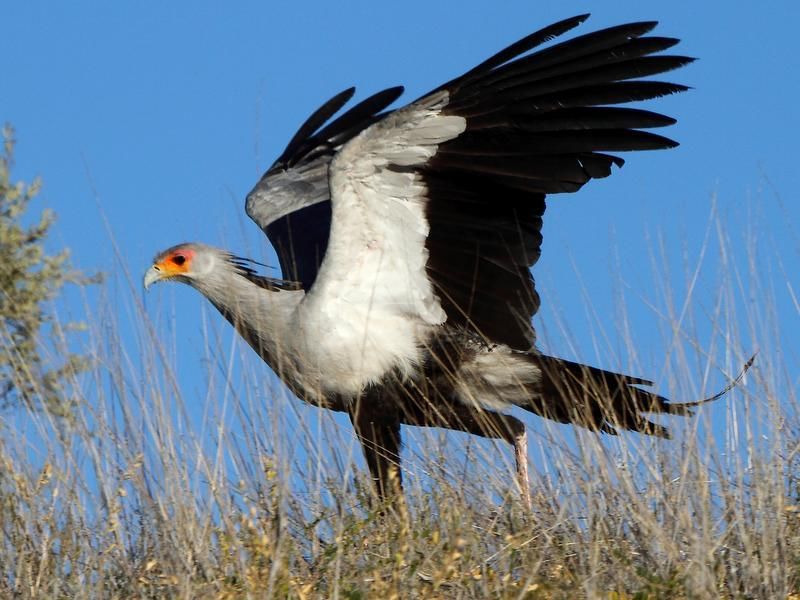
RBT South Africa - Kruger National Park Extension Itinerary                                         4

                                                             Days 2 to 4: Kruger National Park. The
                                                             Greater     Kruger      conservation     area
                                                             incorporates vast areas of adjacent
                                                             Mozambique and Zimbabwe and forms one
                                                             of the largest reserves on earth! It is also
                                                             one of Africa’s most diverse parks,
                                                             protecting a huge variety of wildlife. Here,
                                                             in the central part of the park, the area is
                                                             dominated by open grassy plains and
                                                             sparsely vegetated woodlands. The birding
                                                             and game viewing in this region is excellent
                                                             with many bird species attending mixed
                                                             flocks, particularly in acacia dominated
                                                             woodland. In fact, the acacia savanna that
                                                             dominates most of the Kruger National
                                                             Park contains one of the highest densities of
         Southern Ground Hornbill by Glen Valentine          birds of any habitat type in the world! This,
                                                             coupled with the immense variety of game
that we will endeavour to see, ensures a truly unforgettable African experience. Over the course of the
next foru days we will bird around our camp and take day trip to various other habitats within a few hours
drive.

The denser bushveld, woodlands and gallery forest of the southern section of the park are host to one of
the most mouth-watering species that we hope to find, the majestic Southern Ground Hornbill that is
often seen striding around in small groups. We will certainly be treated to many encounters with the
gaudy Lilac-breasted Roller. Raptors are numerous throughout the reserve and we will no doubt enjoy
sightings of the striking Bateleur as well as Tawny and Wahlberg’s Eagles, Hooded, White-headed,
White-backed and huge Lappet-faced Vultures, and the handsome African Fish Eagle, while other
possibilities include Shikra, Lizard Buzzard, Gabar and Dark Chanting Goshawks, the scarce but
extremely attractive African Cuckoo-Hawk, Black-chested and Brown Snake Eagles, Lesser Spotted,
Steppe, Crowned and Booted Eagles, African
Hawk-Eagle, African Harrier Hawk and
Amur Falcon.

This area is also famous for regular sightings
of the rare African Wild Dog, while we stand
an excellent chance of finding the
endangered White Rhinoceros and with
exceptional luck, its rarer cousin, the Black
Rhinoceros. It is also arguably the best area
in the park to see the crepuscular Leopard,
certainly one of the world’s best-looking
cats! In addition, we should encounter Lion,
Spotted Hyena, Black-backed Jackal, large
herds of African Elephant lounging in the
Sabi River, herds of African Buffalo,
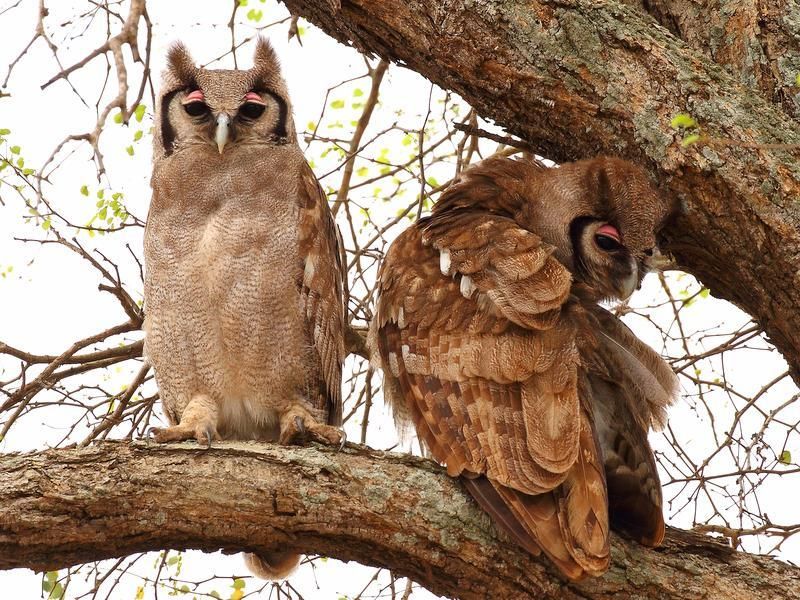
Waterbuck, the beautiful Bushbuck and pods               Verreaux’s Eagle-Owls by Glen Valentine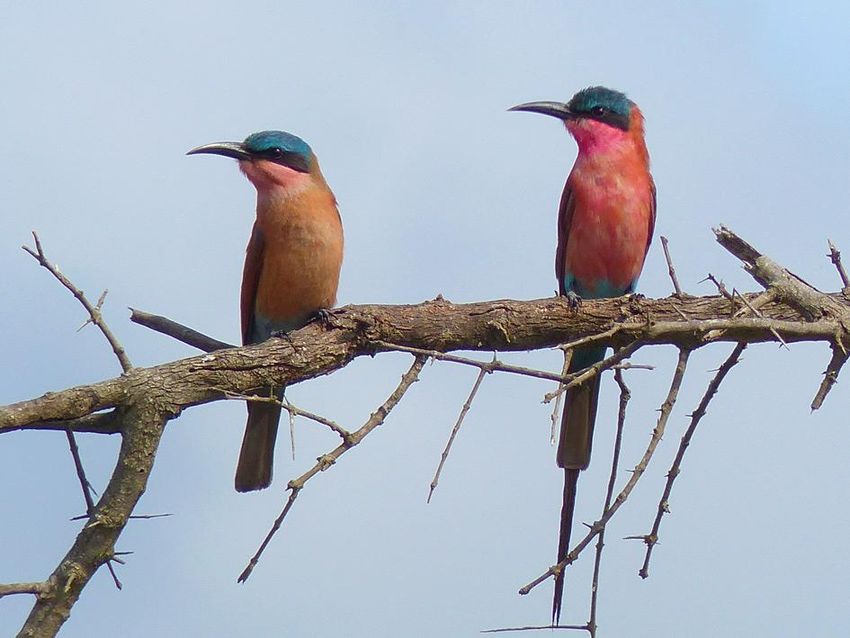
RBT South Africa - Kruger National Park Extension Itinerary                                         5

                                                     of Hippopotami. The persistent troops of playful
                                                     Chacma Baboon and Vervet will keep us
                                                     entertained during the heat of the day.

                                                      Scouring the riverine woodland and thickets along
                                                      the Sabi River, we hope to encounter Bennett’s,
                                                      Golden-tailed,      Bearded       and      Cardinal
                                                      Woodpeckers, Ashy Flycatcher, gorgeous White-
                                                      browed and Red-capped Robin-Chats, Terrestrial
                                                      Brownbul, Yellow-bellied and Sombre Greenbuls,
                                                      African, Jameson’s and Red-billed Firefinches,
                                                      superb Green-winged Pytilia, Red-faced Cisticola
                                                      and Southern Boubou. The large riparian trees
                                                      lining the rivers provide perfect nesting sites for
                                                      weavers, which are extremely well represented in
                                                      the park and include Southern and Lesser Masked,
         Saddle-billed Storks by Clayton Burne        Village, Spectacled and Thick-billed. Furthermore,
                                                      we will endeavour to see various species of brightly
coloured bee-eaters, kingfishers, rollers and hornbills, along with the occasional Pearl-spotted Owlet, a
diurnal owl with a lovely, characteristic call.

The park’s numerous large rivers and wetlands harbour a number of exciting water-associated birds and
we will be on the lookout for the massive Goliath Heron, stately and severely threatened Saddle-billed
Stork as well as the more common Woolly-necked and Yellow-billed Storks, African Spoonbill, the
unique and monotypic Hamerkop, Wire-tailed and Grey-rumped Swallows, White-crowed Lapwing and
if we are lucky, the rare African Finfoot or unpredictable Greater Painted-snipe.

Our base here in the southern part of the park is situated on the banks of the Sabi River, where the huge
Sycamore Fig and Sausage Trees that tower over the camp attract some brilliant birds. Included in this
suite of species are African Green Pigeon with its lovely, mournful, liquid call, the tiny Little
Sparrowhawk, African Goshawk,
gaudy Purple-crested Turaco, Red-
headed Weaver, Black-headed
Oriole, the showy African Paradise
Flycatcher,         Arrow-marked
Babbler, Yellow-breasted Apalis,
Green-backed         Camaroptera,
iridescent    Collared,    Marico,
White-bellied, Amethyst and
Scarlet-chested Sunbirds, and the
vocal Black-collared and Crested
Barbets.

While in the south of the park there
are also opportunities for optional
sunset drives. Success on these
sunset drives here varies greatly,                   African Wild Dog Pups by Greg de Klerk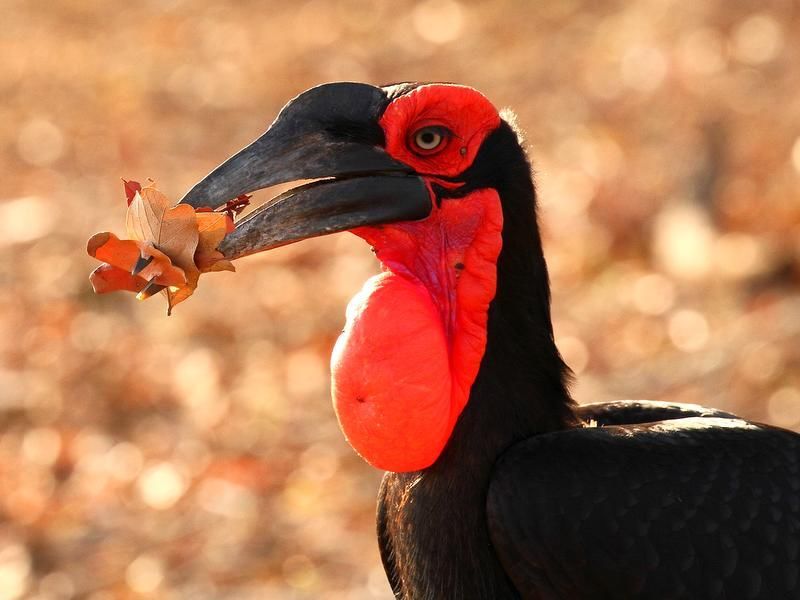
RBT South Africa - Kruger National Park Extension Itinerary                                         6

                                                                  but the list of possibilities is rather
                                                                  impressive and includes a good number
                                                                  of owls and nightjars, as well as
                                                                  Bronze-winged       Courser,      both
                                                                  Common and Central African Large-
                                                                  spotted Genets, Southern Lesser and
                                                                  Thick-tailed Greater Galagos, White-
                                                                  tailed Mongoose, African Savannah
                                                                  Hare,     the   incomparable      Cape
                                                                  Porcupine, African Wild Cat, African
                                                                  Civet, Serval and Spotted Hyena –
                                                                  besides the Big 5!

                                                                   We will certainly spend a day visiting
                                                                   the rich bushveld and grasslands of the
                     Leopard by Greg de Klerk                      park, which are particularly productive
                                                                   for a number of special species. These
include Kori Bustard – the world’s heaviest flying bird, the magnificent Martial Eagle, Bateleur, Marabou
Stork and the impressive Secretarybird, one of the world’s great avian gems. Further specialties that we
will search for in the woodland areas include the lovely Orange-breasted and Grey-headed Bushshrikes,
African Grey Hornbill, Southern White-crowned and Magpie Shrikes, Red-billed Oxpecker riding on the
backs of big game, Bennett’s Woodpecker, African Hoopoe, Red-billed Buffalo Weaver, Burchell’s
Starling, Mourning Collared Dove, Brown-headed Parrot, Red-crested Korhaan, Southern Black Tit,
miniscule Grey Penduline Tit, noisy Green Wood Hoopoe, Common Scimitarbill, Greater and Lesser
Honeyguides, Acacia Pied Barbet, Yellow-fronted Tinkerbird, Sabota Lark, Mosque Swallow, Black
Cuckooshrike, Kurrichane and Groundscraper Thrushes, eye-catching White-throated Robin-Chat,
melodic White-browed Scrub Robin, Burnt-necked and Yellow-bellied Eremomelas, Stierling’s Wren-
Warbler, Black-crowned and Brown-crowned Tchagras, Brubru, dazzling Violet-backed Starling and
Golden-breasted Bunting.

Noisy      flocks     of     White-crested
Helmetshrike are regularly encountered
and we will also be on the lookout for the
much rarer Retz’s Helmetshrike along
with its seldom-seen host, the rare and
much sought-after Thick-billed Cuckoo.
In addition, we will keep a lookout for the
amazing selection of migrant cuckoos
that visit the park in summer and these
include African, Common, Red-chested,
Diederik, Klaas’s, Levaillant’s and
Jacobin Cuckoos, as well as the scarce
Great Spotted Cuckoo.

In the expansive grasslands we will seek
out the bold Black-bellied Bustard,
Crested and the rare Shelley’s and Coqui             Southern Carmine Bee-eaters by Wayne Jones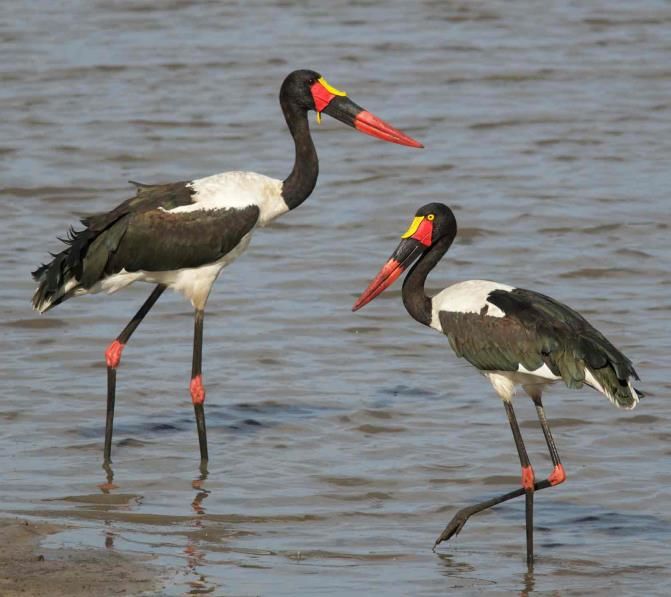
RBT South Africa - Kruger National Park Extension Itinerary                                           7

                                                                        Francolins, Swainson’s and Natal
                                                                        Spurfowls,        Chestnut-backed
                                                                        Sparrow-Lark, European and
                                                                        Purple Rollers, Yellow-throated
                                                                        Longclaw and with luck, the
                                                                        erratic and nomadic Temminck’s
                                                                        Courser and Senegal Lapwing.
                                                                        Summer visitors to these
                                                                        grasslands also include the scarce
                                                                        Pallid and Montagu’s Harriers,
                                                                        while rocky outcrops might yield
                                                                        Mocking Cliff Chat, Red-winged
                                                                        Starling and Cinnamon-breasted
                                                                        Bunting. In the late afternoon
                                                                        pairs of boldly-patterned and
                                                                        crepuscular        Double-banded
                   Black Rhinoceros by Greg de Klerk                    Sandgrouse come to the edges of
                                                                        the road to feed, before making
their way down to watering holes at dusk to drink.

The sweet grasses in the Satara area are, of course, also excellent for large herds of grazing mammals
such as Common Wildebeest, Plains Zebra and Impala. These huge herds in turn support a healthy
population of predators and Satara is particularly well known for this. In fact, we have an excellent chance
of finding Lion, Leopard, Cheetah, Spotted Hyena and the very scarce and highly threatened African
Wild (Painted) Dog in this area. High densities of other game include Southern Giraffe, Greater Kudu,
Klipspringer, Bushbuck, Warthog, Chacma Baboon, Vervet and Dwarf Mongoose, to name just a few.

An optional night drive through the park may encounter some of the rarer nocturnal mammals such as
African Civet, Common and Central
African Large-spotted Genets, Side-
striped Jackal, the beautiful Serval,
White-tailed Mongoose and Wild Cat,
along with several species of owl and
nightjar. These include Spotted and
Verreaux’s Eagle-Owls, African Scops
Owl, Southern White-faced Owl, and
Square-tailed, European and Fiery-
necked Nightjars.

Day 5: Kruger National Park to
Johannesburg.       After some early
morning’s birding and wildlife viewing,
we will leave the splendours of Kruger
behind us and head back to Johannesburg
and onto O.R. Tambo International
Airport, where our Kruger Extension will                     Secretarybird by Glen Valentine
                                                                    by Glen Valentine
conclude.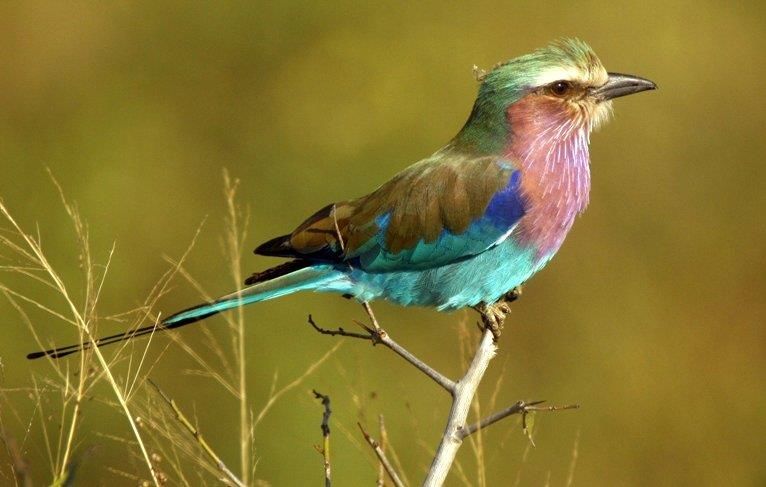
RBT South Africa - Kruger National Park Extension Itinerary 8 FINANCIAL ARRANGEMENTS: Tour dates, prices, single supplement rates, approximate flight costs and spaces available for this tour are displayed on our website. Please see under IMPORTANT NOTES below. This includes: All meals from dinner on day 1 to lunch on day 5; All lodgings; Ground transportation; Reserve entrance fees; Tips for local guides and staff; and All guiding services of a Rockjumper Tour Leader. The tour fee does not include: ANY flights; Optional Night drive in Kruger National Park; Any drinks; Special gratuities; and Telephone calls, laundry and items of a personal nature. Single Supplement: The single supplement cost for this tour will be charged if you wish to have single accommodation. If RBT cannot provide you with a rooming partner for these nights although you choose to share, the single supplement will become applicable. We will make all reasonable efforts to ensure that a rooming partner is found if you do wish to share. IMPORTANT NOTES: a) Due to constantly fluctuating exchange rates, we quote our tours in 4 currencies. The tour price is however fixed only in the currency printed in bold (South African Rand), and the actual cost in the other currencies listed will be adjusted according to prevailing exchange rates at the time of final invoicing (usually 4 months before the tour.) The same applies to approximate flight and single supplement rates, which are also quoted in the respective fixed currency. b) Rates are based upon group tariffs; if the tour does not have sufficient registration a small party supplement will have to be charged. c) Furthermore, these costs are subject to unforeseen increases in tour related costs and may have to be adjusted as a result. d) Lastly, we may be forced to change or alter the itinerary and / or the designated Rockjumper leader/s at short or no notice due to unforeseen circumstances; please be aware that we will attempt to adhere as close to the original program as possible. Tipping: As noted above, gratuities (drivers, hotel staff, restaurants etc.) are included on this tour. However, this does NOT include your Rockjumper leader. If, therefore, you feel that has given you excellent service, it is entirely appropriate to tip him. Special Notes: Exiting the vehicle is prohibited in all areas and parks that contain dangerous animals.
RBT South Africa - Kruger National Park Extension Itinerary 9
The Kruger National Park is classified as a Malaria risk area. We suggest you contact your local
health authorities for the best advice in this regard.
ARRIVAL AND DEPARTURE DETAILS:
This tour does not include ANY airfares. The tour will depart from O.R. Tambo International airport,
Johannesburg no later than 09:00 on the morning of day 1. The tour will conclude mid to late afternoon
on day 5 at O.R. Tambo International Airport, Johannesburg, the recommended international departure
time is after 19:00.
The above information in respect of arrivals and departures is a guide only. Precise arrival and departure
information will be sent to you in your Tour Confirmation package once the tour has been officially
confirmed. If you wish to arrive early and/or depart late and would like assistance in this regard, kindly
contact the Rockjumper office.
FLIGHTS:
O.R. Tambo International Airport, Johannesburg (IATA: JNB) is the main port of entry for international
flights in South Africa and is well serviced by all of the world’s major airlines. Please DO NOT book
any flights until you have consulted the Rockjumper office for confirmation on the status of the
tour.
Rockjumper Birding Tours
Worldwide Birding Adventures
PO Box 13972, Cascades, 3202, South Africa
Tel: +27 33 394 0225
Fax: +27 88 033 394 0225
Email: info@rockjumperbirding.com
Alternative email: rockjumperbirding@yahoo.com
Website: www.rockjumperbirding.com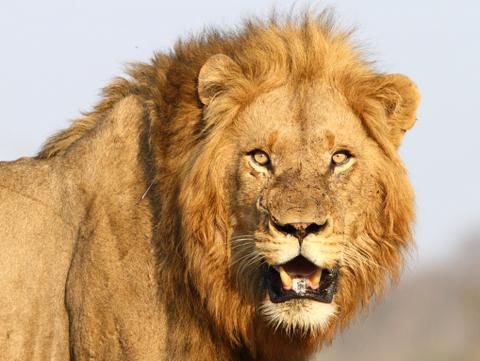
You can also read


