Strengthening New Zealand's education system - PPTA
←
→
Page content transcription
If your browser does not render page correctly, please read the page content below

Strengthening
New Zealand’s
education system

The New Zealand Curriculum,
Te Marautanga o Aotearoa
& NCEA change outcomes

The refreshed curriculum for schooling and new
supporting resources will support learners on
their pathway into senior secondary and beyond.

It will provide a coherent learning pathway from
Years 1-13, meaning all learners will develop the
foundation they need for success, with better
connections between curriculum learning areas
and NCEA subjects.
Overall changes happening
The national curriculum refresh and the NCEA changes will ensure:
   • the most important learning is clear and not left to chance.
   • all ākonga are able to see their cultures, languages and identities
     reflected in their learning experiences.
   • teaching, learning and assessment materials are clear, accessible and
     inclusive.
   • te ao Māori (Māori world view) and mātauranga Māori (Māori
     knowledges) are valued and woven into the changes for the national
     curriculum for schooling refresh and NCEA .
   • a learner’s progress throughout the learning pathway from Years 1-13
     is supported and recorded.

                                                                             education.govt.nz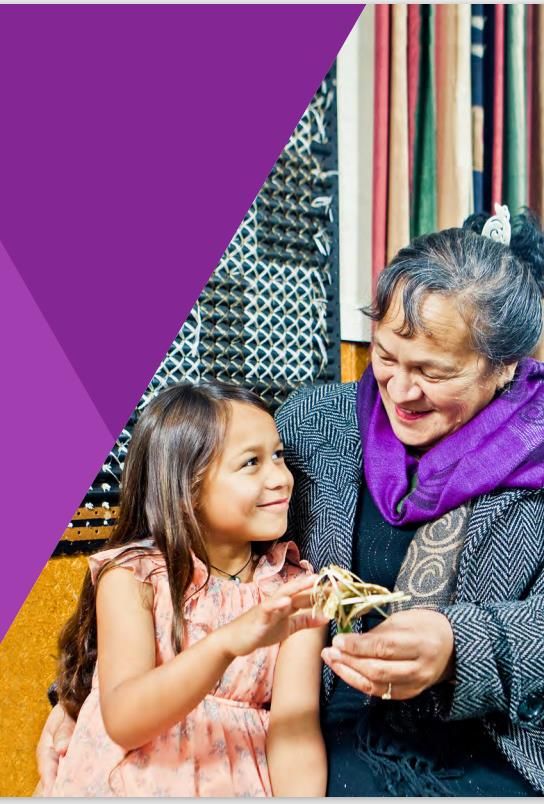
These priorities support conditions to help ākonga flourish

                                                             NZC Refresh
                                                              (including
                                                              Aotearoa
   People and               Common ways                          NZ’s
  services with              to understand                    histories)
 the right skills,          and respond to                              Professional
 knowledges to                  learning            Curriculum            Learning
   meet each                    progress              Leads             Development
learner’s needs                                                           priorities

                                                                                         Social &
                                              Maths              Literacy               Emotional
                                             Strategy            Strategy                Learning

          Clear            High quality                                     Records of
                                                      Online
      expectations          curriculum              Curriculum               Learning
      for teaching          resources                  Hub                  (& curriculum
      and learning         for teaching                                         map)
                           and learning
National curriculum
refresh
The refresh will make sure it is future proofed,
clear and easy to use.

Te Marautanga o Aotearoa will be
authentically indigenous.

The New Zealand Curriculum will emphasise
the bicultural foundation of Aotearoa and give
effect to Te Tiriti. It will be inclusive to support
all learners – and the diversity they bring.
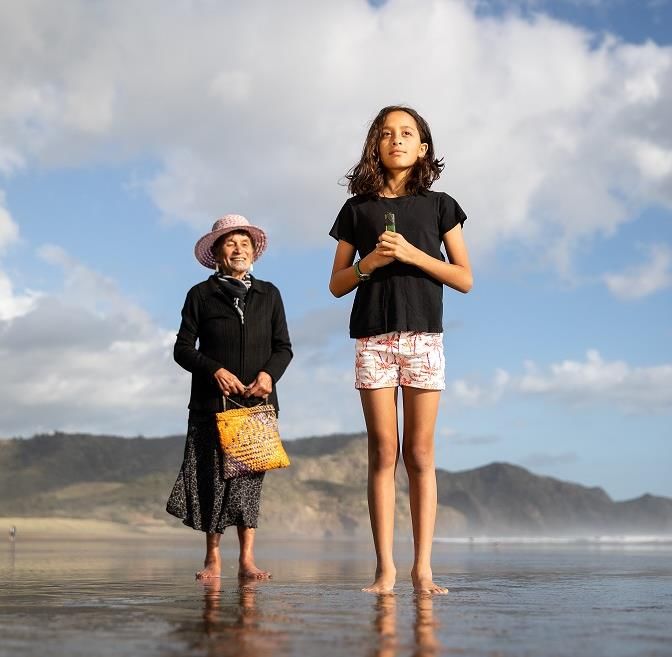
The NZC will be refreshed so it is bicultural and inclusive, clear and easy to use

                                                                                    A consistent
                    All eight Learning Areas       Updated Framework           Understand, Know and
                        will be refreshed              and Vision              Do model in all learning
Potential Changes

                                                                                  area statements

                      Curriculum Levels
                                                   Progress Outcomes            NZC accessible through
                        redefined as a
                                                  replace Achievement           new Online Curriculum
                     Progression showing                                                Hub
                                                       Objectives
                      Phases of Learning

                    Mātauranga Māori, key competencies, literacy & mathematics woven throughout
The New Zealand Curriculum
 – bicultural and inclusive
• Honours our obligation to Te Tiriti o Waitangi.
• Values the identities, languages and cultures of all
  ākonga so they can see themselves in the
  curriculum.
• He marautanga ka whakamana i te whakapapa, i te
  reo, i te tikanga hoki: we will ensure te ao Māori is
  an integral part of the backbone of our curriculum.
• A refreshed vision for young people, co-designed with
  young people.
• Clear about the rights of ākonga with disabilities
  and other learning support needs to take part in
  rich and responsive learning.
• Supported by guidance on inclusive teaching and
  culturally sustaining teaching practices.

Clear and
                                         Easy to Use

Progression model - based on phases of   Woven through:
learning that describe the increased     • Mātauranga Māori
complexity of learning
                                         • Literacy and numeracy
                                         • Discipline knowledge
                                         • Key competencies

A consistent ‘Understand,
Know, Do’ framing
Timeframes and
collaborative approach
New Zealand
Curriculum
Refresh
NCEA
Opportunities to get involved:
a collaborative approach                                           Writing
                                                                   Groups
Principals, teachers, and all groups
                                               Design
across Aotearoa New Zealand can
get involved with the changes in the                             Curriculum
national curriculum either through                      Focus      Voices     Working
                                        Test
                                                        Groups    Group ─     Groups
reference groups or working groups
                                                                    NZC
or via testing and over the next five
years                                     Implement
                                                                   Review
                                                                     &
                                                                   Testing
Opportunities to get involved in
NCEA Review and RAS:
Design
Three tiered approach re NCEA Review:
• Deep dives with specific schools around the changes
Test
• Insights from RAS pilot schools
• Connecting into community groups we sometimes miss
For RAS: Implement
• SEGs advise in development process
• Phased approach with sector engagement after each
• Piloting process across next 4 yearsStrengthening NCEA
NCEA Changes Guiding Principles
                   Wellbeing
                                                  All of the changes to NCEA, are tested
                                                  against these 5 guiding principles to
                                                  ensure they will deliver the desired
                                     Equity and
Credibility
                                      inclusion
                                                  outcomes.

                                                  These principles form the basis of the
                                                  system shifts we want to achieve in
                                                  NCEA through the 7 key changes.
        Pathways               Coherence
7 Changes to 1. Make NCEA more
accessible
NCEA 7. Keep NCEA Level
1 as an optional
2. Mana ōrite mo te
mātauranga Māori
level
6. Show clearer
pathways to further 3. Have fewer, larger
education and standards
employment
4. Strengthen
5. Simplify NCEA’s literacy and
structure numeracy
requirements
16 education.govt.nzReview of Achievement Standards (RAS)
17
Kura Māori Kura Auraki education.govt.nzBig Picture following curriculum refresh and RAS
Vision, Values, Key competencies, Pedagogies etc
sit across all years of learning
Phase of 1 2 3 4 5
learning
Years 1-3 4-6 7-8 9-10 11-13
Learning through Learning Areas Learning through subjects
Language used Understand Big ideas
Know Significant Learning and
contexts
Do Ways of working
Mātauranga Māori woven throughout Mana ōrite mo te
Mātauranga Māori (NCEA
change 2)
NCEA subject learning
matrices and Achievement
Standards
NCEA NCEA NCEA
Level 1 Level 2 Level 3
*Note: Te Marautanga o Aotearoa being refreshed along with all NCEA Achievement Standards for
Māori medium education settings. Our workstreams are integrally aligned.
18 education.govt.nzYears 1-10 work largely
in Learning Areas
Years 11-13 work in
Subjects derived from
Learning Areas
19 education.govt.nzNZC RAS: NCEA Level 1
Subjects in BOLD
are pilot subjects
Learning Area Subjects in 2021
English English
The Arts Dance; Drama; Music; Visual Arts; Te Ao Haka
Science Science; Chemistry and Biology; Physics, Earth and Space Science; Agricultural and Horticultural Science
Social Science Religious Studies; Social Studies; History; Geography; Commerce
Technology Materials and Processing Technology; Digital Technologies; Design and Visual Communication
Health and Physical Physical Education; Health Education (with Home Economics)
Education
Learning Languages Cook Island Māori; New Zealand Sign Language; French; German; Japanese; Korean; Tongan; Mandarin;
Samoan; Spanish
Mathematics and Mathematics and Statistics
Statistics
20 education.govt.nzTMoA RAS: NCEA Level 1
Learning Area Subjects
Pāngarau Pāngarau
Hangarau Hangarau
Tikanga ā-iwi Tikanga ā-iwi
Hauora Hauora
Pūtaiao Pūtaiao
Ngā Toi Toi Pūoro, Toi Ataata, Ngā Mahi ā Te Rēhia
Te Reo Rangatira Te Reo Rangatira
Te Reo Māori Te Reo Māori (NZC)
21 education.govt.nz• Learning Matrix
o Identifies and describes the significant learning of a subject that can be
used to develop a robust teaching and learning programme
• Teaching, Learning and Assessment Guide
o Provides the overarching framework and structure to the assessment
package, detailing the links between the NZC and assessment at NCEA level
• Course Outlines
o Provides three or more examples of how significant learning can inform a
year of teaching and learning. At least one of these course outlines has a
specific focus on mātauranga Māori
• Assessment Matrix
o Identifies the significant learning that will be assessed and credentialed at
each NCEA level
• Achievement Standards
o Describes what a student needs to know or be able to do in order to gain
credits towards certification
• Internal Assessment Activities
o Provides examples of how a standard might be used in the classroom with
support materials including assessment schedules
RAS uses a • Conditions of Assessment
phased process o Guidelines for assessing internal standards, including conditions
for gathering evidence and authenticity requirements
22 education.govt.nzRAS uses a phased development process
Nov Mar Aug Oct
Phase 1 Phase 2 Phase 3 - pilot
Pilot EOI
Development Development
Publish Publish Publish
Learning Matrix for Full standards, for Pilot Start piloting
Assessment Feedback Int assess Feedback Ready
Matrix activities
Standard CoA, Full TLAG
Outlines Ext assess spec
Rationale and example
Course Outlines task
Check-in Wananga with
Start drafting level 2
Check-in
Panel Leads
wānanga
wānanga
with ĀM
with ĀM
team
team
education.govt.nz• To view the video for each subject, click here:
o
RAS use SEGs https://training.education.govt.nz/logon.asp : Resource Kete (TOD3)
for expert advice
24 education.govt.nzAccess Pedagogy Resourcing
By increasing the opportunities for ākonga By shifting the focus from assessment to By developing products like the Teaching,
Māori to learn and be assessed through teaching and learning, we have the Learning and Assessment Guide, we have
mātauranga Māori, we can help affirm opportunity to encourage and support the opportunity to support the teaching
their identities, lift their confidence and more culturally responsive practice and learning of mātauranga Māori
widen their pathways
Mana ōrite mō te Mātauranga Māori
Capability Credentialing Racism
& Bias
By providing teachers with the By finding opportunities to explicitly
opportunity to teach mātauranga credential mātauranga Māori in the By increasing the opportunities of
Māori, we can encourage schools NZC, we can signal to all of Aotearoa ākonga and kaiako to learn and teach
and educators to strengthen their New Zealand that NCEA values mātauranga Māori, we can reduce
connections with their local iwi and mātauranga Māori ignorance and bias and work against
hapori Māori systemic racism in our country
25 education.govt.nzThe role of the NZC RAS
For each Learning Area and each subject, the relationship to mātauranga Māori will be different. This means that the way
te ao Māori and mātauranga Māori are reflected in each product will vary, depending on the context.
However, there are some things we do know:
Learning Matrix Assessment Matrix Course Outlines
Teaching, Learning and
The Significant Learning in the The Assessment Matrix should Course Outlines should
Assessment Guide
Learning Matrix should be support ākonga Māori to support teaching through and
appropriately grounded in demonstrate their knowledge to diverse perspectives,
TLAGs should support
mātauranga Māori in a way and their learning knowledges and
teaching, learning and
that makes the learning richer methodologies
assessment of and through
mātauranga Māori, and
should explain how the
External Assessment Learning and Assessment
Achievement Standards Int. Assessment Activities
Specifications matrices draw from and
Achievement Standards Of the suite of three value te ao Māori and
Specifications should support mātauranga Māori
should be relevant and Assessment Activities for each
ākonga Māori to draw from
accessible to ākonga Māori internal standard, at least one
their cultural toolkit to
should be explicitly grounded
present their learning and
in mātauranga Māori
their knowledge.
26 education.govt.nzEmbedding Mātauranga Māori – how?
Ākonga Māori Team (Ministry) Mātauranga Māori Expert NCEA Māori Panel
Reviewer (external) (external)
The team have designed the policy
and support systems for The Expert Reviewers are The Panel have provided guidance
implementing Mana ōrite externally contracted experts in which has informed the formal
mātauranga Māori who will quality criteria against which all
During development, they will provide guidance and advice products will be reviewed
have regular check-ins with the throughout the development
SEG Facilitators and Writers to process Their guidance has also helped
address questions or concerns shape the training and
They will quality assure select draft development processes
They will stay informed of materials to ensure they are
development progress, and quality incorporating mātauranga Māori in The Panel will quality assure
assure all drafts meaningful and appropriate ways selected draft materials to check
that they are fit-for-purpose
27 education.govt.nzSeeking feedback on the proposed level 2 and 3 subject
list until 13 August.
Proposed changes aim to deliver:
• greater specialisation and deeper learning at Levels 2
and 3
NZC RAS: • more foundational learning experience at NCEA Level 1
• on embedding Mana ōrite mō te mātauranga Māori in
Levels 2 and 3 NCEA.
Once confirmed, we will start developing Level 2 subjects
https://ncea.education.govt.nz/ from September this year
have-your-say
28 education.govt.nzExpanding our understanding of external
Assessment in RAS
‘Traditional’ exam - short/paragraph/essay answers, time-bound or flexible time
‘Open-book’ exam - student-selected resources
Examinations Digital exam - may contain dynamic or interactive features
Decision-based exam - students are provided with a resource related to a scenario a few weeks prior to the exam, then required
to choose an justify a response to the scenario in the exam.
Common Consist of a task, and may also include stimulus material, which may be provided in advance, must be completed within a set
Assessment timeframe, supervised by classroom teacher, can have significant variance in format and structure. Evidence could be shown
Activities (CAA) through, for example, written, video, audio, oral, digital presentation.
Outcome portfolio - captures evidence of a tangible output
Creative portfolio - captures a creative output
Portfolios
Diary writing or reflective journals - record of regular output and evidence, related to a specific task which is submitted on a
common date
Reports Structured research report, Investigative or project reports, or appreciation of whakapapa
Performance Students prepare and perform a piece within a specified time limit. May be live or recorded
assessments
Audience Student designs and submits a presentation appropriate for a specified audience on a set topic
presentations education.govt.nzNoticing early sector shifts: RAS 4 mini-pilot
• Importance of peer support in growing teacher They were engaging topics
capability that I had genuine interest
about, I felt that I learned
something that could be
• Positive changes in practice: Greater focus on useful for general knowledge
learning over assessment, inclusion of in my life. – Pilot student
mātauranga Māori
The focus has been on
• Increased collaboration between MoE and teaching and learning rather
than assessment, and the
NZQA across a range of different processes teaching has been great. –
Pilot teacher
30 education.govt.nzNoticing early sector shifts: Te Ao Haka
• Mātauranga Māori is explicit in an NZC Haka is my whole life
Like being who I am, as Māori
space. Helps increase the capability of the Expression of Norm!! – pilot ākonga
sector and ākonga find their identity in a
te ao Pākehā setting.
Submerged in Te Ao, reminds me
about how powerful we are – pilot
• Cluster Hui are a great opportunity for ākonga
whakawhanaungatanga between the kura
and the sector. They track real life updates
of how Te Ao Haka is going on the
frontline.
• Having three different activity options per
internal assessment means there is a
mode of delivery that suits every ākonga
31 education.govt.nz
and their learning style.• 20-25 schools for each large subject
(e.g. English, History, Health & PE)
• 10-15 schools for each medium subject
(e.g. Digital Technologies, Drama)
• 5-20 schools for each small subject (foreign languages)
Planning for pilots in • Allow for around 50% of schools to pilot an average of 3
2022 subjects each
• Limit multi-subject piloting (5-10 subjects) to around 10 schools
• Limit whole-school piloting to 4 schools
All Level 1
subjects and Te
Reo
wahanga ako NZC Subjects
300-400 schools/kura
Māori
TMoA Wahanga
Ako
Te Ao
EOI early Haka
Literacy and Numeracy | Te
August Reo Matatini me te
Pāngarau
Optional, no upper limit
32 education.govt.nzwww.education.govt.nz/our- work/changes-in-education/national- curriculum-refresh/new-zealand- curriculum/
Supports and resources through the
national refresh
There will be a familiar approach for all
supports and resources throughout the
refresh. Aotearoa New Zealand’s histories will
set the blueprint for this.
Implementation from 2022

• In 2022 all ākonga will start to experience learning in Aotearoa New
  Zealand’s histories curriculum content as part of their classroom
  programmes
• Everyone is at a different stage of the journey - during 2022 every school
  and kura is expected to have made a start.
• From Term 4 2021, Ministry regional teams will be developing multiple
  opportunities to support teachers and leaders to build awareness and
  engage with the new content.

‘Supporting school leaders to understand and plan for Aotearoa New Zealand's histories in social sciences
Leading local curriculum guide series / Strengthening local curriculum / Kia ora - NZ Curriculum Online (tki.org.nz)
Everyone is at a different
                                                                                                                                    stage of the journey -
                                                                                                                                    during 2022 every school
                                                                                                                                    and kura is expected to
                                                                                                                                    have made a start.
                                                                                                                                    School leaders can use the
                                                                                                                                    Poutama self assessment
                                                                                                                                    tool with their teachers to
                                                                                                                                    identify where they are at
                                                                                                                                    and identify their next
                                                                                                                                    steps.
                                                                                                                                    Educators will need to
                                                                                                                                    engage with the final NZC
                                                                                                                                    curriculum content and the
                                                                                                                                    structure of the:
                                                                                                                                    - ‘Know, Understand, Do’
                                                                                                                                       framework
                                                                                                                                    - Progressions model

‘Supporting school leaders to understand and plan for Aotearoa New Zealand's histories in social sciences Leading local curriculum guide series / Strengthening local curriculum / Kia ora
- NZ Curriculum Online (tki.org.nz)
What supports for Aotearoa New Zealand’s histories
will be available and when?
Available now Available when final curriculum Available from 2022 and beyond
content is released
Resources that help teachers build Teaching materials and resources Ongoing release of resources to
their knowledge of Aotearoa New for Aotearoa New Zealand’s support teaching and learning and
Zealand’s histories; examples histories, examples include: local curriculum design.
include: • Finalised curriculum content
- Draft Leading Local Curriculum - Updated Leading Local Ongoing professional learning
guide (ANZH) - Aotearoa NZ's Curriculum guide (ANZH) opportunities and Peer-to-Peer
histories / Social Sciences Online - Learning module ‘strategic Support (Networks of Expertise).
- eZSSOL (tki.org.nz) context’
- Access to ANZH Reference - Webinars for professional
Books learning
- Podcast series The Aotearoa
History Show (rnz.co.nz) Ongoing local support activities
from e.g., Curriculum Leads.Supporting schools to work with their community • Other organisations are getting behind this – galleries, libraries, archives and museums have resources available now. • Many schools and kāhui ako have already formed meaningful relationships with their local iwi, hapū and whānau members. • The Ministry is also engaging with some iwi across the country to identify their important local Māori critical histories, and the way they would like to engage with schools and kura in their Takiwā. This work will continue to develop.
Curriculum design and the
NELP?

• When you implement the refreshed Aotearoa New
  Zealand’s histories curriculum content, you will be on
  your way to implementing the NELP

NELP priorities include (some examples):

- Build relationships with Māori, involve them in decision-
  making, and partner with them to support
  Rangatiratanga, and Māori education success as Māori

- Expect and support teachers/Kaiako to build their
  understanding of learners’ contexts, including languages
  spoken at home, histories, stories and cultural values, to
  provide culturally responsive teaching
Summary view of the Aotearoa New Zealand’s
histories draft curriculum content
• Thank you to the thousands of people who shared your thoughts on the curriculum
  content, the feedback is currently being analysed.
• We expect to be reporting back publicly with what has changes and why in October this
  year.
What has shaped the
pathway that we now
stand on?
• Review of Tomorrow’s Schools
• Kōrero Matauranga | Education
  Conversation
• Curriculum, Progress and Achievement
  Ministerial Advisory Group and
  Reference Group
Strategies update for Literacy and
Mathematics & Statistics (including Numeracy)
The Ministry has been:

• identifying our focus areas based on evidence, research and discussion

• ensuring a coherent approach with other work underway to support all
  learning areas and needs

• engaging with a wide variety of stakeholders                   (Literacy.Maths@education.govt.nz)

• developing our advice to Ministers due in September

This work has been done in parallel to strategy development mahi underway
to strengthen the teaching and learning of Te Reo Matatini and Pāngarau.

The information gathered is on our website under Our Work. It’s being regularly updated.
www.education.govt.nz/our-work/changes-in-education/national-curriculum-refresh/strategies-for-literacy-and-mathematics/
You can also read


