Submerged Bottom: Mud to Boulders - Long Island Sound Study
←
→
Page content transcription
If your browser does not render page correctly, please read the page content below
Submerged Bottom: Mud to Boulders
                                Photo: courtesy of Ivar Babb and LISMaRC Science Team
                        (UConn/U New Haven/USGS), Long Island Sound Study, CT-DEEP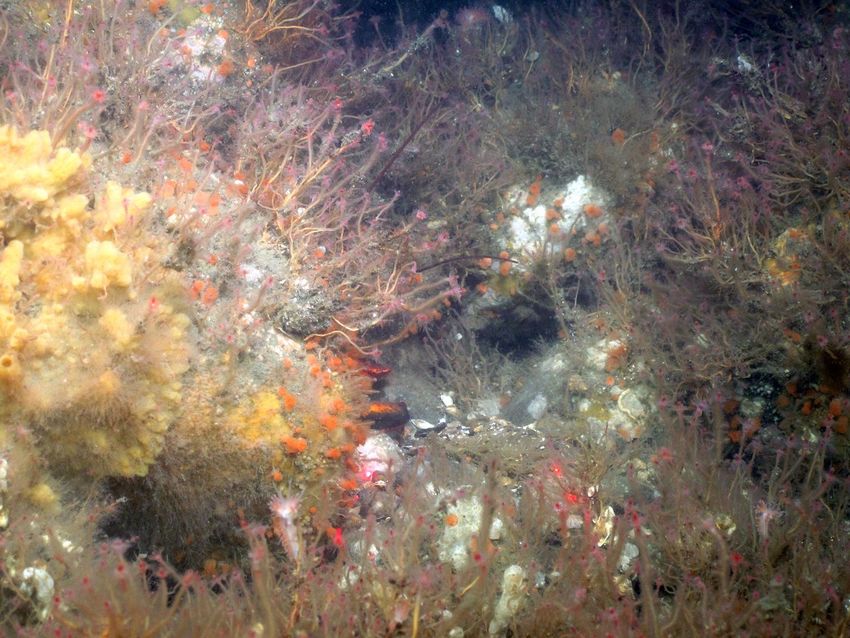
The seafloor in
Long Island
Sound is as
diverse as the
habitats along
the shore,
varying from       Photos: mud, sand, cobble;

mud and silt, to    courtesy of Nancy Balcom

sand, to cobble
and boulders
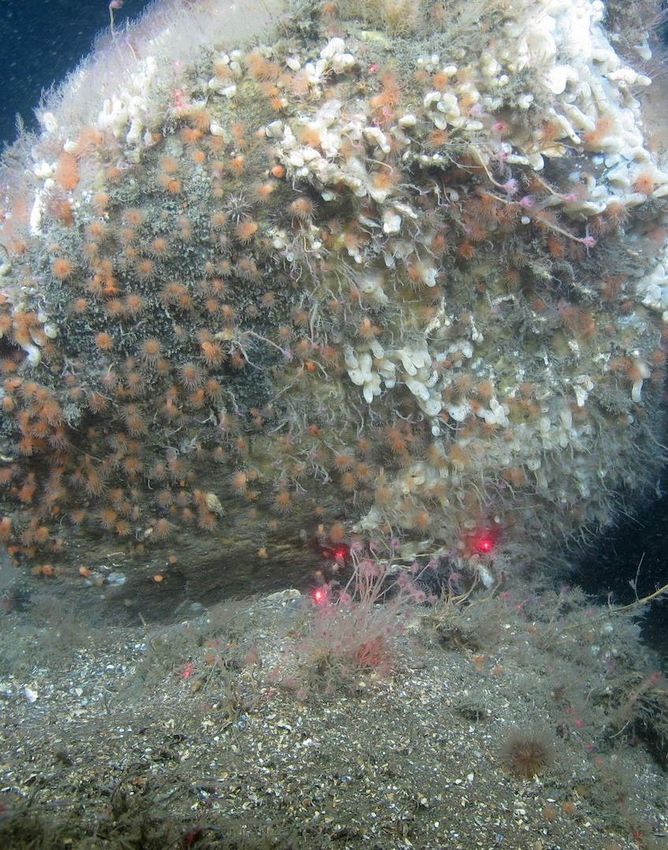
Boulders, deposited
                                                             by receding glaciers,
                                                             provide structure
                                                             and shelter for
                                                             organisms living on
                                                             or near the bottom
                                                             of Long Island
                                                             Sound

Photo: courtesy of Ivar Babb and LISMaRC Science Team
(UConn/U New Haven/USGS), Long Island Sound Study, CT-DEEP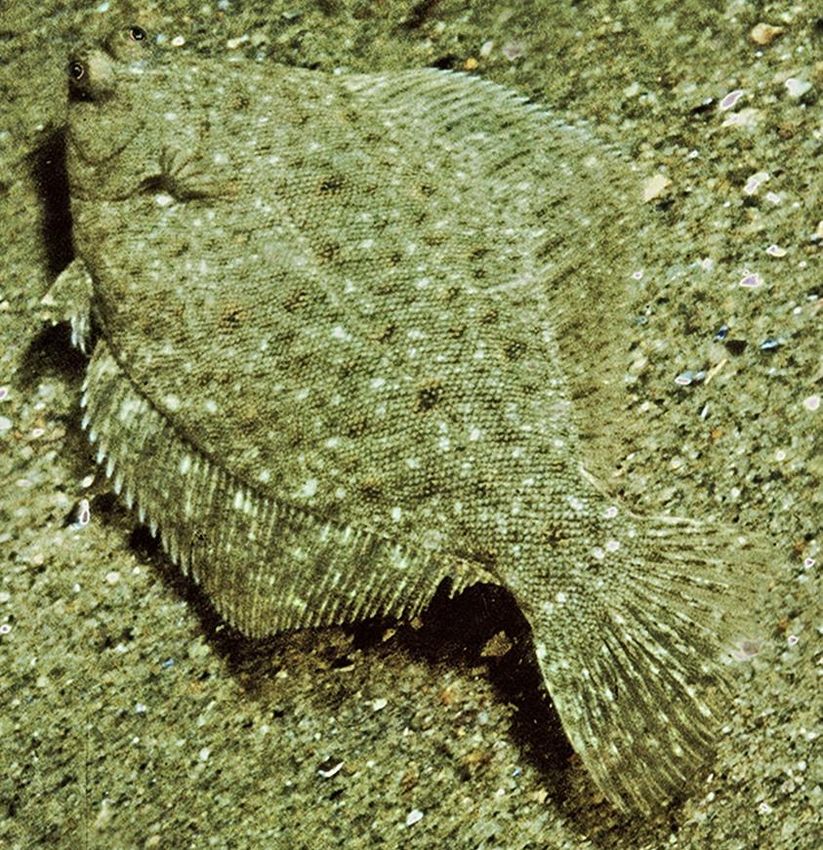
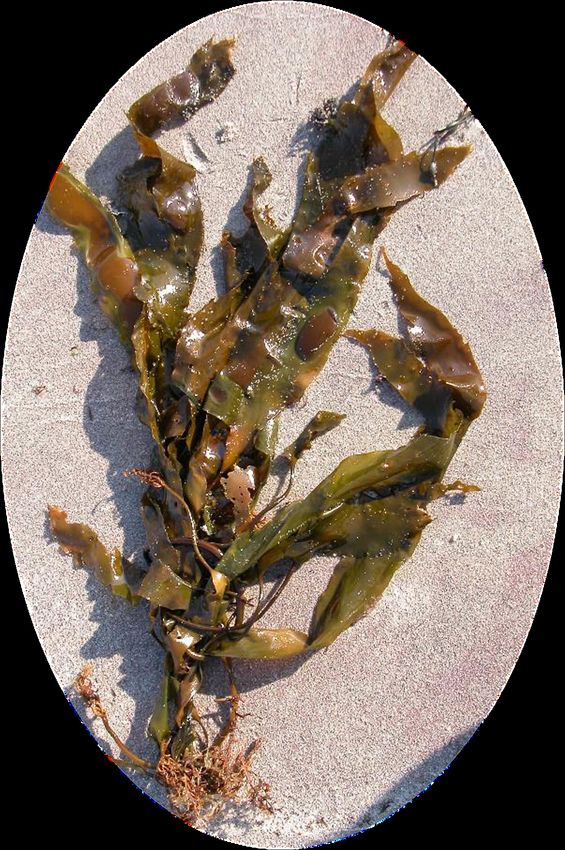
Brown kelp, a seaweed, grows in
subtidal beds or “forests,”
attaching to hard surfaces on the
bottom with a holdfast; kelp
holdfasts and blades provide
food and shelter for many
benthic and pelagic species

Kelp is farmed in
Long Island
Sound on longlines                        Photos: Brown kelp,
                                        Laminaria saccharina,
                                             and farmed kelp;
                                    courtesy of Nancy Balcom

as a “sea vegetable”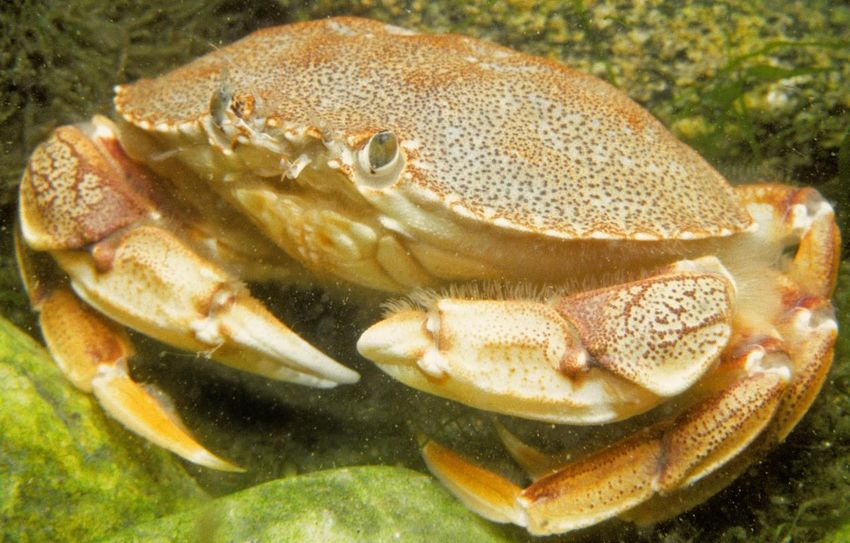
Photo: Breadcrumb sponges, Halichondria, pink tubularians,
                                         Tubularia indivisa, and pink-orange ghost anemones, Diadumene
                                           leucolena; courtesy of Ivar Babb and LISMaRC Science Team
                                       (UConn/U New Haven/USGS), Long Island Sound Study, CT-DEEP

Yellow breadcrumb sponges, pink tubularians and
pink-orange ghost anemones feed by filtering plankton
and particulates out of the water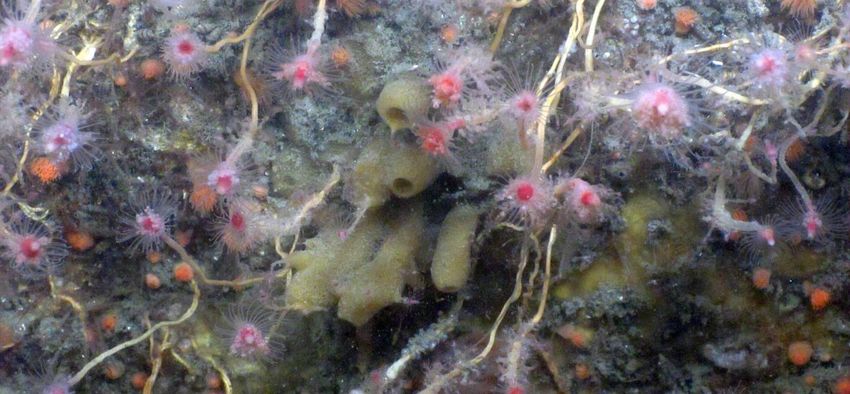
Benthic rocky
communities support
attached organisms
such as this frilled
anemone, which, in
turn, provide food and
shelter for other
organisms; anemones,
with their stinging
cells, are cnidarians
                             Photo: Frilled or
                              clonal plumose
                         anemone, Metridium
                           senile; courtesy of
                                Peter Auster /
                          Robert DeGoursey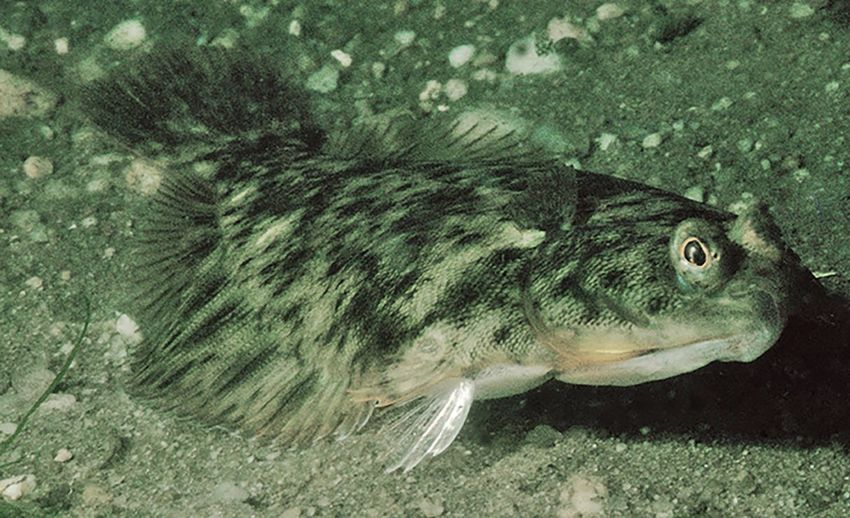
Photo: Lined anemone,
                                                  Fagesia lineata; courtesy
                                                       of Robert Bachand

Lined anemones attach to hard surfaces such as rocks,
shells or pilings; the tentacles capture and direct food
particles to the mouth in the center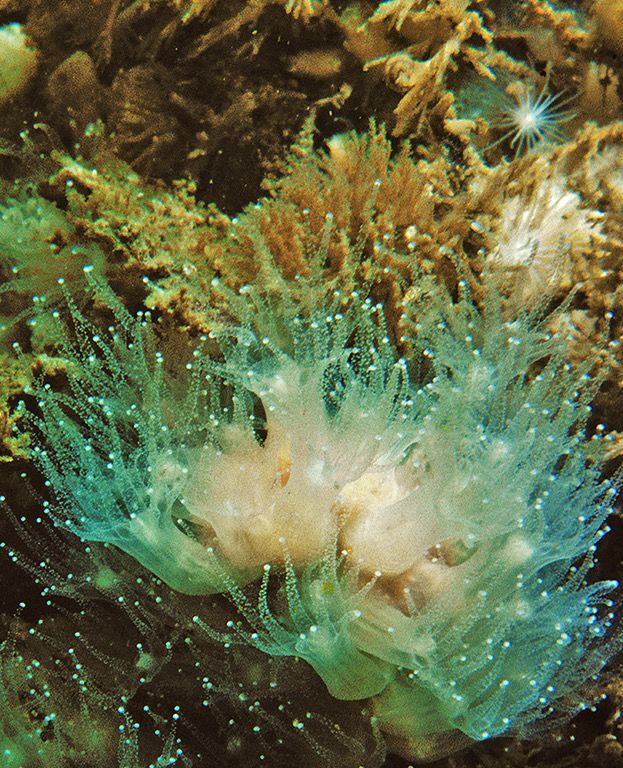
Photos: Northern star coral, Astrangia
                                                poculata; courtesy of Robert Bachand

Corals are living colonies of individual cnidarians set
within calcium carbonate shells; this northern star
coral is found on rocky reefs in the Sound
Photos: (left) Common sea star,
                                                       Asterias forbesi; courtesy of
                                                    Nancy Balcom; (right) Common
                                                         sea star, Asterias forbesi;
                                                       courtesy of Robert Bachand

Echinoderms are spiny-skinned animals with five-part
symmetry, like sea stars and sea urchins

Sea stars feed on shellfish, other invertebrates, and
even fish, dead or alive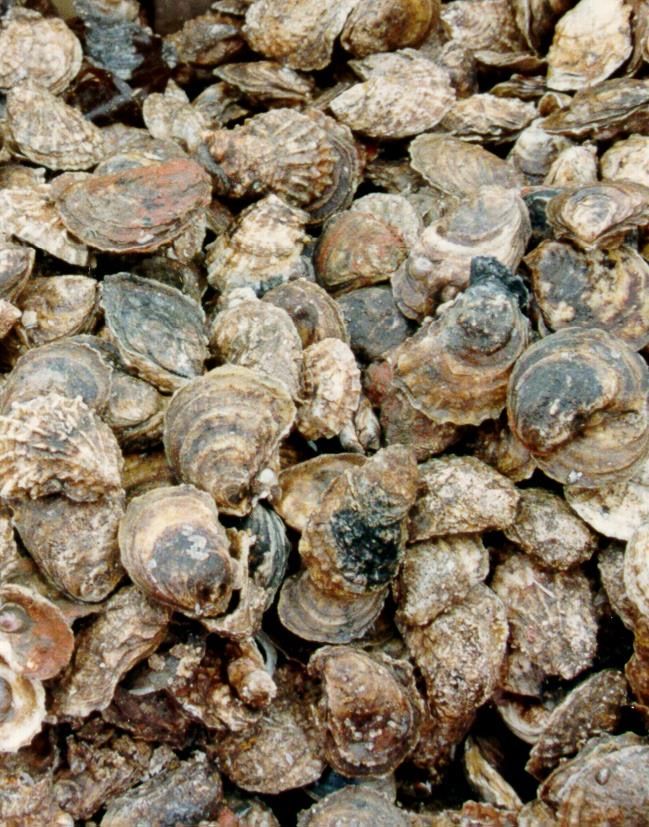
The blood star is
another species
of sea star that
lives in Long
Island Sound

                    Photo: Blood star, Henricia sanguinolenta;
                                  courtesy of Robert Bachand
Sea urchins, armored with
spines, have five hard pointed
teeth at the center of their
underside which they use to
scrape algae and detritus off
rocks and other substrates
Photos: (top) Green sea urchin, Strongylocentrotus droebachiensis, courtesy of Nancy Balcom; (bottom) Purple
sea urchin, Arbacia punctulata; courtesy of Nancy Balcom; (bottom right) Sea urchins on LIS bottom courtesy of
Ivar Babb and LISMaRC Science Team (UConn/U New Haven/USGS), Long Island Sound Study, CT-DEEPPhotos: (left) Hairy sea cucumber, Sclerodactyla
briareus, actively feeding and (right) burrowing in Mystic
Harbor mud bottom; courtesy of Robert Bachand
Sea cucumbers are also echinoderms; the hairy or
common sea cucumber lives on submerged bottom and
feeds using ten finger-like tentacles around its mouth
to filter plankton from the water columnEastern oysters
are an important
commercial
shellfish – bivalve
molluscs
They are farmed
on the bottom of
the Sound on
leased grounds, a
practice known as
aquaculture
Photo: Eastern oyster, Crassostrea virginica;
courtesy of Briarpatch Enterprises, Milford CTNudibranchs are
molluscs with no
shells; they are
sometimes referred to
as “sea slugs” and can
be very colorful
Photos: Red gilled Nudibranch, Flabellina verrucosathis (left) and
Emerald elysia, Elysia chlorotica (right) – courtesy of Robert BachandPhoto: American lobster, Homarus americanus; courtesy of Robert Bachand The most commercially-important crustacean in Long Island Sound is the American lobster Crustaceans such as lobsters, shrimp and crabs, are arthropods; all arthropods have jointed appendages
A lady crab is
identified by its
purple spots and
sharp pincers

Like the blue crab
it is a swimming
crab, using its back
pair of paddle-
shaped swimming
legs to propel it
through the water

Red beard sponge              Photos: (top) Lady crab (Calico crab), Ovalipes ocellatus, and red beard sponge,
                       Microciona prolifera; (bottom) swimming through the water; courtesy of Robert Bachand

offers a safe refuge
Photos: (left) Spider crab, Libinia sp.; courtesy of Ivar Babb and LISMaRC Science Team (UConn/U New Haven/USGS), Long Island Sound Study, CT-DEEP; and (right) Long-nosed spider crab, Libinia dubia; courtesy of Robert Bachand Spider crabs are well camouflaged; primarily scavengers, they cluster together in groups to molt (shed their outer shell or exoskeleton in order to grow larger ) and mate
Atlantic rock crabs are the favorite food of
lobsters; they feed on worms, molluscs and other
invertebrates

                                                           Photo: Atlantic rock crab,
                                       Cancer irroratus; courtesy of Robert Bachand
Named for the translucent areas on either side of its
“pointed snout”, a clearnose skate feeds along the bottom
(benthos) of the Sound; relatives of sharks and rays,
skates possess skeletons entirely made of cartilage
Photo: Clearnose skate, Raja eganteria; courtesy of Robert BachandPhotos: (left) Striped sea robin, Prionotus evolans, and (right)
northern sea robins, Prionotus carolinus; courtesy of Ivar Babb
and LISMaRC Science Team (UConn/U New Haven/USGS),
Long Island Sound Study, CT-DEEP
Striped sea robins (left) and northern sea robins
(right) migrate from deeper offshore waters to Long
Island Sound in the spring to spawn and feed,
returning to the deeper waters in the fallPhoto: Sea raven, Hemitripterus americanus; courtesy of Robert DeGoursey Sea ravens and their relatives, sculpins, have large spiny heads and wide mouths; sea ravens possess fleshy tabs on their heads and ragged dorsal fins; they inhabit rocky or hard bottoms where they eat both invertebrates and finfish
Winter flounder are year-round residents of Long
Island Sound; “right-eyed” flatfish, they swim along the
bottom feeding on soft-bodied animals in the sediments

                                 Photo: Winter flounder, Pleuronectes americanus; courtesy of Robert Bachand
Photo: Windowpane flounder,
Scophthalmus aquosus; courtesy
of Peter Auster Robert DeGoursey
Windowpane, or sand dabs, are also year-round flatfish
residents of the Sound; “left-eyed” flatfish, they have
larger mouths than winter flounder, and will leave the
bottom to ingest swimming preyLike all flatfish, “left-eyed” summer flounder have a chameleon-like ability to change their color to blend in with the surrounding sediments, an adaptation that serves them well against most Photo: Summer flounder, Paralichthys dentatus; predators courtesy of Robert Bachand
Photo: (left) Black sea bass, Centropristis striata, and (right) scup,
                                      Stenotomus chrysops; courtesy of Ivar Babb and LISMaRC Science Team
                                           (UConn/U New Haven/USGS), Long Island Sound Study, CT-DEEP

A black sea bass (left) and a scup or porgy (right) feed
and shelter among the boulders; scup migrate to the
Sound from their wintering grounds in Delaware Bay
and Chesapeake Bay
Photo: Cunner, Tautogolabrus adspersus, courtesy of Robert Bachand Cunner also like to hang around rocks and boulders; the warming climate has enabled this finfish species to expand its range north into Long Island Sound
You can also read


