SURPRISES IN STORE - FRUIT LOGISTICA TREND REPORT 2019
←
→
Page content transcription
If your browser does not render page correctly, please read the page content below
SURPRISES IN STORE

FRUIT LOGISTICA TREND REPORT 2019

                                          PRESENTED AT

                    IN COOPERATION WITH
PREFACE
IMPRESSUM                                                                                  Dear members of the fresh produce trade,

FRUIT LOGISTICA TREND REPORT 2019                                                          Welcome to our third annual FRUIT LOGISTICA Trend Report.
SURPRISES IN STORE                                                                         As we continue to do our best to provide all of our exhibitors and
                                                                                           visitors with useful business information, our intention with this
A special trend report for the international fresh produce business,                       year’s publication Surprises in Store is to paint a detailed picture of
commissioned by Fruit Logistica and produced by Oliver Wyman.                              the international fresh produce market and in particular two of its
                                                                                           leading protagonists, namely shoppers and retailers.
REPORT AUTHORS @ OLIVER WYMAN
Rainer Münch                                                                               Understanding why people purchase fresh fruit and vegetables in
Alexander Pöhl                                                                             the way they do is not always easy, so with the help of Oliver Wyman
Germain Terreaux                                                                           we have conducted one of the most in-depth consumer surveys ever
Jens Torchalla                                                                             undertaken in Europe and North America. The analysis contained
                                                                                           in this report goes beyond a summary of consumer behaviour in
EDITORIAL & DESIGN @ FRUITNET MEDIA INTERNATIONAL                                          relation to fresh food, however; what it also does is to explore in
Mike Knowles                                                                               detail the various ways in which the world’s major grocery retail
Simon Spreckley                                                                            chains are attempting to keep pace with those consumer trends. In
                                                                                           addition, it provides valuable insight into how companies can best
PRODUCTION                                                                                 approach the opportunities and challenges that such trends and
Oliver Wyman                                                                               reactions will inevitably create.
www.oliverwyman.com
Tel +49 (0)89 939 490                                                                      The report’s findings will be presented at FRUIT LOGISTICA 2019
                                                                                           and then be made available to all as a free download from the
PUBLISHER                                                                                  event’s official website. We hope that the information it contains
Messe Berlin GmbH                                                                          will be helpful to all of our customers and partners in the fresh
Messedamm 22, 14055 Berlin                                                                 produce sector, who together have enabled FRUIT LOGISTICA to
fruitlogistica@messe-berlin.com                                                            remain the leading global platform for the fresh fruit and vegetable
www.fruitlogistica.com                                                                     sector. As always, we want to keep sharing information with the
                                                                                           fresh produce industry and to maintain close ties with all of you.
Copyright © 2019 Oliver Wyman                                                              We therefore look forward to hearing your views on this new report
All rights reserved. Unauthorised publication or reuse in any form whatsoever of all or    and would welcome your suggestions for future studies.
part of the content of this publication is expressly forbidden without the prior written
permission of the publisher.                                                               With kind regards as always,
                                                                                           Your FRUIT LOGISTICA team
Printed in Germany

                                                                                                                                                                     FRUIT LOGISTICA TREND REPORT 2019   3
METHODOLOGY
CONTENTS
Surprises in Store, the Fruit FIGURE 1.
Logistica Trend Report 2019, SURVEY RESPONDENTS
takes a detailed look at the
critical role that fresh fruit Europe
PAGE and vegetables play in grocery Austria300
retail. The report is based on Belgium500
METHODOLOGY5
an in-depth consumer survey Czech Republic 300
– examining the responses of France1,000
INTRODUCTION7 6,850 customers in 14 different Germany500
markets across Europe and Italy500
1. WHAT REALLY MAKES FRESH FOOD SHOPPERS HAPPY? 8-15 North America (see Figure Netherlands500
Consumer attitudes to fresh produce ���������������������������������������������������������������������������������������������������������������������������� 10 1) – combined with project Poland300
The challenge at the heart of fresh produce ������������������������������������������������������������������������������������������������������������������ 12 experience at Oliver Wyman Russia500
and a series of 20 expert Spain500
Revitalising fresh food ������������������������������������������������������������������������������������������������������������������������������������������������� 13
interviews (see Figure 2). Switzerland450
UK500
2. MAKING SENSE OF NEW CONSUMER DEMANDS 16-25
Easy-healthy: more convenient and healthy ������������������������������������������������������������������������������������������������������������������ 18 North America
Geographical difference: the power of fortified food ������������������������������������������������������������������������������������������������������� 19 Canada500
Emotional connections: learning from the top brands ����������������������������������������������������������������������������������������������������� 21 US500
Case Study: Passion for production on a smaller scale �������������������������������������������������������������������������������������������������� 23
Total6,850
Consumption with a clear conscience ��������������������������������������������������������������������������������������������������������������������������� 24
3. WHAT THIS ALL MEANS FOR RETAILERS 26-33
Rethinking fresh produce retailing �������������������������������������������������������������������������������������������������������������������������������� 28 FIGURE 2.
Bulding local and seasonal ranges ������������������������������������������������������������������������������������������������������������������������������� 28 EXPERT INTERVIEWEES
Boosting producer-retailer collaboration ����������������������������������������������������������������������������������������������������������������������� 29
Company Interviewee Role
Case Study: The right response ������������������������������������������������������������������������������������������������������������������������������������ 30
Ecole et Académie du Fruit et Légume Frederic Jaunault Meilleur Ouvrier de France (Primeurs, 2011)
Promoting sustainable processes ��������������������������������������������������������������������������������������������������������������������������������� 30 Auchan France Philippe Beyaert Head of Fruit and Vegetables
Introducing emotive store design ���������������������������������������������������������������������������������������������������������������������������������� 31 Colruyt Annelies Middag Category Manager, Fruit and Vegetables
Case Study: Tech-savvy retailing ���������������������������������������������������������������������������������������������������������������������������������� 32 Colruyt Annick Mievis Chief Buyer, Fresh
Investing to motivate passionate staff ��������������������������������������������������������������������������������������������������������������������������� 32 Coop CH Andreas Allenspach Category Manager, Fruit, Vegetables and Flowers
Creating an emotional connection �������������������������������������������������������������������������������������������������������������������������������� 33 Die Frischemanufaktur Dr Jenny Müller Chief Executive Officer and Founder
Dream Harvest Farming Company Zain Shauk Chief Executive Officer and Co-founder
Edeka Nordbayern-Sachsen-Thüringen Stefan Dittert Lead Buyer, F&V, Plants, Convenience and Eggs
THE OPPORTUNITY IN FRUIT AND VEG 34 Globus Tim Strübing Assortment Manager, F&V, Flowers and Plants
Migros Ostschweiz Dominique Lumpert Head of Supermarkets
PKHA Dominique Barbet Partner
PKHA Benoit Koutny Partner
PKHA Gregoire Schellaert Partner
Selgros Cash & Carry (Transgourmet) Kerstin Dalchau-Mettner Head of Sales Germany
Rewe International Bahar Akca Lead Category Buyer, Convenience
SanLucar Austria Alexander Thaller Managing Director
Selgros Russia Dr Michael Zipfel Chief Executive Officer
Selgros Russia Jens Frerichs Chief Merchandising Officer
Sonae MC Tomás Lince Fernandes Head of Fresh Commercial Department
UNCGFL Christian Berthe President
FRUIT LOGISTICA TREND REPORT 2019 5
INTRODUCTION
                                        The suggestion that fresh produce might play        from, how they were produced,
                                        a critical role in the retail trade should not      how fresh they really are: these
                                        surprise anyone in the industry. What might         are of increasing relevance to
                                        not be so readily apparent, however, is just        consumers in many markets.
                                        how quickly the market for fresh produce is         At the same time, healthy
                                        changing. Customers now expect good quality         eating and convenience are
                                        fresh produce in every store. As a result, while    extremely relevant concerns
                                        grocery retail is seeking to use fresh produce to   for many. As trends, they are
                                        achieve market advantage, doing so is proving       not as contradictory as they
                                        ever more challenging.                              might first appear: customers
                                                                                            in certain segments want to
                                        Within this changing environment, fresh fruit       eat healthily with the greatest
                                        and vegetables are becoming central to the          possible convenience. This is
                                         success of any retail store. Welcome news for      providing producers, suppliers
                                                the sector, but there is a catch: as last   and    retailers   with     new
                                                   year’s Fruit Logistica Trend Report      opportunities and challenges.
                                                     Disruption in Fruit and Vegetable
                                                       Distribution highlighted, supply     This year’s Fruit Logistica
                                                       chains are evolving in new           Trend Report Surprises in Store
                                                        directions; and perceptions         will explain more about these
                                                        of what matters in fruit and        challenges and opportunities,
                                                       vegetables are shifting, as are      offering suggestions as to
                                                      expectations about the range of       how producers, suppliers and
                                                    products on offer.                      retailers might best react.

                                            Consumers are generally becoming much
                                        more sophisticated in terms of how they
                                        shop. Not only are they more environmentally
                                        conscious, but they demand more information
                                        about the products they choose to buy. Just
                                        where their fresh fruit and vegetables come

6   FRUIT LOGISTICA TREND REPORT 2018                                                                                FRUIT LOGISTICA TREND REPORT 2019   7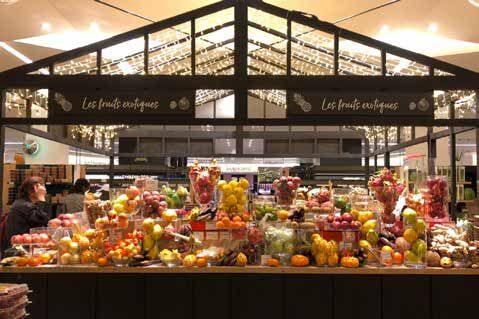
1.
    WHAT REALLY
    MAKES FRESH FOOD
8
    SHOPPERS HAPPY?
    FRUIT LOGISTICA TREND REPORT 2018   FRUIT LOGISTICA TREND REPORT 2018   9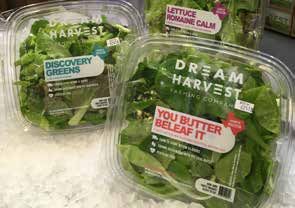
Consumer attitudes to fresh produce FIGURE 4.
DETAILED SURVEY RESULTS BY COUNTRY
The quality of a store’s fresh food plays a key role in determining where customers Source: Oliver Wyman, Fresh Survey, August-September 2018
choose to shop for their groceries. This is underlined in our consumer survey: 59
per cent of our respondents told us quality in the fresh food department was the Importance of product categories Importance of satisfaction criteria Best place to buy fresh products
most important factor in determining their choice of store (see Figure 3). for overall satisfaction with fresh for F&V satisfaction
Share of loyal customers rating
Correlation, fresh satisfaction Correlation, category satisfaction store as best store to buy Fresh
Looking a bit deeper, our survey reveals that fresh food quality determines vs category satisfaction vs satisfaction criteria products
basket size as well as footfall. Customers satisfied with a store’s fresh food
Austria 1. F&V 28% 1. Quality 48% 1. Interspar 61%
quality will visit it 7 per cent more frequently than those who are not. Even more
2. Meat and cold cuts 22% 2. Assortment 26% 2. Merkur 61%
significantly, their average basket is 24 per cent larger. Consider also the fact that 3. Cheese 17% 3. Price and promotions 11% 3. Billa 48%
47 per cent say they are willing to pay more for higher quality fresh food, and
the importance of fresh fruit and vegetables to the profitability of a food retail Belgium 1. F&V 39% 1. Quality 39% 1. Delhaize 75%
2. Meat and cold cuts 22% 2. Assortment 26% 2. Carrefour 60%
business becomes crystal clear. 3. Cheese 13% 3. Product presentation 10% 3. Albert Heijn 60%
Satisfaction with fresh food appears to have a more profound impact on shoppers Czech Rep 1. Meat and cold cuts 33% 1. Assortment 28% 1. Globus 74%
2. F&V 24% 2. Quality 20% 2. Kaufland 59%
with more money to spend, playing an even greater role in determining where 3. Bread and pastries 16% 3. Product availability 15% 3. Lidl 57%
they shop in many of Europe’s more affluent market segments. In Germany, for
example, around 68 per cent of high-income families say that fresh food is the France 1. F&V 41% 1. Quality 43% 1. Grand Frais
2. Meat and cold cuts 37% 2. Assortment 15% 2. Auchan
most important reason for choosing a store. Those families not only make 6 per
3. Cheese 10% 3. Price and promotions 10% 3. Cora/ Match
cent more visits than the average, they also spend 53 per cent more. In short, no
store should ever neglect quality when it comes to fresh products. Germany 1. F&V 31% 1. Assortment 34% 1. Globus 79%
2. Meat and cold cuts 29% 2. Quality 31% 2. Edeka 70%
3. Cheese 14% 3. Product presentation 11% 3. Kaufland 61%
The crucial question, therefore, is what drives customer satisfaction within the
fresh food department? The answer turns out to be surprisingly simple: the most Italy 1. Convenience food 23% 1. Quality 38% 1. Esselunga 70%
important thing for consumers is quality itself. As Figure 3 shows, quality alone 2. Cheese 20% 2. Assortment 24% 2. Coop, Ipercoop 65%
3. F&V/Meat and cold cuts 19% 3. Environmental commitment 6% 3. Conad 65%
accounts for 33 per cent of the total satisfaction (we will come to the second most-
important factor, the range of products, later in this report). Although the idea of Netherlands 1. F&V 42% 1. Assortment 35% 1. Albert Heijn 76%
quality as shoppers’ top priority is by no means unexpected, a closer analysis of 2. Meat and cold cuts 17% 2. Quality 33% 2. Lidl 75%
3. Convenience food 12% 3. Product presentation 7% 3. Emte 61%
their attitudes to quality reveals a number of surprises. Behind this apparently
simple answer, there have been some notable changes in expectation, shifts in Poland 1. F&V 28% 1. Quality 36% 1. Lidl 64%
demand that are central to this report’s findings. » 2. Convenience food 19% 2. Assortment 18% 2. Kaufland 62%
3. Meat & cold cuts 15% 3. Product presentation 14% 3. Delikatesy Centrum 60%
Russia 1. Meat and cold cuts 20% 1. Assortment 35% 1. Metro 80%
FIGURE 3. 2. Cheese/Convenience food 18% 2. Quality 15% 2. Karusel 76%
RELATIVE IMPORTANCE OF SATISFACTION CRITERIA FOR FRESH FOOD 3. F&V 18% 3. Product presentation 12% 3. Lenta 64%
CORRELATION, FRESH PRODUCE SATISFACTION VS SATISFACTION CRITERIA Spain 1. F&V 22% 1. Quality 47% 1. Bonpreu 83%
Source: Oliver Wyman, Fresh Survey, August-September 2018, average across all 14 geographies 2. Convenience food 18% 2. Price and promotions 10% 2. Hipercor 80%
3. Meat and cold cuts 13% 3. Assortment 9% 3. Carrefour 67%
Switzerland 1. F&V 38% 1. Quality 42% 1. Migros 66%
2. Meat and cold cuts 22% 2. Assortment 27% 2. Coop 61%
3. Cheese 11% 3. Product presentation 10% 3. Lidl 47%
UK 1. F&V 22% 1. Quality 47% 1. Waitrose 76%
2. Convenience food 18% 2. Price and promotions 10% 2. Morrisons 65%
3. Meat and cold cuts 13% 3. Assortment 9% 3. Tesco 63%
Canada 1. Cheese 24% 1. Quality 32% 1. Save-on-Foods 68%
2. F&V 16% 2. Product presentation 23% 2. Super C 67%
3. Convenience food 14% 3. Assortment 22% 3. Loblaws 65%
US 1. F&V 32% 1. Assortment 30% 1. Whole Foods 86%
2. Meat and cold cuts 16% 2. Product presentation 22% 2. Wegmans 82%
3. Cheese 12% 3. Quality 21% 3. Meijer 77%
10 FRUIT LOGISTICA TREND REPORT 2019 FRUIT LOGISTICA TREND REPORT 2019 11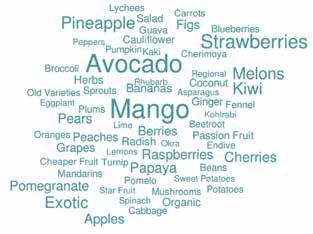
The challenge at the heart of fresh produce Revitalising fresh food
Almost universally, fresh produce has come fresh produce, across all markets covered by Retailers are faced with something of a quandary. While the fresh food
to play a much more central role in retail. The our survey the task seems even more difficult. department is more important than ever before as a way of attracting customers,
days when space expansion and promotion In Germany, for instance, whereas in 2012 some and with quality continuing to be a major driver of sales in that arena, more and
share could be used to drive sales now seem 68 per cent of customers said they saw major more shoppers are coming to expect quality as a matter of course, regarding it as
long gone. Store expansion has largely come differences in the quality of fresh produce merely something related to hygiene which they take for granted.
to an end in most mature markets, having sold by different retailers, today this figure has
reached its natural limit. Likewise, promotions dropped to only 31 per cent – less than half that This is making the battle for differentiation in fresh quality an increasingly
are increasingly cannibalising other sales. seen just a few years’ earlier. intense one, forcing retailers to search for new ways of standing out from an
Consequently, fresh food in general has increasingly competitive crowd. Our survey shows that, as far as customers are
assumed a new, more central importance. This clearly reflects the market consolidation concerned, all is not equal in the world of fresh. When ranking the fresh categories
seen over the last few years. Weaker players that are most important to them, it is the fruit and vegetable department that
Driving greater sales in this area is no simple have been forced out of the market and matters most, ahead of all others including meat and bakery (Figure 6).
matter, however. On the one hand, discounters those remaining are developing more and
Portrait
are keeping up the pressure in terms of more sophisticated operations. While quality
value for money, making further gains from differences do continue to score higher in less Exhibit 3: Importance of product categories
traditional vendors. On the other hand, online consolidated grocery markets such as Russia for fresh satisfaction
FIGURE 6.
fresh food sales are chipping away at the edge (see Figure 5), for most, quality has dropped IMPORTANCE OF PRODUCT CATEGORIES FOR FRESH FOOD SATISFACTION
of the market, placing additional pressure on below 40 per cent. CORRELATION, CATEGORY SATISFACTION VS. FRESH SATISFACTION
bricks-and-mortar retailers. Source: OliverofWyman,
Importance Fresh
product Survey, August-September
categories 2018, average across all 14 geographies
for fresh satisfaction
Correlation, category satisfaction vs. fresh satisfaction
As already mentioned, this does not mean fresh
Quality as a means of differentiating a store’s food is unimportant; far from it, as it remains
offer is not an easy answer either. Whereas the most important differentiator. What it 1 F&V 28%
once upon a time a retailer could have expected highlights is that the field of fresh is becoming
to distinguish itself solely by the quality of its an increasingly competitive one.
Portrait 2 Meat & cold cuts 20%
Exhibit 2: International comparison of perceived
differences in fresh 3 Cheese 13%
FIGURE 5. 4 Convenience food
(fresh only)
13%
INTERNATIONAL COMPARISON
Perceived OF PERCEIVED
differences DIFFERENCES
between retailers in Fresh IN FRESH FOOD
% of customers seeing big differences in the Fresh offer between the retailers in their country
Source: Oliver Wyman, Fresh Survey, August-September 2018
5 Bread and pastries 10%
Russia 54%
40%
Spain 6 Fish 7%
Poland 39%
Source: Oliver Wyman, Fresh Survey, August-September 2018, average across all 14 geographies
Switzerland 38%
Austria 36%
32% As all retailers are aware, shoppers tend to treat fresh fruits and vegetables
Italy
very differently depending on the category, type or variety. Some are regarded
Germany 31%
very much as shopping list essentials, never missing from a customer’s basket.
© Oliver Wyman 1
US 28% Other varieties may be perceived as harder to come by but are increasingly being
sought by lots of customers. Whenever these varieties are absent from a store’s
Belgium 25%
fresh produce department, they are the products most missed (see Figure 7). »
Canada 23%
Czech Rep 22%
UK 22%
Netherlands 19%
Source: Oliver Wyman, Fresh Survey, August-September 2018
© Oliver Wyman 1
12 FRUIT LOGISTICA TREND REPORT 2019 FRUIT LOGISTICA TREND REPORT 2019 13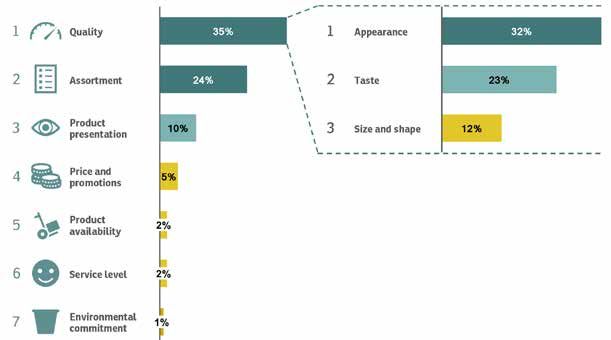
FIGURE 7. In our consumer survey, the responses we had from higher-income customers
CUSTOMER REFLECTIONS ON DIFFERENT F&V VARIETIES (SIZE = MENTIONS) might contain an important clue for beleaguered retailers. The data show
Source: Oliver Wyman, Fresh Survey, August-September 2018, only F&V mentioned five times or more these customers care more about service, have a stronger commitment to the
environment, and demand more specialised ranging than the average consumer.
F&V never missing from the shopping basket F&V consumers miss in many retail stores With a little imagination, this has the potential to translate into the core of a
strategy for potential differentiation in two distinct areas: first, product range;
and second, shopping experience.
Most retailers will of course be aware that both product range and shopping
experience can be powerful points of difference: as Figure 6 showed, assortment,
in particular, is an established driver of consumer satisfaction with fresh food,
and this centres around three new and critical things that shoppers want:
• Fresh produce that is both more convenient and healthier
• Fruit and veg with an emotional connection, to which they can relate like brands
• A clear conscience, with greater origin transparency and less environmental impact
Each of these three consumer demands can considered in relation to both
product range and shopping experience, revealing an array of different potential
Digging a bit deeper into what it is that determines customer satisfaction with responses (see Figure 9). While a few retailers and suppliers are beginning to
regard to fruit and vegetables quality, our research reveals that the top three respond to these new requirements, to our knowledge, none has yet done so fully.
drivers are the appearance of the produce, its taste, and its size and shape
(see Figure 8). Here customer preferences are also undergoing something of a In the remainder of this report, we first explore each of these areas in more detail
change. Experts confirm that whereas consumers have long associated produce before examining what they mean in practice for the retailers themselves. _
appearance with quality, taste is now playing an increasingly important role in
how they assess quality. These changes are at the heart of dynamics rippling
across the entire value chain.
FIGURE 9.
FIGURE 8. EMERGING DIFFERENTIATORS OF FRUIT AND VEGETABLE SATISFACTION
QUALITY AS A DRIVER OF SATISFACTION WITH FRUIT AND VEGETABLES Source: Oliver Wyman, Fresh Survey, August-September 2018
Source: Oliver Wyman, Fresh Survey, August-September 2018, average across all 14 geographies
Importance of satisfaction criteria for F&V Determining factors in F&V quality satisfaction What are The response we expect to see in stores…
Correlation, satisfaction criteria vs F&V satisfaction Correlation, satisfaction criteria vs F&V satisfaction consumers
asking for?
Assortment Experience
Faster, easier, / Larger convenience range / Modular convenience, ‘putting your
healthier meal together’
/ New easier-to-cook varieties
/ Suggestions about ‘what to eat’
/ More ready prepared (cut, peeled, etc.)
/ Quick and easy shopping
/ Fortified vegetables
/ More information on health
/ Re-discovery of Frozen
/ Encouragements to live a healthier life
Emotional / Better tasting varieties / ‘Theatrical’ presentations
connection
/ Brands that convey trust in their / Increased interaction: advice, food
superior quality tastings, cooking classes, etc.
/ More in-store gastronomy and
production
Fruit and veg / More local products / Greater transparency in the supply
with a good chain
/ More seasonal products
conscience
/ Increased centrality of local and
/ Environmentally friendly packaging
seasonal fruit and vegetables
/ More information on sustainability of
products and efforts to achieve this
14 FRUIT LOGISTICA TREND REPORT 2019 FRUIT LOGISTICA TREND REPORT 2019 15
2.
     MAKING SENSE OF
     NEW CONSUMER
16
     DEMANDS
     FRUIT LOGISTICA TREND REPORT 2018   FRUIT LOGISTICA TREND REPORT 2018   17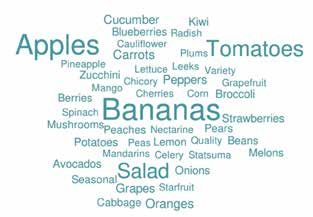
GEOGRAPHICAL DIFFERENCE:
Easy-healthy: more convenient and healthier
In the past, convenience foods have not fewer people regularly cook for themselves.
THE POWER OF FORTIFIED FOOD
necessarily been associated with health Those who do generally have less time to
awareness. In that sense, convenient fresh spend on cooking than they did in the past (see
fruit and vegetables mentioned here have Figure 10). The same is true of the amount of
little or nothing to do with the majority of time spent shopping. Yet simultaneously, the
such products. The demand is for healthy current generation has emerged as more health
fresh produce that is packaged in a convenient conscious than ever before, and this is driving
format for people who are short of time and consumers to seek out healthy and convenient Exactly how producers and counter the impact of the
often in a hurry, both when shopping in the fresh foods – easy to prepare healthy foods that retailers respond to demands country’s notoriously cloudy
store and when cooking at home. Although can be put on the table quickly but which the for easy-healthy foods will winter days on the number of
family mealtimes remain important to many, consumer knows will do their family good. Portrait depend in part on the specific sunlight hours.
geography involved. Outside
Exhibit 6: Time pressures impinge on home cooking Europe, there is already a The challenge in Europe is
FIGURE 10. growing retail trend involving that extensive EU regulation
EMERGING DIFFERENTIATORS OF FRUIT AND VEGETABLE SATISFACTION foods that deliver improved limits the scope of such
People with
Source: GfK perceived stress/lack
ConsumerScan, of time
Bundesagentur “Why do you (2012)
für Arbeit, Euromonitor International purchase ready meals versus preparing a meal nutritional qualities – for labelling, making it more
Share within population group with time stress in % in Germany from scratch?”¹
example, broccoli containing difficult to promote health
People with perceived stress / lack of time “Why do you purchase ready meals instead of an increased number of benefits associated with
Share within population group in Germany preparing a meal from scratch?”¹ antioxidant elements, or such products. According
lettuce with higher vitamin to a summary provided by
“I do not have
45%
levels. In the US, for instance, The Food Safety Authority
time to cook” Inventure has launched a of Ireland, “the labelling,
48.6 %
fortified product made from presentation and advertising
44.3 % frozen fruit berries with of foods to which vitamins
40.8 %
added vitamins, sold as ‘fruit and minerals have been added or deceive the consumer as to the nutritional
36.8 % plus vitamins’. must not include any mention merit of a food that may result from the
stating, or implying, that addition of these nutrients.”
This type of food is already a balanced and varied diet
generating significant cannot provide appropriate Clearly this does not in itself prohibit the
Number of shopping trips per year and person revenue in Asia and the first quantities of nutrients.” advertising and sale of fortified products.
Total number in Germany such products are now making Furthermore, it says, “the Tesco, for one, has found a way to comply
their way to Europe. In the UK, labelling, presentation and with these regulations, stating boldly in its
9.0 % 9.1 % -1,9% p.a. for instance, Tesco is selling advertising of foods to which advertising that “mushrooms enriched with
241 235 231 228
mushrooms with additional vitamins and minerals have Vitamin D [can] help keep you healthy during
223
Vitamin D that is said to help been added must not mislead the darker winter months”.
2011 2014
Young Middle-aged Old
2012 2013 2014 2015 2016 seamless ways to keep customers informed We expect these demands to play out in a
about what constitutes a healthy diet. Such broader and more innovative easy-healthy
1. Share of respondents agreeing with the statement below, global survey
Source: GfK ConsumerScan, Bundesagentur für Arbeit, Euromnitor International (2012) advice, necessarily, will have to be tailored to convenience offer in stores. That evolution in
Number of shopping trips per year and person an individual’s needs; this could comprise a terms of product range is likely to mirror the
Total number
hurry within Germany
as much convenience as possible. mixture of advice from knowledgeable staff
The 2018 Fruit Logistica Trend report provided following trends:
insights into the continued growth of out-of- This will require a trade-off with displays 1 and the use of modern communication tools,
home consumption. Simultaneously, that same that encourage traditional store journeys, such as smartphone apps. • Easy-to-prepare fruit and vegetable
trend will also lead to changes in the way people because many consumers will be looking for varieties – such as Bimi / Tenderstem, a
purchase fresh produce for home cooking, with immediate access to the produce they need Similarly, trustworthiness will be at a premium – convenient form of broccoli
major implications for retailers. They will need and will resist being led through the store to it is likely that consumers will look increasingly • Ready-to-cook fruit and vegetables (pre-
to devote as much effort to reinventing how find it. Increasingly, customers will also be to the reassurance of trusted brands, branding prepared, for example cut and peeled)
they sell fresh produce as to what they sell. looking for healthy foods that can sustain that can reassure the consumer about the • Greater product choice, centred around
their health-conscious diets. Retailers and healthy, reliable nature of the fresh produce, local and seasonal demand
These changes begin at the store’s door. To producers will need to respond to this demand, while at the same time making it possible for • Modularity, meaning the sale of readily
attract busy consumers, it will need to stock without overloading their stores, finding them to quickly identify the exact product they recognisable fruit and vegetable
product ranges that provide shoppers in a are looking for, and in the quantity they need. components for easy-to-assemble meals »
18 FRUIT LOGISTICA TREND REPORT 2019 FRUIT LOGISTICA TREND REPORT 2019 19EMOTIONAL CONNECTIONS:
Fresh fruit and vegetable producers and Discounters like Aldi and Lidl are also
retailers alike will need to stay one step ahead working to expand their fresh fruit and
of emerging trends that are being driven by vegetable convenience ranges. Driven by
LEARNING FROM TOP BRANDS
so-called influencers. In the recent past, one the price point, their initial targeting is for
such trend has been the highly influential and medium- to high-income customers, with
widespread promotion of superfoods. While the opportunity regarded as particularly
the market for such products has been limited strong in urban stores. Time will tell if
largely to specific countries and regions, a retailers can also reach the four in ten
Portrait
number of these superfoods has made the younger people with even less to spend. Beyond their physical and
leap and become truly global. Exhibit 7: Uptake in select superfood sales, Germany practical attributes, powerful
brands go out of their
This segment is being shaped FIGURE 11. way to build an emotional
in particular by influencers SALES OF SELECTED SUPERFOODS IN GERMANY (€ ,000) connection with consumers,
across all types of media, Source: IRI (Superfood)
Revenues with selected Superfoods
one that establishes trust –
especially where the food is in thousand EUR in Germany and consequently customer
highlighted in magazines by loyalty, encouraging repeart
celebrity chefs or by other 12,392 purchases and creating a brand
Chia
well-followed names on food 23,228 premium. This can play well
blogs and social media feeds. for fresh foods, particularly for
8,494
On occasion, this has led to Quinoa the many fruit and vegetables
12,909
impressive sales uptake (as that appeal to so many of the
highlighted by the examples senses. Bricks-and-mortar
2,763
in Figure 11). However, as Matcha Tea retailers and produce brand
7,006
retailers are all too aware, owners are increasingly
there is a very real risk that 1,193
concluding that such sensual
such trends can disappear as Amaranth appeal is a particularly
2,961
quickly as they arrived. important avenue, one that
49 could potentially give them a ABOVE—Making fresh produce departments more theatrical could help to underline the value of real stores
Almond flour
Not all the action is among 145 competitive advantage over
high-end shoppers. A large other channels. If customers superior quality. German supermarket Pink Lady seal of approval – the
number have to manage on 27 wish to see, touch, feel and chain Globus, for example, selects fruit and pin heart-shaped sticker you
Coconut fibres
restricted budgets and are 76 smell fresh produce before vegetables it believes meet particularly high find on every one of our apples.
effectively prevented from buying, what better place to do standards of quality and taste to be sold under It’s a symbol of authenticity and
2015 2016
eating the healthy foods Source: IRI (Superfood)
that than in the store? its premium label Globus Gold. “We only work guarantees consistent quality.”
they might otherwise wish to Portrait
with producers who want the best and who we
consume. This is particularly The sensual aspect of fresh know personally,” the company comments. Its For branded products to work in
true for younger age groups: Exhibit 8: Budget constraints restricting a healthier
FIGURE 11. produce contains another advertising also underlines an aspect that we fruit and vegetables, they have
data from Statista suggest
© Oliver Wyman diet SHARE OF RESPONDENTS SHORT OF MONEY TO PURSUE A HEALTHIER DIET 1 emerging trend: while will look at in further detail later in this report, to deliver consistent quality
that in Germany, four in ten GERMANY, PERCENTAGE PER AGE BRACKET consumers still associate the the products’ seasonality. “Globus Gold fruit on each purchase occasion
people below the age of 40 Source: Statista (2016) fresh appearance of fruit and and vegetable products are only available for a and provide visible, additional
Share of respondents short of money to pursue a healthier diet
would eat more healthy foods Per age bracket in % vegetables with their quality, limited time in the season – only when they are value for the customer when
if they could afford to do so taste is becoming a far more perfectly ripe.” compared with the alternatives.
(see Figure 12). 18–29 38%
important factor in a shopper’s Some retailers have already
purchasing decision. Experts Adopting a slightly different approach, some achieved success in this area.
The situation in those lower $ tell us that in response to this growers have marketed particular varieties of Germany’s largest supermarket
income brackets suggests 30–39 42% trend they expect producers produce under a universal brand, to ensure that chain Edeka has been aware of
there is a large untapped and retailers to focus much consumers see the produce as distinctive. Pink the need for differentiation as
market, a problem that of their future innovation on Lady apples, for instance, include a number of it introduces consumer brands
could be addressed through 40–49 34% delivering superior taste in cultivars – the main one Cripps Pink was first to its fruit and vegetable offer.
innovative and alternative fresh produce. The key here produced in 1973 in Western Australia – that are For instance, unlike others,
approaches. Frozen fruit and is to build consumers’ trust all marketed under the same umbrella brand. the limes it markets under
vegetables, for instance, can 50–59 32% in the superior quality of Pink Lady apples are grown around the world, the Havana Club brand do
provide a convenient and fresh produce. A number of but careful marketing means that consumers still not have waxed skins, making
healthy alternative to fresh producers and retailers have get consistent appearance, flavour and quality. them more suitable for use
produce. Pricing is key for 60+ 33% already succeeded in doing As their advertising states: “Only the best of the in drinks. They can be sliced
this segment. so by consistently delivering apples are selected, hand-picked and given the and dropped straight into »
20 FRUIT LOGISTICA TREND REPORT 2019 Source: Statista (2016), Germany FRUIT LOGISTICAFRUIT
TRENDLOGISTICA 21
TREND REPORT
REPORT 2019 2019a glass without having to be heat-scrubbed unlikely that European retail will replicate the
first. Elsewhere, Rewe’s fresh oranges are sold exuberance of American displays, the majority
in supermarkets under the name Valensina, a of the experts we interviewed said they
well-known juice brand. The marketing strapline expected to see more focus on this kind of visual
offers the customer a guarantee that the oranges merchandising for fresh fruit and vegetables
have a superior taste and juice content, in Europe. Appearance is of increasing
encouraging customers to use the importance.
fruit to make their own fresh juice.
PASSION FOR PRODUCTION
As the major brands know, the secret
Another way of creating a to strong emotional connection
stronger emotional connection with consumers lies in the last of
ON A SMALLER SCALE
with fruit and vegetable three elements addressed here:
consumers is to improve their the store’s staff. Interaction
appearance and presentation. with a store employee can make
A number of countries – the US a vital difference to how the
and Canada in particular – have customer perceives the produce itself.
a long history of creating elaborate By personally introducing consumers to Cooperatives form a well-established alternative for example, regularly arranges for customers
and attractive in-store fresh produce displays. products, offering advice or suggesting appropriate to the more conventional food industry business to meet its artisan partners in its stores in
These almost theatrical displays are designed to recipes, members of staff can trigger positive model. According to PK Halstead Associates, a Hauts-de-France and Ile-de-France, enabling
captivate the consumer and elicit an emotional emotions. A strong relationship established with Brussels-based food industry consultancy that them to better understand how they produce
reaction. A well-established element of North the store can create trust that then transmits to specialises in design and identity, the present their food, or simply to get more information
American fruit and vegetable marketing, they are the produce itself. environment opens up new opportunities for about what they are eating. Concerned about
a bright, fun and stylised way of communicating such ventures: “The cooperative model gives an ensuring transparency with their customers, the
quality. Bricks-and-mortar retailers have a final card up alternative response to both new expectations cooperative posts extensive information about
their sleeve: they can show people how great fresh of the consumer and the wishes of the producers its partners on a dedicated website, including the
Elsewhere, presentation has yet to play as food is. A customer’s experiences in the store – to enhance their profession as custodians of the prices the cooperative pays producers for each of
an important role in determining overall being shown how conveniently an easy-healthy earth.” This approach is exemplified in Belgium’s their products.
satisfaction as it does in North America. In food fits with their busy lifestyle, or getting Paysans-Artisans. The cooperative focuses on
most other markets, presentation accounts for involved in a gastronomical tasting or cooking marketing artisanal and local food products, A number of small-scale groups take this intimate
around 10 per cent of customer satisfaction, class to learn how to make use of a new product but defines itself as a citizen movement that relationship one step further. To shop in Parisian
whereas it registers double that figure in the US – will strengthen their emotional connection with Portrait brings together farmers, artisan-processors and cooperative La Louve’s store, for example, a
and Canada (see Figure 14). While it might appear the fresh produce itself and the retailer. » consumers around a shared vision of agriculture customer must first become a member. And it’s
Exhibit 10: Importance of F&V presentation and food. This echoes PK Halstead’s own vision; not just in Europe that this kind of membership
FIGURE 14. by “rejecting gigantism and focusing on the model is gaining currency. The same approach
IMPORTANCE OF FRESH FRUIT AND VEGETABLE PRESENTATION IN STORE diversity and quality of the produce,” cooperatives is taken by the Park Slope Food Coop in the
Source: Oliver Wyman, Fresh Survey, August-September 2018 can reinvigorate farming and restore passion to US, which aims to maximise the provision of
Importance of F&V presentation small producers, farmers and craftsmen, at the foods that are grown organically, regionally or
Correlation, category satisfaction vs. satisfaction criteria
same time providing customers with healthy and both, as well as ethical sourced and otherwise
Canada 23% sustainable food, and ensuring they are better environmentally friendly. To this end, it avoids
informed about what they eat. products that involve the use of toxic substances
US 22%
such as chlorine bleach and petroleum, minimises
The heart of this approach is the localism that the use of disposable products, and seeks out
Poland 14% supports close ties between the producer and the those suppliers which use recycled containers
consumer. The French cooperative O’Tera du Sart, and environmentally sound packaging.
Russia 12%
Germany 11%
Belgium 10%
Switzerland 10%
Spain 9%
UK 9%
Netherlands 7%
Italy 6%
Czech Rep 5%
Source: Oliver Wyman, Fresh Survey, August-September 2018
22 FRUIT LOGISTICA TREND REPORT 2019 FRUIT LOGISTICA TREND REPORT 2019 23
© Oliver Wyman 1Portrait
Exhibit 11: Increased environmental consciousness
Consumption with a clear conscience FIGURE 15.
INCREASING
Revenues CONSUMER AWARENESS
with “Bio”-certified OF FOOD’S IMPACT ONSurvey
food in retail stores THE ENVIRONMENT
results, 2018
In € BN in Germany Conducted by SPLENDID RESEARCH GmbH
Source: Agrarmarkt Informations – Arbeitskreis Biomarkt, European Commission (2017), Statista Survey (2016), Splendid Research (2018)
Consumers are changing. Slow food, farmers’ fresh produce thrown away and in terms of how
markets and street food are all trends that point ecologically sound its packaging might be, is an Retail sales of organic-certified food Survey results
towards a different attitude to consumption, increasing concern. By happy coincidence, this is as Germany, € bn Conducted by Splendid Research
one which means that we expect whatever we much a priority for retailers as it is for consumers.
+9.9% p.a.
eat to give us great enjoyment but at the same Significantly, a survey carried out in April 2018 by
time to leave us with a clear conscience, secure Splendid Research found that consumers were
4.8 5.5 5.9 >70% Would consider buying unpackaged food
in the knowledge that we have not harmed the willing to take action to back up these concerns. 4.1 4.2
environment. This is consumption very much as Around 90 per cent said they would be willing to
2013 2014 2015 2016 2017
virtue, eating as identity. buy aesthetically imperfect fruit and vegetables
(so-called wonky or ugly produce). What’s more, 78 Would consider bringing their own
Environmental commitment, in particular, is per cent of women and 72 per cent of men would “I am concerned about the impact of plastics in everyday 75% containers to fill with food in the
supermarket
becoming an important criterion in store selection consider buying loose fresh food, especially when products on the environment“ EU, percentage share
in Europe. In the UK, for example, 43 per cent it came to fruit and vegetables. Plastic packaging
of consumers say their choice is shaped by how is seen as a major issue: 87 per cent of respondents
45% 42%
environmentally sustainable they believe the
store to be. That figure is even higher for high-
said they were concerned about its impact on the
environment – particularly so with regard to the 8% 3% 2%
73% Hope to minimize the usage of packing
income families. As a result, all of the retailers we plastics used in everyday products – and 73 per Fully agree Tend to Tend to Fully Unsure
agree disagree disagree
interviewed now see an emphasis on sustainability cent said they hoped to minimise the amount of
as a high priority for their company. packaging they used. However, when it comes to Willingness to buy deformed vegetables or fruit
paying for this, the response was less assured: only EU, percentage share 72% Would like to protect the environment
Sustainability plays into yet another aspect of food half said they would be willing to pay more for
consumption, namely its seasonality and locality. biodegradable packaging (see Figure 15). Yes 90
As food becomes increasingly associated with
both identity and environmental sustainability, Consumers want advice too No 10
50% Are willing to pay more for biodegradable
packed products
the specific questions of when and where food While reducing the amount of plastic packaging
has been produced take on a new resonance. remains a priority for most, this can also be at
Consumers are turning to foods with lower odds with the primary aim of sustainability. Cheap Source: Agrarmarkt Informations-Gesellschaft mbH – Arbeitskreis Biomarkt, European Commission (2017), Statista Survey (2016), Splendid Research GmbH (2018)
“I am concerned about the impact of plastics in everyday
environmental impact from sustainable sources; and effective, plastic packaging has done much The goal to
Willingness ofbuy
reducing
deformed plastic waste
vegetables or fruithas set many
productsretailers and producers on the hunt for
on the environment“
Share among respondents in % 1
locally produced, grown in season. However, these to increase the longevity of fresh produce, often © Oliver Wyman viable alternatives. While some are lookingShare to biodegradable plasticswith
of respondents in agreement as the
anabove
alternative
statement
in % in the EU
demands are clearly not equally important to all substantially prolonging product shelf-life and source of packaging material, others are using more traditional materials such as paper and
consumers in all markets. Customers in certain protecting it against contamination and damage cardboard carton in order to avoid transforming food sources such as corn and rapeseed
countries such as the Netherlands, Belgium and during transportation and display. Additionally, into packaging. These choices can lead to a complex matrix of outcomes, all of which are
Italy place a premium on the seasonality of their it creates convenience in terms of handling and produce-specific. How each retailer resolves these challenges will be determined by what
fresh fruit and vegetables. For others, particularly purchasing, producing standard units of purchase they perceive the balance to be between each competing objective. In Switzerland, Coop
those in countries like Germany and Switzerland that customers readily recognise. For all these has investigated the impact of packaging on shelf-life and identified that it can eliminate
that have strong regional identities around food, reasons, eliminating plastic packaging could packaging for root vegetables without any negative consequences. In contrast, the way
locality plays a far more critical role. potentially lead to an increase in food waste. it packages broccoli has not changed. The retailer says it took the decision not to change
its packaging in this case because it believed that such a change would have an unduly
Connected to this is a further emotional aspect of Those caveats aside, the amount of produce being negative impact on the product’s quality and increase food waste.
fresh fruit and vegetable consumption: customers sold without packaging is increasing steadily,
want to know not only that their produce is fresh, even if there are likely to be limits on how far This points to another lesson from the top brands: suppliers and retailers need to respond
but also that it is ephemeral and unique, located in this can be extended. While it is a fairly simple to such challenges by building deeper relationships with their customers. The objective
a specific time and place and inherently linked to matter to reduce the amount of plastic packaging should be to use communications to build trust and loyalty, two key facets of brand
the experience of producing it and consuming it. used for certain varieties of fresh fruit and strength. The simple place to start is by interacting more with consumers to ensure that
For high-end consumers, particularly the young, vegetables, instead selling much of it loose, any they are not only better informed but more actively involved. This can take many forms,
food’s identity and the purity of its supply are major reduction for others like soft fruit and salad ranging from point-of-sale communication to interaction with knowledgeable staff and
becoming increasingly intertwined with a sense of vegetables might well result in higher amounts mobile, interactive links online. The key here is for the retailer to see its communications
personal identity. of waste and increased cost. In addition, easy- as being about building a relationship, all the while remembering that this rests as much
healthy foods demand convenience and prepared on its emotive content as the information it conveys. _
Greater awareness of the modern food industry’s produced requires reliable packaging. This is one
environmental impact is affecting fresh fruit and major reason why we expect that, for the short
vegetable retailing in other ways too. The avoidance term at least, the amount of plastic in use is likely
of waste, both in terms of reducing the volume of to continue rising.
24 FRUIT LOGISTICA TREND REPORT 2019 FRUIT LOGISTICA TREND REPORT 2019 253.
WHAT THIS ALL
MEANS FOR THE
26
RETAILERS
FRUIT LOGISTICA TREND REPORT 2018 FRUIT LOGISTICA TREND REPORT 2018 27SUSTAINABLE
Rethinking fresh produce retailing
At first sight, the ideas around improved We believe that any retail chain that responds fully There is no simple answer as to how retailers
SUPER-FRESH
assortment and greater emotional connection to these demands will not only need to change the should tackle this emerging demand. Because of
that we have discussed in this report might appear way they think about fresh fruit and vegetables, the segmentation discussed above, offer the same
to mean relatively little in terms of how a store but will also find that this leads to their stores being range in every store is not an option, and even if
actually functions. However, we could not disagree redesigned from front to back (see Figure 16). In space restrictions did not preclude this, the demand
more. To challenge such misconceptions, in this doing so, they will have to address six specific areas in several stores would be insufficient, leading to
section we examine what it takes for a store to of store function: product range, collaboration increased waste. Any solution, therefore, requires
meet customer demand for easy-healthy produce, with producers, packaging, store design, staff and the retailer to respond to variations in demand at
for fresh fruit and vegetables that make an store communications. Over the next few pages, a local level, tailoring its assortment accordingly in
emotional connection, and for produce that leaves we will examine each of these areas in turn. order to meet the needs of a local customer base.
the consumer with a clear conscience. Portrait
There are two potentially complementary
Table 5: Likely impact of initiatives to respond to ways to achieve this. First, the retailer might
emerging
FIGURE 16. demand give greater independence to its local store
LIKELY IMPACT OF INITIATIVES IN RESPONSE TO EMERGING DEMAND management, trusting local partners to know their
Source: Oliver Wyman own customers and adapt their product range
accordingly. This could potentially be guided by
Faster, easier, Emotional connection Good conscience
healthier central recommendations based on experience Located in Houston, Texas, Dream Harvest is
1. Strengthen localisation and
seasonality in the assortment from stores in similar situations and locations. involved in indoor, vertical hydroponic farming,
The alternative would be for the retailer to adopt an emerging industry in which layers of growing
2. Increase collaboration between
producers and retailers a fully automated solution based on statistical racks are stacked one above each other within an
3. Promote sustainable packaging and analysis and point-of-sale tools. This would enable artificially lit growing chamber. The industry is on
production process
the retailer to create a local assortment planogram the way to being profitable as the cost of lighting
4. Introduce emotive store and for each store, following well-defined rules that are systems comes down. For Dream Harvest, the
furniture design
based on consistent analytics. innovative technology enables it to produce very
5. Invest to motivate passionate staff sustainable green produce such as lettuce and kale
using just 1 per cent of the water used on a normal
6. Tailor communication to connect
emotively with the customer
Boosting producer-retailer collaboration farm. Its growing chambers are powered solely by
renewable, wind-generated energy and its farms
High impact Medium impact Low impact
We expect the level of collaboration with producers use zero pesticides.
Source: Oliver Wyman
and growers to increase during the next few years
because of the need for faster innovation and the Chief executive Zain Shauk claims local has now
Building local and seasonal ranges retailer’s desire to secure differentiated quality surpassed organic as a relevant consumer trend.
over the longer term. Retailers and producers make “It has better freshness, better taste, better quality.
It would be misleading to give the impression that some segments of the population will be looking a good partnership when it comes to achieving Every chef in the world uses local ingredients.
the entire population of Europe is suddenly going for an emotive connection, alongside with others faster-paced and more significant innovation. People are looking past the brand name, looking at
to start consuming easy-healthy fresh produce, who are not. Some will require consumption with a Typically, retailers are best placed to have an in- what is important, the ingredients. More scrutiny
or indeed that they will consume this and this clear conscience, others will not give such concerns depth understanding of the pattern of consumer is going into what the brand represents. Quality
© Oliver Wyman alone. Instead, what we see is an emerging trend, much thought. 1 demand and how this is changing, while producers has to underline the brand.” With vertically farmed
a trend we believe will make greater and greater are the experts in product development. The produce comes the promise of longer shelf-life,
inroads into the fresh fruit and vegetable market So, who will consume according to the new challenge, however, is that it can currently take up superior quality and greater nutritional value. Seven
in years to come. Even as it does so, we are likely to paradigm? Who will want the new easy-healthy to nine months to introduce new products into a days from harvest, salad greens have apparently
see uneven progress across different countries and varieties and look for greater convenience, store. This lengthy lead time is largely the result lost all their Vitamin C, while other nutrients are
segments. emotional connection and sustainability? Our of the fact that the development process is highly degrading at a steady, albeit slower, rate. Once
study suggests that all these trends are likely to iterative. First, the retailer studies the customer harvested, Dream Harvest greens are triple-washed
We expect some parts of the population to continue manifest most strongly in similar segments: the figures and feedback as well as the competitive and delivered to stores within hours of harvesting.
to demand and consume the traditional fresh fruit metropolitan and urban, high-income, younger landscape in depth and develops suggestions
and vegetable offer for the foreseeable future. generations. These consumers will be looking for within the category management team. These Shauk believes the challenge for Dream Harvest
The majority of consumers will continue to buy ready-to-cook fresh foods – think particularly of ideas are then communicated to the producers, will be to reach people at a moment when they
bananas, apples and pears. In other words, even busy parents with young families to care for – and who might or might not accept the challenge at are willing to change. In-store demos have proved
in the target segments, it is likely that for some likewise, the ready-to-eat segment is more likely this stage. Alternatively, they might turn down the successful. “When people taste it, they immediately
time we will see the same customer consuming to involve single, young, urban professionals – proposition due to, for example, potential technical see the difference,” he says. But such breakthroughs
traditional fruit and vegetables and the new those with a higher disposable income and busy issues, or suggest modifications or alternatives. are only possible in store, so the company is using
produce from the emerging paradigm. Similarly, lifestyles but without family responsibilities. This process is then repeated through a number » social media and messaging to reach its target group.
28 FRUIT LOGISTICA TREND REPORT 2019 FRUIT LOGISTICA TREND REPORT 2019 29You can also read


