Surviving the HIGHLAND LAKES MASTER GARDENER ASSOCIATION - March 2021 Volume 22, Issue 2
←
→
Page content transcription
If your browser does not render page correctly, please read the page content below
surviving the

                                             PAGE 6

HIGHLAND LAKES MASTER GARDENER ASSOCIATION
         March 2021 • Volume 22, Issue 2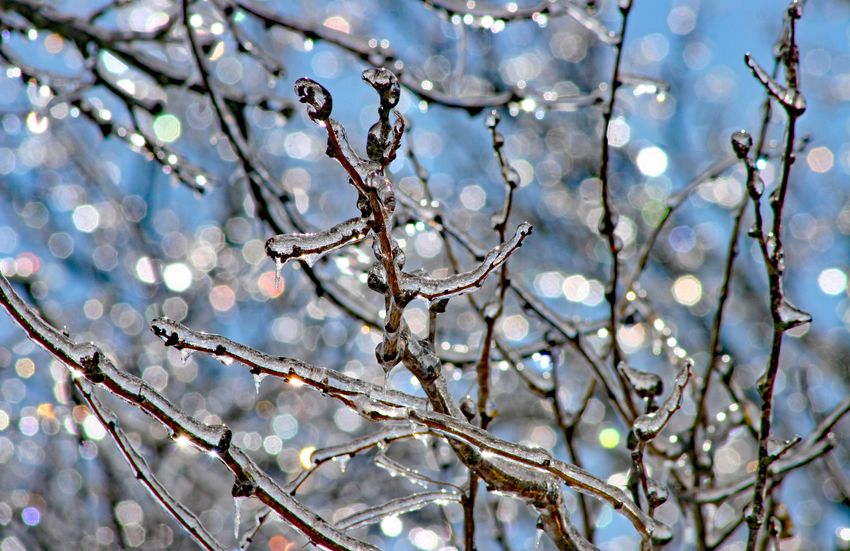
HIGHLAND LAKES MASTER GARDENER ASSOCIATION
President’s Corner
Recovering from a historic cold spell and anticipating warmer days ahead
20 16 10
G reetings Master Gardeners...
As I write this today, it is so beautiful outside...the sun
is shining and the temperature is in the mid-70s. It is hard to
believe that just a week ago we were having
interruptions, as well. So a quick recap of our business meeting:
1) The Board met in February and reviewed our membership status.
We have 115 members, including 20 associates from the 2020
Certification Class. Hopefully many of them will
28 14 13
record-setting winter weather. Rain, which we Keep your face to the sunshine retake the class in June and then complete the VT/
needed, but then sleet, freezing rain, snow and and you cannot see a shadow. AT requirements for certification.
more freezing rain. It was a long week with power
Helen Keller 2) Lida Woodul is picking up our new badges and Special Features
In This Issue
outages and frozen water pipes. I hope everyone we will be notifying you soon regarding pickup at
has power and water again.
Some interesting statistics from the 2021 Great Texas Snow Week
the AgriLife Building.
3) Due to ongoing COVID-19 restrictions, the Board voted
6 Surving the Deep Freeze
of Feb. 14–20:
• Biggest snowfall in 72 years
unanimously to cancel the Lawn and Garden Show for 2021.
Alternatives were discussed, but it seemed in the best interest of our 10 Coffee Buzz
• Coldest temperatures in 31 years volunteers, vendors and attendees to cancel.
• Longest stretch of sub-freezing temperatures on record (six 4) On a happier note, Suzy Rowley announced that The Garden in 13 The Garden update
days)
• Longest-lasting 1 inch-plus snowpack in Austin history (five
Marble Falls received a $10,000 anonymous donation and HLMGA
received a $2,500 donation from Tito’s. Thank you, Tito’s, for your
Regular Columns 14 Bok Choy & Bluebirds
days)
• Hundreds of thousands without power and water
generosity.
I am really looking forward to the March meeting when the
2 President’s Corner 8 Luedecke Lessons
16 The King’s Garden update
From David Yeomans, KXAN Meteorologist
So what now? Everything I have been reading regarding frozen
program will be “Creating a Hummingbird Hotspot.” It will still be
a Zoom meeting, but hopefully we will be able to meet in person
3 Upcoming meeting notice 26 Call for Content
20
Getting to know you –
plants says to be patient and just love the brown and crispy plants
for a while. I’m not having very good luck with that advice. It
soon. The AgriLife auditorium is a large room with plenty of space
for safe distancing for those who are ready to get out and meet with
4 AT Opportunities 27 Creature Feature Allison Bennett
seems like all of my beds are very brown... the Esperanza, Salvias
and even Roses. Hopefully many of them will sprout from the roots
fellow Master Gardeners. 5 Volunteer Opportunities 30 Recommended Reading
25 HLMGA Scholarship
Spring is just around the corner, and I know we are all so ready
and live again. And, if all else fails, it will be so much fun planning
new landscaping, shopping and planting again. Spring is coming for it! 5 Links & Apps
28 Hypertufa
and with it the opportunity to get out and do what we love to do: Carolyn Stephens
work in the yard and garden. stephens4005@sbcglobal.net
Many of you weren’t able to join our monthly meeting via Zoom 817-874-2138
in February because of service interruptions. I was having internet
Find the latest HLMGA news online!
Tuesday, March 9, 2021 • 2 p.m.
burnetcountyhighlandlakesmastergardener.org facebook.com/HighlandLakesMasterGardeners a Via Zoom Only
March
Watch your email or check the HLMGA website at
The “Dig It” News is a publication of the burnetcountyhighlandlakesmastergardener.org for the meeting link.
Highland Lakes Master Gardener Association
HLMGA Program: Creating a Hummingbird Hotspot
a
– written by gardeners, for gardeners! Please
send all content for publication to editor Gail
Braymen at gebfoto@gmail.com. Deadline is
Meeting Presented by Kathleen Scott, Comal Master Gardener
the 28th of the month for the following month’s Learn about the hummingbirds that frequent the Texas Hill Country, why
issue. The “Dig It” News is published every month they’re here, what they need, and how to provide food, shelter and habitat.
except February and August.
2 The “DIG IT” News | March 2021 The “DIG IT” News | March 2021 3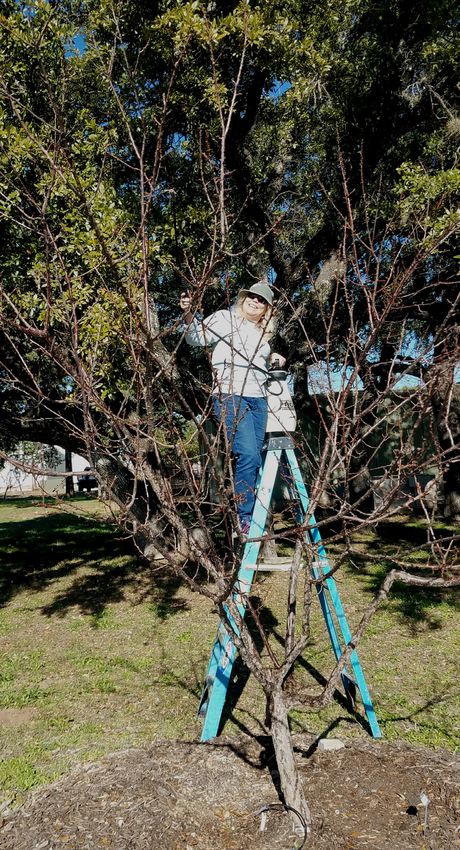
Approved Master Gardener Advanced Training Opportunities
Fee: $10 deposit, refunded after taking survey at end, in 2020 due to restrictions brought on by the COVID
MARCH 2021 Pre-registration required at sabot.org/learn/adult-
classes. Click to find the March 2021 calendar, click
pandemic, the activity allows members to read and
report on gardening-related books to keep up with
From the MG Membership Committee to Week 4, find class, click on “Find out more,” click on their annual MG certification requirements. HLMGA
Register and follow instructions President Carolyn Stephens has approved the
Again, there are no in-person meetings or MARCH 23 — “NDAL Webinar: Close Encounters continuation of the activity through at least June 2021.
presentations scheduled that would offer Advanced LBJ Wildflower Center with Nature” with Larry Weaver, 12–1:30 p.m. (1.5 See the December 2020 issue of the Dig It, page 5,
Training credit during March from any of the local for full details and a list of approved books.
nature-oriented organizations.
Native Plant Gardening Series hrs credit), from the LBJ Wildflower Center. Fee: $28.
Pre-registration required at wildflower.org/learn/adults.
Also, there are no classes scheduled at Backbone (Distance Learning) Scroll down to March 2021, find class, click on “Find SPECIAL NOTE: Watch for additional notices
Valley Nursery and The Natural Gardener in Austin. Fee: $30 for individual classes, $162 for series out more,” click on Register and follow instructions. during the month about webinars, Zoom classes,
However, there are multiple virtual classes at the of seven classes. Pre-registration required at etc., that are approved for MG advanced training
Lady Bird Johnson Wildflower Center and at the San wildflower.org/learn/adults. Scroll down to find ONGOING credit. (P.S. If you find a virtual class about
Antonio Botanical Garden. Also, there is a series of March 2021, find class(es), click on “Find out gardening that looks interesting, please notify
virtual presentations at the Native Plant Society’s more,” click on Register for Single Class or Members may earn Advanced Training and Volunteer Ray Buchanan at drraybuch@gmail.com.
Spring Symposium 2021. (A total of 34 AT hours is Register for the Series and follow instructions. Service hours with the Book Reading Activity. Created
listed below.) MARCH 13 — “Native Plants I” with Andrea
Volunteer Service Opportunities
WASH YOUR STAY
MARCH 6 — “Gardening for Newcomers,” 9–11 DeLong-Amaya, 9 a.m.–12 p.m. (3 hrs credit).
a.m. (2 hr credit), from the LBJ Wildflower Center.
MARCH 2021 SAFE
MARCH 13 — “Small-lot Landscape Design”
Fee: $35. Pre-registration required at wildflower.org/
learn/adults. Scroll down to March 2021, find class,
with Patricia Michaels, 1–4 p.m. (3 hrs credit). HANDS
click on “Find out more,” click on Register and follow MARCH 14 — “Large-scale Landscape From the MG Membership Committee
instructions. Design” with Patricia Michaels, 1–4 p.m. (3 hrs
credit). HLMGA members are encouraged to follow social • Horseshoe Bay Church Garden (Vicki Adcock –
MARCH 20 — “Native Plants II” with Andrea distancing protocols to protect themselves and others txrunner55@att.net)
Native Plant Society of Texas DeLong-Amaya, 9 a.m.–12 p.m. (3 hrs credit). during volunteer activities. • The King’s Garden (Keith Atwood – keithatwood@
Virtual Spring Symposium 2021 MARCH 20 — “Installation” with David Mahler Project sites are under the supervision of the Project hotmail.com)
MARCH 13 — 10 a.m.–3 p.m., (5 hrs total and Helen Ivor-Smith, 1–4 p.m. (3 hrs credit). Chairs. Therefore, no one should show up at a project • Oaks Nursing Home Courtyard Garden (Christy
credit). Fee: $30, Pre-registration required at site expecting to do Volunteer Service unless specific Stephens – cnt78611@yahoo.com)
MARCH 27 — “Maintenance” with Ryan permission has been obtained from the Project
npsot.123signup.com/event/registration/kxmpv.
Fleming, 9 a.m.–12 p.m. (3 hrs credit). Chair. Availability of VS activity as well as schedules, • AgriLife Extension Office Building (Manena Rueffer
Session I: 10 a.m.–12 p.m. (2 hrs credit) – nener5954@gmail.com)
MARCH 27 — “Integrated Pest Management” etc., at each project site are up to the Project Chair
• “Native Plants in Riparian Habitats” with with Sara Hilger, 1–4 p.m. (3 hrs credit). exclusively. • The Garden (Suzy Rowley – suzyrowley@gmail.
Craig Hensley com).
• HARTH Foundation (no chair/contact at this time)
• “Geomorphological Forces Shaping MARCH 11 — “NDAL Webinar: The Future of
Riparian Habitats” with Fouad Jaber the Past” (“how the making of a garden helps
links & apps
• “Tour of Selected Texas Riparian Systems” maintain and transmit cultural heritage”), with
with Michael Eason Patricia Klindienst and Clayton Brascoupe, 12–1:30
p.m. (1.5 hrs credit), from the LBJ Wildflower Center.
• Panel Discussion/Q&A Fee: $28. Pre-registration required at wildflower.org/
Lunch Program: (1 hr credit) learn/adults. Scroll down to March 2021, find class, Share links to your favorite online gardening sites and
• “Edible Native Plants” with Leslie Bush click on “Find out more,” click on Register and follow applications. Please send your links to Gail Braymen at
instructions. gebfoto@gmail.com.
Session II: 1–3 p.m. (2 hrs credit)
MARCH 19 — “NDAL Webinar: Native Meadows” TexasGardener.com – You’ll find a wealth of year-
• “Monarch Waystations and Bring Back the with Larry Weaver, 12–1:30 p.m. (1.5 hrs credit), from
Monarch, Grants” with Carol Leonardi Clark round, local gardening information in “the magazine
the LBJ Wildflower Center. Fee: $28. Pre-registration for Texas gardeners, by Texas gardeners.” Of particular
• “Pollinators in an Urban Home Habitat” required at wildflower.org/learn/adults. Scroll down to interest now, in the late-winter/early spring season, is
with Lauren Jansen Simpson March 2021, find class, click on “Find out more,” click getting plants started indoors for later planting outdoors.
• “Tour of Demonstration Gardens at the on Register and follow instructions. Our thanks go to Sherry Robitson for spotting and
Lady Bird Johnson Wildflower Center” MARCH 23 — “Digging Deeper into Dirt” with recommending Texas Gardener’s extremely thorough
with Andrea DeLong-Amaya Betsy Gruy, co-founder of Compost Queens, 6–7:30 guide to “Indoor Seed-Starting Success.” You can read Start vegetable plants now for planting after the soil warms up
• Panel Discussion/Q&A p.m. (1.5 hrs credit), from the San Antonio Botanical the entire article at texasgardener.com/indoor-seed- in the spring.
Garden, sponsored by the San Antonio Water System. starting-success. Photo courtesy Texas A&M University
4 The “DIG IT” News | March 2021 The “DIG IT” News | March 2021 5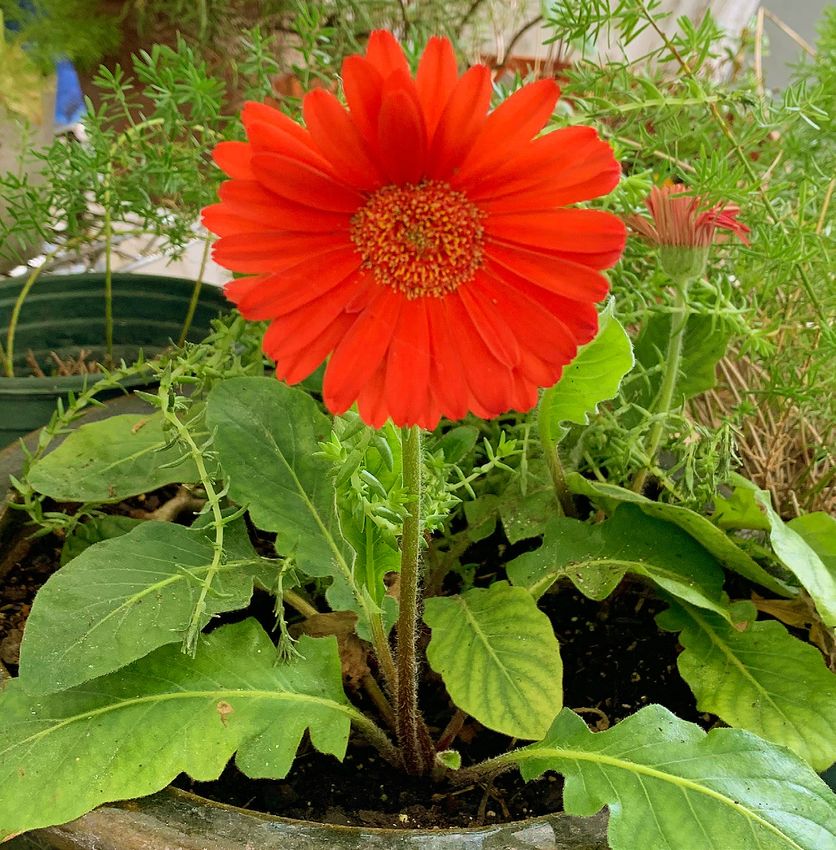
Not all the news was bad following our record-setting polar vortex in February. HLMGA members
                   from Burnet and Lampasas counties report on some of the plants that made it in their locations.

                                                                                 HANK ROMINSKI at THE KING’S GARDEN, Kingsland: The onion and garlic plants
                                                                                 (above) were uncovered during the cold weather and their outer leaves turned yellow and
                                                                                 mushy-looking, but the core stems (left) are still green and growing.

                                                                                                                                                                           AMY PARKE, Kempner: While unwrapping plants in the greenhouse Feb. 20, I came across this Gerbera Daisy (above), as
                                                                                                                                                                           happy as it could be. It withstood long hours with no heat during the coldest nights. I had wrapped the greenhouse plants in
                                                                                                                                                                           layers of blankets, but many did not make it. This guy not only made it, but bloomed! I am so in awe of nature’s resiliency!

                                                                                                                                                                                                                                                                        GAIL BRAYMEN, Lometa:
                                                                                                                                                                                                                                                                        We were sure our volunteer
                                                                                                                                                                                                                                                                        Standing Cypress (far left)
                                                                                                                                                                                                                                                                        were goners, as they had
                                                                                                                                                                                                                                                                        turned dark green and
                                                                                                                                                                                                                                                                        folded up after a few days
                                                                                                                                                                                                                                                                        of freezing cold. But they
    DON WEBER, Lometa: We covered our arugula and lettuce patch                                                                                                                                                                                                         were looking perky again as
    (right) with frost cloth before the storm hit, but expected all the plants                                                                                                                                                                                          soon as the thaw began! The
    would turn to mush. Days later, though, the plants were a little flattened                                                                                                                                                                                          Columbine (left) just laughed
    by the weight of the snow and ice but seemed healthy and tasted crisp                                                                                                                                                                                               at the cold and is already
    and fresh. The arugula (above) even started to bloom shortly afterward.                                                                                                                                                                                             sending up new leaves.
6           The “DIG IT” News | March 2021                                                                                                                                                                                                                         The “DIG IT” News | March 2021         7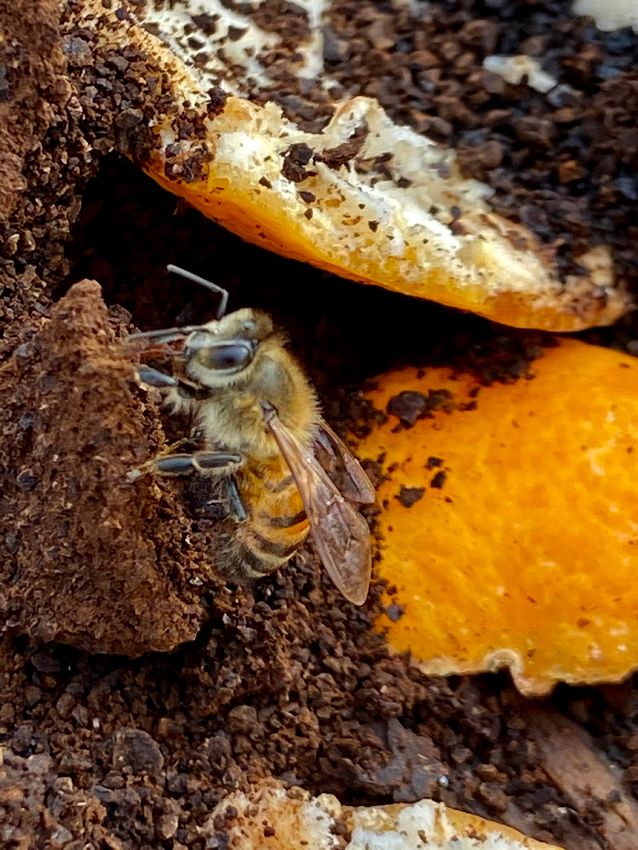
Luedecke Keep
Lessons
your souls and
soles in your garden!
Remember the True
Master Gardener: Jesus
said, “I am the vine; my
Father is the Gardener.”
By Bill and Martelle John 15:1
Luedecke
Choose the best Below are spring vegetable varieties to consider that AgriLife sug-
gests for our area. If you would like to explore further options go
Plant a sunflower house
varieties to plant to aggie-horticulture.tamu.edu/publications/veg_variety. You’ll
be able to search by specific growing area and type of vegetable. Here’s a fun idea to consider when you are designing your another row, staggering the seeds to the ones in your origi-
Artichoke – Green Globe; Asparagus – Jersey Gem, Jersey – Armado (Long Day), Cimarron (Intermediate Day), Duran- flower plantings for spring. How about a sunflower house? nal shape. Water your seeds daily. Once you have a couple
Giant, UC-157, UC-172; Beets – Chioggia, Detroit Dark Red, go (Long Day), Early Grano 502 (YWR, Short Daya), Red You’ll need a flat location which receives full sunlight of leaves on your sprouts, place mulch between the stalks to
Pacemaker II, Red Ace, Ruby Queen; Broccoli – Calabrese, Burgandy (Short Day), Yellow TX Supersweet 1015 (Short (minimum six to eight hours) and is 8 feet across. Choose deter weeds. No one wants weeds growing in their house.
Green Comet, Packman, Premium Crop, Southern Comet; Day); Onion, bunching – Evergreen Long White; Radish a shape for the walls: square, circle, triangle or rectangle. Your sunflowers will reach maximum height in about 10
Carrot – Imperator 58, Nantes Half Long, Red Core Chante- – Cherry Belle, Early Scarlet Globe, Long White Oriental, Now you need seeds for sunflowers which are expected to weeks. You can bend your sunflowers in with string for a
nay; Baby Carrot – Little Finger, Nelson, Thumbelina; Cau- Sparkler, White Icicle; Radish, daikon – Misato Rose Red grow 6 feet in height. Draw your shape in the soil. Make roof, or you could tie string across the top from sunflower to
liflower – Imperial, Snow Crown, Snowball Y Improved; Meat, Myashige; Spinach – Bloomsdale, Melody; Turnip – sure to leave a space to enter, aka the door, approximately 2 sunflower and let Morning Glories trail across as your roof.
Celery – Florida 683, Summer or Giant Pascal, Utah 52-70; Royal Globe; Turnip Greens – All Top; Turnip Roots and feet wide. Plant your seeds according to directions, gener- It brightens the day just thinking about the happy place of a
Collards – Blue Max, Georgia Southern, Vates; Onion, bulb Greens – Purple Top White Globe, Shogoin, Tokyo Cross. ally 6 inches apart and 1 inch deep. For thick “walls,” plant sunflower house!
Prune fruit trees for healthier plants, more fruit Birds in boots?
The main idea of pruning peach and other fruit Were you looking out the window reasons why they don’t. For instance,
trees is to remove the old, gray-colored, slow grow- last month, while wearing layers many birds have little fluid in their
ing shoots, which are non-fruit bearing. We want to upon layers of clothes, watching the feet and legs to freeze. Their feet and
keep the one-year-old, 18-24 inch, red-colored bear- birds fluttering around your feeders? legs are mainly muscle, tendon, and
ing shoots. Removing 40 percent of the tree annu- You may have looked down toward bone. Another way their legs and feet
ally achieves the first objective of stimulating new your feet, knowing you have on fuzzy stay warm is with a countercurrent
growth each spring. The second objective of pruning socks warming your toes inside your heat exchange system. Because blood
is to lower the fruiting zone to a height that is com- boots. You look outside at the birds’ vessels in their legs and feet are close
fortable to harvest the fruit. The third objective is to feet; they’re not wearing boots or together, the blood vessels leaving the
open the center of the tree, which increases air circu- fuzzy socks. Don’t their feet get cold? body warm the blood returning to the
lation, reduces disease pressure and allows sunlight Songbirds’ feet do get cold. Yet, with heart, thus creating a circular warming
to accelerate fruit color and sweetness. many other birds there are several system.
First, remove all the dead limbs, rootstock suckers
and waterspouts in the lower 3 feet. Next, remove all FeederWatch
shoots above the 7-foot mark other than the red-col- FeederWatch is a Citizen Science Network through The Cornell Lab. Over the
ored 18-24 inch fruiting shoots. Then, remove all Photos courtesy Texas A&M University years folks like y’all and us have gathered data by watching our bird feeders and
shoots which grow toward the middle of the tree. reporting the data back to FeederWatch. They have taken the data and compiled
Picture an upside-down umbrella; that is what you it into this cool site: feederwatch.org/learn/common-feeder-birds. When you go to
want the finished product to look like. Finally, re- the site, you’ll see that they’ve put together a list of almost 100 common feeder
move all the old, gray wood in the 3-7 foot fruit-pro- birds and cross referenced what they like to eat and where they like to eat it. You
duction zone. can choose our region, food type, and feeder type to personalize your own list of
Fruit production is the purpose of all this work. For birds for your home. (The site also has purty bird photos to help in identifying birds.)
instance, each peach tree can produce two bushels
per tree. That converts to 100 pounds of peaches. So,
when you are hot, tired and sweaty just think of all Have questions or comments?
those fruits that you are going to enjoy this summer. Contact Bill Luedecke at bill@texasland.net or Martelle Luedecke at Luedeckephotography@gmail.com.
8 The “DIG IT” News | March 2021 The “DIG IT” News | March 2021 9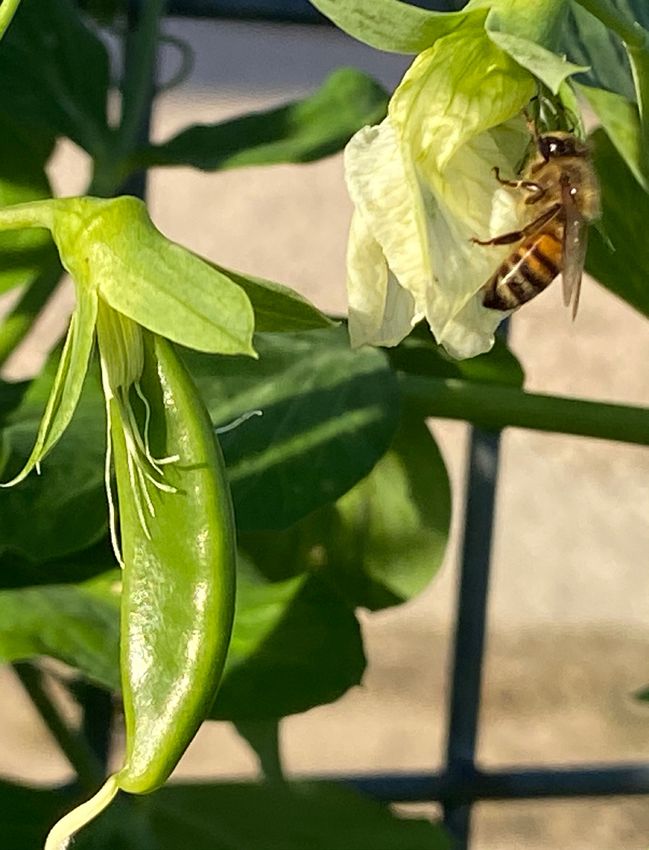
Coffee
         buzz
         Are bees so “busy” because they enjoy caffeine as much as we do?
        This winter I have seen                                                             age on the grounds if they
     a few surprises in the gar-                                                            were harmful.
     den — some of them actu-                                                                 Next I found research
     ally delightful, some not so                                                           studies by biologist Geral-
     much.                                                                                  dine Wright and colleagues
        One January day I noticed                                                           at Newcastle University
     honey bees foraging on my                                                              in England indicating that
     unturned compost pile and                                                              bees are attracted to some
     really going after the coffee                                                          types of citrus and plants
     filters or maybe the man-                                                              that produce caffeine in
     darin orange peels. On a                                                               their roots, leaves and nec-
     whim, I started putting cof-                                                           tar. These plants will be
     fee grounds and fruit peels                                                            more frequently visited by
     atop some empty garden                                                                 the pollinators than neigh-
     beds, and the bees imme-                                                               boring plants. This associ-
     diately found them. Every                                                              ation between plants with
     warmish day since finds                                                                caffeine and bees helps ex-
     bees rolling in the coffee                                                             plain the attraction to coffee
     grounds, dancing around                                                                grounds.
     and appearing to eat the                                                                 Dr. Margaret Couvillon
     grounds. They explore the                                                              of The University of Sussex
     orange peels and don’t give                                                            has done studies showing
     a hoot about bananas. As an                     A bee sips juice from an orange.       that bees will repeatedly
     experiment, I put a cut or-                                                            choose to sip caffeinated
     ange on a garden bed and was rewarded by the sight of       sugar water in favor of plain sugar water. She also
     bees sipping the juice. Foraging bees are not aggres-       found bees would reject the caffeinated sugar water
     sive, but they are so plentiful that I try not to disturb   if the levels of caffeine were too high. I agree with
     them. My best guess is that the bees I am seeing are        the bees discerning palate; I don’t like my coffee too
     feral honeybees living in nearby trees. They show up        strong, either.
     early, party hard and stay late.                               So, meanwhile, back in the garden, I placed coffee
        Bees absolutely buzz for the coffee and remind me        grounds and orange peels in front of sugar snap pea
     of my joy sipping that first beloved cup each day. I        vines that were putting on flowers. I was rewarded
     wondered why bees are so attracted to coffee grounds,       with the sight of bees happily collecting pollen from
     and is the caffeine harmful? After some research, I         the flowers, which then yielded a good crop of peas
     learned that beekeepers disagree about why the bees         until the snow and ice came and stayed.
     are drawn to coffee. Most agree the bees wouldn’t for-                                   continued on page 12           This bee goes straight for the buzz from coffee grounds.

               s t o ry a n d p h o t o s b y c a r o ly n c r o u c h e t
10    The “DIG IT” News | March 2021                                                                                                                                                    The “DIG IT” News | March 2021   11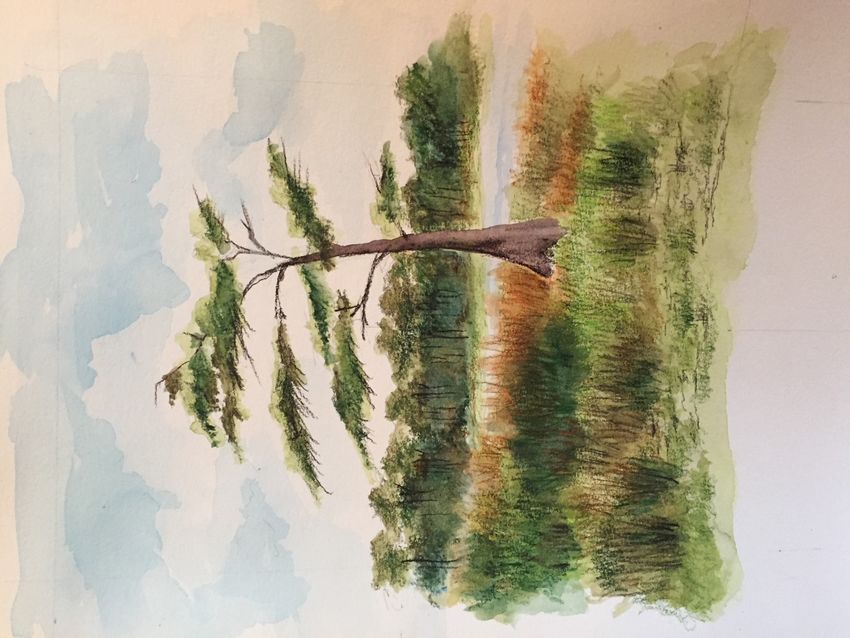
RIGHT: This is where we were
                                                                                                                                              about this time last year, in February
                                                                                                                                                     2020. The Garden volunteers
                                                                                                                                               harvested more than 4,000 pounds
                                                                                                                                                        of produce in the first year.
                                                                                                                                                    BELOW: This is our first go at
                                                                                                                                                     planting mushrooms. It’s not
                                                                                                                                                        a big area, but it’s a start.

                                                                                                                                          The Garden
                                                                                                                                 UPDATE
                                                                                                                                   As was the case with most gardens, The Garden took a             We have also “planted” a mushroom bed, which could be
                                                                                                                                 pretty good hit from the freeze of 2021. Luckily, our irrigation   interesting. These are items we plan to use for learning and
                                                                                                                                 system made it through with only one small break. Broccoli         educating, so keep your fingers crossed.
                                                                                                                                 and cauliflower simply bit the dust. Brussels sprouts are            Taking a quick look back to this time last year: we were
                                                                                                                                 hanging in there, but just barely. Onions, garlic and spinach      just building The Garden, with not much in place. Due to the
                                                                                                                                 seem to have weathered the storm, so not all is lost.              strong efforts of our many volunteers, The Garden produced
                                                                                                                                   At this point, we look forward to spring, which is just not      just over 4,000 pounds in year one, which we feel pretty
                                                                                                                                 that far off. We have the potatoes in the ground and have high     good about. Looking forward to 2021, we hope to have
                                                                                                                                 hopes there, and tomatoes are in starter pots not only in The      another successful year. All of our raised beds are in place
                                                                                                                                 Garden, but at several MG homes. We will be transplanting          and looking great, and our in-ground area is doing well.
                       A bee searches for pollen in a sugar snap pea blossom.                                                    these around the middle of March, which is great. Hopefully        That is where the potatoes are planted, which will probably
                                                                                                                                 other transplants are being started and will come our way.         be followed by tomatoes or okra.
                                                                                                                                   We have a couple of new items in the garden. Martha Rae            As always, we invite everyone to come out and lend a hand or
     continued from page 10                                         the environment right now, and I am happy to provide         designed a lasagna bed, which we will plant this spring. That      just take a look around. We are in The Garden every Monday,
       The day the thaw began, I put orange peels and cof-          something fun and tasty. I want these neighbors to thrive    is an interesting item that will add to our education venue.       Wednesday and Friday from 8 a.m. until things are completed.
     fee grounds on the snow-topped beds, and the next day          and visit when the orchard trees that outlasted the freeze
     bees faithfully appeared. There is little for bees to eat in   start to put on blossoms. Bring it soon, please!                                             Story and photos by David Waldo
12      The “DIG IT” News | March 2021                                                                                                                                                                                          The “DIG IT” News | March 2021       13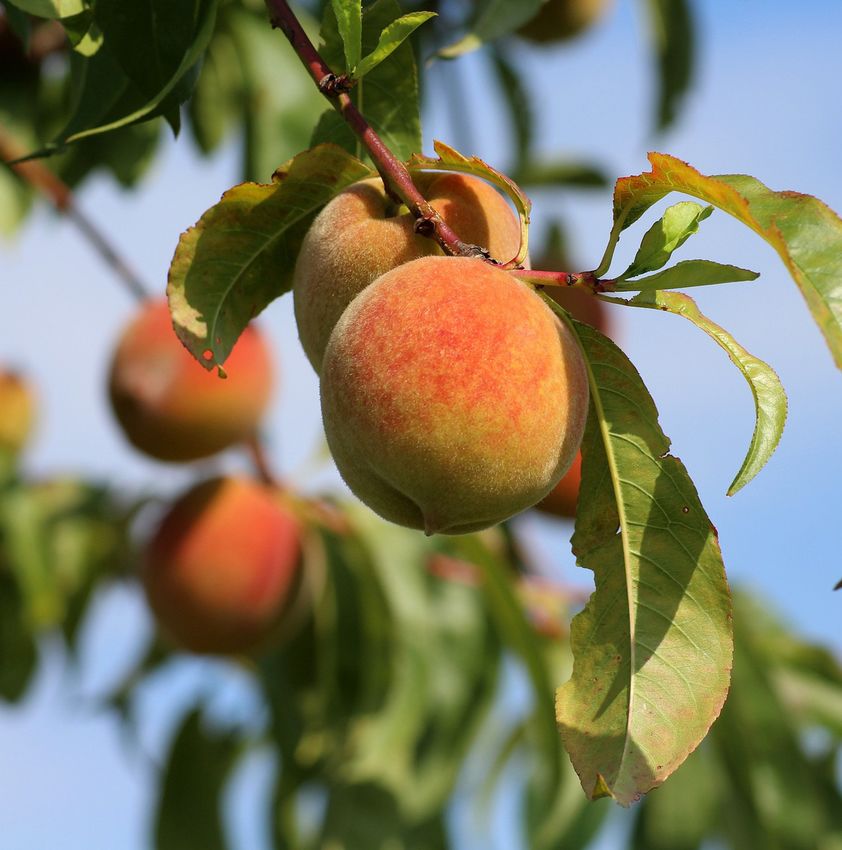
Bok Choy & Bluebirds
                                                                Last fall we planted a whole row
                                                             of Bok Choy, because Sissy and
                                                             I love to eat a soup that we make
                                                             with the leaves, and the greens
                                                             add a tangy taste to our salads.
                                                             Surprisingly, even after it started to
                                                             bolt and put on flowers, the leaves,
                                                             stalk and flowers continue to be
                                                             yummy. I will often graze on some
                                                             stalk and flowers when I pass by.
                                                                When the night temperatures of
                                                             the winter were predicted to be near
                                                             or below freezing, we put a frost
                                                             cover on our plants. In the mornings
                                                             when we went to the garden to
                                                             remove the cover, we would be
                                                             greeted by couple dozen bees                               Eastern Bluebird
                                                             waiting for access to the flowers.
                                                             Looking around the property, there
                                                             are few flowers for the bees to feed,
                                                             so there is another reason to keep the
Mountain Bluebird and Eastern Bluebird                       Bok Choy going. There are always         Bee on Bok Choy
                                                             a large number of bees feeding on it
                                                             throughout the day.
                                                                So next year, see if you can keep
                                                             some of those veggies alive that go
                                                             to flower. Your backyard bees will
                                                             love you for it.
                                                                During the recent freeze, Sissy’s
                                                             work to keep the birdbaths thawed
                                                             yielded visits from some unique
                                                             birds. We were visited by an Eastern
                                                             Bluebird and a Mountain Bluebird.
                                                             The Mountain Bluebird is a bit rarer
                                                             in these parts. This made seeing
                                                             both of them at the birdbath at
                                                             the same time especially exciting.
                                                             Sissy photographed a few moments
                                                             of their visit.
                                                                We hope you enjoy them.

                                                              Story by Hank Rominski
                                                                     Photos by
                                         Mountain Bluebird
                                                              Colleen “Sissy” Rominski
‘ ‘
                                                                                                                                                     201 pounds
                                                                                                                                                     harvested
                                                                                                                                                   so far this year

                                                                                                                                                                LEFT: Fifteen pounds of
                                                                                                                                                                lettuce are ready to go to the
                                                                                                                                                                food pantry.
                                                                                                                                                                BELOW: The Brussels
                                                                                                                                                                Srpouts were hardly affected
                                                                                                                                                                by the severe cold.
                                                                                                                                                                BOTTOM: Volunteers
                                                                                                                                                                harvested brocoli two days
                                                                                                                                                                before the freeze.

T K s Garden
 he ing ’
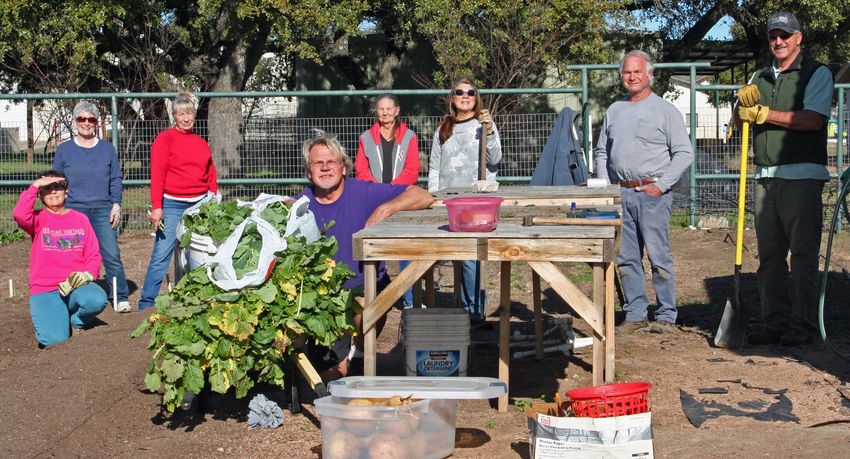
                                                                                      The King’s Garden volunteers take a break during a sunny
                                                                                      work day before the polar vortex. Left to right are Laurel
                                                                                      Mesek, Betty Goolsby, Cris Northup, Hank Rominski,
                                                                                      Debbie Winter, Ingrid Hoffmeister, Keith Atwood and Greg
                                                                                      Cockrill.              Photo by Colleen “Sissy” Rominski

                                                                                      crops showed a little frost damage, but after
                                                   UPDATE                             the damaged leaves are removed, they will be
                                                                                      beautiful once again.
                    The volunteers at The King’s Garden all hope that you managed        We were fortunate that the freeze came when
                  to make it through the deep freeze with only minor complications,   it did, because our lettuce, turnips and broccoli
                  and our deepest sympathies to those with problems with frozen       were just about ready to be picked. So, two
                  pipes, flooding, etc. Whatever your specific challenge, we hope     days before the freeze, we harvested them and
                  that by now things are back to normal at your homestead.            put frost cloth over everything but the onions
                    The plants at The King’s Garden surprisingly came through         and garlic.
                  the ordeal relatively unscathed. Sure, the outer leaves of the         Keith Atwood has already replaced the
                  onion and garlic plants turned yellow and mushy-looking, but        lettuce that was pulled before the freeze by
                  the core stem is still green and growing. The carrots and kohl      planting another bed of lettuce next to the baby                            continued on page 14
                                                                                      spinach. Now there is a race to see which will
                             Story and photos by Hank Rominski                                              continued on page 19
16   The “DIG IT” News | March 2021                                                                                                                        The “DIG IT” News | March 2021        17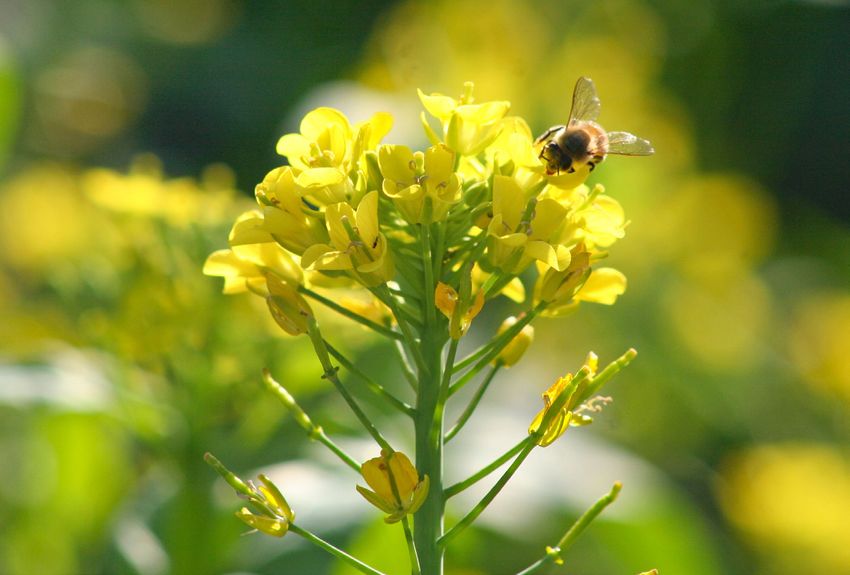
With more than 11,000
                                            square feet of vegetable
                                            garden and about 1,500
                                            square feet of pollinator
                                            space to be tended, it
                                            is easy to maintain your
                                            “social distance” while
                                            making      your      future
                                            memories. Contact Keith
                                            Atwood (713-203-8846)
                                            or Hank Rominski (860-
                                            575-8098) for information
                                            if you want to visit or
                                            volunteer at The King’s
                                            Garden.
                                            We are in winter hours
                                            and will be at The King’s                New irrigation pipe is ready to be           New irrigation pipe is in the ground.     Electricity: when you got it, it’s better than good.
                                            Garden every Monday,                   installed after the old pipe is dug up.
                                            Wednesday and Friday              continued from page 17
                                            starting about 9 a.m.
                                                                              grow faster. Any day now, we should be receiving about 50                We are continuing to change the bed configuration of our
                                            Usually someone is there
                                                                              pounds of seed potatoes. It’s so exciting from week to week            garden and anticipate having it all changed over once the
                                            until about 11-11:30.
                                                                              to see the changes in the garden: new beds, new harvest, new           onions and garlic are harvested.
                                                                              plants and, hopefully, some new faces to share our passions.             Mickey York has been very diligent about caring for our
                                                                                Don Weber decided to join us and bring his building skills           new and older trees in the orchard. This will be the first year
                                      LEFT: Mickey York helps the trees       to help with the irrigation and install an electric outlet next to     in a long time that they will have care, water and food.
                                      develop a beneficial microculture.      the shed. It’s funny, our day-to-day lives will not be impacted          Cris Northup and Sissy Rominski continue to expand the
                                      BELOW: Debbie Winter takes the          by this addition. However, having electricity next to the shed         pollinator garden and are preparing to plant the flower beds
                                      harvest to the food pantry.             will make it easier to run power tools for carpentry projects          with spring flowers.
                                                                              or running the leaf shredder. I’m sure that many of us know              Why don’t you give yourself a break and take an outing
                                      BOTTOM RIGHT: Ingrid Hoffmeister
                                      and Keith Atwood harvest beets before
                                                                              that having electricity is best appreciated during a power             to visit The King’s Garden? You can see some old friends
                                      the freeze.                             outage. Don has a couple other projects planned to improve             or make new ones. Maybe we can exchange some ideas to
                                                                              our infrastructure.                                                    improve our harvests.

18   The “DIG IT” News | March 2021                                                                                                                                               The “DIG IT” News | March 2021              19
Getting to know you –
Allison Learn more about
this talented, creative
Bennett
Master Gardener in a
lively interview with
Susan Young
Allie, as most of our Master Garden- Silvermine Arts Center in New Canaan, Conn., for summer
ers are aware, you made many of the classes near our home. It was there that I learned to “see”
beautiful creations that we have pro- and observe when I drew. After high school, I attended
vided as gifts for our program speak- college as a Fine Arts major and then graduated with a BFA
ers. How many of those would you es- in Graphic Design from University of Bridgeport (Conn.).
timate you’ve created? I worked as one of the art directors for Weekly Reader,
I have provided 17 gifts since February an educational publisher in Connecticut, and as Graphic
2018. Design Coordinator in the Corporate Communication
We appreciate you sharing your talents by creating gifts Department for St. Luke’s Episcopal Hospital in Houston.
for our program speakers! Do you usually create those At these two jobs, I hired artists to illustrate my pieces.
pieces with the specific individual in mind, or is your Several years after I left the commercial art field, I began
inspiration more random? creating fine art again and later studied pastel painting
The program director provides me topics several months in with Denise LaRue Mahlke in Round Rock, Texas. What
advance and then I create work for the specific speakers. a treasure it was learning from this gifted artist and friend.
She opened my eyes and heart to see the world differently
What is your background/education? and to capture its beauty on paper.
I was interested in drawing at the age of 12 and went to
continued on page 23
“Cascade Canyon Trail,
“Pomegranate Study” Grand Teton National Park” “Happy birthday, Ann!”
Allison works with a variety of media, including watercolors (above left), pastels (above center),
pressed flowers and plants (above right) and watercolor pencil (opposite page). “Cypress Tree, Topsail Beach State Park, Florida”
20 The “DIG IT” News | March 2021 The “DIG IT” News | March 2021 21Allison’s favorite artistic medium is pastels, which she
used to create “Yellowstone Gibbon River” (below)
and “Pinnacle Port No. 2” (right). Both paintings were
inspired by pcitures she took while traveling.
continued from page 20
What motivates you to paint or create? How do you choose your
subject or focus of each piece?
I have enjoyed pastel painting landscapes of scenes out west and
in the Texas Hill Country the most. I choose a subject based on the
light, forms, textures, movement in the composition and design. I
also like the challenge of being given a topic to illustrate for our
HLMGA speakers. I strive to choose the best subject matter and the
right medium. I also want it to be beautiful and something they are
proud of and that represents “us” at HLMGA.
In what ways has your interest in gardening and plant life impacted
your art?
I took a class for making collages in December of 2019. I began
incorporating leaves in my work. Then I started collecting a great
assortment of flowers and leaves from my friends’ yards and ranches
and the roadsides that I could press and dry. I began growing my own
plants that I could press and create art with. I am presently making
pieces with the many plant materials that I have cataloged by color
just like a paint palette. I got advice from Josie Overton, an HLMGA
member, on how to organize my dried specimens.
Do you have a particular style of gardens you enjoy the most?
Informal English gardens where flowers spill over country rock
continued on page 24
22 The “DIG IT” News | March 2021 The “DIG IT” News | March 2021 23continued from page 23
walls in little villages are my favorite. The damp weather is characteristics. God has an amazing imagination. He has
conducive to creating lush and brightly colored flowers. I created it all. I would say that I like to paint trees and grasses
am not really a cactus gal! with pastels. Also pen and ink studies of leaves, acorns
What do you like best about gardening and art? and dried plants. I enjoy drawing and painting flowers and
Right now, I am really enjoying growing flowers in order to landscapes with watercolor pencil. It is hard to decide.
press and dry them. It is always a surprise to see each one Do you create art as gifts for others or for sale? Do you
after three weeks in the flower press. The shape and color have a website or ever participate in art shows?
often change from their original form. I have been attaching I create art for both others and for sale. When I
them to floating frames and hanging them, and also gluing was involved in the Central Texas Pastel Society in
them on watercolor paper. Georgetown, Texas, I participated in art shows on a regular
What is your favorite art medium? basis. I have shown my other pieces at various places over
I tend to bounce around from one medium to another and the years.
then go back to my favorites. Number one is pastels, then Do you have any favorite quotes about gardening or art?
not necessarily in the right order: watercolor pencil, pen/ “All things have been created through Him and for Him.”
ink and watercolor, pencil drawing, pressed flower art and Colossians 1:16
collage. “The Bible is the book of inspiration for gardeners of the
As Master Gardeners, we know of your artwork as it heart. There you will come to know and love the Master
pertains to gardening, plants, flowers, etc., but do you Gardener and delight in His wisdom. Its pages are filled
have a favorite subject to paint or create? Do you have a with seeds of promise and hope. As you open your heart,
favorite flower, plant or tree? He will plant in you the perfect seeds to produce a rich and
I really enjoy observing every detail of a flower, plant or tree fulfilling garden-life.” Karla Dornacher, Down a Garden
to try to capture the essence of its beautiful creation, its true Path to Places of Love and Joy.
“Chickadee, Watercolor Pencil Study” was Allison’s
first attempt with the medium of watercolor pencil.
“Study direct from nature. Study to feel, and
to know something of her visible functionings.
Nature, to the thoughtful, will always remain
a vast and delightful storehouse, the fountain
of inspiration. Nature is forever providing for
the artist untabulated surprises; it is for these
that he is to be envied. It is the artist’s privilege
and prerogative to capture these miracles and
transmute them into an expressive form.” John F.
Carlson, Carlson’s Guide to Landscape Painting.
Is there anything else you would like to add?
I have been a member of HLMGA since 2013.
I have had the privilege of serving in a variety
of roles. I have been class facilitator, secretary,
member-at-large, membership chairperson, and
have been involved as one of the superintendents
at the Burnet Area County Fair. This is a great
organization with so many who want to help the
community. I have enjoyed the many friendships I
have made here.
24 The “DIG IT” News | March 2021 Allison created “Still Life at Carillon Beach” with pastels. The “DIG IT” News | March 2021 25MASTER GARDENER
22nd Annual
22nd HAinllnuCaol untry
Creature Feature By Wizzie Brown, Texas A&M AgriLife Extension Service Program Specialist
D
Highland Lakes
LaHwilnl C&
ounG tryarden Show
hland Lakes
E
Lawn & Garden Show
L E Boxelder
C
ay, March 27, 2021
nd Lakes
COVID
N
,3 Compliant
PM
March 27, 2021
A
Saturday, March 27, 2021 COVID
C
Compliant
Bugs
PM 9 AM – 3 PM • Vendors selling
• Vendors selling
OCATION: NEW LOCATION: • Vendors •
• Succulents, Succulents,
selling
Native Native
Plants, Yard Art Plants, Yard Art
CATION:
• Vegetable •and Vegetable and Potted Plants
• Succulents, Native Plants, Yard Art
Rodeo
odeo BarnBarn
Burnet Rodeo Barn Potted Plants
1301 Houston Clinton Dr. • Vegetable and Potted Plants Boxelder Removing female boxelder trees from the area may solve
ouston
uston Clinton Dr.
Clinton
Burnet, TX
Dr. • Gardening •Supplies,
• Gardening GardeningMuchSupplies,
Supplies, Much
more…… Much more……
more…
b u g s
are dark
problems
Hiding
with large, repeated infestations of boxelder bugs.
places can be reduced or eliminated by removing
TX • Activities
, TX • Activities
• Activities
brownish-
b l a c k
debris such as boards, leaves and rocks from the area, as
well as sealing any cracks and crevices around the home
Free Admission • Children’s booth, Silent auction insects with with caulk or expanding foam. If chemical treatment is
mission • Handmade •
• Children’s Children’s
booth, Silentbooth,
quilt donation
auction Silent auction
chances reddish-orange markings desired, treat overwintering areas with chemicals containing
dmission • Handmade quilt donation chances
Sponsored by Highland Lakes Master Gardener Association around the edges of the active ingredients such as pyrethrins, cyfluthrin, bifenthrin,
• Gardening
Contact: Roxanne Dunegan, Show Chair, roxdunegan@gmail.com
land Lakes Master Gardener Association
Website: www.burnetcountyhighlandlakesmastergardener.org
•How-To
• Gardening Handmade
How-To quilt donation chances b u g s
Presentations
Presentations
thorax and wings. These
are about half an
carbaryl or acephate.
• Gardening How-To Presentations
Dunegan, Show Chair roxdunegan@gmail.com
inch long as an adult. Nymphs,
Highland Lakes Master Gardener Association
rnetcountyhighlandlakesmastergardener.org
or immatures, look like adults but
Call for Content!
nne Dunegan, Show Chair roxdunegan@gmail.com
w.burnetcountyhighlandlakesmastergardener.org
are smaller and
developed wings,
do not have fully
which allows you to see
The Dig It News is written for gardeners, by gardeners... projects, people, you name it. Please include a brief their bright red abdomens.
and that means we need to hear from YOU! You can description of what is in the photo and identify any people. While boxelder bugs typically do not
send material at any time to Gail Braymen at gebfoto@ • Gardener’s X-change - Please include your email cause damage to the landscape or structures,
gmail.com, but the deadline for the next issue (April) is address and/or phone number so folks know how to contact they may become a nuisance in and around
March 28. You can send content as the text of an email or you. homes beginning in the fall and continuing
in a document – whatever works best for you. Cell phone • Q&A with the HLMGA - Send gardening questions you until spring. In fall, adults and large nymphs gather
pictures are fine, and photos are welcomed with all types of have, or answer questions published in a previous issue. in large numbers and move to overwintering areas.
submissions. • Diggin’ the Dirt - Share your gardening knowledge and Boxelder bugs spend winter in cracks and crevices in
Here’s a list of submission categories, but please don’t experience by answering the question of the month. Please walls, around door and window casings, in tree holes
feel limited – if a topic interests you, chances are it will email your answer to Suzy Buchanan at docinia@yahoo.
interest other HLMGA members! and in debris on the ground. Sometimes boxelder
com.
• Articles - Stories about people, projects, plants, places or bugs try to move indoors for overwintering. On
• Garden Hacks - Share your best tips and tricks.
anything else you think would interest readers. Those of warm days from fall until spring, adult boxelder Immature boxelder bugs don’t have fully developed wings, which allows
• Recommended Reading - Send the titles of your favorite
you with specialized training or knowledge are especially bugs emerge from their overwintering locations to you to see their bright red abdomens.
gardening books.
invited to share your expertise with the rest of us! Photos warm themselves in the sun. Photos courtesy Texas A&M University
• Links & Apps - Share your favorite online gardening links
are a plus. (BONUS: time spent writing articles counts as
and applications.
volunteer time!)
• Recipes - Because who doesn’t like to enjoy the fruits – For more information or help with identification, contact Wizzie Brown, Texas A&M AgriLife Extension
• Photos / What’s Growing On - Share pictures of plants, Service Program Specialist, at 512-854-9600. Check out Wizzie’s blog at urban-ipm.blogspot.com.
and veggies – of their labor?
26 The “DIG IT” News | March 2021 The “DIG IT” News | March 2021 27Story and photos by Gail Eltgroth
After mixing our mud, we packed it
into our forms, tamped it down and then
covered the forms in plastic to transport
them home. When the hypertufa had
cured a day or two, we removed the
form materials and continued curing the
containers outside in the sun, rain, sleet,
snow…
Because the hypertufa is so caustic,
Amy suggested we not put plants in the
containers for a couple of months. But she
added that rain would speed up the curing
process. I am happy to say that 10 days of
below-freezing temperatures, including a
-1, did not phase my planters. Can’t wait to
put my succulents in their new pots when
spring finally gets a foot in the door.
Hypertufa
This “hyper tough” material
is perfect for planters!
Hypertufa is an artificial stone material that is made of several
different aggregates and mixed with Portland cement to create
pots, planters, steppingstones and more. It is much lighter than
concrete, but can still withstand harsh weather conditions.
Amy Parke is the local hypertufa expert! After several
postponements, a small group gathered Feb. 2 in Amy’s
workshop to learn the secrets of making these surprisingly
lightweight and durable planters. Amy had gathered boxes,
styrofoam blocks, milk cartons, buckets and pots to create
forms. The materials to make the “stone” are vermiculite, peat,
Portland cement (Quikrete is too heavy) and water.
28 The “DIG IT” News | March 2021 The “DIG IT” News | March 2021 29Recommended Reading
Know of a great book that you would recommend to your gardening friends? Send the title to Gail
Braymen at gebfoto@gmail.com. Written reviews are welcomed, but not required.
Nature Watch Austin:
Guide To The Seasons In An Urban
Woodland
By Lynne Weber and Jim Weber
The book is divided into 12 chapters, with each chapter discussing the
changes reflected in nature as a year progresses through the 12 months.
Each chapter contains sections on particular things of interest for that sea-
son. Different plants are discussed each month, and the climatic data for
that month is given. Other sections of the chapter could discuss different
mammals, birds, reptiles, amphibians or insects, all pertaining to Austin
and the surrounding area. Discussion is also given to the geology of the area, watershed issues, in-
vasive species and “ecological indicator” species. All species discussed either in detail or just men-
tioned are referred to by both the common and scientific name, the scientific name being enclosed
in parenthesis. At the end of each section is a list of places in or around Austin where these species
may be seen.
Websites are also listed where more specific information may be found on particular subjects,
such as the Texas Horned Lizard Watch and Texas Mussel Watch. The book is full of beautiful
photographs and has numerous boxed-in inserts on specific topics such as “Chrysalis or Cocoon?,”
“Types of Spider Webs,” “Balcones Canyonlands Conservation Plan,” “Native Plant Society of Tex-
as,” “Fern Symbolism,” “Cochineal,” “Wildflowers for Summer and Fall Blooms” and “Nolina,” to
name a few. Of particular interest to our immediate area is an essay in the December chapter entitled
“Common Myths of the Ashe Juniper.”
The book gives a wealth of information on a variety of topics dealing with the natural world
in our area. It presents good basic information which ties the topics together. It whetted my appetite
for more information on various topics, enticing me to go to my other reference books for more in-
formation. It would be a worthwhile addition to the library of any Master Gardener in our area.
Recommended by Judy Caramanica
Painting Paradise: The Art of the Garden
By Vanessa Remington
Written as the catalog to accompany a Buckingham Palace exhibition
by the curator of paintings for England’s Royal Collection, this book ex-
plores the depiction of gardens in Collection art dating from the fifteenth
through the early twentieth centuries. Emphasizing how these artworks
reflect timely cultural elements, particularly the relationship and under-
standing of the natural world, the multiple color illustrations show paint-
ings, drawings, manuscripts, tapestries and jewelry, such as Brueghel’s Adam and Eve in the Garden
of Paradise, handcrafted flowers from Faberge eggs and examples from Persian manuscripts.
It is a spectacular experience for Master Gardeners.
Recommended by Ray Buchanan
30 The “DIG IT” News | March 2021You can also read


