Te Papaioea Te Mahere Hauora - Palmerston North - MidCentral DHB
←
→
Page content transcription
If your browser does not render page correctly, please read the page content below
Te Papaioea
   Te Mahere Hauora
Palmerston North
Health and Wellbeing Plan
       2019-2024
He Mihi Greetings
Kua hau mai te rongo he ao hou kei te waihangatia e tātou. Arā, he ao hou e noho nei ko te tangata e tino ora
ana, ko te hauora te tino aronga, ko te whai whakaaro o tētahi ki tētahi, ahakoa ko wai, ahakoa nō hea. Nau
mai e hika mā ki tēnei whakaaro kua marara ki ngā tōpito katoa o Te Papaioea whenua. Nei te mihi kau ake o
Te Pae Hauora o Ruahine o Tararua. Ka tukua ko ngā waiora o ngā wai kaukau e kawe atu i ēnei kupu ki ngā
kāinga katoa o Te Papaioea.
The word is out there a new world is being created. A new world where everyone is very healthy and health
is the focus, along with being thoughtful to each other, regardless of who or where we are from. So welcome
to this new perspective being dispersed to all corners of Palmerston North. This is an unconditional greeting
from Te Pae Hauora o Ruahine o Tararua. Let us leave it to the healthy waters bathed in by the ancestors to
convey these words to all homes of Palmerston North.
We also take the opportunity to acknowledge the tangata whenua and our Treaty partner Rangitāne o
Manawatū who are integral to helping us realise this plan.

He Kupu Whakataki Foreword
To achieve Quality Living – Healthy Lives – Well Communities we need to think and work differently.
We want nothing but the best health care, and the best health and wellbeing for everyone. Every day in
our communities people face a range of challenges; some live with mental illness, some live with a chronic
disease, others may become acutely unwell and need emergency care.
Thinking beyond health, some live in cold, damp houses, some may experience violence, and others struggle
to afford the everyday costs of living. Health and its partners need to work together as one team, taking a
more collaborative approach so that we can achieve better health outcomes for our communities. This also
means partnering with individuals, accepting them as experts in their own health and in their own lives.

                                                                                                             2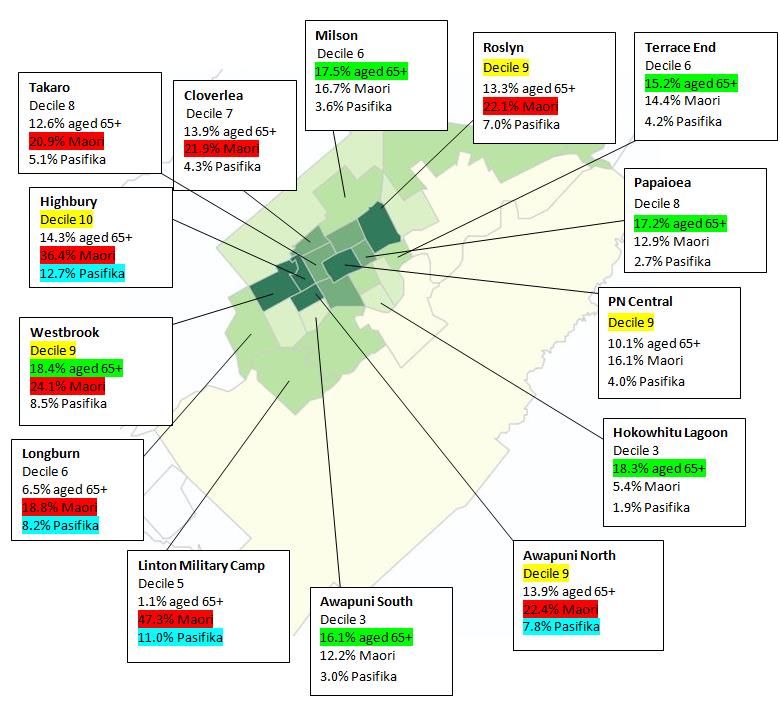
Ngā Rautaki What strategies guide the Health and Wellbeing Plan?
The strategic intentions guiding this Health and Wellbeing Plan for Palmerston North are our Strategic
Imperatives:
•   Partner with people to support health and wellbeing
•   Connect and transform primary, community and specialist care
•   Achieve quality and excellence by design
•   Achieve equity of access across communities, and
Our Vision...

Te Mahere Hauora Palmerston North Health and Wellbeing Plan
The Palmerston North Health and Wellbeing Plan has two parts:
Locality Approach: This outlines the approach taken, what we did and how we did it. It highlights the
key findings at each stage, providing a snapshot of Palmerston North’s population and its strengths and
challenges in regards to health and wellbeing.
Plan of Action: This section looks at what can be done to improve the priority areas identified by the
Palmerston North community. Each of the five priority areas has a series of actionable steps that are
intended to be carried out within a five-year timeframe.
The Health and Wellbeing Plan aims to make a positive contribution to the health outcomes of people living
in Palmerston North. It will be used to make changes necessary to continuously improve our health system,
as part of the wider heath sector and social services network. The Plan places Palmerston North residents
and their families/whānau at the centre of planning decisions and design to best meet the needs of the
community.

                                                                                                          3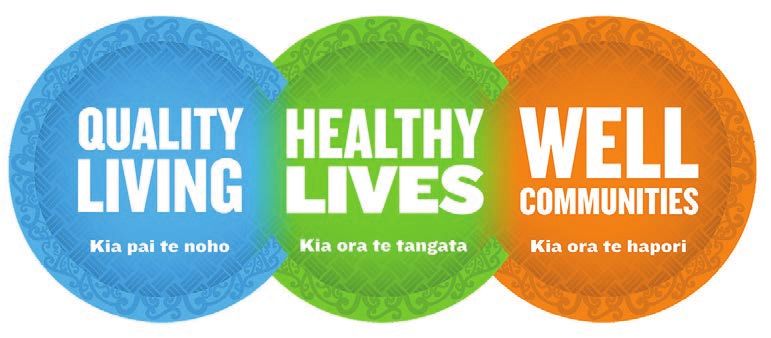
Part 1 Locality Approach

He Whakarongo Ki Te Hapori Listening To The Community
We need to better understand our communities, people’s lifestyles, their health needs, their experience of
care and what their priorities are. Understanding our communities will enable us to work in partnership with
them to better design services that meet that community and its people’s needs.
A locality approach:
• Provides a voice for communities; acknowledging different needs, cultures and priorities.
• Places people and families/whānau at the centre of planning decisions and design to best meet the
    needs of their community. Providing local solutions for local issues.
• Engages with other sectors in common community health and wellbeing agendas to reduce inequity and
    improve health outcomes.
• Helps to develop active partnerships with people, communities and other agencies who work within or
    across health at all levels.
• Will help inform investment decisions and provide focus for future planning.
• Acknowledges that health and wellbeing is affected by many factors, including the environment, housing
    and employment.

What is a locality?
A locality is a defined geographical area. In this case it is the area within the Palmerston North City Council
boundary. This plan encompasses all people who usually live in this area (not just those enrolled with local
general practice teams).
Health and Wellbeing Plans have also been developed for other localities (based on TLA boundaries) within
the MidCentral DHB area. Plans for the Manawatū District, Horowhenua District, Tararua District and the
Ōtaki ward of the Kāpiti District have been completed.

What will be the impact for people and communities?
•   Health care that is flexible, responsive and adaptive to meet their needs.
•   People receiving health care services delivered on time and closer to home where possible.
•   People will have positive experiences of care from a joined-up health system.
•   The health and wellbeing of all people in the community will be improved as a result of collaborative
    work between health, social services and community agencies.

Building upon existing work
It’s important to acknowledge other plans and strategies that have been done in Palmerston North.
Documents, such as: Palmerston North City Council plans and strategies; Outside Insight; Karanga te rā,
karanga te ao; and Realising WAIORA a collective voice (Mental Health Inquiry Collective Submission) were
used to inform our planning process.

                                                                                                              4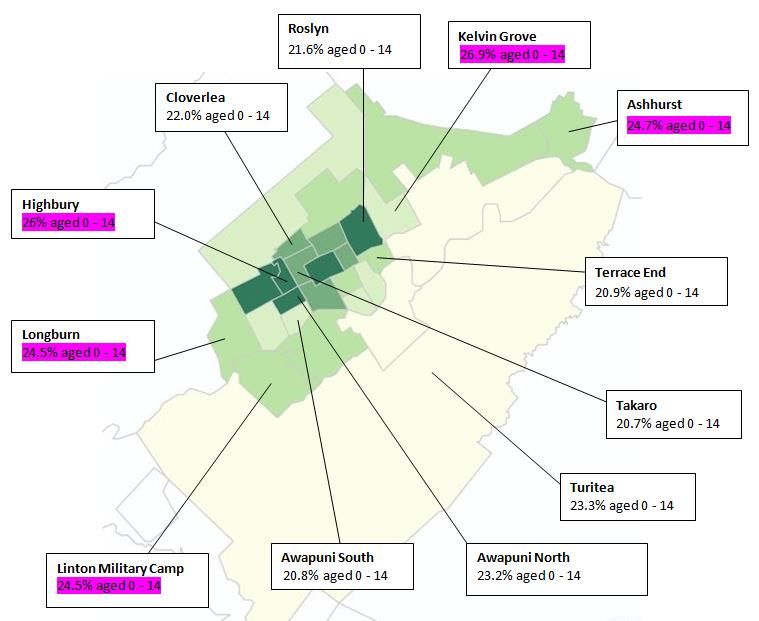
Nā wai i āwhina? Who helped to guide and support this plan?
A Local Advisory Group was established to guide and support the locality planning process. It was important
to have local leaders, who reside within Palmerston North, to guide the process as they have an in-depth
knowledge of the best way to engage with a diverse range of people within their community.
Representation at the Local Advisory Group included:
• Rangitāne o Manawatū
• Palmerston North City Council Community Liaison Team
• Non-Government Organisations
• Government Agencies
• Consumer
• GP from a local Integrated Family Health care Centre
• Te Tihi
• Central PHO
• Public Health
• Pasifika community
• Fire and Emergency Services

Palmerston North City Council staff also provided much of the statistical information about the population.

Te hanga Mahere Creating the Plan
Creating a Health and Wellbeing Plan for Palmerston North involved three main stages.
These were:                                                                        Population Health Intelligence
1) gathering population intelligence and health information
2) community engagement
                                                                    health
                                                                       &               Community Engagement
3) establishing priorities and actions for service provision       wellbeing
                                                                     plan                  Service Provision

Te Papaioea Tangata, Te Papaioea Hauora Population Intelligence and
Health information
•   Information and data was gathered about the population of the Palmerston North and research was
    undertaken, including analysis of current and previous strategies and plans.
•   A district-wide Health Needs Assessment was completed.

So, what did we find?
The following pages are a snapshot of some of the interesting data and information gathered about the
population of Palmerston North.

                                                                                                                    5
PALMERSTON NORTH POPULATION SNAPSHOT
Te Papaioea population estimate as at 30 June 2018:
88,700 14.2% were 65 years and over. This is compared
to 15.3% nationally, 38.4% were 15-39 years. This
33.6
is compared to 34.4% nationally. 19.2% were 0-14
years. This is compared to 19.3% nationally.
MEDIAN The median age is 33.6 years, compared to
AGE a national median age of 36.9 years
18%
of people in Te Papaioea live in areas
designated as being among the most
deprived in New Zealand in 2013 (Deciles
9 and 10). 56% lived in decile 6 to 10 areas,
compared to 49% nationally.
Higher levels of deprivation are associated with higher mortality rates and higher
rates of many diseases, as well as social problems such as crime, family violence,
disengagement from education and risk-taking behaviours.
In the 2013 Census:
33.8% of whānau with dependent children in Te Papaioea were single-parent
families. 45.7% of single parent families had a total annual family income of less
than $30,000.
Sources: Palmerston North City Council
6By 2038 Statistics NZ predicts that:
There will be a 83% increase in The proportion of residents identifying
residents aged 65 years and over. as Māori is expected to increase to
(9000 more residents aged 65+ than there were in 2013) 24.2% (from 17.1% in 2013).
These trends are important because Māori and older people are known to have poorer health status than other New Zealanders.
• The proportion of residents identifying as Pasifika is expected to increase to
7.8% (from 4.6% in 2013).
• The proportion of residents identifying as Asian is expected to increase to 17.5%
(from 10.2% in 2013).
Te Kāinga Housing
(if the projections are accurate)
Home ownership rates in Palmerston North are below the
62.4%
national average (2013 census). 62.4% of households own their own their
own dwelling in Palmerston North compared to 64.8% nationally.
own home
$299
The estimated mean weekly rent for the year to March 2018 was $299
in Palmerston North compared to $244 for the MidCentral District and
Whanganui Regions, and $398 for New Zealand.
Mātauranga Education
61-72% The increase in all Māori school leavers with
NCEA Level 2 or above from 2009 - 2017
70-82.1% The increase in all school leavers with
NCEA Level 2 or above from 2009 - 2017.
Pūtea Income
In 2013, 53.9% of people aged 15 years and over had an annual
personal income of $30,000 or less.
7Hauora ā-taupori Population health
The map below highlights areas of Te Papaioea with high deprivation ratings, above average proportions
of people aged over 65, and above average percentages of Māori and/or Pasifika residents. These
statistics are important because these population groups are more likely to have poorer health status
than other New Zealanders.
In the 2013 Census, Te Papaioea was split into 27 areas:
• Five areas were considered among the most deprived in Aotearoa (deciles 9 and 10). These are
highlighted orange below. A further 13 areas were rated deciles 5 to 8.
• 15.1 percent of New Zealand were aged 65+. Six areas of Palmerston North had higher than the
national average proportion of the community aged 65+ (highlighted green below).
• 17.5 percent of the New Zealand population identified as Māori. Eight areas of Palmerston North had
higher than the national average proportion of Māori (highlighted red below).
• 7.4 percent of the population in Aotearoa identified as Pasifika. Four areas in Palmerston North had
higher than the national average proportion of Pasifika people (highlighted blue below).
Populations more likely to have higher health needs
Milson
The map below highlights areas of Palmerston Roslyn
Decile 6North with high deprivation Terrace
ratings, above averageEnd
17.5% aged 65+ Decile 9 Decile 6
proportions of people aged over 65, and above average percentages 13.3%ofaged
Maori
65+ and/or Pasifika residents.
15.2% aged 65+
Tākaro 16.7% Māori
These
Decile statistics
8 are important because these
Cloverlea
3.6%population
Pasifika groups are more
22.1% likely to have 14.4%
Māori poorer health
Māori
status
12.6% than other New Decile
aged 65+
7
Zealanders. 7.0% Pasifika 4.2% Pasifika
13.9% aged 65+
20.9% Māori
In5.1%
thePasifika
2013 Census Palmerston North was split into 27 areas:
21.9% Māori
4.3% Pasifika
• Five areas were considered among the most deprived in New Zealand (decilesPapaioea
9 and 10). These
are highlighted orange below. A further 13 areas were rated deciles 5 to 8. Decile 8
Highbury
Decile 17.2% aged 65+
• 10 15.1 percent of New Zealand were age 65+. Six areas of Palmerston North had12.9% higher than the
Māori
14.3% aged 65+
national
36.4% Māori average proportion of the community aged 65+ (highlighted green below).
2.7% Pasifika
17.5 percent of the New Zealand population identified as Maori. Eight areas of Palmerston
• Pasifika
12.7%
North had higher than the national average proportion of Maori (highlighted red below).
PN Central
• 7.4 percent of the population in New Zealand identified as Pasifika. Four areas
Decilein9 Palmerston
North higher than the national average proportion of Pasifika people (highlighted
Westbrook 10.1% aged blue
65+below).
Decile 9 16.1% Māori
18.4% aged 65+ 4.0% Pasifika
24.1% Māori
8.5% Pasifika
Hokowhitu Lagoon
Longburn Decile 3
Decile 6 18.3% aged 65+
6.5% aged 65+ 5.4% Māori
18.8% Māori 1.9% Pasifika
8.2% Pasifika
Awapuni North
Linton Military Camp
Decile 9
Decile 5
13.9% aged 65+
1.1% aged 65+ Awapuni South
22.4% Māori
47.3% Māori Decile 3
7.8% Pasifika
11.0% Pasifika 16.1% aged 65+
12.2% Māori
3.0% Pasifika
8Te Papaioea Palmerston North
Palmerston North – a young city
He tāone tipu A young city
In 2013, 20.4 percent of New Zealanders were aged 0 – 14. 12 of the 27 census areas in Palmerston
North20.4
In 2013, hadpercent
higherofthan
Newthe nationalwere
Zealanders average
aged 0number
– 14. 12 of children
of the agedareas
27 census 0 – 14.
in Palmerston North
had higher than the national average number of children aged 0 – 14.
Roslyn Kelvin Grove
21.6% aged 0 - 14 26.9% aged 0 - 14
Cloverlea
Ashhurst
22.0% aged 0 - 14
24.7% aged 0 - 14
Highbury
26% aged 0 - 14
Terrace End
20.9% aged 0 - 14
Longburn
24.5% aged 0 - 14
Tākaro
20.7% aged 0 - 14
Turitea
23.3% aged 0-14
Awapuni South Awapuni North
Linton Military Camp
20.8% aged 0-14 23.2% aged 0 - 14
24.5% aged 0 - 14
By 2038 it is predicted that, 41 percent of 0 – 14 year olds in the city will identify as Maori and 17
percent
Future with
ethnic a Pasifika
makeup ethnicity.
of our 18 percent will identify as Asian and 70 percent European1.
tamariki/children:
By 2038 it is predicted that, 41 percent of 0 – 14 year olds in the city will identify as Māori and 17
Other
percent with significant population
a Pasifika ethnicity. groups:
18 percent will identify as Asian and 70 percent European1.
• Refugees - Palmerston North is a refugee resettlement area. Currently approximately 170
Tertiary Students
former refugees are arriving in the city each year. This equates to approximately 45 househo
Palmerston North is home to four tertiary institutions (Massey University - Te Kunenga ki Pūrehuroa,
Theseofrefugees
Universal College Learning,come from
Institute of many different
the Pacific Unitedcountries and cultural
and Te Wānanga backgrounds
o Aotearoa). These and have ofte
experienced traumatic pasts.
education providers attract students from around the country to our city to study. Early in 2018 there
were approximately 8,900 students studying at these institutions. Although the number of tertiary
students • in Defence
Palmerston Force
North– has
There are approximately
dropped 2,600
by approximately 2,000defence
over theforce personnel
past six based
years, these at Linton Arm
students
Camp and
are still a significant 830 at Ohakea
population Airforce
group within Base (and this number is set to increase). Many of these
the city.
personnel and their families live in the Palmerston North City boundaries.
• Students - Palmerston North is home to four tertiary institutions (Massey University, Univer
College of Learning, Institute of the Pacific United and Te Wānanga o Aotearoa). Early in 201
1
Note the number of ethnicities adds to more than 100 percent, reflecting that many people identify with more than one ethnicity.
there were approximately 8,900 students studying at these institutions.
9
1
Note the number of ethnicities adds to more than 100 percent, reflecting that many people identify with moTe Papaioea Palmerston North
Ahu Whakamua In the future
A growing city...
The population of Palmerston North is growing at its fastest rate since the early 1990s. The estimated
population of 88,700 at 30 June 2018 is 1,400 more than a year earlier (an increase of 1.6%).
Solid population growth for Palmerston North is expected in the next 30 years (averaging 1% per year) due to
sustained increases in international migration to New Zealand.
Projections done for Palmerston North City Council forecast the Palmerston North City population to be
106,823 in 2038. This is 8,000 more people than the Statistics NZ medium projection.
Refugees
There is a continuing increase in the number of former refugees settling in the city since Palmerston North
became a refugee resettlement area in 2006. The current annual intake in Palmerston North is 170 people,
equating to around 45 households a year.
Refugees come from a variety of countries and cultures. In the year to June 2018, refugees settling in
Palmerston North included Burmese Muslim, Rohingya from Myanmar, Palestinians from Syria, Afghan Dari
speakers, Karen from Myanmar, South Sudanese and Bhutanese Nepali.
Defence Force
There are currently approximately 2,600 defence force personnel based at Linton Army Camp and 830
at Ohakea Air Force Base. Many of these personnel and their families live in the Palmerston North City
boundaries. This number will increase as planned expansions at Ohakea are set to bring another 270
personnel and their families into the region in the next few years.
Projects bringing in more people
The rapid increase in building activity over the past four years and major projects being planned for the next
10 to 15 years have increased the demand for labour. To meet construction demand, building businesses
from outside the region are coming here to take up work opportunities. This growth in employment and
workers is adding pressure to an already tight housing market in the wider region, which is driving the city
and district’s house prices up.
More beneficiaries renting in the city
Despite the average weekly rent continuing to rise, there is a shift of beneficiaries into Palmerston North from
surrounding areas. This is influenced by the lack of rental houses available in surrounding districts and rental
prices increasing at a much faster rate in Tararua and Horowhenua.
Applicants for social housing in Palmerston North have also increased significantly since 2014.
10Ngā Ratonga Services
This section lists some of the key health and wellbeing services for Palmerston North residents.
For a more comprehensive list of services in the city please refer to www.healthpoint.co.nz.
General Practice Services
There are 23 General Practices in Palmerston North city:
• 169 Medical Centre • Kauri Health Care
• Best Care (Whakapai Hauora) Charitable Trust • Massey Medical Centre
• Broadway Medical Chambers • Milson Medical Chambers
• City Doctors White Cross • Orbit Medical Centre
• Cook Street Health Centre • Riverdale Health and Linton Health
• Defence Health Centre • Sydney St Health Centre
• Dr Parry’s Surgery (Practice of Dr Trevor Parry) • The Palms Medical Centre
• Group Medical Chambers • Victoria Medical Centre
• Health Hub Project @ Downtown • Village Medical
• Health Hub Project @ Highbury Medical Centre • West End Medical Centre - Palmerston North
• Health Hub Project @ Total Health care • Youth One Stop Shop Health Service – YOSS
• Hokowhitu Medical Centre
Provider Kauri Health The Palms Ora Konnect 14 other General
Alliance Practices
Number of Patients 20,903 17,003 15,796 38,730
Number of Māori Patients 2,493 3,336 4,281 4,375
Annual number of Consults 140,614 76,269 65,811 157,844
by Nurses and GPs
Patients with High Health 25% 39% 46% 25%
Needs
Patients with high or very 5.9% 4.0% 8.1% 5.2%
high risk of hospital
admission
*Please note:
1. The total number of enrolled patients is higher than the population of Palmerston North as it includes people who reside in other
areas but are enrolled in the city.
2. Enrolment numbers are as at September 2018.
3. Consults figures are for the period of October 2017 - September 2018.
11Urgent Care Services
• The Palms Medical Centre and City Doctors White Cross provide urgent care services after hours on
weekdays and in the weekends.
• St John provides ambulance services in the city.
Iwi/Māori Providers in the city:
These providers specialise in offering culturally appropriate care when working with whānau Māori and
Whakawhanaungatanga (making meaningful connections) with their Māori clients/whānau.
• Best Care (Whakapai Hauora) Charitable Trust
• He Puna Hauora Incorporated
• Te Wakahuia O Manawatū Trust
• Mana o te Tangata Trust
• Whaioro Trust
Te Tihi o Ruahine Whānau Ora Alliance is also based in Palmerston North – an alliance of nine Iwi, Hapū,
and Māori organisations who work collectively to deliver whānau–centred services based on the Te Ara
Whānau Ora process.
Other health services in the city include:
• Central PHO provides primary health care services to the population. This includes: Long Term
Condition Programmes, Acute Care Programmes, the Te Ara Rau mental wellbeing programme and
Population Health Programmes such as the Pasifika Health Service.
• MidCentral Health’s Public Health Service provide Health Promotion, Health Protection and Public
Health Nursing services.
• 20 pharmacies are within the Palmerston North city boundaries.
• MedLab Central has two collection centres - at Palmerston North Hospital and The Palms.
• Radiology Services: Broadway Radiology and Pacific Radiology both provide radiology services in the
city. Manawatū Radiology also provides radiology services at The Palms complex.
• 13 dental practices provide dental care in the city.
• 14 Rest Homes/Retirement Villages cater for 707 residents.
• Arohanui Hospice provides specialist palliative care for people with a life-limiting illness, and support
for their families.
• Community Mental Health and Addiction support services are provided by several agencies and
community trusts in the city. These include: MASH Trust, ACROSS, Best Care Whakapai Hauora, Central
PHO, Highbury Whānau Centre, Te Aroha Noa, Mana o Te Tangata Trust, Salvation Army, Supporting
Families Manawatū and Whaioro Trust (employment).
• Disability Support Services: Enable NZ provide support for people with disabilities (birth to 65 years)
and can link people to the right services and support. Several other agencies also provide disability
support services in the city, such as MASH and IDEA Services.
• District Nursing Services provide home and clinic-based specialist nursing care.
• In Home Care Services are provided by several agencies in the city.
• Crest Hospital is a private hospital that provides medical and surgical care. Several medical specialists
also provide services in the city.
12Child and Youth health and wellbeing services:
• Youth One Stop Shop (YOSS) provides holistic support, counselling, health, information, advisory and
referral services for youth aged between 10 and 24 years.
• Child, Adolescent and Family Service (CAFS) is a specialist mental health service for young people
from birth to 18 years of age who are experiencing serious mental health difficulties or co-existing
disorders (mental health and substance use).
• School Based Health Services are provided for decile 1 - 4 Secondary Schools, the Teen Parenting Unit
and Alternative Education Providers in the city.
• Child Health Services are delivered by a variety of providers in Palmerston North, including: Pregnancy
and Parenting Services, Well Child Services, Oral Health Services and Outreach Immunisation Services.
• Active Families and Active Teens programmes are run by Sport Manawatū to support children and
their families and teenagers to live healthier lifestyles that include regular physical activity and healthy
eating.
Other Wellbeing services:
• Social Services are provided by several organisations in the city, including: ACROSS, Methodist Social
Services and Te Aroha Noa.
• Health and Wellbeing Education and Support programmes are run by many different organisations in
the city. These range from programmes and support groups for people with specific health conditions to
more general programmes providing healthy lifestyle advice, such as the Green Prescription Programme.
• Whānau Support Groups are also provided in the city to support parents and family members who are
coping with a loved one with a health condition or disability.
• Many other community organisations exist in Palmerston North. They provide a variety of services,
programmes and activities that have a positive impact on the wellbeing of residents.
Palmerston North Hospital
The base regional hospital in Palmerston North is a 350-bed secondary care hospital providing one of the
largest trauma centres in New Zealand.
Services provided include:
• Emergency Department 24 hours a day, 7 days a week.
• Ambulatory Care/ Outpatient Clinic: provides facilities for surgical outpatient services and medical
outpatient services.
• Inpatient wards cover a wide range of acute and elective specialist services.
• Regional Cancer Treatment Service, a tertiary service providing non-surgical oncological services to the
lower central North Island.
• Mental Health and Addictions services, including inpatient services and an Acute Care Team: mobile
service providing specialist assessment and treatment for people experiencing crisis/mental distress and
addictions, 24 hours a day, 7 days a week.
• Women’s health/maternity services include: gynaecology services, delivery of over 2000 babies a year
and a Neonatal Unit providing intensive care for babies over 28 weeks and 1000 grams.
13• Child Health Services include: a Children’s Inpatient Ward, a Child Assessment Unit, Children’s Outpatient
Clinics and Child Development Services.
• Specialist healthy ageing and rehabilitation services.
• Radiology 5 days a week.
• MedLab – Laboratory Services.
• Te Whare Rapuora – a place for whānau/families to relax and seek cultural support and advice.
Palmerston North City residents visiting Palmerston North Hospital:
21,081 Palmerston North residents presented to ED in 2017/18 and 5,006 were admitted
Attendances at the Hospital by people from Palmerston North in 2017/18
Service Area Outpatient Day Patient Inpatient Admissions
Clinics Admissions with overnight stay/s
Healthy Ageing and Rehabilitation 958 4 329
Acute and Elective 55,241 5,655 5,628
Cancer 6,232 336 192
Women’s and Children’s Health 6,659 1,032 2,718
Mental Health 683 11 338
Total 69,773 7,038 9,205
Te Pae Hauora o Ruahine o Tararua MidCentral District Health Board (DHB)
MidCentral DHB is the organisation responsible for providing publicly-funded hospital and public health
services for our population. The DHB has a vision to ensure people in the region experience quality living and
healthy lives as they thrive in well communities.
The DHB is currently adopting an integrated service model, which organises services into seven clusters
based on population groups and service areas. This arrangement links different levels of health care so a
patient’s journey between primary, specialist and hospital care is simple and seamless. It aims to increase
consumers’ involvement in health care at all levels, supporting them with wrap-around care to meet their
personal needs and those of their family/whānau.
Clusters will be responsible for planning, commissioning and delivering services with partners from within
health and from other sectors while also supporting greater clinician engagement and removing some of the
layers of bureaucracy. The DHB aims to work as one team across our district to improve health equity for the
communities it serves.
14Kōrero Tahi Community Engagement
• A three-month-long engagement process was undertaken to ensure residents had adequate time and
opportunity to provide feedback and co-design the plan.
• Feedback was received from 1363 residents through a variety of mediums.
• Common themes of areas for improvement were identified using thematical analysis of the feedback.
• Five key Priority Areas and three main areas of focus under each Priority were identified from further
engagement.
Feedback was received from across the Palmerston North City Council area.
529 surveys were completed and 834 people attended various workshops and forums.
Methods of engagement:
- Workshops with Service Providers - Option to email or phone Project Manager directly
- Information distributed through networks - Open drop-in session
- Surveys left at community libraries - Online survey
- Online survey with posters in various locations - MidCentral DHB Website
- Social media
- Workshops with community groups/organisations
We attended several meetings and engaged with many groups and people to seek further feedback,
including:
• Ora Konnect Forum • Awesome Awapuni Soup Night
• ARC Managers Forum • Māori Service Providers Hui
• 2 Green Prescription Classes • Pharmacy Network workshop
• Well Child Providers Forum • Palmerston North Rotary
• Grey Power • A drop-in session open to general public
• Parent to Parent Group (parents of children • Palmerston North Rebus Club
with disabilities) • Bunnythorpe Community Meeting
• Youth Network (service providers) • Freyberg Student Council
• Te Aroha Noa community event • Youth Council representatives
• Teen Parenting Unit at Freyberg • Linton Army Camp Wellbeing event
• WOSIDG • Milson Rotary group
• Active Families Group • Ashhurst Community Trust
• Pasifika Talanoa • Wesley Methodist Friendship Group
• REACH Roslyn
• YOSS staff
15Rapu Whakaaro Seeking Answers
Ngā pātai What we asked
The key questions we put to the community were:
• what works well in your community to keep people healthy and well?
• what are the key issues/challenges affecting the health and wellbeing of your community?
• what actions could be taken to improve the health and wellbeing of your community?
Below is a list of the strengths that were highlighted by the people of Palmerston North and the following
pages summarise the key messages that came through in regards to the challenges faced and how
improvements could be made.
Ngā Huapai Strengths
The strengths that were highlighted most often included:
• Strong communities and community spirit
• Community groups and clubs
• Free GPs for U13 and Dental for U18
• A large number of great community services and support groups
• Outdoor community spaces and recreation areas, eg. walking tracks, parks and green spaces
• Community facilities, eg. theatres, libraries, Youth Space, sports grounds and pools
• Health Services – hospital in city, hospice, good GPs, Māori Service providers, low cost or free services
that are offered
• Programmes and initiatives – Youth programmes, Green Prescriptions, Marae-based programmes and
kaupapa Māori programmes
• Community Gardens
• Community events
• Family-friendly and easy to travel around
Youth that we engaged with also really appreciated the following youth-focused things:
• Free health services through YOSS
• Youth programmes, initiatives and academies running in the city
• Youth-focused community service providers
• Students support – Student Associations, school support groups, Teen Parenting Unit
• Sports – clubs and school
Ngā Whakaaro Common Themes
With more than 1300 people engaging in this process, it is important to note that many different strengths
and challenges were identified. The themes identified in the following pages were based on the most
commonly stated issues and challenges for residents of Palmerston North.
16e o p l e s a i d . . .
w hat p “In Ashhurst it can be hard to
access health providers. Nearest
GP is 15km away and there is
very little public transport.”
“It is great to have easy
“Unfriendly services or groups and affordable access to
stop people from going back.” recreational places, spaces
and activities.”
“More support is needed for
“Many of our Pasifika people those discharged from mental
don’t go to the doctor because health services and also for
language barriers mean they families.”
find it difficult to understand.”
a p a i o e a
eP
“Healthy food is expensive to
“We have some really
T
buy while junk food is often
cheap.” strong community
organisations that support
sustainable, healthy living
choices.”
“Dealing regularly with health
services for my mother, I find they
do not communicate with each
other or keep us updated. If we need
answers we need to seek them out.”
“It is really hard to get help with
mental health issues.”
“It costs a lot for adult
“We use Child Health a lot. They appointments - usually
go above and beyond to educate, more than our budget can
support and find solutions.” manage.”
“Poor housing conditions make
“It is challenging knowing
our whānau unwell. We need
what is available to you – what
warmer housing.”
you are entitled to.”
“As the parent of a special needs
“Waiting times for doctor’s child, it often seems there is a lack of
appointments and operations are “There are great community understanding in health professionals
way too long.” events in the city - good about special needs people.”
for mental health and
community building.”
“Opportunities for connection
with others, through things
like community gardens and
organised groups and activities
are important.”
17MidCentral DHB
Well communities
Whakahokinga Kōrero
Common Themes
from our community
engagement
Improve our ability to get an
appointment with General
Help people to access and know
Practice teams.
how to prepare healthy food
options.
Reduce the total cost of health
care – especially for people and Improve awareness of what support
families under financial stress. and services are available in
the city.
Reduce the waiting times for
hospital-based services that Reduce the impact of drug and
cause so much stress for people. alcohol addictions on people and
whānau.
Improve access to mental health
services before people are at Listen to us as partners in our own
crisis point. health care or as primary caregivers
for our children.
Support the families of people Respect our values and cultures and
with mental health conditions respond to our needs.
too.
Help families create safe and
nurturing environments for children
Improve the quality and
to grow up in.
affordability of housing in
the city.
Look at ways to improve the system
to maximise providers ability to give
Ensure that older people people the help that they need.
and refugees within our
communities aren’t feeling
isolated. Reduce inequity in education and
employment opportunities.
Reduce the impact of lack of
transport to accessing services.
18Ngā Ratonga What service providers said...
“The common issues for people and
whānau we work with are...”
• Housing – quality, cost and availability
• Financial strains/poverty
• Mental health and addictions to drugs and alcohol
• Lack of transport
• Lack of knowledge about services and how to access them
• Waiting times for health services
• Communication barriers – for refugees and between services
Other key issues for whānau...
Māori health and social service providers identified further key issues facing whānau in the city as:
• Demand for Iwi/Māori providers exceeds supply - need to be able to grow services and ensure
sustainability
• Organised crime/gangs
• Family harm
• Education (including life skills, learning, formal education systems and health literacy)
• Unemployment
• Frontline staff who are not welcoming and/or lack cultural competencies creating barriers to services
Top issues for rangatahi...
The Youth Service Provider Network felt the top five issues for youth in our city were:
• Increasing gangs
• Drugs
• Housing – available and safe
• Mental Health
• Hopelessness – with regard to accommodation and jobs
19Te Reo o Rangatahi
What the youth said...
• Provide better access to mental health support for young
people.
• Give us more education around mental health within
schools – particularly from people with personal
experience who know how to talk to youth.
• Teach us how to eat well and where to get help for
different areas of health and wellbeing.
• Provide us with strategies to deal with stress and anxiety
(and teach our parents how to deal with distressed young
people).
• Listen to us and value our opinion (despite our young
age).
• Ensure there are positive role models and safe places to
go for the young people in each community.
• Ensure confidentiality and our privacy are priorities when
we use health services - this is really important to us.
• Alcohol and drugs affect our wellbeing – teach us to be
safe and how to look after mates who are under the
influence.
20He tāutu huarahi Identifying Priorities
Priority areas were identified through a second round of engagement.
We went back out to the Palmerston North community with the common themes identified after the initial
engagement and asked:
1) what are the top five priorities?
2) within these priority areas, what should we focus on first?
The top five identified priorities through this process were:
Access to Health Care
Easy access to Health Care when people need it.
Mental Health and Addiction
Improved Mental Health and Addiction support for communities within Palmerston North.
Better Communication and Connection
A city that has quality communications and connections between health services, people, whānau and
communities.
Building Healthy Whānau and Communities
A city where people and whānau feel safe and are supported to make healthy choices and stay well.
Wider determinants of health and wellbeing
A city where residents have a good quality of life and everybody has the opportunity to achieve equitable health
and wellbeing outcomes.
It is interesting to note that in developing Health and Wellbeing Plans for other localities within the
MidCentral District area (Manawatū District, Horowhenua District, Tararua District and Ōtaki) the identified
main priority areas were similar, however, there were differences in the focus areas within these priority
areas.
Part 2 Mahia te Mahi Plan of Action
So, what can we do?
The following pages summarise the five identified priority areas for Palmerston North and the plan of actions
for each priority area. The plan takes a one to five year approach and focuses on how health and its partners
can work together to make improvements within these priority areas.
21Community Priority: Access to Health Care
Common things heard from Palmerston North residents:
“I avoid going to
“It is the doctor or dentist
stressful because it’s a big
having a long chunk out of our
waiting time “There aren’t any wages.”
for specialist health services in our
appointments or local community. It is
surgery at the hard to get to health
hospital.” services if you don’t
“It takes two “YOSS
have a car.” provides a
weeks to get an
appointment with a great free service
doctor who knows for young people
me.” like me but often it
is a long wait to get
an appointment.”
What the community wants to focus on first?
People being able to get help when they Improving people’s access to Improving access for specific
need it hospital and specialist care population groups
Improve people’s ability to access General Provide more people-focused systems. Provide targeted services for those in our
Practice teams in a timely manner. community who are most likely to have higher
Provide easier access to specialists where health needs.
Reduce barriers to access. appropriate.
Ensure our rangatahi are being reached by
services.
What health and its partners will do over the next 1 to 5 years
Providing targeted service
Help people to have better access to Providing more people-focused
health services systems • The Ora Konnect Pharmacy Project will
help to reduce barriers to accessing
• People in need will be able to get • People’s circumstances (such as family/ medications/prescriptions for the
appointments easier through new systems, whānau responsibilities) will be taken into communities of the South Western
which includes GP triaging. account by more flexible hospital booking suburbs.
• General Practices will increase provision of systems. • Residents of Highbury will receive more
consults over the phone or online, which • People will be provided with options of a coordinated care through alignment
will save people time and travel costs. consult over the phone or online where between local General Practice Teams
• Many practices will offer the use of an online appropriate for follow-up specialist and District Nursing Services.
tool to get repeat prescriptions, make appointments. This will be piloted with •
appointments and receive test results. some hospital specialist areas first. Focusing on young people/rangatahi
• People will be more aware of how to access • Where appropriate, people will be • Children aged Under 14 will be able to
the right health service to get the help they provided with a telephone follow-up after access GP services at no cost (previously
need. The “Right Choice” campaign will help surgery so they do not need to come back Under 13).
this. in to the hospital. • More children aged 0 – 12 will be
• The potential to develop a fixed oral health • Young people with long-term conditions attending scheduled oral health
clinic in Highbury is being investigated. This will be better prepared to move to adult examinations through a remedial action
would give more children access to oral health services through a Transition plan being carried out.
health services close to where they live. Programme being implemented. • The number of children with dental
• Improved language assistance services • A review of outpatient gynaecology problems at age five will be reduced as
will be provided through a coordinated services will be undertaken to make these high-risk children take part in a pilot
approach to training interpreters. services more person-centred. fluoride application programme.
• Community Service Card holders will • • A School-Based Health Service will
be able to visit a General Practice team be established at Awatapu College, in
member for $18.50 from 1 December 2018. addition to those already in place.
• Through the ‘Enabling Good Lives’
project, children under 8 years old will
have better access to support services
without needing a diagnosis.Community Priority: Mental Health and Addiction
Common things heard from Palmerston North residents:
“Addictions
to drugs and/or
“As families alcohol are affecting
we need to be “There seems the wellbeing of too
included and then to be a huge many people in our
given more support demand on mental community.”
once our whānau health services. I know
member has been “We others (working poor)
discharged.” want more who have had to pay to
education around seek private treatment
mental health in due to huge wait
schools - particularly times for an
from people with appointment.”
personal experience
and who know
how to talk to
youth.”
What does the community want us to focus on first?
People being able to access help when Reducing the impact of drug and Enhancing youth resilience
they need it alcohol addiction Provide youth-friendly mental health and
addiction services.
Increase knowledge of mental health and Provide better support for young people
addiction support available in communities so around substance use. Supporting whānau of people with
that it is easier to find and access. Provide more education and harm reduction mental health conditions
information out in the community . Increase support for the families/whānau of
people with mental health conditions.
What health and its partners will do to improve these areas over the next 1 to 5 years
Providing services in more accessible Better supporting young people Youth Development
ways • Bridging the gap training will be provided • The Mates and Dates programme
• Access to services will be improved as for people working alongside young will be available at local secondary
recommendations from the National Mental people so that they are better equipped schools – helping youth to build healthy
Health Inquiry are implemented. to address issues relating to alcohol and relationships.
• Service users and consumers will be other substance abuse. • LBGTI youth will be better supported by
represented in future planning of services to service providers who are being offered
ensure services are people-focused. Providing more information out in training around gender and sexual
the community diversity.
• A Suicide Prevention Local Response team
will be in place. This will involve local • Alcohol and drug resources will be widely • The resilience and wellbeing of children
agencies working collectively as one team to available. A coordinated and multimedia will be improved as the Healthy Women,
better support the community. approach will be taken in distributing Children and Youth cluster at the DHB
them. makes “a child’s First 1000 Days” a prime
Increase visibility and awareness of • Harm reduction education around focus and develops actions in this area.
services and resources alcohol and drug use will be provided for •
community groups and tertiary students. Supporting whānau
• Mental Health and Addiction Services
will be more visible in our community as • Bars and liquor stores will be less likely to
sell alcohol to people under 18 through • Support for families will be increased as
the DHB develop a relevant and modern the DHB implements the “Supporting
communications strategy. Public Health Regulatory Activities.
Parents, Healthy Children” approach.
• An online directory of Mental Health and
Addiction Services will be promoted –
helping people to know about the services •
available.
**Further actions may be included when the recommendations from the National Mental Health Inquiry come out.
23Community Priority: Better Communication
and Connections
Common things heard from Palmerston North residents:
“Communication
“Dealing from the hospital is
regularly often not very people
with health friendly; it can be
services for my “Some groups in difficult to understand
mother, it is clear our community, what you need to
that they do not particularly Pasifika do.”
communicate people and refugees,
with each avoid health services
other.” because they struggle
“We want health with language
services provided by barriers.”
people who listen to “It is challenging
us and respect our knowing what is
values and culture.” available to you
– what you are
entitled to.”
What does the community want us to focus on first?
Providing people and whānau focused Raising awareness of what services Health working together as one team
services are available and how to access them and all sectors involved in wellbeing
Ensure service improvements are people- Support the sharing of knowledge and working together
focused. resources across communities - to increase Improve the ability of health services and other
Provide communications so that people feel awareness and empower people. sector agencies to work together in supporting
well informed when coming to hospital. people’s health and wellbeing.
What health and its partners do and how will it make a difference over the next 1 to 5 years?
People-Friendly Communication Knowledge Sharing Improve people’s experience of
• Community members and the Consumer • People will be more up to date with health care
Council will be involved in the redesign of what’s happening in the community by • People will be better supported by
correspondence to ensure communications ensuring communication is distributed health providers who can access the
are clear and friendly. through: local newspaper, social media information they need via improved IT
• People will receive more relevant channels, community committees and systems.
information when attending a hospital other key groups. • People and whānau will have a more
appointment, including parking • Opportunities to work with other health connected health journey as digital
information. agencies to increase awareness of what’s communication and cooperation
• People will be able to access the new PN available in the community will be between service providers increases.
Hospital Navigation App through increased sought. •
promotion of the app. The app helps people • Connected services improving
to navigate their way around the hospital. People feel more informed wellbeing
• Communications from the DHB will be sent • A health and wellbeing group will be
People-focused services out to community groups and providers developed for the city, or connection
• Palmerston North residents will have more on a more regular basis, with opportunities made to an existing group, where
opportunities to provide feedback (which for people to provide suggestions and all members work together on a
will be used to constantly improve health feedback. common agenda to improve health and
services) and to be involved in the design of • At least one public forum will be held per wellbeing.
new services. The Consumer Council will be year to provide information to Palmerston • Services for older people will be more
involved in the design of this. North residents and receive feedback coordinated through the “Excellence in
• The scheduling of people’s first specialist regarding areas of priority. Homecare” project providing a more
appointment will be more efficient due to a • joined up system.
new digital system being implemented. • The DHB is working collaboratively
• The DHB’s planning of future services will with government agencies to develop
take into consideration the information a wrap-around service for children and
gathered from the Palmerston North Health families who will benefit from early
and Wellbeing Plan. intervention from service providers to
avoid reaching crisis point.Community Priority: Building Healthy
Whānau and Communities
Common things heard from Palmerston North residents:
“Having “It is hard for young
easy access
to affordable people to reach their
recreational potential if they are
places, spaces and “We need to support growing up in unhealthy
activities is great our rangatahi to make environments.”
as it helps me to good choices, eat well, be “It would be
be active.” active and be connected great to see more
to the community.” opportunities for
isolated individuals
to get involved in
social and physical
activities.”
What does the community want us to focus on first?
Provide local initiatives that help Supporting our young people to Supporting quality living and
people and whānau make good lifestyle adopt healthy lifestyles wellbeing for priority population
choices Develop healthy young people by groups in our community
Provide community initiatives so people can supporting children and youth/rangatahi to Supporting population groups likely to
stay active, eat well, be safe and be connected make good lifestyle choices. have higher health needs to live well in our
to their community. communities.
What health and its partners do and how will it make a difference over the next 1 to 5 years?
Increasing healthy eating and active Developing healthy young people Supporting disabled people to live
living • More children and teens will be supported the lives they want
• People will be more aware of the benefits to make healthy lifestyle choices as they • The Enabling Good Lives approach will
of physical activity and healthy eating as go through the Active Families and Active give people with disabilities and their
physical activity and nutrition resources and Teens programmes. families’ greater choice and control over
information are distributed through a variety • Schools will be encouraged to be a their lives and supports.
of local channels. “Health Promoting School” where they
Supporting communities
• More people will be supported to make partner with their community to make
healthy lifestyle choices as they go through positive steps to improve the health and • Whānau and families living in
the Green Prescription programme. wellbeing of students. Housing NZ homes will be offered the
• Overweight children and their parents opportunity to improve wellbeing and
Creating a healthy and well community will receive support and advice from work towards their goals and aspirations
health professionals to make healthy through participating in the Kāinga
• A training programme for screening patients Whānau Ora initiative.
for family violence will be offered to all lifestyle changes. The BOOST team will
general practice teams. They will be better recommend appropriate options for the Supporting our Pasifika Community
able to support people to talk about and child and their family.
• The Pasifika Health Service will support
seek help for family violence. • The wellbeing of children in the city will
Pasifika people and families to make
• Older people will be more aware of different be improved as “the first 1000 days of a
good decisions about their Health and
types of support, services and community child’s life” is a focus area within the DHB
Wellbeing.
activities available through an annual and actions are developed in this area.
Ageing Expo. • Children in the city will be encouraged to Supporting Māori whānau in the city
• Older adults will be assisted to maintain ride bikes to be active through the Bikes • The wellbeing of Māori in the
their strength and balance and remain in Schools programme. community will be improved as the Tāne
independent through in-home strength • More young people will be guided Ora Alliance (TOA) pilot programme is
and balance exercise support. Community towards reaching their potential as the adapted and delivered to wāhine Māori
groups will also be supported to provide Fusion - Rangatahi Ora programme and their whānau. This programme
strength and balance classes for older expands to incorporate intermediate- encompasses all aspects of health –
people. aged children. including physical, mental,
• spiritual and cultural. 25Community Priority: Wider determinants
of Health and Wellbeing
Common things heard from Palmerston North residents:
“Money worries
cause me a lot of
stress. The cost of
“Safe walking
routes and cycle everything seems to
paths help people “Local community be increasing and I am
to be physically services, community struggling to have
active.” groups and living in “The cost and money left for food
supportive communities accessibility of and warmth.”
all play a role in keeping rental housing and
people healthy and living in damp and/
well.” or cold homes has a
real impact on the
health and wellbeing
of people in our
community.”
What does the community want us to focus on first?
Play a role in tackling wider Reduce inequities in education and Improve housing and infrastructure to
determinants of health and wellbeing employment opportunities support quality living
Work alongside others to improve factors that Increase education and employment Ensure people have access to good quality
can have an impact on health and wellbeing. opportunities for priority populations. housing.
Link people to things that may have a positive Develop infrastructure in the city to support
effect on their wellbeing. people to have a good standard of living.
What health and its partners do and how will it make a difference over the next 1 to 5 years?
Have an impact in a variety of areas to Reducing inequities in education and Ensuring people have access to good
improve people’s wellbeing employment quality housing
• People will be more aware of the financial • Young Māori school pupils will be • PNCC will identify Council and
support that is available to them and how supported on their journey studying Government land to be used for
to access it, through workshops run in science through to university, and affordable housing and will develop
partnership with other organisations. ultimately the workforce, through additional social housing units.
• The District Health Board will advocate, participating in the Pūhoro STEM • Upgrades and minor fixes will be
where appropriate, for positive changes Academy. Health workforce practitioners made to social housing to increase the
in areas outside of health that have a run workshops as part of the programme efficiency and health of current housing
fundamental impact on people’s health and to give the participants insight into units.
wellbeing within the city. health-related careers. • Kainga Whānau Ora will advocate for all
• People working with older adults in the • Young Pasifika people will be supported whānau involved in the project being
community will be kept up to date with to study science, technology, engineering provided with good quality housing.
the different types of support, services and and maths subjects through the Amanaki • More affordable housing will be
community activities available for older STEM Academy. available to city residents as it is built
adults through an annual workshop. They • Young people will gain access and through the Te Ara Mauwhare project.
will then be able to link the people they exposure to a sustainable programme •
are working with to relevant things in the that will develop technology education Providing strong infrastructure
community. and skills through Ora Konnect and • Better interconnections across the
• The District Health Board will develop Fūsion Hangarau. city, including to Linton Military Camp,
and maintain strategic relationships with • More people in the city will have digital Massey University and Food HQ will be
other sectors and play a more active connectivity through a digital inclusion provided via a downstream bridge being
leadership role in connecting community programme run by DIGITS and supported built by the City Council.
groups and services; as collectively we can by Palmerston North City Council. • Bunnythorpe residents will have
have a greater impact on the wellbeing of • more access to community activities
community members. through a new community facility being
• Families in Housing NZ homes will be linked developed that will be a hub for the
with key health services through a pilot community.
programme being run by Child Health and •
Housing NZ. 26You can also read


