The American Rescue Plan: An Overview of Medicaid Provisions and State/Local Relief - Manatt Health March 16, 2021, 2:00 - 3:00 PM ET
←
→
Page content transcription
If your browser does not render page correctly, please read the page content below
The American Rescue
          Plan: An Overview of
           Medicaid Provisions
         and State/Local Relief

                   Manatt Health
March 16, 2021, 2:00 – 3:00 PM ET

      A grantee of the Robert Wood Johnson Foundation

                                       www.shvs.org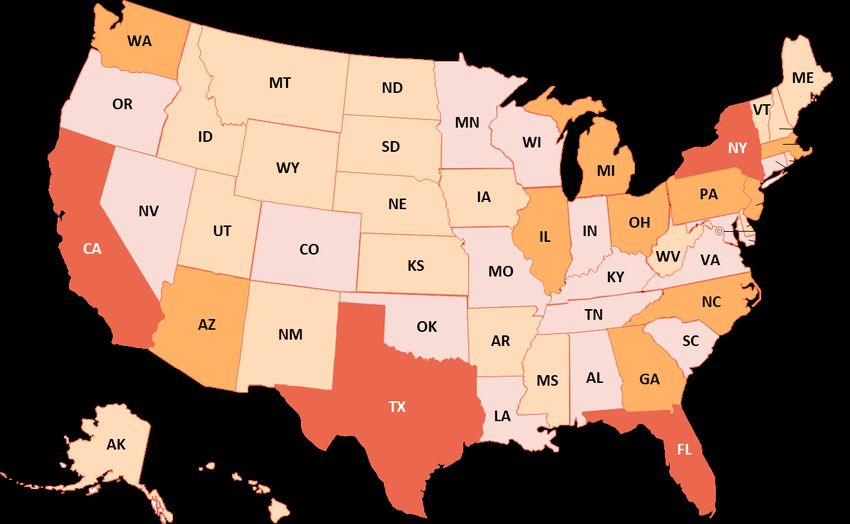
About State Health and Value Strategies
   State Health and Value Strategies (SHVS) assists states in their efforts to
   transform health and health care by providing targeted technical assistance to
   state officials and agencies. The program is a grantee of the Robert Wood
   Johnson Foundation, led by staff at Princeton University’s School of Public and
   International Affairs. The program connects states with experts and peers to
   undertake health care transformation initiatives. By engaging state officials, the
   program provides lessons learned, highlights successful strategies, and brings
   together states with experts in the field. Learn more at www.shvs.org.

   Questions? Email Heather Howard at heatherh@Princeton.edu.

   Support for this webinar was provided by the Robert Wood Johnson Foundation.
   The views expressed here do not necessarily reflect the views of the Foundation.

State Health & Value Strategies | 3
Housekeeping Details

   All participant lines are muted. If at any time you
   would like to submit a question, please use the
   Q&A box at the bottom right of your screen.

   After the webinar, the slides and a recording will be
   available at www.shvs.org.

State Health & Value Strategies | 4
COVID-19 Resources for States

   State Health and Value Strategies has created an
   accessible one-stop source of COVID-19 information
   for states at www.shvs.org/covid19/. The webpage
   is designed to support states seeking to make
   coverage and essential services available to all of
   their residents, especially high-risk and vulnerable
   people, during the COVID-19 pandemic.

State Health & Value Strategies | 5
About Manatt Health
   Manatt Health, a division of Manatt, Phelps & Phillips, LLP, is an
   integrated legal and consulting practice with over 160 professionals in
   nine locations across the country. Manatt Health supports states,
   providers, and insurers with understanding and navigating the complex
   and rapidly evolving health care policy and regulatory landscape. Manatt
   Health brings deep subject matter expertise to its clients, helping them
   expand coverage, increase access, and create new ways of organizing,
   paying for, and delivering care. For more information, visit
   www.manatt.com/ManattHealth.aspx

State Health & Value Strategies | 6
Agenda Overview of the American Rescue Plan Act of 2021 Key Provisions and Policy Considerations for States: - Medicaid/Children's Health Insurance Program (CHIP) - State/Locality Relief Funding - COVID-19 Vaccine, Testing, and Tracing Funds - Other Funds for Health Care Initiatives Discussion State Health & Value Strategies | 7
Overview of the American Rescue
                        Plan Act of 2021

State Health & Value Strategies | 8
Level Setting: The American Rescue Plan
On March 11, President Biden signed the $1.9 trillion American Rescue Plan Act of 2021, providing
funding for COVID-19 response plans and enacting significant but temporary coverage policies.
Key Health Care Provisions Included in the American Rescue Plan:
COVID-19 Other Funds for
Medicaid State/Locality
Marketplace COBRA* Vaccine, Testing, Health Care
and CHIP Relief Funding
Tracing Funds Initiatives
Temporary Temporary Enhanced $350 billion in Funding to carry $8.5 billion for
enhancements 100% premium federal match fiscal relief for out the rural providers.
to the PTC* and assistance for for states newly states, Tribal National Funding for
CSRs*. individuals who expanding governments, Strategy for the mental health/
State-Based lose employer- Medicaid. territories, COVID-19 substance use
Marketplace sponsored Postpartum counties, cities, Response and programs.
(SBM) funding. coverage. coverage and localities. Pandemic Other public
extension. Preparedness. health
initiatives.
Today’s Focus
Major Economic Stimulus/Anti-Poverty Measures Included in the American Rescue Plan:
The legislation also includes significant measures such as enhanced federal unemployment insurance, child
tax credits, and stimulus checks for Americans that make under $80,000 per year.
Source: American Rescue Plan Act of 2021.
*Notes: PTC = premium tax credit; CSR = Cost-Sharing Reduction; COBRA = Consolidated Omnibus Budget Reconciliation Act.
State Health & Value Strategies | 9Explanation of Key Provisions and
Policy Considerations for States
State Health & Value Strategies | 10COVID-19 Vaccine, Testing, and
Medicaid/CHIP State/Locality Relief Funding Other Funds for Health Care Initiatives
Tracing Funds
Provisions That Will Improve Access/Coverage
And Advance Health Equity
Enhanced FMAP for Medicaid Expansion:
Provides states that implement Medicaid expansion with
a 2-year, 5 percentage point increase in FMAP* for most
non-expansion eligibility groups.
Increased matching rate is available at any point after
enactment and is tied to when a new expansion state
begins enrolling people in the adult expansion group.
States that begin enrolling adults in the expansion group
during the PHE* will receive both the 6.2 percentage
point bump under FFCRA* and the 5 percentage point
increase.
Extension of Medicaid and CHIP Coverage for the Postpartum Period:
Provides a new state plan option to continue Medicaid/CHIP eligibility for 12 months postpartum for
pregnant individuals.
CMS* will need to issue guidance to clarify outstanding questions (e.g., the specific eligibility groups
for which the extension applies, whether the extension is continuous coverage).
Takes effect 1 year after the bill’s enactment; in effect for 5 years.
States that adopt the option must provide full benefits to pregnant and postpartum individuals.
Source: SHVS/Manatt Health, Finishing the Job of Medicaid Expansion.
*Notes: FMAP = federal medical assistance percentages; PHE = public health emergency; FFCRA = Families First Coronavirus Response Act; CMS = Centers for Medicare & Medicaid Services.
State Health & Value Strategies | 11COVID-19 Vaccine, Testing, and
Medicaid/CHIP State/Locality Relief Funding Other Funds for Health Care Initiatives
Tracing Funds
Increased Funding to Promote Coverage/Access
State Option for Maintaining Medicaid
Enhanced FMAP for Enhanced FMAP for
Community-Based Disproportionate Share
Urban Indian Health Home and Community-
Mobile Crisis Hospital (DSH)
Organizations Based Services (HCBS)
Interventions Allotments
Authorizes matching Provides a 2-year, 100% Provides a 1-year, 10 Requires the Secretary,
funds for Medicaid FMAP for Medicaid percentage point FMAP for any fiscal year in
mobile crisis intervention services provided by 2 increase for specified which the FFCRA
services for a period of 5 types of organizations Medicaid HCBS. matching rate increase
years beginning 1 year that do not currently FMAP increase takes applies, to recalculate
after enactment. qualify for enhanced effect April 1, 2021, states’ DSH allotments
Establishes an 85% FMAP match: Urban Indian through March 31, to ensure DSH
for the first 3 years Organizations and 2022. allotment amounts
during which states Native Hawaiian Health (federal and state
Care Systems. States must enhance, shares) are the same as
provide services. expand, or strengthen
Begins in the first they would have been
Authorizes $15 million HCBS; new funding without the enhanced
state crisis intervention quarter following must supplement, not
enactment. match.
planning grants. supplant, state
spending.
State Health & Value Strategies | 12COVID-19 Vaccine, Testing, and
Medicaid/CHIP State/Locality Relief Funding Other Funds for Health Care Initiatives
Tracing Funds
COVID-19 Vaccine and Treatment Coverage
COVID-19 Vaccines and COVID-19 Drugs, Biologics,
Vaccine Administration and Other Treatments
Provides coverage, without cost-sharing, Provides coverage, without cost-sharing,
for COVID-19 vaccines and vaccine for COVID-19 drugs, biologics, and other
administration for Medicaid and CHIP treatments for most “full benefit” Medicaid
populations for one year following the end and CHIP populations, plus the optional
of the federal PHE. Medicaid COVID-19 testing group, until 1
Provides 100% FMAP for vaccine and year following the end of the PHE.
vaccine administration services during this
period.
Addresses a gap in vaccine coverage for
“limited benefit” populations, such as
individuals eligible only for pregnancy-
related or family planning coverage.
State Health & Value Strategies | 13COVID-19 Vaccine, Testing, and
Medicaid/CHIP State/Locality Relief Funding Other Funds for Health Care Initiatives
Tracing Funds
Drug Pricing
The bill imposes additional new rebate obligations under the Medicaid Drug Rebate
Program (MDRP).
Elimination of Rebate Cap: Eliminates, as of January 1, 2024 the statutory cap on Medicaid
rebates that limits those rebates to 100% of the average manufacturer price (AMP).
It is unclear how elimination of the cap would impact state Medicaid programs, enrollees, and manufacturers. The
Congressional Budget Office (CBO) estimates that the change would save the federal government and states nearly
$14.5 billion over ten years, a significant cost saving.
Rebates for COVID-19 Drugs: Creates new rebate obligations under the MDRP to
accompany the expanded coverage of COVID-19 drugs.
Under existing law, a manufacturer that signs a Medicaid drug rebate agreement owes rebates to Medicaid
programs for any drug (other than a vaccine) that is paid for by a Medicaid program and that receives full U.S. Food
and Drug Administration (FDA) approval. To date, the drugs being used to treat or prevent COVID-19 generally have
not received full FDA approval, but instead have been approved under an Emergency Use Authorization (EUA). The
legislation appears intended to require manufacturers to pay rebates for such drugs. However, ambiguities in the text
of the bill make it unclear whether such rebate obligations would apply only to small molecule drugs authorized
under an EUA or would also apply to biologics and vaccines.
Source: CBO, Estimated Budgetary Effects of H.R. 1319, American Rescue Plan Act of 2021.
State Health & Value Strategies | 14COVID-19 Vaccine, Testing, and
Medicaid/CHIP State/Locality Relief Funding Other Funds for Health Care Initiatives
Tracing Funds
$350 Billion Coronavirus State and Local Fiscal
Recovery Funds
The American Rescue Plan appropriates to the Treasury $350 billion to make payments to
state, Tribal, territory, and local governments to mitigate the fiscal effects of COVID-19.
Funding
Recipient Distribution Timing Eligible Uses of Funds
Amount
Coronavirus State Fiscal Recovery Fund Allocations
States and D.C. $195.3 billion The Secretary has Recipients may use the funds to respond to COVID-19 or its “negative economic
discretion to distribute impacts,” including:
the full amount in a single Providing government services to the extent of the reduction in revenues due
payment, or to split the to COVID-19 (relative to the most recent full fiscal year);
Territories $4.5 billion
payments into 2 tranches, Providing assistance to households, small businesses, and nonprofits, or aid to
up to 12 months apart. impacted industries such as tourism, travel and hospitality; providing premium
pay, directly to recipient employees or in grants to eligible employers; and
Tribal $20 billion To the extent practicable, Making necessary investments in water, sewer, or broadband infrastructure.
Governments not later than 60 days
after enactment. Recipients are precluded from using the funds to lower taxes or for pensions.
Coronavirus Local Fiscal Recovery Fund Allocations
Counties $65.1 billion The legislation dictates See above – allowable uses of funds are the same.
that the Secretary make 2
$45.6 billion payments, 12 months
Metropolitan Cities
apart.
Non-Entitlement $19.5 billion **Costs related to both state and local funds must be incurred by December 31,
Units of Local 2024.
Government
State Health & Value Strategies | 15COVID-19 Vaccine, Testing, and
Medicaid/CHIP State/Locality Relief Funding Other Funds for Health Care Initiatives
Tracing Funds
Estimated State Fiscal Relief Fund Breakdown
The majority of state funds are
distributed based on the share of total
unemployed workers in the last three
months of 2020.
= $900 million to $2 billion
= $2 billion to $4 billion
= $4 billion to $10 billion
= $10 billion to $26 billion
Source: Federal Funds Information from States Analysis.
State Health & Value Strategies | 16COVID-19 Vaccine, Testing, and
Medicaid/CHIP State/Locality Relief Funding Other Funds for Health Care Initiatives
Tracing Funds
Coronavirus Capital Projects Fund
The bill also establishes a $10 billion fund available to states, territories, and Tribal
governments, for critical capital projects directly enabling work, education, and health
monitoring in response to COVID-19.
Funding
Recipient Specifications Related to Distribution of Funding Distribution Timing
Amount
Territories $700 million $100 million to each territory. Secretary must
Tribal establish a grant
governments Not less than $50,000 to each Tribal government. process not later than
TBD 60 days after
and State of $50,000-$200,000 to Hawaii.
Hawaii enactment.
$5 billion $100 million to each state.
Of the amount remaining in the $10 billion fund after
allocating the funds in the above rows:
50% based on each state’s relative population.
States 25% based on each state’s share of individuals living in
TBD
rural areas.
25% based on each state’s share of individuals with a
household income below 150% of the federal poverty
level (FPL).
State Health & Value Strategies | 17COVID-19 Vaccine, Testing, and
Medicaid/CHIP State/Locality Relief Funding Other Funds for Health Care Initiatives
Tracing Funds
COVID-19 Vaccine, Testing, and Tracing Funds
Funding Funding
Recipient Eligible Uses of Funds
Purpose Amount
Vaccine To carry out activities to plan, prepare for, promote, distribute, administer, monitor, and
$7.5 billion HHS
Distribution and track COVID-19 vaccines.
Promotion $1 billion CDC To strengthen vaccine confidence and improve rates of vaccination throughout the U.S.
For necessary expenses with respect to research, development, manufacturing,
production and purchase of vaccines, therapeutics and ancillary medical products to
Vaccine, $6 billion HHS
prevent, prepare for or respond to COVID-19 or any disease with potential for creating a
Therapeutic pandemic.
Supply Chain
For the evaluation of vaccines, including with respect to COVID-19 variants, oversight of
$500 million FDA
the supply chain and other purposes.
To implement a national testing, contact tracing, surveillance, and mitigation strategy;
provide technical assistance, guidance, and awards to public health departments;
Testing, Contact support the development, manufacture, procurement, distribution, and administration
$47.8 billion HHS
Tracing, and of COVID-19 tests; expand and establish testing and contact tracing capabilities;
Mitigation enhance IT, data modernization, and reporting to support sharing of data related to
public health capabilities; among other activities.
$1.75 billion HHS For genomic sequencing and surveillance.
Data
To establish, expand, and maintain efforts to modernize the U.S. disease warning
Modernization/
$500 million HHS/CDC system to forecast and track hotspots for COVID-19, its variants, and emerging
Forecasting
biological threats.
Center
Source: National Strategy for the COVID-19 Response and Pandemic Preparedness.
*Notes: HHS = the U.S. Department of Health and Human Services; CDC = The U.S. Centers for Disease Control and Prevention.
State Health & Value Strategies | 18COVID-19 Vaccine, Testing, and
Medicaid/CHIP State/Locality Relief Funding Other Funds for Health Care Initiatives
Tracing Funds
Provider Relief Fund and Nursing Facilities
Provisions
$8.5 billion to the Provider Relief Fund for rural Medicare and/or Medicaid enrolled
providers (bringing the Provider Relief Fund total to $187 billion).
Directs HHS to establish an application process whereby eligible providers submit a
Funding for
statement of need, including documentation regarding their lost revenue and health
Rural Providers
care-related expenses attributable to COVID-19.
Codifies the existing statutory definitions of eligible uses of Provider Relief Fund
payments.
$500 million (Medicare and Medicaid funding) for states and territories to establish
State Nursing deployable strike teams to respond to COVID-19 outbreaks in skilled nursing facilities
Home Strike and nursing facilities.
Teams Strike teams will assist with clinical care, infection control, and staffing (as needed)
during the emergency period.
$200 million appropriated to HHS to carry out infection control support related to
Skilled Nursing
COVID-19 in skilled nursing facilities through quality improvement organizations.
Facility Infection
Supports the development and dissemination of prevention and mitigation
Control
protocols.
State Health & Value Strategies | 19COVID-19 Vaccine, Testing, and
Medicaid/CHIP State/Locality Relief Funding Other Funds for Health Care Initiatives
Tracing Funds
Mental Health and Substance Abuse Provisions
Substance Abuse and Mental Health Services Administration (SAMHSA) Block Grant Programs
Provides additional funding to several grant programs related to mental health and substance abuse:
- $1.5 billion to states and territories under the SAMHSA Community Mental Health Services program to provide
comprehensive community mental health services for adults with a serious mental illness and children with a
serious emotional disturbance.
- $1.5 billion to states and territories under the SAMHSA Substance Abuse Prevention and Treatment program.
Gives states until September 30, 2025 to utilize the funding.
Other Mental Health Funding
Funding for mental and behavioral health training and awareness campaigns for the health care workforce, including:
- $80 million for mental and behavioral health services training for frontline workforces;
- $20 million for an evidence-based education and awareness campaign; and
- $40 million for grants for health care providers to promote mental and behavioral health among their health
professional workforce.
$80 million to develop SAMHSA grant programs for new grant recipients.
$10 million for the National Childhood Traumatic Stress Network.
$30 million in funding for Project AWARE to promote access to mental health services in schools.
$20 million in funding for youth suicide prevention activities.
$100 million to the Behavioral Health Workforce Education and Training Program.
State Health & Value Strategies | 20COVID-19 Vaccine, Testing, and
Medicaid/CHIP State/Locality Relief Funding Other Funds for Health Care Initiatives
Tracing Funds
Other Public Health Investments
Community Health Title X Family Home Visiting
Workforce
Centers Planning Program Programs
Appropriates $7.6 Provides $800 million Provides an additional Provides an additional
billion to HHS to award and $200 million $50 million to the Title $150 million for the
grants and cooperative respectively for the X family planning Maternal, Infant, and
agreements. National Health program. Early Childhood Home
Services Corps and the Visiting Program.
Funds may be used for Nurse Corps Loan
vaccine-related Repayment Program. Eligible uses of the
activities; testing and funding include serving
tracing; workforce Provides $330 million families with home
needs; to modify, to expand the number visits, staff costs
enhance, and expand of Teaching Health including hazard pay,
health care services Centers (THC) training, helping
and infrastructure; and Graduate Medical families acquire
to conduct community Education (GME) sites necessary technology
outreach and nationwide and to conduct virtual
education related to increase the per- visits, and providing
COVID-19. resident allocation. emergency supplies to
families.
State Health & Value Strategies | 21COVID-19 Vaccine, Testing, and
Medicaid/CHIP State/Locality Relief Funding Other Funds for Health Care Initiatives
Tracing Funds
Looking Ahead
Although health care coverage provisions included in the bill are temporary,
many will have a lasting impact and could permanently alter the coverage
landscape.
Congressional Democrats are in the early stages of developing a second
reconciliation package that could include a wide range of additional health
care priorities.
State Health & Value Strategies | 22Discussion
The slides and a recording of the webinar will be available at
www.shvs.org after the webinar
State Health & Value Strategies | 23Thank You
Patricia Boozang Gayle Mauser
Senior Managing Director Senior Manager
Manatt Health Manatt Health
pboozang@manatt.com gmauser@manatt.com
212-790-4523 202-585-6504
Heather Howard Dan Meuse
Heather Howard
Director Deputy Director
Dan Meuse
Director
State Health and Value State Health andDirector
Deputy Value
State Health and Value Strategies
Strategies State Strategies
Health and Value Strategies
heatherh@Princeton.edu
heatherh@princeton.edu dmeuse@Princeton.edu
dmeuse@princeton.edu
609-258-9709
609-258-9709 609-258-7389
609-258-7389
www.shvs.org www.shvs.org
State Health & Value Strategies | 24You can also read


