THE EQUESTRIAN WORLD CLASS PROGRAMME - www.bef.co.uk
←
→
Page content transcription
If your browser does not render page correctly, please read the page content below
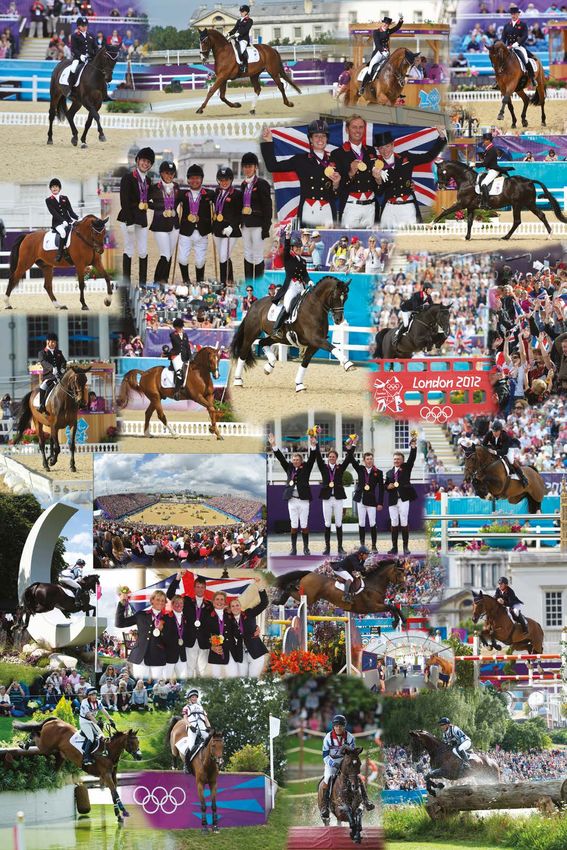
THE EQUESTRIAN
WORLD CLASS
PROGRAMME

        www.bef.co.uk
02 | CONTENTS COVER: Scott Brash riding Lord & Lady Harris and Lord & Lady Kirkham’s Hello Sanctos
BELOW: Charlotte Dujardin riding Mrs Roly Luard and Mr Carl Hester’s Valegro PERFORMANCE DIRECTOR’S FOREWORD | 03
results at World level and Olympic/Paralympic Games. Within equestrianism
we face a unique challenge in that we need both a World Class athlete (the
rider) and a World Class horse. We therefore have to develop our plan to
cope with this multi-dimensional need. No one person within equestrian has
an answer to all the challenges we face and, therefore, everyone within World
Class must seek to draw on the experiences, not just of those involved with
equestrian sport, but those involved with other sports, business management,
and excellence in any field.
The funding we receive, which is not inconsiderable, is dependent upon
producing results. It is, therefore, a results-driven Programme and if we do
not produce those results we will, quite rightly, be held to account by UK
Sport and ultimately DCMS. It is, in effect, a business, and we are funded
to produce a product and that product is medals. London 2012 was a very
important milestone for sport in Great Britain and for equestrian it was a
successful Games. We cannot, however, rest on our laurels and the focus
must now be on qualifying for, and delivering in, Rio 2016, whilst also
developing the athletes that will deliver in 2020 and beyond.
For many within equestrian it may appear that the horse is the primary athlete
but we refer to the rider as the athlete as it is predominantly the rider that
PERFORMANCE is recognised by UK Sport. This, however, does not mean that UK Sport
does not recognise the crucial need of having World Class horses. Although
DIRECTOR’S the funding we receive is generous, it will never be sufficient to allow us to
purchase, keep and develop World Class horses. We must therefore rely on
FOREWORD
owners’ and/or riders’ business acumen and passion in order to ensure that
we have a constant and increasing pool of World Class horses with which we
can win medals. We are all very aware of the vital role the owners play in the
campaign for success on the World stage.
THE EQUESTRIAN WORLD CLASS PROGRAMME is funded by UK Sport, The Programme does not stand alone in this quest and works closely with the
who receive their funding through the Department of Culture, Media and Sport three BEF Olympic Member Bodies: British Dressage, British Eventing and
(DCMS), primarily from the National Lottery. The Programme is a key portfolio British Showjumping. Underpinning the World Class Programme is the Sport
within the British Equestrian Federation’s (BEF) support of equestrian sport. England-funded BEF Excel Talent Programme. This training and competition
programme works very much hand in hand with the Programmes run within
The aim of the World Class Programmes across sports (Summer and Winter) World Class. The Member Bodies are the custodians of the individual sports
is quite simple and that is, through a “no compromise” approach, to develop within Great Britain and are as essential to winning medals as the funding and,
systems that will win more medals for Great Britain on the international stage, I hope, the Programme, which is referred to as the World Class Programme.
now and in the future. It is that aim that must underpin everything that is
done within the World Class Programme and as the Programme develops and Within World Class we are continually looking at how we can develop the
evolves, all involved must keep that aim at the forefront of their minds. To this support we offer. This booklet does not represent a definitive statement of
end we work under the following aim: what we do, but rather a snapshot of where we are and the direction in which
we hope to travel. If we are to continue to travel along this road to success
Identify talent
then we need the help and advice of everybody, so please do not be slow in
offering your advice.
London 2012 was a glorious celebration of sport in this country. London
Maximise potential
should not be seen as the end of a journey but rather the springboard for
future sporting success.
03
Performance Director’s Foreword 14 Equine Sports Science and Medicine Deliver success
04
The Equestrian World Class 15 Human Sports Science and Medicine
The Programme has been in existence since just before the Sydney
Programme Summary Will Connell
16 Key Partners Olympic and Paralympic Games in 2000 and has extended to support,
06
World Class Performance Programme within equestrianism, dressage, eventing, showjumping and para-equestrian Performance Director
07
World Class Development Programme 17 Supporting Owners dressage. The Programme is not about “support for all” but is about January 2014
identifying the most talented riders and horses, and working with them to
08
World Class Equine Pathway Programme 18 BEF Vision and Mission ensure that they reach their maximum potential and deliver their best possible
09
Talent Identification and Programme Selection 19 The Road to Rio 2016
10 Working with the Home Teams & Home Visits 20 Equestrian Disciplines
11
The Coaching Experience; 21 Discipline Initiatives
Developing Coaches
12
Team GBR Medal Success & 22 Clean Sport Policy
Performance Highlights 23 Contact Information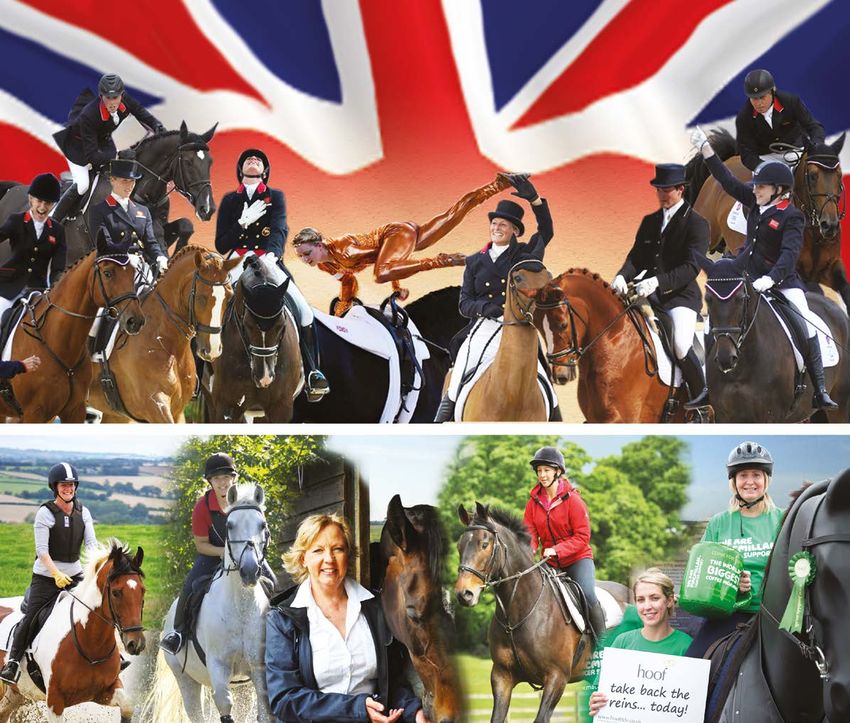
04 | THE EQUESTRIAN WORLD CLASS PROGRAMME SUMMARY THE EQUESTRIAN WORLD CLASS PROGRAMME SUMMARY | 05
BELOW FROM LEFT TO RIGHT: Nick Skelton, Ben Maher, Scott Brash, Peter Charles BELOW: Sophie Christiansen and her own Janeiro 6
The World Class Programmes across all sports must focus their attention on THE EQUINE PATHWAY WORLD CLASS PROGRAMME SUPPORT the horses, the focus is on prehabilitation rather than rehabiliation.
three key areas: firstly, identifying talent; secondly, developing talent; and The Equine Pathway (Olympic disciplines only) seeks to identify horses that, The areas of support that the World Class Programme is involved in transcend All riders on the Programme have access to facilities and services provided
thirdly, producing performance on the World stage. The Equestrian World regardless of whether they are being ridden by riders on the World Class the whole pathway of Performance, Development and Equine Pathway. by practitioners working within the Programme aswell as the English Institute
Class Programme is no different, although of course we need to do this not Programme, show the potential to reach Olympic level. The World Class These include: of Sport (EIS) and their Scottish and Welsh equivalents. The Programme
only with the rider but also with the horse. The World Class Programme Programme will seek to work with the riders and owners of these horses in engages the support of human physiotherapists, doctors, strength &
therefore fits into three conjoined areas: the Performance Programme, the order to assist them in ensuring that the horse reaches its maximum potential. a). Coaching conditioning coaches, nutritionists and sports psychologists, and has
Development Programme and the Equine Pathway. The one principal that This is perhaps the most difficult of the Programmes to find the right structure The Programme seeks to provide world class coaching support to riders been involved in research to develop an understanding of what constitutes
underpins all that the Programme does, and which we can never do enough for, as identifying future Olympic horses is no easy task! and horses during squad sessions and at the riders’ own yards, working in “fit to ride”.
of, is communication. conjunction with the riders’ own coach(es). The Programme aims to assist
NATIONS CUP COMPETITIONS with the development of elite level coaches. This initiative works alongside d). Research and Development
THE PERFORMANCE PROGRAMME The opportunity to compete in team competitions across the disciplines the development of the UK Coaching Certificates and the UK Sport Elite The Programme seeks to identify where science can assist the development
The Performance Programme supports rider-horse combinations that are is imperative for the development of riders and horses, and in jumping, Coaches’ Programmes (the Elite Coaches’ Programme and the Elite Coach and delivery of performance. That may be working with commercially
challenging for team selection. It is essentially the Programme that supports it gives riders the opportunity to compete at the very highest level of the Apprenticeship Programme) and seeks to identify and develop coaches who available equipment or developing procedures and understanding within a
the British Equestrian Team – Equestrian Team GBR – within the three sport without relying on being at the top end of the World Ranking List. In can support the various squads and teams. The Programme is also keen specific area. Such systems include the Pliance Saddle Pressure system that
Olympic and one Paralympic disciplines. The Programme seeks to enhance eventing, we are utilising the opportunity presented by the new CICO (team to develop a closer working relationship with riders’ own coaches – often has allowed us to give scientific back up to the art of fitting saddles, as well as
their performance through coaching, sports science and medicine, and competition) series to give potential Senior Team athletes the opportunity to referred to (when including the riders’ veterinary surgeons, farriers etc) as the a better understanding of the locomotion of the horse. The Pliance System
management programmes and is also responsible for all expenses at Senior compete in a team environment. “Home Team”. An area that we are focusing on more during the Rio cycle is was used recently in a research project relating to fitness in show jumping
Championships. In dressage, there is a Pre-Performance Programme which Coach Development. horses to discover how we can best ensure that they deliver their maximum
is a transient period of funding and support that seeks to identify rider-horse EXCEL TALENT PROGRAMME performance during Championships. The results of these studies are available
combinations that are nearly at Performance level to help them make the last In England, the World Class Programme is underpinned by the Sport England b). Equine Sports Science and Medicine (Health and Fitness) to Programme riders and in some cases have been published in relevant
step up. A rider would normally only be on the Pre-Performance Programme Excel Talent Programme. The aim is to provide support that focuses on prehabilitation rather than scientific journals.
for three months. rehabilitation; i.e. aim to prevent the injury occurring. The Programme has
DISCIPLINE PROGRAMMES sought to increase communication with the riders’ own veterinary surgeons, e). Owners
THE DEVELOPMENT PROGRAMME Working in conjunction with all of the above are the Discipline Programmes. physiotherapists and farriers, and to work with them to ensure that every Across the Programme we recognise the importance of owners in meeting
This seeks to identify and develop riders who have shown the potential to These include the Pony, Junior and Young Rider teams and individual horse maximises its performance. The monitoring of the horses is essential. our aim. The Programme seeks to continue to develop communication
reach the World stage. It is primarily, at the early stage (Start), focused on the disciplines’ coaching development and coaching programmes. The Programme supports veterinary surgeons and physiotherapists to with owners, and ensure that the Programme and owners are working as a
rider, but as the rider moves up the Performer Pathway it then becomes more attend competitions, and also funds veterinary treatment for many of partnership in order to develop and deliver performance. Without owners
combination, horse-rider, focused (Potential). the Performance level horses. Working in partnership with the veterinary we will not win medals; they are vital.
surgeons are the farriers, physiotherapists and equine nutritionists (through
the support of Dodson & Horrell). Education is key to the development of the f). Management and Logistical Support
future medal winning riders and their grooms. The Programme aims to provide a professional Management Team that
is focused on supporting the riders, coaches, vets and other staff key in
c). Human Sports Science and Medicine (Health and Fitness) delivering medals. Included in that Management Team’s role is the provision
Often ignored to some extent in years past, the riders’ fitness and health are of logistical support to Team GBR for major Championships and Games.
just as important as the horses’. We are not trying to create marathon runners
but we do need riders that are “fit to ride” and “fit for purpose”, and as with
The one principle that
underpins all that the
Programme does, and
which we can never
do enough of, is
COMMUNICATION
One of the key areas of focus is improving
COMMUNICATION with the HOME TEAMS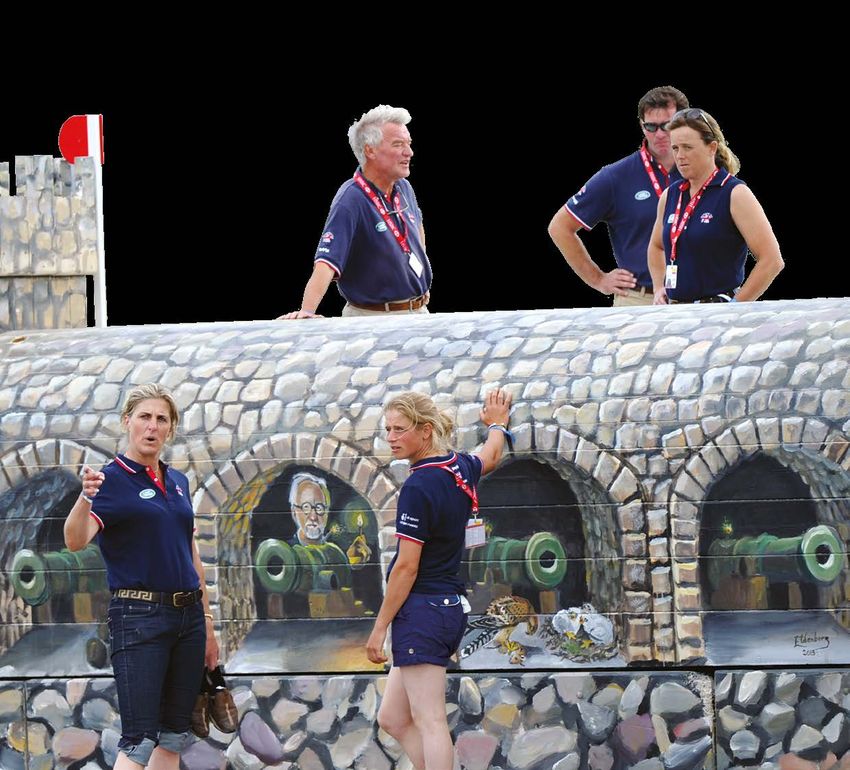
06 | WORLD CLASS PERFORMANCE PROGRAMME BELOW: Pippa Funnell riding Mrs
Carol Toliver’s Mirage d’Elle
BELOW: Louise Saywell riding
Lord & Lady Harris and Lord &
Lady Kirkham’s Hello Winner
WORLD CLASS DEVELOPMENT PROGRAMME | 07
THE WORLD CLASS PROGRAMME DELIVERS: THE WORLD CLASS DEVELOPMENT PROGRAMME WAS ESTABLISHED The Start and Potential Programmes have developed a successful blueprint
IN 2002 and underpins the World Class Performance Programme by for training riders to move onto the Performance Programme. However, to
Performance Director/Managers Research & Development providing two key parts: World Class Start, designed to support talent increase GBR’s medal chances further, a more detailed Rider Performance
Advice and support Veterinary support identification and nurturing of that talent; and World Class Potential, Pathway has now been developed that profiles the characteristics of a
Programme administration Farriery support designed to assist in the development of that talent. potential equestrian Olympic/Paralympic medallist. This has enabled the
Programme to develop a structured syllabus that supports a career path from
Coaches and coach development Medical support for riders The philosophy behind the Development Programme is that training
an early age to the medal rostrum.
Technical support Clean sport (human and achieves excellence and correct training is the foundation to success. The
Sports science and medicine equine) education Programme provides an established training pathway and is structured The Development Programme provides significant funding to support the BE,
consultants, including physiotherapy Performance enhancing equipment in such a way to facilitate rider improvement that will see them progress BD and BS Pony, Junior and Young Rider Championship Teams in addition to
& sports psychology Team clothing from World Class Start through to World Class Potential and onto the the funding provided to support the riders on the Programme.
Squad training Olympic and Paralympic Performance Programmes. It includes the
Support to owners at key competitions
Rider allowances for training
following elements: THE WORLD CLASS PROGRAMMES EXPECT:
Media/PR support and advice
and competition • Competition experience including international exposure Communication
Championship costs Commitment
Key competition support • Coaching, advice and competitive support
(vets, coaches, human and Olympic/Paralympic Test Event • E
quine sports science; veterinary advice and education, Open mindedness
equine physiotherapists, farriers participation and funding physiotherapy, equine nutrition, farriery advice and education
in attendance at key competitions) Organisation
Olympic/Paralympic Games • H
uman sports science; fitness, nutrition, physiotherapy, sports Willingness to contribute
psychology, medical backup
Personal fulfilment
• A
comprehensive support network, nationally and from around the
world
Planning
• Performance analysis to enhance technique and improve performance
Dedication
• D
eveloping teamwork and team environment through innovative
Professionalism
squad sessions Focus
• L ifestyle, business and communication advice as well as access to Exchange of ideas for
advice on Health & Safety, transport regulations and employment law the benefit of all
• Education on equine and human anti-doping (Clean Sport)
• M
edia training including the use of social media and its inherent
dangers.
The Programme seeks to promote the concept of Development riders basing
themselves with established and successful senior international riders, both in
the UK and abroad.
The riders are reviewed on a six monthly basis, with targets and objectives
being set and funding to assist with achieving these aims agreed. Riders
THE PERFORMANCE PLAN OUTLINES THE VISION OF WINNING MEDALS The Programme seeks to ensure that the athletes have access to all receive a means-tested allowance directly from UK Sport. Selection is on a
at the forthcoming Olympic and Paralympic Games. support services that might assist with their performance development. two yearly basis but this does not mean that a rider cannot be taken onto the
This includes human physiotherapy (that can be delivered at the riders’ Programme during the 2 year cycle as a “wild card”, or removed from the
The World Class Performance Programme exists to provide our elite
yards rather than at centres), the support of a doctor, sports psychologist, Programme if their targets are not being achieved.
riders with the best preparation to represent the British Equestrian Team
fitness advice and nutritional advice. Similar services are also made
at World, European, Olympic and Paralympic level in the four Olympic/
available for the horse; nutritional advice through Dodson & Horrell and
Paralympic equestrian disciplines: dressage, eventing, showjumping and
World
access to the very best veterinary facilities and support, farrier support
para-equestrian dressage. The Programme seeks to provide a range
and physiotherapy support. Riders receive a means-tested allowance
of services and support but it is the rider that needs to take personal
directly from UK Sport and they can claim, through the Programme,
responsibility for buying into the Programme’s aims and deciding which
Class
financial support for coaching, travel, entry fees, veterinary fees, etc.
services will best help them to maximise their potential. The Programme
aims to make the best better. The funding support allows a “no-compromise” approach to
Championships; if it is felt that a certain aspect will provide a performance
The Performance Programme for each discipline is managed by a
Start
advantage at a competition, we will ensure that it is in place. This includes
Performance or Programme Manager (PM). It is based around the principle
a central logistical and management back-up that has the financial freedom
of providing a professional management team, veterinary support and
to visit Championship venues before the competitions start and to ensure
education, coaching and competition management. Squad sessions and/
that a robust logistical plan is put in place for the British teams. The
or training camps prior to major competitions are used to develop a Designed to support talent
Championship Teams are fully funded by the Programme.
positive team environment and also to deliver coaching support. However, identification and nurturing
coaching and veterinary monitoring are also delivered at competitions and In parallel with what is delivered to the riders and horses, we are of that talent
at the riders’ home yards (working in partnership with the “home team”). continually looking to upskill grooms, who are fundamental to the success
World
of horse/rider combinations; work more closely with riders’ “home”
vets and coaches; and generally increase communication outside the
environment of World Class. In return, what we expect from riders is open
Class
communication and buy-in.
Make the Selection for the Performance Programme is ongoing, with six monthly
reviews of squad riders together with a continuous assessment of
best better Potential
performance, which provides an indication of potential medal success
within an Olympiad, including World and European Championships.
Selection is based on results combined with potential to deliver.
Designed to assist in the
The funding support allows a “no compromise” approach development of talent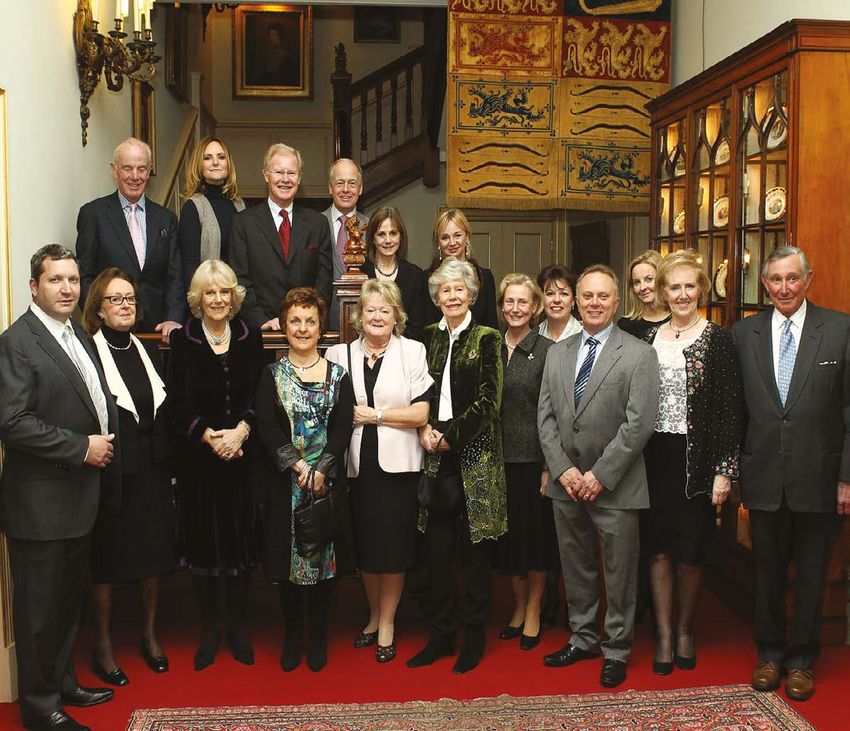
08 | WORLD CLASS EQUINE PATHWAY PROGRAMME TALENT IDENTIFICATION & PROGRAMME SELECTION | 09
BELOW: Michael Eilberg riding Mr & Mrs Jon Deverill’s Half Moon Delphi
BACKGROUND SELECTION PROCESS
The World Class Programmes, comprising Performance, Development The Start and Potential Selection Policy is formulated in agreement
(Start and Potential) and Equine Pathway, offer exceptional opportunities for and consultation with the respective Discipline Coordinators,
Great Britain’s most talented riders, including expert training from coaches, Performance/Programme Managers, Performance Director and other
veterinary and human sports science and medicine support, and funding key discipline personnel.
towards international competitions.
The process involves four key stages:
PROGRAMME MISSION Stage 1: egistration (details are published on the BEF and Member
R
To optimise GBR podium success on the World stage for the Olympic Body websites)
and Paralympic disciplines, through the identification and development of Stage 2: V
iewing Competitions/Viewing Trials/achievement of
potential world class riders, potential world class horses and potential world minimum criteria
class rider-horse combinations. Stage 3: N
otification by the applicants of achievement of minimum
criteria
OBJECTIVE OF SELECTION POLICY Stage 4: Final selection process
The specific aim of the Selection Policy is to select talented riders/ Riders are normally aged between 14 and 30 and are expected to reach
combinations to deliver medal winning performances on the World stage for minimum criteria (competition results) in the preceding or current calendar
Great Britain, now and in the future. year in order to be considered for selection. Selection through to each stage
is made on merit.
PERFORMANCE PROGRAMME
Selection onto the World Class Performance Programme is based on horse EQUINE PATHWAY
and rider profiling, achieved through analysing past and present results, Selection varies between disciplines; with selection for the eventing and
strengths and weaknesses, suitability for a particular Championship and showjumping Equine Pathway being results driven, while in Dressage viewing
the rider’s perceived potential to contribute to team or individual success trials (using Championship level judges/riders) and results are used to seek
at forthcoming major Championships. The squad is selected following to identify future Championship level horses. As with the Performance and
consultation between the Discipline Selectors, Performance/Programme Development Programmes, reviews are carried out on a six monthly basis.
Managers and the Performance Director. Programme membership is
reviewed on a six monthly basis and it is the rider that is formally recognised
on the Programme by UK Sport.
Selection through
DEVELOPMENT PROGRAMME
(START AND POTENTIAL PROGRAMMES) –
TIME SCALES
The World Class Programme introduced an Equine Pathway Programme Some riders with horses on the Equine Pathway that are on the cusp of
to each stage
Formal/open selection takes place every two years.
(in partnership with the BEF Olympic Member Bodies) in 2006 to sit reaching the Performance Programme standard receive means-tested funding Selected riders can remain on the programme
alongside the human development pathway in order to identify and support directly from UK Sport. provided certain criteria are met. Riders are under
world class horses. It is also hoped that the Equine Pathway Programme will constant review in terms of their development and
is made on merit
Selection for the Equine Pathway varies between disciplines, with results
encourage owners to keep their horses with British riders. performance, including six monthly face to face
being the driver in eventing and showjumping, and “viewing trials” used
The World Class Programme has a very clearly defined athlete development in dressage. A detailed record of each horse’s progress is maintained by reviews, which they must attend.
pathway through the Development Programme (Start and Potential) up to the the discipline Member Body and regular updates will be made through
Performance Programme. This Pathway has proved successful in that several competition results analysis, training reviews and veterinary assessments. Riders are under constant review in terms of their
riders have progressed along the Pathway and have represented GBR at The list of horses on the Equine Pathway is not published in order to protect development and performance
Championship level. the identity of the horses. Owners are, of course, free to publicise their
horse’s selection if they so wish.
The Equine Pathway seeks to identify and support horses that have
an identifiable talent to reach Championship level. This is very much a The emphasis for para-equestrian dressage is on identifying the “right”
speculative process when the horse is young! The Programme works with the horse(s) for each of the riders on the World Class Programme.
riders and owners of the horses in order to help them maximise the horses’
Within this pre-determined Pathway there is flexibility as not all horses begin
potential. The method of support varies across the three disciplines but
to fulfil their potential at the same age. Therefore, horses that might not have
covers primarily:
shown sufficient results to date, but are still looked upon as promising for
• Competition planning advice 2016 and beyond, will be considered for inclusion on the Equine Pathway.
• Coaching support and advice
The owners of the horses on the Pathway will have access to advice from
• E
quine health and fitness advice through access to veterinary
all of the World Class Programme staff and it is hoped that the Pathway
surgeons, farriers and physiotherapists
assists with the development of a “feel good factor” based on a combined
• Access to human physiotherapy support for riders
determination to put GBR riders on the medal rostrum in 2016 and beyond.
• Analysis of progress and areas for development.
Challenging for medals at future Olympics
The pathway will keep a detailed record of each individual horse and there will be regular assessments of their development
10 | WORKING WITH THE HOME TEAMS & HOME VISITS THE COACHING EXPERIENCE; DEVELOPING COACHES | 11
Like all sports, the development of effective coaches is essential to the Through a process of “involvement”, the Programme, is seeking to create a
development of medal winning athletes. In equestrian we must not forget that, more effective environment where we, as a Programme, can communicate
ultimately, the rider is the coach to the horse as, once they enter the Field of and lead on a coaching ethos (general and discipline specific). We want to
Play, it is the rider, and only the rider, that can “coach” the horse. be more “on the front foot” with ensuring our coaches are ahead of the
developments of the sport internationally and are all aware of what is needed
Coaching is a key area for the Programme through to Rio 2016.
to get GBR to the top of the podium.
The Programme seeks to:
The Programme already delivers Continuous Professional Development
• Develop the coaches already working with the Programme (CPD) for Programme coaches but it is the aim to extend this to Home Team
• Work more effectively with the Home Team coaches Coaches. We need to develop an environment where Home Coaches feel that
• D
evelop a more effective method for communicating a coaching they, and the Programme, are all working together towards “one aim”.
“ethos” for each discipline that identifies key areas within each
discipline that will help deliver a performance difference UK Sport has been running an Elite Coach Apprenticeship Programme (ECAP)
for a number of years and equestrian coaches have benefitted from this.
• I dentify potential elite coaches for the future and help them to
develop Equestrian will also benefit from the new Elite Coach Programme. The aim for
the Rio cycle is to run an equestrian specific ECAP that will identify future elite
• Work with, and benefit from, UK Sport’s elite coaching initiatives
coaches; these may be riders that are seeking a change in direction and role.
• L ink with, and support, the development and delivery of UK Coaching
This programme will seek to help coaches develop across a number of areas:
Certificates within the Federation.
• T
echnical skills: this is discipline specific and will cover the technical
The initial stages of this Coach Development plan have involved identifying
aspects of each discipline
in detail the coaching structure around each rider/horse; this has been more
• C
oaching technique: this is their communication skills, the ability to
complex than it may at first seem! The Performance/Programme Managers
convey their ideas and knowledge, their coaching skills
have gone on to develop clear “roles and responsibilities” for each of the
• P
rogramme coaching: this is the skills required to set up and
coaches that support each of the riders. This is especially important for the
help individual riders and horses with their overall programme,
Programme coaches, and also important for the riders to really think and competition, development and coaching programmes
understand who they are seeking support from and who is accountable for • C
hampionship coaching: this is the coach’s ability to coach at a major
developing their performance. This is, of course, an ongoing process. Championship, how to deal with the pressures and work in a team
environment
• P
ersonal development: this is to
As a Programme we must strive to communicate more effectively with the key Home visits also give Programme staff the opportunity to meet and interact
Communicate develop a coach’s own personality,
strengths and weaknesses.
and lead on
stakeholders involved with the delivery of elite performance: with the riders’ Home Teams; this is vital if we are to develop communication
and ensure everyone is working towards the same goal, sharing the same
• Owners
information and developing/delivering against the same plan.
• Riders
• Competition organisers
• Home Teams
It is therefore one of the Programme’s primary aims to develop more
effective communication with riders’ Home Teams. It is hoped that all will
buy-in to this.
a coaching
ethos
The Home Teams are the personnel that support the riders on a week in, CLOCKWISE FROM TOP LEFT:
week out basis and include, but are not limited to: This will be achieved through: Yogi Breisner, Peter Murphy,
Pippa Funnell, Izzy Taylor,
• Grooms • The
collection of detailed information about who makes up each Tina Cook
riders’ Home Team
• Coaches
• M
ore effective use of a central database that Programme staff can
• Veterinarians
access
• Farriers
• Direct contact between Programme consultants and Home Team staff
• Physiotherapists/osteopaths/chiropractors
• An increase in the number of Home Visits
• Masseurs
• World Class Programme newsletters
• Feed suppliers
• C
entral conferences/meetings for coaches/human SSM staff/
• Saddle suppliers equine SSM staff
• Riders’ secretaries, agents and sponsorship coordinators. • A
dedicated BEF World Class Programme Communications/PR
One of the areas that developed most during the London Olympiad was executive who will work directly with riders’ agents.
the use of Home Visits by World Class Programme staff. It has been found The Programme encourages riders to bring all their Home Team staff together
that often more can be achieved by Programme staff visiting a rider at their at least twice a year, thus ensuring that there is good communication within
home yard than can be achieved during a squad session. It gives the staff the the Home Team itself and that all are working from one plan.
opportunity to see more horses and really get to understand the environment
the rider is working in and the facilities they have available.
Meet and interact with the riders’ Home Teams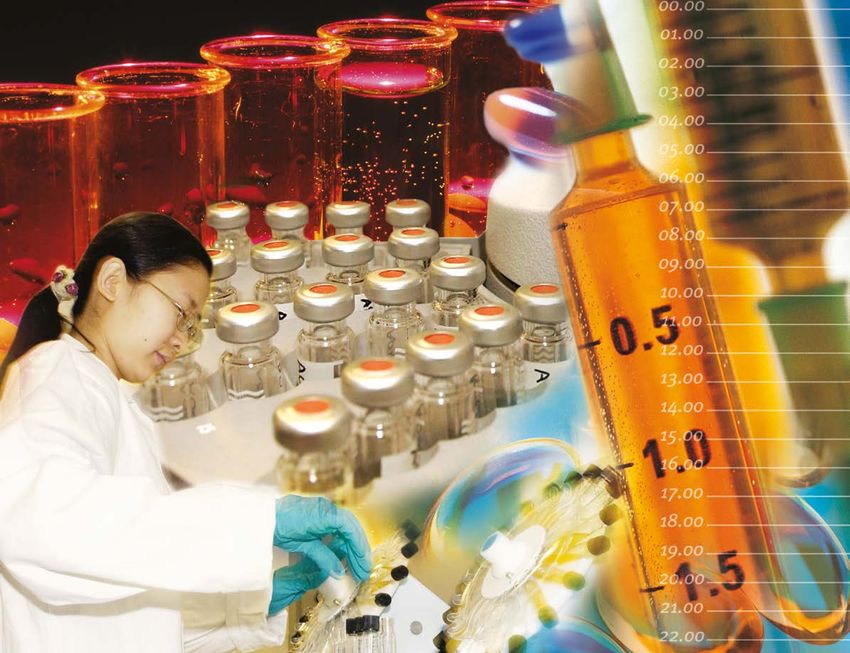
12 | TEAM GBR MEDAL SUCCESS & PERFORMANCE HIGHLIGHTS TEAM GBR MEDAL SUCCESS & PERFORMANCE HIGHLIGHTS | 13
DRESSAGE EVENTING PARA EQUESTRIAN DRESSAGE SHOWJUMPING
European Championships Pony European Championships European Championships Young Rider European Championships European Championships European Championships Young Rider European Championships
Team Bronze Team Bronze Individual Bronze Team Silver Team Gold Grade Ia Grade Ib Grade II Grade IV Team Gold Individual Bronze
Charlotte Dujardin riding Mrs R Luard and Mr C Rebecca Bell riding Mrs C Bell’s Valido’s Sunshine William Fox-Pitt riding Mr & Mrs C Stone’s Chilli Morning David Doel riding Ms G Jonas’ Ricoshea Natasha Baker riding Individual Gold Individual Silver Individual Gold Individual Gold Scott Brash riding Lord & Lady Harris and Lord & Lady Chloe Aston riding The Quainton Stud’s Quiet Easy 4
Hester’s Valegro Rose Hugh-Smith riding her own Holsteins Derwisch Millie Dumas riding her own and Mrs S Larson’s Artistiek Mr C Landolt, Mr Sophie Christiansen Ricky Balshaw riding Natasha Baker riding Sophie Wells riding Kirkham’s Hello Sanctos
Michael Eilberg riding Mr & Mrs J Deverill’s Half Phoebe Peters riding Mrs T Peters’ SL Lucci Tom Jackson riding his own and Mr & Mrs I Jackson’s & Mrs P Baker and riding her own the Lady Joseph Mr C Landolt, Mr & her own Valerius William Funnell riding The Billy Stud’s Billy Congo
Moon Delphi Erin Williams riding Mrs C Williams’ Dynasty Waltham Fiddlers Find Mrs D Alder’s Cabral Janeiro 6 Trust’s LJT Engaards Mrs P Baker and Mrs Freestyle Gold Ben Maher riding Mrs J Clark’s Cella
Carl Hester riding Mrs S Stewart’s Uthopia Individual Gold GPS Holly Woodhead riding Mr & Mrs I Woodhead’s Sophie Christiansen Individual Silver Solitaire D Alder’s Cabral Sophie Wells riding Michael Whitaker riding his own Viking V
Gareth Hughes riding Ms J Brewin’s DV Stenkjers Nadonna Phoebe Peters riding Mrs T Peters’ SL Lucci DHI Lupison riding her own Freestyle Silver Freestyle Gold Individual Silver
2013
Anne Dunham riding her own Valerius
Individual Gold GPS Individual Gold GPF Janeiro 6 Ben Maher riding Mrs J Clark’s Cella
2013
the Lady Joseph Ricky Balshaw riding Natasha Baker riding
Charlotte Dujardin riding Mrs R Luard and Mr C Phoebe Peters riding Mrs T Peters’ SL Lucci Anne Dunham riding Trust’s LJT Lucas the Lady Joseph Mr C Landolt, Mr & Individual Bronze
Hester’s Valegro the Lady Joseph Normark Trust’s LJT Engaards Mrs P Baker and Mrs Scott Brash riding Lord & Lady Harris and Lord & Lady
Individual Gold GPF Trust’s LJT Lucas Solitaire D Alder’s Cabral Kirkham’s Hello Sanctos
Normark Freestyle Gold
Charlotte Dujardin riding Mrs R Luard and Mr C Sophie Christiansen
Sophie Wells riding
Hester’s Valegro Junior European Championships Pony European Championships her own Valerius riding her own Junior European Championships Pony European Championships
Janeiro 6
Individual Bronze Team Gold Freestyle Silver Team Silver Team Silver
Will Furlong riding his own Pioneer Silvie Charlotte Bacon riding her own Three Wells Breeze Anne Dunham riding Emma O’Dwyer riding Mrs J O’Dwyer’s Miss Tonic Millie Allen riding Mr P Allen’s Song Girl
Yasmin Ingham riding her own Craig Mor Tom the Lady Joseph Jake Saywell riding Mr A Saywell’s Farinelli van de Zeshoek Faye Adams riding Mrs J Adams’ Some Like It Hot
Rose Nesbitt riding her own Carrowmore Gemstone Trust’s LJT Lucas Laura Robinson riding Mr N Robinson and Mr G Robinson’s Amy Inglis riding Mrs C Inglis’ Lea du Genier
Libby Seed riding her own Mr Vick Normark Cree Cruiser Emily Ward riding Mr N Ward’s King Mac
Individual Gold Jessica Mendoza riding Mr J Roberts’ Spirit T Individual Silver
Yasmin Ingham riding her own Craig Mor Tom Millie Allen riding Mr P Allen’s Song Girl
Olympic Games Olympic Games Young Rider European Championships Paralympic Games Olympic Games
Team Gold Team Silver Individual Bronze Team Gold
Laura Bechtolsheimer riding her own and Dr & Mrs W Bechtolsheimer’s Mistral Hojris Tina Cook riding Mr & Mrs S N Embricos and Mrs S Dani Evans riding Mrs H Sheppard’s Uchin Scott Brash riding Lord & Lady Harris and Lord & Lady Kirkham’s Hello Sanctos
Charlotte Dujardin riding Mrs R Luard and Mr C Hester’s Valegro Pelham’s Miners Frolic Peter Charles riding Mrs O White and Mrs T Charles’ Vindicat W
Carl Hester riding Mrs S Stewart’s Uthopia William Fox-Pitt riding Mr & Mrs J Skinner’s Lionheart Team Gold Grade Ia Grade Ib Grade II Grade III Grade IV Ben Maher riding his own and The Quainton Stud’s Tripple X III
Individual Gold Mary King riding Mr & Mrs E Davies and Miss J Chinn’s Sophie Individual Individual Individual Individual Individual Nick Skelton riding Mr & Mrs G Widdowson’s Big Star
Charlotte Dujardin riding Mrs R Luard and Mr C Hester’s Valegro Imperial Cavalier Christiansen
Zara Phillips riding the Gleadhill House Stud Ltd’s
Gold Silver Gold Silver Silver
Individual Bronze riding her Sophie Lee Pearson Natasha Baker Deborah Criddle Sophie Wells
2012
2012
Laura Bechtolsheimer riding her own and Dr & Mrs W Bechtolsheimer’s Mistral Hojris High Kingdom own Janeiro 6 Christiansen riding his own riding Mr C riding the Lady riding Drs N
Nicola Wilson riding Miss R Search’s Opposition Buzz Deborah Criddle riding her own Gentleman Landolt, Mr & Joseph Trust’s & J Walker’s
riding the Lady Janeiro 6 Freestyle Mrs P Baker and LJT Akilles Pinocchio
Junior European Championships Pony European Championships Joseph Trust’s Freestyle Gold Mrs D Alder’s Freestyle Freestyle
Junior European Championships Pony European Championships
Bronze
LJT Akilles Sophie Cabral Silver Silver
Team Gold Team Silver Lee Pearson Team Bronze Team Gold
Alfie Bradstock riding Mr P Walker’s Minimee Charlotte Bacon riding her own Three Wells Breeze Lee Pearson Christiansen riding his own Freestyle Gold Deborah Criddle Sophie Wells Chloe Aston riding her own Kolibri Classic Millie Allen riding Mr P Allen’s Song Girl
Sophie How riding How’s Racesafe’s Pebbly Aga Khan Janou Bleekman riding Team Bleekman’s Cregaan Scenic riding his own riding her own Gentleman Natasha Baker riding the Lady riding Drs N Abby Newbery riding Sharifa Al-Homaizi and Mr T Alex Chitty riding Mrs A Chitty’s Amilie JR Z
Isabella Innes Ker riding The Duchess of Louisa Nesbitt riding her own Carrowmore Gemstone Zion Janeiro 6 riding Mr C Joseph Trust’s & J Walker’s Newbery’s Valentino VII Amy Inglis riding Mrs C Inglis’ Nils d’Hurl’Vent
Roxburghe’s Carolyn Maddie Taylor riding her own Bandalera Sophie Wells Landolt, Mr & LJT Akilles Pinocchio Jake Saywell riding Ms R Gascoine’s Cornelius 27 Jessica Mendoza riding Mrs S Mendoza’s Tixylix
Alex Liddle riding Dr M & Mr J Huntridge’s Romeo Z riding Drs N Mrs P Baker and Tim Wilks riding his own Spirit VIII
Mrs D Alder’s
Individual Gold
Individual Gold & J Walker’s Individual Bronze Millie Allen riding Mr P Allen’s Song Girl
Pinocchio Cabral
Sophie How riding How’s Racesafe’s Pebbly Aga Khan Abby Newbery riding Sharifa Al-Homaizi and Mr T Individual Bronze
Individual Silver Newbery’s Valentino VII Alex Chitty riding Mrs A Chitty’s Amilie JR Z
Emily King riding Mrs P Mason’s Mr Hiho
European Championships European Championships Young Rider European Championships European Championships European Championships Young Rider European Championships
Team Gold Team Bronze Team Gold Team Gold Grade Ia Grade II Grade III Grade IV Team Bronze Team Gold
Laura Bechtolsheimer riding her own and Dr & Mrs W Bechtolsheimer’s Mistral Hojris William Fox-Pitt riding The Hon Mrs T Stopford-Sackville’s Dani Evans riding Mrs H Sheppard’s Uchin Deborah Criddle Individual Gold Individual Gold Individual Silver Individual Gold Ben Maher riding his own and The Quainton Stud’s Graham Babes riding Mr G Babes’ Dollar Girl
Charlotte Dujardin riding Mrs R Luard and Mr C Hester’s Valegro Cool Mountain Tom McEwen riding Miss L Patel and Mr D Hamilton’s riding the Lady Anne Dunham riding Natasha Baker riding Deborah Criddle Sophie Wells riding Tripple X III Amy Inglis riding Mrs C Inglis’ Nils d’Hurl’Vent
Emile Faurie riding Mrs J Vaughan’s Elmegardens Marquis Piggy French riding Mr W French and Mr M Private Rudolf Joseph Trust’s LJT Mrs S Brown’s Teddy Mr C Landolt, Mr & riding the Lady her own Valerius Nick Skelton riding Mr & Mrs G Widdowson’s Carlo 273 Jessica Mendoza riding Mrs S Mendoza’s Tixylix
Carl Hester riding Mrs S Stewart’s Uthopia Underwood’s Jakata Willa Newton riding Mr J Newton’s Neelix Akilles Individual Silver Mrs P Baker and Mrs Joseph Trust’s LJT Freestyle Gold John Whitaker riding Miss R Stones’ Peppermill Beth Vernon riding Ms A Blagg’s Falaza
Individual Silver GPS Mary King riding Mr & Mrs E Davies and Miss J Chinn’s Wills Oakden riding Mrs C Onslow’s Button Clover Anne Dunham riding Emma Sheardown D Alder’s Cabral Akilles Sophie Wells riding Guy Williams riding his own and Ms C Baines’ Titus Individual Gold
Carl Hester riding Mrs S Stewart’s Uthopia Imperial Cavalier Individual Silver Mrs S Brown’s Teddy riding her own Freestyle Gold her own Valerius Individual Bronze Beth Vernon riding Ms A Blagg’s Falaza
Individual Bronze GPS Nicola Wilson riding Miss R Search’s Opposition Buzz Willa Newton riding Mr J Newton’s Neelix Emma Sheardown Purdy’s Dream Freestyle Gold Deborah Criddle Nick Skelton riding Mr & Mrs G Widdowson’s Carlo 273 Individual Bronze
2011
2011
Laura Bechtolsheimer riding her own and Dr & Mrs W Bechtolsheimer’s Mistral Hojris riding her own Natasha Baker riding riding the Lady Jessica Mendoza riding Mrs S Mendoza’s Tixylix
Freestyle Gold
Individual Silver GPF Junior European Championships Pony European Championships Purdy’s Dream
Sophie Wells riding Anne Dunham riding
Mr C Landolt, Mr &
Mrs P Baker and Mrs
Joseph Trust’s LJT
Akilles
Carl Hester riding Mrs S Stewart’s Uthopia her own Valerius Mrs S Brown’s Teddy D Alder’s Cabrala
Team Gold Team Bronze
Zoe Brenan riding her own Latino K Sophie Beaty riding her own Done and Dusted VI Freestyle Silver
David Doel riding his own and Mrs M Doel and Mrs M Fox’s Janou Bleekman riding Team Bleekman’s Cregaan Scenic Emma Sheardown
Kings Cross Sam Ecroyd riding Mrs P Ecroyd’s Three Wells Breeze riding her own
Tom Jackson riding his own and Mr & Mrs I Jackson’s Grace Walker riding her own Noble Springbok Purdy’s Dream
Waltham Fiddlers Find
Bethany Stephenson riding her own Family Affaer
Individual Gold
Zoe Brenan riding her own Latino K
Individual Bronze
David Doel riding his own and Mrs M Doel and Mrs M Fox’s
Kings Cross
Children On Horses European
World Equestrian Games World Equestrian Games Young Rider European Championships World Equestrian Games Youth Olympic Games – Singapore
Championships
Team Silver Team Gold Team Gold Team Gold Grade Ia Grade Ib Grade II Grade IV Team Gold Team Gold
Laura Bechtolsheimer riding her own and Dr & Mrs W Bechtolsheimer’s Mistral Hojris Tina Cook riding Mr & Mrs S N Embricos and Mrs S Laura Collett riding Mr J Houghton’s Rayef Sophie Christiansen Individual Gold Individual Gold Freestyle Bronze Individual Gold Millie Allen riding Ms R Steel’s Trueleva Carian Scudamore
Fiona Bigwood riding her own Wie Atlantico de Ymas Pelham’s Miners Frolic Emily Llewellyn riding Mrs C Llewellyn’s Pardon Me II, riding The Berkeley Sophie Christiansen Lee Pearson riding Jo Pitt riding Mr & Sophie Wells riding Christie Pritchard riding Mr A Tredwell’s Larkspur
Maria Eilberg and Mr F Eilberg’s Two Sox William Fox-Pitt riding The Hon Mrs T Stopford-Sackville’s Tom McEwen riding Mrs M Boucher and Mrs P Buckler’s Group’s Rivaldo of riding The Berkeley his own Gentleman Mrs R Pitt’s Estralita Drs N & J Walker’s Katie Robertson riding Mrs L Robertson’s Cameron Poe
Carl Hester riding Ms C Meisner’s Liebling II Cool Mountain Major Sweep Berkeley Group’s Rivaldo of Individual Silver Pinocchio Jake Saywell riding Ms R Gascoine’s Cornelius 27
Individual Silver GPS Mary King riding Mr & Mrs E Davies and Miss J Chinn’s Emily Parker riding her own Treefers Anne Dunham riding Berkeley Ricky Balshaw Freestyle Gold Individual Silver
Laura Bechtolsheimer riding her own and Dr & Mrs W Bechtolsheimer’s Mistral Hojris Imperial Cavalier Individual Gold Mrs S Brown’s Teddy Individual Silver riding Mrs E Hoeg’s Sophie Wells riding Millie Allen riding Trueleva
Individual Silver GPF Nicola Wilson riding Miss R Search’s Opposition Buzz Emily Parker riding her own Treefers Lee Pearson riding Anne Dunham riding Academy Award Drs N & J Walker’s
his own Gentleman
2010
2010
Laura Bechtolsheimer riding her own and Dr & Mrs W Bechtolsheimer’s Mistral Hojris Individual Silver Mrs S Brown’s Teddy Freestyle Gold Pinocchio
William Fox-Pitt riding The Hon Mrs T Stopford-Sackville’s Jo Pitt riding Mr &
Mrs R Pitt’s Estralita Individual Bronze Lee Pearson riding
Cool Mountain Emma Sheardown his own Gentleman
riding her own
Purdy’s Dream
Freestyle Gold
Junior European Championships Pony European Championships Emma Sheardown
riding her own
Individual Bronze Team Gold Purdy’s Dream
Tim Rogers riding his own Corrieview Owen Sophie Beaty riding her own Done and Dusted VI Freestyle Silver
Alfie Bradstock riding Miss L Hamilton’s Montezuma II Sophie Christiansen
Sam Ecroyd riding Mrs P Ecroyd’s Catherston Nutsafe riding The Berkeley
Grace Walker riding her own Noble Springbok Group’s Rivaldo of
Individual Silver Berkeley
Grace Walker riding her own Noble Springbok Freestyle Bronze
Anne Dunham riding
Mrs S Brown’s Teddy
14 | EQUINE SPORTS SCIENCE AND MEDICINE HUMAN SPORTS SCIENCE AND MEDICINE | 15
HUMAN SPORTS SCIENCE AND MEDICINE looks at the application of scientific The Equestrian World Class Programme funds a mobile physiotherapy unit
principles and techniques with the aim of improving sporting performance. as part of its human sports science support. The unit can travel to riders’
yards, to squad training sessions and to major events, meaning that there is
As a sport, equestrianism focuses heavily on the performance, welfare and
always a practical clinical environment available in which to treat riders. The
well-being of the horse, whose athletic input into the success of a horse-
Programme’s Lead Physiotherapist and current Lead Practitioner, operates
rider combination is well documented. But the athletic contribution of the
the mobile physiotherapy unit and it is from here that each Programme rider
rider cannot be ignored and, in fact, it is becoming widely recognised that
can be fully assessed. Specific techniques have been developed to eliminate
a fitter, stronger, more flexible, injury-free rider has a significant positive
and prevent musculoskeletal problems seen in riders, and specific screening
impact on performance. Equestrian World Class Programme riders therefore
techniques to help reduce imbalances and weaknesses that may affect riding
have access to a support network of human sports science specialists, both
techniques in all disciplines. Working closely with World Class Programme
through the English Institute of Sport (EIS) and through the Programme’s
coaches, individualised exercise plans are put together for each rider, for
own team of expert consultants. That team includes, but is not limited to,
both on and off horse, to address any potential issues.
physiotherapists, osteopaths, nutritionists, physiologists, strength and
conditioning coaches and sports psychologists. Whilst every effort is made to prevent them, rider injuries do still occur.
The Equestrian World Class Programme doctors can help riders to get
The team of experts is headed up by a Lead Practitioner, who is him/
back into the saddle as swiftly as possible. Working in conjunction with
herself an expert in a specific field of human sports science. It is the Lead
the UK Sport Athlete Medical Scheme, membership of which is one of the
Practitioner’s responsibility to co-ordinate the human sports science team, to
perks of being a funded rider, the doctors can assist the riders in accessing
communicate and liaise with the EIS and to draw in experts from other fields
the very best possible private medical specialists so that injuries are treated
as and when necessary.
promptly in order to have the minimum impact on the riders’ training and
There cannot be a “one size, fits all” approach to human sports science competition schedules.
so it is very much individualised for each rider on the Programme, and
Riders must always bear in mind that they are subject to anti-doping rules
as with equine sports science, the focus is on prehabilitation rather than
and regulations - exactly the same rules and regulations, in fact, as all human
rehabilitation. The ultimate aim is for the riders to drive their own human
athletes in all sports. The Equestrian World Class Programme human sports
sports science programme, accessing the expertise they need as and when
science practitioners can provide comprehensive support and advice on all
they need it. The recent introduction of a human sports science syllabus for
anti-doping matters.
World Class Development Programme riders aims to educate and arm them
with the information they need to request the services they need, so that as
they progress up the Performer Pathway they are in a position to recognise
what they need and when.
EQUINE SPORTS SCIENCE AND MEDICINE (SSM) (horse health,
management and fitness) is a fundamental service that underpins the World
will always seek to use new technology if it fits with the needs of the horses, the
riders and the coaches.
The focus is on
Class Programme. The provision of state of the art information and education
to our human athletes about their equines’ nutrition, fitness, strength and
conditioning and training methods is all underwritten by evidence based
The funding we receive allows access to the very best equine veterinary
facilities in the UK and abroad, ensuring that if our very best horses are subject prehabilitation rather
than rehabilitation
to injury, they can receive the very best care. The Programme funds a number
medicine. The ultimate goal of the equine sports science and medicine
of Veterinary Surgeons who support the teams, attend squad sessions and
programme is injury prevention. Unfortunately this cannot always be achieved
many competitions, visit riders’ home yards, and are available to give advice on
and injuries do occur. In this case, the sports science programme works in
health, fitness, competition planning and Equine Anti Doping and Controlled
conjunction with the equine athlete’s own veterinary surgeon to ensure that
Medication Rules.
there is access to the most appropriate treatment and veterinary expertise. A fitter, stronger, more flexible, injury-free rider has a significant positive impact on performance
The Programme receives generous support from Dodson & Horrell in the area
Equine sports science and medicine has also been used extensively to develop
of equine nutrition. Research and Development is led by the Programme’s
the strategies for how equine athletes should be prepared for competing at the
Director of Equine Sports Science and Medicine (SSM) in conjunction with the
Olympic/Paralympic Games and World Equestrian Games when they are to be
Programme’s Veterinary Advisory Panel and Scientific Advisory Group.
held in challenging climates or after long journeys, such as Rio 2016.
In order to compete optimally, horses need to be sound, be able to breathe
The ultimate goal
well, have an efficiently functioning heart and vasculature, and their neurologic
systems, which orchestrate the whole body, need to be intact. The role of
equine sports science and medicine is to determine how each of these body
of the equine
systems enables the horse to perform at a maximal level, and, if the horse’s
performance has decreased, to determine which body system
is malfunctioning.
The human athlete is able to apply a multitude of sports enhancing techniques
to attain a higher level of performance and move ahead of their competitors. In
addition, an ever-increasing array of technologies and treatments are available
sports science
and medicine
to aid diagnosis, accelerate rehabilitation and ultimately enhance performance.
A similar trend is now emerging within equine sport. Individual sports
organisations are exploring ways to improve competitiveness, and professional
programme is
bodies such as the British Equine Veterinary Association (BEVA) is actively
promoting the application of Evidenced Based Veterinary Medicine (EBVM).
The Programme has trialled various pieces of equipment in the developmental
injury prevention
stage and more recenty has engaged in science based projects relating to
fitness sustainability during competition. The programme regularly uses heart
rate monitors and weight monitoring to help assess wellbeing. The Programme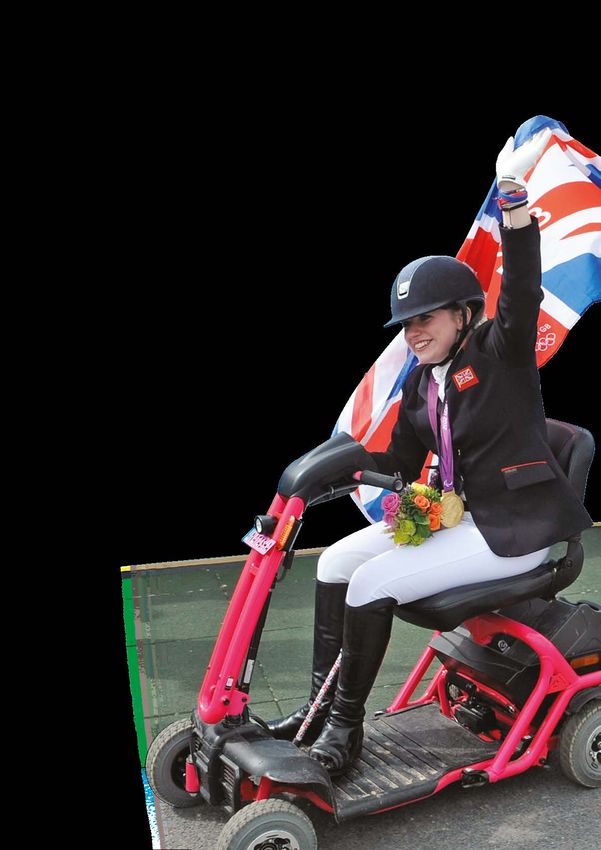
16 | KEY PARTNERS                                                                                                                                                 BELOW: London 2012 Olympic and Paralympic Team
                                                                                                                                                                  owners with HRH The Duchess of Cornwall, Patron
                                                                                                                                                                  of the BEF
                                                                                                                                                                                                                                                          SUPPORTING OWNERS | 17

TEAM GBR and the WORLD CLASS PROGRAMMES receive generous                                                        BRITISH PARALYMPIC ASSOCIATION                    THE OWNERS ARE A VITAL PART OF THE TEAM THAT WILL
support from a range of sponsors and supporters, details of which are                                                                                             DELIVER MEDALS ON THE WORLD STAGE:
                                                                                                                  The British Paralympic Association (BPA)
available on the following websites:
                                                                                                                  is the National Paralympic Committee (NPC)      • T hey are part of the planning process for targeting Championships and        • T he Programme will seek to provide support to owners at all Championships
• Team GBR – www.equestrianteamGBR.co.uk                                                                          for Great Britain and Northern Ireland, as         must be communicated with effectively                                            in the form of information, hospitality and (where possible) accommodation
• British Equestrian Federation – www.bef.co.uk                                                                   required by the International Paralympic        • New owners must be encouraged to come into the sport and existing owners      • It is hoped that the owners feel that they can have contact with the
• British Dressage – www.britishdressage.co.uk                                                                    Committee (IPC). As such, it is responsible        must be encouraged to keep the best horses with the best British riders          Performance/Programme Managers, coaches and veterinary surgeons
• British Eventing – www.britisheventing.com                                      for British participation in summer and winter Paralympic Games, providing      • Owners are encouraged to be involved and to be part of the development           for advice on the progress and potential of their horses. Owners have,
• British Showjumping – www.britishshowjumping.co.uk                              support services to all those competing as members of the GB Paralympic            of their horses and riders. Their contribution to equestrian sport must          between them, a wealth of talent and experience and it is hoped that they
                                                                                  Team, and for promoting the Paralympic Movement and safeguarding                   always be acknowledged                                                           will be willing to offer advice to the Programme, especially in the areas
UK Sport, the British Olympic Association (BOA) and the British Paralympic
                                                                                  Paralympic values throughout the UK.                                            • Assistance is provided through coaching, veterinary and farriery support in      of educating developing riders in business planning, communication and
Association (BPA) are largely responsible for delivering the Nation’s success
                                                                                                                                                                     addition to all Championship costs for the riders and horses being met by        technological advances.
at the summer and winter Olympics and Paralympics.                                The BPA’s main task is to secure Paralympic athletes’ success in the
                                                                                                                                                                     the Programme
                                                                                  Paralympic Games. The BPA is responsible for ratifying selection,
                                                                                  preparation, management and performance of the GB Paralympic Team at
                                     UK SPORT                                     Paralympic Games. Whilst the BPA exists to fulfil its role as the NPC for GB,
                                     • Delivering World Class Performance         providing a central focus for all activities related to the Paralympic Games,
                                     • Increasing Worldwide Impact
                                     • Ensuring World Class Standards
                                                                                  British Paralympic Performance Services Ltd (BPPS Ltd) exists to provide
                                                                                  centrally co-ordinated disability–specific performance services to a range of
                                                                                  stakeholders. These include the BPA itself, the National Governing Bodies
                                                                                                                                                                  The Owners are vital to
                                     UK Sport (UKS) is the principal
agency allocating funds to the British Equestrian Federation World Class
Programmes. The primary UKS goal is to support and deliver UK success at
                                                                                  of Paralympic sports, the Sports Councils and the Home Country Sports
                                                                                  Institutes (HCSIs). BBPS Ltd is a wholly owned subsidiary of the BPA.

                                                                                  The BPA is a registered charity and is funded through commercial
                                                                                                                                                                  the success of the British
the Olympics and Paralympics, through investing in the National Governing
Bodies of sport to support athletes capable of delivering medal-winning
performances.
                                                                                  sponsorship, charitable donations and exchequer funding. The Earl of
                                                                                  Wessex has been a BPA Patron since November 2003 and has visited every
                                                                                  Paralympic Games since.
                                                                                                                                                                  Equestrian Team
By channelling its expertise effectively, UK Sport is leading the drive for
success, particularly in Rio 2016 and beyond. It is doing this by providing
long-term investment and support to UK athletes and sports via their
partners, using the disciplines of modern business and with a commitment
to world-class service delivery. Underpinning this approach is an ambitious
                                                                                  Expertise
                                                                                  Sponsorship
research, development and monitoring programme; innovation in the areas
of sports science, technology and analysis is vital if the UK’s athletes are to
win at the highest level.

As the performance arm of British sport, UK Sport has a responsibility to
strive for excellence and ethical standards in everything it does.

Sport is global and UK Sport operates on the world stage and by working
                                                                                  Fund-raising
with partners, UK Sport will seek to prioritise and attract international
sporting events to the UK between now and 2016 for both Olympic and
Paralympic sports. Through its International Influence Programme and
various partnerships it is also actively engaged in promoting sport in 13
countries. UK Sport is leading the way in providing a vision for how the
nation can harness the power of sport to change lives across the globe.

                              BRITISH OLYMPIC ASSOCIATION

                              The role of British Olympic Association
                              (BOA) is to lead and prepare our Nation’s
                              finest athletes at the summer, winter and youth
                              Olympic Games. Recognised by the International
                              Olympic Committee (IOC), they are also
                              responsible for developing and protecting the
                              Olympic Movement throughout the UK.

The BOA provides the pivot around which Team GB revolves prior to, and
during, the Games. In conjunction with the Olympic Governing Bodies, the
BOA selects Team GB from the best sportsmen and women who will go on
to compete in the 28 summer and 7 winter Olympic sports at the greatest
sporting competition in the world.

The BOA is not funded or controlled by government, and has no political
interests and completely depends upon commercial sponsorship and
fund-raising income. The BOA is the strong, independent voice for British
Olympic Sport.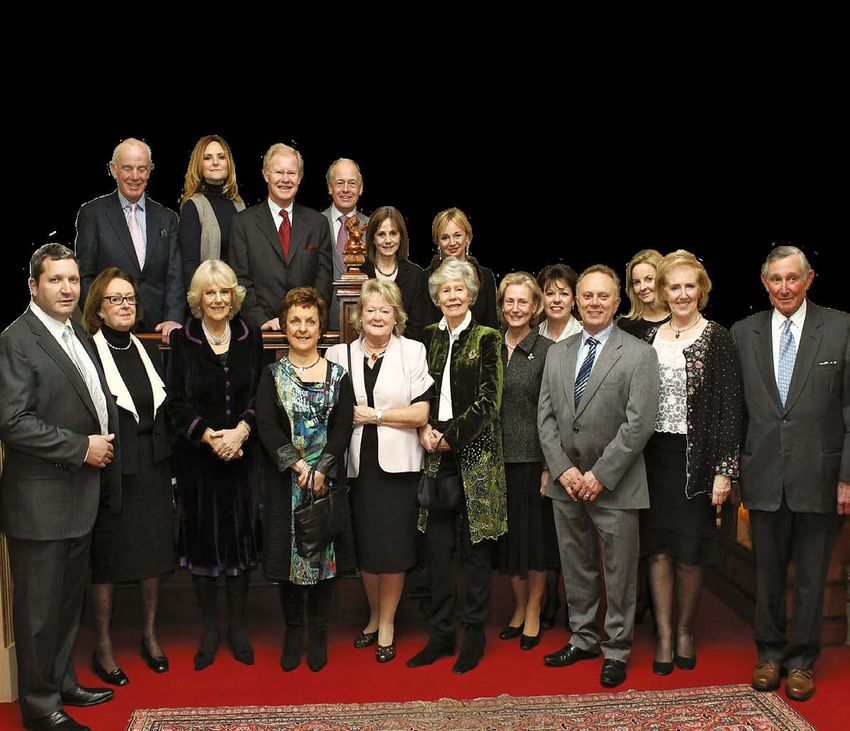
You can also read


