The Future of Workplace Health
←
→
Page content transcription
If your browser does not render page correctly, please read the page content below

The Future of Workplace Health
https://www.pwc.com/sg/en/industries/pharmaceutical-and-lifesciences.html
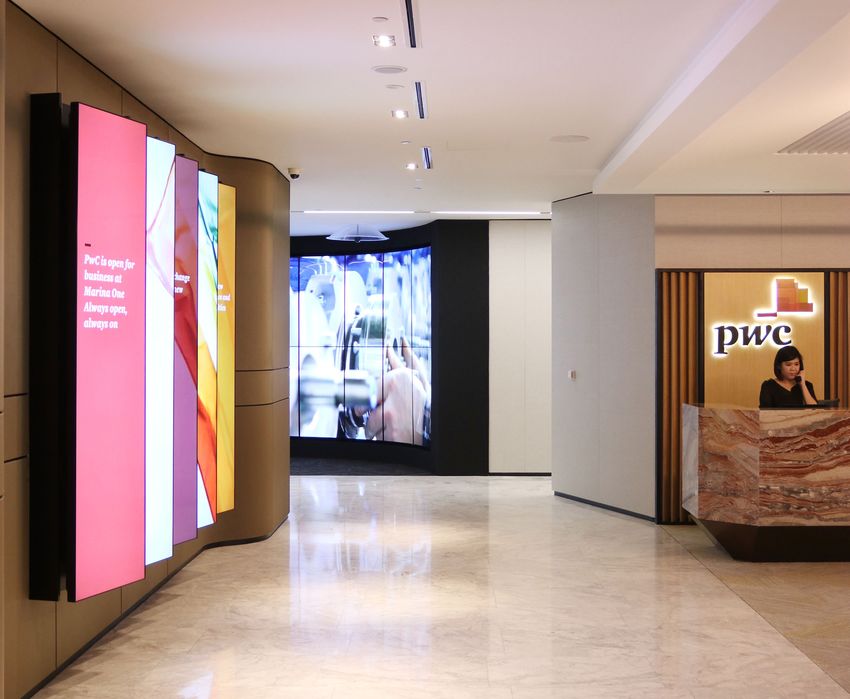
A collaborative, data-driven, evidence-based report

In a recent conversation with Minister of Health, Gan Kim Yong, our discussion included talking about the various stakeholders in
Singapore who play vital roles in improving health across Singapore. Minister Gan was absolutely right in pointing out that one of
the key stakeholders are employers and that it is imperative for them to play a role through initiatives and working environments that
promote better health. Our conversation could not have been timelier as we were in the midst of this collaborative report on improving
health in the workplace. The multitude of benefits from paying proper attention to the health of employees or workers are well known
and clearly articulated by the World Health Organization.1 Reflecting on Minister’s thoughts and the importance of workplace health
promotion made me think of PwC’s very own and recently implemented new ways of working and emphasis on workplace health
promotion. And then the penny dropped. Rather than the three kilos of weight loss I experienced after moving to our new office being
attributed to what I was convinced was the big C or some rare medical condition we doctors often diagnose only in ourselves, perhaps
it was the convenient access to healthier food options, the lack of the vending machine I used to get my daily fix of Oreos from, the
adjustable standing desks, the extra little walk because of the hot desk system, and the flexible wellness benefits to name just a few.
In this collaborative The Future of Workplace Health report with Singapore’s Health Promotion Board and Senior Health Economist,
Dr. Joanne Yoong, PwC aims to identify the trends and key issues in workplace health based on available data, and propose and share
evidence-based recommendations and a framework for interventions.

Dr. Zubin J Daruwalla
Health Industries Leader, PwC South East Asia Consulting

Over the recent years, the Health Promotion Board has continued to shape healthy living behaviours and provide Singaporeans with
the impetus to make incremental changes to live more healthily. Encouraging a nation to adopt healthier practices and shift behaviours
requires a collective effort. With a large majority of Singapore’s population in the workforce, the workplace setting is an important area
that HPB will continue to invest in.

In this joint report with PwC on The Future of Workplace Health, we highlight positive trends and concerning issues regarding
workplace health promotion, and provide a set of recommendations that may inspire more companies to join us on this journey, and
recognise how workplace health promotion can lead to a healthier and more productive workforce.

Throughout this journey of bringing health to the doorstep of workers, our partners have been with us in co-creating solutions. We are
thankful for their extensive support, and look forward to furthering our collective efforts to make Singapore a nation of healthy and
happy people.

Mr. Sim Beng Khoon
Director (Workplace Health & Outreach), Health Promotion Board, Singapore

With the changing profile of global disease burden, including earlier onset of lifestyle-driven chronic diseases, workplace wellness
programs are potentially a key building block for population physical and mental health. Well-implemented, evidence-based programs
can help support a healthier and more productive workforce as well as contribute more broadly to a holistic culture of health that lasts
beyond the working years. However, in practice, the tangible value of such programs to employers and to society is not often strongly
established. Understanding the drivers of economic value in workplace health promotion and how these vary across interventions and
stakeholders is a critical first step towards optimizing their design in order to create and maintain an effective and sustainable platform
for delivery, and incentivizing more effective participation in this space. As both the future of work and the technologies for delivering
health promotion continue to evolve rapidly, this will continue to be an effective area for future research and innovation.

Dr. Joanne Yoong
Senior Economist and Director
University of Southern California Center for Economic and Social Research

World Health Organization, Occupational Health, http://www.who.int/occupational_health/topics/workplace/en/index1.html
1

Contents
Executive Summary                                           4
Trends                                                      4
Issues                                                      5
Recommendations                                             5
Workplace Health in Singapore                               6
Key issues in workplace health                              9
What are key trends in our population?                       9
What does this mean for workplace health?                   10
What do we mean by integration, management and ownership?   11
A framework for interventions
                                                            12
Physical activity                                           13
Nutrition                                                   15
Health screening                                            16
Tobacco control                                             17
Chronic disease management                                  18
Workplace infrastructure                                    19
Mental health                                               20
Work life balance                                           21
Return on investment – to whom?                             23
Return on investment – over what timeframe?                 23
Potential metrics                                           24
Potential data sources                                      24
‘Next generation’ programmes                                26
Executive Summary
With 8 in 10 Singaporeans aged 25 to 64 being employed,2 the workplace plays an important role in supporting healthy behaviours
and improving health outcomes. Effective workplace health promotion programmes can reduce modifiable risk factors for disease (for
example, addressing obesity and reducing tobacco use), as well as improve productivity and reduce absenteeism.3 When designed,
delivered and evaluated appropriately, workplace health promotion programmes can lead to benefits for employees, employers, health
providers and society at large. There are many stakeholders involved in workplace health promotion. This report builds on the existing
work of Singapore’s Health Promotion Board (HPB) to identify:

•       Trends affecting workplace health;

•       Key issues in workplace health; and

•       Recommendations to support increased activity and impact by the HPB, including potential interventions based on global best
        practice and evidence, as well as further work to understand the Return on Investment (RoI) of ‘next generation’ workplace health
        interventions.

               Trends                                                 Issues                                                     Recommendations

    1
         An ageing workforce                                 Obesity management                                        1. Support for ‘tried and tested’
                                                               and prevention                                          interventions
    2
            High levels of                                      Chronic disease
           chronic diseases                                      management
                                                                                                                                   Physical         Nutrition
                                                                                                                                   Activities

    3                                                            Mental health
        Increased awareness of
             mental health                                                                                            Health
                                                                                                                                                                     Chronic
                                                                                                                                                                     Disease
                                                              Smoking cessation                                      Screening                                     Management
                                                                                                                                           Workplace
    4                                                                                                                                        health
        More people working                                                                                                              interventions
                                                                 Integration,
         outside traditional                                   management and
            employment                                            ownership
                                                                                                                      Stress
                                                                                                                    Management
                                                                                                                                                                    Tobacco
                                                                                                                                                                    Control

                                                                                                                                   Work life        Workplace
                                                                                                                                   Balance        Infrastructure

                                                                                                                     2. An RoI study, focusing on ‘next
                                                                                                                     generation’ interventions

Trends
Both in Singapore and globally, we are seeing a shift towards:

•       An ageing population – people are living and working for longer, with an increase in the median age of the workforce;

•       High levels of chronic diseases – long-lasting conditions such as diabetes and cardiovascular disease are increasing, requiring
        ongoing management in the workplace as well as in the home;

•       Increased awareness of mental health – the public is increasingly conscious of mental health conditions, including their link to
        the workplace through stress; and

•       More people working outside traditional employer-employee relationships – the occupational health impact of ‘the gig economy’
        is yet to be fully understood, with regulatory and other issues still to be addressed.

2
 Ministry of Manpower (2017), Labour Force in Singapore, http://stats.mom.gov.sg/Pages/Labour-Force-In-Singapore-2017.aspx.
3
 Hendriksen et al (2016), ‘Effectiveness of a Multilevel Workplace Health Promotion Program on Vitality, Health and Work-Related Outcomes’, Journal of Occupational
and Environmental Medicine, 58 (6), p. 575; Health and Productivity Institute of Australia (2010), ‘Best Practice Guidelines: Workplace Health in Australia’.

                                                                                                                                                                       PwC | 4
Issues
These trends support an increased focus on preventive health and management of chronic diseases for workplace health promotion
programmes. Broadly, the four focus areas of the HPB – obesity management and prevention; chronic disease management; mental
health; and smoking cessation – remain valid and important. However, there is a need to focus on cross-cutting success factors –
integration, management and ownership – underlying these areas, both at a policy and programme level.

      Obesity management                    Chronic disease                        Mental health                      Smoking
        and prevention                       management                                                               cessation

                                          Integration, management and ownership

Recommendations
To support increased activity and impact by HPB as we look towards the workplace of the future, we recommend a dual approach:

1.   Support employers to effectively implement a range of best practice, evidence-based (‘tried and tested’) interventions

     To support employers to understand the evidence base, we have developed a framework for workplace health interventions,
     covering 8 categories of interventions. Within each of these categories, we set out a high-level overview of the current state of
     evidence on the effectiveness of interventions. We support a cross-cutting focus on integration, management and ownership,
     across these 8 categories.

                                                          Physical         Nutrition
                                                          Activities

                                                                                            Chronic
                                               Health                                       Disease
                                              Screening                                   Management
                                                                  Workplace
                                                                    health
                                                                interventions

                                               Stress                                      Tobacco
                                             Management                                    Control

                                                          Work life        Workplace
                                                          Balance        Infrastructure

                                                Integration, management and ownership

2.   Undertake a study on the Return on Investment (RoI) of workplace health programmes, focusing on ‘next generation’
     workplace health programmes

     There is a need to quantify the Return on Investment (RoI) of workplace health programmes, to support further investment by the
     public and private sectors. This is a complex exercise, which can examine the RoI to employees, employers, health providers and
     society at large. This exercise also represents an opportunity to evaluate several ‘next generation’ workplace health programmes –
     many involving the use of new technologies – which as yet, remain untested.

                                                                                                                                   PwC | 5
Workplace Health in Singapore
Singapore has one of the highest employment rates in Asia and globally.4 In 2017, the percentage of the Singaporean population aged
25 to 64 that was employed was 80.7% (or 2.2 million people nationally).5 The workplace is hence an important setting to influence
health behaviours amongst Singaporeans. Effective workplace health programmes can positively impact health outcomes and improve
business indicators.

According to WHO’s Healthy Workplace Framework and Model (2010),6 a healthy workplace is one in which workers and managers
collaborate to use a continual improvement process to protect and promote the health, safety and well-being of all workers and the
sustainability of the workplace. This requires a holistic and integrated approach to manage the work, safety and health aspects, so as to
promote the well-being of workers. The following shows the continual spectrum of issues concerning the well-being of a worker.

Government
                                                 Safety                                  Health Issues
Management
                                                 Issues               Occupational Diseases              General Diseases             Health
Worker

In Singapore, the key government entities involved in the well-being of workers include:

                                  Health Promotion                   Regional Health                    Ministry of                   Workplace Safety
    Ministry of Health
                                       Board                            Systems                         Manpower                     and Health Council

          Vision
     Championing a
      healthy nation                      Vision                                                           Vision                           Vision
     with our people              A nation of healthy                                               A great workforce.               Healthy workforce,
    - To live well, live                people.                                                     A great workplace                 safe workplace.
                                                                      To develop and
      long and with
                                                                        strengthen
      peace of mind.
                                                                   partnerships across
                                                                      care providers,
                                                                     both private and
                                                                    public, and across                    Mission                          Mission
         Mission
                                                                     care settings, to
    To promote good                                                                                      To develop                  To build a healthy
                                                                    deliver integrated
    health and reduce                    Mission                                                        a productive                   workforce and
                                                                   care to Singapore’s
      illness, ensure                                                                                  workforce and                  safe workplace
                                     Empowering                        population.
      access to good                                                                                    progressive                     by engaging
                                    individuals to                                                    workplaces, for                  communities
     and affordable               take ownership of
     healthcare, and                                                                                   Singaporeans                     to enhance
                                     their health.                                                     to have better                 capabilities and
     pursue medical
        excellence.                                                                                  jobs and a secure                 embrace best
                                                                                                         retirement.                     practices.

Exploring further into the work to promote healthier workplaces across Singapore, this report focuses on the HPB’s mandate with an
emphasis on four major areas with HPB currently delivering activities through three main approaches – a cluster-based approach; a
company-based approach and a sector-based approach.

4
 Ministry of Manpower (2017), Labour Force in Singapore, http://stats.mom.gov.sg/Pages/Labour-Force-In-Singapore-2017.aspx.
5
 Ministry of Manpower (2017), Labour Force in Singapore, http://stats.mom.gov.sg/Pages/Labour-Force-In-Singapore-2017.aspx.
6
 World Health Organization (2018), WHO’s Healthy Workplace Framework and Model, http://www.who.int/occupational_health/healthy_workplace_framework.pdf.

                                                                                                                                                     PwC | 6
Four focus areas

      Obesity management                      Chronic disease                   Mental health                        Smoking
        and prevention                         management                                                            cessation

                                             Integration, management and ownership

                                                      Existing HPB activities

        Cluster-based approach                         Company-based approach                           Sector-based approach

    The Healthy Workplace Ecosystem -            Supporting companies in setting up          Bringing customised interventions to
    partnering with commercial property          workplace health structures, policies and   the doorstep of mature workers, across
    developers and building owners to            programmes.                                 7 priority sectors. The 7 priority sectors
    leverage on shared facilities and                                                        include transport & logistics, retail,
    amenities within a cluster as health         •   SME Health+: co-funded scheme           F&B, cleaning, security, education and
    touch points to provide healthier                that supports SMEs to implement         healthcare.
    meals or to conduct health activities,           impactful programmes
    making healthy living convenient and
                                                 •   Workplace Alliance for Health:
    accessible to all employees
                                                     HPB awards grants to curated
                                                     wellness solutions providers,
                                                     thereby co-funding innovative
                                                     solutions to be implemented
                                                     in private mid to large-sized
                                                     companies.

                                                 •   War on Diabetes Package: a
                                                     workplace health promotion
                                                     package for public agencies to
                                                     implement

                         The annual Singapore Health Award, which rewards workplaces for outstanding initiatives

Pervasiveness of HPB’s workplace health promotion efforts (as at end-FY17)

In FY17, HPB’s efforts have reached 1 in 10 workers in Singapore, where:

•    250,000 workers have access to programmes offered under Healthy Workplace Ecosystems – including obesity management and
     prevention (physical activity and nutrition), chronic disease management (health screening and follow up), mental wellbeing and
     smoking cessation.

•    66,000 workers in 7 priority sectors have access to customised health interventions at their workplaces, covering age-related topics
     such as chronic disease management, and work-related topics such as ergonomics.

•    35,000 workers have access to company-based programmes such as the SME Workplace Health Package.7

Health Promotion Board data (2018).
7

                                                                                                                                   PwC | 7
Analysis of current efforts by companies based on the Singapore Health Award (SHA) 2017

•   A total of 204 companies applied for the Corporate Award of SHA 2017, and this contributes to 300,000 workers having access to
    workplace health promotion programmes at their workplaces between 2015 to 2017 with more than 25% of applications came
    from SMEs, and approximately 20% from public agencies.

•   Of these 204 companies:

•   179 organise health screening

•   90 with follow up (either through a call or face-to-face health coaching)

•   105 organise at least 1 targeted intervention for weight management, chronic disease management or smoking cessation.

•   148 organise mental wellbeing programmes

•   197 have holistic work policies.8

Some of the positive practices in workplaces identified under the Singapore Health Award 2017

•   Positioning of workplace health promotion as a core business and organisation need through including it as part of performance
    management, with regular updates and feedback of workplace health promotion efforts to senior management.

•   Facilitating the planning and implementing of workplace health promotion (i.e. conducting needs analyses and planning
    programmes specific to identified needs) through e-platforms and working around operational needs. For example, participation
    can be encouraged through allocating time-off for staff to attend health programmes during office hours, conducting health
    activities at branch sites, encouraging friendly competition through team-based activities or having app-based health
    interventions.

•   Evaluating workplace health promotion efforts to ascertain effectiveness of programmes through collection and tracking of
    participation rates, pre- and post- activity responses, organisational indicators (e.g. employee engagement, sick leave rates, etc.)
    and health indicators (e.g. obesity rates, high blood cholesterol rates, smoking rates etc.)

Health Promotion Board data (2018).
8

                                                                                                                                   PwC | 8
Key issues in workplace health
What are the key trends in our population?

                                                    01                         An ageing workforce

               High levels of chronic
               diseases                                           02

                                                                               03             Increased awareness of
                                                                                              mental health conditions

               More people working outside
               traditional employment                                                       04

An ageing workforce – the median age of Singapore’s workforce is increasing. The median age increased from 41 years old to 43 years
old between 2007 and 2010,9 and is projected to increase further in line with overall demographic trends.

High levels of chronic diseases – the prevalence of diabetes among Singapore residents has increased over the decade, and is higher in
older populations. Singaporeans have a 1 in 3 lifetime risk of developing diabetes,10 and over 400,000 Singaporeans currently live with
diabetes.11

Increased awareness of mental health conditions – approximately 1 in 8 Singaporeans (12%) has a mental disorder,12 with the
Government seeking to reduce the stigma of mental health conditions and encourage help-seeking behaviour. In 2016, approximately
half (52%) of Singaporean workers surveyed said that their stress levels had gone up in the last six months, with long working hours
resulting in burnout.13

More people working outside traditional employment – there were approximately 200,000 freelancers in Singapore in 2017 (9% of
resident employment), with this number estimated to increase (particularly among millennials).14

9
 Ministry of Manpower (2017), Comprehensive Labour Force Survey.
10
   Ministry of Health (2017), National Health Surveys.
11
   Ministry of Health (2017), ‘Diabetes – The War Continues’, https://www.moh.gov.sg/content/moh_web/home/pressRoom/pressRoomItemRelease/2017/diabetes--the-
war-continues.html.
12
   Ministry of Health (2010), Singapore Mental Health Study.
13
   Roffey Park (2016), ‘Working in Asia Survey’ (a survey of 1,000 mid- and senior-level professionals in Singapore).
14
   The Straits Times (6 October 2017) (quoting figures from the Ministry of Manpower), http://www.straitstimes.com/business/economy/growing-gig-economy-
cushions-impact-of-weak-job-market.

                                                                                                                                                   PwC | 9
What does this mean for workplace health?
These trends – coupled with an increasing proportion of overweight people15 and relatively high smoking rates16 in Singapore –
indicate that the HPB’s four focus areas continue to be vitally important.
However, the interaction of these trends and risk factors means that an integrated approach to workplace health management is
increasingly important. As an example, the trend of an ageing workforce is likely to result in a higher prevalence of chronic conditions
requiring management in the workplace. Similarly, the connection between poor physical and mental health is expected to be
validated by a joint, nationwide study by the Institute of Mental Health (IMH) and the NUS Saw Swee Hock School of Public Health
(SSHSPH), concluding in 2021.17
Several studies in workplace health promotion have concluded that health promotion programmes are most effective when they:
• Are comprehensive and multimodal,18 addressing both individual and environmental influences;19
• Address the fact that health practices are frequently interdependent (e.g. smoking, alcohol use, sleep and exercise patterns);19
• Are supported by management.19
Integration, management and ownership
Obesity management Chronic disease
Mental health Smoking cessation
and prevention management
15
An HPB study on obesity found that the biggest increase in the proportion of overweight people came, unsurprisingly, during the transition to work: The Straits Times
(20 June 2017), ‘Singapore Risks Hitting Obesity Rates of 15% in Seven Years’, http://www.straitstimes.com/singapore/singapore-risks-hitting-obesity-rates-of-15-in-
seven-years.
16
Smoking prevalence is relatively high in Singapore, compared to other developed countries. Prevalence of smoking (%) of male adults in Singapore was 28% in 2015,
compared to 20% in the US, UK and Sweden, and 17% for Australia: World Health Organization (2018), Global Health Observatory Data Repository.
17
National University of Singapore, School of Public Health (2017), https://www.sph.nus.edu.sg/news-events/news/nationwide-study-connection-between-positive-
mental-health-and-physical-health.
18
Goldgruber, J. and Ahrens, D. (2009) ‘Effectiveness of workplace health promotion and primary prevention interventions: a review’, Journal of Public Health, 18(1),
pp.75-88.
19
Shain, M. and Kramer, D.M. (2004), ‘Health Promotion in the Workplace Framing the Concept; Reviewing the Evidence’, Occupational and Environmental Medicine,
61, pp. 643-648.
PwC | 10What do we mean by integration, management and
ownership?
Integration Management Ownership
Workplace health programmes Workplace health programmes have Health self-efficacy (HSE) – the
have been shown to be more been shown to be more effective belief in one’s own capacity to
effective when designed to influence with strong and consistent support improve and maintain health – has
individual, organizational and from company leaders. This is been shown to be an important
environmental levels.1 because management support can: indicator of healthy decision-
making. It has also been associated
Programmes have also been shown • generate and preserve with increased programme
to be more successful when they programme resources; effectiveness in smoking cessation,
integrate workplace wellness with increased exercise and improved
workplace safety, supporting optimal • increase legitimacy; and
diet.3
resource use.4On the environmental
• provide role modelling.1
level, positive impact has been Employee-initiated workplace
observed when health is integrated Wellness committees can be a programmes that support a sense of
into infrastructure, such as helpful interface between employees empowerment have also shown to
ergonomic furniture and accessible and management.2 bolster programme effectiveness.
staircases.
Programmes should also be made ‘Next generation’ workplace health
relevant and accessible to all activities can support an even
workers, including those working greater focus on ownership, through
shifts or remotely. wearable technology and health
monitoring apps.
Management should also ensure
that programmes are consistently
evaluated, to demonstrate
quantifiable benefits and enable
course correction.
PwC | 11A framework for interventions
To support employers to better understand the range of possible interventions available and their complementarity, we have developed
a framework of 8 categories of intervention. These are not mutually exclusive – for example, standing desks or treadmills in office cut
across both infrastructure and physical activity – however, these are intended to assist employers in their knowledge and prioritisation
of programmes. The selection of interventions will depend on each workplace’s population, budget and resources. Underlying the
choice of interventions should be a strong focus on integration, management and ownership, as discussed earlier.
Integration, management and ownership
Examples Examples
• Subsidised gym memberships and • Healthy cafeteria options
sports activities • Elimination of foods high in sugar,
• 10,000 steps reward programs salt and fat on site
• Standing desks • Provision of free fruit and other
• Walking meetings healthy foods
Physical Nutrition
Activities
Examples Examples
• Regular health • Insulin testing on site
checkups for • Subsidised checkups
employees with specialists or
Chronic
• Wearable technology Health Disease GP’s
and health apps Screening Management
to monitor health Workplace
indicators health
interventions
Examples Stress Tobacco
Examples
• Free or subsidised Management Control • Counselling sessions
stress counselling and • Pharmacological
workshops agents (nicotine
• Mental health first aid patches etc)
& education
• Cognitive Behaviour Work life Workplace
Therapy (CBT) return Balance Infrastructure
to work programs
• Rest areas and sleep
pods
Examples Examples
• Flexible hours and working from • On-site gym or fitness programs
home • Stairs, bike racks and showers to
• Workplace satisfaction surveys promote activity
PwC | 12Evidence-based, global best practice
Physical activity
Physical activity initiatives in the workplace, including subsidised gym memberships,
pedometer use, walking meetings, and bike-to-work or public transit incentives, have
shown significant evidence of benefits. These benefits have mainly been demonstrated in
terms of reduction of individual risk factors, although some gains in terms of productivity
and reduced health costs have also been identified. New initiatives such as standing
desks and Treadmill desks are also being implemented – however, there is currently little
evidence to prove the benefits of these initiatives.
A summary of the evidence relating to physical activity
Subsidised gym membership
• Employees with on-site fitness programmes were between 4% and 5% more
productive than those without. Furthermore, those employers with such
programmes in place experienced a cumulative benefit of $500 to $700 per worker
per year for physical activity and aerobic fitness.20
• Blue Cross Blue Shield of Minnesota (2007) conducted a year-long study of 74,000
members participating in their “Fitness Discounts” programme. They found that
frequent users (defined as using a fitness center at least eight times per month) had
insurance claim costs 17.8% lower than non-participants after adjusting for health
history, as well as emergency room visit rates and hospital admission rates 38.7%
and 41.4% lower than non-participants, respectively.21
Pedometer use / 10,000 steps reward programmes
• In one study, the use of a pedometer was associated with significant increases in
physical activity, and significant decreases in body mass index (BMI) and blood
pressure.22
• A four-month, pedometer-based, physical activity, workplace health programme was
associated with sustained improvements in chronic disease risk factors at 12
months.23 Improvements were seen in the following risk factors:
• Self-reported alcohol intake (7.0% more meeting guidelines, P < 0.01)
• Self-reported non-smoking (3.5% more meeting guidelines, P < 0.001)
• Independently measured blood pressure (4.2% more meeting guidelines,
P= 0.001)
• In a separate study, pedometer-based walking programmes resulted in a modest
amount of weight loss (pooled mean weight loss of 1.27kg across 9 studies of
pedometer-based walking programmes). Longer programmes (of up to 1 year) lead
to more weight loss than shorter programmes (of 4 – 8 weeks).24
• Under HPB’s National Steps Challenge Corporate Challenge Season 1 campaign to
encourage 10,000 steps amongst participants, of those who were initially sedentary
before the Corporate Challenge, more than half of them (56%) became active after
the Challenge and met the guideline of 150 minutes of active time per week.25
20
Shephard R. (1999), ‘Do work-site exercise and health programs work?’, The Physician and Sportsmedicine Journal, 27(2), pp.48-72.
21
Frean M. (2012), ‘What is the optimal subsidy for exercise? Informing health insurance companies’ fitness reimbursement programs’, Honors Projects, Paper 43.
22
Bravata DM. et al (2007),’ Using pedometers to increase physical activity and improve health: a systematic review’, Journal of the American Medical Association,
298(19), pp. 2296-2304.
23
Freak-Poli R. et al (2013). ‘Eight-Month Postprogram Completion: Change in Risk Factors for Chronic Disease Amongst Participants in a 4-Month Pedometer-Based
Workplace Health Program’, Obesity Journal, 21(9), pp.360-368.
24
Richardson CR. Et al., (2008), ‘A meta-analysis of pedometer-based walking interventions and weight loss’, Annals of Family Medicine, 6(1), pp. 69-77.
25
Health Promotion Board data (2018).
PwC | 13Walking meetings
• A pilot walking meeting study in Miami showed that walking meetings increased
the average number of minutes participants engaged in combined work-related
moderate/vigorous physical activity per week (from an average of 107 minutes per
week to an average of 117 minutes per week, over a three-week period).26
• The Harvard Business Review found that people who participate in walking
meetings are 5.25% more likely to report being creative in their jobs and 8.5% are
more likely to report high levels of engagement in their work. 27
Bike to work or public transit incentives
• A study by the University of Glasgow tracked 263,450 people for five years who
travelled to work and lived in England, Scotland or Wales. Research indicated that
cycling to work has extraordinary health benefits such as lower risk of CVD, cancer,
and all-cause mortality. Commuting by cycling and walking were associated with
a lower risk of CVD incidence (mean incidences for cycling 0.54, walking 0.73) and
CVD mortality (mean incidences for cycling 0.48, walking 0.64).28
Innovative, untested interventions29 relating to physical activity
• Standing desks
• Readmill desks
• Reminders, through screensavers or posters, to get out of your chair and stretch
• Walking groups
• Sponsorship of fun-run entry fees or corporate games teams
• Wireless telephone headsets so employees can move around while on the
telephone
26
Kling HE. et al (2016), ‘Opportunities for Increased Physical Activity in the Workplace: the Walking Meeting (WaM) Pilot Study, Miami, 2015’, Preventing Chronic
Diseases, 13, pp. 160111.
27
Clayton, R. et al (2015), ‘How to Do Walking Meetings Right’, Harvard Business Review, https://hbr.org/2015/08/how-to-do-walking-meetings-right.
28
Celis-Morales C. et al (2017), ‘Association between active commuting and incident cardiovascular disease, cancer, and mortality: prospective cohort study’, British
Medical Journal, 357, p. 1456.
29
Innovative or untested means that sufficient rigorous, scientific data to support benefits may not be available.
PwC | 14Nutrition
Evidence exists to support the impact of nutrition education, increased availability and
affordability of healthy options at cafeteria and vending machines, and the provision of
free fruit and other healthy foods. However, the impact of these interventions has mainly
been identified in terms of the increased consumption of healthy foods, rather than the
reduction of risk factors or other health benefits.
New initiatives such as tax incentives for companies to encourage healthy eating habits
and healthy lunch clubs for employees are also being implemented. However, there is
currently little evidence to prove the benefits of these interventions.
A summary of the evidence relating to nutrition
Dietary modification interventions and nutrition education
• A systematic review covering programmes in Brazil, the USA, Netherlands and Belgium found that workplace dietary modification
interventions alone, and in combination with nutrition education, increase fruit and vegetable intakes (by up to half a serving of
fruits/vegetables per day).30
Healthy options cafeteria and in vending machines
• In a study of worksite vending machines, when low-fat snacks were provided at a 50 percent discount, sales increased 93 percent.
Increased sales offset the cost of the discount, and profits remained steady.31
• In a similar study, sales of healthy items through vending machines were increased by 10% to 42%, following an increase in
availability of 50% and price reductions of an average of 31%.32
• Maine sporting goods manufacturer L.L. Bean, experimented with encouraging healthy eating by subsidising healthy foods and
funding the subsidy with a premium on high fat foods, such as French fries. After two months, they found a 50 percent increase in
the sale of healthy foods and a corresponding 50 percent decrease in the sale of high fat foods.33
Provision of free fruit and other healthy foods
• In comparison to multiple offices in Singapore having a bowl of sweets for visitors, a study by the Johns Hopkins Bloomberg School
of Public Health found that ensuring access to fresh fruits and vegetables at workplace meetings and events can increase fruit and
vegetable consumption, and will be especially healthy if they replace donuts or other high calorie foods.34
• Research conducted by the UK’s original workplace fruit supplier, Fruitful Office, revealed that fresh fruit at people’s desks
increases an employee’s productivity by more than 10 per cent, substantially boosts their energy levels and encourages them to
adopt a healthier lifestyle.35
Promoting water consumption
• Workplaces have been shown to increase access to water by adding drinking
fountains, water filtration units, or water coolers to the workplace and by offering
water in vending machines.36
Innovative, untested interventions relating to nutrition
• Elimination of foods high in sugar, salt and fat on site (e.g. tax incentives for
companies to cut sugar intake)
• Healthy lunch clubs, where employees bring healthy ingredients to share
• Workplace challenges (e.g. eat well for a week, competitions to eat more fruit and
vegetables)
• Gathering recipes from employees for a healthy cookbook
30
Geaney F. (2013), ‘The effectiveness of workplace dietary modification interventions: A systematic review’, Preventive Medicine, 57(5), pp.438-447.
31
French, S.et al (2001), ‘Pricing and promotion effects on low-fat vending snack purchases: The CHIPS study’, American Journal of Public Health, 91, pp. 112-117.
32
French S. et al (2010), ‘Pricing and availability intervention in vending machines at four bus garages’,Journal of Occupational and Environmental Medicine, 52(1),p. 29.
33
Tufts S. (Employee Health Manager, L.L. Bean) (2003), personal communication.
34
Institute for Health and Productivity Studies (Johns Hopkins Bloomberg School of Public Health) (2015), ‘From Evidence to Practice: Workplace Wellness that Works’.
35
Fruitful Office (2013), ‘Research reveals that fruit at work boosts productivity, energy and wellbeing’, https://www.fruitfuloffice.co.uk/about-fruitful-office/highlights/
Research-reveals-that-fruit-at-work-boosts-productivity-energy-and-wellbeing/164/.
36
The Institute for Health and Productivity Studies (Johns Hopkins Bloomberg School of Public Health), ‘Nutrition and Weight Management in the Workplace – A Guide
for Employers’.
PwC | 15Health screening
There is evidence that comprehensive wellness programme that include screening,
regular heath check-ups and education help to improve employee health outcomes and
to reduce health costs. The use of technology, including wearables, fitness platforms and
health apps, is increasing – allowing employees to monitor their health and control their
routine on regular basis. However, at this stage, there is limited evidence to prove the
benefits of the use of technology for employers, some of these benefits available in a PwC
study last year entitled Digital Health - Challenges and solutions in measuring Return on
Investment (ROI).
Health screening however, is the first step to detecting and managing chronic diseases
– whether the disease is originally identified within or outside the workplace. For some
people who are reluctant or unable to attend health screenings at other locations, health
screening in the workplace may be the first opportunity to identify risk factors for chronic
disease. However, health screening alone is insufficient to create a lasting impact on
the individual’s health. Care must be taken to ensure that post screening follow-up is
available for workers for maximal impact with technology playing a complementary role
with markedly increased follow-up rates as illustrated in the above mentioned
2017 PwC study.
A summary of the evidence relating to health screening
Comprehensive wellness programme (including screening)
• Participation in a wellness programme comprising screening and intervention over
five years was associated with a trend toward lower health care costs and decreasing
health care use (average annual difference of $157).37
Regular health check-ups plus educational seminars
• Continuing participation in a workplace health promotion programme consisting of
an annual health screening and physical examination, health educational seminars
and health exhibitions, has the potential to improve blood pressure levels among
employees.38
• Regular health check-ups for employees (e.g. free diabetes check by nurse, with
follow-up plan) have been shown to be a cost effective intervention. The U.S.
Preventive Services Task Force gave cholesterol screening for males age 35+ and
females age 45+ a score of 7 out of 10 in terms of cost effectiveness and disease
prevention, making it one of the top 12 highest recommended programmes.39
Screenings for high blood sugar have also been shown to be cost effective,
particularly when they target high-risk populations such as obese individuals or
older persons.34
Innovative, untested interventions relating to health screening
• Wearable technology and health apps to monitor health indicators – a survey
conducted by Springbuk in 2017 found that 35 percent of employers are currently
using wearable devices to develop effective, value-driven corporate wellness
programmes for employees. Employer platforms are integrating wearable data with
clinical, medical claims, pharmacy and biometric data to identify the most promising
and actionable opportunities for employers to improve health and contain costs.40
37
Mattke S. et al. (2013), ‘Workplace Wellness Program Study’, Rand Health Quarterly 3(2), p.7, https://www.ncbi.nlm.nih.gov/pmc/articles/PMC4945172/.
38
Eng J. Y., et al. (2016), ‘Impact of a Workplace Health Promotion Program on Employees’ Blood Pressure in a Public University’, PLOS One, 11(2), p. e0148307,
https://www.ncbi.nlm.nih.gov/pmc/articles/PMC4739732/.
39
US Preventive Services Task Force (2015), ‘Rankings of Preventive Services for the US Population’.
40
mHealth Intelligence (2017), ‘35% of Employers Use Wearable Devices for Wellness Programs’.
PwC | 16Tobacco control
There is strong evidence to support the effectiveness of tobacco control in a workplace
setting. There are demonstrated benefits of having tobacco-free workplaces, as well as a
high impact of individual counselling and group support.
Companies are also offering pharmacological counselling sessions and providing
nicotine patches and gums. However, there is limited evidence to prove the benefits of
the use of these interventions.
A summary of the evidence relating to tobacco control
Tobacco cessation programmes in the workplace
• Tobacco cessation programmes have been shown to be more effective in a workplace
setting than in a clinic setting. A study in 2016 showed cessation rates in a workplace
setting to be 44% over a 6-month period, compared to 18% in a clinic setting. This
may be attributed to peer support and regular follow-up in the workplace setting.41
Smoke-free workplaces
• A review of programmes across the United States, Australia, Canada, and Germany
found that smoke-free workplaces are associated with a reduction of 3.8% in
prevalence of smoking, and 3.1 fewer cigarettes smoked per day per continuing
smoker. Based on this finding, if all workplaces became smoke-free, consumption per
capita in the entire population would drop by 4.5% in the United States and 7.6%
in the United Kingdom. The review concluded that smoke-free workplaces not only
encourage smokers to quit or reduce consumption, but also protect non-smokers
from the dangers of passive smoking.42
Counselling sessions
• Smoking cessation advice and help to quit was ranked as the highest impact, highest
value, and most cost effective service in a recent survey of healthcare practitioners.43
• Employee peer support groups can be formed, combined with telephone quit
lines and/or online or face-to-face counselling. Group programmes, individual
counselling and nicotine replacement therapy increased smoking cessation in
comparison to no treatment or minimal interventions. Self-help materials were
less effective.44
Innovative, untested interventions relating to tobacco control
• Pharmacological counselling sessions
• Distribution of agents such as nicotine patches and gums
41
Ransing R., et. al. (2016), ‘Outcome of Tobacco cessation in workplace and clinic settings: a comparative study’, Journal of International Society of Preventive &
Community Dentistry, 6(5), pp.487-492, https://www.ncbi.nlm.nih.gov/pubmed/27891317.
42
Fichtenberg C. (2002), ‘Effect of smoke-free workplaces on smoking behaviour: systematic review’, British Medical Journal, 325, p. 188, http://www.bmj.com/
content/325/7357/188.
43
Maciosek, M. V. et al (2006), ‘Priorities Among Effective Clinical Preventive Services: Method’, American Journal of Preventive Medicine, 31, pp. 90-96.
44
Cahill K. (200*), ‘Workplace interventions for smoking cessation’, Cochrane Database of Systematic Reviews (online).
PwC | 17Chronic disease management
There is evidence to support the claim that workplace interventions, through counselling
and physical activities, can help manage chronic conditions such as diabetes and
cardiovascular diseases. Companies can also play a significant role in managing weight
and reducing obesity.
A summary of the evidence relating to chronic disease management
Counselling on diet and physical activity for chronic diseases
• Nutrition, and physical activity programmes in the workplace are critical elements in
addressing type 2 diabetes – particularly when combined with offering regular, free
or low cost on-site screening, counselling, and follow-up for type 2 diabetes in adults
with high blood pressure (i.e., hypertension). The U.S. Preventive Services Task
Force found that people at risk for cardiovascular disease benefit most from diabetes
screening. Screening people with high blood pressure for type 2 diabetes allows the
disease to be diagnosed and treated before it causes certain complications.45
• Health interventions, including group counselling on diet and physical activity
for cardiovascular disease prevention, have been shown effective in dietary intake
modification, leading to significant cholesterol level reduction after a two-year
follow up. Total mean total cholesterol levels were reduced by 0.38 mmol/l.46
• Of the 3,000 taxi drivers and bus drivers who took part in a pilot health screening
cum health coaching intervention programme in Singapore, 1 in 4 improved from
abnormal to normal in their health status across either BMI, blood cholesterol, blood
pressure or blood glucose.47
Weight control programmes
• One year participation in a weight control programme is significantly associated
with a reduction of body mass index (BMI) (kg/m2) of about 0.15 in the same year.37
• The worksite is ideal for implementing interventions to reduce obesity. Systematic
reviews of individual-based behavioural interventions have demonstrated a
consistent finding of moderate weight loss. The effect size of worksite interventions
is small when considered on an individual basis, but when these results are applied
across large populations of workers, the potential impact is much larger.48
• Some employers have chosen to provide subsidised access to commercial
programmes on weight management. In selecting such commercial programmes,
companies should be mindful to ensure that there is strong scientific evidence
supporting the effectiveness of these programmes.
Innovative, untested interventions relating to chronic disease management
• Demonstrations to help build cooking skills, and providing employees with a family
friendly recipe box to encourage them to make healthy meals at home
• Engage a nutritionist to provide advice on a company’s catering policy
45
US Centers for Disease Control (2018), ‘Workplace Health Strategies’, https://www.cdc.gov/workplacehealthpromotion/health-strategies/index.html.
46
Moy FM. et al (2008), ‘Dietary modification in a workplace health promotion program in Kuala Lumpur, Malaysia’, Asia-Pacific Journal of Public Health, 20(1), pp.
166–72, https://www.ncbi.nlm.nih.gov/pubmed/19533877.
47
Health Promotion Board data (2018).
48
Thorndike A. (2011), ‘Workplace Interventions to Reduce Obesity and Cardiometabolic Risk’, Current Cardiovascular Risk Reports, 5(1), pp.79-85.
PwC | 18Workplace infrastructure
There is evidence to support the health benefits of workplace infrastructure
interventions, including open and accessible staircases. Many of these interventions,
an example being promoting taking the stairs if you’re going, “1 up, 2 down” aim to
increase physical activity, and are covered under this category. However, workplace
infrastructure can go beyond physical activity to also include improvements in air quality
and ventilation, water quality, access to natural light, and thermal and olfactory comfort.
Innovative ideas such as subsidised ergonomic consultancies or participatory ergonomics
are also being implemented, but have limited evidence to support the benefits.
A summary of the evidence relating to workplace infrastructure
Holistic approach to workplace infrastructure design
• The WELL Building Standard takes a holistic, best practice approach to workplace
infrastructure. It was developed by integrating scientific and medical research and
reviewing existing literature on environmental health, behavioural factors, health
outcomes and demographic risk factors. Employers who have implemented the
WELL Building Standard have reported a 27% reduction of staff turnover compared
to the previous year (Cundall), and that 80% of employees believe their new office
environment supports greater productivity (CBRE Spain).49
Onsite gym or fitness programme
• A study conducted in the UK in 2008 found that employees who visited the gym
during the day time reported managing their time more effectively, being more
productive, and having smoother interactions with their colleagues.50
• An American company that provides comprehensive worksite wellness support –
including access to an on-site fitness centre, individual health coaching sessions, and
exercise instructors – found that high levels of physical activity have contributed to
an overall health risk reduction of 9 percent, and an estimated return on investment
of $1.70 for every dollar spent.51
Open and accessible staircase
• There is strong evidence that point-of-decision prompts are effective in increasing
the use of stairs. The approach of using signs placed by elevators and escalators to
encourage stair use was found to be effective based on sufficient evidence.52
Positioning of screens and document holders
• A review of studies on placement of computer screens and document holders found
that a document holder placed lateral to the screen was most preferred position
to reduce neck discomfort among occupational typists. Head posture and muscle
activity increases when the document is placed flat on the surface compared to
when placed on the document holder.53
Innovative, untested interventions relating to workplace infrastructure
• Subsidised ergonomic consultancy/participatory ergonomics
49
International WELL Building Institute, https://www.wellcertified.com/.
50
Coulson J. C. et al (2008), ‘Exercising at work and self-reported work performance’, International Journal of Workplace Health Management, 1(3), pp. 176-197.
https://www.researchgate.net/publication/235275530_Exercising_at_work_and_self-reported_work_performance.
51
American Cast Iron Pipe Company (2016), ‘The Health Project Winning Programs’.
52
Soler R et al (2010), ‘Point-of-decision prompts to increase stair use. A systematic review update’, American Journal of Preventive Medicine 38(2), pp. 292-300.
53
Ambusam et al (2016), ‘Position of document holder and work related risk factors for neck pain among computer users: a narrative review’, Journal of Research in
Health Sciences, 15(4), pp. 213-217.
PwC | 19Mental health
There is strong evidence to support the impact of specific workplace interventions on
specific mental health conditions, including the impact of:
• Individual therapy, especially cognitive behavioural therapy (CBT), in facilitating
the recovery of employees diagnosed with depression and/or anxiety;
• Feedback mechanisms and training, in improving stress management; and
• Support for proper sleep, in supporting improved mental health and improved
productivity of the employee.
Other interventions, such as on-site yoga, meditation and massage therapy, and
availability of rest areas and sleep pods, are expected to result stress reduction and
prevention. However, there is limited peer-reviewed evidence to support the benefits.
A summary of the evidence relating to mental health
Support for depression and anxiety
• For people already experiencing common mental health problems at work, there was strong evidence from four studies
demonstrating that the most effective approach is brief (up to 8 weeks) individual therapy, especially cognitive behavioural
therapy (CBT). The intervention seems to be effective whether delivered face-to-face or via computer-aided software, the latter
finding being based on one study.54
• Moderate evidence was identified for two primary prevention interventions; enhancing employee control and promoting physical
activity. Stronger evidence was found for CBT-based stress management although less evidence was found for other secondary
prevention interventions, such as counselling. Strong evidence was also found against the routine use of debriefing following
trauma. Tertiary interventions with a specific focus on work, such as exposure therapy and CBT-based and problem-focused
return-to-work programmes, had a strong evidence base for improving symptomology and a moderate evidence base for improving
occupational outcomes.55
Stress management through feedback mechanism and trainings
• Amongst employees who have not manifested with common mental health problems or who are not at high risk, there is moderate
evidence from five research papers to suggest that a range of stress management interventions can have a beneficial and practical
impact.54
• The primary psychosocial stressors identified by labour groups were lack of control over work content and operations, unrealistic
task demands, lack of understanding by supervisors and management, and lack of predictability and security about their job
future. Psychosocial stressors identified by corporate groups included personality traits, lifestyle behaviours, interpersonal
relationships, and family problems, with little emphasis placed on the work environment.54
• Recommended stress reduction actions include increased feedback mechanisms allowing employee assistance programmes to
pinpoint stressful work environment factors. The use of stress management training in work settings generally focused on stress
prevention rather than the treatment of workers with evident stress problems and health risks.54
54
British Occupational Health Research Foundation (2005), ‘Workplace interventions for people with common mental health problems: evidence review and
recommendations’.
55
Joyce S. (2015) ‘Workplace interventions for common mental disorders: a systematic meta-review’, Psychological Medicine, 46(4), pp. 683-97.
PwC | 20Supporting healthier sleep patterns
• Studies have shown that morning naps can improve creativity, and afternoon naps
can improve employees’ sense of wellbeing.56
• Insufficient sleep is linked to lower productivity at work, which results in working
days being lost each year. Someone who sleeps less than six hours a night loses six
more working days a year compared to someone who sleeps between seven and nine
hours a night, which is often described as the “healthy sleep range.” Other initiatives
to support healthier sleep patterns include use of wearable devices that monitor
sleep and physical activity levels, discouraging the excessive use of electronic
devices outside of working hours, and sleep pods or nap rooms at work.57
Innovative, untested interventions relating to mental health
• Onsite yoga or massage therapy
• Rest areas and sleep pods
• Mental health first aid and education (including training supervisors and managers
to detect signs of mental illness)
• Mental health support groups
56
Potts K. et al (2013), ‘Cost Savings Associated with an Education Campaign on the Diagnosis and Management of Sleep-Disordered Breathing: A Retrospective,
Claims-Based US Study’, Population Health Management, 16(1), p. 7-13.
57
RAND Europe (2016), ‘Why Sleep Matters: Quantifying the Economic Costs of Insufficient Sleep’.
PwC | 21Work life balance
There is evidence to support the benefits of flexitime, compressed working weeks,
schedule control, and supervisor support, in terms of employees’ wellbeing and
productivity. These interventions can be seen as linked to mental health interventions,
given the presumed positive effect of work life balance on stress levels. While workplace
satisfaction surveys are popular with corporate employers, there is currently no evidence
that these lead to improvements in employees’ wellbeing.
A summary of the evidence relating to work-life balance
Flexitime and compressed working weeks
• A review of studies on the effectiveness of flexitime and compressed working weeks found overall positive impacts on productivity,
absenteeism and job satisfaction.58
Schedule control and supervisor support
• A Harvard Business Review finding offers evidence that workplace interventions, such as increased schedule control and
supervisor support, can reduce employee work-life conflict. According to the study, adjustments in management thinking about
when and where work gets done, and about support for employees’ lives outside work, led to the work-life ‘holy grail’: design of
system-wide flexibility (to relieve pressure for people who need it), without burdening those working conventionally, and without
requiring individual workers to figure out alone how to balance everything.59
Innovative, untested interventions relating to work-life balance
• Workplace satisfaction surveys
58
Baltes et al (1999), ’ Flexible and Compressed Workweek Schedules: A Meta-Analysis of Their Effects on Work-Related Criteria’, Journal of Applied Psychology, 84(4),
p. 296.
59
Harvard Business Review (2014), ‘Your Work-Life Balance Should Be Your Company’s Problem’.
PwC | 22You can also read


