The Parent-Child Health Initiative - A. James & Alice B. Clark Foundation
←
→
Page content transcription
If your browser does not render page correctly, please read the page content below
The Parent-Child
Health Initiative
WORKING IN PARTNERSHIP TO BUILD A COMPREHENSIVE SYSTEM OF
CARE FOR PARENTS AND CHILDREN IN THE DISTRICT OF COLUMBIA
Cover Photo: Mom and baby visit their
pediatrician at Children’s National
Foreword

   Our Challenge                               2

   Our Goal                                    3

   Our Partners                                4

   Taking the Next Step Together               5

A Shared Vision and Action Plan

   The Challenge                               8

   The Causes                                  10

   The Parent-Child Health Initiative          12

   Key Areas of Innovation and Collaboration   17

   Areas for Future Investment                 28

   Next Steps                                  31

Attachments

   Key Community-Based Health Partners         34

   Key Hospital Partners                       35

   Parent-Child Health Initiative              38
   Key Hospital Contacts for Collaboration

SECTION 1

                               Foreword
                               from the A. James & Alice B. Clark Foundation

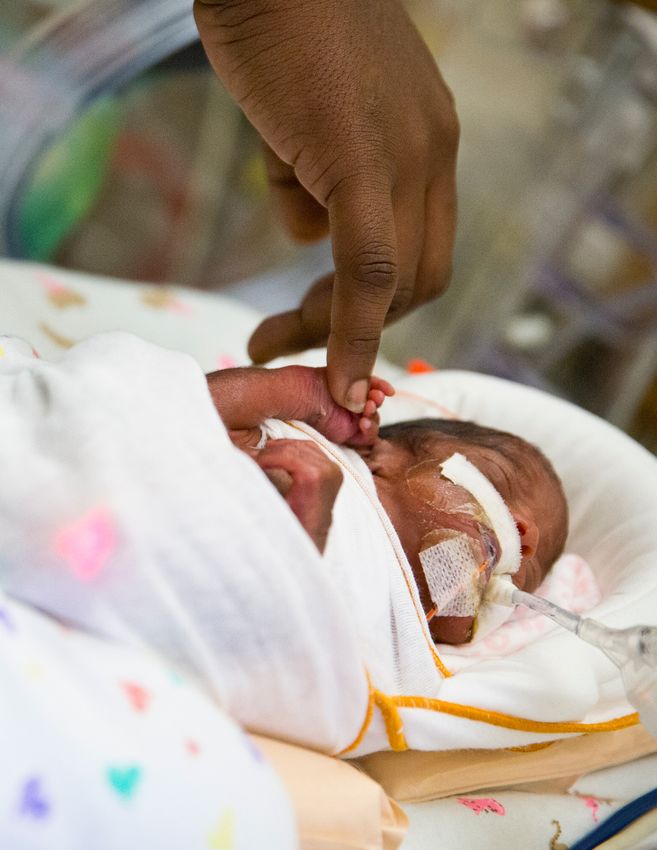
A comforting cuddle with Mom
                                                                               1
while at Children’s National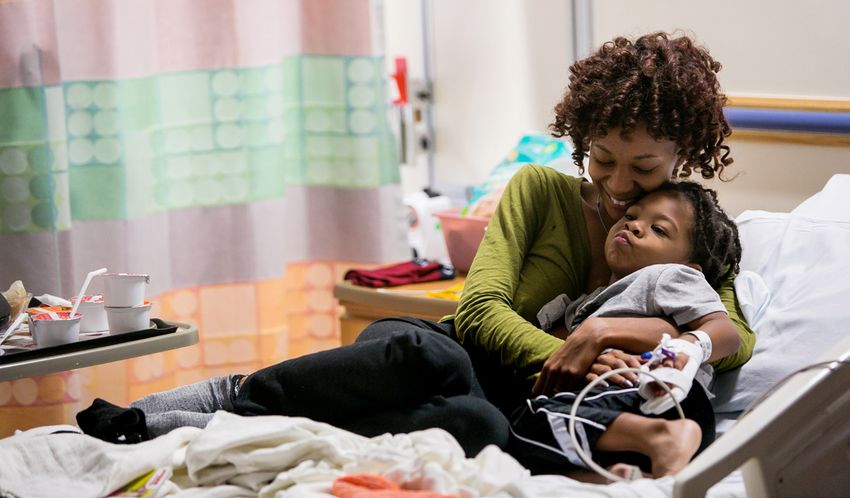
2   |   Foreword                                                                      Sibley nurse with mom and baby in Sibley’s
                                                                                        Women’s and Infant Services

OUR                    Parents and children in our nation’s capital deserve an opportunity to be healthy. A healthy
                       birth sets an infant on a path to health and success in childhood and throughout their
CHALLENGE              lifespan. In order to have a healthy birth, all families need supports that include robust
                       social networks, quality clinical care, and practical material resources. Unfortunately, not
                       all neighborhoods in Washington, DC offer these supports. As a result, some communities
                       are denied equitable access to the quality prenatal and perinatal care needed to support
                       a healthy birth, and, correspondingly, their newborns and children often miss out on the
                       healthy start and developmental supports needed for long-term wellbeing.

                       A number of world-class hospitals and health centers serve DC residents, and their
                       dedicated professionals have worked for decades to address these challenges. However,
                       many systemic barriers limit the success of their efforts. Overcoming these barriers
                       will require new levels of innovation, collaboration, and resource investment. Moreover,
                       the coronavirus pandemic has impacted many families in a devastating way. Although
                       numerous communities have experienced worsening health outcomes as a result of this
                       pandemic, many of these disparate outcomes existed before the pandemic and, without
                       dedicated efforts, these inequities will grow.

                       .

The Parent-Child Health Initiative
Foreword | 3
OUR GOAL To help meet this challenge, the A. James & Alice B. Clark Foundation is investing over
$93 million in local health care providers to improve the quality of parent-child health
care for families living in marginalized communities in Washington, DC. Over the next
five years, these investments will not only enhance innovation and integration of health
services provided by select health providers, they will also enhance collaboration between
hospitals—and, importantly, among hospital systems and community-based health
providers. This collaboration will accelerate movement toward a comprehensive, integrated,
culturally responsive system of support for families and communities in DC. Developing
this system will be a great challenge, but we have an opportunity to build a system that
leverages and coordinates health resources in the District, significantly improving parent-
child health outcomes for all children in our city.
We know that one investment alone cannot accomplish all that is required. System
transformation presents complex challenges and requires major resources to address. That
said, a collaborative set of partnerships, facilitated by financial investments, can strengthen
the collective innovation that is vital to system transformation. In the area of parent-child
health, this collective innovation must focus on the key building blocks that are crucial to
making our parent-child health system accessible and equitable for all families.
In the Clark Foundation’s dialogue with medical professionals across DC, the following
building blocks were identified:
expanding community-based health services;
multiplying the number of community health navigators to help families access
health services;
addressing adverse social determinants of health;
enhancing the cultural responsiveness of health professionals; and
developing innovative ways to screen, diagnose, and treat mothers at-risk for
poor health outcomes.
Given their importance, these building blocks provide the central focus of the Parent-Child
Health Initiative. This initiative invests in individual innovations and partnerships needed
to make advancements in each of these areas. It also highlights additional gaps that
merit further investment and partnership, including more effective data sharing across
hospital systems, service integration across those same systems, and improved access
to technology so that all families living in marginalized communities can benefit from
advancements in telehealth services.
Children’s National Hospital | MedStar Health | Sibley Memorial Hospital | The A. James & Alice B. Clark Foundation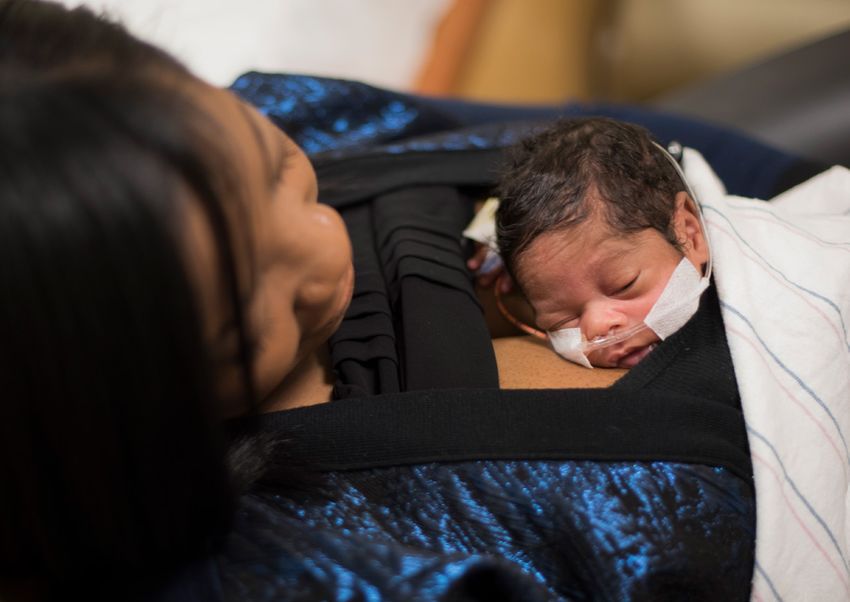
4   |   Foreword

                                                                                               Family visiting Children’s National
                                                                                               for our expert care

OUR                    Three hospitals serve as “backbone” partners in this work: Children’s National Hospital,
                       MedStar Health, and Sibley Memorial Hospital. The Foundation selected these hospitals
PARTNERS               because they not only demonstrate excellence individually, but also because they
                       demonstrate the ability to partner effectively. Strengthening these existing partnerships
                       will provide the foundation needed for creating a comprehensive, integrated, culturally
                       responsive, and sustainable parent-child health system in Washington, DC. Moreover, these
                       hospitals also bring a strong and diverse set of collaborations with community-based
                       health providers, who are crucial partners in this work.

                       Community-based health providers serve as critical partners in the work of major hospital
                       systems because these providers focus their full attention on families within a given
                       neighborhood or cultural community, bringing unique levels of insight and connection with
                       families. Furthermore, local providers often have developed other non-medical wraparound
                       supports for families, highlighting the relationship between health and wellbeing and
                       non-medical support services. As such, this complementary partnership between major
                       hospital systems and community-based providers will greatly benefit patients. Recognizing
                       this value and synergy, the Clark Foundation is also investing millions of dollars to leverage
                       and strengthen the capacity of these community-based partners, including investments
                       in Community of Hope, the Early Childhood Innovation Network (ECIN), Greater DC Diaper
                       Bank, Mamatoto Village, and Mary’s Center for Maternal and Child Care. Attachment 1
                       includes a description of these providers and investments.

The Parent-Child Health Initiative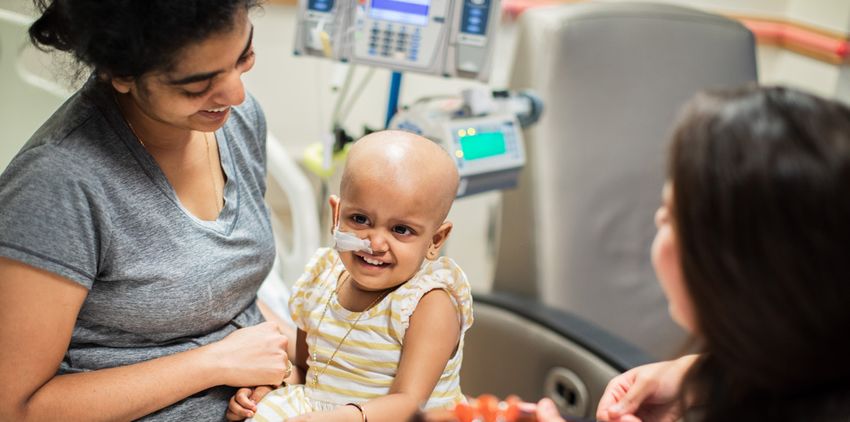
Foreword      |   5

TAKING THE   The Clark Foundation recognizes that building a better parent-child health system will
             require much more than one investment or one initiative. This work will require further
NEXT STEP    partnerships among many other community stakeholders over a generation, and the
TOGETHER     Foundation aims to play its part to help medical experts and community partners tackle
             the current challenge at the present time. In addition, the Clark Foundation recognizes that
             to carry on this work into tomorrow, many more investments of time, talent, and funding are
             needed. To that end, the Foundation partnered with the aforementioned backbone hospital
             partners to assemble this document, which aims to accomplish four important goals:

             highlight the great work already underway by our health care professionals and
             community partners;

             identify the systemic gaps that limit their ability to reach families in marginalized
             communities;

             recognize innovations and new collaborations that will be supported by the Clark
             investment; and

             invite greater involvement of clinicians, funders, and other stakeholders to invest
             further in this collaboration to build a comprehensive, integrated, culturally responsive
             system of parent-child support for all families in the District of Columbia.

             These four areas will receive a full exploration at a virtual gathering facilitated by the Clark
             Foundation, to be held on October 1, 2020. This gathering includes health care partners,
             other funders, and community stakeholders so that, as a community, this conversation
             advances collective efforts to build on the existing strengths—and address the gaps—
             in our parent-child health system. More information on this gathering is available at
             ClarkParentChildHealth.org.

             To advance the health care improvements outlined in this document, Children’s National
             Hospital, MedStar Health, and Sibley Memorial Hospital are committed to strengthening
             their collaboration with each other—and other community-based health providers—in order
             to fortify key building blocks of parent-child health outlined in this report. As a starting
             point, this enhanced collaboration will produce specific, shared goals that these partners
             will work toward. Partners will share these goals, and the progress made toward them, with
             funders and other community stakeholders through publications and events supported
             by the Clark Foundation. Through this collaboration, the Clark Foundation believes that a
             comprehensive, integrated, culturally grounded and culturally responsive system of parent-
             child health support serving all families in the District of Columbia will become a reality.

                                                                   The A. James & Alice B. Clark Foundation

             Children’s National Hospital | MedStar Health | Sibley Memorial Hospital | The A. James & Alice B. Clark Foundation
6   |   Foreword

The Parent-Child Health Initiative
SECTION 2

                                         A Shared
                                         Vision and
                                         Action Plan

Staff caring for an infant in Sibley’s
                                                       7
Silberman Special Care Nursery.
8 | A Shared Vision and Action Plan
THE Despite myriad resources and infrastructure present in DC hospitals, and the efforts
of many committed and passionate health providers, DC parents and children living in
CHALLENGE marginalized communities* continue to suffer from poor health outcomes that often result
from adverse social determinants of health. These social determinants include unhealthy
Major Health Risks environmental conditions, substandard housing, inadequate educational opportunities, and
Exist for Parents low levels of community safety.
and Children in
According to multiple studies and the American College of Obstetricians and Gynecologists
Washington, DC
(ACOG), Black women** are three- to four-times more likely to die from childbirth-related
complications than non-Hispanic white women, even when accounting for socioeconomic
status and levels of education. In the nation’s capital, we face one of the highest maternal
mortality rates in the country, at more than 50% higher than the national average.
Newborns are also ten-times more likely to die in DC’s poorest neighborhoods compared
to areas of greater wealth. These inequities result from multifactorial causes including
structural and interpersonal racism, disparate access to care, and disproportionate disease
burden in some communities.
ACOG acknowledges that racial bias within the health care system also contributes to the
disproportionate number of pregnancy-related deaths among women of color. National
data suggests that caregivers spend significantly less time with women of color, ignore their
symptoms, dismiss their complaints, and undertreat their pain. These inequities persist
regardless of socioeconomic status or ability to pay for care. Inequitable access to care
continues to be problematic for many women due to structural inequities in the health
care system. Nearly half of non-Hispanic Black women did not receive pregnancy care in
their first trimester, and one-in-twenty received no prior prenatal care.
A rise in maternal morbidity and mortality also parallels the rise in medical co-morbidities
in the pregnant population, including hypertension, obesity, and diabetes, which are largely
driven by social, environmental, economic, and other systemic factors that promote
disease, as well as limited access to measures that promote health. When looking at
2015-2016 data, for example, there were 19,425 total births in DC, of which 5.5% (1,072) of
mothers suffered from gestational hypertension, 3.4% (662) had gestational diabetes, and
* In this document, the phrase “marginalized communities” refers to people in groups and
communities that experience discrimination and exclusion because of unequal allocation
of resources and power across economic, political, social, and cultural dimensions. This
includes communities with parents and children who belong to a number of groups with
historically marginalized or minoritized identities.
** In this document, the words “women” and “mothers” are used to refer to pregnant or
parenting people of reproductive age assigned as female at birth, while recognizing
that this gender identity does not apply to all people who are pregnant and/or are of
reproductive age.
The Parent-Child Health InitiativeA Shared Vision and Action Plan | 9
Snuggling with mom during an inpatient 19.2% (3,737) were obese prior to pregnancy. And, based on national data, it is estimated
visit at Children’s National
that approximately 10 to 15% (1,941- 3,885) of these mothers experience perinatal mood or
anxiety disorders.
These maternal health challenges can contribute to disparate health outcomes for the
newborns in DC. Of the 19,425 births during 2015 and 2016, 10% (1,960) were born with
low birthweight (10 | A Shared Vision and Action Plan
THE Many environmental and systemic factors contribute to poor health outcomes for parents
and children, particularly among families living in marginalized communities. Washington,
CAUSES DC has long been known as a “tale of two cities,” where sections of the city provide grocery
stores, hospitals, safe housing, and safe streets, and other neighborhoods offer relatively
Many Environmental, little of this basic infrastructure. These inequities stem from current and historical policies
Social, and Systemic and practices that create and reinforce racial segregation and economic barriers to wealth.
Factors Contribute As a result, the well-resourced areas of DC are predominantly White, and the low-resource
areas are predominantly Black and Latinx.
to Poor Parent-Child
Health Outcomes
Given these unequal environments, families living in marginalized communities face greater
health challenges, and these problems are compounded by the limited accessibility of
quality health care. These inequities existed before the coronavirus pandemic, and it is now
clear that this pandemic produces higher levels of disease, death, and economic hardship
in marginalized communities. These adverse social determinants of health deserve intense
focus from our community, our government, and the philanthropic sector, and the scope of
this work exceeds the capacity of one initiative. Therefore, the Parent-Child Health Initiative
focuses on DC’s health care delivery system.
The Parent-Child Health InitiativeA Shared Vision and Action Plan | 11
Despite the best efforts of committed clinicians, health care providers face myriad
challenges in their attempts to improve perinatal outcomes for parents and children in
marginalized communities. These challenges include:
Insufficient focus on prevention. Much of our health system prioritizes the
reactive treatment of disease rather than health promotion, disease prevention, and
early intervention that are crucial for parent-child health.
Transportation and location of services. Our health system generally requires
patients living in marginalized communities to travel from their home to a provider
location that is often difficult to reach.
Racial and cultural barriers. Our health system provides limited training to
help clinicians understand the vitally important cultural backgrounds and practices
of parents and children in marginalized communities. For example, the history
of American medical care includes many instances where people in marginalized
communities have been abused and exploited by physicians and researchers. As a
result, there is often distrust and mistrust that prevents people of color from seeking
and receiving culturally responsive care from clinicians.
A disconnect between physical and mental health. Our health system has
traditionally prioritized physical health and often fails to recognize the inextricable link
between physical and mental health. When the system recognizes this connection, the
system infrastructure often fails to support clinicians and patients in accessing mental
health care services.
Fragmentation of services and data. Families often access health care from
providers at multiple locations with different patient record and billing systems,
resulting in inadequate communication between clinicians, uncoordinated care, and
redundancy of services.
Financing system. Too often, this system pays insufficient attention to the
ways that insurance enrollment and retention, coverage of services, sustainable
reimbursement, and a focus on prevention can yield better health outcomes and cost
savings in health care financing.
These barriers contribute to poor health outcomes for many parents and children
living in the District, especially those in marginalized communities. Our community, our
policymakers, and our philanthropic sector play an important role in supporting efforts
for improvement. While the Clark Foundation recognizes that this will be the work of many
stakeholders over many years, the Foundation understands that there is a crucial window of
opportunity today to accelerate the pace of progress to the benefit of parents and children
living in our community. This progress will set the stage for system transformation over time.
Promoting critical baby bonding for families
in Children’s National’s top-ranked NICU
Children’s National Hospital | MedStar Health | Sibley Memorial Hospital | The A. James & Alice B. Clark Foundation12 | A Shared Vision and Action Plan
THE As part of its DC Initiatives, the A. James & Alice B. Clark Foundation commits to improving
maternal and child health and early education in our nation’s capital. The Foundation
PARENT- recognizes that a child’s early years provide a springboard to opportunity and a healthy,
CHILD thriving future, and will help ensure that DC families have the supports they need in the
early years of children’s lives to help pave the way for optimal growth and development.
HEALTH
To advance this commitment, the Foundation partnered with leading health care providers
INITIATIVE to launch the Parent-Child Health Initiative. This initiative aims to advance innovation and
integration of health services among selected health providers, and enhance collaboration
Toward a among hospitals to accelerate movement toward a comprehensive, integrated, culturally
Comprehensive, responsive system of support for these families—a system that leverages and coordinates
Integrated, Culturally all District health resources in a way that significantly improves parent-child health
outcomes and reduces health inequities in DC.
Responsive System of
Parent-Child Support
More specifically, this initiative seeks to strengthen collaboration across large hospitals
and funders, and across specialty areas of health care, to improve parent-child health
throughout the phases of parent-child development, beginning with pre-pregnancy health.
This collaboration focuses on strengthening key system-of-care components that are crucial
to improving health services and outcomes for parents and children, as illustrated below:
Crucial Collaborations and Areas of Focus for the Parent-Child Health Initiative
Health Care Providers
Large Hospitals Community-based Health Providers
Specialty Areas Phases of Parent-Child Development
Women’s Health
Healthy
Behavioral Health Healthy Healthy Healthy
Parent-Child
Pediatrics Women Pregnancies Births
Primary Care Development
Social Work
Building Blocks for a Stronger System of Care
Community health Social determinants
Cultural responsiveness
navigators of health
Community-base Effective health care Innovative approaches to
Integration of services
health services payment models screening and diagnosis
Coordination of data collection Telehealth and Social determinants
and utilization the digital divide of health
The Parent-Child Health InitiativeA Shared Vision and Action Plan | 13
These investments provide ground-breaking innovation that will produce significant results for women and children in
Washington, DC. In addition, they will set the stage for development of a comprehensive system of parent-child health
supports in the nation’s capital. To highlight the frontline professionals leading this work, Attachment 2 includes a list of key
leaders from Sibley, MedStar and Children’s National hospitals..
As part of this initiative, partner hospitals are launching the following innovations
MedStar Health
MedStar Health launched Safe Babies, Safe Moms (SBSM), which will (1) develop and implement innovative methods of
analyzing health data to identify risk factors for poor perinatal health outcomes among women living in marginalized
communities, and (2) enhance and integrate targeted service delivery to improve these outcomes.
More specifically, this initiative will:
Screen 11,500 pre-pregnant, prenatal, and Help women ameliorate conditions that contribute
postpartum women over five years for adverse health to poor health outcomes such as housing instability,
and adverse social determinants of health conditions unsafe neighborhoods, inadequate income, poor
nutrition, and difficulty accessing medical care
Offer enrollment to the SBSM continuum of care to
at least one-third of screened participants and flag Expand access to ultrasound and specialized fetal
existing conditions for patient education/intervention medicine in community settings to support enhanced
care for high-risk pregnancies
Provide several tiers of treatment availability for
co-morbidities, including diet-controlled diabetes, Provide mothers with evidence-based education
hypertension, obesity, and mental health regarding birthing options and provide postnatal care
with a target of decreasing Cesarean-section births
Enhance staffing, ultrasound technology, and
telehealth resources (including remote biomonitoring) Create systems for data integration that result in
to allow closer monitoring of clinical risk factors efficient screening, enrollment, and tracking from
general provider level to back-end screening and
Pursue innovations that have shown promise in intervention data reporting
other settings to alleviate the stress of marginalized
communities Identify and measure economic costs to all
stakeholders, including patients, families, payers,
Provide reproductive planning and maternal risk communities, society, and providers
information to increase the number of informed
mothers and planned pregnancies Calculate return on investment of the initiative (i.e.,
cost of the intervention compared to cost savings) and
examine the design of alternative payment models
Children’s National Hospital | MedStar Health | Sibley Memorial Hospital | The A. James & Alice B. Clark Foundation14 | A Shared Vision and Action Plan
Children’s National Hospital
Children’s National Hospital (CNH) launched the Clark Parent & Child Network, a coordinated set of innovative
enhancements to health care for parents and children living in marginalized communities.
This initiative will include:
Community Health Educator & Outreach Core, Whole Bear Care, which will expand integrated primary
through which place-based child and family advocates, care behavioral health services through specialist
under the leadership of an experienced clinician, and training and workforce development
from the “home base” of the pediatric medical home,
will provide outreach, connect families with young Early Childhood Mental Health (ECMH) Specialty
children with services and wraparound supports, teach Program (now known as the Early Childhood
self-advocacy skills, and help address adverse social Behavioral Health Program), which will create a
determinants of health community-engaged and comprehensive early
childhood mental health specialty center that can
DC-wide Community Network for Mother-Baby serve as a training ground for ECMH clinicians and
Wellness, which will provide universal maternal expand local workforce capacity
mental health screening during and after pregnancy,
interventions for those identified as at-risk, and early Healthy Generations, which provides comprehensive
interventions for children whose mothers experienced health care and wraparound services for teen parents
mental health disorders during pregnancy and their young children through community-based
primary care and intense case-management services
Incubator for Discovery and Innovation, which will
include a state-of-the-art Prenatal Clinical Trial Unit Unstuck and on Target: Preschool, which will adapt
and Infant Cognitive Lab to test, refine, and rapidly and evaluate an evidence-based program for early
disseminate evidence-based screening, diagnosis, and childhood education centers to help preschool-
interventions that support mother-baby wellness age children improve their ability to regulate their
in our community, and create a new frontier in emotions, behavior, and thinking, and prepare them for
prenatal pediatrics school success
Hospital-wide Caregiver Mental Health Screenings to Extension for Community Healthcare Outcomes
identify postpartum caregivers struggling with mental (ECHO) Autism Model, which will increase access to
health disorders in CNH’s emergency departments, best practice autism care, including evidence-based
NICUs, and across the hospital system screening and diagnostic procedures, by enhancing
community providers’ knowledge and competence in
autism-specific service delivery
The Parent-Child Health InitiativeA Shared Vision and Action Plan | 15
Sibley Memorial Hospital
Sibley Memorial Hospital launched the Maternal Health Access Program, which will expand early identification of women at
higher risk of adverse outcomes, establish a clinical care coordination program, and develop innovative methods to monitor
pregnancy with the goal of improving both maternal and neonatal outcomes in the District. Sibley Memorial Hospital and the
Johns Hopkins University School of Medicine (JHUSOM) Department of Gynecology and Obstetrics will partner with federally
qualified health centers, and other community-based partners to implement six components of the Maternal Health Access
Program, which are:
Enhance access to prenatal and high-risk care Address adverse social determinants of health by
by partnering with community-based providers offering support services in conjunction with access to
to leverage digital technology and improve early clinical care
identification of high-risk pregnancy conditions
Enhance health equity by providing Sibley staff and
Improve access to and involvement with prenatal clinicians with education regarding reproductive justice
care by leveraging digital health technologies to and health equity to ensure that culturally appropriate
monitor patients outside of system visits, enhance and equitable care is provided to all patients
access to care for women at higher risk of adverse
outcomes in partnership with the JHUSOM Maternal Enhance community outreach and community
Fetal Medicine practice at Sibley, and increase early education by supplying, in partnership with
identification of women at higher risk of adverse community-based organizations, place-based
outcomes through screening protocols developed in education and support groups to expectant and new
collaboration with community-based partners parents, and by supporting community partners in
advancing their missions to improve maternal health
Enhance inpatient care by providing enhanced and wellbeing in the District
antepartum, delivery, and postpartum services for
high-risk mothers. In addition, Sibley will enhance
services provided for the most fragile newborns
Staff caring for an infant in Sibley’s
Silberman Special Care Nursery.
Children’s National Hospital | MedStar Health | Sibley Memorial Hospital | The A. James & Alice B. Clark Foundation16 | A Shared Vision and Action Plan The Parent-Child Health Initiative
A Shared Vision and Action Plan            |   17

KEY                                                          The work of building a comprehensive, integrated, culturally responsive parent-
                                                             child health system in Washington, DC requires new levels of collaboration and
AREAS OF                                                     partnership—across specialties within hospitals, across hospitals, and between
INNOVATION                                                   the health system and communities. Many great collaborations and partnerships
                                                             already exist, but many more are required.
AND
                                                             As a critical part of its investment in individual hospital systems, the Clark
COLLABORATION                                                Foundation invited each grantee partner’s team to share their ideas on the key
                                                             systemic challenges that must be addressed in building a comprehensive parent-
Innovations that Set the Stage                               child health system. This dialogue served several purposes: to spotlight the great
for System Transformation                                    work already underway by our health care professionals; to identify the systemic
                                                             gaps that limit their ability to reach families in marginalized communities; to
                                                             recognize the new innovations and collaboration that will be supported by the
                                                             Clark investment; and, to invite greater collaboration of clinicians, funders, and
                                                             other stakeholders to invest further in building a sustainable and impactful
                                                             system of parent-child support for all families in the District of Columbia.

                                                             Each hospital team highlighted significant programmatic and systemic
                                                             challenges that they will focus on as part of the Parent-Child Health Initiative, and
                                                             commits to:

                                                              a)    build on and expanding existing collaboration with other health
                                                                    institutions to share knowledge and accelerate the enhancement of
                                                                    supports for mothers and babies;

                                                              b)    strengthen capacity for engaging community members in the
                                                                    co-creation of new programmatic approaches; and

                                                              c)    translate the lessons learned from their innovation to inform the
                                                                    development of a comprehensive, integrated, culturally responsive parent-
                                                                    child health system.

                                                              In preparation for launching the Parent-Child Health Initiative, the following key
                                                              areas of collaboration have been identified. These are presented in no particular
                                                              order, and this list is not exhaustive of all priority areas to be addressed. That
                                                              said, this list of priority areas represents key building blocks for assembling a
                                                              parent-child health system. Historically, these areas have not received sufficient
                                                              attention because they require a shift away from traditional health care models
                                                              or practices, and toward a more community-centered and patient-centered
                                                              approach that prioritizes the needs and experiences of parents and children in a
                                                              new way.

A newborn feeling the love and getting stronger
at Children’s National’s top-ranked NICU

                                                  Children’s National Hospital | MedStar Health | Sibley Memorial Hospital | The A. James & Alice B. Clark Foundation
18 | A Shared Vision and Action Plan
Cultural Responsiveness
It is widely recognized in the health field that racial bias and lack of understanding
regarding the impact and importance of cultural knowledge among clinicians drives
inequities in the quality of care received by people of color. The effects of structural and
interpersonal racism and implicit and explicit biases that are implicated in many health
inequities are more likely than race itself to be related to elevated perinatal risk. Health care
providers must recognize the critical need to address the racism and implicit biases that
contribute to health inequities. Recognizing and examining one’s own prejudice and bias,
partnering with diverse groups of advocates, and addressing the ways in which health care
systems perpetuate inequity will drive better health outcomes.
Multiple frameworks have been developed as a way to guide health providers in
understanding the importance and influence of culture in the provision of health care.
Cultural awareness is often a starting point at which providers become familiar with cultural
attributes of a group or community they are caring for. Cultural sensitivity then pushes
providers to build upon their awareness by adopting behaviors that will serve patients more
effectively. Cultural competency is a stage at which systems align with cultural needs and
mores of a treatment population. Cultural humility is a practice where providers balance
power dynamics, adopt the stance of lifelong learners, engage in authentic partnership
with patients, and take a patient-centered approach in all aspects of care. In this document,
cultural responsiveness is used as an umbrella term to reflect the work of providers as they
grow along this continuum.
It is important to note that none of these frameworks should imply that members of a
culture or community are monolithic. Broad assumptions and generalizations applied
to individuals based on race, gender, nationality or culture of origin, or suggestions that
cultural understanding is a technical skill that one can master, have been shown to result in
problematic care provision as well.
Families participating in a Cooking Matters
class with The FITNESS (Fun In Teaching
Nutrition and Exercise to Successful
Students) program, which partners with
local schools and families interested
in health transformation to provide a
yearlong, comprehensive, multi-disciplinary
nutrition and physical activity management
program. This intervention will be used
in the Safe Babies Safe Moms Initiative
to address nutrition education and
weight management. (Medstar Health)
The Parent-Child Health InitiativeA Shared Vision and Action Plan | 19
All three hospital partners are committed to building on their existing work in these areas
through multiple efforts, including:
At MedStar, all professionals involved in SBSM will receive racial equity training to
help identify implicit biases and understand how they impact care, and to develop
mitigation strategies and change their daily practices and interactions with patients.
Cultural responsiveness training will also be a cornerstone of SBSM, allowing health care
professionals to establish more respectful communication with and understanding
of their patient base. Culturally responsive materials will be developed to support
provider-patient communication and improve the experience and quality of care.
Sibley will provide physicians, nurses, and support staff within Women and Infant
Services at Sibley with training around racial equity and unconscious bias to ensure
that every patient and family member is treated with dignity and respect.
Children’s National Hospital will provide continuing and regular education around
racial equity, bias and disparities in health care, and systemic racism to all hospital staff
and trainees as a part of a broader initiative focused on diversity, inclusion, and equity.
Additionally, individual project teams may offer more individualized and in-depth
training, including opportunities for shared learning and discussion. Parents and local
community leaders engage in shaping the development of the initiative in both the
prenatal and infant toddler pillars to promote co-creation and combat systemic racism
through the development of more equitable processes.
Going forward, each hospital team recognizes that it will be important to define a collective
approach to racial equity and training about cultural responsiveness for all health care
professionals across the District.
Cultural competence spans all clinical disciplines, and we should reduce duplication
of effort across specialties. For instance, we are working with DC Health to provide
continuing education for credit for pharmacists as part of the DC Center for Rational
Prescribing (DCRx) Program.This may be an opportunity to make this type of
content available throughout the District for all providers and a model for consistent Deliya Banda Wesley,
development. This would allow the District to provide more coordinated, ongoing PhD, MPH
training, and not just “one-and-done” training. Scientific Director for Health Equity Research
MedStar Health Research Institute
Children’s National Hospital | MedStar Health | Sibley Memorial Hospital | The A. James & Alice B. Clark Foundation20 | A Shared Vision and Action Plan
Community Health Navigators
For many families, accessing the health system can be complex and difficult. Health
navigators play a crucial role in helping families access needed care, understand the
complexity of the system, and coordinate care across providers. All three hospital partners
commit to enhancing their community navigator staff through multiple efforts, including:
Children’s National will create a Community Health Educator & Outreach Core,
where place-based child and family advocates, under the leadership of an experienced
clinician, and from the “home base” of the pediatric medical home, will provide
outreach, connect families with young children with services and wraparound supports,
teach self-advocacy skills, and help address adverse social determinants of health.
Funding from the Clark Foundation will endow this component and will create an
impactful and sustainable partnership with the community.
Sibley will hire a high-risk patient care navigator, who will partner with physicians to
engage in outreach and develop referral relationships with community providers. The
navigator will help coordinate prenatal testing for patients who come to Sibley by
facilitating the collection of medical records, arranging transportation, and coordinating
all aspects of patient care and communication. The navigator will also partner with
providers to develop educational materials for providers and patients to support
their care.
We envision embedding one member of the Core in each of our community
health centers to ensure they are deeply connected with both the
families and local partners operating alongside us. Evidence shows how
powerful these types of positions are. But, because they are not currently
reimbursable by insurance, they are not possible without philanthropy. Lee Ann Savio Beers,
Endowing this component will create incredible, lasting support for MD, FAAP
our community.. Medical Director for Community Health and
Advocacy, Children’s National Hospital
The Parent-Child Health InitiativeA Shared Vision and Action Plan | 21
A MedStar Health nurse examines a MedStar will expand the existing work of navigators in community pediatrics. Care
pediatric patient inside the KIDS Mobile
Medical Clinic. navigators will connect individuals facing challenges with the appropriate community
and social resources and will initiate referrals to care-continuum partners. Navigators
will also work as part of the care team to facilitate postpartum, newborn/neonatal, and
lactation consultations and care, developing plans for home visits with maternal care
specialists, and expand lactation services as needed, while inpatient interventions
increase contact with in-house services.
Going forward, each hospital team recognizes the importance of not only strengthening
navigation functions within their respective systems, but also integrating the knowledge,
communication, and coordination of navigators across systems to ensure full access
and effective care for children and families. With that understanding, financing this work
through philanthropy will limit the effectiveness and sustainability of this work, therefore
more systematic financing solutions will be required.
Navigators connect each family to resources in the community and to the rest of
the health care system that are critical for optimal health. Navigators are the glue.
For effective community health system transformation, these linkages need to
be personalized. The patients must feel comfortable and cared-for as individuals.
Across DC, all navigators and outreach coordinators who are part of this community Janine A. Rethy,
health system we are building need to know each other well, and know how to MD, MPH, FAAP
connect their patients with limited effort. These personal connections are the secret Division Chief, Community Pediatrics
sauce, and investing in developing these linkages and maintaining connections with MedStar Georgetown University Hospital
regular trainings and meetings will be the key.
Children’s National Hospital | MedStar Health | Sibley Memorial Hospital | The A. James & Alice B. Clark Foundation22 | A Shared Vision and Action Plan
Adverse Social Determinants of Health
It is widely understood that the conditions in which people live and work impact their
health and wellbeing. Substandard housing, community violence, environmental toxins,
inadequate access to healthy food options, limited and costly public transportation, and
community-level stress resulting from institutional racism are known to drive poor health
outcomes. Therefore, the effectiveness of traditional health care will be limited if it does not
work to mitigate the effect of adverse social determinants of health on patients. All three
hospital partners commit to enhancing efforts to address these social determinants of
health through multiple efforts, including:
Sibley will establish a fund to support patients and families who receive obstetric
services, with a particular focus on those from marginalized communities. This fund
will address non-clinical aspects of providing care to mothers and babies who are in
Sibley’s care and within the community. The fund will support transportation to and
from maternal and family medicine appointments for qualifying patients. Additionally,
the transportation fund could also be used to help families visit an expectant mother
who has been hospitalized prior to delivery or for mothers who experience barriers in
traveling to Sibley to visit their baby in the Special Care Nursery. The fund will also be
used to provide necessary supplies and services that patients and families need to
support a safe discharge and transition home from Sibley.
Children’s National will address adverse social determinants of health by providing
navigators to support expectant and new mothers’ mental health through the DC-
wide Mother-Baby Wellness Network. Children’s National navigators will also conduct
outreach, connect families with young children with services and wraparound supports,
teach self-advocacy skills, and address adverse social determinants of health. As
members of the community trained in this role, they will offer an accessible, familiar
presence in Children’s National’s clinics, in partner schools, and with other collaborators.
Their presence will complement the hospital’s parent navigators, who work specifically
Our dedicated staff will also work to help patients address issues such as
domestic violence, food insecurity, housing, transportation to and from
postpartum care and newborn checkups. For babies who are discharged
from the NICU, the case coordinator and social worker will assist families
in arranging for any services that are required following a hospital stay, Hasan A. Zia,
including obtaining medical equipment, making follow-up appointments, MD, MBA, FACS, Interim President
and ensuring that families have basic supplies to care for a newborn Sibley Memorial Hospital
at home.
The Parent-Child Health InitiativeA Shared Vision and Action Plan | 23
Giving babies the earliest start to good with families who have children with complex special health care needs, and the family
health at Children’s National
service coordinators in Children’s HealthySteps program. Additionally, many of the
individual components of the Clark Parent & Child Network have embedded additional
care navigation supports into their initiatives.
MedStar will screen all women of childbearing age, regardless of pregnancy status,
for risks known to directly impact maternal and infant outcomes, including adverse
social determinants of health. In addition to screening, interventions will be enhanced.
These interventions include proposed future innovations around direct cash transfers
and food delivery that have shown promise in other settings to alleviate the stress
of marginalized communities, which is known to be a significant contributor to poor
maternal and infant outcomes. Interventions will also include a highly successful
screening and tiered-response program including a medical/legal partnership
examining adverse social determinants of health to identify systemic barriers that
impact these determinants and provide community referrals, social and legal support
for improved access to health insurance, housing, special education, and nutrition. As
additional interventions become available, MedStar facilities will integrate innovative
screening, co-located care, and concrete resources to support interventions across the
health specialties.
Going forward, each hospital team recognizes that mitigating adverse social determinants
of health is crucial to preventing disease and promoting the health of parents and children,
and, therefore, hospitals must partner more effectively with health care providers across
the continuum as well as communities service providers, governmental agencies, and other
stakeholders to improve access to nutrition, safe housing, and economic resources.
Children’s National Hospital | MedStar Health | Sibley Memorial Hospital | The A. James & Alice B. Clark Foundation24 | A Shared Vision and Action Plan
Community-based Health Services
Having the time, resources and support needed to travel to physician offices for health care
support presents a major barrier to early, consistent, and high-quality parent-child health
for families with low incomes. To address these challenges, all three hospital partners
commit to enhancing community-based health services through multiple efforts, including:
MedStar’s KIDS Mobile Medical Health center and school-based health centers have
been providing place-based primary care in Wards 6, 7, and 8 for 27 years. MedStar
will expand and enhance its health care footprint and services in the community,
including plans for an integrated health clinic. In addition, it will expand its longstanding
care partnership with community health centers, including parent-child health care
partnerships with Community of Hope, Mary’s Center, Unity Health Care and Kaiser
Permanente, as well as home visiting for pregnant women and newborn babies with
Mamatoto Village. Enhancing these programs and partnerships with other service
providers in the community health system will ensure that women of child-bearing
age are more effectively screened for risk factors, and that prenatal and perinatal care
and pediatric care will be accessed in a consistent, coordinated, and caring way. This
approach will include enhanced and expanded opportunity for use of midwife services,
which has been shown to improve outcomes for many historically marginalized
communities.
The health system needs to stop trying to get people to come to us to get their
health care. It is egocentric and arrogant. We have to figure out how to bring
preventive health care and the right cultural competencies and technology to make
it work. An academic health system needs to be part of the solution as a new wave
integration into the community. Local clinics are a good first phase, but the next Neil J. Weissman,
phase is in churches, health clubs, and homes. MD, FACC, FASE
Chief Scientific Officer, MedStar Health
President, MedStar Health Research Institute
The Parent-Child Health InitiativeA Shared Vision and Action Plan | 25
We will use the data generated by the Innovation Incubator to inform the
DC community of the most effective and evidence-based screening and
intervention tools for pregnant women at risk for mental health problems,
to guide policy and advocacy initiatives that will pursue billing/financing
mechanisms to promote the long-term sustainability of the screening Catherine Limperopoulos,
and interventions that are implemented, and to support universal access PhD
to prenatal and postpartum mental health care, and break down existing Director, Developing Brain Institute,
barriers to access. Children’s National Hospital
Children’s National will partner with a broad array of community health providers
with a goal of providing universal maternal mental health screenings during and after
pregnancy, providing interventions for those identified as at-risk for mental health
disorders, and delivering early interventions for infants and children whose mothers
experienced mental health disorders during their pregnancies. The Whole Bear Care
program will also expand primary care behavioral health services through specialist
training and workforce development at community sites. The Early Childhood Mental
Health Specialty Program will create a community-engaged comprehensive early
childhood mental health specialty health center that can serve as a training ground
for clinicians and expand local workforce capacity. And the Extension for Community
Healthcare Outcomes (ECHO) Autism Model will increase access to best-practice
autism care, including evidence-based screening and diagnostic procedures, by
enhancing community providers’ knowledge and competence in autism-specific
service delivery.
Sibley has committed to partner with community-based organizations, supply
place-based education and support groups to expectant and new parents, and
support community partners in advancing their missions to improve maternal health
and wellbeing in the District. Sibley has begun discussions with community partners
to better understand how the hospital can support them in meeting the needs of
the larger Washington, DC community. Currently, the hospital provides support to a
number of community partners through sponsorships, donations, and participating in
outreach events. This work will continue and be ongoing to inform additional avenues
for program development in partnership with the community. Sibley is also committed
to exploring place-based options to expand access to care for mothers at higher risk
for future health problems. Key components of this place-based strategy will center
around delivering community education and holding support groups. Sibley will explore
opportunities to provide postpartum depression screening and support, lactation
support, and infant care education within local communities.
Children’s National Hospital | MedStar Health | Sibley Memorial Hospital | The A. James & Alice B. Clark Foundation26 | A Shared Vision and Action Plan
Innovative Approaches to Screening and
Diagnosis
Health providers face a major challenge in accurately identifying which mothers and babies
are at higher risk for future health problems, and in providing preventive support to avoid
those problems. To improve the screening process, hospital partners will develop new data
algorithms for identifying maternal risk factors more effectively, research fetal biomarkers
to better recognize risk factors among newborns, and work with community partners to
enhance screening.
Children’s National will launch an Incubator for Discovery and Innovation, which
will refine, test, and rapidly disseminate evidence-based screening, diagnosis, and
interventions that support mother-baby wellness in our community, creating a
new frontier in prenatal pediatrics. The Incubator will establish a robust, currently
unavailable infrastructure for tracking outcomes of mother-baby wellness programs
and create a safety net for patient retention in the community.
Strategies include:
• identifying the most reliable and culturally acceptable survey(s) for prenatal
maternal mental health screening tools for resourced and under-resourced
pregnant women and their children;
• identifying prenatal biomarkers that predict long-term adverse outcomes in
infants at risk;
• identifying the most effective behavioral interventions in resourced and under-
resourced pregnant women associated with a reduction in pregnancy-related
complications/outcomes;
• establishing and implementing comprehensive databases and telehealth mental
health monitoring approaches within the DC community; and,
• advancing dissemination and knowledge translation of key findings.
MedStar will deploy screening algorithms to identify women at higher risk for future
health problems so that they may participate in a continuum of care with a care
coordination team that will support access and follow-up. This algorithmic screening
of electronic medical records (EMR) will identify patients demonstrating the highest
number of health risk factors in order to more effectively target screening efforts.
MedStar projects screening 11,500 pre-pregnant, prenatal, and postpartum women over
five years, and at least one-third of this group will be offered enrollment in the program’s
continuum of care. Working smarter, not harder, this algorithm will identify all women
of childbearing age engaged in any MedStar health care service and in community
partner agencies with data sharing agreements in Washington, DC. Women can enter
The Parent-Child Health InitiativeA Shared Vision and Action Plan | 27
the system of care from many more points of care than were previously considered,
expanding opportunities for care. Using this algorithm will make it possible to pinpoint
patients who are likely to need intervention, with little-to-no-increased effort on the
part of the health system itself. Thus, the “screening” volume will far exceed what would
otherwise be possible, and the resulting women and their infants who are identified in
need of interventions will be seamlessly moved into the system of care.
Sibley will Increase early identification of high-risk patients through screening
protocols developed in collaboration with community-based partners. This will include
regularly scheduled peer-to-peer telemedicine consultation with community-based
partners to review new patients and identify those deemed to be at increased risk for
poor pregnancy outcomes. Following assessment of relevant medical, nonmedical, and
contextual factors patients deemed to be at increased risk for experiencing pregnancy
complications will be co-managed with the maternal fetal medicine team. Additional
screening tests may be employed to include sonographic cervical-length surveillance
to identify those at highest risk for preterm birth, early screening for gestational
diabetes, early screening for preeclampsia risks, screening for postpartum hemorrhage
risks, and screening for genetic diseases. Identifying patients at increased risk for
such complications allows for early intervention to decrease these risks and manage
complications.
Staff caring for an infant in Sibley’s
Silberman Special Care Nursery.
Children’s National Hospital | MedStar Health | Sibley Memorial Hospital | The A. James & Alice B. Clark Foundation28 | A Shared Vision and Action Plan
AREAS FOR Despite the considerable resources devoted through the Parent-Child Health Initiative,
a number of innovations will require levels of collaboration and innovation that merit
FUTURE additional attention from philanthropists and other key stakeholders. Numerous
INVESTMENT conversations with physicians, nurses, and researchers highlighted many such needs and
the following list represents an important sample of these priorities, given the critical role
that innovation in these areas will play in developing a comprehensive system of care for
Looking Ahead to parent-child health in the District:
Unaddressed Needs
Coordination of Data Collection and Sharing
Families struggle to access health care when care providers lack the ability to share
information with each other, and this challenge results in duplication of procedures or gaps
in information needed to provide effect care. Although current efforts aim to promote
more coordinated data collection and sharing of health data among providers, many
stakeholders must come together in new ways in order to effectively collaborate in this area.
From a system level, we really need to leverage health information exchanges,
population management tools, and partnerships with DC Health and the Primary
Care Association. We need to do more to address lack of coordination and
duplication. We do it well for radiology, but we haven’t scratched the surface when it
comes to pediatrics, behavioral health, and other areas. Michelle Roett, MD, MPH
Associate Professor
Georgetown University School of Medicine
The Parent-Child Health InitiativeYou can also read


