Magazine the voice of remote health - support 52 educate 58 professional 64 connect 70 - CRANAplus
←
→
Page content transcription
If your browser does not render page correctly, please read the page content below
Aboriginal and Torres Strait Islander readers are advised that this publication may contain images of people who have died.

    connect
    support
    educate
professional
                                                                                                                              the voice of remote health
                                                                                                                                                           magazine

70
64
52
58
                                                                                                                                                                          issue 115 | spring 2019

                                                                                                                                                            RRP: $10.00
from the editor
                                                        Avid readers of this magazine will know that this is our very first edition since the
                                                        departure of long-time editor, Anne-Marie Borchers. Talk about big shoes to fill!
                                                        During her time at CRANAplus Anne-Marie nurtured this ‘little industry rag’ to
                                                        become the influential and widely-read resource that it is today. She leaves behind
                                                        a legacy that we will honour by maintaining the quality and story-telling approach
                                                        that is intrinsic to this magazine.
                                                        It is fitting that this happens to be the Spring edition; a time of new beginnings.

Passion. Purpose.
                                                        I’d like to take this opportunity to introduce you to the team that will be bringing
                                                        the magazine together from now on. Our Marketing Manager, Gretchen Martins,

Influence. Impact.
                                                        will have oversight and coordinate content and timelines. Gretch has taken to this
                                                        like a ‘duck to water’ with this first edition and deserves to be congratulated.
                                                        We will continue to rely on exemplary contributions from freelance journalist
                                                        Rosemary Cadden. Rosemary has been doing this work for CRANAplus for many years now and must
                                                        take some credit for the fine standing the publication enjoys today. Some of you will have had the
                                                        pleasure of being interviewed by Rosemary, as I have. How about that gorgeous accent! I could listen
                                                        to her delightful Scottish lilt all day.
                                                        Bringing the magazine together in an eye-catching and visually appealing way is terrific freelance
                                                        graphic designer, Alison Fort. Like Rosemary, Alison has been helping CRANAplus with this for many
                                                        years. We love the unique look and feel she has cultivated with the magazine and look forward to
                                                        that continuing.
                                                        So grab a cuppa, find a nice spot in the Spring sun and enjoy this edition.
38th CRANAplus Conference
QT Canberra, ACT                                        Bye for now,
14-16 October 2020                                      Amelia Druhan
                                                        Chief Operating Officer
                                                        CRANAplus

                                                        Email: publications@crana.org.au                                    CRANAplus graciously acknowledges the Australian
                                                                                                                            Government Department of Health for making this
                                                        Phone: (08) 8408 8200 | Fax: (08) 8408 8222
                                         REMOTE         CRANAplus Magazine, PO Box 127, Prospect SA 5082
                                                                                                                            magazine possible through grant funding.
                                         DOESN’T MEAN                                                                       CRANAplus’ Patron is The Hon. Michael Kirby AC CMG.
Watch for full details, coming soon to   ALONE          Every effort has been made to ensure the reliability of content.
                                                        The views expressed by contributors are those of the authors        About the Cover: Outgoing CEO Christopher Cliffe
www.cranaconference.com                                 and do not necessarily reflect the official policy or position of
                                                        any agency of CRANAplus.
                                                                                                                            meeting with the Patron of CRANAplus, The Hon. Michael
                                                                                                                            Kirby AC CMG. Read our feature artice on page 20.

                                                        Magazine circulation 60,000.

                                                        1
from the ceo
                      Dear CRANAplus Members and Stakeholders

                      Welcome to the latest edition of the CRANAplus magazine: I am very
                      fortunate to write this to you as newly appointed CEO, as it is a privilege to
                      have the opportunity to represent such an iconic and respected organisation.
                      And as so much communication is now online, it is also refreshing to be able
                      to share this hard-copy resource with you. The magazine has a wide circulation
                      and it is a great means to connect with you and disseminate interesting and
                      thought-provoking articles.

                      As you flick through the pages of this issue, you will find that it is full of
                      inspirational stories and opinions featuring a varied range of topics from birth
                      through to aged care. This diversity in content represents the uniqueness of
                      the working environment across rural and remote Australia. I’m sure you will
especially enjoy the article featuring our outgoing CEO Christopher Cliffe being interviewed by our
Patron Michael Kirby. The big smiles in the photograph capture the warm friendship which has
developed between them through the shared commitment to improving remote health.

                                                                                                                                                                                                                            Photo: Courtesy of NRSHN.
CRANAplus is well placed as the peak body for the remote and isolated health sector to represent
the workforce through a number of national advisory groups, steering committees and working
parties, as well as developing our own position statements. In this edition, we have provided you
with an overview of our recent engagements. As part of our commitment to ongoing advocacy, over
the coming months we will be inviting our members to join us to participate in various stakeholder
groups to enable your voice to be heard and represented.
As the magazine goes to press, we are gearing up for our conference in the Hunter Valley. The program
has a fabulous line up of presenters and I am looking forward to another outstanding event. For those     Sponsor a
of you who like to plan their professional development well in advance, mark the CRANAplus 2020
conference in your diary for 14–16 October next year.                                                     Scholarship
Cheers
                                                                                                          The remote health workforce
Katherine Isbister                                                                                        of the future needs your support
CEO, CRANAplus
                                                                                                          Kickstart a student’s career
                                                                                                          Here’s your chance to boost the career of a future health professional and support the remote health workforce.
                                                                                                          By sponsoring a CRANAplus Undergraduate Clinical Placement Scholarship you will be giving a student
                                                                                                          first hand experience of working in a remote setting.
                                                                                 facebook.com/CRANAplus   As a Sponsor, you or your organisation:
                                                                                                          •   can have naming rights of the Scholarship
                                                                                                          •   can nominate a preferred health discipline (e.g. nursing)
                      CRANAplus acknowledges the Aboriginal and Torres Strait Islander Peoples
                                                                                                          The Scholarships offer financial assistance (to a maximum of $1000) to support undergraduate students
                      as the traditional custodians of Australia, many of whom live in remote areas,
                                                                                                          in placements across all states and territories and are available to all health disciplines.
                      and we pay our respects to their Elders both past and present.
                                                                                                          Donations over $2 are tax deductable.

2     CRANAplus magazine issue 115 | spring 2019                                                          For more information email scholarships@crana.org.au
To the volunteers who
                                                                                                       continue to give of their
                                                                                                       own time and their skill to
                                                                                                       educate and support others,
                                                                                                       they are truly a backbone in
                                                                                                       our organisation. With your
                                                                                                       contribution we truly are
                                                                                                       a recognised entity across
                                                                                                       the Australian health sector
                                                                                                       and recognised by opinion
                                                                                                       leaders both nationally and

engage
                                                                                                       internationally.

                                                                                                       I acknowledge and thank our Patron Justice
                                                                                                       Michael Kirby AC CMG who, like others, has also
                                                                                                       given his time, advice and expertise to support
                                                                                                       our organisation in its pursuits.

                                                                                                       We have much to be
gratitude and congratulations                                                                          grateful for and proud
                                                                                                       about with the very busy
My period on the Board of
CRANAplus for eight years, most
                                                   Over the years we have met many challenges,
                                                   sometimes at a delivery level and sometimes
                                                                                                       behind the scenes crew.
in Vice President capacity and the                 at a funding level, but with a firm direction       Fellow Directors, also volunteers, your
last three years as Chair, has seen                and strategy in place CRANAplus has been            commitment and your, at times, challenging
much change and growth for the                     a stand out.                                        debate demonstrates your passion over
organisation. To the Members and                                                                       these years and made my experience rich
                                                   The staff, a number being long-term, have
fellow Directors, past and present,                                                                    and unrivalled. During my time on the Board,
                                                   demonstrated commitment to the membership
I thank you for the confidence in your                                                                 you have all been generous in sharing your
                                                   by meeting the deadlines, making the subject of
vote and nominations over that time.                                                                   knowledge and welcoming of many opinions
                                                   interest more interesting, getting behind an idea   and I remain grateful for that collegiality
In my first year as Chair, we purchased our        and making it real, and by remaining in-tune        and constructive bond.
Cairns base office and this last year saw the      with the collective.
purchase of our Adelaide base office. These                                                            My heartfelt congratulations to all for an
                                                   We have much to be grateful for and proud           outstanding organisation that stands on solid
acquisitions are a sure sign of future-proofing
                                                   about with the very busy behind the scenes          ground. I look forward to participating as a
the organisation for sustainability.
                                                   crew. Congratulations to Christopher Cliffe for     fellow member going forward and wish the
The organisation’s programs and services           leading such a great organisation and taking up     Board, staff and volunteers the very best now
continue to expand on the three main principles    the agendas that often set a challenging path,      and into the future.
of education, support and professional             all done with conviction and determination.
                                                                                                       Best regards
representation access for the remote health        And congratulations to Katherine Isbister
workforce and now includes an emerging             who has been appointed to the CEO role              Paul Stephenson
approach for the rural health workforce.           with Christopher’s recent resignation.              Chair, CRANAplus Board of Directors

4     CRANAplus magazine issue 115 | spring 2019                                                                           the voice of remote health   5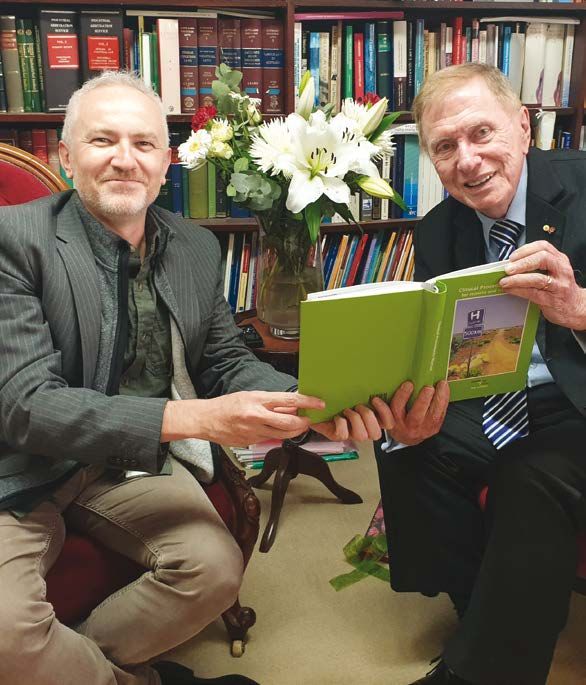
the virtual reality of dementia
In collaboration with Dementia                     At the end of the workshop participants had a
Australia, the CRANAplus After Hours               better understanding of:
Aged Care Project, funded by the
                                                   •   a consumer’s perspective of dementia
Northern QLD Primary Health Network,
successfully delivered seven Enabling              •   how to identify support needs in partnership
Educational Dementia Immersive                         with the client and their carer
Experience (EDIE) workshops to four
                                                   •   how to develop a dementia support plan
Residential Aged Care Facilities
(RACF) in June.                                        that focuses on enabling a person living
                                                       with dementia.
Reaching 91 aged care workers, this unique
and engaging presentation uses virtual reality     Feedback overall was incredibly positive,
technology to enhance participants’ knowledge      particularly from the smaller RACFs that rarely can
of the impact of dementia.                         engage in face-to-face learning opportunities.

The aim of the workshop is to better understand    For staff at Mt Kooyong Nursing Home in
dementia from the perspective of the consumer      Julatten, the experience was profoundly
through an EDIE. This three-hour workshop          touching as a high proportion of their residents
introduces a ‘reablement’ approach, focusing       are Aboriginal and Torres Strait Islanders,
positively on what people can do, given            who are impacted by dementia at higher
appropriate support, and on the possibilities      rates and at a younger age than the broader
for living well with dementia.                     Australian population.

6     CRANAplus magazine issue 115 | spring 2019                                                         the voice of remote health   7
Are you looking for a sea change and a better quality of life whilst
                                                                                                                                     expanding your experience? Norfolk Island offers a relaxed lifestyle
    Dementia prevalence is estimated                 In 2019, people with dementia account for
                                                                                                                                     surrounded by sandy beaches, rolling hills, Norfolk Island pines
to be two to five times higher among Aboriginal      52% of all residents in RACFs (Dementia
                                                                                                                                     and spectacular scenery. When living and working on Norfolk
and Torres Strait Islander people than among         Australia, 2019) therefore, education and
non-Indigenous people, yet despite these
                                                                                                                                     Island you become part of a beautiful community.
                                                     training will clearly play an important role
higher rates, it still goes largely unrecognised     in raising awareness of dementia, focusing
in communities and by health workers and             positively on what people can do, when              Norfolk Island Health and Residential Aged Care Service (NIHRACS) is recruiting:
service providers (Dementia Australia, 2018).        appropriate support is made available, and on
                                                     the possibilities for living well with dementia.
                                                                                                               REGISTERED NURSES - NORFOLK ISLAND
Whilst in general people are aware of
                                                                                                        NIHRACS is a multipurpose service including a General Practice Clinic, Outpatients,
dementia, the Enabling EDIE workshop helps           CRANAplus would like to thank Amanda
participants understand dementia and what                                                                Emergency Service, Acute Beds and Residential Aged Care. We are seeking Full-
                                                     Warman, the Education Facilitator from the
it is, and what it is not.                           Centre for Dementia Learning, for her dedicated
                                                                                                            time Registered Nurses with Acute Care and General Nursing experience.
Workshop participants recommended this               and passionate effort in delivering these          SELECTION CRITERIA:
training for all people working with dementia        workshops to RACFs in Far North Queensland.
residents or clients, stating “…the more you                                                                      Current registration as a Registered Nurse/Midwife with the Nursing &
                                                     For further information contact:
know the better you can be as a worker”... “…it      Lisa Crouch
                                                                                                                  Midwifery Board of Australia;
should be provided across the board in all areas,    Project Officer – Aged Care                                  Demonstrated high level written and verbal communication, interpersonal
including when updating a dementia facility or       CRANAplus                                                    skills and the ability to identify key messages, issues and concerns when
home service”… “the virtual reality of seeing
                                                     Email: Lisa.couch@crana.org.au                               communicating with others;
what it is like for a person living with dementia,
                                                     Or                                                           Demonstrated ability to proactively engage with patients/clients to enhance
actually demonstrates the concepts”.
                                                     Amanda Warman
                                                                                                                  service delivery and to guide others in providing service excellence;
The most resounding feedback was that this           Education Facilitator
                                                     Centre for Dementia Learning™
                                                                                                                  Demonstrated ability to work as part of a multi-disciplinary team and apply
training should be made available to all staff,
no matter what role they may be in from the          Dementia Australia                                           professional and ethical boundaries when dealing with complex situations;
kitchen to the front desk, as it is relevant.        Email: Amanda.Warman@dementia.org.au                         Basic computer skills and proven ability to use health information systems ;
                                                                                                                  Detailed knowledge and understanding of risk management, safety and
                                                                                                                  quality principles and the role of the Registered Nurse/Midwife in applying
                                                                                                                  these principles.
                                                                                                        Please forward a cover letter addressing the selection criteria along with your CV
                                                                                                        and contact details of two referees addressed to Phyllis Evans, Nurse Unit Manager,
                                                                                                        to email: toni.kelly@hospital.gov.nf

                                                                                                        For enquiries call (0011) 6723 22091

                                                                                                        Only those successful for an interview will be contacted, applicants must have rights to live and work in
                                                                                                        Australia and successful applicants will be required to submit the results of a recent National Police
                                                                                                        Check.

8     CRANAplus magazine issue 115 | spring 2019                                                                                                                                   the voice of remote health   9
advocacy and engagement
In preparing our annual report for                              With our permanent presence in Canberra we
2018/2019 we reviewed all of the                                can, and do, take full advantage of this. In
representations that CRANAplus                                  July we formally met with the new minister
made on behalf of its members and                               responsible for rural health The Hon. Mark
the broader remote health sector                                Coulton, and the new Shadow Minister for
throughout the year. In total, we                               Health The Hon. Chris Bowen.
were present at over 50 sector events
                                                                One thing certain to amplify our ongoing efforts
including workshops, symposia,
                                                                in Canberra is if CRANAplus members engage
consultations and working groups.
                                                                politicians in their own electorates. Advocacy
In addition to these one-off events CRANAplus                   at the grass roots level like this can be just
has representation on 34 ongoing committees                     as powerful as our efforts at getting remote
related to remote and rural health. For an                      health on the political agenda. All elected
organisation of its size we are punching well                   representatives, both state/territory and federal,
above our weight. This is really important for                  are well aware that their future is decided by
our sector as you know the saying… if you are                   the voters in their electorates. Not everyone
not at the table then you are on the menu!                      knows that, as a voter, they have a right to
                                                                request meetings with elected representatives.
The opening of our small Canberra office has
                                                                Listening to you is actually part of their job.
enhanced our capacity to engage with our
political stakeholders. When Parliament is sitting              Perhaps now more than ever it is easy for us
there are plentiful informal opportunities to be                to be cynical about politicians, but I caution
in the same room as influential politicians.                    this approach. It has been my experience that

                                                                                                                       Outgoing CEO Christopher Cliffe and newly appointed CEO Katherine Isbister meeting with the Shadow Health Minister,
                                                                                                                       The Hon. Chris Bowen.

                                                                                                                       if you create an opportunity to sit down and                    the resource includes links to finding out who
                                                                                                                       have a calm and informed discussion then most                   your elected representative is, how they have
                                                                                                                       politicians do try hard to understand the issues                voted on matters in the past and how to address
                                                                                                                       that are important to you.                                      them. It even includes some email and letter
                                                                                                                                                                                       templates to use.
                                                                                                                       If you haven’t done it before and are looking for
                                                                                                                       some advice on where to start then we’d like to                 I have always been inspired by the words of
                                                                                                                       help. CRANAplus has developed a step-by-step                    Arthur Ashe, “Start where you are; use what you
                                                                                                                       resource for remote health workers – Getting                    have; do what you can”. If you need help along
                                                                                                                       Remote and Isolated Health on the Agenda in                     the way please don’t hesitate to give me a
                                                                                                                       Your Electorate. You will find it on our website                holler at amelia@crana.org.au
                                                                                                                       at https://crana.org.au/advocacy/what-matters-
                                                                                                                       to-us/advocacy-guide                                            Good luck!

Outgoing CEO Christopher Cliffe and newly appointed CEO Katherine Isbister meeting with the new minister responsible   As well as practical advice on the when, where,                 Amelia Druhan RM
for Rural Health, The Hon. Mark Coulton.                                                                               how and why of engaging your local politician,                  Chief Operating Officer, CRANAplus

10     CRANAplus magazine issue 115 | spring 2019                                                                                                                                                              the voice of remote health    11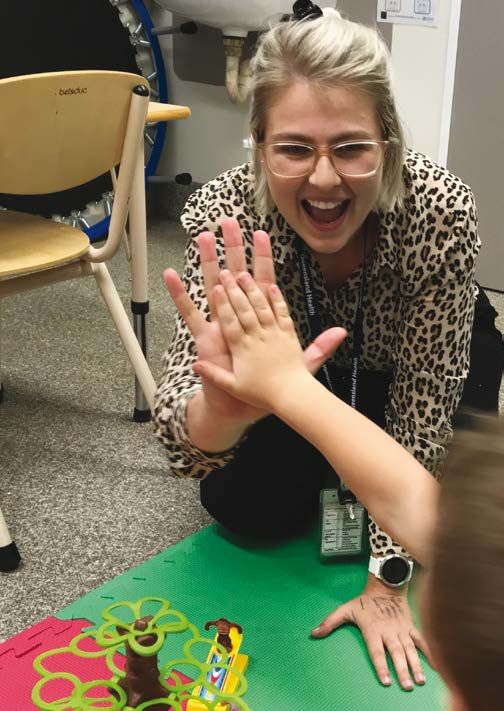
have a word with your local
speech pathologists
Torres and Cape Hospital and Health                “People with communication disability are also
Service speech pathologists are keen
to get the word out about their services
                                                   less likely to have a non-school qualification
                                                   (42%), than those without communication
                                                                                                              “Like mobility or
around the region.                                 disability (61%).                                          wheelchair access,
“Following on from Speech Pathology                “Like mobility or wheelchair access,                       communication access
Week in August, which had the theme
‘Communicating with Confidence’, we want
                                                   communication access allows people with                    allows people with
to continue to reach out to Torres Strait, Cape
                                                   communication disorders to get their message
                                                   across by removing barriers to effective
                                                                                                              communication
York and Northern Peninsula Area residents         communication or providing extra support                   disorders to get their
to let them know about our services and
what we can do for them,” Senior Speech
                                                   and strategies.                                            message across…”
Pathologist Tanya Govey said.                      “That’s what speech pathologists are trained
                                                   to help people with.
“My colleagues and I are here to help adults
and children with any swallowing and               “Our speech services begin with initial screening
communication problems.”                           for communication and swallowing disorders.
Ms Govey said the Torres and Cape HHS              “We then continue with assessment and
employed three speech pathologists who             diagnosis and then consultation to provide
delivered services right across the region.        advice regarding management, intervention,
“There’s myself here on Thursday Island for        and treatment.”
the Torres Strait and Northern Peninsula Area,     Ms Govey said it was vital to tackle problems early.
along with Mia Hosking in Cooktown and Emily
Witten in Weipa for the two sides of the Cape,”    “Early talking skills are important for success in
she said.                                          school as we know that weak language skills
                                                   in the preschool years will likely cause lower
“On Thursday Island, I also enjoy the support of
                                                   achievement in later years,” she said.
my Education Queensland speech pathologist
colleague Emma Trimble in providing services       “Early interventions to increase talking and
right across the Torres Strait region.             understanding skills can significantly increase
                                                   later success in school.
“We’re all here to help adults and children with
any communication and swallowing problems.”        “As speech pathologists, we all try to encourage
Ms Govey said more than 1.2 million Australians    and show families how to play, read and
have a communication or swallowing disorder        yarn with their children to help prevent some
that impacts on their daily life and could         communication problems from developing.
affect their confidence in day-to-day activities   “In a hospital setting, where we also work,
and interactions.                                  we can help people with eating, drinking and
“Only 38% of Australians with communication        swallowing problems that might arise with
disability are participating in the workforce      certain conditions. We also provide counselling
compared with 80% of people without                and follow-up services for whatever related
communication disability,” she said.               problems clients are experiencing.”                    Weipa Integrated Health Service speech pathologist Emily Witten – reading helps build speech and communication skills.

12    CRANAplus magazine issue 115 | spring 2019                                                                                                                                                   the voice of remote health      13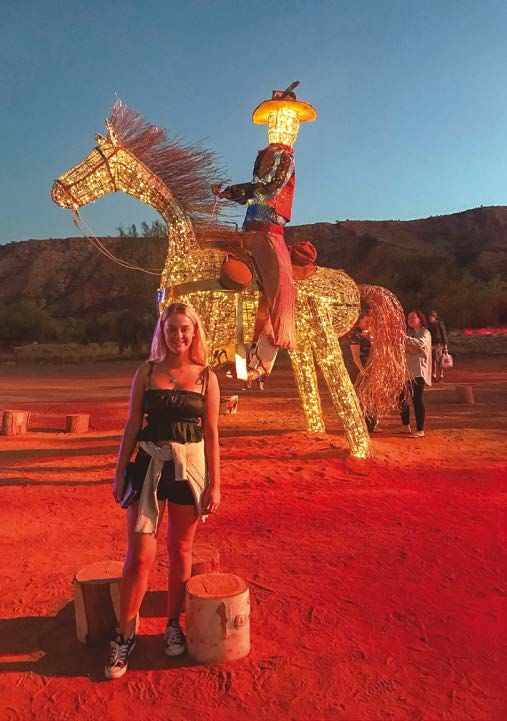
Education Queensland speech pathologist Emma Trimble (left) and Torres and Cape HHS senior speech pathologist Tanya Govey.

                                                                                                               Ms Govey said speech pathologists could                      • Eating and drinking. Some people are
                                                                                                            help with the following:                                          born with conditions such as a cleft palate,
                                                                                                            • Communication. You need to be able to                           autism, or cerebral palsy; have an accident
                                                                                                              make sounds, words and then sentences.                          or a condition like Parkinson’s which affects
                                                                                                              You need to know the rules of putting words                     their ability to safely eat, drink and swallow.
                                                                                                              together and also when to talk or not.
                                                                                                                                                                            • Babies and children feeding. Some babies
                                                                                                            • Saying sounds. Some children take longer to                     have difficulties feeding. A child may have
                                                                                                              learn to use the right sounds in words. Some                    trouble transitioning to solids or have sensory
                                                                                                              adults have slurred speech or dysarthria as a                   difficulties which make them avoid eating. We
                                                                                                              result of neurological conditions.                              can provide strategies and support for helping
                                                                                                            • Reading and talking. It is important to                         these little ones to eat safely and enjoyably.
                                                                                                              identify difficulties early as these skills are
                                                                                                                                                                            Ms Govey urged residents throughout the
                                                                                                              essential at school and for life.
                                                                                                                                                                            region to ask her or her colleagues for ideas
                                                                                                            • Listening. When children have ear infections,                 to help with any of those issues.
                                                                                                              they may develop hearing problems which
                                                                                                              can affect how they learn to talk.                            “As you can see, we do a lot more than just help
                                                                                                                                                                            people get their words out and we are always
                                                                                                            • Talking. Some people have difficulties
                                                                                                                                                                            happy to chat about any concerns you may
                                                                                                              effectively using their voice and producing
                                                                                                                                                                            have,” she said.
                                                                                                              fluent speech (e.g. stuttering).
                                                                                                            • Alternative communication. Some people                        Contact Tanya Govey on Thursday Island
                                                                                                              are born with or acquire conditions that make                 on 4030 6188, Mia Hosking at Cooktown on
                                                                                                              it very difficult for them to talk. We can help               4043 0170, Emily Witten at Weipa on 4082 3987
                                                                                                              these people find ways to communicate                         and Emma Trimble at Tagai Primary School
Cooktown Multipurpose Health Service speech pathologist Mia Hosking – there are many ways to communicate.     other than talking.                                           on Thursday Island on 4030 6504.

14     CRANAplus magazine issue 115 | spring 2019                                                                                                                                                   the voice of remote health    15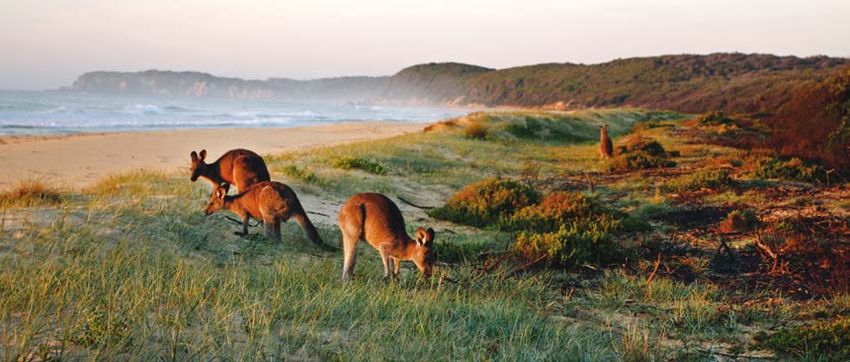
member insights

community engagement is the reward
Good communication skills are
paramount for new government
                                                   “…the locals are
service workers arriving in a remote               incredibly astute about
Indigenous community. So says
paramedic Mandy Barr, who has
                                                   body language. Before
21 years’ experience under her belt.               they’ve even had one
“Newcomers have to learn to look                   interaction with you,
around at their environment,” says Mandy,          they generally will
currently Officer in Charge (Paramedic) of the
Queensland Ambulance Service in Doomadgee,         already have gathered
an Indigenous community in the Gulf of             some perceptions about
Carpenteria, near the NT border – her third
spell in this community.                           you as a person.”
“They may notice Indigenous people who don’t       Difficult as communication can be, Mandy
have good eye contact or verbal communication      says she loves the community engagement.
skills. But they need to be aware that, on the     “Most rewarding is when people feel
opposite side, the locals are incredibly astute    comfortable enough to ask you to help
about body language. Before they’ve even had       them understand what the doctor is saying.
one interaction with you, they generally will      Or family members outside the hospital
already have gathered some perceptions about       look to you to explain what’s happening
you as a person.”                                  inside to ease their anxiety.

16    CRANAplus magazine issue 115 | spring 2019                                                the voice of remote health   17
managing STIs in remote communities
“I am returning the favour of the locals
helping me adapt my practices and understand
their cultures.
“We can all do a general induction, ticking Sexually transmitted infections (STIs)
the boxes to pay someone’s wages,” says are an important public health issue
Mandy. “But you need local induction, local in remote Aboriginal and Torres
people giving you local information.” Strait Islander communities. Rates of
gonorrhoea, chlamydia and trichomonas
Mandy currently works with an Indigenous are high (www.health.gov.au/
cadet undertaking a Certificate IV, who will sexual-health). A syphilis outbreak in
move onto university studies. “That’s the aim,” Queensland 2011 has now spread across to come for a check. Appropriate consents are
she says, “for Indigenous people to take over the Northern Territory, Western Australia sought and education provided about what
these jobs.” and parts of South Australia (https:// STIs are, how they spread, how to stay safe
www.health.gov.au/internet/main/ and treatment provided, if needed, by RANs.
“Everything is outside publishing.nsf/Content/ohp-infectious-
My role has been to support regular staff
syphilis-outbreak.htm).
the square and you have including Townsville, Magnetic Island, Palm during the intense screening period. This has
to adapt to what you Island, Bowen and Charleville.
Those who were able to attend the 2018
CRANAplus Conference in Cairns would have
included educating young people about safe
sex, conducting STI screening, explaining about
have available, whether “Everything is outside the square and you have heard Professor James Ward’s thoughtful contact tracing and treatment, reassuring
and inspiring address providing suggestions
it’s equipment or people to adapt to what you have available, whether
it’s equipment or people available to help,” she for the way forward in addressing these
patients about confidentiality, processing
pathology specimens for either point of care
available to help…” says. “It’s unpredictable. The people who help challenges in remote Aboriginal and Torres
Strait Islander communities (http://www.
testing or transport to the nearest laboratory,
can include the local SES, a local volunteer to and liaising with the screen co-ordinator
Mandy started her career on the Gold drive the ambulance or someone on the cattle cranaconference.com/2931). and other staff.
Coast, where it was ‘exciting and a fast station where you’ve been called out to help
It is core business for Remote Area Nurses
learning ground’, but was soon arriving carrying equipment and everything else. In Untreated STIs have terrible long term
(RANs) to conduct sexual health screening,
in her first remote posting at Cunnamulla remote areas, we always have the police as consequences including infertility and
initiate treatment within their scope of practice
in South West Queensland. co-workers and can call on them to help, plus systematic diseases. Most people do not
and ensure adequate follow up is in place, says
people from local government organisations. experience symptoms and remain unaware
“I was very nervous but excited to be working Remote Area Nurse/Midwife Lyn Byers, who is
they have an STI. NHC has had a high focus on
on my own in a one-person station,” says “Every day has its challenges in a remote also one of our Board members. “Over the past
STI management for many years and this has
Mandy who has since worked all over the State, location. Even today. It’s what I like about it.” few weeks I have been working with Nganampa
resulted in substantially reduced rates.
Health Council (NHC) in the remote APY lands
of South Australia.” An Aboriginal Community They are to be congratulated for this. I have
Controlled Health Organisation, NHC has seen had a great time working with communities,
a significant reduction in the rates of STIs clinic staff and other support people during
in the population it services. Management the weeks of intensive screening.
of STIs is built into core clinical workload
(http://www.nganampahealth.com.au/). All RANs and midwives working with remote
Aboriginal and Torres Strait Islander populations
In addition, every year NHC has a six week need to be aware of the high burden of STIs
focus on screening all the population aged and ensure they have the skills to provide
between 14–40 years for STIs. During the six best care for those that present. This includes
weeks, all clinical staff put extra emphasis on education about sexual health, offering
sexual healthcare, extra community members opportunistic screening, knowing appropriate
are recruited to assist with interpreting and treatment regimes and ensuring adequate
cultural brokerage, extra clinical staff are follow up is in place.
utilised to focus on STIs, and most importantly,
community members are engaged and focused Lyn Byers, Remote Area Nurse/Midwife
on supporting their young people in particular Board Member, CRANAplus
18 CRANAplus magazine issue 115 | spring 2019 the voice of remote health 19member insights
midwifery in the outback is to provide information about latest research
and midwifery skills and opening up discussion.”
Sally’s inspiration, she says, comes from the
midwives she works with. Her background also
includes teaching, research and study. A current
Sally’s regular experience with birthing is
ACT Midwife of the Year for 2019, Sally – the inequities in resources, the challenges of project, in conjunction with Professor Jeanine
distance, the socioeconomic challenges. particularly useful for upskilling rural and remote
McRae, is an ideal facilitator for our Young from University of the Sunshine Coast,
midwives. “Mothers generally go to a central
MIDUS midwifery upskilling course. “I am left in awe of what rural and remote involves the use of Pepi-pods, first introduced
hospital when it comes time to give birth, so
But Sally insists she benefits just as health workers do, the way they have to work in Christchurch after the earthquakes for
many remote midwives have only occasional
much as the participants. autonomously and think on their feet, and women needing a safe sleeping space for
experience with birthing,” says Sally. “Often
get creative!,” she says. “One of my favourite their newborn babies.
“I am living vicariously through the amazing when a baby decides to come along early,
remote nurses and midwives by becoming things is to hear the stories of the health
additional issues can crop up, such as neonatal “They are useful for women who have had
involved in CRANAplus courses,” says Sally, professionals I meet.
resuscitation, pre-eclampsia or bleeding. Regular caesarean sections and are immobile and
whose family is firmly entrenched in the ACT “Occasionally a midwife will agree with the refreshing of the skills we need to manage these want to keep their baby close by, and they
for the next few years. best practices being taught – theoretically. And situations is invaluable for all of us.” are beginning to be used in rural and remote
then point out they don’t have the necessary settings,” says Sally. “We know babies don’t
“My interest in rural, remote and Indigenous
health developed around the time my family
equipment,” says Sally. “That makes you
appreciate having everything on hand. Back
“I am left in awe of what settle away from their mother and I am
went to Darwin for a six-month working holiday
where I worked at Royal Darwin Hospital as a
in the city, I have to say I feel quite spoilt.” rural and remote health particularly interested in the lactation angle.
It’s hard to establish breastfeeding if you can’t
midwife. As a city dweller from down South, Conducting two MIDUS courses in her first year workers do, the way they keep close to your baby.”
I had little connection with or understanding as a facilitator – at Yarrawonga and Alice Springs
– Sally conceded it was “a bit daunting” standing
have to work autonomously “I am surrounded by midwives of the highest
of the history of Indigenous Australia and it
really hit me for the first time that I live in a in a room with really experienced rural and and think on their feet, calibre, the type of people who see a need
for change and then just get on and make it
truly ancient land with ancient cultures. remote midwives. “They have a vast amount of
experience, and it was important to encourage
and get creative!” happen somehow,” Sally says. “Midwives who
“Since then I’ve wanted to connect more discussion, to share experience and wisdom.” are incredibly woman-centred, who always go
Sally says of winning the Midwife of the Year
with that.” in to bat for the women they work with, which
Participants in the MIDUS courses appreciate award: “To be honest, you question whether you
can be challenging in our institutionalised,
Sally says her current experiences as a facilitator the networking and peer support as well as the deserve it, but also really appreciate it. It means
interventionist system.
have once again been a huge eye opener to the upskilling, particularly the hands-on stations, a lot to me that my work place would go to the
complexities and challenges of remote health says Sally. “What I have to offer as a facilitator trouble of putting in a nomination.” “That is what inspires me.”
20 CRANAplus magazine issue 115 | spring 2019 the voice of remote health 21feature article
a rare commodity MK: I want to know what made you
decide to work for the organisation.
Effectively you decided to give your
that is going to have a good outcome, there
was always a receptive ear politically and
within departments. Maybe in retrospect, it
Christopher Cliffe reveals his views to a conference. The conferences are the working life to CRANAplus. would have been good to aim even higher?
on remote healthcare professionals, life blood of the organisation. They bring
CC: I was working for the RFDS in a I think the challenge has been that, despite
the CRANAplus conferences and together all these wonderful people who
all this work and effort and money to
managerial role and this opportunity came
more when our Patron, renowned share their skills and experiences, their
up. So much that the organisation wanted to improve outcomes we haven’t seen a big
human rights expert Michael Kirby, gripes, and their love of rural and remote
do, I also wanted to do. It seemed like such improvement in Aboriginal areas, the health
interviews our outgoing CEO. Australia. It’s a really tough gig out there.
a good opportunity – why pass it by? I was and in some areas, the indications are that
And a lot of these people don’t get a
MK: Christopher, do you remember so thrilled when I was offered the position. it’s worse. The fact is: rural and remote
chance to see their friends and colleagues
when you first heard of CRANAplus? health services are getting better – but the
very often. The conferences provide That was 5–6 years ago, after I’d been
burden of disease is growing faster.
CC: I was working as a remote area nurse education and support – but they also involved with CRANA in different ways.
out bush as a clinician and was invited have a really good time. In this sort of role, five years is a good
term. When an organisation is doing well, So much that the
it’s often time to move on. organisation wanted to
MK: What do you think has been do, I also wanted to do.
the best thing about working for
CRANAplus? It seemed like such a
CC: Without doubt, the people you get to
good opportunity –
meet: the really wholesome, healthcare why pass it by?
professionals doing it really tough, but doing
a fantastic job in some of the most difficult As a healthcare professional, it is quite
areas; the stakeholders too, who, through confronting. We spend our careers working in
innovation and hard work are really trying this domain – but we are not the ones who
to do the right thing. influence the changes in the big picture.
We know all about the health disparity, the The solution to the problem of health
further from the city you go, the worse your care – not only in the bush – is how
health outcomes are. And the majority of people live their lives. Employment, good
those people are Aboriginal and Torres Strait education, women’s rights, somewhere
Islanders. CRANAplus is not an organisation safe to live, good transport. If we can get
that is shying away from that. We don’t those right that’s what makes the big
always know what’s the right or the best shifts in healthcare.
thing to do but it hasn’t stopped people
MK: Do you have the next step
from having a go and I think it is a rare
lined up?
commodity. It’s still got the frontier feel –
pull your boots on and have a go. CC: There are a few irons in the fire but
nothing that’s come to fruition yet. My
MK: Is there anything that
backstop is to have some time off, time to
disappointed you about the work?
regroup. It’s important, every now and then,
CC: Good question. I think we achieved to take time to think about where you are
what we wanted. We have been really well personally as a human being in life’s
supported by government. When we come journey and where you would like to
up with a good idea, a sound, robust concept go and pursue that.
22 CRANAplus magazine issue 115 | spring 2019 the voice of remote health 23student stories
embracing cultural differences
CRANAplus Undergraduate Student difficult problems that considered culture and
Remote Placement Scholarship recipient history and were better received by patients.
Ellen Wynn recounts experiences of her I believe these skills will help me immensely
time spent in Nhulunbuy and Darwin. in the future and honestly could not even
From April to July, 2019 I completed two begin to explain how grateful I am to have
Nutrition and Dietetics placements within had this opportunity.
Top End Health Service.
In Darwin I developed, piloted and evaluated
I believe these skills
story-based pictorial resources for Aboriginal will help me immensely
patients suffering from diabetes and chronic
kidney disease to increase understanding of the
in the future and
conditions and how they relate to the person honestly could not even
reading the story. The resources were very begin to explain how
successful and are now being used in various
remote communities across the Northern grateful I am to have
Territory and some areas of Queensland had this opportunity.
by Nutritionists and Dietitians.
In Nhulunbuy I conducted a Gap Analysis of the
I learned a lot on this placement, particularly Gove District Hospital Foodservice. My project
about cultural and linguistic barriers to health was challenging and I learned a lot, particularly
promotion for Aboriginal people. I shared some around socio-economic barriers to health.
unforgettable experiences including bush
tucker cook-ups and reciprocal learning as well I learned how to communicate and work with
as visiting people in their communities and stakeholders in culturally appropriate ways and
learning about their culture and history. was given the incredible opportunity to learn
about traditional art, language, history and bush
I learned a lot on this medicine in my spare time. The communities
were very welcoming and really filled me with I also experienced social and professional Aboriginal and non-Aboriginal Australia
placement, particularly a sense of belonging. isolation and was glad to have been provided is so great. I feel inspired and motivated to
about cultural and Coming into this environment from an with CRANAplus resources which gave me continue my remote health journey and hope
linguistic barriers to urban city however was quite overwhelming. an understanding of how to manage these
feelings and seek support where required.
to gain employment in remote health and
health promotion.
I was suddenly surrounded by socio-economic
health promotion for determinants of health that I had only ever read I hope in the future that I am able to work
Aboriginal people. about in textbooks. I was overwhelmed by the I also experienced social collaboratively with Aboriginal people and
One of my favourite parts of this placement
gaps in health outcomes between Aboriginal
and Non-Aboriginal Australians and was
and professional isolation other health workers to improve cultural
competency of health professionals and find
was being able to sit with an Aboriginal person shocked to see first-hand the effects of food and was glad to have ways to address the socio-economic barriers
and have a yarn. This was where I learned the
biggest lessons and was able to understand and
insecurity on people living in remote areas. been provided with to health that I’ve now seen first-hand.
appreciate the differences between cultures.
I now have a great understanding of health CRANAplus resources… Ellen’s Scholarship was sponsored by Zeitz
outcomes in remote Australia and how to differ Enterprises and CRANAplus thanks them for their
Using this information, I was able to build my practice to work around socio-economic I am grateful for the opportunity to learn continued support of the health professionals
rapport with patients and find solutions to barriers to health. and understand why the health gap between of the future.
24 CRANAplus magazine issue 115 | spring 2019 the voice of remote health 25student stories
exceeding expectations My four-week placement at Gove District
Hospital in Nhulunbuy, Northern Territory has
by far been the most eye-opening experience
On the ward, I worked with babies, children,
teenagers and adults, allowing me to really
delve into my prior knowledge of swapping
Laura Ladhams, CRANAplus Under- When I found out that I was successful in in my life thus far. The communities surrounding from adults to babies and how they differ
graduate Student Remote Placement a remote placement my excitement went Nhulunbuy are far and wide, but prove to be the from each other in terms of observations
Scholarship recipient, writes about her through the roof. most welcoming communities that I have dealt and treatments.
placement at Gove District Hospital. with in my remote experiences. During my time at the hospital, I found a love
I had been working on getting a remote
of being able to make the patients feel as
To summarise my placement in a limited word
count is quite difficult.
placement for eight months and now that it
was happening, I could not have been happier.
During my placement comfortable as possible. To help this process
I met some of the most learning some the language that they spoke
helped significantly, to the point that I had
amazing patients and been invited to go to other communities to be
co-workers that made welcomed into their family.
the transition from I found it fascinating that learning their language
broke down the cultural barrier enough for them
being away from home to understand that I was there to help them.
more welcoming. I cannot thank my clinical
My placement consisted of two weeks in the
general/paediatric ward and two weeks in the
coordinator enough – Alicia
emergency department. During my placement Perkins, my preceptors,
I met some of the most amazing patients and the contacts at Flinders
co-workers that made the transition from being
away from home more welcoming.
University for easing the
The staff that I had the privilege of working with
transition and making the
took me under their wing and allowed me to overall experience bigger
work within my scope of practice, completing and better than I expected.
tasks that I may not have been able to complete
in other areas of Australia. It was remarkable to I cannot thank my clinical coordinator enough
come into contact with many diagnoses that – Alicia Perkins, my preceptors, the contacts at
I would not have come across in my home state, Flinders University for easing the transition and
which allowed me to broaden my knowledge. making the overall experience bigger and better
than I expected.
I found a love of being able The support I received from Margot Wall
to make the patients feel and from my family and friends helped me
through the nerves.
as comfortable as possible. I cannot say this enough, rural and remote
My roster allowed me my weekends to be able placements such as this has aided me in
to discover what Nhulunbuy had to offer, the understanding just how important rural and
beautiful surroundings, the culture and the remote nursing is, and how incredible it can be
art were all highly anticipated, and I was very to touch the surface on Indigenous health.
excited to see what the culture was like in the Laura’s Scholarship was sponsored by HESTA
surrounding communities. I got to experience www.hesta.com.au/about-us.html and CRANAplus
some amazing sights, such as Rainbow Cliffs thanks them for their continued support of the
and Memorial Park. health professionals of the future.
26 CRANAplus magazine issue 115 | spring 2019 the voice of remote health 27student stories
memories to last a lifetime pitch-darkness at 5pm in the afternoon for an
hour. Every single one of these memories
and more helped make my experience in
The clinical experience was like no other. There
really is an enormous point of difference between
working at a busy metropolitan hospital and a
CRANAplus Undergraduate Student Cycling on a calm, warm evening along the Mildura one that I will always cherish and regional one where nurses, doctors and patients
riverside with the entire night sky lit up by more something I never would have been able to really take the time to learn your name (even
Remote Placement Scholarship recipient
stars than I’ve ever seen in Melbourne. Driving experience had I solely selected all inner city as a medical student!) and where you can feel
Nik Kozlov shares his experiences from
80km along an unsealed dirt road to find myself hospitals like many of my friends had. you are really making a difference.
his time in Mildura.
at a breathtaking Aboriginal cultural site at Seeing the same people every day really made
When I submitted my rotation preferences
for my final year placements I had no idea
Mungo National Park. Crisp Saturday mornings There really is an enormous the hospital feel like a family, and I often found
at buzzing farmers markets with welcoming
what to expect when I left home for the 550km locals and the freshest most delicious fruits point of difference myself saying “Hi” to a fellow co-worker down
at the store on the weekend. I’m grateful I had
drive to the quaint riverside town of Mildura. and vegetables I’ve ever eaten. Relaxing on between working at a the opportunity to be placed in general surgery
while there.
The snap decision to preference it for my
surgical term has left me with memories
a sunny afternoon by the riverside with good
friends and wine at Trentham Estate. Getting
busy metropolitan hospital
As the hospital was the only public one for
that I know will last a lifetime. caught in a dust-storm which turned day into and a regional one… hundreds of kilometres, I saw many interesting
cases that I may not have had the chance
to observe otherwise, and had the chance
to become hands-on and assist in theatre;
something that can be rare in busier centres.
As the hospital was
the only public one for
hundreds of kilometres,
I saw many interesting
cases that I may not
have had the chance
to observe otherwise,
and had the chance to
become hands-on and
assist in theatre…
Overall it has been the most memorable
rotation of my year so far and has really
changed my outlook on working rurally.
Both in terms of clinical skills and lifestyle
experiences, I definitely recommend Mildura for
anybody who is eager to step outside of their
comfort zone and really experience what Victoria
has to offer outside of the Melbourne region.
Nick’s Scholarship was sponsored by Aussiewide
Economy Transport www.aussiewide.com.au
and CRANAplus thanks them for their
continued support of the health professionals
of the future.
28 CRANAplus magazine issue 115 | spring 2019 the voice of remote health 29student stories
a new perspective
Olivia Hawkins, CRANAplus Under- We hired bikes which we used to ride to and
graduate Student Remote Placement from placement and to get around town.
Scholarship recipient, summarises her Being one of many students up there it was a
experience at Alice Springs Hospital. great social life on the weekend. We managed
In April 2019, I made the decision to undertake a to stay connected and often all met up in our
three-week placement in Alice Springs Hospital down time. Along with this, I also found time
ICU. As a student nurse who has never worked to book a three-day camping trip tour to Uluru,
rurally I had no idea what to expect, only that Kata Tjuta and Kings Canyon. This was one
I wanted to give it a try. of the many highlights of my trip and was
an amazing experience.
My first day on the ward came as a big shock.
Being a rural environment, the health needs Furthermore, due to the high Indigenous
and issues are entirely different from what population in Alice Springs I was also gifted
I was used to, along with how to treat and with a great opportunity to learn more about
interact with the patients. This change in the culture, history and health needs of the
environment was beneficial in broadening my Indigenous community. For example, I realised
clinical skills and experience in providing care. how complex the kinship system is and the way
it comes into play in the healthcare setting.
The hospital is small. However, the work
culture is just beautiful. The staff and nurses I believe that after working in Alice Springs
were so supportive and it truly felt like a I have returned home with an entirely new
second home after my first week. perspective of Aboriginal culture and how to
Whilst I was in Alice Springs I stayed in student implement cultural safety into the healthcare
accommodation with another student from my setting. I gained a perspective that can only be
university, along with a student from Perth. developed through first-hand experience.
Furthermore, I came home with a desire to
continue working rurally once I graduate.
Having witnessed and experienced the rural
health system I feel the need to return and
continue to play my part in providing much
needed healthcare to these areas of Australia.
Overall, this experience is one that I would
Overall, this experience
recommend to any health professional. Whether is one that I would
it is a short-term or long-term commitment, the recommend to any
knowledge and skills gained are something I will
cherish for the remainder of my professional health professional.
career. I returned from Alice as a more culturally
aware, adaptable and clinically experienced
nurse. Thank you to CRANAplus for supporting
me throughout this experience!
Olivia’s Scholarship was sponsored by CRANAplus
and we find it a privilege to continue to support
the health professionals of the future.
30 CRANAplus magazine issue 115 | spring 2019 the voice of remote health 31student stories
dubbo keeps calling me back Offering women additional comfort measures
like a diffuser filled with beautiful essential oils,
calming music, a heat pack, a cool face washer
In my free time in Dubbo I went to the Taronga
Western Plains Zoo where I rode a bike around
and saw some amazing Australian animals.
CRANAplus Undergraduate Student I enjoyed the fast-paced work environment on or even something as simple as a dimly lit room I also visited the botanic gardens for a picnic and
Remote Placement Scholarship recipient the birth unit where I looked after women who and allowing the woman and her partner to went out for meals at some lovely restaurants.
Rhiannon Jones reflects on experiences had traveled very long distances and some work through the contractions in private can To arrive in Dubbo from where I live on the east
of her time spent in Dubbo. who lived just around the corner. make all the difference. coast of Australia I drove along quiet country
roads. I stopped along the way to take in the
During my placement in Dubbo, NSW,
I engaged in various maternal and infant I enjoyed the fast-paced As a student midwife my favourite time during
labour is the absolute calm before the surge of
beautiful scenery of cotton fields, waterfalls,
and rolling hills sitting on top of mirages making
healthcare services including midwifery in work environment on the contractions build up. the hills look like islands way out to sea.
the home, Aboriginal Maternal Infant Health
birth unit where I looked
Services, birthing unit, antenatal clinic and During this time, I would try to get to know
To arrive in Dubbo from
the postnatal ward. after women who had the women and their partners who would
where I live on the east
sometimes share their stories of what it is like
I gained valuable knowledge and practical traveled very long distances to live in Dubbo or in a remote area hours away. coast of Australia I drove
skills from both the midwives and the women
during this time.
and some who lived just along quiet country roads.
I was lucky enough to learn about the way
around the corner. As a student midwife
Aboriginal maternal infant health services operate In the birth suite, I spent a lot of time
my favourite time during I am returning to Dubbo for clinical placement
in the hospital for the third time later this year
and the services available to women and their
families, such as providing women with phone
monitoring women during labour and birth, labour is the absolute and I am looking forward to expanding my
knowledge on the way infant and maternal
credit and transport to and from ultrasound
but more importantly, I learnt how each
individual woman wanted to birth their baby.
calm before the surge healthcare services are provided to women
appointments and antenatal appointments.
Whether she preferred to birth her baby in the of contractions build up. and their families in rural Australia.
I gained an understanding of the importance to bath to allow the buoyancy of the water to Rhiannon’s Scholarship was sponsored by HESTA
allow women to guide the antenatal classes to hold her weight, in the shower letting the I noticed some distinct differences between my www.hesta.com.au/about-us.html and CRANAplus
encourage discussion about subjects that the hot water relieve the pain on her lower back, home town and Dubbo such as the normality thanks them for their continued support of the
women feel are important. or any other way she preferred. of seeing kangaroos on the way to hospital. health professionals of the future.
32 CRANAplus magazine issue 115 | spring 2019 the voice of remote health 33student stories
a deep sense of community
CRANAplus Undergraduate Student
Remote Placement Scholarship recipient
Rebecca Anastasia Scipione talks about
her time at Gove District Hospital.
As part of my midwifery training and transition
to professional practice, I was grateful to receive
the opportunity to spend two weeks engaged
in maternity care in Gove District Hospital and
Miwatj Aboriginal Health Centre in Nhulunbuy,
East Arnhem Land. This valuable experience
allowed me to witness first hand, the richness their homes and bringing them into the centre for
and hardship of rural remote Australia and gain antenatal care “secret women’s business”, cervical
a better understanding of encompassing cultural screening, contraception, sexually transmitted
awareness and sensitivity to guide my future infections and anemia management and
midwifery practice. treatment. Frequently, we would then transfer
as required to the hospital to get ultrasounds,
I had some wonderful experiences working
take bloods, to see doctors etc. and then
alongside local Indigenous and non-Indigenous
transport them back home or to the shops.
healthcare workers, and learnt about the distinct
healthcare issues (diabetes, malnutrition)
and the prevalence of rare diseases, such as Walking the corridors of
Rheumatic Heart Disease, scabies, tapeworms
and Melioidosis.
Gove District Hospital we
In Nhulunbuy, women receive a unique model of
are treated to the colour
continuity of care as they see the midwife in the and beauty of the local
community for the duration of their pregnancy,
following the pregnancy, for their sexual health
Aboriginal artwork and
and most likely for consecutive pregnancies. photos of generations of
It was an honour to witness holistic and mothers and their babies
personalised care which fostered a trusting
and sacred relationship between midwife
posted along the walls.
and woman. I immediately felt part of the Walking the corridors of Gove District Hospital
community as the women I cared for I saw at we are treated to the colour and beauty of
the shops and beach and in their homes; I was the local Aboriginal artwork and photos of
immersed in their community and their culture. generations of mothers and their babies
I understand how this sanctions the aims of posted along the walls.
midwives to provide exceptional care as they
can see the benefits for months and in some The midwifery experience I gained at Gove Hospital
cases years and generations to come. and Miwatj was invaluable not only for the
provision of clinical skills, but because it provides
Midwives must be skilled in women’s sexual an ideal model of continuity of care and a deep
health, general nursing, mental health as well sense of being connected to community.
as midwifery. The midwife’s role in Nhulunbuy
is diverse, flexible and unpredictable; our days Rebecca’s Scholarship was sponsored by CRANAplus
at Miwatj consisted of searching for women, and we find it a privilege to continue to support
providing on the spot care or picking them up from the health professionals of the future.
34 CRANAplus magazine issue 115 | spring 2019 the voice of remote health 35You can also read


