Today'sTrustee REALITY CHECK - NO 'DARK CLOUD' OVER GODONGWANA COVID'S CHANCE FOR POLICY CHANGE - Today's Trustee
←
→
Page content transcription
If your browser does not render page correctly, please read the page content below
NO ‘DARK CLOUD’ OVER GODONGWANA
COVID’S CHANCE FOR POLICY CHANGE

Today’sTrustee
                               Sept/Nov 2021

     YOUR MONEY   YOUR POWER

     REALITY CHECK
Find opportunity
in change
                                                                        Investing for a
Partner with an investment manager who                                  world
                                                                        Previouslyof  change
                                                                                   Investec
                                                                        Asset Management
understands change, knows how to respond
to it and even get ahead of it. That’s when
change changes… to opportunity.

Start your investment journey
ninetyone.com/change-changes

Ninety One SA (Pty) Ltd is an authorised financial services provider.
Today’sTrustee   Today’sTrustee
                 YOUR MONEY          YOUR POWER

                 4    FIRST WORD
                      Stimulating opportunities and challenges for policy changes
                      arise from the Covid crisis. It’s essential that SA and the world
                      begin urgently to review their economic direction to avert
                      worse crises in future.

                 8    GOVERNANCE
                      There are three major threats to the operations of retirement
                      funds as they’ve been conventionally known. Between the
                      green paper from the Department of Social Development, the
                      proposals from National Treasury for partial pre-retirement
                      withdrawals, and mandatory compliance with the Financial
                      Sector Code, there’s a huge amount of movement to process.

                 14   CURRENTS
                      Warning to retirement funds on cyber security; Death of
                      magistrate perhaps ends the ‘surplus stripping’ criminal
                      trial of Simon Nash; Makhubela rings welcome reforms to
                      curatorship system; FSCA on unclaimed benefits; Fiduciary
                      role of principal officers; Gould at ASISA Academy; Henry at
                      CFA Society; Boris takes a smack on infrastructure.

                 22   COVER STORY
                      The Zuma-related “unrest” of July has clearly shown the
                      inadequacies of government at almost every level, not least
                      to proceed with the reforms that will encourage investment.
                      This was further underlined by the unimpressive evidence of
                      President Cyril Ramaphosa before the Zondo commission.
                      All of this increases the obligation of retirement funds to
                      accelerate economic progress off their own bats, especially
                      with regard to their ESG commitments.
September / November 2021

                                                                    EXPERT OPINIONS
28   TRILINEAR AFTERMATH
     Clean bill of health for newly-appointed finance minister
     Enoch Godongwana. There’s no ‘dark cloud’ over him. But
                                                                    12 LIBERTY CORPORATE

     there has been over former FSB executive officer Dube Tshidi
     who now departs from FSCA management.
                                                                    20 MOMENTUM INVESTMENTS

35   ESG PRICING
     Relative performances of companies are difficult to quantify
     in terms of ESG, explains Duncan Lamont.
                                                                    26 OLD MUTUAL CORPORATE

                                                                    32 FUTUREGROWTH

38   ACTIVISM
     Listed markets offer a focused opportunity to drive impact,
     argues Tebogo Naledi.
                                                                    43 SANLAM

                                                                    46 ASHBURTON INVESTMENTS

42   ESG ANALYSIS
     A numeric approach is too simplistic to be meanighful,
     believes Neville Chester.
                                                                    49 RISCURA

47    HEDGE FUNDS
      A star performer raises the question of whether retirement
      funds are giving sufficient attention to appropriate
      ‘alternatives’.

50   GRAVY
     Cyril waits. And waits.

4             Today’s Trustee September /November 2021

FIRST WORD
            Opportunity of
              a lifetime
    Covid is a crisis not to be missed for introduction of fundamental social
            and economic changes that will avert worse crises later.
                       Convincing arguments are presented.

P
      erceived curses can be disguised blessings.        restructures of Europe that followed the Second
      In terms of the disruptions and deaths it has      World War. So potent was the popular mood for such
      caused, Covid-19 is surely an unmitigated          slaughter to be averted in the future that a new era of
curse.                                                   international cooperation was born. Bretton Woods
    Not so, argues Oxford economist Ian Goldin. His      and the Marshall Plan were amongst worldwide
thesis in Rescue is that the pandemic has created an     initiatives that fed decades of unprecedented
“inflection point” to turn the world from calamities     prosperity.
that the pre-pandemic trajectory would have made             Then it began to fall apart as the “we” became
inevitable: increased inequalities, environmental        increasingly overtaken by the “me”. The Reagan and
desecration and other cataclysms “tearing our            Thatcher revolutions, respectively in the US and UK,
societies apart”. Desperately needed is a “radical       were exemplified by the slashing of tax rates that
change in direction” that promotes equity and            exacerbated class divisions and weakened welfare
sustainability.                                          systems.
    So radical is the recommended change that                Globally, Goldin points out, today the world’s
it equates to, and draws inspiration from, the           20 richest billionaires have more wealth than four
Today’s Trustee September /November 2021       5

billion people (half the world’s population). The
pandemic has been a boon for the ultra-rich, he
contends, because of tax-relief measures and stock-
market surges. The disparities are accentuated by the
scale of wage reductions and job losses.
    Goldin, a product of UCT, is a former chief
executive of the Development Bank SA and vice
president of the World Bank. Now the professor of
globalisation and development at Oxford University,
where he leads a programme on the future of work,
his writing is as lucid as his research is meticulous.
They make his arguments easier to read than refute.
    “The impact of the pandemic will persist long
after the health emergency itself has passed,”
Golding predicts. “Higher levels of unemployment,

                                                         Goldin . . . stimulation abounds

                                                         inequality and debt reduction will leave permanent
                                                         generational and geographical scars, with many
                                                         countries failing to achieve their pre-pandemic levels
                                                         of economic output for years to come.”
                                                            Once they do eventually return to these levels,
                                                         their composition will be different. The impact of
                                                         changing trade patterns, automation, demographic
                                                         shifts and productivity will constrain growth. They’ll
                                                         also reinforce the divides that the pandemic has
                                                         revealed.
                                                            He considers nightmarish the possibility of
                                                         returning to the purported normalcy of the pre-
                                                         Covid period because it will worsen every intricate
                                                         societal division, regionally and internationally.
                                                            On the contrary, insists Goldin: “If the pandemic
                                                         accelerates improvements in governments and
                                                         their ability to build cohesion within their societies
                                                         globally, it will have provided a vital building block
                                                         for a better world.”
                                                            What placed us on the road to ruin? He asserts
6              Today’s Trustee September /November 2021

                                                          Manuel . . . pertinent interview

                                                          u Covid has altered people’s views on what’s possible
                                                            and necessary. Their priorities concerning careers,
                                                            education, family and community have changed,
                                                            as has public perception of government actions;

                                                          u Social solidarity has been natured. There’ve been
                                                            outpourings of volunteerism and opposition to
                                                            unbridled market forces;

                                                          u Governments have been unchained from self-
that causes can be found in the current dominant            imposed limits previously applied e.g. central
economic model based on 40 years of neoliberalism.          banks have used their balance sheets to finance
It generated growing inequality, extreme poverty and        the costs of the pandemic. Even the IMF is
ecological breakdown.                                       starting to sound more like a development agency.
    What’s needed to reverse it? Higher and more
redistributive taxes; smarter governments that invest
more in education, infrastructure and industry; more
Nordic-like policies domestically, more burden-
                                                          S   o how do we get from the old mainstream to the
                                                              new?
                                                             Interviewed by former finance minister Trevor
sharing and cooperation internationally.                  Manuel on a platform that the Gordon Institute
    These solutions, he contends, might have been         of Business Science provided, Goldin anticipates
written off last year as idealistic. This year they’ve    “coalitions for change”. Civil society will coalesce in
become mainstream. The pandemic has opened a              communities, regions and institutions – including
window of opportunity for the rescue of humanity:         stakeholder as opposed to shareholder primacy –
                                                          that will lead governments as they did post-WW2.
Today’s Trustee September /November 2021                                   7

       Now, as then, it’s accepted as wrong that                                                                                          “Covid-19 can rescue humanity and provide a portal
   the younger generation be disproportionately                                                                                           to a better future. Whether we now commit to a new
   burdened by sacrifice for the sake of the older.                                                                                       and improved world, or remain set in our dangerous
   Now, for example, there’ve been sacrifices in social                                                                                   ways, is the historic choice confronting us. The
   interactions and education; then, it was in the lives                                                                                  stakes have never been higher.”
   of soldiers and foregone youth.                                                                                                           Covid has produced the historical turning
       The pandemic has shown that it is much less costly                                                                                 point from which humanity can be rescued from
   to avoid a crisis than respond to one that is raging,                                                                                  catastrophe. The global crisis that can only be settled
   Goldin writes: “In just one day in 2020 governments                                                                                    by global accord. The choice is in reacting to the
   spent more responding to the pandemic than they had                                                                                    pandemic as a curse or activating it as a blessing.
   in 10 years on pandemic prevention.”
       The facts are that a pandemic was inevitable and                                                                                      • ‘Rescue: From Global Crisis to a Better World’ by
   that we failed to prevent or prepare for it. This is                                                                                   Ian Goldin (Hodder & Stoughton, 321pp; R405).
   surely as loud a wake-up call as can be sounded, he
   insists.                                                                                                                                   Allan Greenblo,
       If the call is finally heard, Goldin contends,                                                                                         Editorial Director.                                                          n

Ashburton Management Company RF (Pty) Ltd is an approved CIS manager in terms of the Collective Investment Schemes Control Act, 45 of 2002.

           BEING FULLY INVESTED IS THE DIFFERENCE
           BETWEEN HAVING A GOAL, AND ACHIEVING IT.
            Ashburton Investments is fully invested in the outcomes of our clients. Through providing access to fixed income and private markets for diversified
            sources of returns, like private debt, impact, infrastructure and private equity, we have committed to helping our clients achieve better results for
            themselves, and all those who depend on them.

            Speak to our specialist institutional distribution team on (011) 282-8800 or email institutional@ashburtoninvestments.co.za
            www.ashburtoninvestments.com

            private debt • impact • infrastructure
            private equity • fixed income

                                                                                                                                                                                           A part of the FirstRand Group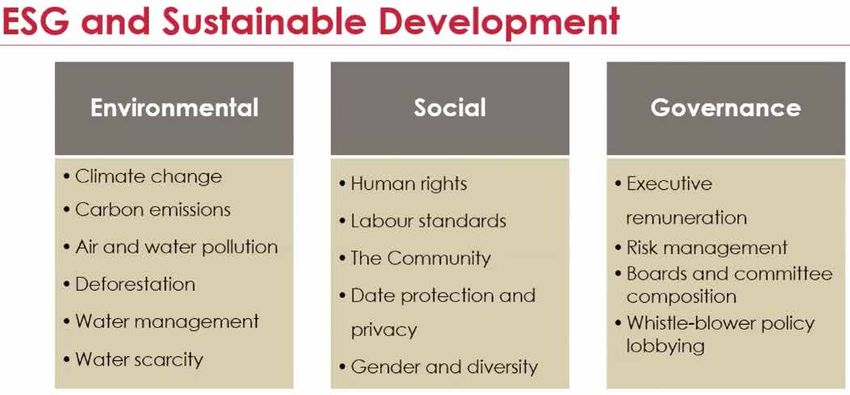
8               Today’s Trustee September /November 2021

    GOVERNANCE

                                Under attack
         Three-pronged threat to conventional operation of retirement funds.
          The DSD paper, withdrawal proposals and B-BBEE can individually
                            impact, collectively more so.

First up, the DSD paper:

S   ocial development minister Lindiwe Zulu
    wants public comment by 10 December on the
‘Comprehensive Social Security & Retirement Reform’
green paper that her department published in mid-
August. An appropriate public response is to ignore it.
    The alternative is a welter of webinars, virtual
conferences, voluble tub thumps and twitter profundities
that will achieve as much as a whistle in the wind. It will
merely allow the Department of Social Development to
show how broad is the consultation that it occasioned.
But this would be propagandistic twaddle, serving to          Zulu . . . home alone
mislead.
    An initial glance at the green paper possibly             weren’t considered at all.
encouraged the impression, for readers not expecting              For “business” read primarily the retirement-fund
departures from the norm, that it had followed                and life-assurance industries to which many millions
the process of Nedlac agreement and government                of individuals entrust their cumulative trillions of
consideration. Now abundantly clear are the extreme           savings. Instead of its normal grovel before government
opposites.                                                    ministries, “business” can reciprocate the DSD’s
    That much is explicit from subsequent publication         discourtesy.
of the Nedlac report, clearly showing dissent not only            A sinister explanation for ignoring the “business”
between the different Nedlac constituencies but also          submissions is that the DSD – an organ of the state –
within various constituencies themselves. These include       wants to crowd out the private sector as a player in the
organised labour (where Jan Mahlangu of Cosatu is             retirement-fund space. On an estimate of the green
prominent) and government (notably National Treasury          paper’s proposals, roughly 75% of present retirement-
deputy director-general Ismail Momoniat).                     fund members will be transferred from the private sector
    Moreover, Zulu withheld an advance peek from her          into the “second (state) pillar” of the proposed National
cabinet colleagues. As alarmingly, the views of “business”    Social Security Fund.
Today’s Trustee September /November 2021 9
public pre-Christmas tension is unlikely to stimulate
breakthroughs.
And if the baton of retirement reform has now been
passed to DSD from National Treasury, seemingly in
parallel worlds, then former Alexander Forbes chairman
Cyril Ramaphosa should emerge from his hidey hole to
say so.
One way or another, in light of mass unemployment,
there will have to be costly provision for social security
that only a reversal of economic decline could finance.
One way to encourage public favour would be a
proclamation, contrary to implications in the green
paper, not to steal from savings.
Second, the withdrawal
Begin to worry. Although it’s promised that a state- proposals:
nominated NSSF board will ensure the highest standards
of ethics and competence (see box), credibility will
come at a stretch. On top of this, fear that the firing of
torpedoes into private-sector financial institutions can
L atest on the table is a “a two-bucket system” for
contributions to retirement funds. National
Treasury’s Ismail Momoniat explains that one bucket
sink precisely those accumulators of capital on which the must be preserved until retirement and the second bucket
economy relies for investment buoyancy. will allow for “pre-retirement access during emergencies
Moreover, just as prescribed assets appeared to have or extra-ordinary circumstances”.
been removed from the table, along they come again in a It’s envisaged that partial withdrawal will be
different guise. The NSSF board, appointed by the state, conditional on preservation of the balance. So say a
is vulnerable to do the state’s bidding in terms of state- member takes 20% of his fund credit, the 80% balance
owned enterprises and similar portfolio selections. Trust will have to preserved in an annuity on retirement.
in cadres is at a premium. Treasury cautions that the change is unlikely to be
Another reason to ignore the DSD’s invitation, apart effected until next year.
from wanting to deprive the putative consultation of This is an attempt to balance the member’s need for
gravitas, is that there’s little new ground to be covered. immediate cash against the longer-term need for savings
The issues raised have been xhashed and rehashed since
the first reform proposals in 2004 and in subsequent
publications,
It was most recently by DSD in 2016 when it tweaked
the 2014 paper. The 2021 version is virtually unchanged
as if there hadn’t been numerous industry-shattering
crises along the way; take the economic consequences
of state capture and Covid as an examples. They’d surely
blast actuarial assumptions on the subsidies by the
younger of the older in the proposed pay-as-you-go
defined-benefit system.
If the last five years of debate at Nedlac could not
produce agreement on even the most basic principles,
then their detail is diversionary. A few months of Momoniat . . . endless patience10 Today’s Trustee September /November 2021
on retirement. Treasury is trying to kill two birds with
one stone, perhaps already a little late against the Covid
background of wage disruptions.
There’s been leakage on a vast scale because
retrenchments and resignations from employers
allow fund members to cash in their full credits
(TT March-May). In desperate times, cash in hand
carries temptations; sometimes perhaps less for family
emergencies than to permit consumer choices.
The allowance for partial withdrawal will kick the can
down the road, further to reduce the savings pool and
to compound the difficulties of funding for retirement.
Moreover, the possible introduction of a National Social
Security Fund can only make cashing-in a more attractive
Hanekom . . . unenviable task
option for the employees faced with wage reductions and
job losses.
Before they contemplate it, best that employees be Retirement funds are unlike any other financial
made timeously aware of how pensions loss leads also to institution. Amongst other things, their boards of
loss of group-risk cover. Usually defined relative to salary trustees are at least partially elected by members. Trustees
(for example, three times annual salary), risk polices will have fiduciary duties. Should trustees fail to comply
cover such setbacks as loss of income through disability with the FSC, when faced with a conflict against more
and death. conventional fiduciary duties, what sorts of penalties
Compared to fund credits, far too little attention is await?
paid to this critical aspect of employee benefits. It widens Implementation of the FSC by retirement funds is
the gap between those with jobs and those without. inordinately convoluted. Nowhere is this better illustrated
than by an expert panel, chaired by Kobus Hanekom
Third, back to B-BBEE: of the Sanlam umbrella fund, assembled for the Batseta
‘solution room’ in August.
T here was a time when retirement funds were
primarily to do with optimisation of benefits, for
members to retire in the maximum possible comfort
Although the session was closed, a recording is
available on the Batseta website. Use the opportunity to
watch it while it’s available until mid-September.
allowed by their savings. That still holds, it must be Readily observable is the lack of practical guidance,
supposed, except that it’s now within the context of sometimes even the lack of unanimity amongst the
retirement funds being arms for the advance of black experts, on application of the envisaged scorecard. Once
economic empowerment. the allocation of targeted points is analysed, some of the
The question which then arises is whether industry’s most prominent service providers might find
implementation of the Financial Sector Code – themselves in shock.
soon to become mandatory for retirement funds, As appetisers, under the revised three-year targets it
notwithstanding the weight of complexities (TT June- could be that a Level 1 contribution rating is sublimated
Aug) – will ultimately have positive, negative or neutral to black-majority shareholding. Similarly, if commercial
affects on their after-costs performance. It’s too soon umbrella funds find themselves having to allocate
to answer; for example, whether funds will need to pay chunks of their procurement spends to competitors, their
premiums for suitably qualified black women to sit on viabilities can plummet.
their boards. The job of trustees is about to become a hell of a lot
And what if they don’t? Or won’t? more complicated. nReform agenda continues
Retirement programme’s ongoing process is evaluated by Louis Theron,
Head of Annuity & Investment Product at Liberty Corporate.
Not saving enough for retirement is a worldwide vehicles, namely pension and provident funds. More
problem. Countries around the world have changes are coming down the line. In outline:
introduced substantial changes to their pension
fund systems in efforts to address low retirement Proposed changes to Regulation 28
savings rates. At the same time, the global Regulation 28 of the Pension Funds Act determines
COVID-19 pandemic has created a need for short- the type and size of the different asset classes in
term relief from economic hardship through which a retirement fund can invest. This regulation
dipping into long-term savings. has been updated many times over the past decade
In 2021 we saw the following changes globally: with the aim of improving retirement outcomes for
retiring members.
• Australia increased the minimum employer
contribution rate under its mandatory To further protect members’ retirement interests
occupational pension programme (1). and exposure to complex investment risk,
discussions are taking place to refine the use of
• Malaysia introduced an early withdrawal option hedge funds, securities lending and derivatives as
under its provident fund programme (1). part of a retirement fund’s investible universe.
• Norway proposed plans to expand mandatory To remain relevant to global investor trends,
occupational pension coverage to more private consultation papers have been published. They
sector workers (1). include crypto currencies in a retirement fund’s
investment strategy. Let us not forget the highly
• The US proposed changes to the way employers debated proposal on minimum limits for the
contribute to retirement plans for employees infrastructure asset class, thereby using retirement
with student loans. It also wants to increase funding as a potential source to promote
“catch-up contribution” legislation limits (2). infrastructure investment in SA.
These changes acknowledge that people are not Benefit Projection Draft Conduct Standard
saving enough for retirement. Analyses done by
Liberty Group in July 2021, into the behaviour of At present there is no standard to ensure
retirement fund members under its administration, consistency on how retirement benefit projections
showed that only 6% of members preserve their are made in the retirement ecosystem. There
retirement savings when leaving employers. SA’s are currently concerns regarding members’
own pension fund system is not exempt from global understanding of their benefit projections. The
trends and the challenge of low retirement savings proposed conduct standard aims to educate
rates. members to have realistic future expectations of
their retirement savings.
Like its global counterparts, SA has set out to
reform retirement savings initiatives with the This is done through detailing when benefit
Default Regulations in 2019 and, more recently, projections should be provided, what disclaimers
the “T-day” legislation to align the tax and benefit to include, quantifying the projected lump-sum
payment treatment of different retirement saving and estimated retirement pensions, explaining the
Sources:
1. https://www.ssa.gov/policy/docs/progdesc/intl_update/2021-07/2021-07.pdf
2. https://www.cnbc.com/2021/06/09/congress-wants-to-make-more-changes-to-the-us-retirement-system.htmlrelevant risks and assumptions and outlining the
possible variation in the projections using different
scenarios.
Consider someone aged 26 with accumulated
retirement savings of R1 million and monthly
contributions of R6 500 towards their retirement.
Referring to Figure 1, most benefit projections only
show a single “best estimate” outcome (R8,9m in
this example) based on the most realistic set of
assumptions.
But the underlying set of assumptions can turn out
worse (or more conservative) or better (or more
optimistic) than expected. Under these “additional
scenarios”, we expect the member’s projections
to decrease to R5,8m or increase to R13,9m
respectively. This example highlights the need for
members to continuously monitor their retirement
Theron . . . complex balance
draw-down being unsustainably high causing them
to deplete their savings too soon and receive no
income in later years.
To mitigate this risk, the Financial Sector Conduct
Authority is expected to publish a standard
detailing the maximum allowable living annuity
draw-down rates for retirement funds with a
default living annuity option under Regulation
39 of the Pension Funds Act. This standard will
guide a trustee board on how to derive and
continuously monitor conservative and sustainable
recommended draw-down rates for their fund’s
membership.
The promulgation of most of the above pending
conduct standards is expected later in 2021. These
savings levels and ensure that their expectations are changes must be viewed with other proposed social
better managed leading up to their retirement. and retirement reform initiatives, such as changes
in minimum social grants and early withdrawal of
Default Living Annuity Draw-down Standard retirement savings, to form a holistic view as to how
SA intends to address its challenges. The trade-offs
Some 90% of Liberty-administered retirement fund
between the need for short-term financial relief
members annuitised their savings at retirement and
and support versus a sustainable retirement income
purchased a living annuity during the past 15 years.
will remain a complex balancing act.
In line with the industry norm, this implies that the
majority of pensioners run the risk of their chosen www.liberty.co.za14 Today’s Trustee September /November 2021
CURRENTS
Be warned
SA companies, and particularly retirement funds,
must take much more seriously the threats of cyber crime.
Damage from hacks could be irrecoverable.
I
t’s estimated that, by the end of 2020, the global
cost of cyber crime had exceeded $1 trillion.
“There is often a misconception that all cyber
events are malicious,” points out Marsh Specialty
Finpro practice leader Teri Solomon. “Cyber risk
does not only emanate from hackers lurking in dark
corners, seeking to break into companies’ networks,
or to seek large ransoms. Significant losses are also
incurred as a result of errors, omissions and simple
mistakes.”
She predicts that the prevalence of cyber attacks
is set to increase --as has the sophistication of the
breaches – because cyber criminals seem always to
be one step ahead. The financial, operational and
reputational impact on businesses following a cyber
breach can be enormous, and retirement funds are no
different.
Cyber risk management is vital for retirement
funds because of:
Solomon . . . timely wisdom
u The volume of data that retirement funds hold,
process and manage including large volumes of u The extensive ecosystem of third-party providers to
personal and financial data. These make retirement funds -- from asset managers to fund administrators
funds a tempting target for hackers; and actuaries -- increases the opportunity for fund
members’ data to be compromised within any one of
u The sensitive nature of the data held also makes these third-party systems.
funds more susceptible to cyber attacks; The fund need not own or operate its ownToday’s Trustee September /November 2021 15
computer system to be held liable to members if their to warn of hacking threats, but it seems not to have
data is lost, stolen or compromised. The Protection been taken too seriously.
of Personal Information Act is clear that the ultimate High time it changed.
liability rests on the fund, and the trustees, as the data
originator. The information officer also bears a huge Out of the dock
personal liability under POPIA.
It is after all the primary obligation of the board
to ensure that members, their benefits and the fund’s
assets are protected, not put at risk through poor
J ohannesburg regional court magistrate Pieter du
Plessis has died. So too, quite possibly, does the
11-year trial of Simon Nash on charges of having
controls. allegedly “stripped” certain defined-benefit pension
Given the advent of POPIA, the fund’s board is funds of their actuarial surpluses.
expected to take steps to identify, manage and mitigate It was Du Plessis who presided in the Specialised
the cyber resilience of the fund. More particularly, Commercial Crimes Court on the Nash trial from the
Solomon emphasizes, the board should: day it started in November 2010. It was also he who
sat patiently through the numerous trials-within-trials
u Assess and minimize the risk of a cyber event; as well as the never-ending litigation between Nash
and funds curator Tony Mostert.
u Ensure that the fund is able to respond to an What happens next? Unless the trial relaunches
incident through the implementation of a robust from the beginning, under a new presiding officer,
incident-response plan; Nash is home free. Or perhaps not exactly free
because his legal costs are said to have exceeded
u Understand and quantify the possible impact R60m.
that an incident could have on the fund and its There’d also be the mountain of legal costs to
operations. the state in effecting a fresh prosecution, as well as
another mountain should the assistance of Mostert
In addition, trustees must carefully consider the again be required. He’d been singularly successful in
service-level agreements they have in place with the extracting plea bargains.
fund providers. Not only should the SLAs ensure that For Nash, a cheaper route could have been to settle
these advisors cannot contract out of liability for a with Mostert. Of the numerous “surplus stripping”
cyber event within their systems, but the SLA should accused, he had single-mindedly refused to do so.
prescribe that the advisor secures adequate cyber For Mostert, there was a fees feast. Although the old
liability insurance. Financial Services Board (now the Financial Sector
Further to mitigate the risk, Solomon advises that
the board consider the need to transfer the cyber
risk through insurance: “Whether it be a standalone
cyber liability policy, or a contingency data protection
extension under their existing fidelity policy, the
board must evidence its assessment of the right
solution for the fund.”
As for the boards of retirement funds, so too for
the boards of companies. A survey by multinational
search firm Heidrick & Struggles has found that,
amongst JSE-listed companies, there’s a marked dearth
of directors with experience in cybersecurity. Last year
a theme of the annual Sanlam benchmark survey was Nash and Mostert . . . bitter end16 Today’s Trustee September /November 2021
Conduct Authority) had consistently refused under
executive office Dube Tshidi to disclose the full
extent of Mostert’s remuneration – the subject of a
long-running battle with TT to quantify and justify
the hundreds of millions – this battle too might soon
end.
That’s because of the new sheriffs in town. FSCA
commissioner Unathi Kamlana and finance minister
Enoch Godongwala can easily pass the transparency
test, should they wish. Tshidi, who perpetually
blocked requests for this information, will be off the
scene from October.
Another ghost from the past to be exorcised is
the intervention of Tshidi, all those years ago, to have
Makhubela . . . groundbreaking
allegedly threatened Alexander Forbes and Sanlam
that he would withdraw their operating licences unless
they settled with Mostert on his curatorship claims u Curators required to submit to the FSCA monthly
against them (TT July-Sept ’10). invoices with supporting schedules, inclusive of
The questions are whether such interventions the corresponding month’s bank statements of the
create a precedent for the future that the new sheriffs retirement fund;
will support, and what proportions of the R500m
or so cumulatively paid by Forbes and Sanlam went u Curators also required to report to the FSCA
respectively to identified retirement funds and how regularly by submitting monthly or bi-monthly
much to curatorship fees. feedback reports, and
It must be terribly painful to certain parties that,
as the ANC never tires of reminding us, that a person u Quarterly meetings with curators.
is innocent until proven guilty. Word on the street
has it that Nash is responding impolitely to Mostert’s It will also look to appointment of statutory
communications. managers “as a valuable regulatory tool of
interventions which is not considered as adverse as
Welcome changes a curatorship”. Due to the statutory manager being
appointed by agreement, the FSCA adds, it promotes
T here is a breath of fresh air in the FSCA
department of retirement funds supervision,
Headed by Olano Makhubela, it hosted a media
cooperation between the retirement fund and the
FSCA in the best interests of fund members.
roundtable that lasted several hours for open Late acknowledgement
discussion on a range of topics from the impact of
Covid to sustainable financing. There’d previously
been nothing as informative.
Directly relevant to a clean-out after the Tshidi era,
A lso at the roundtable, the FSCA updated the
figures for unclaimed benefits. R45bn was owed
to 4,5m members in 1 286 funds, it said, noting that
the FSCA has identified areas “where its monitoring “there are ongoing efforts by administrators to trace
and supervision of historic curatorships required and pay the beneficiaries”.
improvement”. Changes introduced are: None more so than Liberty which has led the pack,
partly because of high volumes inherited in earlier
u Monthly fees capped in appointment letter; takeovers of fund administrators.Today’s Trustee September /November 2021 17
Snippets
For the record, three unrelated items:
u There’s been critical debate on the role of
principal officers (TT June-Aug). Do they owe
their funds fiduciary duties? No, said many within
the industry, claiming that their administrative
positions equated to company secretaries. Yes,
insisted the FSCA, having taken legal opinion from
Wim Trengove SC. The matter is concluded by
fiduciary duty being included in the Conduct of
Financial Institutions legislation.
u Taking over from long-serving Dave Morris
as champion of the ASISA Academy retirement
fund education programme is Giselle Gould, well
known in the industry from her years at Fairheads.
The programme’s range of courses – paid for by
ASISA members and without charge to students –
has passed the milestone of having trained 10 000
delegates. Under the leadership of Gould, expect
Hunter . . . courageous whistleblower
Over the past decade, says Kabelo van der Merwe
who leads the unclaimed benefits project at Liberty, it
has appointed several tracing agents to find more than
200 000 beneficiaries whose unclaimed benefits total
R2,3bn: “Since 2018 we have successfully traced and
paid over R380m to members and beneficiaries.”
Shortly after her appointment as deputy executive
officer for retirement funds at the FSB, Rosemary
Hunter alleged that there were hundreds of funds
with assets and liabilities whose registrations the
FSB had unlawfully cancelled to the prejudice of
members. FSB executive officer Dube Tshidi then
hit her with a ton of bricks, causing her departure
from the FSB and ultimately litigation in the
Constitutional Court.
The irony now, too late to spare Hunter anquish or
expense, is use by the FSCA of concerns expressed by
the Concourt minority judgment in Hunter’s favour.
One, mentioned by Makhubela, was interest conflicts
where fund administrators appointed their own staff
to act as trustees of supposedly “dormant” funds. Gould . . . new champion18 Today’s Trustee September /November 2021
that it will go from strength to strength.
u Jennifer Henry, head of strategic investments
and manager research at Stanlib, will be the next
CFA Society SA president. Through working with
SA regulatory and industry bodies, the chapter
is supporting some 3 300 candidates who’ll be
writing exams by May next year.
Infrastructure setback
I n a letter to UK pension fund trustees, prime
minister Boris Johnson and chancellor Rishi Sunak
have urged them to plough more cash into such
sectors as infrastructure and venture capital to help Johnson . . . slapped down
Britain “build back better” in an “investment big
bang” after Covid. the timing of pension payouts.
But UK pension funds are generally wary, reports the A prominent professional is quoted: “UK illiquids will
FT. They fear that high fees in these vehicles can erode have to stand up to the same due diligence process as any
investment returns and that poor liquidity can impact other investment decision.” nOTHERS
SIMPLY
TICK BOXES
WE THINK
OUTSIDE
OF THEM
Fedgroup’s specialist beneficiary fund administration service is level 2 B-BBEE
compliant, adopts a prudent fund preservation approach, and offers trustees greater
peace of mind.
Unlike other industry players, we have interrogated every aspect of the administration fund space to offer the
services beneficiaries need, while making a lasting difference in their lives. Our expertise and dedication enable us
to provide beneficiaries with the best possible opportunity to lead productive, financially secure adult lives.
Here are just a few of our unique services:
• Record-breaking turn-around times of only 48 hours to on-board a new trust
• A dedicated care centre to address even the most complicated queries
• On-call Trustees with a 24-hour turn-around time
• A greater percentage of funds invested for preservation with less than 2% held in cash
For more info, please contact Fedgroup on:
BENEFICIARY CARE E: VIP@fedgroup.co.za
T: 0860 FED GRP (333 477)
If you advise your clients on death benefits, or serve on the board of
trustees of pension funds, and hold the wellbeing of fund members and
their families as close to your heart as we do, please contact us today.
www.fedgroup.co.za Fedgroup is an authorised Financial Services Provider.20 Today’s Trustee September /November 2021
Beyond risk and return
Strong reasons to look increasingly at alternatives to more
conventional asset classes, suggests Momentum Investments
portfolio manager Kamini Naidoo.
The COVID-19 pandemic and associated market sell-off
has reinforced the benefit of a well-diversified portfolio.
As a result, investors are rethinking the traditional asset-
class allocation strategies to make sure their portfolios are
diversified to capture other sources of returns.
Alternative investments play a valuable role in a diversified
portfolio. They offer investors improved diversification
because of their low correlations with traditional
asset classes, access to a wider menu of investment
opportunities and the potential to generate an enhanced
return – often while fulfilling a joint mandate of making a
positive social impact.
Alternative investments do not follow conventional
investment methods. They can be considered under two
broad categories.
The first refers to the long and short-risk exposures, as
used by hedge funds on publicly traded financial assets.
Hedge funds operate in public markets but use tools such Naidoo . . . various categories
as leverage (the ability to use borrowed capital to amplify
returns) and short selling (the ability to profit off falling United Nations Sustainable Development Goals (SDGs) in
securities) to extract returns from public markets across response to the call “to end poverty, protect the planet,
equities, rates, credit, currencies and commodities. Their and ensure that by 2030 all people enjoy peace and
wider toolbox enables them to generate returns regardless prosperity”.
of market direction. These strategies tend to favour Impact investments have been traditionally driven by
elevated levels of volatility. private markets. Private market strategies are pivotal in
The second category exists for private investments such as channeling private capital towards assets and companies
private equity, private debt and real assets (which includes that can help to address these goals. It is in the private
infrastructure and direct property). These strategies market space that the investor can exercise greater
provide access to investments and income streams control, finance discrete projects or assets, and invest in
typically not available to investors in listed markets. smaller, niche companies.
They include exposure to mid-sized growth businesses, Momentum Investments has a targeted impact funds
long-term infrastructure investments and investment range. It invests across a range of debt, equity and
strategies with a targeted social development focus. Many hybrid opportunities with a targeted social development
of these investments have the potential to drive multiple focus. Through commitment to the SDG framework,
social and environmental benefits. the investments are focused on strategies that can
make a difference locally and where the investor has
The pandemic and lockdowns have further exacerbated the opportunity to generate strong financial and social
many inequalities on macro and micro levels. Investors returns.
have redirected their focus to the significance of impact
investing and its role in addressing some of the global Assets in this strategy can include renewable energy
social and environmental challenges. They are more which span solar, wind and alternative energy. Through
actively committing meaningful contributions to the these assets, the investor can contribute towards theToday’s Trustee September /November 2021 21
generation of clean energy, development of much-needed social-development focus. These strategies can invest
infrastructure, provide decent work and fight climate across different areas of the capital structure, providing the
change. investor access to a broader opportunity set and greater
diversification by accessing different outcomes among
On social infrastructure, the fund invests in student
securities, even of the same company.
accommodation. Lack of accommodation has been linked
to high failure and dropout rates. Highlighted is the
importance of this type of investment in providing quality
education for SA’s long-term economic growth.
Private investments allow investors access to diversifying
sources of risk and return. These investments are generally
less liquid and more complex than public markets. An
example is the ‘liquidity premium’ which refers to the
additional return an investor earns for giving up the
ability to dispose of an investment in the shorter term. As
the holding period increases, so too does the expected
liquidity premium, as the investment is able to generate
greater return through the life.
This premium is applicable across traditional and
alternative investments [see Figure 1]. There are many
factors that determine an investment’s liquidity. Some Source: Momentum Investments
investments, like large cap equities, can be traded within
seconds, while corporate bonds may trade twice a year; Private debt accesses the secured debt instruments,
and the average holding period for institutional property is unsecured debt instruments and mezzanine funding
a decade. instruments of an entity that are not traded on an
exchange. These instruments can offer excellent yields and
Hedge funds plot in the middle of this continuum, as
over different periods. Private equity provides a blended
the liquidity of these strategies tend to be a function
return across mezzanine, unsecured loan, preference share
of the underlying traditional investments in which
and unlisted equity instruments.
they invest. The red dots in Figure 1 correspond to
alternative investments. They tend to access the less liquid These investments can help investors align their investments
opportunities but with the ability to generate much higher with their long-term goals and values, as well as target
returns. financial returns, while realising a tangible real-world
impact.
We believe that investing is personal. So we work with
individuals and institutions that prefer unconventional
investment solutions to deliver on a set of predefined
investment objectives.
Our clients’ interests are core to our investing philosophy.
We are able to tailor our investment strategies to specific
investment objectives.
https://www.momentum.co.za/momentum/invest-and-save
Source: Momentum Investments
Private markets provide access to investments and
income streams typically not available to investors.
Examples include mid-sized growth businesses, long-term
infrastructure investments and strategies with a targeted22 Today’s Trustee September /November 2021
COVER STORY
Tip the balance
To get the economy moving, rely on retirement funds
and not on government.
F
ront and centre for retirement funds, in Preconditions for progress
their role to help tip back the Armageddon
that engulfed SA in July, is infrastructure But will they? Only in the event of sweeping reforms
investment. of which the ANC government is incapable, just
Yet, in the five years of dismal economic as it is now proven to be incapable of consistently
performance and listless jobs growth that preceded delivering even the most basic and essential public
the Covid smackdown, it’s fallen far below the target services. Hidebound by ideological fantasies and
at 30% of gdp set by the National Development corrupt pursuits left unaddressed, its record defies
Plan. Worst laggard was the public sector both investor confidence.
quantitatively (overall spend) and qualitatively (value Never more so than during the July mayhem.
for money). Then exposed as useless at the protection of people
That tells its own story. In a pre-crisis era, less and property, local communities came into their
than two years ago, infrastructure investment was own. Taking forward their collective mobilisation
heralded by President Cyril Ramaphosa as the into a civil initiative are retirement funds. Their
“flywheel” for stimulation of economic growth. investments are integral to the process of rebuild.
Ambitious projects were drafted for public-private- No matter their willingness to reconstruct
pension partnerships (PPPPs). shopping malls, as a basic practicality, they cannot
No longer, even as an aspiration. Forget offer tenants an assurance that burn-outs won’t
the concept of partnership with an incoherent happen again. Neither can Ramaphosa, irrespective
government. The field is open for retirement funds to of cabinet manoeuvrers.
do better on their own. By themselves, ministers cannot change a relaxed
Recall that changes to Regulation 28 of the police service into a protective one or a lackadaisical
Pension Funds Act were welcomed to facilitate new military into a fighting force. What matters less
projects. By cruel twists of fate, however, these days than the tip of the iceberg at cabinet level is the
investors have more than sufficient in their sights to dangers that lurk beneath in the state’s resource
begin rebuilding the old. and competence levels, significantly responsible forToday’s Trustee September /November 2021 23
Source: Presentation by National Treasury advisor Taka Sande to 2021 ASSA conference
deteriorations infrastructure maintenance. interventions of ANC rule, notably the race-
Moreover, government’s policy positions tend based and statist-orientated. Pension funds, more
to undermine the certainty of direction that representative of more South Africans than the
investors crave. Ramaphosa’s insipid promises, not ANC’s policy-making bodies, can decide far better
to cause offence, have had their cover blown by the than they the terms on which they’ll activate the
insurrection. Policy positions are confused, as in bits flywheel.
of privatisations on the one side and a ballooning the It’s for them to spell out the terms, not for
public-sector wage bill on the other. government to impose them, because their
His “long game” is gone. The factionalism in his starting point is ESG (environmental, social and
party, the frigid rollout of Covid vaccinations and governance) criteria. As a potential investment
the unabashed venality of a privileged elite were left partner, government collapses at first base so long as
to conflate. For the ANC government in its present Ramaphosa refuses to eschew cadre deployment. It’s
form, given its present structures, time has run out. at the core of institutional havoc.
And this is only the first base. There’s a
Severe time pressures contradiction in retirement funds’ insistence
on investee companies’ “sustainability”, as the
But not so for citizens and investors. For them, time prerequisite for social impact and economic
is critical and the role of retirement funds is decisive. inclusivity, when the practice of government is
They’re on their own, to select just where they want squander.
to go and how to go about it, because government has In effect, then, there’s a huge responsibility
relegated itself to irrelevance in the pursuit of jobs- on the managers of those funds to take stands
orientated economic growth. appropriate to their members’ best interests. They
Perhaps that’s a good thing. The combination of need definition and they require an approach to
lootings and lockdowns has swept from the radar political power radically different from the private
any pretence to retain in place the bureaucratic sector’s traditionally obsequious posture; so much the24 Today’s Trustee September /November 2021
Key features of an investment framework
Identifying outcomes and Sustainability solutions
setting policies and targets
As for the pursuit of a financial return, the non-financial Clients and investors will require sustainable building
sustainability and impact objectives also require the blocks to build their solutions. These may be off-the-shelf
identification of the targeted outcome, neatly framed and customised given their unique needs and preference
within our policy and other frameworks with measurable (choice). The standards for any product to be labelled
targets. sustainable are becoming stricter.
ESG integration Data and technology
It is an important demonstration that sustainability is ‘Big data’ presents a challenge to our investment
embedded in our decision making and underpinned processes. The inclusion of quantitative and qualitative
by the rigour and tangible explicit elements in our (even real time) sustainability ‘data points’ amplifies
investment process that informs our holistic decision- the need for better control of data. Integrating these on
making fulfilling our fiduciary duty. our existing technology platforms and models is vital
in transforming it into useful information for decision
making.
Stewardship Governance
Stewardship is an invaluable tool and approach that A governance function provides oversight and ensures
needs to function coherently alongside each pillar of our that Sanlam Investment’s commitment to all stakeholders
investment framework. (including clients, employees, shareholders and society)
comply and are upheld to the standards articulated.
Engaging with companies on material ESG issues and
Exercising our right to vote.
Reporting and contribution
Leading research and insights
to the collective
Leading research and insights will differentiate the The ability to report on progress forward targeted
exceptional sustainability practitioner from the ordinary. outcomes (with measurable clarity) to a range of
Leading the conversation and findings of South African stakeholders, authorities and our clients is vital.
specific issues are vital. It also plays a key role in
ensuring a superior client experience (especially
education).
Source: Sanlam InvestmentsToday’s Trustee September /November 2021 25
better, for bottom-up participation, were managers Fortunately, a humanitarian crisis has been
to be clearly mandated by representatives of fund averted. But for the future, once commodity windfalls
members. are exhausted? On the sheer numbers of unemployed
If “stewardship” means the slaughter of holy and unemployable South Africans, what are the
cows, beloved of politicians determined to present alternatives to widespread starvation?
themselves as progressive, best that they be identified It’s too soon to say whether there’s sufficient time
outside the narrative of political correctness. That’s for SA, and indeed the region, to resurrect itself
inclusive of transformation programmes which without some form of external assistance. It isn’t too
should be called out for failure. soon to dismiss the IMF option, however distasteful
In the pursuit of job-creating economic growth, to an ANC government out of wiggle room.
under ESG principles, all else falls away. It applies Not all is lost. That the SA Constitution has held
even to the huge Government Employees Pension firm, against the Zuma-related onslaughts, is the
Fund, or its founding signature to the UN-backed surest bedrock from which domestic and foreign
Principles for Responsible Investment is tokenism. investment can launch. So too has been the range
Put differently, unless government complies with of alliances through civil society, against those who
the requirements of retirement funds – not the other would do it harm, and the emergence of youthful
way around – they should remain independent to leaders in community initiatives.
launch investment vehicles for strategies of their It’s in such alternatives to the sterility and hubris
choice. of the ANC’s blue-light brigade that hope resides. n
Accountable to investors, it’s for them to explain
and justify the projects targeted; hospitals and
schools, renewable energy and affordable housing,
for instance; perhaps also such essentials as collapsed
municipal functions as well as interventions in
electricity supply and water security.
Now for the new minister
Not under his watch, said then finance minister
Tito Mboweni, would intrusions into SA’s fiscal
sovereignty be tolerated; hence his inclination
for spending constraint. But bereft of an ongoing
commodities boom, successor Enoch Godongwana
might be less fortunate were there to be a drainage
of foreign exchange; at least on a scale similar to
1989 that forced the National Party government to
abandon apartheid.
That’s not an imminent danger because SA
offers bond yields higher than in developed
markets. Additionally, in terms of tax revenues, the
commodities supercycle has made the extension of
social grants relatively easy.
Once granted, however, they cannot be
withdrawn. The events of July have shown the
destruction of which an outraged populace is capable.26 Today’s Trustee September /November 2021
DEBUNKING MYTHS ABOUT
UMBRELLA FUNDS
Despite the clear advantages they offer, misconceptions
persist. So argues Malusi Ndlovu, Director of Large Enterprise
at Old Mutual Corporate, who straightens the record.
I
n the wake of the COVID-19 pandemic, the
need for more significant economies of scale
to reduce costs and remove the fiduciary
burden on employers running a standalone
pension fund has never been more apparent.
Yet misconceptions about umbrealla funds
persist.
In a nutshell, the economies of scale
generated by umbrella funds offer advantages
for both employers and employees that
standalone retirement funds simply cannot
replicate.
Well governed umbrella funds foster greater
accountability and more transparency. They can
make a big impact on transformation and to
growing long-term savings.
The following four misperceptions currently
prevail. They need to be addressed.
Myth #1: Umbrella funds offer no
choice in decision making
Under the new generation of umbrella
funds, such as the Old Mutual SuperFund,
management committees are empowered to Malusi Ndlovu . . . distinctly superior
make their own decisions. Most large umbrella
funds put in place management committees in ensuring compatibility between the fund’s
per participating employer. Membership of the offering and the needs of the group of members
management committee typically consists of at for whom it is responsible. These can include
least 50% elected members. (for example) investment choice, member
These committees serve an important role communication, choice of adviser, choice ofToday’s Trustee September /November 2021 27
service providers and service levels. Myth #4: Umbrella funds have less
The job of the management committee accountability and transparency
is critically important and should not be
underestimated. Trustees are legally accountable. They
are overseen by professional bodies and
Myth #2: Umbrella funds limit the organisations.
choice of service providers The duties of the trustees of retirement funds
have been codified in sections 7C and 7D of the
The new generation of umbrella funds give Pension Funds Act. They are further regulated
groups of members from an employer the by the Financial Sector Conduct Authority. In an
authority to choose their own service providers. umbrella fund like Old Mutual SuperFund, the
Old Mutual’s SuperFund, for example, allows majority of trustees are independent and have
groups of members from one employer to select careers as professional trustees or directors.
their own insurer, consultants and investment Umbrella funds are transparent. They provide
provider (subject to certain conditions). It even detailed annual reports publically to members
allows the current monitoring officer or principal and management committees. By offering
officer of a standalone fund to come across and annual interactive roadshows, there is no room
provide the role of monitoring for a particular for opaqueness.
group of employees from one employer.
This makes this next generation of umbrella
funds much more suitable for groups of GREAT DEBATE
employees where there are complex decision-
making and multiple stakeholders that need to Old Mutual Corporate recently hosted a
be accommodated. webinar that tackled the debate of standalone
retirement funds vs umbrella funds.
Myth #3: Umbrella funds will hamper Four retirement fund experts unpacked the
transformation workings of the two types of funds, and looked
at the full range of factors to consider. These
Umbrella funds such as the Old Mutual included governance, regulatory changes,
SuperFund empower employers to use their National Treasury’s push towards consolidation,
management committee structures to choose flexibility, administration, financial education for
service providers in line with their companies’ members and cost, and economies of scale.
B-BBEE policy. To view the webinar and other content on this
Depending on the package chosen by subject, visit:
a participating employer, there is flexibility www.oldmutual.co.za/thegreatdebate
to choose service providers. Employers can
therefore use this as a tool for transformation in
line with their transformation policy.
Due to the scale offered by an umbrella fund,
such as Old Mutual SuperFund, capital can also be
used to make a real impact by investing in private
assets such as infrastructure, schools and housing.
By using their capital to transform disadvantaged
communities, investors can move the dial. Old Mutual Life Assurance Company (SA) Limited is a licensed FSP and Life Insurer.You can also read


