TRENDING 2021 FROM WILLIAM GRANT & SONS UK - William Grant & Sons
←
→
Page content transcription
If your browser does not render page correctly, please read the page content below
TRENDING 2021 FROM WILLIAM GRANT & SONS UK
Welcome to Trending 2021 – a William Grant & Sons Report                                                                                  2

In such an extraordinary year, we are pleased to bring
you the tenth edition of our drinks industry analysis
and key consumer trends which are driving change
                                                                                                                       CONTENTS
and will continue to influence in 2021 and beyond.

                                                                                                                                     06
           Trending 2021 provides our partners with        At William Grant & Sons we build
           examples and data to help them drive their      brands. Brands build a longer term
                                                                                                           CHAPTER 1
           businesses forward post-pandemic. Never         emotional connection with consumers
           before has the world we navigate been so
           volatile, uncertain, complex and ambiguous.
                                                           that exist beyond price. Brands and
                                                           liquid credentials build advocacy that
                                                                                                           MARKET OVERVIEW
                                                           endures. We build brands dram-by-dram,
           In the last 12 months the world has             bar-by-bar, spending decades of care

                                                                                                                                     10
           witnessed catastrophic natural disasters,       creating the world’s best liquids – a fact
           significant political turbulence, civil         reflected by our recent Distiller of the
           unrests, protests and activism, widespread      Year Award at the 2020 International            CHAPTER 2
           economic and financial uncertainty,             Spirits Competition, for the fifth year in
           personal and community loss, and the            a row. Our liquids are nurtured by true         TRENDING 2021
           colossal global impact of the pandemic,         craftsmen, from our Master Distillers to
           which is everywhere and has personally          our coopers with decades of experience.
           affected almost everyone.                       Our stories are told by the UK’s leading

                                                                                                                                     38
                                                           Brand Ambassadors. We don’t create
           No doubt accelerated by the pandemic,           commodities – we create brands that
           what’s evident is the rapid pace of             bring people together, that create lasting      CHAPTER 3
           change in consumer trends and their             memories and unique experiences.
           significant behavioural shifts in 2020.                                                         CATEGORY FOCUS - GIN
           The has resulted in a decentralisation,         In 2021 and beyond, we continue to be
           humanisation and democratisation of             wholeheartedly committed to working
           luxury, extending from the product we           with our partners to understand the

                                                                                                                                     44
           see on shelf to parent company values.          premium and luxury drinks market,
                                                           stabilising and supporting the UK
           Brands, particularly those luxury players,      hospitality industry, and unlocking the         CHAPTER 4
           are now faced with unique challenges.           opportunities available for growth to
           They must divulge their own renewed             meet consumers’ changing needs.                 CATEGORY FOCUS - WHISKY
           sense of purpose, place and community
           which all must align with changing              I hope you find our Trending 2021 Report
           consumer habits, evolving the way many          valuable as we navigate the next 12

                                                                                                                                     50
           luxury brands act now and into the future.      months together.

           However, to find their place within local                                                       CHAPTER 5
           communities brands need to be invited to
           do so. They need to add value to people’s
                                                                                                           MARKET OVERVIEW
           lives and experiences in a way that is both
           natural and personal, taking into account                                        Neil Barker,
           people’s belief systems, while innovating                                  Managing Director,
           and enriching the end-to-end experience.                                      UK and Ireland
                                                                               William Grant & Sons UK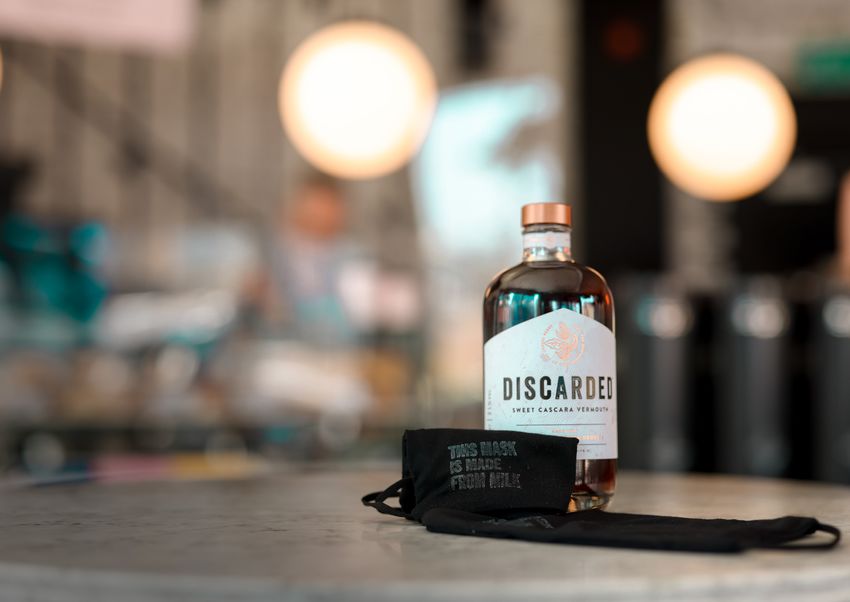
About Trending 2021                                                                                                                            4

The William Grant & Sons UK Trending 2021 Report
is based on Great Britain (GB) data. Certain data
covers the UK – in those instances, the copy will
                                                                   CONTRIBUTORS
mention the UK specifically.                                         A HUGE THANK YOU TO ALL OF OUR CONTRIBUTORS

          The consumer trends in this report were
          developed in partnership with Kantar          IAN BAINES                                AARON LEE
          Consulting and demonstrate the evolving       Senior Category Manager                   Business Account Manager,
          consumption habits and lifestyles of UK
          consumers based on fundamental consumer                                                 On Trade Nationals
          values and attitudinal shifts.
                                                        SERENA BANSAL
          The Covid-19 pandemic has had a               Insights Executive                        BRYONY RITCHIE
          significant impact on the UK hospitality
                                                                                                  Events & Advocacy Manager
          industry throughout 2020. In this report,
          we are including a channel overview across    LUCY EMERY
          both the On Trade and the Off Trade.
                                                        Senior PR, Events & Advocacy Manager      CHARLIE WARWICK
          Premium spirits brands are identified in                                                Associate Director
          this report as those that retail from £23+
          per 70cl in the GB Off Trade, which closely
                                                        TOM GREATOREX                             European Head of Futures Practice,
          aligns to the IWSR definition. (Nielsen,      Category Manager, Off Trade               Consulting Division Kantar
          MAT w/e 02.11.2019). They can show
          strong brand equity, as well as credentials
          based on the brand’s uniqueness in its        HARRY GREENHALGH                          BEN WULLEPIT
          category, quality and ingredients.
                                                        Category Manager, Off Trade & eCommerce   Category Manager, On Trade
          Consumer data is taken from CGA
          Brand Track and Kantar Worldpanel to
          September 2020.                               IRINA JACKSON                             KANTAR CONSULTING
                                                        Category Manager, Off Trade               The valued team at our insights and trends
          Unless otherwise stated, all figures that
          highlight percentage growth or decline are                                              agency partner
          based on year-on-year moving annual total     TAMARA LAWSON
          value data.
                                                        Head of Strategic Planning & Insights     W COMMUNICATIONS
          We have selected to use ‘Whisky’ without                                                The valued team at our communications
          an ‘e’ in order to be consistent and avoid
          confusion. We are aware that there are                                                  agency partner
          regional variations, but we have opted to
          use ‘Whisky’ throughout for simplicity.
Trending 2021 Market Overview                                                                                                                                                                                          6

           MARKET OVERVIEW                                                                                        SPIRITS                                                  ALCOHOL
                                  GB BEER, WINE & SPIRITS
                                                                                                                  The Spirits sector is worth £9.9bn, DOWN                 The On Trade now accounts for less than
                                       £37.2bn | DOWN -15.3%                                                      -16.0%, driven by the closure of the On
                                                                                                                  Trade between late March – July 2020.
                                                                                                                                                                           half (45.5%) of BWS value sales, with the
                                                                                                                                                                           Off Trade now accounting for 54.5% of
                                                                                                                                                                           BWS value sales, with share up +14.1%.
                                                               £37.2bn      (15.3%)

                                                                                                                                                                           45.5% 54.5%
                                                                                                                  However this hasn’t stopped consumers
                                                                                                                  shifting their alcohol spend to the Off Trade:

                                                                                                                  TOTAL SPIRITS                                                                               +14.1%
                                                                                                                   5.3bn, UP +12%

                                                                                                                  PREMIUM SPIRITS                                             On-Trade              Off-Trade
                                                                                                                        41.5m (7.3%)                                          BW value sales        BW value sales

                                                                                                                  Total Spirits in the Off Trade is now worth
                                                                                                                  £5.3BN, UP +12.0%

                                                                                                                  Premium Spirits account for 7.3% of value
                                2019    2020                                  2019    2020                        growth in the Off-Trade, adding £41.5m to
                                                                                                                  the category
                        GB ON TRADE                                      GB OFF TRADE
                      £16.9bn, DOWN -35.4%                               £20.3bn, UP +14.3%

                                                                                                                  Flavoured categories have seen strong value
                 Managed:                £6.8bn, DOWN -34.5%      Multiples:                 £15.2bn, UP +11.6%   growth in the Off Trade:
                 IFT:                    £6.8bn, DOWN -36.5%      Convenience:               £5.1bn, UP +23.4%

                 Other:                  £3.4bn, DOWN -35.0%
                                                                                                                  FLAVOURED VODKA
                                                                                                                                                                    +22%

                                       GB SPIRITS CATEGORIES                                                      FLAVOURED GIN
                                                                                                                                                                    +32%

                 TOP 5 BY VALUE                                          TOP 5 VOLUME                             FLAVOURED / SPICED RUM
                                                                                                                                                                    +36%
                 1. Non-flavoured Vodka                                   1. Non-flavoured Vodka
                 2. Non-flavoured Gin                                     2. Blended Scotch
                                                                                                                  Other emerging categories – Tequila
                 3. Blended Scotch                                        3. Non-flavoured Gin                    (+45%), Irish Whiskey (+25%), and Low/
                 4. Flavoured Gin **NEW                                   4. Flavoured Gin **NEW                  No Alcohol Spirits (+26%) – are also seeing
                                                                                                                  value growth.
                 5. Non-cream Liqueurs                                    5. Non-cream Liqueurs
                                                                                                                  Nielsen data to 05.09.20 + CGA data to 08.08.20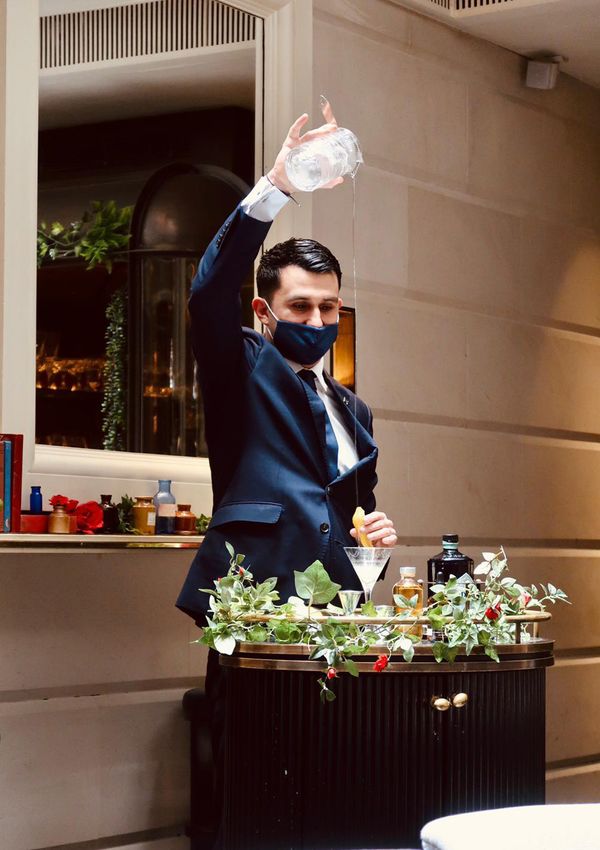
Year in Review 8
The impact on the On Trade and Hospitality Industry
16 MARCH JULY AUGUST OCTOBER DECEMBER
Prime Minister Boris Johnson Saw the reopening of the On Trade The Eat Out to Help Out Scheme Tightened restrictions introduced England exits lockdown and moves
advises the public to stay away from at different dates and with different is launched, offering £10 off per across the UK with Scottish pubs into tier system. Wales imposes
pubs and other social venues, and restrictions across the UK regions. person between Monday and and bars in the central belt closed. more stringent restrictions with
to work from home where possible. Strict social distancing measures Wednesday. More than 160m England introduces a three tier outlets told to close at 6pm and
were put in place such as screens, meals were claimed during the system with Liverpool put into the not serve alcohol.
sanitiser stations and reduced scheme, with participation from highest tier followed by Lancashire.
WORK capacity. On the opening weekend
trade was down 45% vs. same
85,000 outlets (UK Gov). By
the end of August, 72% of UK
Northern Ireland pubs are restricted
to takeaway only.
As of 16 December 60% of
England’s population – 34m
FROM HOME period prior year (CGA RISE) with
big cities seeing the lowest footfall
outlets had reopened their doors.
Seaside communities were the In England, businesses in the
people – will live in Tier 3 areas,
with strict restrictions on almost
(Wireless Social). biggest benefactors of the scheme. ‘Very High’ alert tier in England all socialising. On 21 December
Meanwhile, city centres continued saw Total Drinks sales drop 73% the government announced a Tier
to experience difficult trading year-on-year from 15 – 17 October. 4 lockdown for Greater London
(centreforcities.org). The last week Spirits were down by 83% in and the South East regions, further
of August saw the highest footfall ‘Very High’ areas. Welsh On Trade tightening restrictions around the
across the UK since lockdown is closed for 17 days from 23 Christmas period.
began, fuelled by the Eat Out to October for a ‘firebreak’ lockdown.
45%
Help Out scheme. The scheme At the end of October, 78,261
was seen as a great success with outlets were open. Restrictions in
Managed sector like-for-likes Scotland during October resulted
vs. same period prior year
bouncing back to 2019 levels. in 35% of sites being open.
Hospitality sales dropped by 48%
6PM
in the third quarter of 2020 (UK
Hospitality Quarterly Tracker).
1 2 3 4 5 6 7 8 9
20 MARCH 15 JULY SEPTEMBER NOVEMBER
UK On Trade is instructed to close VAT on hospitality and tourism is As cases start to rise again, social Five level tier system introduced in
after Friday 20 March. Outlets are dropped from 20% to 5% on eat-in gatherings above six people are Scotland. Rule of four introduced
allowed to serve takeaway food or hot takeaway food and non- banned from 14 September in in Wales after ‘firebreak’, maximum
and drinks. alcoholic drinks. Some operators England which has an immediate of four people from different
use this to discount alcoholic drinks. impact on consumer confidence. households allowed to mix indoors.
At the end of September, outlets England enters a four week
By mid-July, 33% of outlets in in England, Scotland and Wales lockdown with On Trade closed
the UK had opened their doors, are given a curfew. As well as except for takeaway.
however Spirits ROS was down by having to close at 10pm, outlets
43% vs. prior year (CGA Drinks have to provide table service and Consumer confidence remains high
Recovery Tracker). Pubs lead customers must wear facemasks with 76% of consumers planning
recovery in openings and drink unless sat at a table. to go out when venues reopen and
sales, nearly two thirds (64%) of a similar number (74%) say they
pubs that closed in March reopen By the end of September, 16.6m are missing their visits to the On
again, compared to around two people were in local lockdowns in Trade during lockdown (CGA Pulse
in five restaurants (42%) and bars the UK, the equivalent to about one Survey 2020).
(41%) (CGA Outlet Index). in four people. This was made up
of: 12.4m people in England, 2.3m
in Wales and 1.8m in Scotland.
TREND-
ING 2021

TRENDING
2021
Trends Chapter 12
2020 has been a year of major change and disruption. The horizon scanning pillars below help us to make
As consumers, what we do, who we do it with, and sense of these shifts:
how we do it has been transformed.
This has resulted in the emergence of
new trends, as well as an acceleration
THE UK MACRO TRENDS SOCIAL TECHNOLOGICAL
of existing ones, creating an unfamiliar
High-level (macro) changes tend to have a Our physical and social worlds have From a technological standpoint, the UK
business environment and an outlook that
lifespan of a decade or more; they are much shrunk dramatically in 2020, with nearly is on the verge of rapid advancements in
is both challenging and dynamic for the
slower to evolve, and they shape the overall half of us working from home, and one in connectivity thanks to the 5G network
drinks industry. William Grant & Sons
context for UK consumer trends. However, three of us planning to continue doing so rollout. Our newly remote businesses and
partnered with Kantar’s Consulting team
shorter periods of intense disruption, such in future. ‘Home’ takes on new meaning as lifestyles mean redoubled investment in
to better understand this new environment,
as the period we’re living through now, ‘cocooning’ habits solidify for households building the UK’s digital infrastructure
along with the consumer trends that shape
have the power to accelerate macro change – from the explosion of streaming video on in the longer term. At a household level,
it, to help the industry better understand
that was slow-moving, or cause it to run demand services to increased investment digital and technology inequality has been
the now, and anticipate the next.
off-course in the short-term. in the home, cooking, DIY, and decor highlighted, with internet access and data
categories, shopping local, as well as becoming the hottest commodities.
There is no doubt that Covid-19 has had
parents and carers turning into teachers
an enormous impact on the forecast for
for quite a few months and having more We’ve spent 30% more time on mobile
2021. An intriguing thread however, is
In the case of Covid-19, we must bear in time with children. devices this year compared to last,
consumer’s adoption and access to luxury.
mind two aspects: generating more first party data and
That the concept of luxury has remained
Prior to 2020 we witnessed the UK’s ageing viewing 70% more online ads as a result
unchanged for hundreds of years will come
as no surprise, however the comfort of this
consistency and complacency has caused
1 Living with Covid-19: this is the
short-term pressure and disruption
caused by the virus itself, which
population becoming less restricted and
more mobile. But with the vulnerabilities of
age now highlighted, those most at risk of
(Forbes). Unsurprisingly, digital commerce
(including social and voice commerce)
continues to be the fastest growing
an enormous shift in brand and consumer government, people, and industry the virus are some of the worst affected by channel in the UK (+79.7% YoY) People
activity – a trend that will irrevocably must manage and adapt to. Or at loneliness and depression. All cohorts are have access to information and have used
impact the industry for good. least until long-term solutions are
impacted, however 69% of adults report opportunities during 2020 to learn new
universally available, with heath and
care workers, and older age groups, feeling somewhat or very worried about the skills via online learning and the internet.
Where high earning city-dwellers decamped
being prioritised first. effect the pandemic will have on their life. 38% of shoppers new to digital commerce
to country retreats for lockdown, they
are retirees, who embrace these convenient
took their money with them, creating a
number of noteworthy trends that are
likely to continue in the medium term. This
2 Life after Covid-19: While many
parts of life will eventually return to
normal, the longer we live with the
Indirectly, this period has highlighted
many weaknesses in our systems and has
arguably exacerbated certain socio-cultural
technologies for connection and order
fulfilment in times of adversity.
‘decentralisation of luxury’ is the theme of disruption, we expect ‘legacy’ impacts divides, accelerating the progress agenda Better understanding of omnichannel
our Trending 2021 report. to our society, economy, and mindset. for race and gender, for example. touchpoints and journeys in a world of
The longer we live with the virus, accelerated remote connection is essential
Luxury consumers may not be where they the more extended the ‘scarring’ or
UK citizens feel an interesting tension for brands across all categories.
once were, nor buying the same products, permanent shifts in behaviour will be.
We’ll see these impacts evident for the emerging, at once insular and connected to
or seeking the same experiences. They may
short term (two to three years) and the people in their home and surrounding
be new, more actualised people, following
even decades. community, while passionately engaging
a year of introspection. Their social circles
with broader social, even global, issues at
may have shrunk and their priorities shifted.
a distance. Brands must carefully select the
But the opportunity remains for those
level at which they choose to engage in the
brands which reintroduce themselves to
conversation, adding value to consumers’
audiences – with a human touch.
reduced spheres of work and living space.
Trends Chapter                                                                                Trends Chapter                                                                          14

ECONOMIC                                       ENVIRONMENTAL                                                                               POLITICAL &
                                                                                                                                           REGULATORY
The first two quarters of 2020 saw Gross       Industry and people have been suffering
Domestic Product falling sharply, making it    from the tension between environmental                                                      The preexisting trust gap has widened
the worst recession on record, and the first   protectionism and hygiene in 2020. At                                                       further in 2020, with most consumers
in the UK since 2009. July to September        the height of the pandemic the notable                                                      distrusting traditional sources of authority
2020 then saw the fastest three-month          drop in pollution was a real positive.                                                      and seeking new sources of objective
growth on record – 15.5% – which would         Plastic has had a renaissance as the most                                                   information (such as peer rating and
be extraordinary in ‘normal’ times. There      hygienic option for personal protective                                                     review). Exacerbated by more time spent
remains a gap between how the economy          equipment (PPE) and packaging, whilst                                                       online, echo chambers have strengthened,
was doing in 2019, and where it currently      popular culture sees the rise and rise of                                                   causing political and cultural tensions to
stands at the ends of 2020 – it is 9.7%        ‘eco-activists’ that push UK households                                                     become sharper. Governments and groups
smaller than it was before the pandemic,       to question consumption decisions.. Asda                                                    of lobbyists are questioning the cultural
and many businesses still have far less        and Waitrose are players at either end of                                                   and political power of digital platforms and
trade. Many sectors will contend with          the value spectrum trialing new models for                                                  social media, but regulation is slow to catch
reduced demand in the short term, and          hygienic in-store refill and return schemes.                                                up with technological advancements.
struggle to recover in the longer-term, for    The dominant message from both
example in the creative industries, which is   politicians and businesspeople is that
projected to lose £1.5bn a week in 2021.                                                                                                   Other regulatory and political moves have
                                               this disruption presents an opportunity
                                                                                                                                           taken a back seat due to the pandemic.
For hospitality, an estimated half a million   to ‘reset’ and ‘build back better’, but
                                                                                                                                           Longer-term budgetary pressures will force
jobs have or/will be at risk by the end        investment is required to make that
                                                                                                                                           a reevaluation of priorities for those in
of 2020, with closer to 1m hospitality         sustainable transition.
                                                                                                                                           power but sure enough, public health will
workers supported by the government            An interesting, positive idea emerging from                                                 continue to sit top of the political agenda
furlough scheme.                               the crisis in the longer-term is the rise of                                                for some time yet. Brands need to stay
We can expect to see decreases in              the ‘15 minute city’. Larger urban areas                                                    ahead of the curve as governments regulate
disposable income for most people across       may fragment into tighter boroughs or                                                       and incentivise consumers and brands to
the country which may reignite a period        communities with all amenities accessible                                                   establish a ‘healthier’ society.
of ‘considered consumption’ – the likes of     within a 15 minute walk, with beneficial
which we saw in the last recession. What’s     outcomes for liveability and public health.
different on this occasion is the nature
of that consumption: ‘mass’ or ‘mass                                                                           source: @globalbartending

premium’ may suffer as people seek either
local options that represent convenience
and/or support to the community, or seek
the best value for money from discounters
and booming international suppliers.
The Consumer Trends My Identity                                                                             The Consumer Trends My Identity                                                                                16

WG&S has been following five key consumer trends,
first identified in 2017, representing fundamental
human motivations. We revisited these in 2019,
early in 2020, and do so again today in the context
of pandemic disruption.

           These human truths                               played a crucial role in educating people
                                                            worldwide about the discrimination faced
                                                                                                                               ‘unapologetically me’ approach, while those
                                                                                                                               who showcase social events or travel are
           remain valid, but their                          by ethnic minorities.                                              susceptible to shaming and criticism.
           narratives and expressions                       These factors have resulted in people                              Self-expression is a critical topic for
           have evolved.                                    associating with more traditional definitions                      consumers with 94% believing it
                                                            of tribes based around class, race, age and                        is important to feel comfortable to
                                                            political persuasion, for example, causing                         express who you are in your personal
           #1: MY IDENTITY                                  tribes to become less flexible. This is                            life. Budweiser, having understood the
                                                            characterised by the fact that the likelihood                      importance of expressing individuality,
           The limits on social interactions and a          of dying from Covid among people living                            decided to host a series of events during
           universal change of pace has given people        in the most deprived areas of the country is                       London Pride and also launched limited
           time and space to reflect on their identity.     twice as high as the least deprived, putting                       edition cups with flags from nine individual
           Spending more time in social media echo          the importance of one’s socio-economic                             LGBTQ+ communities to be handed out
           chambers whilst being exposed to social          identity above that of tribes.                                     during the event. Overall, this period offers
           inequalities that exist through varying                                                                             a chance for reflection and expression
           contraction rates amongst different              In hospitality, widespread redundancies,                           of truer, joyful identities in the midst of
           groups in the population has put the             lay-offs and furlough uptake fomented                              turbulence, and brands will be expected to
           socio-economic identity above a sense of         heightened community values among                                  speak, act and serve consumers in a way
           community through habit or hobby, making         major corporations and individuals                                 that prioritises authenticity.
           them less relevant and flexible. At the same     alike. At William Grant & Sons, what
           time, the uncertainties brought on by the        started as mass hand sanitiser production                          SUB-TREND #3:
           virus have taken a toll on everybody, with       through our distilleries evolved into an                           CURATION & CONTROL
           more of us showing a more vulnerable             enduring initiative called #STANDFAST.
           and authentic side, as well as expressing        While enhancing solidarity within                                  While on the one hand we look to express
           ourselves through our newfound hobbies           internal and stakeholder communities                               our true physical identity, on the other,        WHAT’S NEXT FOR MY IDENTITY?
           and pastimes. Awareness of how our digital       through donations, fundraising, provision                          we are trying to protect our digital one.
           identities are created and used has never        of essential goods and shared team                                 Conversations around the use of data             In a context of rising surveillance and
           been greater, yet consumers are more willing     experiences, #STANDFAST enriched our                               are ongoing with consumers of varying            personal data analytics, anonymity and
           than previously to share this identity for the   ‘tribe’ enabling us to connect with and                            ages and technical know-how becoming             identity protection may be the luxury of
           greater good.                                    support thousands of those affected by                             increasingly aware of how our data is being      the few who can afford it. For the majority,
                                                            hardship in the hospitality industry.                              used. At the same time, we are witnessing        we can expect more time to be lived online,
           SUB-TREND #1:                                                                                                       new benefits of sharing that data through        and more of our identity influenced by
           FLEXIBLE TRIBES                                  SUB-TREND #2:                                                      time-saving recommendations and national         that time, which we first saw the impacts
                                                            AUTHENTIC IDENTITIES                                               Track & Trace apps. Despite 80% of               of in mainstream media through the 2014
           As the impacts of the virus spread and the                                                                          consumers agreeing with the statement            Cambridge Analytica scandal. As we look
           UK went into its first lockdown in March,        Covid has been a ‘leveller’ when it comes to                       “I am concerned about data protection            forward, this idea extends to our physical
           existing inequalities have been highlighted      self-expression online. Everyone spending                          and privacy on the internet”, up 6%              spaces, which will be smarter and more
           and deepened, having the biggest impact on       more time in smaller spaces lends itself                           from 2016, this sub-trend is somewhat in         connected, capturing data on our daily
           the most vulnerable in society. The killing      to greater humanity, vulnerability and                             tension. This is especially true given that as   lives. The ownership, management, and
           of George Floyd in May triggered global          ‘realness’ in the face of shared challenges.                       of 26 November 2020, the NHS Track and           shareability of this data will be a defining
           Black Lives Matter protests which have           Younger consumers in particular take an                            Trace app had more than 20m downloads.           ethical issue in the coming years.
The Consumer Trends My Health                                                                                The Consumer Trends My Health                                                                                18

                                                            Beers (0.5% abv) are looking to evolve the                         SUB-TREND #4:
            #2: MY HEALTH                                   functional proposition of beers and double                         HYGIENE OBSESSION
                                                            down on the gut health aspect by combining
            Covid-19 has had the most significant           it with kombucha to provide a health                               This consumer trend has manifested as          become unremarkable to us in the longer
            impact on ‘My Health’ as a consumer             benefit while unwinding. Similarly, the low/                       a direct result of 2020 disruption. As         term. There was a sharp uptake on brand
            trend and motivation. The direct biological     no category has boomed, with Seedlip,                              we’ve learned to ‘live with Covid, the         provision of hand sanitiser from March
            impact of the disease is one of the many        Aecorn, and Atopia distilled low and non-                          UK has established a hygiene ‘subsector’       2020, and it is something that has almost
            ways that our health has been impacted.         alcoholic spirits creating flavourful, non-                        that underpins all industry and consumer       become second nature, with the likes of
            The mental strain caused by uncertainty,        compromising choices for latent, infrequent                        activity, as well as physical infrastructure   LVMH, BrewDog and William Grant &
            whether regarding the health status of a        or ‘ABVarious’ drinkers that rival their                           (temperature screens, sanitiser stations,      Sons all producing millions of litres to
            family member or one’s financial future, is     alcoholic counterparts.                                            shields) that are likely to remain and         alleviate the shortage.
            impacting society at large. The economic
            downturn as a result of the virus may           SUB-TREND #2:
            reduce spending on premium health               HEALTH AS SYSTEMS
            goods, although hygiene will be seen as an
            essential, expected of brands, retailers and    As well as focusing on explicit ways in
            venues alike – in both its simplest form        which we can look after our health, our
            (face coverings and hand sanitiser) to how      understanding of health systems and the
            we verify our ‘health status’ as we re-emerge   impact of external factors on our health
            from isolation. Health inequalities have also   has also evolved. This has been emphasised
            been emphasised by the virus, highlighting      by covid. One ONS study showed that
            the role external factors play in our health.   the likelihood of a male working in
            Not everyone will be able to take advantage     an ‘elementary occupation’ dying of
            of this period to focus on better nutrition,    Covid was four times greater than one
            more exercise and mindfulness. Opportunity      working in a ‘professional occupation’.
            exists for brands to democratise wellbeing      Living and working environments can
            in a financially pressured society.             drastically shape wellbeing. The Vitality life
                                                            insurance programme leverages this new
            SUB-TREND #1:                                   understanding of the connectivity of health,
            WELLBEING FIRST                                 offering benefits such as Apple watches and
                                                            cinema tickets for keeping fit to promote
            Putting our wellbeing first has become the      healthier lifestyles, and ultimately reducing
            main concern for consumers across the           insurance premiums.
            globe as Covid placed greater emphasis
            on hygiene to prevent virus spread. Many        SUB-TREND #3:
            more indirect implications exist, such as       MOOD MANAGEMENT
            exercising while working from home or                                                              WHAT’S NEXT FOR
            in an agile working (out of office but still    A flurry of new tech gadgets has improved          MY HEALTH?
            online) model, coping with unemployment         our ability to measure the various rhythmic
            or redundancies, and finding new ways to        flows of the body such as circadian                While we have witnessed
            socialise and connect.                          (sleeping) rhythms and metabolism                  the rise of the wellness
                                                            throughout the day, allowing us to                 economy for years, its
            The economic consequences of the                optimise our health in accordance to these         centre of gravity will
            pandemic will mean fewer people are able        rhythms. In the past 10 years, we have             pivot towards hygiene,
            to afford health goods due to their premium     witnessed a 49% increase in market size            immunity, and resilience
            pricing. Despite this, 23% of Brits said they   for sleep aids. Baze, an online vitamin            in a future where most
            are focusing on healthier eating since the      subscription service, provides vitamins            people’s minds and wallets
            first lockdown. A number of kombucha            based on a quarterly blood test that is            will be heavily pressured.
            beer brands such as Nirvana Twisted Bucha       used to analyse your nutrients levels.
The Consumer Trends My Expectations The Consumer Trends My Expectations 20
SUB-TREND #2: SUB-TREND #4:
#3: MY EXPECTATIONS STREAMLINING CHOICES PREMIUM COMES HOME
Never before has so much online A simplified consumer journey was already The hospitality industry has quickly food delivery sites. In the alcohol category,
behavioural data been collected on so evolving until lockdown and furlough gave found innovative ways to reach consumers Pernod Ricard launched its own home
many. Every generation and type of consumers more time for discovery and and bring the experience of out-of- cocktail maker which features 7cl cartridges
household is building new found reliance exploration, resulting in more time being home occasions into the home. With of spirits from the brand’s portfolio allowing
on digital ecosystems at home – whether spent on devices. It further allowed brands the ‘shrinking’ of their physical worlds, consumers to enjoy a cocktail experience at
for work, shopping, or leisure and access to more data to provide the most consumers look to turn the home into home. Similarly, The Balvenie hosted its first
connections. The result: Greater knowledge relevant recommendations, resulting in the a more exciting, multi-functional space virtual product launch, engaging consumers
about individuals across channels, more overall direction of this trend being unclear. with a rise in spending across categories directly with its Malt Master, industry
opportunities to personalise, and more Having said that, consumers are increasingly from premium DIY and homeware, to legend David C. Stewart MBE, through an
sophisticated algorithms to pre-empt and valuing their time more, with a 5% increase local delicatessens. Takeaway orders saw a authentic storytelling experience celebrating
streamline. Expectations are for speed and in people agreeing with the statement “I am 245% year-on-year increase, pushing even its 19-Year-Old Stories Edge of Burnhead
responsiveness from brands and services. willing to spend money to save time” since the most prestigious restaurants to list on Wood product release.
However, this doesn’t necessarily mean a 2017. Pinterest has responded to this by
complete digital takeover. With more time only providing reliable information from
on our hands and a slower pace of living, leading public health organisations and
time is invested into discovery, planning, removing any recommendations, comments,
and experimentation. Home is our new or ads when users search for health terms
hybrid playground in the short-term. like ‘vaccine safety’.
SUB-TREND #1: SUB-TREND #3:
INTUITIVE CONNECTIVITY HYBRID SOCIAL SPACES
Businesses have been exploring ways to Hybrid social spaces have suffered as a
simplify the consumer journey by providing result of the government guidance to
anticipatory services and algorithm-enabled ‘work from home if possible’. With the
offers. Intuitive connectivity has grown in mass adoption of flexible working and
importance as a result of a greater share of many businesses realising there is less need
our purchases being made online, especially for permanent office space, hybrid social
for a large number of older and less spaces are due to see a surge in demand
digitally literate consumers. As much as post-pandemic when workers look for
75% of global consumers agree that functional places to work from. Prior to
“it is important to have products and lockdown, London saw a new coworking
services that can anticipate my needs”, space open every five days. Now, apps like
a significant jump of 8% on 2018. Tesco TALLY work for employers who want to
responded to this need by launching a beta save on office space, enabling them to gift The Balvenie Tun 1509 Batch 7 Virtual Launch, October 2020
Google Assistant which allows consumers ‘tokens’ to employees to work at cafes,
to do their shopping via their voice restaurants and bars during the day, with
assistant, skipping the need to browse on lunch, drinks or unlimited coffee as a perk. WHAT’S NEXT FOR MY EXPECTATIONS?
a laptop. Waitrose allowed shoppers to As we emerge from the 2020 model, we’ll
create their favourite cocktails at home undoubtedly see flexibility in workplace Expectations for convenience and reliance and delivery. Cross-category and even cross-
with an online cocktail hub, partnering conditions, the re-entry of co-working and on delivery will be a legacy effect of Covid sector partnerships will create efficiencies
with De Kuyper to streamline the shopping uptake of personal memberships allowing disruption. However, with impending and fulfil multiple consumer needs across
experience for novice at-home bartenders. individuals to curate and shift their economic pressures, businesses and brands fewer touchpoints.
working environment. will have to be smarter with discovery, salesThe Consumer Trends My Experiences 22
platform for brands to capture consumer’s
#4: MY EXPERIENCES attention and stimulate desire for their
products through sound – from Ikea’s
Time away from friends and family has ASMR ‘soundscapes’ to Lay’s crisps ‘sonic
made us reassess the importance of those challenges’ on TikTok.
relationships, emphasising the need to spend
more quality time with loved ones, whether With Magnum’s Pleasure store closing
physically or virtually. With physical aspects due to Covid, the brand decided to bring
of experiences being put on hold, brands the Pleasure store to the people. Magnum
have had to explore new ways of engaging partnered with Deliveroo to give several
with consumers. Current technological lucky customers a decoration kit with
capabilities have allowed brands to which they could recreate classic British
creatively do so, though the limitations we summertime flavours such as Strawberries
are currently facing only highlight how and Cream and Ice Cream Sundae.
strong our desire for novel experiences and
‘micro moments’ has become. SUB-TREND #3:
IMMERSIVE EXPERIENCES
SUB-TREND #1:
PURPOSEFUL PAIRING & SHARING Brands have had to explore innovative
ways of providing immersive experiences
Purposeful pairing and sharing has been to reach consumers and engage with them
negatively impacted because our ability to while they are spending large parts of
share has been limited to a much smaller their day at home. The aspect of novel
space – the home and a much smaller ways to engage with consumers has made
group, our support bubbles. Despite these immersive experiences, in the virtual sense,
limitations, we have developed a better more important. However the inability to
understanding of who we want to share travel to a venue and be surrounded by
with and what, leading to pent-up desire the experience in-person put this trend in
that is likely to show itself post-pandemic. tension. Even with immersive experiences
This is supported by the fact that ‘making being largely limited to the virtual world,
loved ones a greater priority’ ranked the demand from consumers still exists,
first when consumers were asked which with 21% of consumers saying they paid to
statement was most relevant to them(Kantar). watch or participate in online experiences
during lockdown, whether a virtual cocktail
SUB-TREND #2: masterclass from premium mixer brand
SHIFT THE SENSES Fever-Tree, to a live-streamed performance
through Old Vic theatre.
The increased time consumers are spending
at home as a result of covid has put WHAT’S NEXT FOR MY EXPERIENCES?
pressure on brands to find alternative ways
to capture the attention of consumers by Lower-touch or no touch experiences will
targeting senses which aren’t as common continue to dominate as a symptom of
as sight, such as sound, smell, and touch. covid’s ‘psychological scarring’. Innovation
This trend is represented by the steady rise in this space from players like Ultraleap
in the weekly number of podcast listeners, and Teslasuit will begin to influence
which increased by 24% since 2018. Spotify home entertainment and telecoms sectors,
reported more than a third of overall creating new potential for interactivity and
listeners are consuming podcasts as a way to convincing mixed realities that create a
boost their mood. This naturally provided a sense of physical presence.The Consumer Trends My Experiences
diverting waste issues by giving ingredient
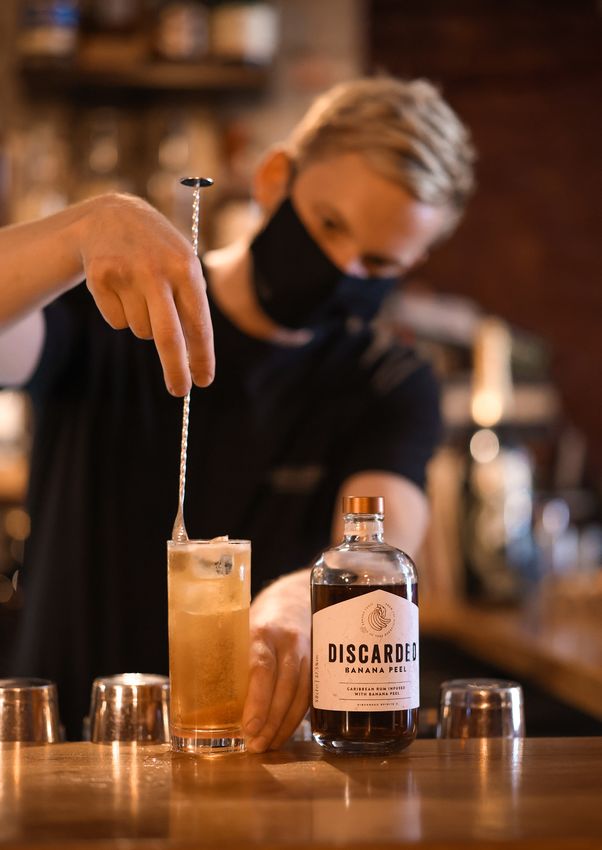
#5: MY VALUES by-products a second life, using banana
peels to flavour its rum, for example.
The turbulence caused by covid has put
brands and consumers in unprecedented SUB-TREND #2:
situations, somewhat clouding our moral COGNITIVE DIVERSITY
compasses. Yet at the same time, we are
feeling more empathetic because we are all Our scrutiny of businesses was then turned
sharing a common experience of navigating to the scrutiny of our governments and
through a global pandemic, giving us even ourselves. The global Black Lives
the impetus to contribute to our local Matter protests and the disproportionate
communities. This situation has presented impact of covid on ethnic minorities
brands with new opportunities to prove that exposed the world to other perspectives
they stand for what they claim to believe. In like never before. At the same time, the UK
terms of cognitive diversity, the Diversity & government imposed rules and measures on
Inclusion agenda has been brought even more boroughs and regions with tiers, restricting
strongly to light by the fact that Black, Asian their ability to govern themselves and
and Minority Ethnic groups and women are reducing the diversity of voices. Consumers
most impacted as carers – 70% of caregiving largely understand the importance of having
hours are provided by women (Cambridge cognitive diversity with 81% believing it is
Journal of Economics, Vol 39:3, 2015). important “to be exposed to people with
different backgrounds”. Understanding this
SUB-TREND #1: trend, dating app Bumble launched a Covid
OPENLY DEMOCRATIC campaign to celebrate and showcase images
of Black love. Though racially led, this also
Consumers are expecting brands to act heightened consumer cognisance for gender
ethically and be transparent. This has disparity in the workplace, at home and in
become especially important amid a global brand action. Many chose to take a stand,
pandemic which has devastated the lives of aligning their company values to those of
ms, putting brands under greater scrutiny their consumers.
since any unethical behaviour during
such times carries a greater penalty than SUB-TREND #3:
normal. With 55% of consumers believing CONSUMPTION TO CONTRIBUTION
that “it’s important to me that the brands
I buy from are committed to making our While consumers learned about the WHAT’S NEXT FOR
society better”, ethical behavior has never experiences of others, the common
been more important. Fashion retailer experience of dealing with the pandemic MY VALUES?
the Arcadia Group paid the price of had evoked a strong community spirit.
damaging its brand image as the public People were not only consuming local We’re entering the ‘era of public’,
became aware of them cancelling £100m to keep local businesses afloat, but where private companies will
worth of orders from Bangladesh as the also contributing to supporting local need to prove their involvement
UK went into lockdown. Oatly, a popular communities and businesses with a fifth in the civic agenda to build or
Swedish dairy-free alternative brand, faced of UK adults volunteering their time for retain brand value. ‘Consumers’,
protests and criticism after a stake was community activities since the start of particularly the younger
sold to Blackstone group, known to have lockdown. Morrisons introduced Kids Meal generation with pressured spending
US political ties, while Ben & Jerry’s was Packs to self-isolating school kids in place power, will want to be treated as
applauded for its firm stance on racism of free school meals, while the government ‘contributors’ to increasingly local
issues by a global audience. Within the made up to 400,000 weekly food parcels and tangible initiatives – while
spirits industry, brands like Discarded are available for shielding individuals. remaining globally connected and
internationally minded.
[1] As warned by SAGE in Summer 2020, for example [4] Creative industries foundation, July 2020
[2] ONS & The Telegraph, July 2020 [5] Metro.co.uk, The Guardian, October 2020
[3] health.org.uk, Q3 2020The Consumer Trends My Experiences The transformation of luxury 26
In 2019 the luxury market grew by 4% to an estimated
€1.3 trillion globally, with positive performance across
most segments (Bain & Company, 2020).
As part of this growth, fine wines and clothing and footwear to entertainment and
spirits both saw 5% market increases, with travel are notable purchase areas for millennial
spirits continuing the significant upward ‘HENRY’ Y consumers, with the majority of
trend seen in recent years, and gin, in purchases being made online.
particular, outperforming.
And then, as the global pandemic started to
The luxury hospitality segment was take its hold in early 2020, global travel was
experiencing lower growth than previously grounded and many of the foundational aspects
seen (up only 2%, compared with 5% of the luxury industry as we knew it were
last year), with a consumption shift back challenged to change.
to luxury products, rather than luxury
experiences, as these have been seen to
be growing less than previously. Also at “ This crisis may be
this time, the online, off-price and airport
channels continued to outperform, growing
transforming the
THE TRANSFORMATION OF respectively at 22%, 11% and 11% in luxury industry for
current exchange rates. Throughout 2019,
good, but it could also
LUXURY
the online channel continued to gain share,
and ended the year accounting for 12% be a transformation
of the global market. As part of this, we for the good.”
have seen a significant amount of luxury
transactions influenced by the online
Bain & Company
channel, and up to 25% of purchases were
digitally enabled.
In line with the growing market trend, we
have seen a rise in the number of luxury
consumers globally – there are around 15m
High Net Worth Individuals (HNWIs),
with more than half of these people living
in the United States. And, more recently,
a new wave of luxury consumers have
emerged who, for them, luxury is a mindset
– they are experience seekers, influenced
by social media, and constantly searching
for meaning and purpose. And whilst
the HENRYs (high earning, not rich yet)
have been around for almost two decades,
with the term first coined in 2003, within
the last few years we have seen 100% of
market growth coming from Gen Y and
Gen Z (Bain & Company, 2018). Indeed,The transformation of luxury The transformation of luxury 28
Resilient under pressure. The luxury industry has
already shown significant resilience in crises, and has
previous proven experience of thriving in eras of major
cultural and societal change.
So while the S&P Global Luxury Index – of our people to produce ethanol and hand
comprising the 80 largest publicly-traded sanitiser across five of our sites in Scotland,
companies engaged in the production Ireland and New York State. Overall, we
or distribution of luxury goods, or the will produce at least 20 million 500ml
provision of luxury services, including bottles and, so far, have donated hand
Daimler, Nike, LVMH-Moet, and BMW – sanitiser to more than 1,000 organisations
reached a three-year low in March 2020, including hospitals, churches, nursing
down by 15% on the year prior, it will close homes, personal protective equipment
the year at a 10-year high. suppliers and many more.
With over 200 years of experience, and
despite 2020 challenging the definition of
THE CHANGING
what luxury is, staggering records were set ‘TRUE LUXURY’
in the eye of the pandemic storm. Reuters
reported that Tesla’s car sales in China Luxury has always been an emotionally-
were 450% up during March, as the overall driven industry. While we talk about
car market rapidly declined, and fashion HNWIs and HENRYs, there is not one
industry trade journal WWD reported that type of luxury consumer, because luxury
Hermès took a colossal $2.7m of sales at its means many things to many different
second largest flagship store in the Chinese people. At the heart of it, luxury enables
city of Guangzhou on the day the store people to celebrate and to treat themselves
reopened after the pandemic. and others. But there are also consistent,
core values which resonate with people: an
Some luxury brands have been quick to element or rarity and limited access; quality
adapt, evolved their positions and embraced and attention to detail; and the ability
values that resonate with customers. to grow in value and create long-lasting
The brands that have demonstrated real memories over time. And actually, in 2020, the beautiful packaging.
connection with their customers and the true luxury suddenly became about And, for those needing
continued to provide perceived ‘value’ doing the simple things we liked to do some additional thinking
without interruption will undoubtedly pre-pandemic and how much we can time before they purchase,
emerge stronger. Gucci stood with its global connect and build our own experiences. they’re able to head up
community to fight the Covid-19 pandemic to ‘Glenfiddich Grand
by making two separate donations of €1m Ready for its reopening in December 2020, Cru Celebration Terrace’
each to crowdfunding campaigns. Glenfiddich Grand Cru created an end- on the fifth floor to try
to-end experience with Harvey Nichols an amazing Grand Cru
At William Grant & Sons, we continue to in London’s Knightsbridge, built around cocktail for themselves. The
be proud to play our part in the worldwide shopping, gifting, tasting and treating. A Fig Fashioned, created by
fight against coronavirus. As the situation custom-designed personalisation station Anna Sebastian from The
unfolded, it became clear to us that we had has been set up for people looking for the Langham’s Artesian Bar,
the ability and capacity to make a difference perfect gift this Christmas and New Year, recently featured in Vogue,
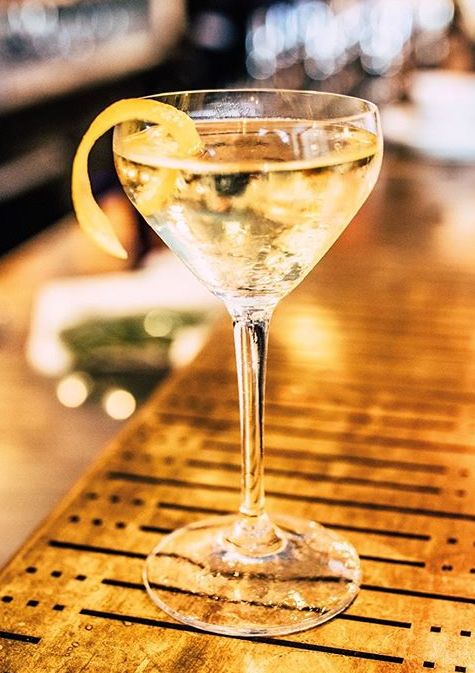
so we diverted our technology and the skills with an individual gold plaque added to comes highly recommended. source: @leonardo_filippiniThe transformation of luxury The transformation of luxury 30
Pivot, please. We all had to pivot: brands, companies
and individuals. In the past six months alone, most
of the luxury houses have pivoted to accelerate
their e-commerce presence, bringing a range of
new opportunities for luxury, for those brands and
organisations brave enough to accept the challenge.
NAVIGATING A NEW ERA
In a move to excite and unite fashion and
tattoo fans worldwide, William Grant &
“ Our customers share with us
Sons’ spiced Rum brand Sailor Jerry and that when they’re shopping
We are moving into a new era of luxury reuse the bottle after the product has been
London-based jewellery brand Hatton for luxury that they’d like it which has undeniably been shaped by
Labs revealed a brand new, limited consumed means that not only can people
edition six piece capsule collection, to be an immersive, inspiring the pandemic. But it is also a response to enjoy creating more memories by upcycling,
honouring the legacy of Norman ‘Sailor experience. Increasingly changing consumer needs – from price it is waste efficient. The beautiful bottles are
Jerry’ Collins, in December. points to mindset, and a cult status of made in the mountainous Mexican town
they’re looking to understand ‘having’ to experiential and ‘being’. of Santa Maria Canchesda and 80% of the
Available exclusively online, Sailor Jerry’s not only the product itself, employees are female artisans who grew
vivid colour, bold iconography and sheer Luxury is a time and a place for me up in poverty with little formal schooling.
artistic ambition to create a new type of
but the story of the brand, Every day the employees are provided with
Luxury is indulgence for me
tattooing has been emulated by the Hatton the craftsmanship, the make.” Luxury is meaningful to me two meals, transport, childcare and school
Garden-based jewellery house in the set of tuition, supporting Clase Azul’s ultimate
unisex pendants and rings, featuring five purpose of celebrating the magic of Mexican
Christine Beauchamp For centuries, the ‘traditional’ value of
of Sailor Jerry flash icons cast in precious culture and artistry, while transforming lives
President luxury has been in perceived exclusivity,
metals and set with opulent coloured through positive engagement.
Amazon Fashion both in price and location. And now purpose
gemstones. Each flash icon in the jewellery
collection has been meticulously selected is emerging as a hygiene factor because
by Hatton Labs Encapsulating classic consumers, especially the rise of a younger
Americana culture, while also nodding to luxury market, are expecting more from “Our measure of success is
brands. They expect them to step up and do
“happiness. Our measure
the underground, modern day subcultures
that are prevalent today. The range is more, being clear about who they are and
priced from £185 to £7,500. what they stand for, moving away from just of success of sharing.
product to product with action. In these
unprecedented times people align with and
Our measure of success is
IIn September, after months of speculation, will be loyal to brands which display values creating. And because of
Amazon launched its Luxury Stores and outlooks resonating with their own. that we’re going to make it,
experience, partnering with Oscar de la
Renta to create a ‘shop in a shop’ on its Premium tequila brand Clase Azul, of Clase and I know that once we
mobile app for eligible Prime customers Azul Spirits, is just over 20 years old and have that done, there’s going
(of which there are 150m). With Amazon the fastest growing luxury tequila in the
customers ordering over one bn fashion US. Each bottle of spirit is packaged in a to be just one luxury tequila
items on mobile in the last 12 months, the handcrafted ceramic decanter which is a and the rest.”
concept from the world’s largest online key point of difference for the brand. The
retailer was built on customer feedback, hand painted bottle provides uniqueness
and quality attributes, and the ability to Arturo Lomeli,
and focuses on being able to engage with CEO and founder,
customers wherever they are comfortable Clase Azul
shopping, creating an elevated and
inspiring experience.The transformation of luxury 32
LUXURY CONSUMER SUB-TRENDS SELF-ACTUALISATION
ARE ACCELERATING INFLUENCING LONG-TERM
SHIFTS IN PURCHASING
With the pandemic forcing radical shifts in individuals’ DECISIONS
routines and work patterns, decreasing social spheres,
and increasing adoption of ‘local, community’ values, the
new expectation is for individualised luxury omnichannel The pandemic has been a shared experience
experiences at people’s fingertips – wherever they may be. with a democratising effect. Regardless
The rapid manifestation of a number of luxury consumer of pre-existing social structures, everyone
sub-trends has occurred throughout 2020, which all have has been subject to restricted movement
positive implications for brands to enjoy an extended reach and many have had time to get in touch
into their markets. with ‘who they are’. Accelerated by social
media, purchase habits are no longer
necessarily a reflection of what one can
afford, but reflect who they perceive
FEWER, MORE MEANINGFUL themselves to be. Personalisation rose in
CONNECTIONS popularity and demand years ago, but
true product customisation grows more
pertinent every year.
With the non-essential workforce staying at home and
metropolitan consumers retreating to countryside homes What’s evident is the changing consumer
or rental properties, social circles and spheres of influence and significant behavioural shifts in
have shrunk to a community level. Social interactions have 2020 has resulted in a decentralisation,
greatly diminished and the limited time spent with friends humanisation and democratisation of
and neighbours within these spheres has become incredibly luxury, extending from the products we
valuable. This has accelerated the home premium category, see to purpose and values. Today’s luxury
as consumers aim to replicate luxury experiences in their consumers want it all: inclusivity, cultural
own homes. relevance, transparency, a point of view,
online presence. For those brands prepared
to continuously reinvent and adapt, the
INDIVIDUALISED, IMMERSIVE AND future of luxury is an exciting path to travel.
INNOVATIVE DIGITAL EXPERIENCES
Luxury consumers are prioritising their health and that
of others, so are unlikely to rush back to cities until
‘normal life’ is within grasp. Inaccessibility to consumers
through established routes paved the way for shareable,
virtual experiences for consumers to enjoy within their
communities. Brands providing infrastructure, products
and entertainment to reach consumers in their homes have
added considerable value to peoples’ lives, and deliver
brand presence at a relevant local, community level.The transformation of luxury The transformation of luxury 34
ECOMMERCE POWER
7.1%
At the end of 2019 and prior to the Covid-19 pandemic, How the channel will perform in 2021 and post-pandemic is
the online channel represented 7.1% of all FMCG sales and still unknown but the online channel is now a major priority
was growing at an impressive (at the time) +9% year-on- for retailers, suppliers and shoppers alike. For shoppers,
year, over four times the rate of the overall grocery category. online has now become an essential shopping channel for
Online also attracted 25% of the population to shop through FMCG SALES even more households. Retailers have increased their focus SELL
and investment to drive the channel forward as a core part of
the channel, again impressive considering where the channel
had come from over previous years. their offering. Suppliers view e-commerce as a critical channel DISTRIBUTE
to sell, market and distribute brands.
MARKET
When the pandemic hit the online channel moved from being
just part of the shoppers channel ‘repertoire’ to an essential,
HYPER CONNECTIVITY
7.9M
core channel. While shoppers were ‘staying local’ and only
visiting large supermarkets if they absolutely had to, most
moved their grocery shopping online. Further to the rise in online spending, more than eight a $325bn industry by 2025. Many people
out of 10 mobile phone users surveyed by Ericsson found were becoming accustomed to e-everything.
ONLINE Over the first wave of the lockdown, 7.9m households
shopped online over the month of March, +66% compared
that internet-connected technologies have helped them
cope during the pandemic, enabling them to support their
Covid-19 has expedited the journey to
where we were already heading.
SHOPPERS to last year. The significant growth in penetration saw the
channel grow by +103% and helped the online channel
children’s education, stay in touch with friends and family
and even improve their mental health and wellbeing. We The disruption of social isolation has broken
achieve an all-time high market share of FMCG of 12.7%. have seen market entrants facilitating connections across down previous habits and psychological
platforms such as Houseparty, and B2B conferencing perceptions towards digital. Many people
platform Zoom reporting 200 million users per day in April have been brought into a world of e-living
– up from 10 million in December 2019. they had previously not considered, or
Retailers were quick to adapt to this changing shopping actively resisted. Home entertainment
behaviour, doubling online slots, and hiring additional But many of these ‘new’ digitised behaviours existed prior adoption accelerated, highlighted by
employees in order to meet the demand. This was not, MARCH: 590,000 to Covid-19. Brands such as Peloton had spearheaded the
growth of in-home cycling and gym classes while online or
the launch of Disney+ which achieved
subscription numbers in five months that
however, without its challenges. Retailers had capacity issues
which saw the likes of Ocado having to limit new shoppers APRIL: 1,000,000 app-based learning had already been predicted to grow to took Netflix seven years.
to its website as systems were struggling to keep up.
MAY: 1,200,000
However, most, Ocado included, quickly adapted to meet
the surge in online demand. In March, Tesco only offered MONTHS VS YEARS
590,000 slots but this rose to 1 million in April and then to
1.2 million in May. In just over two months the UK’s largest According to McKinsey, the astonishing growth in e-commerce during the few months of lock-down
retailer doubled its number of online delivery slots. Aldi, has reached levels that were expected to take 10 years pre-COVID-19.
known for having no online store, pivoted to offer an online
service to sell food parcels for the vulnerable. Adapting to a
significant pace of change and changing shopping behaviour
undoubtedly helped them to achieve the triple-digit growth
+20% +21.6% +10.3BN
E-COMMERCE TRANSACTIONS E-COMMERCE CONVERSION EXPECTED IN RETIAL
seen over the period. RATES VS PRE COVID-19
IN JULY VS PRE COVID-19 E-COMMERCE FOR WESTERN
BENCHMARKS BENCHMARKS EUROPE VS PRE-COVID
2020 FORECASTS
Up to mid-July, the retail categories winning out in the e-commerce boom were in those
Despite slowing down slightly over the second wave,
areas where lockdown drove a dramatic shift in how we conduct our daily lives.
87%
the online channel still grew at +87% over the month
of October, a mere 12 times faster than the grocery
market average. Online is still the only Off Trade
channel to be growing in attracting more shoppers,
+83.4% +66% +42%
INCREASE purchasing more frequently, and spending more per SPORTS EQUIPMENT DRIVEN SUPERMARKETS DRIVEN BY HOME FURNISHING AND DIY
BY THE CLOSURE OF GYMS THE CLOSURE OF BRICK AND DRIVEN BY THE INCREASED
visit, highlighting ‘healthy’ growth.
AND FITNESS STUDIOS MORTAR STORES TIME SPENT IN OUR HOMESYou can also read


