TRENDS - Dairy Council of California
←
→
Page content transcription
If your browser does not render page correctly, please read the page content below

TRENDS
Spring 2020

  TOP FOOD AND NUTRITION TRENDS FOR EDUCATION AND HEALTH PROFESSIONALS

  Top Nutrition Trends for 2020
                                           Healthy eating patterns based on
                                           traditional food groups are evolving, with
                                           the quality of foods taking precedence
                                           over single nutrients or caloric quantity.
                                      As with any science, nutrition science is evolving. In the early
                                      stages of nutrition science, the focus was on individual nutrient
                                      deficiencies. Then the focus and understanding shifted to the
                                      relationship between specific nutrients and chronic diseases
                                      such as obesity, diabetes and heart disease. In recent years,
                                      nutrition research is increasingly focused on whole foods and
                                      dietary patterns rather than single nutrient metrics and chronic
                                      disease development. Evidence continues to uncover the multiple
                                      metabolic effects of food beyond traditional understanding.

                                         Not all foods within the food groups are created equal. When
                                         discussing the quality of foods within food groups, the
  comparison cannot be of nutrients against nutrients. Foods contain complex structures of nutrients
  and other bioactive compounds that can be modified with differing levels of processing such as
  cooking, fermenting, preserving or refining. Within a food group, the quality of foods, impacted by
  processing and other factors, can fall on a spectrum of how the foods impact health.1 For example,
  within the grains group refined starches and sugars such as white bread, refined pasta and many baked
  goods have been shown to have detrimental effects on health and chronic disease risk. On the other
  end of the spectrum, minimally processed whole grains have protective effects on health.2 Research is
  also showing that the health effects of dietary fat are modified by the food source and nutrient matrix
  it is contained in. Recent evidence has shown that
  dairy fat has neutral or beneficial effects on
  cardiometabolic disease risk.3 This may, in part, be
                                                              Emerging research on the food matrix,
  due to dairy’s package of beneficial nutrients.             or the physical structure of nutrients
                                                          within a food and how the nutrients
  Emerging research on the food matrix is helping         interact, is helping the health and
  the health and research communities understand          research communities understand that
  that the functionality of a food should not be          the functionality of a food should not be
  reduced to individual components.4 Additionally,
                                                          reduced to individual components.
  there is a better understanding of how the unique
  collection of bacteria that lives in the gut, the
  microbiome, is impacted by dietary intake and how it plays a role in human health. This advancing
  knowledge of the gut microbiome is driving science to look beyond the traditional nutrients in foods
  and examine lesser-understood components like bioactives and microbes.
TRENDS pg 2
Trend #1 continued

Implication: Overall diet quality matters more than the amounts of calories or single nutrients
consumed. For a high-quality diet, research shows that emphasis should be placed on increasing
consumption of nutrient-dense, wholesome foods that are minimally processed while reducing
consumption of refined starches, added sugars, processed meats and other highly processed foods.
High-quality beneficial foods include milk, cheese, yogurt, vegetables, fruits, whole grains, beans,
nuts, seeds, fish, lean meat, poultry, eggs and healthy fats and oils. Dietary patterns that include these
protective foods as a foundation for healthy eating supports optimal health for all populations.

                                          Food technology innovations provide
                                          opportunities as well as threats to
                                          nutritious and sustainable food systems.
                                    Rapid innovation of food products adds another layer of
                                    complexity to the shifting knowledge of nutrition. Consumer
                                    demands for plant-based alternatives, functional foods and
                                    overall novelty are driving innovation and diversification, as well
                                    as higher degrees of processing, within the food industry. New
                                    products such as pasta made with lentils, dairy milk blended with
                                    almonds or oats, and beef blended with pea protein isolate are
                                    blurring the lines of traditional food groups, making it difficult
                                    to compare foods based on nutrient content alone. High-profile
                                    coalitions are attempting to develop new systems to categorize
                                    foods based on different measures. For example, the NOVA
                                    food classification system aims to rank foods based on the
nature, extent and purpose of food processing. Another labeling system, the Physical Activity Calorie
Equivalent or Expenditure (PACE), aims to show how many minutes or miles of physical activity are
required to expend an amount of calories in a particular food or drink.

Concern around ultra-processed foods is gaining global attention not only among experts in health
and nutrition science but also with governments and the media. Ultra-processed foods are highly
refined, often with unrecognizable ingredients, and offer little nutritional value. Examples are potato
chips, packaged desserts and sugar-sweetened
beverages. Researchers are further drawing
attention to hyperpalatable foods, characterized         Consumer demands for plant-based
by combinations of fat, sugar, sodium and refined        alternatives, functional foods and
carbohydrates designed to maximize taste and
                                                         overall novelty are driving innovation
thereby increase consumption.5 According to
researchers at the Centers for Disease Control
                                                         and diversification, as well as higher
and Prevention, about half of the calories               degrees of processing, within the food
Americans consume come from ultra-processed              industry.
foods, and it is taking a toll on health. Additionally,
for every 5% increase in consumption of
ultra-processed foods, there is a corresponding decrease in heart health.6 Ultra-processed food
consumption has also been found to be associated with all-cause mortality and risk of chronic diseases
such as type 2 diabetes.7

On the other hand, technology can provide opportunities for positive innovation in food systems.
TRENDS pg 3
Trend #2 continued

With climate change, an increasing population and other growing threats to the global food supply,
sustainable solutions are critical for food security and the health of all populations. Technology is being
applied to all points of the food supply chain to address issues of food loss and waste, greenhouse gas
emissions and food access, leading to a variety of innovations like changes in agricultural management to
improve crop yields and changes in food formulations, processing and packaging.

Implication: Technology and innovation tend to move quickly, effectively disrupting systems, often
ahead of policy and regulations. Disruption to the food system could potentially have major public
health consequences. There is a need for cross-sector collaboration among the private sector,
government and academic and research institutions to ensure that the application of technology is safe
and provides benefits to communities. Effective solutions will require sharing data and new technologies
to help the global food system become more sustainable and efficient while making nutritious food
available for all and supporting optimal health.

                                                       Increasingly, climate-conscious
                                                       consumers are driving changes in
                                                       food technology and food marketing,
                                                       resulting in a significant shift in food
                                                       products available in the marketplace.
                                                       There is an increasing concern among consumers
                                                       that their food choices will negatively impact climate
                                                       and the environment. This concern is driving changes
                                                       in consumer behaviors and the food industry.
                                                       Individuals are aligning their food choices with their
                                                       personal identity and values, not just nutrition and
                                                       taste preferences. Furthermore, consumers expect
                                                       companies to act ethically and help solve societal
                                                       issues.8
Source: Washington Post survey of 2,293 U.S. adults.
                                                 Climate change is an escalating concern among
                                                 Americans, especially among younger generations.9 A
national poll by The Washington Post and Kaiser Family Foundation showed the percentage of people
calling climate change a “crisis” has jumped from 23% to 38% over the last five years.10 Concerns
around climate change are driving demand for urgent action, with particular focus on immediate yet
simple changes by individuals, including their food choices. Consumers feel empowered to create
change in society with their purchases and are not willing to compromise with food companies.
Their actions are moving companies at all levels of the food supply chain to align with their values of
environmental protection, as well as social justice and animal welfare.11

The rise in plant-based alternatives, particularly red meat alternatives, in the food market is a direct
response to consumer interest and demand. This in part is being influenced by the increase in research
and public health messaging promoting plant-based diets, and in some cases plant-exclusive, for
disease prevention. The share of Americans who consider purchasing from a lead producer in plant-
based meat alternatives has nearly doubled in the past year.12 Another survey found that 39% of
Americans wished more fast food restaurants offered vegetarian options.13 Established companies
TRENDS pg 4
Trend #3 continued

that produce and supply animal-sourced foods are also
making the move to invest in meat-free alternative
products like sausages and patties, recognizing the
growing interest. Plant-based meat alternatives are
often marketed as part of a climate-friendly lifestyle.
However, some experts and scientists warn of a rapidly
growing range of new plant-based foods available
in supermarkets and designed to look and taste like
animal-source products but may not be nutritionally
equivalent.14 There is currently a lack of rigorous
research and data on their environmental impacts as
well as their effects on human health.

Implication: While environmental factors should
be an important part of food decisions, it is equally
important to consider the nutritional impact on
human health. The extent of processing in many
plant-based alternative products still has unknown
effects on health, whereas strong scientific evidence     Source: Morning Consult
does show that increased consumption of minimally
processed whole foods provides positive health benefits. Health professionals and consumers alike
should critically evaluate the health and environmental impact of processed foods, whether they are
from animal- or plant-based sources.

                                         Food and nutrition education is
                                         becoming more challenging as it
                                         expands to a more holistic approach,
                                         addressing the social, emotional and
                                         mental well-being of children.
                                        Health professionals, educators and community leaders are
                                        recognizing that addressing children’s health goes beyond
                                        meeting their physical needs and must also include their
                                        social and emotional well-being, referring to the whole child.
                                        Increasingly, health care groups are seeing the negative
                                        impacts of adverse childhood experiences (ACEs) on
                                        children’s health and how these experiences impact children
                                        well into adulthood. Research has shown that children with
four or more adverse experiences during early childhood, compared with those who experienced none,
had the poorest health outcomes.15

Conditions such as altered nutrition, exposure to environmental toxins and chronic stress can have
long-term negative impacts on children’s physical, motional and cognitive development.

An example of the complexity of food and nutrition education is the rapidly changing food supply and
climate crisis which further complicate how the needs of the whole child is addressed. The real and
potential consequences of climate change directly impact the health of children and their futures,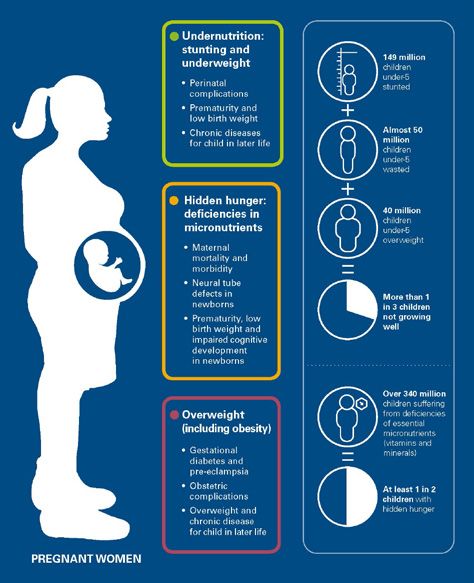
TRENDS pg 5
Trend #4 continued

from exacerbating food insecurity to increasing health risks from poor air quality, severe weather
events, and emerging infectious diseases. Nutrition continues to be a key factor in the health of
children, but it is also part of the larger puzzle that includes environmental and social determinants
of health. Another area of society that impacts the health of children is food marketing. Children,
especially those who are from vulnerable communities, continue to be exposed to the marketing of
foods that can be harmful to their health. With younger generations’ large online presence, they are
receiving information and advertisements about food from more media channels than ever before.

Within the school environment, the wellness of          Nutrition continues to be a key factor
students is evolving to encompass a holistic view       in the health of children, but it is also
to support the whole health of children, beyond         part of the larger puzzle that includes
just meeting educational standards. Traditional
classroom instruction is shifting as evidence
                                                        environmental and social determinants
continues to support experiential learning and          of health.
ways to build skills among children. Within the
realm of nutrition education this can include cooking and gardening. Social-emotional learning can
go hand-in-hand with nutrition education, building in concepts of shared meals, taste and culture.
Educators are infusing lessons that connect with the planet to address sustainability, such as studying
biodiversity in agriculture and conducting food waste audits to increase awareness of consumption
habits.

Implication: The interplay of nutrition with mental health, climate change, food marketing and other
social and environmental influences on dietary choices will continue to inform the conversation and
education around food. Educating on nutrition is no longer as simple as teaching about a nutrient’s
role on physical health; moving forward, it will need to factor in how a changing environment and
society impacts health, particularly for children.

                                                   Urgency is being placed on the
                                                   importance of optimal nutrition
                                                   during pregnancy, infancy and
                                                   early childhood to provide positive,
                                                   lifelong health benefits that last
                                                   across generations.
                                                   Evidence continues to build and show that
                                                   delivering optimal nutrition for pregnant women,
                                                   mothers and children from birth through their first
                                                   two years supports growth, development and other
                                                   positive health outcomes throughout the life span.
                                                   The nutritional status set during early childhood
                                                   can impact health risks into adulthood, including
                                                   obesity, hypertension and diabetes.16 Yet, despite
                                                   a robust evidence base defining the nutritional
                                                   needs of these populations, the health of children
Source: UNICEF                                     continues to be at risk. According to a report by
                                                   UNICEF, two-thirds of children between the ages of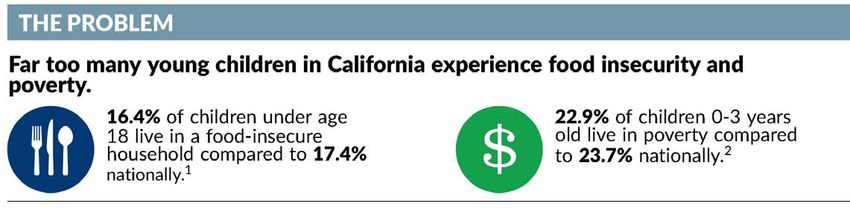
TRENDS pg 6
Trend #5 continued

6 months and 2 years do not get adequate nutrition for growth and development, while one-third of
about 700 million children under age 5 around the world present as undernourished or overweight.17
The problems of food insecurity and undernourishment are not only being experienced by developing
countries. Affluent countries, including the United States, still have populations of children who
experience poverty and food insecurity. Over 16% of children in California under 18 years old live in
food-insecure households, and nearly 23% of
children ages 0–3 live in poverty.18                      Over 16% of children in California
                                                           under 18 years old live in food-
Adequate nutrition not only plays a critical role
in physical growth and development of children,
                                                              insecure households, and nearly 23%
but also in cognitive development. In a policy                of children ages 0–3 live in poverty.
statement, the American Academy of Pediatrics
emphasizes that the failure to provide adequate nutrition during the critical period of development
in the first 1,000 days of life could lead to lifelong deficits in brain function.19 Emerging research
has indicated that obesity during adolescence is correlated with decreased executive function and
decreased “integrity” in brain white matter, impacting brain health and function.20,21

New research from the Special Supplemental Nutrition Program for Women, Infants, and Children
(WIC) illustrates how investments in social programs that provide access to nutritious food can

Source: Food Research & Action Center

improve the health of young children and their families. One study found WIC participation reduced
infant mortality by one-third during the first year of life and lowered the risk of preterm births.22 These
findings are important as babies born preterm have higher rates of death and disabilities.23 Another
study found that the prevalence of obesity among children ages 2–4 who were enrolled in WIC
decreased from 15.9% in 2010 to 13.9% in 2016.24

Maternal dietary intake is also critical and impacts the health of children. A study found that
healthy dietary patterns during pregnancy, with diets high in vegetables, fruits, whole grains, fish
and dairy products, were associated with lower risk for preterm births.25 Adequate intake of certain
micronutrients is also critical during pregnancy. For example, dietary intake of choline, which is
essential to fetal development and brain health, typically falls short of recommendations in North
America, Australia and Europe.26 Health experts are bringing attention to the potential risks for women
who follow vegan or plant-exclusive diets. These diets may be inadequate in choline as well as other
important nutrients like iron and vitamin B12 which are predominantly found in animal-source foods.

Implication: Good nutrition for women, infants and young children can set the foundation for lifelong
health. Investments in the health of these populations could significantly benefit whole communities.
Health professionals must strive to ensure the needs of all children are met so that they can grow into
successful adults who contribute to thriving societies.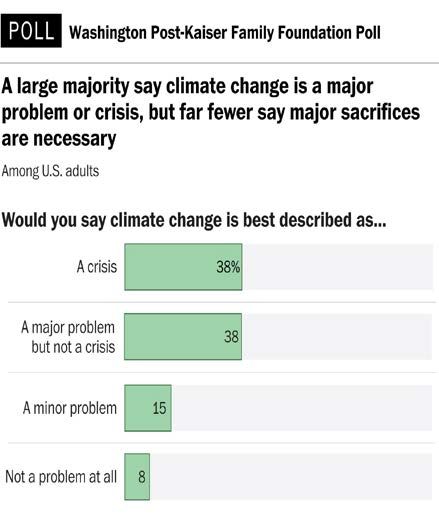
TRENDS pg 7

REFERENCES
1.  Mozaffarian D. Dietary and policy priorities to reduce the global crises of obesity and diabetes. Nature. 2020;1:38-50.
    doi: 10.1038/s43016-019-0013-1.
2. Aune D, Keum N, Giovannucci E et al. Whole grain consumption and risk of cardiovascular disease, cancer, and all cause
    and cause specific mortality: systematic review and dose-response meta-analysis of prospective studies. BMJ. 2016;
    353:i2716. doi: 10.1136/bmj.i2716.
3. Hirahatake KM, Astrup A, Hill JO, Slavin JL, Allison DB, Maki KC. Potential cardiometabolic health benefits of full-fat dairy:
    The evidence base. Adv Nutr. 2020;00:1–15. doi: 10.1093/advances/nmz132.
4. Fardet A, Rock E. Perspective: Reductionist nutrition research has meaning only within the framework of holistic and
    ethical thinking. Adv Nutr. 2018;9(6):655-670. doi: 10.1093/advances/nmy044.
5. Fazzino TL, Rohde K, Sullivan DK. Hyper-palatable foods: Development of a quantitative definition and application to the
    US food system database. Obesity. 2019;27(11):1761-1768. doi: 10.1002/oby.22639.
6. Too much ultra-processed foods linked to lower heart health. American Heart Association Newsroom website. https://
    newsroom.heart.org/news/too-much-ultra-processed-foods-linked-to-lower-heart-health. Published November 11, 2019.
    Accessed February 24, 2020.
7. Srour B, Fezeu, LK, Kesse-Guyot E et al. Ultraprocessed food consumption and risk of type 2 diabetes among participants
    of the Nutriet-Santé prospective cohort. JAMA. 2019;180(2):283-291. doi:10.1001/jamainternmed.2019.5942.
8. Edelman Trust. 2020 Edelman Trust Barometer report. https://www.edelman.com/trustbarometer. Published January
    19, 2020. Accessed February 14, 2020.
9. Leiserowitz A, Maibach E, Rosenthal S et al. Climate change in the American mind: April 2019 report. Yale Program on
    Climate Change Communication website. https://climatecommunication.yale.edu/publications/climate-change-in-the-
    american-mind-april-2019/. Published June 27, 2019. Accessed February 24, 2020.
10. Dennis B, Mufson S, Clement S. Americans increasingly see climate change as a crisis, poll shows. The Washington Post
    website. https://www.washingtonpost.com/climate-environment/americans-increasingly-see-climate-change-as-a-
    crisis-poll-shows/2019/09/12/74234db0-cd2a-11e9-87fa-8501a456c003_story.html. Published September 13, 2019.
    Accessed February 24, 2020.
11. Illuminate: responsible sourcing. The Center for Food Integrity website. http://www.foodintegrity.org/research/
    illuminate-research/illuminate-responsible-sourcing/. Accessed October 1, 2019.
12. Tracking Impossible Foods’s recent growth in the US. Morning Consult Brand Intelligence website. https://
    morningconsult.com/form/impossible-foods-growth/. Accessed February 24, 2020.
13. Piacenza J. Fast food restaurants look to turn plant-based burgers into cash cows. Morning Consult website. https://
    morningconsult.com/2019/05/15/fast-food-restaurants-look-to-turn-plant-based-burgers-into-cash-cows/. Published
    May 15, 2019. Accessed February 24, 2020.
14. Hu FB, Otis BO, McCarthy G. Can plant-based meat alternatives be part of a healthy and sustainable diet? JAMA.
    2019;322(16):1547-1548. doi:10.1001/jama.2019.13187.
15. McKelvey LM, Saccente JE, Swindle TM. Adverse childhood experiences in infancy and toddlerhood predict obesity and
    health outcomes in middle childhood. Child Obes. 2019;15(3). doi: 10.1089/chi.2018.0225.
16. Clark H, Coll-Seck AM, Banerjee A et al. A future for the world’s children? A WHO–UNICEF–Lancet Commission. Lancet.
    2020;395(10224):605-658. doi: 10.1016/S0140-6736(19)32540-1.
17. The State of the World’s Children 2019 report. United Nations Children’s Fund. https://www.unicef.org/reportsf/state-of-
    worlds-children-2019. Published October 2019. Accessed February 24, 2020.
18. Food Research and Action Center. Profile of infants and toddlers in California hunger, poverty, health, and the federal
    nutrition programs fact sheet. https://frac.org/wp-content/uploads/thinkbabies_facts_CA.pdf. Accessed February 25,
    2020.
19. Schwarzenberg SJ, Georgieff MK. Advocacy for improving nutrition in the first 1000 days to support childhood
    development and adult health. Pediatrics. 2018;141(2):e20173716; doi: 10.1542/peds.2017-3716.
20. Laurent JS, Watts R, Adise S et al. Associations among body mass index, cortical thickness, and executive function in
    children. JAMA Pediatr. 2020;174(2):170-177. doi:10.1001/jamapediatrics.2019.4708
21. MRI reveals brain damage in obese teens. Radiological Society of North America website. https://press.rsna.org/
    timssnet/media/pressreleases/14_pr_target.cfm?id=2121. Published November 25, 2019. Accessed February 25, 2020.
22. Soneji S, Beltrán-Sánchez H. Association of Special Supplemental Nutrition Program for Women, Infants,
    and Children with preterm birth and infant mortality. JAMA Netw Open. 2019;2(12):e1916722. doi:10.1001/
    jamanetworkopen.2019.16722.
23. Centers for Disease Control and Prevention. cdc.gov website. Preterm birth. https://www.cdc.gov/reproductivehealth/
    maternalinfanthealth/pretermbirth.htm. Updated October 21, 2019. Accessed February 25, 2020.
24. Pan L, Blanck HM, Park S, et al. State-specific prevalence of obesity among children aged 2–4 years enrolled in the Special
    Supplemental Nutrition Program for Women, Infants, and Children — United States, 2010–2016. MMWR Morb Mortal
    Wkly Rep. 2019;68:1057–1061. doi: http://dx.doi.org/10.15585/mmwr.mm6846a3external icon.
25. Gete DG, Waller M, Mishra GD. Effects of maternal diets on preterm birth and low birth weight: a systematic review. Br J
    Nutr. 2020 Feb 28;123(4):446-461. doi: 10.1017/S0007114519002897.
26. Derbyshire E. Could we be overlooking a potential choline crisis in the United Kingdom? BMJ Nutrition, Prevention and
    Health website. https://nutrition.bmj.com/content/early/2019/09/03/bmjnph-2019-000037. Published August 29,
    2019. Updated September 3, 2019. Accessed February 25, 2020.

1418 N. Market Blvd., Suite 500
Sacramento, CA 95834
HealthyEating.org

RETURN SERVICE REQUESTED

Dairy Council of California would like to thank and
acknowledge Kristin Hirahatake, PhD, RD for providing a
comprehensive third-party review of the 2020 Trends
Report.

Dairy Council of California has a Nutrition Trends Task
                                                           Connect Online With
Force which includes 10 staff members, nine of whom        Dairy Council of California
are Registered Dietitian Nutritionists. The Task Force
meets three times per year to review the trends in
nutrition research, education, policy and marketing and            HealthyEating.org
communications.
                                                                   Facebook.com/HealthyEating.org
Staff is responsible for tracking a wide variety of
publications, both scholarly journals and news media               Twitter.com/HealthyEating
that report on the above topics. This summary outlines
the top nutrition and education trends identified at the      		   YouTube.com/HealthyEating
year-end meeting in February 2020.
                                                           		Info@DairyCouncilofCA.org
For more information or to receive a printed copy of the   		      to sign up for electronic news.
TRENDS newsletter, please contact
Info@DairyCouncilofCA.org.

©2020 Dairy Council of California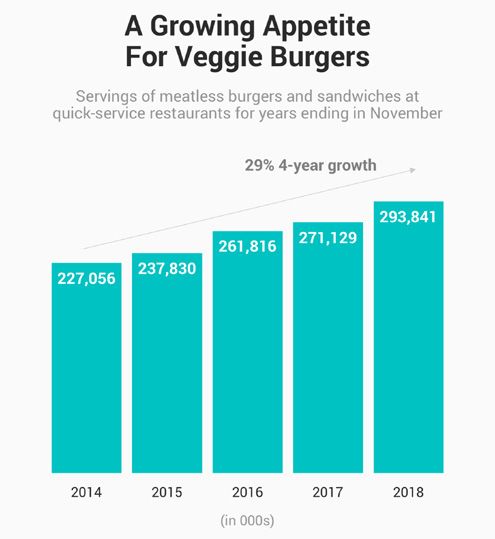
You can also read


