UK CYBERSECURITY CENSUS REPORT 2021 - Keeper
←
→
Page content transcription
If your browser does not render page correctly, please read the page content below

2021
UK CYBERSECURITY
CENSUS REPORT

2021 UK CYBERSECURITY CENSUS REPORT

                                      CONTENTS
                                      3    Foreword

                                      4    Executive Summary

                                      5    Section 1: Cyberattacks

                                      10   Section 2: Cybersecurity Investments

                                      13   Section 3: Cybersecurity Ownership

                                      17   Section 4: Cybersecurity During the Pandemic

                                      20   Section 5: Cybersecurity Legislation & Policy

                                      22   Conclusion

                                                                             © 2021 Keeper Security, Inc.   2
2021 UK CYBERSECURITY CENSUS REPORT

FOREWORD
Over the last couple of years, cybersecurity has come of age. What many organisations saw as nothing more
than an IT buzzword has evolved to become a function that is integral to ensuring business continuity.

But what is the cybersecurity landscape reality like for businesses in the UK today? How exposed are they
to the growing number of destructive cyberattacks? What are their cybersecurity investment priorities
like? Who is responsible for their cyber defences? And what more can be done for and by UK businesses to
properly fend off cyberthreats?

To answer these questions, Keeper has, in partnership with Sapio Research, analysed the behaviour and
attitudes of businesses by interviewing 1,000 senior IT decision makers across the UK.

The result is this report - Keeper’s inaugural UK Cybersecurity Census - which sheds light on the
cybersecurity challenges and opportunities UK businesses are facing in 2021 and beyond.

                                                                                                © 2021 Keeper Security, Inc.   3
2021 UK CYBERSECURITY CENSUS REPORT

EXECUTIVE SUMMARY
Here are 5 key takeaways from our inaugural
UK Cybersecurity Census:

         UK businesses have never before faced a        The pandemic has made UK organisations
         more aggressive and relentless onslaught       even more exposed to cyberattacks, with
         of cyberattacks, resulting in significant      existing IT policies being watered down in
         financial losses in the event of a             favour of ensuring business continuity and
         successful attack                              employee productivity

         Despite understanding the critical role that   Senior IT leaders are calling for more
         the IT team plays in keeping an organisation   cybersecurity regulation, including a
         safe, most UK businesses are investing far     minimum level of cybersecurity protections
         too little into their IT and cybersecurity     before organisations are allowed to operate
         solutions, leaving themselves incredibly       and an independent regulatory body to
         vulnerable as a result                         enforce this

         Senior IT leaders are under a huge amount
         of pressure to protect the organisations
         they work for, leading them to frequently
         ignoring their own cybersecurity advice
         by re-using passwords and even keeping
         cybersecurity breaches to themselves

                                                                           © 2021 Keeper Security, Inc.   4
2021 UK CYBERSECURITY CENSUS REPORT

SECTION 1:

CYBERATTACKS

The frequency, intensity and complexity of cyberattacks     A key challenge for UK companies is a lack of
is on the rise and UK businesses are starting to feel       cybersecurity skills. Nearly a quarter (23%) of all
the heat. Almost all of them (92%) have experienced a       organisations believe that they don’t have the right skills
cyberattack in the last 12 months, with over two-thirds     within the business to adequately protect themselves
(72%) of organisations being successfully breached at       against cyberattacks.
least once.
                                                            Businesses often also take too long to react to a
The consequences of such a breach can be dire. Many         cyberattack, losing valuable time to limit the damage
organisations have had either sensitive corporate (28%)     caused by cybercriminals in the process. Almost 3 in 5
or financial (26%) information stolen from them as a        (59%) organisations agree that their response time has
result of a cyberattack. A third (34%) of UK companies      increased over the last 12 months.
have also experienced severe organisational disruptions
that have resulted in them being unable to carry out        All of this paints a stark picture: Unless UK businesses
business operations.                                        dramatically increase their cybersecurity investments,
                                                            they will remain easy and lucrative targets for
In many cases, the financial fallout of a cyberattack       cybercriminals.
has the potential to cripple a company. Of those
organisations having experienced theft of money as a
direct result of a breach, 41% have lost over £50,000 and
every twelveth (8%) has even lost over £1 million.

It is clear that UK businesses are not well prepared to
deal with the barrage of cyberattacks they are exposed
to every single day - and the large majority (78%) of IT           A key challenge for UK companies
professionals agree with this statement.
                                                                    is a lack of cybersecurity skills.

                                                                                              © 2021 Keeper Security, Inc.   5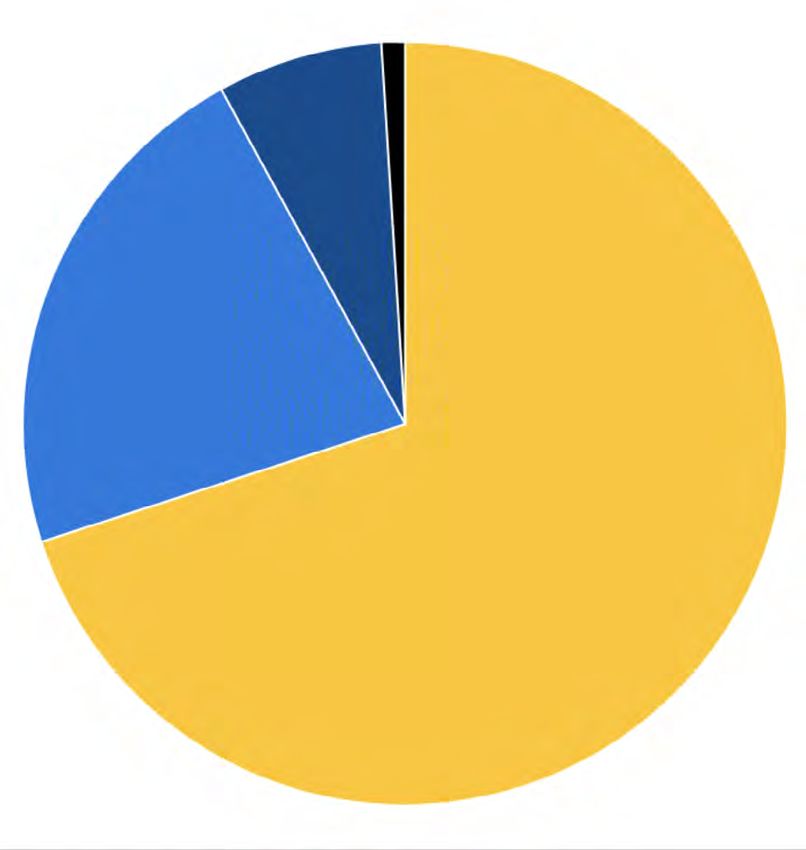
2021 UK CYBERSECURITY CENSUS REPORT

   How large are the organizations that reported at least one cyberattack in the last 12 months?

                                          Numbers of Employees
                               49%

                                         15%
                                                  12%       11%
                    8%
                                                                         4%
                                                                                     3%

                    0          1-        51-      101-      251-      501-        1,001+
                               50        100      250       500      1,000

                           Out of these attacks, how many were successful?
                          (Only asked of those that experienced a cyberattack)
     28%

              19%

                         13%
                                    9%    8%      8%
                                                           4%       4%                                     5%
                                                                              2  %
                                                                                            1%

      0        1         2           3     4       5        6       7         8              9            10+

Base: 1,000                                                                          © 2021 Keeper Security, Inc.   6
2021 UK CYBERSECURITY CENSUS REPORT
Which of these has happened to your business as a result of a successful cyberattack?
Disruption to trading 34%
Disruption of partner or customer operations 31%
Disruption of supply chain 30%
Theft of corporate information 28%
Reputational damage
27%
(e.g. bad publicity or disgruntled customers)
Theft of financial information
26%
(e.g. bank details or payment card details)
Loss of business or contract 23%
My business has never experienced
16%
a successful cyberattack
Other 1%
How much money did your organization lose as a result of a breach?
23%
21%
18%
14%
11%
8%
4%
1%
Less than £5,000- £10,000- £50,000- £100,000- £500,000- £1 million+ Don’t know
£5,000 £9,999 £49,000 £99,000 £499,999 £999,999
Base: 1,000 © 2021 Keeper Security, Inc. 72021 UK CYBERSECURITY CENSUS REPORT
of senior IT professionals believe that
78% businesses in the UK are generally not
well prepared for cyberattacks
© 2021 Keeper Security, Inc. 82021 UK CYBERSECURITY CENSUS REPORT
Do you have the right skills and cybersecurity solutions within your organisation to
adequately protect yourself against cyberattacks?
1%
7% Yes, we have both the right skills
and solutions in place
We don’t - we have the right solutions
22% in place but not the right skills
We don’t - we have the right skills but
70% not the right solutions
We don’t - we have neither the right
skills or the right solutions
Has the time taken to respond to a cyberattack increased in the past 12 months?
37%
30%
22%
7%
3% 1%
Yes it has Yes it has It has stayed No it has No it has Don’t
significantly increased the same decreased significantly know
increased decreased
Base: 1,000 © 2021 Keeper Security, Inc. 92021 UK CYBERSECURITY CENSUS REPORT
SECTION 2:
CYBERSECURITY
INVESTMENTS
The most effective way to prevent cyberattacks from On top of that, businesses need to invest in educating
succeeding is to invest in powerful cybersecurity their wider workforce around the cybersecurity dangers
solutions and hire people with the right skills to manage they are exposed to, and the active role they can play in
them. keeping the company safe. After all, employees are often
an organisation’s first line of defence.
This may sound obvious but, surprisingly, for many UK
organisations, IT and cybersecurity investments are still Four in five IT professionals (79%) agree that more needs
not a top priority. About a quarter of all companies (28%) to be done to educate employees on the importance
don’t consider IT to be one of their top 3 priorities for the of following cybersecurity best practices, and the
next 12 months. Less than half (44%) say it is their top consequences of not doing so. Poor password hygiene
priority. is a particular risk to organisations, with 58% of IT
professionals agreeing that employees do not understand
This is especially worrying as almost all (92%) UK what the full consequences of this are.
organisations are aware of where the gaps or weak links
in their cybersecurity defences are, but less than half Ultimately, many components make up an organisation’s
(40%) are actively addressing all of them. cybersecurity defences. But, despite this complexity, if
a cyberattack is successful, most organisations want a
Looking closely at what the IT budget is being spent single culprit to hold accountable. And this person often
on, it becomes clear that, despite a certain degree of sits at the very top of the business.
obliviousness, cybersecurity is an urgent priority for UK
businesses, with 92% of them allocating at least 10% of
their IT budget to cybersecurity solutions.
But investing in cybersecurity solutions alone is not
enough. UK businesses also need to ensure they
have the right people with the right skills within their
organisations. Currently, this isn’t the case, with 61% of Poor password hygiene is a
UK companies experiencing a cybersecurity particular risk to organisations.
skills shortage.
© 2021 Keeper Security, Inc. 102021 UK CYBERSECURITY CENSUS REPORT
What have your investment priorities as a business been over
the past 12 months? (#1 Priority)
48%
12% 12% 13%
9% 7%
Product Sales & Marketing IT HR Finance
research & distribution
development
What are your investment priorities as a business now and over
the next 12 months? (#1 Priority)
44%
15%
11% 10% 11%
9%
Product Sales & Marketing IT HR Finance
research & distribution
development
Base: 1,000 © 2021 Keeper Security, Inc. 112021 UK CYBERSECURITY CENSUS REPORT
Do you know where the gaps or weak links in your cybersecurity defences are?
And are you addressing them?
I know where our gaps or weak links are
40%
and we are actively addressing them
I know where our gaps or weak links are and
45%
we are addressing some of them
I know where our gaps or weak links are but
6%
we aren’t addressing them
I don’t know where our gaps or weak links are 4%
We don’t have any gaps or weak links 4%
How much do you agree or disagree with the following statements:
61% 79% 58%
Agree - there is a skills shortage Agree - more needs to be Agree - employees at my
among UK IT workers and this is done to educate employees company do not understand the
impacting cybersecurity in my on the importance of following implications of poor password
organisation cybersecurity best practices and hygiene
the consequences of not doing so
Base: 1,000 © 2021 Keeper Security, Inc. 122021 UK CYBERSECURITY CENSUS REPORT
SECTION 3:
CYBERSECURITY
OWNERSHIP
Senior IT leaders across the UK have never been under Perhaps most shockingly, more than a third (36%)
more pressure. They are expected to continue protecting admit to having kept a cyberattack to themselves. The
their organisations - often with limited resources - while ramifications of this are severe.
the world around them is rapidly changing.
It therefore comes as no surprise then that three
Almost half (47%) of IT leaders are most worried about quarters (76%) of senior IT leaders agree that there
cyberattacks becoming increasingly sophisticated, while should be a member of the Board specifically dedicated
another quarter (27%) say that the frequency of these to the cyber-welfare of the business. This would help
attacks is their biggest concern. Add the common lack clarify ownership and put a clear person at the top in
of critical cybersecurity resources to the mix and it charge of all cybersecurity matters across the company.
becomes clear that IT decision makers are fighting an
almighty battle.
Internal company pressures are another factor to
consider here. For a lot of IT leaders, their head is on
the line. While many organisations haven’t necessarily
appointed a single person in charge of cybersecurity, a
third (31%) believe that CTOs will have to bear the brunt
of the blame in the case of a successful cyberattack.
With that in mind, it might be somewhat understandable -
while still concerning - that senior IT decision makers are 34% of IT professionals admit to
not always leading by example. using the same password more than
once at work.
One third (34%) of IT professionals admit to using the
same password more than once at work and 32% are
using weak default login credentials such as ‘password’ or
‘admin’ to protect their data.
© 2021 Keeper Security, Inc. 132021 UK CYBERSECURITY CENSUS REPORT
What is your biggest cybersecurity worry?
Attacks becoming increasingly sophisticated 47%
Attacks becoming increasingly frequent 27%
Not having the right skills or team 12%
Not having enough budget 8%
I am not worried about cybersecurity at all 5%
Who is ultimately being held responsible internally if a cyberattack is successful?
1% 3%
6% CTO COO
9%
CEO Don’t know
31%
CIO Someone else
25%
CSO
25%
Base: 1,000 © 2021 Keeper Security, Inc. 142021 UK CYBERSECURITY CENSUS REPORT
Which of these have you done at least once in the last 12 months? Select all that apply.
34%
32%
Reused an existing Used a common or default set of
password at work credentials (i.e. admin password
or password123)
How much do you agree or disagree with the following statement:
Agree - there should be a member of the Board specifically
76% dedicated to the cyber-welfare of the business
Base: 1,000 © 2021 Keeper Security, Inc. 152021 UK CYBERSECURITY CENSUS REPORT
Have kept a cybersecurity attack or
36% breach affecting their organisation to
themselves
© 2021 Keeper Security, Inc. 162021 UK CYBERSECURITY CENSUS REPORT
SECTION 4:
CYBERSECURITY
DURING THE PANDEMIC
The pandemic has dramatically affected and altered the For three quarters (76%) of UK businesses this added
foundations of almost every UK business. Many were layer of focus towards cybersecurity is a direct result
forced to shift to remote work practically overnight. of the conditions caused by the pandemic. Particularly
given one in five (18%) organisations consider employees
This has posed particular challenges for IT departments continuing to work remotely to be their largest
in charge of the technical aspects of that migration, while cybersecurity vulnerability in 2021.
simultaneously having to ensure companies continue to
be adequately protected against cyberattacks. Yet this does reflect a general attitude towards the most
pressing issues for organisations this year. 95% of UK
Business continuity has been the top priority, sometimes businesses are worried about cybersecurity, but more
at the expense of existing cybersecurity protocols. clearly still needs to be done to ensure organisations act
on this worry. IT leaders believe companies should face
As a result, two thirds (66%) of UK organisations have increased external pressure to ensure they do so.
relaxed their cybersecurity policies over the past 12
months so staff can work remotely or in order not to stifle
productivity. Despite this, nearly a quarter (22%) of UK
businesses still have not updated their cybersecurity
policies to reflect this new reality.
Senior IT leaders are very aware of the challenges this
poses to them and their teams, and that they need to
double down on their cybersecurity efforts. In fact, most The pandemic has dramatically
of them (79%) believe cybersecurity will become more
affected and altered the foundations
important as they navigate the next 12 months.
of almost every UK business. Many
were forced to shift to remote work
practically overnight.
© 2021 Keeper Security, Inc. 172021 UK CYBERSECURITY CENSUS REPORT
Have you relaxed your cybersecurity policy over the last 12 months to allow staff to
work remotely and/or not to stifle productivity?
65% have relaxed their cybersecurity policies
Yes, we have relaxed our cybersecurity policy to both allow
26%
staff to work remotely and in order not to stifle productivity
Yes, we have relaxed our cybersecurity policy but only to
29%
allow staff to work remotely
Yes, we have relaxed our cybersecurity policy but only in
11%
order not to stifle productivity
No, we haven’t relaxed our cybersecurity policy but this has
11%
negatively impacted productivity
No, we haven’t relaxed our cybersecurity policy and this
24%
hasn’t had any impact on productivity
How much do you agree or disagree with the following statements:
22% 79% 76%
Agree - companies have not Agree - cybersecurity will become Agree - the conditions caused
updated their cybersecurity policy more important for my business in by Covid-19 have made my
since shifting to remote working the next 12 months company take cybersecurity
more seriously
Base: 1,000 © 2021 Keeper Security, Inc. 182021 UK CYBERSECURITY CENSUS REPORT
of organisations consider employees
18% continuing to work remotely to be their
largest cybersecurity vulnerability in 2021
Are you worried about cybersecurity at all?
5%
95%
Are worried in some form Not worried about cybersecurity at all
Base: 1,000 © 2021 Keeper Security, Inc. 192021 UK CYBERSECURITY CENSUS REPORT
SECTION 5:
CYBERSECURITY
LEGISLATION & POLICY
Not all UK businesses conform to one way of protecting
their online security. Different areas are prioritised, and
the gaps are present in different places.
But while every organisation has a slightly different
view of how they should go about properly protecting
themselves against cyberattacks, senior IT decision
Senior IT decision makers do
makers do largely agree on one thing: there should be
more external pressure on companies to ensure their
largely agree on one thing: there
cyberdefences are up to scratch. should be more external pressure
on companies to ensure their
Almost all (91%) IT leaders think businesses should be cyberdefences are up to scratch.
legally required to have basic cybersecurity protections
in place before being allowed to operate and trade.
Additionally, four in five (82%) believe that new
employees should be required to complete a basic level
of cybersecurity training before they start a role at the
company.
Senior IT professionals further feel that there should be a
degree of public accountability for businesses to ensure
they keep investing in cybersecurity. In fact, a large
majority (87%) think that the creation of a regulatory
body - an ‘Ofcom for cybersecurity’ - would be an
effective way to hold businesses accountable and reduce
cyberattacks in the UK.
© 2021 Keeper Security, Inc. 202021 UK CYBERSECURITY CENSUS REPORT
Do you agree that businesses should be
legally required to have basic cybersecurity 91%
protections in place before being allowed to
operate or trade?
Yes, agree
82%
How much do you agree or disagree
with the following statement:
Agree - all employees should be required
to complete a basic level of cybersecurity
training before they start
Do you agree that an independent body -
an ‘Ofcom for cybersecurity’ - would be an 87%
effective way to hold businesses accountable
and reduce cyberattacks in the UK’?
Yes, agree
Base: 1,000 © 2021 Keeper Security, Inc. 212021 UK CYBERSECURITY CENSUS REPORT
CONCLUSION
Cybersecurity is clearly a major concern for UK Yet with all of these challenges also come opportunities.
businesses. But, as this report has shown, there is no There is a clear path for UK businesses towards a more
such thing as just one singular cybersecurity challenge. mature, effective and robust cybersecurity future.
Ultimately, a clear dissonance exists between awareness
Companies are struggling to put the right solutions in and actions taken to address the problem. The next 12
place to cope with the onslaught of cyberattacks that months will show how much progress UK businesses are
they are exposed to on a daily basis, often with costly willing to make to close this vast cybersecurity gap.
consequences.
While there is a desire to boost cybersecurity efforts,
companies are still reluctant to put their money where
their mouth is and make IT an investment priority.
There is also a clear lack of ownership around who
makes cybersecurity decisions - and who is ultimately
responsible in case there is a successful breach.
RESEARCH METHODOLOGY
The global pandemic has added a further level of
complexity to the situation, with the widespread shift The survey results are taken from
to hybrid work making it even more difficult to have interviews with 1,000 senior IT
adequate cybersecurity defences in place. decision makers in the UK. The
interviews were conducted online by
And there is a growing call for further regulation, forcing
companies to wise up and address some of the dangerous Sapio Research in April and May 2021.
cybersecurity gaps that exist within, but also between,
organisations.
© 2021 Keeper Security, Inc. 222021 UK CYBERSECURITY CENSUS REPORT
ABOUT KEEPER SECURITY
Keeper is transforming the way organisations and individuals protect their passwords and sensitive digital assets to
significantly reduce cybertheft and data breaches. Keeper is the leading provider of zero-trust, zero-knowledge security
and encryption software covering password management, dark web monitoring, digital file storage and advanced
reporting and alerts. Keeper protects any-sized business across every major industry sector by providing visibility and
control over its password security and dark web threats. To learn more visit keeper.io/uk-census.
© 2021 Keeper Security, Inc. 2
3You can also read


