Victorian Aboriginal
Affairs Framework
2018-2023
←
→
Page content transcription
If your browser does not render page correctly, please read the page content below
Victorian Aboriginal Affairs Framework 2018-2023
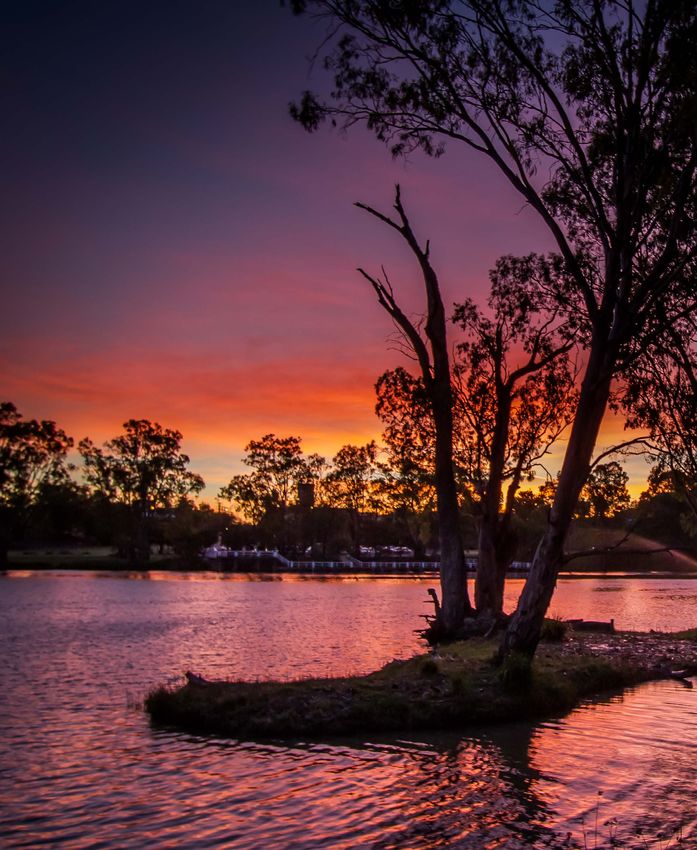
Murray River, Mildura © Jacqui Barker/WikimediaCommons
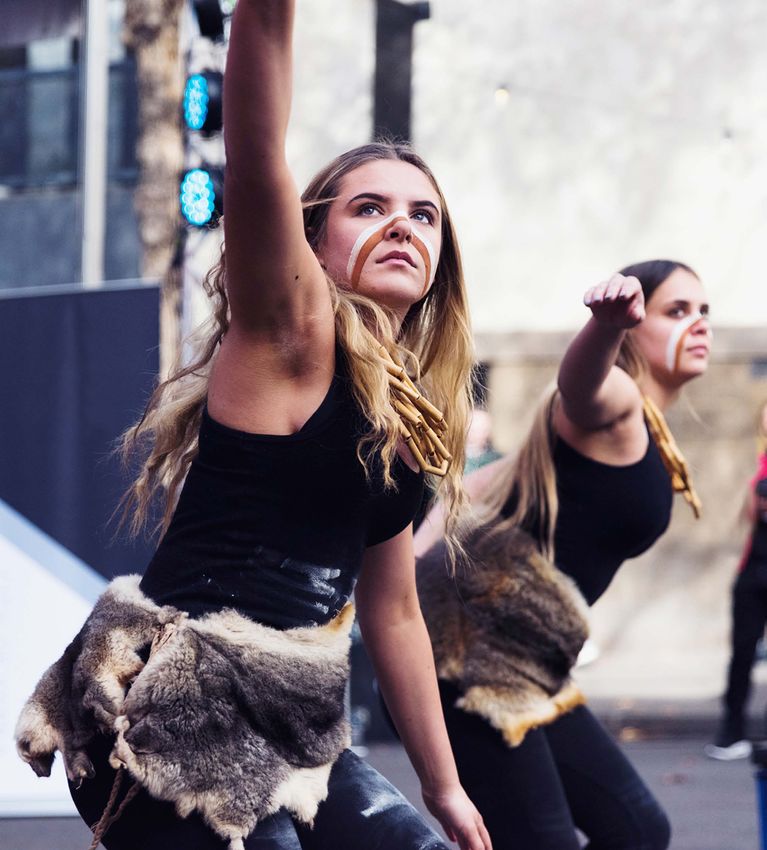
Cover image: Djirri Djirri Dance Group performing at Smith Street Dreaming.
Photo: Mikaela Egan. Used with permission of Djirri Djirri Dance Group.

Acknowledgement
We proudly acknowledge Victoria’s First Nations peoples and their
ongoing strength in practising the world’s oldest living culture. We
acknowledge the Traditional Owners of the lands and waters on
which we live and work, and pay our respect to their Elders past
and present.

Victoria’s Aboriginal communities continue to strengthen and
grow with the ongoing practice of language, lore and cultural
knowledge. We recognise the contribution of Aboriginal people
and communities to Victorian life and how this continues to enrich
our society more broadly. We acknowledge the contributions of
generations of Aboriginal leaders who have come before us, who
have fought tirelessly for the rights of their people and communities.

We acknowledge Aboriginal self‑determination is a human right
as enshrined in the United Nations Declaration on the Rights of
Indigenous Peoples, and we commit to working towards a future of
equality, justice and strength.

Finally, we acknowledge that there are long-lasting, far‑reaching
and intergenerational consequences of colonisation and
dispossession. The reality of colonisation involved the
establishment of Victoria with the specific intent of excluding
Aboriginal people and their laws, culture, customs and traditions.
Over time, the development of Victorian laws, policies, systems and
structures explicitly excluded Aboriginal Victorians, resulting in
and entrenching systemic and structural racism. We acknowledge
that the impact and structures of colonisation still exist today.
Despite the past and present impacts of colonisation, Aboriginal
people, families and communities remain strong and resilient.

Language statement
We recognise the diversity of Aboriginal people living
throughout Victoria. Whilst the terms ‘Koorie’ or ‘Koori’ are
commonly used to describe Aboriginal people of southeast
Australia, we have used the term ‘Aboriginal’ to include all
people of Aboriginal and Torres Strait Islander descent who are
living in Victoria.

The use of the words ‘our’ and ‘we’ throughout this document refers
to the Victorian Government.
Victorian Aboriginal Affairs Framework 2018-2023

Artist statement

Mikaela Egan                                         Hollie Johnson
I’m a proud Muthi Muthi/Gunditjmara woman.           I am a proud Gunai Kurnai and Monero
I grew up in Mildura and have been living            Ngarigo woman currently living in Gippsland,
in Melbourne for ten years. I’m an artist/           Victoria. Growing up, I was fortunate enough
photographer and Aboriginal health promotion         to learn about my culture and traditions from
officer. I have a great love for creating and        my grandparents who I admire and respect
capturing moments in time. I put passion and         deeply. I graduated from RMIT with a Bachelor
soul into all areas of my work and I love working    of Arts Photography in 2016, and am currently
in my community to help create healthier lives       the Program Manager for AIME (Australian
for our mob. I believe that we can truly set an      Indigenous Mentoring Experience) Gippsland
example by being the change we wish to see in        and freelance in my spare time.
order to achieve better outcomes for our people.
                                                     I have done work for Parks New South Wales,
My philosophy in life is to create change and        Yirramboi Festival through the City of Melbourne,
evoke healing in our own lives and communities       Latrobe City Council, among others. I was the first
in order to move forward and live our best           student to study the VCE Indigenous Languages
possible lives with the resources that we have.      of Victoria, and I continue to practise language
As a creative I am able to express myself and my     with hopes to study linguistics and teaching in
culture through different art forms and I am truly   the future. I hope to combine my knowledge and
blessed to be able to openly share that with not     skills to start up my own business that will support
only the Aboriginal community but all Australians.   up‑and-coming Indigenous artists and people.
Victorian Aboriginal Affairs Framework 2018-2023

Contents

Message from the Premier                                                                                                                                      6
Message from the Minister for Aboriginal Affairs                                                                                                              7
Plan                                                                                                                                                          8
   The Victorian Aboriginal Affairs Framework 2018-2023............................................10
   Our purpose..............................................................................................................................................10
   Our shared vision..................................................................................................................................12
   The journey so far................................................................................................................................ 14
   The VAAF complements existing strategies...................................................................... 18
Act                                                                                                                                                        20
   The VAAF is underpinned by Aboriginal self‑determination.................................22
   Understanding government’s efforts to advance Aboriginal
   self‑determination...............................................................................................................................23
   Our future action will be underpinned by 11 self‑determination
   guiding principles................................................................................................................................ 24
   We will prioritise action in four key areas...........................................................................25
Measure                                                                                                                                                     28
   Victorian Aboriginal Affairs Framework 2018-2023 ....................................................30
   Domain 1: Children, family and home.....................................................................................32
   Domain 2: Learning and skills..................................................................................................... 36
   Domain 3: Opportunity and prosperity................................................................................40
   Domain 4: Health and wellbeing...............................................................................................44
   Domain 5: Justice and safety...................................................................................................... 48
   Domain 6: Culture and Country.................................................................................................52
Evaluate                                                                                                                                                   56
   Governance and accountability............................................................................................... 58
   Aboriginal-led evaluation and review mechanism..................................................... 58
   Data transparency and accountability............................................................................... 59
   Next steps................................................................................................................................................. 59
   VAAF measures.....................................................................................................................................60
Appendix 1: Community engagement summary                                                                                                                     71
Endnotes                                                                                                                                                    72
We need more Aboriginal people’s voices
in decision‑making… it’s not just good
practice, it’s good business.
Community forum participant, Morwell

                                                   Consult with Aboriginal people,
                                                   sit down with them and have a
                                                    yarn - if you want to close the
                                                      gap you need to address the
                                                    social determinants of health.
                                                                          Online survey respondent

                                       Gariwerd (Grampian National Park) © Gav Owen/WikimediaCommons
Victorian Aboriginal Affairs Framework 2018-2023

Message from the Premier

                                      Like previous frameworks, this document lays out our state’s
                                      approach to Aboriginal affairs.

                                      It provides the metrics, the targets and the priorities to guide our
                                      progress forward.

                                      But it also represents a new way of doing business. A new approach
                                      to Aboriginal affairs, with the voices of Aboriginal people at its heart.

                                      Because, a decade on from the Closing the Gap agreement,
                                      there is no more evident truth: we only achieve better outcomes
                                      for Aboriginal people when that all-important work is led by
                                      Aboriginal people.

                                      Here in Victoria we’re making progress, passing our nation’s
                                      first‑ever treaty legislation into law.

                                      But as this document – the product of consultation with Aboriginal
                                      communities across our state – shows, our work is far from over.

                                      It’s why we must keep listening to – and being led by – Aboriginal
                                      people, families and communities.

                                      Because a more just, more equal, more decent future for Aboriginal
                                      people can only mean a more just, more equal, more decent future
                                      for our state.

                                      The Hon Daniel Andrews MP
                                      Premier of Victoria

6
Message from the Minister for Aboriginal Affairs

                I am honoured in my role as Minister for Aboriginal Affairs to
                present the new Victorian Aboriginal Affairs Framework 2018-2023.

                The VAAF is the Victorian Government’s plan for working with
                Aboriginal Victorians to close the gap. I would like to express my
                thanks to all community members who shared their time and
                wisdom. We hope that you see your voice reflected in these pages.

                I would also like to thank the Aboriginal Executive Council
                for their advisory role in progressing whole-of-government
                self‑determination reform.

                The VAAF tells an important story about Aboriginal Victorians.
                It tells a story of strong, resilient Aboriginal people, families and
                communities who have great aspirations for their lives. It turns
                the spotlight on government and what actions must be taken to
                address the enduring impacts of colonisation.

                The new VAAF recognises that positive change must involve
                government transforming to deliver culturally safe and
                community‑owned services and programs. The VAAF sets out
                guiding principles that will underpin all future work to progress
                self‑determination.

                We know that transforming government will take time. We have
                started that process, with Aboriginal Victorians leading the way.

                Together, we will help create a future where all Aboriginal people,
                families and communities are healthy, safe, resilient, thriving and
                living culturally rich lives.

                The Hon Natalie Hutchins MP
                Minister for Aboriginal Affairs

                                                                                        7
Victorian Aboriginal Affairs Framework 2018-2023

      1
      PLAN

8
There needs to be opportunities
for everyone to have their voices
heard and be listened to.
Community forum participant, Geelong
9Victorian Aboriginal Affairs Framework 2018-2023
The Victorian Aboriginal Affairs
Framework 2018-2023
The goals, objectives, measures and self-determination guiding principles and
actions within the VAAF set a clear direction for how government will ‘Plan’, ‘Act’,
‘Measure’ and ‘Evaluate’ to progress change across government, address inequity
and deliver stronger outcomes for and with Aboriginal Victorians.
Our purpose
The Victorian Aboriginal Affairs Framework Victorians. This has included the national Closing
2018-2023 (the VAAF) provides an ambitious and the Gap agenda since its commencement in
forward-looking agenda for Aboriginal affairs. 2008. These frameworks have reflected the
The VAAF has two key purposes: Victorian context, including the unique voices,
strength, resilience and cultural knowledge of
1. It is the Victorian Government’s
Aboriginal people in Victoria.
overarching framework for working with
Aboriginal Victorians, organisations
Past government reporting in Aboriginal affairs
and the wider community to drive
focused on ‘how Aboriginal people are faring’.
action and improve outcomes.
While this VAAF still has a focus on measuring
2. It sets out whole of government improvements in people’s lives, it has transitioned
self‑determination enablers and principles, to a new approach that enables community
and commits government to significant to hold government to account. The VAAF
structural and systemic transformation. recognises that to achieve positive outcomes,
we must fundamentally change the way
Since 2006, Victoria has implemented governments work with Aboriginal people.
whole‑of‑government frameworks to address
the gaps between Aboriginal and non-Aboriginal
All community should have a voice: children, young people, Elders.
Community forum participant, Robinvale
10VAAF action logic
Transformation of structures
and systems, through
government action to:
1. Prioritise culture
2. Address trauma and
support healing
1 3. Address racism and
promote cultural safety
4. Transfer power and Elimination of
resources to communities structural and
2 systemic barriers
experienced by
Aboriginal Victorians
3
Aboriginal Victorians are
empowered to own and drive
safe, relevant and accessible
Increase in the safety, responses to meet their needs
4 relevance, accessibility of
universal and targeted
systems and services
5 Improved outcomes for
Aboriginal Victorians
Increase in Aboriginal Victorians
confidently accessing systems and
services that support them to thrive
11Victorian Aboriginal Affairs Framework 2018-2023
Our shared vision
Our shared vision is that: ‘All Aboriginal Victorian people, families and communities
are healthy, safe, resilient, thriving and living culturally rich lives.’
There has been significant investment and
policy development contributing to strengthened
Self‑determination makes you
cultural, economic, political and social outcomes feel like you should be happy,
for Aboriginal Victorians. Despite these efforts,
much more needs to be done.
safe and content to live where
you want. For you to have
This vision acknowledges that Aboriginal
aspiration extends beyond closing the gap access and be treated equitably,
towards long-term generational change and but also for your mob too.
improved outcomes for all Victorian Aboriginal
people, families and communities. It reflects our Community forum participant, Lakes Entrance
move away from just measuring life expectancy
towards what Aboriginal people expect out of life.
We know that Aboriginal people know what is
best for themselves, their families and their
communities. Self‑determination is the human
right that underpins this vision and our collective
efforts under the VAAF.
12Victorian Aboriginal Affairs Framework
Our shared vision: ‘All Aboriginal Victorian people, families and communities
are healthy, safe, resilient, thriving and living culturally rich lives.’
Self‑determination enablers: Self‑determination guiding principles:
What we’ll do How we’ll do it
• Prioritise culture • Human rights • Decision-making
• Address trauma and support healing • Cultural integrity • Empowerment
• Address racism and promote cultural safety • Commitment • Cultural safety
• Transfer power and resources to communities • Aboriginal expertise • Equity
• Partnership • Accountability
• Investment
Domains
1. Children, 2. Learning 3. Opportunity 4. Health & 5. Justice 6. Culture
family & home & skills & prosperity wellbeing & safety & Country
Goals
Goal 1 Goal 4 Goal 8 Goal 11 Goal 15 Goal 18
Aboriginal children Aboriginal Aboriginal Aboriginal Aboriginal Aboriginal land,
are born healthy children thrive in workers achieve Victorians enjoy over‑representation water and cultural
and thrive the early years wealth equality health and in the justice system rights are realised
longevity is eliminated
Goal 2 Goal 5 Goal 9 Goal 12 Goal 16 Goal 19
Aboriginal children Aboriginal learners Strong Aboriginal Aboriginal Aboriginal Aboriginal culture
are raised by excel at school workforce Victorians access Victorians have and language
Aboriginal families participation, in the services access to safe are supported
all sectors and they need and effective and celebrated
at all levels justice services
Goal 3 Goal 6 Goal 10 Goal 13 Goal 17 Goal 20
Aboriginal families Aboriginal learners Aboriginal income Health and Aboriginal Racism is
and households are engaged potential is realised community services Victorians feel safe eliminated
thrive at school are culturally safe and connected
and responsive
Goal 7 Goal 14
Aboriginal learners Aboriginal
achieve their Victorians enjoy
full potential social and
after school emotional wellbeing
13Victorian Aboriginal Affairs Framework 2018-2023 The journey so far Victoria is leading the way on self-determination by ensuring Aboriginal Victorians are at the heart of decision-making on the matters that affect their lives. 2018 marked ten years since the Commonwealth Government and state and territory governments signed the National Indigenous Reform Agreement (Closing the Gap). The Victorian Government has undertaken extensive community engagement across the state to understand community perspectives on the previous national Closing the Gap agenda and the VAAF to ensure that Victoria’s approach reflects Aboriginal voices. More than 600 Aboriginal Victorians shared their wisdom and expertise on what the VAAF should look like. Open community forums and workshops were held throughout 2018 in 20 metro and regional communities across six regions: Loddon Mallee, Barwon South West, Gippsland, Grampians, Hume and Melbourne. We heard from Elders, community members, Aboriginal organisations, mainstream services and government representatives. Conversations were held in a range of settings, including Aboriginal co-operatives, gathering places, community halls, sporting clubs and health services. There was a diversity of voices and experiences within the communities we visited, as well as common themes and aspirations. A summary of the community engagement activities can be found at Appendix 1. In addition to the perspectives and voices of Aboriginal Victorians heard through community engagement, the VAAF builds on the reform and advocacy that has occurred in Aboriginal affairs and the contributions of generations of Victorian Aboriginal leaders. 14
The government needs
to be accountable to
respecting and really
listening and tuning into
what the options are.
Community forum participant,
Lakes Entrance

                               15
Victorian Aboriginal Affairs Framework 2018-2023
Some of the key milestones in Aboriginal
affairs since 2006
2006 February 2008
Peak Aboriginal and Prime Minister Kevin Rudd
Torres Strait Islander and delivers the National Apology
non‑Indigenous health to the Stolen Generations,
bodies and human rights apologising for the profound
organisations join efforts grief, suffering and loss caused
as the National Indigenous by the removal of Aboriginal
Health Equality Campaign to and Torres Strait Islander
advocate for Indigenous health children from their families,
equality. communities and Country.
The Victorian Indigenous
Affairs Framework is August 2010
first developed in 2006
to provide a long-term, The Victorian Indigenous
whole-of‑government, Affairs Framework 2010‑2013
intergenerational strategy outlines a plan to guide
aimed at closing the gap Victorian Government action
between Aboriginal and to address the gaps between
non‑Aboriginal Victorians. Aboriginal and non-Aboriginal
Victorians.
September 2007 March 2008 November 2012
The United Nations Declaration Victoria signs the The Victorian Government
on the Rights of Indigenous Indigenous Health Equality releases a strengthened
Peoples is adopted by the Summit Statement of Victorian Aboriginal Affairs
General Assembly, recognising Intent, committing to Framework 2013-2018 to
the “urgent need to respect work in partnership with bring together government
and promote the inherent Aboriginal and Torres Strait and Aboriginal community
rights of Indigenous peoples”. Islander people to achieve commitments and efforts in
In April 2009, Australia formally equality in health and life order to create a better future
endorses the Declaration. expectancy by 2030. led by Aboriginal Victorians.
December 2007 November 2008
The Council of Australian COAG agrees to the National
Governments (COAG) commits Indigenous Reform Agreement,
to ‘closing the gap’ in outlining the actions needed
Aboriginal and Torres Strait to achieve Closing the
Islander life expectancy. Gap targets in Indigenous
disadvantage.
16June 2016 2018
Aboriginal and Torres Strait COAG agrees to launch a
Islander peak representative refresh of Closing the Gap and
organisations from across considers new national targets.
Australia release the Redfern
Statement, calling for a more Victoria undertakes wide
March 2015 just approach to Aboriginal and community engagement
Torres Strait Islander Affairs on the VAAF responding
The Victorian Government and for the Commonwealth to the call from Aboriginal
commits to self-determination and state and territory Victorians to further embed
as the new policy framework governments to address self‑determination within
to guide Aboriginal affairs in unacceptable disadvantage policy design and promote
Victoria. experienced by First Peoples. community-led priority setting.
May 2016 May 2017 2018
The call for treaty by The Uluru Statement from the The Victorian Treaty
Aboriginal Victorians is heard. Heart, released by delegates Advancement Commission
The Victorian Government of the First Nations National is established to strengthen
holds the first Victorian Constitutional Convention, independence for Aboriginal
Treaty Forum to bring calls for the establishment of a Victorians on the pathway
together Victoria’s Aboriginal First Nations Voice enshrined to treaty and ensure they
communities and discuss how in the Australian Constitution, remain at the heart of the
to advance self‑determination, and a Makarrata Commission process. In June 2018, Victoria
a treaty and an Aboriginal to supervise an agreement passes Australia's first treaty
representative body. making and truth-telling legislation. The Advancing the
process between governments Treaty Process with Aboriginal
and First Nations. Victorians Act 2018 requires
government to work with the
Aboriginal Representative
Body to establish the entities,
rules and resource base
necessary to support future
treaty negotiations.
17Victorian Aboriginal Affairs Framework 2018-2023
The VAAF complements existing strategies
Aboriginal communities and organisations are working in partnership with
government to embed self‑determination and improve outcomes across a range
of government policies, strategies and reforms.
Across Victoria, there are many community‑led The VAAF allows us to monitor
and culturally responsive initiatives and
strategies underway that embed Aboriginal progress and challenges across all
self‑determination, and strengthen the areas of life
relationship between Aboriginal communities,
Aboriginal organisations, mainstream There are many different and complex factors
organisations and government. that affect the lives of Aboriginal Victorians.
These factors don’t exist in isolation – the
These strategies are about advancing Aboriginal realities and outcomes experienced in one
self-determination and ensuring the voices part of a person’s life and identity influence
of Aboriginal Victorians are at the heart of the outcomes experienced in other aspects of
decision‑making across policies, programs and their life.
practices throughout our state.
The VAAF, and the Victorian Government,
acknowledges the inter-relationship between
The VAAF links existing strategies outcomes, and sets goals and objectives across
all areas of life. The VAAF also allows us to
critically assess the diverse social structures
Rather than replacing or redirecting existing
and policies in place as well as the accessibility
strategies, the VAAF provides the overarching
of services, acknowledging their impact
whole-of-government framework to link this
on outcomes for individuals, families and
work. The VAAF acknowledges, aligns with
communities.
and champions these existing initiatives and
strategies.
Reporting against each of the VAAF’s goals and
objectives will, over time, give us a clearer picture
As the overarching framework for Aboriginal
of the progress government and community are
affairs, the VAAF provides broad accountabilities
making in partnership across all areas of life for
for all areas of government, and provides a
Aboriginal Victorians, as well as the challenges
consistent foundation that complements the
we still need to address.
objectives and outcomes of existing strategies.
While existing strategies may have more
detailed goals and specific targets related to
their individual areas of accountability, the VAAF
includes broad aspirational goals and directions
that work towards achieving equity of outcomes
for Aboriginal Victorians.
18The VAAF’s relationship with existing strategies
Victorian Aboriginal Affairs Framework 2018-2023
1. Children, 2. Learning 3. Opportunity 4. Health & 5. Justice 6. Culture
family & home & skills & prosperity wellbeing & safety & Country
Roadmap for Education State Victorian Korin Korin Balit- Burra Lotjpa Safer Together:
Reform: Strong Reform Agenda Aboriginal Djak: Aboriginal Dunguludja: A new approach
Families, Safe Economic Health, Wellbeing Victorian to reducing the
Children Strategy and Safety Aboriginal risk of bushfire
Marrung: 2013-2020 Strategic Plan Justice in Victoria
Aboriginal 2017-2027 Agreement –
Wungurilwil Education Plan Phase 4
Gapgapduir: 2016-2026 Tharamba Aboriginal
Aboriginal Bugheen: Balit Murrup: Heritage Act 2006
Children Victorian Aboriginal Social and Aboriginal
and Families Early Childhood Aboriginal and Emotional Heritage
Agreement Reform Plan Business Wellbeing Amendment
Strategy Framework Act 2016
2017-2021 2017-2027
Aboriginal 10 Education
Year Family State schools Traditional Owner
Violence initiatives Absolutely Settlement
Agreement 2018- Everyone: State Act 2010
2028, Dhelk Dja: Disability Plan
Skills First
Safe Our Way – 2017-2020
Strong Culture, Water for Victoria
Strong Peoples,
Strong Families
Advancing the
Treaty Process
with Aboriginal
Victorians
Act 2018*
*The Advancing the Treaty Process with Aboriginal Victorians Act 2018 relates to all domain areas.
19Victorian Aboriginal Affairs Framework 2018-2023 2 ACT 20
Truly self‑determining structures need
to be designed by Aboriginal people,
but not just replicating the existing
power structures that exist in the
Aboriginal community currently.
Community forum participant, Ballarat

                                        21
Victorian Aboriginal Affairs Framework 2018-2023
The VAAF is underpinned by Aboriginal
self‑determination
Self-determination is the guiding principle in Aboriginal affairs. Aboriginal
self‑determination underpinned the development of the VAAF, as it will
underpin all future action across Victoria.
Aboriginal self‑determination is not a new We have heard from community that Aboriginal
concept. For decades, Aboriginal Victorians have self-determination encompasses a spectrum
fought for self‑determination and their right to of rights that are necessary for Aboriginal
make decisions on matters that affect their lives Victorians to achieve economic, social and
and communities. cultural equity, based on their own cultural values
and way of life. This includes rights to:
While Aboriginal self-determination means
• not be discriminated against
different things to different people, the United
Nations Declaration on the Rights of Indigenous • enjoy language, culture and heritage
Peoples (UNDRIP) describes self-determination
• land and natural resources
as the ability for Indigenous people to freely
determine their political status and pursue their • have access to the basic necessities of
economic, social and cultural development. It life and be economically self-sufficient
also describes self-determination as a right that
• make decisions that impact their lives from
relates to groups of people, not only individuals.1
a position of wellbeing and empowerment
While UNDRIP gives us a language to talk about • ‘grassroots community’ having ownership
self‑determination, Aboriginal Victorians must and responsibility for their own affairs
not feel constrained by the definition set out and their own communities, including
in UNDRIP. Inherent to self‑determination is through designing and delivering policy
the right of Aboriginal Victorians to define for and services on their own terms, setting
themselves what self‑determination means. their own funding priorities and holding
their service providers accountable.
There are three reasons Aboriginal self‑determination underpins the VAAF
IT WORKS IT IS WHAT IT IS A
Aboriginal Victorians COMMUNITY HUMAN RIGHT
hold the knowledge and
expertise about what WANTS Australia is a signatory
to international law
is best for themselves, Aboriginal Victorians have
instruments, including
their families and their consistently and long called
UNDRIP, that affirm the
communities. Local and for self‑determination
right to self-determination
international evidence as the key enabler for
for Indigenous peoples.
shows us that self- Aboriginal people, families
determination is the key and communities to thrive.
policy approach that has
produced effective and
sustainable outcomes
for Indigenous peoples.
22Understanding government’s efforts to
advance Aboriginal self‑determination
The Victorian Government recognises that Aboriginal self-determination involves
more than consulting and partnering with Aboriginal Victorians on policies and
programs that affect their lives.
There is a continuum that leads to Aboriginal In our journey towards making Aboriginal
self‑determination, ranging from informing self‑determination a reality, government
community through to transferring decision‑making should continue to strive towards transferring
control. We acknowledge that different policies, decision‑making control to Aboriginal peoples
initiatives and strategies across government are at and community on the matters that affect
different stages of advancing self-determination. their lives.
Continuum towards Aboriginal self‑determination
INFORM CONSULT COLLABORATE
DECISION-MAKING AND
PARTNERSHIP CO-OWNERSHIP CO-OWNERSHIP
RESOURCES CONTROL
Self‑determination is about community voice, led by community,
measured by community, relating to the whole community.
Community forum participant, Mildura
23Victorian Aboriginal Affairs Framework 2018-2023
Our future action will be underpinned by
11 self‑determination guiding principles
The Victorian Government’s future action to advance Aboriginal self-determination
will be driven by 11 guiding principles of self-determination.
The self-determination principles have been advancing self‑determination, these principles
developed following extensive community provide a ‘common language’ for what Aboriginal
engagement with Aboriginal Victorians. They self‑determination looks like in practice.
set the minimum standards for all existing and
future work with Aboriginal Victorians. While These principles will underpin all action to
different policies, initiatives and strategies progress Aboriginal self-determination.
across government are at different stages of
Self‑determination guiding principles
HUMAN RIGHTS PARTNERSHIP INVESTMENT
Self‑determination initiatives Partnerships will advance Investment to support
honour the norms set out Aboriginal autonomy through self‑determination will be
in UNDRIP and Victoria’s equitable participation, shared sustainable, flexible and
Charter of Human Rights and authority and decision-making, appropriate to strengthen
Responsibilities Act 2006. and will be underpinned by Aboriginal peoples’ aspirations
cultural integrity. and participation, including
CULTURAL INTEGRITY around economic participation,
DECISION-MAKING
economic independence and
As First Nations peoples, building wealth.
the rich, thriving cultures, Decision-makers will respect
knowledge and diverse the right to free, prior and EQUITY
informed consent and
experiences of Aboriginal
individual choice and will
people, including where they Systemic and structural
prioritise the transfer of
fit with family, community and racism, discrimination
decision-making power to
society, will be recognised, Aboriginal people in areas that and unconscious bias and
valued, heard and celebrated. impact their communities. other barriers to Aboriginal
self‑determination will
COMMITMENT EMPOWERMENT be actively identified and
eliminated.
Aboriginal self‑determination Aboriginal people will have
will be advanced and autonomy and participation ACCOUNTABILITY
embedded through planned in the development, design,
action that is endorsed by, and implementation, monitoring All parties responsible for
accountable to, all parties. and evaluation of legislation, delivering outcomes involving
policies and programs that Aboriginal people will be held
ABORIGINAL EXPERTISE impact their communities. accountable and subject to
Aboriginal-led, independent
Government and agencies CULTURAL SAFETY and transparent oversight.
will seek out, value and
embed Aboriginal culture, Programs and services
knowledge, expertise and accessed by Aboriginal people
diverse perspectives in will be inclusive, respectful,
policies and practice. responsive and relevant, and
informed by culturally safe
practice frameworks.
24We will prioritise action in four key areas
While government must not define or control Aboriginal self-determination, it
does control many of the systems and structures that enable it. Government must
therefore transform its systems and structures to support self-determination and
improve outcomes for Aboriginal peoples.
We acknowledge that the way government These areas for action will require government
enables Aboriginal self‑determination will and community to work together to develop
continue to evolve over time, based on changing a more detailed understanding of how such
community expectations and needs. However, initiatives could be developed and implemented.
community has identified four self‑determination
enablers which government must commit to As detailed in the ‘Evaluate’ section of the VAAF,
and act upon over the next five years to make government will be held accountable for delivering
Aboriginal self‑determination a reality: on this work through an Aboriginal‑led evaluation
and review mechanism. The Aboriginal-led
1. Prioritise culture evaluation and review mechanism will include
2. Address trauma and support healing qualitative reporting on:
3. Address racism and promote cultural safety • efforts to progress the self‑determination
guiding principles
4. Transfer power and resources
to communities. • implementation of the broad areas
for action that support the four
To help guide government’s work, community self‑determination enablers.
has proposed broad areas in which government
should prioritise its efforts. In addition, government’s self-determination
action will be reported to community via an
annual tabling of a whole-of-government
progress report on the VAAF in Parliament.
1
Prioritise culture
We acknowledge that connection to family, community, culture and Country is critical to the
wellbeing and positive self-identity of Aboriginal Victorians. Cultural identity is a key enabler
of achieving positive outcomes and the full enjoyment of the right to practise culture.
Broad areas for action
Self‑determination has Acknowledge, respect and celebrate the diversity and
strength of Aboriginal culture
to come from strong Support cultural pride and identity among
Aboriginal Victorians
culture first and foremost.
Promote greater understanding of and respect
People need to be able to for Aboriginal culture and communities among
non‑Aboriginal Victorians
regain their culture and
Acknowledge, promote and support Aboriginal people,
traditions before they can including Elders and young people, to strengthen,
connect and re-connect to culture
self‑determine. Support Aboriginal-led research to build the evidence
Community forum participant, Seymour base on the role of cultural determinants to help
develop effective policies and services.
25Victorian Aboriginal Affairs Framework 2018-2023
2
Address trauma and support healing
We acknowledge the long-lasting, far-reaching and intergenerational consequences of
colonisation, dispossession, child removal and other discriminatory government policies,
including significant intergenerational trauma. Addressing trauma and supporting
healing is important because the wellbeing of Aboriginal people, families and communities is
fundamental to how they engage with the structures and systems that support them to thrive.
Broad areas for action
Increase investment in prevention and early intervention initiatives that
help build strong families and communities
Self‑determination is Address historical and contemporary discrimination
ongoing, continuous, Develop a new relationship of trust, including through treaty
evolving – healing Embed trauma-informed policy and practice into funded services,
recognising the leading role that Aboriginal organisations play in providing
needs to happen holistic, culturally safe services to Aboriginal people and communities
first. Ensure mainstream organisations and the wider community understand
the ongoing impacts of colonisation and intergenerational trauma
Community forum Support members of the Stolen Generations and their descendants
participant, Morwell
Support the strengthening of relationships within and between
Aboriginal communities
Support truth-telling.
3
Address racism and promote cultural safety
The structures and systems established during colonisation had the specific intent
to exclude Aboriginal people and their laws, customs and traditions, resulting in
entrenched systemic and structural racism. Governments as well as Aboriginal
and mainstream organisations and services should provide mechanisms and supports for
Aboriginal Victorian people, families, communities and organisations to fully participate in policy
development. Targeted and universal systems and services must be culturally safe, relevant,
accessible and responsive to communities. This enables Aboriginal Victorians to make decisions
on the matters that affect their lives.
Broad areas for action
Ensure government departments, Aboriginal organisations and
government-funded mainstream services are culturally safe and relevant
Government Ensure government departments, government-funded mainstream
needs to be held services and organisations and the wider community understand the
impacts of colonisation, racism and unconscious bias
accountable Increase the Aboriginal workforce across services, including in
for structural leadership roles
racism. It’s not Ensure the Aboriginal workforce is supported
Ensure future State Budget bids reflect the voice and priorities of
up to Aboriginal Aboriginal communities, including through engagement and consultation
Victorians to Address racism, unconscious bias and discrimination in government
address this. laws, policy, practice, systems and institutions
Recognise and remove the barriers to the Aboriginal community
Community forum accessing services and participating fully in social and economic activity
participant, Melbourne
Increase alignment and co-ordination across and between state
government, local governments, Aboriginal organisations, mainstream
organisations and community.
264
Transfer power and resources to communities
Aboriginal people know what is best for themselves, their families and communities. We
acknowledge the right of Aboriginal Victorians to have decision-making control over
the issues that affect their lives. Community-led, place-based decision-making and
resourcing at the state and local level will enable Aboriginal communities to lead the development
and implementation of culturally safe and relevant responses. It will also allow Aboriginal
communities to hold government, Aboriginal organisations and mainstream services to account.
Broad areas for action
Strengthen Aboriginal leadership, representation, decision-making and
resource allocation/distribution at the local, regional and state levels,
recognising the needs of Aboriginal communities
Ensure government, Aboriginal organisations and government-funded
mainstream services respond to community voices
Support and resource self-determining Aboriginal governance
structures at the local community level, within Aboriginal organisations
and through the pathway to treaty
Government needs Support Aboriginal organisations and communities to design, deliver
and evaluate programs, policies and services to Aboriginal people and
to transfer power communities, in line with community preference
and resources Ensure funding for Aboriginal organisations and mainstream
organisations providing services to Aboriginal Victorians is transparent,
over to community equitable, community led, flexible, sustainable, long term and based on
control. outcomes not outputs
Deliver ongoing capacity strengthening and resourcing of Aboriginal
Community forum participant, organisations and communities around leadership, decision-making
Bendigo and evaluation
Ensure there is independent, community-led and resourced
accountability of government, Aboriginal organisations and
government-funded mainstream services back to local communities
Support data sovereignty
Support Traditional Owner-led management and control of land, water
and other natural resources
Support community members as they work to advance and enforce
their human rights.
27Victorian Aboriginal Affairs Framework 2018-2023 3 MEASURE 28
If you feel okay, then
that’s a starting
platform to have a
healthy, stable life
– that’s a platform
for the same thing
for your children and
your grandchildren.
Community forum participant,
Lakes Entrance

                               29
Victorian Aboriginal Affairs Framework 2018-2023
Victorian Aboriginal Affairs Framework
2018-2023
The VAAF brings together a comprehensive set of data that can help community
hold government to account on whether our combined efforts are improving the
lives of Aboriginal Victorians. Further information on our evaluation approach is
available in the ‘Evaluate’ section.
OUR
VISION
All Aboriginal Victorian people, families and communities are
healthy, safe, resilient, thriving and living culturally rich lives.
OUR
DOMAINS
1. Children,
2. Learning 3. Opportunity
family
& skills & prosperity
& home
4. Health 5. Justice 6. Culture
& wellbeing & safety & Country
30SELF‑DETERMINATION
Self‑determination
is a human right. The OUR
Victorian Government GOALS
will advance
self‑determination The VAAF sets out 20 goals across
through 11 guiding 6 domains. These are clear statements
that provide a definition of what the
principles and action on future should look like if we fulfil our vision.
4 enablers.
OUR
OBJECTIVES
The VAAF outlines a total of 32 objectives.
Every goal contains one or more
objectives. These focus attention on
where we need to see change in order to
meet our goals.
OUR
MEASURES
The VAAF outlines 111 measures. These
include measures on cultural safety,
service or system access, and equity.
31Victorian Aboriginal Affairs Framework 2018-2023
Domain 1
Children,
family
& home
Our shared commitment: ‘All Aboriginal children and young
people are safe, resilient, thriving and living in culturally rich,
strong Aboriginal families and communities.’ 2
32Goal 1: Aboriginal children are born
healthy and thrive
Objective 1.1 Improve maternal and infant health
Objective 1.2 Children thrive in their first 1000 days
The first five years of a child's life are Ongoing investment in community-led
fundamental to shaping their future. responses to optimise maternal health
Delivering better maternal and early and the development of Aboriginal
childhood services means removing children is an essential platform for
barriers, promoting genuine and Aboriginal self-determination, ensuring
effective partnerships and supporting that all children have an equal chance
Aboriginal families to access culturally to thrive and grow.
safe services.
We want healthy babies, so working with young
women and educating young families to rear/grow
up strong deadly healthy children.
Online survey respondent
33Victorian Aboriginal Affairs Framework 2018-2023
Goal 2: Aboriginal children are raised
by Aboriginal families
Objective 2.1 Eliminate the over-representation of Aboriginal children and young
people in care
Objective 2.2 Increase Aboriginal care, guardianship and management of Aboriginal
children and young people in care
Objective 2.3 Increase family reunifications for Aboriginal children and young
people in care
Culture, language and connection to remain connected to kin, culture and
community and Country all support community, and have the opportunity
children and young people to thrive.2 to be reunited safely with their families.
Despite this, Victorian Aboriginal Where this is not possible, the transfer
children and young people remain of responsibility for Aboriginal children
vastly over-represented in child to Aboriginal organisations is a key
protection and care. action in progressing Aboriginal
self‑determination.
Community-led responses that focus
on prevention and early intervention
are critical for reducing the number
We need to keep
of Aboriginal children and young families together.
people in child protection and care.
For those in care, it is important they Community forum participant, Mildura
Goal 3: Aboriginal families and
households thrive
Objective 3.1 Reduce the incidence and impact of family violence affecting
Aboriginal families
Family violence has a disproportionate
impact on Aboriginal people in
All parties need to
Victoria, particularly women and be supported with
children, regardless of whether they
live in rural, regional or urban areas. community education
Aboriginal communities in Victoria and services to help
have consistently led the way in
developing strategic priorities and break the cycles and
actions to prevent family violence. foster safe family
This is demonstrated through strong
whole‑of‑community engagement environments.
initiatives that bring together women,
men, children and Elders to collectively Community forum participant, Seymour
break the cycles of violence.
The Victorian Government’s Aboriginal
10 Year Family Violence Agreement
2018‑2028, Dhelk Dja: Safe Our Way –
Strong Culture, Strong Peoples, Strong
Families articulates a vision for the
future where Aboriginal people, families
and communities live free from violence.
34Objective 3.2 Increase income and housing security for Aboriginal households
In achieving true equity, the fundamental
importance of both a stable home and a secure It always comes back to
income must be recognised. Housing is a key
social determinant of health and wellbeing for
homelessness – if you
Aboriginal Victorians. Secure, culturally safe and don’t have a home, you
coordinated housing and support services can
break cycles of homelessness, facilitate family don’t have anything.
reunification and promote safety. Stable housing
is essential for physical and mental health, Community forum participant, Robinvale
maintaining social networks, and accessing
education, training and employment. Home
ownership for Aboriginal Victorians can also
play an important role in tackling disadvantage
Economic factors play a
and increasing housing security for Aboriginal part in school attendance
households. Home ownership is further detailed
in Domain 3: Opportunity & prosperity. and feelings of safety – for
example not being able to
send children to school with
lunch or not being able to
afford to go on the excursion.
Community forum participant, Shepparton
35Victorian Aboriginal Affairs Framework 2018-2023
Domain 2:
Learning
& skills
Our shared commitment: ‘Every Koorie person achieves
their potential, succeeds in life, and feels strong in their
cultural identity.’ 3
36Goal 4: Aboriginal children thrive in
the early years
Objective 4.1 Optimise early childhood development and participation in kinder
Education is well known to be linked Increased enrolment and participation
to improved wellbeing and increased in kindergarten and early-start
equity, with kindergarten and early programs can significantly improve
schooling a critical starting point to set social and emotional skills and
Aboriginal children up for life. resilience, and ensure Aboriginal
children are in the best position to
achieve their potential.
Children need to be school ready, and schools need
to be ready for them.
Community forum participant, Mildura
37Victorian Aboriginal Affairs Framework 2018-2023
Goal 5: Aboriginal learners excel
at school
Objective 5.1 Bring Aboriginal achievement at school in line with learners’ aspirations
Objective 5.2 Increase the proportion of Aboriginal students who feel safe and
connected at school
For Aboriginal learners to excel at experiences of racism and bullying,
school, it is vital that schools are and increasing the confidence that
culturally supportive and responsive Aboriginal students and their families
learning environments. Cultural safety have in the school system.
and connection to culture is a critical
foundation that supports Aboriginal
children to be confident learners Aboriginal children should
and makes schools more inclusive of
Aboriginal students and their aspirations. be encouraged to be
astronomers, scientists,
Educational outcomes for Aboriginal
students can be better supported engineers.
by ensuring learning environments
Community forum participant, Ballarat
are addressing inequity, such as
Goal 6: Aboriginal learners are
engaged at school
Objective 6.1 Increase Year 12 or equivalent attainment
Remaining engaged in school and Completing Year 12 or equivalent can
completing and excelling at Year 12 support Aboriginal learners to pursue
or equivalent can provide Aboriginal further education and training or to
learners with greater opportunities and gain employment.
choice for their future pathways.
The more educated they are, the more Aboriginal
people can self‑determine their own future.
Community forum participant, Horsham
38Goal 7: Aboriginal learners achieve
their full potential after school
Objective 7.1 Increase the proportion of Aboriginal young people in work or further
education and training
The opportunities and pathways made means making these opportunities
available to students immediately after more accessible for Aboriginal young
high school can help set up a strong people, as well as ensuring young
foundation for a successful, healthy and people feel supported to follow their
prosperous future. ambitions. Lifelong learning must also
be accessible and encouraged for adult
Aboriginal learners must be supported Aboriginal Victorians, particularly those
to pursue their pathway of choice, facing additional challenges to social
whether that be further education, and economic participation.
training or formal employment. This
Year 12 attainment is a good target and measure, but
we need to go further – for example, measure and
track from Year 12 to tertiary education or employment.
Community forum participant, Bendigo
Domain 3:
39Victorian Aboriginal Affairs Framework 2018-2023
Opportunity
& prosperity
Our shared commitment: ‘Building opportunity and
economic prosperity for all Aboriginal Victorians.’ 4
40Goal 8: Aboriginal workers achieve
wealth equality
Objective 8.1 Increase Aboriginal household income in line with the Victorian median
Objective 8.2 Increase Aboriginal home ownership in line with the Victorian average
Objective 8.3 Increase Aboriginal business ownership and support Aboriginal
entrepreneurs
Aboriginal Victorians have a long history Raising Aboriginal household income
of enterprise. Today, successful Aboriginal supports personal and collective agency
entrepreneurs are role models for young and enables Aboriginal Victorians to
Aboriginal people. As businesses grow and have equal access to opportunities.
develop, they allow the next generation of Home ownership is an aspiration held
entrepreneurs to step forward. Over time, by many Aboriginal Victorians. Among
this strengthens the economic position of other benefits, home ownership enables
Aboriginal communities.5 Aboriginal Victorians to obtain financial
gain from the intergenerational transfer
of wealth.
We need Aboriginal business in Aboriginal hands.
Community forum participant, Robinvale
41Victorian Aboriginal Affairs Framework 2018-2023
Goal 9: Strong Aboriginal workforce
participation, in all sectors and at
all levels
Objective 9.1 Increase Aboriginal workforce participation
Objective 9.2 Increase workforce participation for Aboriginal women
Objective 9.3 Increase workforce participation for Aboriginal young people,
people with a disability and people living in regional areas
Objective 9.4 Increase Aboriginal leadership and representation across all sectors
and levels
Fully participating in the economy Aboriginal staff bring unique knowledge,
provides Aboriginal Victorians with skills and expertise to the workforce and
the resources they need to determine understand the needs and aspirations of
the future they want. Economic the Aboriginal community. Further work
participation is therefore key to is required to improve the representation
Aboriginal self‑determination.5 of Aboriginal people in the Victorian
Public Service (VPS) as well as other
Building work opportunities for Victorian sectors, and to enhance the quality of
Aboriginal young people, women, the workplace and career experiences of
people living with a disability and those Aboriginal staff.
in regional areas is key to inclusive
economic growth. Greater effort is
needed to ensure that all Aboriginal
Victorians – in all levels, across all
sectors – are better represented.
[There] needs to be a localised focus on employment.
Community forum participant, Bendigo
42Goal 10: Aboriginal income potential
is realised
Objective 10.1 Increase Victoria’s Aboriginal gross income and decrease the
opportunity cost of Aboriginal income inequality
Aboriginal people, organisations and and competitive advantage. If the talent
businesses already make valuable and aspiration of Aboriginal Victorians
contributions to Victoria’s diverse is given full expression in the Victorian
economy. Aboriginal economic economy, there is significant opportunity
development is vital to growing for Aboriginal income growth.
Victoria’s wealth generally and to
increasing overall economic productivity
[We need to] increase Aboriginal employment at
executive levels.
Community forum participant, Horsham
43Victorian Aboriginal Affairs Framework 2018-2023
Domain 4:
Health &
wellbeing
Our shared commitment: ‘Self‑determining, healthy and safe
Aboriginal people and communities.’ 6
44Goal 11: Aboriginal Victorians enjoy
health and longevity
Objective 11.1 Improve Aboriginal health status, quality of life and
life expectancy
Enjoying good health and wellbeing is health outcomes and quality of life for
fundamental. While many Aboriginal all Aboriginal Victorians. Improving
Victorians report good health and health outcomes and having a good
there have been areas of improvement, quality of life will ensure all Victorian
government, services and communities Aboriginal communities can thrive.
need to take significant steps to improve
We need more end-to-end and holistic support.
Community forum participant, Sale
Prevention is better than cure.
Community forum participant, Geelong
45You can also read


