WAIHEKE TE MAHERE A TE POARI A-ROHE - liveable city at the local level shapeauckland.co.nz
←
→
Page content transcription
If your browser does not render page correctly, please read the page content below
ost
         t h e w orld’s m level
Creating ity at the local
        c
liveable kland.co.nz
        c
shapeau

                                  WAIHEKE
                                         -
                    TE MAHERE A TE POARI A -ROHE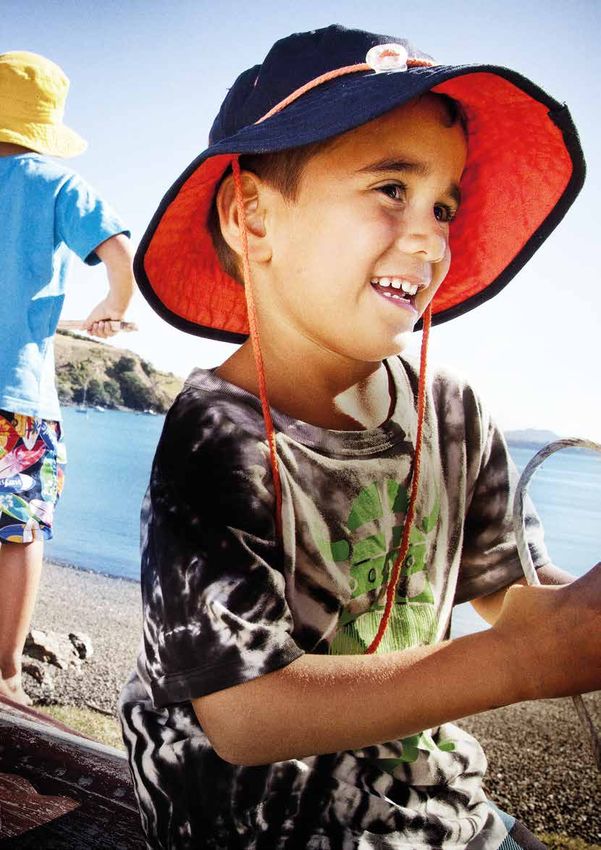
MIHI
    Titiro ki te Pane-o-Horoiwi,
    ka whakapukepuke, ka whakatiketike ki waho rā.
    He kawau, he kawau, he kawau!
    He kawau tikitiki ka eke ki te tāhuna tōrea.
    He kawau tikitiki ka eke ki te tāhuna ki Waitematā.
    Ko koutou ēna e ngā mataawaka i rite ai te kōrero,
    Ngā waka o Taikehu me he kāhui kātaha kapi-tai, ka eke!
    Kua eke, hui e, tāiki e!
    Te noho nei au i te kūrae i Takaparawhā,
    ka titiro whakawaho ki a koe Aotea
    e tū hihiwa mai rā i te pae o te moana o Hauraki.
    Ka hoki whakaroto ake aku mihi ki a Waiheke,
    ki a Rangitoto te pueanga mutunga a te moana.
    Kia ū mai anō au ki te one i Ōkahu,
    kia takahia e au te rārangi maunga i uta.
    Ki te tonga ko Maungarei, kei raro ko te Kōpua Kai a Hiku.
    Ka rere mā roto ki Puketāpapa,
    kia piki au ki Maungakiekie, Tūpo-o-te-tini.
    Ka whakamau taku haere mā te Ahikāroa a Rakataura
    kia taka atu au ki te Ara Whakapekapeka o Ruarangi.
    I kona ka aro tika atu au ki a koe e Maungawhau
    te tū whakahira tonu mai nā i te pū o te wheke,
    kua werohia nei e te Tūkoi o te Rangi,
    kia pokanoa au ki te pepeha a Tītahi,
    “Koia te pou whakairo ka tū ki Waitematā i ōku wairangitanga”,
    kia whakaotihia noa ai ki te kōrero rā,
    “te pai me te whai rawa o Tāmaki.”
    Look to the sandbanks at Achilles Point,
    rising majestically out there.
    It is the visiting cormorant!
    It has alighted onto the beach of the Oyster-catcher.
    A distinguished visitor has come to the Waitematā.
    It is you the descendants of the ancient voyagers, those who embody the axiom,
    Like shoals of herrings on the tide are the canoes of Taikehu, you have arrived!
    The connections are made!
    So here I sit on the headland at Bastion Point,
    and I look out to Great Barrier Island
    shimmering on the Hauraki Harbour.
    Returning my gaze to Waiheke
    and then to Rangitoto, the last gift from the sea.
    Once more I stand on the shore at Ōkahu,
    from where I can traverse the ancient peaks.
    To the south is Maungarei below which lies the Panmure Basin.
    Flying inland I come to Puketāpapa
    from where I scale Maungakiekie, resting place of many who have passed on.
    I follow then the pathway to Mount Albert
    down into Point Chevalier.
    From there I return to Mt Eden,
    shining gem at the heart of the great city,
    lanced by the sky tower
    so that I might appropriate the prophecy of Tītahi who said.
    “It is a tower that will stand in the Waitematā that I saw in my feverish dream”
    and to end it with the maxim,
    “and so flow the goodness and the riches that is Tāmaki.”

2
CONTENTS
                         MESSAGE FROM THE CHAIR                                     4

                         OUR VISION                                                 5
COVER IMAGE
                         OUR OUTCOMES                                               6
Treasuring and
protecting our islands
for future generations   HELP SHAPE OUR AREA                                        8
is a priority for
the board.
                         WAIHEKE LOCAL BOARD AREA                                   9

                         ABOUT LOCAL BOARDS                                         10

                         WORKING WITH MĀORI                                        10

                         ABOUT LOCAL BOARD PLANS                                    11

                         HOW WE GOT YOUR FEEDBACK                                   11

                         OUR ENGAGEMENT ACTIVITIES                                  11

                         WHAT WE’VE HEARD                                           11

                         OUTCOME: TREASURED ISLANDS, COASTLINES, WETLANDS
                         AND MARINE AREAS                                           12

                         OUTCOME: A SUSTAINABLE AND PROSPEROUS LOCAL ECONOMY        16

                         OUTCOME: THRIVING, STRONG AND ENGAGED COMMUNITIES          19

                         OUTCOME: CONNECTED, HEALTHY AND ENVIRONMENTALLY-FRIENDLY
                         TRANSPORT OPTIONS                                          22

                         OUTCOME: VIBRANT PLACES FOR PEOPLE THAT REFLECT THE
                         CHARACTER OF THE ISLAND                                    25

                         OUTCOME: MATIATIA, GATEWAY TO WAIHEKE                      30

                         INDICATIVE BUDGET AND FUNDING SOURCES                      32

                         INDICATIVE BUDGET TABLES                                   33

                         YOUR WAIHEKE LOCAL BOARD MEMBERS                           35

                           This document is available in large-print on request.
                           Contact us on 09 301 0101 for more information.

                                                                                         3
MESSAGE FROM THE CHAIR
          The Waiheke Local Board Plan presents a vision for the next three years and
          beyond for Waiheke and the inner gulf islands. We live in a magical place and
          this plan presents us with an exciting opportunity to ensure it remains so.
          This draft plan has been developed with your input through extensive
          consultation, including community discussions and surveys. Your views have
          helped shape initiatives and our focus on areas including:
          • supporting a range of initiatives that strongly emphasise our natural
            environment, so it is protected for future generations
          • building a swimming pool for our community to enjoy and where our
            children can learn to swim in a safe environment
          • developing a robust plan for Matiatia, our transport hub and gateway
          • supporting the development of thriving and prosperous local businesses
            while caring for our environment
          • reviewing and prioritising the use of our community facilities so they are
            better utilised and meet the needs of our community
          • promoting walking, cycling and horse riding to enable residents and visitors
            to travel easily around the island.
          We would also like to develop more effective relationships with Māori as
          we work to support them to achieve our combined aspirations.
          To successfully deliver on this plan, we all need to work together –
          the council, central government, businesses, community organisations
          and residents.
          We encourage you all to give us feedback on this plan so we can continue
          to develop and refine our vision.
          Paul Walden,
          Chair, Waiheke Local Board

4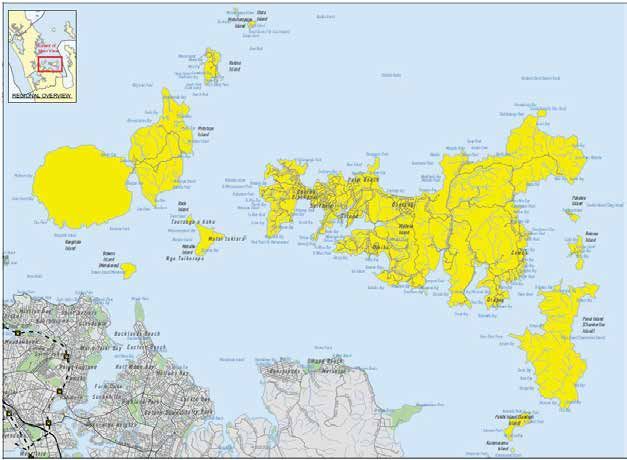
OUR VISION
Creating the world’s most liveable city at the        leisure time. And volunteers have helped reduce
local level.                                          pests and weeds throughout our islands.
Our islands and the Hauraki Gulf are some of          We have developed strong relationships with
Auckland’s most valuable assets. Our diverse          mana whenua as the kaitiaki (guardians) of our
landscape, golden beaches, headlands, pastures,       environment. Together we are protecting the
vineyards and regenerating native bush are loved      mauri, or life force, of the environment for future
by residents and visitors alike. Our aim is to        generations.
preserve this natural environment for generations     High-quality design ensures our village centres feel
to come.                                              safe and are enjoyable places for people to visit.
The future we see for the Waiheke Local Board area    Local businesses flourish, creating local jobs as well
is one where more people cycle, walk, horse ride or   as opportunities for young people to develop skills
use the frequent, affordable and integrated public    and transition from school to work. Sustainable
transport system to get around. Consequently          tourism has grown. Throughout the year, visitors
there are fewer cars on the road and people benefit   are attracted to an array of environmentally-
from leading active and healthy lifestyles.           friendly activities such as events, arts and cultural
                                                      activities and kayaking.
Matiatia is a thriving transport hub that
welcomes people to Waiheke, providing them            Neighbourhoods are vibrant and local community
with information about local Māori history and        facilities provide places for people to meet, relax
connecting people to the rest of the island.          and participate in community life. Young and old
                                                      go to our community pool where they learn to
A strong community focus on protecting our
                                                      swim or gently exercise. Because of all this activity,
environment has seen a reduction of waste, energy
                                                      people have a strong sense of belonging to their
use and greenhouse gas emissions. Our dependency
                                                      local community. The elderly are well cared for and
on fossil fuels is minimised and we are all playing
                                                      housing is affordable and healthy.
our part to reduce Waiheke’s carbon footprint.
                                                      What is special about Waiheke and the gulf islands
Our walkways, tracks, parks and reserves provide
                                                      has been cherished and protected by all.
places where people come together to spend their

                                                                                                               5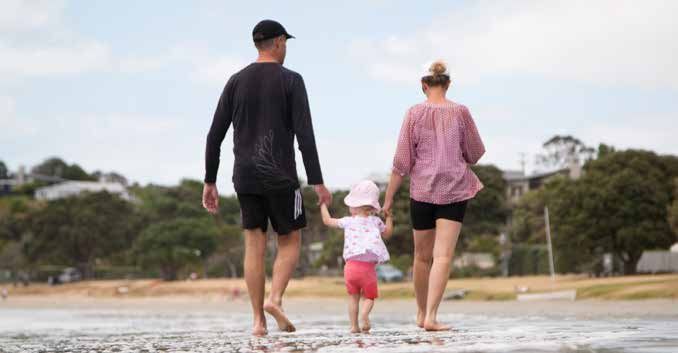
OUR OUTCOMES
    The Waiheke Local Board Plan creates the world’s most liveable city at the local
    level. Creating the world’s most liveable city is the vision of The Auckland Plan.
    Our Local Board Plan takes into account the outcomes in the 30-year Auckland
    Plan to help deliver this vision. Our outcomes have been developed with extensive
    community engagement.

     WAIHEKE LOCAL BOARD PLAN OUTCOMES

           Treasured islands, coastlines, wetlands and marine areas
           We will work to protect, maintain and enhance our magical islands, land, coastline, wetlands
           and marine environments for future generations.

           A sustainable and prosperous local economy
           Our Waiheke community has a strong, independent, entrepreneurial spirit and our natural
           assets provide many economic and lifestyle opportunities. We will support the local
           economy to flourish.

           Thriving, strong and engaged communities
           Waiheke residents have a strong sense of identity and wellbeing which is enhanced through
           active community participation.

           Connected, healthy and environmentally-friendly transport
           options
           We have environmentally-friendly, safe and integrated transport options that encourage
           walking, cycling and horse riding.

           Vibrant places for people that reflect the character of
           the island
           Our parks, reserves and beaches are cared for by residents and visitors who enjoy the sport,
           recreation and leisure opportunities they provide. People also love to use our range of
           community, arts and cultural facilities.

           Matiatia, gateway to Waiheke
           Our gateway to Waiheke is protected and enhanced.

6
THE AUCKLAND PLAN

 VISION
 To become the world’s most liveable city.

 OUTCOMES
          A fair, safe and healthy Auckland

          A green Auckland

          An Auckland of prosperity and opportunity

          A well-connected and accessible Auckland

          A beautiful Auckland that is loved by its people

          A culturally rich and creative Auckland

          A Māori identity that is Auckland’s point of difference
          in the world

                                                                    7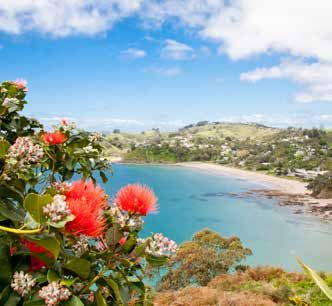
HELP SHAPE OUR AREA
    HOW TO HAVE YOUR SAY                                    The closing date for submissions is 5pm on
                                                            Wednesday 6 August 2014. Please ensure we
      Online                                                have your submission before this time, as we
                                                            will not accept late submissions.
    Go to shapeauckland.co.nz
    We have a dedicated online hub to make it               Please note that all submissions will be public
    quicker and easier to make a submission. If you         documents, but your contact details will be
    don’t have internet access at home, you can             kept private.
    use the internet free of charge at any Auckland
    Council library.                                        HEARINGS
      Email                                                 Talking at a hearing provides you with the
                                                            opportunity to reinforce what you have said in your
    You can send us your submission form via email.         written submission.
    Simply complete the submission form, scan it and send
    it to localboardplans@aucklandcouncil.govt.nz           It also gives local board members the chance
                                                            to clarify any points you have raised in your
    The submission form is available to download            submission.
    from our website or you can request a copy at
    any Auckland Council library, service centre or         When you complete your submission form you’ll
    local board office.                                     need to indicate whether you wish to speak in
                                                            support of your submission. If you do, you will be
                                                            contacted regarding the hearing time and place.
      By post                                               Notification may be at short notice and hearings are
    Post your completed submission using the freepost       generally open to the public and the news media.
    details on the back of your submission form to:
    Waiheke draft Local Board Plan 2014
    Attention: Brina Burden                                    To obtain further information on the
    Auckland Council                                           Waiheke draft Local Board Plan 2014, go to
    Freepost Authority 232621                                  shapeauckland.co.nz
    Private Bag 92300
    Auckland 1142
    Please note: you can attach additional pages to
    your hardcopy submission if you run out of space
    for your answers.

      In person
    You can deliver your submission form in person
    to your nearest local board office, or your nearest
    library or council service centre. A list of our
    libraries and service centres are available on the
    council’s website or by calling us on 09 301 0101.

8
WAIHEKE LOCAL BOARD AREA

                                  9
     ABOUT LOCAL BOARDS
     Auckland Council has a unique model of local government in New Zealand,
     comprising the governing body (made up of the mayor and 20 ward councillors) and
     21 local boards. The governing body focuses on the big picture and on Auckland-
     wide issues and decisions.

     Local boards provide local leadership and make decisions on local issues, activities
     and facilities, such as local parks, libraries and community halls. Local boards can
     also fund other organisations through community grants and other funding
     arrangements, for activities such as events and community programmes.

     Local boards engage with and represent their communities, provide important local
     input into Auckland-wide strategies and plans and work with others to build strong
     communities. Many council activities that are important to local communities are the
     responsibility of the governing body and council-controlled organisations (including
     Auckland Transport). Local boards act as champions and advocates for their
     communities when others have the decision-making role.

     Local boards also play an important role in delivering at the local level on Auckland
     Council’s commitment to Māori.

     WORKING WITH MĀORI
     Auckland Council is committed to meeting its responsibilities under Te Tiriti o
     Waitangi / the Treaty of Waitangi and its broader statutory obligations to Māori. This
     has been strengthened by the adoption of the Māori Responsiveness Framework.

     The Waiheke Local Board values Te Ao Māori world view, the essence of which is
     about relationships. We respect the traditional cultural and spiritual values of mana
     whenua and we are committed to fostering a more productive relationship. The
     Waiheke Local Board Plan describes some of the ways we would like to work in
     partnership with mana whenua. This includes kaitiakitanga and the guardianship of
     our environment and special places. It also means we would like to support Māori
     organisations to be part of providing for the social and cultural needs of our
     community. We will recognise and provide for the unique cultural heritage of wāhi
     tapu and iwi participation will be a priority when planning future projects to ensure we
     are working towards shared goals.

10
ABOUT LOCAL BOARD PLANS
This draft plan is about the Waiheke Local Board area. It expresses what we have
heard from you.

The plan sets the framework that will guide our decision-making and actions for the
next three years. It informs the board’s decisions on local activities, and enables us
to represent your interests and preferences on regional strategies and plans. It also
provides the flexibility to cope with changes that will happen during the next three
years. During this time we will continue to work closely with all sectors of our
community to understand your ongoing needs, issues and priorities.


HOW WE GOT YOUR FEEDBACK
Engaging with our communities has been an important part of developing this plan.
You have told us your views on many issues over the past three years as part of the
development of a wide range of council plans.

As well, we have undertaken further specific engagement through the development
of this local board plan. We listened to your views at meetings and gathered
information informally through other means.

OUR ENGAGEMENT ACTIVITIES
A series of public engagement forums were held in March 2014 for all Waiheke Local
Board area residents. The forums focused on six areas: community, Matiatia, events,
parks, transport, and places and people. Through these forums, we received a lot of
valuable, informed feedback. Of note was a youth forum, where our young people
participated enthusiastically to give us some great insights.

A survey asking residents for their thoughts on the draft outcomes was posted to all
residents in March. Through our Facebook page and these surveys, we received
more than 124 written submissions. This has given us a great feel for what matters
to people on Waiheke.

WHAT WE’VE HEARD
Broadly, you endorsed our aspirations for a thriving and prosperous community. You
value our beaches, streams, harbour, parks and sportsfields and want a clean,
green, tranquil environment that residents and visitors can enjoy.

You’ve also told us you want good transport options, including more walking routes,
cycleways and bridle paths to make it easy to reach attractive village centres.

                                                                                                11
     OUTCOME: TREASURED ISLANDS, COASTLINES,
     WETLANDS AND MARINE AREAS
     We will work to protect, maintain and enhance our magical islands, land,
     coastline, wetland and marine environments for future generations.

     Kaitiakitanga – guardianship of beaches, wetlands, native bush and birds
     Our archipelago has a stunning array of beaches, rugged and gentle coastlines,
     wetlands, large areas of native bush and rural pastoral landscapes. This is what
     makes our place both special and unique.

     We need to ensure our streams, beaches, bays and surrounding gulf, including
     biodiversity, is protected and enhanced. In doing so, we acknowledge the
     importance of our natural environment to Māori and will work with mana whenua and
     mataawaka to help achieve our combined environmental aspirations.

     Community education and volunteer programmes must continue to play their part.
     We will foster partnerships with volunteer groups aimed at protecting and enhancing
     our wetlands, native bush and birds.

     We will promote best practice for environmental management, including stormwater,
     wastewater, wetlands, weed and pest control.

     Waiheke was proudly declared a nuclear and genetic engineering free zone. These
     principles remain important to us.

     Marine environment
     Marine environments are vulnerable to pollutants and fish stock depletion. By
     advocating for a network of marine protected areas that link our islands, we will help
     retain and enhance biodiversity. We will work with others to find other protection
     methods, including advocating to the Ministry of Primary Industries around fishing
     quota’s. We will explore a community code of care for the environment and
     education programmes.

     To help us better understand the health of our marine environment, targeted
     ecological research and monitoring will take place regularly. This information will
     help with education and environmental protection planning.

     Waterways, weeds and pests
     Waiheke Island, meaning "cascading waters", includes wetlands over 1.3 per cent of
     our land area, many of these nationally significant due to having relatively intact

12
wetland systems. They provide many important biodiversity functions, including flood
control and water filtration, imperative for supporting the health of the gulf. Protecting
and restoring our wetlands and enhancing our waterways is a priority for our
community.

We aim to control pests and weeds by developing and implementing a pest-free plan
with our community. Likewise, we can all play our part in protecting our kauri trees
from dieback disease.

Stormwater must be managed in accordance with water sensitive design principles
to minimise the effects of sedimentation and pollution in our bays, including fish
breeding grounds. We will promote best practice to achieve the best possible
environmental outcomes in park, road and maintenance projects.

Waste management
Most of our waste is transported to a landfill on the mainland. We support
community-driven initiatives to reduce waste going to landfill, by using renewable
resources or recycling.

We will investigate developing a community recycling facility on Waiheke and, if
feasible, will advocate to the governing body for its support.

Environmental education
Community education programmes will be promoted to raise awareness around
environmental issues and conservation challenges affecting the gulf. We will provide
educational signs along walkways, cycleways and bridle paths.

Little Oneroa lagoon has a long history of contamination and would benefit from a
community-based remediation project, with an education component. This would
also focus on innovative restoration techniques and on-site wastewater system
management.

What you told us
•      Avoid waste (ban plastic bags in shops, paper cups in cafes).
•      Enhance biodiversity of the Hauraki Gulf.
•      Promote sustainable practices.
•      Preserve the wetlands we still have.

                                                                                                    13
            Restore and treasured islands, coastlines, wetlands and marine
            areas
            We will work to protect, maintain and enhance our magical islands, land, coastline,
            wetland and marine environments for future generations
            What we want     Key initiatives            Local        Other key       Potential
            to achieve                                  board role   agencies        cost;
                                                                                     Funding
                                                                                     status
            Improve our      Carry out remediation      Decision-    Auckland        Funded
            natural areas    of Little Oneroa           maker        Transport
            through          estuary
            ecological       Undertake Sandy Bay        Decision-    Auckland        Funded
            restoration      stream rehabilitation      maker,       Transport
            projects to      and planting               advocacy
            enhance          Deliver wetland            Decision-    Mana            Funded
            biodiversity     restoration projects,      maker,       whenua,
                             including working with     civic        schools,
                             local schools and the      leadership   Auckland
                             community                               Transport
            Improve          Develop and                Decision-    Governing       Part-
            protection and   implement plans to         maker,       body,           funded
            conservation     manage stormwater on       advocacy     Auckland
            of our coastal   the island in a way that                Transport
            environment      ensures environmental
            (including the   protection
            marine area)     Develop management         Decision-    Mana whenua     Part-
                             plans for all coastal      maker,                       funded
                             esplanade reserves         advocacy

                             Encourage                  Decision-    Department of   Part-
                             environmental and          maker,       Conservation,   funded
                             marine education and       advocacy,    schools,
                             research programmes,       civic        universities,
                             including an               leadership   Hauraki Gulf
                             environment centre                      Conservation
                                                                     Trust, Forest
                                                                     and Bird
                             Provide educational        Decision-                    Funded
                             signs along walkways,      maker
                             cycleways and bridle
                             paths

14
       Restore and treasured islands, coastlines, wetlands and marine
       areas
       We will work to protect, maintain and enhance our magical islands, land, coastline,
       wetland and marine environments for future generations
       What we want     Key initiatives           Local        Other key        Potential
       to achieve                                 board role   agencies         cost;
                                                                                Funding
                                                                                status
       Waste            Complete a scoping        Decision-                     $30,000
       minimisation     study for a community     maker                         Funded
                        recycling facility on
                        Waiheke

                                                                                                    15
     OUTCOME: A SUSTAINABLE AND PROSPEROUS LOCAL
     ECONOMY
     Our Waiheke community has a strong, independent, entrepreneurial
     spirit and our natural assets provide many economic and lifestyle
     opportunities. We will support the local economy to flourish.

     The character of Waiheke
     We want a local economy that contributes to life on Waiheke, while protecting and
     promoting what is special about our place.
     Adopted in 2000, the Essentially Waiheke strategy provides a framework for
     achieving development and environmental outcomes the Waiheke community wants.
     We will review this framework to ensure it continues to provide the guidance needed
     to protect our island’s character.

     We will also work with our community to review the strategy, The Rākino Way.

     Economic development
     The distinctive character of Waiheke and its surrounding islands provides unique
     opportunities for local economic development. It also brings challenges in that goods
     and services often need to be imported.

     While economic growth is important, it should support ‘the local’ and celebrate, not
     compromise, our island lifestyle and environment. We will support initiatives that
     encourage buying locally.

     Over the past 20 years the island’s economy has moved from farming and fishing to
     tourism, horticulture, viticulture, arts and culture, and home-based occupations.
     Hospitality, sales and farm-related occupations are now the main sources of
     employment.

     We will explore what we can do to encourage high-value employment, while
     strengthening developing industries.

     To support the development of the local economy, we will work with local businesses
     to build capacity and enable equal opportunities to bid for council contracts on
     Waiheke and Rākino islands.

     Waiheke people are entrepreneurial. Compared with the rest of Auckland, we have a
     high proportion of small businesses and self-employed people. We will work with
     Auckland Tourism, Events and Economic Development (ATEED) to grow capacity
     for local businesses through initiatives such as business growth workshops,

16
business advice and skills development. We will also investigate opportunities for a
local small business hub and networking and employment opportunities.

We will link in with key agencies and services to explore how they can best assist
local businesses and support diversified economic growth. Examples could be the
universities and research institutes, the Ministry of Social Development and New
Zealand Trade and Enterprise.

Our young people find it hard to get work on Waiheke. We will continue to encourage
local businesses to establish apprenticeships and work experience opportunities, in
line with the Mayor’s Youth Employment Traction Plan. We will also encourage our
schools to get young people work-ready through leadership and skills training.

Through advocacy, and working with ATEED, we will promote the use of ultra-fast
broadband to reduce reliance on travelling off the island for work and to help
businesses connect with skilled workers, customers and suppliers.

Tourism
Over the summer, the population of Waiheke is boosted by 40,000 people. We want
to manage this population so it benefits Waiheke without compromising our local life
or the environment.

We will work with local operators, business and cultural groups to explore how to
capitalise on high-value, low-impact tourism, while encouraging a spread of visitors
year round. To assist in this, networks for walking, cycling and horse riding will be
developed and marketed, events promoting our natural environment will be
encouraged, and innovative programmes that enrich our community and create
enterprise and employment will be supported.

Regional major events on the isthmus provide an opportunity to leverage economic
development on the island, so we will encourage opportunities that align with our
community priorities.

To ensure visitors enjoy their time and feel welcome on Waiheke, we will advocate to
Auckland Transport for investment to provide the right levels of amenity and public
transport.

                                                                                               17
     What you told us
     • Develop initiatives to support local business throughout the winter.
     • Purchase locally and promote trade.


     • Encourage the development of new eco-tourism businesses by supporting
       mentoring programmes and seed funding for small business.

     A sustainable and prosperous local economy

     Our Waiheke community has a strong, independent, entrepreneurial spirit and our
     natural assets provide many economic and lifestyle opportunities. We will support
     the local economy to flourish.
     What we        Key initiatives            Local        Other key          Potential
     want to                                   board role   agencies           cost;
     achieve                                                                   Funding
                                                                               status
     Enhance        Advocate for tourism    Advocacy        Small businesses   Funded
     the local      and events that spread Civic            Auckland
     economy        visitor activity across leadership      Tourism, Events
                    the year                                and Economic
                                                            Development
                                                            (ATEED)
                    Promote high-value,        Advocacy     ATEED              Part-
                    low-impact,                Civic                           funded
                    sustainable business       leadership
                    opportunities and
                    tourism ventures
                    Investigate                Decision-    ATEED              Funded
                    opportunities for a        maker        Local businesses
                    local small business       Advocacy
                    hub                        Civic
                                               leadership
     Maintain       Review the strategies      Decision-    Mana whenua        Funded
     and            Essentially Waiheke        maker        Council-
     enhance the    and The Rākino Way                      controlled
     character of   in collaboration with                   organisations
     the islands    our community
     Promote        Foster education,          Decision-    Local businesses   Part-
     youth          training and               maker        Schools            funded
     employment     apprenticeships to         Advocacy
     initiatives    create opportunities for   Civic
                    Waiheke youth              leadership

18
OUTCOME: THRIVING, STRONG AND ENGAGED
COMMUNITIES
Waiheke residents have a strong sense of identity and well-being, which
is enhanced through active community participation.

Participation
We want a range of community, social, education, health, arts, culture, sports and
recreation services and programmes for our residents.

Through our community grants, we will be able to support and encourage
community-led activities that support local facilities.

Our community is known for its creativity and innovation and we are aware of the
important role arts and culture plays in ‘placemaking’, community development and
cohesion. We will investigate establishing a community centre and/or a facilities
coordinator to encourage involvement in community arts and other activities. As part
of this we would also like to develop a community creative space, which will
encourage collaboration, knowledge exchange, innovation and social enterprise.

Youth activities and projects identified through the youth needs assessments will be
completed, including establishing a Waiheke Youth Council.

Events play an important part in promoting our identity and creating community spirit.
We will work to increase our range of events and festivals, spreading them across
the year. We will also encourage zero-waste events and support those that are
environmentally responsible.

Resilient communities support themselves and local food production helps with such
self-sufficiency. In partnership with the community, we will support community
garden initiatives and fruit-tree planting in public spaces and road reserves.

Social and community services
Well-coordinated social and community services ensure the best use of finite
resources. We will work with social service and community organisations to
encourage good coordination, sharing of resources and efficient and effective
services.

In line with Auckland Council’s Housing Action Plan, we will advocate for Waiheke to
be included in the housing quality project, which is looking at minimum housing
standards and how these can be achieved.

                                                                                                19
     As the number of Waiheke residents aged 65-plus has increased by 53.7 per cent
     since 2006, we will advocate to Auckland Council and central government for more
     pensioner housing and residential care on the island to meet the needs of this aging
     population. Likewise, we will advocate to increase the number of rate rebate options
     for long-term pensioners.

     By working with our community, we want to create well-designed villages where
     people feel safe and welcome. These plans will capture the community’s vision for
     the area and identify priority projects such as linkages, park and playground
     improvements, and the celebration of significant archaeological and heritage
     features.

     Emergency management
     Preparing for emergencies and learning how to look after yourself and others in such
     events is important for any community.

     We want Waiheke and Rākino islands to have well-founded and resourced
     emergency response plans in place.

     What you told us
     • Support art-related initiatives. Develop the island as a multi-centre arts
       destination.
     • Ensure coordination of local agencies and integration of services.
     • Continue supporting community groups and clubs with financial help.

20
       Thriving, strong and engaged communities

       Waiheke residents have a strong sense of identity and well-being, which is
       enhanced through active community participation.
       What we            Key initiatives             Local        Other key     Potential
       want to                                        board        agencies      cost;
       achieve                                        role                       Funding
                                                                                 status
       Stronger      Support community                Decision-                  Funded
       voluntary and volunteer organisations to       maker
       community     build capability                 Civic
       sector                                         leadership

                          Support social enterprise   Decision-    Auckland      Part-
                          schemes                     maker        Tourism,      funded
                                                      Civic        Events and
                                                      leadership   Economic
                                                                   Development
                                                                   (ATEED)
                          Plant fruit trees in open   Decision-    Auckland      $20,000
                          spaces and road reserves    maker        Transport     annually
                                                      Civic                      Funded
                                                      leadership

                          Support community garden Decision-                     Funded
                          initiatives               maker
                                                    Civic
                                                    leadership
       Engaged and        Establish and support the Decision-                    Funded
       supported          Waiheke Youth Council     maker
       youth
       Safe and           Increase the number of      Advocacy     Housing New Not
       affordable         council-owned pensioner                  Zealand     funded
       housing            housing units on Waiheke                 Corporation

       Increased          Establish the need and      Decision-                  Funded
       community          location for a community    maker
       support of         centre
       local facilities   Establish a facilities      Decision-                  Not
                          coordinator                 maker                      funded

                                                                                                    21
     OUTCOME: CONNECTED, HEALTHY AND
     ENVIRONMENTALLY-FRIENDLY TRANSPORT OPTIONS
     We have environmentally-friendly, safe and integrated transport options
     that encourage walking, cycling and horse riding.

     Healthy
     Our community has asked for healthy , connected cycleways and walkways and
     reduced pollution and traffic congestion. Within Waiheke and its neighbouring
     islands, there is a mix of sealed and unsealed roads. Accessways are often steep,
     narrow and winding. Routes such as Ocean Road and Goodwin Avenue can create
     road safety issues.

     To enable a planned approach to island transport, we will advocate for a transport
     plan that encourages active transport and promotes healthy options, while retaining
     our rural character. The plan will identify priority areas for road and footpath
     maintenance and upgrades.

     With the help of Auckland Transport’s Travelwise programme, schools will be
     encouraged to improve travel plans to ensure safe walking and cycling routes for
     children.

     Our community is concerned about high traffic volume and speed. Urban design
     techniques, along with campaigns such as ‘slow down, you’re here’, will be used to
     encourage reduced vehicle speeds, particularly in village centres. This includes
     continuing community education campaigns for road users. Advocacy to Auckland
     Transport and New Zealand Transport Agency will also be required.

     Public transport
     As the key transport hubs for Waiheke, the Matiatia, Kennedy Point and downtown
     ferry terminals should be comfortable, inviting and efficient. They need improved
     pedestrian and traffic flows, better wheelchair access, wi-fi services, parenting and
     work facilities, and covered gangways.

     Our Matiatia Strategic Plan will explore ways to meet these needs, along with park-
     and-ride and shuttle transfer options to better distribute commuter traffic.

     In line with community feedback and to increase bus use, the proposed transport
     plan should include a review of bus routes, affordability and frequency. We will also
     advocate for modern, environmentally-friendly buses that can carry bikes,
     wheelchairs, pushchairs and luggage.

22
Environment
We need transport solutions that benefit the community and enhance the
environment. When roads and footpaths are made or maintained, we want priority
given to low-impact, water-sensitive designs that replicate nature where possible and
minimise hard concrete surfaces. We also want to look for ways to showcase
initiatives that contribute to the low carbon goals in Auckland’s Low Carbon Strategic
Plan.

We will work with Auckland Transport to achieve transport outcomes that are safe
and good for our environment. For example, with road reserve weed management
and ‘green path’ maintenance, we will encourage the use of mowing, vegetation cut-
back or non-chemical weed spraying, including a focus on containment species.

We will advocate for marine sewage pump-out facilities at Matiatia and Kennedy
Point to protect our marine environment, as we strive to maintain, protect and
enhance the Hauraki Gulf Marine Park..

Connectivity
About 30 per cent of Waiheke commuters depend on the ferry to get to work. We will
work with Auckland Transport and local operators to support more affordable
transport options.

Many of our visitors and residents want to connect to Rakino and other inner city
islands. Due of our close proximity to other islands, we will also work with Auckland
Transport to investigate the provision of inner island ferry services.

Well-designed, connected transport routes and easy access links between our
beaches, schools, recreation hubs and villages are important. To help, we will work
with local walking, cycling and horse riding groups to develop leisurely trails taking in
cafés, vineyards and forest and wilderness experiences. Being part of the national
cycleway would also be positive and we’ll work towards this in partnership with
Auckland Transport.

The Esplanade provides a unique scenic coastal link between Blackpool and
Surfdale and has recently been re-opened to vehicles. The community has told us
they are concerned about amenity and safety issues, so we will work with Auckland
Transport to consult, review and implement any necessary changes. We must
ensure The Esplanade is a useable space that meets community aspirations.

                                                                                                   23
     What you told us
     • Ensure Auckland Transport consider a design aesthetic when making changes to
       roads, coastal areas and reserves.
     • Advocate for lower speed limits on the totally shared roads.

            Connected, healthy and environmentally-friendly transport
            options
            We have environmentally-friendly, safe and integrated transport options that
            encourage walking, cycling and horse riding.
            What we want       Key initiatives           Local board    Other key    Potential
            to achieve                                   role           agencies     cost;
                                                                                     Funding
                                                                                     status
            Increase active    Develop a transport       Advocacy,      Auckland     Part-
            and safe           plan that encourages      decision-      Transport    funded
            transport          active transport and      maker
            options and        promotes afety
            facilities
                               Develop off-road trails   Advocacy,      Auckland     Funded
                               on public and private     decision-      Transport
                               land                      maker, civic
                                                         leadership
                               Urban design              Advocacy,      Auckland     Part-
                               techniques and            decision-      Transport    funded
                               campaigns to              maker, civic   New
                               encourage reduced         leadership     Zealand
                               vehicle speed                            Transport
                                                                        Agency
            Advocate for       Review bus routes,        Advocacy       Auckland     Not
            public transport   affordability and                        Transport    funded
            that is timely     frequency
            and accessible
            for all            Advocate for park-and-    Advocacy       Auckland     Not
                               ride options                             Transport    funded

24
OUTCOME: VIBRANT PLACES FOR PEOPLE THAT
REFLECT THE CHARACTER OF THE ISLAND
Our parks, reserves and beaches are cared for by residents and visitors
who enjoy the sport, recreation and leisure opportunities they provide.
People also love to use our range of community, arts and cultural
facilities.

Parks and open space, for people and by people
Our walkways, tracks, parks, reserves, barbeque and picnic areas provide places for
our community to come together and spend their leisure time. They allow for active
and passive recreation and provide access to our coastline and beaches.

In the true nature of kaitiakitanga – guardianship of our beaches, wetland and native
bush and birds – we will continue to provide for and upgrade facilities that enhance
the experience and enjoyment of all who use them.

Volunteers play an important role in fostering community identity and looking after
the natural environment, and there is a high level of participation on Waiheke in
community events and projects. We will support and encourage community
involvement in the management and development of our parks and reserves by
funding initiatives and providing specialist knowledge and resources when required.

The largest reserve on Waiheke is Whakanewha Regional Park, providing
opportunities for picnicking, walking, cycling and horse riding. It is also the only
managed public camping ground on the Island. We will explore opportunities to
create remote campsites with limited facilities, providing overnight accommodation
for visitors on the Walk Waiheke trail and for kayakers and boaties.

Waiheke Island has a rich Māori and European history and there are a number of
significant archaeological and heritage features, including pā and wāhi tapu sites, as
well as Fort Stony Batter. We will work with mana whenua to ensure their sites of
cultural significance are protected and interpreted during the management and
development of our open space network.

We support re-establishing co-management arrangements for the Tawaipareira and
Rangihoua Reserves kiatiaki management committee in association with Ngāti Paoa.
We will continue to work with the Department of Conservation on co-management
and administration of Matietie Historic Reserve, including an upgrade of the Matiatia
track and signs.

                                                                                                25
            Waiheke Island parks and reserves
            •   12 destination beach reserves
            •   9 community reserves with multiple assets
            •   29 accessway reserves
            •   25 natural bush reserves
            •   13 esplanade reserves
            •   Department of Conservation reserves


     We will advocate for the purchase of land to link our many parks and reserves in a
     green network, enhancing our Walk Waiheke and cycling and horse riding trails.

     We will develop interpretative signs, with heritage information and acknowledgment
     of mana whenua sites of cultural significance. We will also ensure directional signs
     throughout the walk reflect the local character and are easily followed and
     understood.

     Reserve management plans will be developed to ensure park use and development
     aligns with community values and aspirations, and to ensure weed and pest control,
     and native bush and wetland regeneration.

     Recreation
     Two sports grounds, the largest of which is Rangihoua/Onetangi Sports Park, cater
     for a range of outdoor recreational uses, including team sports, tennis, mountain
     biking and golf. We will improve facilities at Rangihoua/Onetangi and investigate
     expanding them.

     Indoor recreation activities are provided for at the Waiheke Recreation Centre in
     Surfdale. We will continue to provide annual funding to the centre and will undertake
     a review to ensure it is accessible and meets community needs.

     Our community told us there was a high need for a year-round swimming pool. Given
     the clear community support and our proximity to water, building a community
     swimming pool is a local board priority. We want to ensure everyone can learn to
     swim in a safe environment, while providing a valuable therapeutic and recreational
     facility. We will advocate strongly for a community pool.

     We will review our existing boat ramps, with the long-term objective of ensuring a
     small network of ramps that provide suitable launching spots for boats, and are safe
     for boaties and beach-goers alike.

26
Community and arts facilities
Council community halls on Waiheke and Rākino islands provide an interactive base
for people and community groups to meet, create, plan, deliver and participate in a
range of activities.

Many regular community events and amenities, such as the Saturday Ostend
Markets and health and well-being courses, are run from community facilities by
dedicated local individuals and organisations. These events bring the community
together and provide a valued service to our locals.

The council owns a number of community and commercially leased buildings in
addition to those required for council service needs. We want to ensure that, where
needed, the community benefits from these council buildings and uses them to their
full extent.

This will involve reviewing all council-owned land and buildings, which will help us:

• develop these assets to improve their efficiency

• assess the need and options for a community centre. Auckland Council’s
  Community Facilities Network Plan, currently under development, will help identify
  the facility needs

• provide a facility for the Community Shed initiative (a place where people can
  share skills and tools to complete practical community projects).

The Artworks complex was established in 1991 and serves as an arts and cultural
centre. It features our new public library, a community art gallery, theatre, cinema,
radio station, music museum, cafe and restaurant. Guided by the Artworks Strategic
Plan, we will continue to support the development of Artworks as an arts and cultural
precinct, including advocating for an upgrade of the entire complex.

Through our community grants scheme and events budget, we will support local
performing arts activities, such as sculpture exhibitions, theatre, music and Māori
performing arts, local artists and mana whenua interests.

                                                                                               27
     What you told us
     • Waiheke needs a local community swimming pool. It would be preferable to have
       this indoors and heated so that children can learn to swim throughout the year.
     • Continue planting fruit trees on the roadside.

            Vibrant places for people that reflect the character of the island

            Our parks, reserves and beaches are cared for by residents and visitors who enjoy
            the sport, recreation and leisure opportunities they provide. People also love to use
            our range of community, arts and cultural facilities.
            What we          Key initiatives             Local      Other key         Potential
            want to                                      board role agencies          cost;
            achieve                                                                   Funding
                                                                                      status
            Improve the      Complete and open the       Decision-                    $90,000
            open space       Waiheke walkway             maker                        Funded
            network on       Develop five                Decision-    Mana            $30,000
            the island       interpretative signage      maker        whenua,         Funded
                             sites per year                           Department
                                                                      of
                                                                      Conservation
            Improve our      Build a community           Decision-                    Not funded
            community’s      swimming pool               maker,
            health and                                   advocacy
            well-being by    Develop and promote an      Advocacy,                    Not funded
            providing        inner gulf islands kayak    decision-
            quality          trail and establish         maker
            recreational     remote campsite(s)
            facilities       Review management           Decision-                    $10,000-
                             plan for Alison Park        maker                        $30,000
                                                                                      Funded
                             Complete a reserve          Decision-                    $150,000
                             management plan for         maker                        $200,000
                             Rangihoua/Onetangi                                       Not funded
                             Sports Park

28
       Vibrant places for people that reflect the character of the island

       Our parks, reserves and beaches are cared for by residents and visitors who enjoy
       the sport, recreation and leisure opportunities they provide. People also love to use
       our range of community, arts and cultural facilities.
       What we          Key initiatives             Local      Other key         Potential
       want to                                      board role agencies          cost;
       achieve                                                                   Funding
                                                                                 status
       Provide          Complete Artworks           Decision-                    $30,000
       community        needs analysis and          maker                        Funded
       facilities       masterplan, to inform
       offering         redevelopment of the
       activities and   complex
       experiences
       that appeal to
       our local
       community
                        Review existing council-    Decision-                    Part-funded
                        owned facilities on         maker,
                        Waiheke to optimise their   advocacy,
                        use                         civic
                                                    leadership
                        Provide a venue for         Decision-                    Part-funded
                        Community Shed              maker

                                                                                                      29
     OUTCOME: MATIATIA, GATEWAY TO WAIHEKE
     Our gateway to Waiheke is protected and enhanced.

     Matiatia is our busy transport hub where ferries bring most visitors and residents to
     Waiheke. While there are many opportunities to improve this gateway, any
     development must reflect our community aspirations and embrace its cultural
     significance.

     The local board will lead a comprehensive strategic plan in partnership with the
     community, the council and mana whenua to inform any development at Matiatia.

     The strategic plan will provide a coordinated approach to improving this facility for
     residents and visitors alike. Traffic and public transport flows will be addressed.
     Facilities for pedestrian and cyclists will be safe and functional, including improved
     linkages. Services and visitor information will be easily accessible, including signs
     providing directions and giving information on natural and cultural heritage and
     points of interest. Concept plans will be developed for the surrounding open space
     environment and heritage sites will be protected.

     What you told us
     • Acknowledge that Matiatia is a transport/commuter hub and that a parking
       solution has to be a significant part of any redevelopment.

     • Provide rental space for e-bikes at the wharf.

30
Matiatia, gateway to Waiheke

Our gateway to Waiheke is protected and enhanced.
What we       Key initiatives                  Local        Other key    Potential
want to                                        board role   agencies     cost;
achieve                                                                  Funding
                                                                         status
Secure a      Complete a strategic plan for    Decision-    Auckland     Funded
sustainable   Matiatia reflecting these six    maker        Transport,
future for    principles:                                   Auckland
Matiatia                                                    Council
               • a transport hub                            Property
               • the main gateway to                        Limited
                 Waiheke Island
               • a destination
               • a significant coastal
                 landscape and ecology
               • a place of special value to
                 tangata whenua
               • a sustainable development

              And including a focus on:

              •   culture and heritage
              •   transport
              •   public space
              •   environment
              •   local economy

                                                                                            31
     INDICATIVE BUDGET AND FUNDING SOURCES
     In each of our draft local board plan outcomes we include a list of key initiatives to
     deliver the outcome. Some of these initiatives are funded in the council’s Long-term
     Plan (LTP) for 2012-2022. The remaining initiatives are not currently funded.

     There are a number of ways that local board activities can be funded:

     •      general rate funding. The governing body decides on the share of general rate
            funding provided to local boards. The governing body also makes decisions on
            investment in new facilities and major upgrades of facilities

     •      by reprioritising our budget to either delay or cut existing projects and activities

     •      by the local board proposing that the governing body sets a targeted rate in the
            local area

     •      through fees and charges paid by users of our facilities

     •      by leveraging involvement of other partners such as the private sector and other
            public sector agencies.

     We will be prioritising which projects we put forward for funding in the next draft LTP.
     Your views on the initiatives in this draft local board plan are important in helping us
     prioritise projects.

     The indicative budget for the three years from July 2015 to June 2018 is set out on
     the following pages. When reading this budget it is important to note that the local
     board’s actual budget will look quite different over the next three years for a number
     of reasons.

     •      The council is starting to prepare the next draft LTP for 2015-2025. This includes
            a review of funding for all projects. This may affect some local board projects that
            are currently funded.

     •      How local boards are funded is also being reviewed. Decisions on this are due in
            August.

     •      The budget is indicative only. It does not contain all of the detailed projects or
            activities that the local board may carry out over the next three years. These will
            be developed as part of the local board agreement that is part of the council’s
            annual plan for each financial year.

     •      The local board’s actual budget for each year, including how it is funded, is
            subject to agreement with the governing body as part of the discussion on the
            annual local board agreement.

32
INDICATIVE BUDGET TABLES
                                                                Budget        Budget        Budget
       $000                                                   2015/2016*    2016/2017*    2017/2018*
       Financial year ending 30 June
       OPERATING EXPENDITURE

       Local arts, culture and events services
         Local arts and culture initiatives                           158           161           167
         Local arts and culture facilities                             34            35            36
         Local events                                                 205           195           213
       Total local arts, culture and events services                  397           391           416

       Local built and natural environment
         Local environment and heritage protection                     43            44            46
       Total local built and natural environment                       43            44            46

       Local community services
         Local community development initiatives                      283           286           292
         Local community facilities                                   450           469           488
         Local community safety initiatives                             0             0             0
       Total local community services                                 733           755           780

       Local economic development
         Local business area planning and development                   0             0             0
         Local street environment and town centres                    416           423           432
       Total local economic development                               416           423           432

       Local governance
         Local planning, policy and governance                      1,035         1,056         1,154
       Total local governance                                       1,035         1,056         1,154

       Local libraries
         Local library facilities and services                      1,325         1,465         1,532
       Total local libraries                                        1,325         1,465         1,532

       Local parks services
         Local parks                                                4,621         4,813         5,010
       Total local parks services                                   4,621         4,813         5,010

       Local recreation services
         Local recreation initiatives and facilities                  200           201           206
       Total local recreation services                                200           201           206

       Total operating expenditure allocated                        8,770         9,148         9,576

       * This is the net cost of service. This means the difference between the revenue and operating
       expenditure for each activity.

                                                                                                               33
                                                                    Budget       Budget       Budget
            $000                                                   2015/2016    2016/2017    2017/2018
            Financial year ending 30 June
            CAPITAL EXPENDITURE

            Local arts, culture and events services
              Local arts and culture initiatives                            0            0            0
              Local arts and culture facilities                            15           15           24
              Local events                                                  0            0            0
            Total local arts, culture and events services                  15           15           24

            Local built and natural environment
              Local environment and heritage protection                     0            0            0
            Total local built and natural environment                       0            0            0

            Local community services
              Local community development initiatives                       0            0           0
              Local community facilities                                  779           94         119
              Local community safety initiatives                            0            0           0
            Total local community services                                779           94         119

            Local economic development
              Local business area planning and development                  0            0            0
              Local street environment and town centres                     0            0            0
            Total local economic development                                0            0            0

            Local governance
              Local planning, policy and governance                         0           31            0
            Total local governance                                          0           31            0

            Local libraries
              Local library facilities and services                         1            2            2
            Total local libraries                                           1            2            2

            Local parks services
              Local parks                                               2,238        1,582       1,213
            Total local parks services                                  2,238        1,582       1,213

            Local recreation services
              Local recreation initiatives and facilities                   0            0            0
            Total local recreation services                                 0            0            0

            Total capital expenditure allocated                         3,033        1,724       1,358

            Financial statements are based on the Long-term Plan 2012-2022, adjusted to reflect
            reprioritisations made during the 2013/2014 and 2014/2015 annual planning process and other
            approved budget changes since the adoption of the Long-term Plan 2012-2022.

34
YOUR WAIHEKE LOCAL
BOARD MEMBERS
Paul Walden John Meeuwsen
Chair M 021 242 4925
M 027 486 4406 john.meeuwsen@aucklandcouncil.govt.nz
paul.walden@aucklandcouncil.govt.nz
Shirin Brown Beatle Treadwell
Deputy Chair M 021 372 985
M 021 242 3310 beatle.treadwell@aucklandcouncil.govt.nz
shirin.brown@aucklandcouncil.govt.nz
Becs Ballard
M 021 821 369
becs.ballard@aucklandcouncil.govt.nz
35Auckland Council disclaims any liability whatsoever in connection with any action taken in reliance of this document for any error, deficiency, flaw or omission contained in it. This publication is printed using vegetable based inks on paper from responsible forestry, manufactured under the strict ISO 14001 Environmental Management System.
You can also read


