Whitehorse Family Violence Prevention Action Plan 2019-2021
←
→
Page content transcription
If your browser does not render page correctly, please read the page content below
Whitehorse Family Violence Prevention Action Plan 2019-2021
The Whitehorse Family Violence Prevention Plan 2019-2021, Whitehorse City Council, Melbourne.
19 October 2019
Council acknowledges the contribution of members of the Whitehorse Prevention of Family Violence and
Violence against Women Collaborative Action and Networking Group and Reference Group.
The Victorian Government contributed to the development of this Action Plan through funding of Council’s
Whitehorse Strengthening Local Action for Family Violence Prevention Project, a Free from Violence initiative.
Enquiries about the Action Plan may be directed to the Community Development Department of Council,
telephone 9262 6334.

                                                                                                     2
Whitehorse.
A community where everyone is
valued and safe.

                                3
Whitehorse Family Violence Prevention Action Plan 2019-2021
Summary
Whitehorse City Council says no to violence.
Council is committed to working together with the community to model and
promote equal and respectful relationships.
We want a community where everyone is valued and safe.
(Council Statement on Prevention of Family Violence and
Violence against Women and Children, 2019)
The Whitehorse Family Violence Prevention Action Plan 2019-2021 is an action plan of the
Whitehorse Health and Wellbeing Plan 2017-2021.
The Whitehorse Family Violence Prevention Action Plan 2019-2021 (the Action Plan) articulates the
key priority partnership actions that Council and the community will implement to prevent family
violence. The Action Plan emphasizes prevention of violence from happening in the first place – also
known as primary prevention – but also includes priority actions for early intervention and response.
This two-year Action Plan adopts a socio-economic and settings-based approach to the problem of
family violence, recognising the gendered nature of family violence and violence against women and
working to tackle the root causes of the problem.
Reducing the prevalence of family violence contributes to building a safer and more secure
environment in the City of Whitehorse. Implementing a broad range of activities which complement
and reinforce the impact of one another will be more likely to achieve results and sustain change.
By taking action in line with with Federal, State and regional polices, we are contributing to long-
term change whereby people in Whitehorse, and more broadly:
Hold attitudes and beliefs that reject gender inequality and family violence
Actively challenge attitudes and behaviours that enable violence
Have homes, organisations and communities that are safe and inclusive
Live and practise confident and respectful relationships
4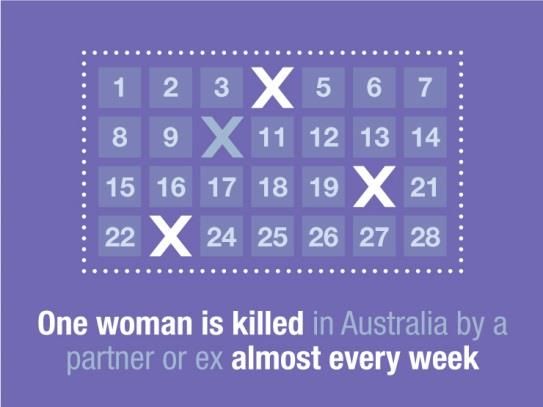
The Action Plan was developed following comprehensive internal Council staff and external
  community stakeholder consultations across a diverse range of programs and services. In developing
  this Action Plan, Council has articulated how it will work alongside the community to promote
  gender equity and in turn prevent family violence. Local government plays a role as both a setting
  and a leader for action.

  Many areas of Council play a role in family violence prevention

          Corporate Services
          Workplace gender                                                       Arts and Culture
          equity and family                                                      Equitable and inclusive        Maternal Child
          violence prevention                        Emergency
                                                                                 programs                       Health
          supports                                   Management                                                 Support for families at
                                                     Emergency
                                                                                                                risk of FV
                                                     management
                                                                                                                Promote father
                                                     planning accounts
                                                                                                                engagement in
                                                     for gender
                                                                                                                parenting

Home and Community                  Youth and Families
Services                            Respectful relationships
                                    programs
                                                                         Sport, Leisure and
Elder abuse prevention and
early intervention                  Parenting programs                   Recreation
                                                                         Equity in sports ground            Transport, Planning
                                                                         allocations and programs           and Building
                                                                         provided                           Apply gender lens to new
                                                                                                            projects

                                                                                                           Local Laws
                                                                                                           Pet shelter
                                 Early Years                                                               Risk assessment
                                 Play and reading                                                          and referral
                                 choices
Libraries                        Support for early
Broaden choice of                intervention of
books to challenge               families at risk
gender stereotypes

  A number of themes emerged through community and Council consultations for the Action Plan.
  Those consultations confirmed that efforts to reduce and prevent family violence can take place in
  many different settings and environments. The actions are primarily collaborative in nature,
  involving the combined efforts of different Council departments and partner organisations. An
  overview of Action Plan highlights is provided on the follow pages.

  While the City of Whitehorse has almost half the rate of recorded family violence incidents of
  Victoria as a whole, there is no reason to be complacent. Family violence affects people from all
  backgrounds and walks of life. As a community we all pay the human, financial and social costs.

  Family violence, and violence against women, is preventable. Read the full Action Plan to learn more
  about how Council and community will work together on the prevention of family violence.

                                                                                                                                          5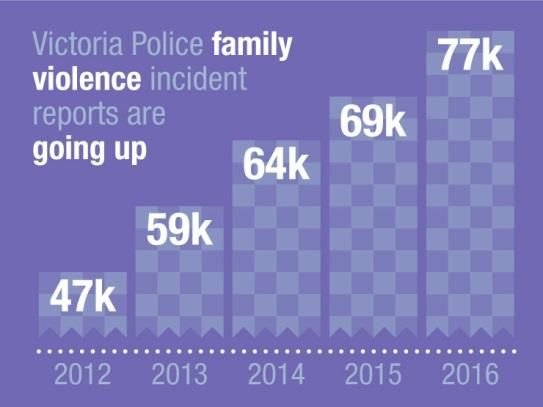
Plan Highlights

 Community-wide Actions

  •Coordinate and deliver a program of community capacity building activities and
   communications
  •Provide targeted education and information about family violence and recognising abuse for
   women in CALD communities, women living with disability and older women.
  •Consider ways to improve support for LGBTIQ+ residents and Rainbow Families of Whitehorse

 Early Years Settings

  •Identify opportunities to further integrate a whole of service approach to gender equity
  •Further develop approaches to service provision and communication with Chinese background
   families

 Schools and Universities

  •Support implementation of RRE and similar programs in Whitehorse schools
  •Develop partnerships and formulate a best approach for the prevention of violence and
   promotion of mental health of international students and young migrants living in Whitehorse

 Sport Settings

  •Maintain promotion of women’s inclusion and leadership in sporting clubs
  •Conduct baseline survey of sports facilities utilization
  •Seek opportunities to implement best practice gender equity projects in sporting clubs

 Faith Communities

  •Support the Whitehorse Interfaith Network and members in prevention initiatives
  •Pursue opportunities to progress outcomes of the Inner East Interfaith Networks Unite for
   Safety and Respect Project

                                                                                                  6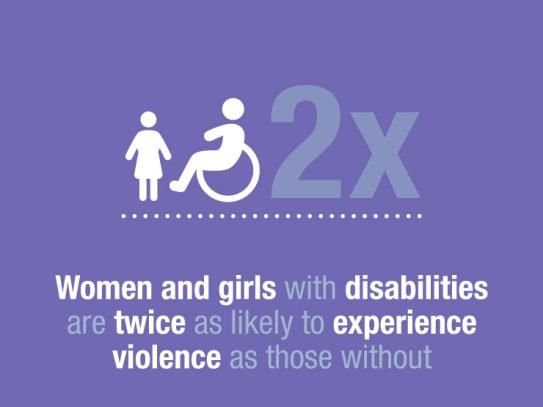
Advocacy

 •Advocate for a stronger, more accessible and coordinated service response
 •Educate and advocate to increase equity of access to family violence and support services for
  people with a disability and people who identify as LGBTIQA+

Gender Equity in the Built Environment

 •Consider ways to implement gender equity and family violence prevention lens in planning for
  new developments
 •Increase consideration of gender differences when conducting safety initiatives in high-use
  areas

Council Leadership and Capacity-building

 •Continue to collaborate in TFER Regional Partnership and Strategy
 •Coordinate the Whitehorse FV&PVAW Collaborative Action and Networking Group, and
  Reference Group
 •Support front-line staff with identification, response and referrals for women and children, and
  older people experiencing violence or those at risk
 •Review and assess current systems, policies and practices in relation to gender equity
 •Raise awareness and increase knowledge of Council staff about PVAW, gender equity and
  unconscious bias
 •Consider future opportunities to advance gender equality and respectful relationships in the
  workplace

Communicating with the Community

 •Improve access to and broaden reach of FV and prevention information
 •Develop consistent and reliable messaging and communications for FV prevention

Promoting Women’s Leadership and Voices

 •Explore and implement ways to increase diverse women's access to business leadership and
  mentoring programs and opportunities
 •Ensure women’s voices are heard by incorporating survivor/ advocate’s participation and
  stories in activities

                                                                                                     7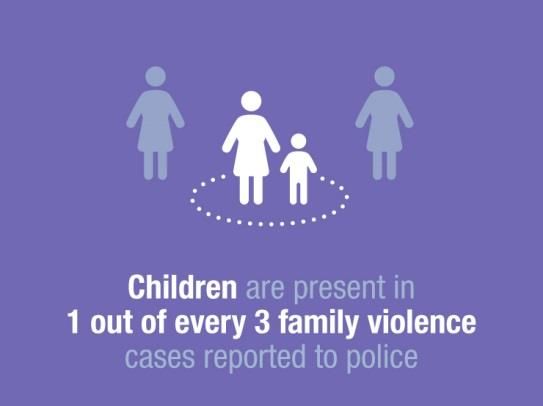
8
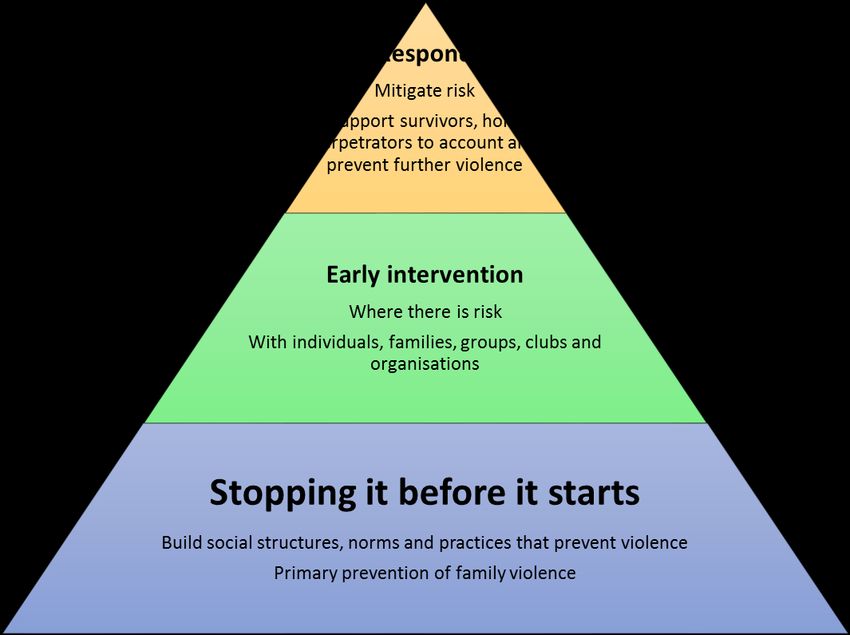
Table of contents

Whitehorse Family Violence Prevention Action Plan 2019-2021 ..............................................4
    Plan Highlights ....................................................................................................................6
Table of contents .......................................................................................................................9
Introduction ............................................................................................................................. 11
Definition of family violence ....................................................................................................12
Policy context ........................................................................................................................... 12
Extent of the issue – family violence in the City of Whitehorse..............................................15
What we know about preventing family violence ...................................................................16
Our approach ........................................................................................................................... 19
The journey so far ....................................................................................................................22
Action Plan ............................................................................................................................... 24
     THEME: Community-wide Actions...................................................................................27
      THEME: Early Years Settings ............................................................................................ 30
      THEME: Schools and Universities ....................................................................................32
      THEME: Sport Settings .....................................................................................................34
      THEME: Faith Communities ............................................................................................. 35
      THEME: Advocacy ............................................................................................................36
      THEME: Gender Equity in the Built Environment ............................................................ 39
      THEME: Council Leadership and Capacity Building .........................................................41
      THEME: Communicating with the Community ................................................................ 47
      THEME: Promoting Women’s Leadership and Voices .....................................................49
Monitoring and evaluation ......................................................................................................51
Partner agencies ......................................................................................................................52
Reference group ......................................................................................................................52
Definitions ................................................................................................................................ 53
Abbreviations ........................................................................................................................... 54
Appendix 1: Objectives of the Whitehorse Health and Wellbeing Plan 2017-2020 supported
by the Family Violence Prevention Action Plan .......................................................................55
Appendix 2: Indicators supporting the Family Violence Prevention Action Plan ....................59

                                                                                                                                             9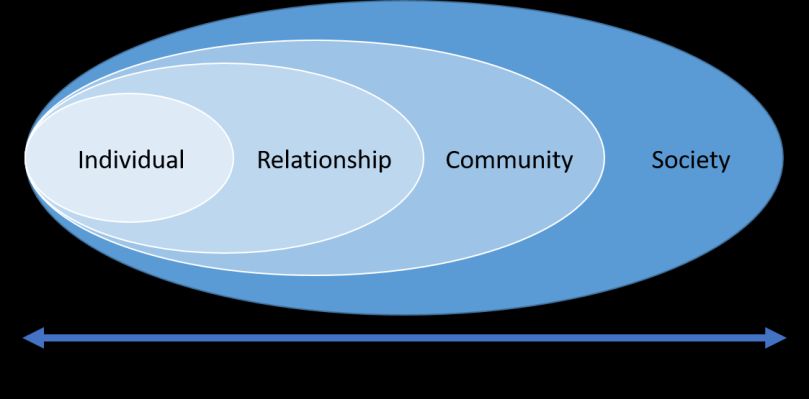
10
Introduction
The Whitehorse Family Violence Prevention Action Plan 2019-2021 is an action plan of the
Whitehorse Health and Wellbeing Plan 2017-2021. These two plans have identified priorities,
objectives and partnerships to address both prevention of family violence and response to family
violence. Reducing the prevalence of family violence contributes to building a safer and more secure
environment in the City of Whitehorse, and we know that implementing a broad range of activities
which complement and reinforce one another will be more likely to achieve results and sustain
change.
Further, the Victorian Government’s Free from Violence: Victoria’s strategy to prevent family
violence and all forms of violence against women1 sets out clear, shared outcomes that have guided
the development of this Action Plan. Victoria’s prevention strategy outcomes include:
Victorians hold attitudes and beliefs that reject gender inequality and family violence –
Victorians understand the causes and forms of family violence, who is affected by violence,
and the impact on victims.
Victorians actively challenge attitudes and behaviours that enable violence – Victorians
discuss and condemn violence through challenging rigid gender roles, gender inequality,
s&ism and discrimination, to break the cycle of violence.
Victorian homes, organisations and communities are safe and inclusive – the prevalence of
violence is significantly reduced for all Victorians equally and people live free of fear.
All Victorians live and practise confident and respectful relationships – Victorians are
equipped with the knowledge and skills that inform and shape healthy, safe, equal and
respectful relationships.
This two-year Action Plan adopts a socio-economic and settings-based approach to the problem of
family violence. It recognises the gendered-nature of family violence and violence against women
and to tackle the root causes of the problem. The impetus for the development of the Whitehorse
Family Violence Prevention Action Plan 2019-2021 was the State Government funded Whitehorse
Strengthening Local Action for Family Violence Prevention project, one of the many locally-based
initiatives arising from recommendations of the Victorian Royal Commission into Family Violence.2
The Action Plan was developed following comprehensive internal staff and external community
stakeholder consultations across a diverse range of programs and service delivery.
1 State of Victoria. 2017. Free from Violence: Victoria’s Strategy to Prevent Family Violence and All Forms of Violence
Against Women, pp.50-51, State of Victoria (Department of Premier and Cabinet),
https://www.vic.gov.au/familyviolence/prevention- strategy.html
2 State of Victoria. 2016. Royal Commission into Family Violence Final Report and Recommendations. Available:
http://www.rcfv.com.au/Report-Recommendations
11Definition of family violence
The Victorian Family Violence Protection Act 2008 defines family violence3 as:
Behaviour by a person towards a family member of that person that:
is physically or s?ually abusive
is emotionally or psychologically abusive
is economically abusive
is threatening
is coercive
in any other way controls or dominates the family member and causes that family member
to feel fear for the safety or wellbeing of that family member or another person
includes behaviour by a person that causes a child to hear or witness, or otherwise be
exposed to the effects of behaviour referred to in these ways.
Further definitions relevant to this Action Plan are included in the last section of this document.
Policy context
Nationally, Australia’s efforts are guided by The National Plan to Reduce Violence against Women
and their Children 2010 – 2022.4 At the state level, the 2015 Victorian Royal Commission into Family
Violence recognised the seriousness of family violence and its consequences for individuals, families
and communities. Recommendation 94 of the Royal Commission final report requires that Local
Government Councils “report on the measures they propose to take to reduce family violence and
respond to the needs of victims”. This requirement is aimed at increasing the focus on family
violence prevention and applies to 2017-2021 Municipal Public Health and Wellbeing Plans.
Since 2015, Victoria has developed legislation, policies and programs to address the drivers of family
violence. In May 2017 Victoria released the first state-wide primary prevention strategy, Free from
Violence: Victoria’s strategy to prevent violence and all forms of violence against women, action
plan, 2018 – 2021.5 This strategy puts into practice a series of short and long-term initiatives to build
the infrastructure and systems to prevent family violence. Councils are expected to align with these
Victorian government plans.
3
State of Victoria. Family Violence Protection Act 2008 No. 52 of 2008. Available:
http://www.legislation.vic.gov.au/Domino/Web_Notes/LDMS/PubStatbook.nsf/f932b66241ecf1b7ca256e92000e23be/083D69EC540CD7
48CA2574CD0015E27C/$FILE/08-52a.pdf
4 Council of Australian Governments. National Plan to Reduce Violence against Women and their Children 2010‐2022
Available: https://www.dss.gov.au/women/programs-services/reducing-violence/the-national-plan-to-reduce-violence-against-women-
and-their-children-2010-2022
5 State of Victoria (Department of Health and Human Services). Free from violence: Victoria’s strategy to prevent family violence and all
forms of violence against women First action plan 2018– 2021. Available:
https://w.www.vic.gov.au/system/user_files/Documents/fv/1710039_Free%20from%20Violence%20First%20Action%20Plan%202018-
2021%2016.pdf
12International, national and state strategies recognise that family violence is driven by gender
inequality. Therefore, much of the work of this Action Plan is about supporting sustained positive
change in gender relations. This Action Plan is strongly informed by the detailed work undertaken by
the world-leading work of Our Watch and their approach to change set out in the Framework called
Change the Story. 6
The City of Whitehorse is a partner in Together For Equality & Respect (TFER) 7, a collaborative, cross
sector partnership of organisations working together to prevent violence against women in
Melbourne’s Eastern Metropolitan Region. Over 25 organisations are members of the Partnership.
The TFER Partnership and Strategy have, over
time, strengthened the Region’s ability to
prevent violence against women by
supporting a shared vision and alignment of
mutually reinforcing initiatives.
The TFER Strategic Directions for the Eastern Metropolitan Region 2016-2021 are to support and
enable integration and coordination in order to:
Lead and achieve change
Adopt and contribute to the evidence base
Build organisation and workforce excellence
Strengthen partnerships.
This Action Plan, which sits beneath the Whitehorse Health and Wellbeing Plan, aligns with Council’s
Strategic Directions as well as these national, state and regional policies and plans (Figure 1):
6 Our Watch, Australia’s National Research Organisation for Women’s Safety (ANROWS) and VicHealth (2015) Change the story: A shared
framework for the primary prevention of violence against women and their children in Australia, Our Watch, Melbourne, Australia.
Available: https://www.ourwatch.org.au
7 Together for Equality and Respect Strategy: Preventing Violence Against Women in Melbourne’s East 2017-2021, Women’s Health East,
Melbourne. http://whe.org.au/tfer/strategy-overview-document/
13Figure 1: Alignment of Whitehorse Family Violence Prevention Action Plan 2019-2021 with National and Victorian policies
Council Strategic
National Policies State/Region Policies
Directions
Free From Violence: Victoria’s
strategy to prevent family
National Plan to Reduce
violence and all forms of
Violence Against Women
violence against women
and their Children 2010-
2022 Whitehorse Council Vision
Safe and Strong: A Victorian
Gender Equality Strategy 2013-2023
and
Recommendations arising from
the Victorian Royal Commission
Whitehorse Council Plan
Change the Story: a into Family Violence
2017-2021
shared framework for the
primary prevention of The Victorian Public Health and
violence against women Wellbeing Plan
and their children in
Australia, Our Watch Together for Equality and
Respect Strategy and Action
Plan 2017-2021
Whitehorse Health and Wellbeing Plan 2017-2021
Whitehorse Family Violence Prevention Action Plan 2019-2021
14Extent of the issue – family violence in the City of Whitehorse
Family violence affects people from all backgrounds and walks of life. As a community we all pay the
human, financial and social costs.
Every week, at least one woman is murdered in Australia by a current or past partner.
Children are present as victims or witnesses in about a third of all incidents reported to
police.
Women with a disability experience higher risk of violence.
In 2017-2018, there were more than 76,000 incidents of family violence reported to police in
Victoria.
While the City of Whitehorse has almost half the rate of recorded family violence incidents for
Victoria (Figure 2), there is no reason to be complacent. In the City of Whitehorse, 1,077 family
violence incidents were reported in 2017-2018; on average 21 incidents every week.8 It is
estimated however, that only 25% of family violence incidents are reported to the police9 so the
true annual number of family violence incidents in Whitehorse may be closer to more than 4,300
per year, equating to 82 incidents per week.
8 Crime Statistics Agency. 2018. Victoria Police Data Tables 2017-18. Available:
https://www.crimestatistics.vic.gov.au/family-violence-data-portal/family-violence-data-dashboard/victoria-police
9 Hutcheson, E. 2017. Family Violence in the Southern Metropolitan Region – a data analysis. Executive Summary. Southern
Metropolitan Region Integrated Family Violence Executive Committee, https://southsafe.com.au/wp-
content/uploads/2016/09/Family-Violence-in-the-SMR-Summary-Document-v3.pdf
15Figure 2: Reported Family Violence Incidents
Prevalence of Family Violence Incidents
in Whitehorse and Victoria
(rate per 100,000 population)
1400
1200
1000
800
Whitehorse
600 Victoria
400
200
0
2013-14 2014-15 2015-16 2016-17 2017-18
Men can be victims of family violence, but research shows that men are mostly the perpetrators of
intimate partner violence and family violence. Violence against women is now accepted across the
world as one of the most serious issues we face. Its impacts are damaging and far reaching.
While family violence is serious and common, we can stop it from happening in the first place. The
Whitehorse Family Violence Prevention Action Plan 2019-2021 identifies the key actions that Council
and partner organisations will undertake over the next two years to address the problem of family
violence.
What we know about preventing family violence
Family violence is gendered in nature. While both men and women can be victims and perpetrators
of family violence, most family violence and the most severe violence, is perpetrated by a man
against a women. Violence against women is primarily driven by gender inequality.
Gender inequality is based on social and cultural norms that reinforce dominant ideas about women
and men in society. These norms ensure that women and men do not have equal power, resources
or opportunities, and that their voices, ideas and work are not valued equally by society.10 Gender
inequality underpins economic structures (such as the pay gap between men and women), and
organisational, community, family and relationship practices.
10Our Watch. Preventing Violence, What You Can do, Women. Available: https://www.ourwatch.org.au/Preventing-
Violence/Women
16This broad social context of gender inequality produces specific gendered ‘drivers’ of violence
against women (Figure 3) together with reinforcing factors which are known to increase the severity
of violence. These gendered drivers inform the essential actions necessary to prevent violence
against women from happening in the first place, known as ‘primary’ prevention. Together, the
gendered drivers and essential actions provide a framework for the prevention of family violence.11
Figure 3: Essential actions for primary prevention of violence against women and family violence
Violence against women is driven by gender inequality
Gendered drivers of violence Essential actions to prevent
against women violence
Condoning of violence against Challenge condoning of violence
women against women
Men’s control of decision making Promote women’s independence
and limits to women’s and decision-making
independence
Challenge gender stereotypes and
Stereotyped constructions of roles
masculinity and femininity
Strengthen positive, equal and
Disrespect towards women and respectful relationships
male peer relations that
emphasise aggression
Gender inequality sets the necessary Violence against women is prevented
social context for violence against by promoting and normalising gender
women equality in public and private life
Our Watch found that the gendered drivers of violence against women are consistently reinforced
by the following factors:
the harmful use of alcohol which can weaken pro-social behaviours
backlash factors which occur when male dominance, power or status is threatened, and
previous experience of, or exposure to, violence against women, child abuse, racist and
community violence. 11
11 Our Watch, Australia’s National Research Organisation for Women’s Safety (ANROWS) and VicHealth (2015) Change the story: A shared
framework for the primary prevention of violence against women and their children in Australia, Our Watch, Melbourne, Australia.
Available: https://www.ourwatch.org.au
17Whitehorse City Council services, such as maternal child health, report that alcohol, drugs and
mental health issues are factors present in many family violence cases they are involved with. While
these factors may exacerbate or reinforce violence, they are not the underlying causes.12 The
Whitehorse Health and Wellbeing Plan includes strategies to promote men’s and women’s mental
health and wellbeing, reduce people’s isolation and increase community connectedness.
The probability of violence against women is higher when the consequences of gender inequality
intersect with the impact of other forms of inequality and discrimination including racism,
discrimination against people with disabilities or discrimination on the basis of s&ual orientation or
gender identity.13 Further, where a person has a low level of support for gender equality, they are
more likely to hold attitudes supportive of violence against women. 14
Attitudes to violence against women differ across population groups.15 For example, young people
and people from some CALD backgrounds are more likely to hold violence-supportive attitudes than
other segments of the population.
Particular risk factors for violence affect varying groups
differently. Populations of interest in the City of Whitehorse
include multicultural communities, new parents, children
and young people; Aboriginal and Torres Strait Islander
people, people who identify as lesbian, gay, bis&ual,
transgender, inters& or queer (LGBTIQA+), people with a
disability, older people and international students. The
prevalence of violence against women is higher in Aboriginal
groups than in the general population. Women with a
disability also have an increased vulnerability to violence.16
Family violence looks different for groups experiencing intersectional discrimination and
disadvantage. For example, we know that an underlying driver of elder abuse is ageism. Social and
cultural norms where elder abuse is tolerated arise when older people are regarded as less valuable,
are unable to make decisions for themselves, and are considered a burden on resources. The
intersection of ageism and gender inequality may make older women at higher risk of abuse. Elder
abuse is most often intergenerational, perpetrated by an adult child or other family member against
a parent. Parent–child relationships have unique dynamics that influence a person’s help-seeking
behaviour. People who experience elder abuse may be reluctant to seek help because they fear
consequences, including retribution from the perpetrator, or losing or damaging family relationships
12Our Watch, How to report on violence against women and their children – 2019 National edition,
https://d2bb010tdzqaq7.cloudfront.net/wp-content/uploads/sites/2/2019/09/09000510/OW3989_NAT_REPORTING-
GUIDELINES_WEB_FA.pdf
13 Our Watch, Australia’s National Research Organisation for Women’s Safety (ANROWS) and VicHealth (2015) Change the story: A shared
framework for the primary prevention of violence against women and their children in Australia, Our Watch, Melbourne, Australia.
14 ANROWS. The National Community Attitudes towards Violence against Women Survey (NCAS). Available: https://ncas.anrows.org.au
15 ibid
16 Our Watch, Australia’s National Research Organisation for Women’s Safety (ANROWS) and VicHealth (2015) Change the story: A shared
framework for the primary prevention of violence against women and their children in Australia, Our Watch, Melbourne, Australia
18(with the perpetrator and others). They may also worry about what the consequences will be for the
perpetrator.17
Our approach
The Whitehorse Family Violence Prevention Action Plan 2019-2021 articulates the key priority
actions that Council and the community will implement to prevent family violence. The Action Plan
emphasizes preventing violence from happening in the first place – also known as primary
prevention – but also includes priority actions in the areas of early intervention and response. The
Action Plan’s emphasis on primary prevention is illustrated in Figure 4.
Figure 4: Family Violence Prevention pyramid
Effective practice in the prevention of family violence uses a variety of strategies applied in the
settings in which people live, work, learn and recreate, such as sport, education, workplaces and the
community. These are environments that:
17Senior’s Rights Victoria 2018. Elder Abuse as Family Violence Discussion Paper , Melbourne. Accessed at:
https://seniorsrights.org.au/wp-content/uploads/2018/05/Elder-Abuse-as-Family-Violence-FINAL.pdf
19 Have a key role in transmitting attitudes and social norms about family violence and gender
equality
Have the potential to reach a large proportion of the population in the course of people’s
day-to-day lives
Have the potential to reach priority populations
Are suitable for prevention interventions which can be feasibly implemented and sustained.
Local government plays a role as both a setting and a leader for action. Family violence prevention
can be directed at four spheres of social life where we want to see change, as illustrated in the socio-
ecological model of prevention (Figure 5):
Figure 5: Socio-ecological model of prevention of family violence
The Individual level relates to Council services that have direct contact with residents such
as Maternal and Child Health Services and Local Laws teams. It also looks at changes in
individuals (awareness, knowledge, attitudes, behaviour) to promote equality and respect.
The Relationship level relates to those settings and programs that seek to promote gender
equity and healthy relationships between people. Programs for new parents that look at
shared domestic and parenting responsibilities or respectful relationships programs for
children and adolescents are examples of these. These initiatives are about promoting safety
and equality among the next generation and equipping them with the skills to form healthy
and respectful relationships in adulthood.
The Community level relates to changes to the structures, policies, cultural norms and
behaviours in settings such as schools, sporting venues, workplaces and neighbourhoods
where social relationships develop.
The Societal level relates to health, economic and social policies which drive structural
reform for gender equity, and communications that shape community attitudes and
stereotyped constructions of masculinity and femininity.
20Local Government’s wide and deep reach, influence and access to the local community is reflected in
the various services and functions that Council provides. This was reflected in the breadth of staff
consultations for the Action Plan. (Figure 6). The reach of Council and potential for influence is
reflected in the actions detailed further in this Plan.
Figure 6: Many areas of Council play a role in family violence prevention
Corporate Services
Workplace gender Arts and Culture
equity and family Equitable and inclusive Maternal Child
violence prevention Emergency
programs Health
supports Management Support for families at
Emergency
risk of FV
management
Promote father
planning accounts
engagement in
for gender
parenting
Home and Community Youth and Families
Services Respectful relationships
programs
Sport, Leisure and
Elder abuse prevention and
Parenting programs Recreation
early intervention
Equity in sports ground Transport, Planning
allocations and programs and Building
provided Apply gender lens to new
projects
Local Laws
Pet shelter
Risk
assessment
Early Years and referral
Play and reading
choices
Libraries Support for early
Broaden choice of intervention of
books to challenge families at risk
gender stereotypes
21The journey so far
Whitehorse City Council has a strong history of innovation and partnership for the prevention of
violence against women. Council was the original trial site and contributor to the Baby Makes 3
Program in partnership with Carrington Health, and a partner in the early primary prevention
Preventing Violence Against Women Project in 2010-2011 in collaboration with Cities of Monash,
Manningham and Boroondara, Women’s Health East and the Inner East PCP. Whitehorse City
Council was also the instigator of the Stop Working in Silence Forum in 2014 which addressed the
impacts of violence against women who have a disability, originate from culturally and linguistically
diverse backgrounds or experience elder abuse.
The prevention of family violence and violence against women and children is a priority of the
Whitehorse Health and Wellbeing Plan 2017-2021. Council’s continuing commitment to the
prevention of family violence is demonstrated by the following actions:
Adoption of Statement for Prevention of Family Violence and Violence against Women and
Children.
Whitehorse Strengthening Local Action for Family Violence Prevention Project involving
action planning, awareness raising, learning and participation opportunities for local people.
A reference group of community stakeholders provide advice to this project.
Facilitator of the Whitehorse Collaborative Action and Networking Group.
Contributing partner in the Together for Equality and Respect Partnership and Eastern Elder
Abuse Network.
Documented review of effective local practice related to local government for the
prevention of violence against women.
Collaborative projects to promote equality and respect in community settings, such as the
Faith Networks and Sporting Clubs.
Application of equity measures in sports ground use
Whitehorse Celebrates Equality and Respect program over 16 days in November and
December, information and activities focusing on stopping violence against women from
happening in the first place. Whitehorse and Manningham Libraries run their annual Gender
Equity Storytime sessions during this time.
Women’s Leadership and Business Programs.
Engaging fathers and promoting gender equity in Maternal and Child Health and Early Years
Services.
Parenting Information Forums to support healthy and respectful relationships in families.
Funding of Community Grants that align with Council Strategic Directions and Health and
Wellbeing priorities.
Ongoing capacity development of Council’s workforce to recognise, respond and refer in
cases of elder abuse and child abuse, as well as other forms of family violence.
22 Employee Flexibility Policy and Family Violence leave provisions accompanied by Family
Violence Resource kit for staff.
The Action Plan development involved community consultation and a partnership approach with
stakeholder organisations. Population groups and key actions for inclusion in the plan were
identified through:
1. Consultations and needs analysis for the Whitehorse Health and Wellbeing Plan 2017-2021
2. Ongoing consultation with key informants who are members of the Whitehorse Prevention
of Family Violence and Violence against Women Collaborative Action and Networking Group
and the Reference Group
3. The Family Violence Prevention Community Action Planning Workshop conducted by Council
on 2 May 2019
The Family Violence Prevention Community Action Planning Workshop engaged participants from
both community and stakeholder organisations, who provided feedback on proposed strategic
actions and explored the themes of: Women’s Leadership, Community-Wide Action and Settings for
Action.
23Action Plan
In developing this Action Plan, Council has articulated how it will work alongside the community to
promote gender equity and in turn prevent family violence, in line with Federal, State and regional
polices.
For ease of use, actions in the plan are grouped according to themes that emerged through
community and Council consultation. Many of the actions are collaborative in nature, involving the
combined efforts of different Council departments and stakeholder organisations.
The actions of this plan are aligned with Council’s Strategic Directions, Council Plan Approach and
the goals and objectives of the Whitehorse Health and Wellbeing Plan 2017-2021, building on the
current activities undertaken by Council and partner organisations. This plan covers a two-year
period so that its next iteration will align with the 2021-2025 Municipal Public Health and Wellbeing
Plan.
Figure 7 provides an overview of the key themes and actions. Table 1 describes the Action Plan’s
detailed activity, partners and potential impacts, with referencing to strategic directions, goals and
objectives using the classification detailed in Appendix 1. Indicators available to measure impacts are
also referenced, using the classification detailed in Appendix 2.
24Figure 7: Action Plan Themes and Key Actions
Community-wide Actions
•Coordinate and deliver a program of community capacity building activities and communications about how to recognise
abuse in relationships including sexual abuse and elder abuse, and promote gender equality, respectful relationships and
bystander action.
•Provide targeted education and information about family violence and recognising abuse for women in CALD communities,
women living with disability and older women.
•Further develop ways of communicating with Chinese background families
•Consider ways to improve support for LGBTIQA+ residents and Rainbow Families of Whitehorse
•Continue to build partnerships with key agencies in Whitehorse for primary prevention of family violence
Early Years Settings
•Identify opportunities to further integrate a whole of service approach to gender equity
•Promote whole of service approach with parents and service staff
•Further develop approaches to service provision and communication with Chinese background families
Schools and Universities
•Support implementation of Respectful Relationships and similar programs in Whitehorse schools
•Develop partnerships and formulate a best approach for the prevention of violence and promotion of mental health of
international students and young migrants living in Whitehorse
•Develop tailored information for young renters and international students
Sport Settings
•Maintain promotion of women’s inclusion and leadership in sporting clubs
•Conduct baseline survey of sports facilities utilization
•Seek opportunities to implement best practice gender equity projects in sporting clubs
Faith Communities
•Support the Whitehorse Interfaith Network and members in prevention initiatives
•Pursue opportunities to progress outcomes of the Inner East Interfaith Networks Unite for Safety and Respect Project
Advocacy
•Advocate for a stronger, more accessible and coordinated service response
•Educate and advocate to increase equity of access to family violence and support services for people with a disability and
people who identify as LGBTIQA+
Gender Equity in the Built Environment
•Consider ways to implement gender equity and family violence prevention lens in planning for new developments
•Increase consideration of gender differences when conducting safety initiatives in high-use areas
Council Leadership and Capacity-building
•Continue to collaborate in TFER Regional Partnership and Strategy
•Implement and evaluate Whitehorse Strengthening Local Action for Family Violence Prevention project
•Coordinate the FV&PVAW Collaborative Action and Networking Group, and Reference Group
•Support front-line staff with identification, response and referrals for women and children, and older people experiencing
violence or those at risk
•Review and assess current systems, policies and practices in relation to gender equity
•Raise awareness and increase knowledge of Council staff about PVAW, gender equity and unconscious bias
•Consider future opportunities to advance gender equality and respectful relationships in the workplace
Communicating with the Community
•Improve access to and broaden reach of FV and prevention information
•Develop consistent and reliable messaging and communications for FV prevention
Promoting Women’s Leadership and Voices
•Explore and implement ways to increase diverse women's access to business leadership and mentoring programs and
opportunities
•Ensure gender balance among presenters at business and career development events
•Ensure women’s voices are heard by incorporating survivor/ advocate’s participation and stories in activities
2526
Table 1: Action Plan Themes, Activity, Partners and Impacts

 THEME: Community-wide Actions

 Reference
 to Council   Reference
    Plan      to Health                                                 Partners                                                    Indicator/s
  Strategic      and                      Action                        (internal and            Output                Impact
  Direction   Wellbeing                                                                                                              available
     and      Objective                                              external to Council)
 Approach
 1.1.3        1a, 1f      Coordinate and deliver a program of        Community              World Elder Abuse      Community       ACDEGHI
                          community capacity-building activities     Development            Awareness Day and      awareness and
                          and communications that:                                          other activities       activity
                                                                     TFER Partners
                             -   promote gender equality,
                                                                                            IDAHOT day and
                                 respectful relationships and
                                                                     PFV&VAW                other activities for
                                 bystander action,
                                                                     Collaborative          LGBTQIA+
                             -   dispel myths and misconceptions     Action and
                                 about family violence and,          Networking Group       Men’s and
                             -   inform about how to recognise                              Women’s events
                                 abuse in relationships; including
                                 spectrum of se#ual violence,                               Host annual Call to
                                 technology abuse, elder abuse,                             Action event, e.g.
                                 abuse of people living with                                International White
                                 disability and abuse of people                             Ribbon Day
                                 with LGBTQIA+ identities                                   Breakfast

                                                                                            Regional campaign
                                                                                            during the 16 Days

                                                                                                                                                  27
Reference
to Council Reference
Plan to Health Partners Indicator/s
Strategic and Action (internal and Output Impact
Direction Wellbeing available
and Objective external to Council)
Approach
of Activism
(2019/20, 2020/21)
1.1.3 1a Promote recognition of local community Community Video Acknowledgement CH
prevention activities Development (2019/20) of work in local
Communications community to
PFV&VAW prevent family
Collaborative violence
Action and
Networking Group
1.1.3 1a Deliver local activities as part of 16 Days Community Activities Community CHI
of Activism against Gender-based Development awareness and
Violence awareness in line with regional WHE activity
and Victorian campaigns Neighbourhood
Houses
1.1.3 1g Provide targeted education and Community Information Tailored G
information about family violence and Development Education information for
recognising abuse to groups within the opportunities women in the
community, in particular: (2020/21) community
- women in CALD communities
- women living with disability
- older women
28Reference
to Council Reference
Plan to Health Partners Indicator/s
Strategic and Action (internal and Output Impact
Direction Wellbeing available
and Objective external to Council)
Approach
1.1.3 1c Further develop ways of communicating Community Consultations Additional access CG
with Chinese background families about Development (2019/20) to information for
family violence and elder abuse Victoria Police Chinese
CHH Accessible background
DHS – Diversity communications families
Chinese Social (2020/21)
Services
ECLC
1.1.3 1a Continue to build partnerships with key Community Partnerships Broader ABC
agencies in Whitehorse for primary Development engagement of
prevention of family violence Health and Family Council with
Services primary prevention
PFV&VAW of FV in Whitehorse
Collaborative
Action and
Networking Group
1.1.1 1a Increase access to family violence support Compliance – Recovery Directory Information about B
in emergency response and recovery Emergency includes FV access to family
Management agencies violence support in
(2019/20) emergencies
29THEME: Early Years Settings
Reference
to Council Reference
Plan to Health Partners Indicator/s
Strategic and Action (internal and Output Impact
Direction Wellbeing available
Objective external to Council)
and
Approach
1.1.3 1a Identify opportunities to further integrate Community Consultation Services informed C
a whole of service approach to gender Development Opportunities of opportunities for
equity in early years services and Health and Family identified increasing whole of
maternal child health by identifying Services (2019/20) service approach to
information gaps, gender biases, use of Carrington Health gender equity
language and resources WHE
1.1.3 1a Promote whole of service approach that Community Seminar or Services informed C
includes use of language, addressing Development workshop of opportunities for
gender bias and use of resources for WHE conducted increasing whole of
challenging gender stereotypes, to reach EDVOS (2020/21) service approach to
parents and service staff (e.g. Level Early Years gender equity
Playground, No Limitations, Book Lists) Network
WELS, MCH
WML
Carrington Health
1.1.3 1g Source materials and inform new WELS Distribute Information L
parents, families and grandparents about MCH information available
respectful relationships resources through
30Reference
to Council Reference
Plan to Health Partners Indicator/s
Strategic and Action (internal and Output Impact
Direction Wellbeing available
Objective external to Council)
and
Approach
usual and new
channels
1.1.1 1e Further develop approaches to service Community Collaborative Informed approach C
provision and communication with Development initiatives Additional
Chinese background families about Health and Family information
family violence, elder abuse and Services - MCH, available
prevention WELS
WHACS
WML
Carrington Health
CHH
1.1.7 1f Consider ways to improve support for Community Strategies Informed approach C
LGBTQIA+ residents and Rainbow Development identified
Families of Whitehorse LGBTQIA+ Working (2019/20)
Group
1.1.3 1a Increase access to the Arts Space for Arts and Culture Recommendation Feasibility of access B
parents of young children (2019/20) to child care
services known
31THEME: Schools and Universities
Reference
to Council Reference
Plan to Health Partners Indicator/s
Strategic and Action (internal and Output Impact
Direction Wellbeing available
Objective external to Council)
and
Approach
1.1.3 1a Support implementation of Respectful Health and Family Regular Education Education about L
Relationships Education and similar Services – Parent Seminars respectful
programs in Whitehorse schools through Support, MCH, relationship
education of parents, teachers and WELS available in the
broader community about respectful community
relationships and all forms of violence
1.1.3 1d Develop partnerships to focus on health Community Round table Establishment of C
and social issues for International Development meetings and partnership
Students studying in the City of Tertiary sector information
Whitehorse organisations sharing
All partners (2019/20)
1.1.3 1d Formulate a best approach with key Community Summit involving Identification of C
stakeholders for the prevention of Development identified key best approach
violence and promotion of mental health Deakin University stakeholders
of international students and young MSC (2019/20)
migrants living in Whitehorse CHH
ECLC
32Reference
to Council Reference
Plan to Health Partners Indicator/s
Strategic and Action (internal and Output Impact
Direction Wellbeing available
Objective external to Council)
and
Approach
1.1.8 1g Develop information for young renters Community Information pack Information GL
and international students about: Development (virtual and hard- available to young
Youth Services copy) people and
– Health and wellbeing for success
Leisure and (2020/21) students
– The law and accepted behaviours
Recreation
– Council facilities and services
ECLC
– Where to go for help
33THEME: Sport Settings
Reference
to Council Reference
Plan to Health Partners Indicator/s
Strategic and Action (internal and Output Impact
Direction Wellbeing available
Objective external to Council)
and
Approach
1.1.3 1a Maintain promotion of women’s Leisure and Council’s club Awareness of CEJ
inclusion and leadership in sporting clubs Recreation – Active development benefits of gender
Communities program equity in clubs
3.1.2 3a Conduct baseline survey of sports Leisure and Baseline data Information B
facilities utilization Recreation – Active (2019/20) available to identify
Communities patterns and
diversity of use
1.1.3 1a Seek opportunities to implement best Leisure and Project established Sporting clubs BC
practice project/s in sporting clubs for Recreation – Active (2019/20, 2020/21) engaged in gender
gender equity Communities equity project
Community
Development –
Health and
Wellbeing
Sporting Clubs
34THEME: Faith Communities
Reference
to Council Reference
Plan to Health Partners Indicator/s
Strategic and Action (internal and Output Impact
Direction Wellbeing available
Objective external to Council)
and
Approach
1.1.3 1a Support the Whitehorse Interfaith Community WIN prevention Continued MNO
Network and members in prevention Development activity engagement of
initiatives Whitehorse WIN members in
Interfaith Network prevention and
responding to FV
1.1.3 1a Pursue opportunities to progress Community Funding Continued C
outcomes of the Inner East Interfaith Development submission engagement of
Networks Unite for Safety and Respect Whitehorse Project/ initiative Faith Communities
Project Interfaith Network established in prevention and
IE LGAs (2019/20) responding to FV
35THEME: Advocacy
Reference
to Council Reference
Plan to Health Partners Indicator/s
Strategic and Action (internal and Output Impact
Direction Wellbeing available
Objective external to Council)
and
Approach
1.1.3 1a Advocate for a stronger, more accessible Community Advocacy activities Additional access C
and coordinated service response for Development points to FV
women and children affected by family support
violence, including both justice and legal RFVP
responses as well as community support ECLC
services, seeking EDVOS
Mitcham
- Sustainable funding streams for
Community House
local FV services
FV Program
- Co-location of FV workers in
Kara House
Maternal Child Health settings
- FV services engagement with
Early Learning Centres,
supported playgroups and
playgroups, libraries.
1.1.3 1e Provide information and education to Community Information Knowledge about Increased
relevant services about the distinct Development distributed needs of people understanding of
barriers facing people who live with a DAC with a disability access barriers by
Disability Services and those who FV services and
36Reference
to Council Reference
Plan to Health Partners Indicator/s
Strategic and Action (internal and Output Impact
Direction Wellbeing available
Objective external to Council)
and
Approach
disability or those who identify as FAN Educational identify as ways to overcome
LGBTQIA+ and ways to overcome these. Q-EAST Network sessions conducted LGBTQIA+ these
ECLC (2020/21)
1.1.8 1g Increase capacity of people who live with Community Tailored support, Understanding of Increased
a disability and people who identify as Development information or how to access FV knowledge of how
LGBTQIA+ to advocate for equity of DAC education about services to access FV
access to family violence and support Disability Services accessing family services
services FAN violence and other
Q-EAST Network support services
ECLC
1.1.3 1a Advocate for gender equity principles and Community Advocacy activities Uptake of gender C
practices to be upheld across the Development equity practices
community in a broad range of settings TFER Partners
including but not limited to workplaces, WHE
recreation, education and social arenas.
1.1.3 1b Advocate with Regional Partnerships to Community Advocacy activities Awareness of C
ensure safe houses/refuges and services Development Self –assessments barriers to access
for women are suitable for women and DAC of Accessibility
children with disabilities RFVP
ECLC
37Reference
to Council Reference
Plan to Health Partners Indicator/s
Strategic and Action (internal and Output Impact
Direction Wellbeing available
Objective external to Council)
and
Approach
1.1.3 1a Advocate to reduce increased risk of Community Inclusion of Understanding of B
family violence through harmful use of Development harmful use of link between FV
alcohol alcohol as a risk and alcohol use
factor for FV in
communications
and initiatives
38THEME: Gender Equity in the Built Environment
Reference
to Council Reference
Plan to Health Partners Indicator/s
Strategic and Action (internal and Output Impact
Direction Wellbeing available
Objective external to Council)
and
Approach
1.1.3 1a Consider ways to implement gender Community Conduct Understanding of P
equity and family violence prevention Development – preliminary available tools or
lens in planning for new developments Special Projects research into guidelines
guidelines or tools
for Consultation
and Design Briefs
(2020/21)
2.1.4 2b Employ guidelines for Sports Pavilions to Major Projects Inclusion of Redevelopments of P
encourage female participation separate change Sporting Pavilions
facilities, cubicle consider gender
showers and other
features in Sporting
Pavilions
2.1.6 2a Increase consideration of gender Engineering and Design of safety Gender differences P
differences when conducting safety Environmental initiatives in Box accounted for in Increase
initiatives in high-use areas of the Services Hill consider safety initiatives at perceptions of
community gender Box Hill Mall safety by female
users of public
space
392.1.6 2a Assess applications for new Planning and Applications are Perceptions of P
developments for community safety at Building assessed for safety accounted Increase
the interface between development and community safety for in new perceptions of
public space development safety by female
assessments users of public
adjoining public space
space
40You can also read


