WORK PROGRAMME 2021 - European Schoolnet
←
→
Page content transcription
If your browser does not render page correctly, please read the page content below
WORK PROGRAMME 2021
European Schoolnet is a network of 32 Ministries of Education from across
Europe, leading educational innovation at European level. European Schoolnet      Publisher:   European Schoolnet (EUN Partnership AIBSL)
operates key European services in the area of innovation in education on                       Rue de Trèves, 61
                                                                                               1040 Brussels, Belgium
behalf of member Ministries of Education, the European Commission, and
industry partners. European Schoolnet’s activities include three areas of work:                Web version available here.

•   Providing concrete evidence and data about innovation in education on
                                                                                  Images:      pp. 8, 11 © PureSolution / Shutterstock.com
    which to base policy recommendations;                                                      p. 13 © Artram / stock.adobe.com
                                                                                               p. 15 © Rawpixel.com / stock.adobe.com
•   Supporting schools and teachers in their teaching practices;                               p. 17 © Hiltch / iStock.com
                                                                                               p. 19 © eggeeggjiew / stock.adobe.com
•   Developing and sustaining a network of schools engaged in innovative                       p. 22 © Dmitriy Domino / Shutterstock.com
    teaching and learning approaches.                                                          p. 23 © denyshutter / stock.adobe.com
3

INTRODUCTION, CONTEXT AND
CURRENT ACHIEVEMENTS
The 2021 work programme of European Schoolnet (EUN) continues to address the priorities defined by Ministries in 2020. But it could not
ignore the unprecedented situation in 2020 as well as the political priorities defined by the new European Commission namely innovation in
education, science education, climate change (related to education) and the digital skills gap.

Therefore, EUN’s work programme 2021 will address:

       The new Digital Education Action Plan (DEAP) via all the                        The 2021 work programme also includes a new strand of
      activities. The DEAP (2021-2027) has defined two strategic                      activities linked to the current recovery period and the first
      priorities: (1) Fostering the development a high-performing                    lessons learnt from the COVID-19 situation and its impact on
   digital education ecosystem and (2) Enhancing digital skills and                                               schools.
               competences for the digital transformation.

INTRODUCTION, CONTEXT AND                                        SUBCOMMITTEES AND                       PARTNERSHIP
                                    2021 ROADMAP                                                                                          CONCLUSION
  CURRENT ACHIEVEMENTS                                            WORKING GROUPS                         DEVELOPMENT
4

European Schoolnet’s mission is to support its Ministries of Education, schools, teachers and any stakeholders in Europe in the transformation of
education processes. The goals of EUN are to:

                Provide services, content
                                                                   Support professional                           Offer pedagogical and
                and tools based on
                                                                   development of teachers,                       information services with
                innovation in education
                                                                   teacher trainers, school                       European added value to
                to members and partner
                                                                   leaders and support staff                      schools in Europe
                networks.

                Contribute to the                                  Foster and support                             Disseminate inspiring
                development of                                     collaboration and                              practice and investigate
                technology-enhanced                                cooperation among schools                      new models for schooling
                learning in schools.                               in Europe                                      and learning

EUN will articulate the following three strategic priorities to achieve its goals:

                            1                                               2                                            3
    Providing usable evidence and data in              Supporting schools and teachers in their      Developing, encouraging, and sustaining
    the area of innovation in education to              teaching practices (via the animation            innovative teaching and learning
  inform policy recommendations (via peer              of three European networks - eTwinning,       approaches (via the activities organized
     exchanges, policy experimentations,                           Scientix and BIK).                around the Future Classroom Lab and the
     surveys and reports and via its various                                                              European Schoolnet Academy).
               working groups).

INTRODUCTION, CONTEXT AND                                             SUBCOMMITTEES AND             PARTNERSHIP
                                       2021 ROADMAP                                                                                 CONCLUSION
  CURRENT ACHIEVEMENTS                                                 WORKING GROUPS               DEVELOPMENT
5

2021 ROADMAP

                   1                                   2                         3
                            KNOWLEDGE                      SUPPORTING
                            BUILDING AND POLICY            INNOVATIVE TEACHING           DIGITAL CITIZENSHIP
                            DEVELOPMENT                    AND LEARNING

                   4                                   5                         6
                            SUPPORTING SCHOOL              ADDRESSING                    SPECIAL ACTIONS
                            PARTNERSHIPS AND               STEM EDUCATION                IN RESPONSE TO THE
                            NETWORKS                       CHALLENGES                    COVID-19 OUTBREAK

INTRODUCTION, CONTEXT AND                                    SUBCOMMITTEES AND   PARTNERSHIP
                                        2021 ROADMAP                                                           CONCLUSION
  CURRENT ACHIEVEMENTS                                        WORKING GROUPS     DEVELOPMENT
6

                                                      The production of the country reports             the topics to be addressed will involve the
                                                      (launched 15 years ago) will be replaced          Steering Committee members, for example
                                                      by new actions, as they proposed an               through a quick tour de table at each
                                                      incomplete, outdated, and static overview         Committee meeting or through an online
                                                      of digital education policy developments in       consultation.
                                                      countries, missing the emergent innovation
                                                      most users are looking for as well as the         z Case studies about recent reforms at
                                                      indispensable ‘insight’ comments to support       country level (NEW) – As a network of ministries
                                                      fruitful peer-learning at policy-making level.    aiming at transforming education, EUN aims
                                                      The following activities will be implemented      to improve its systematic production of up-to-
                                                      in 2021 - some are already in place, others       date and reliable information about recent

1. Knowledge                                          are to be developed.                              reforms aiming at such transformation. For
                                                                                                        example, national digital plans (in reaction
building and policy                                   z ‘Agile’ collection of information (NEW) -
                                                      There is a need to swiftly collect information
                                                                                                        to the COVID-19 crisis or not), substantial
                                                                                                        revision of curriculum (giving more autonomy
development                                           on national policies, initiatives and pilots
                                                      concerning emergent topics like artificial
                                                                                                        to schools or revisiting key competences to
                                                                                                        be achieved), large new initiatives bringing
                                                      intelligence, EdTech developments, robotics,
In 2021, a new approach will be adopted                                                                 together innovative schools, etc. will be the
                                                      etc. In that view, information collection
in order to better serve current information                                                            focus of such case studies, offering first-hand
                                                      processes (e.g. questionnaires, online
needs about policy developments concern-                                                                information from policy makers concerned
                                                      interviews, automated translation of first-hand
ing digital education and innovation in coun-                                                           and interviews. Automated translation tools,
                                                      official documents) should be implemented
tries.                                                                                                  and distance technology for interviews
                                                      to know as much as possible in real time
                                                                                                        do now immensely facilitate such type of
                                                      what is going on in all countries regarding
                                                                                                        content creation. A part of each case study
                                                      those topics. The raw information on those
                                                                                                        will be publicly accessible, while another
                                                      topics would not necessarily be publicly
                                                                                                        part about issues encountered, ‘know-how’
                                                      available (but a short summary could) but
                                                                                                        aspects and discussion, will be accessible
                                                      be accessible on the forum for European
                                                                                                        on a forum only for European Schoolnet
                                                      Schoolnet members. The identification of
                                                                                                        members. A first pilot proposing such Reforms

    INTRODUCTION, CONTEXT AND                                         SUBCOMMITTEES AND                 PARTNERSHIP
                                       2021 ROADMAP                                                                                      CONCLUSION
      CURRENT ACHIEVEMENTS                                             WORKING GROUPS                   DEVELOPMENT
7

and Initiatives Case Studies will be started       the school). The Steering Committee will be       EUN activities related to knowledge building
in 2021 and 2022, producing 1 to 2 case            closely associated to the development of          and policy development have also confirmed
studies a year, to be evaluated at the end         such Opinion Papers.                              the importance to be given to strategic
of 2022. Here as well, the identification of                                                         areas such as:
the topics to be addressed will involve the        z Study Visit Reports - The European
                                                                                                     z Digital formative assessment (DFA)
Steering Committee members through the             Schoolnet study visits programme also
                                                                                                     training material and guidance supporting
quick tour de table mentioned above at             supports the exchange of information and
                                                                                                     a systemic approach (different material
each Committee meeting or through online           discussion between members. Each study
                                                                                                     designed for teachers, school leaders,
consultation.                                      visit is subject to a short report, sometimes
                                                                                                     students, parents and policy makers
                                                   fed by evidence from research collected
                                                                                                     respectively) will be finalised and (randomly)
z Perspectives series and Opinion Papers           through projects. Those reports are first
                                                                                                     tested in field trials under the Assess@Learning
(EXISTING and NEW) – As a way to broker            shared with ministries, and soon after publicly
                                                                                                     policy experimentation. The conditions
the work done in some EUN projects to              available on the EUN website. As soon as
                                                                                                     for successful adoption of DFA will be
country policy makers, European Schoolnet          the COVID-19 sanitary crisis permits it, the
                                                                                                     identified as results of the experimentation.
already produces the Perspectives series.          study visit programme will be rescheduled.
                                                                                                     More generally, issues related to the use of
The production of Opinion Papers is another        Meanwhile, a feasibility study will be done
                                                                                                     digital assessment will also be investigated
type of output to be launched in 2021. This        regarding the possibility to organize ‘Remote’
                                                                                                     in parallel (data privacy, data ownership,
first Position Paper will emanate from the         Study Visits. Such an approach is currently
                                                                                                     cooperation with private companies offering
Interest Group on Digital Assessment (IGDA),       tested in some projects and, depending on
                                                                                                     digital assessment solutions, etc.).
created in December 2019 on the suggestion         the results, it might be considered to have a
of Kennisnet/NL, as soon the IGDA webinars         remote study visit organized in 2021.
                                                                                                     z Teachers’ professional development will
series starts (suspended in 2020 due to the
                                                                                                     be supported in particular in two areas: the
COVID-19 crisis and subsequent lack of             All the above-mentioned activities will
                                                                                                     pedagogical use of ICT through the creation
availability at country level). The focus will     replace the production of the previous
                                                                                                     of content for online teacher training on the
be on digital assessment issues (trust and         country reports as it is important to better
                                                                                                     topic (via the SRSP Greece phase 2 project)
safety, interpretation and usability of data,      address the need for updated and
                                                                                                     and the development of an induction
exchange and ownership of data about               meaningful information about country-level
                                                                                                     framework for beginning teachers promoting
learning, ethical issues and infrastructure in     policy developments on digital education
                                                                                                     the vision of the teacher as a learner during
                                                   and innovation.

INTRODUCTION, CONTEXT AND                                          SUBCOMMITTEES AND                 PARTNERSHIP
                                    2021 ROADMAP                                                                                      CONCLUSION
  CURRENT ACHIEVEMENTS                                              WORKING GROUPS                   DEVELOPMENT
8

the entire career, and investigating diverse        approaches associated with it) through the
types and modalities of support (mentors,           SRSP Induction Flanders project. Such focus
professional learning communities, co-              on school leadership will more generally
teaching, etc.) for newly qualified teachers        support the comprehensive and successful
at individual, social and professional levels       implementation of innovative teaching and
(SRSP Flanders).                                    learning processes.

z School        leadership   (in    particular,     z Secondary analysis of specific TALIS 2018
distributed and transformational leadership)        data will be made available with a focus
activities will continue to be developed to         on the EU Member States only, for what
create and test new training content for            concerns fostering teacher collaboration to
school leaders. The L2C (Learning Leadership        improve professionalism and the use they
for Change) project’s results will help design      make of feedback.
parts of the training to support school
principals in the implementation of induction
for beginning teachers (and monitoring

INTRODUCTION, CONTEXT AND                                          SUBCOMMITTEES AND              PARTNERSHIP
                                     2021 ROADMAP                                                               CONCLUSION
  CURRENT ACHIEVEMENTS                                              WORKING GROUPS                DEVELOPMENT
9

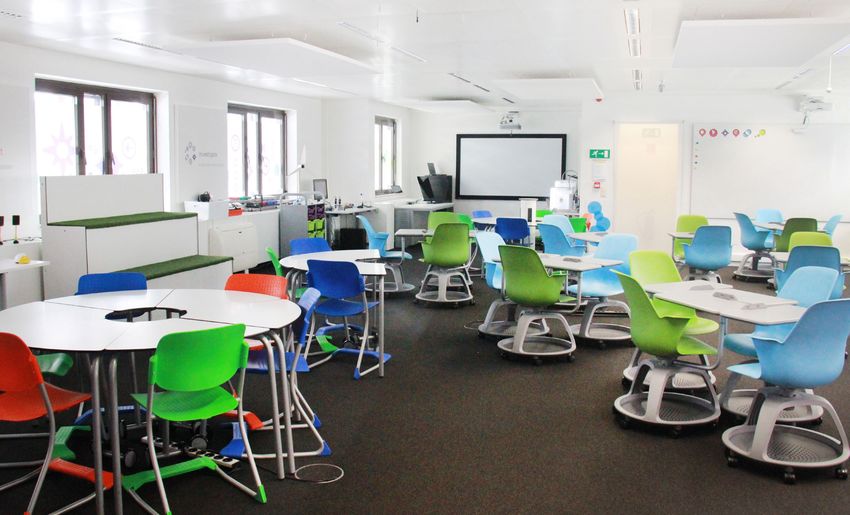
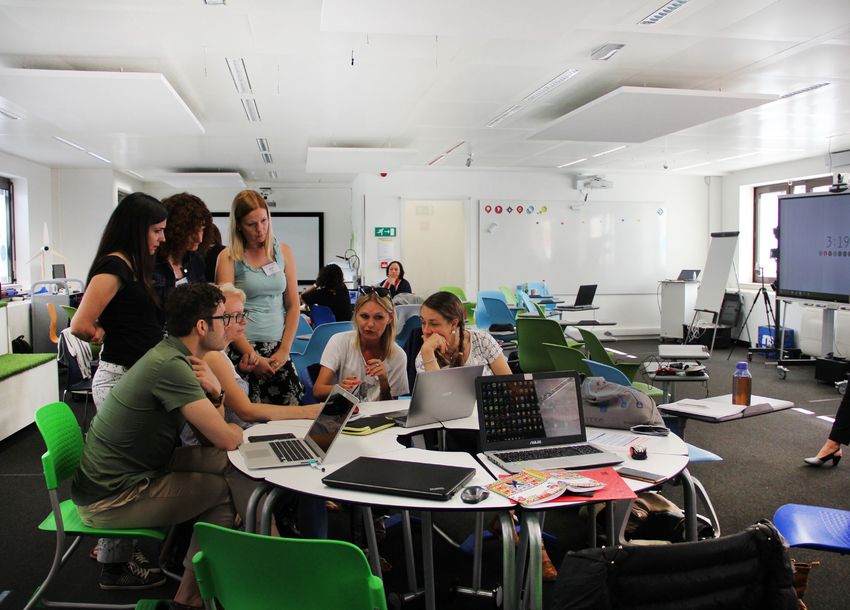
                                                        z The continuation of the Future Classroom       z Continuing the FCL communication
                                                        Ambassadors initiative with the support of       strategy    with   timely   messages and
                                                        those Ministries involved and its promotion      information to the target audiences:
                                                        to other Ministries. This will build on the      Ministries of Education, EdTech companies,
                                                        findings reported in the recent publication      ITE organisations, teachers and school
                                                        that describes the achievement of the FCL        leaders, etc.
                                                        Ambassador network after five years. Based
                                                        on this experience and with the aim to           z Continuing to develop the Future
                                                        enhance the activities of the network, EUN       Classroom Validation Service to support
                                                        proposes an action plan for 2021. It consists    ICT companies, start-ups, and research
                                                        of strengthening the dissemination of EUN        projects interested in evaluating ICT solutions

2. SUPPORTING                                           projects and results through the network,
                                                        supporting the development of new
                                                                                                         by carrying out school pilots. This FCL fee-
                                                                                                         based service is based on EUN’s extensive
INNOVATIVE                                              innovative learning labs and spaces, and         experience in running small and large-scale
                                                        focusing on the needs of the teachers due to     school pilots in EC-funded projects, and on
TEACHING AND                                            the COVID-19 impact on school education.         research carried out in the Living Schools Lab

LEARNING                                                z Encouraging creation of learning labs as
                                                                                                         project.

                                                        well as adaptation of learning environments,     z Revising the FCL programme of training
EUN will continue to position itself as the key         in particular through the relaunched and         courses, considering the specific needs
organisation in Europe concerned with inno-             renewed Network of Innovative Learning           arisen from the COVID-19 crisis as well as
vative practices for teaching and learning,             Labs and Spaces and the activities carried       investing in online learning opportunities. The
and reflecting on the school of the future. The         out within the Novigado project (e.g. creation   FCL training programme will also consider
strategic development of the Future Class-              of guidelines for schools in learning space      the requirements and funding rules by
room Lab (FCL) will be organised around the             innovation), as well as the further promotion    the Erasmus+ successor programme to
following dimensions:                                   of the guidelines to create makerspaces by       be able to host participants receiving Key
                                                        the ICWG. MoE will be invited to translate the   Action 1 funding. The team will explore the
                                                        guidelines into their own language.

     INTRODUCTION, CONTEXT AND                                          SUBCOMMITTEES AND                PARTNERSHIP
                                         2021 ROADMAP                                                                                    CONCLUSION
       CURRENT ACHIEVEMENTS                                              WORKING GROUPS                  DEVELOPMENT
10

opportunities to strengthen the offer of online     makes it possible. A possible focus on the       z Integrating activities from the Novigado
training until organising physical events will      FCL in a remote or blended environment           project (Erasmust+ Key Action 2) to the FCL
be possible again.                                  might be discussed and if there is an            ecosystem including developing an active
                                                    interest at country level, integrated into the   online community for schools, a scenario
z The research agenda supposed to be                revision of the research programme in 2021.      building tool, and a MOOC on active
started in 2020 but put on hold because             The programme will be developed and              learning.
of the COVID-19 pressure on FCL related             articulated in cooperation with countries
initiatives in countries, will be adjusted and      that have adopted/implemented the FCL            z The FCL aims to expand its engagement
launched as soon as the sanitary situation          model.                                           with emerging trends/technologies which
                                                                                                     may impact teaching and learning over
                                                                                                     the next 5 years. In that context, the IMPACT
                                                                                                     EdTech project is providing insights regarding
                                                                                                     the EdTech sector (as EdTech start-ups will
                                                                                                     be supported in further developing and
                                                                                                     validating innovative education solutions).
                                                                                                     The project published in 2020 a special call
                                                                                                     for EdTech solutions for supporting teachers
                                                                                                     in dealing with remote and blended
                                                                                                     teaching and learning. It is expected that
                                                                                                     by accelerating the most promising solutions
                                                                                                     in the field, teachers and students will have
                                                                                                     more tailored tools for securing the continuity
                                                                                                     and quality of their teaching and learning.

INTRODUCTION, CONTEXT AND                                           SUBCOMMITTEES AND                PARTNERSHIP
                                     2021 ROADMAP                                                                                    CONCLUSION
  CURRENT ACHIEVEMENTS                                               WORKING GROUPS                  DEVELOPMENT
11
z Continue scaling up the EU Code Week z Exploring further opportunities to z Supporting the development of the
and working to make it more relevant for cooperate with Initial Teacher Education new H2020 project “Mentoring for School
schools in Europe with the support of the (ITE) organisations, for example funded by Improvement” (MenSI) where 120 schools
Commission and in collaboration with the the Erasmus+ successor programme or the from 6 countries will participate in exploring
Ministries of Education. COST programme. effective mentoring models to advance
whole-school digital innovation. In each
z Building on the very positive experience z Continuing to work with hardware and cluster of schools, more advanced institutes
of the first School Innovation Forum in 2019, software vendors to provide seminars and will be encouraged and supported in the
EUN will organise the second edition, in spring workshops for Ministries of Education and process of mentoring other centres. The
2021, of this public-private sector networking teachers on new technologies, services and MenSI project will strengthen peer learning
event with a further improved approach trends. and mentoring among schools and teachers,
and model. nationally and across borders, hence
animating the FCL extended community.
INTRODUCTION, CONTEXT AND SUBCOMMITTEES AND PARTNERSHIP
2021 ROADMAP CONCLUSION
CURRENT ACHIEVEMENTS WORKING GROUPS DEVELOPMENT12
With new political priorities taking shape at a digital environment.
European level, children’s rights in a digital
Within this context, the EC-funded Better
world continue to figure prominently on the
Internet for Kids (BIK) initiative will continue to
European Commission agenda. To give one
constitute a major building block of the digital
recent example, the Digital Education Action
citizenship activities developed by EUN and
Plan highlights 2 strategic priorities and
its Ministries, with a new core service platform
activity lines which fit directly into EUN’s digital
Call for Tender being published by early
citizenship remit, in particular “the need to
2021 at the very latest. This will give EUN the
enhance digital skills and competences for
opportunity to extend this strategic activity
the digital transformation, which requires:
line in the future, alongside a range of other
z Basic digital skills and competences from new and ongoing projects and initiatives on
an early age. digital literacy and online safety, such as:
3. DIGITAL CITIZENSHIP a Digital literacy, including fighting z KID_ACTIONS [New] aims to address
disinformation.
cyberbullying among children and
Digital citizenship is an increasingly important
b Computing education. adolescents through interactive education
knowledge domain for pupils, teachers, and and gamification within formal and non-
parents/carers more widely, as online tech- Good knowledge and understanding
c of data-intensive technologies, such as
formal learning settings at the EU level.
nologies play a growing role in the lives of It will support teachers, educators, and
children and young people. artificial intelligence.
youth workers in fostering effectiveness
z Advanced digital skills which produce and efficiency in education about risks and
more digital specialists and also ensure effects of cyberbullying, raise awareness
that girls and young women are equally among secondary school students and
represented in digital studies and careers.” youth centres, and encourage reporting by
victims and bystanders.
Complementary to this initiative, the
Commission also announced its upcoming
z The School of Social Networks [Continued]
European Democracy Action Plan which
offers a wide set of materials to educate
will cover, among other things, advanced
children in elementary school on how to use
support to education for active citizenship in
social media safely and responsibly, while
INTRODUCTION, CONTEXT AND SUBCOMMITTEES AND PARTNERSHIP
2021 ROADMAP CONCLUSION
CURRENT ACHIEVEMENTS WORKING GROUPS DEVELOPMENT13
letting them interact and experiment with z The CORE and ySkills H2020 projects education providers, policy makers, digital
chatbots in a fun, safe, and pedagogical [Continued] are establishing a better innovation hubs, cyber security centres and
online environment. evidence-base in regard to the impact of others interested in digital skills across the EU.
technological transformations on children
z In 2020, the SELMA Toolkit [Continued] and youth while ensuring the emerging z The European Digital Academy / Digital
on online hate speech has been newly knowledge informs education policy making SkillUp [Continued] will further support the
translated/localised into Polish, Portuguese, and actions. development, reskilling, and upskilling of
and Finnish, and outreach efforts will digital competences of European citizens
continue along these lines with the aim of Alongside the digital literacy and online and SMEs, especially with regard to emerging
making SELMA available across EU countries/ safety pillar, EUN will equally continue to technologies, with a special focus on the
languages. strengthen its activities on digital skills for jobs, digital skills of citizens and SMEs, through
as this line of work got a major boost in 2020 a range of highly engaging courses on
z The eSafety Label initiative [Continued] with a number of prestigious project and specific emerging technologies as well as a
continues to support schools in shaping a platform currently in development: catalogue of relevant online courses from
culture of safe and responsible use of digital different providers.
z The European Digital Skills and Jobs
technology amongst pupils, teachers, and
Platform [Continued] should become the
other school staff, by providing assistance on z Peer learning activities in Entrepreneurship
one-stop-shop for Digital Skills and Jobs
aspects ranging from Education and in Women Entrepreneurship.
in Europe. It will provide a single point of
infrastructure to
access on digital skills for anyone interested
policy and EUN will continue developing activities in all
in digital skills training offers/traineeships,
practice. these areas and will investigate additional
good practices, skills intelligence/
opportunities offered by future calls at the
data, training resources, funding
level of the various programmes of the
opportunities, news and events while
Commission. In 2021, EUN will also organise
facilitating interactions between
again its annual FCL course on digital skills,
the National Coalitions and
literacy, and citizenship, bringing this varied
the wider community of
mix of digital citizenship activity lines together
students, employees,
in an introductory course.
unemployed, enterprises,
SMEs, universities and other
INTRODUCTION, CONTEXT AND SUBCOMMITTEES AND PARTNERSHIP
2021 ROADMAP CONCLUSION
CURRENT ACHIEVEMENTS WORKING GROUPS DEVELOPMENT14
In 2020 a Call for Tenders was launched by The year 2021 will see a transition between
the European Commission for the provision the current format, which will remain mostly
of a “platform and other services to support unaltered, and the new one, to be launched
school education and of central support in 2022. All the activities where users are
services for eTwinning 2021”. EUN participated successfully participating will be kept and
and has been awarded with a two-year the theme of the year will be dedicated to
contract (renewable until 2024), which will ‘Media Literacy and disinformation’, with
start in January 2021. The new contract has a range of activities, campaigns, news,
important novelties: interviews, and projects to be developed
around this key topic. The participation of
1 eTwinning, the School Education
Teacher Training Institutions will be turned into
Gateway, the Teacher Academy, and
4. SUPPORTING all the other tools currently present will
a permanent strand called ‘eTwinning for
Future Teachers’. Professional Development
SCHOOL be organised under a ‘unified platform’
to guarantee a single entry-point for
and networking will continue engaging
PARTNERSHIPS AND end-users and to avoid duplication of
thousands of teachers across the continent,
with a strong focus on online and blended
NETWORKS
content and features. The new platform
education – a timely and essential
will be launched in 2022.
contribution even more important in
2 The technical infrastructure, so far this period. In addition to the yearly
As a leading organisation in providing ser-
managed by EUN, will be run by theme, priorities such as active
vices to schools in Europe, EUN is active in
another organisation. EUN will continue citizenship,
supporting school partnerships and networks.
overseeing its technical specifications,
EUN has operated eTwinning, the community
monitoring, and validation.
for schools in Europe since its creation in 2005,
and the connected platform, School Educa- 3 All the content, professional
tion Gateway, since 2014. development activities, coordination
with national support services,
community elements, and networking
features will remain under the EUN’s
responsibility.
INTRODUCTION, CONTEXT AND SUBCOMMITTEES AND PARTNERSHIP
2021 ROADMAP CONCLUSION
CURRENT ACHIEVEMENTS WORKING GROUPS DEVELOPMENT15
early school, and VET education will blossom
even more, with a renewed attention to rural
areas.
The School Education Gateway will continue
also in 2021 to provide stakeholders with
information on European-level actions
and initiatives for schools through articles,
good practices, teaching materials, video
interviews, surveys, and more. The platform
also includes Teacher Academy that offers
online courses and three Erasmus+ tools to
support schools with Erasmus+ applications
and projects. eTwinning and School
Education Gateway, with all their services,
will continue to represent an important
component of EUN activities in 2021.
INTRODUCTION, CONTEXT AND SUBCOMMITTEES AND PARTNERSHIP
2021 ROADMAP CONCLUSION
CURRENT ACHIEVEMENTS WORKING GROUPS DEVELOPMENT16
The STEM activities at EUN will progress activities for teachers, c) the involvement
addressing five strategic areas: of Ministries of Education, National Contact
Points and Scientix Ambassadors, and d)
1 STEM approaches (working on the
the organisation of Scientix Projects Online
teaching of STEM in an integrated way);
Workshops. The fourth Scientix conference,
Exploratory actions (following up on originally planned for 2021, will be moved
2
different topics like citizen science, to 2022. Furthermore, Scientix 4 will test the
space education, etc.); setting up of STEM European partnerships at
national level. These partnerships will develop
3 Sustainability Education projects (e.g.
new approaches for creative and innovative
on Ocean Literacy, Forestation and
5. ADDRESSING Climate change);
science, technology, engineering, and
maths teaching and learning opportunities,
STEM EDUCATION 4 Emerging Technologies (e.g. on connected to existing national practices.
Educational Technologies and These new approaches would be tested in
CHALLENGES Augmented Reality in Education) and all countries in Europe, with the support of
various learning labs established in some
5 Pilot projects (e.g. integrating aerospace
Science, Technology, Engineering and Math- countries. The conditions for large scale
or nature-based solutions in education).
ematics (STEM) education challenges are deployment of these approaches will also be
high on the political and industry agenda Scientix 4 started in January 2020 and will investigated. Finally, the results will be shared
owing to the declining interest and participa- continue to benefit from the advice and between this European network of STEM
tion, especially among girls, in scientific and support of the Ministries of Education STEM European partners.
technical studies and careers. The potential representatives Working Group (MoEs STEM
In 2021, we will continue with the STEM Alliance
of ICT in this domain is obvious. WG) that was created immediately after
activities (with the support of major industry
the 2015 Eminent conference in Barcelona.
partners) aiming at more concrete actions
More particularly, in 2021, Scientix 4 will a)
such as Policy Hacks, like the one organised
continue to provide information and support
in 2020, competitions for teachers, and online
on all STEM actions in Europe through
webinars. Within the STEM Alliance initiative,
its portal, b) professional development
Industry and Ministries of Education will
INTRODUCTION, CONTEXT AND SUBCOMMITTEES AND PARTNERSHIP
2021 ROADMAP CONCLUSION
CURRENT ACHIEVEMENTS WORKING GROUPS DEVELOPMENT17
continue to: (1) support the competitiveness In 2021 the priority will be to expand
of companies by ensuring a STEM-skilled the Sustainability Education projects
workforce; (2) promote the attractiveness area, working on Climate change and
and importance of STEM jobs in all industrial environmental education proposals, as well
sectors; (3) improve and promote all existing as continue with the current projects on
industry-education STEM initiatives supported Ocean Literacy (EU4Ocean) and Forestation
by industry; (4) contribute to innovation in (LifeTerra).
STEM teaching at all levels of education
At a whole-school level, the STEM School Label
(primary, secondary, tertiary) by developing
will continue offering the self-assessment tool
greater contextualisation of STEM teaching
as well as action plans and ecosystem of
and making STEM studies more attractive for
resources and support for schools to improve
young students and; (5) enhance industry-
their STEM strategies, now within the umbrella
education collaboration at national level
of Scientix. At teacher and student levels, the
across all member states.
STE(A)M IT project will continue working on
the first Integrated STEM framework (following
the publication of the STE(A)M IT state of
play and the Online MOOCs for teachers
on integrated STEM teaching). Other STEM
projects (like AmgenTeach, BRITEC, TIWI, etc.)
will continue to support the STEM agenda.
INTRODUCTION, CONTEXT AND SUBCOMMITTEES AND PARTNERSHIP
2021 ROADMAP CONCLUSION
CURRENT ACHIEVEMENTS WORKING GROUPS DEVELOPMENT18
In 2021, the following actions will be to collect the feedback of practitioners
implemented following the decision taken to better identify what went well, which
by ministries at the Steering Committee of 10 difficulties have been encountered, and
June 2020: which recommendations they may express.
Collecting the lessons learnt at country Reflecting on future scenarios harnessing
6. SPECIAL ACTIONS
z z
level comprising mainly: (1) collecting the the added value of technology in learning
IN RESPONSE TO THE most important and relevant publications,
studies, and research at country and
environments. However, defining future
scenarios regarding future school models is
COVID-19 OUTBREAK European levels, linked to the COVID-19 crisis an exercise which may be not necessarily
and post COVID-19 reflections related to fully meaningful and relevant. The way
schools/new schooling models; (2) organising each education system is organised will
The crisis generated by the spread of
a series of webinars on the lessons learnt heavily condition the type of scenarios to be
COVID-19 has arguably, due to necessity
from the crisis webinars to support exchange considered and implemented at national
rather than choice, led to more technolo-
between ministries. level. It is why it will be proposed to work on
gy-supported changes in schools in the re-
cent period. Throughout Europe, ministries of the added value of technology in learning
z Analysing the relevance of offering a environments. This could be in a second
education have rapidly put in place mea-
capacity-building programme for teachers, stage better integrated in the schooling
sures linked to the closure of schools and
heads of schools, and trainers. This will be models that education systems will develop
launched a range of emergency remote
done in the light of the analysis of the survey depending on their respective vision and
teaching initiatives to support school lead-
launched in October 2020 whose aim is contexts.
ers, teachers, parents and, of course, young
people in this exceptional period. European
Schoolnet has supported its ministries mem-
bers, as well as the school community in that
context.
INTRODUCTION, CONTEXT AND SUBCOMMITTEES AND PARTNERSHIP
2021 ROADMAP CONCLUSION
CURRENT ACHIEVEMENTS WORKING GROUPS DEVELOPMENT19
z Defining additional actions based on document good practices in various aspects z Providing to our network of ministries of
the results of the international survey on of STEM education. The questionnaire, which education a platform of exchange and
teachers’ practices and use of educational is available in 24 languages, has been developing regular exchanges with ministries
technologies during the COVID-19 pandemic translated thanks to Scientix and the Amgen for documenting and populating such a
launched under Scientix. This investigation is Foundation as part of the Amgen Teach platform.
part of the Scientix Observatory, which aims project. The survey, which will remain open
to help the development and dissemination until the end of October, is also supported by
of different science education projects and the STEM Alliance, and can be found here.
INTRODUCTION, CONTEXT AND SUBCOMMITTEES AND PARTNERSHIP
2021 ROADMAP CONCLUSION
CURRENT ACHIEVEMENTS WORKING GROUPS DEVELOPMENT20
SUBCOMMITTEES AND WORKING
GROUPS
In 2021, European Schoolnet will continue z The Interactive Classroom WG (ICWG) means accessible to each child, school,
to rely on the work developed by its LRE will focus in 2021 on digital educational and household, making it even more urgent
subcommittee and its 4 working groups. The technologies for schools, with the aim to to act on this matter. Finally, the need to
ICWG, the Digital Citizenship WG and the foster an engaging and inclusive education provide quality education to children with
Ministries of Education STEM WG and the rural in the post-COVID-19 world. All European special education needs and disabilities,
and small school IG address directly priorities countries experienced, during the pandemic was also taken into serious consideration
underlined in the Digital Education Action and the associated school closure, how by the Working Group members. The
plan. digital learning, while it certainly helped to ICWG will therefore take stock of what was
secure a level of continuity in the students’ experienced during the crisis, draw lessons
The LRE Subcommittee has reviewed its
learning, did not stand up to expectations. learnt and guidelines for a more effective
strategy and priorities and in 2020 LRE members
This period confirmed on one hand the use of technology in remote, blended, and
aim to continue to develop closer synergies
importance of equipping schools and face-to-face learning modalities, and focus
with EdReNe by co-organising face-to-face
families with adequate IT infrastructures and particularly on the accessibility and inclusivity
meetings and webinars. Moreover, the LRE
educational technologies, but on the other of a high-quality education to all, in each of
subcommittee will continue developing one
hand challenged the concept of digital the three scenarios.
or two whitepapers in 2021 (topic still to be
learning and the associated risk to bring on
validated).
with it a rather traditional form of education.
EUN’s Working Groups will continue their More importantly, the crisis accentuated
activities: the disparities of technological and digital
INTRODUCTION, CONTEXT AND SUBCOMMITTEES AND PARTNERSHIP
2021 ROADMAP CONCLUSION
CURRENT ACHIEVEMENTS WORKING GROUPS DEVELOPMENT21
z The Ministries of Education STEM WG z The Indicators in Education WG - In 2021, z The Digital Assessment Interest Group - In
will support the STEM education strategies the WG will continue to share and discuss close consultation with Kennisnet and Eric
to be developed at the level of European the recent surveys run in countries and their Welp, at the origin of the idea of such an
Schoolnet, with potential developments in findings (several are expected to deliver their interest group, we have agreed to suspend
the following areas: the limited information results end of 2020/early 2021 and include the launching of the webinars programme
on STEM careers; organising the 2021 STEM questions about the COVID-19 impact on planned as it coincided with the start of the
Discovery Campaign; actions to improve schools and teaching. The second level schools lockdown for many EU countries
sustainability education; follow-up actions analysis of the TALIS 2018 data (OECD report in March 2020. The launch of the webinars
to address the results from the survey on and database published in 2019), with a focus programme will be reconsidered once the
challenges faced by the educational on the EU Member States, will look at teacher sanitary crisis will put less pressure on schools
sector during the current COVID-19 crisis, collaboration to improve professionalism and and education systems.
in STEM in particular; organising the third the use they make of feedback.
workshop on Integrated STEM teaching and z The Small & Rural Interest Group is
organising STEM actions at national level z The Digital Citizenship WG will continue to composed of 12 countries (CZ, EL, ES, HU,
supported by Scientix. The MoE STEM WG will steer and advise the entire digital citizenship HR, IT, MT, PL, RS, SE, SK, TR). The Small and
continue providing a platform for Ministries pillar of EUN’s activities. In 2021, the Working Rural Schools interest group has defined
of Education to share their expertise and Group will engage in further discussions on its remit as follows: (1) focus on collecting
support each other in any weaker areas. In how EUN should approach and prioritise experience from small and rural schools (via
2021, the Working Group will concentrate on the different themes identified under the potential case studies), (2) support small and
strengthening the STEM education agenda concept of digital citizenship while exploring rural schools via the potential elaboration
in all EUN activities, and in particular, the best practice examples on how education of toolkits, (3) organise a capacity building
development of the First Integrated STEM can foster digital skills and media literacy, programme (via a potential MOOC) and
framework. critical thinking, and civic participation. offer an open community of practice for
all practitioners working in small and rural
schools. In 2021, the activity will focus on
the development of two case studies per
country.
INTRODUCTION, CONTEXT AND SUBCOMMITTEES AND PARTNERSHIP
2021 ROADMAP CONCLUSION
CURRENT ACHIEVEMENTS WORKING GROUPS DEVELOPMENT22
Depending on the situation linked to EUN’s Working Groups will enable Ministries
COVID-19, there might be a third visit part to share experiences and problems and to
of the study visit programme (first study visit learn from each other. The EUN research
organised by Sweden and Norway on 31 agenda will be defined by these Working
May - 1 June 2018 on computational thinking Groups, and projects will also be launched
and second visit organised by Denmark on to address clearly defined strategic priorities,
26-28 November 2018 on digital assessment) supplementing in this way the opportunities
on a topic still to be discussed and agreed presented by EC calls that, in some cases,
with the Steering Committee. may only partially address Ministries’ priorities
or interests.
EUN will also continue to address the topic
of Special Needs Education. Even if the Finally, EUN will continue to develop an
dedicated Working Group cannot continue effective approach, as requested by the
to develop its activities at the end of the Steering Committee, regarding the best way
funding of the SENNET project, EUN will to share the results and outcomes for those
continue to review this particular topic and Ministries of Education which are not directly
analyse potential opportunities to submit a involved in specific projects.
project in the area.
INTRODUCTION, CONTEXT AND SUBCOMMITTEES AND PARTNERSHIP
2021 ROADMAP CONCLUSION
CURRENT ACHIEVEMENTS WORKING GROUPS DEVELOPMENT23
PARTNERSHIP DEVELOPMENT
EUN will continue to develop its partnerships in Aver, Cisco, CloudWise, Dassault Systèmes, Teléfonica Educatión Digital, TES, Texas
2021, notably with the European Commission, DELL EMC, DragOnSlide, DJI, Ecophon, Esri, Instruments, Triseum, Ultimaker, Vernier, ZIOXI,
regional authorities, foundations, and Facebook, Google for Education, Gratnells, and other potentially interested companies.
industry. Outside Europe, EUN will continue to GSMA, Hey!Education, HP, Iris Connect, EUN will continue to develop links with
exchange with networks such as CoSN, Keris, Leba Innovation, Lego Education, Liberty foundations for special activities, such as
Education Services Australia, RELPE in South Global, Makeblock, Matatalab, Matific, studies regarding school innovation, teacher
America, Global Learning Portal in Africa, Microsoft, Nureva, Oracle, Oyoty, Konica training, STEM teaching (Amgen Foundation
GOLA, and the South East Asian Ministries of Minolta, PASCO, Promethean, RM, SCM with the development of a last phase of
Education Organisation (SEAMEO). Secure, SMART Technologies, Steelcase, the programme in Life Science initiated in
2015). The cooperation with the industrial
Dialogue with the industry bodies (ERT,
sector will continue to represent a key
the EeSA, FEP, EFPIA) will help define
area of development in 2021. Major IT
a new business model as well as
companies will continue to support
cooperation with individual
European Schoolnet through a
companies such as: Acer,
variety of activities or their
Airbus Foundation, Apple,
engagement in projects.
INTRODUCTION, CONTEXT AND SUBCOMMITTEES AND PARTNERSHIP
2021 ROADMAP CONCLUSION
CURRENT ACHIEVEMENTS WORKING GROUPS DEVELOPMENT24
CONCLUSION
Over the last 20 years, European Schoolnet
has consolidated its position as a network
that provides Ministries of Education with
a multi-stakeholder platform for schools,
head teachers, teachers, teacher trainers,
researchers, and industry with exchange
mechanisms, study visits, working groups,
projects, and cross-country policy
experimentations that support the agenda
of transforming education in Europe.
In regard to the major crisis that hits the
world at present, European Schoolnet, with
the ongoing support of all its members,
will reinforce its role as a major Ideas Lab
addressing those challenges by continuing
to support teacher capacity building,
strengthening its whole-school approaches
to implement innovative practices, and
working with others to bring about systemic
change in our educational systems in Europe.
INTRODUCTION, CONTEXT AND SUBCOMMITTEES AND PARTNERSHIP
2021 ROADMAP CONCLUSION
CURRENT ACHIEVEMENTS WORKING GROUPS DEVELOPMENTMEMBERS
Belgium • Bulgaria* • Croatia • Cyprus • Czech Republic • Estonia •
Finland • France • Georgia* • Germany* • Greece • Hungary • Iceland*
• Ireland • Israel* • Italy • Kosovo* • Latvia • Lithuania • Luxembourg
• Malta • The Netherlands • Norway • Poland • Portugal • Romania* •
Serbia* • Slovakia • Spain • Sweden • Switzerland • Turkey
*active membership process underway
European Schoolnet - EUN Partnership AISBL,
Rue de Trèves 61, B-1040 Brussels
t +32 (0)2 790 75 75 | f +32 (0)2 790 75 85
www.europeanschoolnet.orgYou can also read


