YEAR 10 HANDBOOK 2021 - SAFETY BAY SENIOR HIGH SCHOOL
←
→
Page content transcription
If your browser does not render page correctly, please read the page content below
SAFETY BAY SENIOR HIGH SCHOOL

     YEAR 10
   HANDBOOK
        2021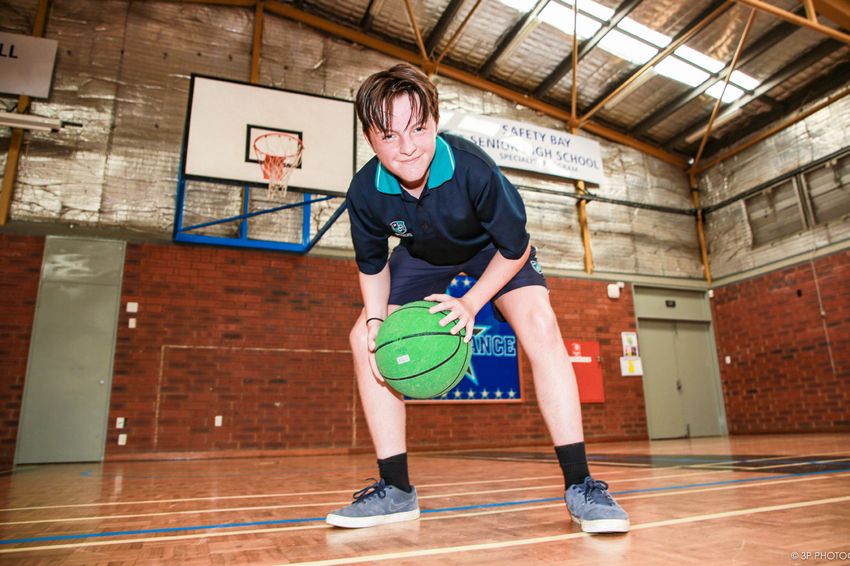
CONTENTS
Selection Requirements                                    1
Learning Areas                                            2
Introduction                                              3
Attendance                                                4
Subject Selection Guidelines                              5
Charges                                                   6
                     Subjects          Cost      Code   Page
Cheer-Dance Specialist Program         $250     10CHD     7
Cooking Around the World               $127    10FOOD     8
Dance                                  $100     10DAN     9
Digital Photography                    $124   10DPHOT    10
Drama                                  $ 55     10DRA    11
Engineering                             $97    10ENGI    12
English                                $ 35     10ENG    13
                                              10SOCB/
Football Specialist Program            $300              14
                                              10SOCG
Girls Multisports                      $ 70   10MULTG    15
Health                                 $ 22     10HEA    16
Hospitality                            $127    10HOSP    17
Humanities and Social Sciences         $ 33    10HASS    18
Languages - German                     $ 22   10GERM     19
Languages - Indonesian                 $ 22    10INDO    19
Mathematics                            $ 22    10MATH    20
Media                                  $ 72     10MED    21
Metal Technology                       $ 75     10MW     22
Music                                  $ 65    10MUSI    23
Outdoor Pursuits                       $222    10ODRP    24
Recreation for Life                    $ 70     10REC    25
Robotics & Digital Systems             $ 96     10ROB    26
Science                                $ 35     10SCI    27
Visual Arts 2D                         $ 90   10ART2D    28
Visual Arts 3D                         $ 90   10ART3D    29
Wood Technology                        $ 72     10WW     30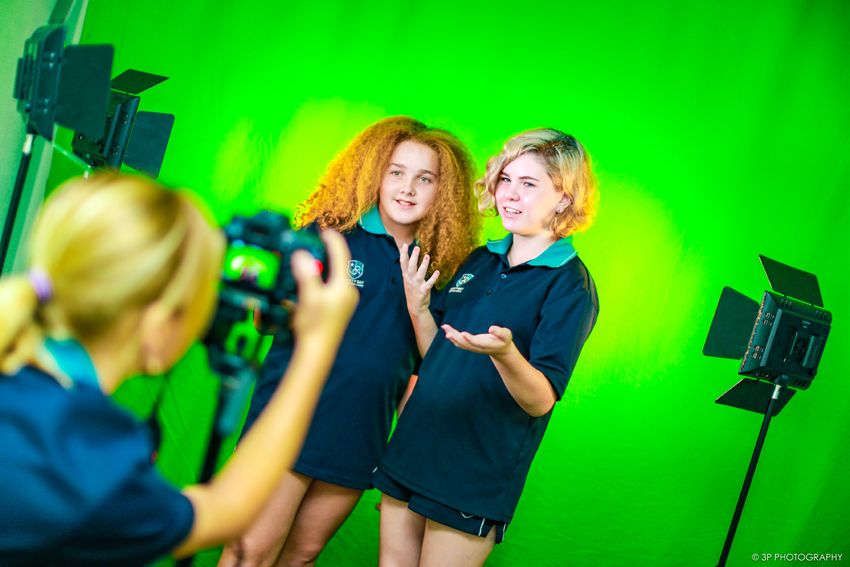
SELECTIONS

               Students must select
                  Compulsory Subjects
                        English
                      Mathematics
             Humanities and Social Sciences
                        Science
                         Health

                            and

       one option from                  The Arts

       one option from        Health & Physical Education

       one option from                Technology

     highly recommended               Languages

     fourth option can may be chosen from any learning area

                  01 | YEAR 10 HANDBOOK 2021
LEARNING AREAS

                                   The Arts
                     Dance, Digital Photography, Drama,
                  Media, Music, Visual Arts 2D, Visual Arts 3D

                        Health & Physical Education
 Cheer-Dance Specialist Program, Football Specialist Program, Girls Multisports,
                Health, Outdoor Pursuits, Recreation for Life

                                  Languages
                                    German
                                  Indonesian

                                   Technology
                    Engineering, Cooking Around the World,
                    Robotics & Digital Systems, Hospitality,
                     Metal Technology, Wood Technology

                     Cheer-Dance Specialist Program
         Cheer-Dance students select Cheer-Dance and 2 options from
                       Arts, Language or Technology

                        Football Specialist Program
    Football students select Football Specialist Program and 2 options from
                         Arts, Language or Technology

                           02 | YEAR 10 HANDBOOK 2021
INTRODUCTION

This Handbook has been produced in order to inform both parents and students about the range of
subjects available for study at Safety Bay Senior High School in Year 10, 2021.
Parents play an important role in helping their children to make educational choices and career
decisions. This role begins when children are young, as they watch their parents and other adults
around them take part in working life. As they grow older, parents can play an even greater part in
guiding their career development and fostering their optimism, enthusiasm, energy and curiosity. A lot
of this relies on good communication.
Year 10 is a time when students and their parents will be faced with many new challenges and decisions.
The expectations we set during this time need to be met if students are to successfully move into Senior
School. It is now compulsory for all students to complete Years 11 and 12 unless engaged in
full time employment or ongoing training with an external provider.
Year 10 students are:
   • expected to take more responsibility for their own learning and behaviour.
   • expected to be more organised.
   • provided with the knowledge and skills to set the foundations for future goals and plans.
   • encouraged to assume more roles of leadership within the school environment.
   • encouraged to pursue a more adult-like ethos.
   • expected to show increased independence.
   • expected to plan and manage more complex tasks.
Students’ achievement in Year 10 will determine the subjects they can study in Years 11 and 12.
Students wanting to enter the ATAR Pathway in Senior School require a minimum B Grade in Year
10 subjects. Placement in Year 10 classes in Maths, Science, English and Humanities and Social
Sciences will be identified as ‘University Pathway’. All other classes will be working towards a TAFE/
Vocational Pathway. Parents will be informed about these placements when classes are determined.

                                     03 | YEAR 10 HANDBOOK 2021
ATTENDANCE

At Safety Bay Senior High School we want to give your child the very best education possible. This is
why it is so important to send your child to school every day. Missing even a half day of school each
week equates to one month of missed learning each year. Helping your child develop a habit of going
to school every day is vital so they don’t miss out on the important ideas and skills they need for the
future.

Western Australian law stipulates that school-aged children must go to and attend school every day. We
are required to keep accurate attendance records for all our students. This includes taking attendance
at every lesson for secondary school students.

When a student’s attendance falls below 90%, the school principal is required to investigate the matter
and develop a plan (in consultation with the family) to adress and restore regular attendance.

Your child may not want to attend school due to learning difficulties/disabilities, behavioural issues,
and/or emotional/social issues. Other reasons could include falling behind in school work or feeling
overwhelmed about keeping up; competing demands on time, such as extracurricular activities or a
part time job; bullying or cyber bullying, amongst others.

If you think your child might need help in any of these areas speak to our friendly Student Services team.

Compass School Portal
Have you accessed our new Compass School Portal? Compass is an integrated online platform that
allows you to access up-to-date and meaningful information about our school and your child’s progress.
Compass includes many different features, including the ability to:

•   Monitor your child’s attendance and enter an explanation for absence or lateness
•   Communicate with your child’s teachers
•   View your child’s timetable and the school calendar
•   Book Parent/Student/Teacher Interviews
•   Pay and provide consent for events and school fees

You can access Compass here: https://safetybay-wa.compass.education/

                                    04 | YEAR 10 HANDBOOK 2021
SUBJECT SELECTION GUIDELINES

Throughout Year 10 students will follow a program comprising:
   ·   English, Mathematics, Science, Humanities and Social Sciences, each for four periods per
       week
   ·   Four optional subjects, each for two periods per week for the duration of the year

   ·   One period per week of Health

Optional subjects are to be selected by the student. One must be from the Health and Physical
Education learning area, one from The Arts or Languages and one from Technologies. The fourth
subject can be from any of these learning areas.

Even though Languages are not compulsory in Year 10 we highly recommend all students continue
with the study of their language, particularly students who are looking to pursue a career involving
international travel.

OLNA Testing
As part of the changes to the Western Australian Certificate of Education (WACE) current Year 10
students will need to pass an Online Literacy and Numeracy Assessment (OLNA). Passing this test
is essential for graduation in Year 12. Students who have achieved Band 8 in the Numeracy, Reading
and Writing elements of NAPLAN prequalify and as a result, do not have to undertake the OLNA.
Year 10 students will sit this assessment in March and those students who do not meet the standard
and pass, will have the opportunity to sit the test every 6 months.

                                  05 | YEAR 10 HANDBOOK 2021
CHARGES

All subject charges for         Year 10 courses are compulsory and should be paid by end of Term
1 2021.

Payment options are available for families experiencing financial hardship. Please contact the accounts
office on 9527 0209 to negotiate a payment plan.

          Payment Options
          Cash/Cheque at Administration Office

          Direct Deposit to Safety Bay Senior High School
          		             ACCOUNT: 		           Safety Bay Senior High School
          		             BSB: 306 060		        ACCOUNT NO: 5325350
          		             REFERENCE:            Student Name

          Credit Card at Administration Office or by telephone on 9527 0209

          EFTPOS at Administration Office

                       Find the Bpoint icon in the Quick links section on our School Website
                       or visit: www.bpoint.com.au/bw/payments/SAFETYBAYSENIORHIGHSCHOOL
                       REFERENCE: Student Name and purpose of the deposit

                                     06 | YEAR 10 HANDBOOK 2021
CHEER-DANCE
SPECIALIST PROGRAM
Learning Area: The Arts
Cost: $250 NON REFUNDABLE plus uniform

The Cheer-Dance Specialist Program has been delivering the finest Cheerleading and Dance integrated
training program in the state for the past 8 years. Students gain entry into our nationally recognised
program through competitive selection trails.

To be offered a place in the program you must demonstrate excellent cheerleading, dance or gymnastic
skills as well as maintaining 90% attendance, having excellent attitude, behaviour and effort in all
classes. For further information, please contact the school administration office or complete an online
registration form.The Cheer-Dance Specialist program is a 4-year course from Years 7-10 with the
opportunity to continue their dance studies in Senior School.

What will I be studying?
The Cheer-Dance Specialist Program’s carefully designed progressive education structure allows
each student the opportunity to develop their individual skills to the highest level in both dance and
cheerleading. With highly qualified teaching and coaching staff, our courses are continually evolving
to meet the demands of the industry, providing the best grounding for a future in the performing arts.

Students will be coached to a National Competition standard in all cheerleading and dance classes.
We combine passion, enthusiasm, experience, award-winning choreography and a serious approach
to dance, tumbling, jumps, stunts, strength and flexibility, as well as developing healthy habits and
leadership skills.

How will I be assessed?
Students will be assessed though a range of practical and theory based assessments as well as
performances at State and National competitions.

Performance and Production: 80%
•     Practical Technique
•     Competition Performance and Preparation
•     Self Management Skills and Interpersonal Skills
•     Own Choreography Group Assessment
•     Stage Performance and Preparation
•     Theatre Etiquette
•     Cheer-Dance Camp Practical

Response: 20%
•    Journal
•    Performance reflection
•    Vocabulary test
•    Review of professional practice

                                     07 | YEAR 10 HANDBOOK 2021
COOKING AROUND THE WORLD

Learning Area: Technologies
Cost: $127

Would you like to learn about the food from other countries? Would you like to impress others with
your knowledge of international cuisine and culinary skills? Then this couse is for you.

What will I be studying?
•      Foods and recipes from countries around the world
•      Prepare a wide range of international cuisine
•      Traditions of other cultures

How will I be assessed?
Knowledge and Understandings: 30%
Written worksheets and research assignments on:

•      Herbs and Spices
•      Bread
•      Asian, European, Austalian and American cusines
•      Fast foods
•      Written tests

Processes and Production skills: 70%

•      Production of pavlovas, vol-au-vents, spring rolls, curries, nasi goreng, hamburgers, fried
       chicken and coleslaw
•      Design, planning and production of meat pies
•      Design, planning and production of a pizza-based product
•      Design, planning and production of a Chinese recipe

                                  08 | YEAR 10 HANDBOOK 2021
DANCE
Learning Area: The Arts
Cost: $100
Year 10 Dance is a non-competitive subject for students with little or no dance experience. The
program is designed to build on students’ natural ability focusing on developing their dance skills and
techniques in a range of genres. Students learn to develop and interpret choreography, perform in
front of a live audience and reflect on dance. Students are encouraged to explore new movement and
express themselves creatively, while inspiring self-confidence, discipline and respect of the performing
arts. Year 10 dance is a preparatory course for students who maintain a C grade average and wish to
continue their Dance studies in Senior School.
What will I be studying?
Students will learn a range of dance styles from highly qualified teachers including, Hip Hop, Lyrical,
Jazz and Contemporary. The program provides your child with 2 hours of training per week during school
curriculum time as well as the opportunity to perform to a live audience at our end of year showcase
‘Cheer-Dance Spectacular’. Students are also given the opportunity to plan, choreograph, costume and
perform their own dances in structured group composition tasks.
The warm, positive and friendly culture that exists within the class is created by teachers and dancers
encouraging and supporting each other through their dance journey.
How will I be assessed?
Students will be assessed through a range of practical and theory based assessments.
Performance and Production: 80%
• Practical technique
• Stage performance and preparation
• Theatre etiquette
• Group Choreography
• Self management skills
• Peer coaching
Response: 20%
• Coaching plan
• Written response
• Journal
09 | YEAR 10 HANDBOOK 2021DIGITAL PHOTOGRAPHY
Learning Area: The Arts
Cost: $124
Although not a prerequisite, students may have already completed the first unit of Digital Photography
in Year 9. In Year 10 students will further develop their skills and learn advanced techniques to master
Digital Photography. They will learn how to set up and manipulate various camera settings and
professional lighting techniques to produce photographs.
What will I be studying?
The course involves the composition of professional photographs using the codes and conventions
of design, including the elements and principles of design. Students will learn advanced Adobe
Photoshop skills to enhance their digital images and produce prints for various applications.
In preparation for Year 11 and 12 Design: Photography, students will learn about the Design Process
and be introduced to InDesign to add and manipulate typography to create designs such as a
Magazine Cover. Throughout the course students will interact with various technologies. They will
develop digital skills which will ultimately prepare them for a range of careers that require knowledge
of the Microsoft Office and Adobe Suites.
How will I be assessed?
Production: 80% - Throughout the year students will complete a number of photographic tasks in
relation to the following techniques:
o Black & White Photography - focusing on the Elements and Principles of design
o Shutter Speed - Freeze Action- High speed Splash and Blur Motion- Light Painting
o MACRO - Aperture, Small Depth of Field
o Poster design - focusing on text and layout
o Portraiture - Utilising Available light, High-key and Low-key lighting
o Magazine cover - focusing on positioning and small studio set ups
o Double exposure - focusing on Enhancing Adobe Photoshop skills
Students will learn how to use Adobe Programs including Adobe Photoshop and Lightroomm to
digitally enhance their photographs. Students will complete some of these photography tasks using
the design process, which includes: Research, Idea Generation, Development of Ideas, Refinement
and Resolution.
Response: 20% - There will be two response tasks in Year 10.
• The first will be an extended research and investigation during the portraiture task.
• The second will be an analysis on the codes and conventions of a magazine during the magazine
task.
• Students will also respond to photographic work and designs using design terminology in the form
of a self-evaluation for every task.
10 | YEAR 10 HANDBOOK 2021DRAMA
Learning Area: The Arts
Cost: $55
In Year 10, Drama students are given opportunities to develop their knowledge and skills in producing
staged public and in-school performances. Students will use scripts from both Australia and around
the world to present performances that are engaging, challenging and fun. From 2021, Year 10
students will engage in a SCSA endorsed program (school production) through participation in a
Community Arts Performance that will provide students with an additional WACE point to go towards
their eligibility to graduate. Students in Year 10 Drama will further develop their analysis skills through
research, response writing and oral interviews. Students will have the opportunity to attend live theatre
performances and work with external providers to develop performance skills.
What will I be studying?
Students will be:
• Participating in the production of a Community Arts Performance in either an acting or non-acting
role.
• Devising, directing and producing their own performances through improvisation and script writing.
• Viewing a live theatre performance and identifying particular strengths in production and
performance.
• Attending workshops and events with industry professionals to enhance skills and look towards
career opportunities in the Arts.
How will I be assessed?
Assessment in Drama will be separated into 3 parts across the year, with a focus on Making and
Responding as per SCSA requirements.
Making (35%) Responding (30%) SCSA endorsed program (35%)
• Scripted Australian Drama • Reflecting (Verbal and • Journal (Responding)
• Monologues responding) • Performance (Making)
• Devised Theatre • Theatre review
• Shakespearean Theatre • Research task
• Improvisation
11 | YEAR 10 HANDBOOK 2021ENGINEERING
Learning Area: Technologies
Cost: $97
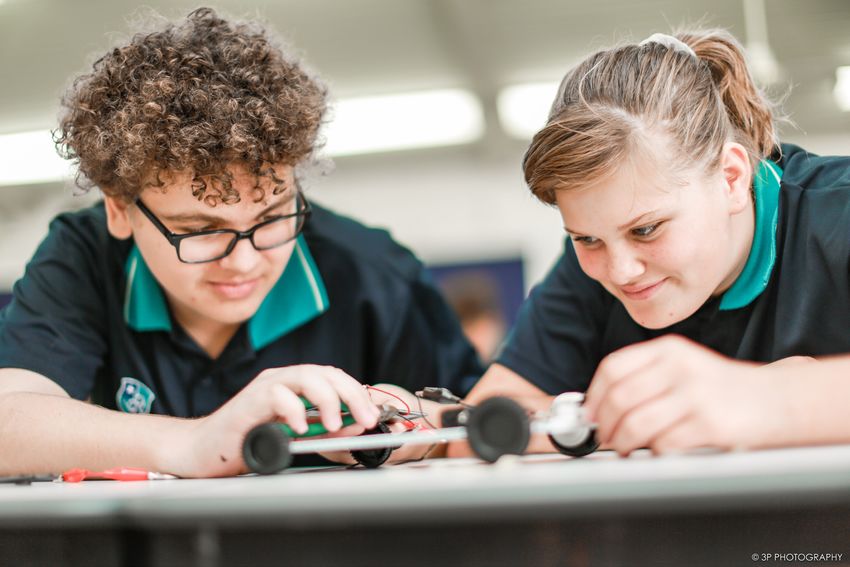
This course offers a hands-on approach for students who have a curious mind. Students learn
engineering principles, then demonstrate their understanding and application of them with their projects.
They consider and interpret a design brief, discover a range of research skills, devise methods to
develop concepts, and then plan and communicate proposed solutions to the design brief. They then
produce their ideas and evaluate them against set criteria determining the success of the solution
identifying any recommendations for further improvement. When developing solutions, students will
have the opportunity to experience 3D printers, laser cutters and more traditional based workshop tools
and equipment. The course will develop problem-solving skills, creativity, engineering design, critical
thinking, and collaboration skills.
What will I be studying?
• Engineering drawing
• Pulleys and pulley systems
• Materials classification and properties
• Influence of the environment on design
• Design of Electric Vehicle (EV) and systems:
-Chassis
-Drive train
-Gear ratios
-Steering mechanisms
-Electrical systems
• Related industries and transferable skills
Projects:
• Design and build a pulley system for a gantry system
• Design of a shelter
• Design of an EV chassis
• Design and build / installation of a drive train for the EV including the sprockets
• Design and manufacture a steering system suitable for the EV
• Design and install the electrical system for the EV
How will I be assessed?
Students will be assessed using a range of methods which include summative, formative, informal and
formal assessment practices. Students will complete related design booklets for their major projects
alongside a variety of assessment tasks that include tests, assignments, presentations, observations,
posing questions and guided investigations.
12 | YEAR 10 HANDBOOK 2021ENGLISH
Learning Area: English & Languages
Cost: $35
The Year 10 English teaching and learning program closely follows the expectations of the Western
Australian Curriculum and is designed to provide a transition to the study of English units in Year 11.
The Western Australian English Curriculum is organised into three interrelated strands of Language,
Literature and Literacy. Together the three strands focus on developing students’ knowledge,
understanding and skills in listening, reading, viewing, speaking and writing.
On completion of Year 10, students will have the opportunity to select an English course based on their
career pathway and in line with their level of achievement. Students, who intend to seek employment
or Vocational and Training opportunities, are advised to study General English in Year 11. Students
considering university entrance are required to study ATAR English and to qualify for entrance into this
course, they need to be achieving A and B grades in English in Year 10. It is essential that students
perform strongly in the Reading and Writing modes throughout Year 10, if they are to have a realistic
chance of succeeding in the ATAR pathway.
What will I be studying?
Students continue to practise, consolidate and improve upon what they have learned from previous years.
They also extend their understanding of how language works, and learn to transfer this knowledge to
different contexts. To achieve this, students develop an understanding of the requirements of different
types of texts; they are introduced to increasingly sophisticated analyses of various kinds of literary,
popular culture, and everyday texts, and they are given opportunities to engage with the technical
aspects of texts, including those of their own choosing – and to explain why they made that choice.
The notion of valuing certain texts as ‘literature’ is introduced. Students learn how such texts can be
discussed and analysed in relation to themes, ideas and historical and cultural contexts.
Students engage with a variety of genres and modes. They re-enact, represent and describe texts in
order to display their understanding of narrative, theme, purpose, context and argument and to defend
their ideas in written and oral modes. Students are given further opportunities to create increasingly
sophisticated and multimodal texts in groups and individually.
How will I be assessed?
In order to monitor student progress and provide feedback to inform their learning, students will complete
a variety of assessments throughout the year including, but not limited to:
• ongoing formative assessment within the classroom;
• summative assessment based on the comprehension and composition of texts;
• reading, writing, viewing, listening and speaking activities and presentations;
• multimodal productions and presentations;
• tests and examinations.
Students will be issued with a formal report twice-yearly and awarded a grade from A to E based on
performance assessed against the WA Curriculum Achievement Standard.
13 | YEAR 10 HANDBOOK 2021FOOTBALL SPECIALIST PROGRAM
Learning Area: Health & Physical Education
Cost: $300 NON REFUNDABLE plus uniform
Students gain entry into our nationally recognised Specialist Football Program through competitive
selection trials. To be offered a place you must have shown a consistent high level of attitude,
behaviour and effort across ALL your classes. All students in the Football Program will be expected
to commit to participate in a number of competitive competitions such as Champion Schools Cup and
age specific Lightning Carnivals.
Students involved in the elite program continue on a pathway that addresses their social, academic
and athletic abilities. This is delivered in 4 Football Sessions per week within the school curriculum,
in the phases of Skill Acquisition, Game Training and Performance.
What will I be studying?
• Technical development of the four core skills – 1 v 1; striking the ball; running with the ball and
1st touch.
• Athletic development – Weekly sessions targeting football specific components of fitness.
• Tactical Development – Importance of positional roles and responsibilities, game play structures
and strategies.
• Mental Development – Sports Psychology and game intelligence.
How will I be assessed?
Students enrolled in the elite program will be assessed through a wide range of Fitness testing,
individual skill performance, Game play (both 11 a side and Futsal) and also on their self management
and interpersonal skills.
14 | YEAR 10 HANDBOOK 2021GIRLS MULTISPORTS
Learning Area: Health & Physical Education
Cost: $70
Girls Multisports is designed to encourage maximum participation and improve fitness levels. The
emphasis in this class is to promote healthy lifestyle habits without excessive competition in the comfort
of a safe and non-judgemental environment. Students will have access to other selected workouts that
are on offer at many local fitness centres and gyms in the wider community.
What will I be studying?
This option is designed exclusively for girls, engaging in a wide range of activities such as:
• Netball
• Badminton
• Indoor Beach Volleyball
• AFL Rec Footy
• Racquet Sports.
Girls will also have access and exposure to a variety of fitness activities such as:
• Boxing Cardio
• Circuit Training
• Body Combat
• Beach Fitness
How will I be assessed?
Students will be assessed using a variety of methods covering a number of contexts. The form of
assessment varies and will include peer assessment, practical demonstration checklists, journals and
questioning.
15 | YEAR 10 HANDBOOK 2021HEALTH
Learning Area: Health & Physical Education
Cost: $22
In Year 10, the content provides students with the opportunity to begin to focus on issues that affect
the wider community. They study external influences on health decisions and evaluate their impact
on personal identity and the health of the broader community. Students continue to develop and
refine communication techniques to enhance interactions with others, and apply analytical skills to
scrutinise health messages in a range of contexts.
What will I be studying?
1. Safe, Respectful Relationships 3. Drug Education
• Transition to adulthood • What are Drugs?
• Sexuality • Types of Illicit Drugs
• Managing Relationships • Protective Strategies
2. Keys for Life (Driver Education) 4. Fitness
• License Training system/road rules • Components of Fitness
• Road user responsibility and behaviours • Analysing your fitness
• Reducing risks when driving • Skeletal/Muscular Systems
How will I be assessed?
Students will be assessed using a range of diagnostic, summative, formative, informal and formal
assessment practices. Students will complete a Health Education Workbook alongside a variety
of assessment tasks that include tests, assignments, projects, presentations, observation, posing
questions and guided investigations.
16 | YEAR 10 HANDBOOK 2021HOSPITALITY
Learning Area: Technologies
Cost: $127
Do you have a passion for food or want to become our next Master Chef? Students will learn how
to work as an effective member of a team and develop an understanding of nutritional and scientific
principles of food, whilst developing practical skills and techniques.
What will I be studying
• Fruit and vegetable cookery
• Knife handling • Coatings and batters
• Recipe interpretation • Garnishes and decorating
• Industry skills and terminology • Sauces and batters
• Menu planning • Meal preparation and presentation
• Cake making • Nutrition
• Pastry making
• Methods of cooking
How will I be assessed?
Knowledge and Understandings: 30%
• Written worksheets and research assignments on a range of cooking processes
• Written tests.
Processes and Production skills: 70%
• Develop a range of skills covering a variety of cooking processes, including production and
evaluation of a two course meal.
17 | YEAR 10 HANDBOOK 2021HUMANITIES AND SOCIAL
SCIENCES
Learning Area: Humanities & Social Sciences
Cost: $33
Humanities for Better Humans
Year 10 students complete a 10 week course on each of the four disciplines within Humanities and
Social Sciences (HASS). Students will rotate through the specialist teachers to prepare for the Senior
School HASS offerings.
Students develop increasing independence in critical thinking and skill application, which includes
questioning, researching, analysing, evaluating, communicating and reflecting. They apply these skills
to investigate events, developments, issues and phenomena, both historical and contemporary.
What will I be studying?
Civics and Citizenship: Justice at home and overseas
Students continue to build on their understanding of the concepts of democracy, democratic values,
justice, and rights and responsibilities by exploring Australia’s roles and responsibilities at a global
level and its international legal obligations. They inquire into the values and practices that enable a
resilient democracy to be sustained.
Economics and Business: Economic Performance & Living Standards
Students are introduced to the concept of economic performance and living standards while continuing
to further their understanding of the concepts of making choices, interdependence, specialisation, and
allocation and markets through examining contemporary issues, events and/or case studies delving into
the reasons for variations in the performance of economies. They explore the nature of externalities and
investigate the role of governments in managing economic performance to improve living standards.
They inquire into the ways businesses can manage their workforces to improve productivity.
Geography: Environmental Change & Management; and Geographies of Human Well-Being
The concepts of place, space, environment, interconnection, sustainability and change continue to be
developed as a way of thinking, through an applied focus on human-induced environmental changes
that challenge sustainability; and measuring, mapping and improving human well-being in Australia
and other countries.
History: The Modern World and Australia
Students develop their historical understanding through key concepts, including evidence, continuity
and change, cause and effect, perspectives, empathy, significance and contestability. These concepts
are investigated within the historical context of the modern world and Australia from 1918 to the present,
with an emphasis on Australia in its global context, during World War II as well as rights and freedoms
from 1945 onwards.
How will I be assessed?
Students will complete a variety of assessments across each discipline. The form of assessment varies
and may include peer assessments, portfolios and work samples, performances or oral presentations,
visual representations, graphic organisers, written work, tests or quizzes, field-work and practical tasks.
18 | YEAR 10 HANDBOOK 2021LANGUAGES
GERMAN OR INDONESIAN
Learning Area: English & Languages
Cost: $22
In Year 10 all students will have the opportunity to continue their language studies. In the Languages
Learning Area, students will continue to practise and build upon the language concepts learned in Years
7, 8 and 9. They will study the language, culture and customs of the target countries.
Language study develops their ability to communicate across cultures and develops respect and
understanding for diversity and difference. Language study also improves literacy and critical thinking
skills. Students learn how language is structured and compare features of their first language with
those of the target language. This helps students to better understand the structure and workings of
the English Language.
If choosing Language in Year 10 it must be the same language studied in Year 9.
What will I be studying?
Students will continue to study a range of basic language on everyday topics and learn about daily life,
customs and traditions in the target countries. They will make comparisons between those countries
and their own. The situational language they learn could help them communicate better in the language
of the countries of their studies.
Topics studied in Year 10 include daily life and routine, places in town as well as asking for and giving
directions. Students will study the way of life in target countries and compare that to their own. They
will discuss what they do and don’t do at home as well different part time jobs. Students will do some
practical lessons involving cooking and eating some traditional dishes. Students will watch films in the
target language that reflect the life, culture and history of the relevant country.
They will use the internet to research and find information for set topics.
How will I be assessed?
There will be ongoing formative assessment in the classroom throughout the year. Students will complete
summative assessments in listening, speaking, reading, viewing and writing upon the completion of
each topic of study.
Students will receive a formal report twice a year where they will be awarded a grade from A to E
based on their class and test performance.
19 | YEAR 10 HANDBOOK 2021MATHEMATICS
Learning Area: Mathematics
Cost: $22
Year 10 is an extremely important year in a student’s Mathematical development. In preparation for
Senior School, students are placed into one of three pathways at the commencement of the year.
Students will be placed in these Pathways based on their previous results in Mathematics and their
future aspirations.
Pre-ATAR Methods
This Pathway is for students who excel at Mathematics especially Algebra. This course is for students
who intend to study Maths, Science or Engineering at university.
Pre-ATAR Applications
This Pathway is for students who want to go to university and need to do an ATAR Mathematics course.
This course is for students who intend to study at university.
General Pathway
The Pre-General Course focuses on the requirements of achieving a B or C grade in Year 10. It
provides students with the mathematical knowledge, skills and understanding to prepare for post-
school options of employment and TAFE. It supports students in achieving Numeracy in OLNA. If
students show promise and achievement in Semester 1, they will have the opportunity to transfer into
the ATAR bound Pathway.
What will I be studying?
Pre-ATAR Pathway General Pathway
Algebra Financial Mathematics
Probability and Statistics Basic calculations, percentages, rates
Areas, Surface Area and Volume Areas, Surface Area and Volume
Linear Equations and Graphing Pythagoras’ Theorem
Trigonometry Basic Trigonometry
Angles, Congruency and Similarity Probability
Indices and Scientific Notation Measurement
Pythagoras’ Theorem Statistics
Quadratic equations (Pre-Methods only) Rates and Ratios
An appropriate Scientific Calculator is an essential tool in High School Mathematics for either Pathway
and students are expected to bring their own to class.
How will I be assessed?
Assessment is in the form of regular tests, investigations, and projects. All Year 10 students sit an exam
in Term 2. The Pre ATAR Pathways will also have an exam in Term 3.
20 | YEAR 10 HANDBOOK 2021MEDIA ARTS
Learning Area: The Arts
Cost: $72
This Media Arts course provides an opportunity for students to learn about film production and have
the opportunity to make short films. The course focuses on learning how to use equipment and on
building production and editing skills. Students will develop practical skills in writing scripts, camera work,
lighting and digital editing using iMovie and Adobe Premiere Pro. Students will create multiple short
films, music videos, vlogs, and podcasts using the different shot techniques, codes and conventions
commonly used in film.
What will I be studying?
This course will focus on two major genres, Media-Fiction and Media-Non Fiction. This includes looking
at Music Videos, Australian and International Films as well as vlogs and short films introducing ideas
about the world around us. They explore past and current trends on audience composition and the use
of various forms of media. This subject can lead into the Year 11/12 Certificate II in Creative Industries:
Media and aims to proivide general life skills in digital editing and film appreciation.
How will I be assessed?
In order to monitor student progress and provide feedback to inform their learning, students will complete
a variety of practical and theory assessments throughout the year.
Practical: 75%
• Demonstrate cinematography and film techniques
• Make a short non-fiction film
• Plan, film and edit visuals for a music video
• Make a Podcast or Vlog
Theory: 25%
• Music Video Investigation
• Responding to a film and film posters
• Music Video Response
• Knowledge Test
21 | YEAR 10 HANDBOOK 2021METAL TECHNOLOGY
Learning Area: Technologies
Cost: $75
The Year 10 Metal Technology course aims to develop students’ confidence, creativity, enterprise
and employability skills through the design and creation of metal projects. Initially students gradually
progress from direct instruction to completing set projects independently. Students critically evaluate
existing designs based on their form, function, cost and aesthetics; they will be introduced to formal
drawing techniques and 3D sketching so that they can develop and communicate their own ideas
and plans. In addition, they will use computer aided drawing software to assist in the design of their
projects. A major focus is on developing students’ design thinking and problem solving skills to enable
them to become independent and autonomous learners.
What will I be studying?
• Safety in the workshops
• Technical drawing
• Welding and metal fabrication
• Machining processes
• Casting
• Design concepts and procedures
• Computer Aided Design/Computer Aided Manufacture with the use of Fusion 360
• Related industries/transferable skills
Projects:
• Small tool tray
• Soft face hammer or tack hammer
• Drip oil can
• Salad servers
• Design and manufacture their own plasma cut project
• Square bell
• Bush fire barbeque plate
• Casting
How will I be assessed?
Students will be assessed using a range of methods which include summative, formative, informal and
formal assessment practices. Students will complete related design booklets for their major projects
alongside a variety of assessment tasks that include tests, assignments, presentations, observations,
posing questions and guided investigations.
22 | YEAR 10 HANDBOOK 2021MUSIC
Learning Area: The Arts
Cost: $65
Music in Year 10 is open to all students who play an instrument and are interested in developing their
skills in performance and songwriting. Music is an engaging program that provides students with the
practical and theoretical knowledge for performance, appreciation and composition of music.
The Special Music Program aims to nurture and develop students’ passion for music. Students who
participate in the Department of Education’s Instrumental Music School Services (IMSS) Program,
instrumental lessons outside of school, or who play an instrument at home can participate in this class.
What will I be studying?
Students will participate in three aspects of the course; classroom music, instrumental lessons and
ensemble. It is compulsory for IMSS students to participate in all aspects of this course.
Over the course, students learn about selected genres of contemporary music, music industry skills,
composition and basics of recording.
How will I be assessed?
Making: 60%
• Composition
• Performance
• Recording
• Music Theory
Responding: 40%
• Song analysis
• Journal entries
• Research task
23 | YEAR 10 HANDBOOK 2021OUTDOOR PURSUITS
Learning Area: Health & Physical Education
Cost: $222
Throughout the Outdoor Pursuits program students will be involved with conservation projects and
perform first aid within the natural environment. Students will learn bush survival techniques, about
the role of the Department of Biodiversity, Conservation and Attractions, as well as how to conduct
and present nature conservation research. Students will also be involved in an extended expedition
to Rottnest Island.
What will I be studying?
This course will allow students the opportunity to participate in a variety of adventurous challenges
including:
• Surfing/body boarding
• Climbing/abseiling
• Mountain biking
• Kayaking/canoeing
• Recreational fishing
• Snorkelling
• Hiking & Camp Skills
• Camp Cooking
This course is aimed at students who enjoy active participation, working in groups and experiencing
a variety of adventure activities. Along the way students will learn the necessary skills required when
camping, such as camp cooking, erecting tents and simple navigation.
How will I be assessed?
Students will be assessed using a variety of methods covering a number of contexts. The form of
assessment varies and will include peer assessment, practical demonstration checklists, journals and
questioning.
24 | YEAR 10 HANDBOOK 2021RECREATION FOR LIFE
Learning Area: Health & Physical Education
Cost: $70
The focus will be on improving individual skills, implementing team strategies and tactics and enjoying
participation in a competitive environment such as sporting carnivals.
Students will also be able to access external community recreation facilities such as Port Kennedy
Indoor Beach Volleyball, Rockingham Squash and AMF Bowling.
What will I be studying?
Our premium Physical Education option, students selecting this course will have access to the following
sport options:
• Net & Racquet Sports - Tennis, Badminton, Volleyball
• Invasion Games - Basketball, AFL Rec Footy, Touch, Netball
• Striking - Softball
• Fitness - Beach, Onsite Gym
How will I be assessed?
Students will be assessed using a variety of methods covering a number of contexts. The form of
assessment varies and will include peer assessment, practical demonstration checklists, journals
and questioning.
25 | YEAR 10 HANDBOOK 2021ROBOTICS & DIGITAL SYSTEMS
Learning Area: Technologies
Cost: $32
The Year 10 Robotics and Digital Systems course focuses on further developing understandings and
skills in computational thinking such as precisely and accurately describing problems and the use of
modular approaches to solutions. The focus is the creation of web assets, website design, simulations
for virtual reality applications using Python and 3D Max. Students also consider how human interaction
with networked systems introduces complexities surrounding access to and the security and privacy
of various types of data as they design and prototype networks and hardware applications using the
Raspberry Pi. Students will also have the opportunity to learn 3D modelling and 3D print to produce
their custom robotics parts.
What will I be studying?
• Automation
• How to analyse problems and then design, implement and evaluate a range of digital solutions such
as websites, IoT and artificial intelligence engines and simulations.
• Interrogate security practices and techniques used to compress data and the importance of separating
content, presentation and behavioural elements.
• How to develop multi level abstractions and explore the trade offs between simplicity of a model
and the faithfulness of its representation.
• How to work individually, collaboratively and interactively sharing online environments, with respect
to the ownership of information.
• Consolidate their algorithmic design skills to incorporate testing of prototypes in virtual and real time
environments.
Projects:
• Robotic garden beds (CNC based)
• Virtual reality and Augmented reality
• Underwater robot – Design and build controller
How will I be assessed?
Students will be assessed using a range of methods which include summative, formative, informal and
formal assessment practices. Students will complete related design booklets for their major projects
alongside a variety of assessment tasks that include tests, assignments, presentations, observations,
posing questions and guided investigations.
26 | YEAR 10 HANDBOOK 2021SCIENCE
Learning Area: Science
Cost: $35
In the Science Learning Area, students will learn to investigate, understand and communicate about
the physical, biological and technological world and value the processes that support life on our
planet. Science will help students to become critical thinkers by encouraging them to evaluate the
use of Science in society and the application of Science in daily life. In preparation for Senior School,
students will be placed in pathways in Year 10. These placements are made on the basis of Year 10
achievement, State Testing and NAPLAN results. Students will need to ensure their achievement in
this year is reflective of both their ability and aspiration.
The ATAR Pathway is for students who have university aspirations and will be studying Science in Year
11 and 12. This pathway can prepare students for Biology, Human Biology, Physics and Chemistry.
The General Pathway is structured to assist students achieve a C grade in Year 10 and is intended to
promote engagement and future employment. If students show promise and achievement in Semester
1, they will have the opportunity to transfer into the ATAR bound Pathway. In Term 4, students will have
the opportunity to select a number of modules (e.g. Forensic Science and Sports Science) based on
their ability and aspirations.
What will I be studying?
Year 10 students study a common course of the following topics:
Biology Chemistry
Human Genetics Atomic Structures & Chemical Reactions
Evolution Periodic Table
Physics Earth and Environment Science
Energy Transfers & Transformations Solar System
Motion Big Bang Theory
Laws of Physics Carbon Cycle
How will I be assessed?
Students will complete a variety of assessments throughout the year including topic tests, assignments
and practical science inquiry investigations. Results from these assessments will be combined and
reported to parents as a grade (A to E). Students will be provided with a copy of the Lower School
Assessment Policy which makes clear the expectations of students and staff.
27 | YEAR 10 HANDBOOK 2021VISUAL ARTS 2D
Learning Area: The Arts
Cost: $90
In this course students will be encouraged to throw away their inhibitions, roll up their sleeves and
experience the fulfilment of developing and evolving their own original designs into finished art works
using a variety of techniques and processes.
This year long course, continues to develop students’ knowledge and ability to use visual art language
and artistic conventions, in both written and practical work. Students will have the opportunity to
participate in school and community exhibitions, It is an excellent prelude to the General Visual Arts
course run in both Years 11 & 12.
What will I be studying?
Students will create a portfolio to demonstrate the design, production and evaluation processes they
used to create their artwork. Students will extend their knowledge of art practices through a range of
techniques that may include adaptation, manipulation, deconstruction and reinvention.
Students will be encouraged to express greater individualism in their application of ideas and materials
through a range of 2D projects in the studio areas of Drawing, Painting, Printmaking, Graphics,
Textiles and Collage.
How will I be assessed?
Students will be assessed through a range of practical and theory based assessments.
Making: 80%
• Inquiry (research, design development, media exploration)
• Art Practice (production of studio work)
• Presentation (display of studio work)
25% Responding: 20%
• Analysis (description of an artwork noting subject depicted and use of visual arts language)
• Social, cultural and historical contexts (research on artist, their style and influences)
• Interpretation/response (discussions on possible meaning and purpose of artwork, reflections on
own work and that of others)
28 | YEAR 10 HANDBOOK 2021VISUAL ARTS 3D
Learning Area: The Arts
Cost: $90
This practical, hands-on course is designed for students who love to create and explore the world of
three dimensional objects. Students will have the opportunity to let their imaginations run wild. They
will get to design, explore and further develop their sculpting skills through the creation of whimsical
sculptural forms that are functional, yet quirky, or just purely decorative. This year long course, continues
to develop students’ knowledge and ability to use visual art language and artistic conventions, in both
written and practical work.
What will I be studying?
Students will create a portfolio to demonstrate the design, production and evaluation processes they
used to create their artwork. Students will extend their knowledge of art practices through a range of
techniques that may include adaptation, manipulation, deconstruction and reinvention. Students will be
encouraged to express greater individualism in their application of ideas and materials through a range
of 3D projects in the studio areas of:
Ceramics
Students will learn about a range of clay hand building and glazing techniques which they can utilise in
the creation of individual and fun ceramic masterpieces.
Creative Sculpture
Students will learn a variety of 2D and 3D sculpture construction and surface decoration techniques.
They will have the opportunity to create original and wacky 3D art forms using an array of mixed media
techniques such as Papier-Mache and wire assemblage along with found objects and recycled fashion
or furniture items.
How will I be assessed?
Students will be assessed through a range of practical and theory based assessments.
Making: 80%
• Inquiry (research, design development, media exploration)
• Art Practice (production of studio work)
• Presentation (display of studio work)
Responding: 20%
• Analysis (description of an artwork noting subject depicted and use of visual arts language)
• Social, cultural and historical contexts (research on artist, their style and influences)
• Interpretation/response (discussions on possible meaning and purpose of artwork, reflections on
own work and that of others)
29 | YEAR 10 HANDBOOK 2021WOOD TECHNOLOGY
Learning Area: Technologies
Cost: $72
The Year 10 Wood Technology course aims to develop students’ creativity, enterprise and employability
skills through the design and creation of timber projects. Students critically evaluate existing designs
based on their form, function, cost and aesthetics; they will be introduced to formal drawing techniques
and 3D sketching so that they can develop and communicate their own ideas and plans. In addition,
they will use computer aided drawing software to assist in the design of their projects. A major focus
is on developing students’ design thinking and problem solving skills to enable them to become
independent and autonomous learners.
What will I be studying?
• Safety in the workshops
• Technical drawing.
• Computer aided drawing – Fusion 360.
• Timber joinery techniques and processes.
• Laser engraving and cutting.
• Wood turning.
Projects:
• Side table or little picnic table
• Wooden puzzle
• Bed side / desk tidy
• Board game
• Key box
• Stool
How will I be assessed?
Students will be assessed using a range of methods which include summative, formative, informal and
formal assessment practices. Students will compete related design booklets for their major projects
alongside a variety of assessment tasks that include tests, assignments, presentations, observations,
posing questions and guided investigations.
30 | YEAR 10 HANDBOOK 2021HOW TO CONTACT US EMAIL safetybay.shs@education.wa.edu.au WEB www.safetybay.wa.edu.au POSTAL ADDRESS Post Office Box 6122 Waikiki WA 6169 PHONE 08 9527 0200 IN PERSON Office Hours: 8am - 4pm Mon - Fri (during school term)
You can also read


