19 National Library of Scotland
←
→
Page content transcription
If your browser does not render page correctly, please read the page content below
Preserving
Memories

             19 - 20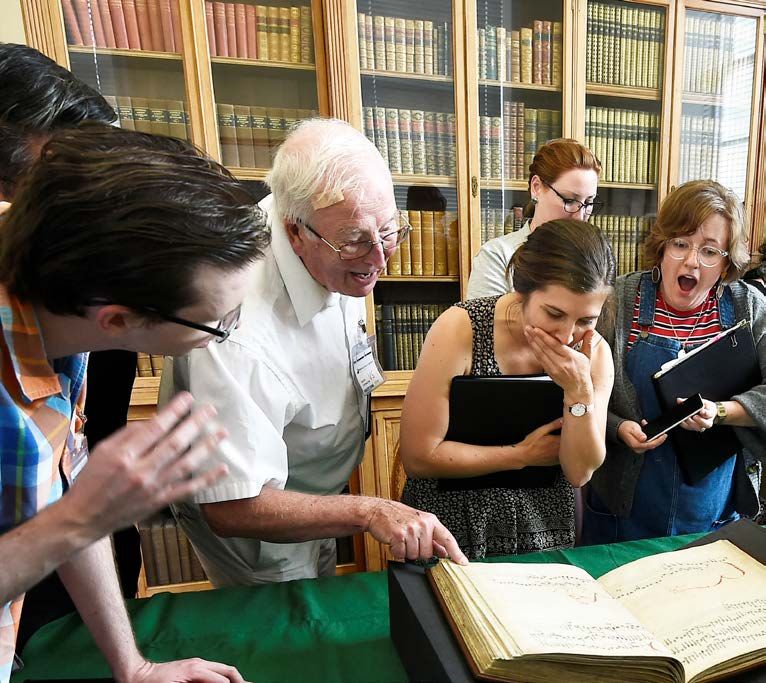
Annual Review 2019 - 20 National Library of Scotland

                                                       Welcome
                                                       Dr John Scally
                                                       National Librarian

                                                       The month of March 2020 will surely go down as one               We also received the final tranche of some 10,000
                                                       of the most difficult in the Library’s history. In fact, it is   Scottish sound recordings from music enthusiast
                                                       tempting to let it eclipse the 11 months that went before.       William Dean-Myatt. A record collector based in the West
                                                       Yet right up to that momentous series of events, the             Midlands, Mr Dean-Myatt amassed his collection over
                                                       Library was having a most dynamic and productive                 a 70-year period.
                                                       year! And this Annual Review reminds us of our many
                                                       successes before the lockdown hit.                               We made a quantum leap in digital engagement
                                                                                                                        this year. It began with a major multimedia 1980s
                                                       It’s the final year of our current five-year strategy – The      retrospective, Back to the future: 1979–1989, which
                                                       Way Forward, 2015-20. In 2015, we set out to invest in           ran from May to November. A bespoke website of
                                                       our infrastructure to ensure we can better preserve the          essays by staff and guest writers, and films from our
                                                       national collections. We also set ourselves the target of        Moving Image Archive, took people back to the days
                                                       making one third of our collections available in digital         of denim, protest, synth pop, revolution in Europe and
                                                       format by 2025, and we are on track to achieve this.             emerging technologies.

                                                       Our strategy for the next five years is nearly ready. It         The 80s retrospective occurred in tandem with our major
                                                       will build upon the hard work we have done and enable            exhibition looking back some 250 years to Scotland’s
                                                       the launch of our most ambitious audience development            intellectual golden era – the Enlightenment. Timed to
                                                       plans yet. We know we have something for everyone,               coincide with a major symposium held in Edinburgh,
                                                       but we know many people in Scotland don’t necessarily            Northern Lights gave many thousands of visitors an
                                                       know about us. That is set to change.                            insight into the hotbed of genius that Scotland had
                                                                                                                        become – a place of enlightened discussion and debate.
                                                       Looking back over the year, one of the activities I’m
                                                       most proud of is our ongoing programme helping                   We all know what happened at the start of 2020. Which
                                                       young people, and those in early careers, on their way           meant that, for the first time in our history, we had to
                                                       to professional employment. Opening the Library up               close our doors to our readers and visitors, and maintain
                                                       through internships, work experience and volunteering            communications with them virtually. As a huge swathe of
                                                       programmes has given us all a genuine thrill during the          the collections are digitised, or came to us originally in
                                                       year – and helped the participants move on to secure             digital format, this placed us in good stead to continue to
                                                       employment. You’ll find some inspiring personal stories          assist people with academic research, personal learning
                                                       inside these pages.                                              journeys, family history research, or simply something to
                                                                                                                        keep families educated and entertained during lockdown.
                                                       We were fortunate to receive some major donations
                                                       to the collections. The year began with the generous             As we slowly resume our services at our buildings, we
                                                       donation made by Ian Rankin – we are now home to                 will continue to develop our online presence. Lockdown
                                                       his entire literary archive which is well on the way to          has changed all of us in ways big and small, and we
                                                       being catalogued.                                                will take the best of what we have done to come back
                                                                                                                        stronger and more relevant than ever.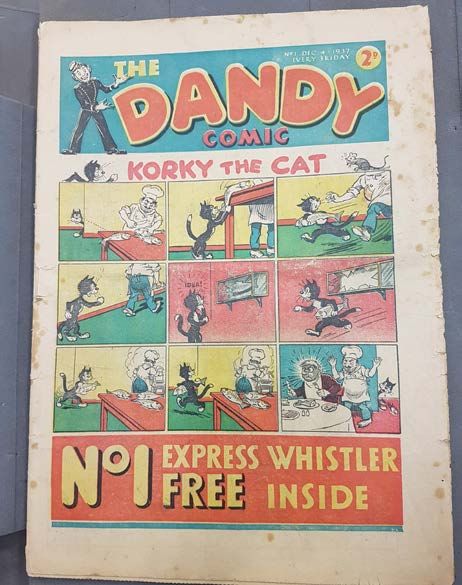
Contents

                                        04
Safeguarding Collections
           Growing, preserving and
      digitising national collections

                                        09         Improving Access
                                                   Future is digital

     Promoting Research
        Collaborations and support
                                        13
                                        16         Supporting Learning
                                                   Education and residencies

   Inspiring Engagement
            Exhibitions and events
                                        19
                                        24         Reaching Out
                                                   Our impact around Scotland

        Funding Our Work
 Income and expenditure 2019 – 20
                                        27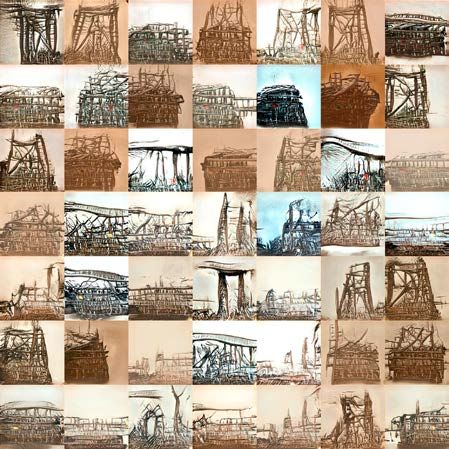
Annual Review 2019 - 20 National Library of Scotland
                                                       Safeguarding Collections                                                                                                 04

                                                            Safeguarding Collections

                                                            Acquisitions

                                                                                                                                                                                          © John Devlin/The Scotsman

                                                            Alasdair Gray                            photographs, slides, transparencies,    To a critic who calls do not go gentle
                                                                                                     and audio-visual material. Alasdair     into that goodnight a silly poem – a
                                                            Scotland lost a literary and cultural    Gray took it upon himself to arrange    striking signed poetry print published
                                                            giant towards the end of 2019 with       some of the inventories and describe    in 2019 – and Bella Caledonia, one
                                                            the passing of Alasdair Gray, which      some of the collections. The archive    of a signed edition of 60 prints.
                                                            was marked by tributes from around       measures around 12 linear metres,
                                                                                                     excluding the many huge files and       Our acquisition of Alasdair Gray’s
                                                            the globe. Labelled a genius and
                                                                                                     boxes containing artwork and other      papers began in 1984, when the
                                                            a polymath by others, his 2005
                                                                                                     large items. It is one of our larger    then-curator of modern Scottish literary
                                                            description of himself as “a fat,
                                                                                                     modern literary archives, perhaps       papers wrote to the author noting
                                                            spectacled, balding, increasingly
                                                                                                     only dwarfed by that of Muriel Spark.   “it would give us much pleasure
                                                            old Glasgow pedestrian” displays
                                                                                                                                             if your work could be represented
                                                            his humorous side, if not his unique
                                                                                                     Last year, Gray continued to add        in the national collection”. That pleasure
                                                            creative abilities.
                                                                                                     to his impressive body of work, and     will remain, but with sadness at the
                                                            His archive at the Library comprises     we added more to his archive at the     passing of one of the most important
                                                            literary and personal papers, artwork,   Library. New acquisitions include       figures in modern literature and culture.
05

Music enthusiast donates                                                            The final instalment of the donation
                                                                                    was approximately 7,500 shellac
entire record collection                                                            discs, adding to the 3,000 sound
                                                                                    recordings already at the Library –
In September 2019, we received the                                                  mostly made up of shellac records,
final tranche of a collection of more                                               but also including vinyl, cassette
than 10,000 sound recordings from                                                   tapes and a small number of
music enthusiast William Dean-Myatt.                                                wax cylinders.
A record collector based in the West                                                The majority of the shellac records
Midlands, Mr Dean-Myatt amassed his                                                 are mass-produced commercial
collection over a 70-year period. From                                              copies, but the collection also includes
an initial interest in jazz, his special                                            a number of rare and unique items.
interest in 78s of Scottish music                                                   It contains Scottish music of various
stemmed from the music played by                                                    genres: Gaelic songs, recordings
his relatives in Scotland. His research                                             of the Scottish music hall, Border
resulted in his book, The Scottish                                                  songs, fiddle and bagpipe music and
Vernacular Discography 1888-1960.                                                   dialect sketches.
                                           “I want the collection to be heard and
Mr Dean-Myatt said, “I have always                                                  Artists represented in the collection
                                           used by people in Scotland to listen
been bemused as to why Scotland                                                     include Jimmy Shand, James Scott
                                           and learn about historic Scottish
did not have a sound archive that                                                   Skinner, Harry Gordon, Harry Lauder,
                                           music. By donating my collection to
recorded the commercial vernacular                                                  Bob Smith, Tony Capaldi, Willie
                                           the National Library of Scotland, I am
music of Scotland, rather than high                                                 Kemp, Peter Wyper and Heloise
                                           hoping it will be the foundation for
art music.                                                                          Russell-Ferguson.
                                           something bigger and better.”

                                                                                    First ever appearance
                                                                                    of Desperate Dan added
                                                                                    to national collections
                                                                                    We have filled a crucial gap in our
                                                                                    collection of The Dandy weekly
                                                                                    comics following the acquisition
                                                                                    of the first-ever copy.

                                                                                    The Dandy Comic was first published
                                                                                    on 4 December 1937, costing two
                                                                                    pennies for 28 pages. It was an
                                                                                    instant success, selling more than
                                                                                    480,000 copies.

                                                                                    In many ways, it was the first modern
                                                                                    British comic, and should be of great
                                                                                    interest to anyone researching popular
                                                                                    literature. Today, it is estimated there
                                                                                    are only around 20 copies of the first
                                                                                    edition known to be in existence.
                                                                                    Which makes this copy one of the
                                                                                    rarest items in our collections.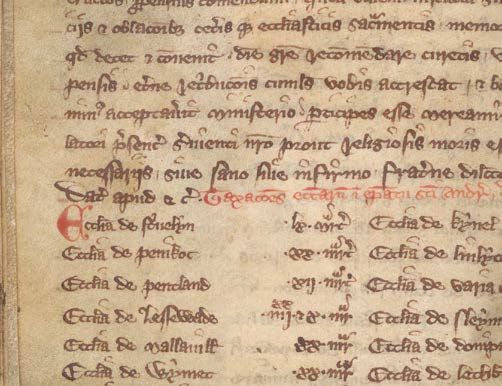
Annual Review 2019 - 20 National Library of Scotland
                                                       Safeguarding Collections                                                                                                        06

                                                            The Thomson-Adam
                                                            Smith archive

                                                            A major addition to our manuscript
                                                            collections on the history of science
                                                            and ideas in modern Britain, the
                                                            papers of Sir George Paget Thomson
                                                            and Kathleen Thomson (née Smith)
                                                            and their family illuminate almost a
                                                            century of academic research and
                                                            intellectual family life in Aberdeen,
                                                            Cambridge and London.

                                                            Comprising correspondence, diaries,
                                                            household papers, juvenilia and
                                                            photographs, this generous gift sets
                                                            the achievements of Sir George and
                                                            his father, Sir JJ Thomson – both
                                                            Nobel laureates who made landmark
                                                            discoveries in the history of modern
                                                            physics – in the context of the work and
                                                            private lives of their Scottish relations.

                                                            This acquisition builds on the extensive
                                                            family archive established at the
                                                            Library by Lady Thomson’s sister, the        Ian Rankin donates literary archive
                                                            BBC editor, author, and mountaineer
                                                            Janet Adam Smith (1905-1999).                The UK’s biggest-selling crime novelist, Ian Rankin, donated his literary archive
                                                                                                         to the Library.

                                                                                                         Often cited as ‘the king of tartan noir’, Mr Rankin’s work has resonated with
                                                            Vintage home                                 millions throughout the world, with his novels translated into 36 languages.

                                                            shopping catalogues                          Totalling around 50 boxes of material, which in shelving terms is more than
                                                                                                         six metres, the archive includes typescripts of manuscripts with handwritten
                                                            Home shopping catalogues are not             annotations and notes by the author. Also included is correspondence with
                                                            something that we usually receive            literary figures such as Iain Banks, Ruth Rendell, Val McDermid and Jilly
                                                            through legal deposit – the mechanism        Cooper, as well as figures from across the political and cultural spectrum.
                                                            in which we have the right to claim a        Not surprisingly, police officers feature regularly in correspondence.
                                                            copy of everything published in the UK
                                                            and Ireland – and we therefore only          Described by Mr Rankin as “a pretty complete author’s life, late-20th century-
                                                            had one in our collection, from 1989.        style”, the archive material dates from 1972–2018.

                                                            During our retrospective on the 1980s,       Mr Rankin added, “I remember that in my first week as a postgraduate student
                                                            Back to the future (see page 19), we         we were given a tour of the National Library of Scotland, including access to the
                                                            realised how important and useful            basement levels.
                                                            these publications are as a window
                                                            into our recent past.                        “Those vaulted underground corridors would reappear in the climactic scenes
                                                                                                         of my first Rebus novel. The Library has seemed like a friend ever since, so it
                                                            As well as serving as a price index          seems fitting – as well as a thrill and an honour – that my archive should find
                                                            for consumer products, they are an           a permanent home there.”
                                                            inventory of the fashions and designs
                                                            of everyday products, from polyester         Thanks to a generous financial donation by Mr Rankin, we recruited a curator to
                                                            tracksuits to indoor foot spas. We           catalogue and promote the archive. Further announcements will be made when
                                                            recently bought seven home shopping          the archive is fully catalogued and available for consultation at our reading rooms.
                                                            catalogues in excellent condition that
                                                            span the years 1979 to 1989.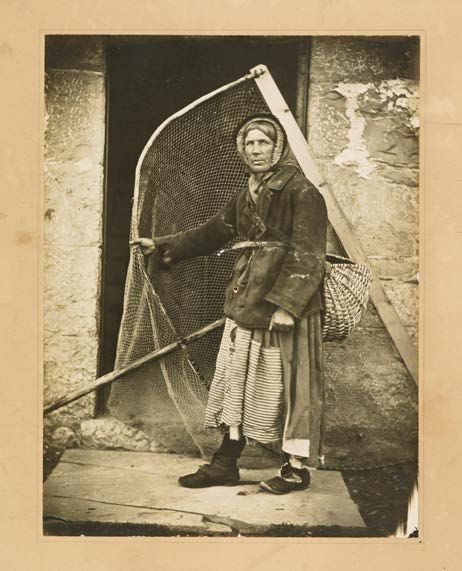
07

Conservation                              The new policy recognises the need
                                          to increase and improve collecting
                                                                                        Venice & Lombardy
                                                                                        by James Craig Annan
and digitisation                          of, for, and in collaboration with
                                          underrepresented groups. We will
                                          address coverage of people of colour
                                          and LGBTQ+ in our collecting and
Library triumphs                          collections. We will improve the
                                          accessibility of our collections with
at facilities                             regard to equalities and diversity.
management awards
                                          We collect in collaboration with
                                          other institutions at local, national
                                          and international levels. Material
                                          is acquired primarily by purchase,
                                          donation and legal deposit (our
                                          legal right to request a copy of
                                          everything published in the UK and
                                          Ireland). The Scottish Government
                                          Collection Purchase Fund is vital
                                          in our ability to collect, as is the
                                          generosity of donors and the shared
                                          UK legal deposit infrastructure.

We work hard to ensure all aspects of
the national collections are preserved
                                          The year in numbers                           This book arose from a trip Scottish
and made available for current and                                                      photographer James Craig Annan
future generations. Thus, we were                                                       (1864–1946) made to northern Italy
delighted to take home two awards                                                       in 1894.
at the UK National Premises and
                                                                                        The photographs he took during
Facilities Management Awards 2019.
                                                                                        this trip are regarded as some of
We scooped the ‘Partnership in Smart
                                                                                        his finest. They show his mastery of
Facilities Management’ award (with
                                                                                        using a hand-held camera to capture
Craigalan Controls) which also won the
                                                                                        fleeting moments (what Cartier
overall winners award. Pictured are Ian
                                                                                        Bresson would later define as the
Symonds, Head of Estates, and Julie
                                                                                        ‘decisive moment’).
Bon, Head of Collections Care.                   1,590,610
                                                  additions to                          Annan’s approach was to select first
                                                 our collections                        the general composition and then to
                                                                                        “wait until the figures unconsciously
Collection                                                                              group and pose themselves”. The
Development Policy                                                                      resulting photogravures in this book
                                                                                        are classics of the pictorialist tradition
                                                                                        of late 19th-century and early
                                                                                        20th-century photography.

                                                                                        This copy of the book is No.5 of 75
                                                                                        copies, although it is highly likely that
                                                                                        far fewer copies in book form were
                                                                       167,714          actually produced. The book is in its
                                                                   hidden collections
                                                                                        original quarter leather binding of
                                                                      catalogued        reverse-calf with drab cloth boards,
                                                                                        and was a gift by Annan to the
                                                                                        Glasgow Art Club.

                                                                                        Venice & Lombardy: a series of
We updated our Collection                                                               photogravures is a very welcome
Development Policy this year.                                                           addition to the Library’s strong
We maintain our traditional and                                                         holdings of photographically
mandated areas of collecting:                                                           illustrated books by Scottish
Scottish publications and archival                                                      photographers. It was acquired
materials, UK publications, British                                                     with the assistance of Art Fund and
                                                                                        Friends of the National Libraries.
Commonwealth, United States                         46,384
and overseas English-language
                                                  items from our
publications. We also collect in               collections digitised
Gaelic and Scots languages.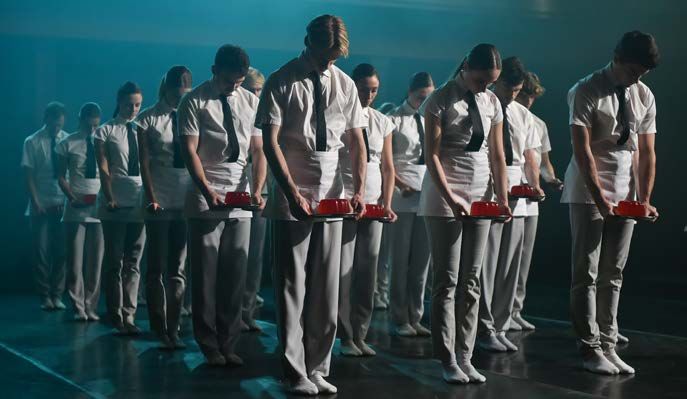
Annual Review 2019 - 20 National Library of Scotland
                                                       Safeguarding Collections                                                                                                08

                                                            Library achieves                       Digital preservation                      locally at Edinburgh and Glasgow.
                                                                                                                                             As we add data to one site, it’s
                                                            archive accreditation                  and storage                               automatically copied to the other. This
                                                                                                                                             protects the data against hardware
                                                            The Library has achieved the Archive   We hold millions of unique ‘born-         failures, damage to the storage
                                                            Service Accreditation – the UK         digital’ items in our collections, and    rooms, and ransomware, as the data
                                                            standard for archive services, and     we have invested heavily in the           cannot be deleted or changed.
                                                            a very important industry standard     infrastructure that has allowed us to
                                                            to meet in the archives world.         digitise vast swathes of the physical     Second, we have begun to
                                                            Following a rigorous analysis of       collections for all to view and reuse     automatically store a third copy
                                                            our processes, digital provision and   online. Here, we’ll highlight two major   of our preservation data in a low-
                                                            public engagement, we were             projects that will help us safeguard      cost cloud service called Amazon
                                                            awarded accreditation.                 and preserve these digital treasures.     Deep Archive. This stores a final
                                                                                                                                             copy in another area of the UK
                                                            The panel of assessors                 First, we moved all digital               and further reduces the risks to our
                                                            congratulated us on our clear          preservation data – 40 million files      digital collections by using a different
                                                            strategic approach, and for focusing   requiring 450TB of storage space          technology, vendor and security
                                                            our efforts on building audiences      – to a new form of storage built on       system. This project is set to be
                                                            for the ‘exceptionally significant     Amazon S3 cloud technology, stored        completed later in 2020.
                                                            archive collections’ after the
                                                            investment in recent years in
                                                            systems and procedures.

                                                            We were also commended for having
                                                            an open, outward-looking approach,
                                                            particularly through the Kelvin Hall
                                                            development which transformed
                                                            access to our moving image and
                                                            sound collections, and increased
                                                            outreach activities across Scotland.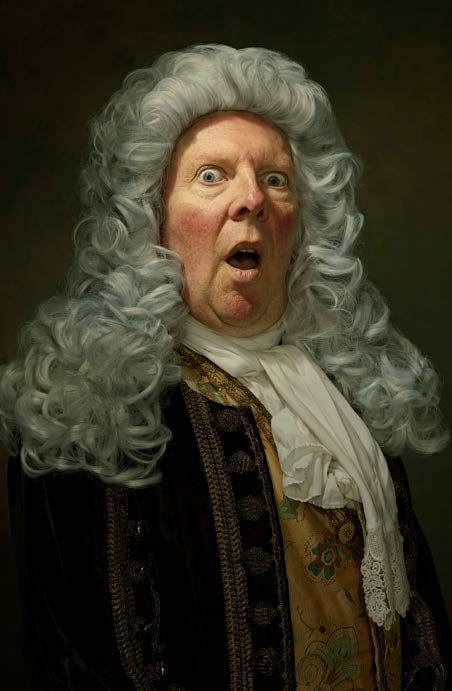
09

Improving Access

Intake and
cataloguing
                                           Hidden Collections                       Project, cataloguing work for the
                                                                                    Mediaeval Manuscripts Project,
                                           We continue to make progress with        global import of more than 100,000
                                           the Library’s Hidden Collections         records from the House of Commons
                                           Programme, which will provide access     Parliamentary Papers collection,
                                           to more than 1.4 million uncatalogued    completion of the Ruari McLean
                                           items from the Library’s legacy          Collection – a fascinating and eclectic
                                           collection by 2025. This year, 167,714   collection of material representing
                                           items were catalogued, making almost     typography and design – and the
                                           23 per cent of the hidden collections    Grampian Television News Tape
                                           now publicly available.                  collection, consisting of 11,089
                                                                                    individual television news stories.
The total number of items received         Highlights from the year include:
over the course of the year was just       completion of phase three of the
under 1.6 million. Legal Deposit           Manuscript Retrospective Cataloguing
content – both print and digital –
continues to constitute most of our
intake, amounting to more than
95 per cent of collections acquired
by the Library this year. This is
complemented by material purchased
by or donated to the Library.

To provide access to these materials,
more than 135,000 records were
created by our cataloguers. As well
as that, more than 1.4 million records
were imported to provide access
to Non-Print Legal Deposit content
(material that comes to us in electronic
format). More than 2.1 million global
changes and 33,000 manual changes
were made to records to improve
discovery and access.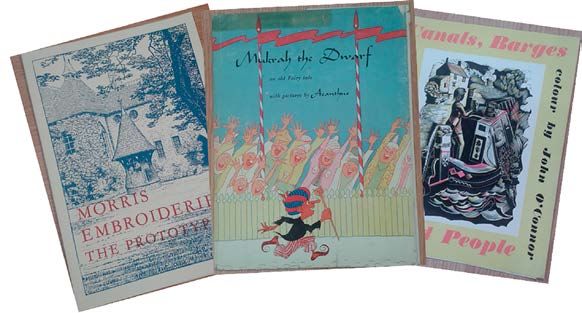
Annual Review 2019 - 20 National Library of Scotland
Improving Access 10
© Rimbaud Patron
Highlights include
• 60 hours of the work of
Scottish Ballet’s founder,
Peter Darrell:
◦ Giselle (1971)
Scottish Ballet © Andy Ross
◦ Nutcracker (1975) – This
videos preserved was revived in 2013 and is
toured every three years
Scottish Ballet holds a fond place ◦ Mary, Queen of Scots (1976)
in the nation’s cultural life and is
◦ Such Sweet Thunder (1987)
one of the world’s leading ballet
companies. Founded by Peter Darrell ◦ Economy in Straitjacket
and Elizabeth West as the Western but Still Room for
Theatre Ballet in Bristol in 1957, it Movement (1978)
subsequently moved to Glasgow ◦ Five Ruckert Songs (1978)
in 1969 and was renamed Scottish
Theatre Ballet, changing to Scottish • The Water’s Edge (1979) –
Ballet in 1974. Choreographed by Robert
North for the Company’s
In its lifetime, Scottish Ballet has 10th anniversary
amassed a large video archive.
As its 50th anniversary approached • To the Last Whale (1982) –
in 2019, thoughts turned to preserving Peter Royston’s experimental
this precious history. The archive not ballet, set to songs of the
only contains unique performances we have no other ballet footage from humpback whale
from the first 30 years of its history, years past.
• A Midsummer Night’s Dream
but glimpses ‘behind the scenes’ at
Working in partnership, we hired (1993)
rehearsals and community events.
staff including a video preservation
technician and a cataloguer. We • Swan Lake (1995) – With
Scottish Ballet approached our
bought equipment, including three costumes by Jasper Conran
Moving Image Archive for our
expertise in preserving this important high-specification computers and tape
record and making it available to playback machines. We prioritised
as wide an audience as possible. tapes for digitisation from an initial in Scotland and the development and
With the help of donors including the visual appraisal using the information history of the national ballet company.
William Grant Foundation and the on the labels or in the tape boxes,
Foyle Foundation, we embarked on and drawing on the knowledge of Visitors to the National Library of
a digitisation project to preserve the colleagues at Scottish Ballet. Scotland at Kelvin Hall can now
video footage – much of which was browse almost 50 years of ballet.
in a very fragile state and at risk of The project has resulted in the Clips from each tape are also being
deterioration – for posterity. preservation of more than 200 selected and digitised to offer a
Scottish Ballet performances. It offers ‘taster’ of the collection to online
For us, it was also an opportunity to a unique record of the development visitors who may not be able to visit
fill a gap in the national collections – of classical and contemporary ballet the Library.11
unfamiliar scenery alongside
Scotland’s traditional industries.
This year’s
But the survey also highlighted the intake includes:
extent and range of degradation,
and urgent conservation work was
required to save them.
Among the collections are three
folders of photographs gathered by 1,590,610
Sir Patrick Geddes to demonstrate
his method of city survey in the Total intake
Photography appeal 1910 Cities and Town Planning
Exhibition. They contain a number of
We are grateful to the many calotype prints thought to be by David
donors who contributed to our Octavian Hill. These will be the first
2019 Annual Appeal, which sought candidates for treatment by an expert
funds to conserve the Library’s most-
fragile photographs.
photographic conservator who we can
now appoint with the funds raised.
1,304,094
A recent survey of our holdings The conservator will remove surface e-journal
revealed photographic collections dirt and treat mould, flatten and
support any damaged corners, and
articles
that capture periods of rapid societal
change alongside timeless family house the material in a suitable
portraits, as well as dramatic, way so that it can be accessed and
treasured for years to come.
110,655
e-books
56,933
serials
47,117
books
Stevenson maps and plans ranging from designing harbours 19,134
and lighthouses to surveying routes
of Scotland, 1660–1940 for new railways to remodelling the
newspapers
streets of Edinburgh.
At least 2,000 plans relating to
historical engineering in Scotland Records for Stevenson plans of
from the Stevenson archive can Scottish places can now be viewed,
now be searched online using our sorted and filtered using a dynamic
new map-based viewer. map interface. The site can also be 14,632
searched by keyword, or people can
The Stevenson archive contains browse a full list of the places, subjects ephemera
material from the firm established and people featured on the site.
by Robert Stevenson, celebrated
lighthouse engineer and grandfather The online resource was created
of Robert Louis Stevenson, in the during a placement by Rachel
early 19th century. Dishington, an AHRC Collaborative
1,366
Doctoral Partnership PhD student maps
Stevenson and his descendants at the University of Edinburgh.
worked on projects all over Scotland,Annual Review 2019 - 20 National Library of Scotland
Improving Access 12
Latest digitised
collections
With our mass digitisation studio
going at full speed, we digitised
46,384 items from our collections this
year (on a typical day we generate
more than 7,000 images).
Highlights include 3,500 Scottish
exam papers dated 1964–2006,
and around 700 publications by the
non-political organs of the League
of Nations that dealt with health,
disarmament, economic and financial
matters for the duration of the League
(1919–1945).
Our project to digitise all maps of
Scotland from the collections by
the end of 2020 is well under way,
with almost 20,000 of them digitised
this year.
We also digitised 16 books by Lewis
Grassic Gibbon (1901–1935), who
is regarded as the most important
Scottish prose writer of the early 20th
century. All were published in the last
seven years of his life, mostly under
his real name, James Leslie Mitchell.
The writings include two works of
science fiction, non-fiction works on
exploration, short stories set in Egypt,
a novel about Spartacus, and the
classic A Scots Quair trilogy which
includes Sunset Song. Mitchell’s
first book is also included, Hanno:
or The Future of Exploration
(1928), a rare work that has never
been republished.
More than 2,700 antiquarian Scottish manuscripts of Older Scots literature project with 2,624 records made
books were also digitised, to add (e.g. our two manuscripts of Andrew publicly available. All preservation
to a larger collection of 17,000 Wyntoun's Orygynale Cronikyl, goals were met, including the
books. The first 4,000 from the Stewart of Baldynneis's Roland processing of all nitrate film
collection are now online, covering Furious, and John Bellenden's collections, and we established plans
subjects such as sport, education, translation of Livy). We hope to to improve preservation of vinegar
diseases, adventure, occupations, make these images available on our or fungus-affected film, and magnetic
the Jacobites, politics and religion. website in 2021, with access to full video.
Among the 29 languages represented descriptions.
are English, Gaelic, Italian, French, For the first time, digitised moving
Russian and Swedish. The Unlocking Our Sound Heritage image was ingested into our digital
project team continue to meet preservation storage system and
Thanks to generous funding from annual targets with just under 2,500 donations of born-digital moving
Alexander Graham, we have made sound recordings digitised this year. image were accepted using the media
progress on our project to digitise all Around 1,200 recordings were fully shuttle system.
the mediaeval manuscripts from our catalogued, 3,705 catalogued to
founding collection (the Advocates’ product level and 1,644 to recording A digital restoration project recreated
collection), dating from the late 10th level. Following the major acquisition the colour tints in the digitised
to 16th centuries. of the Dean-Myatt collection, 568 version of To Rona on a Whaler.
of the shellac discs have also A further 95 videos and 353 films
We have completed the conservation were digitised either as result of
been digitised.
work and cataloguing of these requests (individuals or production
materials, and have digitised around We exceeded our moving image companies), or for use in our events
100 of them, including mediaeval target within the Hidden Collections and exhibitions.
chartularies and some of the key13
Promoting Research
Research networks • Works of Allan Ramsay, led by the
University of Glasgow and funded
Research networks are intended to by AHRC
support forums for the discussion
• The 1820s: Innovation and Diffusion,
and exchange of ideas on a specified
led by University of Glasgow and
thematic area, issue or problem.
University of York and funded by
Library staff are often involved the RSE
in research networks relating to
• Mapping the Oceans, led by
our collections and we often host
University of Erfurt and funded by
workshops and other events as part
Bundesministerium für Bildung
of the network programme.
und Forschung (German Federal
Networks are funded by research Ministry of Education and Research)
councils and learned societies such as
• Scottish Community Heritage, led by
the Royal Society of Edinburgh (RSE)
University of St Andrews and funded
and Arts and Humanities Research
by the RSE
Council (AHRC).
• Memorialising Mary Queen of Scots,
Currently, we are involved in the
led by University of Glasgow and
following research networks:
funded by AHRC
• Claimed from Stationers’ Hall
• Walter Scott's Chapbook Collection,
network, led by the Royal
led by the University of Aberdeen
Conservatoire of Scotland and
and funded by the RSE
funded by AHRC
• Ending Period Poverty, led by
• Editing Robert Burns for the 21st
University of St Andrews and funded
Century, led by the University of
by the RSE
Glasgow and funded by the AHRC
Centre for History Chambers family, and Holly worked
on preparing a list of a collection
of the Book placement of papers relating to the Chambers
family.
The Library hosts placements for
students taking the M.Sc. in Book Holly said, “You never know what
History and Material Culture offered you will find in archives. My work
by the Centre for the History of the placement helped me see how the
Book at the University of Edinburgh. theory I learn in class applies to the
field. The theory becomes tangible
Typical work includes researching as you (carefully) handle archival
the collections, enhancing catalogue materials. Each descriptive decision
descriptions, and producing articles matters. Each story is unique, and
about their work, giving them valuable there are specific people behind the
experience of the professional skills materials. I watched a picture slowly
involved in working with rare books come into better focus.”
and manuscripts.
Rosie Seidel, pictured right, worked
Holly Boud, pictured above right, in the maps department of the Library.
undertook a placement in our Archives She said, “I value and appreciate the
and Manuscript division to work on the hands-on experience I gained, and
Chambers papers. The Library holds this placement has made me more
two collections relating to Edinburgh confident in my skills.”
publishers W & R Chambers and theAnnual Review 2019 - 20 National Library of Scotland
Promoting Research 14
Digital High Performance Data visualisation
Computing meets projects
Scholarship and Encyclopaedia Britannica
the Data Foundry Melissa Terras (University of
Edinburgh and a Trustee of
the Library) and Rosa Filgueira
We launched our Digital Scholarship
(Edinburgh Parallel Computing
Service this year, with the aim of
Centre) produced some exploratory
encouraging and enabling the use of
analysis of the first eight editions of
digital tools and techniques with the
Encyclopaedia Britannica, as part of
collections, and building capacity for
a project to create a Text and Data
digital scholarship within the Library.
Mining Platform. With infrastructure
in place to analyse text at scale, We have been working with students
Digital scholarship encompasses on the University of Edinburgh’s
the use of computational or digital the team can begin to ask complex
questions of data, and work with Design Informatics course, who are
methods to enable new forms of using Library datasets to learn about,
research, learning, teaching or historians to see how this changes
what they can ask of the sources. and create, data visualisations.
creative outputs. This means we Projects included visualising 100
need to make the Library’s collections years of Encyclopaedia Britannica
available in machine-readable form – Artist in Residence in Minecraft; analysing the spread of
as data – to support and encourage disease in A Medical History of British
these new uses of the collections. Martin Disley joined the Library as
India; and exploring late-19th century
our Artist in Residence. Funded
This year, we also launched the Spiritualist newspapers.
by the Creative Informatics AHRC
Data Foundry, home to the Library’s project, Martin is exploring the use Visit https://data.nls.uk
‘collections as data’. This includes of Generative Adversarial Networks
digitised material, metadata (GAN) – a form of machine learning
collections, organisational data and – with the collections, to create new
geospatial information – all made artworks. One work explores the Tay
available as ‘datasets’ – with plans and Forth Bridge photo collections,
to include audio-visual data and web creating images of ghostly bridges.
archive data in the future.
We have already seen considerable
engagement with these collections,
and the Library’s data and Data
Foundry featured in nominations for
© Martin Disley - used with permission
four of the seven categories in the
Digital Humanities Awards 2019.
We also established a Digital
Scholarship Staff Seminar Series,
with speakers from Library of
Congress, the British Library and
universities, and we have begun
to offer Library Carpentry staff
training (data skills training courses
for librarians). The Library is now
participating in, and contributing
to, the diverse international
digital scholarship community at
conferences, workshops and events.
3,000 Scottish
Chapbooks…as music!
Spanning 200 years, and
containing nearly 11 million
words, the Chapbooks Printed in
Scotland dataset provides exciting
opportunities for analysis. Shawn
Graham (Carleton University) used
computational techniques to group
the chapbooks into broad topics and
turn this data into music, creating a
‘Song of Scottish Publishing’.15
Fulbright National Library Graham Brown
of Scotland Scholar Award Research Fellow
Dr Dana Van Kooy was this year’s
Fulbright Scholar at the Library.
Dana is Associate Professor of
Transnational Literature, Literary
Theory and Culture in the Humanities
Department at Michigan Technological
University. Dana's research interests
include 18th and 19th-century British
Scottish Cultural Heritage and American literature and circum-
Atlantic studies.
Consortium PhD placement
Dana’s Fulbright award supports The Graham Brown Research
In partnership with the University research for her book project 'Atlantic Fellowship supports a three-month
of Aberdeen, we supervised Configurations and the Aesthetics period of research into any aspect
PhD student Matthew Lee, who of Disappearance'. This project of mountaineering, including history,
investigated the hidden slavery traces the cultural construction and exploration, environment and
collections at the Library. circulation of specific configurations literature.
throughout the Atlantic World during
Matthew’s PhD, entitled this period of European colonial The 2019 Fellow was Dr Simon
Private reflections and public empires and plantation slavery. Naylor, Senior Lecturer in Historical
pronouncements: Caribbean slavery Geography and Head of the Human
in the Scottish consciousness, 1750– Dana was hosted in the General Geography Research Group at the
1834, examines the cultural amnesia Collections department. She had to School of Geographical and Earth
surrounding Scotland’s involvement in return to the United States because of Sciences, University of Glasgow.
slavery and the slave trade. the Covid-19 pandemic but it is hoped
she will be able to return to complete Simon’s research focused on the
Matthew identified and catalogued her research in the next year. histories of science, technology and
relevant materials, and made them exploration. He is interested in the
available to researchers through the significance of places and landscapes
online catalogue Archives Space. for the development of scientific ideas
So far, Matthew has catalogued a and techniques. His most recent work
selection of journals, ledgers, diaries, has examined the development of
leases, and letters that all shed meteorology in the 19th century.
light on Scottish connections to the
Caribbean slave-trade. Simon used the Fellowship to conduct
research into the relationship between
Matthew said, “This work was mountains, mountaineering and
fascinating, and sometimes science in Scotland, focusing on
challenging, but it was an important weather study and the meteorological
reminder of Scotland’s deep observatory on Ben Nevis.
involvement in the Atlantic slave trade.
The placement gave me some of the He said, “The Library’s holdings
skills necessary to work in the cultural are incredible and I simply wouldn’t
heritage sector. I enjoyed getting a have had the time or resources to
behind-the-scenes view of how the investigate them in the way that the
Library works as well.” Fellowship has enabled me to do.”
16,368 5,560,000 68,371
New library Website visitors Reading room visits
membersAnnual Review 2019 - 20 National Library of Scotland
Supporting Learning 16
Supporting Learning
Skills and Lauren spent her time learning the
Google Arts and Culture platform,
Helen Wiles,
Usability Intern
experience for exploring and reworking content
and images from past exhibitions
early-career before publishing them online via the
service. She also advised the Library
professionals of the resourcing requirements for
preparing the exhibitions, produced
usage metrics and a report assessing
We’re committed to supporting the service. We provided Lauren with
young people and early career training, gave her an understanding of
professionals with little or no how the Library operates and offered
experience into employment by her employability support to help her
offering paid internships, placements re-enter the job market.
and volunteering opportunities. We Lauren’s internship was an
also support the people who already extraordinary success. In her, we
work for us to grow and thrive. Here got a talented, resourceful and fun As we continue to develop and launch
are some of the people we helped colleague who not only delivered new services, we know we must
to gain experience, some of whom on her project but exceeded our engage more with our users to ensure
have since successfully moved on expectations. But more importantly, these services meet their needs. To
to longer-term employment. Lauren has gone on to take up a support us in this area, we recruited
permanent position at Stirling Council Helen Wiles to work with us for nine
Libraries. They are lucky to have her! months as our usability intern.
Lauren’s internship was supported Helen joined us straight from
Lauren McCombe, graduating from the University
by the National Librarian’s Innovation
Google Arts and Fund and the Scottish Library of Manchester with a first-class
Culture project intern and Information Council (SLIC) Honours degree in literature. Having
Innovation Fund. undertaken casual work to support her
through her studies, Helen was eager
View Lauren’s work at to gain work experience to help her
artsandculture.google.com enter the job market. Helen did not
have any experience of usability,
but this wasn’t a concern for us. We
saw during the recruitment process
Emily Gibbs, that she had all the qualities we
UK Research and were looking for: confidence,
self-motivation, ambition and great
Innovation Policy Intern people skills.
We hosted our first intern under the Helen spent several weeks becoming
UK Research and Innovation Policy familiar with usability and all it entails,
Internship Scheme for doctoral and before long she was designing
candidates. Emily Gibbs, University of tests to gather information on how
Liverpool, worked with us to prepare users were interacting with some
Last September, Lauren joined us on policy briefings. Emily’s first project of our existing services so that we
a six-month paid internship to work on explored how collections are assessed might learn where to focus our
a project to assess and prepare for sensitive content, and her second efforts in making improvements. She
exhibitions content for the Google focused on law enforcement access to completed tests on our integrated
Arts and Culture service. Before the Library’s electoral registers. catalogue, Library Search; our open
coming to us, Lauren had been
collections and data platform, Data
applying for jobs in libraries for two In preparing her briefings, Emily Foundry; and the collections section
years but her limited experience in reviewed legal and ethical of our website. Helen also presented
the sector meant she was unable to requirements, interviewed internal to senior management, making the
secure an interview. Frustrated and and external practitioners, examined case for users to be at the heart of
disheartened, she applied for the the Library’s current practices, and all service development.
internship at the Library with little investigated standards elsewhere,
expectation of success. But we including the practices of more than Helen secured employment at the
immediately recognised her potential 300 local archives. These policy Home Office as a User Researcher,
and out of a staggeringly high number briefings have been instrumental in which will commence after her
of quality applications, Lauren was focusing the Library’s development in internship at the Library. Much
appointed. these areas. deserved!17
Rachel Nimmo,
Graduate Apprentice
Joe Jackson, Preventive Conservation Intern
In the Library, we create, process, The Collections Care team was delighted to welcome Joe Jackson as the Library’s
transform and publish huge amounts first Preventive Conservation Intern in September 2019. He is with us for a year.
of data, ranging from information
about our financial transactions, Joe had just completed a Masters in Preventive Conservation at Northumbria
statistics relating to visits to our University when he joined us. Hosting this internship has given the Library a focus
exhibitions and website, and the files, and drive to deliver projects that would not otherwise have been a priority.
text and metadata output from our
digitisation studios. Data has become Joe has been extremely self-motivated and enthusiastic. He developed
central to our operations but there is a new storage methodology for tricky relief-maps; he introduced integrated
a limited number of staff with skills to pest management trapping and data analysis; he reviewed and renewed our
work with data at scale. emergency kit and researched sustainable and recyclable exhibition mounts.
To help address this skills gap, His year-long paid internship has been generously funded by the Clothworkers’
we encouraged Rachel Nimmo, Foundation, and came to us via the Institute of Conservation scheme.
our Assistant Data and Systems
Librarian, to apply to Edinburgh
Napier University as a Graduate
Apprentice in Data Science under
the Skills Development Scotland’s
apprenticeship scheme.
Now in her first year, Rachel attends
university once a week to learn
coding, human-machine interaction,
and mathematics for software
engineering. Rachel also undertakes
projects that relate directly to her work
in the Library. Later in her course, the
focus will turn to pure data science,
giving her the skills and tools to work
efficiently with Library data. With
a deeper understanding of data,
Rachel will then be in a position to
share her knowledge and experience
with colleagues.
Claire Hutchison, JMA Project Conservator
In January 2020, we were most happy to welcome Claire Hutchison back to the
Collections Care team. Claire was with us for nine months the previous year as
our Alexander Graham Paper Conservation Trainee. The experience Claire gained
through this placement meant that she was the perfect candidate when we were
looking to recruit a Project Conservator to continue the work on the John Murray
Archive. Claire will be working with us for a year.Annual Review 2019 - 20 National Library of Scotland
Supporting Learning 18
10,851
people attended
events,
workshops and
learning activities
99,548
exhibition
visitors
Unlocking Our hear, learning about different types of
tapes and the digitisation process.”
Sound Heritage
volunteer programme “I learned a lot, developed new
skills, rare among volunteering
Unlocking our Sound Heritage opportunities.”
(UOSH) is a UK-wide project that will
help save our sounds and make them “I learned new skills: patience,
accessible for everyone. Funded by listening skills, transcribing, and using
the National Lottery Heritage Fund spreadsheets.”
and managed by the British Library,
The project offers opportunities for
it has 10 hubs across the UK. The
National Library is Scotland’s hub.
career development. Early volunteers Rebel Roots
have gone on to great things:
UOSH is complemented by an This year, we’ve been working with
• Lucy was our first student placement
ambitious outreach and engagement Fast Forward, a youth work charity
from the University of Glasgow
programme. Part of this involves based in north Edinburgh, on a
and found work with Glasgow City
recruiting and training volunteers to project called Rebel Roots. The
Council as an Assistant Librarian
support the team’s work. project aims to engage young people,
• Abi moved from part-time aged 16–25, with youth sub-cultures
We wanted to give our volunteers – fashion, dance, music, and design –
employment as a subtitler into a full-
a useful experience, so as well from the 1960s to the present. As well
time role as an Assistant Archivist
as getting a taste of digitisation, as exploring the history of youth sub-
for Twig Education
cataloguing, rights clearance and cultures, the project has focused on
imaging, we provided careers • Toby secured a place on the breaking down generational barriers,
advice and audio curation training. University of Glasgow MSc improving confidence, and supporting
Volunteers were asked to curate Information Management and the young people to be more aware
something of their own. Find some of Preservation course. He continues of their roots and where they live.
their work at scotlands-sounds.nls.uk to share his experience with other
community archives through The group took part in a seminar on a
The project has engaged 74 range of printed material highlighting
ongoing volunteering.
volunteers, who have delivered 464 fashion and music trends, and a
volunteering days, and we’re set to We were fortunate to recruit some of workshop exploring album covers
continue this schedule as soon as the volunteers ourselves: where they created their own artwork.
we’re able. Feedback from volunteers They also visited our Moving Image
has been overwhelmingly positive. • Louise joined our Access & Events Archive in Glasgow to view films of
Here are some testimonials: Team at the National Library at young people from earlier times.
Kelvin Hall, while Kirsty has recently
“I enjoyed hearing very old stories I started with our Rare Books Rebel Roots is funded by the National
would never have had the chance to department. Lottery Heritage Fund.19
Inspiring Engagement
Back to the future:
1979–1989
In 2019, we wound the clock back 40
years with a multimedia retrospective
on the 1980s called Back to the
future: 1979–1989. Between May and
November, we published 63 essays
on a bespoke website covering a
wide range of topics and themes
from the closure of the Gartcosh
steelworks, revolution in Europe, and
the invasion of Grenada, to denim,
computer technology, and synth pop.
We also featured 39 films from our
Moving Image Archive including a
hen party in Glasgow, an anti-nuclear
demonstration outside of Torness,
and a visit by Princess Diana to a
marmalade factory in Dundee. Guest
essays from Ian Rankin, Dame
Evelyn Glennie, Damian Barr and
many others joined essays written by
Library staff to shine a light on this
extraordinary decade.
A programme of public events also
ran throughout the year to support
the retrospective. A full week of 80s
activities took place in July at Kelvin
Hall, resulting in a fourfold increase
in visitors that week. A range of
attractions drew three generations of
people together, with young people
amazed to learn about the mysterious
art of rewinding a cassette, and
older visitors highly engaged in
discussions about the impact these
‘old’ technologies had on their lives.
Iconic arcade games (Ms. Pac-Man,
Space Invaders, Donkey Kong, and
Frogger) lined the avenue in Kelvin
Hall, and were particularly of interest
to those attending the computer IV Bridge on continuous loop, setting Media coverage for Back to the
games seminar. We also held free film themes of the decade to an 80s future was excellent, no doubt
screenings of Gregory’s Girl, Local soundtrack. August also saw the assisted by our use of double-denim,
Hero and Highlander, drawing great opening of the 80s Collections in fabulous wigs, luminous threads
numbers to the National Library at Focus exhibition, featuring just a and roller boots. The retrospective
Kelvin Hall once more. handful of the Library’s 2.9 million travelled especially well on Twitter
publications from that decade. A under our #Talking1980s hashtag,
During the Edinburgh Festival Fringe, season of public events in December with a reach well in excess of
we ran a film installation at George brought the retrospective to an end. 20 million.Annual Review 2019 - 20 National Library of Scotland
Inspiring Engagement 20
Aberdeen Breviary
pop-up day
Saturday 30 November 2019
When we acquired this exceptionally
significant book five years ago,
we said we would take it back to
Glasgow. So we had a public display
of one of the first works to be printed
in Scotland on St Andrew’s Day at the
National Library at Kelvin Hall (this
book also includes the first mention of
St Andrew in print in Scotland).
This copy of the Aberdeen Breviary
returned to Glasgow for the first
time since it was used by Nicholas
Ferguson and other local clergy at
St Mungo’s Cathedral in the early
1500s. Although the book gets its
name from Aberdeen, the city where
it was compiled, it was created as the
first service book specifically
for Scottish use.
There are only three other surviving
sets of both volumes of the Aberdeen
Breviary. It was printed by Walter
Chepman in 1509, and you can
clearly see the corrections and
modifications he made as he was
developing the process. The Breviary
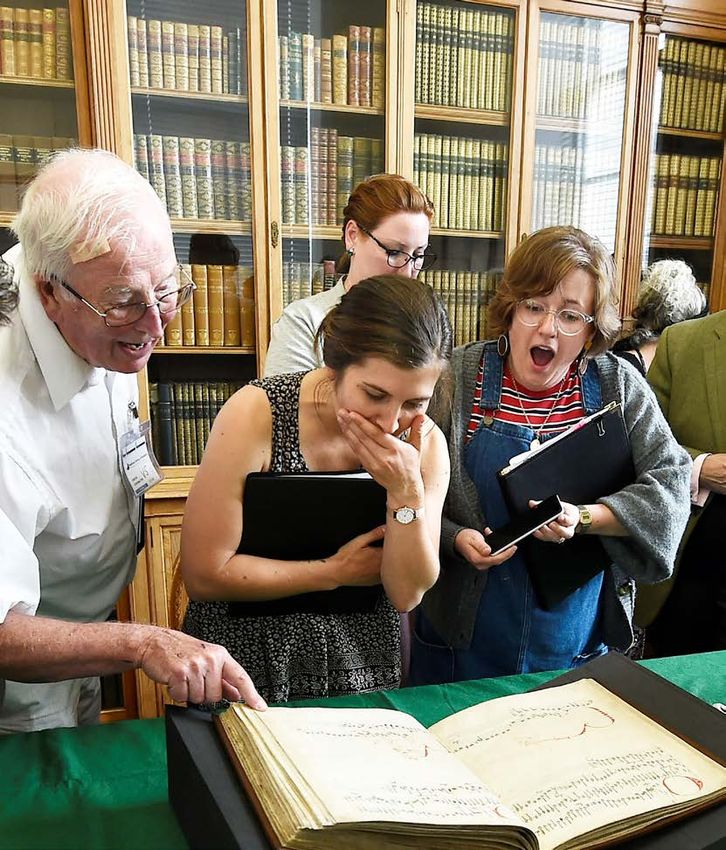
Byrd International Singers by both Carver himself and other
composers of the period.
was the reason James IV granted respond to the collections
a licence for the first printing house Friday 2 August 2019 Following the viewing, a choir of
– Edinburgh-based Chepman and approximately 20 people performed
Myllar – and it is a fine example of pieces from the Scone Antiphoner,
Scottish Renaissance education Ahead of their performance that two of which were composed
and culture. evening at St Giles’ Cathedral, Byrd by Carver.
International Singers visited us for
a special viewing of a 16th-century Byrd International Singers manager,
choir book, before treating Library Margaret Obenza said, “Thanks to
staff and visitors to an a capella the entire library staff who made this
performance on the main stairs of possible for us. I don't think it's an
our George IV Bridge building. understatement to say that it changed
people's lives.
The Scone Antiphoner, also called
The Carver Choir-book, which “Seeing and touching that manuscript
belonged to Robert Carver, a canon was meaningful for everyone on the
of Scone Abbey, is one of very course and they can't stop talking
few pre-Reformation church choir about it. It made the past feel alive
books to have survived. Dating from and real, and underscored the true
the 16th century, it contains works timelessness of this music.”21
At the Water’s Edge:
Photographs from the
MacKinnon Collection
Friday 16 November 2019 –
Saturday 15 February 2020
Just over a year since its acquisition,
we exhibited a taster of the vast
MacKinnon Collection at George IV
Bridge, while the National Galleries
of Scotland exhibited highlights at the
Scottish National Portrait Gallery.
In 2018, we joined forces with the
National Galleries of Scotland to
purchase the collection – made up
of more than 14,000 photographs
dating from the 1840s to the mid-20th
century in Scotland – with the help of
the National Lottery Heritage Fund, the
Scottish Government and Art Fund.
The MacKinnon Collection was put
together by Murray MacKinnon, who
established a successful chain of
film-processing stores in the 1980s,
starting in Dyce, near Aberdeen.
It covers an expansive range of
subjects – including family portraits,
working life, street scenes, sporting
pursuits, working life, transport,
landscapes and cityscapes. It
was deemed one of the last great
collections of Scottish photography
still in private hands.
The exhibitions opened on the same
day: At the Water’s Edge at the
Library, and Scotland’s Photograph
Album at the Portrait Gallery. We also launched a new learning People can listen to contributions from
resource, celebrating Scotland’s retired fishermen and view archive
Taking inspiration from Scotland’s coastal communities with a small film footage of Aberdeen trawlers
Year of Coasts and Waters for 2020, sample from the MacKinnon and Herring Girls. The resource also
At the Water’s Edge reflected on this Collection. Pinned to a historical contains learning activities in Scots,
theme, with a strong emphasis on map, people can view a selection of Gaelic and English mapped to the
social history. photographs from Orkney to North Curriculum for Excellence.
Berwick, Ballantrae to Stornoway.Annual Review 2019 - 20 National Library of Scotland
Inspiring Engagement 22
Northern Lights: The
Scottish Enlightenment
Friday 21 June 2019 –
22 March 2020
Our major exhibition of the year,
Northern Lights explored the
Scottish Enlightenment. We have
an unparalleled collection of items
relating to that period of time. Some
of the chief figures such as David
Hume and Adam Ferguson worked
at our predecessor institution, the
Library of the Faculty of Advocates.
We took a fresh look at one of
the most concentrated periods of
intellectual enquiry the world has
ever seen, a time when polymaths
peer-reviewed, challenged and
encouraged one another’s work.
Household names connected with
the Scottish Enlightenment such as
Hume and Adam Smith featured in
the exhibition, as well as figures less
commonly associated with it, such as
Robert Burns and James Watt.
Northern Lights explored the Scottish
Enlightenment through the display
of rare books and manuscripts from
18th Century Scotland – including
a rare first edition of Encyclopaedia
Britannica and a first edition of
Smith’s Wealth of Nations.
The exhibition was complemented
by a range of talks and events.
It was also the last exhibition for
Exhibitions Conservator, Gordon
Yeoman, who retired after 44 years
at the Library. Gordon, you will
be missed.
Family-friendly collections, with the first set
celebrating the Year of Scottish
Saturdays at the Library Coasts and Waters. There were
stories and craft activities relating
In February, we launched a new to the temporary display of
programme of regular Saturday photographs, At the Water’s Edge
morning workshops for families with – images from the MacKinnon
children aged five to eight. This Collection. The first workshop proved
pilot programme is the first step to be very popular, with 35 people
in creating a more family-friendly attending.
environment within the Library –
welcoming families into the building, Our programme was in its infancy
and encouraging adults and children when we had to close our buildings and lighthouses. Future initiatives
to learn, play, and create together. due to Covid-19, so we moved our for developing family learning
family offer online. Continuing on include family trails and activities to
Each one-hour workshop is inspired the theme of Coasts and Waters, accompany forthcoming exhibitions.
by an aspect of the Library’s activities have focused on seabirds23
Who Taught Her That?
6, 7 and 9 March 2020
We were delighted to host a Guided
Research Placement for a group of
students on the MScR in Collections
and Curating Practices at Edinburgh
College of Art. The students were
tasked with the challenge of how to
present our digital collections items
in an exhibition space. The result
was the wonderfully experimental
three-day pop-up exhibition and
conversation space, which was
attended by hundreds of people. Who
Taught Her That? presented a range
of collection items and formats on the
topic of advice to women over the last
300 years. With manuscripts rendered
digitally, and an iPad in a glass case,
it was an opportunity to see how
people reacted to formats and learn
how to present digital and analogue
content in a complementary way.
Collections which show changes and additions
made by the poet, giving an insight
in Focus into his creative process.
This year’s Collections in Focus series
Such seductive poetry: also included:
Lord Byron’s Don Juan
18 April – 27 July 2019 Back to the future: 1979–1989
We began the year’s Collections 1 August 2019 – 12 November 2019
in Focus series with the display of Revisiting the 1980s through the
one of our most coveted treasures Library’s collections (see page 19)
– the manuscript of cantos I, II and
V of Lord Byron’s Don Juan. Widely Allan Ramsay: Writing
regarded as one of the greatest the Scots Enlightenment
poems of the 19th century, it led 18 February – 22 March 2020
Sir Walter Scott to make comparisons Celebrating the life and works
with Shakespeare. A long poem of the Scottish poet and playwright
divided into sections known as
cantos, it was unfinished at the
time of Byron’s death in 1824.
Often lauded as the first-ever
‘celebrity’, Byron’s private life was
already attracting scandal and gossip
at the time of writing the first cantos
of Don Juan. His account of the
adventures of Don Juan is famous
for its exotic locations, adventure,
romance, wit and dazzling language.
As was Byron’s mischievous wont, he
also mocked religions and ridiculed
fellow poets and public figures.
For the first time, people had the
opportunity to view the working
manuscripts of Don Juan on display,You can also read


