David K. Duys, Ph.D. Jill Fair Morgan Harksen - Iowa School Counselor ...
←
→
Page content transcription
If your browser does not render page correctly, please read the page content below
David K. Duys, Ph.D. Jill Fair Morgan Harksen

¡   Building an Inclusive Culture

¡   The Role of Systemic Empowerment
¡   Ethical responsibility
¡   Build it into your program!
¡   Use guides: ASCA Mindsets and Behaviors

¡   Advocacy
    § Appropriate counselor to student ratios
¡   Vertical alignment within counseling programs
    § Address career education at an early age and
     reference throughout K-12
¡   Data-Driven Resources
    § ASCA Mindsets and Behaviors
    § National Career Development Association’s
      Comprehensive Career Counseling Program
    § National Consortium of State Career Guidance
      Supervisor’s “7 C’s of Career Planning”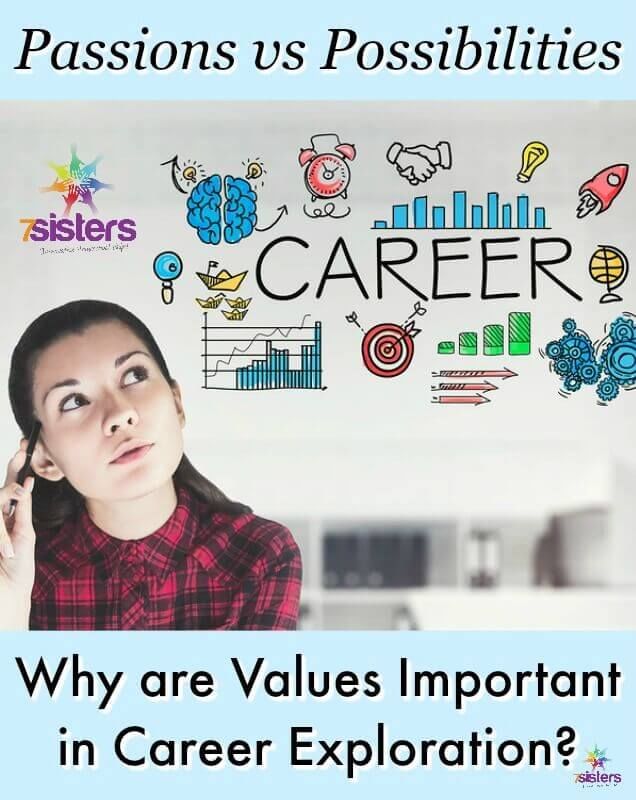
¡   Employability Skills
    § Critical thinking
    § Problem solving
    § Self-reliance
¡   Overlap with Academic, Social-Emotional
    Domains
    § Motivation
    § Stress management
    § Self efficacy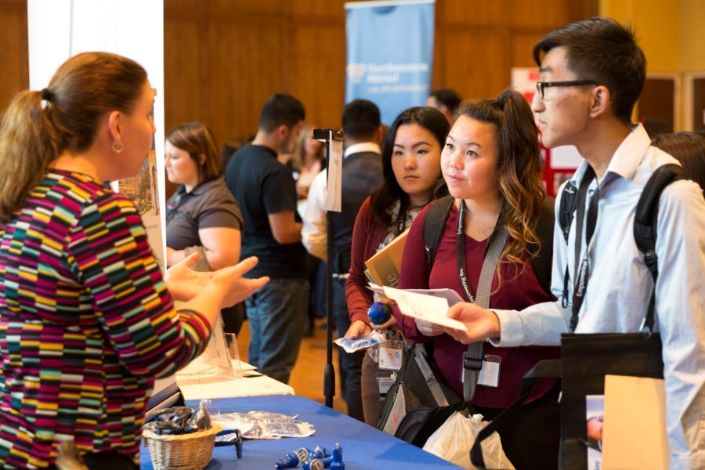
¡   “Culture of College-Going”
¡   Start future planning early
¡   Collaboration
¡   Creation of academic plan
    § Relevant coursework
    § Readiness skills
¡   Assist in student-led conferences
¡   Career Cluster Initiative
¡   Widely used, though not the most empirically
    based
¡   Role Modeling, Exposure
    § Careers held by those “outside” of stereotypes
    § Outside students’ frame of reference
    § Include experiential components
¡   Career Development Courses
    § Prepare in ways beyond exposure to careers
    § Super’s Six General Objectives
¡   Career Technical Education
    § Specific skilled learning
    § Mentoring/Community Building
    § Hands-on understanding of tasks/trades
¡   Improved grades and school climate
¡   Increases in career-related self-efficacy and outcome
    expectations
¡   Greater change in career expectations/educational
    plans
¡   Increases in awareness of self and work atmosphere
¡   Increased engagement in career planning/exploration
¡   Less career-related indecision
¡   Improved long-term perspective
¡ Perception of greater number of barriers is associated with less defined career identity
¡ Common barriers for minority populations
§ Racial bias
§ Discrimination
§ Stereotypes/misinformation
▪ Can negatively impact career development and career counseling opportunities
▪ Can act as self-fulfilling prophecies
¡ Before working with diverse students, counselors should examine potential biases
§ Implicit association tests measure attitudes and beliefs that people
are either unable or unwilling to identify
§ https://implicit.harvard.edu/implicit/education.html¡ Assist teachers in developing/communicating
realistic expectations
§ Do not underestimate student abilities!
¡ Assist students in brainstorming possible
barriers
§ Consider accuracy of barriers
§ Come up with realistic goals to overcome barriers
▪ Enhance self-efficacy
¡ Evaluate whether or not a student believes
barriers to be insurmountable
§ Decreased motivation¡ Socialization experiences determining occupational desires
§ Sex-typing
▪ Same-sex groups for career counseling
¡ Females more likely to hide intelligence
§ Fear social rejection
§ Fear success
§ Regret and life dissatisfaction
¡ Holland code differences
§ Malesà realistic, investigative, enterprising
§ Femalesà artistic, social, conventional¡ Push for increasing non-traditional career interests
§ Opportunities for exposure to non-traditional career
interests
▪ Career fair, mentoring, etc.
§ Computer-assisted career interventions/group exploration
activities
▪ Increase interests in non-traditional careers in short period of time
▪ Follow-up with discussion
¡ Be conscious about how gender can limit adolescent
career aspirations
§ Continuously think of ways to increase interests in careers
that may not be typical for certain genders¡ Provide students with information about careers
§ Beneficial in helping students learn about themselves and the work
atmosphere
§ Leads to significant gains in career maturity and an increased
career decision-making commitment
¡ Most beneficial when…
§ Providing essential life/vocational skills
§ Emphasizing experiences
▪ Stimulate real-life work experiences
▪ Partner with career dialogue
§ Involving parents and teachers as much as possible¡ Partner career courses with career dialogue and
”check-ins” with students
¡ Discuss experiences and career-related concepts
§ Correlates positively with career competencies
¡ Focus on:
§ Student experiences related to career development
¡ Problem-based
¡ Future-oriented¡ Multipotentialityà “the ability to choose from and thrive in a
variety of careers” (Maxwell, 2007)
§ Career decisions can be overwhelming
§ Trait-factor approaches are often insufficient
¡ Differentiated career programs for gifted students
§ Same-sex career counseling groups
§ Organized and structured tasks
§ Serious mindset
§ Emphasize needs and talents
§ Goal-orientedJob Shadowing
¡ Begins in elementary school or middle school
¡ Develop a community network of business leaders and
professionals
¡ Facilitate groups to allow for vicarious learning and
personal integration of experiencesValues Exploration ¡ Exploring one’s vocational calling ¡ Identifying desired impact on the world ¡ Identifying the nature of meaningful work ¡ The Values Auction
Social Network Mapping
¡   Drawing out support system lines
¡   Accounting for parental involvement and influence
¡   Developing relational management skills and intentionally
    facilitated collaboration
¡   Meta Cognition mapping and Self-Efficacy dynamics
Early Exposure to Interest
Inventories
¡ Strong Interest Inventory in Middle School
¡ Kuder in Elementary School
¡ MBTI and strengths-based perspectives in Elementary
School
§ Note ratios on MBTI spectrum- not typesEarly Exposure to Card Sorts ¡ Values Exploration ¡ Work Related Responsibilities ¡ Job titles ¡ Interactive Tasks ¡ Allowing for Qualitative Exploration
Community and School Committee
Work
¡   Serving on a civic planning committee
¡   Serving as a member of your school counseling program
    advisory committee
¡   Participation on community service agency boards
¡   Culinary production simulator
¡ Evidence-based school counseling ¡ Action research ¡ Practitioner research ¡ Data-driven programming ¡ Outcome research ¡ Documentation of Effectiveness ¡ Achievement Orientated Data
¡   ACTE Issue Brief. (2008, December). Alexandria, VA. Association for Career and Technical Education
¡   American School Counselor Association (2014). Mindsets and Behaviors for Student Success: K-12 College- and
    Career-Readiness Standards for Every Student. Alexandria, VA: Author.
¡   Bryan, J., Moore-Thomas, C., Day-Vines, N. L., & Holcomb-Mccoy, C. (2011). School Counselors as Social Capital:
    The Effects of High School College Counseling on College Application Rates. Journal of Counseling &
    Development, 89(2), 190-199. doi:10.1002/j.1556-6678.2011.tb00077.x
¡   Constantine, M. G., Erickson, C. D., Banks, R. W. and Timberlake, T. L. (1998), Challenges to the Career
    Development of Urban Racial and Ethnic Minority Youth: Implications for Vocational Intervention. Journal of
    Multicultural Counseling and Development, 26: 83–95.
¡   Feller, R. W. (2003). Aligning School Counseling, the Changing Workplace, and Career Development Assumptions.
    Professional School Counseling, 6(4). Retrieved February 2, 2018.
¡   Greene, M. J. (2006). Helping build lives: Career and life development of gifted and talented students.
    Professional School Counseling, 10(1), 34-42
¡   Gushue, George V., Clarke, Christine P., Pantzer, Karen M., Scanlan, Kolone R. L. (2006), Self-Efficacy, Perceptions
    of Barriers, Vocational Identity, and the Career Exploration Behavior of Latino/a High School Students. Career
    Development Quarterly, Vol.54(4), p.307-317.
¡   Hughes, Katherine L., Karp, Melinda Mechur. (2004), School-Based Career Development: A Synthesis of the
    Literature. Institute on Education and the Economy. p. 1-30.
¡   Kerr, B. A. (1986), Career Counseling for the Gifted: Assessments and Interventions. Journal of Counseling &
    Development, 64: 602–604.
¡   Kerr, B. A. and Ghrist-Priebe, S. L. (1988), Intervention for Multipotentiality: Effects of a Career Counseling
    Laboratory for Gifted High School Students. Journal of Counseling & Development, 66: 366–369.
¡   Kuijpers, M., Meijers, F., Gundy, C. (2011), The Relationship Between Learning Environment and Career
    Competencies of Students in Vocational Education. Journal of Vocational Behavior, 2011, Vol.78(1), p.21-30.
¡   Kolodinsky, P., Schroder, V., Montopoli, G., Mclean, S., Mangan, P., & Pederson, W. (2006). The Career Fair as a
    Vehicle for Enhancing Occupational Self-Efficacy. Professional School Counseling, 10(2), 161-167.
    doi:10.5330/prsc.10.2.cp27m53023041k64
¡ Lapan, R. T., Turner, S., & Pierce, M. E. (2012). College and career readiness: Policy and research to support effective
counseling in schools. APA handbook of counseling psychology, Vol. 2: Practice, interventions, and applications., 57-73.
doi:10.1037/13755-003
¡ Maxwell, M. (2007), Career Counseling Is Personal Counseling: A Constructivist Approach to Nurturing the Development of
Gifted Female Adolescents. The Career Development Quarterly, 55: 206–224.
¡ Mcdow, L. W., & Zabrucky, K. M. (2015). Effectiveness of a Career Development Course on Students’ Job Search Skills and
Self-Efficacy. Journal of College Student Development, 56(6), 632-636. doi:10.1353/csd.2015.0058
¡ McWhirter, E. H., Crothers, M., & Rasheed, S. (2000), The effects of high school career education on social–cognitive
variables. Journal of Counseling Psychology, 47(3), 330-341.
¡ Muratori, M. C., & Smith, C. K. (2015). Guiding the talent and career development of the gifted individual. Journal of
Counseling & Development, 93, 173-182. Doi:10.1002/j.1556-6676.2015.00193.x
¡ Parris, G. P., Owens, D., Johnson, T., Grbevski, S., & Holbert-Quince, J. (2010). Addressing the career development needs of
high-achieving African-American high school students: Implications for counselors. Journal for the Education of the Gifted,
33, 417–436
¡ Roach, S. W. (2015). The Effectiveness of A Career Course on Program of Study Selection and Career Maturity of High
School Freshmen (Doctoral dissertation, Liberty University).
¡ Roderick, M., Nagaoka, J., Coca, V., Moeller, E., Roddie, K., & Gilliam, J. (2008). From High School to the Future: Potholes
on the Road to College. Consortium on Chicago School Research at the University of Chicago. doi:3-08/1M/OTH08006
¡ Solberg, V. S., Phelps, L. A., Haakenson, K. A., Durham, J. F., & Timmons, J. (2011). The Nature and Use of Individualized
Learning Plans as a Promising Career Intervention Strategy. Journal of Career Development, 39(6), 500-514.
doi:10.1177/0894845311414571
¡ Thompson, D. R. (2012). Professional school counseling : best practices for working in the schools, third edition. Retrieved
from https://ebookcentral-proquest-com.proxy.lib.uiowa.edu
¡ Turner, Sherri L., Lapan, Richard T. (2005), Evaluation of an Intervention to Increase Non-Traditional Career Interests and
Career-Related Self-Efficacy Among Middle School Adolescents. Journal of Vocational Behavior, 2005, Vol.66(3), pp.516-53.
¡ Watters, J. J. (2010). Career decision making among gifted students: The mediation of teachers. Gifted Child Quarterly, 54,
222-238. doi:10.1177/0016986210369255
¡ Wood, S. M., Smith, C. K., & Duys, D. K. (2017). Career counseling and the gifted individual: Applying social-cognitive
career theory to the career decision making of gifted individuals. In S. I. Pfeiffer & M. Foley Nicpon (Eds.), APA Handbook
of Giftedness and Talent American Psychological Association.You can also read


