Central Connecticut State University - 2018 Short-Term International Programs - Center for International Education - Central Connecticut State ...
←
→
Page content transcription
If your browser does not render page correctly, please read the page content below
Central Connecticut State University
   Center for International Education

2018 Short-Term International Programs
                                         1
Table of Contents
    Winter 2018                                                                                                                                                                                                dates                                                   Page

      The Arabian/Persian Gulf in the 21st Century .  .  .  .  .  .  .  .  .  .  .  .  .  .  .  .  .  .  .  .  .  .  .  .  .  .  .  .  .  .  .  .  .  .  . December 26 – January 6, 2018 .  .  .  . 5
        UNITED ARAB EMIRATES & OMAN
      Marine Ecosystems in BELIZE .  .  .  .  .  .  .  .  .  .  .  .  .  .  .  .  .  .  .  .  .  .  .  .  .  .  .  .  .  .  .  .  .  .  .  .  .  .  .  .  .  .  .  .  .  . December 28 – January 5, 2018 .  .  .  . 6
      VIETNAM on the Move: Transformations in a Tiger Economy . .  .  .  .  .  .  .  .  .  .  .  .  .  .  .  .  .  .  .  .  . December 28 – January 10, 2018 .  .  . 7
    Spring 2018		                                                                                                                                                                                                                                                             8
      ENGLAND, Language of Business: Past and Present . .  .  .  .  .  .  .  .  .  .  .  .  .  .  .  .  .  .  .  .  .  .  .  .  .  .  .  .  .                                                                  March 8 – 17, 2018  .  .  .  .  .  .  .  .  .  .  .  .  . 9
      The Muslim Influence in Iberia: SPAIN & MOROCCO  .  .  .  .  .  .  .  .  .  .  .  .  .  .  .  .  .  .  .  .  .  .  .  .  .  .                                                                            March 8 – 18, 2018  .  .  .  .  .  .  .  .  .  .  .  . 10
      History, Policy and Current Issues for the Counseling Profession in IRELAND  .  .  .  .  .  .  .  .  .                                                                                                   March 9 – 17, 2018  .  .  .  .  .  .  .  .  .  .  .  . 11
      Reporting CUBA in Transition Part 2 .  .  .  .  .  .  .  .  .  .  .  .  .  .  .  .  .  .  .  .  .  .  .  .  .  .  .  .  .  .  .  .  .  .  .  .  .  .  .  .  .                                            March 9 – 17, 2018  .  .  .  .  .  .  .  .  .  .  .  . 12
      Irish History, Political Conflict, Conflict Resolution, and Social Reform, IRELAND .  .  .  .  .                                                                                                         March 9 – 18, 2018  .  .  .  .  .  .  .  .  .  .  .  . 13
      HONG KONG: Religion, Philosophy, and Culture  .  .  .  .  .  .  .  .  .  .  .  .  .  .  .  .  .  .  .  .  .  .  .  .  .  .  .  .  .  .                                                                   March 9 – 17, 2018  .  .  .  .  .  .  .  .  .  .  .  . 14
      London in Literature and Song: ENGLAND . .  .  .  .  .  .  .  .  .  .  .  .  .  .  .  .  .  .  .  .  .  .  .  .  .  .  .  .  .  .  .  .  .  .  .                                                         March 9 – 18, 2018  .  .  .  .  .  .  .  .  .  .  .  . 15
      Made in ITALY .  .  .  .  .  .  .  .  .  .  .  .  .  .  .  .  .  .  .  .  .  .  .  .  .  .  .  .  .  .  .  .  .  .  .  .  .  .  .  .  .  .  .  .  .  .  .  .  .  .  .  .  .  .  .  .  .  .               May 10 – 20, 2018 .  .  .  .  .  .  .  .  .  .  .  .  . 16
      First Spark, Next Flame, then Mighty Blaze: Nikola Tesla and The Spread of Civilization:
          CROATIA & SERBIA .  .  .  .  .  .  .  .  .  .  .  .  .  .  .  .  .  .  .  .  .  .  .  .  .  .  .  .  .  .  .  .  .  .  .  .  .  .  .  .  .  .  .  .  .  .  .  .  .  .                                May 14 – 25, 2018 .  .  .  .  .  .  .  .  .  .  .  .  . 17
      Science of Color Through the Eyes of Claude Monet: FRANCE .  .  .  .  .  .  .  .  .  .  .  .  .  .  .  .  .  .  .  .  .                                                                                  May 17 – 26, 2018 .  .  .  .  .  .  .  .  .  .  .  .  . 18
    Summer 2018		                                                                                                                                                                                                                                                            19
      Explorations of Biology and Chemistry in INDIA . .  .  .  .  .  .  .  .  .  .  .  .  .  .  .  .  .  .  .  .  .  .  .  .  .  .  .  .  .  .  .                                                             May 22 – June 12, 2018 .  .  .  .  .  .  .  .  .              20
      Multicultural LONDON, ENGLAND: Cinema, Identity, and Culture  .  .  .  .  .  .  .  .  .  .  .  .  .  .  .                                                                                                June 1 – 10, 2018 .  .  .  .  .  .  .  .  .  .  .  .  .  .    21
      Peace, Nature, and Culture in JAPAN .  .  .  .  .  .  .  .  .  .  .  .  .  .  .  .  .  .  .  .  .  .  .  .  .  .  .  .  .  .  .  .  .  .  .  .  .  .  .  .  .                                            June 1 – 14, 2018 .  .  .  .  .  .  .  .  .  .  .  .  .  .    22
      Spanish on the Move in SPAIN .  .  .  .  .  .  .  .  .  .  .  .  .  .  .  .  .  .  .  .  .  .  .  .  .  .  .  .  .  .  .  .  .  .  .  .  .  .  .  .  .  .  .  .  .  .                                    June 2 – 17, 2018 .  .  .  .  .  .  .  .  .  .  .  .  .  .    23
      Biology Field Studies in IRELAND & ENGLAND  .  .  .  .  .  .  .  .  .  .  .  .  .  .  .  .  .  .  .  .  .  .  .  .  .  .  .  .  .  .                                                                     June 2 – 27, 2018 .  .  .  .  .  .  .  .  .  .  .  .  .  .    24
      Society and Culture of SENEGAL . .  .  .  .  .  .  .  .  .  .  .  .  .  .  .  .  .  .  .  .  .  .  .  .  .  .  .  .  .  .  .  .  .  .  .  .  .  .  .  .  .  .  .                                         June 3 – 25, 2018 .  .  .  .  .  .  .  .  .  .  .  .  .  .    25
      PARIS: Art, Architecture, and Urban Planning .  .  .  .  .  .  .  .  .  .  .  .  .  .  .  .  .  .  .  .  .  .  .  .  .  .  .  .  .  .  .  .  .  .                                                        June 5 – 15, 2018 .  .  .  .  .  .  .  .  .  .  .  .  .  .    26
      From the City to the Reef: Tourism, Heritage, and Sustainability in AUSTRALIA .  .  .  .  .  .  .                                                                                                        June 11 – 25, 2018 .  .  .  .  .  .  .  .  .  .  .  .  .      27
      Cultural and Political Battles in the Spanish Sports Arena, SPAIN . .  .  .  .  .  .  .  .  .  .  .  .  .  .  .  .  .  .  .                                                                              July 6 – 20, 2018  .  .  .  .  .  .  .  .  .  .  .  .  .  .   29
      Health and Happiness in HONG KONG .  .  .  .  .  .  .  .  .  .  .  .  .  .  .  .  .  .  .  .  .  .  .  .  .  .  .  .  .  .  .  .  .  .  .  .  .  .                                                       July 14 – 22, 2018  .  .  .  .  .  .  .  .  .  .  .  .  .     30
      GERMANY’S Past: Insights from Fossils, Bones and Artifacts . .  .  .  .  .  .  .  .  .  .  .  .  .  .  .  .  .  .  .  .  .  .                                                                            July 22 – August 1, 2018  .  .  .  .  .  .  .  .              31
    Passport to Global Citizenship Programs		                                                                                                                                                                                                                                32
      ITALY – Rome, Florence and Tuscania  .  .  .  .  .  .  .  .  .  .  .  .  .  .  .  .  .  .  .  .  .  .  .  .  .  .  .  .  .  .  .  .  .  .  .  .  .  .  .  . January 1 – 8, 2018  .  .  .  .  .  .  .  .  .  .  .  . 33
      GHANA .  .  .  .  .  .  .  .  .  .  .  .  .  .  .  .  .  .  .  .  .  .  .  .  .  .  .  .  .  .  .  .  .  .  .  .  .  .  .  .  .  .  .  .  .  .  .  .  .  .  .  .  .  .  .  .  .  .  .  .  .  .  . May 31 – June 11, 2018 .  .  .  .  .  .  .  .  . 34
    Independent Summer Programs		                                                                                                                                                                                                                                            35
      The Global Collaborative Program, Seoul, SOUTH KOREA  .  .  .  .  .  .  .  .  .  .  .  .  .  .  .  .  .  .  .  .  .  .  .                                                                                July 1 – 29, 2018  .  .  .  .  .  .  .  .  .  .  .  .  .  .   36
      CAEN .  .  .  .  .  .  .  .  .  .  .  .  .  .  .  .  .  .  .  .  .  .  .  .  .  .  .  .  .  .  .  .  .  .  .  .  .  .  .  .  .  .  .  .  .  .  .  .  .  .  .  .  .  .  .  .  .  .  .  .  .  .  .  .  .   Exact dates TBD .  .  .  .  .  .  .  .  .  .  .  .  .  .  .   37
      PRAGUE  .  .  .  .  .  .  .  .  .  .  .  .  .  .  .  .  .  .  .  .  .  .  .  .  .  .  .  .  .  .  .  .  .  .  .  .  .  .  .  .  .  .  .  .  .  .  .  .  .  .  .  .  .  .  .  .  .  .  .  .  .  .         Exact dates TBD .  .  .  .  .  .  .  .  .  .  .  .  .  .  .   38
      SALAMANCA  .  .  .  .  .  .  .  .  .  .  .  .  .  .  .  .  .  .  .  .  .  .  .  .  .  .  .  .  .  .  .  .  .  .  .  .  .  .  .  .  .  .  .  .  .  .  .  .  .  .  .  .  .  .  .  .  .  .                  Exact dates TBD .  .  .  .  .  .  .  .  .  .  .  .  .  .  .   39
      FLORENCE .  .  .  .  .  .  .  .  .  .  .  .  .  .  .  .  .  .  .  .  .  .  .  .  .  .  .  .  .  .  .  .  .  .  .  .  .  .  .  .  .  .  .  .  .  .  .  .  .  .  .  .  .  .  .  .  .  .  .  .              Exact dates TBD .  .  .  .  .  .  .  .  .  .  .  .  .  .  .   39

2
What is Study Abroad?
  CCSU’s Center for International Education provides opportunities for students to participate in educational travel
  experiences. Students are encouraged to start exploring their study abroad options during their freshman year. With four
  options to choose from – short-term faculty led Course Abroad programs, non-credit Passport to Global Citizenship
  Programs, independent summer programs, and full-semester/year Study Abroad programs, - there is a program just right
  for every student. In some cases, the study abroad programs actually cost less than attending courses on the CCSU campus!

Why Study Abroad?
  Studying abroad provides students with opportunities to learn more about the complex, rapidly changing and yet “smaller”
  and better connected world in which we work, live and learn. Through study abroad, students gain knowledge and skills
  while also developing an attitude open to new ways of thinking, a pre-requisite for success in today’s global society.
  Resumés that include study abroad stand out from the rest since a small number of the U.S. college student population
  studies abroad! It has been proven that students with significant study abroad experience secure a starting salary higher
  than students who did not study abroad and study abroad participants are twice as likely to find employment within 12
  months of graduation. Study abroad should not be viewed as an optional expense; it should be recognized it for what it
  is: an investment in your future!

Who Should Study Abroad?
  CCSU offers study abroad opportunities for all students regardless of their major or how many credits they have
  previously earned. Students enrolling in the programs listed in this catalog can enroll in courses that count toward
  degree requirements in their major or minor, or complete general education and free elective courses. It is highly
  recommended that students plan early and speak with their academic advisor to select programs that maximize the
  number of credits that can be applied to their programs of study.

When Can Students Study Abroad?
  Any Student in “Good Standing” status may study abroad on a short-term faculty-
  led program. Students wishing to study abroad for a full semester or year can do so
  after their freshman year, as long as they meet the 2.75 GPA requirement. CCSU
  offers short-term programs during the Winter, Spring, and Summer breaks. All credits
  earned on CCSU-sponsored study abroad programs count toward the residency and
  international requirements.
  It is never too early to start considering study abroad opportunities! All students are
  welcome to stop by the Center for International Education, Barnard Hall 123, to
  talk with an advisor about when and where they might study abroad. We hope to see
  you soon!

                                                                                                                              3
2018 winter Session
           The following Course Abroad programs are embedded in academic
           courses offered during Winter Session, which begins on December
           26, 2017 and ends on January 12, 2018. The descriptions on
           the following pages list the dates of the travel component of each
           program. Please note that students are required to attend on-campus
           class sessions held prior to departure and upon return. On-campus
           class schedules vary by program; please contact the faculty member(s)
           conducting the program for further details.
            Program Costs and Registration Information
           See individual program websites for information about what is included in
           each travel program fee. Registration for the travel component of the program
           takes place in the Center for International Education, Barnard Hall, Room 123.
           Registration/Billing Authorization and Scholarship Application Forms are available
           online and may be delivered to the CIE, mailed to the CIE, or faxed to (860)
           832-2047. Registration forms for all programs will be made available on the CIE’s
           website (www.ccsu.edu/cie) well in advance of program registration deadlines.
           Students must register for the credit component of a Winter Course Abroad the
           same way they normally register for classes during the registration period for Winter
           Session and will be charged applicable course and registration fees. CCSU reserves
           the right to make changes to the travel program itinerary at any time, with or without
           notice. It is strongly recommended that students obtain trip cancellation insurance
           from a carrier of their choice once the travel program has been confirmed to run.

            Fulfillment of the
            Universit y ’s International Requirement
           All undergraduate credits earned overseas on a CCSU-sponsored study abroad
           program, including courses offered in conjunction with Course Abroad programs,
           automatically receive “I Designation” and count toward fulfillment of the
           University’s General Education International Requirement.

4
UNITED ARAB
EMIRATES
& OMAN
   December 26, 2017 – January 6, 2018
   Registration Deadline: October 2, 2017
   Courses:
      PS 490: Directed Readings in Political Science, 3 credits
   	IS 590: Graduate Field Study Abroad, 3 credits
      Prerequisite: Permission of instructor.
   Website: www.ccsu.edu/UAE
   Cost & Scholarships: Please see website on or after September 1 for cost and scholarship information.
   Program Director: Dr. Ghassan El-Eid, Political Science (860) 832-2963; eleid@ccsu.edu

The Arabian/Persian Gulf in the 21st Century
   This course will be offered jointly with faculty from the Oman Arabic Language Institute. The key goals of this program are to promote global awareness of
   the challenges facing our increasingly interdependent world and to gain a better understanding of salient issues in the Arab/Persian Gulf region. Topics to be
   explored include economic modernization and political developments in the Gulf Region, democracy and Islam, challenges posed by violence and extremism,
   and options for conflict resolution. There is no better way to achieve these goals than for CCSU students to travel to this region of the world and interact by
   holding personal discussions with local academicians, local citizens, and university students.
   Classes will be held during the week after finals of the fall 2017 semester. Additional sessions and lectures will be held as participants visit some of the most
   historic and cultural sites of Dubai, Al-Ain and Oman. Students are expected to participate in class discussion, write an extensive research paper, and give oral
   presentations.
   Program Costs
   The cost of the travel program includes round-trip airport transfers in the U.S. and abroad, economy-class international airfare, multiple-occupancy
   accommodations, some meals, ground transportation, and most entrance fees. All personal expenses (i.e., most meals, medical, souvenirs, laundry, telephone,
   etc.) are at additional cost. CCSU reserves the right to make changes to the program itinerary at any time, with or without notice.

                                                                                                                                                                       5
BELIZE
       December 28, 2017 - January 5, 2018
       Registration Deadline: October 2, 2017
       Courses:
          BIO 171: Introduction to International Field Studies, 3 credits
          BIO 471: International Field Studies, 3 credits
          Prerequisites: BIO 200, BIO 290 or permission of Chairperson.
          BIO 571: Advanced Field Studies in Biology, 3 credits
          Prerequisite: Admission to Graduate program or permission of Chairperson.
       Website: www.ccsu.edu/Belize
       Cost & Scholarships: Please see website on or after September 1
          for cost and scholarship information.
       Program Director:
          Dr. Jerry Jarrett, Biology (860) 832-2648; jarrettj@ccsu.edu

    Marine Ecosystems in Belize
       Heavy fishing, recreational uses, and coastal development have had a tremendous negative impact on marine ecosystems in the Western Hemisphere. However,
       the small country of Belize has managed to maintain some of the most pristine coastal marine ecosystems on the planet. The Belize Barrier Reef, at 260km in
       length, is the largest barrier reef in the Western Hemisphere and is home to a tremendous variety of reef fish, corals, and other invertebrates. Several species
       of sea turtles and rays as well as other large fish species and the endangered Queen Conch reside in the lagoon systems of Belize while coastal mangrove
       communities present a large diversity of fouling sponges and tunicates as well as the odd looking bat fish and the invasive lion fish.
       The coastal waters of Belize have been fished since the time of the Mayans (300 B.C. to 900 A.D.) and although the fisheries remain economically important,
       tourism has become the main use of the reef and one of the greatest sources of revenue for the country. The increased tourism along with coastal development,
       agricultural runoff and sedimentation now pose the greatest threats to the Belize Barrier Reef. Thankfully, the Belizean government has implemented measures
       to protect the reef and associated systems.
       This course will introduce participants to the biology, ecology, and history of reef, lagoon, and mangrove systems of Belize, the various threats to the health of
       these ecosystems, and the ongoing efforts of non-profit and government agencies to protect and manage sustainable uses of the Belize Barrier Reef.
       The course will run at the Belize Marine Tropical Research and Education Center (http://www.belizemarinetrec.com/), which has been advancing coral reef
       education and research for over 20 years. The facility has a Research Library, Natural History Museum, classrooms, wifi, laboratory, fresh water swimming
       pool, and a fleet of boats, and is staffed by Ph.D. marine biologists, a registered nurse, licensed captains and licensed tour guides. The class will also visit the
       mainland sites of Clarissa Falls, the Mayan temple of Xunantunich, St. Herman’s Cave, the inland Blue Hole, and the Belize Zoo. The mainland component of
       the course will explore the history of the Maya and the long-lasting influence of the Maya on Belize culture today.
       Program Costs
       The cost of the travel program includes round-trip airport transfers in the U.S. and abroad, economy-class international airfare, multiple-occupancy
       accommodations, some meals, ground transportation, and most entrance fees. All personal expenses (i.e., most meals, medical, souvenirs, laundry, telephone,
       etc.) are at additional cost. CCSU reserves the right to make changes to the program itinerary at any time, with or without notice.

6
VIETNAM
  December 28, 2017 - January 10, 2018
  Registration Deadline: October 2, 2017
  Courses:
     ANTH 451: Cultural Anthropology Field School, 3 credits
  	IS 490: Field Studies Abroad, 3 credits
  Website: www.ccsu.edu/Vietnam
  Cost & Scholarships: Please see website on or after September 1
     for cost and scholarship information.
  Program Director:
  	Dr. Ivan Small, Anthropology (860) 832-2611; ivansmall@ccsu.edu

Vietnam on the Move:
Transformations in a Tiger Economy
  Vietnam is one of the fastest growing economies in the world and has been
  dubbed the latest “Asian Tiger.” This course focuses on the effects of development,
  migration, urbanization, and industrialization in a once primarily agricultural
  country. It is intended for students to witness firsthand the promises and challenges of rapid socioeconomic change.
  Students participating in this cultural anthropology field school will learn to attune an ethnographic eye to the various contexts of Vietnam’s contemporary social
  and material transformations. The course will spend two weeks in three regions of Vietnam: north, central and south. Through a combination of coursework,
  ethnographic excursions, and field trips, students will gain some insight into the complex contours of history, politics, and economics that have contributed to
  ongoing sociocultural shifts in the country and region. Students will learn about issues of environmental degradation and preservation, economic livelihoods,
  regional cultures and identities, urbanization, industrialization, migration, transportation, trade, markets, consumption, and the legacies of Vietnam’s anti-
  colonial revolution(s). Field visits range from UNESCO natural and historical world heritage sites and museums to manufacturing plants, fishing villages,
  agricultural farms and international non-governmental and community organizations addressing the development challenges of a rapidly transforming society.
  The course will begin and end with meetings in Hartford’s dynamic Vietnamese diaspora community – the fifth largest on the east coast – a reminder that we do
  not have to travel across the world to continue and expand our cultural engagements and interests.
                                                        Program Costs
                                                        The cost of the travel program includes round-trip airport transfers in the U.S. and abroad, economy-class
                                                        international airfare, multiple-occupancy accommodations, some meals, ground transportation, and most
                                                        entrance fees. All personal expenses (i.e., most meals, medical, souvenirs, laundry, telephone, etc.) are at
                                                        additional cost. CCSU reserves the right to make changes to the program itinerary at any time, with or
                                                        without notice.

                                                                                                                                                                        7
spring Session                                                                             2018
    Most Spring Course Abroad programs are embedded in semester-long academic courses offered during the Spring
    semester, which begins on January 16, 2018 and ends on May 31, 2018. Three spring programs have a travel
    component that occurs in May; these programs are not recommended for those planning to graduate in May. This
    catalog lists the dates of the travel component of each program. Students are required to attend the on-campus
    meeting sessions held prior to departure and upon return. On-campus class schedules vary by program; please
    contact the faculty member(s) conducting the program for details.
    Program Costs and Registration Information
    See individual program websites for information about what is included in each travel program fee. Registration for the travel
    component of the program takes place in the Center for International Education, Barnard Hall, Room 123. Registration/Billing
    Authorization and Scholarship Application Forms are available online and may be delivered to the CIE, mailed to the CIE, or faxed to
    (860) 832-2047. Registration forms for all programs will be made available on the CIE’s website (www.ccsu.edu/cie) well in advance of
    program registration deadlines.
    Full-time students enrolling in credit-earning programs must register for the associated course when registering for their spring classes,
    but do not need to pay additional tuition for the course provided they are registered for no more than 18 credits during the spring
    semester, including this course. Part-time students must register for this course in the Registrar’s Office during the registration period
    for spring classes and will be charged applicable part-time course fees. It is strongly recommended that students obtain trip cancellation
    insurance from a carrier of their choice once the travel program has been confirmed to run.
    Fulfillment of the Universit y ’s International Requirement
    All undergraduate credits earned overseas on a CCSU-sponsored study abroad program, including courses offered in conjunction with
    Course Abroad programs, automatically receive “I Designation” and count toward fulfillment of the University’s General Education
    International Requirement.
    Connecticut Reciprocit y Program
    Under the terms of the State College/University Reciprocity Program, full-time students (graduate and undergraduate) may, in certain
    circumstances, take courses at another state college or university without paying additional tuition. This policy is applicable to students
    attending Connecticut State College and University System Institutions registering for spring Course Abroad programs offered by CCSU.
    To request consideration under the Reciprocity Program, visit the Registrar’s Office (or the Registrar’s website) on your home campus to
    obtain more information.

8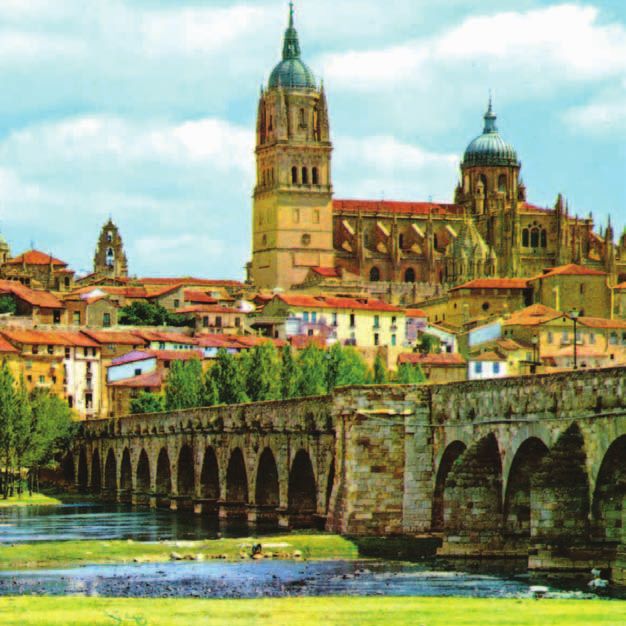
ENGLAND
   March 8 – 17, 2018
   Registration Deadline: December 1, 2017
   Course:
   	AC 490: Current Accounting Topics: The Language of Business:
      Past & Present, 3 credits
      Prerequisite: AC 211
   Website: www.ccsu.edu/England1
   Cost & Scholarships: Please see website on or after September 15
      for cost and scholarship information.
   Program Director:
   	Dr. Cheryl Crespi, Accounting (860) 832-3239; crespichs@ccsu.edu

The L anguage of Business: Past & Present
   Students will immerse themselves in learning about topics in global accounting
   while embracing diversity and becoming global citizens! The goal of this course
   is to embark upon a comparative exploration of past and present accounting
   practices and explore topics from an international context juxtaposed against a U.S. accounting framework. The theme of the course embodies current topics
   in accounting, as well as a historical investigation of accounting (form Luca Pacioli to the Pathways Commission) that serves as a foundation for present United
   States and international practices (i.e. GAAP and IFRS.) Through international site visits in multiple United Kingdom organizations, and through on-campus
   class meetings, students will develop an understanding of differences in business, specifically in accounting and global business environments.
   Students will visit businesses in London, England and its environs and institutions that are significant to the development of the accounting profession and
   examine offices of accounting leaders. They will also discover the history behind the institutions that provide accounting standards as well as tour London, visit
   museums, the British Parliament and Buckingham Palace, take in the culture of afternoon tea, the British Library and other sites to round out their historical
   perspective before saying cheerio to their host country.
   Program Costs
   The cost of the travel program includes round-trip airport transfers in the U.S. and abroad, economy-class international airfare, multiple-occupancy
   accommodations, some meals, ground transportation, and most entrance fees. All personal expenses (i.e., most meals, medical, souvenirs, laundry, telephone,
   etc.) are at additional cost. CCSU reserves the right to make changes to the program itinerary at any time, with or without notice.

                                                                                                                                                                        9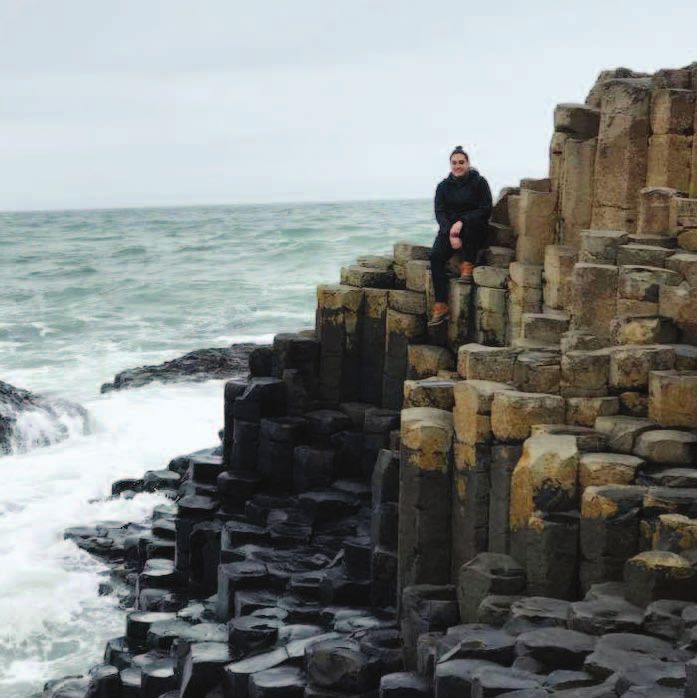
SPAIN &
     MOROCCO
        March 8 – 18, 2018
        Registration Deadline: December 1, 2017
        Courses:
           PS 291: Topics in Political Science, 3 credits
        	IS 360: Field Studies Abroad, 3 credits
        Website: www.ccsu.edu/SpainMorocco
        Cost & Scholarships: Please see website on or after September 15
           for cost and scholarship information.
        Program Director:
        	Dr. Ghassan El-Eid, Political Science (860) 832-2963; eleid@ccsu.edu

     The Muslim Influence in Iberia
        The destination region is at the intersection of the “developing” and “developed” worlds, and traditionally Christian and Muslim civilizations. Spain has a rich
        Arab heritage, and the influence of Spain in Northern Morocco is also well documented. This course will explore the history and culture shared by Southern
        Spain and Northern Africa, the Muslim presence in Spain, the cultural diversity and the relation between religion and state in Morocco, and the current
        challenges of two neighboring countries, including the issue of immigration.
        The goal of this course is to examine the common cultural heritage between two neighboring countries, Spain and Morocco. The 12 mile strait that separates
        the countries will be crossed in a symbolic attempt to embrace two different continents, Europe and Africa, and different cultures. By analyzing the specific
        idiosyncrasies of these two countries, their rich cultural history, their current relations, and their common challenges, students will be able to make connections
        and reflect on relevant issues of diversity, globalization, and immigration.
        This course will include lectures by local experts in Spain and Morocco. Lectures in Spain will focus on the history and politics of Spain dating back to the
                                                   Moorish era. In Morocco, lectures will focus on a variety of topics, including the role of women in a traditional
                                                   Muslim society and the challenges facing Morocco as it seeks to modernize and develop its economy.
                                                  Program Costs
                                                  The cost of the travel program includes round-trip airport transfers in the U.S. and abroad, economy-class international
                                                  airfare, multiple-occupancy accommodations, some meals, ground transportation, and most entrance fees. All personal
                                                  expenses (i.e., most meals, medical, souvenirs, laundry, telephone, etc.) are at additional cost. CCSU reserves the right
                                                  to make changes to the program itinerary at any time, with or without notice.

10
IRELAND
March 9 – 17, 2018
Registration Deadline: December 1, 2017
Course:
CNSL 580: Special Topics in Counseling, 3 credits
Prerequisites: CNSL 500 & 501 or permission of instructor
Website: www.ccsu.edu/Dublin
Cost & Scholarships: Please see website on or after September 15
for cost and scholarship information.
Program Directors:
Dr. Cherie King, Counseling (860) 832-2407; kingche@ccsu.edu
Margaret Donohue, Counseling (860) 832-2264; peg.donohue@ccsu.edu
History, Policy, and Current Issues
for the Counseling Profession in Irel and
This graduate program begins in Dublin, Ireland where participants will learn
of the history and philosophy of the counseling profession and specializations
of both the school counseling and rehabilitation, and mental health counseling
fields in this country. Special emphasis will be placed on educational and disability rights and policy related to both fields, including both past and current
legislation. Students will explore current issues regarding social and emotional learning, college and career readiness, disability services, mental health, and
rehabilitation in Ireland and the EU, including national programs and community-based services which serve individuals with disabilities. Participants will gain
a broader understanding and perspective of global and cultural influence on students and adults with disabilities, mental health, prevention, and intervention
services and rehabilitation policy. Students will explore the cultural influences on counseling and disability awareness in Irish society and the EU; also compare
and contrast Irish, EU and US cultural influences on comprehensive school counseling programs, rehabilitation service programs, supporting individuals with
disabilities through educational and rehabilitation policies that impact service delivery.
The course will include guest speakers/professionals/researchers from counseling and education (i.e. school counseling, rehabilitation and mental health
counseling, disability and mental health service providers and governmental agencies, including The Irish National Disability Authority), and visits to
community agencies, school, and university programs to observe and meet rehabilitation counselors, school counselors, and mental health professionals as well
as students and consumers with disabilities. Students will spend a day with the National University of Ireland Galway Centre for Disability Policy and Research
to learn about current research regarding individuals with disabilities and human rights including the Irish National Disability Strategy of 2005 and the United
Nations Convention on the Rights of Persons with Disabilities. The group will visit a school counseling program at Trinity College in Dublin to learn about how
counselor preparation is approached there. We will visit Dominican College (HS) in Galway to look at a school counseling program up close.
Participants will also have the opportunity to explore Dublin while on a cultural tour that will include visits to St. Patrick’s, Trinity College, and Grafton Street.
A boat tour on the River Liffey and a visit to the Guinness Factory will complete the visit. Participants will also see the beautiful countryside and quaint towns of
Ireland as we travel by bus from the city of Galway. There will also be an opportunity to see the famous Cliffs of Moher and explore the seaside city.
Program Costs
The cost of the travel program includes round-trip airport transfers in the U.S. and abroad, economy-class international airfare, multiple-occupancy
accommodations, some meals, ground transportation, and most entrance fees. All personal expenses (i.e., most meals, medical, souvenirs, laundry, telephone,
etc.) are at additional cost. CCSU reserves the right to make changes to the program itinerary at any time, with or without notice.
11cuba
March 9 – 17, 2018
Registration Deadline: December 1, 2017
Course:
JRN 450: Journalism Studies Abroad, 3 credits
Prerequisites: JRN 200 or Permission of Instructor
Website: www.ccsu.edu/Cuba
Cost & Scholarships: Please see website on or after September 15
for cost and scholarship information.
Program Directors:
Dr. Vivian Martin, Journalism
(860) 832-2776; martinc@ccsu.edu
Dr. Steve Yavner, Journalism; syavner@ccsu.edu
Reporting Cuba in Transition Part II
Cuba is one of the most dynamic sites of change in our hemisphere. In 2016,
CCSU journalism students had a rare opportunity to go to Cuba and document
the mood of the country during the same week that former President Barak
Obama visited. CCSU will return for spring break 2018 to see how Cuba continues to adjust to the political, social, and economic change. New and returning
students are welcome.
Once again, the goal of this course is to engage with this neighbor from whom the United States has been estranged for so long. Student writers, videographers,
and photographers will tell interesting stories, particularly on Cuba’s desperately needed economic growth. Cuba has many complicated layers. Many Americans
have misconceptions and are not aware of the long controlling interest the U.S. has in the country. The background of U.S. Cuban relations and the country’s
struggles related to its political revolutions are among a few of the areas students will study prior to departure.
From the group’s base in Havana, students will meet with Cuban residents both informally and formally. Cuba had long been a tourist destination for many
Canadians and Europeans. Part of the discovery will be in understanding how that tourism has developed and what possibilities will emerge in the near future.
The loosening of restrictions will also highlight the challenges journalists still face in Cuba, and participants will talk with journalists about that as well.
A special component of the trip encourages students to take learning a foreign language more seriously. Although we will use interpreters for some of our
reporting, it is important for anyone going to Cuba to know at least the fundamental greetings in Spanish. Beyond that, it is an even deeper experience if
students can link this program to formal study of Spanish. The Journalism Department will allow students to bring up to six credits of Spanish 112 or higher
into the journalism major as directed electives. Speaking Spanish can open career opportunities in journalism and many fields. Imagine telling a prospective
employer that, not only did you go on a reporting program to Cuba, you spoke Spanish to report stories.
Program Costs
The cost of the travel program includes round-trip airport transfers in the U.S. and abroad, economy-class international airfare, multiple-occupancy
accommodations, some meals, ground transportation, and most entrance fees. All personal expenses (i.e., most meals, medical, souvenirs, laundry, telephone,
etc.) are at additional cost. CCSU reserves the right to make changes to the program itinerary at any time, with or without notice.
12IRELAND
March 9 – 18, 2018
Registration Deadline: December 1, 2017
Courses:
HIST 498/IS 490: Historical Field Studies Abroad, 3 credits
HIST 495/IS 590: Historical Field Studies Abroad, 3 credits
Prerequisites: admittance to the graduate school or permission of instructor
SOC 494/IS 490: Sociological Field Studies Abroad, 3 credits
Website: www.ccsu.edu/NorthIreland
Cost & Scholarships: Please see website on or after September 15
for cost and scholarship information.
Program Directors:
Dr. Louise Williams, History (860) 832-2806; williamsl@ccsu.edu
Dr. John O’Connor, Sociology (860) 832-2975; oconnorjohn@ccsu.edu
Irish History, Political Conflict,
Conflict Resolution, and Social Movements
This course abroad program starts and ends in Dublin, but is set primarily in the north of Ireland, both in the county of Donegal, Republic of Ireland, and
Northern Ireland, United Kingdom. Ireland is not merely a country of immense physical beauty. It also is an area of intense political and social conflict that
began with the first English involvement in the twelfth century, was complicated by religious, social, economic, and cultural divisions afterward, and became
especially problematic in the late twentieth century in the north. The legacy of conflict continues to the present day.
The goal of these courses is to give participants an in depth understanding of the history and context of past and present problems in Ireland, and to introduce
them to recent attempts at resolution, some of which have been cited positively as models for other conflict ridden areas around the world today. The emphasis
of HIST 498 is on the historical background to, and representation of, Irish troubles from the ancient period to the present day, and on current efforts at
historical reconciliation. Students may only register for one history course and those registering for HIST 498 must be admitted to the Graduate program. SOC
494 provides a detailed assessment of political conflicts and social movements in Northern Ireland since the 1960s.
Students will stay at Inch Island Irish Studies Centre, where they will receive lectures from Irish academics about history and politics, hear the life stories
of participants on both sides of their recent Troubles, including former IRA members and Protestant Loyalists, and learn about hopes for the future from
politicians. Students will leave Inch House to tour the nearby city of Derry. They will also tour both Catholic and Protestant communities, see famous political
murals, and explore the site of the Bloody Sunday massacre with a first-hand witness. Students will visit organizations dedicated to historical truth recovery and
reconciliation, go to the Guildhall, seat of the government of Derry, and meet the current Mayor. Finally, an excursion will be taken to Belfast to see the political
murals and divided communities there, and to visit the power-sharing National Assembly at Stormont.
The great physical beauty of Ireland will not be missed on the trip. On tours of the Inishowen Peninsula and Giant’s Causeway students will see stunning
geological rock formations, a 4,000 year old ring fort set on top of a hill, and Dunluce Castle and other sites that are featured in the TV series “Game of
Thrones.” In addition, participants will get an introduction to historic Gaelic culture, with an Irish language lesson, demonstrations of traditional Irish harping,
singing, and dancing, and evenings of Celtic music at local venues in nearby towns. In the last days in Dublin students will join a walking tour of the sites of the
1916 Rising, visit Kilmainham Gaol where the leaders of the rising were imprisoned and executed, and take part in all the 100th Anniversary celebrations that
will be taking place.
Program Costs
The cost of the travel program includes round-trip airport transfers in the U.S. and abroad, economy-class international airfare, multiple-occupancy
accommodations, some meals, ground transportation, and most entrance fees. All personal expenses (i.e., most meals, medical, souvenirs, laundry, telephone,
etc.) are at additional cost. CCSU reserves the right to make changes to the program itinerary at any time, with or without notice.
13HONG KONG
March 9 – 17, 2018
Registration Deadline: December 1, 2017
Courses:
HUM 360: Humanities Through Travel, 3 credits
IS 360: International Studies Through Travel, 3 credits
PHIL 382: Special Topics in Philosophy: Philosophy Through Travel, 3 credits
REL 256: Religion, Philosophy, and Culture, 3 credits
Website: www.ccsu.edu/HongKong1
Cost & Scholarships: Please see website on or after September 15
for cost and scholarship information.
Program Directors:
Dr. Mathew Foust, Philosophy (860) 832-2824; foust@ccsu.edu
Hong Kong: Religion, Philosophy, and Culture
Sacred spaces and towering skyscrapers exist side by side in Hong Kong, a world city that is a fascinating blend of East and West. This course introduces students
to the rich and vibrant culture of Hong Kong. While they will encounter the city from a variety of perspectives, special attention will be given to ways in
which religion and philosophy have informed the shaping of Hong Kong’s culture. Participants will experience for themselves the tranquility of Hong Kong’s
traditional religious sites and lush gardens alongside the hustle and bustle of Hong Kong’s internationally famous markets and city life.
Before experiencing Hong Kong firsthand, students will be introduced to the historical foundations of modern Hong Kong, the core concepts and values of
Buddhism, Confucianism, and Daoism, and cultural trends animating contemporary Hong Kong life. Having acquired skill at seeing connections among the
old and the new, the East and West, students will be able to understand aspects of Hong Kong that might otherwise appear paradoxical.
Students will visit several sites of religious and philosophical significance; the beautifully ornamented Wong Tai Sin Temple and Chi Lin Nunnery, a Buddhist
complex of elegant wooden architecture, where they will enjoy a vegetarian lunch prepared by the resident nuns. Near Chi Lin Nunnery is the meticulously
landscaped Nan Lian Garden, amid carefully curated hills, plants, rocks, and water features. Then, on to Tin Hau Temple, with altars to Tin Hau, the Chinese
sea goddess, and Bao Gong, the god of justice.
Students will embark on a trek to the Big Buddha (Tian Tan Buddha), a bronze statue of Shakyamuni Buddha in excess of 100 feet in height. As part of the
journey, students will travel in the Ngong Ping 360 aerial tramway, overlooking panoramic vistas of Lantau Island. Students can engage in personal reflection as
they walk along the Wisdom Path, marked by steles with inscriptions of the Heart Sutra, and overlooking the South China Sea.
Other religious sites include Man Mo Temple (the oldest temple in Hong Kong), St. John’s Cathedral (Hong Kong’s oldest surviving Western ecclesiastical
building), and the Kowloon Mosque and Islamic Centre (the largest Islamic house of worship in Hong Kong).
Student will enhance their knowledge of the history of Hong Kong culture at sites such as the Hong Kong Museum of History and the Hong Kong Heritage
Discovery Centre. They will explore the lush and sprawling Hong Kong Park, ride the tram to the stunning Victoria Peak, traverse Hong Kong’s Mid-Level
Escalators, and journey by ferry across the Victoria Harbor. Excursions to Ocean Park and Temple Street Night Market will further showcase Hong Kong’s
distinctive Culture and lively atmosphere.
Inclusive of its on ground and abroad components, this course provides students with an awareness of key religious, philosophical, and cultural features of
Hong Kong. They will be able to distinguish Hong Kong as a distinctive place and culture, while at the same time appreciating the ways in which Hong Kong is
reflective of influences from the wider world.
Program Costs
The cost of the travel program includes round-trip airport transfers in the U.S. and abroad, economy-class international airfare, multiple-occupancy
accommodations, some meals, ground transportation, and most entrance fees. All personal expenses (i.e., most meals, medical, souvenirs, laundry, telephone,
etc.) are at additional cost. CCSU reserves the right to make changes to the program itinerary at any time, with or without notice.
14ENGLAND
March 9 – 18, 2018
Registration Deadline: December 1, 2017
Courses:
ENG 213: Studies in American Literature: The London Sinatra(s), 3 credits
Prerequisite: ENG 110 or 105
ENG 220: Shakespeare Survey, 3 credits
Prerequisite: ENG 110 or 105
ENG 358: The Literary Legacy of WWI, 3 credits
Prerequisite: ENG 110, 298, or permission of instructor.
ENG 440: Global Aesthetics, Punk, and Postcolonial London, 3 credits
Prerequisite: ENG 110, ENG 298, ENG 398
Website: www.ccsu.edu/London
Cost & Scholarships: Please see website on or after September 15
for cost and scholarship information.
Program Directors:
Dr. Aimee Pozorski, English (860) 832-2795; pozorskia@ccsu.edu, Dr. Eric Leonidas, English (860) 832-2750; leonidase@ccsu.edu
Dr. Katherine Sugg, English (860) 832-2760; suggkae@ccsu.edu, Dr. Gilbert Gigliotti, English (860) 832-2759; gigliotti@ccsu.edu
London in Literature and Song
London in Literature and Song provides an opportunity for English majors and non-majors alike to immerse themselves in London’s literary and musical
culture, which has produced art that ranges from the early modern drama of Shakespeare to the high modernist discourse of Eliot and Woolf, and from
Renaissance consort music to the crooning of Sinatra and the angry anthems of London’s punk scene. Students from four distinct English courses will visit a
range of sites that reflect the influence of London and English culture on a wide variety of English-language art forms: plays, poetry, music, novels, films, and
other visual media. In most cases, classes will visit sites individually; in some cases, however, multiple classes will join to benefit from the combined expertise
of the faculty and the opportunities these institutions present to draw parallels between multiple eras and forms of expression. Finally, the courses will also
explore some of the ways in which artists and their art have in turn “mapped” London, shaping our experience of England’s capital.
The Punk to Post humanism upper-level seminar (ENG 458) will explore how youth protest subcultures launched a radical, and in many ways unexpected,
critique of the “glory” of the English national beginning in the 1960s and persisting through the 1980s and into the present. We will visit the areas of the city
most known for their role in various oppositional subcultures within London and the UK.
The Modernism course (ENG 358) will feature close readings of six modern British texts related to WWI and will consider the ways in which the city of
London serves as an important backdrop for this history. Due to its traumatic nature, the events of World War I have captured the global literary imagination
in canonical texts that seems to perpetually revisit the scene of violence, partly in an attempt to explain the Great War’s causes and effects. Literature set in
London is an exemplary case of the perpetual return to the scene.
The Shakespeare Survey (ENG 220) will explore the various ways his drama represented England, and London in particular, as evolving from a medieval
backwater into a “modern” power. Students will see Renaissance-era portrait of English luminaries in the National Gallery emphasizing the nation’s wealth,
sophistication, and territorial ambitions. A visit to Westminster Abbey will allow discussion of the monumentalization of English nobility, clergy, and poets.
Students will all tour Shakespeare’s Globe Theater and see an early modern play performance in a “private” space to study the ways in which space shaped the
presentation of dramatic ideas of domesticity and empire story of national power.
The Sinatra course (ENG 213) will offer a study of the American Rat Pack-er in London. It will examine –through visits to the entertainers’ haunts as well as the
lenses of a variety of British authors, scholars, and filmmakers – the London performances and lives of Frank, daughter Nancy, and expatriate ex-wife Ava Gardner.
Program Costs
The cost of the travel program includes round-trip airport transfers in the U.S. and abroad, economy-class international airfare, multiple-occupancy
accommodations, some meals, ground transportation, and most entrance fees. All personal expenses (i.e., most meals, medical, souvenirs, laundry, telephone,
etc.) are at additional cost. CCSU reserves the right to make changes to the program itinerary at any time, with or without notice.
15ITALY
May 10 – 20, 2018
Registration Deadline: February 1, 2018
Courses:
SET 490: Topics in International Field Studies: Made in Italy, 3 credits
SET 590: Topics in International Field Studies: Made in Italy, 3 credits
Note: This spring program has a travel component in May. It is not
recommended for students planning to graduate in May due to the timing of
grades being posted.
Website: www.ccsu.edu/MadeinItaly
Cost & Scholarships: Please see website on or after December 1
for cost and scholarship information.
Program Directors:
Dr. Paul Resetarits, Manufacturing & Construction Management
(860) 832-1834; resetarits@ccsu.edu
Dr. Haoyu Wang, Manufacturing & Construction Management
(860) 832-1824; wanghao@ccsu.edu
Made in Italy
This program is one in a series of “Made In…” programs offered by the Department of Manufacturing and Construction Management. This program offers a
unique combination of manufacturing site visits – ranging from small, family-owned agricultural businesses that produce products such as wine and Parmesan
cheese to Italian automaker Ferrari, and Ducati Motorcycles. Cultural excursions are designed to examine how culture has influenced technology and technology,
in turn, is shaping modern-day culture. Italy’s passion for high quality production will be highlighted in this course.
We will depart New York on a 600 passenger Airbus A380. This state-of-the-art two story aircraft is operated by Emirates Airline. Emirates is currently ranked
the number one airline in the world. Upon landing in Milan we will stay there for the first part of the trip before moving on to Florence which will serve as our
hub for the remainder of the trip. From there we will travel to the cities of Bologna, Modena, Parma, Siena, Cinque Terra, and Rome before returning to Milan
for our departure.
Program Costs
The cost of the travel program includes round-trip airport transfers in the U.S. and abroad, economy-class international
airfare, multiple-occupancy accommodations, some meals, ground transportation, and most entrance fees. All personal
expenses (i.e., most meals, medical, souvenirs, laundry, telephone, etc.) are at additional cost. CCSU reserves the right
to make changes to the program itinerary at any time, with or without notice.
16CROATIA
& SERBIA
May 13 – 25, 2018
Registration Deadline: February 1, 2018
Courses:
SET 490: Topics in International Field Studies: First Spark, Next Flame, then
Mighty Blaze: Nikola Tesla and the Spread of Civilization, 3 credits
SET 590: T opics in International Field Studies: First Spark, Next Flame, then
Mighty Blaze: Nikola Tesla and the Spread of Civilization, 3 credits
Note: This spring program has a travel component in May. It is not recommended for
students planning to graduate in May due to the timing of grades being posted.
Website: www.ccsu.edu/CroatiaSerbia
Cost & Scholarships: Please see website on or after December 1
for cost and scholarship information.
Program Director:
Dr. David Broderick, Computer Electronics & Graphics Technology
(860) 832-1859; broderick@ccsu.edu
First Spark, Next Fl ame, then Might y Bl aze: Nikol a Tesl a and the Spread of Civiliz ation
From his ground-breaking work on alternating current to the now infamous Tesla Coil, Nikola Tesla remains an enigmatic and energizing figure in the history of
engineering. Join this course as we explore the roots, culture, and history of engineering through the lens and life of the man some call the Master of Lightning.
The study of mathematics, science and engineering lead to a universal language that crosses international borders and the span of time. Students will consider
how engineering is, and has been, taught in the United States and Eastern Europe while studying modern day industry and the cultures of engineering in the
countries visited. Participants will gain an appreciation for the interplay between engineering industry and academics throughout history. Join a conversation
that spans almost three centuries and continues to this day.
The journey will cover the modern day countries of Croatia and Serbia to better understand what gave rise to Tesla’s intellect
and how he was educated in order to apply this genius. The group will also connect and discuss how engineering is studied and
practiced in the present day with members of industry and with fellow students in those countries.
Program Costs
The cost of the travel program includes round-trip airport transfers in the U.S. and abroad, economy-class international airfare,
multiple-occupancy accommodations, some meals, ground transportation, and most entrance fees. All personal expenses (i.e.,
most meals, medical, souvenirs, laundry, telephone, etc.) are at additional cost. CCSU reserves the right to make changes to the
program itinerary at any time, with or without notice.
17france
May 17 – 26, 2018
Registration Deadline: February 1, 2018
Courses:
ISCI 104: Science Connections, 3 credits
Note: This spring program has a travel component in May. It is not recommended
for students planning to graduate in May due to the timing of grades being posted.
Website: www.ccsu.edu/France1
Cost & Scholarships: Please see website on or after December 1 for cost and
scholarship information.
Program Director:
Dr. Stanislav Kurkovsky, Computer Science
(860) 832-2720; kurkovsky@ccsu.edu
Science of Color
through the Eyes of Cl aude Monet
This course will present an interdisciplinary view of the relationship between
science and art. In particular, students will learn about the discoveries leading
to understanding the nature of light and color, about the scientific experiments that lead to these discoveries, and about the role that these discoveries played in
the development of modern science and technology. Claude Monet’s eyesight and art will be used as a case study to demonstrate different aspects of the human
perception of color and light.
Claude Monet is recognized as a founding father of French impressionist painting. Monet’s artistic gift combined with his degrading vision and subsequent eye
surgery enabled him to paint many of the same scenes in entirely different color tones. For example, early in his life, Monet painted the water lilies in his beloved
garden in Giverny in colors normally perceived by the human eye. When his vision started to fade, the colors in Monet’s portrayal of the water lilies turned
to the reddish tones because the cataracts in both eyes blurred his vision and shifted many of the colors of the visible spectrum into yellow, orange, and red.
After the eye surgery to remove the cataract from his right eye, Monet started painting his water lilies in bluish tones. The cataract in his right eye was removed
together with the lens of the eye allowing him to see vibrant blue and violet colors. Some researchers speculate that as a result of this surgery, Monet was able to
perceive colors in the ultraviolet part of the spectrum.
Using Claude Monet’s art and visual perception as an example, this course will examine the nature of color, how the human eye perceives color, and the role that
color plays in art, design, science, and technology. This course will culminate with a trip to France in May 2018 which will include visits to many art and science
museums (The Louvre, Musée d’Orsay, Cité des Sciences et de l’Industrie) with a particular focus on Monet’s work (Musée de l’Orangerie, Musée Marmottan
Monet) along with the visits to other locations that played a pivotal role in his life 7 work such as Rouen and Giverny. This course will also visit other French
and Parisian landmarks, such as the Eiffel Tower, the Palace of Versailles, and the Notre Dame Cathedral.
Program Costs
The cost of the travel program includes round-trip airport transfers in the U.S. and abroad, economy-class international airfare, multiple-occupancy
accommodations, some meals, ground transportation, and most entrance fees. All personal expenses (i.e., most meals, medical, souvenirs, laundry, telephone,
etc.) are at additional cost. CCSU reserves the right to make changes to the program itinerary at any time, with or without notice.
181st Summer Session
The following Course Abroad programs are embedded in academic
2018
courses offered during the First Five Week Summer Session, which
begins on May 29 and ends on June 29, 2018. This catalog lists
the dates of the travel component of each course. Please note that
students are required to attend the on-campus class sessions held prior
to departure and upon return. On-campus class schedules vary by
program; please contact the faculty member(s) conducting the program
for more details.
Program Costs & Registration Information
See individual program websites for information about what is included in each
travel program fee. Registration for the travel component of the program takes place
in the Center for International Education, Barnard Hall, Room 123. Registration/
Billing Authorization and Scholarship Application Forms are available online and
may be delivered to the CIE, mailed to the CIE, or faxed to (860) 832-2047.
Registration forms for all programs will be made available on the CIE’s website
(www.ccsu.edu/cie) well in advance of program registration deadlines.
Students must register for the credit component of the Course Abroad in the
Registrar’s Office during the registration period for Summer Session classes and will
be charged applicable course fees. It is strongly recommended that students obtain
trip cancellation insurance from a carrier of their choice once the travel program has
been confirmed to run.
Fulfillment of the
Universit y ’s International Requirement
All undergraduate credits earned overseas on a CCSU-sponsored study abroad
program, including courses offered in conjunction with Course Abroad programs,
automatically receive “I Designation” and count toward fulfillment of the
University’s General Education International Requirement.
19INDIA
May 22 – June 12, 2018
Registration Deadline: March 1, 2018
Courses:
BIO 171: Introductory Field Studies in Biology: India, 3-4 credits
BIO 471: Field Studies in Biology: India, 3-4 credits
Prerequisites: Biology 200, or permission of instructor.
BIO 571: Advanced Field Studies in Biology: India, 3-4 credits
Prerequisites: Admission to graduate program, or permission of department chair.
CHEM 111: Introductory Chemistry, 3-4 credits
CHEM 485: Topics I Chemistry: Plants and Food, 3-4 credits
Prerequisites: Chemistry 161 and 162.
Website: www.ccsu.edu/India
Cost & Scholarships: Please see website on or after January 1 for cost and scholarship information.
Program Directors:
Dr. Sylvia Halkin, Biology (860) 832-2651; halkins@ccsu.edu
Dr. Sourav Chakraborty, Chemistry and Biochemistry (860) 832-2669; schakraborty@ccsu.edu
Explorations of Biology and Chemistry in India
India is known as a country where visitors can explore rich traditions, centuries of cultural heritage, and deep spirituality. India is also home to incredible
biodiversity, including Asian elephants (assisting with heavy work and transport, participating in religious ceremonies, and living in their natural habitats),
monkeys, peacocks, and big cats; banyan, cedar, and mango trees; and a wide variety of plants used as herbs, spices, and teas for their outstanding properties
of taste and flavor. In this program, students will travel to the foothills and valleys at the southern edge of the Himalayas, the world’s highest mountain range,
and to national parks, the national Forest Research Institute, and world-famous tea plantations, presenting unique opportunities for students to develop
their interests and skills in biology and chemistry. Students in Biology courses will conduct biological observations of plant growth forms, pollination, insect
herbivory, and animal behavior, while students in Chemistry courses will address chemical defense strategies of plants against insects, other predators, and fungi.
Students will collect common plants from the field and at spice markets to perform chemical tests on different plant parts and their products. Throughout this
program, Biology and Chemistry students will collaborate to gain insight into how chemical properties of plants, including properties that confer tastes and
flavors people find appealing, relate to the plants’ abilities to resist herbivory while still inviting pollination.
The program begins in the western Himalayan valley of Dehra Dun. In the Forest Research Institute botanical garden, and at the nearby Wildlife Institute of
India, students will familiarize themselves with the remarkable diversity of local plants, birds and other animals. They will then travel to local farms to meet with
spice growers and observe sustainable agricultural practices. Students will travel to the mountain hill station of Mussoorie (6,500 ft. above sea level) to observe
trees of the lower Himalayan mountains, and trek along the Camel’s Back Loop to observe the natural habitat and birds of the region. From Mussoorie students
will proceed to Dhanaulti, a hill station surrounded by the secluded wonder of the Himalayan Mountains. They will then travel to Rishikesh, a holy city on the
banks of the sacred Ganges river, known for its many beautiful and ornate temples and as a center for studying yoga and meditation. Rishikesh will provide a
rich opportunity for students to learn about Indian cultural and religious beliefs, and to explore the river Ganges near its source, with serene meditation spots
and river sports opportunities.
Students will journey to the eastern Himalayan Mountains to explore the biology, chemistry, ecology, and sustainable agricultural practices of the world-famous
Darjeeling tea plantations. Local cultural experiences and visits to religious sites will round out their curriculum. The program will end with a journey on the
UNESCO World Heritage narrow-gauge train through the breathtaking Himalayan scenery between Darjeeling and New Jalpaiguri. Students will fly back to New
Delhi, India’s capital, for three days of guided tours, including the famed historical and architectural sites of Qutub Minar, the Red Fort, and the splendid Taj Mahal.
Program Costs
The cost of the travel program includes round-trip airport transfers in the U.S. and abroad, economy-class international airfare, multiple-occupancy
accommodations, some meals, ground transportation, and most entrance fees. All personal expenses (i.e., most meals, medical, souvenirs, laundry, telephone,
etc.) are at additional cost. CCSU reserves the right to make changes to the program itinerary at any time, with or without notice.
20You can also read


