HUMAN RIGHTS APPEAL 2019 - UNITE D NATION S - OHCHR
←
→
Page content transcription
If your browser does not render page correctly, please read the page content below
U N I T E D N AT I O N S
        HUM AN RIGHTS
        APPE AL 2019
U N I T E D N AT I O N S
        HUM AN RIGHTS
        APPE AL 2019
TABLE OF CONTENTS

TABLE OF CONTENTS
1. FOREWORD BY THE HIGH COMMISSIONER          4

2. UN HUMAN RIGHTS IN 2018                     6

3. ROADMAP TO 2021                            10

4. UN HUMAN RIGHTS AROUND THE WORLD           22

5. FUNDING AND BUDGET                         24

6. TRUST FUNDS                                34

7. HOW TO CONTRIBUTE                          36

8. ANNEXES                                    38
. ORGANIZATIONAL MANAGEMENT PLAN 2018-2021:
  ELEMENTS FOCUSED ON PREVENTION
. UN HUMAN RIGHTS ORGANIZATIONAL CHART
. ABBREVIATIONS AND ACRONYMS
FOREWORD BY THE HIGH COMMISSIONER
FOREWORD BY THE HIGH
COMMISSIONER
It is an honour to have been named to my With political will, effective
mandate at this key moment in history.
human rights work can
This is an era of great turbulence. Rising
inequality, resentment and hatred are help prevent, mitigate and
splintering many societies. We are seeing resolve conflict: this is the
the turmoil and suffering of many con-
flicts, and an existential and urgent threat essence of what we do.
to all humanity, from climate change. Similarly, the entire 2030 Agenda, which
This is an opportunity to step forward is rooted in the right to development and
and demonstrate the value of human all other rights, can only be achieved with
rights guidance in times of turmoil. It is a focus on human rights – by seeking out
an opportunity to prove that multilateral, and fixing the root causes of insecurity;
cooperative action in the common interest reducing inequalities; ensuring stable,
will ensure greater well-being for all. transparent and inclusive institutions; and
eliminating pervasive discrimination.
We can attain more sustainable peace, se-
curity and development. But only if we ad- The work of the Office includes our vi-
vance towards greater justice and equity. tal technical cooperation and capacity
building programmes; our monitoring
Times such as these are tests of our true and reporting on human rights situations;
values. I am deeply committed to the work our advocacy – both private and public;
of my Office to uphold human equality, standard-setting and other work to build
dignity and rights, and to the preservation legal and normative expertise; and our ex-
of a multilateral approach which preserves tensive support to the UN human rights
cooperation between States. mechanisms.
4 UN HUMAN RIGHTS APPEAL 2019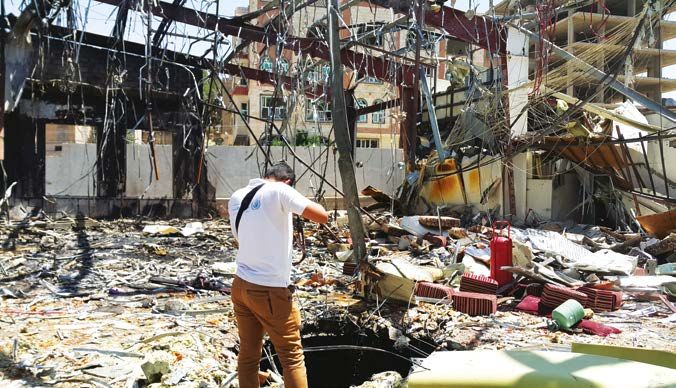
FOREWORD BY THE HIGH COMMISSIONER

                                    This is constructive, positive work which                    I appeal to all
                                    achieves important progress in societies
                                    across the globe. And our new four-year                      Governments to step
                                    work plan equips us to step up our work                      up their support in
                                    on new challenges, while maintaining the
                                    capacities that are unique to this Office.                   2019. Our global reach,
                                    The Office is your asset - the product of                    technical expertise and
                                    investments over more than 25 years. It                      trusted partnerships are
                                    is a unique and authoritative resource,
                                    for governments, victims, human rights                       badly needed in today’s
                                    defenders, UN partners and the broader                       troubled world, to assist in
                                    global community.
                                                                                                 building greater inclusion,
                                    We are grateful to the 83 donors - includ-
                                    ing 61 Member States - who last year con-                    justice, dignity, freedom,
                                    tributed US$ 182.8 million to the Office                     sustainable development
                                    – a nearly 28 per cent increase over 2017.
                                                                                                 and peace.
                                    And yet this fell short of the amount we
                                    needed to respond to all requests for help;
                                    and two-thirds of that financing was ear-
                                    marked, leaving us with little flexibility to
                                    adapt to unexpected situations or needs.

                                                                                                 MICHELLE BACHELET
                                                                                                 United Nations
                                                                                                 High Commissioner
                                                                                                 for Human Rights
                                    Figures are estimated as of 13 December 2018 and need
                                    to be adjusted and confirmed upon the final closure of the
                                    2018 accounts.

5 UN HUMAN RIGHTS APPEAL 2019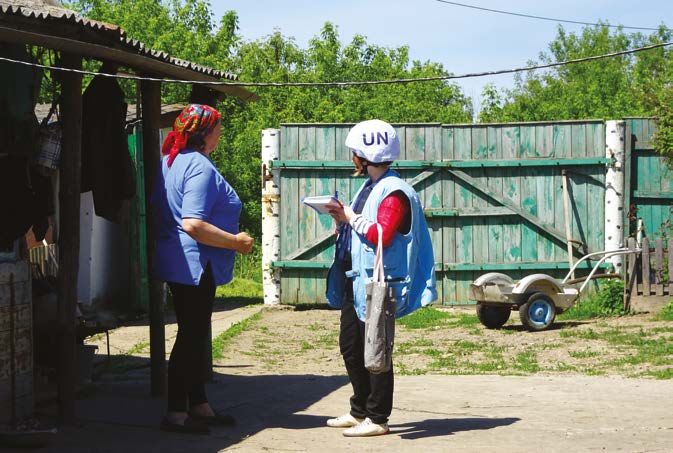
UN HUMAN RIGHTS IN 2018

UN HUMAN RIGHTS
IN 2018

                                                        Promote and protect all
                                                        human rights for all

          Rationalize, adapt, strengthen                                          Recommend that bodies of
          and streamline the UN human                                             the United Nations system
          rights machinery                                                        improve the promotion and
                                                                                  protection of all human rights

Coordinate human rights                                                                       Promote and protect the
promotion and protection                                                                      right to development
activities throughout the
United Nations system                        Mandate of the
                                           United Nations High
                                            Commissioner for
                                             Human Rights
Enhance international                          General Assembly
cooperation for the                            resolution 48/141                              Provide technical
promotion and protection of                                                                   assistance to States for
all human rights                                                                              human rights activities

        Engage in dialogue with                                               Coordinate United Nations
        governments in order to secure                                        human rights education and
        respect for all human rights                                          public information programmes

                                                         Work actively to remove obstacles
                                                         to the realization of human rights
                                                         and to prevent the continuation of
                                                         human rights violations

6 UN HUMAN RIGHTS APPEAL 2019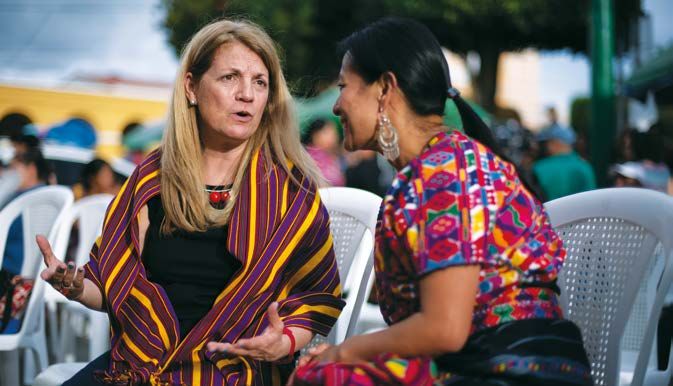
CHAPTER
UN HUMANTITLE
           RIGHTS IN 2018

Highlights

MEMBER STATE COOPERATION
                                                                                                           4  States newly signed
                    States were supported in establishing transitional                                     human rights treaties

 10                 justice mechanisms, received capacity building for
                    judicial actors and civil society, and were assisted to
                    increase victims’ protection and participation
                                                                                                           14 newly ratified
                                                                                                           9 new accessions
                                                                         58
     N

                      141
                                                                                   countries

                                                                                                                     42
     O
         TO
          R
          TU

                                                                         visited
              R
              E

                                                                         over
State party reports reviewed by the treaty                                                                 Member States were reviewed
bodies with 7 State parties visited by the                               80 visits by Special              for the implementation of UPR
Subcommittee on the Prevention of Torture                                Procedures mandates               recommendations

PEOPLE CENTRED

                                                                                                                 40,000
88                   fellows from indigenous, afro-descendant           Direct victims of contemporary           Direct victims of torture
                     and minority communities participated in the       forms of slavery in 27 countries         in 78 countries received
                     UN Human Rights fellowship programme               obtained assistance                      rehabilitation support

HUMAN RIGHTS MECHANISMS SUPPORT                                         HUMAN RIGHTS INTEGRATION IN THE UN

                  Support to the work of

                  44 thematic and             85                                        12                              11 Human Rights
                                                                                                                        Advisers deployed in
                                                                                                                        UN Country Teams
                                              resolutions adopted       Human Rights components in UN                   &
                  12 country Special          by the Human              Peace Missions, including 621 staff,            18 under the
                  Procedures mandates         Rights Council            supported by UN Human Rights                    framework of the UNSDG

CIVIL SOCIETY ENGAGEMENT

590
NGO side-events organized during
                                                                    2,715
                                                         Oral statements delivered by NGOs
                                                                                                               Over   2,700
                                                                                                               participants in the 7th Forum on
Human Rights Council sessions                            during Human Rights Council sessions                  Business and Human Rights

Data available at the time of printing

7 UN HUMAN RIGHTS APPEAL 2019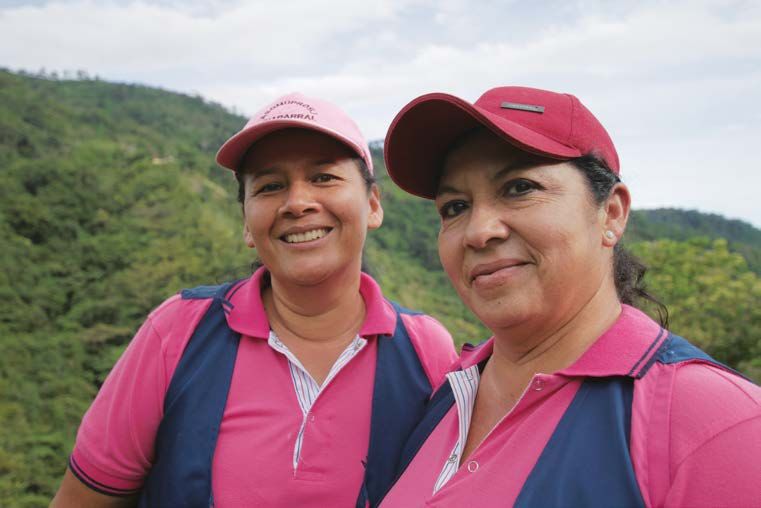
UN HUMAN RIGHTS IN 2018

Global Presence

    72
    PRESENCES WORLDWIDE
                                           55%                                45%

    1,320
    STAFF
                                          HQ
                                                                  64%                     36%
                                          FIELD
                                                           45%                      55%

   international staff     field staff
                                                                        58%                     43%
   national staff          HQ staff
                                                                        42%                     57%

STAFF IN THE FIELD                       57% HQ

                                         15% Africa

                                         10% Americas

                                         6% Middle East & North Africa

                                         6% Europe & Central Asia

                                         6% Asia Pacific

8 UN HUMAN RIGHTS APPEAL 2019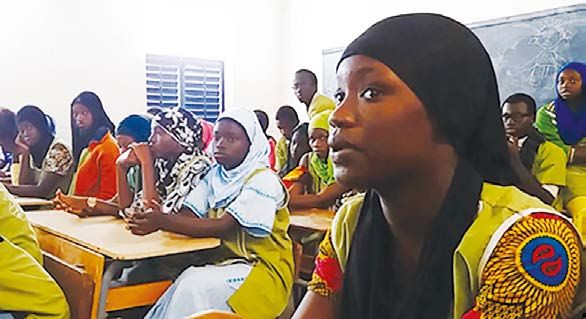
UN HUMAN RIGHTS IN 2018

Funding overview

BUDGET
                                                                                                                               DONORS
REGULAR BUDGET
ALLOCATION

                                                    Unmet extrabudgetary
                                                    requirements
        $125.6m                                     $95.5m
                                                                                                                                         83 donors
                                                                                               EXTRABUDGETARY                            of which 61 are
                                                                                               REQUIREMENTS                              Member States
                                                    Voluntary contributions
                                                    received                                  $278.3m
                                                    $182.8m                                                                    BREAKDOWN BY
                                                                                                                               GEOGRAPHIC GROUP

                                                                                                                                         3
                                                                                                                                         African Group
VOLUNTARY CONTRIBUTIONS
                TOTAL AMOUNT                   BREAKDOWN OF DONORS BY BRACKETS
                RECEIVED                       OF CONTRIBUTIONS                                                                          13
               $182.8m                              $10-20m (56.7%*)
                                                                                          Denmark, European Commission,
                                                                                          Netherlands, Norway, Sweden,
                                                                                          United States of America
                                                                                                                                         Asia-Pacific Group

                                                                                                                                         14
                                                                                                                                         Eastern
                                                                                                                                         European Group
$58.9m (32%)
Unearmarked

$123.9m (68%)
                                                                                                                                         7
                                                                                                                                         Latin American and
Earmarked
                                                                                                                                         Caribbean Group

46%
                                                    $5-10m (25.7%*)
                                                                                          Belgium, Germany, Switzerland,
                                                                                          UNDP (UN managed pool funds
                                                                                          and trust funds), United Kingdom
                                                                                                                                         24
                                                                                                                                         Western European
HQ
                                                                                                                                         and Others Group
54%
Field

                                                    $2-5m (9.7%*)
                                                                                          Australia, Finland, France, Italy,
                                                                                          Ireland, New Zealand, Russian
                                                                                                                                         22
                                                                                          Federation
                                                                                                                                         non-state donors
                                                                                          Japan, Qatar, Republic of Korea,               (private, multilateral
                                                    $1-2m (3.9%*)                         Spain, Saudi Arabia
Figures are estimated as of 13 December                                                                                                  donors, etc.)
2018 and need to be adjusted and confirmed          Less than $1m (3.7%*)                   other donors
                                               *
upon the final closure of the 2018 accounts.       Of total amount of voluntary contributions

9 UN HUMAN RIGHTS APPEAL 2019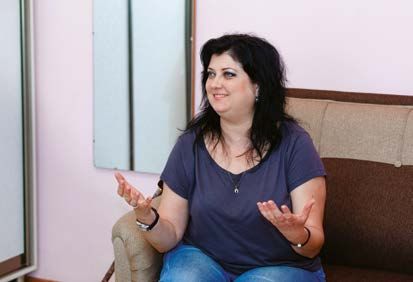
ROADMAP TO 2021
ROADMAP TO 2021
This Annual Appeal presents the financial requirements of our work in 2019,
under the Secretary-General’s Strategic Framework and as guided by our four-
year Organizational Management Plan (OMP) to 2021.
OMP at a Glance
nf lic t , violence and inse
e n t co cu r i
P r ev ty
WOMEN
ACCOUNTABILITY
ve
h e ce
mo
Strengthening rule of
n t pa
e o it al s
law and accountability
for human rights
, p e e, d i g
violations
opl
uman ies, corruption, inequa te chang
INTERNATIONAL HUMAN
RIGHTS MECHANISMS PARTICIPATION
lit ies
Inreasing implementation Enhancing and protecting
of the international human civic space and people’s
r i g h t s co n ce r n s : c l i m a
rights mechanisms participation
E x p a n d c i v i c s p a ce
outcomes
HUMAN RIGHTS
YOUNG
PEOPLE FOR EVERYONE
EVERYWHERE
g
r gin n o lo
PEACE AND SECURITY
m e g t e ch
NON
h
Supporting early warning,
g
prevention and protection DISCRIMINATION
Enhancing equality
n
of human rights in
rg i
situations of conflict and and countering
e
e
m
insecurity discrimination
e
Ex d e
o r
n
p l
a
DEVELOPMENT PERSONS
Integrating human WITH
rights in sustainable DISABILITIES
development
B ro ts Spotlights
ade an ri gh
n t he
g l o b a l co n s t i t u e n c y f o r hum Shifts
Pillars
10 UN HUMAN RIGHTS APPEAL 2019CHAPTER TITLE
ROADMAP TO 2021
Theory of Change
•P
rovide expert legal advice on • Communicate • Facilitate dialogue between diverse
human rights issues stakeholders on human rights issues
WHAT WE • Monitor and publicly report on
DO •F
acilitate learning and human rights situations • Build networks and alliances to
knowledge transfer extend human rights promotion and
• Advocate for human rights
protection
•D
eliver human rights education
• Directly protect civil society
• Enable the functioning of the
•R
aise human rights awareness members and human rights
international human rights
defenders
mechanisms
•T
o strengthen the rule of law and • To enhance equality and counter • To support early warning, prevent
accountability for human rights discrimination violence, and protect human rights in
OUR PILLARS violations situation of conflict and insecurity
• To integrate human rights in
•T
o enhance and protect civic space sustainable development • To implement the outcomes
and public participation of international human rights
mechanisms more fully
• State laws and policies protect and women and members of groups • Global and regional human rights
promote human rights facing discrimination mechanisms and bodies promote
and protect human rights effectively
•S
tate institutions, non-state actors • Public support grows for protection
THE and the private sector promote, of human rights • International human rights law and
protect and respect human rights standards progress
RESULTS WE • Human rights are effectively
CONTRIBUTE • State accountability mechanisms integrated in UN policies and • Member States and other actors
TO monitor, investigate and provide programmes engage with United Nations human
redress for human rights violations rights mechanisms
• The international community
• Public participation in policy-making responds effectively to critical
processes grows, particularly by human rights situations and issues
GOAL
ALL HUMAN RIGHTS ARE ACHIEVED FOR ALL
11 UN HUMAN RIGHTS APPEAL 2019 UN HUMAN RIGHTS APPEAL 2019 11ROADMAP TO 2021
The Prevention Shift To better leverage our human rights im-
pact, we are making major “shifts” in our
pillar), exclusion and inequality (non-dis-
crimination pillar) and lack of participa-
approach to also obtain greater cohe tion and suggests that a stronger link be-
rence across all we do. Across our six pil- tween efforts to build and sustain peace
lars of work, we are integrating focused (peace and security pillar) and achieve
emphases on four shift areas, including sustainable development (sustainable
one on prevention. development pillar) are essential. Each
pillar of our OMP contributes concretely
to each of these elements of the report’s
analysis, such that the whole OMP can
be understood as facilitating pathways
towards peace and away from conflict
and violence.
The Secretary-General has challenged all
parts of the United Nations to doing “ev- UN Human Rights’ approach is built on
erything we can to help countries to avert three complementary components, as ex-
the outbreak of crises that take a high toll plained by the Secretary-General:
on humanity, undermining institutions and • h uman rights norms and standards
capacities to achieve peace and deve which inform;
lopment”. In response, UN Human Rights’
Organizational Management Plan (OMP) • m onitoring and analysis to identify
commits the Office to make the shift to risk factors;
prevention, including by supporting the • early preventive action through tech-
rest of the UN system to make best use nical cooperation and rights-based de-
of the potential that human rights have to velopment assistance to reduce risk by
“Perhaps the best address issues that, if left unaddressed, addressing grievance.
can lead to conflict and crisis.
prevention tool we Over the next three years, we will step up
have is the Universal Human rights possess inherent preven- the contribution that the human rights sys-
tive power. The international human rights tem makes to wider UN efforts to prevent
Declaration of Human system was created in response to con- conflict, violence and insecurity, including
Rights – and the treaties flict to help prevent future conflict. It has by addressing the significant role that
a special role in averting the escalation of inequalities, impunity and discrimination
that derive from it. violence. Just as war, conflicts and insecu- play in triggering conflict.
The rights set out in it rity increase the incidence of human rights
We will:
violations, societies that respect human
identify many of the root rights experience less violence and inse- • bring together human rights information
causes of conflict, but curity: they are more resilient, and they for early warning and risk analysis;
are more inclusive. The Secretary-General
equally they provide has acknowledged this, identifying human • collect evidence of how human rights
contribute to conflict prevention;
real world solutions rights as the “critical foundation for sus-
taining peace”. • position human rights and the recom-
through real change mendations of human rights mechanisms
The recent UN-World Bank joint study,
on the ground.” Pathways for Peace, examines the link
as key components of the UN’s overall
prevention efforts.
Secretary-General between conflict and development, pre
We will apply human rights norms and the
António Guterres sents an analysis of the causes of conflict
recommendations of international human
Human Rights Council, that mirrors the pillars of our OMP. It finds
27 February 2017 rights mechanisms to identify, address
that the drivers of conflict include a fai
and overcome prevention challenges.
lure to address grievance (accountability
12 UN HUMAN RIGHTS APPEAL 2019ROADMAP TO 2021
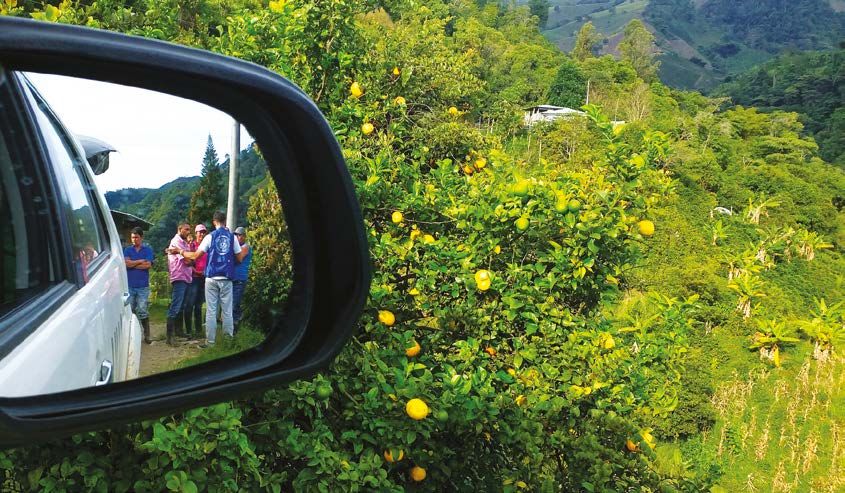
UN Human Rights has
worked in Colombia for
more than 20 years. The
peace process has been
fueling hope among
affected communities and
for the peace process to
succeed, their political
and economic inclusion
is essential. UN Human
Rights builds bridges
between local communities
in war-stricken rural areas
and the rest of Colombia –
and the world. © OHCHR/
Camilo Cataldo
HUMAN RIGHTS MECHANISMS HELP We will support institutionalization of go
IDENTIFY RISKS OF CONFLICT AND vernmental coordination structures and
CRISIS EARLY ON AND SUPPORT processes for reporting on implementa-
STATES IN REDUCING THESE RISKS tion of human rights recommendations
through so-called National Mechanisms
Our support to the Treaty Bodies and the
MECHANISMS PILLAR (M) for Reporting and Follow-up (NMRFs).
Special Procedures, with an emphasis on
Through such mechanisms, States should
Increasing implementation of the guidance for implementation, will help
be able to strengthen their capacity to
outcomes of the international human States and the international community to
engage, coordinate, consult and manage
rights mechanisms. identify and tackle issues, that, if left unad-
information related to their human rights
dressed, can lead to conflict and crisis. Our
PREVENTION SHIFT obligations. Line ministries become em-
assistance to the Human Rights Council,
powered, the indivisibility of rights across
Human rights mechanisms help to identify
with its confidential complaint procedure
the system is seen, human rights expertise
risks of conflict and crisis early on and and its special sessions, as well as the es-
is built and contacts with the parliament,
support States in reducing these risks. tablishment of inquiries and fact-finding
national statistics office, SDG coordinating
commissions, will enable contribution to
CONCRETE RESULTS CONTRIBUTING body, judiciary, national human rights insti-
prevention efforts, including for de-esca-
TO PREVENTION tution (NHRI) and civil society are built and
lation of conflict and in preparing the path
formalized. Every step towards greater im-
M1 - National institutionalized structures for accountability for human rights viola-
plementation of the human rights agenda
facilitate an integrated and participatory tions. Our support to States participating
is an act of prevention.
approach to reporting to the human in the Universal Periodic Review will in-
rights mechanisms and implementation clude an emphasis on the human rights
of their recommendations. aspects of peacebuilding in line with the
M5 - International human rights twin Sustaining Peace resolutions1.
mechanisms are increasingly effective in
promoting and protecting human rights.
1
A/RES/70/262-S/RES/2282 (2016)
13 UN HUMAN RIGHTS APPEAL 2019ROADMAP TO 2021
HARNESSING THE PREVENTIVE IDENTIFYING PREVENTION
POWER OF HUMAN RIGHTS IN THE CHALLENGES AND OPPORTUNITIES
UN’S RESPONSE TO IMMINENT OR THROUGH IMPROVED ANALYSIS AND
ACTUAL CONFLICT AND CRISIS ASSESSMENT
We will work with all parts of the UN sys- We will further step up our human rights
PEACE AND SECURITY PILLAR (PS) information management capacity and
tem to take full advantage of the potential
of human rights to support international Early warning, prevention and protection strengthen risk analysis to ensure that
and national strategies and operations of human rights in situations of conflict the full early warning potential of human
to prevent, mitigate or respond to actu- and insecurity. rights is realized. By the end of 2021, our
al or emerging crisis at all stages of the information management processes will
PREVENTION SHIFT produce more comprehensively, regular,
peace-conflict continuum, from “up-
stream” prevention and sustaining peace reliable, quality analysis upon which the
Harnessing the preventive power of
to mediation and peacemaking to peace- human rights in the UN’s response to UN system can rely to identify risks and
building and transitions. We will fully en- imminent or actual conflict and crisis. design appropriate prevention responses.
gage with prevention initiatives such as We will deepen professional information
the Integrated Platform for Prevention, CONCRETE RESULTS CONTRIBUTING management capacity in headquarters
TO PREVENTION and in the field. Our Regional Offices
the Human Rights Up Front Action Plan,
the New Way of Working, and initiatives will host “regional emergency response
PS1 - Parties to conflict and actors
of the Inter-Agency Standing Committee, involved in peace operations teams”, as currently being piloted in our
to strengthen prevention through human increasingly comply with international Regional Offices in Pretoria and Bang-
rights. Our support to UN peacekeeping, human rights and humanitarian law and kok, for situational analysis and targe
through the integration of human rights in provide greater protection to civilians. ted response to the needs of Resident
peace operations, will help sow the seeds PS2 - Efforts to counter terrorism and Coordinators (RCs) and United Nations
for a return to peace, and by ensuring that prevent violent extremism comply with Country Teams (UNCTs). In 2019, we will
support to non-UN security forces com- international law. deploy such teams to our Regional Office
plies with human rights. PS3 - Strategies to prevent and respond in Dakar and, if possible, to offices in Fiji
to conflict consistently integrate human and Panama.
rights protection.
PS5 - Human rights information and
analyses are integrated in early warning
and analysis systems and influence
international and national policy-making,
strategies and operations to prevent,
mitigate or respond to emerging
crises, including humanitarian crises
and conflict.
PS6 - United Nations’ support to national
and regional security forces, law
enforcement agencies, and non-State
actors integrates human rights and
complies with the Human Rights Due
Diligence Policy.
14 UN HUMAN RIGHTS APPEAL 2019ROADMAP TO 2021
ENSURING DEVELOPMENT IS Denial of economic, social and cultural
SUSTAINABLE BY INTEGRATING rights can be important drivers of conflict
HUMAN RIGHTS INTO DEVELOPMENT while disputes over land are a pre-emi-
SO THAT IT REDUCES THE RISK OF nent cause of grievance. We will work
CONFLICT AND CRISIS AND LEAVES to ensure that State authorities pursue
NO ONE BEHIND land and housing policies that protect the DEVELOPMENT PILLAR (D)
rights of people. Climate change poses
The Secretary-General has identified
the greatest single threat to delivery of Integrating human rights in sustainable
the 2030 Agenda as a key opportunity development.
the 2030 Agenda. We will assess the hu-
for prevention and sustaining peace by
man rights impact of climate change on
promoting inclusive and sustainable de- PREVENTION SHIFT
the most vulnerable communities to help
velopment. Integrating human rights into
ensure that government responses meet Ensuring development is sustainable
national development programming is
the needs of affected populations in line by integrating human rights into
a key way to guarantee its sustainabili-
with human rights. development so that it reduces the
ty, including by ensuring that no one is
risk of conflict and crisis and leaves no
left behind. Our promotion of rights- one behind.
based development, not only as a way to
achieve the SDGs but also as an effec- CONCRETE RESULTS CONTRIBUTING
tive means of “upstream” prevention, TO PREVENTION
will address structural risks of conflict
D3 - State authorities adopt and
such as social and economic exclusion, implement laws, policies and strategies
inequality and lack of access to services. on land and housing that increasingly
comply with human rights.
D5 - Environmental and climate policies
and plans increasingly respect, protect
and fulfil human rights, guaranteeing
those affected access to information,
decision-making, public participation
and remedies.
D6 - Human rights assessments and
impact analyses mitigate, prevent
or redress the negative effects of
economic, trade and development
policies and projects.
©OHCHR/Ukraine
15 UN HUMAN RIGHTS APPEAL 2019ROADMAP TO 2021
REDUCING INEQUALITY AS A DRIVER ENSURING THAT PEOPLE ARE
OF CONFLICT AND CRISIS INVOLVED IN DECISIONS AFFECTING
THEM SO THAT REAL GRIEVANCES
The 2030 Agenda guarantees that no one
ARE ADDRESSED
shall be left behind in the push for sus-
tainable development. As the UN-World The Pathways for Peace report states:
Bank report, Pathways for Peace, makes NON-DISCRIMINATION PILLAR (ND) “Exclusion from access to power, oppor-
clear, “addressing inequalities and exclu- tunity, and security creates fertile ground
Enhancing equality and countering
sion, making institutions more inclusive, for mobilization to violence, especially in
discrimination.
and ensuring that development strategies areas with weak State capacity or legit-
are risk-informed are central to preventing PREVENTION SHIFT imacy or contexts of human rights abu
the fraying of the social fabric that could ses.” People’s participation in decisions
erupt into crisis.” Applying human rights Reducing inequality as a driver of conflict affecting their lives is a core human rights
principles and practices, our work with the and crisis. principle. Peaceful participation can en-
rest of the UN system will help identify and CONCRETE RESULTS CONTRIBUTING
hance the relevance and effectiveness
address inequality and its root causes. We TO PREVENTION of prevention efforts and help to ensure
will step up our work in the fight against that grievances are addressed properly,
discrimination in all its forms, encouraging ND1 - Laws, policies and practices more providing thus an effective alternative to
people around the world to reject hate and effectively combat discrimination in all violence. In particular, our work to pro-
forms, and responsible authorities actively
embrace diversity. mote the principle of participation as part
work to “leave no one behind”, including by
addressing the root causes of inequality.
of the UN’s prevention work, will amplify
the voices of those least often heard and
ND4 - Judicial institutions, media, and of those on the front lines of risk.
other sectors increasingly recognize and
challenge harmful gender stereotypes
and gender norms with a view to their
eradication.
ND5 - Principles and practices effectively
counter discrimination and hate speech in
the digital space.
ND7 - Public support for equal, PARTICIPATION PILLAR (P)
inclusive and diverse societies, without
Enhancing and protecting civic space and
discrimination, increases.
people’s participation.
ND8 - The UN system implements a
coherent and human rights-based PREVENTION SHIFT
response to inequality and discrimination,
including intersecting and multiple forms of Ensuring that people are involved in
discrimination. decisions affecting them so that real
grievances are addressed.
CONCRETE RESULTS CONTRIBUTING
TO PREVENTION
P6 - The voice of people affected by
decisions, particularly victims and those who
face discrimination, is more clearly heard.
P7 - Public recognition that human rights
and accountability make important
contributions to effective responses to
violence, including terrorism and violent
extremism, increases.
16 UN HUMAN RIGHTS APPEAL 2019ROADMAP TO 2021
ENSURING THAT PAST HUMAN
RIGHTS VIOLATIONS DO NOT SOW
THE SEEDS OF FUTURE VIOLATIONS
AND CONFLICT AND THAT JUSTICE
SYSTEMS ADDRESS PAST AND
ACCOUNTABILITY PILLAR (A) CURRENT GRIEVANCES PEACE AND SECURITY PILLAR (PS)
Strengthening rule of law and The UN will work to break the cycles of Early warning, prevention and
accountability for human rights violations. violence and encourage conflict-affec ted protection of human rights in situations
communities to resolve grievances so of conflict and insecurity.
PREVENTION SHIFT
that the legacy of past conflict may be
PREVENTION SHIFT
Ensuring that past human rights overcome and prospects for a common
violations do not sow the seeds of future are strengthened. Accountability Harnessing the preventive power of
future violations and conflict and that is a key component of this. Unaddressed human rights in the UN’s response to
justice systems address past and grievances and persistent injustice for imminent or actual conflict and crisis.
current grievances. past wrongs seed the ground of further
CONCRETE RESULTS CONTRIBUTING
conflict. Our work to support States to
CONCRETE RESULTS CONTRIBUTING TO PREVENTION
TO PREVENTION adopt laws, policies and practices will
focus on addressing, preventing and PS4 - Justice mechanisms, including for
A1 - Laws, policies and practices reducing human rights violations in the transitional justice, provide increased
increasingly address, prevent and reduce context of law enforcement and justice accountability for conflict-related
human rights violations in the context of systems. Our work to support transitio violations.
law enforcement and justice systems.
nal justice processes, such as those for
A2 - Strengthened national mechanisms example in Mali or Tunisia, and establish
provide redress to victims and truth and reconciliation commissions,
accountability for human rights such as those most recently in the Gam-
violations, including for economic and
bia or Guinea, will be a key component of
social rights.
our contribution.
A3 - Justice systems investigate and
prosecute gender-related crimes more
effectively.
A5 - UN efforts for the rule of law, justice,
counter-terrorism and accountability put
human rights at the core.
17 UN HUMAN RIGHTS APPEAL 2019ROADMAP TO 2021
Shining a “spotlight” on the rights
of women, young people and
persons with disabilities
Across our Pillars and within the Shifts, we WOMEN
An intersectional will work to combat discrimination on all
Globally there is welcome progress in re-
grounds. We will highlight intersection-
focus on women, ality with specific spotlighting throughout
ducing gender inequality, but it is slow, un-
even and non-linear. While equality gaps
young people of human rights for women, young peo-
in health and education are closing, wom-
ple and persons with disabilities across all
and persons with identities. These are people distinctively
en’s participation in economic and public
and political life continues to lag behind.
disabilities will inform affected by economic instability and in-
Moreover, progress achieved is often met
security, marginalization and exclusion,
our efforts to assist whether, for example, they are members
with backlash and roll-back. Regressive
laws and policies, particularly against
States to implement of religious or ethnic minorities, indige-
sexual and reproductive health and rights,
nous people, people of African descent, or
the Sustainable migrants. Constructive agents of change,
combined with unchallenged harmful
practices and resistance to gender equa
Development Goals our “spotlight” populations’ potential is
lity to threaten gains. Yet, the evidence is
also often underestimated. An intersec-
and to fulfil their tional focus on women, young people
clear – to help prevent conflict and sustain
peace, respect for women’s rights must
commitment to and persons with disabilities will inform
be prioritized. Movements campaigning
our efforts to assist States to implement
‘leave no the Sustainable Development Goals and
to fulfil their commitment to ‘leave no
against gender-based violence and for
women’s rights create vital opportunities
one behind’. one behind’.
that should be embraced and complement
ongoing human rights efforts by women’s
rights activists across the world to counter
discrimination and violence.
18 UN HUMAN RIGHTS APPEAL 2019ROADMAP TO 2021
IMPROVING THE LIVES OF COLOMBIA’S “CAFETERAS”
CAÑON DE LAS HERMOSAS, Tolima
– With the FARC and military gone and
the arrival of peace in November 2016,
a new world beyond the mountains was
opening up.
The village of San Jorge de Las Hermosas
is a hospitable hamlet whose 45 families
are mostly artisanal coffee farmers.
A coffee farmer in Las Hermosas sells a
125kg bag of coffee beans to an interme-
diary for about US$ 270. If that coffee were
processed and exported to the consumer
directly, the farmer’s income would sky-
rocket to US$ 2370 – a nearly nine-fold in-
crease that would radically improve lives.
With more money, farmers could afford
better health care, secondary school for
their children and would be able to keep
more girls in school. Girls often leave
young to help their mothers earn an in-
come.
Luz Mari Perez and Luz Mila Sanchez, coffee farmers behind the Coffee for Rights project.
Coffee for Rights is a pilot project by UN © OHCHR/J.D. Cortés
Human Rights set up to pull women coffee
farmers out of poverty by helping them Luz Mari Perez, a coffee farmer involved The farmers of Las Hermosas are opti-
market themselves to the world. in the project. mistic about building a viable alternative
economy despite the challenges.
It is spearheaded by three partners: The aim is to develop three brands of
Koffietapp, a group that connects Co- high-quality coffee for sale, breathing Coffee for Rights could be just the be-
lombian coffee farmers with consumers, new life into a severely under-developed ginning, spreading eventually to other
ISAGEN, a local electrical company and community whose existence for decades farmers and communities and products.
UN Human Rights. But the ones who really has been circumscribed by a narrow dirt Even within Colombia, taking part will
call the shots are the coffee farmers of Las road, great distances and armed groups. raise consumer consciousness and help
Hermosas – especially the women. involve people in building the peace, and
“Everything is very basic here,” said Luz
putting the past behind them.
“We women deserve to have more space Mila Sanchez, another coffee farmer. “We
in society, to be valued not just as mo have a school but it’s very low-tech. We
thers and homemakers but as farmers, want our children to have the same op
entrepreneurs and sellers of our coffee portunities as those in the cities, the same
at fair prices. We have shown our men rights, the same dignity. This is our way of
what we can contribute, and they recog doing it, and we will succeed.”
nize that and have given us space,” said
19 UN HUMAN RIGHTS APPEAL 2019ROADMAP TO 2021
YOUNG PEOPLE
Global demographics are undergoing SENEGAL - A GIRL’S EDUCATION COMES FIRST, MARRIAGE WILL FOLLOW LATER
enormous change. Today, there are more
adolescents and young people alive than Sokhna Diara Diouf is 15 years old. She of the day. The debates are supervised by
at any other time in human history. More is a member of the Citizenship and Hu- teachers with whom the Office is regularly
educated and healthier than previous man Rights Club of the CEM les Martyrs in contact about human rights issues, so-
generations, they have more access to school of Thiaroye, on the outskirts of ciety’s challenges and their repercussions
information, new technologies and so- Dakar, Senegal. The UN Human Rights on the lives of pupils inside and outside
cial networks that can be used to protect, Regional Office for West Africa has been of school.
promote and defend human rights. At the supporting that Club for several years in
After the debate, Sokhna was confronted
same time, the vast majority of young peo- the framework of its human rights educa-
with the prospect of one of her classmates
ple are in the poorest of countries includ- tion activities.
getting married. During the discussion she
ing those most affected by conflict and
Every Thursday, Sokhna and other stu- understood that girls should not only be
those most exposed to climate change.
dents in her class participate in the club’s enrolled but also kept in school. It was re-
Young people, who have always been
meetings to choose the topic that will be vealed that sometimes, as soon as girls
major drivers of change, must be given
the focus of the debate on citizenship and barely know how to read, they are deemed
cause for hope. We will work to make hu-
human rights the following week. fit to become wives.
man rights more relevant and more use-
ful to them as they strive for dignity for This time, the theme is schooling, keeping “My friend came to see me and told me
themselves and their communities. We girls in school and marriage. that her parents wanted her to drop out
will develop tools and capacity to step up of school to get married. I told her not to
What influences the choice of themes
relevant and effective cooperation with force things with her parents, to listen to
are the students’ challenges in everyday
young people, as they promote positive them and then talk to them,” Sokhna said.
life. They choose a theme that will enable
human rights change. “Parents need to be made aware of the
them to discuss human rights while also
importance of girls’ education. Those girls
applying them to problems they encoun-
could become doctors, presidents… She
ter daily.
listened to me and followed my advice.
To discuss the issue, students use text- She talked to her parents and me to mine.
books on the Universal Declaration of Hu- My mother then spoke with the girl’s pa
man Rights provided by UN Human Rights rents and convinced them.”
and focus on articles linked to the theme
“Senegal is a country of parity, girls and
boys work. Moreover, my friend is an ex
cellent student, so she should not mar
ry too soon and vanish from school,”
she added.
Now, Sokhna Diara Diouf is living proof
of her act of courage. She has become a
young human rights defender who wants
to spread the message, including her own
testimony, to other students.
Sokhna Diara Diouf © OHCHR/West Africa Regional Office
20 UN HUMAN RIGHTS APPEAL 2019ROADMAP TO 2021
PERSONS WITH DISABILITIES political life. Across the multilateral sys-
tem, including the UN, not enough effort
Persons with disabilities confront discri
has been made to include persons with
mination in many forms. They are fre-
disabilities or act in ways that are relevant
quently excluded from employment, have
to them. Disability remains a marginal is-
limited access to health and education
sue even within the human rights move-
services, and are often obstructed when
ment. It is time to change this.
they seek to participate in public and
ENABLING PERSONS WITH DISABILITIES IN MOLDOVA
Moldova officially has 182,000 people Matriniuc has succeeded in convincing
who are considered physically or mental- local authorities to build eight ramps and
ly disabled, although civil society groups several handicapped parking spaces and
estimate the number is far higher. while she admits this is far from enough,
she believes Edinet is – slowly – changing.
Emma Matriniuc is an energetic 40-year-
old single mother who is trying to change Law 60 has also been instrumental in help-
the lives of people with disabilities in the ing people with mental disabilities.
northern city of Edinet. A former university
“Inside institutions, many people faced
lecturer, she moved here from the capital
a high risk of human rights violations – a
when an antibiotic partly paralyzed her
lack of dignity, confidentiality and privacy,”
and treatment became unaffordable on
said Dumitru Rusu, Programme Coordi-
her teaching salary.
nator of the non-governmental Moldovan
Emma Matriniuc in her house in Edinet © OHCHR/
Marina Momat After a long convalescence during which Institute for Human Rights, or IDOM. “This
she learned to walk again, Matriniuc na is not acceptable when they are crammed
vigated her new town, appalled at the lack into buildings by the hundreds.”
of adapted facilities. Fed up with being
Moldova has adopted a “de-institution-
unable to enter buildings or resume her
alization” policy and is rehousing people
teaching career because there were no
into small community homes, an often-un-
parking spaces or wheelchair ramps, in
popular move.
2014 she launched her own human rights
NGO, Vivere. “The challenge is acceptance,” said Ion
Schidu, an independent expert working
By wielding the provisions of Law 60 and
with IDOM. “Communities are not pre
applying lessons she learned through an
pared for inclusion and feel people with
awareness training provided by UN Hu-
mental disabilities should be institutiona
man Rights in Moldova, she has been able
lized. But these attitudes are changing as
to inch forward.
people begin to get to know one another.”
“If you know your rights, you can do some
thing – petition, complain, write letters, go
vote. You are not helpless.”
For more stories on UN Human Rights work, go to
https://unhumanrights.exposure.co
21 UN HUMAN RIGHTS APPEAL 2019UN HUMAN RIGHTS AROUND THE WORLD
UN HUMAN RIGHTS
AROUND THE WORLD
Mexico New York
Headquarters
Country / Stand-alone Offices /
Human Rights Missions
Regional Offices / Centres
Human rights components
of peace/political missions
Human Rights Advisers in UNCT or
deployed under the framework of
the UNSDG
Haiti (MINUJUSTH)
Guatemala
Honduras
El Salvador
Jamaica*
Central America
(Panama City)
NUMBER OF FIELD HQ Barbados*
PRESENCES
71 + 1
Colombia
Ecuador*
(2 locations) Peru*
Bolivia
REGIONAL OFFICES Paraguay
12 Brazil*
STAND-ALONE/COUNTRY OFFICES
Uruguay*
16 South America
HUMAN RIGHTS COMPONENTS IN (Santiago)
PEACE MISSIONS Argentina*
12
HUMAN RIGHTS ADVISERS IN UNCT/
DEPLOYED UNDER THE FRAMEWORK OF * Human Rights Advisers deployed under the framework of the UNSDG
THE UNSDG ** Reference to Kosovo should be understood in full compliance with United Nations Security Council
30 resolution 1244 and without prejudice to the status of Kosovo.
*** Mandated by Human Rights Council resolution 25/25.
HUMAN RIGHTS MONITORING MISSION ****Reference to the State of Palestine should be understood in compliance with United Nations General
Assembly resolution 67/19.
1 The boundaries and names shown and the designations used on this map do not imply official
endorsement or acceptance by the United Nations.
22 UN HUMAN RIGHTS APPEAL 2019UN HUMAN RIGHTS AROUND THE WORLD
Europe (Brussels)
Mauritania Geneva
Libya (UNSMIL) Serbia
Tunisia Belarus*
Kosovo**
Jordan*
(UNMIK)
State of Palestine****
(Gaza and Ramallah) Ukraine
Middle East and North Africa Moldova
(Beirut)
former Yugoslav
Syria – Republic of Macedonia
based in Beirut Russian Federation
Iraq (UNAMI) Southern Caucasus
(Tbilisi)
Mongolia*
Central Asia
(Bishkek)
Afghanistan
(UNAMA)
UN Human Rights Training and
Documentation Centre for South West
Asia and the Arab Region
(Doha UNAMI)
OHCHR Field-based structure***
(Seoul, Republic of Korea)
Yemen
Sudan
(UNAMID) Philippines*
Chad
Cambodia
East Africa
(Addis Ababa)
Malaysia*
Somalia
(UNSOM) Papua New Guinea*
South Sudan Bangladesh*
(UNMISS)
Kenya South-East Asia
Sri Lanka (Bangkok)
Timor Leste*
Uganda
Pacific
(Suva)
Rwanda
Madagascar*
Burundi
Malawi*
Zimbabwe*
Southern Africa
(Pretoria)
Liberia Democratic Republic
of the Congo
(MONUSCO)
Guinea
Central African Republic
Guinea Bissau (MINUSCA)
(UNIOGBIS)
UN Sub-Regional Centre for Human
West Africa Rights & Democracy in Central Africa
(Dakar) (Yaoundé)
Mali (MINUSMA) Nigeria*
23 UN HUMAN RIGHTS APPEAL 2019FUNDING AND BUDGET
FUNDING AND BUDGET
FUNDING The UN regular budget, approved by The approved 2018-2019 regular budget
the General Assembly every two years, is once again a step back from the long-
Almost two thirds of the UN Human Rights’
is funded by “assessed contributions” standing principle of “zero growth”. It
income comes from voluntary contribu-
from each Member State. These are de- entails a number of reductions resulting
tions from Member States and other do-
termined according to a formula that takes from the General Assembly’s decisions,
nors. The remainder is covered by the UN
into account the size and strength of their including across-the-board reductions of
regular budget.
respective national economies. between five and 25 per cent on several
budget lines. To a large extent, these re-
The UN regular budget should finance
ductions offset the resources approved
all activities mandated by the General
for new mandates adopted by the Human
Assembly and its subsidiary organs, in-
Rights Council in 2016 and 2017. The offi-
cluding the Human Rights Council. Human
cial human rights mandates continue to
rights is recognized as one of the three
grow in number and scope, but regular
pillars of the UN system, the other two be-
budget resources are not keeping pace.
ing development and peace and security.
As a result, UN Human Rights continues to
Yet, only a tiny percentage of the regu-
rely on voluntary contributions to finance
lar budget is allocated to human rights,
as much as 10 per cent of officially man-
as opposed to the other two pillars. With
dated activities that should be financed
approximately half of all regular budget
by the regular budget.
resources directed to these three pillars,
human rights received less than eight per
cent. The approved regular budget ap-
voluntary contributions UN regular propriation for the Office in 2018-2019 is
from Member States and budget US$201.6 million, which is just 3.7 per cent
other donors
of the total UN regular budget.
UN Human Rights staff check destroyed hall in Yemen. © OHCHR/Hisham Al-Mekhlafi
24 UN HUMAN RIGHTS APPEAL 2019FUNDING AND BUDGET
these funds were unearmarked, which
rep resents the lowest amount since
2008. Some of the increase in earmarking
can be attributed to more local funding
for field activities as well as contributions
from non-traditional budget lines that can
only be accessed as earmarked funds.
Other contributions that were previously
unearmarked have been transformed into
more circumscribed funding. While addi-
tional funding is much appreciated, the
ongoing trend toward earmarking limits
UN Human Rights Representative in Guatemala meets with the Office’s capacity to allocate resources
community leaders in the country.© OHCHR/Santiago Billy This challenging financial situation is fur- to where they are most urgently required
ther exacerbated by the timing of allo- and demands more constant budgetary
cations. Although most of the resources adjustments over the course of the year.
required for new mandates are approved
each year, the delay in their presentation 2019 FINANCIAL REQUIREMENTS
to the General Assembly means that the Total extrabudgetary resources needed
Office is forced to rely on existing resour for 2019 amount to US$321.5 million.
ces to cover new activities with a more These are the funds the Office would need
immediate timeline. in addition to its regular budget allocation
Voluntary contributions, or extrabudge if it is to respond to all requests of assi
tary resources, represented, in 2018, stance it has received.
around 59 per cent of UN Human Rights’ The Office demonstrates through this
income. However, in order to respond to Appeal the full extent of these require-
all requests for assistance, the Office re- ments, as opposed to presenting only its
quires greater financial support from Mem- operating cost plans. Nevertheless, the
ber States and other donors, including the needs-based budget presented herein
private sector. is still limited to what can realistically be
In 2018, the Office received US$182.8 implemented within a single year. For this
million1 in extrabudgetary contributions, reason, and due to the lengthy recruitment
compared to US$142.8 million in 2017. This process the Office must adhere to, some
represents almost a 28 per cent growth increases, notably in the field, remain
Total extrabudgetary and is mainly due to a number of countries modest. To increase the reach of field
resources needed substantially increasing their contributions presences requires a steady build-up of
for 2019 amount to rather than to an increase in the number human resources and budgets over time.
of donors. The additional income enabled
US$321.5 the Office to meet more of the demands
placed on it. However, only 32 per cent of
million 1
Figures are estimated as of 13 December 2018 and need
to be adjusted and confirmed upon the final closure of the
2018 accounts.
25 UN HUMAN RIGHTS APPEAL 2019FUNDING AND BUDGET
Overview
Regular budget allocation and extrabudgetary
requirements for 2019
OPERATING RESOURCES All figures in US$
EXTRABUDGETARY TOTAL
Programme of Work REGULAR BUDGET REQUIREMENTS (PLANNING FIGURES)
Subprogramme 1
Human Rights Mainstreaming, Right to Development,
Research and Analysis 13,575,000 36,829,000 50,404,000
Subprogramme 2
Supporting the Human Rights Treaty Bodies 14,473,000 6,229,000 20,702,000
Subprogramme 3
Advisory Services and Technical Cooperation* 25,218,000 25,162,000 50,380,000
Subprogramme 4
Supporting the Human Rights Council and its Special
Procedures 21,313,000 29,631,000 50,944,000
Headquarters
Executive Direction and Management and New York
Office 7,785,000 28,657,000 36,442,000
Policymaking Organs 8,457,000 - 8,457,000
Other
Headquarters effectiveness - 3,509,000 3,509,000
Human Rights in the Secretary-General’s Prevention
Action Plan - 6,424,000 6,424,000
Unmet requests for Human Rights Advisers (activities) - 1,500,000 1,500,000
Support to the Programmes 5,166,000 11,794,000 16,960,000
SUBTOTAL HEADQUARTERS 95,987,000 149,735,000 245,722,000
26 UN HUMAN RIGHTS APPEAL 2019FUNDING AND BUDGET Field Presences Africa 2,462,000 60,485,000 62,947,000 Americas 1,762,000 32,641,000 34,403,000 Asia and the Pacific 3,359,000 13,979,000 17,338,000 Europe and Central Asia 1,865,000 14,664,000 16,529,000 Middle East and North Africa 3,400,000 26,770,000 30,170,000 Regular Programme of Technical Cooperation 2,031,000 - 2,031,000 Programmatic, Outreach and Administrative Functions at Regional or Country level - 6,416,000 6,416,000 SUBTOTAL FIELD PRESENCES 14,879,000 154,956,000 169,835,000 TOTAL OPERATING RESOURCES (HQ + FIELD PRESENCES) 110,866,000 304,691,000 415,557,000 OTHER TRUST FUNDS Voluntary Fund for Victims of Torture - 11,500,000 11,500,000 Voluntary Fund for Indigenous Peoples - 1,450,000 1,450,000 Trust Fund on Contemporary Forms of Slavery - 777,000 777,000 Trust Fund for Universal Periodic Review - Participation - 569,000 569,000 Trust Fund for Universal Periodic Review - Technical Assistance - 788,000 788,000 Trust Fund for Participation of LDCs and SIDS in the HRC’s work - 1,314,000 1,314,000 Special Fund for the Optional Protocol to the UN Convention against Torture - 441,000 441,000 TOTAL OTHER TRUST FUNDS - 16,839,000 16,839,000 GRAND TOTAL 110,866,000 321,529,000 432,395,000 * Does not include all regular budget allotments for the Human Rights Council. 27 UN HUMAN RIGHTS APPEAL 2019
FUNDING AND BUDGET

Headquarters
Regular budget allocation and extrabudgetary
requirements for 2019

SUBPROGRAMME 1 -
HUMAN RIGHTS MAINSTREAMING, RIGHT TO DEVELOPMENT, RESEARCH AND ANALYSIS                              All figures in US$

                                                                       EXTRABUDGETARY   TOTAL
                                                      REGULAR BUDGET   REQUIREMENTS     (PLANNING FIGURES)

Coordination and Management                           391,000          6,230,000        6,621,000

Rule of Law, Equality and Non-discrimination Branch   4,653,000        11,250,000       15,903,000

Development, Economic and Social Issues Branch        4,995,000        19,348,000       24,343,000

Human Rights Council Mandates                         3,536,000        -                3,536,000

SUBTOTAL SUBPROGRAMME 1                               13,575,000       36,829,000       50,404,000

SUBPROGRAMME 2 - SUPPORTING THE HUMAN RIGHTS TREATY BODIES
Coordination and Management                           373,000          -                373,000

Human Rights Treaties Branch                          14,100,000       5,903,000        20,003,000

Treaty Bodies Webcasting Arrangements                 -                326,000          326,000

SUBTOTAL SUBPROGRAMME 2                               14,473,000       6,229,000        20,702,000

SUBPROGRAMME 3 - ADVISORY SERVICES AND TECHNICAL COOPERATION DIVISION
Coordination and Management                           2,856,000        9,156,000        12,012,000

Africa Branch                                         1,965,000        2,892,000        4,857,000

Americas, Europe and Central Asia Branch              2,080,000        2,671,000        4,751,000

Asia-Pacific, Middle East and North Africa Branch     2,630,000        5,462,000        8,092,000

Human Rights Council Mandates                         14,113,000       -                14,113,000

Commissions of Inquiry                                1,574,000        -                1,574,000

Investigation Capacity                                -                4,981,000        4,981,000

SUBTOTAL SUBPROGRAMME 3                               25,218,000       25,162,000       50,380,000

28 UN HUMAN RIGHTS APPEAL 2019
FUNDING AND BUDGET SUBPROGRAMME 4 - SUPPORTING THE HUMAN RIGHTS COUNCIL AND ITS SPECIAL PROCEDURES Coordination and Management 387,000 9,377,000 9,764,000 Human Rights Council Branch 2,595,000 1,741,000 4,336,000 Universal Periodic Review Branch 3,931,000 431,000 4,362,000 HRC and UPR webcasting - 252,000 252,000 Special Procedures Branch 7,916,000 13,154,000 21,070,000 Special Procedures Branch - Earmarked/Specific Funding - 4,677,000 4,677,000 Human Rights Council Mandates 6,485,000 - 6,485,000 SUBTOTAL SUBPROGRAMME 4 21,313,000 29,631,000 50,944,000 EXECUTIVE DIRECTION AND MANAGEMENT AND NEW YORK OFFICE 7,785,000 28,657,000 36,442,000 POLICYMAKING ORGANS 8,457,000 - 8,457,000 OTHER Headquarter effectiveness - 3,509,000 3,509,000 Human Rights mainstreaming into the Secretary General Prevetion Action Plan - 6,424,000 6,424,000 Unmet requests for Human Rights Advisers (activities) - 1,500,000 1,500,000 Support to the Programmes 5,166,000 11,794,000 16,960,000 SUBTOTAL OTHER 5,166,000 23,228,000 23,228,000 SUBTOTAL HEADQUARTERS 95,986,000 149,735,000 232,100,000 OTHER TRUST FUNDS Voluntary Fund for Victims of Torture - 11,500,000 11,500,000 Voluntary Fund for Indigenous Peoples - 1,450,000 1,450,000 Trust Fund on Contemporary Forms of Slavery - 777,000 777,000 Trust Fund for Universal Periodic Review - Participation - 569,000 569,000 Trust Fund for Universal Periodic Review - Technical Assistance - 788,000 788,000 Trust Fund for Participation of LDCs and SIDS in the HRC’s work - 1,314,000 1,314,000 Special Fund for the Optional Protocol to the UN Convention against Torture - 441,000 441,000 TOTAL OTHER TRUST FUNDS - 16,839,000 16,839,000 TOTAL HEADQUARTERS AND TRUST FUNDS 95,986,000 166,574,000 262,560,000 29 UN HUMAN RIGHTS APPEAL 2019
FUNDING AND BUDGET

Field
Extrabudgetary requirements for 2019

AFRICA                                                                                 All figures in US$

Country Offices                                          EXTRABUDGETARY REQUIREMENTS

Burundi                                                  3,543,000

Chad                                                     1,847,000

Guinea                                                   3,244,000

Uganda                                                   5,108,000

Regional Offices
Central Africa, Yaoundé - Subregional Centre for Human
Rights and Democracy                                     555,000

East Africa, Addis Ababa                                 4,181,000

Southern Africa, Pretoria                                2,471,000

West Africa, Dakar                                       8,665,000

Human Rights Advisers

Kenya                                                    1,070,000

Madagascar*                                              474,000

Malawi*                                                  150,000

Niger                                                    538,000

Nigeria*                                                 1,300,000

Rwanda                                                   488,000

Sierra Leone                                             58,000

Zimbabwe*                                                298,000

Human Rights Components in Peace Mission

Central African Republic                                 129,000

Democratic Republic of the Congo                         8,746,000

Guinea Bissau                                            97,000

Liberia                                                  4,734,000

Mali                                                     74,000

Somalia                                                  270,000

30 UN HUMAN RIGHTS APPEAL 2019
FUNDING AND BUDGET

South Sudan                                          940,000

Sudan, Darfur                                        187,000

Other

Gambia                                               398,000

Lesotho                                              178,000

Mozambique                                           440,000

Sahel G5                                             10,300,000

SUBTOTAL AFRICA                                      60,485,000

MIDDLE EAST AND NORTH AFRICA
Country Offices

Mauritania                                           1,979,000

State of Palestine**                                 3,684,000

Syria                                                2,940,000

Tunisia                                              3,005,000

Yemen                                                7,615,000

Regional Offices

Middle East and North Africa, Beirut                 4,377,000
South-West Asia and the Arab Region - Training and
Documentation Centre, Doha                           310,000

Human Rights Advisers

Jordan*                                              254,000

Human Rights Components in Peace Missions

Iraq                                                 494,000

Libya                                                390,000

Other

Iran                                                 450,000

Saudi Arabia                                         1,273,000

SUBTOTAL MIDDLE EAST AND NORTH AFRICA                26,770,000

AMERICAS
Country Offices

Colombia                                             14,543,000

31 UN HUMAN RIGHTS APPEAL 2019
FUNDING AND BUDGET

Guatemala                                   5,133,000

Honduras                                    3,446,000

Mexico                                      2,997,000

Regional Offices

Central America, Panama City                1,990,000

South America, Santiago                     1,311,000

Human Rights Advisers

Argentina*                                  88,000

Barbados*                                   125,000

Bolivia                                     13,000

Brazil*                                     104,000

Ecuador*                                    82,000

Jamaica *                                   227,000

Paraguay                                    191,000

Peru*                                       102,000

Uruguay*                                    130,000

Human Rights Components in Peace Missions

Haiti                                       1,534,000

Other

El Salvador                                 161,000

Nicaragua                                   338,000

Venezuela                                   125,000

SUBTOTAL AMERICAS                           32,641,000

ASIA AND THE PACIFIC
Country Offices

Cambodia                                    2,597,000

Myanmar                                     2,163,000

Republic of Korea - Field-based structure   171,000

Regional Offices

South-East Asia, Bangkok                    4,129,000

Pacific, Suva                               1,807,000

32 UN HUMAN RIGHTS APPEAL 2019
FUNDING AND BUDGET

Human Rights Advisers

Bangladesh*                                                                       239,000

Malaysia*                                                                         54,000

Mongolia*                                                                         48,000

Papua New Guinea*                                                                 985,000

Philippines*                                                                      283,000

Sri Lanka                                                                         597,000

Timor-Leste*                                                                      515,000

Human Rights Components in Peace Missions

Afghanistan                                                                       391,000

SUBTOTAL ASIA AND THE PACIFIC                                                     13,979,000

EUROPE AND CENTRAL ASIA
Regional Offices

Central Asia, Bishkek                                                             2,005,000

Europe, Brussels                                                                  1,038,000

Human Rights Advisers

Belarus*                                                                          275,000

Moldova                                                                           1,208,000

Southern Caucasus                                                                 1,080,000

Human Rights Mission

Ukraine                                                                           6,735,000

Other

Azerbaijan                                                                        381,000

Georgia                                                                            347,000

Russian Federation                                                                988,000

Serbia                                                                            606,000

SUBTOTAL EUROPE AND CENTRAL ASIA                                                  14,664,000
Programmatic, Outreach and Administrative Functions at
Regional or Country Level                                                         6,416,000

TOTAL FIELD                                                                       154,956,000
‘* Human Rights Advisers funded under the framewok of the UNSDG
‘** new Human Rights Advisors under consideration for 2019 in Belize and Costa Rica
‘*** new Human Rights Advisors under consideration for 2019 in Armenia, Montenegro and Bosnia & Herzegovina
1
  Reference to Kosovo shall be understood in full compliance with UN Security Council resolution 1244 (1999) and without prejudice to the status of Kosovo.
2
  Reference to Palestine should be understood in compliance with UN General Assembly resolution 67/19.
33 UN HUMAN RIGHTS APPEAL 2019
You can also read


