2019 TFEL TEACHERS' EJOURNAL SOUTH AUSTRALIAN TEACHING FOR EFFECTIVE LEARNING - DIGITAL LEARNING BANK
←
→
Page content transcription
If your browser does not render page correctly, please read the page content below

TfEL Teachers’ eJournal
South Australian Teaching for Effective Learning

                                                            2019
  A yearly planner to support your pedagogy when teaching for effective learning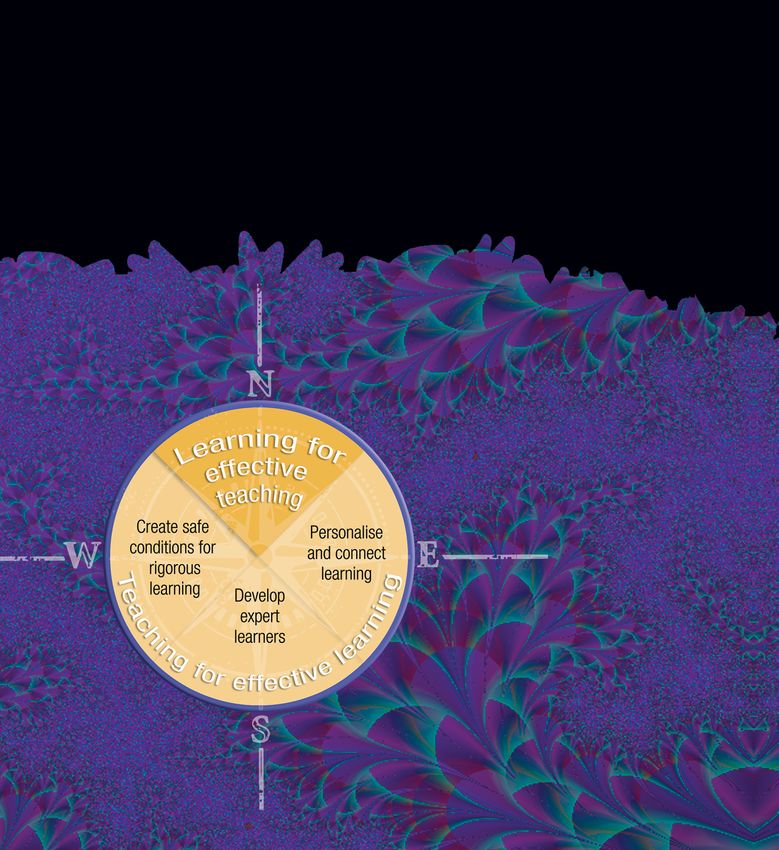
© 2019 Government of South Australia, Department for Education
Produced by: Learning Improvement Division, Professional Practice Portfolio
Other authors/contributors: South Australian Department for Education
Designed by: Professional Practice Portfolio
Printed by: Lane Print, South Australia
Images used throughout this publication, apart from all marbling designs and cover image by Georgie Sharp,
© Shutterstock and their submitters, and are used under licence, no copying of these images is permitted.
Marbling designs and cover/title page image © 2010 Georgie Sharp

Welcome to the
                                                             TfEL Teachers’ Companion
                                                                                2019

                                                                             Use this Companion throughout the year
                                                                                      to support your pedagogy when
                                                                                       teaching for effective learning.

Personal details

Name

Telephone                                   School

Address

Email

Stay connected to TfEL professional learning
Stay informed with professional learning opportunities and resources provided
by the Department for Education, Learning Improvement Division.

Internet links:    http://bit.ly/TeachLearnSA
LinkED:            Online weekly communication
Address:           Education Development Centre
                   4 Milner Street, Hindmarsh SA 5007
Telephone:         Leanne Milazzo – 08 8463 5801
Plink:             www.plink.sa.edu.au
TFEL Compass:	Department for Education
               staff register via Learnlink or contact:
               compass@sa.gov.au

             https://www.facebook.com/groups/tfeltalk

             https://twitter.com/tfeltalk

                                                            TfEL Teachers’ Companion 2019 | Department for Education Learning Improvement Division   3
4
                                                                                                                            South Australian Teaching for Effective Learning Framework
                                                                                                                                                                               unleashing learning potential

                                                                                                                                                              Leaders create learning opportunities with staff
                                                                                                                                                                            Domain 1 Learning for effective teaching
                                                                                         1.1 understand how self               1.2 	develop deep                      1.3 participate in                        1.4 engage with the                1.5 discuss educational               1.6 	design, plan and
                                                                                             and others learn                        pedagogical and content               professional learning                     community                          purpose and policy                     organise for teaching
                                                                                            leaders and teachers                     knowledge                             communities and 		                       leaders and teachers interact      leaders and teachers                    and learning
                                                                                            develop their understanding             leaders and teachers develop           networks                                 with communities to build          contribute to educational                leaders and teachers develop
                                                                                            of current learning theories,           their expertise by strengthening      leaders and teachers                      learning partnerships and          dialogue and debate that                 systems and structures to
                                                                                            and themselves as learners,             their disciplinary knowledge          participate in critically reflective      connect student learning           shapes whole school policy               ensure effective teaching and
                                                                                            to inform learning and                  and translating learning theory       inquiry to develop teaching               beyond the school                  and informs practice                     monitoring of learning progress
                                                                                            teaching design                         into effective teaching practice      and learning across the school

TfEL Teachers’ Companion 2019 | Department for Education Learning Improvement Division
                                                                                                                                                          Teachers create learning opportunities with students
                                                                                                            Domain 2                                                                             Domain 3                                                                  Domain 4
                                                                                            Create safe conditions for rigorous learning                                                   Develop expert learners                                             Personalise and connect learning
                                                                                         2.1 develop democratic relationships                                          3.1 teach students how to learn                                               4.1 build on learners’ understandings
                                                                                             the teacher shares power with students recognising it as a fundamental        the teacher develops student understanding of learning and expands            the teacher identifies students’ prior knowledge and cultural practices
                                                                                             condition for learning                                                        their strategies for thinking, learning and working collaboratively           as a starting point for curriculum

                                                                                         2.2 build a community of learners                                             3.2 foster deep understanding and skilful action                              4.2 connect learning to students’ lives and aspirations
                                                                                             the teacher creates a culture where everyone inspires and encourages          the teacher helps students build rich conceptual knowledge and                the teacher ensures that learning builds on the resources, skills,
                                                                                             each other’s learning                                                         mastery of complex skills                                                     knowledge and goals students develop in their homes and communities

                                                                                         2.3 negotiate learning                                                        3.3 explore the construction of knowledge                                     4.3 apply and assess learning in authentic contexts
                                                                                             the teacher responds to students’ changing needs and involves them            the teacher shows that knowledge is open to question, serves                  the teacher structures the curriculum so that students apply their
                                                                                             in deciding the direction of the curriculum                                   particular purposes and is shaped by culture and experience                   learning in real-world/authentic contexts

                                                                                         2.4 challenge students to achieve high standards                              3.4 promote dialogue as a means of learning                                   4.4 communicate learning in multiple modes
                                                                                             with appropriate support                                                      the teacher provides opportunities for students to learn through              the teacher ensures that the curriculum incorporates rich and varied
                                                                                             the teacher has high expectations and guides each student to achieve          interaction and learning conversation with others                             modes of making and communicating meaning
                                                                                             his/her personal best
Calendar 2019
January                                    February                                    March                                        April
 M      T   W   T       F   S   S           M      T   W    T      F     S   S            M    T    W    T     F    S     S          M      T    W     T    F    S        S
        1   2   3       4   5   6                                  1     2   3                                 1    2     3           1     2     3    4    5     6       7
  7     8   9 10 11 12 13                   4     5     6   7      8     9 10             4    5    6    7     8    9 10              8     9 10 11 12 13 14
 14 15 16 17 18 19 20                      11 12 13 14 15 16 17                        11 12 13 14 15 16 17                          15 16 17 18 19 20 21
 21 22 23 24 25 26 27                      18 19 20 21 22 23 24                        18 19 20 21 22 23 24                          22 23 24 25 26 27 28
 28 29 30 31                               25 26 27 28                                 25 26 27 28 29 30 31                          29 30

May                                        June                                        July                                         August
 M      T   W   T       F   S   S           M      T   W    T      F     S   S            M    T    W    T     F    S     S          M      T    W     T    F    S        S
            1   2       3   4   5                                        1   2            1    2    3    4     5    6     7                            1    2     3       4
  6     7   8   9 10 11 12                  3     4     5   6      7     8   9            8    9 10 11 12 13 14                       5     6     7    8    9 10 11
 13 14 15 16 17 18 19                      10 11 12 13 14 15 16                        15 16 17 18 19 20 21                          12 13 14 15 16 17 18
 20 21 22 23 24 25 26                      17 18 19 20 21 22 23                        22 23 24 25 26 27 28                          19 20 21 22 23 24 25
 27 28 29 30 31                            24 25 26 27 28 29 30                        29 30 31                                      26 27 28 29 30 31

September                                  October                                     November                                     December
 M      T   W   T       F   S   S           M      T   W    T      F     S   S            M    T    W    T     F    S     S          M      T    W     T    F    S        S
                                1                 1     2   3      4     5   6                                 1    2     3                                               1
  2     3   4   5       6   7   8           7     8     9 10 11 12 13                     4    5    6    7     8    9 10              2     3     4   5     6    7        8
  9 10 11 12 13 14 15                      14 15 16 17 18 19 20                        11 12 13 14 15 16 17                           9 10 11 12 13 14 15
 16 17 18 19 20 21 22                      21 22 23 24 25 26 27                        18 19 20 21 22 23 24                          16 17 18 19 20 21 22
 23 24 25 26 27 28 29                      28 29 30 31                                 25 26 27 28 29 30                             23 24 25 26 27 28 29
 30                                                                                                                                  30 31

      School Holidays               Public Holidays

  2019 South Australian school term dates and public holidays
Term 1                                   Term 2                                     Term 3                                       Term 4
Jan 29 – April 12                        April 29 – July 5                          July 22 – Sept 27                            Oct 14 – Dec 13
Week 0      Jan 21–25
Week 1      Jan 29 –Feb 1                Week 1        April 29–May 3               Week 1         July 22–26                    Week 1         Oct 14–18
Week 2      Feb 4–8                      Week 2        May 6–10                     Week 2         July 29–Aug 2                 Week 2         Oct 21–25
Week 3      Feb 11–15                    Week 3        May 13–17                    Week 3         Aug 5–9                       Week 3         Oct 28–Nov 1
Week 4      Feb 18–22                    Week 4        May 20–24                    Week 4         Aug 12–16                     Week 4         Nov 4–8
Week 5      Feb 25–Mar 1                 Week 5        May 27–31                    Week 5         Aug 19–23                     Week 5         Nov 11–15
Week 6      Mar 4–8                      Week 6        June 3–7                     Week 6         Aug 26–30                     Week 6         Nov 18–22
Week 7      Mar 11–15                    Week 7        June 10–14                   Week 7         Sept 2–6                      Week 7         Nov 25–29
Week 8      Mar 18–22                    Week 8        June 17–21                   Week 8         Sept 9–13                     Week 8         Dec 2–6
Week 9      Mar 25–29                    Week 9        June 24–28                   Week 9         Sept 16–20                    Week 9         Dec 9–13
Week 10     April 1–5                    Week 10       July 1–5                     Week 10        Sept 23–27                    Week 10        Dec 16–20
Week 11     April 8–12

2019 South Australian public holidays
Tues 1 Jan       New Year’s Day                   Thurs 25 April       Anzac Day
Mon 28 Jan       Australia Day                    Mon 10 June          Queen’s Birthday
Mon 11 Mar       Adelaide Cup Day                 Mon 7 Oct            Labour Day
Fri 19 April     Good Friday                      Wed 25 Dec           Christmas Day
Mon 22 April     Easter Monday                    Thurs 26 Dec         Proclamation Day

                                                                                 TfEL Teachers’ Companion 2019 | Department for Education Learning Improvement Division   5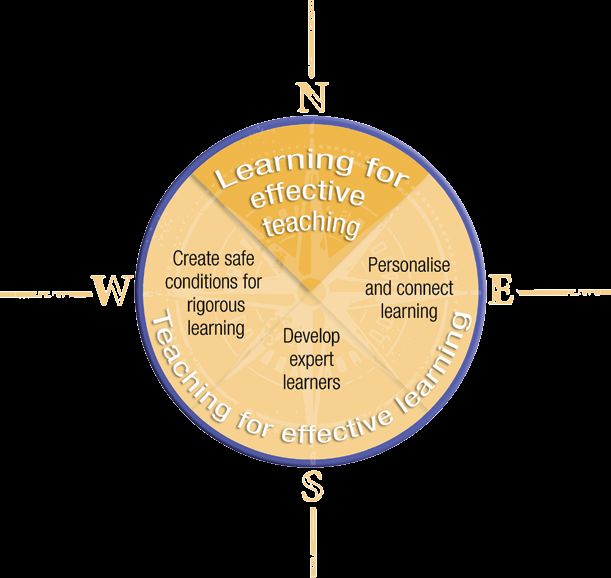
Year Overview | 2019
    2019           January                   February                      March                    April                May          June
    MON           School Holidays

    TUE      1    New Year’s Day

    WED      2                                                                                                      1

    THU      3                                                                                                      2

    FRI      4                         1                           1                                                3

    SAT      5                         2                           2                                                4          1

    SUN      6                         3                           3                                                5          2

    MON      7                         4                           4                         1                      6          3

    TUE      8                         5                           5                         2                      7          4

    WED      9                         6                           6                         3                      8          5

    THU      10                        7                           7                         4                      9          6

    FRI      11                        8                           8                         5                      10         7

    SAT      12                        9                           9                         6                      11         8

    SUN      13                        10                          10                        7                      12         9

    MON      14                        11                          11   Adelaide Cup Day     8                      13         10   Queens Birthday

    TUE      15                        12                          12                        9                      14         11

    WED      16                        13                          13                        10                     15         12

    THU      17                        14                          14                        11                     16         13

    FRI      18                        15                          15                        12                     17         14

    SAT      19                        16                          16                        13   School Holidays   18         15

    SUN      20                        17                          17                        14                     19         16

    MON      21                        18                          18                        15                     20         17

    TUE      22                        19                          19                        16                     21         18

    WED      23                        20                          20                        17                     22         19

    THU      24                        21                          21                        18                     23         20

    FRI      25                        22                          22                        19     Good Friday     24         21

    SAT      26                        23                          23                        20                     25         22

    SUN      27                        24                          24                        21                     26         23

    MON      28      Australia Day     25                          25                        22   Easter Monday     27         24

    TUE      29        Term 1          26                          26                        23                     28         25

    WED      30                        27                          27                        24                     29         26

    THU      31                        28                          28                        25     Anzac Day       30         27

    FRI                                                            29                        26                     31         28

    SAT                                                            30                        27                                29

    SUN                                                            31                        28                                30

    MON                                                                                      29      Term 2

    TUE                                                                                      30

6   TfEL Teachers’ Companion 2019 | Department for Education Learning Improvement Division
Year Overview | 2019
2019          July                 August        September                    October                   November                   December
MON    1

TUE    2                                                               1

WED    3                                                               2

THU    4                      1                                        3

FRI    5                      2                                        4                           1

SAT    6    School Holidays   3                                        5                           2

SUN    7                      4             1                          6                           3                          1

MON    8                      5             2                          7       Labour Day          4                          2

TUE    9                      6             3                          8                           5                          3

WED    10                     7             4                          9                           6                          4

THU    11                     8             5                          10                          7                          5

FRI    12                     9             6                          11                          8                          6

SAT    13                     10            7                          12                          9                          7

SUN    14                     11            8                          13                          10                         8

MON    15                     12            9                          14       Term 4             11                         9

TUE    16                     13            10                         15                          12                         10

WED    17                     14            11                         16                          13                         11

THU    18                     15            12                         17                          14                         12

FRI    19                     16            13                         18                          15                         13

SAT    20                     17            14                         19                          16                         14    School Holidays

SUN    21                     18            15                         20                          17                         15

MON    22     Term 3          19            16                         21                          18                         16

TUE    23                     20            17                         22                          19                         17

WED    24                     21            18                         23                          20                         18

THU    25                     22            19                         24                          21                         19

FRI    26                     23            20                         25                          22                         20

SAT    27                     24            21                         26                          23                         21

SUN    28                     25            22                         27                          24                         22

MON    29                     26            23                         28                          25                         23

TUE    30                     27            24                         29                          26                         24

WED    31                     28            25                         30                          27                         25    Christmas Day

THU                           29            26                         31                          28                         26   Proclamation Day

FRI                           30            27                                                     29                         27

SAT                           31            28   School Holidays                                   30                         28

SUN                                         29                                                                                29

MON                                         30                                                                                30

TUE                                                                                                                           31    New Year’s Eve

                                                               TfEL Teachers’ Companion 2019 | Department for Education Learning Improvement Division   7
8
"MJHOJOHUIFXIBUBOEIPXPGUFBDIJOHBOEMFBSOJOHJOUIF"VTUSBMJBO$VSSJDVMVN
8IBUJTUIFJOUFOEFEMFBSOJOH 8IBUDPVMEUIFJOUFOEFEMFBSOJOH )PXXJMMXFFOHBHF DIBMMFOHF
BOEXIZJTJUJNQPSUBOU MPPLMJLFBUUIJTMFWFM BOETVQQPSUUIFJSMFBSOJOH
8IZJTUIJTMFBSOJOHJNQPSUBOU 4IBSFEVOEFSTUBOEJOHPGmRVBMJUZMFBSOJOHn &OHBHF
q )PXXPVMEPVSMJWFTCFEJGGFSFOUXJUIPVUUIJTTLJMM LOPXMFEHF q 8IBUFYBNQMFTIBWFXFTFFOPGRVBMJUZMFBSOJOHBUUIJTMFWFM q )PXDBOXFIPPLUIFNJOrCZCVJMEJOHPODVSSFOUJOUFSFTUT
BOEVOEFSTUBOEJOH 8IBUDPVMEXFOPUEP q 8IBUDPVMEIJHIRVBMJUZMFBSOJOHMPPLMJLFBUUIJTMFWFM PSHFOFSBUJOHJOUFSFTU )BWFXFFOHBHFEIFBSUTBOENJOET
q 8IFSFEPXFTFFUIJTMFBSOJOHEFNPOTUSBUFEJOPVS q 8IBUEPFTUIF"DIJFWFNFOUTUBOEBSESFBMMZNFBO 8IBU $IBMMFOHF
FWFSZEBZMJWFT LOPXMFEHF TLJMMTBOEVOEFSTUBOEJOHTEPFTJUSFRVJSF q )PXDBO*TUSFUDIBMMMFBSOFST
3FBEUIFSFMFWBOU"VTUSBMJBO$VSSJDVMVNSFGFSFODFT )PXXJMMTUVEFOUTLOPXXIBUDPNQSJTFTIJHIRVBMJUZMFBSOJOH 4VQQPSU
4IBSFJOJUJBMNFBOJOHT q 8IBUPQQPSUVOJUJFTBSFUIFSFGPSTUVEFOUTUPVOEFSTUBOE q 8IBUXJMMCFOFFEFEUPFOTVSFBMMMFBSOFSTBDIJFWFUIF
q 8IBUUIJTNFBOTUPNFJTd UIFDSJUFSJBGPSRVBMJUZMFBSOJOH JOUFOEFEMFBSOJOH 'PSFYBNQMF
q 5IFCJHJEFBT FTTFOUJBMRVFTUJPOTBOEVOEFSTUBOEJOHT 8IBUEPFTmBUUIJTMFWFMnNFBO rTDBGGPMET NPEFMT QSPNQUT
JOUIJTGPSNFBSFd q 8IBUEJTUJOHVJTIFTUIJTMFBSOJOHGSPNUIF"DIJFWFNFOU rFYQMJDJUUFBDIJOH
TUBOEBSETXIJDIDPNFCFGPSFBOEBGUFSUIJTMFWFM rUJNF
8IBUJOUFOEFEMFBSOJOHJTOPUFWJEFOUJOUIF"DIJFWFNFOUTUBOEBSE rXBZTUPEFNPOTUSBUFNBTUFSZ
PPLMJLFBUUIJTMFWF
q 8IBUDPVMEUIJTMPPLMJLFBUUIJTMFWFM rEJGGFSFOUJBUFEBQQSPBDIFT
TfEL Teachers’ Companion 2019 | Department for Education Learning Improvement Division
8IBUEP )PXXJMM 4PXIBU
XFXBOU XFLOPX XJMMXF
UIFNUP JGUIFZ EPUPHFU
MFBSO HPUJU UIFSF
8IBUEPUIFZCSJOH
8IBU EP UIFZ 8IBUFWJEFODFXJMMFOBCMFVTUP
WJEFODF
J XJMM %FTJHOUIFUFBDIJOHBOEMFBSOJOHQMBO
J F UFBDIJOH BO
8IBUBSFUIFDPNNPOQBUUFSOTXFnWFTFFOUIBUMFBSOFSTCSJOH BTTFTTUIFJOUFOEFEMFBSOJOH
q .JTDPODFQUJPOTBMUFSOBUJWFDPODFQUJPOT %FNPOTUSBUJOHUIFMFBSOJOH
q 1FSTQFDUJWFTCJBTFT
#SJOHJOHJUBMM
q 8IBUBSFUIFNVMUJQMFXBZTMFBSOFSTDBOEFNPOTUSBUFUIFJS UPHFUIFSUISPVHIUIF
q 1PJOUTPGJOUFSFTU MFBSOJOHrUIFJSVOEFSTUBOEJOH UIFJSLOPXMFEHF UIFJSTLJMMTd
&YJTUJOHVOEFSTUBOEJOHT 8IBUBTTFTTNFOUTUSBUFHZJFTXJMMCFTUSFGMFDUUIJT MFBSOJOHFYQFSJFODFT
q 8IBUBSFEJGGFSFOUXBZTUIBUFOBCMFTUVEFOUTUPEFNPOTUSBUF )PXEPFTGFFECBDLDBVTFUIJOLJOHBOEMFBSOJOHEJBMPHVF
UIFJSFYJTUJOHVOEFSTUBOEJOHT TLJMMT LOPXMFEHFd
4FMGBTTFTTNFOU qQMBOOJOH
8IBUFMTFEPUIFZCSJOH q 8IBUPQQPSUVOJUJFTBSFUIFSFGPSTFMGBTTFTTNFOU qTFRVFODJOH
q 8IBUBCPVUUIFTUVEFOUTnMFBSOFSJEFOUJUZBOEMFBSOJOH
UPMFBSOTLJMMT 1FFSBTTFTTNFOU qSFTPVSDFPSHBOJTBUJPO
q 8IBUEJTQPTJUJPOTBOEFYQFSJFODFTEPUIFZCSJOH q 8IBUPQQPSUVOJUJFTBSFUIFSFGPSQFFSBTTFTTNFOUr
BOEd
BDUJWBUJOHTUVEFOUTBTUFBDIJOHSFTPVSDFTGPSPOFBOPUIFS
4USBUFHJFT
q 8IBUTUSBUFHJFTDBO*VTFUIBUDBQUVSFBOEFOBCMFUIJT
UPCFTIPXO
SA TfEL and Learning Design – A key focus in 2019
Teaching fo
r Eff
LEARNING DESIGN, ASSESSMENT
ec
t
ive
Lea
Connecting up South Australian policy through
rning
The pedagogy – how students experience the learning –
AND MODERATION STRATEGY 2017–2020
Learning Design matters to achievement, to both their future learning skills and
The Department’s ‘Curriculum, Pedagogy, Assessment and dispostions as well as achievement.
Reporting Policy for Reception-Year 10’ provides direction to For example, are students regularly asked to think, project,
schools about expectations of what will be taught and how transfer,through
interpet, analyse, generalise, imagine, create, critique,
Connecting up South Australian policy Learning Design
it will be taught, assessed and reported. This policy clarifies contruct shared meaning, justify . . . or is their educational ‘diet’
to use the Australian Curriculum and The
The Department’s ‘Curriculum, Pedagogy, Assessment and
expectations of educators
Reporting Policy for Reception–Year 10’ provides direction
1
pedagogy—how students experience the learning—
moretoabout
matters practice,
achievement, passive
to both recall
their future andskills
learning disconnected events?
our pedagogy framework, the Teaching
to schools about expectationsfor Effective
of what Learning
will be taught and and dispositions as well as achievement.
how it will be taught, assessed and reported. This policy In South Australia, teachers base their pedagogy on the SA Teaching
(TfEL) Framework clarifies
principles to: of educators to use the Australian
expectations
For example, are students regularly asked to think, project,
for Effective
transfer, interpet,Learning (TfEL) Framework,
analyse, generalise, imagine, create, to ensure that how they
• design studentCurriculum
learning and our pedagogy framework, the Teaching
for Effective Learning (TfEL) Framework principles to:
critique, construct shared meaning, justify … or is their
teach the‘diet’
educational Australian
more aboutCurriculum and design
practice, passive recall andlearning improves
disconnected events?
• monitor and assess• designstudent progress
student learning
student engagement, intellectual challenge and achievement.
• monitor and assess student progress In South Australia teachers base their pedagogy on the SA
• report student •progress to parents
report student progress to parents The diagram
Teaching below
for Effective highlights
Learning the three
(TfEL) Framework, key questions to be
to ensure
that how they teach the Australian Curriculum and design
• support student wellbeing.
• support student wellbeing. considered
learning improvesby educators
student engagement,as they workchallenge
intellectual collaboratively to design
and achievement.
‘The curriculum, educators’ knowledge of their learners,
‘The curriculum, educators’ knowledge of their learners, student learning based on our agreed curriculum and pedagogy.
The diagram below highlights the three key questions to be
and local educational priorities and targets are the
and local educational priorities and targets are the common
common starting and reference points for designing These key
considered questions,
by educators and
as they worktheir elaborations
collaboratively to design(see page opposite)
quality teaching and learning in schools.’ (DECD, 2013, p.4) student learning based on our agreed curriculum and pedagogy.
starting and reference points for designing quality teaching formkeya questions,
These ‘thinkingand map’
their for educators
elaborations as they design intentional
(see Appendix
5b, page 28) form a ‘thinking map’ for educators as they
and learning in schools.’ and responsive learning experiences.
design intentional and responsive learning experiences.
R WHAT | C
OU urr
What do i c
we want
ul
them to
um
learn?
How will
we know
if they
got it?
OU
So how
will we
R
get there?
O
H
W
| Pe
da gogy
ing
OUR WHAT | Curriculum OUR HOW | Pedagogy
Develop learning that is engaging and intellectually Develop teachers as intentional and responsive
stretches every student for improved learning learning designers through collaborative ongoing
achievement. site-based professional learning communities.
1
Department for Education and Child Development (2013) ‘Curriculum, Pedagogy, Assessment and Reporting Policy for Reception–Year 10’,
Government of South Australia
Making TfEL Visible in our Learning Design It provides:
This year the Companion explores a specific TfEL element • suggestions for practice to explore and develop in
500 STEM Educators in Primary Schools project | Primary PLP 2018 | Stage 1
4
each fortnight. varying levels of complexity
– Model
It unpacks:
– Teach/Explain
• what the element is and isn’t, and why it’s important for
your practice – Involve your students
– Build self-regulation
• research evidence referenced against John Hattie’s
Visible Learning (2009), and the Evidence for Learning • space for you to develop your own challenge of practice.
Teaching and Learning Toolkit (2017).
TfEL Teachers’ Companion 2019 | Department for Education Learning Improvement Division 9
Teaching fo
r Eff
ec
t
ive
Lea
rning
FORMATIVE ASSESSMENT | Learning Design, Assessment and Moderation Strategy 2017–2020
10
The educational gains associated with formative assessment have been described as ‘among the largest ever reported for educational interventions’.1
Unpacking formative assessment
Where the learner Where the learner How to get the Practice in a
is going is now learner there classroom is formative
to the extent that evidence
When teachers do formative
Teacher Providing about student achievement
assessment effectively, students
Eliciting is elicited, interpreted, and used
learn at roughly double the rate feedback that by teachers, learners, or their peers,
than they do without it.2 evidence
moves learners to make decisions about the next
Clarifying, of learning steps in instruction that are likely
sharing and forward to be better, or better founded,
Teachers using formative than the decisions they would
assessments … interact Peer understanding have taken in the absence
frequently with individual
Activating students as learning of the evidence that
learning
or small groups of students resources for one another was elicited.8
and involve students in the intentions
assessment process, providing Student Activating students as owners
them with tools to judge the
quality of their work.3 of their own learning
TfEL Teachers’ Companion 2019 | Department for Education Learning Improvement Division
Adapted from Dylan William ‘Five key strategies for formative assessment’, in Leahy et al (2005)9 Peer feedback
is also valuable
because the interchange
will be a language that
… students do For feedback students themselves naturally
not always learn to have maximum use and because students
what we teach, and effect, students have to learn by taking the
we had better find out Teachers who use be expected to use it to roles of teachers
what they did learn before ‘assessment for learning’ improve their work and, in and examiners
we try to teach them involve their students in many cases, taught how to themselves.7
anything else.4 ongoing self- assessment in do so. This is where student
ways that reveal to those learners self-assessment and goal
(a) where they are headed in their setting become part of
1 OECD (2017) http://tiny.cc/FormativeAssessSecOECD
learning, (b) where they are the package.6
2 Wiliam D, http://tiny.cc/MoreThanClickers
3 OECD (2005) http://tiny.cc/FAImpLrngSec05 now in relation to those
4 Leahy S & Wiliam D (2015) Embedding formative assessment, p.9 expectations, and (c) how
5 Stiggins R (2002)‘Assessment for Learning’, Education Week, Vol. 21, Issue 26, pp 30, 32–33
6 Sapier et al (2008) http://tiny.cc/SapierEtAl08
each student can close
7 Black P, Harrison C, Lee C, Marshall B & Wiliam D (2004) ‘Working Inside the Black Box: Assessment the gap between
for Learning in the Classroom’, Phi Delta Kappan, Vol.86, Issue 1, 8–21, Phi Delta Kappa International
8 Leahy S & Wiliam D (2015) Embedding formative assessment, p.8
the two.5
9 Leahy S & Wiliam D (2015) Embedding formative assessment, p.11
www.education.sa.gov.au/ldam | Informing learning and assessment designFormative Assessment – A key focus in 2019
Learning Design, Assessment and Moderation Strategy Expectations for our SA educators
The goals of the department’s state-wide Learning Design, Educators will collaboratively develop formative assessment
Assessment and Moderation (LDAM) Strategy: processes that:
• educators will use the Early Years Learning Framework, the • identify what learners know, understand and can do, prior to
Australian Curriculum and the SACE to: and during the learning, and
develop their expertise in designing learning that • use this information to inform and adjust next teaching steps.
engages and intellectually challenges every learner (see unpacking formative assessment on opposite page for
build consistency of professional judgement about the more information)
evidence and quality of child/student learning.
Learning Design, Assessment and Moderation Strategy
Formative assessment to inform Learning Design for deep understanding
FORMATIVE ASSESSMENT IS:
Practice in a classroom is formative to the extent that decisions about the next steps in instruction that are likely to
evidence about student achievement is elicited, interpreted, be better, or better founded, than the decisions they would
and used by teachers, learners, or their peers, to make have taken in the absence of the evidence that was elicited.4
Our Leader’s ongoing work in the strategy is to support educators to:
• collaboratively design formative • develop learning design skills to
assessment processes to check-in respond to what was identified
with the learner through the check-in:
• increase educators’ repertoire of – for the overall learning plan
formative assessment processes – in the teaching moment.
Key message shared at the Department’s statewide Leaders’ Day, 16 February 2018
4
Leahy S & William D (2015) Embedding Formative Assessment, p.8
Check-in and act features consistently through the 2019 Companion. At the completion of each fortnight’s focus we’ll
be asking you to think back on the formative assessment processes/practices you trialled/embedded in your practice by
reflecting on the following questions.
• What processes and practices have I used this fortnight to check in with my students?
• Were they effective? What else could I do?
• How have I acted/responded to this check-in?
• What was the outcome?
• How did this action/response impact on the learning/teaching?
TfEL Teachers’ Companion 2019 | Department for Education Learning Improvement Division 11Leading Learning and other TfEL resources
Leading Learning – Making the Australian
Curriculum work for us: www.acleadersresource.sa.edu.au
In South Australia the release The Leading Learning – Making the Australian Curriculum work for us website is a suite
of the Australian Curriculum of 21st century resources for leaders and teachers to support the implementation of the
has provided the opportunity Australian Curriculum in South Australia.
to think deeply about not only
what we want our students How we work with the Australian Curriculum matters. This resource provides scaffolds
to learn, but also how and online tools for leaders and teachers to support designing engaging and intellectually
we want them to learn stretching learning experiences for all learners. The resource intentionally supports us
so that they become powerful, to bring out the big enduring concepts and understandings of the Australian Curriculum.
expert learners. These concepts increase in complexity over time from Foundation to Year 10.
The Leading Learning resource focuses on the following areas of working with
the Australian Curriculum:
• Why this approach? – our strategic intent
• What you value – finding the essence
• Tuning in – why the essence matters
• Bringing it to Life (BitL) – essence meets content
• Learning Design – activating TfEL
• Into the classroom – who’s doing the thinking?
Key features of the Leading Learning resource
The Conceptual Narrative
A series of audio stories detailing the developmental progress of concepts from Foundation to
Year 10 for each learning area. Additional year level specific stories outline how we might lead
students to explore and learn about particular concepts.
Conceptual Narrative Printables
The resources show examples of how the BitL questions can be used to develop conceptual
understanding using specific learning area content from F-10.
The BitL tool
The Bringing it to Life online tool incorporates aspects of the Australian Curriculum learning
The conceptual narrative
A series of audio stories detailing the developmental progress of concepts from
Foundation to Year 10 for each learning area. Additional year level specific stories
area and high challenge pedagogy. The tool poses a series of questions to position the student
outline how we might lead students to explore and learn about particular concepts.
toresources
do the thinking.
Conceptual Narrative Printables
The show examples of how the BiTL questions can be used to develop
conceptual understanding using specific learning area content from F-10
Transforming Tasks
The BitL tool
The Bringing it to life online tool incorporates aspects of the Australian Curriculum
learning area and high challenge pedagogy. The tool poses a series of questions to
A series of workshops designed to support teachers to reflect and build on current practices
position the student to do the thinking.
that engage and intellectually challenge students.
Transforming Tasks
A series of workshops designed to support teachers to reflect and build on current
practices that engage and intellectually challenge students
12 TfEL Teachers’ Companion 2019 | Department for Education Learning Improvement DivisionYour performance and development pathway
This infographic represents the essential elements and the ongoing cycle of professional growth for all teachers.
Exemplars and authentic artefacts of your teaching can be captured in a professional portfolio. This can provide evidence of your growth
and developing knowledge, practice and engagement against the Australian Professional Standards for Teachers at the proficient career
stage or beyond. This will be a great support to your performance and development conversations and planning processes.
Setting goals that will support your development and that are aligned to TfEL, the EYLF and the relevant curriculum and assessment
frameworks for your level of schooling will guide your engagement with relevant professional learning and provide areas for
reflection, feedback and planning for next steps in your career.
The TfEL Teachers’ Companion supports you to enact this pathway with links, processes, and strategies to action at each stage of this cycle.
A copy of the Proficient Career Stage descriptors, and the 2018 AITSL classroom continuum are included at the end of this Companion.
Goal setting
on
cti
Pr
fle
ofe
d re
SACE SA TfEL
ssio
r Standard
Feedback an
che
n
a s
al learn
e
T
Professional in g
portfolio
Assessment EYLF/ RRR
Australian
Curriculum
Im
Teacher Teacher
n
ple
Registration Registration
si g
en de
Board SA Board SA
m
https://www.trb. https://www.trb.
tat
n&
sa.edu.au/ sa.edu.au/
io n la
c t , pTeacher
R e fl e
Teacher Teacher
Registration standards standards
Board SA https://www.aitsl. https://www.aitsl.
https://www.trb. edu.au/teach/stan edu.au/teach/stan
sa.edu.au/ dards dards
acher Teacher
Teacher Registration TeacherAustralian
standards AustralianAustralian
Curriculum Early Years Learning
Board SA standards https://www.aitsl.edu.
Curriculum https://www.
Curriculum Framework
tration
https://www.trb.sa.edu.au/
https://www.aitsl. au/teach/standards australiancurriculum.edu.au/ https://www.education.
rd SA https://www.austr https://www.austr
edu.au/teach/stan gov.au/early-years-learn-
www.trb. aliancurriculum.ed aliancurriculum.ed
ing-framework-0
du.au/ dards u.au/ u.au/
acher Early YearsTfEL Teachers’ Companion 2019 |Early Yearsfor Education Learning Improvement Division 13
Department
Australian Learning Learning
ndardsTerm 1 – Setting the foundations for an effective learning culture
This term, our pedagogical focus is . . .
Setting the foundations for an effective
learning culture
This term we focus on setting the foundations for effective learning through: sharing power;
building community; knowing our students; exploring the importance of learning talk; and
fostering student autonomy through negotiation. South Australian Teaching for Effective Learning Framework
unleashing learning potential
This will be done through a fortnightly focus on the Leaders create learning opportunities with staff
following elements:
Domain 1 Learning for effective teaching
1.1 understand how self 1.2 develop deep pedagogical 1.3 participate in professional 1.4 engage with the 1.5 discuss educational 1.6 design, plan and organise
and others learn and content knowledge learning communities community purpose and policy for teaching and learning
and networks
Week 1 and 2 2.1 Develop democratic relationships
Week 3 and 4 2.2 Build a community of learners Domain 2
Create safe conditions for rigorous learning
Teachers create learning opportunities with students
Domain 3
Develop expert learners
Domain 4
Personalise and connect learning
Week 5 Exploring the TfEL Compass as an effective feedback tool 2.1 develop democratic relationships 3.1 teach students how to learn 4.1 build on learners’ understandings
Week 6 and 7 4.1 Build on learners’ understandings 2.2 build a community of learners 3.2 foster deep understanding and skilful action 4.2 connect learning to students’ lives and aspirations
Week 8 and 9 2.3 Negotiate learning 2.3 negotiate learning 3.3 explore the construction of knowledge 4.3 apply and assess learning in authentic contexts
Week 10 and 11 3.4 Promote dialogue as a means of learning 2.4 challenge students to achieve high standards 3.4 promote dialogue as a means of learning 4.4 communicate learning in multiple modes
with appropriate support
These elements have been strategically chosen in order to build the
learning with your students each fortnight. It will give you the opportunity
to work with colleagues, sharing and reflecting on your pedagogical practices together. The
professional conversation prompt page at the end of the fortnight allows you to record your
learning and thinking throughout the fortnight, and reflect on your specific challenge of
practice, and formative assessment strategies you actioned.
Your performance and development pathway
Remember to be purposeful about collecting evidence of your planning, reflections and
implementation of your teaching program to showcase how you are developing your
knowledge, practice and engagement.
How are you developing your pedagogy using the TfEL Framework and the EYLF, the
curriculum and assessment frameworks and strategies for your level of schooling and
any other information used to support your teaching?
Annotating your evidence and reflecting on your development against the Australian
Professional Standards for Teachers is a professional practice that will form the
basis of a professional portfolio that you can use to support career development and
professional conversations with your leader and other significant colleagues.
Term
Term 12
TfEL Teachers’ Companion 2019 | Department for Education Learning Improvement Division 14TfEL Teaching for Effective Learning:
Create safe conditions for rigorous learning
2.1 Develop democratic relationships
Term 1 Week 1 & 2 Jan 29-Feb 8
Essence > The teacher shares power with students recognising it as a fundamental
condition for learning.
What this element is: What this element isn’t:
• The teacher jointly develops class expectations • The teacher placing all the onus on students to solve their own
• The teacher ensures students feel safe to have a go and ask learning issues or behaviour problems
questions • The teacher being defensive or using autocratic behaviour when
• The teacher models and ensures respect and acknowledges challenged
alternative perspectives • Class discussions being dominated by the teacher or by particular
• The teacher intervenes to ensure active inclusion and shared students.
responsibility.
My challenge of practice – Activating this element in
Why this element is important. my classroom
Establishing democratic relationships is critical for sharing
power with learners and developing a safe learning The teaching practice I will develop . . .
environment. You may find it challenging to let go of control.
Monitor your approach to ensure a balance between your
directing and learners co-directing with you. Learners
are willing to participate and take responsibility for their
behaviour if they have a sense of control. This promotes a
safe learning environment.
I will involve students by . . .
Evidence base
Related effect sizes* Months of progress**
Teacher credibility 0.9 Collaborative learning +5
Teacher clarity 0.75 Behaviour interventions +3
Social and emotional My success criteria (what I will expect students to do, say, make or write) . . .
Classroom discussion 0.82
Classroom behaviour 0.62 learning +4
Teacher student relationships
0.52
2.1 This learning principle can be developed at different levels of complexity, dependent on your context ***
MODEL TEACH/EXPLAIN IT INVOLVE YOUR STUDENTS BUILD SELF-REGULATION
Model respectful interactions and Work with students to develop Create opportunities for students to Challenge students to take risks
listening with students, including classroom expectations and make decisions in their learning. in their learning, and think and act
expressing interest in your students’ consistently refer to these to manage Monitor the balance between teacher outside of their comfort zone.
thoughts and opinions. the learning environment. talk and learner talk – use strategies Create a culture where students are
Model not always knowing the Explicitly teach the skills of like community of inquiry, circle time, self-organisers of discussions, they
answer and how you sometimes reflective listening, questioning and and Socratic seminars to structure negotiate learning tasks and take
grapple with learning. paraphrasing to enable students conversations. action in setting goals for their own
to participate in constructive Design learning interactions that learning.
discussions. engage the diverse perspectives of
your students.
* As reported in: Hattie, J. (2009). Visible Learning: A synthesis of over 800 meta-analyses relating to achievement. Milton Park, UK: Routledge
** As reported in: Evidence for Learning (2017) Teaching and Learning Toolkit – Australia. http://evidenceforlearning.org.au/the-toolkit/
*** Practice suggestions sourced from TfEL Compass, AITSL Classroom Practice Continuum
15 TfEL Teachers’ Companion 2019 | Department for Education Learning Improvement DivisionNotes
Term 1 Week 1 & 2 Jan 29-Feb 8
Practice check > How are students supported to make their own decisions?
To do list
Week11&&22Term
Week Term11
Week 1 & 2 Term 1
The
TheMeetings
Theessence
essenceof
Theteacher
ofthis
thiselement>
teachersharesThe
shares
element>
essence
power
power withofstudents
with this element>
students recognisingititas
recognising asaafundamental
fundamentalcondition
conditionfor
forlearning.
learning.
The teacher shares power with students recognising it as a fundamental condition for learning.
Activating Student Voice
Practicecheck
Practice check––How Howare arestudents
studentssupported
supportedto tomake
maketheir
theirown owndecisions?
decisions?
Whatthis
thiselement
Practice check – How are students supported to make their own decisions?
elementisis
Student Voice Audit and Action Cards
What
•• TheTheteacher What
teacher this element
jointly
jointly developsisclass
develops classexpectations
expectations
•• The •ensures
Thestudents
teacher feeljointly developshaveclass goexpectations
Students as decision makers
Theteacher
teacherensures students feelsafe
safe tohave
to aago andask
and askquestions
questions
•• TheTheteacher •models
teachermodels Theandteacher
and ensures
ensures
ensures students
respect
respect feel safe to have
and acknowledges
and acknowledges a go and
alternative
alternative ask questions
perspectives
perspectives
•• TheTheteacher •intervenes
teacherintervenesThe teacher
totoensuremodels
ensure and
active
active ensuresand
inclusion
inclusion respect
and andresponsibility.
shared
shared acknowledges alternative perspectives
responsibility.
• The teacher intervenes to ensure active inclusion and shared responsibility.
Whatthis
What thiselement
•• The
elementisn’t
Theteacher
teacher
isn’t
What this element
placing
placing allthe
all isn’ton
theonus
onus onstudents
studentsto tosolve
solvetheir
theirown
ownlearning
learningissues
issuesor orbehaviour
behaviourproblems
problems Students work with adults in
•beingThe
making decisions for teaching
•• TheTheteacher
teacherbeing teacheror
defensive
defensive placing
or all the onus
usingautocratic
using autocratic on students
behaviour
behaviour to challenged
when
when solve their own learning issues or behaviour problems
challenged
•• Class
Classdiscussions • The
discussionsbeing teacher
beingdominated being
dominatedby defensive
bythe
theteacher or
teacherorusing
orby autocratic
byparticular behaviour
particularstudents
students when challenged
• Class discussions being dominated by the teacher or by particular students
Whyisisthis
Why thiselement
elementimportant?
important? and learning.
Establishing Why isrelationships
Establishingdemocratic
democratic this elementisimportant?
relationships iscritical
criticalfor
forsharing
sharingpower
powerwithwithlearners
learnersand anddeveloping
developingaasafesafelearning
learningenvironment.
environment.You You
mayfind
may
directingwith
directing withyou.
Establishing
findititchallenging
challenging
may
you.
tolet
to letgodemocratic
go
find it are
Learners
Learners
ofofcontrol.
control.
challenging
arewilling
willingto
relationships
Monitoryour
Monitor
toparticipate
to
isapproach
your
let go of control.
participate
critical
approach
andtake
and take
forto
Monitor
sharing
to ensure
ensure power
your approach
responsibility
responsibility
withbetween
aabalance
balance
theirto
fortheir
for
learners your
between and
yourdeveloping
ensure a ifbalance
behaviour
behaviour ifthey between
theyhave
have
a safe
directingand
directing and
aasense
sense
learning
learners
learners
your
co-environment. You
co-
directing
control. and learners co-
ofofcontrol.
Class agreement:
Thispromotes
promotesaasafe directing
safe with
learning you. Learners are willing to participate and take responsibility for their behaviour if they have a sense of control.
environment.
This learning environment.
This promotes a safe learning environment.
As an introductory activity, use decision-making
Effectsizes>
Effect sizes>teacher
teachercredibility
credibility0.9,
0.9,teacher
teacherclarity
clarity0.75,
0.75,classroom
classroomdiscussion
discussion0.82,
0.82,classroom
classroombehaviour
behaviour0.62,
0.62,teacher
teacherstudent
student processes to involve students in listing the
relationships0.52.
relationships Effect sizes> teacher credibility 0.9, teacher clarity 0.75, classroom discussion 0.82, classroom behaviour 0.62, teacher student
0.52. attitudes/actions they consider most important for
Growth> relationships
collaborative learning 0.52.
+5, behaviour interventions +3, social
Growth> collaborative learning +5, behaviour interventions +3, social and emotional learning +4and emotional learning +4
Growth> collaborative learning +5, behaviour interventions +3, social and emotional learning +4 maintaining a productive, democratic class. This
QRcodes
QR codes agreement is displayed in the room, each student
QR codes AiTSLillustrations
AiTSL illustrationsof ofpractice
practice SocraticSeminar
Socratic Seminar has a copy, and it is used as a reference for class
TfELWebpage
TfEL Webpage- -https://tinyurl.com/ybejmmvk
https://tinyurl.com/ybejmmvk The Thefirst
firstfew
fewweeks
weeksAiTSL
- - illustrations of practice Socratic Seminar
https://tinyurl.com/yakhghqy
https://tinyurl.com/yakhghqy
TfEL Webpage - https://tinyurl.com/ybejmmvk The first few weeks -
https://tinyurl.com/ydg2mfvg
https://tinyurl.com/ydg2mfvg https://tinyurl.com/yakhghqy issues as they arise.
https://tinyurl.com/ydg2mfvg
TfEL Webpage AITSL illustrations of Socratic Seminar
https://tinyurl.com/ practice https://tinyurl.com/
ybejmmvk The first few weeks: yakhghqy
https://tinyurl.com/
ydg2mfvg
TfEL Teachers’ Companion 2019 | Department for Education Learning Improvement Division 16Professional conversation prompts
Term 1 Week 1 & 2 Jan 29-Feb 8
Am I making progress towards my/our improvement goals?
Use the prompt questions in the left hand boxes to guide your reflections and dialogue.
Your challenge
of practice
Evidence I achieved
my challenge of practice
I need to further develop
How did I go addressing the
practice check?
Thinking through
your formative
assessment focus
What processes and practices
have I used this fortnight to
check-in with my students?
Were they effective? What
else could I do?
Have I acted on/responded to
this check-in?
What was the outcome?
How did this action/response
impact on the learning?
17 TfEL Teachers’ Companion 2019 | Department for EducationLearning Improvement DivisionTfEL Teaching for Effective Learning:
Create safe conditions for rigorous learning
2.2 Build a community of learners
Essence > The teacher creates a culture where everyone inspires and encourages each
Term 1 Week 3 & 4 Feb 11-22
other’s learning.
What this element is: What this element isn’t:
• The teacher develops a sense of community, identity and belonging • Individual achievement is prized over collaborative endeavours
• The teacher encourages everyone to be a teacher and a learner • Students always work alone
• The teacher actively develops each learner’s positive self-concept • Minimal noise and student movement are seen as indicators of
• The teacher provides time and resources for team learning. competent teaching
• Student assessment is always individual, at the end of the learning,
and marked by the teacher.
My challenge of practice – Activating this element in
Why this element is important. my classroom
It is easy to underestimate or dismiss how the learning
culture, and learners’ self-concept impacts the learning The teaching practice I will develop . . .
effectiveness. Teaching strategies that engender a sense
of belonging, identity and positive self-concept can develop
a positive culture. Shared understanding of what is an
effective learning community will help develop learner
responsibility and autonomy, so learners have strategies for
learning in the classroom.
I will involve students by . . .
Evidence base
Related effect sizes* Months of progress**
Teacher credibility 0.9 Collaborative learning +5
Cognitive task analysis 1.29 Behaviour interventions +3
Social and emotional My success criteria (what I will expect students to do, say, make or write) . . .
Classroom discussion 0.82
Teacher not labelling learning +4
students 0.61
Teacher student
relationships 0.52.
2.2 This learning principle can be developed at different levels of complexity, dependent on your context ***
MODEL TEACH/EXPLAIN IT INVOLVE YOUR STUDENTS BUILD SELF-REGULATION
Position yourself as a learner and Develop class expectations Design individual and group activities Design learning processes with many
discuss with students how you work in collaboratively, with group norms on to suit particular learning purposes. entry points to encourage students to
teams both in and outside of school. how students will support each other in Provide time for students to practise be learning resources for each other,
Ask students to reflect on and learning, for example actively listening learning community roles and the before needing to intervene yourself.
share when they have collaborated to others, solving problems together, skills required - use strategies like Support students to be accountable
effectively to achieve success. Ask asking for help, working in groups, community of inquiry, circle time, for their own and each other’s
students to provide examples both in piggybacking on others’ ideas. and Socratic seminars to structure individual contributions to group
and outside of school. Teach teamwork skills and reflect on conversations. outcomes by providing evidence of
these at the completion of group tasks. Encourage student to student, and learning and participation.
Teach students how to ask clarifying student to teacher interactions about
questions to build understanding. key ideas of the topic.
* As reported in: Hattie, J. (2009). Visible Learning: A synthesis of over 800 meta-analyses relating to achievement. Milton Park, UK: Routledge
** As reported in: Evidence for Learning (2017) Teaching and Learning Toolkit – Australia. http://evidenceforlearning.org.au/the-toolkit/
*** Practice suggestions sourced from TfEL Compass, AITSL Classroom Practice Continuum
18 TfEL Teachers’ Companion 2019 | Department for Education Learning Improvement DivisionNotes
Practice check >
Term 1 Week 3 & 4 Feb 11-22
Do all students feel a part of the class?
To do list
Meetings
Activating Student Voice
Student Voice Audit and Action Cards
Students as advocates for
21C learning
Students work with adults in
Students speak upfor
making decisions to teaching
representand
their own and others’ views.
learning.
Trust
Class builders and trust busters:
agreement:
Students consider what
As an introductory they
activity, usevalue for their learning
decision-making
community
processes to involve students in listing the attitudes/that
and compile two lists: attitudes/actions
‘build’
actionslearning community
they consider most capacity
importantand for those that
maintaining
‘bust’ it. These are revisited frequently.
a productive, democratic class. This agreement is
displayed in the room, each student has a copy, and it
is used as a reference for class issues as they arise.
TfEL Webpage Tips to create a
https://tinyurl.com/ positive classroom
ybejmmvk culture
https://tinyurl.com/
yd2l4wdu
TfEL Teachers’ Companion 2019 | Department for Education Learning Improvement Division 19Professional conversation prompts
Term 1 Week 3 & 4 Feb 11-22
Am I making progress towards my/our improvement goals?
Use the prompt questions in the left hand boxes to guide your reflections and dialogue.
Your challenge
of practice
Evidence I achieved
my challenge of practice
I need to further develop
How did I go addressing the
practice check?
Thinking through
your formative
assessment focus
What processes and practices
have I used this fortnight to
check-in with my students?
Were they effective? What
else could I do?
Have I acted on/responded to
this check-in?
What was the outcome?
How did this action/response
impact on the learning?
20 TfEL Teachers’ Companion 2019 | Department for Education Learning Improvement DivisionTfEL Teaching for Effective Learning:
Compass Reflecting on your pedagogy
An online professional learning tool for teachers to reflect on their teaching
Essence > and learning practices through self-reflection and feedback from students and
Term 1 Week 5 Feb 25-Mar 1
trusted colleagues.
What the TfEL Compass is: What this element isn’t:
• Voluntary – the teacher decides on what, when and who provides • A top down Performance Management tool – however, you may
observation feedback on their personal surveys wish to share your data with your line manager to demonstrate
• Professional learning based your pedagogic growth
• Triangulated feedback – self, peer, student • An isolated experience to define a teacher’s practice – it has been
• Secure and private. You own your feedback and you decide if you designed as an ongoing process for learning conversations with
want to share it students and trusted colleagues.
• Support tool with ideas to develop your practice.
My challenge of practice – Activating this element in
Why this element is important. my classroom
When students become partners in learning and see that
their feedback is valued, they are powerful agents for The teaching practice I will develop . . .
change. Students who understand and exhibit positive
dispositions to learning, a ‘growth mindset’ and understand
what quality pedagogy is, can positively influence learning
and teaching outcomes. TfEL Compass data can help
teachers make strategic evidence-informed decisions to
support quality teaching.
I will involve students by . . .
Evidence base
Related effect sizes* Months of progress**
Feedback 0.7 Feedback +8
Teacher credibility 0.9
My success criteria (what I will expect students to do, say, make or write) . . .
Student rating quality of
teaching 0.5
Activating this element to improve your learning design ***
START SMALL SELF-REFLECTION STUDENT FEEDBACK TRUSTED COLLEAGUE
Start with a small habit. Complete the self-reflection survey Ask students to complete the survey Ask a trusted colleague to observe
Film a five minute episode of your How did the questions affirm or Explain to students why their feedback you and complete the survey
teaching and watch it back. Watching challenge your current teaching is being gathered using the Compass Pre observation, talk about what you
yourself on video surfaces surprising practice? Using the polar map tool– invite constructive feedback and hope to achieve with your colleague.
habits that you may not be aware of. data, identify the elements that explain how you will respond to their Unpack the data together in a post-
What did you notice? Where were are strengths in your practice. Ask suggestions. What does the student observation conversation. Together
your strengths? What could you yourself why this might be the polar map tell you? How does it compare decide on what your next steps for
develop further? case? Share this thinking with your to the self-assessment you completed? development could be. Share this
Choose an action to develop and students and ask for their opinions/ Share the key points of your feedback with your students and ask them to
practise it over the next fortnight. evidence about what they see in your with your students – explain what your give you ongoing feedback to how
practice aligned to your perceived next steps for development are and ask you are going.
strengths. your students how they think they can
support your learning.
* As reported in: Hattie, J. (2009). Visible Learning: A synthesis of over 800 meta-analyses relating to achievement. Milton Park, UK: Routledge
** As reported in: Evidence for Learning (2017) Teaching and Learning Toolkit – Australia. http://evidenceforlearning.org.au/the-toolkit/
*** Practice suggestions sourced from TfEL Compass, AITSL Classroom Practice Continuum
21 TfEL Teachers’ Companion 2019 | Department for Education Learning Improvement DivisionNotes
Practice check > Am I ‘walking the talk’ by analysing and sharing my own feedback?
Term 1 Week 5 Feb 25-Mar 1
To do list
he tfel compass
e of the TfEL Compass>
rofessional learning tool for teachers to reflect on their teaching and learning practices through self-reflection and feedback from
nd trusted colleagues
eck - Am I ‘walking the talk’ by analysing and sharing my own feedback?
fEL Compass is
oluntary – the teacher decides on what, when and who provides observation feedback on to their personal surveys
rofessional learning based
riangulated feedback – self, peer, student
ecure and private. You own your feedback and you decide if you want to share it
upport tool with ideas to develop your practice
element isn’t
down Performance Management tool – you may wish to share your data with your line manager to demonstrate your pedagogic
h
lated experience to define a teacher’s practice – it has been designed as an ongoing process for learning conversations with
nts and trusted colleagues.
element important?
ents become partners in learning and see that their feedback is valued, they are powerful agents for change. Students’ who
d and exhibit positive dispositions to learning, a ‘growth mindset’ and understand what quality pedagogy is they can positively
earning and teaching outcomes. TfEL Compass data can help teachers make strategic evidence-informed decisions to support
ching.
Week 1 & 2 Term 1
> feedback 0.7, teacher credibility 0.9, student rating quality of teaching 0.5
Meetings
eedback +8 The essence of this element>
The teacher shares power with students recognising it as a fundamental condition for learning.
this element to improve your learning design Activating Student Voice
Practice check – How are students supported to make their own decisions?
a small habit. Student Voice Audit and Action Cards
minute episodeWhat this element is
of your teaching and watch it back. Watching yourself on video surfaces surprising habits that you may not be aware
• The teacher jointly develops class expectations
d you notice? Where were your strengths? What could you develop further?
• The teacher ensures students feel safe to have a go and ask questions
action to develop and practice it over the next fortnight
• The teacher models and ensures respect and acknowledges alternative perspectives Students as evaluators
• The teacher intervenes to ensure active inclusion and shared responsibility.
he self-reflection survey
Whatorthis
e questions affirm
• this
ce. Ask yourself why
element your
challenge
Themight
isn’t current teaching practice? Using the polar map data identify the elements that are strengths in
teacher
beplacing all the
the case? onus this
Share on students
thinkingtowith
solveyour
theirstudents
own learning
andissues or behaviour
ask for problems
their opinions/evidence about what
Students
Students observe learning
work with adultsand
in
• The teacher being defensive
your practice aligned to your perceived
•
or using autocratic behaviour when challenged
strengths.
Class discussions being dominated by the teacher or by particular students
teaching, and their for
making decisions feedback is used.
teaching and
ts to completeWhy
the issurvey
this element important? learning.
Work shoulder to shoulder with
tudents why their feedback
Establishing is beingrelationships
democratic gathered using the Compass
is critical for sharingtool–
powerinvite constructive
with learners feedbacka and
and developing safe explain
learning how you willYou
environment.
their suggestions.
may What does the student
find it challenging
directingwith
withyour
to let gopolar
you. students
Learners are
map Monitor
of control.
willing to
tell you?your
participate
How does ittocompare
approach
and take
ensure a to the self-assessment
balance you completed?
between your directing and learnersShare
co- your
Classstudents:
agreement:
nts of your feedback – explain what your next stepsresponsibility for theirare
for development behaviour
and askifyour
they have a sense
students howof control.
they think
This promotes a safe learning environment.
pport your learning. When using the TfEL Compass share your learning with
As an introductory activity, use decision-making
your students. Ask them to be active participants in
Effect sizes> teacher credibility 0.9, teacher clarity 0.75, classroom discussion 0.82, classroom behaviour 0.62, teacher student
ed colleague torelationships
observe you and complete the survey processes to involve students in listing the attitudes/
0.52. your learning journey.
ation, talk about what you
Growth> hope to achieve
collaborative with
learning +5, your colleague.
behaviour Unpack
interventions the data
+3, social together learning
and emotional in a post-observation
+4 conversation. actions they consider most important for maintaining
ecide on what your next steps for development could be. Share this with your students and ask them to give you ongoing feedback a productive, democratic class. This agreement is
are going. QR codes
displayed in the room, each student has a copy, and it
AiTSL illustrations of practice Socratic Seminar
TfEL Webpage - https://tinyurl.com/ybejmmvk The first few weeks - https://tinyurl.com/yakhghqy is used as a reference for class issues as they arise.
pass Webpage How teachers have used the Compass
https://tinyurl.com/ydg2mfvg
page - https://tinyurl.com/ybejmmvk https://tinyurl.com/y8yplbnq
TfEL Webpage How teachers have
https://tinyurl.com/ used the Compass
ybejmmvk https://tinyurl.com/
y8yplbnq
TfEL Teachers’ Companion 2019 | Department for Education Learning Improvement Division 22You can also read


