Marriage and Family Therapy Student Handbook 2020 - 2021 - University ...
←
→
Page content transcription
If your browser does not render page correctly, please read the page content below

Marriage and Family Therapy
                      Student Handbook

                         2020 – 2021
*Updated Sept 2020
Contents

FACULTY & ADMINISTRATION CONTACTS                         4
PROMGRAM MISSION & DIVERSITY STATEMENT                    5
CAMPUS MAP                                                6
UNIVERSITY RESOURCES                                      7
COAMFTE ACCREDITATION                                     9
PROFESSIONAL COMMITMENT & IDENTITY                        11
ALUMNI & POST-GRADUATION INFORMATION                      11
             Alumni Feedback
             Letters of Recommendation
             Connecticut Licensing
             Transferability (Portability)
MFT PROGRAM POLICIES & PROCEDURES                         12
             Handbook Review & Revision
             USJ Non-Discrimination & Title IX
             Documented Disability
             Disclosure of Student Personal Information
             Professional Readiness
CODE OF CONDUCT                                           14
             Graduate Academic Probation and Dismissal
             Class Attendance Policy
             Substance Use Policy
MFT PROGRAM CLIMATE                                       15
STUDENT CONCERNS, COMPLAINTS, & GRIEVANCES                15
DEGREE REQUIREMENTS                                       16
             Time to Degree
             Transfer Credits
             Coursework/Credit Hours
             Internship Requirements
             Capstone: Theory of Therapy Presentation
             Application for Graduation
DISTANCE EDUCATION                                        17
MFT COURSE DESCRIPTIONS                                   18
PROGRAM OF STUDY                                          22
GRADING SYSTEM                                            23
             Grades
             GPA to Graduate
             Withdrawal “W” Grades
             Incomplete “I” Grades
REGISTRATION STATUS                                       23
             Academic Advisor
             Change to Program of Study
             Drop/Add Course
             Leave of Absence
             Withdrawal from University
             Administravie Withdrawals
             Audit
ACADEMIC INTEGRITY                                        25
EVALUATION OF MFT STUDENT PERFORMANCE                     26
INTERNSHIP OVERVIEW                                       26

                                                2
The Practicum Experience
             Practicum Preview Meeting
             Practicum Application
             Application Requirements
             Special Considerations
             Supervision
             Video Recordings
APPENDICES
             APPENDIX A - Change in Planned Program of Study                     29
             APPENDIX B – Formative Feedback Plan for Professional Growth        30
             APPENDIX C - Application for Practicum                              31
             APPENDIX D - MFT Writing and Critical Analysis Skills Rubric        33
             APPENDIX E – MFT Self-of-Therapist Reflection Rubric                35
             APPENDIX F – MFT Professional Presentation Rubric                   37
             APPENDIX G – MFT Therapy Skills Rubric                              39
             APPENDIX H – Student Acknowledgment: Receipt & Review of Handbook   41

                                             3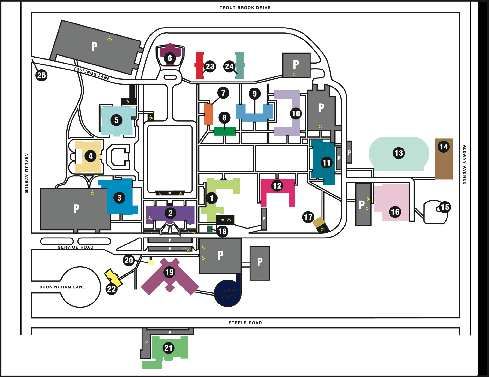
FACULTY & ADMINISTRATION CONTACTS

Program Director (MFT)
and Core Faculty (MFT)

Visiting Assistant Professor
Jeffrey W. White, Ph.D.,
LMFT
Mercy Hall 302
860-231-5355
jwwhite@usj.edu

Core Faculty (MFT)

Adjunct Professor
Danielle Moye, Ph.D.,
LMFT
dmoye@usj.edu

Adjunct Professor
Kara Fairchild, M.A..,
LMFT
kfairchild@usj.edu

Adjunct Professor
Kristina Chomick, M.A.,
LMFT
kchomick@usj.edu

                                    4
Adjunct Professor
 Karen Giunta, M.A., LMFT
 kgiunta@usj.edu

 Adjunct Professor
 Joan Calvert, Ed.D., LMFT
 jcalvert@usj.edu

Non-Core MFT Faculty

Dean, Human Development and Family Studies
Patrick Nickoletti, Ph.D.
Mercy Hall 301
860.231.2014
pnickoletti@usj.edu

Assistant Professor (HDFS)
Katharine Ann Buck, Ph.D.
Mercy Hall 348
860.231.2014
kbuck@usj.edu

School of Interdisciplinary Health and Science
Administrators and Staff
Dean, School of Interdisciplinary Health & Science
Elizabeth Francis-Connolly, Ph.D.
Mercy Hall 222
860.231.5471
efrancisconnolly@usj.edu

Dean, Human Development and Family Studies
Patrick Nickoletti, Ph.D.
Mercy Hall 301
860.231.2014
pnickoletti@usj.edu

Administrative Assistant (MFT Office)
Katherine McCrea
Mercy Hall 221
860.231.5331
kmccrea@usj.edu
                                              5
6
MFT PROGRAM MISSION AND PURPOSE

The mission of the Marriage and Family Therapy (MFT) Program at the University of Saint of
Joseph is to prepare students to provide mental health treatment to diverse populations of
individuals, couples, and families from a relational, systemic perspective. The MFT Program
mission is accomplished by training students to implement ethically competent, theory-
driven approaches, while enhancing multi-cultural awareness. Training and supervision occur
in a supportive environment where students are encouraged to explore the influence of
personal challenges, biases, and experiences on their clinical practice.

                              MFT PROGRAM DIVERSITY STATEMENT

The Marriage and Family Therapy (MFT) Program at the University of Saint Joseph (USJ) is
committed to the promotion of diversity within the practice, training, and research of MFT. As
part of this commitment, the Program strives to maintain a diverse composition among the
student body, faculty, instructors, and clinical supervisors. The MFT faculty emphasize a training
environment that values and respects diversity with the goal of preparing students to meet the
therapeutic needs of clients with diverse experiences, values, and worldviews. This goal is
addressed by encouraging in-class discussion, incorporating readings, developing course
assignments, and providing supervision that addresses issues of diversity in all MFT courses.
Specifically, students must demonstrate clinical competence working with clients whose sex,
gender identity, age, race, ethnicity, sexual orientation, family structure, socioeconomic status,
spirituality, ability, health status, immigration status, and/or any contextual influences that affect
the clients’ wellbeing. Training and supervision in the MFT Program is grounded in the philosophy
that therapists must also explore their own values, biases, and assumptions to meet the needs
of diverse clients through ethically competent practice. We understand the personal difficulty
associated with challenging one’s own personal worldview, however, we view this as a necessary
element of clinical development. Accordingly, all USJ MFT students, faculty, and supervisors must
adhere to these standards for diversity in clinical practice, training, and supervision. We maintain
that clients’ right to non-discriminatory services supersedes those of the students’ rights to avoid
treating clients for any reason that is considered by the supervisor and/or faculty to be
discriminatory. Any student, prospective student, clinical supervisor, or faculty member whose
expectations are inconsistent with the USJ MFT statement of diversity are encouraged to pursue
an affiliation with an institution that is in accordance with their personal perspective on client
diversity.

                                                 7
University of Saint Joseph Campus Map
8UNIVERSITY RESOURCES
The MFT Program at USJ offers several support services to our graduate students. Below is a list
of on-campus offices that are available to meet the needs of students.
Health Services 860-231-5530
http://www.usj.edu/student-life/campus-safety/health-services/
• A nurse practitioner and a registered nurse regularly staff the office for care of common illnesses.
• An appointment is not necessary for most services.
• A physician and registered dietitian are available on a weekly basis by appointment.
• There is no fee or insurance charge for most services provided in the office.
• Starting doses of over-the-counter and some prescription medications are available.
• Any full-time student who has submitted the required health records may use the office.
• Students do not have to be a participant in a school-affiliated insurance plan to receive services.
Counseling and Wellness Center 860-231-5530
http://www.usj.edu/student-life/campus-safety/counseling-services/
• The Center provides the following services, free of charge:
• Counseling for stress, relationship issues and adjustment problems, depression, anxiety and other
mood and psychological disorders
• Confidential individual counseling by appointment
• Limited psychiatric consultation or medication evaluation
• Immediate support for students in crisis
Information Technology (I.T.) 860-231-5310
http://www.usj.edu/student-life/resources-services/information-technology/
• A usj.edu email account
• Technical support
• Access to high-speed wireless network throughout campus
• Access to Windows and Mac-based computers
• Free antivirus software
• Access to and support for Blackboard, a web-based learning system used for class assignments,
grades, and announcements
Library Services 860-231-5209
http://www.usj.edu/academics/library/
• Circulation: Find information about library collections, borrowing privileges, loan periods, and more
• References: Get help from our librarians, who provide research and instruction.
• Reserves: Access instructor-assigned course materials.
• Interlibrary Loan (ILL): Learn about requesting materials from other libraries.
• Specific MFT journals and other resources
o http://usj.libguides.com/familystudies
o http://usj.libguides.com/marriagefamilytherapy
9Title IX Coordinator/Deputies 860-231-5390
https://www.usj.edu/student-life/public-safety/title-ix/
• Responsible for overseeing the prompt investigation and resolution of sexual misconduct
• Investigates, supports, and protects any involved parties
• Oversees annually published security reports and coordinates prevention initiatives
• Ensure the safety and well-being of the campus community
Financial Aid Services 860-231-5223 http://www.usj.edu/admissions-
financial-aid/tuition-and-financial-aid/ The office of financial aid
provides graduate students support for:
• Federal student loan support
• Graduate Assistantships
• Tuition Reimbursement
• Academic Scholarships
• Yellow Ribbon Program and Veterans Services
USJ Bookstore 860-231-5290
http://www.usj.edu/student-
life/bookstore/
• Assigned and recommended textbooks
• USJ apparel
• Study supplies
• Graduation regalia
Accessibility Services 860-231-5428
http://www.usj.edu/student-life/disability-services/
The Office of Accessibility Services strives to provide equal access to programs, facilities and services to
qualified students with documented disabilities, in accordance with the Americans with Disabilities Act
(ADA) and Section 504 of the Rehabilitation Act of 1973.
• It is the student's responsibility to self-identify to the Coordinator of Accessibility Services.
• You must submit a request for accommodations and support services each semester.
• Accommodations are not retroactive; therefore, we advise students to disclose and
request accommodations early in the semester.
Center for Academic Excellence (CAE) 860-231-5514
http://www.usj.edu/academics/academic-services/writingtutoring-center/
• One-on-one consultations, small-group tutorials, study tables and other advisement delivery modes
• Education on the values of compassionate service and the rewards of academic excellence
• Skills to enhance students' competencies in written expression and critical reasoning across and
within the disciplines
• Leadership development for students who serve as tutors
• Faculty assistance with integrating writing within their teaching, including writing assessment
and pedagogical support
• Supplemental instruction for students to advance their abilities to learn complex concepts
10COAMFTE ACCREDITATION
The University of Saint Joseph is accredited by the New England Association of Schools and Colleges.
The Master of Arts Program in Marriage and Family Therapy is also nationally accredited by the
Commission on Accreditation for Marriage and Family Therapy Education (COAMFTE) of the
American Association for Marriage and Family Therapy. The COAMFTE accreditation ensures the MFT
Program at USJ equips graduates with the knowledge and skills required for the post-graduate clinical
work settings. It also has been approved by the Board of Governors of the Department of Higher
Education for the State of Connecticut.
Student Learning Outcomes (SLO)
COAMFTE requires every accredited MFT program to define the specific program goals and
associated learning outcomes that students are expected to achieve upon completion of the
program. Below are the Program Goals and SLOs that are integrated into the USJ MFT curriculum.
Each MFT student should become familiar with the goals and associated outcomes of the MFT
program.
Program Goals & Student Learning Outcomes (SLO)
1. Theory and Application: Students will demonstrate an understanding and clinical application of the
major theoretical approaches specific to MFT.
SLO 1: Students will demonstrate their knowledge and application of systemically informed
approaches associated with the practice of MFT.
2. Scholarship: Students will reflect their competency in evaluating and applying current MFT
research.
SLO 2: Students will apply current effectiveness research to their clinical practice based on the
evaluation of the MFT literature.
3. Diversity: Students will integrate their contextual awareness into clinical practice with diverse
clients.
SLO 3: Students will demonstrate their clinical competency implementing a treatment approach
based on the needs of diverse clients.
4. Self of Therapist & Professional Development: Students will demonstrate an awareness of “self”
as it applies to their clinical practice.
SLO 4: Students will demonstrate an appropriate use of self in clinical practice that is consistent
with their theoretical approach.
SLO 5: Students will demonstrate professional conduct in clinical settings by openness and
responsiveness to feedback in all MFT-related activities.
5. Ethical Practice: Students will demonstrate their understanding of ethically competent clinical
practice by adhering to the AAMFT code of ethics.
SLO 6: Students will consider and apply the ethical criteria from the AAMFT code of ethics
throughout their clinical training.
116. Student Achievement Criteria: Students will meet the academic requirements to be eligible for
licensure as an MFT in Connecticut.
SLO 7: Students will complete the minimum required client contact hours (500 total/250
relational) while receiving at least 100 supervision hours from an AAMFT Approved
Supervisor over a minimum of one calendar year.
SLO 8: Students will complete their Program of Studies with a minimum of C+ (79%) in all MFT
coursework that is required for licensing in CT
12COAMFTE Student Achievement Criteria:
The University of Saint Joseph MFT program meets all COAMFTE requirements for Student
Achievement: (>65% Graduation Rate; >70% Licensing Exam Pass Rate)
COAMFTE Student Achievement Criteria Data for University of Saint Joseph
Accredited: August 7, 1989
Cohort Year
National Exam
Students # of Students in Graduation Rate Job Placement
Pass Rate
Entered Program (%)** Rate (%)***
(%)****
Program*
2007-2008 7 86% 100% 100%
2008-2009 20 70% 83% 100%
2009-2010 19 84% 100% 100%
2010-2011 12 58% 100% 100%
2011-2012 13 ^61% 100% 100%
2012-2013 18 77% 100% 100%
2013-2014 21 ^85% 91% 100%
2014-2015 13 ^61% 100% 100%
2015-2016 4 ^25% In Process In Process
2016-2017 10 ^0 In Process In Process
^Indicates student(s) are currently enrolled in the MFT Program.
* Programs are only required to provide data on the past 10 years/cohort or since the program
was initially accredited, whichever is shorter.
** Programs should report graduation rates for program’s Advertised Length of Completion. The
Advertised Length of Completion is how long the program is designed to complete as written.
***This is defined as the percentage of graduates from the cohort year listed that are employed
within 3 years of their graduation utilizing skills learned in the COAMFTE accredited program. Masters
and Doctoral programs are required to provide this information. Post-Degree programs are
encouraged to share this with the public.
**** Master programs are required to provide this information. Doctoral and Post-Degree programs
are encouraged to share this with the public. For Master’s programs only, COAMFTE has established a
benchmark of 70% pass rate for each cohort. Programs in California can use the California Law and
Ethics exam for MFTs to meet this requirement.
13PROFESSIONAL COMMITMENT AND IDENTITY
In order to meet the MFT Educational Outcome XI: Students will meet the academic requirements
to be eligible for licensure as an MFT in Connecticut, students enrolled in the program must
become student members of the American Association for Marriage and Family Therapists
(AAMFT), which also includes membership in the Connecticut organization (CTAMFT) their first
semester in the MFT Program.
When a student is accepted for a practicum, the student becomes the link between the
sponsoring agency and the MFT Program. In accepting this responsibility, students are expected
to fulfill their obligations to the practicum site during the specified period of time that is
negotiated in the formal practicum contract. Student interns must adhere to the ethical and
professional responsibilities of the profession by fulfilling their professional commitments and
obligations in accordance with the agency's policies.
ALUMNI & POST-GRADUATION INFORMATION
Alumni Feedback
The USJ program highly values the progress and accomplishments of MFT graduates. Upon
completion of the degree, students will be emailed a link to an anonymous Exit Survey to provide
feedback that will be used to enhance the MFT program. Additionally, MFT graduates are encouraged
to keep the MFT faculty members informed of their professional status (licensing exam, employment
in the field, professional accomplishments, etc.).
Letters of Recommendation
Students and graduates of the Program may request letters of recommendation directly from faculty,
supervisors, and/or Program Director. When providing a letter, faculty and staff will take into
consideration the level of professionalism, academic performance, and clinical competence displayed
by the requestor. A current résumé should be provided to the recommender and adequate time in
order to accommodate any request.
Connecticut Licensing
For the most up-to-date and thorough information regarding MFT licensing (LMFT) in Connecticut,
visit: https://portal.ct.gov/DPH/Practitioner-Licensing--Investigations/MFT/Marital-and-Family-
Therapist-Licensure-Requirements. Upon successful completion of the master’s degree program,
graduates are eligible to apply through DPH to take the Association of Marital and Family Therapy
Regulatory Boards (AMFTRB) exam. Graduates must also obtain at least one year of supervised
post-graduate work experience: 1000 hours of direct clinical contact; 100 hours supervision by a
LMFT.
14Transferability (Portability)
COAMFTE accreditation is intended to ensure students are provided with the graduate training
experience required by its home state (i.e., Connecticut) as the first step toward becoming an LMFT.
While we follow policies that align with national standards and are not aware of graduates of USJ’s
MFT Program who have been denied licensure in other states, we cannot guarantee that other states
will grant reciprocity of a license obtained in Connecticut or accept the training and supervision
achieved through USJ’s MFT Program. We encourage students who may want to practice in another
state post-graduation to directly contact the licensing board of that state.
MFT PROGRAM POLICIES AND PROCEDURES
Handbook Review and Revision
To maintain the most current University, Department, and Program policies and procedures, this
handbook will be reviewed and updated prior to each fall semester. Clarification of policies and
procedures from students and faculty should be directed to the Program Director for review. Each
student should visit the MFT program website to download a copy of the most recent version of the
MFT Student and Internship Handbooks. Please note that the policies and procedures in this document
are a guide to offer helpful information that is Program specific. The information provided is not
intended to be an exhaustive description of MFT Program information or to supersede any University
policies. Address any questions for further clarification to the MFT Program Director. Any feedback
for updates and revisions to the student handbook are welcomed by the Program Director to be
considered among the Department faculty.
University of Saint Joseph Non-Discrimination & Title IX
The University of Saint Joseph, including the Gengras Center School and the School for Young
Children, is accredited by the New England Association of Schools and Colleges, Inc. and the
Connecticut Office of Higher Education. The University of Saint Joseph prohibits discrimination
against any persons on account of their race, color, religious creed, age, sex, gender identity or
expression, sexual orientation, transgender status, marital status, national origin, ancestry,
disability (including, but not limited to, intellectual disability, present or past history of mental
disorder, learning disability, or physical disability), genetic information, homelessness, prior
conviction of a crime, or any other characteristic protected by law, in the administration of its
educational policies, admissions policies, scholarship and loan programs, and employment
practices (unless there is a bona fide occupational qualification related to employment).
The Marriage and Family Therapy Program seeks to further these objectives by:
• Encouraging all MFT students to participate in the AAMFT Student Organization to offer
and receive feedback about program diversity from the organization
• Supervise students’ application for the Minority Fellowship Program through AAMFT
• Recruiting faculty, instructors, and supervisors who belong to minority groups for
newly- opening positions
• Eliminating standardized entrance exams (GRE, GMAT, etc.) which some have said to be
racially or otherwise biased.
15All inquiries concerning the University’s non-discrimination policies may be referred to Deborah
Spencer, Human Resources director/Title IX coordinator, telephone 860.231.5390 or email
titleIX@usj.edu, or to the U.S. Department of Education, Office for Civil Rights, 8th Floor, Five Post
Office Square, Boston MA 02109, telephone 617.289.0111, TDD 800.877.8339, fax 617.289.0150,
or email ocr.boston@ed.gov.
Documented Disability and Disclosure of Personal Information
The University of Saint Joseph is committed to ensure the full participation of all students in
its programs. Accordingly, if a student has a documented disability and, as a result, needs
reasonable accommodation(s) to attend, participate, or complete course requirements, then
he/she should inform the instructor at the beginning of the course. For further information about
services at University of Saint Joseph for students with disabilities, contact the Coordinator of
Disability Services. To be provided with reasonable accommodation(s) you must present
appropriate full documentation of your disability to the Accessibility Services Coordinator. Please
consult with your professor and contact the Accessibility Services Coordinator at 860-231-5481.
The MFT faculty members aim to be supportive of the personal issues that often come up for
MFT students throughout training. We encourage students to seek guidance from an MFT faculty
member when these issues arise. It is to be expected and clinically appropriate for faculty and/or
supervisor to discuss these issues with the student should it begin to affect academic or
professional conduct. We are also aware that sometimes students may feel uncomfortable
sharing this information without knowing if this may harm them professionally or academically.
The following are the guidelines used for the disclosure of personal information among MFT or
University faculty.
Faculty members share student clinical and academic progress in the context of student
evaluation. Personal information specifically related to clinical practice and academic
performance may be discussed during these evaluations. The faculty members do not share
personal confidences of students unless these directly impact the personal safety of the student
or others, or involve abuse of vulnerable populations (e.g., children and elderly). For example, a
faculty member may share that a student is struggling during a student evaluation, but will not
share the content of these issues unless they relate directly to the above stated areas. Relevant
information will be shared among faculty members for the sole purpose of developing the
necessary support efforts. Personal information may also be shared by MFT faculty members
with prospective employers if the student offers a faculty member as a professional reference.
Professional Readiness Statement
The MFT faculty recognize and take seriously their ethical responsibility to monitor the readiness
of students wishing to enter the profession. The AAMFT Code of Ethics (2015) states that MFT
faculty and supervisors must provide:
4.4 Oversight of Supervisee Competence. Marriage and family therapists do not permit
students or supervisees to perform or to hold themselves out as competent to
perform
16professional services beyond their training, level of experience, and competence.
4.5 Oversight of Supervisee Professionalism. Marriage and family therapists take
reasonable measures to ensure that services provided by supervisees are professional.
As such, the MFT faculty take steps to evaluate each student’s professional development over
the course of their training.
CODE OF CONDUCT
Graduate Academic Probation and Dismissal
The MFT Program adheres to the Office of Graduate Studies’ policy regarding the minimal
requirements for acceptable academic standing. Additional information may be obtained from
the Office of the Registrar and the USJ Academic Catalog under Academic Policies. MFT Program
criteria are as follows:
1. If an MFT student's grade point average (GPA) falls below 2.67 or receives a D or F in a course(s)
(inclusive of Academic Integrity violations), the Program Director and MFT Faculty members
review the student’s file. The student will then be placed on academic probation.
2. The Program Director sends a letter of notification to the graduate student to inform him/her
of the academic probation. The Program Director will also notify the registrar's office and the
graduate office about any action taken against the graduate student.
3. Probation cannot be appealed. A graduate student may only be placed on probation once.
Should conditions be met for a second probation, academic dismissal proceedings will
commence. Note: Academic dismissal can be appealed.
4. Once on probation, the student has 6 credits to raise the GPA to or above 2.67. If the graduate
student enrolls in more than 6 credits in one probationary semester, all credits will count toward
the graduate student's GPA calculation.
5. After completing the 6 credits, if the graduate student improves his/her GPA to the required
standard, the graduate student's academic probation status will be removed, and he/she may
continue in the program. If the graduate student does not improve the GPA to the required
standard, he/she will be academically dismissed from the graduate program. Note: Academic
dismissal can be appealed.
Class Attendance Policy
The three credit hour of graduate course is universally understood to mean 45 hours of
classroom work across the course of one academic semester or its equivalent. When a grade is
assigned at the end of the semester, it is taken to mean that the student met the semester
hours of classroom instruction and participation requirement. For this reason, students are
expected to meet all class sessions. The Faculty understand that there may be a rare emergency
that could have an impact on one's attendance. It must be clear, however, that missing a class,
regardless of the reason, does not relieve the student of the responsibility for work missed.
17to the anticipated absence. The following class, the student should submit documentation of
the illness or emergency. Note: Repeated late arrivals (i.e., greater than 10 minutes) may be
considered an absence by the instructor.
Substance Use Policy
All MFT students must adhere to the University of Saint Joseph Graduate Student Handbook
regarding alcohol and illicit substances on campus or University-related activities (e.g.,
internship). In the event that a student is in violation of University policy, a meeting will be
scheduled with MFT faculty members to discuss the concerns. The response to the concerns will
be taken on a case by case basis, based on the individual needs of the student. Potential
outcomes may be, but are not limited to documentation of treatment or dismissal from the MFT
Program.
MFT PROGRAM CLIMATE
The MFT Program is committed to students’ clinical and professional development by promoting
a safe and inclusive setting for training. Safety is summarized as protection from danger or injury,
through which all students’ experiences are equally valid and recognized. MFT students can expect
a learning environment that fosters safety to explore personal history and experiences. However,
members of the class may also experience a sense of discomfort or uneasiness that is expected
for growth and development. It is expected that each student will challenge their personal
perspectives and understanding, as well as that of their classmates, which may evoke a sense of
discomfort. Such responses will be used to apply to a therapeutic setting to enhance clinical
practice.
The training philosophy in the MFT Program is based on a collaborative stance that balances an
expectation for personal challenge and professional conduct. Students are considered an active
participant in their own learning and are, therefore, expected to engage in classroom discussion
and assignments and contribute to their own learning. As such, any disclosures that students
make in class are to be treated with the same expectations for confidentiality as therapy.
Specifically, nothing shared by other MFT students over the course of training is to be discussed
by other students outside of the classroom. This includes discussion among other members of the
class (i.e., subgrouping) or otherwise.
STUDENT CONCERNS, COMPLAINTS, & GRIEVANCES
Student Concerns and Complaints
Student concerns in the MFT Program are considered an informal disagreement about a program
policy, grade, instructor, etc. Informal concerns are handled collaboratively between the student
and the appropriate representative of the MFT Program (e.g., instructor – course grade). Student
complaints in the MFT Program are formally documented between the student, instructor, and
18MFT Program Director. The student should submit a written description of the complaint and
schedule a meeting with all parties involved (e.g., instructor, Program Director, student). A record
of the meeting and the outcomes that were achieved will be filed in the MFT Program office and
used for on-going program improvement.
19If any student has a concern or complaint with professor, supervisor, or any aspect of the Program,
the student should first discuss with issue with the party involved in the matter of concern. If a
satisfactory outcome is not achieved, then the concern should be brought to the MFT Program
Director. Every attempt shall be made to explore the issue thoroughly and achieve a mutually
acceptable outcome to all parties.
Student Grievance Policy and Grade Appeals
Student grievances are to follow the USJ Catalogue procedure, which can be accessed at:
www.usj.edu/catalogue. It is also encouraged to inform Department Administration of the
concern for additional department-specific documentation. Note: any grade appeal in a course
must be initiated no later than 10 business days of the start of the semester that follows the
semester in which you took the class.
DEGREE REQUIREMENTS
Time to Degree
The minimum time to complete the MFT Program is two years and one semester when taking the
full-time track, which is equivalent to three courses per semester (i.e., fall, spring, summer). The
maximum time to complete the MFT Program is three years and two semesters when taking the
part-time track. Additional credits may be required in the event that a student is not able to
accumulate the required number of client contact hours (i.e., 500 total). In the event that a
student takes a leave of absence or otherwise withdraws from coursework, the University allows
up to six years from the date of matriculation to complete the degree (See USJ Student
Handbook).
Transfer Credits
A maximum of six credits may be transferred from another accredited graduate school into a
University of Saint Joseph graduate program although exceptions to this limit may occur. To be
eligible for transfer credit, a course to be transferred must carry a grade of B or higher. Transfer
of credits is not granted automatically. Application forms for transfer of credit are available in the
Graduate Admissions Office. The course work in such transfer requests must have been completed
within the last seven years. An official transcript of the credits and a completed transfer of credit
form must be received in the graduate office. A student must also submit the course syllabus for
review by the department chairperson. No transfer credit will be considered until the student
has been matriculated.
Coursework/Credit Hours
Students must successfully complete a minimum of 60 credit hours in the MFT program that is
assigned in the program of study. The core areas of study include family therapy theory, clinical
skills, lifespan development, empirical support in clinical practice, and supervision.
20Internship Requirements
MFT students are required to complete at least 500 direct client contact hours. At least 200 of
those hours must be relational hours (i.e., family, couple, family/couple group). In addition to the
minimum client contact hour requirement, each student must successfully complete at least one
semester of Advanced Level practicum. Additional information about the internship process can
be found under “Internship Overview” (this document) or in the Internship Handbook.
Capstone: Theory of Therapy Presentation
MFT students must successfully present his/ her Theory of Therapy as part of the MFT Capstone
course. The Theory of Therapy presentation is an opportunity for the MFT faculty members to
assess students’ ability to integrate the information and skills learned over the course of their
program of study. Students submit a written description of his/her model, followed by a
professional clinical presentation that includes clinical videos of the described approach. This
assessment will be used as a measure of clinical competency and professional readiness in the field
of MFT.
If a student is unable to successfully demonstrate criteria for the MFT Theory of Therapy and is
required to represent, he /she is required to either be enrolled in Practicum (i.e., if he /she still
has remaining client contact hours) or enroll in MFTH-599 (i.e., if he/she has completed required
client contact hours). MFTH-599 is a zero-credit course structured to provide students with
directed supervision for his or her Theory of Therapy while obtaining additional experience and
recorded videos required for successful completion of the MFT Capstone course. A student is not
permitted to take a directed study nor is a student permitted to not be enrolled in a supervision
course.
Application for Graduation
Each graduate student must complete a degree application and pay the graduate fee for the
University to assess eligibility for graduation. Degree applications and audits can be found on the
Student tab of MyUSJ. Students can apply for graduation on MyUSJ by clicking on the “Graduation
Forms” link under the Student tab. There is also a direct link to this page:
www.usj.edu/graduationapplications
DISTANCE EDUCATION
Distance education in the MFT Program takes the form of hybrid and online courses in which
50% or 100% of traditional face-to-face “seat time” on-campus is replaced by online learning
activities. Online learning activities are utilized as a means of complementing the face to-face
learning instead of treating the online component of the hybrid course as an add-on or
duplicate of what is being taught in the on-campus classroom. Students are expected to
complete all readings, online learning activities (e.g., internet-based lectures), and online
assessment activities (e.g., comprehension quizzes) designated on the syllabus during the
distance education weeks of the course in preparation for the on-campus curriculum.
21MFT COURSE DESCRPTIONS
Core Theories in Family Therapy
Family Systems Theory
This course establishes the theoretical foundations of the Marriage and Family Therapy field by
providing an in-depth study of family systems theory. Students are required to read the
fundamental writings of the theoreticians in the field including general systems theory,
communication systems, chaos theory, cybernetics and theoretical metaphors used to translate
family systems theory into applied contexts.
Modernist Models of Family Therapy
This course introduces students to the theoretical concepts and practical applications of the
modernist systemic approaches to family therapy including assessment and treatment
interventions for each model. Case conceptualizations will incorporate a contextual perspective,
emphasizing diversity in culture, gender, and sexuality. Students will become familiar with and
critically evaluate the current literature for the various approaches. A variety of presenting
problems will be used for application to the systemic models.
Couples & Sex Therapy Models
This course will provide orientation and structure for conducting couple therapy from a
systemic framework. Students will become familiar with and critically evaluate various
approaches for treating couples in therapy based on the current literature. Strategies for
intervention that take into account the contextual considerations of couple and sexual
relationships will be emphasized.
Postmodern Models of Family Therapy
This course is designed to provide students with an introduction to methods of intervention in
family therapy from a social construction lens, including postmodern theories and approaches.
Clinical approaches that will be examined include narrative therapy, solution-focused therapy, and
collaborative language systems. Students will become familiar with and critically evaluate
postmodern approaches for treating a variety of presenting problems.
Marriage and Family Therapy Capstone
This course provides advanced marriage and family therapy (MFT) students with the opportunity
to demonstrate a cumulative understanding and integration of core theoretical knowledge and
clinical competence in the field of MFT. Course assignments will integrate previous course content
related to the major theoretical approaches, ethical guidelines, multicultural awareness, and
research methods. Supervision evaluations and professional development feedback that the
student has received throughout their training will also be included as a measure of clinical
competency and professional readiness.
22Foundational Clinical Skills
Basic Therapy Skills
This course is an introduction to the skills and methods associated with therapeutic practice. It is
designed to introduce students to the various techniques required for developing and
maintaining relationships with clients in a therapeutic setting. The course includes tasks and
assignments intended to expose each student to the experiential component of conducting
therapy. Key concepts and skills are implemented through interactive exercises and
presentations.
Advanced Therapy Skills
This course applies the basic therapy skills to advanced clinical issues in preparation for the MFT
internship experience. Students will demonstrate their professional readiness in maintaining the
therapeutic alliance, creating treatment goals, assessing client progress, and understanding
clinical supervision. The course includes experiential tasks and assignments using video and live
supervision. Each member of the course is expected to engage in the active evaluation of other
students’ work by providing constructive feedback through in-class discussion.
DSM and Psychopathology
This course will focus on familiarizing students with diagnostic procedures using the DSM-V, while
challenging the student to understand and evaluate each mental disorder from a broader social
constructionist and systemic perspective. Students will review recent knowledge and practice
developments within the major diagnostic categories through the lens of cultural and systemic
discourse.
Ethical, Professional Identity, and Legal Issues for Marriage and Family Therapists
This course will provide an overview of ethical and legal issues that arise in the practice of
marriage and family therapy. Issues dealing with risk management, the provision of ethically
informed treatment and the legal and ethical responsibilities of MFT’s will also be addressed. All
curricula and learning outcomes focus on the development of proficiency in the core
competencies as outlined by AAMFT as necessary for excellence in clinical practice.
Self-of-the-Therapist
This course provides marriage and family therapy (MFT) students with the opportunity to connect
personal dimensions of therapy with technical facets of clinical work. Particular emphasis will be
placed on the role of the therapist in family therapy, the self of the therapist, and the use of self
in therapy. This class will emphasize assisting students in identifying emotional issues, personal
values, and biases. With this information, students will explore how self-of-therapist issues
manifest themselves in their interactions with others and how these can impact their work within
clinical settings.
Couples & Sex Therapy Topics
This course will examine the unique challenges and special considerations when working with
couples. Couple relationships will be assessed and examined from a contextual perspective,
emphasizing diversity in culture, gender, and sexuality. Students will be provided an
introduction to concerns inherent in working with couples.
23Lifespan Development
Human Development
This course will provide an overview of human development throughout the lifetime in the family,
social, and cultural context. The individual and family lifecycles are viewed as mutually interactive
processes that are also affected by such factors as biology/genetics, gender, race, ethnicity,
acculturation, religion, etc. The development of the individual is traced chronologically through
a survey of a select number of major theoretical approaches. Factors influencing development
such as developmental tasks, family, and cultural context are explored concurrently. This
exploration serves as a backdrop for client assessment and case conceptualization. All curricula
and learning outcomes focus on the development of proficiency in the areas of knowledge, skills,
attitudes/values and the behavioral outcomes necessary for excellence in clinical practice.
Child Development and Play Therapy
This course is designed to provide an overview of the field of Play Therapy with children ages two
through twelve years of age. Attention will be directed to a variety of children’s issues and an
emphasis will be placed on understanding how to therapeutically utilize a combination of play
therapy and psychotherapeutic techniques with children. This course will sensitize students to
the power of play as a symbolic communication and its capacity for therapeutic growth, healing,
and transformation in children. Review of the definition, history and basic assumptions of play
therapy will be provided. Special attention will be given to process and skills along with the
application of therapeutic strategies to high incidences of childhood emotional and behavioral
disorders and problems.
Empirical Support in Clinical Practice
Research Methods
This course is designed to develop an understanding of basic research methods in social science,
specifically the field of marriage and family therapy (MFT). This course will attend to processes
of applied research methods, including that which relate to research of family system dynamics.
Students will develop abilities in research interpretation, critique, and application using APA
format.
Gender and Diversity in Family Therapy
This course is designed to increase awareness and competency regarding to the role of gender
and diversity in our work as family therapists. Class discussions and assignments will be aimed at
critically examining issues of gender and diversity, promoting cultural awareness and sensitivity,
examining and deconstructing gender scripts, and increasing the ability to clearly articulate how
gender and diversity informs our assumptions, perspectives and values as a clinician.
Collaborative Healthcare Practice
This course is intended to provide an introduction to collaborative healthcare practices using a
biopsychosocial lens. Collaborative healthcare approaches that are used to treat the family
effects of medical illnesses will address several of the core competencies of medical family
therapists (MedFTs). Required readings and assignments provide exposure to current trends in
the field.
24Evidence Based Practice
This course will provide an introduction to definitions and competencies connected with
“Evidence-Based Practice” (EBP) and an overview of the history, theoretical foundations, and
implementation of several nationally (and internationally) acclaimed evidence-based in-home
family treatment models, as well as a few of Connecticut’s “home-grown” promising practices.
Over the course of the semester, students will receive didactic training in the theory and practice
of these treatment models, and hands-on training exercises to demonstrate the use of some of
the specific treatment tools that are utilized within the models.
MFT Supervision
Marriage and Family Therapy Practicum
MFT Practicum provides students with an advanced clinical experience in marriage and family
therapy. Practicum is based on a loose “cohort model”, which is informed by a set of skills that
must be demonstrated. Students progress to the next level of practicum when they have
achieved the identified goals for that section. Advancement to the next level of practicum
(Beginning, Intermediate, Advanced) is achieved once the supervisor determines that the student
has met the designated goals for the respective practicum stage. Students will have the
opportunity to implement theoretical models in their practicum settings. The practicum also
provides the opportunity to reflect upon varying clinical approaches, and to evolve a theory of
change to conduct marriage and family therapy.
25Program of Study
Fall I
MFTH 550 Basic Therapy Skills (3)
MFTH 560 Family Systems Theory (3)
MFTH 580 Human Development (3) - Hybrid
MFTH 592 Child Development & Play Therapy (3)
Spring I
MFTH 561 Family Theory – Traditional Approaches (3)
MFTH 581 DSM & Psychopathology (3) - Hybrid
MFTH 597 Research Methods (3)
MFTH 561 Ethical, Professional Identity and Legal Issues for MFTs (3) - Online
Summer I
MFTH 565 Advanced Therapy Skills (3)
MFTH 567 Self-of-the-Therapist (3)
MFTH 571 MFT Practicum I (3)
MFTH 584 Couples & Sex Therapy Topics (3) - Online
Fall II
MFTH 596 Collaborative Healthcare Practice (3) – Hybrid
MFTH 572 MFT Practicum II (3)
MFTH 585 Couples & Sex Therapy Models (3) - Online
MFTH 582 Gender and Diversity Issues (3)
Spring II
MFTH 562 Family Therapy II: Post-Modern Models of Family Therapy (3)
MFTH 573 MFT Practicum III (3)
MFTH 564 Evidence Based Practice (3)
MFTH 598 MFT Capstone (3) - Hybrid
Summer II
MFTH 574 MFT Practicum IV (3 - if needed)
Fall III
MFTH 575 MFT Practicum V (3 – if needed)
Spring III
MFTH 576 MFT Practicum V (3 – if needed)
*Additional practicum courses (3-9 credits) may be needed to complete practicum hours.
Length of time to completion: 2 yrs
Part time option is available.
Discuss alternatives with Program Director.
Total Credit Hours: 60 – 69 hours
26GRADING SYSTEM (Graduate School)
Grade Definition Grade points Grade Definition Grade points
A 100-93 4.000 A- 92-90 3.670
B+ 89-87 3.330 B 86-83 3.000
B- 82-80 2.670 C+ 79-77 2.330
C 76-73 2.000 C- 72-70 1.670
D+ 69-67 1.330 D 66-63 1.000
D- 62-60 .670 F less than 60
C, D, or F Grades
A grade of C or below is subject to review by department in which the student is matriculated.
The acquisition of a grade of C or below in two courses necessitates a reconsideration of candidacy
and the possibility of repeating course work. Receipt of a grade of D or F in a required course,
necessitates repeating the course and a reconsideration of candidacy.
GPA to Graduate
In addition to department requirements, all students must have a grade point average of 2.67
or better to graduate from the USJ Graduate School.
Withdrawal “W” Grades
Withdrawal from a course while in good standing (W grade will only be given if the student
completes an official Course Withdrawal Form (available from the Registrar’s Office) and is
receiving a passing grade in the course at the time of the request. Discontinuance of class
attendance and/or notification of the course instructor does not constitute an authorized
withdrawal. Unauthorized withdrawal will be recorded as an F grade for the course.
Incomplete “I” Grades
Incomplete (I) grades will only be assigned to a graduate student whose work is otherwise
satisfactory but due to illness or unusual and extenuating circumstances is prevented from
completing the work during the semester in which she/he is registered. The student has the
primary responsibility for requesting an I grade from the course instructor prior to the final
examination or culminating activity of the course. If the instructor agrees to the request, it is the
student’s responsibility to arrange with the course instructor to complete the course work within
six weeks. Under special circumstances, students may petition the Academic Dean to extend the
time limit in which course work may be completed. Forms to request an incomplete grade are
available in the Registrar’s Office. A student who does not arrange with the course instructor to
complete the course work, or does not satisfactorily complete the course work as arranged will
receive a grade of F for the course.
REGISTRATION STATUS
Academic Advisor
Upon matriculation into the MFT Program, each student is assigned an academic advisor. The role
of the academic advisor is to provide guidance on degree completion and professional
27development. Students are recommended to schedule a meeting with their academic advisor
periodically to discuss their progress and areas of concern. Any changes to the student’s official
program of study (e.g., dropping a course) must be approved by his or her academic advisor and
documented with the MFT Office and Registrar.
Changes to the Program of Study (POS)
Any changes to the original POS (Appendix B/C) that is assigned upon matriculation must be
discussed with the advisor. This includes any added or dropped courses or courses that must be
repeated. Verbal confirmation or email correspondence of approval must still go through the
official procedures. Registration for any courses that are not consistent with the POS will not be
allowed. It is the student's responsibility to initiate the meeting and allow enough time for the
completion of the following required procedures:
1. Schedule a meeting with your advisor to discuss any changes to the POS. This includes
dropping or adding a course once the semester has begun. Any implications for this
change will also be discussed (e.g., graduation date may be delayed).
2. Pending approval from the advisor, an official “Change in POS Form” (Appendix D) will be
completed and signed by the student and advisor.
3. The completed forms are then submitted to the MFT Office for submission to the registrar.
Dropping/Adding Courses
During the first two weeks of the semester, students may drop and/or add courses. If a student
officially drops a class during the 10-day add/drop period, the course will be voided from the
record.
Leave of Absence (for matriculated students)
A student in good standing who wishes to interrupt his/her university program may request a
leave of absence for up to one year (two semesters exclusive of summer) from the date of the
leave of absence. Leaves are arranged through the Registrar’s Office after the Academic Dean’s
approval is obtained. For students going on a leave of absence, the Registrar will drop all current
courses or issue a grade of W for all courses if the leave is initiated after the ten-day add/drop
period. The leave of absence option allows the student to re-enroll at the University within the
following year without going through the readmission procedures. A student who does not enroll
at the end of the leave period will be administratively withdrawn from the University by the
Registrar. Should this student later decide to return to USJ, it will be necessary to apply for
readmission.
Withdrawal from the University (for matriculated students)
A student wishing to withdraw entirely from the University may obtain withdrawal forms from the
Office of the Registrar. An exit interview must be scheduled with the Dean who will sign the form.
If the withdrawal is initiated within the 10-day add/drop period, the Registrar will drop all courses
for which the student is registered. If the withdrawal is initiated after the 10-day add/drop period,
the Registrar will issue a grade of W for registered courses. Students will also be dropped from
all pre-registered courses. Students who have withdrawn from the University and later decide to
return must reapply for admission.
28Administrative Withdrawals of Matriculated Students
The Registrar will administratively withdraw students who do not show registration activity for
four consecutive semesters (exclusive of summer). These students must reapply for admission
upon their return. To prevent an administrative withdrawal, matriculated students are strongly
encouraged to apply for an official leave of absence if they anticipate an extended absence
between semesters.
Audit Policy
Auditing carries no credit and no grade. Even though the course is entered on the student’s
transcript, it does not affect a student’s part-time or full-time status. Audited courses may not be
repeated as credit courses in subsequent semesters. Audited courses are on a space available
basis and are billed at one-half tuition. Prior to the third week of classes, an audited coursed may
be changed to a credited coursed with the appropriate tuition adjustment or may be added or
dropped by completing an add/drop form in the Registrar’s Office.
ACADEMIC INTEGRITY
(See USJ Academic Catalog for complete description)
It is the policy of the University of Saint Joseph that all members of the community act honestly.
By enrolling in or working at the University, all members implicitly agree to uphold the
University’s policy on academic integrity. All assignments assume this pledge whether or not is
made explicit: “I understand the Academic Integrity code, have acted with Academic Integrity,
and I have not witnessed any instances of Academic Dishonesty by other students.”
Academic Dishonesty:
Violations of the Academic Integrity policy can take many forms. Some examples include, but are
not limited to: plagiarism, unassigned collaboration, cheating, misrepresentations, and/or cyber
fraud.
Procedures for Faculty:
A faculty member who believes he or she has found Academic Dishonesty should, within five
procedural days of the discovery, electronically submit the Academic Infraction Form (AIF) to the
Academic Integrity Officer (AIO). The faculty member may consult with the AIO prior to
submitting the AIF, but the AIO will not disclose whether or not the student was found guilty of a
prior violation until after the AIF is submitted.
Within five procedural days of receiving the AIF, the AIO will (1) advise the faculty member as to
whether or not the alleged infraction could be considered a violation of the Academic Integrity
policy, (2) advise the faculty member if the violation qualifies as Incidental, Typical, or Flagrant,
and (3) notify the faculty member of any prior violations by the same student.
29Categories of Academic Integrity Violations:
Specific procedures and sanctions are associated with the following categories of violations:
Incidental, Typical, or Flagrant violations.
EVALUATION OF MFT STUDENT PERFORMANCE
Professional Development
Students are evaluated for professional development among Program faculty once per semester
(Fall and Spring). Any students who are evaluated as below expectations for MFT conduct and/or
adherence to MFT Program policies will meet with the MFT faculty members to create a plan for
remediation using the Formative Feedback Plan for Professional Growth (Appendix E). The formative
feedback plan is intended to share the identified concerns and collaboratively design a plan to
address the concerns with steps that will allow the student to successfully meet the expectations
for graduation. Once the student completes the steps, a follow up addendum to the plan can be
added to the student’s file. In the event that the recommendations from the plan are not
completed within the designated timeline, the student’s candidacy in the program may be
reviewed by the Department administration.
Clinical Competence
The USJ MFT Program is designated by four professional skills that are used to evaluate the program’s
effectiveness in preparing student for clinical practice. Specifically, measures of students’ MFT
Therapy Skills, Writing & Critical Analysis, Self-of-Therapist Reflection, and Professional
Presentations are used to evaluate students’ achievement of the designated learning outcomes.
These skills are measured using four standardized rubrics for various assignments throughout the
program of study (Appendices G-J). Students are given copies of the rubrics from the instructor of the
course. Each rubric is assigned to specific courses so that students’ progress can be monitored.
INTERNSHIP OVERVIEW
The Practicum Experience
The practicum experience provides a guided transition from the academic setting to the
professional field of work at an unpaid supervised entry-level position. An off-site internship
commences at the beginning of a semester in which the student simultaneously enrolls in an on-
campus practicum class. Generally, full-time students begin the clinical practicum at the start of
their second year of training. Student interns are placed in a variety of selected off-site settings,
including mental health centers, child guidance clinics, and counseling service agencies. Any
students participating in a clinical setting and has client contact must participate in on-campus
supervision by registering for an MFT practicum course. In their practica, each student
participates in a supervised clinical experience providing treatment for individuals, couples, and
families. Practicum activities are many and varied, drawing upon students' entire range of
preparation and experience. The activities and requirements of the
30You can also read


