2020 Computer Science - Find your future at: london.ac.uk/computer-science - University of London
←
→
Page content transcription
If your browser does not render page correctly, please read the page content below

Undergraduate programme in

Computer
Science
2020
Your future is at your fingertips

Academic direction by

Find your future at: london.ac.uk /computer-science

Contents
A University of London degree from
anywhere in the world                     3
Your future is at your fingertips         4
Goldsmiths, University of London          6
Collaboration with Coursera               8
Online and flexible learning explained    10
Take your career to the next level        11
Degree structure                          14
Entry requirements                        16
Fees and funding                          17
Your University of London qualification   18

                                               Key dates
                                               Applications open
                                               20 May 2020

                                               Applications close
                                               7 September 2020

                                               Registration closes
                                               21 September 2020

                                               Course starts
                                               October 2020
A University of London degree
from anywhere in the world
 1   Career opportunities                                  4   Tutor support
Enhance your computing, analytical and problem-           All students receive tutor guidance and feedback while
solving skills, using and developing emerging             studying for one of the BSc Computer Science degrees.
technology – focusing on your future.                     If you register at one of our Recognised Teaching Centres
                                                          you’ll attend face-to-face classes and additional support;
 2   Quality                                              if you’re an online learner, you’ll join a virtual tutor group.
Gain a world-class University of London degree.
Choose from a suite of pioneering BSc Computer
                                                           5   A mark of excellence
Science qualifications, which have been created by        The University of London’s distinguished history of
Goldsmiths, University of London, one of the UK’s most    distance learning dates back to 1858. You’ll gain a
innovative universities in the Computer Science field     prestigious qualification that is recognised worldwide.
and a top 20 UK computing research institution.
                                                           6   Join the World Class
 3   Learn anywhere                                       When you graduate, you become part of our
We offer you the flexibility to fit your studies around   global network of influential alumni, which includes
your working life. If you need to travel, you can take    leaders in industry and Nobel Prize winners.
your studies with you.

                                                                                   london.ac.uk/computer-science 3
Your future is at
your fingertips
The BSc Computer Science from the University of London gives you the skills to achieve
your career goals. Our degrees use creative interactive approaches to provide immersive
learning experiences that will help you build the technical and transferable skills you
need for a fulfilling career.
This distance learning degree is defined by emerging      London as an academic base
technology – it isn’t bound by lecture theatres or
                                                          London is home to some of the world’s most innovative
computer labs. You will study interactively through
                                                          and entrepreneurial companies; over
the Coursera online learning platform, joining a global
                                                          a third of all European billion-
network of students. However, you will not be expected
                                                          dollar start-ups are based

                                                                                             50,000
to learn on your own. You’ll be part of a learning
                                                          in the UK. Many creative
group supported by professional computing tutors,
                                                          tech giants, including
either at a recognised teaching centre or online.
                                                          Facebook and Google,
You will learn from experts in computing. Their           have offices in London.               students in over

                                                                                               180
knowledge is drawn from real-life experience
                                                          This suite of BSc Computer
across a wide range of regions and industries.
                                                          Science degrees draws
                                                          upon the city’s creative
A trusted name in global education                        and technological pedigree.                    countries
Founded in 1836, the University of London is one          You will be equipped
of the oldest and most prestigious universities in        with skills that are at the
the UK. In 1858, we made our degrees available            cutting edge of the industry,
to study anywhere in the world. We now have               wherever you are in the world.
50,000 students in more than 180 countries.
                                                          In your final year, you have the opportunity
Among our former students are seven Nobel Prize           to transfer and study on campus at
winners, including Nelson Mandela and Charles             Goldsmiths, University of London.
Kao, a pioneer in the development of fibre optics.

4 Computer Science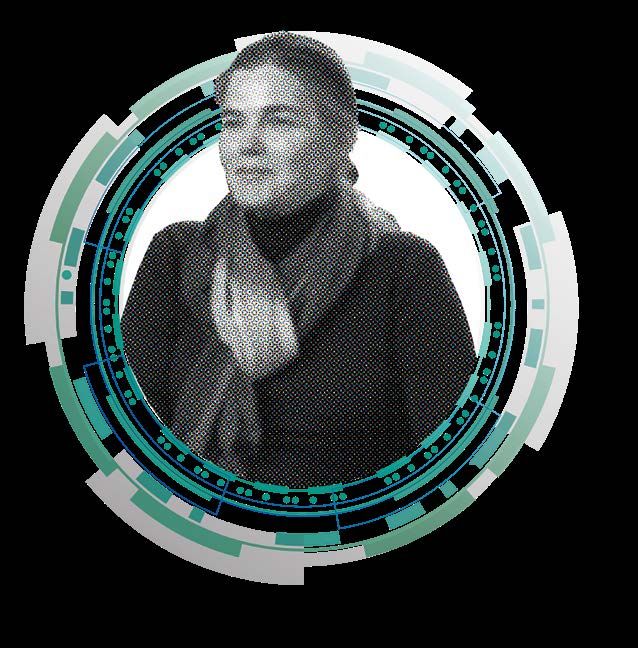
“Goldsmiths computing
is about creativity. We are
inspired by the fantastic art
and music that surrounds
us and we try to infuse this
into our computing practice.
Students of this course will
not only be able to program
and work logically to create
solutions to problems – they
will be able to try out their
own ideas and express
themselves creatively.”
Dr Sarah Wiseman
Co-author of the Web Development module

                                          london.ac.uk/computer-science 5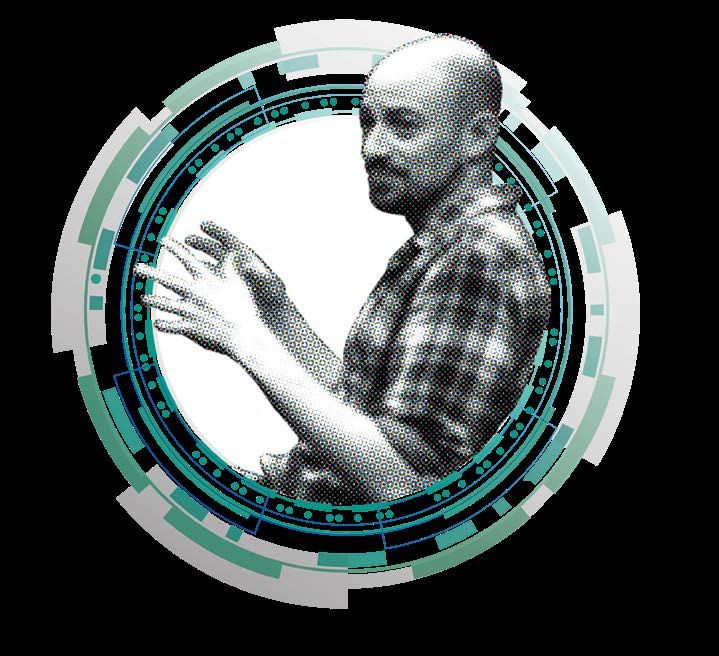
Goldsmiths,
University of London
The academic content for the BSc Computer Science degrees has been developed by
the Department of Computing at Goldsmiths, one of the UK’s top creative universities.
Founded in 1891, Goldsmiths is world-renowned               This ethos has created highly interactive degrees that
for teaching and research in creative, cultural and         make use of the latest technology and education.
computational disciplines. Goldsmiths encourages            You will learn from experts in computing, whose
students to explore ideas, challenge boundaries,            experience spans many regions and industries.
investigate fresh ways of thinking, and stretch
                                                            Besides Computer Science, Goldsmiths’ Department of
themselves intellectually and creatively. The Department
                                                            Computing research and teaching also covers an array of
of Computing at Goldsmiths is driven by a view
                                                            topics including computational art, virtual reality, computer
of Computer Science that captures this spirit.
                                                            music, digital sociology and education technology.
Goldsmiths believes that studying Computer Science is
learning by doing and experimenting. The Department
uses a hands-on, project-based style of teaching for a
range of topics from computer and data science all the
way through to art, music, social science and journalism.

                         Founded in

                      1891

6 Computer Science
“We are excited to be
 offering an entirely
 new Computer Science
 degree that is specifically
 designed to address the
 challenges of the present
 and future workplace. Our
 approach is to encourage
 creative thinking and
 novel applications in the
 hot areas of computing
 such as machine learning
 and artificial intelligence,
 games and virtual reality
 and data science.”
Dr Matthew Yee-King
Programme Director,
BSc Computer Science degrees

                                london.ac.uk/computer-science 7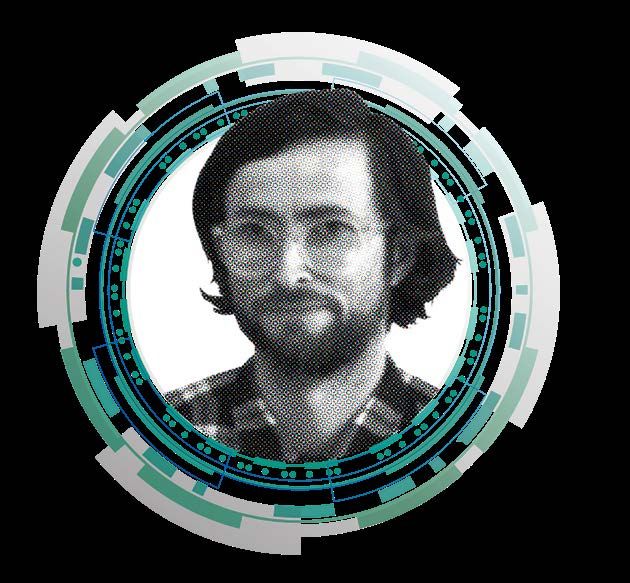
Collaboration with Coursera
We are extremely proud to be the first university chosen by Coursera as it embarks on a
collaboration to offer a suite of undergraduate degrees through online distance learning

The University of London has more than 40 Massive
Open Online Courses (MOOCs) on the Coursera
platform, generating over 1.3 million Coursera
learner enrolments.                                                    Over
Coursera has 31 million registered learners spread
over 2,600 courses and 236 specialisations. They’ve
partnered up with some of the world’s top universities,
                                                                    40
which include NYU, Princeton, Stanford, Duke,                     Massive Open
National Taiwan University and Shangai Jiao Tong.                 Online Courses
Coursera’s courses are used by leading brands like Tata,
InfoSys, L’Oreal to train and update their staff. You can                            Generating over

                                                                                     1.3
read more about Coursera at: about.coursera.org

Are you affected by

                                                                                   million
US-imposed restrictions?
United States export control regulations prevent
Coursera from offering services and content to users in
certain countries or regions. More information about                                learner enrolments

                                                        31
which countries or regions are affected can be
found at: bit.ly/intl-restrictions
Coursera must enforce this restriction in order

                                                      million
to remain in compliance with US law and, for
that reason, we advise that all learners check
this information before applying to
the programme.                                              registered learners

8 Computer Science
“Welcome to Coursera’s first Bachelor’s
degree, a unique collaboration between
the University of London, the world’s oldest
provider of distance learning, Goldsmiths,
University of London and Coursera, the
world’s largest online learning platform.
In 2011, an experiment at Stanford University
took three courses and made them available
online, enabling anyone, anywhere to
learn this unique content. When hundreds
of thousands of learners signed up, it
demonstrated the critical need for people to
have access to a truly high-quality education.
As it happens, all three of these courses were
in computer science; this is not surprising, since
the demand for qualified computer science
professionals is enormous. A computer science
education opens multiple opportunities for
its graduates, across many diverse areas. Like
Coursera’s earliest courses, we would like anyone,
anywhere to have access to these opportunities.
This new degree, an online Computer Science
Bachelor’s degree offered by Goldsmiths and
the University of London is designed to equip
students with in-demand computing skills and
abilities to solve complex problems, all while
nurturing their innovation and creativity. This
degree will transform lives around the world.
Please join us in taking
this journey.”
Daphne Koller
Co-founder, Coursera

                                                     london.ac.uk/computer-science 9
Online and flexible
learning explained
You can choose to start the degree in either April or October
The BSc Computer Science degrees can be completed       platform, where you’ll have access to peer
in three to six years. Each module is studied over 22   discussion forums and learning activities.
weeks and requires an average of five to six study
                                                        For details about Recognised Teaching Centres
hours per week. Modules run up to twice each year
                                                        please visit: bit.ly/recognised-centres
(subject to demand). You can study up to four new
modules at a time (or two plus your Final Project).
                                                        Assessment
 1    ecide when you want to enrol,
     D                                                  The degree is assessed through coursework,
     either in April or October.                        portfolios and written examinations. Your final grade
 2    T hen choose whether you want to enrol:          for each module is based on a mixture of these
                                                        assessments (e.g. 50 per cent coursework, 50 per cent
     as a web-supported learner – this means
                                                        examination). For further information on module
     you’ll join an online group, where your tutor
                                                        outlines, visit: bit.ly/Computer-Sci-Modules
     will provide support via discussion groups
     or                                                 While you’re studying each module, you’ll receive
                                                        feedback from the University of London about your
     with a Recognised Teaching Centre
                                                        assessments and achievements so you can see how
      (where available). You’ll be able to attend
                                                        you’re progressing. You’ll also be given a record of
      face-to-face classes and interact with
                                                        your successes to keep you on track. You can sit
      other students on your course.
                                                        your examinations at any of our approved centres
                                                        worldwide. For more details, see: london.ac.uk/exams
Guaranteed tutor support
All students receive tutor support and feedback         Celebrate your graduation
while studying for one of our BSc Computer
                                                        After completing your degree, you’ll get a University
Science degrees. Tutors introduce the modules,
                                                        of London diploma and an invitation to the annual
respond to queries and provide guidance on the
                                                        graduation ceremony in London. The event is
assessments. If you register for support at one of
                                                        usually headed by the University of London’s Vice-
our Recognised Teaching Centres, you’ll attend
                                                        Chancellor or its Chancellor, HRH the Princess Royal.
face-to-face classes and receive tutor support.
If you register as a web-supported learner, your
tutor will provide support through the Coursera

10 Computer Science
Take your career to
the next level
We know it’s important to consider your future career before you embark on a degree.
The BSc Computer Science degree allows you to focus on industry specialisms that help
you to achieve your career goal. You can choose from the following specialisms:
BSc Computer Science With the BSc Computer Science (Data Science),
you’ll be able to apply for a range of data-intensive
The BSc Computer Science will allow you to develop
technical jobs in sectors such as business, finance,
a wide and practical skillset in computing with strong
medicine, education, engineering and science as well
programming and mathematics skills, as well as
as in the creative industries. Typical job titles include
softer skills in project management, presentation and
data scientist, data visualisation engineer, business
teamwork. You will also have a portfolio of work that
data analyst, data manager and data engineer.
you can present to potential employers. Depending
on the specialisms you choose in the final stage of
the degree, you can direct your learning towards BSc Computer Science
particular areas of interest such as machine learning, (Games Development)
web development, data science and video games. Video games are a critical application area for computer
With the BSc Computer Science, you will be science, and the games industry forms a significant
qualified for a range of computational and part of the creative economy. It is a complicated
mathematical jobs in the creative industries, subject, drawing on other areas such as computer
business, finance, education, medicine engineering graphics, interaction design and artificial intelligence.
and science. Typical job titles include application With the BSc Computer Science (Games Development),
programmer, software engineer, creative coder, you will be able to apply for a range of jobs in the
video game developer and systems analyst. creative industries, especially in the video games
industry. Typical job titles include game designer,
BSc Computer Science video game tester and video game programmer.
(Data Science)
Data science is a significant subfield in computer
science that has seen rapid growth in recent years
as companies and institutions have begun to gather
data at scale across many sectors. Data science
has many applications ranging from medicine
to climate science and business analytics.
london.ac.uk/computer-science 11BSc Computer Science (Machine BSc Computer Science
Learning and Artificial Intelligence) (User Experience)
Machine learning (ML) provides a means for computer User experience design or UX has grown out of the field
systems to extract useful information from data. These of Human-Computer Interaction (HCI), which is about
techniques are widely used in the technology industry how to design computer systems for use by people. HCI
for a variety of applications, for example recommending is a major subfield of computer science, and it informs
music and products to people, identifying faces in the visual design and workflow of computer systems
photos and predicting trends in financial markets. we use every day. HCI draws on a range of hard and
soft skills and is a naturally cross-disciplinary subject.
With the BSc Computer Science (Machine Learning
and Artificial Intelligence), you will be able to apply for With the BSc Computer Science (User Experience),
a range of technical, problem-solving jobs in a rapidly you’ll be able to apply for jobs that involve a flair for
growing area. Companies and institutions are applying design and engagement with end users in a range
ML and AI (artificial intelligence) to a wide range of of sectors, wherever there is a need for effective
problems in business, finance, medicine, education, user interface design. Typical job titles include UX
video games, engineering and science as well as new engineer, UX designer and user interface designer.
application areas such as music and other creative
work. A typical job title is machine learning engineer. BSc Computer Science
(Web and Mobile Development)
BSc Computer Science Web and mobile development are critical application
(Physical Computing and areas for computer science. Many of the largest
the Internet of Things) technology companies maintain large-scale web
Physical computing involves the creation of hardware applications, providing services such as social media,
devices that can sense and act in the real world. search, advertising and video and audio streaming.
Physical computing techniques underpin a wide Mobile application development has become a
range of contemporary technology trends such as major part of the software industry over the last
the Internet of Things, the quantified self and smart decade, with established, as well as new, companies
homes. There are many applications for physical developing thousands of mobile games and utilities.
computing, for example in creative arts, museums, With the BSc Computer Science (Web and Mobile
ubiquitous and embedded computing, scientific Development), you will be qualified for jobs involving
sensing, robotics and engineering control systems. the development of web and mobile technology such
With the BSc Computer Science (Physical Computing as websites and applications for smartphones and
and the Internet of Things), you’ll be able to apply for tablets. Typical job titles include mobile application
jobs in a rapidly growing and exciting area, which is developer, mobile software engineer, front-end
finding applications across different sectors. Typical engineer, full stack developer and back-end developer.
job titles include Internet of Things engineer, creative
technologist and embedded software engineer.
12 Computer ScienceBSc Computer Science
(Virtual Reality) “From game-based learning
Virtual reality (VR) involves the creation of immersive,
simulated environments using computer systems.
environments which teach
Recent technology advances have made it possible code fundamentals to
to create high fidelity, high immersion virtual
realities, which people can access with consumer
street magic demos which
hardware. VR has many application areas, including illustrate maths concepts –
entertainment, education and military.
in creating this degree
With the BSc Computer Science (Virtual Reality), you’ll
be qualified for exciting jobs in an emerging area
we’ve brought together
that spans sectors such as the creative industries, the most innovative
video games and education and training. Typical
job titles are VR developer, environment artist,
aspects of our teaching
VR architect and augmented reality engineer. at Goldsmiths. We’ve
distilled our many years of
experience in computing
pedagogy into this new and
exciting online format.”
Dr Simon Katan
Co-author of the Introduction to
Programming I and II modules
london.ac.uk/computer-science 13Degree Level Level
structure 4 5
Eight Compulsory Eight Compulsory
Modules Modules
Introduction to Programming I* Object-oriented Programming
Introduction to Programming II Software Design and Development
Numerical Mathematics Programming with Data
Discrete Mathematics Agile Software Projects
Fundamentals of Computer Science Computer Security
How Computers Work Graphics Programming
Algorithms and Data Structures I Algorithms and Data Structures II
Web Development Databases, Networks and the Web
*
Core Module
For further details on programme specifications and module
outlines, please see: bit.ly/Computer-Sci-Modules
14 Computer ScienceLevel
6 Six Modules +
The Final Project
BSc Computer Science BSc Computer Science BSc Computer Science BSc Computer Science
(Data Science) (Games Development) (Machine Learning and
Artificial Intelligence)
Six Elective Modules from any of Artificial Intelligence*
Data Science* Databases and Advanced
the specialisms Virtual Reality*
Databases and Advanced Data Techniques*
The Final Project Games Development*
Data Techniques* Machine Learning and
Machine Learning and 3D Graphics and Animation* Neural Networks*
Neural Networks* Interaction Design* Artificial Intelligence*
Advanced Web Development* One elective from any Intelligent Signal Processing*
Natural Language Processing* other specialism Natural Language Processing*
One elective from any The Final Project One elective from any
other specialism other specialism
The Final Project The Final Project
BSc Computer Science BSc Computer Science BSc Computer Science BSc Computer Science
(Physical Computing and (User Experience) (Virtual Reality) (Web and Mobile
the Internet of Things) Development)
Databases and Advanced Virtual Reality*
Virtual Reality* Databases and Advanced Data
Data Techniques* Games Development*
Advanced Web Development* Techniques*
Advanced Web Development* 3D Graphics and Animation*
Physical Computing and the Advanced Web Development*
Physical Computing and the Mobile Development*
Internet of Things* 3D Graphics and Animation*
Internet of Things*
Mobile Development* Interaction Design* Mobile Development*
Interaction Design*
Interaction Design* One elective from any Interaction Design*
Intelligent Signal Processing* other specialism
One elective from any One elective from any
One elective from any The Final Project
other specialism other specialism
other specialism
The Final Project The Final Project
The Final Project
*
Core Modules
london.ac.uk/computer-science 15Entry requirements
An accessible programme for Computer Scientists
To register for one of the suite of BSc Computer Science Accessibility
degrees, you will need to satisfy our entry requirements.
The University of London welcomes applications
We welcome qualifications from across the world, from disabled students and/or those who have
which are equivalent to UK GCSEs and A levels. access requirements. Due to the highly interactive
Certain minimum requirements are needed in and interoperability of this programme, some
mathematics and English language, for further students may find some activities challenging.
information visit: london.ac.uk/computer-science
If you’re disabled and/or have access requirements, we
will make every reasonable effort to meet your needs.
Performance-based admission This may include making access arrangements for
This degree is also open to those with non-traditional examinations such as a separate room or special aids.
qualifications. If you successfully complete two specified If you would like to tell us about your disability and/
Level 4 modules, you can automatically progress with or request access arrangements, please complete the
the credit obtained onto the full BSc degree. Further relevant section of the application form or contact the
details are available at: london.ac.uk/computer-science Inclusive Practice Manager at:
special.arrangements@london.ac.uk
Recognition of prior learning
If you hold professional or academic qualifications Computer requirements
that compare closely with the BSc Computer To get the most out of this degree, your computer
Science modules, we may be able to accredit needs to reach certain requirements. These can be
them as prior learning, so you do not have to found in the ‘Programme Specification’ section at:
study those module(s) to complete the degree. london.ac.uk/computer-science
16 Computer ScienceFees and funding
Gain a prestigious University of London qualification at outstanding value
The degree fee varies depending on a number Undergraduate loans
of factors, which include:
Information regarding undergraduate loans
• where you live can be obtained at: london.ac.uk/computer-science
• whether you receive online or face-to-face
tutor support. Employer sponsorship
Our module fees include access to study materials If you are already in employment and apply to do this
and all coursework submissions. However, you will be degree, your employer may be willing to help with the
required to pay an additional fee directly to your local cost. Visit: london.ac.uk/employers for information about
examination centre when sitting written examinations. the University of London and the benefits of sponsorship.
The total fee payable to the University of London
for 2020–2021 will be published on our website
once confirmed. On average, fees incur a five per
cent yearly increase. For the latest information on
programme fees, please visit: london.ac.uk/fees
Please note: student fees shown on our website
are net of any local VAT, Goods and Services Tax
(GST) or any other sales tax payable by the student
in their country of residence. Where the University
is required to add VAT, GST or any other sales tax at
the local statutory rate, this will be added to the fees
shown during the payment process. For students
resident in the UK, our fees are exempt from VAT.
london.ac.uk/computer-science 17Your University of
London qualification
A University of London degree About your qualification
Undergraduate degrees of the University of London When you graduate you will receive your Final
are awarded with Honours. The award certificate Diploma and a Diploma Supplement. The Final
will indicate the level of the academic performance Diploma states that:
(Honours) achieved by classifying the award. The
classification of the degree will be based on the ratified • you were awarded a University of London degree,
diploma or certificate
marks from the completed assessments. The standard
classification system for bachelor’s degrees with • Goldsmiths, University of London, was your
Honours is: education provider
• First Class • it also includes the University of London crest and the
Vice-Chancellor’s signature.
• Upper Second Class
If for any reason you’re unable to finish your BSc
• Lower Second Class
degree, you may be eligible for an exit award. If
• Third Class you have at least 120 credits, you’ll be awarded a
A Pass Degree or Ordinary Degree is a degree without Certificate of Higher Education in Computer Science.
Honours. Specific rules for the classification of awards Alternatively, if you achieve 240 credits or more, with
are given in the Programme Regulations, under a minimum of 90 credits at Level 5, you’ll be awarded
Scheme of Award. a Diploma of Higher Education in Computer Science.
The Diploma Supplement includes the following
information:
• The award you successfully completed.
• Your transcript of modules taken, marks achieved
and overall classification.
• The role of Goldsmiths, University of London.
Although our qualifications are recognised across the
globe, some country authorities and regulators may
not recognise them. We advise that you check on the
recognition status in your country before enrolling.
18 Computer ScienceThe information contained in this leaflet was correct at the date of publication but may be subject to change. The University does
not intend by publication or distribution of this leaflet to create any contractual or other legal relation with applicants, registered
students, their advisers or any other persons. For the most up-to-date information, please visit our website.
Published by University of London. Copyright © University of London, January 2020.
london.ac.uk/computer-science 19For further information on the range
of programmes we offer, please visit
our website or contact us at:
The Student Advice Centre
University of London
Senate House
View the
Malet Street Computer
London WC1E 7HU Science
United Kingdom web page
Telephone +44 (0)20 7862 8360
sid.london.ac.uk
This material is available in alternative formats upon request.
Please contact: special.arrangements@london.ac.uk
Follow us on:
london.ac.uk/facebook london.ac.uk/flickr london.ac.uk/instagram london.ac.uk/issuu
london.ac.uk/linkedin london.ac.uk/twitter london.ac.uk/youtube
london.ac.uk/computer-scienceYou can also read


