2020 HUMANITARIAN NEEDS OVERVIEW UKRAINE - ReliefWeb
←
→
Page content transcription
If your browser does not render page correctly, please read the page content below
HUMANITARIAN
NEEDS OVERVIEW   2020
UKRAINE
                  ISSUED JANUARY 2020

                                        1
                    Photo: IOM/P.Perfilieva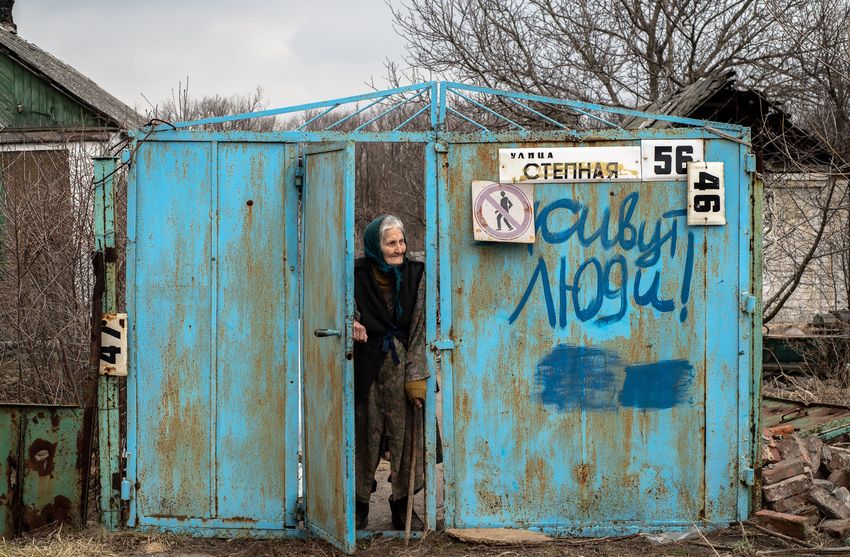
HUMANITARIAN NEEDS OVERVIEW 2020

About                                                                                      Get the latest updates

This document is consolidated by OCHA on behalf of the Humanitarian Country                OCHA coordinates humanitarian action to ensure
                                                                                           crisis-affected people receive the assistance and
Team and partners. It provides a shared understanding of the crisis, including the
                                                                                           protection they need. It works to overcome obstacles
most pressing humanitarian need and the estimated number of people who need
                                                                                           that impede humanitarian assistance from reaching
assistance. It represents a consolidated evidence base and helps inform joint              people affected by crises, and provides leadership in
strategic response planning.                                                               mobilizing assistance and resources on behalf of the
The designations employed and the presentation of material in the report do not            humanitarian system.

imply the expression of any opinion whatsoever on the part of the Secretariat of the       www.unocha.org/ukraine
United Nations concerning the legal status of any country, territory, city or area or of   twitter.com/ocha_ukraine
its authorities, or concerning the delimitation of its frontiers or boundaries.

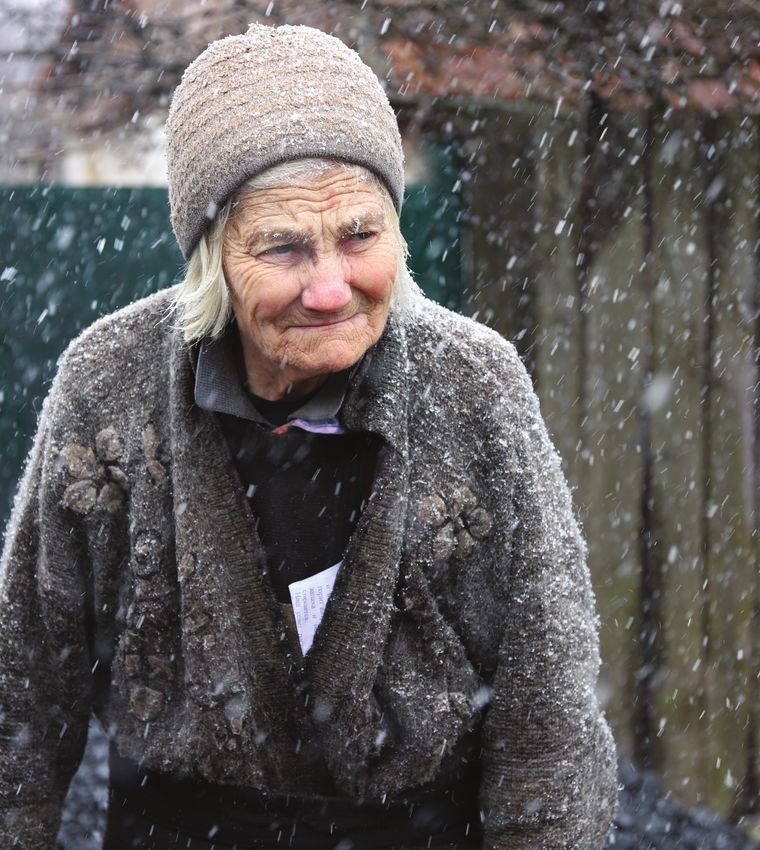
PHOTO ON COVER
A woman is standing in the yard after receiving a
stockpile of coal.
Photo: IOM/P.Perfilieva

                                                                                           Humanitarian Response aims to be the central
                                                                                           website for Information Management tools and
                                                                                           services, enabling information exchange between
                                                                                           clusters and IASC members operating within a
                                                                                           protracted or sudden onset crisis.

                                                                                           https://www.humanitarianresponse.info/
                                                                                           en/operations/ukraine

                                                                                           Humanitarian InSight supports decision-makers
                                                                                           by giving them access to key humanitarian data.
                                                                                           It provides the latest verified information on needs
                                                                                           and delivery of the humanitarian response as well as
                                                                                           financial contributions.

                                                                                           www.hum-insight.com

                                                                                           The Financial Tracking Service (FTS) is the primary
                                                                                           provider of continuously updated data on global
                                                                                           humanitarian funding, and is a major contributor to
                                                                                           strategic decision making by highlighting gaps and
                                                                                           priorities, thus contributing to effective, efficient and
                                                                                           principled humanitarian assistance.

                                                                                           https://fts.unocha.org/appeals/830/
                                                                                           summary

02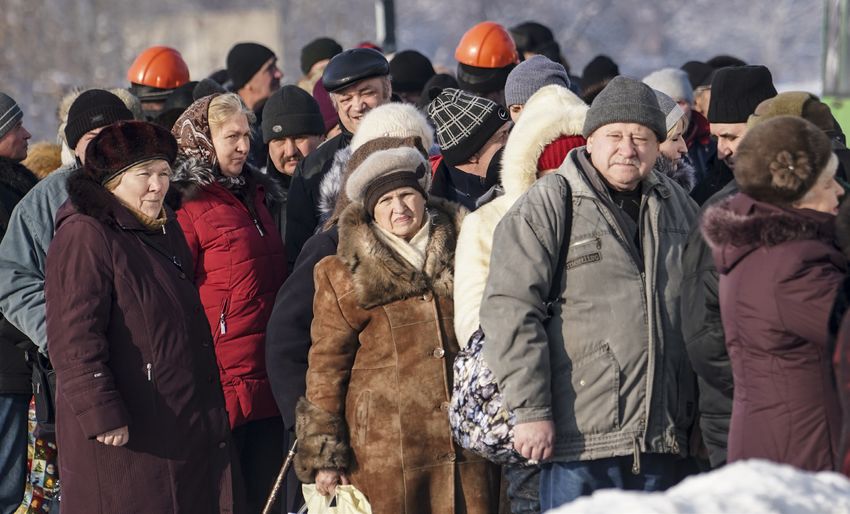
TABLE OF CONTENTS

Table of
Contents

04     Summary of Humanitarian Needs                   38   Part 3: Sectoral Analysis
                                                            Education
10     Part 1: Impact of the Crisis and Humanitarian        Food Security and Livelihoods
       Consequences                                         Health
       Context of the Crisis                                Protection
       Impact of the Crisis                                 Shelter and Non-Food Items
       Scope of Analysis                                    Water, Sanitation & Hygiene (WASH)
       Humanitarian Consequences
       Severity of Needs                               63   Part 4: Annexes
       People in Need                                       Data Sources
                                                            Methodology
32     Part 2: Risk Analysis and Monitoring                 Information Gaps and Limitations
       of Situation and Needs                               Acronyms
       Risk Analysis
       Monitoring of Situation and Needs

                                                                                                 03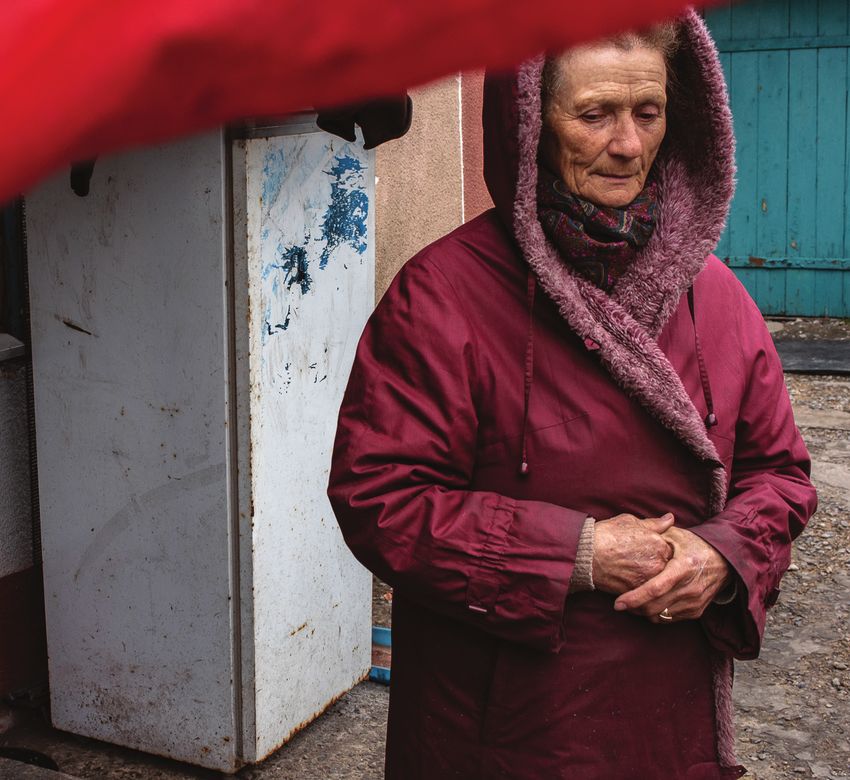
HUMANITARIAN NEEDS OVERVIEW 2020

Summary of
Humanitarian Needs
                                                                                                                          PIN WITHIN 5KM ALONG THE
TOTAL POPULATION 1                                    PEOPLE IN NEED (PIN)           REGISTERED IDPS (MOSP 2)
                                                                                                                          'CONTACT LINE'

42.0M                                                 3.4M                           1.4M                                 0.6M

ENTRY/EXIT CROSSING POINT 'STANYTSIA
LUHANSKA', LUHANSKA OBLAST, GCA, UKRAINE
People are waiting in the cold to cross the ’contact line’.
Photo: OCHA/Yevhen Maloletka

Summary of Context Scope of Analysis12                                                    and unexploded ordnances continues to negatively impact their physical
In its sixth year, the situation in the conflict-affected Donetska                        and mental well-being. Community infrastructure and civilian assets
and Luhanska oblasts in eastern Ukraine continues to take a                               are also attacked, putting millions at risk of losing access to water,
significant toll on the lives of more than five million people, 3.4                       health, education and heating. The ’contact line’ which separates areas
million of whom require humanitarian assistance and protection                            under and outside Government-control, and the need to register as an
services. Over 3,300 civilians have been killed, while more than 7,000                    IDP to obtain social benefits have also had an indirect impact on the
have been injured. The direct impact of violence on ordinary people                       well-being of people, leaving IDPs and communities in non-Government
remains a challenge – as daily shelling and the presence of landmines                     controlled area (NGCA) facing a variety of challenges in accessing social
1. State Statistics Service of Ukraine, January 2019
                                                                                          entitlements (including pensions) and State administrative services.
2. Registered IDPs by the Ministry of Social Policy of Ukraine (MOSP), August 2019

04
SUMMARY OF
The ’contact line’ has also severed people from markets and from the vary as significantly as one moves away from the ’contact line’. Similarly,
health care providers they once relied on. The negative economic impact protection needs are slightly more elevated in NGCA, because of the
of the conflict can be felt across the affected communities, not only large number of people who depend on social entitlements – and the
because of the barriers to access employment, but also because many difficulty they face in accessing them. Nevertheless, issues around the
enterprises or coal mines have been shut down. protection of civilians affects both sides of the ’contact line’. Resilience
and recovery needs tend to be higher in Government-controlled areas,
Scope of Analysis further from the ’contact line’, where there is more opportunity to work
This overview focuses on the humanitarian needs in the conflict- towards the long term. For more analysis on the different type of needs,
affected Donetska and Luhanska oblasts (hereafter as ‘conflict- please refer to the section 1.4 Humanitarian Consequences.
affected area’), with particular attention to affected areas on both
sides of the ’contact line’. It also considers people who are internally People in Need
displaced across Ukraine GCA and who are faced with humanitarian Despite a significant drop in the number of civilian casualties in 2019,
and societal challenges. The analysis is based on an understanding an estimated 3.4 million people still require humanitarian assistance
that populations living close to the ’contact line’ are generally more or protection services, which is similar to last year and constitutes
vulnerable than those farther away, although differences in needs nearly eight per cent of the total population of Ukraine. About 1.9
exist between urban and rural populations and between Government million of the people in need reside in NGCA, while 1.5 million live in GCA
controlled area (GCA) and NGCA. (including 350,000 vulnerable IDPs living permanently in GCA.) The elderly
account for almost one third (32 per cent) of people in need – the highest
Humanitarian Consequences proportion among humanitarian crises worldwide. Women account for
The impact of the conflict can be examined along four dimensions. over half of people in need (56 per cent) – and many among these women
Firstly, people in affected areas face critical problems related to serve as heads of household. A generation of over half a million children
their physical and mental well-being – whether related to shelling (more than 16 percent of people in need) is growing up surrounded by
and landmine contamination, direct damages to housing and civilian violence and fear, which will have a long-lasting effect on their future, and
infrastructure. Secondly, people in affected areas face critical problems on the social fabric. Affected regions also have high numbers of people
related to living standards – due to the indirect impact of the conflict on with disabilities, which represent 12 per cent of people in need. This reflects
access to basic services, and to the high levels of unemployment and not only the presence of a large elderly population, but also suggests that
food insecurity. Thirdly, people face critical problems related to their their disability has kept them from moving away from particularly affected
protection – not only related to their physical safety – but also due to areas closest to the ’contact line’. Lastly, some 350,000 internally displaced
their limited freedom of movement, curtailed access to social benefits persons (10 per cent of people in need) living in GCA continue to face
and civil documentation, and to a series of normative frameworks and innumerable challenges in accessing durable solutions.
laws that combine with the conflict situation to create humanitarian
needs. Lastly, people face problems related to their resilience and
recovery, whether linked to social cohesion, to the implementation of
durable solutions (particularly for IDPs), or to developmental issues,
including the ability of the Government to deliver humanitarian
assistance through local and national capacity.
Severity of Needs
Humanitarian needs in the affected areas range from water and
sanitation, food insecurity and livelihoods to health, shelter,
education and protection services. Overall, needs affect different
regions differently - depending largely on the specific characteristics
of a location (rural vs. urban, proximity to an urban area, etc) and on
their pre-conflict state. While there are technically more emergency
needs closest to the ’contact line’, the “urban disconnect” must also be
accounted for – with many rural areas further from the ’contact line’,
more affected than urban areas closer to the ’contact line’, because they
have been cut off from urban centres which once provided employment,
markets and basic services. While physical and mental well-being
needs increase closer to the ’contact line’ in GCA - where fighting is
most intense -- they do not follow the same logic in NGCA, where rural
communities further away from the ’contact line’ continue to suffer from
pre-conflict poverty, the socio-economic downturn, exposure to heavy
fighting in 2014-2015, and to the limited quantity of aid provided in this
area over the past five years. The quality of living standards does not
05HUMANITARIAN NEEDS OVERVIEW 2020
Overview Map
BELARUS
RUSSIAN FEDERATION
POLAND
Kyiv
DETAILED AREA
SLOVAKIA
HUNGARY
MOLDOVA
Sea of Azov
ROMANIA
*
Black sea
SERBIA
0.35M**
BULGARIA
LUHANSKA OBLAST
GCA
1.0M**
0.15M*** DONETSKA OBLAST
GCA
OTHER OBLASTS
0.7M
LUHANSKA OBLAST
NGCA
1.2M
DONETSKA OBLAST
NGCA
RUSSIAN FEDERATION
* The Autonomous Republic of Crimea and the
city of Sevastopol, Ukraine, temporarily occupied
by the Russian Federation, as per the UN General ‘сontact line’ as of August 2018
Assembly Resolution 73/263 0-5km area along the ‘сontact line’ GCA
** Including IDPs 5-20km area along the ‘сontact line’ GCA
*** Only IDPs 0-20km area along the ‘сontact line’ NGCA
Sea of Azov
XX Number in need
The designations employed and the presentation of material in the report do not imply the expression of any opinion whatsoever on the part of the Secretariat of the United Nations
concerning the legal status of any country, territory, city or area or of its authorities, or concerning the delimitation of its frontiers or boundaries.
06KEY FINDINGS
Key Findings
PEOPLE IN NEED WOMEN ELDERLY CHILDREN WITH DISABILITY
3.4M 56% 32% 16% 12%
By Humanitarian Consequence By Location Type in GCA only (residents)
CONSEQUENCE PEOPLE IN NEED LOCATION PEOPLE IN NEED % PIN
Urban 934K 80%
Critical problems related to
2.8M
physical and mental well-being
Rural 231K 20%
Critical problems related to
2.2M
living standards
By Gender
Critical problems related to
2.8M
protection GENDER PEOPLE IN NEED % PIN
Women 1.9M 56%
Critical problems related to
1.2M
resilience and recovery
Men 1.5M 44%
By Zone in Donetska and Luhanska Oblasts By Age
ZONE PEOPLE IN NEED AGE PEOPLE IN NEED % PIN
Children (0 - 17) 0.5M 16%
0-5km area along the 'contact line' 199K
GCA
urban / rural 166K / 33K
Adults (18 - 59) 1.8M 52%
5-20km area along the 'contact line' 447K Elderly (60+) 1.1M 32%
GCA
urban / rural 386K / 61K
20km+ area along the 'contact line' 518K
GCA People With Disability (PwD)
urban / rural 381K / 137K
POPULATION GROUP PEOPLE IN NEED % PIN
0-20km area along the 'contact line' 1.5M
NGCA
urban / rural — IDPs 46K 13%
Residents, GCA 120K
20km+ area along the 'contact line' 400K 0-5km / 5-20km /20+km 29K / 54K / 37K 15% / 12% / 7%
NGCA
urban / rural —
Residents, NGCA 251K 14%
Overall, PwD 416 K 12%
07HUMANITARIAN NEEDS OVERVIEW 2020
Summary of Humanitarian
Consequences
Critical problems related to physical and mental well-being
PEOPLE IN NEED WOMEN CHILDREN WITH DISABILITY
2.8M 1.5M 441K 331K
INDICATOR PEOPLE IN NEED MOST VULNERABLE
GROUPS
People exposed to hostilities, mines and explosives 1.9M Elderly, People with
disabilities
People in need of water supply support 1.8M Elderly, People with
disabilities, House-
holds with children
People in need of sanitation support 1.4M Elderly, People with
disabilities, House-
holds with children
Critical problems related to living standards
PEOPLE IN NEED WOMEN CHILDREN WITH DISABILITY
2.2M 1.2M 354K 266K
INDICATOR PEOPLE IN NEED MOST VULNERABLE
GROUPS
People who spend saving as a coping strategy to cope with lack of resources to meet 1.7M Elderly, People with
basic needs disabilities, house-
holds with unemployed
heads
People who experienced difficulties in accessing healthcare 1.5M Elderly, People with
disabilities, house-
holds with unemployed
heads
People who reduced healthcare expenses to meet other basic needs 909K Elderly, People with
disabilities, house-
holds with unemployed
heads
08SUMMARY OF HUMANITARIAN CONSEQUENCES
Critical problems related to protection
PEOPLE IN NEED WOMEN CHILDREN WITH DISABILITY
2.8M 1.6M 448K 336K
INDICATOR PEOPLE IN NEED MOST VULNERABLE
GROUPS
Children and caregivers in need of psychosocial support or child protection services 811K Households with
children
Adults (18-59) who crossed the 'contact line' at least once in 2018 to resolve issues 650K Elderly, People with
with documents, pension or family unity disabilities
Women (18+) for whom GBV-related services are not available 414K Women
Critical problems related to resilience and recovery
PEOPLE IN NEED WOMEN CHILDREN WITH DISABILITY
1.2M 697K 199K 149K
INDICATOR PEOPLE IN NEED MOST VULNERABLE
GROUPS
People who borrowed food or relied on help from family/friends 925K Elderly, People with
disabilities, House-
holds with children
People who were affected by damaged social facilities as a result of the conflict 488K Elderly, People with
disabilities
Children who were affected by damaged education facilities as a result of the conflict 404K Children
09HUMANITARIAN NEEDS OVERVIEW 2020 Part 1 Impact of the Crisis and Humanitarian Consequences VODIANE VILLAGE, DONETSKA OBLAST, GCA, UKRAINE Viktoriia, 74 years old, is standing in the yard next to her conflict- damaged home. Photo: People in Need/Alberto Lores 10
CONTEXT OF THE CRISIS

1.1
Context of the Crisis

The crisis in the conflict-affected Donetska and                            at ‘Hromada’4 level, has not been accompanied by a process of
Luhanska oblasts has had an important economic,                             transferring competencies and clear authority to local counterparts.
social and security impact and continues to threaten the                    This has caused some confusion5 and challenges with regards to the
environment on a daily basis. The political landscape                       disproportionate reduction of the central budget to the conflict-affected
continues to determine the future of the crisis, while                      oblast authorities, which has challenged the ability of some ‘raion’
regulatory and legal provisions relating to the conflict                    level authorities to generate local revenues. There is concern that the
continue to influence the lives of millions of conflict-                    provision of basic services, especially in small communities with fewer
affected people.                                                            funds, could be compromised.

Political Context                                                           Economic Context
The prevailing absence of a political solution to the crisis in the         The Donetska and Luhanska oblasts are at a crossroads economically
conflict-affected Donetska and Luhanska oblasts continues to bring          and are increasingly diverging from the national growth rate. While the
uncertainty to the future of millions of people on both sides of the        nation’s overall economy remains solid (at 3.5 per cent in the first half of
’contact line’. Since Ukraine’s new president took over in a landslide      2019)6, the economies of Donetska and Luhanska oblasts have shrunk
victory, Ukraine has undergone a deep political transformation. The         at an annual rate of 8.2 and 10.5 per cent respectively.7 The economy
Cabinet of Ministers is largely new, and the President’s newly created      was in decline even before the onset of the conflict and relied on
party won the first single-party majority in parliament in the history of   significant and unsustainable state subsidies. The conflict has therefore
modern Ukraine. This significantly shifts Ukraine’s political makeup -      accelerated an economic downturn in the region that had already
with 80 per cent of parliamentarians newly elected.                         started decades ago.8 The economy took its biggest nose-dive in 2014,
                                                                            when the output of small and medium-sized companies dropped by 80
The new Government has instilled a new sense of confidence in
                                                                            to 90 per cent.9
people as well as renewed hope for peace.According to the 2019 UN
Social Cohesion and Reconciliation (SCORE) Index, while trust in key        The closure of more than 70 of the 123 operational mines10 since
institutions was relatively low before the presidential elections, people   the start of the conflict has hit the Ukrainian economy hard as well.
in the conflict-affected regions increasingly trust the new Government.     Historically, the economy of Donetska and Luhanska oblasts has
The political change has opened opportunities for a new and more            centered on mining, metallurgy and chemical processing. Before the
conciliatory approach to people in the conflict-affected regions, with      start of the conflict, the two affected oblasts made up 15.7 per cent
the President voicing a commitment to resolving the conflict. The           of Ukraine’s GDP, 25 per cent of Ukraine’s export goods and almost
disconnect between the affected people and the central authorities          60 per cent of exports of metals.11 With the onset of the conflict,
seems to have narrowed since the new Government was elected, and            however, GCAs of Donetska and Luhanska oblasts have either seen
trust levels are expected to increase in the near future.                   these industries shrink or have lost access to these key resources and
                                                                            facilities altogether, particularly in the case of coal production, which is
While these new opportunities are welcoming, with a vast agenda
                                                                            now located in the area outside the Government of Ukraine’s control.12
to address, it remains unclear in numerous areas whether the new
                                                                            The impact of reduced access to these resources has rippled through
Government will ensure continuity or take novel directions with
                                                                            the regional economy, causing notable decreases in productivity and
regards to humanitarian action. The merging of a number of Ministries
                                                                            increases in unemployment.
(including the Ministry of Veterans Affairs of Ukraine and the Ministry
of Temporarily Occupied Territories and IDPs), for example, may have
implications on the resources available to support broader humanitarian     4. Hromada is a new voluntary configuration/amalgamation of administrative units. As part of the ongoing
                                                                            decentralization reform, the period of amalgamation of hromadas will last approximately until February
action. The continued commitment to the previously endorsed Strategy        2020, according to the Minister of Development of Communities and Territories as of 1 Dec 2019.
on Internally Displaced People is also yet to be confirmed.                 5. OECD Multi-level Governance Studies – Maintaining the Momentum of Decentralisation in Ukraine 2018
                                                                            6. "Europe and Central Asia Economic Update, Fall 2019: Migration and Brain Drain p. 13" (PDF). openknowl-
While decentralisation reforms initiated in 2014 remain a priority,         edge.worldbank.org. World Bank
                                                                            7. World Bank Ukraine Growth Study 2019
national reforms have caused some disruption at the local level.            8. https://helsinki.org.ua/wp-content/uploads/2017/12/USAID-Donbass-2017-review1.pdf
Decentralising public services and administrative functions by              9. Cited in the EU, UN, and World Bank, “Ukraine: Recovery and Peacebuilding Assessment,” vol. II: Full
                                                                            Component Reports, March 2015, p. 54
passing responsibilities from ‘raion3 -level’ to local authorities          10. World Bank briefing, Kyiv 31 October 2019
                                                                            11. 51 European Union, United Nations, and the World Bank, “Ukraine: Recovery and Peacebuilding Assess-
                                                                            ment,” vol. 2: Full Component Reports, March 2015, 55
                                                                            12. 62 European Union, United Nations, and the World Bank, “Ukraine: Recovery and Peacebuilding Assess-
3. Raion is an administrative unit equivalent to a district.                ment,” vol. 2: Full Component Reports, March 2015, 56

                                                                                                                                                                                   11
HUMANITARIAN NEEDS OVERVIEW 2020
Increased unemployment continues to impact the two affected oblasts US$-Hryvnia exchange rate20
with a demographic impact on the region. Donetska and Luhanska Hryvnias per 1$, as of 1 December
oblasts have witnessed consistently high regional unemployment
rates since 2015 (between 14 and 15 per cent), compared to the YEAR EXCHANGE RATE
national unemployment rate of 7.8 per cent13 (June 2019).14 The
limited availability of jobs has aggravated the already unbalanced
demographics in the region as people with transferable skills, especially 2013 7,99
the younger generation, have chosen to relocate to other parts of
the country in search of stability and improved livelihoods. Those
who are not economically active have instead stayed behind, leading 2014 15,06
to a remaining population that is older and more vulnerable. This
demographic shift also means that it will be more difficult to re-energize 2015 23,95
the economy of Donetsk and Luhansk regions and to create emerging
industries after the conflict.1516
2016 25,56
16
Unemployment rate
20 2017 27,16
2018 28,39
15
2019 23,69
been affected by financial losses, unemployment, the termination of
10
employment benefits.
The continued economic and trade blockade established in 2017,20
continues to impact the future outlook of the region. At the end of
October 2019, Ukraine hosted an investment forum where strategies
5
and plans of reviving the region were discussed with investors and
2014 2015 2016 2017 2018 2019
representatives from over 45 countries. The focus remained on the
Luhanska oblast Donetska oblast National average areas under Government control. While this was an important step in
building investor confidence, the conflict is expected to continue to
Despite efforts made by the central Government, the purchasing
impact the economic future of the region for the foreseeable future.
power for ordinary Ukrainians has not increased significantly. In
July 2019, the Government of Ukraine raised the minimum wage and Social Context
pension levels – tripling the minimum monthly wage compared to Even before the start of the conflict, social cohesion21 was weak as
three years prior ($172 compared to $57 in 2016), while more than Ukraine only ranked 52nd out of 60 countries in the 2013 global ranking
doubling the average monthly salary over the same period ($445 list for social cohesion of the International Institute for Management
versus $193 in 2016).17 However, this may not significantly increase Development (IMD).22 Media propaganda, biased coverage and political
purchasing power given that the Ukrainian Hryvnia (UAH) devalued by rhetoric have further fuelled misunderstanding and intolerance.
300 per cent between 2014 and 201518 and that the ongoing inflation
According to the 2019 UN SCORE Index the conflict has had a divisive
rate has consistently exceeded 10 per cent since 2014.19 With the
effect on the Ukrainian society, straining relationship and connectivity
’contact line’ now separating businesses that relied on each other for
- between people in different parts of the country. It has not however
goods and customers, the financial welfare of people in the region has
polarised the population entirely: it is interesting to note that national
13. https://www.ceicdata.com/en/indicator/ukraine/unemployment-rate and regional-level divisions among people are more of a political rather
14. State Statistics Service in Donetska oblast - http://donetskstat.gov.ua/, State Statistics Service in
Luhanska oblast - http://http://www.lg.ukrstat.gov.ua/ than a geographic nature. Not all people in the NGCAs display this
15. An assessment of the Donbas region of Ukraine, https://helsinki.org.ua/wp-content/uploads/2017/12/
USAID-Donbass-2017-review1.pdf
reluctance, only those who support the cause politically. This indicates
16. State Statistics Service of Ukraine, http://ukrstat.org/en/operativ/operativ2009/rp/rp_reg/reg_e/arh_rb- that people are cautious about interacting with individuals who hold
n_e.htm
17. Information and Communication Department of the Secretariat of the CMU. "Salaries and pensions in
Ukraine have increased by 2-3 times over recent years, claims Prime Minister." Government of Ukraine. Last
modified August 21, 2019. https://www.kmu.gov.ua/en/news/za-ostanni-roki-zarplati-i-pensijni-viplati-v- 20. National Bank of Ukraine, https://bank.gov.ua/markets/exchangerates/
ukrayini-zrosli-v-2-3-razi-premyer-ministr 21. A cohesive society is one where citizens feel they can trust their neighbours and state institutions; where
18. The Ukrainian Hryvia (UAH) dropped from an exchange rate of eight UAH per one USD in January 2014 to they can seize opportunities to improve their well-being and feel protected when facing illness, unemploy-
24 UAH in December 2015 and has more or less remained at this low level ever since. ment or old age
19. Ukraine Market Monitor Review 22. https://www.imd.org/research-knowledge/articles/com_april_2014/
12CONTEXT OF THE CRISIS
PISKY VILLAGE, DONETSKA OBLAST, GCA, UKRAINE
Sonya is standing in the gate to her house, which was cut from
the centralized water supply after the conflict struck the village.
Photo: People in Need/Alberto Lores
extreme political views, which are directly associated with the political Existing Legal and Policy Frameworks
polarization in the conflict.23 Over the last few years, significant progress has been made in the
According to National Monitoring System (NMS) Report, while there existing legal and policy frameworks that govern people’s well-being.
have been some improvements, IDPs still perceived themselves to be While the new Government and Parliament have made strides to pass
discriminated, particularly by policies and regulations applied to them.24 and implement a number of new laws, many policies and regulations
This has an impact on their access to health care, employment, and housing. remain under-implemented.
While IDPs are generally well perceived by host communities in Donetsk and One such example is resolution #815 regarding the crossing
Luhansk25, host communities’ perceptions towards IDPs remains somewhat conditions at the checkpoints. Adopted by the Ukrainian Parliament
negative when it comes to access to services or local budgets. Thirty-six per in June 2019 and in effect since 28 November 2019, it aims to simplify
cent of residents in Donetska and Luhanska oblasts think that they have less the transportation of goods across the entry-exit crossing points.
access to state services because of IDPs, while 29 per cent are of the opinion Notwithstanding, it includes a provision that could complicate crossing
that IDPs present a significant financial burden on the local budget in their the ’contact line’ from GCA to NGCA for children between 14 and 16
region.26 IDPs are faced with discriminatory policies and practices, such as years of age as under this new law, they are required to have additional
restrictions of movement, denial of rights and cumbersome administrative documentation. As of early December, around 11 families with minors
requirements. All this has made it difficult for IDPs to access documentation, have reportedly faced difficulties in crossing the ’contact line’ due to this
employment opportunities as well as social entitlements. regulation.27 The regulation also puts restrictions on the amount of cash
people are allowed to carry across the ’contact line’.
23. 2018 UN Social Cohesion and Reconciliation Index for Donbas
24. The share of IDPs who reported perceived discrimination or the feeling of having been treated unfairly
based on their IDP registration has dropped significantly from 18 per cent in March 2017 to six per cent in
June 2019 according to IOM National Monitoring System Report, March 2019
25. 2018 UN Social Cohesion and Reconciliation Index for Donbas
26. 2018 UN Social Cohesion and Reconciliation Index for Donbas 27. Briefing on legislative update at the HCT meeting on 5 December 2019
13HUMANITARIAN NEEDS OVERVIEW 2020
The long-standing problem of affected populations’ access to social accessing these benefits - since December 201834, only 51 out of the
entitlements remains unresolved, in particular to pensions. Internally 68 people who applied have acquired this status, however, it is thought
Displaced People regardless of where they are from are required to that many more people are eligible for this, but have not applied.35 More
register themselves every two months as IDPs in GCA to obtain their than 7,000 civilians have been injured since the start of the conflict,
pensions and other social benefits. This requires them to cross the according to OHCHR.
’contact line’, a significant hurdle for the elderly who have limited
Little progress has been made in implementing or amending the Mine
resources and are too weak to stand the conditions (and costs) of
Action Law that was adopted by Parliament in December 2018. Almost
crossing. Such restrictive government rules have led to people’s loss
a year after the adoption, neither a National Mine Action Authority nor
of their entitlements. This is evident in the number of people receiving
a National Mine Action Centre has been created and the National Mine
pensions, which has dropped since the beginning of the conflict. Only
Action Strategy has not been adopted. Other key issues remain in limbo,
562,000 of the 1,278,200 people who were registered as IDP pensioners
including the establishment of an institutional system for mine action
in August 2014 received their payments in December 2018.28 There are
response; the coordination and control of humanitarian demining;
also recent reports29 that around 100 pensioners in GCA did not receive
explosive ordnance risk education; mine victim assistance and reduction
their pensions due to their inability to confirm their employment history
of mine stockpiles.36 The recent transformation of the previous Ministry
in NGCA. This may be the start of a bigger problem with more people
of Temporarily Occupied Territories and IDPs, which was responsible
from NGCA reaching retirement age.
for coordinating mine action activities, adds uncertainty to the future
Another legal challenge for people living in NGCA is that school management of mine action.
certificates issued in NGCA are not recognised by the Ukrainian State.
Another legal challenge lies in obtaining compensation for damaged
According to Education Cluster estimates30, approximately 120,000
or loss of property. Since the start of the conflict, over 55,000 homes
children and youths have received NGCA certificates since the beginning
have been damaged or destroyed due to hostilities, and compensation
of the conflict. If the current trend continues, 140,000 students will
remains one of the most frequently cited problems among the affected
be unable to continue their higher education or enter the job market
populations. In July 2019, the Cabinet of Ministers introduced new
outside NGCA by 2020. Those children and youth from NGCA who opt to
compensation procedures with around UAH 42 million allocated.37
attend school or university in GCA or have to take extra exams to receive
In addition, as a result of advocacy by the international community,
secondary graduation certificates are forced to cross the ’contact
the Government of Ukraine agreed to allocate additional funds for
line’31, while the procedures to continue higher education in GCA with
the affordable housing programme for IDPs. These decisions present
certificates from NGCA are quite cumbersome. This is a contributing
a significant step forward by the Government of Ukraine to provide
factor why 93 per cent of the school graduates in NGCA do not seek
housing for people who lost their homes in the conflict.38 Reportedly
higher education in GCA, which could exclude them from the workforce
the Government has developed criteria for the first phase of this
in the rest of the country in the long term. On a related – but different
compensation mechanism, which will be implemented in 2020
-- note, there has been some recent positive development in regards
potentially targeting fully destroyed houses along the ’contact line’.
to Ukraine’s endorsement of the Safe Schools Declaration (SSD) in
However, there are concerns regarding the establishment of proof of
November 2019. The SSD contains a number of obligations to protect
ownership. Non-compliance with these regulatory requirements could
education facilities from attacks during the conflict and their use for
even result in penalties.
military purposes.
Ongoing reforms in the energy market have negatively impacted
While there is a national law for providing social assistance and
service delivery in Donetska and Luhanksa oblasts, interrupting
protection to people with disabilities32, many people with disabilities
power supply to critical water facilities. The energy bill of Voda Donbasa,
struggle to obtain or renew their disability certificate due to lengthy and
an oblast-owned water company that supplies water to 3.8 million
costly bureaucratic procedures. Furthermore, and according to the law,
people on both sides of the ’contact line’ in Donetska oblast, is some
people with disabilities that are specifically a result of the conflict are
UAH 80 million per month ($3.3 million). The continuing inability of
entitled to certain social benefits, such as free medication, mental health
Voda Donbasa to foot the bill due to various reasons including financial
services and a 100 per cent discount on utility bills.33 However, the lack
constraints has led to frequent disruptions of water supply to nearly
of a clear procedures as well as the fact that the status of a person with
half a million people. Residents of isolated settlements are hardest
disabilities as a result of the armed conflict is only granted with proof
hit by this as they lack alternative water sources. These negative
that the incident happened in GCA has meant that not all people are
consequences are likely to be more severe in winter, given that over 80
per cent of households in the two conflict-affected oblasts use water-
based heating. Any major disruption of water supply in winter leaves
28. UN Briefing Note on Pensions for IDPs and persons living in the areas not controlled by the Government
in the east of Ukraine, Feb 2019
29. https://www.humanitarianresponse.info/sites/www.humanitarianresponse.info/files/documents/ 34. Date of establishment of Interagency Commission for Establishment of the Infliction of Wounds or other
files/2019_08_protection_cluster_factsheet_eng.pdf Health Damage by Explosives, Ordnance or Military Weapons in the ATO Area
30. Education Cluster Strategy, Ukraine 2019-2020 35. R2P Informational bulletin: http://r2p.org.ua/wp-content/uploads/2019/09/Osoby_z_invalidnistiu-eng-1.
31. Education Cluster Strategy, Ukraine 2019-2020 pdf
32. Law of Ukraine on the Basis of Social Protection of the Persons with Disability in Ukraine. 2018. https:// 36. DRC-DDG legal alert: issue 44 – September 2019
zakon.rada.gov.ua/laws/show/875-12?lang=en 37. Equivalent to US$ 1.75 milliion
33. https://reliefweb.int/sites/reliefweb.int/files/resources/ukraine-briefing-note-on-the-status-of-persons- 38. https://www.kmu.gov.ua/en/news/uryad-vidiliv-300-mln-griven-na-dostupne-zhitlo-dlya-950-rodin-posiliv-
with-disabilities-caused-by-the-armed-conflict.pdf mozhlivosti-dlya-bezpeki-uchniv-u-shkolah
14CONTEXT OF THE CRISIS
millions of people without heating in sub-zero temperatures. globally after Mali when it comes to anti-vehicle mine casualties (in the
period between 2015 and 201845). Despite the large scale of mine and
As of early December 2019 a new procedure has been introduced that
ERW contamination, Ukraine has received low donor funding support
allows IDPs to change their constituency online, which in turn enables
ranking 12th in the world46 in 2018.47
them to vote in local elections scheduled for 2020. Also, social
provisions were made to allow IDPs to participate in the Presidential Indiscriminate shelling of civilian infrastructure is affecting water,
and Parliamentary elections in 2019, however IDPs had to take up electricity, central heating facilities and schools in violation of
temporary registration, which was only valid for one election event. International Humanitarian Law (IHL). Attacks on educational facilities
Reportely, only seven per cent of IDPs temporarily changed their have doubled in 2019, compared to 2018. In 2019, conflict-related
address to vote in the 2019 presidential elections.39 security concerns were reported by 78 per cent of education facilities
closest to the ’contact line’.48 Water and electricity infrastructure objects
While there has been a concerted effort to address legal and regulatory
are extremely susceptible to hostilities as most of them are located
issues impacting people in the ‘conflict-affected area’ as well as
close to or sometimes even on the ’contact line’. Since 2017, water and
IDPs, regulations and strict policies continue to curb people’s rights,
sanitation facilities have been affected by hostilities over 300 times.49
particularly those from NGCA, thereby reinforcing social division and
Donetsk and Luhansk Regions: Mine and ERW Casualties,
complicating a peaceful resolution of the conflict. Mine and ERW Casualties, May 2014 - January 201949
May 2014 - January 2019
Security Environment 1 Novopskov
Luhanska
GCA
Honcharivka
The threat of shelling, mines and ERW as well as sniper attacks and Kolomyichykha 1
1
12 Svatove
3 Pisky
Milove
KHARKIVSKA 1
the use of heavy weapons continue to instil fear in ordinary civilians, LUHANSKA
Pidhorivka
1
2 Starobilsk
GCA
Makiivka
especially those living closest to the ’contact line’ where fighting is 2 Yatskivka
9 1 Pluhatar
most intense. However, the number of civilian casualties has recently
Shtormove
Nyzhnobaranykivka
1
5
?
Rubizhne
2
reached an all-time low since 2014. In 2019, OHCHR recorded 167
1 Lyman
Sievierodonetsk
Novoaidar
Syrotyne 3
Raihorodok Ozerne Lysychansk 5 1
1 1 7 Sotenne
3 3 Maloriazantseve 2 1 Voronove Bakhmutivka Dmytrivka Krasna
Kryva Luka 6
conflict-related civilian casualties (27 killed and 140 injured), which
Cherkaske
6 2 Siversk 3 Borivske Kapitanove 3 Talivka
1 Sloviansk 1 1 Teple 14
2 2 Nyzhnoteple 4 4
Riznykivka 7 9 1 Krymske
Trokhizbenka 4 2 Plotyna
DONETSKA 4 Yasnohirka
Berestove 7
1
Novotoshkivske 4 11 Shchastia
is a 40 per cent decrease compared to the same period in 2018 (55
2 56 15 5 2 41 4
Malynove Komyshne
Zolote 18 24 3
9 Kramatorsk 1
GCA Katerynivka 21 24
Sokilnyky
5
1
9
5 3
1
2 6
Zolote 6 Stanytsia 9 1 Yuhanivka
Andriivka Druzhkivka 13 Orikhove 6 7 5 1 1
Luhanska82 1 Luhanska
Popasna 1 3 Stanytsia
5 1
12
killed and 226 injured).40 While the average number of reported security
5 1 Chasiv Yar Bakhmut 1 1 Khoroshe 2
1 1
10 Novooleksandrivka
13 11 6 Bolotene
Raiske 1 3 2 8 Teplychne 1 6 1
Kostiantynivka 5 14 Kadiivka 37 1
Kutuzovka
Illinivka
5
Kurdiumivka 24 Troitske 2 1 2 Luhansk 3
6 Alchevsk
incidents has dropped41, they still happen frequently and also place
2 4 1 Vesela
9 1 Novosvitlivka
2 24 Maiorske
7 Svitlodarsk 2
Tarasivka Heorhiivka
Zorynsk 3 1 Vydno-Sofiivka
1 10 16 22 7 Illiriia 1
10 3 33 Zaitseve Luhanske 3 3
1
1 6 1 Krasne
humanitarian actors at risk. 1Zalizne 9 2 1
Luhanske 1 Bashtevych Lutuhyne
Novhorodske 1411 Horlivka 23
Pokrovsk 42 3
2 2 Utkyne
LUHANSKA
1 Hrodivka Arkhanhelske 2
5 3 1 1
2
3 Debaltseve 11 Fashchivka
Myrnohrad
Ivanivka
9
11
Verkhnotoretske
5
10 Polove
4
1 NGCA
Civilian casualties (killed & injured)
Avdiivka 5 2
Selydove 1 1 Panteleimonivka Maloorlivka 1 Khrustalnyi
Karlivka 77
3 4
Opytne 31 Yasynuvata 7
4 Antratsyt
2 10 Makiivka
Shakhtarsk Liubymivka Dovzhansk
26 1 2 5 Voznesenivka
Number of people
1 6
Krasnohorivka 7 6
Kurakhove Pisky 4 Khartsyzk 45 3
Panchenkove
16 66 Donetsk 8 Zuhres 1
1 Krynychne
Zelene Dmytrivka
Diakove Naholno-Tarasivka
Marinka 74 4 Vynohradne Stepanivka 4 2
2 4 Oleksandrivka 3 2 2 1
Marinka Kozhevnia Dovzhanske
Katerynivka 11 2 Luhanske Ilovaisk 1
Marynivka 1
1 15
Slavne 17 DONETSKA
YEAR NO. OF PEOPLE
4 Olenivka
7
Vuhledar 1 3 Yasne
Berezove 15
Novotroitske
1
15 Dokuchaievsk
1 Osykove
NGCA RUSSIAN
18 Novotroitske FEDERATION
2 Kalmiuske
Mykolaivka 5 3
Krasna 7 Bohdanivka
Poliana
Volnovakha 1
Starohnativka Casualties Non-operational checkpoint
2016 588
2
Zlatoustivka 22 Maiorove 1 - 10 Operational checkpoint
1 1
Andriivka 1
3
19 Hranitne 11 - 20 Line of contact (LoC) - Ukrainian authorities
Kamianka 2
1 Hryhorivka Line of contact (LoC) - Humanitarian community
Novoselivka 5
Druha
Naberezhne
21 - 45 Area along the LoC (5km)
Chermalyk 6 1
2017 604 Area along the LoC (20km)
1 Sosnivske
Pavlopil 20 Pyshchevyk
Nikolske 8 3 2 Khreshchatytske
46 - 82 International boundary
4
Sartana 18 Hnutove
5
13 1
Novoazovsk Regional boundary
Mariupol 38 13 Vodiane
7
28 3 15 Raion boundary
67
Siedove
279
Shyrokyne
2018 The designations employed and the presentation of material on this
map do not imply the expression of any opinion whatsoever on the part
of the United Nations (and UNDP) concerning the legal status of any
Sea of Azov
25km country, territory, city or area or its authorities, or concerning the
delimitation of its frontiers or boundaries.
Date: 06 Mar 2019 Sources: The HALO Trust, Mine Action partners, INSO, OSCE, ICRC, Ukrainian media open sources Author: UNHCR-Kyiv
167
Feedback: UkraineInfomanagement@unhcr.org Filename: Mine_casualties
2019 The security situation is also marked by high military presence
in residential areas and military occupation of civilian property,
Landmines and other ERW continue to affect an estimated two million including land, houses and objects of civilian infrastructure. There are
civilians in GCA.42 In 2019, 59 civilian men, women and children were reported cases where military personnel were responsible for property
killed or injured in mine-related incidents and ERW handling. Even destruction and damage, and for failing to pay utility bills to evicted
though this is a 52 per cent decrease compared to the same period in owners generated while using their properties.50 The military use of
201843 (36 killed and 88 injured), the danger is still too high and hinders civilian property without compensation remains a major concern.
people from accessing social benefits, basic services, their workplaces Neither national nor local authorities provided adequate housing
or their farmland. Ukraine ranks fifth in the world for overall casualties solutions or compensation for those relocated due to the military use
as a result of landmines and other ERW44; it is even ranked second
45. Global Mapping and Analysis of anti-vehicle mine incidents in 2018 (Geneva International Centre for
39. Ibid Humanitarian Demining and Stockholm International Peace Research Institute)
40. Informed by data on civilian casualties provided by OHCHR 46. Out of a total of 43 states and three other areas according to Landmine Monitor 2019
41. According to INSO data, a monthly average of reported security incidents in 2018 was approximately 47. Landmine Monitor 2018
7,000 incidents. From January to August 2019, a monthly average has dropped to approximately 6,200 48. Education Cluster
42. The exact number of people exposed to landmine and ERW in NGCA remains unknown 49. Protection Cluster / The HALO Trust, https://www.humanitarianresponse.info/en/operations/ukraine/
43. OHCHR covering January to December 2019 as reported on 16 January 2020 infographic/mine-and-erw-casualties-february-2019
44. 2019 Landmine Monitor Annual Report 50. OHCHR
15HUMANITARIAN NEEDS OVERVIEW 2020
of their property or in proximity to military positions.51 High military It is estimated, for example that, 208km2 of the built-up area in Donetsk,
presence in residential settlements also increases the risk of gender- which is almost the size of Mariupol, lies within one kilometre of a
based violence. dangerous object exposing housing, production and other assets to
industrial and chemical disasters.53 Flooded mines in Pervomaisk, fires
The disengagement process which was agreed by the Trilateral Contact
at the Avdiivka Coke and Chemical Plants as well as agro-industrial
Group in October 2019 has presented a new set of challenges for
hazardous waste from the Bakhmut Agrarian Union’s farm and the
affected people. While many people in the disengagement areas have
Donetsk Filter Station are potential sources for an environmental
welcomed the possibility to cultivate their lands again, they also express
disaster.
reservation about how the process will pan out in the long run – and
whether disengagement will lead to a reduction in ceasefire violations Many industrial plants are located in conflict 'hotspots' which
as well as whether or not the rule of law and civilian administration of increases their exposure to damage. Combined with restricted
disengagement areas will be assured. movement due to military activities and limited information
exchange between the parties to the conflict, the risk of air and water
Environmental Profile contamination as a result of damaged infrastructure has increased.
The conflict has increased the risk of industrial and chemical hazards As of 2019, the OSCE Donbas Environment Information System (DEIS)
that have the potential to create an environmental disaster. Donetska had mapped more than 200 critical infrastructure facilities in the region
and Luhanska oblasts are Ukraine’s industrial heartland dominated by along with some 500 conflict-related operational disruptions and
coal mining, chemical processing, metallurgy and manufacturing. Prior fires.54 These potential hazards combined with the vulnerability of the
to the conflict, the two oblasts were home to some 4,500 potentially affected population, insufficient preparedness and mitigation measures
environmentally hazardous sites52 mainly located in densely populated as well as an inadequate legal and policy framework pose a threat to
cities like Mariupol, Donetsk and Horlivka. people, assets and the environment.55 This must be considered when
undertaking humanitarian contingency planning.
53. Risk assessment on industrial and chemical hazards in the ‘eastern Ukraine’, 3P consortium with support
of the European Union Civil Protection and Humanitarian Aid.
54. Ibid. Between 2014 and 2017, companies in the region reported over 500 cases of operational disrup-
51. OHCHR report on the human rights situation in Ukraine 16 May to 15 August 2019 tions and related incidents.
52. OSCE (2017). Environmental Assessment and Recovery Priorities for Donbas. 55. Ecological Threats in Donbas, Ukraine (Oct. 2017) by Centre for Humanitarian Dialogue
16IMPACT OF THE CRISIS
KATERYNIVKA VILLAGE, LUHANSKA OBLAST, GCA, UKRAINE
1.2 Valentina, 82 years old, is heating the stove to keep her house warm
in where she lives alone.Photo: OCHA/Yevhen Maloletka
Impact of the Crisis
For nearly six years, the conflict has threatened the lives, physical to be the most heavily mined areas. This issue has particular impact
and psychological well-being of millions of civilians. Collateral on rural households in Luhanska oblast, where 46 per cent report
damage to critical infrastructure and systems, including hospitals, using wood as their primary fuel source for heating which potentially
roads, schools and water infrastructure, has affected services and is increases exposure to contaminated land.57
now compounded by a socio-economic downturn. The conflict has
The psychological well-being of millions of people in the affected
also had a negative impact on humanitarian access – both the ability
area has also been severely affected by these risks. Almost 40 per
of people to access services and the ability of humanitarian actors
cent of the residents of Donetska and Luhanska oblasts have experienced
to access people in need.
trauma resulting in depression, anxiety and post-traumatic stress disorder
Impact on Vulnerable People (PTSD).58 They are often unable to identify signs of psychological disorders
The loss of life and physical injury is the highest cost civilians are and apply negative coping strategies like alcohol abuse, self-medication,
paying. So far, more than 3,300 civilian men, women and children have and overloading with work. The majority of people (83 per cent) is unaware
lost their lives in the conflict and over 7,00056 have been injured. Even of where to seek help.59 Social stereotyping also particularly prevents some
though the reported drop in civilian casualties is a welcoming sign men from seeking psychosocial support, which can expose their families to
in the conduct of hostilities, landmines continue to pose a risk to the abusive behaviour.60
people living in contaminated areas. At least half of the households
57. REACH 2018 Winter Assessment GCA within 5km of the ’contact line’ GCA, https://www.
within 20km of the ’contact line’ (GCA) have perceived the presence of humanitarianresponse.info/sites/www.humanitarianresponse.info/files/2019/07/REACH_winter_
assessment_2018.pdf
landmines or ERW in their communities, whereby 41 per cent of the 58. Swiss Cooperation Bureau, Kyiv Institute of Sociology (2018). Mental health in Donetsk and Luhansk
oblasts
people living within 5km of the ’contact line’ in GCA perceive forests
59. Kyiv Institute of Sociology, Swiss Cooperation Bureau, Mental health in Donetsk and Luhansk oblasts,
2018
56. OHCHR HRMMU report (2019). Between April 2014 to 11 September 2019. 60. Mental Health and Psychosocial Conference organized in Kyiv on 21 February 2019
17HUMANITARIAN NEEDS OVERVIEW 2020
The overwhelming impact of the conflict on the elderly is what makes oblasts are estimated to be in need of psychosocial support.71 However,
this crisis different from others. While the younger generation is able only few receive that support as the available services are either difficult to
to escape the violence and seek employment elsewhere, elderly people access, over-stretched or under-funded. These children have lived a life of
are less mobile and have nowhere else to go. Hence, they constitute a violence, fear and deprivation for long enough to carry the psychological
significant proportion of the conflict-affected population and make up over scars for years to come.
30 per cent of the people in need. In isolated settlements– those closest to
Women constitute 56 per cent of the people in need – with nearly 70
the ’contact line’ - in GCA, 41 per cent of the population is elderly61, which
per cent of households within 20km of the ’contact line’ (GCA) headed
is notably higher than in the rest of the affected area. This is likely to be
by women72. Female-headed households tend to have higher levels of food
due to their limited physical mobility, their poor economic resources, and
insecurity: 10 per cent are severely or moderately food insecure compared
their emotional attachment to property and assets. Nearly all the elderly
to five per cent of male-headed households (within 20km of the ’contact
have at least one chronic disease and report conflict-related mental health
line’ in GCA). Female-headed households are also more prone to reduce
issues due to loneliness, isolation and immobility.62 Over half of them need
spending on essential health care compared to male-headed households
assistive devices.63 Seventy per cent of patients seeking health care in
(41 per cent versus 31 per cent).73 There is some evidence that the conflict
the ‘conflict-affected area’ are elderly, which poses problems as hospitals
may have led to an increase in the prevalence of domestic and gender-
often lack appropriate medical supplies64 for their needs. Poverty is also
based violence, however, it remains largely a hidden problem and incidents
widespread among the elderly, particularly among the displaced. The
frequently go unreported due to stigma, shame or fear of retaliation.
percentage of elderly people living on less than UAH 3,00065 per month
Transactional sex has been reported as a negative coping strategy among
stands at 41 per cent among returnees and at 28 per cent among IDPs.66
women, especially in isolated areas, mainly due to economic necessity.
Related to the large proportion of elderly is the fact that conflict- Adolescent girls from less stable families were at a higher risk of engaging
affected areas also present a larger proportion of people with in transactional sex.74
disabilities. While the proportion of people with disabilities lies at 6.2 per
Since the start of the conflict, people have been forced to flee their
cent67 across the whole of Ukraine, the share of the disabled population
homes with the biggest wave of internal displacement happening in
among the 200,000 people living within 5km of the ’contact line’ in GCA is
2014 and 2015. This displacement has increased people’s vulnerability as
as high 15 per cent.68 People with disabilities and special needs are less
they often lack affordable accommodation as well as the documentation
mobile and are often left behind. They face a range of specific barriers,
required to find employment opportunities (the employment rate among
such as difficulties to access health-care services and afford medication,
IDPs stood at 46 per cent in June 201975). The displaced also have to
specific treatment or assistive devices. People with disabilities often face
overcome physical and administrative hurdles to access payments and
poor living conditions, and rely on their caregivers, families and neighbours
compensations: 12 per cent of IDPs have had their social payments
for support. Some also reported difficulties in obtaining information from
suspended since their IDP registration. After five years of displacement, 20
officials due to limited facilities for people with disabilities.69 Obtaining the
per cent of IDPs have moderately severe or severe anxiety with 25 per cent
required documents to prove their disabilities, injury or sickness is also a
of IDPs suffering from moderately severe or severe depression76, compared
complicated process and is particular challenging for those living in NGCA
to 15 per cent among the general population. Some 58 per cent of IDP
as it requires crossing the ’contact line’, which is both physically arduous
households are headed by women (slightly higher than the nationwide
and expensive given their limited means.
average of 54 per cent)77 and IDP women experience GBV three times more
There is a risk that there will be a ‘lost generation’ of children who have frequently than local women who are not displaced.78
never experienced life outside the conflict and for whom the ongoing
hostilities are ‘normal‘. Attacks on educational facilities, continued Impact on Systems and Services
disruption of schooling, growing fragmentation of education systems The conflict has caused significant damage to systems and services in
between GCA and NGCA and the emerging militarisation of education have affected areas, exacerbating their lack of maintenance and ageing, and
had a profound impact on the learning and overall development of nearly further crippling their functioning. In 2015, the estimated damage to the
670,00070 school-aged children and youth. Over 240,000 children living near region’s infrastructure stood at $463 million79, and it continues to increase.
the ’contact line’ regularly experience shelling and exposure to landmines The transport and road infrastructure sector has suffered most of the
and ERW, which has made them more prone to physical injuries and mental conflict-related damage, followed by the energy sector and the water and
health issues. More than one in four children in Donetska and Luhanska sanitation sectors. There has however also been extensive damage to the
region’s education and health facilities as well as to public buildings, mainly
61. Protection assessment in isolated settlements conducted by REACH (February 2019).
62. According to Help Age International
63. HelpAge International (2018). Ukraine crisis disproportionately affecting older people
64. World Bank 2019 71. According to UNICEF
65. UAH 3,000 per months is the minimum subsistence amount set by the Ministry of Social 72 Humanitarian Trend Analysis in GCA conducted by REACH (August 2019)
Policy 73. REACH Humanitarian Trend Analysis 2019
66. IOM National Monitoring System June 2019 74. REACH Protection Assessment in Isolated Settlements 2019
67. State Statistics Service of Ukraine 75. IOM National Monitoring System June 2019
68. REACH Humanitarian Trend Analysis 2019 76. Kuznetsova. I, Mikheieva. O, et. al. (2019). Mental health of IDPs and the general population in Ukraine.
69. Protection Assessment of Isolated Settlements – REACH (February 2019) (University of Birmingham)
70. Education Cluster (2019). Children Teachers and Education Facilities in Donetska and Luhanska 77. National Monitoring System Report (June 2019)
Oblasts. Available at: https://www.humanitarianresponse.info/sites/www.humanitarianresponse.info/ 78. https://www.unfpa.org/sites/default/files/pub-pdf/MHPSS-CountryCasesAndOverview.pdf
files/documents/files/children_teachers_and_education_facilities_in_donetska_and_luhanska_oblasts_-_ 79. Ukraine Recovery and Peacebuilding Assessment, http://www.un.org.ua/images/documents/3737/V1-
summary_2018_10_19.pdf RPA_Eng_Vol1.pdf
18You can also read


