HUMANITARIAN RESPONSE PLAN NIGERIA - HUMANITARIAN PROGRAMME CYCLE 2020
←
→
Page content transcription
If your browser does not render page correctly, please read the page content below
HUMANITARIAN    HUMANITARIAN
                PROGRAMME CYCLE

RESPONSE PLAN
                2020
                ISSUED MARCH 2020

NIGERIA

                                    1
HUMANITARIAN RESPONSE PLAN 2020 TABLE OF CONTENTS
About Get the latest updates
Table of
Contents
This document is consolidated by OCHA on behalf of the Humanitarian Country OCHA coordinates humanitarian action to ensure
crisis-affected people receive the assistance and
Team and partners. It provides a shared understanding of the crisis, including the
protection they need. It works to overcome obstacles
most pressing humanitarian need and the estimated number of people who need
that impede humanitarian assistance from reaching
assistance. It represents a consolidated evidence base and helps inform joint people affected by crises, and provides leadership in 05 Foreword by the Humanitarian Coordinator 38 Part 3: Sectoral Objectives and Responses
strategic response planning. mobilizing assistance and resources on behalf of the Overview of Sectoral Response
The designations employed and the presentation of material in the report do not humanitarian system. 06 Statement by the Federal Minister Camp Coordination and Camp Management
imply the expression of any opinion whatsoever on the part of the Secretariat of the www.unocha.org/nigeria Early Recovery
United Nations concerning the legal status of any country, territory, city or area or of twitter.com/ochanigeria 07 Response Plan Overview Education
its authorities, or concerning the delimitation of its frontiers or boundaries. Response by Strategic Objective Emergency Telecommunications
Needs and Planned Response Food Security
PHOTO ON COVER HRP Key Figures Health
Stadium IDP Camp, Maiduguri, Borno, February Historic Trends Logistics
2020 - Internally displaced people in Stadium camp,
Maiduguri. More than 700 people fled Konduga LGA
Nutrition
to arrive to the Borno State capital after their villages
Humanitarian Response aims to be the central
14 Crisis Context Protection
were attacked by non-state armed groups a few
website for Information Management tools and Gender Based Violence
weeks ago. About 250 individuals, mostly women and
children, have arrived to Stadium camp. Half of them services, enabling information exchange between 16 Part 1: Strategic Response Priorities Child Protection
have been registered and moved to collective shelters clusters and IASC members operating within a Humanitarian Consequences Prioritized for Response Mine Action
where over 15 people are sharing the same room. protracted or sudden onset crisis.
However 126 people are still sleeping outside with
Strategic Objectives and Response Approach Housing, Land and Property
only some fabric to protect themselves and create www.humanitarianresponse.info/nigeria Optional: Use of Multi-Purpose Cash Shelter / Shelter NFIs
a little privacy. They are exposed to grave protection
Operational Capacity and Access Water, Sanitation & Hygiene
risks and diseases during the harsh Harmattan
season. One in two camps are congested in Borno
State and resources are stretched to capacity. Aid 35 Part 2: Monitoring and Accountability 99 Part 4: Annexes
actors are increasing advocacy efforts to speed up
registration of new arrivals so that they can provide
Monitoring Response Analysis
assistance. They are also advocating for more land Accountability to Affected Populations Costing Methodology
to be allocated for humanitarian activities, including
Indicators and Targets Participating Organizations
building shelters or establishing new IDP camps.
Humanitarian InSight supports decision-makers Planning Figures by Sector
Photo: OCHA/Eve Sabbagh by giving them access to key humanitarian data.
Planning Figures by Admin Level
It provides the latest verified information on needs
and delivery of the humanitarian response as well as What if We Fail to Respond?
financial contributions. How to Contribute
Acronyms
www.hum-insight.com
End Notes
The Financial Tracking Service (FTS) is the primary
provider of continuously updated data on global
humanitarian funding, and is a major contributor to
strategic decision making by highlighting gaps and
priorities, thus contributing to effective, efficient and
principled humanitarian assistance.
fts.org/appeals/2020
02 03
HUMANITARIAN RESPONSE PLAN 2020 FOREWORD BY THE HUMANITARIAN COORDINATOR
Foreword by the
Humanitarian Coordinator
NGALA/BORNO, NIGERIA Developments in 2019 have led to an upsurge in the number of people between all actors – not only UN agencies and international
Women and children in the reception centre in Arabic Village Camp are staying outside on
in need of humanitarian assistance. Between 2017 and 2019, the NGO partners but also Government and State authorities, local
mats. Approximately 2,500 people are currently living in the reception centre, a majority of
them new arrivals from Rann in Kala/Balge Local Government Area. number of people in need of urgent assistance reduced from 8.5 communities, and key actors in development, peace-building and
Photo: OCHA/Leni Kinzli
million to 7.1 million. Increased attacks by non-state armed groups stabilization. In line with the 2019-2021 Humanitarian Response
against civilians, compounded by the effects of climate change, Strategy adopted jointly by the humanitarian community and the
natural hazards and disease outbreaks, are exacerbating the needs Government of Nigeria, the new approach pays particular attention to
of a population already afflicted by more than ten years of protracted reflecting the priorities identified by affected people themselves, and
crisis. Millions of people have been plunged into further vulnerability considers the specific needs of diverse groups of people, including
and 7.9 million are now in need of life-saving aid in 2020 – 800,000 women and girls and people living with disabilities
more people than in 2019.
Despite challenges, in 2019, the humanitarian community provided
In 2019, more than 180,000 people were forced to flee their homes, urgent assistance to 5.2 million people, most of them women and
some for a second or third time since the beginning of the crisis, children. Together, we saved the lives of over 365 children every day
mainly due to increased attacks. Access to land and livelihoods and provided food assistance to about 2.4 million people each month.
has become more difficult for most people affected by the crisis.
Donor support has been and remains essential. In 2019, the $848
Violations and abuse of international humanitarian and human rights
million appeal was 68.3 per cent funded, representing nearly $580
law remain pervasive.
million. We are grateful for the trust and confidence that donors
Non-state armed groups are increasingly setting up illegal checkpoints place in us and their commitment towards alleviating the suffering of
on main supply routes directly targeting civilians. This condemnable Nigeria’s most vulnerable.
practice has disastrous consequences for civilians and humanitarians,
Together, in 2020, we will save even more lives and aim to reach 5.9
hindering freedom of movement and heightening protection risks.
million people across the most affected states of Borno, Adamawa
It is now more difficult for aid workers to provide urgent assistance and Yobe with a financial appeal of $839 million. In 2020, we will
to the most vulnerable women, men, boys and girls affected by the maintain the centrality of protection at all levels of humanitarian
crisis in the north-east. Locations across the BAY states, in which aid action. We will pay particular attention to empowering local
organisations were working, are now inaccessible as a direct result organizations and enabling Nigerians to cope with, and overcome,
of mounting insecurity. Since January 2019, humanitarian workers the impact of the protracted crisis while identifying more sustainable
and the aid they deliver have become the direct target of attacks solutions.
by non-state armed groups. In 2019, twelve humanitarian workers,
Humanitarian assistance is not a long-term solution to the protracted
some of our most dedicated colleagues, were tragically killed for
crisis in north-east Nigeria. Together we have to focus on four critical
their selfless work and their belief in core human values. This is twice
elements: prevention, stabilization, transformation and sustainability.
the number of aid workers killed in 2018. Not a single day passes
We have to seize all opportunities to save and protect lives as a
without honoring the sacrifice they made and sending thoughts to
matter of urgency, prevent further violence, and foster recovery,
their families. Each and every day we also remember the unspeakable
peace-building, reconstruction and development efforts wherever
plight of Alice Loksha and Grace Taku, two female aid workers who
and whenever possible. Together we can restore hope to the most
are still being held captive of non-state armed groups and call upon
vulnerable and a chance at a brighter future for the millions of people
their immediate release and safe return for their families.
affected.
This worrisome situation has prompted a more resolute response
In addition to the ongoing humanitarian emergencies in the country,
from the humanitarian community and, remarkably, from our
the COVID-19 pandemic poses a potential monumental social and
key Nigerian partners. 2019 was also marked by encouraging
economic threat to Nigeria, with a devastating knock on effect for
new developments and increased engagement by the Nigerian
the most vulnerable population in the BAY states who have endured
Government. The North-East Development Commission became fully
a decade of conflict. The UN system in Nigeria launched a One UN
operational in May 2019, and the UN and its humanitarian partners
Response Plan to COVID-19 to support the rapid implementation
welcomed the establishment of the Federal Ministry of Humanitarian
of the Government’s National COVID-19 Multi-Sectoral Pandemic
Affairs, Disaster Management and Social Development in August
Response Plan and will continue to support strong coordination and
2019.
coherence with all stakeholders responding to the pandemic.
Together, we are improving our planning, analysis, prioritization and
preparedness. The Humanitarian Response Plan proposed in this Edward Kallon
document is the result of increased collaboration and exchange Resident and Humanitarian Coordinator in Nigeria
04 05
STATEMENT BY THE FEDERAL MINISTER                                                                                                                 RESPONSE PLAN OVERVIEW

                                            Statement by the                                                                                      Response Plan
                                            Federal Minister                                                                                      Overview
                                                                                                                                                  PEOPLE IN NEED           PEOPLE TARGETED   REQUIREMENTS (US$)         OPERATIONAL PARTNERS                    PROJECTS

                                                                                                                                                  7.9M                     5.9M              839M                       86                                      219
                                                                                                                                                                                                           MONGUNO/BORNO, NIGERIA
                                                                                                                                                                                                           Humanitarians are responding to the most urgent needs following an influx of new arrival.

                                                                                                                                                                                                           Photo: OCHA/Leni Kinzli
The conflict in North-east Nigeria is in its tenth year and continues to   for FMHADMSD and pledge continued support and cooperation with
cause untold suffering for millions of Nigerians, particularly women       the humanitarian community to address the sufferings of the people
and children. The Federal Government of Nigeria (GoN) remains              in the BAY states as elaborated in the HRP and government plans.
steadfast in its commitment and primary responsibility to ensure the       In 2019 my Ministry convened the international workshop on
safety, security and provision of lifesaving assistance to the affected    Improving Civil-Security Cooperation (CiSEC) in Humanitarian
people, in collaboration with international humanitarian community.        Interventions in Nigeria to foster understanding, coordination and
The 2020 HRP stems from the multiyear 2019-2021 Humanitarian               communication between the humanitarian community, government
Response Strategy. It has therefore maintained the overall strategic       institutions and security agencies in the BAY states in the delivery
focus agreed with the Government of Nigeria (GoN) and the                  of much needed assistance. In 2020 I will continue to work with the
humanitarian community in 2018 to address the most critical                humanitarian community to operationalize all the outcomes of the
lifesaving needs, enhance protection assistance and support                CiSEC Workshop and the 7-point agenda as part of government’s
resilience and recovery in the most conflict affected states of Borno,     commitment to create an enabling environment for humanitarian
Adamawa and Yobe (BAY).                                                    response in the BAY states as elaborated in the HRP.
The HRP is a result of a multi-stakeholder approach and close              On behalf of the GoN, I wish to express my appreciation to the
consultation with the federal and state governments of Borno,              international community, donors’/development partners, especially
Adamawa and Yobe states, humanitarian partners, donors and the             the Office of the United Nations (UN) Resident/Humanitarian
affected communities. The humanitarian needs analysis overview             Coordinator for Nigeria and the United Nations Office for the
that was validated by federal and state governments noted an               Coordination of Humanitarian Affairs (UN-OCHA), for their continuing
increase in the number of people in need of humanitarian assistance        support to the efforts of the Nigerian Government to bring
in the BAY states to 7.9 million from 7.1 million in 2019. This calls      humanitarian assistance to the people of the North-East region of
for more urgent and concerted efforts from the government and the          Nigeria.
humanitarian community to deliver lifesaving humanitarian assistance
to those most in need.                                                     Madam Sadiya Umar Farouq
                                                                           Honorable Minister, Federal Ministry of Humanitarian Affairs,
The strategic multiyear approach in the HRP ensures that
                                                                           Disaster Management and Social Development
humanitarian assistance is delivered in a sustainable manner and
contributes to the GoN’s plans and visions for stabilization and long
term development in the northeast as articulated in national plans
such as the Buhari Plan and the National Economic Recovery and
Growth Plan (ERGP).
In 2019 the GoN took major steps to strengthen its coordination
and leadership role and structures at federal and state levels to
bring better coherence in addressing humanitarian crises in the
country, while laying the foundation for stabilization and long term
development of the conflict affected states.
This includes the establishment of the Federal Ministry of
Humanitarian Affairs, Disaster Management, and Social Development
(FMHADMSD) and the North East Development Commission (NEDC)
based in Borno State. I am honored to serve as the pioneer Minister

06                                                                                                                                                                                                                                                                                               07
HUMANITARIAN RESPONSE PLAN 2020 RESPONSE PLAN OVERVIEW
The 2020 Humanitarian Response Plan (HRP) stems from the 2019-2021 and advocacy. Community engagement will be strengthened to ensure help create a conducive environment for restoring civilian authorities These funds include, but are not limited to: €247.5 million from the
Humanitarian Response Strategy (HRS) agreed with the Government the response remains appropriate to the needs of the target population. through strengthening security and rule of law, expanding livelihoods, European Union (EU) from the 11th European Development Fund and
of Nigeria in 2018 to respond to the humanitarian crisis in the three Cash-based programming will be an integral part of the response, and improving basic services. This will be implemented through an the EU Trust Fund for Africa; £300 million from the United Kingdom’s
conflict-affected states of Borno, Adamawa, and Yobe (BAY). The 2020 through cash and voucher assistance (CVA), based on the needs and of area-based approach targeting seven communities: four in Borno State, Department for International Development through the North-East
HRP therefore maintains the overall strategic direction articulated in the the affected people and operational context. two in Yobe State and one in Adamawa State. Also, the World Bank has Transition to Development Programme, noting that the majority of
three Strategic Objectives of the 2019-2021 HRS [1]: approved $775 million of International Development Association (IDA) funds are for the humanitarian response; $250 million – from the
Although conditions for return are not yet in place in most locations
funding for the north-east since 2016, representing the largest program African Development Bank; and $170 million – from the Islamic
1. Save lives by providing timely and integrated multi-sector assistance across the BAY states due to insecurity, lack of services and near
for north-east recovery and development among international partners. Development Bank. The UN’s 2018-2022 Sustainable Development
and protection interventions to the most vulnerable. absence of state authority at the local level, the humanitarian response
The program aims to help restore delivery of basic education, health Partnership Framework serves as collective support and response to the
where and when possible will seek to reduce communities’ dependency
2. Enhanced timely, unhindered, and equitable access to multi-sector and social protection services, agricultural production, and livelihoods Government’s ERGP.
on aid, through a combination of efforts in stabilization, development
assistance and protection interventions through principled humanitarian in north-east Nigeria. It includes six additional financing operations
and humanitarian responses to ensure the sustainable delivery of The humanitarian community will require US$ 839 million to deliver the
action. (totaling $575 million, in agriculture, health, education, community
basic services to those in need, particularly those living in protracted response to 5.9 million people and achieve the objectives of this plan.
3. Strengthen the resilience of the affected population, promote early development, and youth employment and social support), and the
displacement. The Sector-specific plans have identified thematic areas In partnership with the Government of Nigeria and 86 humanitarian
recovery and voluntary and safe durable solutions to displacement and $200 million Multi-Sectoral Crisis Response Project (MCRP). Two
for stronger linkages with development actors to scale up durable partners (31 international NGOs, 42 national NGOs, and 13 UN agencies),
support social cohesion. operations are already fully disbursed: Polio and Routine Immunization
solutions and support recovery and resilience of returnees and host the response will be delivered through 219 projects to address critical
($125 million) and Fadama Agriculture and Food Security ($50 million).
The 2020 multi-sector needs assessment (MSNA) and related analysis communities in relatively stable LGAs, mainly in Adamawa and Yobe problems facing the crisis-affected population. Out of the 219 projects,
Additional funds are also available for emergency transition activities
contained in the Humanitarian Need Overview (HNO) revealed an states. 68 will be provided through cash and voucher assistance programming
and parallel stabilization initiatives with a focus on: (i) peacebuilding and
increase in needs across the BAY states compared to 2019. The at a total cost of US$241 million, about 28 per cent of the entire 2020
In 2019, the Government of Nigeria enhanced its leadership and social cohesion; (ii) infrastructure and social services and; (iii) economic
humanitarian community anticipates that the operational constraints HRP financial requirement.
coordination of humanitarian assistance through the establishment recovery.
that hampered effective response in 2019 will continue or worsen in of the Ministry of Humanitarian Affairs, Disaster Management and
2020. The response in 2020 will prioritise and target internally displaced Social Development (FMHDS). This will provide increased visibility MAIDUGURI/BORNO, NIGERIA
persons (IDPs), returnees, and host communities that the humanitarian to government plans, activities and financial commitments to allow With a grant from the Nigeria Humanitarian Fund, (NHF), local CSO Greencode delivers water
community can realistically and safely access. Populations living in to internally displaced people who fled their homes in Mafa LGA five years ago and are now
international organizations to better support and avoid any duplication. living in an informal settlement about an hour outside Borno State capital Maiduguri. Before
inaccessible areas in Borno and Yobe will be targeted in line with the In addition, the government’s response is expected to be scaled up the NHF-funded project started, this community had no access to water
Risk Analysis and Monitoring framework in the HNO. The humanitarian and become better streamlined, through the strengthening of internal Photo: OCHA/Eve Sabbagh
community will therefore target 5.9 million people out of the 7.9 million coordination among the many government entities involved. The
people in need of humanitarian assistance in the BAY states. This is Government has committed an initial grant of $27 million to the Borno
a reduction of about five per cent from the target in 2019. Of the 5.9 State-based North-East Development Commission (NEDC). In Borno, the
million, over 71 per cent need short-term assistance to address their State Government established the Borno State Agency for Coordination
acute physical and mental wellbeing and living standard needs. The of Sustainable Development and Humanitarian Response with a similar
response will adapt to the dynamic, complex, and rapidly evolving mandate. These institutions and agencies will build and link into the
operational environment in the BAY states. It is also expected that existing government response. This includes the National Emergency
the Government of Nigeria at all levels will continue to assume more Management Agency’s (NEMA) comprehensive annual work plan for
responsibility in the provision of urgent life-saving assistance to the 2020 on disaster prevention, mitigation and preparedness, humanitarian
affected people. response and recovery, and advocacy and enlightenment programmes
The operational environment in the BAY states is characterised by to educate communities on flood mitigation and prevention. NEMA’s
rising insecurity, driving waves of new displacements, deepening food response will also include monthly humanitarian interventions for IDPs
insecurity and malnutrition, widespread protection concerns and rights in camps and host communities. NEMA’s state counterpart, the State
violations, a constricted humanitarian space and reduced access that Emergency Management Agency (SEMA) will deliver similar responses
hampered effective delivery of humanitarian assistance. In 2019, the with funding from state governments and based on state-specific
BAY states also experienced devastating seasonal flooding, that further plans and priorities. The 2016 ‘Buhari Plan’ for rebuilding the north-
constrained access to affected populations, worsened living conditions east remains a comprehensive strategy for addressing humanitarian,
in congested IDP camps and informal settlements, and increased security, peacebuilding and development needs and complements the
people’s vulnerability to disease outbreaks. Government’s 2017 -2020 National Economic Recovery and Growth Plan
(ERGP).
The 2020 response plan builds on progress and lessons learned in 2019
to meet the most acute humanitarian needs of the most vulnerable IDPs, There are also a number of interventions implemented by the
returnees and host communities. The response prioritises populations in Government through multi-partnership frameworks such as the Lake
accessible Local Government Areas (LGAs) in the BAY states based on Chad Basin Stabilisation Facility with a $100 million budget for two
severity of needs. Specific attention is made to the differentiated needs years. With $36 million allocated to Nigeria, state governments in
of women, girls, boys and men as well as specific vulnerable subgroups Borno, Adamawa and Yobe in partnerships with UNDP are rolling out
such as the elderly, people with disabilities and children under five. The the Nigeria Window of the Facility. The program seeks to provide rapid
response will continue to strengthen the protective environment for the response package to promote stabilization in the Lake Chad Basin,
affected population through enhanced analysis, protection by presence in support of a political process to address the conflict. This well
08 09
HUMANITARIAN RESPONSE PLAN 2020 NEEDS AND PLANNED RESPONSE
Response by Needs and Planned Response
Strategic Objective
PEOPLE IN NEED PEOPLE TARGETED PIN TREND (2015-2020) TARGET TREND (2015-2020) WOMEN CHILDREN
S01: Save lives by providing timely and integrated multi-sector
assistance and protection intervention to the most vulnerable
they can be reached. Access of humanitarian actors to people of
concern and of people targeted for assistance to essential basic
7.9M 5.9M 23% 57%
In 2020, the humanitarian community plans to assist 4.2 million services will remain a priority.
people with multi-sectoral responses that have a direct impact on S03: Strengthen the resilience of affected populations, promote
Overview map
peoples’ short term mental and physical wellbeing and to access early recovery and voluntary and safe durable solutions to
More on pages 15-26
timely and integrated multi-sector assistance and protection displacement, and support social cohesion
interventions. The assistance will continue to address specific severe
The humanitarian community will support recovery and resilience of
and extreme needs of women, girls, men, and boys, and specific CHAD
1.6 million people to multiple shocks and to reduce needs, risks, and NIGER
vulnerable groups such as elderly, children under five, and people with
vulnerabilities by integrating early recovery, including social cohesion
disabilities who have been displaced, living in host communities or at
and livelihood support, across the humanitarian response. Assistance
various stages of return. The inter-sectoral response will be delivered
provided will contribute to enhanced community resilience and boost
through the most appropriate modalities, including static/facilities Yusufari
the provision of (or access to) integrated support in essential public
based approach, mobile teams as well as in-kind, cash and voucher Machina
services, conducive conditions for durable solutions for IDPs and Nguru Karasuwa
Yunusari Mobbar
assistance programming. The response will remain flexible to meet
returnees, livelihoods, and local governance. A strong emphasis Bade
the life-saving emergency needs of people coming from inaccessible
will be put on strengthening the humanitarian-development nexus Bursari
Gubio
Geidam
areas or those experiencing multiple displacements due to insecurity Bade
and flooding in the BAY states.
across the three states, where possible. Enhanced collaboration with
Jakusko
1.24M Nganzai
Monguno
development partners, including international financial institutions, and
S02: Enhance timely unhindered and equitable access to multi- the Government will focus on joint analysis, planning, programming, Tarmua
Magumeri Ngala
sector assitance and protection interventions through principled coordination and flexibility, and risk-tolerant and predictable multi-year 2.76M Mafa Kala/Balge
Jere
humanitarian action funding tools to achieve collective outcomes. Nangere
Fune Damaturu Maiduguri
Dikwa
Potiskum
The humanitarian response will address the overlapping Kaga
Konduga
consequences of the conflict on physical and mental wellbeing Bama
Fika Gujba
and living standards of 4.0 million displaced people, returnees and
host communities by promoting their protection, safety and dignity. Damboa
Gwoza
Through active community engagement, humanitarian actors will Gulani
deliver equitable assistance to women, girls, men and boys, wherever Biu
Chibok
Madagali
Askira/Uba
Michika
Kwaya Kusar
Bayo Hawul
Mubi North
Hong
STRATEGIC PEOPLE PEOPLE REQUIREMENTS Shani Gombi Mubi South
# OBJECTIVE IN NEED TARGETED (US$)
Guyuk Shelleng Maiha
Song
Save lives by providing timely and integrated multi-sec- Lamurde
S01 tor assistance and protection interventions to the most 4.7 M 4.2 M $504 M Numan Girei
CHAD
Demsa
vulnerable. Yola South Fufore
1.88M CAMEROON
Mayo-Belwa
Jada
Enhance timely, unhindered and equitable access to
S02 multi-sector assistance and protection interventions 5.4 M 4.0 M $235 M
through principled humanitarian action. Ganye
Estimated number of people
Proportion of PiN targeted targeted for humanitarian assistance
per local government area
Toungo less than 100,000
100,001 - 200,000
Strengthen the resilience of aected populations, promote 200,001 - 300,000
S03 early recovery and voluntary and safe durable solutions to 2.2 M 1.6 M $100 M 300,001 - 400,000
displacement and support social cohesion. more than 400,000
The designations employed and the presentation of material in the report do not imply the expression of any opinion whatsoever on the part of the Secretariat of the United Nations
concerning the legal status of any country, territory, city or area or of its authorities, or concerning the delimitation of its frontiers or boundaries.
10 11
HUMANITARIAN RESPONSE PLAN 2020                                                                                                                      HISTORIC TRENDS

HRP Key Figures                                                                                                                                      Historic Trends

Humanitarian Response by Targeted Groups                     Humanitarian Response by Age                                                            Historic Trends from 2015 to 2020

     POPULATION                      PEOPLE      PEOPLE                                                                              % TARGET-          YEAR OF              PEOPLE      PEOPLE     REQUIREMENTS   FUNDING    %
     GROUP                           IN NEED     TARGETED        AGE                          IN NEED           TARGETED             ED                 APPEAL               IN NEED     TARGETED   (US$)          RECEIVED   FUNDED

     Internally displaced people     1.9 M       1.7 M           Children (0 - 17)            4.6 M             3.4 M                57 percent
                                                                                                                                                        2015                4.6 M        2.8 M      100 M          58 M       58 percent

     Persons with disability         0.9 M       0.9 M           Adults (17 - 59)             3.0 M             2.2 M                38 percent

     Children under 5 yrs            2.1 M       1.5 M           Elders (60+)                 0.4 M             0.3 M                5 percent          2016                7.0 M        3.9 M      484 M          268 M      55 percent

     Single heads of households      15 k        15 k        Financial Requirements by Sector and Multi-Sector
                                                             More on pages 33
                                                                                                                                                        2017                8.5 M        6.9 M      1054 M         732 M      69 percent
     Host communities                3.2 M       2.7 M
                                                                 SECTOR /                                           REQUIREMENTS
                                                                 MULTI-SECTOR RESPONSE                              (US$)

                                                                 Coordination and Camp Man-                         20.0 M                              2018                7.7 M        6.1 M      1048 M         714 M      68 percent
                                                                 agement

Humanitarian Response by Gender
                                                                 Early Recovery                                     104.0 M
                                                                                                                                                        2019                7.1 M        6.2 M      848 M          566 M      67 percent
     GENDER             IN NEED    TARGETED    % TARGETED
                                                                 Education                                          39.9 M

     Boys               2.2 M      1.6 M       27 percent
                                                                 Emergency Telecommunication                        3.0 M
                                                                                                                                                        2020                7.7 M        5.7 M      839 M          -          -

     Girls              2.5 M      1.8 M       31 percent        Food Security                                      212.1 M

                                                                 Health                                             86.2 M
     Men                1.5 M      1.2 M       20 percent

                                                                 Logistics                                          30.3 M

     Women              1.7 M      1.3 M       23 percent
                                                                 Nutrition                                          90.8M

                                                                 Protection                                         82.5 M
Humanitarian Response for Persons with Disability

                                                                 Shelter/NFIs                                       65.6 M
     GENDER              IN NEED   TARGETED    % TARGETED

                                                                 Water Sanitation & Hygiene                         86.1 M
     Persons with       6k         6k          100 percent
     disabilities                                            *
                                                              The Protection funding requirement includes all the AoR requirements which form part
                                                             of the Protection Cluster [CP, GBV, HLP and Mine Action]

12                                                                                                                                                                                                                                         13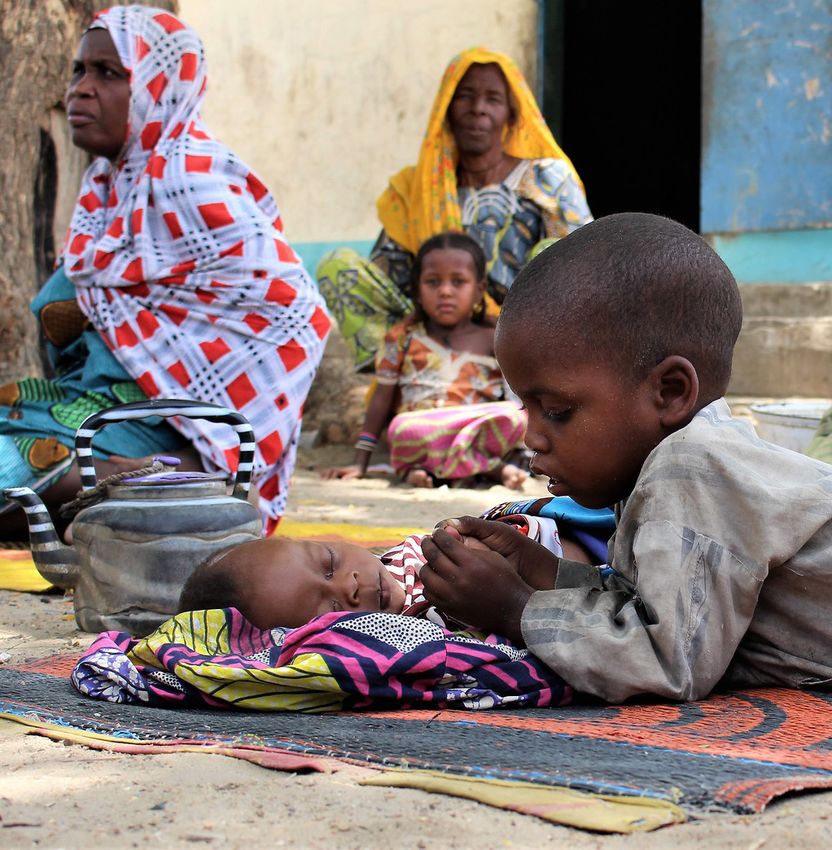
HUMANITARIAN RESPONSE PLAN 2020 CONTEXT OF THE CRISIS
of which rape accounted for 46 per cent of all the sexual violence socio-economic grievances, political marginalisation, unemployment,
incidents as compared to 16 per cent in 2018. Women and girls are lack of essential services, and the near absence of functional
facing a more substantial burden as some have taken on additional governance especially at the local levels. IDPs continue to live in
roles within their families and communities at the risk of greater already congested camps and population centres, with 500,000
exposure to violations and negative coping mechanisms such as child people in need of urgent shelter solution. Lack of land for constructing
labour, forced and child marriages, and transactional sex in exchange shelters and expanding IDP camps remains a major constraint,
for food or other assistance. affecting the wellbeing of the affected population. As a consequence,
this is expected to further prolong the humanitarian crisis in the BAY
Food insecurity driven by conflict, insecurity, and population
states over the next few years.
displacement, remains the highest driver of need. The Cadre
Harmonise analysis in October 2019 indicates that 2.9 million people In 2019, access to people in need became even more difficult and
across the BAY states are food insecure (CH/IPC Phase 3 to 5) - a the constricted humanitarian space has meant the presence of
72 per cent increase from October to December 2018 post-harvest humanitarian actors and provision of aid are now largely confined
period findings. Besides, around 3.8 million people are projected to to major cities and towns. This is in part driven by the impact of the
be food insecure in June to August 2020 and considered to be facing ‘super camps’ strategy, a counter-terrorism effort, concentrating
crisis or emergency (CH Phase 3 or 4). The nutrition situation is military personnel and assets in strategic posts in major garrison
equally worrying, compounded by weak healthcare systems, limited towns across Borno State. while closing some forward operating
access to safe drinking water and sanitation services, poor infant and bases. There has been a surge in insecurity and illegal checkpoints
young child feeding practices and poor living conditions in congested by NSAGs, and the risk of IEDs increased along the main road
camps; up to 1.1 million children and women are in need of immediate axes including the Maiduguri-Damaturu road. This has meant the
nutrition services. Global acute malnutrition (GAM) in children aged reduced use of that road by many humanitarian agencies. There
six to 59 months increased from 6.7 per cent in 2017 to 11 per cent in has been a reduction of humanitarian presence and response along
2019, exceeding the WHO threshold of 10 per cent. the Maiduguri-Monguno and Maiduguri-Damasak axes, with some
organizations shutting down several offices along these roads.
Destruction of social and economic assets is further entrenching
Bureaucratic impediments and government restrictions on fuel,
vulnerability of the affected population, due to limited access to
fertilizers and cash movement, as well as general cargo movement
economic livelihood opportunities and basic social services. The
continue to hamper the delivery of timely humanitarian assistance.
BAY states have suffered an estimated loss of up to US$8.9 billion in
Context of the Crisis
MAIDUGURI/BORNO, NIGERIA
Physical access has also been significantly reduced. Four Local
Thousands of displaced people have newly arrived in Dolori 1 Camp damages to social and economic infrastructure due to the conflict.
in Maiduguri, the capital of Borno State, fleeing from armed clashes Government Areas (LGAs) in Borno State are entirely inaccessible
The impact remains far reaching on the economies of the three
between government forces and non-state armed groups in Baga near to the humanitarian community, and access to seven other LGAs
the shores of Lake Chad late December 2018. states, perpetuating pre-existing inequalities between people in north-
is limited to the perimeters of one or two towns, reachable only by
Photo: OCHA/Leni Kinzli
east Nigeria and the rest of the country. Borno State remains the
helicopter. Humanitarian partners estimate that up to 1.2 million are
Nigeria faces multiple crises, with a protracted conflict in Borno, IDPs, returnees and host communities. Over 36,000 people have been epicentre of the crisis, and is the hardest hit, with major structural and
living in areas not accessible to international organisations, 81 per
Adamawa, and Yobe (BAY) states, which has spread to neighbouring killed in the BAY states since the conflict started in 2009; almost social-economic damages estimated at $6.9 billion – approximately
cent of whom are in Borno State. The volatile security environment
Cameroon, Chad and Niger, intercommunal clashes in the northwest half of them are civilians[3]. According to UNDSS, in 2019 more than two-thirds of the overall damage recorded across the three affected
is affecting staff safety and security. Humanitarian partners are
that have led to over 40,000 people crossing the border with Niger for 473 civilians were killed and 327 were injured as a result of ongoing states[5]. The agriculture sector, a major contributor to the pre-crisis
increasingly becoming targets of NSAGs. Between March 2018 and
safety, and climate shocks such as drought and floods. Nigeria also military and NSAG activities. The majority of the victims are males. internal revenue in the BAY states and a significant source of
December 2019 thirteen humanitarian workers were kidnapped, and
hosts about 50,000 Cameroonian refugees in the west and faces a In 2019, civilians represented 50 per cent of the victims of explosive livelihoods for the majority of the population, recorded the most
six killed after negotiations for their release failed. Seven remained in
widespread farmers/herders crisis in its middle belt region. According ordnance incidents, including person borne IEDs and vehicle borne devastating losses estimated at $3.73 billion in damage (42 per cent
captivity by the end of 2019.
to the Global Risk Index INFORM, [2] Nigeria today is amongst the IEDs. Internally displaced persons face serious risks to their safety, of total damages in the BAY states)[6]. Major markets in Borno and
countries with the highest overall projected conflict risk index and wellbeing and basic rights. UNDSS data indicates that in 2019, there Yobe states are operating at below pre-crisis levels due to reduced The near absence of civilian authorities outside state capitals,
increased risk in socio-economic vulnerability, inequality, and food was a total of 23 attacks on IDP camps, all in Borno State. The productivity and insecurity. The relapse in insecurity in northern especially in Borno State is a constraint to the government’s response
insecurity in 2019. In the absence of a viable peace and reconciliation civilian character of the camps is being significantly compromised areas of Borno State in December 2018 and closure of Nigeria’s land in the delivery of secondary services, including law enforcement
process, the most likely scenario for 2020 is that the situation in in a number of locations, leading to increased reports of sexual borders in August 2019 also significantly hampered cross-border and access to justice. However, the establishment of the FMHDS,
north-east Nigeria’s Borno, Adamawa, and Yobe (BAY) states that exploitation and abuse and gender-based violence. A total of 1,947 trade between Nigeria and Cameroon. The impact on healthcare and the NEDC, and the Borno State Agency for Development and
have suffered from ten years of conflict remains static at best, and a cases of recruitment and use of children by armed groups were education services are equally devastating. About 16 per cent of Humanitarian Response are perceived as opportunities for enhancing
deteriorating security environment at worst, as seen in 2019. reported in 2018[4]. health facilities in the BAY states are fully damaged, and 19 per cent the government’s ownership and leadership of the humanitarian
substantially damaged. Insecurity frequently disrupts vaccination response in 2020.
The humanitarian crisis in the BAY states remains first and foremost, Sexual and gender-based violence, including rape, is rampant due
campaigns and other essential health services for children and other
a protection crisis and civilians continue to bear the brunt of a conflict to the ongoing conflict, insecurity and poor living conditions in IDP Despite the access constraints, in 2019 humanitarian actors reached
vulnerable groups in inaccessible areas. With 935 schools closed, over
that has led to widespread forced displacement and violations of camps and informal settlements. Sexual exploitation is also a major 5.4 million people with life-saving humanitarian assistance, an
1.4 million girls and nearly 1.3 million boys out of school are facing an
international humanitarian and human rights law. Arbitrary arrests concern with widespread allegations, which were given credence in average of 4.4 million in the past five years.
uncertain future without access to education.
and detention without access to justice and legal services, threats 2019 when a military court-martial convicted an officer for rape of a
to physical safety and security, forced recruitment, abductions, and minor. In 2019, of all cases of gender-based biolence (GBV) recorded The protracted nature of the crisis with lack of durable solutions is
killings and rape remain major protection concerns for the physical by the United Nations, 27 per cent were incidents of sexual violence, eroding coping mechanisms and further compounding underlying
and mental wellbeing, living standards, and coping mechanisms of causes of the conflict such as multi-dimensional poverty, entrenched
14 15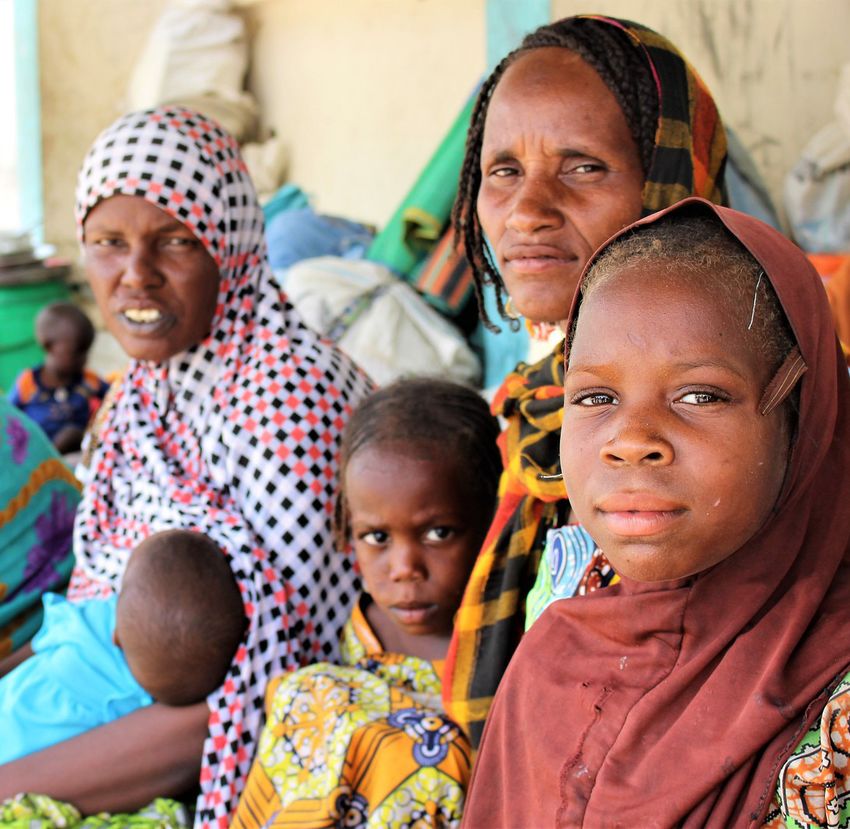
HUMANITARIAN RESPONSE PLAN 2020 HUMANITARIAN CONSEQUENCES PRIORITIZED FOR RESPONSE
Part 1 1.1
Strategic Humanitarian
Response Consequences
Priorities Prioritized for
Response
MAIDUGURI/BORNO, NIGERIA In line with the 2019-2021 HRS and the 2020 Enhanced HPC the past ten years on access to essential services, food security,
Thousands of displaced people have newly arrived in Dolori 1 Camp in Maiduguri, the
approach, life-saving humanitarian assistance will be delivered in malnutrition rates, protection risks, and child feeding practices. The
capital of Borno State, fleeing from armed clashes between government forces and
non-state armed groups in Baga near the shores of Lake Chad late December 2018. They 61 LGAs with severe and extreme severity of humanitarian needs lack of adequate shelter and non-food items (NFIs), access to safe
are living in overcrowded conditions, sleeping on mats either outside on the ground or on respectively in the BAY states. The LGAs have been categorised water, sanitation facilities and hygiene services for IDPs in and out of
the floor of a concrete building that at least provides them some shade. More than 30,000 according to the severity of the humanitarian consequences of the camps continues to expose them to the aggravated risk of diseases
internally displaced people have arrived in Maiduguri, mainly from Baga, in the last month.
crisis faced by IDPs, host communities and returnees prioritised for and protection concerns with direct consequences for their physical
Photo: OCHA/Leni Kinzli
the response in 2020. The population living in areas inaccessible and mental wellbeing. Moreover, protection risks including the risk
to humanitarian actors will be targeted based on the Risk Analysis of being caught in the crossfire and conflict-related killings and
and Monitoring Plan in the HNO. The response has mainstreamed deaths, forced recruitment, abductions, and rape are significant daily
protection as a cross-cutting consequence of the humanitarian crisis concerns for IDPs, returnees and host communities in the LGAs in
in the BAY states. Category 1. The lack of functional GBV referral pathways and services
also have dire consequences for the physical and mental wellbeing
Category 1 - LGAs with acute humanitarian needs
of girls and women caught up in the conflict. There is also an urgent
LGAs that have been directly affected by a high number of conflict need for mine clearance in areas contaminated with unexploded
incidents and high levels of forced displacement and forms of mines and remnants of war.
population movement will be prioritised for life-saving humanitarian
Humanitarian partners will aim to provide immediate, timely, and
assistance. The response will be implemented by existing operational
integrated multi-sector assistance and protection interventions to the
partners including local civil society organisations.
most vulnerable groups. This includes delivery of emergency shelter
Based on the 2020 HNO, Category 1 includes 18 LGAs with the highest and non-food items, safe water supply, food assistance, therapeutic
severity of needs and the highest number of IDPs, returnees and host feeding, protection and mine risk awareness services, and essential
communities facing physical and mental wellbeing consequences health services to reduce mortality and morbidity among populations
of the crisis. Of the 61 LGAs analysed in the 2020 HNO, 18 LGAs and enhance their physical and mental wellbeing.
have extreme needs based on the severity classification, and three
Category 2 - LGAs with moderate humanitarian needs
LGAs have acute needs across two humanitarian consequences.
Furthermore, 14 out of the 18 LGAs with critical needs across the This includes LGAs that are no longer directly affected by the conflict,
three consequences are in Borno State, 3 are in Adamawa State, and but continue to experience residual humanitarian needs related
one is in Yobe State. to forced displacement, severe food insecurity, and nutritional
needs related to reduced market functionality and widespread
Of the 5.9 million people targeted for the response in 2020, 1.8 million
underdevelopment compounded by the protracted conflict in north-
people or 31 per cent are IDPs living in formal and informal camps, as
east Nigeria.
well as in host communities. The remaining 4.1 million people or 69
per cent are from host communities and bear the burden of hosting Humanitarian partners identified 27 LGAs in the BAY states (14 LGAs
IDPs and returnees. Among these populations, women and girls are in Borno State) with overlapping physical and mental wellbeing and
facing specific protection risks such as heightened exposure to risks living standard consequences of the conflict in Category 2.
of gender-based violence (GBV), rape and abductions to be used as In addition to the lack of access to essential basic services,
“sex slaves’’. humanitarian partners identified poor living conditions due to
The response in Category 1 LGAs will address factors that can substandard shelter and congestion in formal and informal camps,
potentially aggregate threats or increase the severity of the physical and lack of access to education services as factors contributing
and mental wellbeing needs of the targeted population. These to deteriorating living standards of the IDPs, returnees, and host
include the impacts of protracted and multiple displacements over communities in this category.
16 17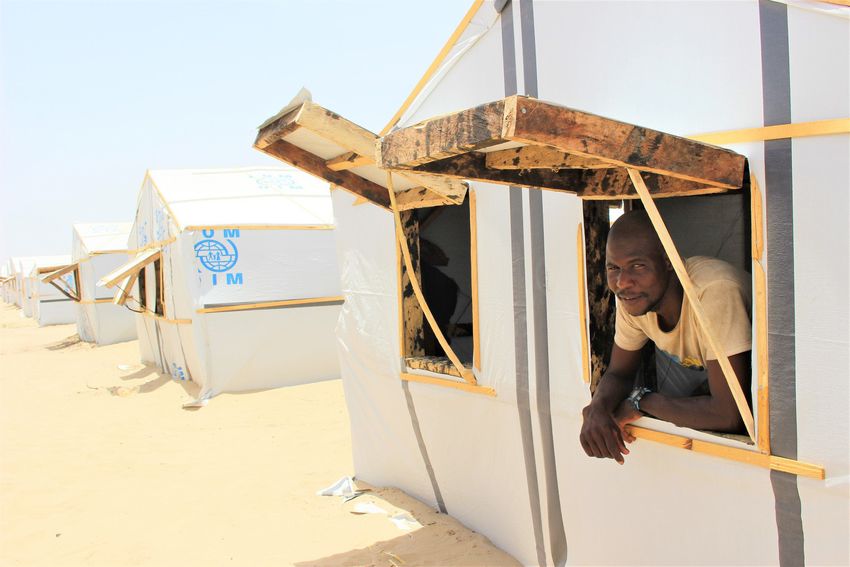
HUMANITARIAN RESPONSE PLAN 2020 HUMANITARIAN CONSEQUENCES PRIORITIZED FOR RESPONSE
Advocacy and negotiations for access to land to reduce congestion The response will support efforts to restore people’s resilience to Prioritized critical problems related to physical and mental well-being
in camps, as well as improving the condition of shelters and provision shocks through projects that promote longer-term durable solutions
of NFIs will be among key priorities for the response. In addition, and recovery of the target groups. Partners will strengthen linkages
the response will aim to increase access to basic essential services with development actors to rebuild necessary infrastructure and PEOPLE IN NEED WOMEN CHILDREN WITH DISABILITY
53% 24% 57% 15 %
including education in emergency services to enhance the physical services, restore commercial opportunities and provide access to
and mental wellbeing and living standards of the target population agricultural land and tools and other livelihood opportunities including
in the medium term. Humanitarian actors will advocate for the for the most vulnerable groups.
re-establishment of local civil authorities and governance structures
to enhance opportunities for local authorities to resume and restore
According to the 2020 HNO, up to 4.7 million people in the BAY states Humanitarian partners will respond to priority physical and mental
services for longer-term impact.
are in need of specific or a combination of needs related to food wellbeing needs of up to 1.48 million IDPs in and out of camps, 0.76
Category 3 - LGAs with low humanitarian needs security, shelter, water, sanitation, hygiene, and protection concerns, million returnees, and 1.98 million host communities, with vulnerable
14 LGAs that experience a wide range of needs that may be in the physical and mental wellbeing category. The main aggravating sub-groups of pregnant women, people with disabilities, the elderly,
related to underlying multi-dimensional poverty and structural factors prioritised for response are related to insufficient access and people suffering from chronic diseases, survivors of rape and
underdevelopment not necessarily directly related to the conflict are to health services, lack of food diversity, inadequate child feeding other forms of GBV, female-headed and children-headed households,
included in Category 3. The needs assessment of the impact of the practices leading to acute malnutrition, lack of appropriate shelters unaccompanied children, and newly displaced populations coming
destruction of basic social and economic infrastructure and services, and NFIs for IDPs living inside and outside camps, a minimum from inaccessible areas, and LGAs with high host/IDP ratio located
private enterprises and housing, markets, health and educational standard of safe water supply, and lack of proper sanitation facilities across LGAs in the BAY states, particularly in Borno State. It also
facilities, and agricultural assets on people's resilience and ability to and hygiene services. The risk of being caught up in the crossfire and includes 0.8 million children under five suffering from malnutrition,
recover from shocks such as displacements was undertaken. Women conflict-related killings and deaths, forced recruitment, abductions, approximately 310,000 people living in the open without shelter,
and girls, children-headed households, and people with disabilities are and rape, especially for IDPs in camps and camp-like settings, remain and almost half a million people living in deplorable conditions in
most affected and many have adopted negative coping mechanisms critical drivers of protection risks to be addressed in the response. makeshift shelters or sharing shelters with other families[8].
to meet their daily needs.
MONGUNO/BORNO, NIGERIA
500 shelters constructed in Kuya camp to accommodate to
the influx of new arrivals.
Photo: OCHA/Leni Kinzli
Prioritized critical problems related to living standards
PEOPLE IN NEED WOMEN CHILDREN WITH DISABILITY
74% 23% 60% 15 %
An estimated 5.4 million people in 27 LGAs across the BAY states returnees living in partially destroyed or damaged shelters and or
are facing overlapping needs related to their physical and mental have been forced to move back into overcrowded camps due to
wellbeing and living standards, with acute (extreme and severe) insecurity and lack of services, and 1.4 million host communities at
living standard needs. The main aggravating factors prioritised risk of eviction as a result of lack of proper housing, land and property
for the response are related to limited access to health services rights documentation across 27 LGAs within the BAY states. The
including: reduced access to vaccination coverage; lack of access to majority of people targeted are in Borno State, including up to 1.68
prenatal and neonatal services for pregnant women; lack of access to million IDPs in and out of camps, 1.09 million returnees, and 1.25
adequate safe water for drinking below Sphere Standards of 15 liters million host communities. The people targeted also include vulnerable
per person per day; lack of non-food items and sanitation supplies; sub-groups of pregnant women, people with disabilities, elderly,
and lack of access to functional latrines. It also includes lack of female-headed and children-headed households, unaccompanied
access to legal documentation; limited access to primary education children, and women and girls who are exposed to high protection
and training for livelihood opportunities; and lack of access to GBV risks in congested camps and informal settlements.
services and appropriate referral pathways for women and girls to
access justice.
Humanitarian partners will respond to overlapping priority physical
and mental wellbeing and living standard needs of 1.8 million IDPs
in formal and informal camps and host communities, 1.4 million
18 19HUMANITARIAN RESPONSE PLAN 2020 HUMANITARIAN CONSEQUENCES PRIORITIZED FOR RESPONSE
Prioritized critical problems related to recovery and resilience Strategic Objective 1 Strategic Objective 2
Save lives by providing timely and integrated multi-sector assis- Enhance timely, unhindered and equitable access to multi-sec-
tance and protection interventions to the most vulnerable. tor assistance and protection interventions through principled
PEOPLE IN NEED WOMEN CHILDREN WITH DISABILITY
humanitarian action.
27% 31% 41 % 15% PEOPLE IN NEED PEOPLE TARGETED PEOPLE IN NEED PEOPLE TARGETED
4.7M 4.2M 5.4 M 4.0M
Up to 2.2 million returnees and host communities are facing needs age. Some of the aggravating factors prioritised for the response NIGER NIGER
Lake Chad Lake Chad
related to recovery and resilience from the conflict. The main with development partners are related to pre-crisis vulnerability NIGER
NIGER NIGER
NIGER
Lake
Lake
Chad
Chad Lake
Lake
Chad
Chad
aggravating factors prioritised for response are associated with the and poverty levels compounded by ten years of conflict. The MSNA CHAD CHAD
lack of access to livelihood and economic opportunities as a result reported the impact of weak services, inter-communal and religious CHAD
CHAD CHAD
CHAD
of the destruction of social and economic infrastructure, private tensions, and macroeconomic vulnerability on people’s resilience and
business enterprises that significantly reduced income generation and coping mechanisms.
livelihood opportunities for the affected people in the BAY states. It Humanitarian partners will support efforts to restore resilience and
also includes the lack of access to suitable land and inputs to resume coping mechanisms of up to 1.3 million returnees and 0.9 million host
agricultural livelihoods, and the impact of hosting a large number of communities in 14 LGAs in the BAY states, majority of whom are in
IDPs who, in some areas outnumber the host communities, extreme 13 LGAs across Adamawa and Yobe states that experienced relative
and severe negative coping mechanisms such as borrowing and asset stability throughout 2019, but continued hosting and or receiving
stripping, and the lack of land and property rights documentations. returnees. The response will also target vulnerable sub-groups of
The lack of adequate early recovery programs, and the scaling down pregnant women, people with disabilities, elderly, female-headed and
of humanitarian assistance in some LGAs in Yobe and Adamawa child-headed households, and unaccompanied children. Proportion of PiN targeted Proportion of PiN targeted
states has forced families to marry off their daughters at an early 5,288
Proportion
Proportion of -PiN
of PiN 55,964
targeted
targeted Proportion13,707
of PiN
Proportion -targeted
of PiN79,131
targeted
55,965
5,288
5,288 - -55,964
159,910
- 55,964 79,132
13,707 199,829
- 79,131
13,707 - 79,131
CAMEROON CAMERRON
159,911
55,965
55,965 - -159,910
369,365
- 159,910 199,830
79,132 - -199,829
416,660
- 199,829
79,132
CAMEROON
CAMEROON CAMERRON
CAMERRON
Inaccessible
159,911
159,911 - 369,365
- 369,365 Inaccessible
199,830 - 416,660
199,830 - 416,660
RANN/BORNO, NIGERIA
Inaccessible
Inaccessible Inaccessible
Inaccessible
A community volunteer in Rann teaches children about hand washing and hygiene.
Humanitarians face challenges in accessing the town and heavily rely on local
community volunteers to support humanitarian efforts.
Strategic Objective 3
Photo: OCHA/Leni Kinzli
Strengthen the resilience of aected populations, promote early re-
covery and voluntary and safe durable solutions to displacement
and support social cohesion. Summary
PEOPLE IN NEED PEOPLE TARGETED PEOPLE IN NEED PEOPLE TARGETED
2.2 M 1.6 M 7.9M 5.9M
NIGER
Lake Chad CONSEQUENCE PEOPLE TARGETED
NIGER
NIGER
Lake Chad
Lake Chad
CHAD
CHAD
CHAD Critical problems related to
4.2 M
physical and mental wellbeing
Critical problems related to
4.0 M
living standard
Proportion of PiN targeted
Proportion1of
Proportion- 18,470
PiN
of PiN
targeted
targeted
Critical problems related to
18,471
1 -1
18,470 - 62,940
- 18,470
Coping Mechanism 1.6 M
CAMEROON
62,941
18,471
18,471 173,764
- 62,940
- 62,940
CAMEROON
CAMEROON
Inaccessible
62,941
62,941
- 173,764
- 173,764
Inaccessible
Inaccessible
20 21HUMANITARIAN RESPONSE PLAN 2020 STRATEGIC OBJECTIVES AND RESPONSE APPROACH
1.2 Wherever possible, the assistance will be delivered through cash and
voucher assistance programmes.
To achieve the intended outcomes, the response will focus on
reducing the prevalence of acute malnutrition among children
Strategic Multi-sector responses will be prioritised wherever possible to
address the critical problems related to mental and physical
under five through an integrated and comprehensive package of
preventive and curative nutrition services. It will also aim to reduce
Objectives wellbeing, where possible humanitarian partners will prioritise
integrated and coordinated projects to improve life-saving healthcare
the proportion of people facing severe food insecurity through multi-
sectoral nutrition-sensitive livelihood activities to improve dietary
and Response services, food consumption, dietary diversity and coping strategies
for vulnerable groups and sub-groups, including elderly, chronically ill
diversification and nutrient intake. Humanitarian partners will scale
up Safe Access to Fuel and Energy (SAFE) programming to address
Approach
people, children under five, and pregnant and breastfeeding women. immediate food utilization and minimize protection risks.
MONGUNO/BORNO, NIGERIA
Thousands of pregnant and brestfeeding women received
Strategic Objective 1
nutritional supplements.
Addressing critical problems related to physical and mental well-being Photo: OCHA/Leni Kinzli
PEOPLE IN NEED PEOPLE TARGETED WOMEN CHILDREN WITH DISABILITY
4.7M 4.2M 24% 57% 1.3%
Rationale and intended outcome people, about a million women and girls at higher risk of GBV, nearly
The lack of access to essential services, food insecurity, protracted one million children of which 53 per cent are girls and 47 per cent
displacement, protection concerns and insecurity as a result of ten are boys will be targeted with services to protect them from abuse,
years of conflict remains a significant concern for the mental and discrimination, exploitation, neglect and violence. Also, some 632,000
physical wellbeing of IDPs, returnees and host communities. Under people living in areas contaminated with mines, IEDs, UXOs, and other
this objective, 4.2 million people will receive life-saving humanitarian associated risks will be targeted with mine risk services.
assistance to address critical problems related to physical and mental
wellbeing. Of these, 34 per cent are IDPs, 18 per cent returnees, and Specific objective and coordinated response approach
the remaining 48 per cent are host communities. The majority (about Strategic Specific Objective SO1.1: Strengthen timely access to
3.8 million) of the population are experiencing severe food insecurity, humanitarian assistance for 0.5 million IDPs in camps and 0.2 million
as highlighted by the October 2019 Cadre Harmonise analysis. Also of people in the host community.
included in the people targeted are 255,612 severely malnourished Strategic Specific Objective SO1.2: Ensure safe, dignified, and
children under five, some 283,424 moderately malnourished children fundamental human rights-focused assistance is accessible to 1.4
under five, and 269,492 pregnant and breastfeeding women/ million target population.
caregivers of children ages zero to 23 months who are entirely
Strategic Specific Objective SO1.3: Deliver integrated and
dependent on humanitarian assistance.
coordinated life-saving health, food security, nutrition, protection,
The response will also prioritize the most vulnerable groups with shelter & NFIs, and WASH assistance to 1.5 million IDPs and 1.9
emergency life-saving water, food, shelter, NFIs, health, psychosocial million host community. The response will aim to reduce protection
support, and protection services to improve their physical and threats and incidents related vulnerabilities of female and child-
mental wellbeing. The health response will address prioritised critical headed households, unaccompanied and separated children,
needs related to establishing, expanding and strengthening the adolescent boys and girls, the elderly, the chronically sick, people
monitoring of the outbreak of communicable diseases, prevention with physical and mental disabilities, and pregnant and breastfeeding
and response systems to enhance a timely response, and reduce the women by reducing their exposure to protection risks through
risk of morbidity and mortality. The CCCM response will prioritise protection monitoring, vulnerability screening, referral mechanisms,
the provision of essential shelter and non-food items for 0.9 million provision of documentation and legal advice services especially
people living in the open or in makeshift shelters to improve their for Housing Land and Property, and provision of protection-based
living conditions. The WASH response will prioritise the provision of material assistance.
clean water and sanitation services. Vulnerable population groups
Humanitarian presence in the LGAs will be strengthened to ensure
include pregnant and breastfeeding women, elderly, and chronically ill
that assistance is timely, integrated, flexible.
22 23You can also read


