See. Act. Stay - A Roadmap to Newcomer Attraction and Retention in Quinte & Area - Centre for Workforce Development
←
→
Page content transcription
If your browser does not render page correctly, please read the page content below

See.
Act.
Stay.
A Roadmap to Newcomer Attraction
and Retention in Quinte & Area

                  1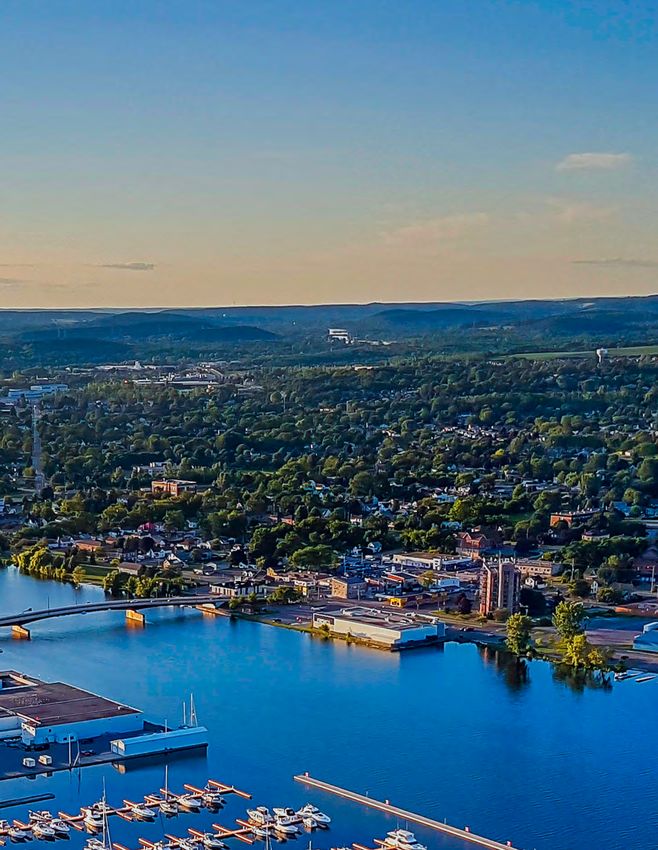
Acknowledgements

Front cover image
Tim Morris

The Ontario Ministry of Agriculture, Food and Rural
Affairs through the Rural Economic Development
Fund

The Project Partners
Centre for Workforce Development
Trenval
City of Belleville
City of Quinte West
County of Hastings
The Corporation of the County of Prince Edward
County of Lennox and Addington
Quinte Economic Development Commission
Bay of Quinte Regional Marketing Board

The Steering Committee for the Project
Brad Labadie, Centre for Workforce Development
Amber Darling, Trenval
Mike Hewitt, Quinte Economic Development
Commission
Jen Achilles, Bay of Quinte Regional Marketing
Board
Trevor Crowe, Prince Edward County
Luisa Sorrentino, Hastings County
Tracey Snow, Lennox and Addington County
Karen Poste, City of Belleville
Anne Munro, City of Belleville
Linda Lisle, City of Quinte West

Strategist
Chéla Breckon, Founder
With Chéla Inc

Research Lead
Michelle Charest, MA

Document Design
Laura Hanek, Swoop Media

Editor
Marja Huis, MA

Videography and Images Provided by
Studio Dreamshare

A special thanks to those who participated in group
consultations and one-on-one interviews. Your
input and commitment to the project was greatly       This project is funded in part by the Government of
appreciated.
                                                                           Ontario.
QUINTE & AREA REGIONAL RURAL IMMIGRATION
STRATEGY

TABLE OF CONTENTS
PAGE 1 - Who - The Partners

PAGE 5 Why - The Problem

PAGE 6 - What - The Vision

PAGE 7 - How - The Solution

PAGE 9 - 29 - Projects for Implementation

PAGE 30 - 42 - Detailed Research to Support Recommendations

PAGE 43 - Case Study References

PAGE 45 - Academic References

PAGE 48 - Website References

Preface

The Rural Immigration Strategy was created by a partnership among the Centre for
Workforce Development, Trenval, City of Belleville, City of Quinte West, County
of Hastings, The Corporation of the County of Prince Edward, County of Lennox
and Addington, Quinte Economic Development Commission, and the Bay of
Quinte Regional Marketing Board.

The research was made possible by the Rural Economic Development (RED) fund
at the Ontario Ministry of Agriculture, Food and Rural Affairs (OMAFRA). This rural
community matching grant is designed to generate sustainable economic growth
for the region. The project was led by a Steering Committee of community actors
and Consultant Chéla Breckon of With Chéla Inc.

The Strategy’s recommendations are intended to provide specific evidence-based
directions not only to solve current workforce challenges but also to stimulate long-
term economic and social prosperity. The strategic directions include suggestions
for measurement and analysis to enable the collection of research-based results.

The material contained in this report has been prepared for the Centre for
Workforce Development (CFWD) and its partners on this project. The information
is drawn from a variety of sources considered to be reliable. We make no
representation or warranty, explicit or implied, as to its accuracy or completeness.
In providing this material, CFWD does not assume any responsibility or liability. The
views expressed do not necessarily reflect those of the Government of Ontario.
This report has been issued March 2020.

WHO - THE PARTNERS
A recent article written by Derek Baldwin                Centre for Workforce Development, Trenval,
in The Belleville Intelligencer on January 3,            City of Belleville, City of Quinte West, County
2020, featured the reaction of local leaders to          of Hastings, The Corporation of the County
the Liberal government’s announcement to                 of Prince Edward, County of Lennox and
                                                         Addington, Quinte Economic Development
take in more immigrants over the next three
                                                         Commission and theBay of Quinte Regional
years with 5,000 selected to help offset skilled
                                                         Marketing Board.
workforce shortages in smaller communities
and rural areas – including Belleville and
                                                         •   Hastings County is the second-largest county
Quinte region. Belleville Mayor Mitch Panciuk
                                                             in Ontario and includes the cities of Belleville
Belleville welcomes the idea pointing out that
                                                             and Quinte West. The total population is
“businesses in the city and region are in dire
                                                             136,445 which includes 9480 immigrants or
need of employees with the necessary skills to
                                                             7%. The average age is 43.8.
move the local economy forward.” The federal
initiative will help offset the tendency of most
                                                         •   Lennox & Addington County is a vast rural
new Canadians to settle in Canada’s large cities.
                                                             county and includes the towns of Napanee
“A lot of immigration, when it does come, goes
                                                             and Amherstview. The total population is
to bigger cities. We’re just waiting to see how it
                                                             42,888 which includes 2655 immigrants or
falls out,” says Bay of Quinte MP Neil Ellis.
                                                             6.2%. The average age is 44.4.

While welcoming the federal initiative, as
                                                         •   Prince Edward County is a 1,000-square-
reflected by the article in The Belleville
                                                             meter island community with a population of
Intelligencer, local and regional leaders realize
                                                             24,375, which includes 2480 immigrants or
much more effort is required to make it a
                                                             10%. The average age is 49.4.
success.

In response, the region created a unique
partnership among community leaders to
explore a Rural Immigration Strategy to solve
urgent labour market shortages and stimulate
economic growth. The following regional
partners came together to identify evidence-
based solutions to address this challenge:

                                                     1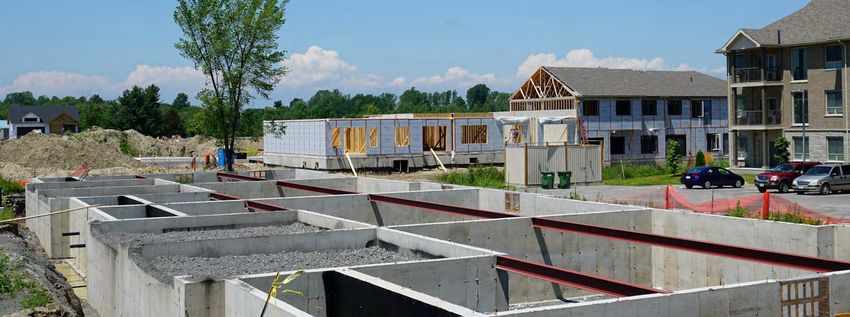
136,445
STINGS
HA
HASTINGS COUNTY
Comprised
POPULATION (2016)
43.8 of
14-member
municipalities
AVERAGE
AGE
9480 (7%)
Ages 0 - 14 15.4%
TOTAL
NTARIO IMMIGRANTS
O Ages 15-64 63.3%
41 (NON-
1.12% POPULATION GROWTH
RATE 2011-2016 AVERAGE
AGE
Ages 65+ 21.3% CITIZENS)
TOTAL IMMIGRANTS
NADA
Second largest county in Ontario, CA CONTINENTS OF ORIGIN
stretching almost 160km from the 41 EUROPE
ASIA 1850
5815
Bay of Quinte to Algonquin Park AVERAGE
AGE AMERICA 1550
AFRICA 190
PE C
24,375
Total Immigrants 2480 or 10%
PRINCE EDWARD COUNTY
where 1805 (73%) of them
POPULATION (2016)
49.4 arrived prior to 1981
AVERAGE
AGE
Ages 0 - 14 11.6%
NTARIO Ages 15-64 58.6%
O
41
-2.1% POPULATION GROWTH Ages 65+ 29.8%
RATE 2011-2016 AVERAGE
AGE
NADA TOTAL IMMIGRANTS
Nearly half of the working age CA CONTINENTS OF ORIGIN
population (15-64) are closing in on 41 EUROPE 1850
retirement – age 49 – 64 is 47% of AVERAGE
AGE
AMERICA 380
ASIA 160
working age population, or 6815
AFRICA 75
people out of 14,495
LENNOX & ADDINGTON COUNTY
42,888
L&A
Total Immigrants 2655 or 6.2%
44.4
where 1750 (66%) of them
POPULATION (2016) arrived prior to 1981
AVERAGE
AGE Ages 0 - 14 15.1%
Ages 15-64 63.4%
NTARIO
2.6% POPULATION GROWTH O
Ages 65+ 21.6%
RATE 2011-2016 41
AVERAGE
AGE
39.15% of the working age TOTAL IMMIGRANTS
NADA CONTINENTS OF ORIGIN
CA
population 15-64 is closing in on
retirement – age 49 – 64 is working 41 EUROPE
AMERICA 425
1840
AVERAGE
age population, or 10,635 people AGE ASIA 270
AFRICA 65
out of 27,165
2
Countries of Origin for Recent Immigrants (2016):
                                 Over the last three census periods,                          AMERICAS (150 or 22.9%):
 HASTINGS COUNTY
                                 these numbers have been steady         Brazil (20 or 3%), Colombia (25 or 4%), Jamaica (10 or 1.5%), United States
                                   and most recently increased:                               (80 or 12.2%), Other (10 or 1.5%)

                                 2001 - 2005: 560 Newcomers
                                 2006 - 2010: 540 Newcomers                                       EUROPE (65 or 10%):
                                2011 - 2016: 655 Newcomers or            Romania (10 or 1.5%), Ukraine (10 or 1.5%), United Kingdom (35 or 5.3%),
                                      0.5% of population                                             Other (20 or 3%)

                                                                                                   ASIA (400 or 61%):
                                   TOTAL IMMIGRANTS AGE
                                                                        China (40 or 6.1%), India (115 or 17.6%), Japan (10 or 1.5%), South Korea (25
                              Under age 5              1395 or 14.7%   or 3.8%), Nepal (10 or 1.5%), Pakistan (25 or 3.8%), Philippines (130 or 19.8%),
                                                                                          Vietnam (15 or 2.3%), Other (35 or 5.3%)
                              5- 14 Years of Age       2050 or 21.6%

                              15 - 24 Years of Age     2450 or 25.8%
                                                                                                  AFRICA (35 or 5.3%):
                              25 - 44 Years of Age     3145 or 33.2%            Democratic Republic of Congo (10 or 1.5%), Other (25 or 3.8%)
                              45 Years or More         440 or 4.6%

                                  The 1980’s welcomed 215              Countries of Origin for Recent Immigrants (65, 2016):
 PRINCE EDWARD COUNTY

                                The 1990’s only welcomed 130
                                  2001-2005 welcomed 100                                       AMERICAS (20 or 30.7%):
                                   2006-2010 another 150
                                                                                         Jamaica (15 or 23%), Other (5 or 7.7%)
                               During the home price boom, the
                              value dramatically lowered to 65 in
                                          2011-2016
                                                                                                  EUROPE (15 or 23%):
                                                                                                    Other (15 or 23%)
                                 TOTAL IMMIGRANTS AGE
                            Under age 5              320 or 17.7%                                  ASIA (25 or 38.5%):
                            5- 14 Years of Age       560 or 31%                         China (10 or 15.4%), Israel (10 or 15.4%)
                            15 - 24 Years of Age     625 or 34.6%

                            25 - 44 Years of Age     815 or 45%                                   AFRICA (10 or 15.4%):

                            45 Years or More         150 or 8.3%                                 South Africa (10 or 15.4%)
LENNOX & ADDINGTON COUNTY

                                                                        Countries of Origin for Recent Immigrants (2016):
                                   The 1980’s welcomed 315
                                 The 1990’s only welcomed 185
                                   2001-2005 welcomed 140                                   AMERICAS (50 or 47.6%):
                                    2006-2010 another 165                Cuba (10 or 9.5%), Mexico (20 or 19%), United States (20 or 19%)
                                   2011-2016 welcomed 105

                                 50/50 Economic to Sponsored
                                 immigrant status upon landing
                                                                                              EUROPE (15 or 14.3%):
                                                                                   Germany (10 or 9.5%), United Kingdom (10 or 9.5)
                                  TOTAL IMMIGRANTS AGE
                            Under age 5              420 or 15.8%

                            5- 14 Years of Age       660 or 24.9%                                  ASIA (30 or 28.6%):
                                                                                      India (15 or 14.3%), Philippines (15 or 14.3%)
                            15 - 24 Years of Age     585 or 22%

                            25 - 44 Years of Age     870 or 32.8%
                                                                                                   AFRICA (10 or 9.5%):
                            45 Years or More         115 or 4.3%
                                                                                                     Other (10 or 9.5%)

                                                                            3
QUICK FACTS
•   50/50 Economic to Sponsored immigrant status upon landing
•   County has welcomed approximately 1000 immigrants each decade from 1980 up to 2010. This
    increased by 31% when you compare historical entries to the last census.
•   New Brand and Marketing plan in place early 2019
•   Housing Plan updated at the end of 2019
•   Deep partnerships with The City of Belleville and Quinte West (Trenton)
•   Average Market Rent (CMHC) – 1 bedroom $918, 2 bedroom $1027
•   Average Home price (MPAC) ranges from $156K to $183K
•   Video series “I left the city” as usable tool
•   Settlement Services and English-as-a-Second Language Training centralized in the City of
    Belleville

                                        QUICK FACTS

•   50/50 Economic to Sponsored immigrant status upon landing
•   Community and Economic Development Commission well-established, advisory to Council in
    nature with operating budget
•   Projected industry growth in Accommodations & Food Services, Agriculture & Forestry and
    Professional, Scientific & Technical Services
•   Picton is the business centre of the county
•   Expanding cultural amenities and small business dominated economy
•   Support for welcoming communities work contained in Strategic Plan Framework
•   Housing concerns with an average home price of nearly $500K and limited rentals

                                        QUICK FACTS

•   50/50 Economic to Sponsored immigrant status upon landing
•   A strong focus on bolstering business activities is present here
•   All immigrant supports are located outside of the county
•   2019 Provincial investment in affordable housing initiatives
•   New child care centre approved for Amherstview
•   Business Coaching provided to business community successfully – example of robust business
    supports available from the county
•   No mention of newcomer attraction as a specific target within communications

                                              4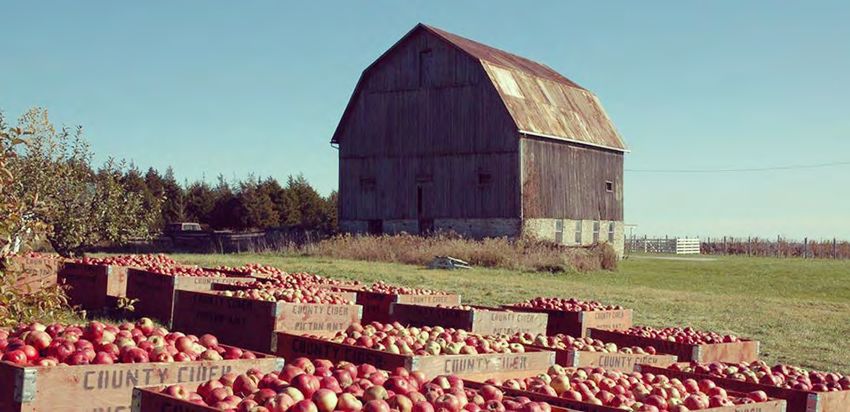
WHY - THE PROBLEM
A profound demographic shift is driving an                opportunities, greater cultural and ethnic
urgent need for an organized Rural Immigration            diversity, and most significantly, a familiarity with
Strategy within the region. This shift is caused by       either family or friends already living there. In
the twin obstacles of an aging population and             2012, only 15% of newcomers living in Canada’s
youth outmigration, exacerbated by a declining            large cities reported that they would be willing
birth rate and accelerated retirements.                   to move elsewhere in Canada.

Quinte’s regional population is significantly older       This urban-rural immigration imbalance has
than the rest of the province and the nation.             created strain on both sides. The Greater
The average age is 43.8 in Hastings County,               Toronto Area (GTA), for example, has
44.4 in Lennox & Addington County, and 49.4               experienced a rapid increase in population
in Prince Edward County compared to 41.0 in               since 2012, causing a significant out-migration
Ontario and 41.2 in Canada. To underscore the             into neighbouring cities such as Hamilton and
significance of this trend it bears mention that          London and even more outlying communities
nearly half (47%) of the working-age population           such as Niagara. These communities are now
in Prince Edward County and more than a third             facing unplanned rapid population growth and
(39.15%) in Lennox & Addington County are                 are struggling to settle and retain immigrants
closing in on retirement.                                 and secondary migrants without increasing the
                                                          housing crisis. Meanwhile, rural communities lag
At the same time that Quinte and area faces               far behind in proportionally equal immigration
labour shortages caused by an aging workforce,            values as their urban counterparts, and struggle
it also has a significantly lower immigrant               to avert economic decline due to workforce
population than the rest of the province and              shortages.
the nation. The total immigrant population
is 7% in Hastings County, 6.2% in Lennox &
Addington County, and 10% in Prince Edward
County compared to 53.3% in Ontario and
21.9% in Canada. Immigration to the region has
been largely stagnant with only a small uptake
in recent years of 655 newcomers in Hastings
County, 105 in Lennox & Addington County and
65 in Prince Edward County.

Most immigrants still tend to arrive in Canada’s
largest cities – 77% or 106,000 people in 2018
according to Statistics Canada – instead of
Canada’s smaller cities and rural areas. They
arrive in Toronto, Vancouver or Montreal
driven by the perception of vast economic
                                                          Credit: Studio Dreamshare
                                                      5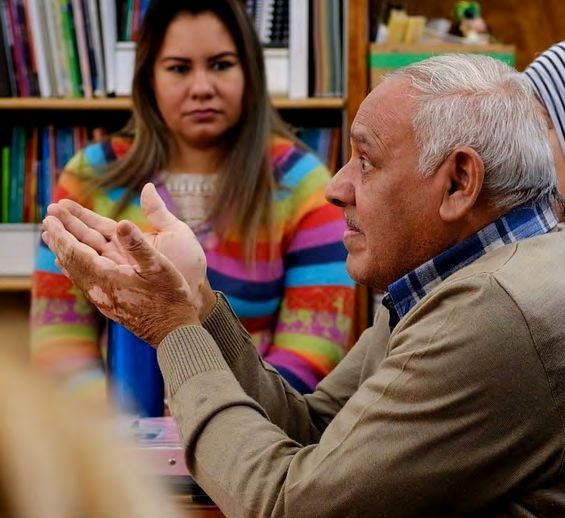
WHAT - THE VISION
The purpose of the region’s Rural Immigration            as a community when diversity is present and
Strategy is to revitalize the rural community by         welcome, and all people have equal opportunity
encouraging newcomers to settle in the various           and access to the life they choose to build.
towns and cities. Integral to this effort is the
desire to value the potential contributions of           To achieve this objective, the region has
immigrants not only to perform critical jobs, but        identified four over-arching strategic visions
also to bring diversity to the region.                   that together form the framework of the Rural
Whereas the immediate need for newcomer                  Immigration Strategy:
workers is to retain current local employers and
the jobs they generate, this solution also allows
for long-term planning to avoid future workforce
shortages and stimulate the business sector.
And whereas the immediate settlement needs of
                                                         LEGEND FOR PROJECT ICONS
newcomers is to take up residence in the region,
this evolution also invites the local population
to develop suitable support programs and
                                                                         Vision 1 = Prepare
welcoming communities.
                                                                         Regional actors assemble,
The ultimate purpose is to foster a vibrant                              coordinate and prepare to take
community where all people are valued and                                action.
invited to contribute – an objective that goes
beyond any direct economic benefit and truly                             Vision 2 = See
advances sustainable revitalization. This reflects                       Newcomers can clearly perceive
the desire of the local community itself, which                          economic and community
during consultations indicated that we do better                         opportunities in the region that
                                                                         match their skills/education and
                                                                         preferences.

                                                                         Vision 3 = Act
                                                                         Newcomers acquire familiarity with
                                                                         their potential new community for
                                                                         themselves and their families that
                                                                         motivates migration to the region.

                                                                         Vision 4 = Stay
                                                                         Newcomers have a sense of
                                                                         belonging made possible
                                                                         through meaningful, self-defined
                                                                         participation in the community and
                                                                         region.
Credit: Studio Dreamshare
                                                     6
HOW - THE SOLUTION
The way in which the region proposes to                of four core principles that will be reflected
implement the objective of its Rural Immigration       throughout all components of the region’s Rural
Strategy is multifaceted and designed around           Immigration Strategy:
a set of core principles. It involves projects
that reflect the four strategic visions, which         1. Leadership that engages in newcomer
put the newcomer centre stage to ensure their             advocacy and is deliberate in including
immigration or secondary migration to the                 newcomers in community planning. For
region is a success.                                      example,
                                                          A) Research and investigate the lived
Their success is our success!                             experiences of newcomers to build
                                                          understanding of their unique needs
The four strategic visions are dynamic, mutually          B) Advocate for all partners and other
reinforcing and cyclical:                                 actors to adopt this understanding into their
                                                          planning and efforts
The Cycle                                                 C) Invite and encourage newcomers to
Implementing the region’s Rural Immigration               become leaders at planning tables and in
Strategy by understanding what newcomers                  decision-making roles to ensure the lens of
need and appreciate to become valuable and                their experience is considered
valued community members                                  D) Select project leaders and staff with a
                                                          passion for welcoming communities and the
-> Catching the attention of newcomers by                 principles of inclusion
promoting Quinte and area as a desirable
place to live -> Attracting newcomers by               2. Actions that are inspired by the values
demonstrating the economic and social                     of community-wide equity, diversity and
advantage of moving to Quinte and area ->                 inclusion. For example,
Retaining newcomers by offering welcoming                 A) Put people at the centre of all decisions
communities that invite families to settle and            B) Focus on building a welcoming community
stay.
                                                       3. Innovation that is rooted in the
The backdrop these goals and actions is a set             resourcefulness and perseverance typical of
                                                          rural communities. For example,
                                                          A) Consider the differences between the
                                                          rural areas of the region and the more urban
                                                          zones and determine what is required to
                                                          provide meaningful impact within each
                                                          environment
                                                          B) Explore shared resources and
                                                          collaboration to carry out projects
Credit: Studio Dreamshare
                                                   7
4. Success that is measured in how many 1. The strategic vision(s) supported by the
newcomers feel they have been welcomed project
and are permanently settled. For example, 2. The expected outcomes of the project
A) Measure project results according to 3. The current situation from both a position
newcomer satisfaction in living in the region of strength and the opportunity to address
B) Create robust narrative and qualitative challenges
measurements that tell the story of welcoming 4. A summary of best practices related to the
communities in the region project
5. Recommendation on a project solution
The projects recommended have been framework
organized into clear and concrete frameworks 6. Suggestions for evaluation and
that can be adopted and adapted by the measurement, including opportunities to add
regional actors. They each outline: value beyond the expected outcomes
Sam Elbadawi and Carmen Ellis-Toddington are a husband and wife design/build team who own and operate Structural Anomaly.
8PROJECTS FOR
IMPLEMENTATION
9UNITE! PREPARE SEE ACT STAY
Host a commitment and coordination event with all relevant players, partners and groups.
Intended Outcomes
1. Projects selected to be carried out are delivered by the most suitable
partner with roles and resources that fit the project.
2. Partners feel a sense of ownership over the individual project they
selected.
3. All partners are aligned with the regional commitment for change.
4. All partners adopt common language and behaviours for consistency.
Situation
STRENGTH OPPORTUNITY
Six core programs supporting welcoming Bring together these six groups and the regional
communities were identified, partners in order to tackle,
1. Direct services to newcomers (Quinte 1. Overall alignment of purpose and
Immigration Services and Loyola) commitment to becoming more welcoming
2. Social change initiatives (Inclusion Committee, 2. Coordinate players with respect to individual
United Nations Association – Quinte Branch) need and strengths for project selection
3. Information Sharing and Access (Quite 3. Discover shared resources and partnership
Immigration Portal and Quinte Local opportunities for working together on projects
Immigration Partnership) 4. Prepare and plan for investments required to
4. These programs are achieving results ongoing carry out projects
and are positioned to continue. The actors
involved are committed to serving, supporting Working together in alignment is essential for a
and advocating for newcomers. Each program regional strategy to work. The players can come
operates under a specific mandate tied to together to reduce siloed work and find ways to
their respective sectors and a clear unifying complement each other’s effort. Making sure to tie
connection to welcoming communities was projects to the right partner will be important to
found. reach expected results efficiently.
The partnership of local and regional government
and agencies to support the creation of this plan
shows buy-in and commitment from community
leaders. A clear connection to the economic
benefits of a welcoming community is shared and
understood among the partners.
10Best Practice Recommendations
Effective community engagement and regional Host a commitment and coordination event with
coordination is brought about by adopting all relevant players, partners and groups. It is
some specific key principles. When forming the recommended that this event be extraordinarily
coordination exercise with partners, consider these inclusive and well-planned, utilizing the expertise
elements in the plan: of a dynamic facilitation team that has experience
1. Plan & Prepare – chose the participants to be with regional coordination and has familiarity using
invited carefully, select a seasoned workshop mechanisms and tools that invite widespread
designer and facilitator to lead the exercise and participation, centered in the principles of
layout the expected outcome of the session and community engagement.
reason to do it with planning team. Engage the
use of digital tools like sli.do to collect, prioritize It is recommended that during the event, the
and synthesize information in real time. Design development of a Welcoming Communities
the session with the participants needs for Collective Charter where all parties involved in
access in mind (dietary, language, timing). any initiatives designed to inspire belonging
2. Inclusion & Diversity – use a variety of media commit to and live by. The charter would contain
to promote the event, employ different ways an overarching purpose statement, clearly and
to offer participant feedback (verbal, written, boldly articulating the reasons why to embark on
visual, artistic etc.), and ensure that the voices the work, and defined messages and language that
represent a diverse set of experiences and should be adopted by, used and shared commonly
lenses. within the grouping. Planning an insightful moment
3. Shared Purpose & Vision – develop a vision around signing the charter can bring about pride,
for the region collectively and investigate the connection and help to elevate meaning derived
common reason to do it, where all participants from the event, making the commitment to the
can unify in the objective and why to head charter’s elements highly recognized and adopted
there. by community members. People or organizations
4. Learn & See – be open to the different views who sign the charter then become members of
and approaches presented by participants and a democratic collective where the power of their
assist participants in doing the same with each membership is made possible through collective
other. impact.
5. Transparency & Trust – provide a guide for your
process and share it with the participant group, It is also recommended that participants receive
making sure to capture the results publicly as dynamic training on the founding principles of the
well by using video, live streaming or multi- charter. This would include understanding of one’s
person note taking with public distribution own unconscious bias, privilege, expectations and
follow up. norms built through intercultural competency. The
6. Intent & Action – ensure that the plans you training session can also include rationale as to
produce will have the impact you planned for why the charter is in place and how the common
and are well positioned with concrete action messaging was developed. Clear explanations and
items to help move participants forward. tools as to how to use the common language and
7. Commitment – Stay involved and regularly phrasing should also be provided, helping every
support participants as they progress to deliver member to understand the power of consistent and
on projects. Measure and reflect ongoing in aligned messaging in the communication plan for
order to learn how to improve year over year of the region.
execution.
Indicator Ideas:
Measurement & Value
• Number and type of participants (service providers, leaders, volunteers etc.)
• Sector reach (to track who is missing for future work)
• Track shareable talents and resources
• Feedback forms (use a pre and post-event question system to show increased understanding of why welcoming
communities are important, of the participants’ role in welcoming and an assessment of their capacity to engage)
Value Add Ideas:
• Film the session and use the footage for future communication tools
• Capture the results using a graphic recorder (illustration of feedback and findings created live at the event) so that a
visual art piece can be used in the future to share the process and input
• Consider making the event annual – this is a way to take stock, reconnect and find new opportunities
11COLLABORATE! PREPARE SEE ACT STAY
Learn from the common elements of social change initiatives practiced by other sectors and
apply them to immigration project designs.
Intended Outcomes
1. The effort of actors working towards inclusion in non-immigration sectors is
leveraged so that all parties can mutually benefit from complementary work.
2. The network of people contributing to a welcoming community is broad and
efficient.
Situation
STRENGTH OPPORTUNITY
Many agencies in the region support inclusion and Connect community groups with a common
belonging. Some examples: interest in equity, diversity and inclusion:
1. United Way “United for All” Campaign (anti- 1. Leverage common interest and priorities
racism and discrimination program) with groups contributing to inclusion outside
2. Employment Accessibility Resource Network of the immigration sector to amplify shared
“EARN” (program empowering employers to hire results and broaden their impact
a person with a disability) 2. Inventory best practices that are effective
3. Bay of Quinte Pride (LGBTQ+ events) and Positive with respect to inclusion
Space training/initiatives 3. Identify critical actors who can advise and
4. Belleville Waterfront & Multicultural Festival contribute to planning, partnered grant
(community social celebration of diversity in proposals and execution of selected
general) projects.
5. Women’s events or events geared to gender
equality (International Women’s Day, Women in Programs that focus on a specific segment
Business Initiatives, etc.) of the vulnerable population are important
6. Mosaics Creative Workshop Conference in to address and support their unique needs.
Belleville (arts community leverage point) It can, however, lead to “siloed” efforts for
7. Indigenous community events, groups and each specific group. Being mindful of the
programs (Enyonkwa’nikonhriyo:hake [Good central theme of acceptance and inclusion that
Minds] and Indigenous Peoples Partnership with connects all these programs opens the door to
Rotary Belleville) share and collaborate to mutual benefit.
8. Military Family support programs and events
By connecting with groups that share a common
interest in fostering belonging through education
and supports for vulnerable populations, the region
can consolidate the efforts of many to capture the
intended result of a welcoming community. This
collaboration with other sectors also helps broaden
understanding of the potential of all people in the
region and the capacity of project leaders to capture
their valuable contributions.
12Best Practice Recommendations
Much advantage is to be gained from opening up Learn from the common elements of social
the field of participation to other sectors embarking change initiatives practised by other sectors and
on the same or similarly themed work (see Unite!). apply them to immigration projects.
One of the major research findings of the Regional leadership tables, such as QLIP or new
Community Settlement Initiative (CSI) being carried ones established during the coordination event
out in Renfrew and Lanark Counties is that valuing (see Unite!), would do well by including an agenda
people, fostering belonging and comfortably item for each meeting to share inclusion programs
advocating for vulnerable or marginalized or campaigns from other sectors, and to develop
populations is not isolated in the immigration or mutually beneficial connections. Much work is
anti-racism sector. As CSI developed baseline being done with Indigenous communities, Pride
measurement tools, training and capacity building, events, women’s issues, gender identity, and re-
other sectors began sharing and complementing framing perspectives on physical ability in Canada
this work from their respective viewpoints. For and locally. This presents many opportunities to
example, CSI researched and tested ways to train discover synergies and establish connections that
people to comfortably choose to advocate for advance community-wide impact.
others who belong to outsider groups (such as
visible minorities). When these tests were carried An opportunity to research and investigate the
out in the larger community, other sectors (such as models used by other sectors can be included in
LGBTQ+, Indigenous peoples, and Persons with the strategic direction related to ongoing research
a Disability) invited collaboration on how to adapt (see Learn!). A concrete way to advance learning
CSI’s work to their identified group. is to develop an online tool for sharing social
change program designs. LIPs across Canada use
Another way to consider this overlap is to examine a website named Base Camp to pose questions to
the lived experience of all visible minorities. How a specialized network while responses are shared
can the work being done to include immigrants who and archived in the system. A user can engage
identify as a visible minority intersect with agencies actively by posing questions and carrying out
representing other visible minorities? Applying conversations, or passively by clicking through the
the principles of proven support programs from discussions that have already taken place to learn.
other sectors is an example of practical innovation. Assigning a relevant partner to this investigation
Community leaders can identify a range of process and to share it broadly at in-person
applications from other sectors to select those that meetings of groups like QLIP is a best practice for
can advance one specific vulnerable community, targeted learning, sustained by a central person or
such as visible minorities, into their program design. partner agency leading the effort.
Measurement & Value
Indicator Ideas:
• Frequency of a best-practice model being applied to local projects
• Time-spend tracking to demonstrate increased speed in delivering an effective response to close the gaps presented
by identified needs (e.g., reduce research and development investment and time, while still producing results)
Network breadth (how many sectors and people are contributing to the collective impact)
Value-Add Ideas:
• Create an online distribution channel to share what was learned and how it was applied to demonstrate leadership
and to broaden duplication of what works (leverage the portal or social media as pre-established tools)
• Carry out joint events or programs with clear champions in other sectors to demonstrate unified action and
community-driven commitment
13LEARN! PREPARE SEE ACT STAY
Fund and augment ongoing research with local listening activities to highlight the lived
experiences of newcomers needed to inform meaningful action.
Intended Outcomes
1. Decisions are evidence-based
2. Project design reflects the current needs of newcomers
3. A full understanding of the lived experience of newcomers is achieved
Situation
STRENGTH OPPORTUNITY
Quinte Local Immigration Partnership (QLIP) has Leveraging the data collected at QIS and Loyola
a federal mandate to produce research on the and engaging with or expanding pre-existing
lived experiences of newcomers and is funded into planning tables like QLIP, is an easy way to
2025. QLIP is housed within Quinte Immigration accomplish the proposed learning activity.
Services (QIS), where detailed quantitative and QLIP partners can help align and deepen the
qualitative data is collected about the newcomers impact of the partnership, as well as leverage
who receive services there. This partnership staff funding to support the need for detailed
provides a unique opportunity to leverage research year over year. The regional partners
the data collected by QIS at the QLIP partner may also consider a shared research staff position,
council meetings. Loyola School for Adult and mandated to produce local, provincial, national or
Continuing Education, the local English-as-a- global information necessary to inform planning
Second-Language training centre (Loyola), is also a and action. The role could generally support
keen participant in helping outside groups collect understanding of immigration trends and specific
newcomers’ stories to better inform interventions information needed to carry out a particular
for language training. project.
14Best Practice Recommendations
Pathways to Prosperity (P2P), formally known as Fund and augment ongoing research with
the Welcoming Communities Initiative based out local listening activities to highlight the lived
of Western University, is an organization mandated experiences of newcomers needed to inform
to perform research and analysis on best practices meaningful action.
in settlement and integration work in Canada. It
regularly receives funding to carry out investigations Discover creative ways to stay in touch with the
and publish reports on the findings. P2P provides lived experiences of newcomers, making an
a unique mix of academic methodologies and intentional effort to reach those living in isolation
practical consultations, which offer an excellent or not using community services as their voices
example of the framework required for holistic are likely the most important to hear. Agencies
decision-making. Consultations alone provide serving the general population, such as META
meaningful context to identify the needs of Employment Services, and directed newcomer
newcomers, and when combined with aggregated services, such as QIS and Loyola Adult School,
quantitative measures, understanding deepens. are ideal places to access statistical and narrative
information.
Much can be gained from taking this approach and
making a concerted effort for newcomers to be
heard. For example, the LIP in Renfrew and Lanark
Counties carried out a “My Story” campaign to
collect personal accounts of the lived experience of
newcomers, which helped identify local agencies
for support and places where access for newcomers
needed improvement. The listening to newcomers
approach has other benefits as well.
For example, the newcomers interviewed for
Quinte and area’s Rural Immigration Strategy
were recorded on video (with permission),
which can be used in decision-making as well as
communication to the community. To carry out
this level of consultation and research, partners
may elect to rotate ownership of this effort as
timelines and workloads allow. Partners may
also coordinate funding to support ongoing
consultation, either as a collective through shared
investment or through third-party agreements. All
the while, professional research methods will make
all the difference because nuances are powerful.
Making assumptions based on one person’s
lived experience lacks the credibility required for
Samantha Valdivia with her partner Rizal Adam runs a regional rationalization and action.
new, authentic Mexican restaurant, Le Condesa
Measurement & Value
Indicator Ideas
• Scope and breadth of research carried out (how far-reaching is our learning?)
• Number of partners that are leveraging the information collected
• Number of times project design and implementation has been adapted according to the information
• Tracking methods used to reach newcomers who are not engaged in traditional services
Value-Add Ideas
• Use the online tool (Basecamp) recommended in Collaborate! to capture, archive and share findings
• Create a video series about what you learned to share with others
15BE VISIBLE! PREPARE SEE ACT STAY
Develop a regional marketing and communication plan that captures all implementation
aspects of the Rural Immigration Strategy.
Intended Outcomes
1. Internal partner communication system supports widespread regional sharing of
information and ideas.
2. External communication uses commonly adopted language and tone.
3. Audience, media and messaging is aligned with the strengths of the partner(s)
implementing the strategy.
4. A dynamic and meaningful mix of quantitative and qualitative image-focussed
messages is curated.
Situation
STRENGTH OPPORTUNITY
The size and breadth of the partnership groups The regional partners can collaboratively develop
is one of the region’s core assets. With several a communication and marketing plan for the Rural
economic development professionals and internal Immigration Strategy, pooling talent and resources
communications teams to leverage for support, to reach a variety of audiences. Partners can also
the talent required to develop a communications consider hiring an outside agency to support
and marketing plan is already in place. The this work. Key is to use effective and evocative
existing immigration portal is also a considerable images and branding, as well as highlighting the
asset. Embedding the new information regions assets and opportunities, including those
distribution system within the portal will help re- from an outsider’s point of view.
frame the effectiveness of this communications
tool and make use of the investment in building
and maintaining it.
16Best Practice Recommendations
One of the most important elements of the Develop a regional marketing and
Rural Immigration Strategy is the communication communication plan that captures all
planning around effort and outcome. Sharing implementation aspects of the Rural
process, best practices, lessons learned, successes, Immigration Strategy.
lived experiences, celebrating champions and
telling stories is cornerstone to a well- executed The common language, phrasing and messaging
communication strategy that uses a variety of agreed upon during the development of a
dynamic communication tools. Not only will this Welcoming Communities Charter needs to be
capture progress but it will also inspire others to reflected in the communication plan.
take part. Also, by determining a set of guidelines for any
external communication distributed by partners,
It can be difficult for one partner to conduct a the region can achieve cohesion in thought and
region’s worth of effective communication and approach, further demonstrating the leadership
breaking up the work into categories may prove to required for others to comfortably adopt the same
be the most effective: language, phrasing and messaging.
1. External and internal communication Recommendations on image use in general and
2. Audiences targeted by partners with expertise figures used within images form another important
working with that audience component of the plan. When newcomers can see
3. Media used by partners with expertise using themselves in the media content, they connect
that media more quickly to the information provided.
4. A unique mix of quantitative and qualitative
image-focused messages curated by partners The combination of a communication and
comfortable with the methods to collect and marketing plan, undertaken in collaboration
display this information. with partners, helps to transform sharing stories
into campaigning for attraction. For example, if
Leaders may want to consider investing in news coverage of the region’s ongoing work with
professional services regarding the development respect to welcoming communities is consistently
of this communication plan. Engaging a marketing reported, the predominance of articles and
agency that can knit together the tools and headlines indirectly influences one’s perception
messaging for coordinated and regional exposure of the community. These are not advertisements
may be a key investment the partnership can make. per se, but they send the same message as an ad
It would help ensure the communications work is without the cost of creating and placing one, and
an ongoing priority and has the far-reaching impact with additional narrative components not easily
required for potential immigrants to take notice and captured in advertisements.
for the community to remain involved.
“You Belong in (insert town name)” as a campaign
name, for example, expresses the idea of being
embraced by the community or being destined to
live there, making a careful suggestion similar to
the proven sales tactics employed by realtors who
say “welcome to your new home” when you visit
for your first showing.
Measurement & Value
Indicator Ideas
• Track the number of articles or social media posts sparked by projects/effort
• Track whether those articles were push or pull inspired (did the media pick it up, or did you send a press release?)
• Ask “how did you hear about us?” whenever possible when interacting with potential or new residents
• Develop a robust website traffic tracking tool that helps you determine where your “clicks” are generated from
Value-Add Ideas
• Leverage the video and images captured by all direct and indirect partners working with and contributing to the
communication and marketing plan. This will require a digital asset sharing agreement within the partnership.
17COME HOME! PREPARE SEE ACT STAY
Conduct thorough community consultations to identify innovative solutions for housing inventory and
affordability in the region.
Intended Outcomes
1. New residents can clearly see the opportunity to acquire housing suited
to their household budget.
2. New residents can chose to resettle in the region because housing is
accessible to them.
3. Community leaders have expanded knowledge about housing
development options, including innovative approaches.
4. Community leaders are flexible and can adjust land use and development
parameters to generate housing opportunities that attract new residents.
Situation
STRENGTH OPPORTUNITY
Regional partners are actively developing More and more innovative and progressive
solutions to the housing shortage that the housing alternatives are being considered and
entire province is experiencing in one way or pursued to diversify the inventory available
another. For example, Hastings County recently to residents. Once regional partners have
redeveloped its housing strategy for submission an understanding of residents’ (and future
to the provincial Ministry and is also actively residents’) needs and chosen lifestyles, they can
recruiting professional services to help tackle consider new housing models and emerging
homelessness in Belleville. Regional actors alternative solutions. Developers most-often
are assisting with the implementation of these select opportunities that will drive profit and
plans and work at the land use/development return on investment, which is attractive for
side of the issue is ongoing as local leaders community leaders to explore and accept as
consider changes to reduce barriers to housing a mutual benefit. The opportunity then lies in
investment. aligning the community’s overall objective for
housing and attraction with the increase or
revitalization of the housing inventory.
18Best Practice
The most effective approach to successful Land Trust model to leaders, when only private
housing planning involves a deep and intentional development had been considered before. Moving
consultation with residents and experts on potential forward, Impact Capital, the non-profit now leading the
solutions. CLT development in collaboration with the municipal
leadership there says: “Our new loan is designed to
As cooperatives, collectives and tiny home help our partners quickly purchase housing units at risk
developments surge in trend across the globe, of going market rate, stabilize and rehabilitate them,
the region can choose to adopt these innovative and then secure financing at a later date.” (p 3)
solutions to keep up or get ahead. These solutions
prevent single-use development, such as building The loans are used to renovate, improve energy
one-bedroom retirement-focused housing that efficiency, preserve and extend the life of the
will not be as applicable to the desired future building, adapt to changing family or demographic
of a family-based community. They also provide needs, expedite re-occupancy, backing non-profit
contemporary living spaces that the people efforts to secure financing, create tiny homes, further
designated for attraction want and need. leverage the land trust model and support vulnerable
populations. The Vashon region is now able to balance
For example: private development and community-driven housing
1. Younger people may be attracted to solutions with the municipality, residents and visitors
cooperative living opportunities benefitting from both.
2. Creatives running home-based businesses seek
out collective work/live spaces Increasing Average Income
3. Young families need multi-bedroom housing On the flip side, leaders can also leverage their position
with social networks abundant in great of influence to advocate for closing the gap between
neighbourhood design (e.g., street safety, rising housing costs and much slower-paced income
school zone proximity, local childcare options) growth rates. Locally, leaders can become involved
4. Business owners may wish to live in with Living Wage advocacy groups, such as Living
commercially zoned buildings Wage Ontario, which help demonstrate to employers
the many benefits of paying a living wage, including
Two approaches underpin the principles of great housing security. This can and is likely to lead to an
housing affordability – a balance of community increased responsibility placed on employers as they
and developer driven housing inventory creation/ recognize and accept that workers who feel stable
re-creation and closing the housing-to-income in life, perform better at work. Employers can also
disparity. Or, more simply – help residents afford it consider adding other employee benefits to make
by lowering the costs of housing and increasing the room for higher housing costs, such as free access to
money available to pay for it. food during work hours, assistance with transportation
to and from work, providing day care services at work,
Lowering the Cost of Housing use of property to allow employees to grow food, and
Community consultations carried out in Vashon adopting a listening approach to the needs of the
(WA) and other areas revealed the Community workers.
Prince Edward County
19Recommendations
Conduct thorough community consultations to 2. Identify – determine your audience with respect
identify innovative solutions for housing inventory to resident attraction/worker profile, flesh out
and affordability in the region. the housing ideals for this audience (using Rural
Employment Initiative candidates in Peel), identify
To determine the ideal path forward, leaders and the developers’ perspective on opportunities, and
partners can develop key questions, such as: highlight system barriers preventing action.
1. What is the housing inventory profile? 3. Respond – Test solutions in small batches, if
2. Who is our designated future resident or family? possible, to reduce the risk of adopting a new
3. What is the housing ideal for the future resident or approach, track results and apply what is learned in
family? real time, invest in incentives or funding to support
4. What can be done to revitalize existing inventory to revitalization, select development projects that
suit those needs? align, and connect each solution to the intended
A) What do home-owners need to invest in resident.
property revitalization?
B) What are the barriers holding back revitalization Although this recommendation may fall outside of the
of property? full scope of a rural immigration strategy and lacks
5. What do developers see as an investment concreteness, it is necessary to consider that housing
opportunity? is a major factor in shaping results in strategic visions
6. What is being done elsewhere that is working? 2,3 and 4. Without an affordable and accessible
7. Have current development parameters been housing inventory in the places newcomers desire to
examined for suitability to accommodate future live and work, barriers such as availability of public
objectives and resident attraction? transportation, access to childcare, and proximity to
training opportunities may prevent a potential new
A consultation process combined with external research resident from moving to were they are needed most.
will help formulate answers to these questions. Three
key steps are recommended:
1. Research – examine the current inventory profile
in detail, investigate barriers to development/
revitalization felt by home and property owners,
consult with housing experts and seek out
innovative solutions being attempted elsewhere.
Measurement & Value
Indicator Ideas
• Track the breadth of the information gathering process – was the status quo challenged?
• Track identified investment barriers to remedial actions
• Measure effectiveness of housing models with key metrics such as speed of purchase (how quickly was the new/
revitalized inventory occupied after investment was completed?), lists of people waiting for similar inventory, or
employee acquisitions made possible through housing opportunities created at work
Value-Add Ideas
• Share the full story of this process – beginning with the choice to develop housing in a certain way to the new
resident moving in and taking a local in-demand job – to demonstrate the full commitment to being a welcoming
community
• Leverage the new resident/housing consultation process to also inform the tourism/accommodations challenges
faced in certain areas of the region like Prince Edward County
20BE THE VILLAGE! PREPARE SEE ACT STAY
Develop a capacity-building program designed to provide individuals, employers, service
providers and community groups the tools they need to welcome and support newcomers.
Intended Outcomes
1. Employers are hiring and retaining newcomers more often because they are
supported in doing so.
2. Service providers are informed and prepared to support the unique needs of
newcomers.
3. Community groups and individuals take an active, capable and ongoing role as
significant contributors to newcomer integration.
4. Leaders are informed and prepared to support the unique needs of newcomer
residents.
Situation
STRENGTH OPPORTUNITY
Consultations in the region revealed that some The community champions at the immigrant-
organizations currently have the capacity and serving agencies are centralized in Belleville,
expertise to support newcomers. The five core leaving the remaining parts of the region under-
immigrant-serving groups (QIS, QLIP, Loyola, served by this expertise. Traditional settlement
UNA – Quinte, and BIC) are led and supported and language service models favor centralization
by individuals who understand their role in in urban settings where public transportation
community-driven settlement. and funding for childcare is available. In
rural areas or small towns with widespread
Specifically, the front-line client service geography, newcomers experience multiple
providers, such as English-as-a-Second barriers in accessing services.
Language Teachers and Settlement Workers,
are reported by newcomers as the most Difficulty with access to service is also the
important people to facilitate their effective experience of new Canadian residents in
community integration. The staff who interact Belleville – lack of awareness of programs,
with newcomers directly on a daily basis bring working schedules conflicting with agency hours,
incredible expertise and understanding of lack of childcare options and other barriers were
the lived experiences of newcomers. Other reported as significantly preventing access to
non-immigrant serving agencies are also a service provision despite user proximity. The
significant strength for the region. Organizations regional partners have an opportunity to expand
supporting job searching, healthcare, training, the reach of core agencies by complementing
essential services and so on are effective overall the traditional service models they operate
when serving residents. The individual sector with programs designed to remove the barriers
strengths are key leverage points for expanding commonly faced by newcomers.
regional capacity to serve newcomers.
21Best Practice
Immigration, Refugees and Citizenship Canada The community ally (employer, service provider,
recognized as early as 2017 that the settlement service community group or member) is the client for a CSI
agencies they fund to support newcomer community Coach, rather than the newcomer directly. The Coach’s
integration were only reaching 40% of potential clients. objective is to increase the capacity of the ally to
In response, the federal department released a Call for successfully reach the newcomer client’s objectives
Proposals for their new initiative named Service Delivery in equitable service provision through training and
Improvement Fund (SDI). The program is directed to measurement in four key areas (AASK):
research promising practices for service delivery that 1. Attitude towards newcomers
challenge the traditional model and propose evidence 2. Awareness of the needs of the newcomer client
to suggest a functional and affordable alternative. 3. Skills to perform the transactional or transformative
Before this investment, no significant research or relationship effectively
best practice had been identified to assist smaller 4. Knowledge of other complimentary services geared
communities with commonly experienced barriers. to the newcomer client.
However, some early wins have been achieved by
SDI projects, key elements of which can already be This model helps to build widespread capacity in
replicated, including in Quinte and area. all areas of the region where every service provider,
community group or employer identifying as an
One of those projects, led by Algonquin College in ally in welcoming community work can be obtain
the Ottawa Valley (Pembroke Campus) is a promising free coaching services. The service is delivered in a
model defined by the Local Immigration Partnership of decentralized or outreach fashion through workshops,
Renfrew & Lanark. The Community Settlement Initiative presentations and one-on-one environments.
(CSI) is a research-driven effort to tackle settlement
service optimization in rural settings. The model creates The most significant outcome made possible using this
an intervention with the newcomer’s service provider model is the transfer of ownership of the settlement
(ally) prior to or during service delivery to close the gap process to the community itself, rather than to one, or a
between the current capacity of the ally to serve and few government-funded agencies.
the objective of the newcomer to access the service.
Daniel Vaughan, Winter Sophiasburg horse wagon ride
22Recommendations
Develop a capacity-building program designed to newcomer progression through the integration
provide individuals, employers, service providers process with positive settlement outcomes
and community groups the tools they need to embedded throughout.
welcome and support newcomers.
This approach deeply considers the newcomer’s
A community-driven capacity model like CSI would perspective and needs, as these are central to the
offer a full-scope outreach settlement service in a collaboration, strategy, and consultation provided by
large rural and geographic area. The program model the coaches. The ally obtains valuable information
can focus on building capacity in existing services regarding newcomer objectives and needs through
(allies) as an effective and efficient approach to settlement support, language training, managed
delivery in the region. Allies supporting newcomers migration, and inclusion lenses, and can adapt their
include 1) non-settlement service providers, 2) service provision to reflect this information. The
workplaces/employers, and/or 3) community training and consultation carried out by coaches
members and organizations. not only builds the ally’s current capacity to serve
newcomers within their respective sector, but also
Settlement coaches can be hired to act as training their future capacity to serve newcomers with general
consultants to allies contributing to the settlement and case-specific knowledge.
process through their relationships with newcomers.
Capacity to serve the unique needs of newcomers is The model also considers the advantage that
the main objective, which enables the non-immigrant interpersonal relationship building, community-wide
sector to better understand and adapt to the lived commitment, and improved mutual understanding
experiences of newcomers. Because service is have on the integration process. A focus on
outreach oriented (we go to you), funding investment unconscious human bias, situational privilege
is low with salary and travel being the two core and normative cultural expectations is central to
expenses of such a program. A physical office space the training topics. This holistic approach offers
is not required, but rather partnerships with agencies newcomers new, broad, and productive networks
like libraries and municipalities who make in-kind and as pathways to realize self-defined objectives and
“as needed” space provision possible. ultimately, integration.
The consultation process with the ally centers on As a bi-product of this type of work, the program can
the newcomer’s personal objectives. The strategies also capture individuals identifying as allies in the
implemented to help the ally reach those objectives community to form Community Settlement Groups
are formed in collaboration with the Settlement where local champions are leading community-based
Coach. The ally obtains training, resources, and integration through meaningful relationships, similar
ongoing consultation from the coach to address to the framework of private sponsorship of refugee
groups, but applied to any newcomer desiring
community integration.
Measurement & Value
Indicator Ideas
• Track the number of allies and their sectors
• Track the baseline capacity of allies in the AASK framework
• Collect newcomer stories of how many allies served them and in what ways
• Compare capacity using the AASK framework post-intervention coaching
Value-Add Ideas
• Build the program in unison with the anti-racism and discrimination project since the overlap is significant
• Capture stories of the Canadian-born growing and expanding in their views of immigrants and empathy for their
lived experiences
23You can also read


