2020 VITALUPDATE WHAKAHOUTAKETAKE - TAURANGA CITY COUNCIL
←
→
Page content transcription
If your browser does not render page correctly, please read the page content below

WhakahouTaketake
VitalUpdate

2020 Rangatahi – Youth
He mihi

Acknowledgement

Our Vital Update research project for Tauranga           Thanks to their help, our research project has
has helped give a voice to a diverse group of            reached diverse members of the Tauranga
community members For this, we are deeply                community. With our focus being on inclusion we are
grateful.                                                now in a position to better understand the needs and
                                                         aspirations of priority populations.
Thank you for sharing your voice                         A special mention also goes to the Tauranga City
First of all, we thank our Tauranga youth community      Council Community Development Team. They put a
for taking the time to give us your feedback, for your   huge effort into project management and ensured the
honesty about your experiences, as well as your          research was focused on community engagement.
aspirations for the future of our city.

Contributing sponsors and organisations
Help from sponsors has been critical Including the
Acorn Foundation, TECT, Bay Trust and Tauranga
City Council.

We would also like to acknowledge the support
of Huikakahu Kawe in ensuring that our research
material and reporting was reflective of a bilingual
approach and acknowledged the importance of mana
whenua in Tauranga Moana.

We couldn’t have done this research without the
                                                                Kia mātau ki ngā hapori – kia
following groups:                                               whai take mō ngā rā kei te
                                                                heke mai
•   Education Tauranga
•   English Language Partners                                   Knowing our community – to inform
•   Mount Maunganui College
                                                                our future
•   Otūmoetai College
•   Tauranga Boy’s College
•   Tauranga Youth Development Trust

                                                                 Whakahou Taketake – Vital Update | TAURANGA 2020   2
Rārangi take

Table of contents
He mihi: Acknowledgement                                                                                                                2

He kupu whakataki: Introduction                                                                                                         5

Tuhinga whakarāpopoto: Executive summary – Youth                                                                                        6

Tataraunga: Demographic profile                                                                                                        11

Wawatanga o Tauranga Whānui: Aspirations for Tauranga                                                                                  13

Ngā whare me ngā paerewa oranga: Housing and standards of living                                                                       22

Oranga hapori: Social wellbeing                                                                                                        29

Whakaruruhau: Safety                                                                                                                   44

Tiro whānui ngā rōpū whakaarotau: Overview of priority groups                                                                          49

Ngā tāpiritanga: Appendices                                                                                                            52
    •   Appendix 1. Analysis and research notes                                                                                        53

    •   Appendix 2. About the people                                                                                                   54

    •   Appendix 3. Housing situation                                                                                                  55

    •   Appendix 4. Household incomes and meeting needs                                                                                55

    •   Appendix 5. Weekly rent/board/mortgage expenses                                                                                56

    •   Appendix 6. Savings                                                                                                            56

    •   Appendix 7. Gone without                                                                                                       57

    •   Appendix 8. Feeling alone                                                                                                      57

    •   Appendix 9. Having contact with friends and family                                                                             58

    •   Appendix 10. Reasons to have less contact with relatives/friends                                                               58

    •   Appendix 11. Access to technology                                                                                              59

    •   Appendix 12. Events in the community                                                                                           60

    •   Appendix 13. Strong sense of culture and heritage                                                                              62

    •   Appendix 14. Tauranga for newcomers                                                                                            62

NOTE FOR THE READER:
This report is based on the respondents (691) who identified as youth. This means that the actual percentages may differ slightly
from the full report, as the Youth report not only reflects percentages from the 691 responses received, but also represents broader
estimations of the youth population across Tauranga. We recommend that if you are looking for the data on youth, refer to the data
within this report.

                                                                                    Whakahou Taketake – Vital Update | TAURANGA 2020        3
Tēnā koutou katoa
Kia hiwa rā! Kia hiwa rā! Kia hiwa rā i tēnei tuku!
Kia hiwa rā i tērā tuku! Kia hiwa rā! Kia hiwa rā!
E wehi ana ki te Atua
Te timatanga me te otinga o ngā mea katoa
Tēnei tonu te tangi apakura ki ngā mate
Haere i te ara takimano
Haere i te ara ka rere kore ki muri
E moe e! Haere atu ra!
Nau mai piki mai kia koutou te hunga ora
Nau mai hara mai ki Te Pou taketake e karanga nei
Tēnā koutou, tēnā koutou, tēnā koutou katoa!

Photo credit: Moana Radio

                                                      Whakahou Taketake – Vital Update | TAURANGA 2020   4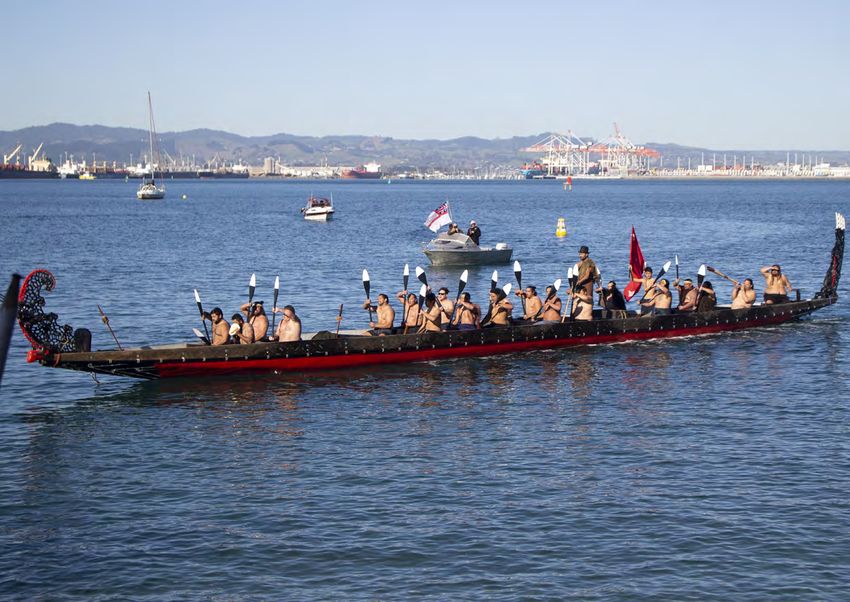
He kupu whakataki

Introduction

‘‘Vital Update – Tauranga’ is a research project that    It was important to us to hear from members of our
looks at the geographic communities in Tauranga:         youth community as the voices of young people are
who makes them up, and what their needs, wants           not always captured in a significant way through
and aspirations are for their neighbourhoods and the     traditional research processes. Young people are
wider city.                                              incredibly diverse and need to know how they can
                                                         contribute to decisions being made about them and
Acorn Foundation, TECT, BayTrust and Tauranga            their future, all the while realising they have the
City Council have teamed up to carry out this            power to change policies that adversely affect them.
research, so we can all create a better future for       Young people will be impacted by the decisions
residents. The information we have gained helps us       made today – for us and our children after us. By
to plan future work in our communities and create a      engaging the youth voice, every consideration and
vision for Tauranga’s tomorrow.                          decision we make, shows acknowledgment and
                                                         respect of our young people and that they are valued
At the start of the Vital Update – Tauranga journey      contributors to our city life. We need to ensure we
we had five objectives and with your support we          are a city which is attractive to young people and
have been able to make significant progress in the       which involves, values and acknowledges youth. This
following areas:                                         in itself, will create benefits for the whole community.

•   Understand the change in priorities for our
                                                         Our research looks at young people aged 16–24.
    community at suburban and city-wide levels.
                                                         We were able to determine that this priority group
•   Ensure that a community voice is reflected in        represents 10.7% of Tauranga residents. We
    Tauranga City Council’s ‘Long Term Plan’.            received 691 responses from young people living in
•   Ensure that a community voice is evident in          Tauranga. All responses were collected before 14
    Tauranga City work programmes.                       February 2020 which was pre COVID-19 lockdown,
•   Understand areas that may require further            and therefore our findings do not reflect the changes
    development/consultation.                            that may have occurred in our community since then.
                                                         We are truly grateful to everyone who participated
•   Provide city-wide data that is useful to the wider
                                                         in this project and we look forward to working on the
    community.
                                                         issues you have identified through your feedback.

    Ma te mōhio ki a tātou o āianei ka                       Knowing who we are today makes
    whakatata mai te pae tawhiti                             the distant horizon within our reach

                                                                  Whakahou Taketake – Vital Update | TAURANGA 2020   5
Tuhinga whakarāpopoto

Executive summary – Youth

                        Whakahou Taketake – Vital Update | TAURANGA 2020   6
Ngā wawata – Aspirations
Heading

Your vision matters
You help to create our beautiful city, so we asked you three questions about your life in Tauranga.

 1      What you love about living in Tauranga                                                       It is a beautiful
                                                                                                       place to live
        – 50% of young people living in Tauranga agrees, that the city has a
          beautiful landscape, it is close to the beach with access to mountains
          and hills.
        – 23% love Tauranga, because it is the place where they grew up
          and is where their family lives.
                                                                                                        50%
        – A further 20% appreciate that Tauranga is not as big as Auckland,
          and is much safer and friendlier than big cities.

 2      One thing you would like to change
        – 36% of youth in Tauranga would like to see less traffic and better
          roading infrastructure.                                                                     Less traffic
                                                                                                   congestion/better
        – As a way to resolve that issue 10% suggested improving public                          roading infrastructure
          transport.
        – 16% of young people feel that the events in Tauranga currently offered
          do not appeal to them. They would like to see more events and facilities
          developed specifically for their age group.
                                                                                                        36%
 3      What needs to be preserved and protected
        – Youth in Tauranga, similar to other age groups, consider preserving our
          green spaces and environment as a top priority (35%).
        – Protecting waterways and keeping our beaches clean is another priority
          for young people in Tauranga (35%).
        – Preservation of Māori culture is also very important to them, as 13%                    Protection of green
                                                                                                spaces and environment
          mentioned it as something that our city needs to protect.

                                                                                                        35%

                                                                       Whakahou Taketake – Vital Update | TAURANGA 2020   7
Heading
Ngā   whare me ngā paerewa oranga – housing and standards
of living

How you live matters
Housing and standards of living are key issues that impact your quality of life and your city.
                                                                                                                             Own a house

    1         Housing and homelessness
              The housing situation and living arrangements for youth are different in
              comparison to other age groups.
                                                                                                                               31%
              – 69% of this priority group live with their parents, another 30% are renting
                and 31%* own or partially own a house. This age group makes up 6% of
                all homeowners in Tauranga.
              – 4% of young people reported experiencing homelessness
                (approximately 500 in Tauranga overall).
                                                                                                                                 Rent
    2         Single parents
              – 3% of young people in Tauranga are single parents, which is lower than
                the 5% for Tauranga overall.
                                                                                                                               30%
    3         Financial situation and savings
              – 11% of youth do not have enough money to meet everyday needs.
                This is considerably lower than 20% of Tauranga overall, however it is
                expected given the large proportion of 16–24 year olds living with their
                parents and relying on their financial situation to support them.                                           Single parents
              – 30% of youth do not have any savings. Furthermore, 62% of youth only
                have enough savings for up to one month (compared to 44% overall for
                Tauranga).
                                                                                                                                3%
    4         Weekly rent/board/mortgage expenses
              People are trying to cut costs to keep their expenses down.
              – Living with parents and boarding with friends and family is helping this
                priority group to keep weekly accommodation expenses low.
              – 59% of 16–24 year-olds are spending under $200 every week on their                                      Do not have enough to
                rent compared with 30% for Tauranga overall.                                                               make ends meet

    5         Reducing expenses
              – When it comes to cutting down expenses, youth prefer to spend less
                money on buying new clothes (34%) and going out (22%).                                                         11%
              – Young people are unlikely to sacrifice their health as a means of cutting
                down expenses. Very few would not pick up a prescription (7%) or not buy
                fresh vegetables (6%).

NOTES:
Please note that while youth (16–24years) Homeownership shows 31% which is higher than one                               Do not have savings
may expect to see, this result may reflect a wide range of scenarios, including but not limited to:
•       Youth who own the house they are living in
•       Youth who are living with their parents, and their parents own/partially own the house

                                                                                                                               30%
•       Youth who are living with their parents, who may own/partially own the house with their parents
•       Youth who are own/partially own the house they are living in, with other dependant adults in their care
•       Youth who co-own the house they are living in with other parties
•       Youth who have inherited the house they are living in
•       Youth who have ownership through family trust.

                                                                                              Whakahou Taketake – Vital Update | TAURANGA 2020   8
Oranga hapori – Social wellbeing
Heading

Community connection and loneliness was a key focus in our research, including how people feel welcomed to
our city and perceptions of culture and heritage. Technology access was critical to this, as it contributes to the
feeling of connection. Access to services and facilities was also considered – as well as transport, as it impacts on
connection.

 1      Feeling alone                                                                                   Feel alone
                                                                                                    (often/all the time)
        – 26% of people aged 16–24 feel alone often or all the time, which is
          considerably higher than 11% for Tauranga overall. Considering that
          88% of youth have high levels of contact with friends and family, these
          findings are of concern.
        – The most common reasons for not being able to have contact with
                                                                                                         26%
          friends and family include them being too far away (52%) and youth
          being too busy (39%).

 2      Connected to the community
                                                                                                   Never or rarely have
        – Close to half of the people aged 16–24 (46%) feel connected to the                       contact with friends
                                                                                                       and family
          community.
        – 12% of youth indicated that they never/rarely have contact with friends
          and family. A further 7% (predominantly males who study) reported that
          they do not want to connect with friends and family.
        – 65% of youth considers Tauranga a welcoming city to newcomers.                                 12%
 3      Events
        – Organising youth specific events with good promotion was reported as
          a key way of supporting youth to connect with the wider community.
                                                                                                  Never or rarely attend
          74% are not interested in the types of the events currently on offer in                        events
          Tauranga.
        – 56% of youth never or rarely attend current Tauranga events. 23% of
          this priority group attend events often or occasionally.
 4                                                                                                       56%
        Education and career
        – Thinking about the future, 62% are planning to continue their studies
          and 29% are planning to further their studies in Tauranga.
        – Just over three quarters (76%) are planning to continue their studies
          in university with another 13% wanting to continue studies through a                     Consider Tauranga
          polytech. 16% have not yet made a decision about further study.                          being welcoming to
                                                                                                       newcomers
        – The most popular future career choices include healthcare and social
          assistance (18%), education and training (16%) and professional,
          scientific and technical services (13%).

                                                                                                         65%

                                                                        Whakahou Taketake – Vital Update | TAURANGA 2020   9
Whakaruruhau – Safety
Heading

We think it is critical that you feel safe in your city – to live without fear. Here is what we discovered.

                                                                                                    Became victims of crime
 1      Crime
        – 18% had crimes committed against them in the past 18 months which is
          consistent with Tauranga overall.

                                                                                                              18%
 2      Alcohol
        – 49% of youth consume alcohol.
        – 9% have more than 10 drinks a week. Even though the proportion
          of people who drink is lower than 64% for Tauranga overall, this is a
          relatively high number of people, considering the legal drinking age is 18.                   Consume alcohol

 3      Drugs
        – 8% of young people used illicit drugs in the week prior to completing the
          survey. This proportion is higher than the Tauranga average of 3%.                                  49%

 4      Family harm
        – 7% of people in Tauranga aged 16–24 have experienced family harm.
          This is considerably higher than 4% for Tauranga overall.
        – Female youth are the most vulnerable (10%).                                                  Taken drugs in the
                                                                                                           last week
        – The most common forms of family harm reported included: domestic
          violence (57%), child abuse and/or neglect (55%) and sexual assault (40%).

                                                                                                              8%

                                                                                                    Experienced family harm

                                                                                                              7%

                                                                           Whakahou Taketake – Vital Update | TAURANGA 2020   10
Tataraunga
Demographic profile
Whakahou Taketake – Vital Update | TAURANGA 2020 11Ngā Kaiurupare: Respondents – youth
This page represents the demographics of the 691 survey respondents aged 16–24 years.
NZ European 79%
Māori 26%
Tauranga Asian 9%
Pacific 4%
Middle Eastern, Latin
American, African
1%
Western Bay of Plenty
Other 1%
133 out of 691 respondents identified as belonging to more
than one ethnic group.
Male Female
53% 47% At school/study 73%
Work part-time 36%
Work full-time 14%
Disabled Youth
4% Unemployed 7%
Casual/
seasonal worker
6%
Volunteer 2%
Unpaid worker/
1%
internship/apprenticeship
NOTES:
1. Sample: n=691.
See ‘Appendix 1. About the people’ for more detailed demographic profile of the respondents.
Whakahou Taketake – Vital Update | TAURANGA 2020 12Wawatanga o Tauranga Whānui
Aspirations for Tauranga
Whakahou Taketake – Vital Update | TAURANGA 2020 13Why people love living in Tauranga
Landscape/close to the beach/access to mountains/great nature/a
50%
beautiful place to live
It is my home/my family lives here/I grew up here 23%
Better than Auckland/not too big/safe/friendly 20%
Climate/weather 14%
Lifestyle 7%
Location/close to big cities and attractions 6%
Negative comments/I do not like living here/cannot afford to move 5%
Good public facilities/shops 5%
Has lots of employment opportunities/work/schools 5%
Good place to have family/kids 1%
Other 1%
NOTES:
1. Sample: n=691; Left a comment n=658
2. Q52. What is the main reason you love living in Tauranga?
Whakahou Taketake – Vital Update | TAURANGA 2020 14Living – what people say
Because it is so close to
other cities and everything
Beautiful scenery, clean, easy outdoors is accommodated
access to everything. for like hunting, diving, fishing,
water sports. The beautiful beaches
and waterfalls. The good vibes
and events at the Mount.
Overall, it is a safe place to
grow up, with lots of parks and
Not much happens. Not really outdoor areas.
any serious crime so overall Close to so many different
with some exceptions it is a places. For example:
safe place. Coromandel, Taupo, Hamilton
and so on. I love the beaches.
Small city but with all the
amenities. It is close to the
beach.
My job and family are here; I
just choose to live here. The connection with nature
– being so close to the water
wherever you are in town.
Whakahou Taketake – Vital Update | TAURANGA 2020 15The one thing people would change
Less traffic congestion/better roading infrastructure 36%
More events/facilities for youth 16%
Better public transport 10% Less traffic
congestion
24%
More affordable housing/rent control/alternative housing solutions 9%
Improved roading
infrastructure
A vibrant city centre/better city planning/more cafes, restaurants, bars 8% 12%
Lower cost of living/less poverty/less homeless/
6%
reduce population/reduce rates
Inclusivity/attitudes/less racism 6%
Waste management/environmental impact and change 6%
Crime/safety/drugs/gangs/unsafe feeling city centre 5%
More employment opportunities/better wages 4%
More retaining of local culture and heritage 4%
Overpopulation/too many people moving here/
3%
stop the growth/getting too big
More cycleways/walkways/safer 2%
More cultural events/museums 1%
Parking 1%
Other 5%
NOTES:
1. Sample: n=691; Left a comment n=549.
2. Q53. If you could change one thing about Tauranga, what would it be?
Whakahou Taketake – Vital Update | TAURANGA 2020 16Changes – what people say
There are so many empty
shops and construction Better resourced recycling.
going on that it feels like the Better main highways out
character has been of town to Hamilton and
sucked out. Auckland. A bigger and
There’s potential for
better theatre to attract big
Tauranga’s city centre to be
productions.
a thriving hub. The traffic is a
nightmare.
The wage. Upping the wage
would mean it would be
affordable to live in Tauranga. It gets boring if the only thing
More acceptance and teenagers can do in winter is
involvement with Tauranga to drive around at night.
Moana iwi to find out what they
would like to see.
I’d take the environment
more seriously. Harden up on Improve cultural safety.
freedom campers.
Whakahou Taketake – Vital Update | TAURANGA 2020 17Preservation and protection – how the city can thrive
in the next ten years
Green spaces/natural environment/more trees 35%
Waterways/beaches/harbours 35%
Māori culture/history/heritage 13%
Transport issues/parking/congestion 10%
Revitalise the city centre/retain community feel/access to waterfront 8%
Need to deal with environmental issues/pollution/plastic/recycling 8%
Decrease homelessness/social issues 4%
Better facilities/new conference centre/stadium/more international events 3%
Deal with housing density/too fast growing population 2%
Better stormwater infrastructure/better water quality 1%
Diversity and tolerance 1%
Other 3%
NOTES:
1. Sample: n=691; Left a comment n=435.
2. Q54. In your opinion, is there anything in Tauranga that needs to be preserved/protected for the
city to continue to thrive in the next 10 years?
*Comments that were not related to the question were not considered.
Whakahou Taketake – Vital Update | TAURANGA 2020 18Preservation and protection – what people say
The city centre. It’s currently
dying a bit. The university will
help bring more people there,
but there needs to be more
incentives to go there rather
than small businesses that
can’t be successful and won’t
bring in too many customers.
Make sure we preserve our
natural environment so we can
enjoy them for the years to Help make the city thrive again
come. with better community spirit
and no empty shops/buildings.
Our waterways. Also, I’d
appreciate it if you stopped
sooner than ten years with the
cutting of trees for 5g.
We need a museum to
preserve our culture for future
generations. Better transport options to
reduce traffic.
Look after our natural
resources such as the beach
and bush reserves to keep it
The historical spaces, not just appealing to locals
settler/European history, but and tourists. Clean beaches and parks.
the rich Māori history that often
goes under the radar.
Protect the coast from
erosion and plastic pollution.
Historic village protected and
renovated – could be cultural
andart hub.
Whakahou Taketake – Vital Update | TAURANGA 2020 19Tauranga’s future – other things people say about its future
More events/activities/museum 25%
Need better roading infrastructure/too much trafic congestion 15%
More/better facilities
12%
(shops/restaurants/hospitals/community facilities/schools)
Climate change and environment 9%
Revitalise the city centre 9%
Need to deal with social issues 8%
Cost of living too high/need better housing options 7%
Love living here 6%
Better public transport options 6%
Inclusivity/less discrimination/more diversity 6%
Improving rubbish collection/recycling/more transfer stations 4%
Less homelessness 3%
Population increase/urban sprawl/too much growth/
3%
growth and development out of control
More cycleways/walkways 1%
Better leadership/better representation/better decision making 1%
Better parking 1%
More tourist attractions/tourist accommodation 1%
Other 2%
NOTES:
1. Sample: n=691; Left a comment n=644.
2. Q55. Do you have any other comments about the future of Tauranga?
Whakahou Taketake – Vital Update | TAURANGA 2020 20Tauranga’s future – what people say
Need to improve roading and
transportation. Develop the
It is important to bring the city – move the railway and
community together. develop the waterfront.
Fewer welcome home
signs, please.
It will just keep getting more
Overpopulation is a big issue.
expensive, resulting in families
Something needs to be done
being forced onto the streets
in regards to housing.
and causing the crime
rate to increase. I think, for Tauranga to grow,
they need to help the public
transport infrastructure.
If the traffic and housing aren’t
sorted, the city will struggle. I would like to see a more
diverse city, encouraging Māori
culture and young people.
Whakahou Taketake – Vital Update | TAURANGA 2020 21Ngā whare me ngā paerewa oranga
Housing and standards
of living
Whakahou Taketake – Vital Update | TAURANGA 2020 22Housing and standards of living – what is most important?
Housing Financial Situation
– Four out of ten people in Tauranga aged 16–24 – 20% of Tauranga residents overall reported not
rent or board. The most popular suburbs for having enough money to make ends meet. 11%
renting include Tauranga South, city centre, of young people reported not having enough for
Avenues, Sulphur Point, Welcome Bay, Hairini every day needs.
and Maungatapu.
– Eight out of ten students from this age group Savings
live with their parents. The proportion of people
– Comments received indicate that the majority of
aged 16–24 who work and are living with their
students are reliant on their parents’ income and
parents is significantly lower. Young people who
savings.
are not living with their parents tend to board, as
the accommodation is considerably cheaper than – Not surprisingly, 30% of young people reported
living on their own. not having any savings in comparison to 20% for
overall Tauranga residents.
Weekly expenses – If we look at the subgroup of young people who
work, we can see that 23% have savings which is
– With living arrangements mostly boarding or living
comparable with 20% Tauranga overall.
with parents, weekly expenses for this priority
group are much lower than the average
in Tauranga.
– 59% of young people are paying less than $200
dollars weekly for accommodation in comparison
to 31% Tauranga overall.
Whakahou Taketake – Vital Update | TAURANGA 2020 23People’s housing situation
Heading
Homeless/under housing stress 4%
Boarding 12%
Renting 30%
Homeownership 31%
Right to occupy/license to occupy/retirement village 0%
Other* 22%
What have we learnt?
42% indicated that they are either boarding (12%) or renting (30%). 31% of youth respondents
1
own or partially own a house*.
57% of youth are in paid employment (full time/part time/seasonal/casual). Of those who work,
2
36% live in a rented house and 28% live in an owned house.
73% of youth are currently studying (secondary/tertiary). Of those who study, 25% live in a
3
rented house and 37% live in an owned house*.
Close to 50% of young homeowners who responded, reside in Pāpāmoa Beach, Wairākei
4
(Pāpāmoa East), Bellevue, Otūmoetai and Matua.
The most popular suburbs for young renters are Tauranga South, city centre, Avenues,
5
Sulphur Point, Welcome Bay, Hairini and Maungatapu.
Experiencing homelessness
3% 4% 5% 4% 3% 3%
Tauranga Youth Male Female Study Work
Homeownership
68% 31% 29% 34% 37% 28%
Tauranga Youth Male Female Study Work
NOTES:
1. *Other include some people stating their living arrangements instead, such as Living with parents/adult children/supported by other
family members.
2. *Findings on homeownership reflect a variety of possible interpretations. Refer to notes on pg7 for more detail.
3. Sample: n=691.
4. Q15. Which of the following describes your current housing?
See ‘Appendix 3. Housing situation’ for more detailed demographic profile of the respondents.
Whakahou Taketake – Vital Update | TAURANGA 2020 24Renting and homeownership
Renting
Tauranga South, city centre, Avenues, Sulphur Point 14%
Welcome Bay, Hairini, Maungatapu 12%
Pāpāmoa Beach, Wairākei [Pāpāmoa East], Te Tumu 11%
Gate Pā [Pukehinahina], Merivale [Parkvale] 10%
Poike, Oropi, Greerton, Ohauiti 10%
Mount Maunganui, Omanu 9%
Kairua, Pāpāmoa Hills [Waitao] 7%
Pyes Pā, Omanawa, Tauriko, The Lakes 7%
Bellevue, Otūmoetai, Matua 6%
Arataki [Bayfair], Matapihi 5%
Brookfield, Judea [Huria] 4%
Bethlehem 4%
Homeownership
Pāpāmoa Beach, Wairākei [Pāpāmoa East], Te Tumu 20%
Bellevue, Otūmoetai, Matua 18%
Brookfield, Judea [Huria] 10%
Bethlehem 8%
Mount Maunganui, Omanu 8%
Welcome Bay, Hairini, Maungatapu 7%
Poike, Oropi, Greerton, Ohauiti 7%
Pyes Pā, Omanawa, Tauriko, The Lakes 6%
Kairua, Pāpāmoa Hills [Waitao] 6%
Arataki [Bayfair], Matapihi 4%
Tauranga South, city centre, Avenues, Sulphur Point 4%
Gate Pā [Pukehinahina], Merivale [Parkvale] 1%
NOTES:
1. Q15. Which of the following describes your current housing? n=447.
Whakahou Taketake – Vital Update | TAURANGA 2020 25Living arrangements
Heading
69%
22%
4% 3% 1% 1%
With parents Board with With partner Single parent Alone With partner
friends/family and children
What have we learnt?
Overall 69% of young people live with their parents. 80% of students live with their parents.
1
However for young people who work that proportion is lower (58%).
22% are boarding with family and friends. This includes those who are staying with their
2 parents or family member, but are paying board, as well as those who are boarding with
friends as a student.
3 Only 1% live alone compared to 5% Tauranga overall
Where the majority of other age groups are more likely to be living with their partner (56%),
4
for youth this proportion is considerably lower (5%).
Living with parents
69% 71% 80%
67% 58%
11%
Tauranga Youth Male Female Study Work
NOTES:
1. Sample: n=691.
2. Q17. Which of the following describes who you live with?
Whakahou Taketake – Vital Update | TAURANGA 2020 26Household incomes and meeting needs
Heading
$0–$100 39%
Not enough 11% $101–$200 20%
$201–$300 6%
$301–$400 8%
Just enough 36%
$401–$500 9%
$501–$600 13%
$601–$700 3%
A little extra 32%
$701– $800 1%
$801–$900 0%
$901–$1000 0%
More than enough 20%
Over $1000 1%
What have we learnt?
A little over one in ten youth (11%) report that they do not have enough money to meet their
1
needs, which is considerably lower than 20% for Tauranga overall.
There are considerably more people aged 16–24 that work who do not have enough money
2
for every day needs.
Almost six out of ten youth (59%) pay up to $200 in weekly rent/board/mortgage expenses.
3
Average weekly expense for accommodation is $258.18.
4 20% say they have more than enough money to meet their needs.
Not enough
20% 11% 13% 9% 8% 11%
Tauranga Youth Male Female Study Work
Spend $0–$200 on accommodation weekly
59% 60% 58% 57% 61%
31%
Tauranga Youth Male Female Study Work
NOTES:
1. Sample: n=691, excluding do not know.
2. Q21. Thinking about how well your household income meets your everyday needs
(e.g. accommodation, food, clothing) – money wise would you say you have.
See ‘Appendix 4. Household income meeting the needs’ for more detailed demographic profile of the respondents.
See ‘Appendix 5. Weekly rent/board/mortgage expenses’ for more detailed demographic profile of the respondents.
Whakahou Taketake – Vital Update | TAURANGA 2020 27Savings
Heading and keeping expenses down
30% 22%
17% 15% 13%
0% 0% 1% 0% 0%
I do not have 1–2 Up to 1 1–2 2–6 Up to a 1–5 5–20 As long as Other
savings weeks month months months year years years we live
Often/all the time Never/rarely Neither
9% 7% 6% 15% 14%
19%
Continued
wearing clothing
Gone without
Not picked up that was worn out
fresh fruit and
a prescription because could
vegetables
not afford a
replacement
84% 75% 71%
22% 23% 21% 20%
26%
Gone without 34%
Spent less Put off buying
or cut back on
time on hobbies clothing for
trips to the shops
than you would as long as
or other local
like possible
places
52% 56% 46%
What have we learnt?
On average, 30% 16–24 year olds do not have savings. This is lowest (23%) for young people
1
who work.
A considerably higher proportion of young people reported they only had enough savings to last up
2
to one month (32%) compared with Tauranga overall (44%).
Do not have savings Have savings for up to
one month
62%
30% 30% 31% 44%
20% 29% 23%
Tauranga Youth Male Female Study Work Tauranga Youth
NOTES:
1. Q22. If you were to have a change in circumstances that affected your income (e.g. loss of job) how long would you be able to get
by using your savings? n=646
2. Q23. In the last 12 months have you experienced any of the following? (excluding ‘do not know’), n=691
See ‘Appendix 6. Savings’ for more detailed demographic profile of the respondents
See ‘Appendix 7. Gone without’ for more detailed demographic profile of the respondents
Whakahou Taketake – Vital Update | TAURANGA 2020 28Oranga hapori
Social wellbeing
Whakahou Taketake – Vital Update | TAURANGA 2020 29Social wellbeing – what is most important?
Feeling alone Events
– 26% of youth in Tauranga feels alone often or – 56% of young people do not or rarely attend
all the time. This is consistent with NZ MSD existing community events.
data, where youth are more likely to feel lonely. – This priority group would like to see more youth
However, that is over two times higher than 11% specific events held in Tauranga.
for Tauranga overall.
– In addition, they would also like to see youth
– Females are significantly more likely to specific facilities in Tauranga.
experience feeling alone. Close to seven out of
ten 16–24 year-olds, often or all of the time, are in
Transport
contact with their friends and family.
– The main barriers for young people in staying – Even though driving private vehicles remains the
connected with friends and family is living too far most common mode of transport both to get to
away and being busy. school/work and for leisure, people aged 16–24
more often than other residents in Tauranga
choose public transport and car pooling.
Connected to the community
– It is important for our overall wellbeing to have Wellbeing
connections with our school, work, home, family
members and friends. – Six out of ten youth would consult a doctor (61%),
family or a friend (59%) or Google (59%) if they
– 47% of youth reported not feeling connected to
need information about health and wellbeing.
the wider community.
– Three quarters consider exercise, healthy eating,
– Suggestions for improving connection included:
social contact with friends and family, and mental
free events in the community (22%), general
health to be important factors for health and
community engagement and more specific
wellbeing.
cultural awareness events (21%) and youth
specific events with a focus on teenagers (15%).
Career
– 7% of people aged 16–24 in Tauranga do not
want to feel connected to the community. – Careers advisors (50%), word of mouth (40%),
– Males (13%) compared to females (2%) do not Seek (35%), Student job search (30%) and
want to be connected to the community. Trade Me (30%) are all popular employment and
careers search sites.
Technology – The most popular careers for 16–24 year olds
include health sector, education, professional
– The vast majority of young people aged 16–24 technical/scientific services and the arts.
in Tauranga, regardless of whether they study or
work, have access to a phone (98%), computer
(96%), internet (100%), and social media (100%).
Whakahou Taketake – Vital Update | TAURANGA 2020 30Feeling alone and contact with friends and family
Heading
Never
2%
All the
time Rarely
8% Never
All the 10%
23% time
Often
31%
18%
Having Sometimes
Feeling contact with 19%
alone friends and
family
Rarely
Sometimes 24%
28% Often
38%
What have we learnt?
1 Young people feel alone (26%) considerably more compared with Tauranga overall (11%).
Females (29%) are significantly more likely than males (23%) to feel alone.
2
People aged 16–24 more often choose not to have contact with family and friends (12%)
3 compared with Tauranga overall (7%).
Feeling alone often or all the time Never or rarely having contact with
family and friends
26%
11% 12%
7%
Tauranga Youth Tauranga Youth
23% 29% 26% 26%
14% 11% 12% 13%
Male Female Study Work Male Female Study Work
NOTES:
1. Q24. In the last four weeks, how often have you felt alone? n=681, excluding ‘do not know’.
2. Q25. In the last four weeks, how often have you had contact with relatives or friends? (who do not live with you) n=687,
excluding ‘do not know’.
3. Q26. What makes it hard to have contact with family or friends who do not live with you? n=691.
See ‘Appendix 8. Feeling alone and contact with friends and family’ for more detailed demographic profile of the respondents.
See ‘Appendix 9. Feeling alone and contact with friends and family’ for more detailed demographic profile of the respondents.
Whakahou Taketake – Vital Update | TAURANGA 2020 31Reasons to have less contact with friends and family
Heading
They live too far away 52%
I am too busy 39%
They are not available when I am 27%
No personal transport 10%
I cannot afford to go see them using public transport available 8%
I lost contact/cannot contact them 5%
Health related/poor health 2%
They choose not to have contact with me/family issues 1%
I cannot get the childcare I need to be able to go out 1%
What have we learnt?
1 The most common reasons for having less contact with family and friends are: distance,
being busy and family and friends being unavailable when the respondents are.
2 Females (10%) are more likely than males (7%) to not to have enough money to use
public transport.
3 Young people who work are more likely to be too busy (48%).
NOTES:
1. Q24. In the last four weeks, how often have you felt alone? n=681, excluding ‘do not know’.
2. Q25. In the last four weeks, how often have you had contact with relatives or friends? (who do not live with you) n=687,
excluding ‘do not know’.
3. Q26. What makes it hard to have contact with family or friends who do not live with you? n=448.
See ‘Appendix 9. Reasons to have less contact with relatives and friends’ for more detailed demographic profile of the respondents .
Whakahou Taketake – Vital Update | TAURANGA 2020 32Feeling connected to the wider community
Heading
Free events/more events/
22%
better advertised
Prefer not Community engagement/
to say friendly/more awareness of 21%
7% cultures and perceptions
Events for teenagers/youth 15%
Yes
46%
Feeling Meet the neighbours/social
connected 11%
No gatherings
47%
I do not want to be connected 7%
Volunteer activities/
2%
more participation
Other 5%
What have we learnt?
1 46% of young people are feeling connected with the wider community. Students feel
slightly more connected compared to those who work.
2 13% of males compared to 2% females do not want to be connected to the wider community.
Feeling connected to the community Do not want to be connected
46% 46% 47% 45%
13% 9%
2% 7%
Male Female Study Work Male Female Study Work
NOTES:
1. Sample n=691.
2. Y1. Do you feel connected to your community?
3. Y2. In your opinion, what could be done to help you feel more connected to your community?
Whakahou Taketake – Vital Update | TAURANGA 2020 33Feeling connected in the wider community – what people say
Acceptance of Māori culture
and young people. Marketing
I’m quite young and struggle messaging around these
to find other people my age in two things, promote positive
Tauranga. If there was more outlooks and do not engage in
art and culture to attract young negative stereotypes.
people, I would be able to
relate to my community more. People are too busy to be too
involved with the community
unless you are retired or do
not work.
More events, most are
targeted towards older people.
I do not want to be connected.
I want to stay inside and play
video games.
More things to bridge the gap
between the generations.
Getting young people out and
about meeting each other.
I do not have much to do with Sports, concerts, BBQs, beach
the community. days, markets and so on. Get
youth on board to brainstorm,
plan and lead these events.
NOTES:
1. Sample n=691.
2. Y1. Do you feel connected to your community?
3. Y2. In your opinion, what could be done to help you feel more connected to your community?
Whakahou Taketake – Vital Update | TAURANGA 2020 34Access to technology
Phone Computer Reasons for using a computer,
laptop or tablet
98% 96% 28%
Homework
83%
36%
Training
41%
Printer/scanner/
Accessing news 82%
Internet photocopier and current events 63%
61%
Streaming content
71%
40%
100% 91% Reading books
46%
53%
Online learning
72%
8%
Do not have access to any
Email/social media 4%
Tauranga Youth
100%
Access to internet Access to computer
96% 100% 97% 94% 96% 97%
Tauranga Youth Male Female Study Work
NOTES:
1. Q27. Do you have access to the following? n=691.
2. Q28. Do you have access to a computer, laptop or tablet for the following purposes? Please select all that apply. n=628.
See ‘Appendix 10. Access to technology’ for more detailed profile of the respondents.
Whakahou Taketake – Vital Update | TAURANGA 2020 35Event attendance in the community
Heading
Reasons for not attending events
Type of events are not
appealing
74%
Often Lack of personal funds to
Not at 16%
all 9% attend
18%
Occasionally
Lack of transport 12%
14%
Frequency
of attending/ Not enough advertisements/
participating in 7%
do not know of events
events in the
community Seldom Time of events does not suit/
20% 4%
too busy
Rarely
38%
Concerns for safety 3%
Too tired/cannot be bothered 1%
Health related issues 1%
What have we learnt?
56% of young people never or rarely attend events in the community. This is significantly
1
higher than Tauranga overall.
The most common reasons for not taking part in community events remain consistent with
2
Tauranga overall – types of events not appealing and lack of funds to attend.
NOTES:
1. Q29. On average, how often do you attend and/or participate in events in your community? n=691, excluding ‘do not know’.
2. Q30. If ‘rarely’ or ‘not at all’, what is preventing you from attending events in your community? Please select all that apply. n=368.
3. Q31. What kinds of events would you like to see more of in your community? n=404.
See ‘Appendix 11. Events in the community’ for more detailed demographic profile of the respondents.
Whakahou Taketake – Vital Update | TAURANGA 2020 36Events people would like to attend
Large scale music event/international artists 26%
Events for youth 17%
Farmers markets/food stalls 12%
Community events/meet ups/community clean up 10%
Activities for families/children 8%
Cultural events/celebrate heritage 8%
Sports events/international matches 7%
Training courses/educational events/lectures 6%
Free/cheaper events/affordable 5%
Cars/racing/motorsports 4%
Fitness/exercise/dancing 4%
Small scale music/concerts/local bands in the park 4%
Art exhibitions/museums 4%
Pet events/animal friendly events 3%
Events that are accommodating for diverse society 2%
Charity events/fundraising 2%
Food and wine/dinner in the park 2%
Drive-in movies 2%
Fireworks related events 1%
Christmas/New Years festival 1%
Theatre/performance/drama 1%
Other 6%
NOTES:
1. Q29. On average, how often do you attend and/or participate in events in your community? n=691, Excluding ‘do not know’.
2. Q30. If ‘rarely’ or ‘not at all’, what is preventing you from attending events in your community? Please select all that apply n=368.
3. Q31. What kinds of events would you like to see more of in your community? n=404
4. See ‘Appendix 11. Events in the community’ for more detailed demographic profile of the respondents.
Whakahou Taketake – Vital Update | TAURANGA 2020 37How people move around in their community
Transport to school or work
47%
22%
7% 10% 10% 2%
Drive a private Passenger in a
Public or Motorcycle or
car, truck Bicycle Walk or jog car, truck, van
school bus power cycle
or van or company bus
12% 3%
18% 24%
29%
60%
Getting around the city
What have we learnt?
To get to work and school young people are more likely than all other residents of
1
Tauranga to take public transport, walk or be a passenger in a car.
When it comes to getting around the city for leisure, youth prefer to take a bus (29%)
2
or go with someone who is driving (24%).
Do not travel to Cycle to work Drive to work Public transport
work or school to work
73%
47%
22%
7% 0% 6% 7% 6%
Tauranga Youth Tauranga Youth Tauranga Youth Tauranga Youth
Get around by Get around by Get around Drive to get
public transport riding a bike on foot around the city
85%
60%
29% 19% 18%
16% 6% 12%
Tauranga Youth Tauranga Youth Tauranga Youth Tauranga Youth
NOTES:
1. Q35. What is your main mode of transport to school or work? n=691.
2. Q36. What mode of transport do you usually use to get around the city? n=691.
Whakahou Taketake – Vital Update | TAURANGA 2020 38Health and wellbeing
Heading
Places to find information about Most important factors for health
health and wellbeing and wellbeing
Doctors 61% Exercise 17%
School/school nurse/teachers 27% Healthy eating 15%
Social contact with friends/
Google 59% 13%
family
Family/friends 59% Mental health 13%
Health expos 11% All of the above 73%
Other 2% Other 1%
What have we learnt?
The same proportion of youth rely on health information and advice from doctors, Google
1
or family and friends.
Almost three quarters of our young people consider exercise, healthy eating, social
2 contact with friends and family, and mental health to be important factors for health and
well-being.
NOTES:
1. Sample n=691.
2. Y3. What do you consider are the most important factors for health and wellbeing? Please select all that apply.
3. Y4. Where do you go to find information about health and wellbeing? Please select all that apply.
Whakahou Taketake – Vital Update | TAURANGA 2020 39Further education
Heading
Place to continue studies
Undecided
18%
Intend
Polytechnic 13%
No to study
21% further Yes
62%
University 76%
Private training establishment 3%
Undecided
Yes
23% 29% Apprenticeship 4%
Intend
to study
further in
Tauranga Other 4%
No
48%
What have we learnt?
1 62% of youth are intending to continue their education, with 29% intending to study in
Tauranga.
2 University is the most popular choice for a place to continue studies (75%).
Intend to study further Intend to study further in Tauranga
65% 69%
59% 55%
35% 27% 30%
23%
Male Female Study Work Male Female Study Work
NOTES:
1. Sample n=691.
2. Y5. If you are still in secondary school or alternative education, do you intend to further your studies?
3. Y6. If Yes, where do you intend to go for future studies?
4. Y7. Do you intend to further your studies in Tauranga?
Whakahou Taketake – Vital Update | TAURANGA 2020 40Employment and careers
Places to get information about Employment area
employment and careers
50% Healthcare and social 18%
Careers advisors
assistance
Word of mouth 40% Education and training 16%
Professional, scientific
Seek 35% 13%
and technical services
Arts and recreation
Student Job Search 30% 11%
services
Information, media and
Trade Me 30% 10%
telecommunications
Facebook/Twitter/ Accommodation
20% 9%
LinkedIn and food services
Do Good Jobs 7% Legal services 8%
Agriculture, forestry
Do not know 12% 8%
and fishing
Other 7% Construction 8%
Financial and
7%
insurance services
Administrative and 7%
support services
Retail trade 7%
Public administration
6%
and safety
Manufacturing 5%
Transport, postal
4%
and warehousing
Mining 3%
Electricity, gas, water
2%
and waste services
Rental, hiring and
2%
estate services
Wholesale trade 1%
Do not know 16%
Other 10%
NOTES:
1. Sample n=691.
2. Y7. Do you intend to further your studies in Tauranga?
3. Y8. Which category of work are you interested in? Please select all that apply.
4. Y9. Where do you go to find information about employment and careers? Please select all that apply.
Whakahou Taketake – Vital Update | TAURANGA 2020 41Reflecting a strong sense of culture and heritage
Yes,
absolutely No, not
at all
7%
12%
Most of the
time
23% Tauranga
reflects a strong A little bit
sense of culture 28%
and heritage
Sometimes 34%
30% 25%
Male Female
25% 31% 31% 31%
Male Female Male Female
NOTES:
*Tables represent proportion of ‘yes, absolutely’ and ‘most of the time’.
1. Sample: n=691, excluding ‘do not know’.
2. Q37. Do you think Tauranga reflects a strong sense of culture and heritage?
3. See ‘Appendix 12. Strong sense of culture and heritage’ for more detailed demographic profile of the respondents.
Whakahou Taketake – Vital Update | TAURANGA 2020 42Welcoming newcomers to Tauranga
Not at all
Very welcoming
welcoming 6%
18%
Somewhat
welcoming
23%
How accepting
and welcoming
Tauranga is to
newcomers
Neither
6%
Fairly
welcoming 65% 64%
47%
Male Female
65% 66% 63%
55%
Male Female Male Female
NOTES:
*Tables represent proportion of ‘yes, absolutely’ and ‘most of the time’.
1. Sample: n=691.
2. Q38. As a local resident, how accepting and welcoming is Tauranga to newcomers? (recent migrants, international students,
former refugees)
See ‘Appendix 13. ‘Tauranga for newcomers’ for more detailed demographic profile of the respondents.
Whakahou Taketake – Vital Update | TAURANGA 2020 43Whakaruruhau
Safety
Whakahou Taketake – Vital Update | TAURANGA 2020 44Safety – what is most important?
Crime Alcohol and drugs
– 18% of young people reported experiencing – Close to half (49%) of our youth consume
crimes committed against them in the last 18 alcohol.
months. – Alcohol consumption is higher for students (50%)
– This is higher for males (21%) compared to compared to young people who work (41%).
females (15%) and workers (22%) compared to Both groups are equally likely to consume over
students (16%). ten standard drinks every week (9% and 10%
respectively).
Perception of safety – 8% of respondents aged 16–24 years reported
taking illicit drugs the week prior to completing
– The city centre is perceived to be the least safe
the survey, with a further 5% who preferred not to
both during the day and during the night by young
say.
people aged 16–24 years.
– 48% consider local parks unsafe during the night.
Family harm
– Concerningly, responses indicate 25% of our
youth do not feel safe at home during the night. – On average youth are almost twice as likely as
This proportion is considerably higher than 14% other Tauranga residents to experience family
for Tauranga. harm.
– Overall perceptions of safety were lowest from – Responses indicated the most prevalent forms of
people residing in Tauranga South, city centre, family harm for youth include: domestic violence
Sulphur Point, Gate Pā [Pukehinahina] and (57%), child abuse (55%) and sexual assault
Merivale [Parkvale]. (40%).
Whakahou Taketake – Vital Update | TAURANGA 2020 45Crime and how safe people feel
Experienced crimes committed against them
18% 18%
18%
Tauranga Youth
21% 15% 16% 22%
Male Female Study Work
Feel safe during the day Feel safe during the night
28% 39% 29%
62% 15% 10%
3% 6% 1% 7%
Home Very safe Fairly safe Neither Somewhat Very unsafe Very safe Fairly safe Neither Somewhat Very unsafe
unsafe unsafe
42% 40%
25% 15% 23% 25%
7% 8% 3% 12%
Local park Very safe Fairly safe Neither Somewhat Very unsafe Very safe Fairly safe Neither Somewhat Very unsafe
unsafe unsafe
44% 40% 29% 24%
5% 9% 2% 19% 12% 16%
Neighbourhood Very safe Fairly safe Neither Somewhat Very unsafe Very safe Fairly safe Neither Somewhat Very unsafe
unsafe unsafe
30% 42%
15% 24% 25% 27%
10% 4% 13% 12%
City centre Very safe Fairly safe Neither Somewhat Very unsafe Very safe Fairly safe Neither Somewhat Very unsafe
unsafe unsafe
47% 37%
22% 25% 20% 20%
5% 9% 2% 13%
To and from
Very safe Fairly safe Neither Somewhat Very unsafe Very safe Fairly safe Neither Somewhat Very unsafe
school
unsafe unsafe
40% 41%
18% 25% 16% 19% 22%
8% 9% 3%
To and from
Very safe Fairly safe Neither Somewhat Very unsafe Very safe Fairly safe Neither Somewhat Very unsafe
work unsafe unsafe
38% 47%
17% 29% 25% 17%
7% 6% 2% 12%
Going to local
Very safe Fairly safe Neither Somewhat Very unsafe Very safe Fairly safe Neither Somewhat Very unsafe
shops unsafe unsafe
NOTES:
*There are members of our community that attend classes/courses and work during the night hours.
1. Sample: n=691; Had crimes committed against them n=93,
2. Q39. In the last 18 months, did you have any crimes committed against you? (harassment, assault, verbal abuse, theft, vandalism, arson)
Whakahou Taketake – Vital Update | TAURANGA 2020 46Alcohol consumption and drug use
Prefer not to say
5%
63%
49%
Tauranga Youth
Yes
No Drink 49%
alcohol 50% 49% 50% 41%
46%
Male Female Study Work
Yes
9% 8% 9%
Tauranga Youth
Have
more than
10 standard
drinks a 14%
week 9% 10%
3%
No Male Female Study Work
91%
Prefer not to say
5%
Yes
8% 3% 8%
Tauranga Youth
Taken illicit
drugs in the
last week
7% 8% 6% 7%
Male Female Study Work
No
87%
NOTES:
1. 100ml glass of wine or 330ml light beer (2.5%), 330ml beer can (4%). n=37.
2. Q43. Have you used illicit drugs in the last week? n=55.
Whakahou Taketake – Vital Update | TAURANGA 2020 47Family harm – who is likely to be impacted?
63%
Domestic violence
57%
Prefer not Yes
to say 32%
7% Child abuse and/or neglect
9% 55%
26%
Sexual assault
40%
23%
Intimate partner harm
Experienced 19%
family harm
7%
Verbal abuse/arguments
3%
4%
Prefer not to say
1%
No
84% 4%
Other
1%
Tauranga Youth
Experienced family harm Experienced family harm
Yes Prefer not to say
4% 7% 4% 9%
Tauranga Youth Tauranga Youth
10% 8% 9% 9% 9% 12%
5% 5%
Male Female Study Work Male Female Study Work
NOTES:
1. Answered Q45 n=689, Affected by family harm n=47.
2. Q45. Are you, or a member of your immediate family affected by family harm?
3. Q46. If yes, what type of family harm? Please select all that apply.
Whakahou Taketake – Vital Update | TAURANGA 2020 48Tiro whānui ngā rōpū whakaarotau
Overview of priority groups
Whakahou Taketake – Vital Update | TAURANGA 2020 49Ngā hapori mātāwaka waetapu – Ethnic communities
and newcomers
There are in total 124 respondents aged 16–24 years Connection to community
who identify as being from an ethnic community.
25% feel disconnected from the local community
and want to have more neighbourhood events,
Living situations
events in the community and some more social places
When it comes to housing arrangements, over half like BBQ areas and museums, where they can meet
of the younger age group from ethnic communities new people.
and newcomers are renting, with an additional 25%
boarding with family or friends. Over half live with Feeling alone
their parents and only 5% of this group lives alone.
Ethnic youth tend to feel alone more than other
groups. 56% feel alone all (10%), most (13%) or
Study/work
some of the time (33%), compared to 44% for overall
Over two thirds are students, with one third being ethnic communities and newcomers.
international students. Close to six out of ten youth
from these priority groups are in employment. Cultural identity
The majority of young representatives of ethnic
Savings and making ends meet
communities and newcomers feel safe to express
Even with extra income and parents’ support 40% their cultural identity, stressing that they would feel
say that they just have enough money to make ends more comfortable if there were more cultural events.
meet. 70% do not have enough savings to last them
Below shows an overview of this priority group.
beyond one month.
If you would like more information on this priority
group, please refer to the Ethnic communities and
newcomers full report [here].
Feel connected Often or all the
Renting Live with parents Study/at school Work to the community time feel alone
53% 54% 66% 59% 46% 23%
Became victims Taken drugs in Experienced
of crime Consume alcohol the last week family harm
11% 34% 5% 6%
Something One thing What
they love they would needs to be
about like to preserved and
Tauranga change protected
49%
It has a beautiful landscape, it is close 19% More events/facilities for the youth 17% Green spaces/environment
to the beach with access to mountains
18%
Less traffic congestion/roading 25% Waterways
It is better than Auckland/not too big/ infrastructure
24% safe/friendly 34% Māori culture
14% Better public transport
Has lots of employment opportunities/
14% work/schools
Whakahou Taketake – Vital Update | TAURANGA 2020 50Rangatahi Māori – Māori youth
We heard from 123 Māori who are aged 16–24 Connection to community
years. Of the 123 rangatahi Māori, 103 knew their
Rangatahi Māori feel more connected with the wider
iwi and 35 reported affiliation to more than one rōhe.
community (53%) than youth in Tauranga overall (46%).
22% whakapapa to Tauranga Moana iwi.
Living situations Crime
When it comes to safety, young people who identify
Over two thirds (67%) live with parents.
as Māori are less likely to become victims of a crime
(13%) compared with all people aged 16–24 in
Study/work
Tauranga (18%).
69% of rangatahi Māori are students. However, 52%
mentioned that they work either part-time, full-time or Alcohol
do some casual work.
This group is also less likely to consume alcohol,
45% compared with 49% for youth in Tauranga.
Savings and making ends meet
14% do not have enough money to meet their Below we show a short overview of this priority
everyday needs, 36% do not have any savings. group. If you would like more information on this
priority group, please refer to the full Māori report
[here].
Do not have enough Do not have Feel connected Often or all the
Home ownership Live with parents to make ends meet savings to the community time feel alone
35% 67% 14% 36% 53% 27%
Became victims Taken drugs in Experienced
of crime Consume alcohol the last week family harm
13% 45% 9% 9%
Something One thing What
they love they would needs to be
about like to preserved and
Tauranga change protected
51%
It has a beautiful landscape, it is close
40%
Less traffic congestion/roading 35% Waterways
to the beach with access to mountains infrastructure
29% Green spaces/environment
Family lives in Tauranga; grew up in More inclusivity/better attitudes, and
22% the city
12% less racism 26% Māori culture
It is better than Auckland/not too big/ Lower cost of living. less poverty, less
19% safe/friendly
10% homeless, reduce population
Whakahou Taketake – Vital Update | TAURANGA 2020 51You can also read


