2020 Roadmap Looking back and moving forward - Our Place
←
→
Page content transcription
If your browser does not render page correctly, please read the page content below

2020 Roadmap Looking back and moving forward
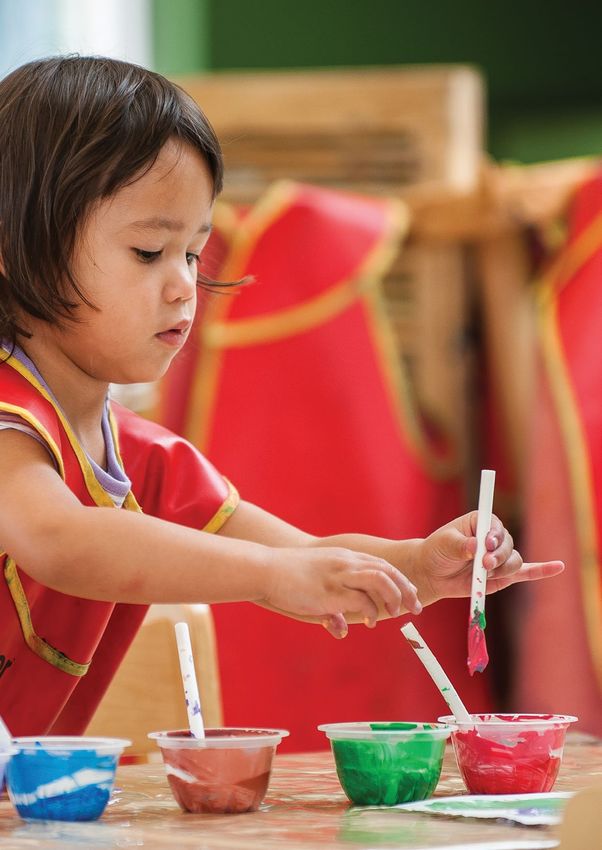
Our Place supports schools and
early years’ services to be at the
heart of community by working
with local organisations and
individuals to make a real
and lasting difference to
the lives of children, families
and communities.
Our Place is an initiative of
the Colman Foundation and,
through the Foundation’s
10-year partnership with the
Victorian state government, the
approach is being implemented
in 10 sites across Victoria with the
support of other philanthropic
organisations.

The Our Place story
Pam and Julius Colman established the Colman Foundation in
2005 to promote positive education outcomes for children and
families in disadvantaged communities.

In 2012 an agreement was signed between the Department of
Education and Training (DET) and the Colman Foundation to
establish a place-based and integrated education approach
at the newly built Doveton College.

The aim was to create the conditions for a unique cross-sector
collaboration across education, early learning, health and adult
education systems. Doveton College now offers a range of
supports for the whole community, from before birth to adult
education and employment. This approach is called Our Place.

In November 2017, a Partnership Agreement between DET and
the Foundation laid the way for the Our Place approach to be
established at 10 school sites across Victoria.

Vision
All children and their families succeed in life.

Mission
We work through local schools to create the conditions for
children, families and communities to flourish. We aim to reshape
the service system and open up access to the resources,
opportunities and support that all children need to learn and
develop, and that enable families to achieve their aspirations.

2     Our Place
Contents
Welcome4
The Our Place approach                          5
Research and evaluation                         6
Guiding principles                              6
Implementation7
International Expert Advisory Group             7
Looking back at 20198
Our Place sites                                10
   Our Place Bridgewood                        11
   Our Place Carlton12
   Our Place Doveton13
   Our Place Frankston North                   14
   Our Place Mooroopna                         15
   Our Place Morwell                           16
   Our Place Northern Bay                      17
   Our Place Robinvale18
   Our Place Seymour19
   Our Place Westall20
2020 – Moving forward                          21
Index22
Glossary23

                                       2020 Roadmap   3
Welcome

Message from the                                                    Message from the
Chief Executive Officer                                             Executive Director, Services
We are excited to begin 2020 with the release of our first          As I reflect on 2019, I think about the many challenges and
Roadmap. The purpose of this document is to reflect on and          achievements of the team in scaling up the implementation
summarise the achievements in the previous year across all the      of Our Place. We have grown from three active sites to 10 in
Our Place sites, as well as to provide an overview of our plans     2019 which has involved growing the Our Place team and the
and objectives in the year ahead.                                   establishment of supportive site partnerships at each location.

Last year was a truly formative year for Our Place, where           While maintaining the momentum at Doveton and Bridgewood,
we moved beyond our founding site at Doveton and built an           it has been exciting to be involved in the design and building of
organisation capable of supporting the implementation of            other sites and to see the completion of many new purpose-built
Our Place across 10 sites. Our team has more than tripled to 40     early learning and family support spaces in school locations.
people over the course of 2019 with moderate growth expected        Schools and local community services have embraced the Our
in 2020 as we embed the systems and processes developed             Place partnership approach and, at the year-end, most of our
during the past 12 months.                                          sites are at the stage of building relationships and scoping the
                                                                    existing assets and opportunities in preparation for finalising
We also strengthened our relationships with vital supporters        local strategic plans with the community.
of our work. We signed a Philanthropic Alliance Agreement with
Dusseldorp Forum and William Buckland Foundation, an                As we grow the Our Place footprint, we are acutely aware of
alliance that we hope others will join in due course. The Paul      the aim that each site develops in response to local priorities
Ramsay Foundation continue to provide valuable input and            and the need to ensure the approach and essential elements
support as we scale Our Place, including funding essential          align with the evidence and the research underpinning it. To
organisation infrastructure and capability. Our partnership with    support this goal, we have worked with key partners including
the Department of Education and Training continues to evolve,       our International Expert Advisory Group (IEAG) to create
and we are pleased to announce that governance of the               guidelines for the implementation. Additionally, we have
partnership will now transition to a whole-of-government            established two Our Place practice networks (Principals
approach. This will assist Our Place in engaging effectively with   Network and Early Learning Services Network) to provide
different departments of the Victorian government to maximise       opportunities for collegiate support, shared planning and
the support for children and families in our sites.                 access to international experts in the areas of early learning
                                                                    and high-quality schooling.
We are looking forward to a year where further progress begins
to truly shift the landscape for those in the communities we have   We look forward to a very busy 2020 with most of our sites
commenced working with, and one where our collaboration             becoming fully operational. We will continue to forge other
with others can begin to deliver evidence for significant           strategic partnerships with local services to continue to do
system change.                                                      whatever it takes so that children, young people and their
                                                                    families succeed in life.

Sean Cory                                                           June McLoughlin
Chief Executive Officer                                             Executive Director, Services

4     Our Place
The Our Place approach
A whole of community partnership
Our Place evolved from the learnings and experiences from Doveton College, which was developed based on extensive local and
international evidence. Our Place is based on the notion that education is the key that unlocks the door to opportunities that can break
the cycle of disadvantage. Utilising the universal platform of schools, Our Place seeks to overcome typical barriers that prevent children
and families who live in communities experiencing disadvantage receiving the support they need to succeed in life.

      Our Place Elements – the evidence-based strategies
      Six elements are necessary to achieve the Our Place outcomes. Each site creates an implementation plan based on these
      elements and features:

            High-quality early                                                High-quality schooling
            learning, health &                                                Support high-quality teaching and learning
            development                                                       environments that ensure each child receives
                                                                              the support they need to achieve and thrive.
            Support early learning from birth as well
            as playgroups, child health and parenting
            support on site.

            Engagement &                                                      Wrap-around health
            enrichment activities                                             & wellbeing services
            for children & families                                           Support access to effective health and
                                                                              wellbeing support services.
            Create opportunities to be involved, join a
            team, volunteer and contribute.

            Adult engagement,                                                 The Glue
            volunteering, learning                                            The people, resources, partnerships,
            & employment                                                      evaluation and research that are essential to
                                                                              make a place-based approach work.
            Support opportunities for families to engage
            in volunteering, formal and informal learning,
            and link them into employment pathways.

                                                                                                                       2020 Roadmap      5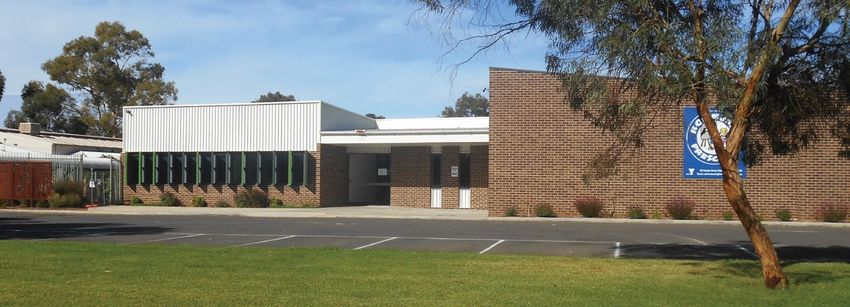
Research and evaluation
How we measure change
We view our work as implementing an evidence-based theory of change that
offers a contribution to the outcomes that we wish to achieve for children,
families and communities – so that they ultimately succeed in life.
We apply an outcomes-based or result-based accountability               quantitative and qualitative data and information where it
mindset to evaluation, seeking to explore the impact of the Our         is valid, reliable and accessible, and strive to explore new and
Place approach on children, families and the community at both          innovative ways to collect and share data, stories and learnings,
the individual site level and across the approach as a whole.           and to address and support data gaps into the future.

The Our Place evaluation aims to measure the nature and extent          Alongside evaluation, we have a strong desire to draw on and
of change that the approach contributes to over time for our            contribute to the research base. This means conducting and
sites. We want to learn the story behind these changes and what         disseminating high quality research that expands our learnings
this means for children, for families and for communities as they       beyond Our Place sites and grows and builds on the broader
grow and change. We are equally as interested in documenting            evidence base and sector knowledge over time. Our Place has
and understanding how the Our Place approach is implemented             committed to several research projects that are currently
at each site. We will seek to understand if it is implemented           underway, each of which align with elements within the
with fidelity across sites and in the way we intended, and              approach. We will continue to plan and commit to future
how much effort and resource this requires.                             research to support our understanding of how each of the
                                                                        elements contributes to long-term change for the children
Robust planning guides the evaluation with data collection              and families in Our Place communities and the potential
efforts that reflect a mixed methods design. We tap into existing       application beyond.

Our Place Outcomes Framework

                  Children                                      Families                                    Community

            Children are happy,                       Families are happy, healthy                    Community members are
          healthy and develop well                   and well with strong self worth             connected and feel socially included

        Children engage in learning              Families are confident as parents/carers           Community members have a
         and social opportunities                 and engage in their children’s learning           sense of pride and belonging

       Children are active as learners                Families engage in learning,                  Community members actively
                                                      are skilled and are employed                 contribute skills and knowledge
                                                                                                     to community productivity

Guiding principles
Implementation of the Our Place approach is underpinned by a set of guiding principles.
These principles establish a strong foundation for effective            • Collaboration and outcome-focused partnerships are critical
partnerships with the aim that all partners have a shared                 to successful place-based initiatives.
understanding of how we work with families at an Our Place site.
                                                                        • Good decisions are informed by evidence and the voices
• Relationships and trust are preconditions for impact.                   of the community.
• Families should have seamless access to education and the             • Sharing knowledge is necessary for big-picture change.
  support they need.
                                                                        • Achieving meaningful and sustainable impact takes time.
• Families should have opportunities to experience pride,
  self-worth and success.

6     Our Place
Implementation
         We get to know communities to understand their history, aspirations,
         and challenges. Relationships are built with families, community leaders,
         service providers, local government and with the school.
         We aim to understand the barriers to participation that need to             Our Place Community Facilitators coordinate consultation and
         be overcome, the opportunities that haven’t yet been realised,              analysis, integrated planning and oversee implementation. Each
         priorities for action, and quick wins that could make a big                 site will have a well-developed and agreed strategic plan. The
         difference. With a shared vision that is community-led, we plan             commitment to each community is long-term, because
         how to transform the school into a centre that develops the full            significant change takes time.
         capacities of children and parents alike.

         Our Place implementation overview
                                                                                                               Initial             Sustained
PHASE

          Pre-implementation                     Establishment and Engagement                             Implementation         Implementation
             Identify and Adopt                              Plan and Prepare                               Test and Refine      Maintain and Grow

             Pre-conditions                Step 1:                Step 2:               Step 3:                Step 4:                Step 5:
                                            Build              Understand the          Develop a                Support           Provide ongoing
STEP

               Opportunity              relationships            community          shared vision &       ‘joined-up’ service     implementation
               Scoping Step              & establish             & evidence          plan to drive          implementation            support
                                           shared                 the need           change in the
                                        commitment                                    community

               Infrastructure,             Building               Gathering         Conversing and          Supporting initial   Supporting ongoing
            building and design        relationships &          learnings and       collaborating to     implementation of the    implementation of
              requirements –           getting to know         research to best     create a shared       service model on the    the service model,
            including a shared        the stakeholders         understand the       vision that aligns     ground, testing and      contributing to
DETAIL

               front entrance        & their priorities to     community and         to the broader          trying, problem        evaluation and
                                      map ‘who is who            the met and            vision and              solving and        research efforts,
                                      in the zoo’, what          unmet need             outcomes              contributing to         supporting
                Partnership
           Agreement – defining      role have they had                                                       evaluation and     continuous practice
            governance, roles &        & what role can                                                       research efforts    improvement cycles
              responsibilities          they support
                                           & drive

                                                                    Reflecting the alignment to the elements of Our Place

                                                                                      Step 6: Review

         International Expert
         Advisory Group
         The Our Place IEAG was established in 2018 to provide valuable guidance and input
         to ensure the Our Place Approach incorporates global best practice, and that we
         remain current and aware of international developments.
         The IEAG consists of the following people:                                  • Professor Ted Melhuish, University of Oxford
         • Professor Jane Bertrand, University of Toronto and Program                • Warren Cann, CEO Parenting Research Centre
           Manager, McCain Family Foundation
                                                                                     • Professor Helen Skouteris, Monash University
         • Sir Kevan Collins, former CEO UK Endowment Fund
                                                                                     • Professor Marc de Rosnay, University of Wollongong

                                                                                                                                   2020 Roadmap        7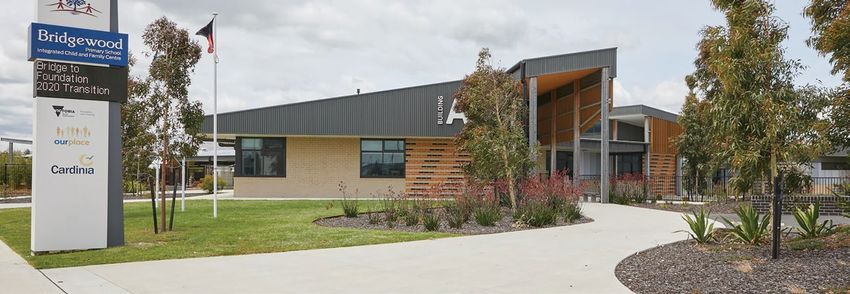
Looking back at 2019
Significant organisation achievements

                                                    Ted Melhuish,
                                                    Professor of Human
                                                                           Partnership
                                                                           for Change
    Official                                        Development at the
                                                    University of Oxford
                                                                           event
    opening                  Dusseldorp Forum
                                                    joined Our Place
                                                    in Australia           A watershed event
    of Our Place office      (Robinvale) and The    and engaged            in which all the site
    in a former child-care   William Buckland       stakeholders on        partners and funders
    centre next to Doveton   Foundation (Seymour,   the importance         came together for
    College, donated by      Morwell) announced     of early years.        the first time.
    City of Casey.           as site partners.

            Jan                      Feb                    Feb                 March

                                                                           Helen Macpherson
                                                                           Smith Trust commits
                                                                           to three years of
                                                                           funding for the
                                                                           Early Years Quality
                                                                           Practice Framework
                                                                           (EYQPF), a toolbox
                                                                           for practitioners to
    Our Place                                                              improve children’s
    Implementation           R.M. Ansett Trust      Whole-of-government    education and life
    Guide finalised to       announced as a         approach agreed        outcomes, to be
    guide site staff and     site funding partner   by the Victorian       delivered in
    their communities.       at Frankston North.    state government.      five sites.

            Dec                      Dec                    Nov                    Oct

8     Our Place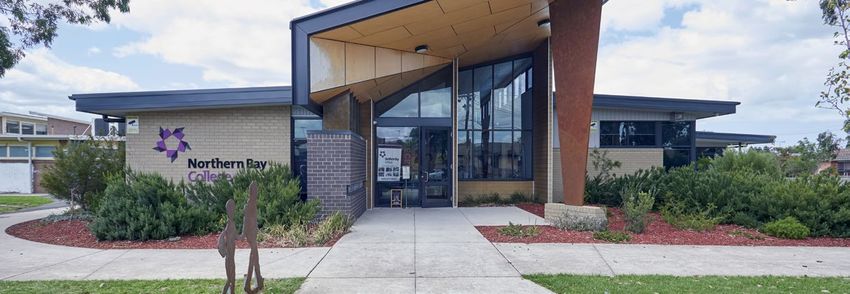
The inaugural Our
                                                                           Place Early Years
                                                                           Network.

                         First
                         Our Place
                         Principals              As part of the            Visit by IEAG
                         Network                 translation of the work   member, Professor
                                                                           Jane Bertrand who
                                                 at Doveton College,
First Site
                         A shared learning                                 highlighted
                                                 the first drafts of the
                         and peer support                                  importance of
                                                 Implementation Guide
Operating                network, was
                                                 were developed and        continuity of

Agreement
                         launched by IEAG                                  learning from early
                                                 made available for
                         member Sir Kevan                                  years to formal
                                                 facilitation staff at
                         Collins.                                          schooling.
signed at Robinvale.                             all Our Place sites.

       April                    May                      June

                                                                                   July

                                                 Ray and Margaret
                                                 Wilson Foundation
                                                 announced as
                                                 a site partner
                                                 at Carlton.

                                                                           Publication
                         ‘What it means to
                         walk alongside:                                   of ‘Success’
                         exploring the Our                                 A collection of
                         Place partnership’      Philanthropy Alliance     inspiring first-hand
                         is published, setting   Agreement signed          stories from people
                         out the Colman          with Dusseldorp           associated with
Ross Trust commits to    Foundation’s            Forum and The             Doveton College.
three years of funding   journey in              William Buckland
for Our Place            partnership with        Foundation 10-year
Frankston North.         government.             commitment.

                                                                                   Aug

        Oct                     Sept                    Sept

                                                                                  2020 Roadmap    9
Our Place sites
 Site                       Site Operating      Community      Site Implementation    Our Place staff     Implementation
 location                   Agreement signed    consultation   Group established      on site             Plan in place
                                                initiated

Bridgewood

Carlton

Doveton

Frankston North

Mooroopna

Morwell*

Northern Bay

Robinvale

Seymour

Westall*

* Subject to infrastructure funding approval

Our Place map
                                                                                     Key
         8
                                                                                     1 Bridgewood        6 Morwell
                                                                                     2 Carlton           7 Northern Bay
                                                                                     3 Doveton           8 Robinvale
                                                                                     4 Frankston North   9 Seymour
                                                                                     5 Mooroopna         10 Westall

                                                      5

                                                  9

                                               2 10
                                                    3
                                          7               1
                                                  4             6

10     Our Place
OUR PLACE
Bridgewood
In Officer, we know that...1 Location: Bridgewood Primary School Phase: Initial implementation - Step 4
Bridgewood Primary School is located in Officer, a new suburb experiencing rapid
residential growth. The suburb is facing several issues including the risk of future
disadvantage due to the combination of population growth and its situation on
Melbourne’s fringe. There is also a growing risk of social isolation given the lack of support
7,133
networks located nearby. Bridgewood was a unique opportunity to ‘test and try’ the Our
Place approach and learn from scaling u that would serve to benefit other sites. It has a
shorter-term commitment until the end of 2021 rather than ten years, as in other sites.
Site Implementation Group: Bridgewood Primary School, Early Childhood Management
Population, 2,006 (28%) families
Services (ECMS), Cardinia Shire Council, DET South Eastern Region and Colman
Foundation (Our Place).
720
(10.1%) children
1,068
Index of Relative
aged from
birth to four
Socio-economic
Disadvantagei 2019 – 2020 –
Looking Moving
back forward
65.4% 25.3%
are full time are part time • Consulted with community, local • Continue to build community
employed employed
service providers and agencies that connection and belonging by
identified priorities around growing introducing more whole-of-site
issues of social isolation and the activities and initiatives.
importance of building
• Deliver a coordinated capacity
At Bridgewood Primary School2 connectedness.
building and education campaign
• Facilitated joined-up approaches to the community – with a focus on
between partners and across the key messages around child
site – promoting inclusive activities, development, education and
celebrations and events for all ages. positive parenting.
• Supported the development and • Build awareness within and
262
implementation of an on-site confidence of the community to
continuity of early learning access locally available
approach between early years opportunities for adult education
learning providers and Bridgewood and employment, including
students enrolled in 2018 Primary School. volunteering opportunities.
• Actively promoted and celebrated • Begin developing a strategy
31%
of students
3%
of students identify
the ethnic diversity of the
Bridgewood community through
to deliver long-term financial
sustainability of an integrated
site-wide events and celebrations. Our Place approach.
have language as Aboriginal and
backgrounds other Torres Strait
than English Islander
“During my time volunteering at Bridgewood Primary School I was
able to gain experience in supporting students with their learning
941
is the level of
21%
of students are
tasks. I have recently gained employment in an Education Support
role and can thank my volunteer time at Bridgewood Primary School
disadvantage: in the bottom for allowing me to gain the skills necessary for the position.”
ICSEA valueii quarter
- Parent, Bridgewood Primary School
2020 Roadmap 11OUR PLACE
Carlton
In Carlton, we know that...3 Location: Carlton Primary School Phase: Pre-implementation - Step 2
Carlton Primary School is a small school located within a pocket of significant
disadvantage in an otherwise affluent suburb. Most of the families attending Carlton
Primary School and related activities live on the Carlton housing estate and are from
culturally and linguistically diverse (CALD) backgrounds. Called the Carlton Learning
18,535
Precinct, in addition to the primary school the site features early learning services
provided by Gowrie Victoria as well as maternal and child health and family
services provided by the City of Melbourne.
Site Implementation Group: DET North Eastern Victoria Region, City of Melbourne,
Population, 2,488 (13%) families
Gowrie Victoria, Carlton Primary School and Colman Foundation (Our Place).
435 930
(2.3%) children
aged from
Index of Relative
Socio-economic 2019 – 2020 –
birth to four Disadvantagei Looking Moving
back forward
46.2% 30.3%
are full time are part time
• The school re-build and the • New site formally commences in
space for City of Melbourne family Term 1. The Site Implementation
employed employed
services programs were completed Group will take carriage of
in November, featuring two new development of a three-year
levels for the school, maternal strategic plan.
At Carlton Primary School4 and child health, family services
• Following initial consultation with
consulting rooms, playgroup
families, a major focus of 2020 will
spaces, a large welcoming
be to help families navigate the
community space and a 98-
existing service system. This
place Early Learning Centre.
includes building relationships with
• Gowrie Victoria was appointed adult learning and pathways
117
as the Early Learning Centre providers, connecting families with
operator. In preparation for early years supports and exploring
providing a service that reflects strategies to ensure families feel
the community, they have safe in the community.
students enrolled in 2018 employed local community
members in educator roles.
“The building is open and
98% 4%
• After-school enrichment activities
commenced in partnership with we’ve got the people on the
YMCA, funded by the IOOF
of students of students identify ground. We know the family
have language as Aboriginal and
Foundation.
services people who are going
backgrounds other Torres Strait • The school and Our Place worked
than English Islander to be based here, and we know
with parents to establish a Parent
Ambassador Group.
the early years provider who
is awesome, so there is no
941 57%
• Ray and Margaret Wilson
Foundation committed as a site
reason to think it’s not going
partner with $1.5M over ten years to be great!”
is the level of of students are
disadvantage: in the bottom (2020 – 2029). - Julie Large, Principal, Carlton
ICSEA valueii quarter Primary School
12 Our PlaceOUR PLACE
Doveton
In Doveton, we know that…5 Location: Doveton College Phase: Sustained implementation - Steps 5 and 6
After eight years at Doveton College, Our Place is seeing the impacts that change the
lives of children and the fabric of communities. More children are engaged in learning,
with a 30% reduction in days absent across all year levels. In 2019, MySchool reported
that Doveton College was one of three schools in Victoria that reported improved
9,358
education outcomes for children the longer they attend. Doveton College is now in the
top 25 government schools for year 7-9 NAPLAN growth.7 The college is a community
hub with many activities for students, parents and community. Programs for engaging
adults are working well, with on average more than 250 adults engaged and
participating in community programs, education and volunteering each year.
Population, 2,220 (24%) families
682
(7.3%) children
816
Index of Relative
2019 – 2020 –
aged from Socio-economic Looking Moving
back forward
birth to four Disadvantagei
52.9% 27.6%
are full time are part time
• Community leadership course
co-facilitated by Our Place has
2020 represents a year of significant
change for Doveton College as the
supported the establishment of original 10-year MoU is scheduled
employed employed
the first parent-led playgroup in to conclude in 2021 and Doveton
Doveton, enabling all families to College works towards a refreshed
access the benefits of playgroup strategic direction. Priorities for the
At Doveton College6 in the community. next year include:
• 55 adults graduated from the Men • Engage community, service
and Women of Doveton programs providers and local partners in
delivered through local the development of the refreshed
partnerships (Doveton College/ strategic vision and action plans.
YMCA/IOOF Foundation) – tailored
• Continue to build partnerships to
748
personal development and positive
increase access and facilitated
health and wellbeing programs for
pathways into adult education,
adults in the Doveton community.
training and employment.
• Established the Doveton/Hallam
• Consolidate the Doveton/Hallam
students enrolled in 2018 Community Learning Network to
Community Learning Network to
increase access to adult education
provide the best training and
and training opportunities in the
64% 9%
educational opportunities for the
local area.
local community.
of students of students identify • Utilise community members to
have language as Aboriginal and “My daughter is attending one support targeted community
backgrounds other Torres Strait of the playgroups. The educator consultation with hard to reach
than English Islander groups that will inform future
Joe introduced me to Sam
planning.
(Community Facilitator) because I
902 67%
was searching for a job. Sam sent
me job vacancies and different
is the level of of students are workshops that helped me a lot in
disadvantage: in the bottom
ICSEA valueii quarter cracking interviews. I got selected
in the first one I applied.”
- Rujuta, Doveton College parent
2020 Roadmap 13OUR PLACE
Frankston North
Location: Aldercourt Primary School and
In Frankston North, we know that...8 Mahogany Rise Primary School Phase: Pre-implementation - Step 2
Frankston North is primarily a residential area, characterised by low home ownership
rates and high levels of public housing. It is comprised mostly of English-speaking
residents with fewer non-English speaking residents compared to the Victorian
average. A significant proportion (36.2%) of families are one parent families.11
19,289
Population, 4,995 (26%) families
In May 2017, the Victorian state government announced it would develop the Frankston
North Education Plan to improve the quality of education in the early, primary and
secondary years, as well as connect more adults into adult learning. Seeing an intersection
of priorities and an opportunity for collaboration, Our Place was approached to work with
the schools. Frankston North Our Place is located in Aldercourt Primary School and
Mahogany Rise Primary School, and also works closely with Monterey Secondary College.
1,309 916
Construction commenced in January 2020 with the view being that all sites are scheduled
to open at the beginning of 2021.
(6.8%) children Index of Relative
aged from Socio-economic Site Implementation Group: DET South Eastern Victoria Region, Frankston City Council,
birth to four Disadvantagei Child and Family Centre, Aldercourt Primary School, Mahogany Rise Primary School,
Monterey Secondary College and Colman Foundation (Our Place).
54.7% 30.3%
are full time are part time
employed employed
2019 – 2020 –
At Aldercourt At Mahogany Rise
Looking Moving
Primary School9 Primary School10 back forward
186 136
• Established a shared commitment • Construction across all sites,
with the formation of the Site including an integrated early years
Implementation Group and an learning centre at Aldercourt
students enrolled in 2018 Our Place Frankston North Primary School and a new single
Advisory Committee. entry that will connect Mahogany
21% 10% • Parents started to engage in Rise Primary School with the
activities on-site and share their existing Child and Family Centre.
of students have language experiences and perspective on • Engagement with key partners
backgrounds other than English community needs with the Our including the Site Implementation
Place team. Group, Frankston North Advisory
4% 4% • Consultations commenced with Group and the wider community to
approximately 25 local service support the implementation in 2021
of the Our Place approach.
of students identify as Aboriginal providers to start mapping existing
and Torres Strait Islander services in the area. • Consultations will continue
• Ross Trust committed to $300,000 with local agencies and service
947 915 over three years (2020 – 2022), providers. Community consultations
and The R.M. Ansett Trust, will commence with families
managed by Equity Trustees attending early learning, primary
is the level of disadvantage: ICSEA valueii
committed as a site partner with and secondary schools together
with general community members.
71% 71%
$3M over 10 years (2020 – 2029).
• Continue to make connections and
listen to the community, to build
of students are in the bottom quarter trust and a thorough understanding
of the needs of the Frankston
14 Our Place North people.OUR PLACE
Mooroopna
In Mooroopna, we know that...12 Location: Mooroopna Primary School Phase: Pre-implementation – Step 1
The Shepparton Education Plan was released by DET in 2018 to boost educational
outcomes by giving young people more options and opportunities, improving the
transition through each stage of education, equipping teachers with more effective
training and resources, and developing contemporary school infrastructure.
7,942
Population, 1,993 (25%) families
Our Place will be based at Mooroopna Primary School and will support the Plan by
helping to integrate education, care, health and support services for the benefit of
children and their families.
467
(5.9%) children
869
Index of Relative
2019 –
Looking
2020 –
Moving
aged from
birth to four
Socio-economic
Disadvantagei back forward
• Introductory meeting held in • Build of Early Learning Centre and
54.3% 31.4%
are full time are part time
October between DET North
Eastern Victoria Region, Colman
community space will commence.
• Formation of Site Implementation
Foundation (Our Place) and
employed employed Group in second half of the year.
Shepparton City Council, with
Our Place providing input into the • Community and services
design of the new Early Learning consultation to commence.
At Mooroopna Primary School13 Centre and community space site
at Mooroopna Primary School.
• In November, the Minister for
Education James Merlino launched
designs of the new Mooroopna
Integrated Early Learning Centre.
239
students enrolled in 2018
8%
of students
17%
of students identify
have language as Aboriginal and
backgrounds other Torres Strait
than English Islander
892
is the level of
67%
of students are
disadvantage: in the bottom
ICSEA valueii quarter
2020 Roadmap 15OUR PLACE
Morwell
In Morwell, we know that...14 Location: Morwell Central Primary School Phase: Initial implementation - Step 2
Morwell, located in the Latrobe Valley, is an area highly reliant on the energy industry,
particularly coal mining and electricity services. The recent decline of these industries
has placed significant pressure on the community. Morwell experiences higher relative
disadvantage across a number of indicators, including poorer youth engagement,
13,808
population health and early childhood outcomes.16
Site Implementation Group: DET South Eastern Victoria Region, Morwell Central
Primary School, Latrobe City Council, Goodstart Early Learning and Colman
Foundation (Our Place).
Population, 3,350 (24%) families
834 829
(6%) children
aged from
Index of Relative
Socio-economic 2019 – 2020 –
birth to four Disadvantagei Looking Moving
back forward
47.2% 28.1%
are full time are part time
• The William Buckland Foundation • Officially open Goodstart Early
committed as a site partner with Learning centre on Morwell
employed employed
$1.5M over 10 years (2020 – 2029). Central Primary School campus
• Established a shared commitment in Term 1.
by forming a Site Implementation • Site Implementation Group to
At Morwell Central Primary School15 Group. formally sign the Site Operating
• Consolidated partnership between Agreement.
Morwell Central Primary School, • Finalise a three-year Strategic Plan
Goodstart Early Learning and with Site Implementation Group for
Our Place. operational priorities at Our Place
at Morwell Central Primary School.
406
• Construction of integrated
Early Learning Centre building • Potential to include Morwell Park
completed in December. Primary School subject to
infrastructure funding.
students enrolled in 2018
9% 13% “We’re excited about the potential of what’s ahead for the Morwell
of students of students identify community. We’re excited about children being more ready to learn
have language as Aboriginal and
backgrounds other Torres Strait
at primary school due to the integrated services provided on site.
than English Islander We’re excited to work more closely with families on the school site.”
- Justine Smyth, Principal, Morwell Central Primary School
883
is the level of
73%
of students are
disadvantage: in the bottom
ICSEA valueii quarter
16 Our PlaceOUR PLACE
Northern Bay
In Corio, we know that...17 Location: Northern Bay College, Wexford Campus Phase: Pre-implementation - Step 2
Originally both a residential and industrial area, Corio is experiencing high levels of
socio-economic disadvantage exacerbated by the closure of several large industries
over the last few decades. In recent years the diversity of the community has grown due
to a high number of children and families moving to the area from a broad range of
15,296
culturally and linguistically diverse (CALD) backgrounds.
Wexford(P–8) is one of five campuses at Northern Bay College. A significant number of
children are attending school with vulnerabilities higher than state proportions, with
over a quarter of all Wexford Foundation students vulnerable on one or more domains
Population, 3,797 (25%) families
in 2018.19
965
(6.3%) children
832
Index of Relative
Site Implementation Group: DET South Western Victoria Region, Northern Bay College,
City of Greater Geelong and Colman Foundation (Our Place).
aged from Socio-economic
birth to four Disadvantagei
2019 – 2020 –
49.7% 31.7% Looking Moving
are full time
employed
are part time
employed
back forward
• Established Site Implementation • Site Operating Agreement signed
Group in July 2019. by key partners by Term 1,
At Northern Bay College (Wexford)18 • Conducted initial scoping with February 2020.
42 services to introduce the Our • Formalising a three-year Strategic
Place approach and gathered Plan to set out clear goals and
local perspectives to understand priorities for key partners.
the existing services and
• The new building, including the
referral processes.
early learning centre, opened in
603
• Began initial consultations with January 2020 and the school
the local community, building administration offices will move to
relationships and initiating the new building in Term 2 2020.
warm referral processes to
students enrolled in 2018 relevant services.
32%
of students
4%
of students identify
“We were advocating for a full-service school model from inception.
We wanted to make a promise to the community; they had been let
have language as Aboriginal and down so many times… I became interested in the work that Julius
backgrounds other Torres Strait
than English Islander
was doing at Doveton and I thought yes, that’s the sort of thing
we want here... we were going to him saying we are ready to go.”
879 79%
- Fred Clarke, original Executive Principal, Northern Bay College
is the level of of students are
disadvantage: in the bottom
ICSEA valueii quarter
2020 Roadmap 17OUR PLACE
Robinvale
In Robinvale, we know that...20 Location: Robinvale College Phase: Pre-implementation - Step 2
The close knit, multi-cultural community of Robinvale is located 95km from Mildura and
140km from Swan Hill, its local government hub. Robinvale was established as a soldier
settlement in 1945 and today it is a centre of horticulture. As the industry expands, more
and more transient workers from many cultures have been able to settle permanently in
3,313
the area. Robinvale has several recognized challenges, including geographic isolation,
major housing shortages, limited local facilities, reduced access to locally delivered
services due to transport issues, low levels of education and historically low levels of
consistent attendance at education and early childhood services.
Population, 746 (24%) families
Site Implementation Group: DET North Western Victoria Region, Robinvale College,
Swan Hill Rural City Council, YMCA, Robinvale District Health Services and Colman
229 871
Foundation (Our Place).
(6.9%) children Index of Relative
aged from Socio-economic
birth to four Disadvantagei
2019 – 2020 –
Looking Moving
59.5% 24.6%
are full time are part time
back forward
employed employed
• Signing of the Site Operating • Commencement of the Early Years
Agreement in April. Quality Practice Framework
• The Early Learning Centre opened (EYQPF), a ‘Toolbox’ of assessments
At Robinvale College21 in Term 2 2019. and environmental scans, funded
by Helen Macpherson Smith Trust.
• Dusseldorp Forum committed as
a site partner with $1.5M over ten • Introduction of Baby College,
years (2019 – 2028). an Our Place program to support
mothers from the neo-natal phase
• In July supported playgroups through to the first year of a
387
commenced, funded by the child’s life.
Besen Family Foundation.
• Playgroup to be established on
• IOOF Foundation committed the school site in the early
to funding of after-school learning centre.
students enrolled in 2018 enrichment programs.
• Completion of the community
and agency consultations in
34% 27%
preparation for developing a
“Everyone is linked by a site strategic plan.
of students of students identify
have language as Aboriginal and
common purpose – same • Completion of the school/
vision, values, exploring community library anticipated
backgrounds other Torres Strait
than English Islander by end 2020.
each other’s strengths
and combining them as
870
is the level of
67%
of students are
a collaborative group.”
- Mara Richards, CEO, Robinvale
disadvantage: in the bottom District Heath Services
ICSEA valueii quarter
18 Our PlaceOUR PLACE
Seymour
In Seymour, we know that...22 Location: Seymour College Phase: Pre-implementation - Step 2
Seymour has the highest level of disadvantage in the Mitchell Shire and only 9% of
towns in Australia are more disadvantaged than Seymour.24
Partnership and collaboration will be crucial to the revitalisation of Seymour. In 2016
6,327
Mitchell Shire approached Seymour College when it needed to relocate a local
kindergarten, with the idea of establishing a Family and Children’s Centre (FCC) on the
school grounds. It was an ideal opportunity to establish an Our Place site.
Site Implementation Group: DET North Eastern Victoria Region, Department of Health
Population, 1,542 (24%) families
and Human Services (DHHS), Seymour College, Mitchell Shire, Kids First Australia and
Colman Foundation (Our Place).
316
(6.9%) children
879
Index of Relative
aged from Socio-economic
birth to four Disadvantagei
2019 – 2020 –
Looking Moving
52.5% 34.2%
are full time are part time
back forward
employed employed
• Our Place commenced in August. • Establish the Family and Children’s
A strategic review in Term 4 by Centre (FCC) at Seymour College
Seymour College included a way in January 2020. Work with
At Seymour College23 to build the Our Place approach community and partners to
into the central workings of actively collaborate to deliver
the school. high-quality early learning.
• Site Implementation Group • Continue to work with Seymour
governance structure revised to College council, leadership
incorporate five advisory groups and staff towards a greater
726
and a strategic partnership group understanding of Our
as the Family and Children’s Centre Place approach.
moves into an operational phase.
• Following broad community
• Building completed in December consultation, develop a three-
students enrolled in 2018 2019, meeting all requirements for year Strategic Plan that represents
an Early Learning Centre. Kids First the goals and aspirations of the
8% 5%
Australia appointed as the early community.
years’ provider.
• Continuity of learning has been
of students of students identify • The William Buckland Foundation identified by our partners as the
have language as Aboriginal and committed as a site partner with key overarching focus
backgrounds other Torres Strait $1.5M over 10 years (2020 – 2029).
than English Islander
938
is the level of
52%
of students are
“Kids First Australia are so excited to be working in partnership
with Our Place at the Seymour Family and Children’s Centre. Our
disadvantage: in the bottom
initial partnership has been very collaborative and respectful of the
ICSEA valueii quarter strengths each organisation brings. We look forward to a long and
collaborative future together.”
- Di Earp, Manager, Early Years, Kids First Australia
2020 Roadmap 19OUR PLACE
Westall
In Clayton South, we know that...25 Location: Westall Primary School Phase: Pre-implementation - Step 1
Clayton South has a high level of diversity, with 74% of residents speaking languages
other than English.27 Westall Primary School benefits from a colocation with the Westall
Community Hub, which provides a library, early childhood services, social services and
community spaces.
12,642
Population, 3,366 (27%) families
Full activation of the Our Place approach to create a shared entrance between the Hub
and the school is subject to infrastructure funding.
847 957 2019 – 2020 –
(6.9%) children
aged from
Index of Relative
Socio-economic Looking Moving
birth to four Disadvantagei
back forward
55%
are full time
31.5%
are part time
• Our Place worked with the
Westall Kindergarten, Kingston
City Council staff, and community
• In May, partners will undertake
joint planning to review the Our
Place activity at the site to date
employed employed members to deliver Paint the and plan for the future, subject to
Town REaD activities that help infrastructure funding.
children get ready for school by
• A Journey Report will be prepared
encouraging the whole community
At Westall Primary School 26 to convey how Our Place has
to read, talk, sing and draw with
worked with the school,
children from birth.
community, TRY Australia, Kingston
• Coordination of the 123Read2Me City Council, and service providers
program, enabling distribution of at the Westall Community Hub
over 5000 books to families in over the last two years.
Clayton South.
253
• Our Place has engaged BRACE
• More than 60 parents were Adult Education to deliver training
provided support to connect in 2020 for people to improve their
to education and employment opportunities with education
students enrolled in 2018 opportunities. and employment.
83%
of students
4%
of students identify
“A highlight at Westall has been the whole of community engagement
on singing, reading and rhyming to children to support literacy from
have language as Aboriginal and
backgrounds other Torres Strait early years to Foundation students. Everybody has been involved,
than English Islander including the primary school, parents, and general community.”
- Marie Holmes, Community Facilitator, Our Place Westall
971
is the level of
43%
of students are
disadvantage: in the bottom
ICSEA valueii quarter
20 Our Place2020 – Moving forward
To deliver the Our Place vision, we are focused on the following three strategic
objectives to drive planning and decision-making about our priorities in 2020:
Effective Robust evaluation Continue to
implementation with timely and build organisation
of the Our Place effective capacity and
approach at all communication capability
sites with fidelity of outcomes
Why? Why? Why?
To ensure the best possible chance of Unless we demonstrate to our To support our ability to work effectively
success we must ensure our activities stakeholders that we are achieving as a team but also to grow our credibility
are directly linked to the evidence that tangible, measurable outcomes, ongoing with key stakeholders including
underpins the elements of the Our support will eventually diminish and the Government, philanthropy and
Place approach. opportunity for system change service providers.
will disappear.
To achieve these objectives our plans at the organisation level
for 2020 include the following significant activities:
• Add expertise and leadership in evaluation, • Investigate strategic partnerships with service organisations
implementation and communications. to support fidelity in Our Place elements across our sites.
• Grow deeper understanding of the Our Place approach with • Embed “Whole of Victorian Government” governance
employees and partners through education and training. process to access relevant service delivery areas of
government to support and/or complement Our Place
• Develop a long-term evaluation project proposal with
activities in our communities.
longitudinal study that leverages the 10-year
implementation of Our Place across ten sites to evaluate • Grow the Our Place Philanthropic Alliance by adding
the full impacts including cost benefits of Our Place over partners and implement Alliance reporting, planning
time and secure project funding. and engagement processes to access partners’
capability and knowledge.
• Begin planning for an Our Place Conference with the intent
to share information regarding progress of Our Place
implementation at scale.
• Implement site data collection and reporting processes
including establishing site dashboards.
• Embed/establish networks of key external roles in Our
Place sites (notably Principals, Early Years Providers, Site
Implementation Group Chairs and Local Government).
• Develop “Continuity of Learning” approach across
early years’ learning and primary school.
2020 Roadmap 21Index
1 Australian Bureau of Statistics 2016, ‘Officer (C) (State 15 Australian Curriculum, Assessment and Reporting Authority
Suburbs)’, https://quickstats.censusdata.abs.gov.au/census_ (ACARA) 2018. My school – Morwell Central Primary School,
services/getproduct/census/2016/quickstat/ http://www.myschool.edu.au
SSC21994?opendocument
16 Australian Bureau of Statistics 2016, ‘Morwell (C) (Statistical
2 Australian Curriculum, Assessment and Reporting Authority Area 2)’, https://quickstats.censusdata.abs.gov.au/census_
(ACARA) 2018. My school - Bridgewood Primary School, services/getproduct/census/2016/quickstat/
http://www.myschool.edu.au SSC21757?opendocument
3 Australian Bureau of Statistics 2016, ‘Carlton (C) (State 17 Australian Bureau of Statistics 2016, ‘Corio (C) (State
Suburbs)’, https://quickstats.censusdata.abs.gov.au/census_ Suburbs)’, https://quickstats.censusdata.abs.gov.au/census_
services/getproduct/census/2016/quickstat/ services/getproduct/census/2016/quickstat/
SSC21994?opendocument SSC20636?opendocument
4 Australian Curriculum, Assessment and Reporting Authority 18 Australian Curriculum, Assessment and Reporting Authority
(ACARA) 2018. My school - Carlton Primary School, http:// (ACARA) 2018. My school – Northern Bay College, http://
www.myschool.edu.au www.myschool.edu.au
5 Australian Bureau of Statistics 2016, ‘Doveton (C) (Statistical 19 AEADC National Report, 2018.
Area 2)’, https://quickstats.censusdata.abs.gov.au/census_
20 Australian Bureau of Statistics 2016, ‘Robinvale (C)
services/getproduct/census/2016/quickstat/
(Statistical Area 2)’, https://quickstats.censusdata.abs.gov.
SSC20777?opendocument
au/census_services/getproduct/census/2016/quickstat/
6 Australian Curriculum, Assessment and Reporting Authority SSC22171?opendocument
(ACARA) 2018. My school – Doveton College, http://www.
21 Australian Curriculum, Assessment and Reporting Authority
myschool.edu.au
(ACARA) 2018. My school – Robinvale College, http://www.
7 Australian Curriculum, Assessment and Reporting Authority myschool.edu.au
(ACARA) 2017. NAPLAN: National assessment program.
22 Australian Bureau of Statistics 2016, ‘Seymour (C) (State
Retrieved from https://www.nap.edu.au
Suburbs)’, https://quickstats.censusdata.abs.gov.au/census_
8 Australian Bureau of Statistics 2016, ‘Frankston North (C) services/getproduct/census/2016/quickstat/
(Statistical Area 2)’, https://quickstats.censusdata.abs.gov. SSC22171?opendocument
au/census_services/getproduct/census/2016/quickstat/
23 Australian Curriculum, Assessment and Reporting Authority
SSC20942?opendocument
(ACARA) 2018. My school – Seymour College, http://www.
9 Australian Curriculum, Assessment and Reporting Authority myschool.edu.au
(ACARA) 2018. My school – Aldercourt Primary School,
24 Goulburn Regional Partnership, Regional Development
http://www.myschool.edu.au
Victoria, Mitchel Shire Council (2019). Seymour
10 Australian Curriculum, Assessment and Reporting Authority Revitalisation Initiative – Scoping Study.
(ACARA) 2018. My school – Mahogany Rise Primary School,
25 Australian Bureau of Statistics 2016, ‘Clayton South (C)
http://www.myschool.edu.au
(State Suburbs)’, https://quickstats.censusdata.abs.gov.au/
11 Australian Bureau of Statistics 2016, ‘Frankston North (C) census_services/getproduct/census/2016/quickstat/
(Statistical Area 2)’, https://quickstats.censusdata.abs.gov. SSC20567?opendocument
au/census_services/getproduct/census/2016/quickstat/
26 Australian Curriculum, Assessment and Reporting Authority
SSC20942?opendocument
(ACARA) 2018. My school – Westall Primary School, http://
12 Australian Bureau of Statistics 2016, ‘Mooroopna (C) (State www.myschool.edu.au
Suburbs)’, https://quickstats.censusdata.abs.gov.au/census_
27 Australian Bureau of Statistics 2016, ‘Clayton South (C)
services/getproduct/census/2016/quickstat/
(State Suburbs)’, https://quickstats.censusdata.abs.gov.au/
SSC21744?opendocument
census_services/getproduct/census/2016/quickstat/
13 Australian Curriculum, Assessment and Reporting Authority SSC20567?opendocument
(ACARA) 2018. My school – Mooroopna Primary School,
http://www.myschool.edu.au
14 Australian Bureau of Statistics 2016, ‘Morwell (C) (Statistical
Area 2)’, https://quickstats.censusdata.abs.gov.au/census_
services/getproduct/census/2016/quickstat/
SSC21757?opendocument
22 Our PlaceGlossary
i IRSD is the index within SEIFA Index that gives a general ii ICSEA gives an indication of the level of the school’s
socioeconomic index that summarises a range of information education advantage based on parents’ occupation, parents’
about the economic and social countdown of people and education, a schools geographical region and proportion of
households within an area. It only measures disadvantage Indigenous students. The average score is 1000. Lower the
and the index has a base of 1000 for Australia: scores above score, the lower the schools educational advantage.
1000 indicate relative lack of disadvantage and those below
indicate relatively greater disadvantage. Many variables
contribute to this index, with low income a strong indicator
of disadvantage.
2020 Roadmap 23Our Place Head Office Part of 64 Tristania St Doveton, VIC 3177 ourplace.org.au
You can also read


