Whole Grain Resource for the National School Lunch and School Breakfast Programs A Guide to Meeting the Whole Grain-Rich Criteria
←
→
Page content transcription
If your browser does not render page correctly, please read the page content below

United States Department of Agriculture

Whole Grain Resource
for the
National School Lunch and
School Breakfast Programs
A Guide to Meeting the Whole Grain-Rich Criteria

The U.S Department of Agriculture prohibits discrimination against its customers, employees, and applicants
for employment on the bases of race, color, national origin, age, disability, sex, gender identity, religion, reprisal,
and where applicable, political beliefs, marital status, familial or parental status, sexual orientation, or all or part
of an individual’s income is derived from any public assistance program, or protected genetic information in
employment or in any program or activity conducted or funded by the Department. (Not all prohibited bases will
apply to all programs and/or employment activities.)

If you wish to file a Civil Rights program complaint of discrimination, complete the USDA Program
Discrimination Complaint Form, found online at http://www.ascr.usda.gov/complaint_filing_cust.html, or at
any USDA office, or call (866) 632-9992 to request the form. You may also write a letter containing all of the
information requested in the form. Send your completed complaint form or letter to us by mail at U.S. Department
of Agriculture, Director, Office of Adjudication, 1400 Independence Avenue, S.W., Washington, D.C. 20250-9410, by
fax (202) 690-7442 or email at program.intake@usda.gov.

Individuals who are deaf, hard of hearing or have speech disabilities may contact USDA through the Federal Relay
Service at (800) 877-8339; or (800) 845-6136 (Spanish).

For any other information dealing with Supplemental Nutrition Assistance Program (SNAP) issues, persons
should either contact the USDA SNAP Hotline Number at (800) 221-5689, which is also in Spanish or call the
State Information/Hotline Numbers (click the link for a listing of hotline numbers by State); found online at
http://www.fns.usda.gov/snap/contact_info/hotlines.htm.

                                USDA is an equal opportunity provider and employer.
Table of Contents

Introduction ..............................................................................................................................   2

Grain Requirements for School Meals ...................................................................................                       3

How Do I Know if a Product Meets Whole Grain-Rich Criteria? ...........................................                                       5

What Is a Whole Grain? ............................................................................................................           6

Incorporating Products That Meet Whole Grain-Rich Criteria ..............................................                                     8

Determining if Products Meet Whole Grain-Rich Requirements .......................................... 10

Calculating Ounce Equivalencies ........................................................................................... 21

Attachments:

Attachment A: Revised Exhibit A for School Lunch and Breakfast .................................... 23

Attachment B: Product Formulation Statement Templates for
              Documenting Grains in School Meals .......................................................... 25

Attachment C: HealtherUS School Challenge Whole Grain-Rich Criteria ........................... 29

Attachment D: Food And Drug Administration Modernization Act (FDAMA)
              Requirements for Health Claims Related to Whole Grain Foods ............... 31

                                                                                                         Whole Grain Resource             1
Introduction
T   his resource outlines the whole grain-rich criteria
    for school meals. It contains information to help
program operators identify foods that meet the whole
                                                          FNS Memo SP 10-2012: Questions & Answers on the
                                                          Final Rule, “Nutrition Standards in the National School
                                                          Lunch and School Breakfast Programs”(http://www.
grain-rich criteria and offer them in their menus. The    fns.usda.gov/cnd/governance/Policy-Memos/2012/
United States Department of Agriculture (USDA) Food       SP10-2012av7.pdf). Please note that the term “whole
and Nutrition Service (FNS) has created this resource     grain-rich” refers to FNS criteria for school meal
to reflect the 2010 Dietary Guidelines for Americans      requirements for grain. This term is not permitted for
(DGAs), which recommend that children and adults          product labels because it is an implied health claim
consume at least half of their grains as whole grains.    about the fiber content regulated by the United States
Questions and answers on selecting and serving grain      Food and Drug Administration (FDA) and would be in
products for school meal programs are available in        violation of the standards for “rich in fiber.”

     2    Whole Grain Resource
Grain Requirements for School Meals
Ounce equivalent standards for the AND
National School Lunch and School Element 2: The food must meet at least one of the
Breakfast Programs (NSLP/SBP) following requirements:
All grain products served in NSLP/SBP must be a. Whole grains per oz eq are at least 8.0 grams or
credited based on per-ounce equivalent (oz eq) more for Groups A – G of Exhibit A. For Groups H
standards. This applies to various products as follows: and I, the volumes or weights listed must be offered
• Baked goods (breads, biscuits, bagels, etc.): 16 grams to credit as 1 oz eq, and whole grains must be the
of creditable grain ingredients provide 1 oz eq credit. primary grains (with other grains being enriched).
This information may be obtained from the product
• Cereal grains (oatmeal, pasta, brown rice, etc.): 28
packaging or from the manufacturer, if available.
grams (approximately 1.0 ounce by weight) of dry
product OR ½ cup cooked cereal, pasta, rice, etc. b. The product includes one of the following U.S. Food
provides 1 oz eq credit. and Drug Administration (FDA)-approved whole
grain health claims on its packaging:
• Ready-to-eat (RTE) breakfast cereal: 28 grams OR
1.0 ounce of product provides 1 oz eq credit. Ounce “Diets rich in whole grain foods and other plant
equivalent volumes are 1 cup flakes or rounds, 1.25 foods, and low in total fat, saturated fat, and
cups puffed cereal, and ¼ cup granola. cholesterol, may reduce the risk of heart disease
and certain cancers.”
Other USDA child nutrition programs may continue to OR
use previous crediting standards for grains unless new
meal requirements are developed. “Diets rich in whole grain foods and other plant
foods, and low in saturated fat and cholesterol,
may help reduce the risk of heart disease.”
What foods meet the whole grain-rich
c. The product ingredient declaration lists a whole
criteria?
grain first, specifically:
Foods that meet the whole grain-rich criteria for the
school meal programs contain 100 percent whole I. Nonmixed dishes (e.g., breads, cereals): Whole
grain or a blend of whole-grain meal and/or flour and grains are the primary ingredient by weight (a
enriched meal and/or flour of which at least 50 percent whole grain is first on the ingredient list with an
is whole grain. The remaining 50 percent or less of exception for water). Products in which whole
grains, if any, must be enriched. grain content comes from multiple ingredients
can meet the whole grain-rich criteria when
Schools can use the following elements to evaluate if a all whole grains combined are the primary
grain product meets the whole grain-rich criteria: ingredient by weight. Proper documentation
from the manufacturer or a standardized recipe
Element 1: The food item must meet the ounce is required.
equivalent (oz eq) requirements for the grains II. Mixed dishes (e.g., pizza, corn dogs): Whole
component as defined in SP 30-2012 (http://www.fns. grains are the primary grain ingredient
usda.gov/cnd/Governance/Policy-Memos/2012/SP30 by weight (a whole grain is the first grain
2012os.pdf) and the revised Exhibit A for School Meal ingredient in the list of grains). For recipes,
Programs (Attachment D of this document). the weights of grain ingredients are used to
continued on next page
Whole Grain Resource 3
Grains Requirements for School Meals (continued)

         determine whether the total weight of whole         Ready-to-Eat (RTE) breakfast cereals must list a whole
         grains is greater than or equal to the total        grain as the primary ingredient and the cereal must be
         weight of grains that are not whole grain. Proper   fortified. RTE cereals that are made from 100 percent
         documentation from the manufacturer or a            whole grains are not required to be fortified. If the
         standardized recipe is required.                    product includes enriched ingredients, or if the product
                                                             itself is enriched, the ingredients or the product must
Some products include flour blends listed in the             meet the Food and Drug Administration’s standards of
ingredient declaration, for example, Ingredients: Flour      identify for enrichment (21 CFR Section 137).
blend (whole-wheat flour, enriched flour), sugar,
cinnamon, etc. When trying to determine if whole             Manufacturers producing qualifying products (meat/
grain is the primary ingredient by weight for these          meat alternate entrées containing grains) may apply for
products, program operators will need to know either         a Child Nutrition (CN) Label to indicate the number
that the whole-grain content is at least 8.0 grams per       of oz eq grains that meet the whole grain-rich criteria.
oz eq or that the weight of the whole grain is greater       The term “oz eq grains” on the CN Label indicates that
than the first ingredient listed after the flour blend       the product meets the whole grain-rich criteria, while
(such as sugar in the example, as well as the enriched       the terms “bread” or “bread alternate” on the CN Label
flour). Bran and germ ingredients are not creditable in      indicate that the product meets previous program
school meal programs. Noncreditable grain ingredients        requirements for grains/breads.
in products at levels less than 2 percent are allowable,
but not credited (See page 7 for more information).

     4      Whole Grain Resource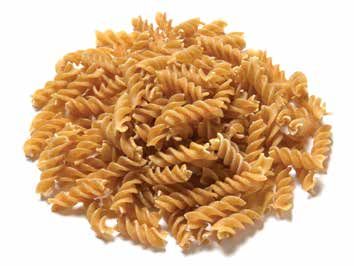
How Do I Know if a Product Meets
Whole Grain-Rich Criteria?
  There are many foods labeled as whole grain, such as pizza crusts, buns, breads, tortillas, and other products.
  The chart below will assist you in determining if your whole-grain product meets the criteria.

Does My Product Meet the Whole Grain-Rich Criteria?

 Does item meet portion size requirements
 for the grains component as defined in SP
 30-2012?*                                                                 NO

                               Yes

                                                                           NO                          Does not meet
 Are at least 50 percent of the grains in the
                                                                                                       whole grain-rich
 product whole grains?
                                                                                                       requirements.
                               Yes                                         NO

 Are all grains in the product whole or
 enriched?**                                                                                                        NO

             Yes

 Is a whole grain                  Does the product                  Does the product                  Does the product
 the primary                       contain ≥8 grams                  packaging                         have a valid CN
 ingredient by             NO      of whole grain            NO      display one of the        NO      Label crediting
 weight (nonmixed                  per NSLP/SBP                      FDA-approved                      oz eq grains?
 dishes) or primary                oz eq?***                         whole-grain label
 grain ingredient                                                    claims?
 by weight (mixed
 dishes)?

             Yes                                Yes                               Yes                               Yes

 This product meets the whole grain-rich criteria. Maintain accompanying documentation on file to
 show that meal pattern requirements are met.

*Must contain at least 0.25 ounce equivalent grains in order to credit toward meal pattern requirements.
**Noncreditable grains should be limited to no more than 0.24 oz eq (3.99 grams for Groups A-G of the Revised Exhibit A or
6.99 grams for Groups H or I). See page 7 for more information.
***Applies to groups A-G of the revised Exhibit A only. Groups H and I require 28 grams of creditable grain per oz eq of which
at least 14 grams are whole to meet the 50 percent whole grain-rich criteria.

                                                                                          Whole Grain Resource         5
What Is a Whole Grain?
W      hole grains consist of the entire cereal grain seed
       or kernel. The kernel has three parts—the bran,
the germ, and the endosperm. Usually the kernel is
                                                             When you see the following words, you will know
                                                             that by the U.S. Food and Drug Administration (FDA)
                                                             Standards of Identity, they describe whole grains that
cracked, crushed, or flaked during the milling process.      are used as ingredients:
If the finished product retains the same relative
                                                             • Cracked wheat
proportions of bran, germ, and endosperm as the
original grain, it is considered a whole grain.              • Crushed wheat
                                                             • Whole-wheat flour
                                                             • Graham flour
 Whole Grain Kernel
                                                             • Entire-wheat flour
                                                             • Bromated whole-wheat flour
 Bran
 “Outer shell” protects seed                                 • Whole durum wheat flour
 Fiber, B vitamins, trace minerals
                                                             Common and usual names for other whole grains are
 Endosperm                                                   noted below:
 Provides energy
 Carbohydrates, protein                                      • The word whole listed before a grain, for example,
                                                               whole wheat
 Germ                                                        • The words berries and groats are also used to
 Nourishment for the seed
                                                               designate whole grains, for example, wheat berries
 Antioxidants, vitamin E,
 B-vitamins                                                    or oat groats
                                                             • Rolled oats and oatmeal (including old-fashioned,
                                                               quick-cooking, and instant oatmeal)
                                                             • Reconstituted whole wheat can be considered whole
                                                               grain when the reconstitution is done by the original
                                                               milling facility to ensure the same batch of whole
                                                               grain is returned to natural proportions. Request
                                                               documentation from the milling company to state
                                                               that they recombined the grain components to
                                                               natural proportions of bran, germ, and endosperm.
                                                             • Other whole-grain products that do not use the word
                                                               “whole” in their description, for example, brown
                                                               rice, brown rice flour, wild rice, quinoa, millet,
                                                               triticale, teff, amaranth, buckwheat, or sorghum.

         A more comprehensive overview of whole grains can be located on the following FDA website:
                   http://www.fda.gov/ForConsumers/ConsumerUpdates/ucm151902.htm.

     6      Whole Grain Resource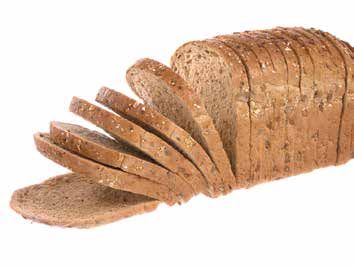
Grain ingredients that should not be considered whole grains (please contact your State agency to determine
if a questionable grain ingredient is creditable):
flour phosphated flour hominy grits
white flour self-rising flour hominy
wheat flour self-rising wheat flour farina
all-purpose flour enriched self-rising flour semolina
unbleached flour bread flour degerminated corn meal
bromated flour cake flour enriched rice
enriched bromated flour durum flour rice flour
enriched flour corn grits couscous
instantized flour
Grain products that often do not meet the whole grain- fns.usda.gov/cnd/Governance/Policy-Memos/2013/
rich criteria: SP02-2013os.pdf) for complete guidance on selecting
products made from corn masa. Please refer to the
• “Pot” or “Scotch” barley and “pearl” or “pearled”
FDA Modernization Act for the full requirements of
barley are not whole grain because bran has been
health claims related to whole-grain foods (page 31).
removed. Look for the words whole barley or whole
grain barley on the product label or in the ingredient • When a grain name, such as wheat, rice, or rye
statement. However, the FDA has recognized that flour is listed in the ingredient statement, but
“dehulled barley” is a whole grain. has no descriptor (such as “whole-grain” for
wheat or “brown” for rice), the program operator
• “Stone ground” does not necessarily mean that the
needs to obtain further documentation from the
product is whole grain. “Stone ground” describes the
manufacturer before purchasing the food product to
process used for making the flour or meal. Look for
ensure it meets the whole grain-rich criteria.
“whole” in combination with “stone ground” in the
ingredient statement.
• Whole corn “treated with lime” (often used in tortilla Noncreditable grains:
chips, taco shells and tamales, and may be called There are some grain ingredients such as oat fiber, corn
“masa”). These items must bear one of the FDA fiber, bran, germ, modified food starch, corn starch,
whole-grain health claims on product packaging and wheat starch (including potato, legume, and other
in order to meet the whole grain-rich criteria (see vegetable flours) that do not contribute toward meal
page 3 for complete health claims). Manufacturers pattern components. If purchased grain products
may also provide documentation showing that their include these ingredients they must be present at a
product meets the requirements for this claim to level of less than 2 percent of the product formula (or
demonstrate that the whole grain-rich criteria are less than 0.25 oz eq) for the product to be creditable at
met. Please see FNS Memo SP 02-2013 (http://www. lunch or breakfast beginning SY 2013-2014.
Whole Grain Resource 7
Incorporating Products That Meet
Whole Grain-Rich Criteria
Purchasing                                                 Introducing Foods That Meet Whole
Before purchasing new products containing whole            Grain-Rich Criteria
grains, look carefully at the whole product. When          Some students may not be familiar with foods that
soliciting bids from manufacturers, specify that           meet the whole grain-rich criteria. To encourage them
products must be made from 50 percent or more whole        to try different products, conduct student taste tests
grains with all remaining grains being enriched. Prior     to select items that have the most student appeal. By
to purchasing, double check the ingredient statement       documenting the taste tests and student preferences,
and any accompanying manufacturer documentation            program operators may develop a list of appealing
to ensure that the product meets whole grain-rich          products for purchase that meet the whole grain-rich
criteria. In addition, to be consistent with the 2010      criteria.
Dietary Guidelines for Americans (DGAs), program
operators are encouraged to purchase and serve grain       Serving items that meet the whole grain-rich criteria
items that meet the whole grain-rich criteria that are     in versions that are popular with students also
also low in sugars and/or fat.                             increases acceptability. Introduce whole grains in
                                                           student favorites, such as pizza or spaghetti. Increase
                                                           the number of offerings that meet the whole grain-rich
Storing Whole Grains
                                                           criteria from the 50 percent that is required beginning
As with all foods, use FIFO (First In, First Out)          SY 2012-2013 to all grain offerings meeting the whole
principles when storing whole-grain items. Because         grain-rich criteria as required by SY 2014-2015.
whole-grain ingredients (e.g., whole-wheat flour, brown
rice) retain the bran and the oil-rich germ, these items   The goal is to offer nutritious items that meet the
may turn rancid when stored in warm areas and have         whole grain-rich criteria and that students will enjoy. If
a shorter shelf life than their refined counterparts.      students prefer to select grain options that are lighter
To increase shelf life, store these products in a cool,    in color, you may choose to incorporate products or
dry place in airtight containers. If products will not     recipes that use white whole-wheat flour to increase
be used within a short period of time, they should be      acceptance. Including a dessert on a limited basis (2 oz
stored in the refrigerator or freezer.                     eq per week at lunch) as an element of a reimbursable
                                                           meal can also have the positive effect of increasing
                                                           acceptance and encouraging children to more fully
                                                           participate in the meal service.

     8    Whole Grain Resource
Ideas for Adding Products That Meet Whole Grain-Rich Criteria to Menus
Consider the menu suggestions below to add grains items that are acceptable to children in versions that
meet the whole grain-rich criteria:
• Ready-to-eat cereals • Crackers
• Cooked breakfast cereals* • Side dishes (e.g., brown rice,* wild rice, cracked
wheat, whole-grain bulgur or barley, whole
• Granola
specialty grains)
• Granola bars or cereal bars
• Pasta, such as macaroni,* spaghetti,* vermicelli,
• Pancakes* or waffles or other whole-grain noodles
• Bagels or muffins • Salads (cracked wheat, whole-grain bulgur, whole
• Breads, rolls, or buns specialty grains)
• Tortillas,* taco shells • Other uses of whole grains (soups, casseroles,
combination dishes)
• Pretzels
• Soba noodles (with whole buckwheat flour as
• Pita pockets primary ingredient)
• Cornbread
*Currently available through USDA Foods.
Whole Grain Resource 9Determining if Products Meet
Whole Grain-Rich Requirements
Examples and Acceptable Acceptable Forms of Documentation
Documentation for Items That Meet Whole Grain-Rich
This section can help program operators determine Criteria
if grain items meet the whole grain-rich criteria In order to document that the grain items served
for school meals. It includes sample products, an meet whole grain-rich criteria, program operators
explanation of how to determine if the products should maintain one or more of the following types of
meet whole grain-rich criteria, and the type of documentation on file:
documentation needed to ensure that reimbursable
• An ingredient declaration from a product carton that
meal pattern requirements are met. Program
shows a whole grain as the primary ingredient by
operators should check with their State agency prior
weight.*
to purchasing new grain products if they are unsure
the item will meet requirements, or if they have • A copy of a food label showing the amount of whole -
questions on what type of documentation is needed for grain in grams for the appropriate NSLP/SBP
documenting meal pattern compliance. serving size or copy of a food label displaying one of
the FDA whole-grain health claims.*
• USDA-Authorized CN Labels for entree items that
include grains.
• A customized product formulation statement
on manufacturer letterhead.* Sample product
formulation templates for grain products can be seen
on page 25 of this document and accessed through
the CN Labeling website at: http://www.fns.usda.gov/
cnd/cnlabeling/food-manufacturersindustry.
• A recipe that includes the ingredients and ingredient
amounts by weight and volume.
• USDA Foods Fact Sheet (applicable for USDA Foods
indicated as meeting the whole grain-rich criteria.
Please note that fact sheets must be accompanied by
acceptable manufacturer documentation if it is not
clear that the item meets whole grain-rich criteria).
*Program operators may need additional information
when using these items to document meal pattern
compliance. Compare manufacturer documentation
with ingredient statement and verify that crediting
calculations on documentation are accurate.
10 Whole Grain ResourceExample 1
All Natural Whole-Wheat Pasta
Serving Size 2 oz
Amount Per Serving
Calories 200 Calories from Fat 15
% Daily Value*
Total Fat 1.5g 2%
Saturated Fat 0g 0%
Trans Fat 0g
Cholesterol 0mg 0%
Sodium 10mg 0%
Total Carbohydrate 41g 14%
Dietary Fiber 6g 24% Ingredients:
Sugars 2g Whole grain wheat flour, wheat flour, oat fiber.
Proteins 7g
Vitamin A 0%
Vitamin C 0%
Calcium 0%
Iron 10%
Not a significant source of Cholesterol, Vitamin A,
Vitamin C
Percent Daily Values are based on a 2,000 calorie diet.
Your Daily Values may be higher or lower depending on
your calorie needs.
T his product ingredient statement lists a whole grain as the primary ingredient by weight (whole grain wheat
flour). However, it also contains unenriched wheat flour, oat fiber, and the pasta itself is not enriched.
Many pastas contain a blend of whole-wheat flour and unenriched flour. Products containing more than 0.24 ounce
equivalents of noncreditable grains may not contribute toward the reimbursable meal. The program operator
should request a product formulation statement to ensure the grams of noncreditable grain do not exceed a 0.24
ounce equivalency (6.99 grams for items in Group H of Exhibit A) prior to purchasing. If the product contains
more than the allowable amount of noncreditable grains, it is not creditable toward meal pattern requirements.
Whole Grain Resource 11Example 2
Whole-Grain Chicken Corn Dog
Serving Size 4 oz (112g)
Servings Per Case: 72
Amount Per Serving
Calories 240 Calories from Fat 70
% Daily Value*
Total Fat 8g 12%
Saturated Fat 2g 10%
Trans Fat 0g
Cholesterol 20mg 7%
Sodium 590mg 25%
Total Carbohydrate 33g 11%
Batter Ingredients:
Dietary Fiber 5g 20% Water, whole wheat flour, whole grain corn, vegetable
Sugars 9g oil, sugar, contains 2% or less of leavening (sodium acid
Proteins 9g 18% pyrophosphate, sodium bicarbonate), salt, ascorbic
acid, egg white, dried honey, aritificial flavor.
Calcium 15%
Chicken Frank Ingredients:
Iron 15% Mechanically separated chicken,water, corn syrup
Percent Daily Values are based on a 2,000 calorie diet. solids, contains less than 2% of spices, salt, sodium
Your Daily Values may be higher or lower depending on phosphate, potassium chloride, flavorings, sodium
your calorie needs: diacetate, sodium erythorbate, sodium nitrite. Contains:
Calories: 2,000 2, 500 Wheat
Total Fat Less than 65g 80g
Saturated Fat Less than 20g 25g
Cholesterol Less than 300mg 300mg
Sodium Less than 2,400mg 2,400mg
Total Carbohydrate 300g 375g
Dietary Fiber 25g 30g
C orn dogs are mixed dishes as they contribute to both the grain and meat/meat alternate components. This
corn dog lists a whole grain as the primary grain ingredient (first ingredient listed) in the batter and all other
grains are whole, so the product meets whole grain-rich requirements. Maintain a copy of the label or product
formulation statement on file to show that whole grain-rich criteria for reimbursable meals are being met.
12 Whole Grain ResourceExample 3
White Whole-Wheat Breadsticks
Serving Size: 2 Breadsticks (48g)
Amount Per Serving
Calories 130 Calories from Fat 15
% Daily Value*
Total Fat 1.5g 2%
Saturated Fat 0g 0%
Trans Fat 0g
Cholesterol 0mg 0%
Sodium 280mg 12%
Total Carbohydrate 24g 8%
Dietary Fiber 3g 12% Ingredients for U.S. Market:
Sugars 4g Whole wheat flour, water, enriched unbleached wheat
Proteins 5g flour (wheat flour, malted barley flour, niacin, iron as
ferrous sulfate, thiamine mononitrite, enzyme, riboflavin,
Vitamin A 0% Vitamin C 0% folic acid), yeast, sugar, wheat gluten. Contains less
that 2% of the following: soybean oil, salt, oat fiber,
Calcium 0% Iron 8%
honey, sodium stearoyl lactylate, datem, acesulfame
Ash 0% Folate 6% potassium, ascorbic acid, enzyme. May contain milk,
Niacin 10% Riboflavin 4% soy, egg and sesame.
Thiamin 10%
Percent Daily Values are based on a 2,000 calorie diet.
Your Daily Values may be higher or lower depending on
your calorie needs:
Calories: 2,000 2,500
Total Fat Less than 65g 80g
Saturated Fat Less than 20g 25g
Cholesterol Less than 300mg 300mg
Sodium Less than 2,400mg 2,400mg
Total Carbohydrate 300g 375g
Dietary Fiber 25g 30g
Calories per gram:
Fat 9 Total Carbohydrate 4 Protein 4
T he ingredient statement for this product lists a whole grain first (whole-wheat flour). Additionally, the
remaining grain in the product is enriched, so this product meets the whole grain-rich criteria. Because
there is only one noncreditable grain (oat fiber) and it is listed as being 2 percent or less of the product formula,
there is no need to request additional information from the manufacturer. Maintain a copy of the label on file for
documenting that this product meets whole grain-rich requirements.
Whole Grain Resource 13Example 4
Whole-Grain Cereal Bar
Serving Size 1 bar (28g)
Amount Per Serving
Calories 105 Calories from Fat 30
% Daily Value*
Total Fat 3g 5%
Saturated Fat 1g 6%
Trans Fat 0g
Cholesterol 0mg 0%
Sodium 75mg 3%
Total Carbohydrate 17g 6%
Dietary Fiber 1g 4% Ingredients:
Sugars 7g Whole grain rolled oats, brown sugar, crisp brown rice,
Proteins 1g whole grain rolled wheat, soybean oil, whole wheat flour,
almonds, water, freeze dried bananas, whole corn flour,
8% sodium bicarbonate, malted barley extract, soy lecithin,
Calcium
natural flavor, caramel color, alpha tocopherol acetate,
Iron 2% BHT.
Not a significant source of Cholesterol, Vitamin A,
Vitamin C
Percent Daily Values are based on a 2,000 calorie diet.
Your Daily Values may be higher or lower depending on
your calorie needs.
T his cereal bar contains a whole grain as the first ingredient (whole-grain oats), and all other grains (crisp brown
rice, whole-grain rolled wheat, whole-wheat flour, and whole corn flour) listed are also whole. Maintain a copy
of the product label on file.
14 Whole Grain ResourceExample 5
Reduced Carb Wheat Tortilla
Serving Size: 1 Tortillia (102g)
Servings Per Package: 12
Amount Per Serving
Calories 280 Calories from Fat 70
% Daily Value*
Total Fat 7g 11%
Saturated Fat 3.5g 18%
Trans Fat 0g
Cholesterol 0mg 0%
Sodium 880mg 37%
Total Carbohydrate 43g 14%
Ingredients:
Dietary Fiber 30g 120% Water, modified food starch, whole-wheat flour, wheat
Sugars 0g gluten, powdered cellulose, hydrogenated soybean
Proteins 12g oil, caramel color, wheat protein isolate (wheat gluten,
lactic acid, sulfite), sodium bicarbonate, contains 1%
Vitamin A 0% Vitamin C 0% or less of salt, cellulose gum, cornstarch, distilled
monoglycerides
Calcium 20% Iron 6%
Percent Daily Values are based on a 2,000 calorie diet.
Your Daily Values may be higher or lower depending on
your calorie needs:
Calories: 2,000 2,500
Total Fat Less than 65g BOg
Saturated Fat Less than 20g 25g
Cholesterol Less than 300mg 300mg
Sodium Less than 2,400mg 2,400mg
Total Carbohydrate 300g 375g
Dietary Fiber 25g 30g
Calories per gram:
Fat 9 Carbohydrate 4 Protein 4
T his product is a nonmixed dish that does not list a whole grain as the primary ingredient by weight. Modified
food starch is considered a noncreditable grain and should not be present in grain items at more than 2 percent
of the product formula (or 0.24 oz eq). Therefore, this product will not meet whole grain-rich criteria.
Whole Grain Resource 15Example 6
Whole-Grain Cheese Pizza
CN
XXXXXX*
One 5.00 oz Wedge Cheese Pizza with Whole
Wheat Crust provides 2.00 oz equivalent
meat alternate, 1/8 cup red/orange vegetable,
CN and 2.0 oz eq Grains for the Child Nutrition
CN
Meal Pattern Requirements. (Use of this logo
and statement authorized by the Food and
Nutrition Service, USDA XX-XX**.)
CN
Ingredients:
Crust (Flour blend [whole wheat flour, enriched wheat
flour {bleached wheat flour, malted barley flour, niacin,
reduced iron, thiamine mononitrate, riboflavin, folic
acid}, water, soybean oil, dextrose, baking powder,
yeast, salt, dough conditioners [wheat flour, salt, soy
oil, ascorbic acid], wheat gluten). Shredded Mozzarella
Cheese (Pasteurized part skim milk, cheese cultures,
salt, enzymes). Shredded Mozzarella Cheese Substitute
(Water, oil [soybean oil, partially hydrogenated soybean
oil with citric acid], casein, milk protein concentrate,
modified food starch, contains 2% or less of the
following: sodium aluminum phosphate, salt, lactic acid,
mozzarella cheese type flavor [cheese {milk, culture,
rennet, salt}, milk solids, disodium phosphate], disodium
phosphate, sorbic acid. Sauce (Water, tomato paste
[not less than 28% NTSS], pizza seasoning [salt, sugar,
spices, dehydrated onion, guar and xanthan gum,
garlic powder, potassium sorbate, citric acid, tricalcium
phosphate and soybean oil {prevent caking}], modified
food starch). CONTAINS: WHEAT, MILK, AND SOY.
T his pizza is CN-Labeled and credits “oz eq Grains” in the CN Label Statement. This means that the crust meets
whole grain-rich criteria and the crediting on the CN Label can be used. Check to make sure that the CN
number is valad on the CN Labeling website (www.fns.usda.gov/cnlabeling/authorized-manufacturers-and-labels)
and maintain a copy of the product label on file.
Without the CN Label, the manufacturer would need to provide the weight of the crust per slice or the grams of
creditable grain per slice, and the amount of unenriched wheat flour that is being used as a dough conditioner.
16 Whole Grain ResourceExample 7
White Corn Tortillas
Serving Size: 1 Tortillia (41g)
Servings Per Container: 8
Amount Per Serving
Calories 90 Calories from Fat 10
% Daily Value*
Total Fat 1g 2%
Saturated Fat 0g 0%
Trans Fat 0g
Cholesterol 0mg 0%
Sodium 190mg 8%
Total Carbohydrate 14g 5%
Ingredients:
Dietary Fiber 1g 4% Whole corn treated with lime, water, cellulose gum,
Sugars 0g propionic acid (to preserve freshness), benzoic
Proteins 5g acid (to preserve freshness), phosphoric acid
(preservative), dextrose, guar gum, amylase.
Vitamin A 0% Vitamin C 0%
Calcium 6% Iron 4%
Percent Daily Values are based on a 2,000 calorie diet.
Your Daily Values may be higher or lower depending on
your calorie needs:
Calories: 2,000 2,500
Total Fat Less than 65g 80g
Saturated Fat Less than 20g 25g
Cholesterol Less than 300mg 300mg
Sodium Less than 2,400mg 2,400mg
Total Carbohydrate 300g 375g
Dietary Fiber 25g 30g
Calories per gram:
Fat 9 Carbohydrate 4 Protein 4
C orn masa (whole corn treated with lime) processed in the traditional manner using wet corn milling removes a
significant amount of the corn pericarp and dissolves part of the corn kernel. Some of the whole-grain content
is removed in the washing/rinsing of the corn during this process. If the product bears one of the FDA whole
grain health claims on its packaging, it meets the whole grain-rich criteria (see page 7 for more information).
Manufacturers may also provide documentation showing that their product meets the requirements for these
claims to demonstrate that the whole grain-rich criteria are met. Without the FDA whole-grain health claim or
acceptable manufacturer documentation, this product does not meet whole grain-rich criteria.
Enrichment of corn masa is not required for School Meal Programs when the finished corn product bears the FDA
whole-grain health claim. If the corn product includes other grain ingredients, those ingredients should be whole
or enriched. Noncreditable grains should be limited to less than 2 percent of product formula (or less than 0.24 oz
eq grains).
Whole Grain Resource 17Example 8
Cornbread (School Recipe)
YIELD: VOLUME:
50 Servings: 4 lb 14 oz (batter) 50 Servings: about 2 quarts 2 cups (batter)
1 half-sheet pan 50 pieces
100 Servings: 9 lb 12 oz (batter) 100 Servings: 1 gallon 1 quart (batter)
2 half-sheet pans 100 pieces
Ingredients Weight Measure
Flour, enriched bleached 1 lb 3 ¾ cups
Flour, whole-wheat ½ lb 2 cups
Cornmeal, whole-grain 1 lb 3 ¾ cups
Salt 1 ¼ tsp
Eggs, whole 5 ¼ oz 2
/3 cup
Baking powder 2 Tbsp 2 tsp
Sugar 5 ¼ oz ¾ cup
Instant nonfat dry milk, reconstituted 3 ¾ cups
Vegetable oil ½ cup
Nutrients Per Serving
Calories 108 Saturated Fat 0.45 g Iron 0.90 mg
Protein 2.65 g Cholesterol 13 mg Calcium 68 mg
Carbohydrate 18.03 g Vitamin A 51 IU Sodium 151 mg
Total Fat 2.82 g Vitamin C 0.1 mg Dietary Fiber 1.0 g
I n this recipe, the whole-grain cornmeal, enriched flour, and whole-wheat flour each count as creditable grains.
The weight of the whole grains exceeds the weight of the enriched flour, so this product meets the whole grain-
rich criteria. Maintain the recipe on file to document that the product meets meal pattern requirements.
For commercial products that contain more than one whole grain with an enriched grain listed first in the
ingredient statement, the manufacturer must provide a product formulation statement demonstrating that the
whole grains exceed enriched grains. A sample product formulation statement is located on page 25.
18 Whole Grain ResourceExample 9
Whole-Grain Ready-To-Eat Cereal
Serving Size: 3/4 cup (29g)
Servings Per Container: about 9
Cereal
with 1/2
Cereal cup skim
Amount Per Serving (dry) milk
Calories 120 160
Calories from Fat 10 10
% Daily Value**
Total Fat 1g* 2% 2%
Saturated Fat 0g 0% 0%
Trans Fat 0g
Ingredients:
Cholesterol 0mg 0% 0%
Whole grain wheat, sugar, brown rice flour, whole grain
Sodium 85mg 4% 6% oats, honey, canola oil, maltodextrin, salt, corn syrup,
Total Carbohydrate 25g 8% 10% cinnamon, barley malt syrup, barley malt extract,
color added, soy lecithin, artificial flavor, baking soda,
Dietary Fiber 1g 4% 4%
trisodium phosphate, vitamin E (mixed tocopherols) and
Sugars 7g BHT added to preserve freshness.
Proteins 2g Vitamins and Minerals: Calcium Carbonate, Vitamin
E acetate, a B vitamin (niacinamide), Vitamin C
Vitamin A 10% 15%
(sodium ascorbate), Iron (a mineral nutrient), Vitamin
Vitamin C 10% 10% B6 (pyridoxine hydrochloride, Vitamin B2 (riboflavin),
Calcium 10% 25% Vitamin B1 (thiamin mononitrate), Vitamin A (palmitate),
Iron 15% 15% Vitamin B12, Vitamin D3.
Vitamin D 10% 25%
Thiamin 15% 20%
Riboflavin 10% 25%
Niacin 15% 15%
Vitamin B6 15% 15%
Folic Acid 15% 15%
Vitamin B12 15% 25%
Amount in Cereal (dry). Cereal with 1/2 cup skim milk
T o meet the whole grain-rich criteria, ready-to-eat
(RTE) breakfast cereals must list a whole grain first
in the ingredient list and the cereal must be fortified.
contributes an additional 40 Calories, 0.5 g Total Fat, 55
mg Sodium, 6 g Total Carbohydrate (6 g Sugars), 4 g This cereal meets both requirements. Maintain a copy
Protein. of the label on file. Cereals that are 100 percent whole
Percent Daily Values are based on a 2,000 calorie diet.
Your Daily Values may be higher or lower depending on
grain (containing less than 6.99 grams of non-whole
your calorie needs: grain per NSLP/SBP ounce equivalency) do not need to
Calories: 2,000 2,500 be fortified to meet requirements.
Total Fat Less than 65g BOg
Saturated Fat Less than 20g 25g
Cholesterol Less than 300mg 300mg
Sodium Less than 2,400mg 2,400mg
Total Carbohydrate 300g 375g
Dietary Fiber 25g 30g
Whole Grain Resource 19Example 10
USDA Foods
USDA Foods Fact Sheet for Schools & Child Nutrition Institutions
(last updated, September 2013) Visit us at www.fns.usda.gov/fdd
100938 - TORTILLA, WHOLE WHEAT, FROZEN, 27 LB Nutrition Information
Whole wheat tortilla, 8 inch
CATEGORY • Grains/Breads
1 tortilla
PRODUCT • These frozen 8 inch whole wheat tortillas are made of whole wheat flour or (44 g)
DESCRIPTION a combination of whole wheat flour and enriched wheat flour. The tortillas Calories 120
meet the HealthierUS School Challenge whole wheat criteria for a whole Protein 4.0 g
wheat food. Carbohydrate 20 g
Dietary Fiber 3g
PACK/YIELD • 12/24 ct pouches per 27 lb case. Sugars 1g
• One 27 lb case AP yields about 288 tortillas. Total Fat 2.5 g
Saturated Fat 0.5 g
• One pouch AP yields about 24 tortillas. Trans Fat 0g
• CN Crediting: 1 Whole wheat tortilla made with whole wheat flour provides Cholesterol 0 mg
1.5 oz equivalent grains. Iron 1 mg
Calcium 100 mg
STORAGE • Store frozen whole wheat tortillas at 0°F or below in original shipping case Sodium 340 mg
off the floor. Magnesium 0 mg
• Use First-In-First-Out (FIFO) storage practices to ensure use of older Potassium 0 mg
product first. Vitamin A 0 IU
Vitamin A 0 RAE
Vitamin C 0 mg
Vitamin E 0 mg
M any products available to schools through the USDA Foods Program (formerly known as USDA commodities)
do not include a label on product packaging. Obtain the USDA Foods code number from the manufacturer
and visit the USDA Foods Available List for Schools and Institutions (http://www.fns.usda.gov/fdd/foods/healthy/
Professional.htm) to access the product fact sheet. Check this site on a regular basis to stay abreast of changes
in USDA Food offerings and maintain fact sheets on file to show that criteria are being met. Examples of current
grain options available through USDA Foods that meet the whole grain-rich criteria include: whole-wheat tortillas,
oatmeal, brown rice, whole-grain pastas (macaroni, rotini, and spaghetti), and whole-grain pancakes.
It may be necessary to contact the manufacturer for a product formulation statement if it is unclear whether the
item meets whole grain-rich criteria. Sample product formulation statements for grain items can be accessed
on page 25 of this document and through the CN Labeling website at: http://www.fns.usda.gov/sites/default/files/
PFSgrains13-14.pdf.
20 Whole Grain ResourceCalculating Ounce Equivalencies
P rogram operators have the ability to credit ounce equivalencies for grain products based on the ounce
weights listed in FNS Policy Memo SP 30-2012 and updated Exhibit A, or by the grams of creditable
grain in each product portion (documented by standardized recipe or product formulation statement signed
by a manufacturer). The following examples demonstrate how each method may be used to determine how
qualifying products meet ounce equivalency requirements for grains in the National School Lunch and
Breakfast programs.
Sample Product 1:
Whole-Grain Bread
• One slice weighs 0.9 oz
• Ingredient statement lists whole-wheat flour first.
All other grains are enriched.
• Manufacturer documentation states that each
slice contains 17 grams of creditable grain and no
noncreditable grains
1. Calculating based on total weight of creditable
product:
Because this product contains the required 16 grams
of creditable grain per ounce equivalent for Groups 2. Calculating based on grams of creditable grain
A-G of the revised Exhibit A, we may credit it using ingredient:
the Exhibit A weight. The weight of the bread slice The same slice of bread may be credited using the
is divided by the standard weight listed for Group B amount of creditable grain. Manufacturers must
products (see page 23). provide documentation on company letterhead (or
Calculation: 0.9 oz ÷ 1.0 oz = 0.9 oz schools may retain a copy of their standardized
recipe). Sample product formulation statements are
0.9 oz rounds down to 0.75 oz eq grains per slice. provided starting on page 25.
For this calculation, divide the grams of creditable
grain by the standard of 16 grams per oz equivalent.
Calculation: 17 g ÷ 16 g = 1.06
1.06 rounds down to 1.0 oz eq grains per slice.
continued on next page
Whole Grain Resource 21Calculating Ounce Equivalencies (continued)
Sample Product 2:
Whole-Grain Pasta
• One portion of dry pasta weighs 32 grams (including
creditable grains and other ingredients).
• Ingredient statement lists whole-wheat flour first.
All other grains are enriched.
• Manufacturer documentation states that each ½ cup
(cooked) contains 29 grams of creditable grain.
1. Calculating based on Exhibit A volume:
Group H of Exhibit A states that ½ cup of cooked
pasta (made from creditable ingredients) provides
1.0 ounce equivalent grains. Product label and 3. Calculating based on grams of creditable grain
manufacturer documentation should be maintained ingredient per portion:
on file. The same pasta may be credited using the percent
Calculation: ½ cup served ÷ ½ cup per oz eq = of creditable grain. Manufacturers must provide
1.0 oz eq grains documentation on company letterhead.
For this calculation, divide the grams of creditable
2. Calculating based on dry weight: grain by the standard of 28 grams per oz equivalent
for Group H of Exhibit A.
For this calculation, the weight of the dry portion of
pasta is divided by the weight listed for that product Calculation: 29 g ÷ 28 g = 1.03
in the appropriate group of the revised Exhibit A. 1.03 rounds down to 1.0 oz eq grains per ½ cup
Calculation: 32 g ÷ 28 g = 1.14 cooked pasta.
1.14 rounds down to 1.0 oz eq grains per portion of
dry pasta.
22 Whole Grain ResourceAttachment A
Exhibit A: School Lunch and Breakfast
Whole Grain-Rich Ounce Equivalency (Oz Eq) Requirements for
School Meal Programs1, 2
GROUP A OZ EQ FOR GROUP A
• Bread type coating 1 oz eq = 22 g or 0.8 oz
• Bread sticks (hard) 3/4 oz eq = 17 g or 0.6 oz
• Chow mein noodles 1/2 oz eq = 11 g or 0.4 oz
• Savory crackers (saltines and snack crackers) 1/4 oz eq = 6 g or 0.2 oz
• Croutons
• Pretzels (hard)
• Stuffing (dry) Note: Weights apply to bread in stuffing.
GROUP B OZ EQ FOR GROUP B
• Bagels 1 oz eq = 28 g or 1.0 oz
• Batter type coating 3/4 oz eq = 21 g or 0.75 oz
• Biscuits 1/2 oz eq = 14 g or 0.5 oz
• Breads (sliced whole wheat, French, Italian) 1/4 oz eq = 7 g or 0.25 oz
• Buns (hamburger and hot dog)
• Sweet crackers4 (graham crackers - all shapes, animal crackers)
• Egg roll skins
• English muffins
• Pita bread (whole wheat or whole grain-rich)
• Pizza crust
• Pretzels (soft)
• Rolls (whole wheat or whole grain-rich)
• Tortillas (whole wheat or whole corn)
• Tortilla chips (whole wheat or whole corn)
• Taco shells (whole wheat or whole corn)
GROUP C OZ EQ FOR GROUP C
• Cookies3 (plain - includes vanilla wafers) 1 oz eq = 34 g or 1.2 oz
• Cornbread 3/4 oz eq = 26 g or 0.9 oz
• Corn muffins 1/2 oz eq = 17 g or 0.6 oz
• Croissants 1/4 oz eq = 9 g or 0.3 oz
• Pancakes
• Pie crust (dessert pies,3 cobbler,3 fruit turnovers,4 and meat/
meat alternate pies)
• Waffles
1
The following food quantities from Groups A-G, must contain at least 16 grams of whole grain or can be made with 8 grams
of whole grain and 8 grams of enriched meal and/or enriched flour to be considered whole grain-rich.
2
Some of the following grains may contain more sugar, salt, and/or fat than others. This should be a consideration when
deciding how often to serve them.
3
Allowed only as dessert at lunch as specified in §210.10.
4
Allowed for desserts at lunch as specified in §210.10, and for breakfasts served under the SBP.
continued on next page
Whole Grain Resource 23Whole Grain-Rich Ounce Equivalency (Oz Eq) Requirements for
School Meal Programs1, 2 (continued)
GROUP D OZ EQ FOR GROUP D
• Doughnuts (cake and yeast raised, unfrosted)
4
1 oz eq = 55 g or 2.0 oz
• Cereal bars, breakfast bars, granola bars4 (plain) 3/4 oz eq = 42 g or 1.5 oz
• Muffins (all, except corn) 1/2 oz eq = 28 g or 1.0 oz
• Sweet roll4 (unfrosted) 1/4 oz eq = 14 g or 0.5 oz
• Toaster pastry4 (unfrosted)
GROUP E OZ EQ FOR GROUP E
• Cereal bars, breakfast bars, granola bars4 (with nuts, 1 oz eq = 69 g or 2.4 oz
dried fruit, and/or chocolate pieces) 3/4 oz eq = 52 g or 1.8 oz
• Cookies3 (with nuts, raisins, chocolate pieces and/or 1/2 oz eq = 35 g or 1.2 oz
fruit purees) 1/4 oz eq = 18 g or 0.6 oz
• Doughnuts4 (cake and yeast raised, frosted or glazed)
• French toast
• Sweet rolls4 (frosted)
• Toaster pastry4 (frosted)
GROUP F OZ EQ FOR GROUP F
• Cake3 (plain, unfrosted) 1 oz eq = 82 g or 2.9 oz
• Coffee cake4 3/4 oz eq = 62 g or 2.2 oz
1/2 oz eq = 41 g or 1.5 oz
1/4 oz eq = 21 g or 0.7 oz
GROUP G OZ EQ FOR GROUP G
• Brownies (plain)
3
1 oz eq = 125 g or 4.4 oz
• Cake3 (all varieties, frosted) 3/4 oz eq = 94 g or 3.3 oz
1/2 oz eq = 63 g or 2.2 oz
1/4 oz eq = 32 g or 1.1 oz
GROUP H OZ EQ FOR GROUP H
• Cereal grains (barley, quinoa, etc) 1 oz eq = 1/2 cup cooked or
• Breakfast cereals (cooked)5, 6 1 ounce (28 g) dry
• Bulgur or cracked wheat
• Macaroni (all shapes)
• Noodles (all varieties)
• Pasta (all shapes)
• Ravioli (noodle only)
• Rice (enriched white or brown)
GROUP I OZ EQ FOR GROUP I
• Ready-to-eat breakfast cereal (cold, dry) 5, 6
1 oz eq = 1 cup or 1 ounce
for flakes and rounds
1 oz eq = 1.25 cups or 1 ounce
for puffed cereal
1 oz eq = 1/4 cup or 1 ounce for granola
5
Refer to program regulations for the appropriate serving size for supplements served to children ages 1 through 5 in the
National School Lunch Program; and meals served to children ages 1 through 5 and adult participants in the Child and
Adult Care Food Program. Breakfast cereals are traditionally served as a breakfast menu item but may be served in meals
other than breakfast.
6
Cereals must be whole grain, or whole grain and enriched or fortified cereal.
24 Whole Grain ResourceAttachment B
Formulation Statement for Documenting
Grains in School Meals
Required Beginning School Year (SY) 2013-2014
(Crediting standards Based on Grams of Creditable Grains)
School Food Authorities (SFAs) should include a copy of the label from the purchased product package in addition to the
following information on letterhead signed by an official company representative. Grain products may be credited based on
previous standards through SY 2012-2013. The new crediting standards for grains (as outlined in Policy Memorandum SP 30
2012) must be used beginning SY 2013-2014. SFAs have the option to choose the crediting method that best fits the specific
needs of the menu planner.
Product Name: Code No.:
Manufacturer: Serving Size:
(raw dough weight may be used to calculate creditable grain amount)
I. Does the product meet the whole grain-rich criteria: q Yes q No
(Refer to SP 30-2012 Grain Requirements for the National School Lunch Program and School Breakfast Program.)
II. Does the product contain noncreditable grains: q Yes q No How many grams:
(Products with more than 0.24 ounce equivalent (oz eq) or 3.99 grams for Groups A-G or 6.99 grams for Group H of
noncreditable grains may not credit towards the grain requirements for school meals.)
III. Use Policy Memorandum SP 30-2012 Grain Requirements for the National School Lunch Program and School
Breakfast Program: Exhibit A to determine if the product fits into Groups A-G (baked goods), Group H (cereal grains),
or Group I (ready-to-eat breakfast cereals). (Different methodologies are applied to calculate servings of the grain
component based on creditable grains. Groups A-G use the standard of 16 grams creditable grain per oz eq; Group H
uses the standard of 28 grams creditable grain per oz eq; and Group I is reported by volume or weight.)
Indicate to which Exhibit A Group (A-I) the product belongs:
Grams of Creditable Gram Standard of Creditable
Description of Creditable Grain Ingredient per Grain per oz equivalent Creditable Amount
Grain Ingredient* Portion1 (16 g or 28 g) 2
A B A÷B
Total Creditable Amount3
*
Creditable grains are whole-grain meal/flour and enriched meal/flour.
1
(Serving size) X (% of creditable grain in formula). Please be aware that serving sizes other than grams must be converted to grams.
2
Standard grams of creditable grains from the corresponding Group in Exhibit A.
3
Total Creditable Amount must be rounded down to the nearest quarter (0.25) oz eq. Do not round up.
Total weight (per portion) of product as purchased
Total contribution of product (per portion) oz equivalent
I certify that the above information is true and correct and that a ounce portion of this product (ready for serving)
provides oz equivalent Grains. I further certify that noncreditable grains are not above 0.24 oz eq. per portion.
Products with more than 0.24 oz equivalent or 3.99 grams for Groups A-G or 6.99 grams for Group H of noncreditable grains
may not credit towards the grain requirements for school meals.
Signature Title
Printed Name Date Phone Number
Whole Grain Resource 25Formulation Statement for Documenting
Grains in School Meals
Required Beginning School Year (SY) 2013-2014
Crediting standards Based on Revised exhibit A weights per ounce equivalent (oz eq)
School Food Authorities (SFAs) should include a copy of the label from the purchased product carton in addition to the
following information on letterhead signed by an official company representative. Grain products may be credited based on
previous standards through SY 2012-2013. The new crediting standards for grains (as outlined in Policy Memorandum SP 30
2012) must be used beginning SY 2013-2014. SFAs have the option to choose the crediting method that best fits the specific
needs of the menu planner.
Product Name: Code No.:
Manufacturer: Serving Size:
I. Does the product meet the whole grain-rich criteria: q Yes q No
(Refer to SP 30-2012 Grain Requirements for the National School Lunch Program and School Breakfast Program.)
II. Does the product contain noncreditable grains: q Yes q No How many grams:
(Products with more than 0.24 oz eq or 3.99 grams for Groups A-G and 6.99 grams for Group H of noncreditable grains
may not credit towards the grain requirements for school meals.)
III. Use Policy Memorandum SP 30-2012 Grain Requirements for the National School Lunch Program and School
Breakfast Program: Exhibit A to determine if the product fits into Groups A-G (baked goods), Group H (cereal grains),
or Group I (ready-to-eat breakfast cereals). (Please be aware that different methodologies are applied to calculate
servings of grain component based on creditable grains. Groups A-G use the standard of 16 grams creditable grain per oz
eq; Group H uses the standard of 28 grams creditable grain per oz eq; and Group I is reported by volume or weight.)
Indicate to which Exhibit A Group (A-I) the product belongs:
Portion Size of Product Weight of 1.0 ounce equivalent Creditable Amount
Description of Product per
as Purchased as listed in SP 30-2012
Food Buying Guide
A B A÷B
Total Creditable Amount1
1
Total Creditable Amount must be rounded down to the nearest quarter (0.25) oz eq. Do not round up.
Total weight (per portion) of product as purchased
Total contribution of product (per portion) oz equivalent
I further certify that the above information is true and correct and that a ounce portion of this product (ready for
serving) provides oz equivalent grains. I further certify that noncreditable grains are not above 0.24 oz eq. per portion.
Products with more than 0.24 oz equivalent or 3.99 grams for Groups A-G or 6.99 grams for Group H of noncreditable grains
may not credit towards the grain requirements for school meals.
Signature Title
Printed Name Date Phone Number
26 Whole Grain ResourceFormulation Statement for Documenting
Grains in School Meals
Required Beginning School Year (SY) 2013-2014
(Crediting standards Based on Grams of Creditable Grains)
School Food Authorities (SFAs) should include a copy of the label from the purchased product package in addition to the
following information on letterhead signed by an official company representative. Grain products may be credited based on
previous standards through SY 2012-2013. The new crediting standards for grains (as outlined in Policy Memorandum SP 30
2012) must be used beginning SY 2013-2014. SFAs have the option to choose the crediting method that best fits the specific
needs of the menu planner.
Product Name: Wheat Smile Pancakes Code No.: 14005
Manufacturer: ABC Bread Company Serving Size: 2 pancakes -50g (1.75oz)
(raw dough weight may be used to calculate creditable grain amount)
I. Does the product meet the Whole Grain-Rich Criteria: X q Yes q No
(Refer to SP 30-2012 Grain Requirements for the National School Lunch Program and School Breakfast Program.)
II. Does the product contain noncreditable grains: q Yes X
q No How many grams:
(Products with more than 0.24 oz equivalent or 3.99 grams for Groups A-G or 6.99 grams for Group H of noncreditable
grains may not credit towards the grain requirements for school meals.)
III. Use Policy Memorandum SP 30-2012 Grain Requirements for the National School Lunch Program and School
Breakfast Program: Exhibit A to determine if the product fits into Groups A-G (baked goods), Group H (cereal grains)
or Group I (RTE breakfast cereals). (Different methodologies are applied to calculate servings of grain component based
on creditable grains. Groups A-G use the standard of 16 grams creditable grain per oz eq; Group H uses the standard of
28 grams creditable grain per oz eq; and Group I is reported by volume or weight.)
Indicate to which Exhibit A Group (A-I) the product belongs: C
Grams of Creditable Gram Standard of Creditable
Description of Creditable Grain Ingredient per Grain per oz equivalent Creditable Amount
Grain Ingredient* Portion1 (16g or 28g) 2
A B A÷B
Whole wheat flour (47%) 23.5 16 1.4687
Enriched flour (22%) 11 16 .6875
2.15
Total Creditable Amount 3
2.00
* Creditable grains are whole-grain meal/flour and enriched meal/flour.
1 (Serving size) X (% of creditable grain in formula). Please be aware that serving sizes other than grams must be converted to grams.
2 Standard grams of creditable grains from the corresponding Group in Exhibit A.
3 Total Creditable Amount must be rounded down to the nearest quarter (0.25) oz eq. Do not round up.
Total weight (per portion) of product as purchased 50 g (1.75oz)
Total contribution of product (per portion) 2.00 oz equivalent
I certify that the above information is true and correct and that a 1.75 ounce portion of this product (ready for serving)
provides 2.00 oz equivalent Grains. I further certify that noncreditable grains are not above 0.24 oz eq. per portion.
Products with more than 0.24 oz equivalent or 3.99 grams for Groups A-G or 6.99 grams for Group H of noncreditable grains
may not credit towards the grain requirements for school meals.
Signature Title
Printed Name Date Phone Number
Whole Grain Resource 27Formulation Statement for Documenting
Grains in School Meals
Required Beginning School Year (SY) 2013-2014
Crediting standards Based on Revised exhibit A weights per ounce equivalent (oz eq)
School Food Authorities (SFAs) should include a copy of the label from the purchased product carton in addition to the
following information on letterhead signed by an official company representative. Grain products may be credited based on
previous standards through SY 2012-2013. The new crediting standards for grains (as outlined in Policy Memorandum SP 30
2012) must be used beginning SY 2013-2014. SFAs have the option to choose the crediting method that best fits the specific
needs of the menu planner.
Product Name: Wheat Smile Pancakes Code No.: 14005
Manufacturer: ABC Bread Company Serving Size: 2 pancakes 50g (1.75oz)
I. Does the product meet the whole grain-rich criteria: X
q Yes q No
(Refer to SP 30-2012 Grain Requirements for the National School Lunch Program and School Breakfast Program.)
II. Does the product contain noncreditable grains: q Yes X
q No How many grams:
(Products with more than 0.24 oz eq or 3.99 grams for Groups A-G and 6.99 grams for Group H of noncreditable grains
may not credit towards the grain requirements for school meals.)
III. Use Policy Memorandum SP 30-2012 Grain Requirements for the National School Lunch Program and School
Breakfast Program: Exhibit A to determine if the product fits into Groups A-G (baked goods), Group H (cereal grains),
or Group I (RTE breakfast cereals). (Please be aware that different methodologies are applied to calculate servings of
grain component based on creditable grains. Groups A-G use the standard of 16 grams creditable grain per oz eq; Group
H uses the standard of 28 grams creditable grain per oz eq; and Group I is reported by volume or weight.)
Indicate to which Exhibit A Group (A-I) the product belongs: C
Portion Size of Product Weight of 1.0 ounce equivalent Creditable Amount1
Description of Product per
as Purchased as listed in SP 30-2012
Food Buying Guide
A B A÷B
Pancakes 50 grams 34 grams 1.47
Total Creditable Amount2 1.25
1
Total Creditable Amount must be rounded down to the nearest quarter (0.25) oz eq. Do not round up.
Total weight (per portion) of product as purchased 50 g
Total contribution of product (per portion) 1.25 oz equivalent
I certify that the above information is true and correct and that a 1.75 ounce portion of this product (ready for serving)
provides 1.25 oz equivalent grains. I further certify that noncreditable grains are not above 0.24 oz eq. per portion.
Products with more than 0.24 oz equivalent or 3.99 grams for Groups A-G or 6.99 grams for Group H of noncreditable grains
may not credit towards the grain requirements for school meals.
Signature Title
Printed Name Date Phone Number
28 Whole Grain ResourceYou can also read


