WILLIAM CAREY CHRISTIAN SCHOOL BYOD FOR LEARNING
←
→
Page content transcription
If your browser does not render page correctly, please read the page content below
WILLIAM CAREY CHRISTIAN SCHOOL
                                               BYOD FOR LEARNING
att

                                 d
                               go
  m e

        t

                              r
                              fo
   p

            gr
                 eat things

                                                          2021    1
WELCOME TO BYOD
    FOR LEARNING
    Information and Communication              William Carey’s BYOD for Learning
    Technology (ICT) is revolutionising        program started in 2018. All students
    education. The Internet has brought        from Years 5-12 are required to bring a
    access to virtually unlimited troves       digital device to school for learning in
    of information. The rise of video          the classroom.
    tutorials and multimedia resources
                                               The School will make devices available
    means learning can be enriched and
                                               to students in Years P-4. Students in
    reinforced. Students can take a virtual
                                               Years 3 and 4 may choose to BYOD.
    tour of the Great Barrier Reef or listen
                                               Students in P-2 should not bring a
    to a university lecture with only a few
                                               device to school.
    keyboard strokes.
    Beyond an explosive increase in access     CHOICE IN DEVICES
    to information, technology has become      One of the first questions that parents
    a key tool in effective education          ask is, ‘What device should my child
    allowing students to learn beyond the      bring?’. The School has deliberately
    constraints of the four walls of the       avoided instructing families to bring one
    classroom or the limits of the school      type of device. This is to avoid a one-
    bell and timetable. The effective use      size-fits-all approach, but rather provide
    of technology also enables teachers to     choice, flexibility and adaptability for
    quickly determine the extent of student    our students.
    learning using online and interactive
    resources. Gaining data quickly will       The school has set minimum
    allow teachers to modify learning          specifications to enable students
    activities to meet the needs of a wide     to use devices that will meet their
    range of learners more effectively.        educational needs while at school.
    Teachers can now expand their lessons      When choosing a device, consideration
    to incorporate the critical 21st Century   should be given to weight, price, battery
    skills of collaboration, communication,    life and functionality. The value of
    critical thinking and creativity.          purchasing extended warranty can
                                               also be considered.
    REDEFINING LEARNING
                                               Experience in schools who have run
    The use of technology at William Carey     BYOD for a number of years has shown
    is not about the substitution of paper     that laptops prove to be most functional
    and pens with digital technology.          for students in the Senior High School
    Rather, ICT is used to modify learning     years. On this basis we require our
    for our students through redefining        students in Year 11 and 12 to bring a
    lesson activities. It also provides        laptop as their device.
    new opportunities for students to
    experience whole lesson activities that
    would not be possible without ICT.
2
We strive to equip our                      Parents and students naturally have
students as active and                      many more questions relating to BYOD
                                            and the Frequently Asked Questions
responsible digital citizens                section of this booklet aims to address
and lifelong learners.                      as many of these questions as possible.
                                            If you have further questions once you
PROS AND CONS                               have read this booklet, you can email us
Strengths and weaknesses of a range         at byod@wccs.nsw.edu.au.
of possible device types are included in
this booklet to help each family choose
                                            USING ICT WISELY
the device that best serves their child’s   Promoting safe and healthy technology
educational needs. If a student has a       use by our students is a critical
particular interest in using their device   component of BYOD to William Carey.
for creative endeavours, they shouldn’t     It is essential that parents, carers and
be forced to purchase equipment that        the School work in close partnership to
would only be used at school. Using the     promote this. Training our children in
same type of device at home and at          wise use of technology is a long-term
school allows them to gain mastery of       project, for both the School and families,
that device. Parents and students should    in building our children’s character and
select the equipment that best suits the    wisdom. The final section of this booklet
student’s learning needs, and enjoy the     contains a number of ideas to consider in
advantages of digital technologies.         the development of proactive responses
                                            to the increasing influence of technology
Support for students, as they adjust
                                            in people’s lives.
to using a device for their learning, is
a focus area for school planning. The       Mr Keith McMullen
School has established programs to
                                            Principal
train students in safe, organised and
productive use of technology at school.

                                                                                         3
DEVICE TYPES
    STUDENTS IN YEARS 11 TO 12
    Students in Years 11 to 12 are required to use a laptop when participating in the
    BYOD for learning program. This is because of the extended essay writing, research
    and editing involved in those years. Students in Years 11 to 12 may also be required
    to access specific software to meet the needs of certain elective courses.
    Note: Essential software such as Microsoft Office and basic Adobe Suite will be
    provided by WCCS. See page 12 for details.

                              COMPULSORY FOR YEARS 11 TO 12
      LAPTOPS                 SUITABLE FOR YEARS 5 TO 10

    WINDOWS LAPTOP $500 - $2000
    • Good compatibility, most software is available for Windows
    • Variety of manufacturers give a wide range of choice in specs, design
      and appearance.
    Windows laptops are widely used in most areas of business and education. New
    devices should run Windows 10, which is designed to support touch functionality
    and stylus use. Windows laptops are available in a variety of designs, including
    the traditional laptop design and a number of 2-in-1 designs such as detachable
    keyboards and tent-fold models. The 2-in-1 designs often include a stylus which is
    useful for activities such as drawing/painting and note taking. It is recommended to
    avoid the bottom of the range units as these laptops are generally not well suited
    for a student as they are less portable with shorter battery life.
    Note: Windows 10 S is not appropriate for use on the School network, however,
    Microsoft has made it free to upgrade from Windows 10 S to Windows 10 Home
    or Pro.
    support.microsoft.com/en-au/help/4456067/windows-10-switch-out-of-s-mode

4
APPLE LAPTOP $1500 - $3000
Apple laptops (Macbooks) are preferred
by some students. Most major software
is available for Apple laptops. Apple does
not offer any 2-in-1 touch based laptops
or stylus options. It is not recommended
to select an Apple laptop for students who
have no prior experience with them, as they
may find it difficult adjusting to the different
interface. Please be aware that staff at
WCCS are issued with Windows laptops and
hence are more equipped to assist students
using a similar type of device.

            Chromebooks are NOT recommended devices because
            they are not fully compatible with the School network.

                                                                     5
STUDENTS IN YEARS 5 TO 10
    Both laptops and tablets are suitable choices for your child and they have
    contrasting advantages and disadvantages. Tablets can be smaller, flexible and
    less expensive. They are also useful for photography and movie making. It is
    important to note that, if your child is bringing a tablet to School, they will need
    a physical keyboard.

       TABLETS                SUITABLE FOR YEARS 5 TO 10

    IPAD WITH KEYBOARD $650 - $1500
    • Screen size greater than 10 inches
    • 5th Gen or newer
    • Lightweight, "instant-on" device with
      excellent battery life
    • Premium brand with good build quality
      and stability.
    iPads are very portable devices that have been
    designed specifically with touch interface in mind.
    This makes them easy to use, and very familiar to
    students. Depending on the model, they can be cost
    competitive compared to a laptop, have excellent
    battery life, and are generally more compact than a laptop. BYOD requirements
    mean a physical keyboard would also need to be purchased, in the form of a
    Bluetooth (wireless) or keyboard case. Higher end units (iPad Pro) also support a
    stylus. The Apple Pencil currently provides an excellent digital drawing experience
    and may be worth considering for students doing graphic artwork. The Apple App
    Store has a huge range of apps to perform almost any task needed.

6
ANDROID TABLET WITH KEYBOARD
$650 - $1500
• Screen size greater than 10 inches
• Android 8 or newer
• A variety of manufacturers give a wide range of
  choice in specs, design and appearance
• Lightweight, "instant-on" device with excellent
  battery life.
Android tablets are similar to iPads in that they are
designed as a touch interface device, therefore
will be easy and familiar to use. Depending on the
manufacturer, some models can be less expensive than
equivalent Apple iPads. However, as with Windows
laptops, the very cheap models should be avoided
as they tend to be of poor quality with outdated
software. The Google Play Store offers an equally
vast range of apps as the Apple App Store and some
Android tablets offer stylus support.

                                                        7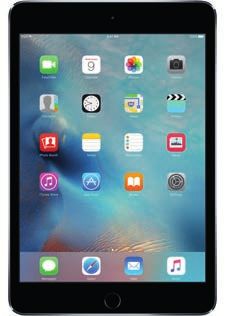
STUDENT DEVICE REQUIREMENTS 2021
    MINIMUM AND RECOMMENDED SPECIFICATIONS FOR BYOD

    Category      Minimum                 Recommended             Rationale
                  Specifications          Specifications

    Wireless      802.11n                 802.11ac                Adequate speed to access WCCS Wireless.
                                                                  Cellular connectivity (i.e. hotspot or active SIM
                                                                  card in BYO device) is strongly discouraged.

    Battery       8+ hours of battery                             To allow for full workday, battery life will vary
                  life.                                           depending on usage, this number may not be
                                                                  accurate for all usage scenarios.

    RAM           4GB*                    8GB or more             *RAM is not relevant to an iPad provided it is
                                                                  less than 4 years old.

    Performance   Start-up less than                              Performance will vary based on device category.
                  30 seconds.                                     Tablets need to be less than 4 years old.

    Storage       128GB or more of        256GB of storage.       For offline storage of documents and data.
                  storage.                Solid State Drive       Solid State Drives are more reliable and provide
                  Some form of            (SSD)                   better performance than traditional hard drives.
                  external backup of                              External backup can take the form of a USB hard
                  data.                                           drive, flash drive or cloud backup.

    Screen Size   9.7 inch screen size.   13 inch screen with a   A screen size of 13” offers the best compromise
                                          touch screen/stylus     between functionality and portability. Larger
                                          interface.              units will result in increased weight for transport
                                                                  purposes.

    Additional    Physical keyboard.      Front and rear facing   Physical keyboard provides increased typing
    hardware      Headphone               camera                  speed and improved ergonomics.
    Features      connectivity.           USB/USB C port.         Headphone to listen to videos/podcasts, online
                  Built in camera.                                NAPLAN testing.
                  Headphones.                                     Mic/camera for creation and collaboration using
                  Microphone.                                     multimedia technologies.
                                                                  Many laptops include a built in microphone
                                                                  and camera. In the absence of these, there
                                                                  are headsets available which include both
                                                                  headphones and microphone in a single unit.

    Carry Case    Padded bag or           Optional:               The WCCS uniform bag has a padded laptop
                  case to transport       Ruggedised device       pocket that offers the minimum level of
                  the device to/from      (MIL-STD-810), an       protection required.
                  school.                 additional hard case
                                          or neoprene sleeve.

    Security      Password to lock        Tracking software       Students are responsible for any actions
                  device.                 on the device in case   performed on their device, as such it is in their
                                          of loss. Biometric      best interests to ensure no unauthorised activity
                                          security such as        can take place by securing the device.
                                          facial recognition,
                                          fingerprint scanner,
                                          iris scanner.

8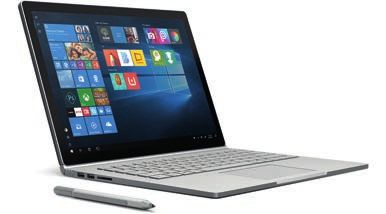
HEALTHY                                   COMMUNICATION
                                          Maintain open lines of communication
AND SAFE                                  within families.
                                          • Regularly discuss the use of ICT at
USE OF ICT                                  home and at school.
                                          • Develop an ICT use agreement
Technology is very much a key               within the household between
component of learning in the 21st           family members.
Century. When used wisely, it can
improve and enrich learning. It is        • Decide on times for school work,
essential that parents and the School       times for entertainment using an
work in close partnership to promote        electronic device and screen free
the health and safety of our children       times.
and students as they use ICT. Training    • Discuss how and where ICT can be
our children in the wise use of             used (and not) to maintain strong
technology is not solved with a quick       relationships.
fix. Healthy and safe use of technology
is a long term project in building our    • Establish common agreed practices
children’s character and wisdom.            for the whole family regarding use
                                            of technology. These are easiest to
Please note that the following              maintain if established when children
comments and links are provided             are young. Don’t wait for problems
to assist parents and carers in this        with technology to arise later as it is
important task. The external articles       harder to implement change.
and sites, however, do not necessarily
represent the views of William Carey      • As children grow, agreed practices
Christian School.                           may need to be modified to be age
                                            appropriate while still providing safe
                                            and healthy use of technology.
                                                                                      9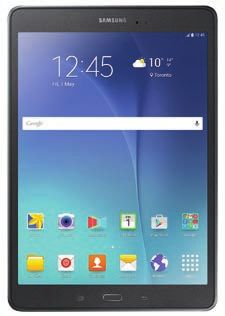
ESTABLISHING AND MODELLING HEALTHY PRACTICES
     • Make the parent/carer an                 • Physical health. Set up a comfortable
       administrator for the device and set       and healthy workplace to use
       up a profile for your child. Establish     technology. Good ergonomics are
       that this device is for school work        important to avoid muscle fatigue or
       and thus, as a parent, you can ask to      eye strain. Balance physical activity
       look at work, Internet histories and       with sedentary activity.
       device use at any time.
                                                • Ensure you plan time away from
     • Keep screens out of the bedroom.           screens. Regular breaks from
       Establish a common charging area           working with digital technology
       for smartphones and look for               are important to remain refreshed.
       spaces, where possible, for children       Setting blocks of time to concentrate
       to use their devices in a common           on screen-based activities broken
       area of the house.                         up by time away from technology
                                                  has many benefits. It will improve
     • Agree on good digital etiquette. It is
                                                  physical, emotional and mental
       important to relate well with others,
                                                  health as well as boosting focus.
       both online and face to face. People
       need to feel heard and respected.        • Plan to switch off screens well
       So consider how ICT is used when           prior to bedtime. A large body of
       in a group, i.e. does ICT build            evidence now shows that the blue
       connections or pull people apart?          light from smartphones, tablets and
                                                  computers can interfere with the
     • Minimise distractions. While
                                                  body’s natural sleep cycles. Sleep
       multitasking often gives the
                                                  is vital to learning, particularly the
       individual a sense of being effective
                                                  consolidation of long term memory.
       and active, the impact is actually
                                                  It is important that sleep areas are
       detrimental. Multitasking or being
                                                  kept separate from work areas.
       in a distracting environment impairs
       efficiency in completing work            • Model the technology practices
       and impairs short and long term            that you want your children to
       work. Distractions include mobile          adopt. Parents/carers have a
       phones, social media, games and            responsibility to understand the
       television. Even listening to music        long term investment of building
       uses up some of the brain’s capacity       character in our children. Consider
       to concentrate. Music with lyrics          how you use technology around
       noticeably reduces the brain’s ability     your children and practise good
       to complete work effectively.              digital etiquette.

10
RESOURCES
Filtering software can help in providing protective boundaries to children. We
utilise filtering software at School and recommend that families use a suitable form
of filtering at home. It is important to understand that no filtering software will
provide complete protection. Thus active parental involvement is vital in keeping
children safe.
Investigate the parent control services offered by your Internet Service Provider
(ISP). This can include filtering of content entering your house through the modem
and times when the modem can be automatically switched on and off (including
remote/online control of your modem).
A number of online resources are available to provide parents with help in
supporting their children with healthy and safe technology use:
• thefrankchat.com – Designed for educating young people, parents and the
community about the harms of pornography. James Grady, author of 'The Frank
Chat' is a school chaplain and teacher.
• parentech.com.au – Established by the Australian Parents Council to support
parents in the digital age.
• esafety.gov.au/parents – Is provided by the Australian Government Office of the
eSafety Commissioner. It provides a wide range of useful tools and information
for parents on identifying online risks and implementing strategies to maximise
online safety. It also reviews multimedia games and provides tips on adjusting
settings to increase privacy.
Students are trained to work with
technology in safe and healthy
ways within a framework of biblical
Christian principles.
11SOFTWARE
In order to facilitate the completion of required tasks, students will need a range of
software installed on their devices.
WCCS email addresses are linked to a number of services that allow students to access
a range of included software on their BYOD using those subscriptions, this includes:
Subscription Available Software/Service Web Link
G Suite (Google) Google Classroom, Drive, Apps drive.google.com
(Docs, Sheets, Slides)
Office 365 Word, Excel, PowerPoint, office.com
(Microsoft) Outlook, Access, OneNote
Creative Cloud Acrobat, After Effects, adobe.com
(Adobe) Animate, Audition, Captivate,
Dreamweaver, Illustrator,
InDesign, Lightroom, Muse,
Photoshop, and Premiere
Tablet devices should have the Google Drive Apps installed including Google
Documents, Google Slides and Google Sheets. Other tools/apps may be requested
and/or suggested by teachers. Students will normally be given several days notice
to install apps.
STUDENTS WILL NEED THE FOLLOWING SOFTWARE:
• Web Browser - Much of the content is delivered via web based tools and
applications, students will therefore need an up to date modern browser.
Firefox, Chrome, and Edge are all acceptable options for this.
• Office Suite (Word Processor, Presentation Software) - Microsoft Office
(available for free to students through the School) or Google Docs are the
primary office suite packages used. This includes Word, Excel, PowerPoint and
Slides for presentations.
• Multimedia Suite - The full Adobe Suite, which includes Acrobat, After Effects,
Animate, Audition, Captivate, Dreamweaver, Illustrator, InDesign, Lightroom,
Muse, Photoshop and Premiere, is available for students who wish to make use
of it. This software is provided upon request and does not incur an additional
cost for the student. Please be aware that the school does pay a licensing cost
for each student, so we encourage only those who have a specific need for it to
request the software. To obtain a license, students can speak to Mr Snelson in
T12, or any of the IT staff in J2. Alternatively they can simply email adobe@wccs.
nsw.edu.au from their school account.
• Faculty Specific Software - Where a course requires the use of a specialised
application, the School will provide a recommendation for a suitable application
on each platform. For some specific courses, the School will provide access to
specialised and/or expensive software in a computer lab.
12FREQUENTLY
ASKED
QUESTIONS
Is my child required to bring a portable What technical support will the
ICT device to school? School provide?
Students in Prep to Year 2 should not The School’s ICT department can
bring a device to school as we provide provide assistance with connecting
these whenever they are needed. devices to the School’s wifi and
Students in Years 3 and 4 are allowed services. For any issues that arise due
and encouraged to bring a device as to faults with the device’s hardware and
a voluntary BYOD user. All students in software, it is the family’s responsibility
Year 5 - 12 will be required to bring a to resolve these in a timely manner
device to school. to reduce any interruption to student
learning. Many retailers offer extended
How do I connect a device to the
support and/or warranty. This is an
school’s Wi-Fi (onboarding)?
option you may wish to consider when
Student devices need to be registered
making a purchase.
with the school’s wireless network
every 12 months. This is a relatively What do I do if my child's device is
simple process that can be done via being repaired or replaced?
your home internet connection prior If a student's device is temporarily
to the start of the school year. We unavailable, students can access a loan
recommended doing this the week device from the school library. Please
before school starts to ensure your note that this service is not a long term
child is able to access resources from option. Students sign the device out
day 1. For grades that are new to BYOD, at the start of each day and return it
there will also be an induction run at to the library each afternoon. Parents/
school which will provide assistance for Carers will also need to provide a note
students who were unable to complete that outlines the reason the device is
the process on their own. For detailed unavailable. This should be addressed
instructions see sites.google.com/wccs. to the Dean of Students (High School) or
nsw.edu.au/techhelp/byod/setting-up- the classroom teacher (Primary).
wccs-wifi
13Where do I buy a device? will need to ensure this does not
To provide families with the opportunity void warranty. The school strongly
to purchase a device that suits their encourages all students to activate
child’s needs and at a competitive price, some form of remote device tracking.
families can select from a wide range All of the mentioned devices offer a
of retailers. We recommend that a built in service that does this for free.
purchase is made later in the year when Instructions on how to enable this for
retailers start setting competitive prices Apple devices can be found at: support.
in the lead up to Christmas (note: some apple.com/en-au/explore/find-my
schools have used purchase portals to Microsoft offer a similar service for
streamline purchasing but we have found machines running Windows 10, with
that they do not always provide the best information at support.microsoft.com/
value and can limit the choices available). en-au/help/11579/microsoft-account-
find-and-lock-lost-windows-device
What about smart phones?
and Android devices are detailed via
Smart phones do not meet the minimum
google.com/android/find. Laptops can
specifications for the BYOD program.
also use 3rd party tracking software
The smart phone screen size is below
such as homeoffice.absolute.com and
9.7 inches and lacks a physical keyboard.
preyproject.com.
Students who bring smartphones to
School will still be required to meet the Won’t a device just make my child’s
acceptable use policy (in school planners) school bag heavier?
for mobile phones. The School is particularly mindful of
the weight of bags, particularly for
What about protecting the device?
our younger students. We will lighten
The WCCS school bag has been
bags by moving to electronic textbooks
designed with a padded protective
where possible. It is recommended
pocket. This provides basic physical
that device weight be considered when
protection. There are many protective
making a purchase as this does vary
cases that will provide additional
significantly between devices.
protection. Use of a lightweight
protective case is recommended. Will the use of the Internet be
monitored by the School?
As with other equipment, individual
Yes. Currently all devices that access
students are responsible for their
our School’s wifi network have their
own property at School. The School's
Internet connection filtered and their
insurance will not cover student
activity is logged. Parents should
devices. Parents are advised to make
understand that if students access
their own insurance arrangements
the Internet using their own 3G/4G
to cover the possibility of theft, loss
cellular capable devices, their activity
or accidental damage to the device.
is not filtered or logged by the School.
Parents are also advised to ensure the
Students are therefore not allowed to
device has regularly updated protection
use their own cellular hotspot.
against viruses and malware.
To reduce the risk of loss or theft,
devices should be marked or labelled
in an indelible manner. Engraving
the device is a good strategy but you
14Will students be able to recharge their One strategy we have adopted is
devices during the day? the eSMART Schools Framework.
Students are expected to bring a device eSMART provides a prevention and risk
that is capable of lasting a full day of management framework to schools,
use. It is the responsibility of students helping them better integrate cyber
to ensure their devices are fully charged safety practices and promote the
before the start of each school day. safe use of online technology in their
In some circumstances students may community. Our School has an eSmart
need to charge part way through the Cybersafety Policy to outline strategies
day. Students should have their charger and responses to issues of cybersafety
tested and tagged, a service which is and cyberbullying.
available every Wednesday. Students
My child is in Year 5. What apps will
drop their device off at the Uniform Shop
they need?
before school and it will be ready for pick
Throughout the year, parents will be
up during recess for a cost of $5.
informed via an Edumate broadcast
Won’t BYOD lead to more distractions as apps and programs are required.
and inappropriate behaviour? The apps required will differ from
An increase in the use of digital grade to grade.
technology may cause distractions and
Will my child be looking at screens
lead to inappropriate behaviour. Our
all day?
School wants parents to know that we
No. ICT is a tool for learning but it
take both of these matters seriously.
cannot replace face to face teaching and
Our current policy requiring students
the collaborative interaction between
to turn off and put away devices during
groups of students and between
lesson breaks will continue. Students are
students and their teachers. Lessons will
required to be supervised by teachers at
involve a mixture of activities that will
all times when using ICT at School.
require students to use their devices as
Our School also asks that parents/carers well as engage in activities that don’t
partner with us to provide students with involve digital technology.
ongoing support and training for wise
and healthy use of digital technology.
15How will my child maintain organised class notes?
Students will be assisted through training to develop good processes for maintaining
notes. Online organisation can be administered by the classroom teachers. Many
digital learning activities will make use of Google Classroom, one component of the
Google for Education Suite. Google Classroom is used by the classroom teachers to
help students remain organised.
Doesn’t the government supply funding for laptops? Can’t the School supply
a device?
The Australian Laptop Funding Scheme ended in June 2013. As a result, this funding
is no longer available for any school students. Schools that provide ICT devices to
their students accomplish this by adding the cost of the devices to the school fees.
What about storage of my child’s work?
It is important that students back-up their work on a regular basis. The School’s
assessment guidelines state that computer failure is not an acceptable excuse
for non/late submission of an assessment task. ICT devices do occasionally fail so
students need to ensure they regularly back-up any work saved on their devices, on
an external hard drive or to the cloud.
What expectations are there regarding my child’s online behaviour at school?
At the beginning of each year, all students will be required to sign an Acceptable
User Agreement before being permitted to use any information and communication
technologies (ICT) at School. For students in Year 5 to 12, this can be viewed in
the Student Planners. Safe and responsible online behaviour is explicitly taught in
lessons at School and parents/carers are requested to reinforce this behaviour at
home. Parents/guardians can view some of the resources used in the Cybersafety
program at: esafety.gov.au/educators/classroom-resources
I have more questions, who do I ask?
If you have further questions, we are keen to hear from you. If you would like to
contact the School regarding BYOD for Learning send an email to byod@wccs.
nsw.edu.au. From the start of next year, the School will be providing a number of
contact points to help students and parents as they join BYOD for Learning.
16TECHNICAL NOTES
The following section addresses some appropriate. It is important that you
of the common technical issues noted complete the onboarding process using
from previous years of BYOD. Please the child’s account, rather than the
consult this page when completing the parent account, as the certificate that
onboarding process at home. If you allows the device to be connected to the
are experiencing issues that are not WCCS WiFi network is linked to the user
addressed below, or require technical that is logged on at time of onboarding.
assistance, please contact:
If you are unable to complete the
byod@wccs.nsw.edu.au
onboarding process from home,
Windows 10S operating system issue: please either grant the child’s account
Please note that if your device is a administrative privileges so they can
Windows 10 laptop, it is possible that onboard the device from school or
the operating will come installed provide credentials that will allow the
with Windows 10 S. Windows 10 S is installation of applications.
a modified version of the Windows
Antivirus protection and locking/
operating system that prevents the
tracking software:
installation of applications that are not
Student online safety is a priority of the
approved by Microsoft. This will prevent
BYOD program, and as such we have
the device from installing the software
implemented a number of systems
necessary to onboard the device onto
to ensure safe student Internet usage
the School’s wifi network. To resolve
while on the School network. We have
this, you are able to upgrade to regular
experienced some issues with third party
Windows for free. A tutorial for
antivirus products that interfere with a
switching is available on the Windows
students ability to connect to our WiFI.
Support website: support.microsoft.
In these situations it may be necessary
com/en-au/help/4456067/windows-
to disable or remove these products in
10-switch-out-of-s-mode
order to complete the process.
User privileges requirement:
Static DNS issue:
It is a common configuration when
In some cases, you may employ a
setting up a new laptop for a child
feature known as a static DNS or use
to create both an administrator
products such as a Virtual Private
(parent) account along with a regular
Network (VPN). The school’s WiFi
user account for your child. In these
requires the use of dynamic DNS
cases, if the student account has not
settings and does not allow VPN traffic
been granted privileges to install
through the firewall. If you have set
applications, they will be unable to
DNS to static values or use a VPN, they
onboard the device or set up school
will need to be disabled in order for the
printer software. This issue is also
laptop to have Internet connectivity at
prominent with Android tablets.
school. Static DNS entries are usually
In order to work around this issue, we only done in specific circumstances,
ask that you complete the onboarding so if you are unsure whether you have
process from home so that you can made these changes, it is unlikely that
enter the administrator password where this applies to you.
17CONTACT
Questions and Technical Issues:
byod@wccs.nsw.edu.au
Multimedia Suite:
adobe@wccs.nsw.edu.au
1819
att

                                                d
                                              go
                 m e

                       t
                                             r

                                             fo
                  p

                           gr
                                eat things

            WILLIAM CAREY
            CHRISTIAN SCHOOL
     Bumbera Street, Prestons NSW 2170
Ph: (02) 9608 2277 Email: admin@wccs.nsw.edu.au
            Web: www.wccs.nsw.edu.au

          Updated: September 2020
You can also read


