LOCAL FOOD PROGRAM 2018-2021 - Surf Coast Shire
←
→
Page content transcription
If your browser does not render page correctly, please read the page content below

Challenges, opportunities and actions discussion paper

                  LOCAL FOOD PROGRAM 2018-2021
Increasing the production and consumption of locally grown food through a sustainable food system
A Council and community partnership

                           Increasing the production and consumption of locally
                              grown food through a sustainable food system

                                        A council and community partnership 2017-2021
A SUSTAINABLE LOCAL FOOD SYSTEM IN THE SURF COAST SHIRE

LOCAL FOOD VISION   THE LAY OF THE LAND       PRODUCTION        PROCESSING          DISTRIBUTION          ACCESS AND         WASTE           BE INVOLVED     INFLUENCES
                                                                                                         CONSUMPTION       MANAGEMENT                      AND REFERENCES

                          INTRODUCTION
                          It’s time to tuck in to the Local Food Program. From community gardens and innovative food businesses, to
                          regenerative farming and good retail – our community has shown that local and sustainable food is important in Surf
                          Coast Shire.

                          This program highlights what Council and our community are doing already, and identifies challenges and
                          opportunities for our local food system.

                          Our community will be at the core of a three year plan that outlines actions we can take to put ourselves in a healthy
                          position for the future – through a sustainable local food system that is supported and celebrated.

                                               “Food permeates all aspects of local government and to
                                              HƬHFWLYHO\VXSSRUWDWKULYLQJIRRGV\VWHPLVIXQGDPHQWDO
                                                        WRVXSSRUWLQJDWKULYLQJFRPPXQLW\š
                                                                       Food Systems and the role of Local Government.
                                                                      Victorian Local Government Association, 2017, p14.
A SUSTAINABLE LOCAL FOOD SYSTEM IN THE SURF COAST SHIRE

LOCAL FOOD VISION   THE LAY OF THE LAND   PRODUCTION      PROCESSING           DISTRIBUTION          ACCESS AND            WASTE                    BE INVOLVED                     INFLUENCES
                                                                                                    CONSUMPTION          MANAGEMENT                                               AND REFERENCES

                                                       LOCAL FOOD VISION
                                                       Local food vision for the Surf Coast Shire
                                                       A region where food is safe, healthy, nutritious and accessible to everyone, and natural
                                                       resources are managed in a way that restores ecosystem functions to support current and
                                                       future human needs.
                                                       Council’s Environment and Rural Advisory Panel, 2015

                                                       What will this look like in our community and region?

                                                       • Our food system protects and enhances the natural environment.
                                                       • People are connected with where their food comes from and are equipped to make good food choices.
                                                       • Residents have opportunities to produce food in their home and/or community.
                                                       • Local growers, producers, distributers, sellers and consumers contribute to and benefit from a well-connected and sustainable local food
                                                         economy.
                                                       • Food production and access in the shire is resilient and well positioned for the future.
                                                       • The Surf Coast Shire has a reputation for its sustainable, innovative and connected food system, and diversity of high quality food
                                                         products and experiences.

                                                       Local foods are grown, produced and/or processed near to                   A local food system aims to create a more direct link between
                                                       where they are consumed, for example, within a distance of                 producers and consumers, through stages of production,
                                                       50kms.                                                                     processing, distribution, access, consumption and waste
                                                                                                                                  management.
A SUSTAINABLE LOCAL FOOD SYSTEM IN THE SURF COAST SHIRE

LOCAL FOOD VISION        THE LAY OF THE LAND         PRODUCTION        PROCESSING       DISTRIBUTION      ACCESS AND     WASTE              BE INVOLVED                 INFLUENCES
                                                                                                         CONSUMPTION   MANAGEMENT                                     AND REFERENCES

THE LAY OF THE LAND
Our location is part of our story
From the coast to the hinterland, Surf Coast Shire has many assets that support our local food system.

    NATURAL ASSETS INCLUDING CLEAN AIR,                           THE SURF COAST HINTERLAND IS THE PRIMARY FOOD                     ACROSS THE SHIRE, FOOD
    FERTILE SOILS, OUR CLIMATE AND HEALTHY                        PRODUCTION AREA IN THE SHIRE, WITH APPROXIMATELY                  PRODUCTION AND POINTS OF
    NATIVE VEGETATION ALL SUPPORT THE                             100,000 HECTARES OF PRODUCTIVE LAND, EQUAL TO                     SALE INCLUDE LARGE FARMS,
    PRODUCTION OF SAFE AND HEALTHY FOOD.                          ABOUT 65% OF THE SHIRE FOOTPRINT.                                 MARKET GARDENS, PERI
                                                                                                                                    URBAN AND HOBBY FARMS,
                                                                                                                                    FARM GATE SALES, WINERIES,
                                                                                                                                    CAFES AND RESTAURANTS,
                                                                                                                                    FARMERS MARKETS,
                                                                                                                                    RETAILERS AND EXPORTERS.

  PROXIMITY AND ACCESS TO THE GREAT OCEAN
  ROAD AND LARGE CENTRES INCLUDING GEELONG,
  MELBOURNE AND BALLARAT.

                                                                  SURROUNDING SHIRES ARE ALSO
                                                                  VALUED FOR THEIR FOOD AND BEVERAGE                                 A COMMON STORY IN OUR LOCAL FOOD
                                                                  PRODUCTION.                                                        LANDSCAPE IS OF FOOD PRODUCTION
                                                                                                                                     BEGINNING AS AN INTEREST OR PASSION,
                                                                                                                                     AND GROWING INTO A BUSINESS FROM
                                                                                                                                     THERE – CONTRIBUTING TO THE VARIED
                                                                                                                                     NATURE OF OUR LOCAL FOOD ECONOMY.
A SUSTAINABLE LOCAL FOOD SYSTEM IN THE SURF COAST SHIRE

LOCAL FOOD VISION            THE LAY OF THE LAND                PRODUCTION              PROCESSING             DISTRIBUTION         ACCESS AND               WASTE                       BE INVOLVED                      INFLUENCES
                                                                                                                                   CONSUMPTION             MANAGEMENT                                                   AND REFERENCES

     A long connection
     From getting hands dirty growing food, to enjoying local produce in local cafes, to earning a living from food production and related industries
     – our community is well connected to local food.

     The traditional custodians of our area, the                When European settlers came to the area in the mid-        Commercial food production in the shire has diversified     Our resident community has a strong interest in
     Wadawurrung people, were highly skilled at collecting,     1830s they introduced cattle, sheep, pigs, poultry and     to include foods such as goat’s cheese, truffles,           growing foods in their homes and community settings,
     cultivating, hunting and trapping a wide range of native   rabbits, along with a range of grains, vegetables and      berries, duck, pork, ostrich, ancient grains and            including home gardens, schools, early childhood
     plants and animals for food, some of which continues       fruit trees. Local manufacturing facilities were set up,   heirloom vegetable produce. Many businesses, from           settings and community gardens.
     today. Local bush foods include yam tubers, grains,        including abattoirs, small goods processing and flour      the hinterland to the coast, love to use and sell locally
     berries, eels, fish, abalone, crayfish and mammals.        mills in Winchelsea.                                       grown and made foods.

                    Š/RFDOIRRGLVPRUHWKDQDFRPPXQLW\EDVHGJDUGHQLQJWUHQG,WLVIDVWEHFRPLQJDSRZHUIXOHFRQRPLFIRUFHWKDWFDQ
                 DWWUDFWWRXULVPWRWKHUHJLRQLQFUHDVHFRPSHWLWLYHQHVVRIUHJLRQDOEXVLQHVVHVVWUHQJWKHQFRPPXQLWLHVZLWKLQ6XUI&RDVW6KLUH
                                                 DQGFRQWULEXWHWRHQYLURQPHQWDODQGODQGKHDOWKRXWFRPHVš
                                                                                                P. O’Callaghan, Deliberate Impact Consulting, 2015
A SUSTAINABLE LOCAL FOOD SYSTEM IN THE SURF COAST SHIRE

LOCAL FOOD VISION          THE LAY OF THE LAND               PRODUCTION             PROCESSING         DISTRIBUTION         ACCESS AND        WASTE                       BE INVOLVED                       INFLUENCES
                                                                                                                           CONSUMPTION      MANAGEMENT                                                    AND REFERENCES

     Our community’s connection to local food
     A large portion of our community is passionate about local and sustainable food, and are leading the way
     – finding innovative ways to produce and promote our local bounty. These are just some examples:

      Claire Glenda                                                              Hayden Findlay                                                      Tony Martin
      Food security https://youtu.be/AfHTRax1DSM                                 The Grass Farmer https://youtu.be/7QOy0R_M-fk                      Nurturing soil health in food production https://youtu.be/5t5Qp98wd-k

      Eat Local Month brings together              The Otway Harvest Trail celebrates          Community gardens thrive in Torquay,   Children love their Stephanie Alexander       Council partnered with the Australian
      community members and                        hinterland foods                            Anglesea, Aireys Inlet, Lorne and      Kitchen Gardens at Torquay College,           Marine Conservation Society to pilot
      organisations to share local food                                                        Winchelsea                             Anglesea Primary School and Deans             The Good Fish Project with local
                                                   www.otwayharvesttrail.org.au
      experiences                                                                                                                     Marsh Primary School                          cafes and restaurants
                                                                                               www.surfcoast.vic.gov.au
      www.eatlocalmonth.com.au                                                                                                        www.kitchengardenfoundation.org.au            www.goodfishproject.com.au
A SUSTAINABLE LOCAL FOOD SYSTEM IN THE SURF COAST SHIRE

LOCAL FOOD VISION      THE LAY OF THE LAND    PRODUCTION       PROCESSING   DISTRIBUTION    ACCESS AND       WASTE              BE INVOLVED                INFLUENCES
                                                                                           CONSUMPTION     MANAGEMENT                                    AND REFERENCES

  Some roles Council plays in local food
  Council Purpose:   To help our community and environment to thrive.

  Council Vision:   An engaged, innovative and sustainable community.
                                                                                                                                          INVOLVING YOUNG CHILDREN
                                                                                                      SUPPORTING OUR COMMUNITY            IN GROWING VEGETABLES
                                                                                                      GARDENS                             AND HERBS AT COUNCIL-RUN
                                                                                                                                          KINDERGARTENS

 PROVIDING ENVIRONMENTAL                                              PLANNING OPEN SPACES THAT          PARTNERING WITH OTHERS TO            HELPING LOCAL BUSINESSES TO
 AND PUBLIC HEALTH SERVICES         PRESERVING AND ENHANCING          ALLOW FOR GROWING FOOD IN          HOLD EVENTS THAT CELEBRATE           SET UP, CONNECT WITH OTHERS
 TO PROTECT THE COMMUNTIY           LOCAL BIODIVERSITY                PUBLIC PLACES                      LOCAL FOODS                          AND THRIVE

                                                                                                                                              PARTICIPATING AND PARTNERING
AWARDING GRANTS AND                                                                                                                           WITH G21 (AND OTHERS) ON
ASSISTING WITH EXTERNAL                                               SUPPORTING AND PROMOTING                                                REGIONAL AGRIBUSINESS,
FUNDING BIDS TO SUPPORT             MANAGING WASTE IN OUR                                                STATUTORY AND STRATEGIC LAND         ENVIRONMENT AND HEALTH AND
                                                                      FOOD TOURISM TO ENHANCE THE
COMMUNITY FOOD INITIATIVES          COMMUNITY                                                            USE PLANNING                         WELLBEING PRIORITIES
                                                                      VISITOR EXPERIENCE
A SUSTAINABLE LOCAL FOOD SYSTEM IN THE SURF COAST SHIRE

LOCAL FOOD VISION        THE LAY OF THE LAND             PRODUCTION          PROCESSING         DISTRIBUTION         ACCESS AND         WASTE             BE INVOLVED                INFLUENCES
                                                                                                                    CONSUMPTION       MANAGEMENT                                   AND REFERENCES

    A SUSTAINABLE                                                                                                                             TE AVOIDANCE
                                                                                                                                            AS
    LOCAL FOOD SYSTEM                                                                                                                      W               AN
                                                                                                                                                             DR
                                                                                                                                                               ES
    IN SURF COAST SHIRE                                                                                                                                          O

                                                                                                                                                                                    UR
    Our Local Food Program is based on a sustainable food system that:

                                                                                                                                                                                      CE
                                                                                                                                                                                         RE
     • Protects or enhances the environmental values we depend on for growing food.
                                                                                                                              ACCESS &

                                                                                                                                                                                           CO
     • Is fair and economically viable for growers, makers, sellers and consumers.                                          CONSUMPTION

                                                                                                                                                                                             VERY
     • Has positive impacts on the local community.

     • Keeps environmental, economic and social aspects in balance.
                                                                                                                                                  U ST A I N A BLE
                                                                                                                                                S               O D      PRODUCTION
     Following is a snapshot of challenges and opportunities across our local food system.
                                                                                                                                                 LO  CA L   F O
     Each aspect takes into account our community and our local food economy. The
     aim is for Council to work with our community to support and enhance the future of
                                                                                                                                                    SYSTEM
                                                                                                                                                              ported
     food in Surf Coast Shire.                                                                                      DISTRIBUTION                  that is sup
                                                                                                                                                               ated
                                                                                                                                                   and celebr

                                                                                                           WA
                                                                                                              S
                                                                                                              TE
     Food and climate change

     Looking at our entire food system provides an opportunity to prepare for a changing climate. Higher
                                                                                                                    AV ID
                                                                                                                       O
     temperatures and lower rainfall will affect local food production, including which crops can be grown                  AN                      PROCESSING
     locally. Reducing emissions associated with food production, processing and storage, including the                          CE
                                                                                                                                      AN                                   R   Y
                                                                                                                                                                        VE
     distance food is transported, has the potential to slow climate change. Taking action now will contribute to
                                                                                                                                           DR
     a resilient food system and community in the future.                                                                                       ESOU R CE RE CO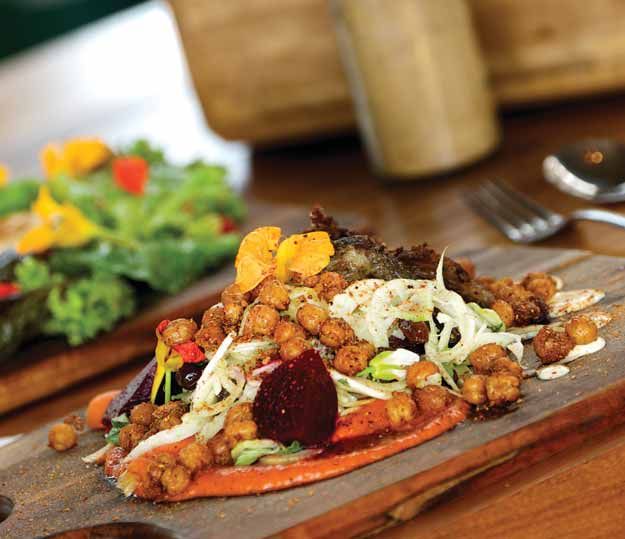
A SUSTAINABLE LOCAL FOOD SYSTEM IN THE SURF COAST SHIRE

LOCAL FOOD VISION   THE LAY OF THE LAND   PRODUCTION    PROCESSING            DISTRIBUTION             ACCESS AND               WASTE                      BE INVOLVED                         INFLUENCES
                                                                                                      CONSUMPTION             MANAGEMENT                                                     AND REFERENCES

                    PRODUCTION:                         Our growers and makers
                                                       OUR COMMUNITY
                                                       Many members of our community grow food. Food is grown in individual homes, schools, early childhood settings,
                                                       workplaces, community gardens and some other public spaces.

                                                        Some known challenges for food production                                   Some opportunities for increasing food production

                                                        •   Many things can deter people from growing food at home –                •   Greater access to information about growing food.
                                                            including a lack of time, interest or skill; cost; household pets and
                                                                                                                                    •   Work on increasing membership of community gardens.
                                                            housing circumstances.
                                                                                                                                    •   Where appropriate include provisions for growing food when
                                                        •   Elderly residents can find growing food difficult because of health
                                                                                                                                        planning public open space and residential developments.
                                                            or physical limitations.
                                                                                                                                    •   Develop partnerships that can support the growing of food –
                                                        •   Growing fruit or vegetables in public spaces can be a challenge
                                                                                                                                        through the use of skilled volunteers for example.
                                                            due to factors such as maintenance, pest control and impact on
                                                            others including potential slip hazards.                                •   Increase participation in food growing at local kindergartens,
                                                                                                                                        schools and other institutions.
                                                        •   The success of food growing programs in educational settings
                                                            can be impacted by teachers’ workloads, budgets and reliance            •   People with a disability and those experiencing social
                                                            on volunteers. They have been generally found to be more                    disadvantage could be supported to build new skills through
                                                            successful where horticultural expertise is available to support            growing food.
                                                            them.
                                                                                                                                    •   Identify opportunities for local food growers to share knowledge
                                                        •   The above difficulties can also present challenges for growing              and build skills within the broader community.
                                                            food in other comunity settings such as aged care facilities and
                                                            work places.
A SUSTAINABLE LOCAL FOOD SYSTEM IN THE SURF COAST SHIRE

LOCAL FOOD VISION              THE LAY OF THE LAND                   PRODUCTION              PROCESSING                DISTRIBUTION          ACCESS AND               WASTE                        BE INVOLVED                        INFLUENCES
                                                                                                                                            CONSUMPTION             MANAGEMENT                                                      AND REFERENCES

     OUR FOOD ECONOMY
     Beef cattle, sheep and grains are the predominant food types produced in Surf Coast Shire. Also occurring in the shire are market gardens, berry farms, orchards, vineyards, hobby
     farms, chemical free/organic producers, free range eggs, honey, nuts, bread, tea, truffles, garlic, olives, duck, pork, ancient grains and heirloom vegetables. Wineries and breweries
     also contribute to our local food economy.

      Some known challenges for local food production                                                                    Some opportunities for increasing local food production
      •   Changing environmental factors including weather and water supply.                                             •   Research the local/regional implications of climate change.
      •   Increasing cost of production – while the cost of production is relatively stable, input costs are rising.     •   Grow species and crops suited to the projected future climate and land use.
      •   Soil acidity is increasing in some areas.                                                                      •   Adopt food production methods that have fewer environmental impacts.
      •   Soil loss through erosion, soil structure decline and reducing fertility.                                      •   Adopt precision agriculture technologies for more efficient use of water and nutrients.
      •   The various economic challenges of operating a food or agri-business – large or small.                         •   Capitalise on the market for chemical free/organic/biodynamic foods and low food miles.
      •   Lack of consumer awareness of product availability.                                                            •   Upskill food producers in areas such as business planning and management, regenerative agriculture, innovation
      •   Availability and cost of land suitable for farming.                                                                and technology.
      •   Ageing population of farmers.                                                                                  •   Encourage businesses to provide feedback on the Victorian Government’s Small Business Regulation Review.
      •   Lack of opportunity for new and younger farmers to be involved in agribusiness or food production.             •   Amend/advocate for appropriate changes to the planning scheme to support contemporary food production needs.
      •   A trend towards a reduction in size of local farms.                                                            •   Investigate farming and land use models that support energetic and new hobby/small (peri-urban) farmers.
      •   The fact many farms are family owned and managed can limit employment opportunities and long                   •   Utilise productive land for creating a green wedge in and around townships where appropriate.
          term business continuity.                                                                                      •   Identify ways to increase local employment in food production.
      •   Demand for residential housing can compete with the need for productive agricultural land for food             •   Identify ways to enhance social inclusion and skill building.
          production.                                                                                                    •   Improve efficiency in food processing and distribution to help cut costs and increase consumption.
      •   Some aspects of food production (and associated activities) can impact upon neighbouring                       •   Find uses for food waste that provide added value such as on-site composting or use in new products.
          properties and cause land use conflicts.
                                                                                                                         •   Incorporate local food production into high quality regional tourism experiences.
      •   Restrictions associated with the planning scheme which can limit diversity of on-farm activities.
                                                                                                                         •   Investigate opportunities for the production and sale of indigenous bush foods that are suited to local conditions.
      •   Registration and compliance with food safety standards can create administrative burdens on small
          business owners and serve as a barrier to start-ups.
      •   Few local food producers have a direct supply arrangement with retailers or consumers of their
          product.
      •   Some local food businesses are operating without a sustainable (economically viable) business
          case.
A SUSTAINABLE LOCAL FOOD SYSTEM IN THE SURF COAST SHIRE
LOCAL FOOD VISION THE LAY OF THE LAND PRODUCTION PROCESSING DISTRIBUTION ACCESS AND WASTE BE INVOLVED INFLUENCES
CONSUMPTION MANAGEMENT AND REFERENCES
PROCESSING: The production line
OUR COMMUNITY
Preparing food to eat at home includes rinsing fresh vegetables picked from a home garden, cooking a meal or
preserving foods to enjoy later on.
Some known challenges for food processing Some opportunities for food processing
• Some people don’t have the opportunity, skill or motivation to make • Support community members who struggle to access fresh food
healthy meals or snacks. and prepare fresh, healthy meals.
• For some there are more immediate priorities (housing, family, bills) • Provide information on how to make the most of seasonal foods
that can take precedence over preparing meals from fresh local including advice on healty recipes, eating in season and preserving
ingredients. excess foods.
• Australians discard up to 20% of the food they purchase rather than
consuming it before it goes bad.A SUSTAINABLE LOCAL FOOD SYSTEM IN THE SURF COAST SHIRE
LOCAL FOOD VISION THE LAY OF THE LAND PRODUCTION PROCESSING DISTRIBUTION ACCESS AND WASTE BE INVOLVED INFLUENCES
CONSUMPTION MANAGEMENT AND REFERENCES
OUR FOOD ECONOMY
Commercial food processing involves preparing raw ingredients for consumption. This can include washing fresh produce, cooking or pickling foods, preparing meat products,
pasteurizing dairy and other products, fermentation, milling grains, packing fruits/vegetables for transport and packaging foods. It can also include value-adding by taking primary
produce and processing it to create a new, higher value product.
Some known challenges for local food production Some opportunities for increasing local food production
• Many of our farms produce relatively small (and seasonal) amounts of product. • Advocate for changes to regulations that are prohibitive to small and medium food businesses while
maintaining health and safety requirements.
• Existing facilities don’t adequately support small batch processing.
• Identify opportunities for food producers to combine processing locally.
• High utility and water costs are a barrier to local food processing (and prodcution).
• Establish local /regional small batch processing (and distribution) facilities.
• There is a general lack of connection between small scale primary producers and processors.
• Assess the adequacy of appropriately zoned land for food production and processing in the shire.
• Current planning and other regulations prohibit some types of on-farm processing.
• Use technology and innovation to reduce waste and other impacts and improve efficiency in
• Food processing in Surf Coast Shire is on a small scale compared to established markets such as the Yarra
processing and packaging foods.
Valley in Victoria and Onkaparinga in South Australia.
• Explore the viability of increased use of renewable energy to reduce running costs of food businesses
• Recruiting a new workforce can be difficult given the relatively low wages in food processing.
and food processing.
• The distance between local producers and major markets often makes it more economical to process foods in
• Identify ways to reduce the waste of good food during processing.
industrial areas outside the shire.
• Identify ways to increase employment in local food processing.
• The cost of specialised food processing equipment can be prohibitive for small producers.
• Identify ways to support local food producers to turn raw foods into higher value produce (cheese or
• Food processing generally requires large amounts of energy and resources, including electricity, plastic and
smallgoods for example).
other packaging.
• Neighbouring properties can be impacted by food processing and waste management – by noise, odour or
dust for example.
• Good food is being wasted or under-utilised – due to consumer preferences for produce of a particular size/
shape or wastage created in turning fresh produce into other food products for example.
• Some local businesses and industries lack access to a skills base that would enable value-adding in food
production and the food chain.A SUSTAINABLE LOCAL FOOD SYSTEM IN THE SURF COAST SHIRE
LOCAL FOOD VISION THE LAY OF THE LAND PRODUCTION PROCESSING DISTRIBUTION ACCESS AND WASTE BE INVOLVED INFLUENCES
CONSUMPTION MANAGEMENT AND REFERENCES
DISTRIBUTION: Getting food from paddock to plate
OUR COMMUNITY
Sharing foods – such as home grown, fresh seasonal fruit and vegetables – between friends, neighbours and colleagues
is a way individuals distribute food in our community.
Some known challenges for local food distribution Some opportunities for local food distribution
• Changes to lifestyles have diminished social connectedness • Identify ways to increase the regular, affordable supply of fresh, local
meaning some neighbours no longer know each other. foods to communities where this may be currently lacking.
Neighbourhood sharing of food and knowledge is therefore
• Increase awareness in communities of events and other
reduced.
opportunities for sharing local food with others.
• Some rural areas receive only limited deliveries of fresh food.
• Explore the use of food box services and neighbourhood produce
• Regulations restricting commercial trade of home grown produce swaps to increase sharing of excess food within local communities.
prevent some home producers from selling excess food or starting
• Identify ways to support home based food producers to distribute
a small business.
their products.A SUSTAINABLE LOCAL FOOD SYSTEM IN THE SURF COAST SHIRE
LOCAL FOOD VISION THE LAY OF THE LAND PRODUCTION PROCESSING DISTRIBUTION ACCESS AND WASTE BE INVOLVED INFLUENCES
CONSUMPTION MANAGEMENT AND REFERENCES
OUR FOOD ECONOMY
Distribution refers to the transporting of food from where it is produced or processed to where it will be consumed or used – by individuals, food retailers, restaurants,
markets and wholesalers. This can include road, rail, air and sea and appropriate storage facilities along the journey.
Some known challenges for local food distribution Some opportunities for local food distribution
• Distribution of local food is often inefficient. Many local growers send fresh produce to Reduce the length of supply chains to increase efficiency, increase consumer access to local foods and
Melbourne based markets. Local food retailers in turn source their products from these reduce food miles. For example:
Melbourne markets for sale back in the shire.
• Better connect local producers with local food retailers and hospitality businesses.
• Small to medium scale producers tend to have multiple distribution channels which can be
• Better coordinate the collection and delivery of local foods within the shire.
inefficient.
• Explore the use of central distribution hubs within the shire or region to improve storage and distribution
• There is a lack of central infrastructure in the shire or region to distribute local foods.
of local food.
• Limited phone and internet coverage in some rural areas means many food producers are
• Increase opportunities for cooperative selling, distribution and promotion within the local food industry.
not well connected to retailers and consumers.
Other
• Small batch production of local foods can present challenges for local food retailers, cafes
and restaurants who depend on security of supply. • Increase the use of sustainable transport.
• Identify ways to increase employment in local food distribution.A SUSTAINABLE LOCAL FOOD SYSTEM IN THE SURF COAST SHIRE
LOCAL FOOD VISION THE LAY OF THE LAND PRODUCTION PROCESSING DISTRIBUTION ACCESS AND WASTE BE INVOLVED INFLUENCES
CONSUMPTION MANAGEMENT AND REFERENCES
ACCESS & CONSUMPTION: Love eating local
OUR COMMUNITY
Many people benefit from the health, social and educational value gained from growing, eating, sourcing, cooking and preparing
quality local foods. As consumers we can also enjoy learning the stories and passions of the people producing local food, and we
play a role in driving demand for local foods.
Some known challenges for access to and consumption of Some opportunities for increasing access to and
local foods consumption of local foods
Food security – the stable supply of food and individuals’ access to it. • Further empower community members to grow their own food in homes,
For example: schools and other community spaces (as noted under Production).
• Some areas in our shire have a slightly higher percentage of residents who • Encourage and promote community events that educate about local and
may struggle to afford safe, healthy foods compared with the state measure. healthy food consumption.
• Affordability of fresh foods available locally can be a challenge for some. • Develop and promote materials such as websites, apps, brochures,
• Climate change and degradation of soil, air and water may compromise databases and fact sheets that make it simple to find and access local
local production of food to meet future needs. foods.
• Food production in the shire may decrease if local farms cannot remain • Increase digital coverage, particularly in the hinterland, to enable broad use
economically viable. of internet-based communication channels.
Other • Increase the amount of affordable local foods available to consumers
through local outlets including markets, supermarkets and other retailers.
• Some locally grown fresh produce is sold to Melbourne markets rather than
direct to local retailers. • Improve the efficiency of food production, processing and distribution to
reduce the cost to the consumer.
• Local, seasonal produce often has a narrow harvest window, which can be
seen as an inconvenience in some households. • Adopt practices that will improve the resilience of our local food system.
• Due to the small batch/artisan nature of many locally produced foods, they • Investigate opportunities to increase knowledge, access and consumption
may not be available in the regular places where people shop. of local indigenous bush foods.
• Some people tend to purchase more processed or pre-prepared foods • Promote and draw on the learnings from current of Give Where You Live
and less fresh ingredients due to a lack of time, interest or skill in preparing food security research for the Geelong area.
meals themselves.
• Higher costs of producing, processing and distributing some local foods
may be passed on to the consumer.
• Throwing out fresh foods that are purchased but not consumed leads to
wasted money and resources, and places pressure on waste management
systems.A SUSTAINABLE LOCAL FOOD SYSTEM IN THE SURF COAST SHIRE
LOCAL FOOD VISION THE LAY OF THE LAND PRODUCTION PROCESSING DISTRIBUTION ACCESS AND WASTE BE INVOLVED INFLUENCES
CONSUMPTION MANAGEMENT AND REFERENCES
OUR FOOD ECONOMY
The Surf Coast Shire has a diverse range of places where locally grown food can be bought and consumed, including cafes, restaurants, wineries, accommodation,
greengrocers and other local retailers, markets, events, farm gate sales and harvest trails.
Some known challenges for access to and consumption of local foods Some opportunities for increasing access to and consumption of local foods
• Regulations, including planning zones that effect on-farm sales. • Provide information about the value and availability of our local and seasonal foods.
• Consumer behaviour compounded by lack of broad access to local foods in major local retail outlets. • Enhance the current outlets for local food sales, including farmers markets, harvest trails, farm gate sales,
food aggregators and retailers.
• Security of supply – retailers, cafes and restaurants require consistency of quality and quantity.
• Increase the amount of locally grown foods used in the local hospitality industry.
• Limited internet access in some rural areas limits their connectivity with retailers and other consumers.
• Capitalise on the trend of consumer interest in local food.
• While many locally produced foods are recognised for their quality, the Surf Coast Shire is not generally well
known for its produce. • Increase growers’ understanding of the needs of retailers and restaurants.
• The hinterland has a large proportion of our food producers but it isn’t well linked to the Great Ocean Road • Develop branding for our local food industry.
as a visitor destination.
• Increase Surf Coast Shire’s reputation as a food destination – from the coast to the hinterland.
• The seasonal nature of tourism (high summer visitation, low winter visitation) causes fluctuations in
• Better link with neighbouring local government areas to market local food products.
engagement, consumption and demand for local foods.
• Find opportunities to cross promote local food alongside other regional tourism attributes and leverage off
• Poor road infrastructure, such as corrugated gravel roads, can reduce the quality of fresh foods.
events that are held in local townships.
• Better link the local food industry with the regional hospitality and tourism industry.
• Improve transport access to local food growing areas.
• Increase opportunities for consumers to connect with local food production, such as ‘pick your own’
venues.
• Provide better access to good food that would otherwise go to waste in stages of production or processing.A SUSTAINABLE LOCAL FOOD SYSTEM IN THE SURF COAST SHIRE
LOCAL FOOD VISION THE LAY OF THE LAND PRODUCTION PROCESSING DISTRIBUTION ACCESS AND WASTE BE INVOLVED INFLUENCES
CONSUMPTION MANAGEMENT AND REFERENCES
WASTE AVOIDANCE & RESOURCE RECOVERY Love food, hate waste
Some examples:
In community, business and agricultural Most preferred
contexts, avoiding and managing waste
Highest
environmental value AVOID Don’t let great taste go to
waste in your home!
is important throughout the cycle of food Avoid creating waste in the first place
production, processing, distribution, access
and consumption.
Keeping food-related waste out of landfill is
Redistribute excess fresh
a priority, by first reducing the waste created REUSE food through community
in the food system, and considering all of the food programs.
Reuse materials as many times as possible
ways to put ‘waste’ to better use.
Nutrients in kitchen food
RECYCLE scraps can be turned into
compost or fed to worms,
Recycle waste into new products
then used to maintain
productive soils.
RECOVER Commercial scale organic
waste recovery utilises the
Recover energy from waste embodied energy in food
waste.
Food and other organic
Least preferred DIVERT waste creates additional
Send waste to landfill methane in landfill – so this
Lowest
should be the last resort!
environmental valueA SUSTAINABLE LOCAL FOOD SYSTEM IN THE SURF COAST SHIRE
LOCAL FOOD VISION THE LAY OF THE LAND PRODUCTION PROCESSING DISTRIBUTION ACCESS AND WASTE BE INVOLVED INFLUENCES
CONSUMPTION MANAGEMENT AND REFERENCES
WASTE AVOIDANCE & RESOURCE RECOVERY Love food, hate waste
OUR COMMUNITY
Some known challenges for waste avoidance and Some opportunities for waste avoidance and resource
resource recovery recovery
• High rates of domestic food wastage nationally. • Increase awareness of the cost and impact of domestic food waste,
with the intention of changing behaviour to reduce food wastage.
• Pressure on local facilities to manage organic wastes - contributing
to the total waste volume in the shire. • Increase awareness and uptake of (individual or shared) worm
farms or compost bins in residential and community settings.
• Currently no shire-wide method for collecting and processing
domestic food waste into a useful product such as compost. • Better utilise the knowledge and skill base of community gardens
and schools for example, as demonstration sites for organic waste
• A significant amount of organic food waste is currently collected in
recycling.
kerbside collection and sent to landfill.
• Investigate, trial and implement a residential food organics
• Organic waste creates additional methane in landfill facilities.
collection system in Surf Coast Shire (Council Plan, 16f).
Methane is a strong greenhouse gas, 21 times more potent than
carbon dioxide. • Work with the community to reduce general waste from food
packaging and increase recycling – by promoting use of reusable
• Food packaging, including plastics, tin and paper products
shopping bags and containers and encouraging more food
create a huge volume of waste, can have negative impacts on the
production in home and community settings to avoid packaging
environment and visual amenity in the community and is often
altogether.
under-valued as a resource.A SUSTAINABLE LOCAL FOOD SYSTEM IN THE SURF COAST SHIRE
LOCAL FOOD VISION THE LAY OF THE LAND PRODUCTION PROCESSING DISTRIBUTION ACCESS AND WASTE BE INVOLVED INFLUENCES
CONSUMPTION MANAGEMENT AND REFERENCES
OUR FOOD ECONOMY
Some known challenges for waste avoidance and Some opportunities for waste avoidance and resource
resource recovery recovery
• Food packaging must meet health, safety and food preservation • Inform producers and consumers about alternative food
standards. packaging methods and materials.
• Large amounts of plastic and other packaging materials are used • Work with business clusters or industries to identify ways to reduce
throughout the food system, much of which is not reused or or eliminate large waste streams.
recovered.
• Expand on the success of current local businesses, projects and
• There is a lack of knowledge about food packaging options that initiatives to further reduce waste through initiatives such as on-
have lower environmental impacts. farm composting, waste water management and organic waste
management in cafes.
• Alternative food packaging can be more expensive.
• Investigate options to improve local food redistribution channels,
• Organic wastes are under-utilised as resources. More fruit
including how to divert good food to those in need.
and vegetables could be sold as ‘seconds’ and scraps from
processing can be turned into compost. • Investigate opportunities to utilise or develop commercial organic
waste recycling methods/facilities.
• Currently no shire-wide method for collecting and processing food
waste.
• Limited access to alternative waste management facilities – either
on-site or in the shire.
• Managing large volumes of waste water generated by primary
food production and some processing.
Photo provided by The Farmer’s Place, Freshwater CreekA SUSTAINABLE LOCAL FOOD SYSTEM IN THE SURF COAST SHIRE
LOCAL FOOD VISION THE LAY OF THE LAND PRODUCTION PROCESSING DISTRIBUTION ACCESS AND WASTE BE INVOLVED INFLUENCES
CONSUMPTION MANAGEMENT AND REFERENCES
BE INVOLVED
Involve yourself in the local food scene
JOIN A COMMUNITY GARDEN AT HOME
Danawa Community Garden Love food and hate waste in your home
Spring Creek Reserve, Torquay Visit the Love Food Hate Waste website.
Anglesea Community Garden Thinking about starting a local food business?
5 McMillan Street, Anglesea Visit Surf Coast Shire Council’s website.
Community Garden 3231 AT SCHOOL
2 Fraser Drive, Aireys Inlet
Find resources for school/early years edible gardens
Gracedale Community Garden Stephanie Alexander Kitchen Garden Foundation.
16 Mountjoy Parade, Lorne
IN THE COMMUNITY
Winchelsea Community Garden
51 Hesse Street, Winchelsea Get involved in a Community Kitchen (Torquay)
Contact Christine or Fiona at Spring Creek Community House on phone 5261 2583.
Torquay Community Men’s Shed and Surf Coast Secondary College also have gardens.
Got the skills to teach others about an aspect of growing or making food?
Contact your local community garden or Community House.
BUY OR SELL PRODUCE AT A FARMERS MARKET
Could a grant help get your idea off the ground for a community food initiative?
Torquay Farmers Market Surf Coast Shire Community and Events Grants.
Every Saturday
IN BUSINESS
The Farmer’s Place Farmers Market
Find out whether installing solar could benefit your food business
Last Sunday of every month
For free advice contact independent energy experts, Positive Charge.
Winchelsea Growers and Makers Market
First Sunday of the monthA SUSTAINABLE LOCAL FOOD SYSTEM IN THE SURF COAST SHIRE
LOCAL FOOD VISION THE LAY OF THE LAND PRODUCTION PROCESSING DISTRIBUTION ACCESS AND WASTE BE INVOLVED INFLUENCES
CONSUMPTION MANAGEMENT AND REFERENCES
What roles can Council play in helping our community and environment to thrive –
through our local food program?
Advocate – raising the profile of our
local food system, and leading change in
the planning scheme, regulations and/or
processes that currently act as barriers to it. Leader – demonstrating support for our local
food system through Council’s operations,
and supporting demonstration projects and
new initiatives for example.
Planner/regulator/manager –
managing infrastructure and natural
resources in ways that support a sustainable
local food system.
Educator – helping people make good
choices when producing and consuming
food, and promoting the value of our local
foods, for example, through events, case
studies, workshops, programs, research,
information resources, smartphone/
Partner/Facilitator – making connections tablet apps, grant/funding opportunities,
between Council services, community groups/ promotion and marketing.
organisations, local businesses, government
agencies, education institutions, funding streams
and training opportunities for example.A SUSTAINABLE LOCAL FOOD SYSTEM IN THE SURF COAST SHIRE
LOCAL FOOD VISION THE LAY OF THE LAND PRODUCTION PROCESSING DISTRIBUTION ACCESS AND WASTE BE INVOLVED INFLUENCES
CONSUMPTION MANAGEMENT AND REFERENCES
Action planning
A detailed Action Plan outlining specific programs, projects and The following are some proposed actions for Council to take. The
events for Council to implement with community will be developed community consultation process will help inform additional actions
following community consultation on this Local Food Program where Council can work alongside the community to achieve more
discussion paper. in supporting and celebrating our local food system.
Action Outcome
Become a signatory to the Urban and Regional Food Declaration by Sustain: Council joins other Councils and organisations to declare its commitment to
the Australian Food Network local food, ecosystem preservation and food security.
Implement a Sustainable Food Procurement Policy for Council A large proportion of food/catering purchased by Council will be locally grown or
produced.
Support community gardens to thrive Community gardens are supported to maintain their facilities, enhance their
memberships, host events and provide opportunities for people to learn from
others about growing and preparing food.
Enhance food growing programs in Council-managed kindergartens Children (and their families) who attend these kindergartens have access to
fresh, local foods.
Develop and maintain strategic partnerships to enhance local and sustainable Council officers play a role in linking members of the public with agencies/
food production, access and consumption organisations, e.g. for the purpose of advocacy, access to grants and training,
etc.
Encourage and embed events that promote the profile of local foods into the Community members and visitors can learn more about our local foods through
Surf Coast Shire annual calendar a range of attractive events including markets and festivals.
Improve the accessibility/public interface of information related to producing Members of the public can easily find information that supports increased
and accessing/consuming local foods production and consumption of locally grown foods, e.g. on Surf Coast Shire
website and social media.
Implement Council’s Hinterland Futures Strategy Act on findings and recommendations (e.g. in relation to planning, zoning and/
or regulations related to our local food industry), and work to remove barriers to
better enable appropriate food production in the shire.
Continue to maintain vegetable and herb garden beds in the staff outdoor lunch Council staff can plant and eat foods grown in the staff outdoor lunch area. Food
area, and manage internal food waste using composts and worm farms at the scraps are turned into worm castings and compost on-site, which are used to
Civic Offices nourish the gardens.A SUSTAINABLE LOCAL FOOD SYSTEM IN THE SURF COAST SHIRE
LOCAL FOOD VISION THE LAY OF THE LAND PRODUCTION PROCESSING DISTRIBUTION ACCESS AND WASTE BE INVOLVED INFLUENCES
CONSUMPTION MANAGEMENT AND REFERENCES
INFLUENCES AND REFERENCES
Our Local Food Program draws upon local, regional and national influences including:
LOCAL REGIONAL STATE AND NATIONAL
Council Surf Coast Shire Council is an active participant in G21 pillars and an • Municipal Association of Victoria
• Council Plan 2017-2021 (incorporating the Health and Wellbeing Plan) advocate for G21 initiatives, including: • Department of Environment, Land, Water and Planning (DELWP)
• Towards Environmental Leadership • Sustainable Agribusiness Strategy for the G21 Region 2017-2022 • Department of Economic Development, Jobs, Transport and
• Open Space Strategy 2016-2025 • G21 Agribusiness Forum > Innovation Roadmap Resources (DEDJTR)
• Edible Landscapes Initiatives (2014) • G21 Healthy Eating and Active Living priorities • Department of Health and Human Services (DHHS)
• Hinterland Futures Strategy (due for release in 2018) • Regional Food System Alliance • Regulators, e.g. for agricultural, health and food industries
• One Planet Living gap analysis for Surf Coast Shire (2017) • Food Systems and the role of Local Government, Victorian Local
• Environment and Rural Advisory Panel workshops in 2015, and Government Association, 2017
workshop combined with the Tourism Reference Group in 2016 Other agencies, organisations and networks • Food and Fibre Sector Strategy, State Government of Victoria, 2016
• Work undertaken by consultants in local food in 2015 and 2017 • Climate Resilient Communities of the Barwon South West • Victoria’s Climate Change Framework, State Government of Victoria,
• Climate-Ready Victoria – Barwon South West fact sheet, State 2016
Community Government of Victoria (2015) • Feeding a hungry nation: Climate change, food and farming in Australia,
• Local growers, farmers, producers, rural land owners, businesses, • Climate Change Implications and the Corangamite Soil Health Strategy Climate Council, 2015
retailers, market organisers, community gardens, food trails, (2008)
community groups, education settings, Landcare groups, etc. • Corangamite Catchment Management Authority > National Landcare Note: There are currently no national directions related to food production
Program since the Australian Government’s National Food Plan: Our food future
• Barwon Water (2013) was abolished by the federal coalition government in 2014.
Council’s Hinterland Futures Strategy (Council Plan, h21)
• Barwon South West Waste and Resource Recovery Group
will complement the Local Food Program by providing
• Peri Urban Group of Rural Councils (of which Surf Coast Shire Council
detail about things that influence and impact upon primary
is a member)
food production in the shire’s hinterland. This includes land
• Give Where You Live Foundation, Geelong
use planning and regulations.
• G21 municipalities: Colac Otway, Golden Plains, City of Greater
Geelong, Queenscliffe and Surf Coast.You can also read


