Emergency Management Strategic Plan 2017 2021
←
→
Page content transcription
If your browser does not render page correctly, please read the page content below
Emergency Management
Strategic Plan
201 7 - 2 0 2 1

                  June 2017
                              1
Contents

    Foreword3
    1. Introduction5
          1.1 Why develop an Emergency Management Strategic Plan?                            5
          1.2 Structure of the Strategic Plan                                               6
          Glossary of Terms                                                                  7
          Acronyms                                                                          10
    2. Background11
          2.1 The City of Perth’s role in Emergency Management                              11
          2.2 The importance of Emergency Management Planning                               13
          2.3 Community Profile                                                             14
    3. Guiding Principles16
    4. Focus Areas17
          4.1. Prevention                                                                   18
          4.2 Preparedness                                                                  19
          4.3 Response                                                                      20
          4.4 Recovery                                                                      22
          Emergency Management Strategy 2017 – 2021 Objectives and Measures                 24
    5. Delivery26

    References

    (1)   Ferguson E. Report of the Special Inquiry into the January 2016 Waroona Fire.
    (2)   Commonwealth of Australia 2011. National Strategy for Disaster Resilience Pg IV.
    (3)   State Emergency Management Committee WA. Emergency Preparedness Report, 2016.
    (4)   ABS ERP 2016

2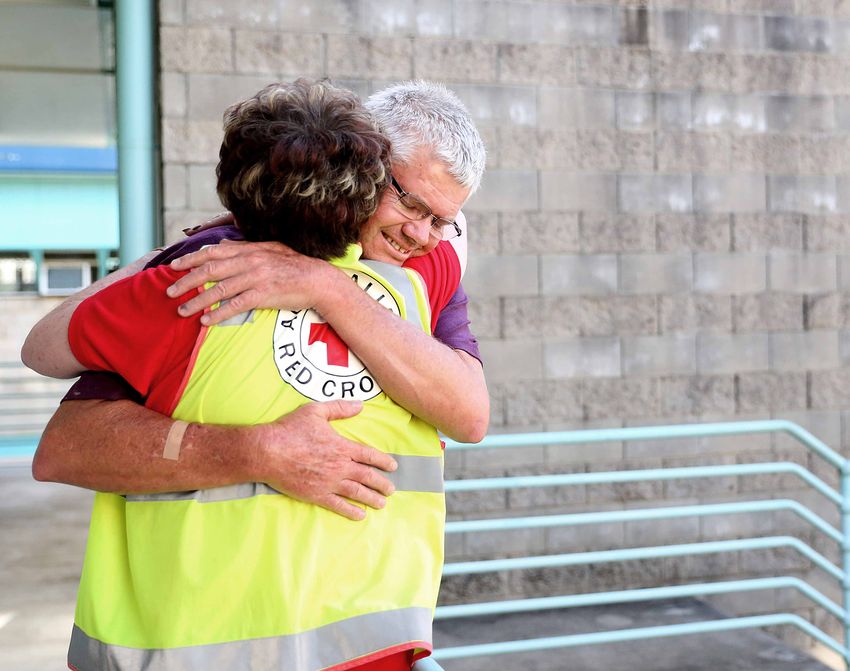
Foreword

The threat of a disaster affecting the City       Thank you to the following agencies and
of Perth is ever present as is the need to        personnel for their ongoing commitment
be prepared for natural and man-made              to the LEMC and a safer and more resilient
events, response and recovery. This               City of Perth.
Emergency Management Strategic Plan is the
                                                  •   WA Police
overarching document for all other Emergency
                                                  •   Office of Emergency Management
Management plans and arrangements for the
                                                  •   Botanic Gardens and Parks Authority
City of Perth Western Australia’s capital city.
                                                  •   Department of Fire & Emergency Services
The number of supporting plans and                •   Public Transport Authority
arrangements that have or are being               •   Royal Perth Hospital, Sir Charles Gairdner
developed, demonstrate the City of Perth’s            and Perth Children’s Hospital
commitment to its community of residents,         •   Water Corporation
businesses and visitors and the statutory         •   Department of Communities
requirements under the Emergency                  •   Mainroads
Management Act 2005.                              •   ATCO Gas
                                                  •   Western Power
The development and ongoing review of
                                                  •   Australian Red Cross
the Emergency Management arrangements,
                                                  •   University of Western Australia (UWA)
training and education of key agencies and
                                                  •   Metropolitan Redevelopment Authority (MRA)
the community is dependent on the Local
Emergency Management Committee (LEMC)             Along with the above agencies, the City of
working together. The regular meetings and        Perth looks forward to engaging with others
collaboration that occur between the LEMC         including adjoining Local Governments,
members clearly illustrates that responding       education institutions, businesses and
to hazards and emergency events, and              residents in the delivery of the Emergency
minimising harm is everyone’s responsibility.     Management Strategic Plan.
                                                  Rebecca Moore

                                                  Chair, City of Perth LEMC
                                                  Director, Community & Commercial Services

                                                                                                   3
4
1. Introduction

1.1
Why develop an Emergency
Management Strategic Plan?

The purpose of the Emergency Management            These plans identify actions, procedures
(EM) Strategic Plan is to:                         and specific responsibilities for agencies
                                                   and local government to support immediate,
• Coordinate emergency management
                                                   effective and efficient responses. Whilst the
  activities for the City of Perth (CoP) and
                                                   plans are critical, emergency management
  demonstrate how emergency management
                                                   preparation is an ongoing process and
  plans link together;
                                                   requires risk analysis, the inclusion of
• To strengthen local capacity and capability,
                                                   regular review and update of plans, training
  and build community resilience in response
                                                   and exercises, community education,
  to emergencies.
                                                   development of procedures and policies, and
• Outline priorities and other areas for
                                                   regular meetings between stakeholders to
  consideration in emergency management
                                                   maximise collaboration. Likewise, business
  for the City of Perth.
                                                   continuity planning for the City of Perth,
The City of Perth has developed the                government and private businesses is
Emergency Management Strategic Plan for            also essential as incidents that may not
2017 – 2021 in consultation with the Local         be emergencies, but severely impact on
Emergency Management Committee (LEMC).             operations such as disruption of power,
                                                   water and communications supply, also
Following the expansion of the CoP                 require consideration.
boundaries in July 2016, and with major
new developments including Elizabeth Quay          This is the first Emergency Management
and Perth City Link underway, a full review        Strategic Plan developed for the City of Perth.
of emergency management plans has been             It seeks to include this wider range of actions
undertaken. This suite of plans includes;          along with the many specific plans, into this
                                                   one overarching document. In so doing,
•   Local Response Plan,                           it aims to demonstrate to the community
•   Management of People Plan,                     and stakeholders that the City actions
•   Welfare Plan, and                              its responsibilities in a professional and
•   Local Recovery Plan.                           proactive manner. Ultimately the prevention
In addition, emergency management plans            of emergencies and their associated impact
for specific events that attract large crowds      on people, property and the sustainability of
of people to the city, are developed to identify   the city is what the City of Perth, stakeholders
and mitigate risks and prepare for response        and the community seek.
if an emergency does take place.

                                                                                                      5
1.2
Structure of the
Strategic Plan
The Emergency Management Strategic Plan these are detailed in the LEMC annual work
2017–2021 follows a similar structure to plan. The LEMC Work Plan is revised annually
other City of Perth informing strategies in to ensure individual plans to mitigate risk,
establishing focus areas and objectives. These respond to emergency events and recover
are supported by a number of more detailed from these if and when they occur, are current
and specific plans with clear responsibilities and responsive to changing conditions in the
and actions. Objectives are identified for the City of Perth and surrounds.
focus areas and a range of actions to achieve
Focus Areas: There are 4 Focus Areas in the Emergency Management
Strategic Plan that capture the major themes that our work will be
structured around over the coming years. Figure 4.
Objectives: There are several objectives within each Focus Area, which
articulate our approach and priorities. Table 1.
Actions: Corresponding with each Objective is a series of actions that
specify what we will do, when and who we will partner with to achieve them.
These are detailed in the LEMC Annual Work Plan
6Glossary of Terms
This is not a full glossary of terms for emergency management. Only those terms used for the
Emergency Management Strategic Plan will be listed. For a full list of terms please refer to the
State Emergency Management Glossary located at www.oem.wa.gov.au
TERMS MEANING
Combat Agency A combat agency prescribed under subsection (1) of the Emergency
Management Act 2005 is to be a public authority or other person who
or which, because of the agency’s functions under any written law or
specialized knowledge, expertise and resources, is responsible for
performing an emergency management activity prescribed by the
regulations in relation to that agency.
Command The direction of members and resources of an organisation in the
performance of the organisation’s role and tasks. Authority to command
is established in legislation or by agreement with an organisation.
Command relates to organisations and operates vertically within an
organisation. See also control and coordination.
Control The overall direction of emergency management activities in an
emergency situation. Authority for control is established in legislation or
in an emergency plan, and carries with it the responsibility for tasking
and coordinating other organisations in accordance with the needs of the
situation. Control relates to situations and operates horizontally across
organisations. See also command and coordination.
Control Centre See emergency operations centre.
Controlling Agency An agency nominated to control the response activities to a specified
type of emergency.
Coordination The bringing together of organisations and elements to ensure an
effective response, primarily concerned with the systematic acquisition
and application of resources (organisation, manpower and equipment)
in accordance with the requirements imposed by the threat or impact
of an emergency. Coordination relates primarily to resources, and
operates, vertically, within an organisation, as a function of the authority
to command, and horizontally, across organisations, as a function of the
authority to control. See also control and command.
District Emergency A district emergency management committee established under section
Management Committee 31(1) of the Emergency Management Act 2005.
Emergency The occurrence or imminent occurrence of a hazard which is of such
a nature or magnitude that it requires a significant and coordinated
response (s.3 EM Act).
7TERMS MEANING
Emergency A facility established to coordinate and organize emergency provision of
Coordination Centre services. See also emergency operations centre.
Emergency The management of the adverse effects of an emergency including:
Management • prevention – the mitigation or prevention of the probability of the
occurrence of, and the potential adverse effects of, an emergency;
• preparedness – preparation for response to an emergency;
• response – the combating of the effects of an emergency, provision of
emergency assistance for casualties, reduction of further damage, and
help to speed recovery; and
• recovery – the support of emergency affected communities in
the reconstruction and restoration of physical infrastructure, the
environment and community, psychosocial and economic wellbeing.
Emergency A facility, either static or mobile, from which the total operation or
Operations aspects of the operation are managed. A facility established to control
Centre and coordinate the response and support to an incident or emergency.
Emergency Risk A systematic process which contributes to the wellbeing of communities
Management and the environment. The process considers the likely effects of hazardous
events and the controls by which they can be minimised.
Evacuation Centre A centre that provides affected people with basic human needs including
accommodation, food and water. In addition, to enhance the recovery
process, other welfare/recovery services should also be provided.
Hazard An event, situation or condition that can cause or resulting in loss of life,
prejudice to the safety, or harm to the health of persons or animals; or
destruction of, or damage to property or any part of the environment and
is defined in the Emergency Management Act 2005 or prescribed in the
Emergency Management Regulations 2006.
Hazard A public authority, or other person, prescribed by the Emergency
Management Management Regulations 2006 to be a hazard management agency
Agency for emergency management, or an aspect of emergency management,
of a hazard.
Incident The occurrence or imminent occurrence of a hazard. See also emergency.
Incident Area The area defined by the Incident Controller for which they have
responsibility for the overall management and control of an incident.
Incident A group of incident management personnel comprising the incident
Management controller, and the personnel he or she appoints to be responsible for the
Team functions of operations, planning and logistics. The team headed by the
incident controller which is responsible for the overall control of the incident.
8TERMS MEANING
Incident A group of agency/organisation liaison officers convened and chaired by
Support Group the HMA to provide agency specific expert advice and support in relation
to operational response to the emergency
Local Emergency The person appointed by the State Emergency Coordinator to provide
Coordinator advice and support to their local emergency management committee
in the development and maintenance of emergency management
arrangements, assist hazard management agencies in the provision of a
coordinated response during an emergency in the district and carry out
other emergency management functions under the direction of the State
Emergency Coordinator.
Local Emergency A local emergency management committee established under section
Management Committee 38 of the Emergency Management Act 2005.
Operational Area the area defined by the Operational Area Manager for which they have
overall responsibility for the strategic management of an emergency.
This area may include one or more Incident Areas.
Operations Area a group of agency/organisation liaison officers convened and
Support Group Operational Area Manager to provide agency specific expert advice and
support in relation to strategic management of the emergency.
Preparedness Preparation for response to an emergency.
Risk A concept used to describe the likelihood of harmful consequences
arising from the interaction of hazards, communities and the
environment.
• The chance of something happening that will have an impact upon
objectives. It is measured in terms of consequences and likelihood.
• A measure of harm, considering the consequences of an event and its
likelihood. For example, it may be expressed as the likelihood of death
to an exposed individual over a given period.
• Expected losses (of lives, persons injured, property damaged, and
economic activity disrupted) due to a hazard for a given area and
reference period. Based on mathematical calculations, risk is the
product of hazard and vulnerability.
State Emergency Committee established under section 13 of the Emergency Management
Management Committee Act 2005.
Support Organisation A public authority or other person who or which, because of the agency’s
functions under any written law or specialized knowledge, expertise and
resources is responsible for providing support functions in relation to
that agency.
9Acronyms
General acronyms that are used in the City of Perth Emergency Management Plans.
SHORT NAME FULL NAME
AIIMS Australasian Inter-Service Incident Management System
BOM Bureau of Meteorology
CA Controlling Agency
CEO Chief Executive Officer
CICT Critical Incident Control Team
COP City of Perth
DEMC District Emergency Management Committee
DFES Department of Fire and Emergency Services
DC Department of Communities
DOT Department of Transport
ECC Emergency Coordination Centre
EM Emergency Management
EMP Emergency Management Plan
ERM Emergency Risk Management
HMA Hazard Management Agency
ISG Incident Support Group
BGPA Botanic Gardens and Parks Authority
LEC Local Emergency Coordinator
LEMC Local Emergency Management Committee
LG Local Government
LRC Local Recovery Coordinator
LRCG Local Recovery Coordinating Group
NGO Non-Government Organisation
OAM Operations Area Manager
OASG Operations Area Support Group
OEM Office of Emergency Management
PPRR Prevention, Preparedness, Response and Recovery
SO Support Organisation
SECG State Emergency Coordination Group
SEMC State Emergency Management Committee
SEWS Standard Emergency Warning Signal
WAPOL Western Australian Police Service
102. Background
2.1
The City of Perth’s
role in Emergency Management
Local government plays an essential role development of the Emergency Management
in emergency management with a focus Strategic Plan seeks to protect and keep the
in preparedness and recovery. Within city and its occupants safe. In so doing, the
contemporary research, local government is City of Perth seeks to be a leader in local
perceived to be the most effective element government emergency management.
within the emergency management sector.
The City of Perth has an established Local
The City of Perth plays a key role in assessing Emergency Management Committee (LEMC),
risks, identifying vulnerabilities and providing as required under Section 38(1) of the
essential resources for its community to be Emergency Management Act 2005 (EM Act).
prepared for, and facilitate recovery from, The LEMC is a non-operational committee and
an emergency. Emergency management is is established to support the local government
a major responsibility for local government plan and prepare for emergency management
as they have a detailed knowledge and purposes.
are the closest level of government to the
The emergency management governance
community. Partnerships and collaboration
structure (committees) works in conjunction
are essential because of the complex nature
with the emergency management
of emergency management.
arrangements (coordination) as seen in
Local government can easily work within Figures 1 and 2 on the following page.
a collaborative approach in emergency
The LEMC ensures the CoP has adequately
management as this model is the basis of the
planned and prepared for emergency
community development and engagement
management to support the relevant Hazard
methods they use to work within their
Management, Controlling and Combat
communities, on a range of issues.
agencies response to an emergency within
The City of Perth will respond to its’ their local government. The relationship
responsibilities under the Emergency between coordination and planning is
Management Act 2005 (EM Act) with the depicted in Figure 2 on the following page.
development of this Emergency Management
Strategy Plan for 2017 – 2021. The
11State Emergency Management Governance Structure
(including committees)
State Disaster Council
Minister for Emergency Services
Office of Emergency State Emergency Management State Emergency
Management Committee (SEMC) Coordination Group (SECG)
Operational Area
SEMC Support Group (OASG)
Subcommittees
Incident Support
Group (ISG)
District Emergency State Recovery
Management Committee (DEMC) Coordination Group (SRCG)
Local Emergency Local Recovery
Management Committee (LEMC) Coordination Group (LRCG)
Prevention Preparedness Response Recovery
Figure 1: Emergency management governance and arrangements working together.
Emergency Coordination Emergency Planning
State Emergency State Emergency
Coordiantor Management Committee
District Emergency District Emergency
Coordinator Management Committee
Local Emergency Local Emergency
Coordinator Management Committee
Figure 2: Relationship between emergency coordination and emergency planning.
Courtesy of Office of Emergency Management.
122.2
The importance of Emergency
Management Planning
Planning is crucial to emergency management Incorporation of disaster resilience principles
and this planning must be based on into all aspects of the Emergency Management
sound research and evaluation. Whilst Strategic Plan will place people and the
the development of specific emergency community as the central focus of all actions.
management arrangements are consistent
The National Strategy for Disaster Resilience
with State planning and recommendations,
2011 articulates the essential role of resilient
research of hazards and the unique needs
communities which “….are required to enhance
of the City of Perth and its community as a
Australia’s capacity to withstand and recover
capital city, are also important considerations
from emergencies and disasters. A disaster
in the development of this Emergency
resilient community is one that works together
Management Strategic Plan.
to understand and manage the risks that it
Likewise determining what gaps exist in confronts. Disaster resilience is the collective
our planning and addressing these is also responsibility of all sectors of society, including
important in the process. Evaluation and all levels of government, business, the non-
update of plans to meet current needs government sector and individuals.” (2)
completes the cycle in the quality process.
Whilst the CoP is faced with some unique
Without such detail, the ability of agencies hazards in comparison with the hills and
to respond is diminished and the impact regional WA, the need to better plan and
of the emergency on life, property and the prepare for our local risks cannot be
community can be far greater than it would understated. This is reinforced by the SEMC
be if appropriate planning had been State Risk Management Program which
undertaken and kept up to date. commenced in 2013 (3). Since this time
the Regional Risk assessment has been
Following a number of major bushfire events
undertaken and the metropolitan areas
in Western Australia in recent years, including
including the CoP, now need to conduct
those in the Perth Hills, Waroona and Harvey
similar assessments and focus mitigation
bush fires in 2016, evaluations of response
on priority risks in the coming years.
and the impact of these events have been
undertaken. Whilst the CoP is not immune An Emergency Management Gap Analysis has
to the impact of bushfires, with Kings Park already been completed to identify priorities
located in the middle of the municipality, there for the City and its resource allocation.
are lessons to be learnt from these events.
In the City of Perth Emergency Management
The Ferguson Report clearly stated “There Strategic Plan the five contemporary strategic
is a strong argument that the state needs to emergency management aspirations:
readjust expenditure away from fire response Research, Risk Management, Readiness,
and recovery, towards a greater investment Response and Recovery, provide direction
in prevention and fuel hazard management. for four key focus areas with objectives and
This includes investing more in the education, measures. The objectives and measures can
resilience and readiness of local communities be found in Table 1.
and individual citizens.” (1)
132.3
Community
Profile
The City of Perth is the capital city local The current estimated population for the
government in WA and is the business, City of Perth is 26,893(4) residents (housed)
transport, cultural and entertainment hub of with over 300 rough sleeping homeless
the metropolitan area. As the home of the State people. There is 9,144 dwellings. The total
Government and its key departments, the city number of residents, workers and visitors
has a diversity of economic activities including in the city daily is estimated at 205, 750.
business administration, retail, health and This includes 133,000 workers, 53,000
education. In addition it has large evening visitors and 14,000 students daily.
entertainment and event areas, tourism and
The City of Perth and other organisations
public spaces including Kings Park and Swan
conduct many public and private events
River and is distinctive in terms of its highly
within the council’s boundaries. These
urban character.
events, including Australia Day Skyworks
The City of Perth is 19.3km2 and encompasses and ANZAC Day.
the Central Business District (CBD),
Perth International Arts and Fringe
Northbridge, Kings Park, East and West Perth,
Festivals, pageants and parades have risk
Crawley, the University of Western Australia
management plans developed by or in
(UWA) and the eastern part of Nedlands
consultation with the City of Perth.
including QEII Medical Centre.
It is bounded by the Swan River on the east Localities
and south borders, the City of Vincent to the
north and cities of Nedlands and Subiaco to Perth CBD – Predominantly high density
the west. 41 per cent of the City is public open commercial and residential. Hotels, hospitals
space and there are 96 kilometres of roads. and facilities that attract large populations
include Perth Station, Elizabeth Quay, Perth
As the capital city, Perth is central to transport Busport and Perth Arena.
infrastructure with Perth Station as the central
hub for rail lines from Armadale, Midland, Northbridge – Predominantly a night
Mandurah, Joondalup, Fremantle and entertainment district, with medium and high
Midland. Claisebrook in East Perth, McIver density housing. It contains pockets of older,
and City West stations are also located in single dwellings, offices, retail, the Cultural
the City of Perth. In addition, Elizabeth Quay Centre and Central TAFE campus.
Bus Port and Perth Bus Station at City Link, Kings Park and Botanic Gardens –
and Elizabeth Quay ferry terminal service Approximately 400 hectares, of which two-
commuters. Barrack St Jetty is a visitor hub. thirds is natural bush and the rest parkland,
The Kwinana and Mitchell freeways cross gardens, playgrounds and paths. This includes
to the west of the CBD, the Causeway and the scarp and Mount Eliza. High density
Windan Bridge at the east and Northbridge housing towers boarder the park at the top of
Tunnel near its northern border. the scarp and the edge of Mounts Bay Road.
14Northbridge
West Perth Ne
wc
astle
St
St
CBD
as
East Perth
om
Th
Kings Park
Nedlands
Crawley
Broadway
City of Perth boundary
19.34 sq km
Figure 3: City of Perth boundaries
East Perth–Mix of medium and high Crawley – Includes the University of Western
density housing with pockets of older, single Australia (UWA) campus and six residential
dwellings including offices and retail. It colleges. Homes include a mix of high density
includes large public open spaces next to towers at the base of Kings Park, and older
the river, including Claisebrook, Wellington single dwellings plus a small commercial area.
Square, the WACA ground and Gloucester
Nedlands – The areas east of Hampden Road
Park Trotting Track.
and Broadway are part of the City of Perth.
West Perth – Mix of medium and high This includes the QEII Medical Centre and
density housing with pockets of older, Perth Children’s Hospital. Mix of mostly older,
single dwellings including offices and retail, single dwellings and some offices and retail.
predominantly at Watertown, and the WA
House of Parliament.
153. Guiding Principles
The Emergency Management Strategic Plan • A cooperative approach will be maintained
has been developed with a number of guiding across government agencies, local
principles. These include: government and the community to improve
the effectiveness and implementation
• The City of Perth will use sound research
of strategies. New partnerships will be
including practices and experience from
developed as need and opportunities emerge.
other jurisdictions, to develop contemporary
and best practice emergency management • Actions and activities developed will take
strategies, focus and outcomes. into account policies of the City of Perth,
State and Federal Governments.
• The City of Perth will underpin all
emergency management practice with • All agencies are encouraged to consider the
risk management principles in accordance range of community needs when developing
with the City of Perth Risk Management strategies, plans and exercises in the city
Framework, which is aligned to the national eg. people with disabilities, ages, culturally
risk management standard AS/NZS ISO and linguistically diverse (CaLD).
31,000: 2009 (Principles and Guidelines). • The plans will be monitored and reviewed
• Actions identified to achieve objectives annually for progress and ensure the
will be based on resilience principles documents remain current and relevant to
and seek community wide education and changed conditions.
involvement.
164. Focus Areas
Gap Analysis EM arrangements
Hazard Analysis LEMC & DEMC
Hazard Mitigation Training Exercises
Bushfire Risk Management Co m Resource Register
mu
Community Education ni MOUs
ty
Policies
Re
Pre Procedures
s
n pa
tio
ili
Community Education
en
n
ra
ce
ve
tion
Pre
Research
& Evaluation
Re
se
Com
ve EM Response Plan
on
co
ry sp
Re
mu
Welfare Plan
y
ni
Re PCMEMA
t
sil Animal Welfare Plan
ien
c e Business Continuity Plans
Event Plans
Local Recovery Plan Utility Management
Community Participation & Resilience Community Response
Figure 4: City of Perth Emergency Management Strategic Plan
The Emergency Management Act 2005
(WA) defines emergency management as
“the management of the adverse effects
of an emergency including prevention,
preparedness, response and recover. This
Emergency Management Strategic Plan
focuses on these areas, with objectives and
actions supported by research and standards
174.1.
Prevention
The Case for Action Developing an understanding of gaps in the
prevention and preparedness of the CoP as
Prevention and mitigation activities seek to
an organisation, and of actions required to
eliminate or reduce the effect of a hazard on a
nullify these, are the first steps required in
community, or to reduce the likelihood of the
ensuring the CoP meets its obligations in
hazard occurring. They also aim to increase
emergency management.
the resilience of the community to a hazard.
Objective 1.2 – Identify hazards for the
The CoP works in collaboration with the
City of Perth.
Office of Emergency Management, WALGA
and other agencies to identify hazards and The CoP will complete an Emergency Risk
drive actions to prevent these escalating to Management study for its community in
emergency incidents. With knowledge of the accordance with risk management standard
local environment, infrastructure and the AS/NZS 31000:2009 Risk Management. This
community, and the resources of the local study, to be commenced in 2017, will use the
government, the CoP is well positioned to WALGA Hazard Analysis system, Risk Vision
deliver prevention activities. to prioritise hazards and actions required
for mitigation. This work will result in the
These can include development and activity
development of the City of Perth Emergency
approvals, environmental controls and
Risk Management Plan. The plan will include
education.
identified critical infrastructure for the CoP.
Aspiration:
Objective 1.3 – Minimise risks to the City of
The City of Perth identifies hazards and their Perth from natural and man-made hazards.
potential impacts, and prioritises actions to
mitigate these wherever possible. The City, Until the Risk Management Plan is completed,
stakeholders and the community participate the CoP and other stakeholders will work at
in prevention activities and in so doing build hazard reduction for risks already identified.
resilience. Many activities are conducted as routine
duties by the CoP and other agencies
Measures: including bush fire risk management,
• Gap Analysis report. infrastructure failure and severe weather.
• Hazards identified and Risk
Management plans developed. Planning and implementation of strategies
• Mitigation measures implemented to manage risks at major events such as
Skyworks, which attracts an estimated
Objective 1.1 – Identify gaps in emergency 300, 000 people to the city, is a demonstration
management prevention and preparedness of the collective efforts of local and state
in the City of Perth governments, and community agencies to
minimise risk and keep the community safe.
Emergency management requires an
ongoing attention to detail and the changing
environment. Identification of hazards and
assessment of their potential impact on the
city is essential in determining mitigation
actions and preparedness for impact, if the
hazard is activated.
184.2
Preparedness
The Case for Action result in threats to health, amenity and normal
functioning of the city. Preparation for such
The concept of preparedness is defined
events is the responsibility of everyone and
as the existence of necessary structures
ongoing efforts to change the attitude of many
to ensure the community effectively
people who believe that ‘it won’t happen to me’
prevents or mitigates, prepares for,
or that ‘somebody will come and save me’ is a
responds to and recovers from large scale
challenge for all agencies.
emergencies. It encompasses pre, during
and post emergency actions and involves Aspiration:
a community approach including various The City of Perth is an organisation that is
levels of government, business, support ready with internal practices and supports
organisations and individuals. (2) readiness for any emergency, whether natural
In addition to preparing for situations which or man-made, that may affect the community.
impact on the wider community, the City of Measures:
Perth prepares for internal incidents that • CoP Location based Business Continuity
impact on the functions and running of the Plans and associated plans reviewed
organisation, the council and staff. Whilst annually.
these situations may not be of the scale of • EM arrangements reviewed annually by
those that occur in the community, they do LEMC members.
impact on the City as an organisation. This • Signed agreements & Memorandums of
in turn can impact on its ability to operate Understanding.
business units and deliver services for the • Major event plans updated annually ie.
smooth and effective operation of the city. Skyworks, Anzac Day
Preparedness activities establish • LEMC meetings organized quarterly
arrangements and plans, and provide • Participation in DEMC quarterly
education and information to prepare the • Number of exercises held in the CoP
community to deal effectively with such • EM training delivered to CoP personnel
emergencies and disasters that may eventuate. • Conduct desk top and other training
exercises with partner agencies.
With over 120,000 people including • Procedures reviewed bi annually
residents, workers, students and visitors in
the City of Perth each day, there are many Objective 2.1 – Critical Incident Control Team
different groups whose needs require is ready to implement City of Perth Business
consideration in relation to preparation and Continuity Plans when required.
management, if a major emergency occurs. The protection and recovery of the community,
Education of residents, workers and students staff, assets, operations and the reputation
is important for their own emergency during the time of a crisis is a high priority
preparations in the city environment, for the City. The Critical Incident Control
including transport and evacuation. Team (CICT) Plan outlines the response and
Recent situations in other states reminds us recovery actions to major incidents which
that preparation for similar circumstances impact the City of Perth.
such as power outages and loss of
infrastructure such as water, communications,
air conditioning, ventilation and lifts can
19Under the leadership of the CICT Controller Preparation and response to an emergency
the team will be responsible for implementing is not the responsibility of just a few people.
all operational actions required to manage As the size of the issue and the impact it has
the crisis. Responsible managers and staff on the community increases from a local
from across the City of Perth are required to through to a State emergency, the need for
understand and be prepared to enact this plan greater resources and more people to be
in accordance with directions given at the time involved also increases.
of an incident.
Coordination of the many responses and
The CoP will enact the internal Business resources that may be required is therefore not
Continuity Plans with the Crisis Management something that is left to chance. The number
Team. of measures identified for this objective is
indicative of the many actions that take place in
Objective 2.2 – City of Perth emergency
preparation for emergency events.
management arrangements are up to date
and ready for implementation. Collaboration between agencies is essential
and the range of meetings, education and
A review of the emergency management
exercises that occur annually, demonstrate
arrangements including the General
this. Education beyond service agencies is
Arrangements, Response, Welfare and Recovery
also important not only for preparation, but
Plan was undertaken in 2016. Whilst the
also for response and recovery. Therefore,
overall plans are complete, the details including
education of CoP council, staff and the
structure, terms of reference for working
wider community will support response and
groups, media management, and memorandums
resilience for the City and its occupants.
of understanding for use of resources between
agencies, need to be developed and kept up to
date as circumstances change.
4.3
In addition, further plans including those for
Perth City Major Emergency Management Response
Arrangements (PCMEMA)–Management of
People Plan are to be developed. This will
The Case for Action
include the expanded footprint of the city with
new areas and increased density of people Response activities activate preparedness
and buildings. arrangements and plans to put in place
effective measures to deal with emergencies
As the CoP organizes and / or hosts many
and disasters, if and when they occur.
major events which can attract in excess
of 200,000 people within its boundaries, Hazard Management Agencies, Controlling
inclusion of risk and emergency management Agencies and Combat Agencies may require
plans is essential for public safety. Health local government resources and assistance in
& Activity Approvals and many other CoP an emergency. The City of Perth is committed
business units are actively involved in these to provide assistance and support if available.
processes, which are ongoing and include the
full cycle of quality control from preparation, Communities threatened or impacted by an
implementation and evaluation for continuous emergency may require relocating from their
improvement based on lessons learnt. homes, workplace, hotel or education institution.
An evacuation should be made in a timely, safe
Objective 2.3 – City of Perth, stakeholders and coordinated way and is the responsibility of
and the community are prepared to respond the Hazard Management Agency (HMA).
to emergency situations when they occur.
20During evacuation, the HMA must consult Careful consideration is required for the mass
with the Department for Child Protection and evacuation of large numbers of community
Family Support (CPFS) who are responsible for members either residing or visiting the
welfare management, in conjunction with the City of Perth. Perth City Major Emergency
local government. The City of Perth (CoP) will Management Arrangements–Management of
provide support and advice to the HMA and People Plan is to be developed.
CPFS in the evacuation process.
Ensuring the City of Perth (CoP) continues to
The CPFS is responsible for approving the function while the emergency is occurring
activation or opening of a welfare centre and and during recovery is essential. To assist the
providing welfare support services to people CoP maintain a level of service to its business
affected by an emergency in Western Australia. and the community, the Business Continuity
The decision on the centre location will be Framework has been developed.
made jointly between the HMA, CPFS and COP.
Objective 3.2 – Agencies responsible
Most facilities identified within the city are for responding to emergency situations
privately owned and a Memorandum of demonstrate on-going improvement in
Understanding (MOU) has been sought with effectiveness to emergency situations in
these providers. An Animal Welfare Plan is in the City of Perth.
development to support the care of animals if
Following an emergency in the city,
evacuation is required.
responding agencies, the City of Perth and
Aspiration: the SEMC will conduct an evaluation of the
The City of Perth is an organisation and situation and how the response was delivered.
community that are able to anticipate and This is critical for ongoing lessons and
respond appropriately to emergencies improvements for response to future events.
through partnerships and collaboration with In addition, this information can be used to
state and community organisations. develop exercises for responding agencies.
Measures: Objective 3.3 Responses to emergency
management situations are continually
• Implementation of EM plans if required
improved.
• Evaluation report completed.
• EM Plans updated. Lessons learnt following an event and
the evaluation of the response will be
Objective 3.1 –Harm to people and property
used to support the review of emergency
is minimised when an emergency situation
management plants. Greater knowledge of
occurs in the City of Perth.
real life emergency situations when linked
When an emergency situation occurs in the with that of changing resources and the local
city, Hazard Management Authorities, respond environment, are all critical for updating
with support from the CoP as required. emergency management plans.
CityWatch is often a point of contact in initial
This continual improvement process is in
stages of an issue and continue to monitor and
addition to the regular five year review of
link services where possible. If the situation
EM plans including Response, Welfare and
escalates, CityWatch becomes the response
Management of People plans.
centre for the CoP and ongoing coordination.
214.4
Recovery
The Case for Action Objective 1 – The City of Perth implements
and coordinates its Emergency Management
Recovery activities assist a community
Recovery plan when required in response to
affected by an emergency or disaster in
an emergency situation.
reconstruction of the physical infrastructure
and restoration of emotional, social, economic Following an emergency event, a full impact
and physical wellbeing. assessment on individuals, the community and
infrastructure, including information from the
The City of Perth (CoP) must lead, manage and
Hazard Management Authority is required.
coordinate community recovery at the local
level under section 41(4) of the Emergency The City of Perth is responsible for the
Management Act 2005 and undertake these management and coordination of the recovery
responsibilities in close cooperation with process which may take many years, depending
or directly supported by State government on the scale emergency and its impact.
departments, supporting agencies and Planning for this recovery commences prior to
organisations. handover from the HMA to the City of Perth.
To assist with the recovery process a local To fully determine the community’s needs,
government must have steps in place to outline use of Outreach volunteers to doorknock
the way in which they will manage recovery and speak to individuals may be required
internally and with the community. The best and will be coordinated through liaison with
way to do this is by a local recovery plan. the Australian Red Cross. Assessment of
residents, businesses, visitors and special
A local recovery plan including the
groups including the homeless, people in
nomination of a Local Recovery Coordinator
care, the aged, children and those with special
is required under section 41(4) of the EM Act.
needs will be undertaken.
A copy of the City of Perth Local Recovery
Plan can be found at www.perth.wa.gov.au In addition, an assessment of the emergency
on the City of Perth’s operations and business
Aspiration:
through the Critical Incident Control Team
The City of Perth is able to recover from is also part of this process. Determination of
emergencies, internally and externally. the organisations ability to respond to the
As an organisation, the City consistently recovery, and the management and delivery
protects and values the internal and external of CoP services is critical, due to its role as the
communities and responds to the changing lead agency in the recovery process.
needs to recover from an emergency.
Objective 2 – The City of Perth and its
Measures: community recover as rapidly as possible
• Local Recovery Plan from an emergency situation.
• Critical Incident Control Team (CICT) Plan
• Recovery evaluation report completed How the community as a whole, its individuals
• Recovery exercises conducted and organisations recovery from an
• Recovery Plan & CICT Plan revised and emergency can vary greatly. Individual and
updated. organisational preparation, response and the
severity of the event on business, economy,
services, the environment and infrastructure
are all important in the speed of recovery.
22Photo courtesy of Jack Tran – Red Cross
Australians have a tradition and reputation As completion of the recovery phase can take
of stepping up to help their neighbours and many years, evaluation should be ongoing to
community in times of need. The City of Perth, ensure the correct services and supports are
State and Federal Governments, (depending in place to address needs of the organisation
on the scale of the emergency) and community and the community. Lessons learnt throughout
agencies have a mandate and duty to support recovery should be used for the review of the
recovery also. Through collaboration and Recovery Plan and in agency exercises, in
community resilience, this process can be preparation for any future events.
accelerated.
Whilst return to the “normal” social, economic,
Objective 3 – The community and infrastructure and natural environment are
organisation demonstrate resilience when indicators for recovery, a complete return
faced with an emergency situation in the to the pre emergency situation may not
City of Perth. be possible across all realms. Therefore
the adaptation to the new “norm” and the
As with the response to an emergency
resilience of the community is the marker for
incident, the effectiveness of the planned
progress moving forward.
recovery requires evaluation following this
stage of emergency management.
23Emergency Management Strategy 2017 – 2021
Objectives and Measures
1. Prevention
OBJECTIVE MEASURES
1.1 Identify gaps in EM prevention Gap Analysis report.
and preparedness in the CoP
1.2 Identify hazards for the CoP Hazards Risk Management plans developed.
1.3 Minimise risks to the CoP from Mitigation measures implemented
natural and man-made hazards.
2. Preparedness
OBJECTIVE MEASURES
2.1 CICT is ready to implement CoP Business Continuity Plans and associated
CoP Business Continuity Plan plans reviewed annually.
when required.
2.2 CoP EM arrangements are • EM Plans & Resource Register reviewed
up to date and ready annually by LEMC members.
for implementation. • Number of signed agreements & MOUs.
• Major event plans updated annually
ie. Skyworks, Anzac Day
• Four LEMC meetings held annually
• Participation in four DEMC meetings
2.3 CoP, stakeholders and the • No. of exercises held in the CoP
community are prepared to • No. of EM training events for CoP personnel
respond to emergency • No. of desk top and other training exercises
situations when they occur. with partner agencies.
• Up to date procedures
243. Response
OBJECTIVE MEASURES
3.1 Harm to people and property is Implementation of EM plans if required:
minimised when an emergency • EM Response Plan
situation occurs in the CoP. • Local Welfare Plan
• Perth City Major Emergency Evacuation
Arrangements (PCMEMA)
• Animal Welfare Plan
• CoP Business Continuity Plans
• Event plans–Skyworks, Anzac Day
3.2 Agencies responsible for • Evaluation reports completed.
responding to emergency • EM Plans updated.
situations demonstrate on-going
improvement in effectiveness to
emergency situations in the CoP.
4. Recovery
OBJECTIVE MEASURES
4.1 The CoP implements and coordinates its • Local Recovery Plan
EM Recovery plan when required in • CICT Plan
response to an emergency situation. • Number of recovery exercises conducted
4.2 The CoP and its community recover • Recovery evaluation report
as rapidly as possible from an • Recovery Plan & CICT Plan revised and updated
emergency situation.
4.3 The community and organization • Withdrawal of temporary support utilised
demonstrate resilience when faced with during recovery
an emergency situation in the CoP.
Table 1.
255. Delivery
Organisational context The Emergency Management Strategic Plan
supports the SafeCity Strategy 2016-2020
The City of Perth’s Emergency Management which is an Informing Strategy, identifying
Strategic Plan 2017–2021 works in conjunction and shaping environmental priorities, projects,
with a suite of strategic and operational programs and service delivery to meet the
documents that guide community safety. outcomes of the Strategic Community Plan. The
City’s key strategic enablers show how we are
The City of Perth adopts an Integrated equipped to deliver on the commitments made
Planning Approach. The City of Perth’s in the Corporate Business Plan.
Integrated Planning and Reporting Framework
(IPRF) is outlined in the diagram below, These strategic enablers are:
showing the interaction between the plans
• Long Term Financial Plan. This plan allows
and the influence of the informing strategies.
for appropriate decision making with
The intent of the IPRF is to ensure the
emphasis on financial sustainability.
priorities and services provided by the
City of Perth are aligned with our • Workforce Plan. This plan identifies
community’s needs and aspirations. the workforce requirements needed for
current and future operations.
The Strategic Community Plan, Vision 2029+,
• Corporate Asset Management Plan.
is the City’s long term strategic direction that
This plan provides guidance on service
expresses the community’s vision for the
provision to inform the City’s financial
future together with the strategies to address
and key service needs.
strategic community outcomes. Safety is
clearly articulated in this plan which states: The City’s annual budget is based on the
projected costing of year one of the Corporate
In 2029, Perth is recognised as one of the
Business Plan, with opportunity to review
safest cities in the world. The city is people-
during the mid-year budget review processes.
oriented, a social hub that attracts people
to its heart day and night. People feel safe The aspirations and objectives of this
to visit the city after dark, promenade along Emergency Management Strategic Plan
its streets, visit its attractions and use its will guide the City’s commitments which
transport systems. are prioritised, resources allocated, and
partnerships and responsibilities identified.
The Strategic Community Plan, Vision 2029+,
drives the City of Perth’s Corporate Business Identification and implementation of actions to
Plan, which is the detailed implementation achieve the Emergency Management Strategic
plan for services, key projects and capital Plan objectives will be detailed in the annual
investments over the next four years. The Implementation Plan for the LEMC. This plan
actions to activate the City’s Informing will be reviewed annually in line with the
Strategies are key components of the City’s City’s Annual Budget and in consultation with
Corporate Business Plan. the LEMC members.
26STRATEGIC ENABLERS STRATEGIC COMMUNITY PLAN INFORMING STRATEGIES
• Community vision and aspirations
Workforce Plan • SafeCity Strategy
• Objectives and strategies
2016-2020
• Emergency Management
Long Term Strategic Plan
CORPORATE BUSINESS PLAN
Financial Plan 2017 - 2021
Corporate Asset • Priorities and delivery program
Management Plan • Operational service levels
• Key initiatives and projects
• Informing strategy actions
ANNUAL BUDGET
• Annualised four year budget
ISSUE SPECIFIC PLANS
COP Community Wide
• Business Continuity Management • Local Welfare Plan 2017
Framework • Local Response Plan 2017
• Critical Incident Control • Local Recovery Plan 2017
Team Plan Operational • Animal Welfare Plan (to be developed)
• Crisis Management Plan – Strategy • Management of People Plan (to be reviewed)
• Crisis Communications Protocol • Emergency Risk Management Plan (to be developed)
• Location Business Continuity Plans • Bushfire Management Plan (to be developed)
• CCTV Implementation Plan • LEMC Annual Work Plan
• Event Specific Plans
Figure 5: Integrated Planning & Reporting Framework
2728
You can also read


