Dublin City Council Draft Litter Management Plan 2020-2022 - Working Together to Keep Dublin Clean
←
→
Page content transcription
If your browser does not render page correctly, please read the page content below

Dublin City Council
            Draft Litter
         Management Plan
            2020-2022

Working Together to Keep Dublin Clean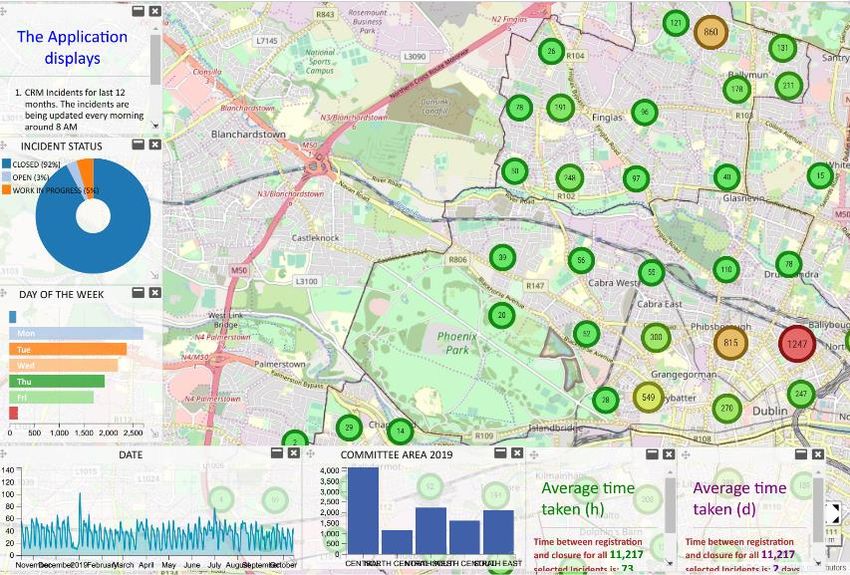
Acknowledgement

  Dublin City Council wishes to acknowledge and thank the individuals, organisations, elected
members and staff who contributed in the preparation of this Litter Management Plan during the
 consultation and review process. A broad range of views were received by Dublin City Council
                 through the statutory consultation period held in xx of 2020.

    We engaged the services of Patel Tonra Ltd., Environmental Solutions, to assist us in the
 preparation of this important plan for the City. Patel Tonra Ltd. worked closely with the Waste
   Management Department team to produce a Litter Management Plan based on a practical,
          feasible and effective way forward to deliver a clean European Capital City.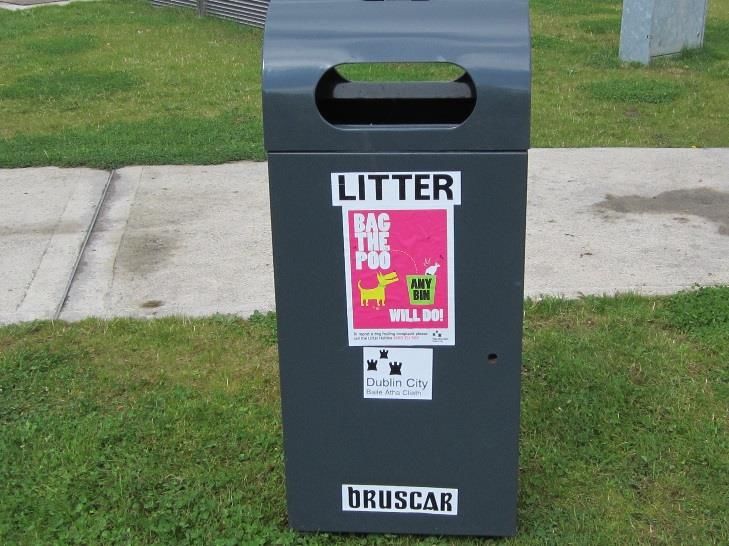
Draft Litter Management Plan 2019-2021

Contents

1.         Introduction ............................................................................................................................. 1
     1.1 Our City .................................................................................................................................... 1
     1.2 Preparing the Plan ..................................................................................................................... 3
2.         Review of the 2016-2018 Litter Management Plan ................................................................. 4
     2.1 Resources ................................................................................................................................. 4
     2.2 Partnership ............................................................................................................................. 10
     2.3 Enforcement........................................................................................................................... 14
3.         Objectives for the 2020-2022 Litter Management Plan ........................................................ 17
     3.1 Resources ............................................................................................................................... 18
     3.2 Partnership ............................................................................................................................. 21
     3.3 Enforcement ........................................................................................................................... 23
4.         Monitoring and Implementation of the 2020-2022 Litter Management Plan ....................... 25
     4.1 Implementation Plan............................................................................................................... 25
     4.2 Key Performance Indicators .................................................................................................... 27
     4.3 Review and Reporting ............................................................................................................ 27
Draft Litter Management Plan 2020-2022
1. Introduction
1.1 Our City
Dublin is a vibrant, modern city, of huge cultural and historical significance. It is the economic centre of the
Country, with a diverse geographical landscape, including a coastline stretching from Clontarf to Sandymount
within Dublin Bay. Dublin City Council is the largest Local Authority in Ireland, the council provides a wide and
varied range of services to the citizens of Dublin City (population in excess of 500,000), to businesses and to
visitors to the city. Dublin City Council is responsible for the social, economic, infrastructural and cultural
development of the city.
Litter management in Dublin City is primarily the responsibility of the Waste Management Department.
Services include street sweeping and cleaning, litter management, provision of litter bins, street washing,
graffiti and chewing gum removal, provision of recycling facilities, community engagement, education and
enforcement.
The department has operational depots on the north and south of the city and 9 bring centres facilitating
community recycling. There are 84 bottle and textile bank locations throughout the city and the network of
recycling infrastructure is completed with 2 civic amenity recycling facilities. Street Cleaning activities are
carried out 365 days of the year and are provided on a 24 hour basis in the city centre.
The Waste Management Department removes approximately 18,000 tonnes of litter and street cleaning waste
annually and has a network of almost 3,200 litter bins. In excess of 2,200 tonnes of mixed dry recyclables are
collected at bring centres annually and over 9,000 tonnes of glass is recovered through the network of bottle
banks, almost 1,000 tonnes of green waste is recycled for composting each year. A further 4,500 tonnes of
recycling of various waste streams are recovered through the 2 Civic Amenity recycling facilities.
The objectives of the Waste Management Department are set out in the table below.
Ongoing review of street cleaning operations to ensure optimum use of resources.
Focus on continued improvements in Irish Business Against Litter (IBAL) and National Litter Pollution Monitoring System (NLPMS)
survey results, specifically in relation to the issue of illegal dumping.
To ensure that a value for money service is delivered in all aspects of recycling.
Commence implementation of the Litter Management Plan for 2020- 2022.
Implementation of the recently amended Bye Laws for the Storage, Presentation and Segregation of Household and Commercial
Waste.
Continue to implement trials of smart systems and enhance the use of technology in the area of street cleaning
Ongoing review of fleet operations.
Utilisation of GPS on fleet to analyse route information.
Continue initiatives to combat the issue of dog fouling.
Continued enforcement of Litter Pollution Acts.
Continued enforcement of the Bye-laws for the Prevention and Control of Litter.
Continue to promote and develop projects within DCCA&E Anti-Dumping Initiative.
Develop awareness campaigns to combat specific litter and recycling/refuse issues.
Improved power washing of urban villages and key locations.
1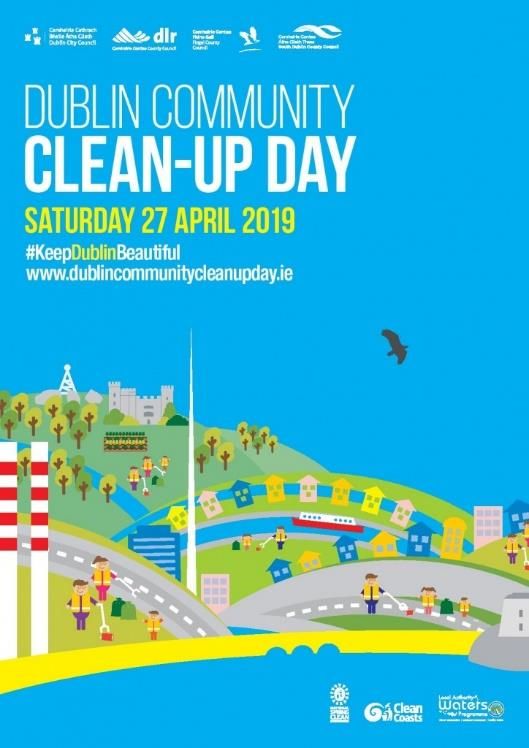
Draft Litter Management Plan 2020-2022
Litter Management in Parks and Public Open Space.
The Parks and Landscape Services Department also provide significant litter management services to the city’s
its green spaces, beaches and environs. In 2018 the department disposed of in the order of 2,264 tons of waste
materials. This derived from the following operations and activities:
Servicing 341 bins located in Parks and fortnightly maintenance schedules for parks, open spaces, road
environs and margins, carried out by a combination of direct labour and contracted services, where
litter and dumped material is collected.
Halloween. Disposal of material pre and post event
St Annes Park (37 bins), the Bull Island and Dollymount Beach provided 156 tons of waste material in
2018. This includes waste that derives from fly-tipping on the island and The Bull Island Action
(volunteer) Group who carry out monthly clean-ups on the island.
Dollymount Beach is maintained to a ‘Blue Flag’ standard so three weeks prior to the bathing season
(which commences 1st June) the beach is mechanically raked from 6.00am each morning, along with
a litter pick. This operation is carried out seven days a week throughout the bathing season until 15th
September each year. Fifty ‘barrel bins’ are put in place to accommodate the waste that derives from
the use of the beach during the summer months (reduced to 8 bins during the winter months) as well
as 2 solar bins on the North Wall.
The Waste Management Department maintain bins along the seafront promenades at Sandymount and
Clontarf and co-operate with the Parks Service in terms of monitoring the best placement of public litter bins
to coincide with entrances to parks and open spaces where feasible.
The Parks Service has introduced fifty solar compactor bins in 2019 and these are located throughout city
parks where there is a significant weekend usage.
Complaints in relation to litter are continuously monitored and if there are requests for additional bins in
parks, each request is considered based on a local needs assessment.
2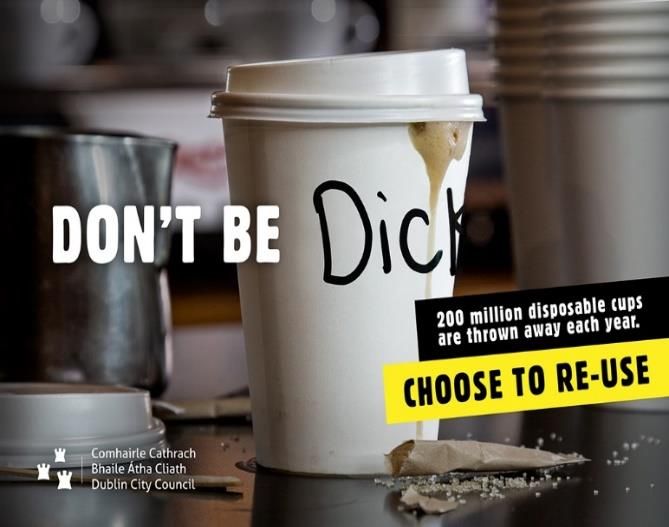
Draft Litter Management Plan 2020-2022

   1.2 Preparing the Plan

For the 2019-2021 Litter Management Plan, Dublin City Council decided to take a streamlined and focused
approach to its preparation. This involved a four stage process:

               1. Internal Consultation
                  Consultation was held with key stakeholders, waste management and enforcement staff
                  to review the success of the previous plan and to discuss and draw out ideas about the
                  new plan, based on their experiences on the front line of litter management in the city.

               2. Drafting the Plan
                  Background research was conducted and a review of the internal consultation was
                  undertaken for the preparation of the new Litter Management Plan.

                   A review of 2016 - 2018 Litter Management Plan and evaluation of performance against
                   previous targets was completed.

                   The draft plan was then reviewed by the Dublin City Council Litter Management Team and
                   other key stakeholders.

               3. Statutory Consultation
                  The Draft Plan must be approved by Climate Change, Energy and Environment Strategic
                  Policy Committee and Dublin City Council for the statutory phase of Public Consultation
                  to commence.

                   During the Public Consultation, the Draft plan will be published on the Dublin City Council
                   website and advertised through a media campaign inviting submissions including press
                   and radio advertising.

                   The results of the Statutory Consultation will be reviewed through a Special Meeting of
                   Strategic Policy Committee.

               4. Review and Publishing the Plan
                  The Draft Plan will be reviewed and amended on the basis of the submissions received,
                  followed by adoption of the Plan by Dublin City Council. The final stage will be the
                  publication of the full and final Litter Management Plan 2020 - 2022.

                                                     3
Draft Litter Management Plan 2020-2022
2. Review of the 2016-2018 Litter Management Plan
The 2016-2018 Plan described the activities and resources to be put in place by Dublin City Council for
the management of litter over this period. The Litter Management Plan adopted in March 2016
contained four key objectives:
The plan was structured around three key areas; Resources, Partnership and Enforcement with
various objectives under each to be delivered over the lifetime of the plan. A summary report on
actions in each area over the period 2016-2018 is presented below.
2.1 Resources
The 2016-2018 Litter Management Plan set out how Dublin City Council planned to make best use of
the resources available to it during the period of the plan, combining greater provision of technology
with fully trained and appropriately equipped staff to ensure that a high standard of street cleaning is
delivered throughout the City. Some highlights from the plan follow below.
Infrastructure
Rationalisation of services at the two main depots at Collins Ave and Davitt Road was
completed. This included the complete redevelopment of the Davitt Road Facility. Herzog Park
bring centre facility has been redeveloped to facilitate development and improvement of the
adjacent park facilities.
4
Draft Litter Management Plan 2020-2022
Human Resources
Recruitment has been undertaken at all levels of operational staff to ensure that staffing levels
are maintained to provide a high quality range of street cleaning services.
Fleet
A replacement programme has been undertaken across a fleet of in excess of 200 vehicles.
New compact sweeping vehicles, side loader vehicles, small vans and street vacuums have
been introduced.
Litter Bins
An upgrade of bins in urban villages is underway and more than 200 solar compactor bins have
been installed in the city. A litter bin tagging project has been introduced to both manage the
stock of litter bins and provide an additional customer reporting option for issues relating to
litter bin maintenance and servicing.
Customer Relationship Management (CRM) System
Use of the Dublin City Council customer relations management system (CRM) has been
enhanced to improve service delivery, accountability, and measurement of response times
and levels of complaints in each administrative area. Approximately 28,000 service requests
were addressed in 2018.
The use of CRM mapping tools has also been introduced to allow for identification of areas
that require monitoring or intervention and this is carried out through a new street grading
programme introduced to provide for ongoing monitoring of standards of day to day street
cleaning and service delivery.
CRM Mapping Tool Sample Screen Shot
5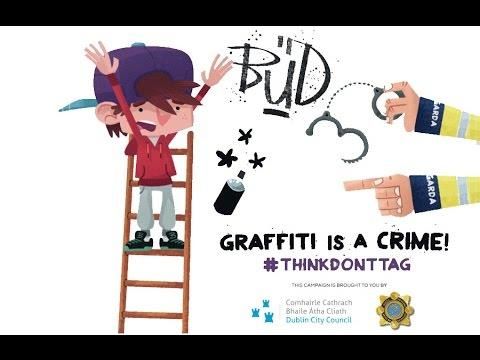
Draft Litter Management Plan 2020-2022

The chart below shows the wide variety of notifications and complaints received by Dublin City Councils
                Waste Management Services in 2018 and recorded on the CRM system

                         Litter Bin Maintenance
                                    7%

                                                  Abandonded Vehicles
                                                         6%

                                                                Bulky Waste
                                                                    6%
         Community Clean Ups
               12%                                                      Graffiti                       Dead Animal
                                                                          3%                               1%
                                                                          Bonfire materials
                                                                                 2%
                                                                            Litter Offence
                                                                                  1%
 Street Cleaning                                                           Abandoned bikes 1%
      18%                                                                                           Hazardous Waste
                                                                                   Other                  1%
                                                                                    2%

                                                                                                Electoral Poster Complaint

                                                                                                    Overflowing Skips

                                     Illegal Dumping                                                   Dog Fouling
                                            41%
                                                                                                     Dog Fouling Sign

                                                            6
Draft Litter Management Plan 2020-2022

Actions and Targets

A set of tangible actions and realistic targets for Resources were set for the 2016-2018 Litter
Management Plan. The implementation of the objectives set out in the plan were monitored and a
selection of the targets and their implementation are outlined below:

  Resources Objective From 2016-2018                      Status Update on Objective
       Litter Management Plan
 Develop a cleaning strategy for suburban        During the lifetime of the Plan, the Waste
 villages, including provision for               Management Department has undergone
 weekend/out of hour’s service schedule.         significant change incorporating the introduction
                                                 of new shift patterns. These have delivered on
                                                 the commitment to provide a regular seven day
                                                 cleaning and litter management service to all
                                                 areas, reflecting what is currently provided to
                                                 the City Centre area.
                                                 A move from route based cleaning to area based
                                                 cleaning has been undertaken and is currently
                                                 being refined further to ensure that resources
                                                 are allocated adequately across all of the
                                                 administrative areas.
                                                 North and Southside crews are now assigned
                                                 and scheduled cleaning / power washing of
                                                 areas prioritised in conjunction with Area Depts.
                                                 There is now in place a regular weekend service
                                                 to all urban villages.

 Introduce street sweeping request facility      Street Sweeping request facility is available in
 for City residents. Parking restrictions will   conjunction with local area offices and is in use
 be sought to be put in place in cooperation     successfully in a number of locations both on an
 with residents to facilitate this.              occasional and regular basis in cooperation with
                                                 local residents.

 Introduction of on line Bulky Waste             Online bulky waste collection service is in place
 Collection service. Request via Dublin City     and working successfully.
 Council website.
                                                 1132 service requests completed in 2017.
                                                 1620 service requests completed in 2018.

                                                  7
Draft Litter Management Plan 2020-2022
Implement Halloween Plan to combat Halloween Plan successfully implemented in
social and environmental consequences of 2016 2017 and 2018
Bonfires.
420 tonnes of material removed in 2016
450 tonnes of material removed in 2017
600 tonnes of material removed in 2018
Organise Christmas tree collection service. Christmas Tree Collection in place annually.
150 tonnes of trees collected in 2016/17
170 tonnes of trees collected in 2017/18
153 tonnes of trees collected in 2018/19
Increase the number of handcarts to 10 in Number of handcarts currently in use in the city
use in City Centre Streets (e.g. O’Connell centre is 11 and citywide 32
St., Grafton St. and Henry St.)
Updated bin survey, including bins in parks Bin surveying and mapping has been completed
to be completed. and the introduction of Quick response (QR)
code reporting for bins requiring servicing has
been introduced.
Note: Litter in parks is managed by the Parks
Department. These bins have not been included
in the roll out of QR code system.
Installation of additional litter bins/dog 110 Dog Fouling bins installed across city at
fouling bins in or in close proximity to every green spaces, park entrances and high footfall
enclosed Park within the City. dog walking locations as agreed with the Area
Offices. Standard litter bins are also in place at
many park entrances.
Use advertising space on litter bins for anti- Litter bin advertising space has been used for
littering messages. anti-littering and environmental messaging and
also for general public service messaging. This
will be enhanced during the lifetime of the
upcoming litter management plan
8Draft Litter Management Plan 2020-2022
Continue maintenance programme for An enhanced programme of maintenance is now
Bottle Banks. in place with closer coordination between the
Waste Management Department and service
providers.
All bottle and textile bank locations are now
included in Area Based cleaning schedules and
receive scheduled daily cleaning and deep
cleaning on an annual basis
9Draft Litter Management Plan 2020-2022
2.2 Partnership
Partnerships were a key focus of the 2016 to 2018 Litter Management plan. During the lifetime of the
plan Dublin City Council engaged with citizens through a variety of initiatives and communications
channels
Local Communities, Residents and Business Groups
The Waste Management Department continues to work in close partnership with local
communities and residents groups and Dublin City Council Area Departments to deliver
services and support local environmental initiatives. Community clean ups are supported
throughout the city on an ongoing basis. Dublin City Council also engages with businesses
to support corporate social responsibility (CSR) initiatives. There is ongoing support for
groups such as the Royal and Grand Canal volunteers, The Dodder Action Group, City
Kayaking, tidy towns groups, business associations and residents groups.
City Neighbourhoods Competition
The City Neighbourhoods competition is supported and promoted to reward active
communities for the invaluable contribution they make to their environment and locality.
The City Neighbourhoods is an area based competition and winners at local level are then
entered into a citywide competition in categories that provide for residents, schools and
businesses that are engaged in community, environmental and sustainability initiatives.
Over 400 entries were received in 2019
Pride Of Place
The national Pride of Place entries from Dublin City Council are coordinated and
supported through the Waste Management Department. The Pride of Place Awards are
community recognition awards, which acknowledge the work being done every day by
communities all over the island of Ireland. The competition is based on communities
demonstrating directly to the judges their pride in their place by oral presentation,
exhibitions of community activities and culture and a tour of the area highlighting the
aspects of which they are particularly proud. It is also important that the community
demonstrates real partnership with their local council and shows that all sectors of the
community are included.
Local Agenda 21
The Waste Management Department continues to promote Local Agenda 21 grant
funding to support workshops, educational activities and initiatives promoting
sustainability and environmental awareness.
10Draft Litter Management Plan 2020-2022
Green Schools
Dublin City Council supports and promotes the Green Schools programme in conjunction
with An Taisce with over 280 schools at primary and secondary level taking part in the
programme which promotes environmental awareness and sustainability. Dublin City
Council hosts an annual seminar targeted at teachers delivering the green schools
programme to provide up to date information on the various environmental modules
contained within the programme.
Media Campaigns
Dublin City Council ran a series of media campaigns throughout the lifetime of the 2016
to 2018 Litter Management Plan. The campaigns were run across radio, outdoor
advertising, cinema, digital and social media.
Choose to Reuse
Dublin City Council in partnership
with Fingal County Council and South
Dublin County Council ran a major
‘choose to reuse’ campaign in the
summer of 2018 to highlight the issue
of disposable coffee cups in the
Dublin Region.
The aim of the campaign was to raise
awareness among coffee drinkers in
the Dublin region that disposable
cups are having a detrimental impact
on the environment. Link to Campaign Video
Bin the Butt Campaign
Dublin City Council also ran a public
awareness campaign in 2018 entitled
'Bin the Butt' to raise awareness
about the ongoing issue of cigarette
litter in the city.
Cigarette butts account for nearly
60% of all the incidences of street
litter in Dublin city. The aim of the
City Council's campaign was to raise
awareness among smokers that
cigarette butts are litter and the
significance of cigarette litter in the city. Link to Campaign Video
11Draft Litter Management Plan 2020-2022
Think Don’t Tag Campaign
Dublin City Council launched the
'Graffiti is a Crime, Think Don’t Tag'
campaign in 2017. Dublin City
Council in partnership with An Garda
Síochána produced an animated
video and poster campaign to raise
awareness among children about
tagging and graffiti and how this
criminal activity can have serious
consequences for them in the future.
In 2018 Dublin City Council removed
17,000 m² of graffiti from public and
private property in the city. Link to Campaign Video
The Team Dublin Clean Up/Dublin Community
Clean Up Day
The Team Dublin Clean Up is now an
annual event for the city and is now
called the Dublin Community Clean Up
Day. It is run in partnership with the 4
Dublin Local Authorities, An Taisce,
Local Authorities Waters and
Community Office (LAWCO) and the
volunteer Canal and Waterways action
groups on the Royal and Grand Canals
and the river Dodder. The event is run to
coincide with National spring Clean,
In 2018 in Dublin City over 100 groups
took part in the event and over 1000
bags of litter were collected by the City
Council from groups working in
residential areas, carrying out beach
clean ups and clean ups of the canals
and river banks.
12Draft Litter Management Plan 2020-2022
Actions and Targets
Below is a summary outlining our performance against the objectives set out for Partnership in the
2016 - 2018 Litter Management Plan.
Objective From 2016-2018 Litter Status Update on Objective
Management Plan
Implement Team Dublin Clean-up on Team Dublin Clean Up event held in 2016, 2017 and
Saturday 26th March. 2018. Participation has increased annually.
The 2018 event was held in conjunction with Dodder
Action Day, the Canal Clean Up, Clean Coasts and
National Spring Clean.
100 groups took part in the event in 2018.
In 2019 the event was expanded and held in
conjunction with the 4 Dublin local authorities, An
Taisce, LAWCO and the canals action groups
Dublin City Council will facilitate Community Clean Up support is ongoing in conjunction
community clean-ups with Residents with Area Depts.
Associations and community groups.
1909 clean ups supported in 2017
3299 clean ups supported in 2018
Dublin City Council will continue to City Neighbourhoods Annual Awards takes place in
assist in the organisation and support September each year.
of the City Neighbourhoods Awards.
287 entries in 2017
298 entries in 2018
Continue to develop and roll out the 284 schools are taking part in the Green schools
Green Schools Programme to primary, Programme in Dublin City
post primary and third level 70 school visits are completed annually to assist in
institutions. developing and supporting the programme.
A Green Schools seminar is held annually to promote
programme to teachers.
Development of policy on responsible The Waste Management Department support the
dog ownership. Green Dog Walkers scheme which promotes
responsible dog ownership and the appropriate
disposal of dog fouling. The scheme is promoted at
relevant events and in communities and schools. The
provision of free dog bags has been extended to
additional DCC facilities including bring centres.
Introduce pre-programmed anti dog This system has been used at 4 locations including
fouling audio messages at dog fouling bring centre locations and dog walking areas.
blackspots and bring centres. Areas where the system can be used are limited due to
noise disturbance. Effectiveness appears to decrease
over time so usage will be considered for limited
timeframes at problematic locations.
13Draft Litter Management Plan 2020-2022
2.3 Enforcement
Enforcement activities were a key focus of the 2016 to 2018 Litter Management plan. Dublin City
Council has a statutory responsibility to enforce the Litter Pollution Act, bye-laws and other relevant
regulations. Dublin City Council recognises that while resources and education are required to manage
and prevent incidences of littering, enforcement measures are necessary to target individuals and
groups who choose to ignore the law.
Below is a summary outlining our performance against the objectives set out for Enforcement in the
previous plan.
CCTV
The use of CCTV has continued in community bring centres and areas where illegal
dumping is prevalent. This service is available citywide and the Waste Management
Department has recently awarded a contract for the provision of these services through
the public procurement process
Compliance Campaigns
Door to door compliance campaigns have been undertaken as have specific enforcement
activities surrounding compliance with waste and litter bye laws. These have been
targeted at distinct areas within the 5 administrative areas and have been operated in
conjunction with the Public Domain officers for each area. In excess of 3000 door to door
enquiries have been undertaken during the lifetime of the previous plan and are currently
ongoing.
A compliance campaign in relation to the provisions of the litter bye-laws was undertaken
to coincide with the cigarette litter awareness campaign in 2018. A substantial number of
enforcement actions were taken and compliance increased.
Behavioural surveys have been undertaken in specific areas, surveillance of dumping
blackspots has been undertaken.
Dog fouling patrols and illegal dumping investigations have also been ongoing over the
lifetime of the plan. Including high visibility patrols of popular dog walking areas in
conjunction with the dog warden service.
Litter enforcement patrols are undertaken at all major sporting events to ensure
compliance with the provisions of the litter prevention bye laws
Waste Bye Laws
The new Dublin City Council Waste Bye Laws adopted in 2019 provide for improving
enforcement of the requirement to take part in a waste collection service and a large scale
compliance enforcement campaign is being prepared for implementation.
14Draft Litter Management Plan 2020-2022
Projects
The Waste Management Department has been involved in both the Department of
Communications, Climate Action and Environment Anti-Dumping initiatives in 2017 and
2018 and also in 2018 the SMART Dublin/Enterprise Ireland Small Business Innovation
Research (SBIR) projects directed at targeting the issue of illegal dumping.
The Waste Management Department is currently examining the issue of waste and illegal
dumping as part of the Dublin City BETA city challenge initiative. Projects will be
developed to assess whether they provide for a better waste service and consequently
reduce levels of illegal dumping.
Actions and Targets
Implementation of the various objectives set out for Enforcement in the 2016 2018 Litter
Management Plan were monitored through a set of tangible actions and the achievements are set out
below:
Objective From 2016-2018 Litter Status Update on Objective
Management Plan
Dublin City Council will review the Reorganisation of the litter enforcement service is
Litter Wardens duties in order to underway
meet the requirements of the new
Litter Management Plan.
Continued use of CCTV surveillance CCTV continues to be used in community bring centres
and associated signage. and illegal dumping locations throughout the city to
detect, prevent and deter illegal dumping and littering
offences
Expansion of door to door Pilot projects in North Inner City, South East, South
enforcement campaigns across the Central Area, North West and North Central have been
city. completed.
Expansion of the use of this type of enforcement action
is planned using the provisions of the proposed new
Waste Bye Laws.
In conjunction with WEEE Ireland, RecycleIT carry out door to door collections in the
Dublin City Council will facilitate WEEE Dublin City area in cooperation with DCC.
collection days at specific locations
across the City.
Formulate and implement Citywide An enforcement policy has been formulated including
enforcement policy including the step by step approach to establishing compliance levels
establishment of a citywide and carrying out of enforcement.
enforcement team.
15Draft Litter Management Plan 2020-2022
Prepare submission on legislative Discussion document prepared on legislative issues
requirements to support relating to litter enforcement.
enforcement activities. Feedback on draft bye laws provided to Eastern
Midland Waste Region on formulation of new Waste -
By Laws
Draft Waste Bye Laws public consultation period
recently completed.
Bye Laws introduced
16Draft Litter Management Plan 2019-2021
3. Objectives for the 2019-2021 Litter Management Plan
RESOURCES: PARTNERSHIP: ENFORCEMENT:
Resources for street Engaging citizens Enforce the Litter
cleaning and litter and local business Acts and Bye Laws
management
The 2020- 2022 Litter Management Plan has been prepared in accordance with the requirements of
the Litter Pollution Act 1997 to 2009. The Plan has been developed in consultation with Dublin City
Council staff, elected representatives and with the citizens of Dublin who live and work in the city
through the statutory consultation process.
The plan is built on the three pillars of litter management in the City: Resources, Partnership and
Enforcement. Effective management of litter can be achieved when we make the best use of the
human resources, skills and knowledge from Dublin City Council, coupled with improvements in
service delivery, by working together with the public, residents and businesses who call Dublin home
and by taking enforcement action on those who do not respect our shared environment and illegally
dump waste materials, fail to clean up after their pets and incidentally litter the city.
The aims, objectives and actions for the management and prevention of litter are outlined for each
key area and are to be undertaken during the lifetime of the Litter Management Plan.
The overall aim is to improve the standard and consistency of cleanliness throughout the city for
residents, businesses and visitors over the lifetime of this plan. Successful initiatives, projects and
operational activities that have been implemented over the lifetime of previous litter management
plans will continue and improvements will be sought in all aspects of service delivery.
Objectives for the 2020 – 2022 Litter Management Plan 17Draft Litter Management Plan 2020-2022
3.1 Resources
In previous years, Dublin City Council implemented a number of technological innovations to improve
the efficiency of litter management and street cleansing. The Council intends to combine these
innovations with the most efficient deployment of existing and additional resources in order to keep
pace with the ever changing city.
Street Cleaning and Litter Bins
Dublin City Council will increase the number of handcarts in operation both in the city and the
main streets of villages ensuing operatives can maintain the previous standards of cleanliness
with the anticipated increase in footfall.
Dublin City Council has introduced and will maintain a programme of street grading to ensure
a high standard of street cleaning services is being delivered and to address any deficits in its
service delivery. The street grading programme is an ongoing measurement of day to day
performance of operational services
Every litter bin in the city is now ‛tagged’ with a unique
identifier (QR code) which feeds into an IT system.
Dublin City Council will launch a campaign to
demonstrate to the public that with a few clicks on a
smart phone they can report when a litter bin is
damaged or overflowing. This provides real-time data,
enabling cleaning operatives to issue a rapid response.
The stock of public litter bins in use will be maintained
and improved. High capacity units will be installed in
areas of need and a programme of bin replacement will
be undertaken to ensure the supply of public litter bins
is maintained in good condition. Upgrading of bins will
be ongoing in urban villages and additional bins will be
installed in areas of need.
Dublin City Council will continue the roll-out of solar-compactor bins where there is high
capacity requirement such as areas of high demand or with seasonal peak demand. These
units provide extra capacity when compared to standard litter bins, reducing the quantity of
collections required and are generally well-received within the community.
The management of the stock of public litter bins will be continued using the bin tagging
technology introduced in the 2016 – 2018 Litter Management Plan.
18Draft Litter Management Plan 2020-2022
Dublin City Council will continue to provide and extend its road sweeping services, allowing
streets to be thoroughly cleaned in the absence of parked cars. The service is available through
cooperation with residents and community groups and has been successfully implemented.
Dublin City Council will continue to provide and extend the successful Halloween Programme
to combat the social and environmental consequences of bonfires. A multi Departmental
approach to ensuring the maximum amount of material is diverted from potential bonfires
will continue to be implemented. Diversionary events will continue to be promoted to provide
alternatives to bonfires for communities to take part in and enjoy.
Graffiti and Chewing gum removal programmes will continue in the city with ongoing removal
of graffiti throughout the city and a scheduled programme of chewing gum removal in the
core city centre and other public spaces.
A pilot leaf composting programme will be introduced to investigate whether all leaves
collected by Dublin City Council during the autumnal leaf fall season may be diverted to
compost production and the compost produced made available to the public through bring
centres.
Dublin City Council will continue to identify and remove abandoned bicycles in the city and
divert the bicycles removed for repair and reuse
Recycling Infrastructure – Civic Amenity Sites, Bring Centres, Bottle and Textile Banks
Dublin City Council will extend the use of the QR Code system to all Bring Centres and bottle
bank locations throughout the City to provide for a simple method of customer interaction
and to ensure that the recycling infrastructure at the centres is maintained in good condition.
Dublin City Council will explore and trial the introduction of sensor technology to bottle and
textile banks to provide for real time information on servicing requirements.
Dublin City Council will seek to increase the supply of bottle and textile bank facilities in the
city and will engage with the public to identify potential new sites.
The Waste Management Department will seek to include the provision of recycling facilities
in all new residential and commercial developments as an objective of the Dublin City
Development Plan
Dublin City Council will trial the use of compartmentalised waste and recycling bins at selected
public spaces and areas, to encourage recycling at street level from members of the public. A
pilot programme is currently being developed in partnership with industry and NGO’s.
19Draft Litter Management Plan 2020-2022
Customer Relationship Management (CRM) System and the use of Technology
The CRM system will continue to play a pivotal role in highlighting litter ‛hotspots’, areas
where litter related complaints have been made and incidences of illegal dumping have been
reported and locations where illegal dumping or dog fouling is most prevalent, enabling Dublin
City Council to allocate cleaning and enforcement resources efficiently.
Dublin City Council will encourage and communicate with members of the public to provide
as much detail as possible when reporting an incident, including the exact location and where
possible, details of the type and amount of material when reporting .
Dublin City Council will endeavour to feed back to a member of the public who logs an incident
or complaint with the Council through the CRM system when the incident has been dealt with
appropriately and is closed off.
The data generated through the CRM will be used for greater statistical analysis and internal
reporting to assist the council in planning operations, recycling or enforcement initiatives.
Smart technology will be introduced where possible to increase efficiency and data capture in
the areas of street cleaning and enforcement
Dublin City Council will continue to promote it
services, initiatives and customer engagement
through its social media presence
@dubcityenviro commenced under the lifetime
of the previous litter management plan
Dublin City Council will continue to expand its
provision of Open Data through the data.gov.ie
portal in relation to as many of its waste,
recycling and litter services as possible to
facilitate research, business and community
initiatives.
A resource such as an interactive map showing cleaning schedules for the city will be made
available to the public through the dublincity.ie website.
20Draft Litter Management Plan 2020-2022
3.2 Partnership
Engagement with citizens and businesses residing within the City has proven successful in the past and
community buy-in is viewed as being paramount to maintaining a litter-free City. The City Council will
continue to foster engagement in these areas and work in partnership with all stakeholders to
promote, support and reward environmental best practice at local levels.
Communications
Internal and external communication has been identified as a key area of service delivery
improvement that will be undertaken over the lifetime of the plan
Dublin City Council will establish a ‛communications plan’ which will include the following components:
1. Strengthening of Internal and External Communications between Dublin City Council Departments
and external stakeholders to promote a coordinated approach to litter management in the City
2. Communications with the community, outlining exactly what litter management services and
support the council can provide.
3. Communications with businesses will be improved and built upon to provide information on
services, responsibilities, and compliance and improve engagement with Corporate Social
Responsibility initiatives to work in partnership with Dublin City Council in an effort to reduce litter
throughout the city.
4. Improve communications with members of the public using the CRM system. An email
communication should be sent to the customer or to a specific individual when their request or
complaint has been dealt with and closed off.
Education
Dublin City Council will continue to
engage with primary and secondary
schools through the Green Schools
programme and support schools
engaged in the green schools
programme through its annual green
schools seminar
Dublin City Council will introduce and
support pilot educational projects such
as the ‘Picker Pals’ programme recently
introduced to 10 primary schools in the
city in conjunction with Voice Ireland.
21Draft Litter Management Plan 2020-2022
Dublin City Council will also consider the use of incentive and reward schemes for children
and young adults who engage in anti-littering practices.
Community Clean Ups
Dublin City Council aims to expand on the success of the Team Dublin Clean up and Dublin
Community Clean Up Day and continue to promote, support and expand this annual initiative.
The Waste Management Department will engage with local community groups and tidy towns
groups to advertise Dublin City Council services such as street sweeping and leaf removal.
Dublin City Council will continue to provide support and resources for litter picks and
community clean ups such as bags, litter pickers, gloves etc.
Dublin City Council will deliver information and support to communities on best practice
environmental topics including resource management, climate change and tidy towns and city
neighbourhoods competitions through media, workshops, seminars and direct engagement.
Single Use Items
This is a highly publicised national issue. Dublin City Council will encourage its citizens through
education, to avoid the use of single use items (e.g. to use re-usable coffee cups and water
bottles) which will also reduce littering incidences across the city. This work was started with
the ‘Choose to Reuse’ campaign and will be further promoted through other campaigns and
initiatives through the lifetime of the plan.
Dublin City Council will engage with local businesses on the wider issue of the use of single
use items and recommend the use of sustainable alternatives such as wooden or compostable
cutlery and compostable or reusable cups.
Dublin City Council is committed to continuing the phasing-out of single-use items at all DCC
offices and facilities in line with the “Green Government” requirements from DCCAE.
Blue Spaces
Dublin City Council will work with the relevant internal and external stakeholders, along with
community organisations to support and facilitate clean-ups of waterways and beach clean-
ups in the City.
22Draft Litter Management Plan 2020-2022
Dublin City Council will continue to support and work with businesses around the docklands
to collect litter removed from the River Liffey and seek to form partnerships with other groups
engaged in similar initiatives.
3.3 Enforcement
Dublin City Council has a statutory responsibility to enforce the Litter Pollution Act, bye-laws and other
relevant regulations. While tactical deployment of resources and education of citizens of the city are
pertinent in preventing incidences of littering, there will always be individuals and groups who openly
ignore the law. Enforcement measures such as fines, prosecutions and convictions are necessary to
curtail the behaviour of citizens who choose not to abide by the law.
Enforcement
Dublin City Council will concentrate enforcement resources and campaigns to specific areas
where issues arise and/or are prevalent.
Dublin City Council will increase coordination with other enforcement bodies, particularly An
Garda Síochána in an effort to strengthen cases, leading to more successful convictions.
The Waste Management Department will continue to liaise with An Garda Síochána, Dublin
Fire Brigade and other stakeholders in the run up to Halloween to implement the successful
‛Halloween Programme’, with the aim of reducing the social and environmental consequences
associated with bonfires.
Dublin City Council will continue the use of surveillance and CCTV throughout the city, paying
particular attention to littering and illegal dumping blackspots.
Illegal Dumping
Dublin City Council will concentrate enforcement resources to specific areas where incidences
of illegal dumping are particularly prevalent.
CRM mapping will be used to identify and target specific locations or areas for enformcent
and complaince campaigns and initiatives.
Dublin City Council will continue to run media campaigns, with a view discouraging this type
of behaviour and prompting citizens to report incidences of illegal dumping to the council
through a dedicated hotline. Included in the media campaign will be a reminder that all
households must have a waste collection provider in place to collect their waste.
23Draft Litter Management Plan 2020-2022
Dublin City Council will continue to capture data relating to the weight of illegally dumped
material in the city for reporting purposes and to provide more detailed information on
dumping ‛blackspots’.
Dublin City Council will continue the use of CCTV and other surveillance methods in illegal
dumping blackspots to act as a deterrent.
Management of Domestic Waste
Dublin City Council will trial the implementation of a strategy to address ongoing waste
management issues that are prevalent in certain multi-occupancy buildings. A multi - agency
approach will be pursued to address these issues.
Dublin City Council will continue to examine the issue of waste management generally and
trial interventions to promote better outcomes and reductions in waste dumping and litter
through the Dublin City Beta city challenge initiative.
Dublin City Council will implement a large scale compliance campaign concentrating on the
enforcement of the bye law requirement to use authorised waste collectors.
Dog Fouling
Dublin City Council will develop a clear
strategy demonstrating the fact that any
type of litter bin can be used for the disposal
of bagged dog litter.
Dublin City Council will use various social
media channels such as Twitter and
Facebook and traditional media for
targeting educational campaigns around
dog fouling, the correct use of bins and
fines.
Dublin City Council will also launch
blitz/enforcement campaigns in targeted
areas for a defined period of time.
24Draft Litter Management Plan 2020-2022
4. Monitoring and Implementation of the 2019-2021 Litter Management
Plan
4.1 Implementation Plan
Implementation of the various objectives of the plan will be monitored through a set of tangible
actions and realistic targets as follows.
Objective Measurement Timeframe
Resources
1. Advertise and extend on demand No. of requests received per Q3-Q4, 2020
street cleaning service to facilitate year and actioned
cleaning in cooperation with residents
groups arranging for removal of
parked cars
2. Extend QR Code customer service Achieved/Not Achieved Q4, 2020
system to all Dublin City Council Bottle
and Textile Bank sites
3. Trial use of sensor technology in Bottle Trial Completed Q4 2020
/ Textile banks
4. Ongoing bin replacement and upgrade 50-100 2020 - 2022
programme
5. Trial the use of compartmentalised Achieved Q2 2020
waste and recycling bins at selected Quantity of recyclables
public spaces. recovered
% of contamination
6. Introduce a composting programme to Programme introduced 2020 - 2022
investigate potential to ensure all Compost produced
leaves collected are used to produce Compost available to Public
compost to be made available to the
public at bring centres
25Draft Litter Management Plan 2020-2022
7. Introduce and manage an online Resource introduced and Q3 2020
resource to provide information on managed
street cleaning schedules
8. Continue to provide graffiti and Service provided 2020 - 2022
chewing gum removal services Quantity of removal
undertaken annually
9. Seek to include in the Dublin City Submission drafted and 2020 - 2022
Development Plan a requirement for submitted
all new residential and commercial
developments to include appropriate
space for provision of recycling
infrastructure
10. Carry out public consultation to seek Consultation carried out Q4 2021
additional locations for recycling Locations identified and
infrastructure in the city assessed
11. Continue to provide and enhance Number of datasets 2020 - 2022
Open Data on waste management provided and maintained
services
26Draft Litter Management Plan 2020-2022
Partnership
12. Develop and implement a Plan Created and Q4, 2020
‛communications plan’ as set out implemented
within the plan at pg18
13. Seek to foster greater engagement Information on litter 2020 - 2022
with the community on topics of management services
environmental. offered by DCC shared on
social media
No of Workshops held
Number of groups engaged
with City Neighbourhoods
Competition
14. Investigate trial of incentivised reward Report produced and trail Q3 2021
schemes for recycling / anti-litter undertaken
initiatives
15. Strengthen Internal communication No. of initiatives involving 2020 - 2022
between departments. collaboration with multiple
departments
16. Continue to develop and roll out the No. of Schools Visited 2020 - 2022
Green Schools Programme to primary No. of Green Schools
and post primary schools.
17. Continue to develop and roll out the No. of Schools Visited 2020 - 2022
Green Schools Programme to post No. of Green Schools
primary schools
18. Continue to expand success of Dublin No. of Volunteers 2020 - 2022
Community Clean Up Day Tonnage of litter collected
annually
19. Facilitate Community Clean-Ups with No. of Clean-Ups held 2020 - 2022
Residents Associations and community Amount of resources
groups. distributed (bags, litter picks
etc.
27Draft Litter Management Plan 2020-2022
20. Create awareness campaign to Achieved/Not Achieved Q4, 2020
encourage citizens to reduce use of
single use plastics.
21. Develop and implement initiative No. of businesses engaged Q2 2021
targeting to local businesses to replace
single use plastics with sustainable
alternatives.
22. Phase out single use Plastics at all Achieved/Not Achieved Q1, 2021
Dublin City Council offices and
facilities.
23. Develop clear, unambiguous strategy Achieved/Not Achieved Q2, 2020
informing the public that bagged dog
litter can be disposed in any litter bin
24. Continue to run advertising campaigns No. of campaigns rolled out 2020 - 2022
on litter, dog fouling and illegal
dumping.
25. Collaboration with all relevant No. of river clean-ups 2020 - 2022
stakeholders to carry out clean-ups of No of Canal clean ups
waterbodies in the city’s jurisdiction. No. of beach clean-ups
26. Collaboration with businesses Tonnage of material 2020 - 2022
surrounding the docklands to collect collected annually
litter removed from the River Liffey.
28Draft Litter Management Plan 2020-2022
Enforcement
27. Concentration of resources on areas No. of locations targeted 2020 - 2022
where litter incidences are particularly No. of fines secured
prevalent. No. of prosecutions
28. Coordination with other enforcement Evidence of collaboration 2020 - 2022
bodies, particularly An Garda Successful prosecutions as a
Síochána. result of collaboration
29. Continue successful Halloween Tonnage of material 2020 - 2022
Response Actions. removed
30. Continue the use of CCTV surveillance No. of locations CCTV 2020 - 2022
and associated signage. installed
No. of fines secured
No. of prosecutions
31. Investigate households who are not No. of households visited Q3 2020
serviced by a registered waste % compliant
provider. % increase in compliance
32. Complete Reorganisation of Litter Service Reorganised Q2, 2020
Warden Service
33. Devise and implement a strategy No. of Multi-occupancy Q4, 2020
engaging with tenants of multi- buildings visited.
occupancy buildings to ensure No. of actions taken
compliance with waste and littering
laws. % increase in compliance
29Draft Litter Management Plan 2020-2022
4.2 Key Performance Indicators
In addition to the actions and metrics specific to the 2020 - 2022 Litter Management Plan, general
statistics on litter management and CRM data will be collected and collated for measuring the
success of the plan. This data will include, but is not limited to, the following Key Performance
Indicators (KPIs):
Number of litter patrols undertaken per year
Number of litter pollution / bye law enforcement actions issued per year
Performance in EPA Environmental Enforcement Assessment
All relevant litter and waste CRM data for the period of the plan
Performance in annual IBAL monitoring results
Performance in annual NLPMS litter survey
Results of Street Grading Programme
4.3 Review and Reporting
The actions outlined in the implementation plan shall be reviewed against the metrics and
timeframe targets. A progress report will be prepared on an annual basis with status and findings
for presentation to the Strategic Policy Committee
30You can also read


