Liverpool City Region Year One Climate Action Plan 2021/22 - Liverpool City Region ...
←
→
Page content transcription
If your browser does not render page correctly, please read the page content below
Liverpool City Region Year One Climate Action Plan 2021/22
Contents
Foreword                                   03
Introduction and Background                06   Liverpool City Region Combined Authority would
Themes for Action                          11   like to thank all the members of the Climate
                                                Partnership for their support and commitment in
UK Climate Assembly                        15
                                                developing our response to the Climate
Liverpool City Region. Where are we now?   18   Emergency.
LCR Climate Action Plan for 2021/22        24
Next Steps                                 43

Year One Climate Action Plan                                                                      2
Foreword
The challenges that have faced the Liverpool City Region over the last year have        The Climate Partnership’s role is to support the creation of a Climate Action
prompted reflections on the future of our region. The COVID pandemic has                Plan, helping to mitigate the Climate and Ecological Emergency and reach net
highlighted inequalities both economic and social, showing the ongoing need to          zero carbon by 2040. In order to catalyse rapid action, the Climate Partnership
level up our communities. It has shown how, in the face of an imminent crisis, we       has overseen the preparation of this Year One Climate Action Plan. We have
have the ability and the determination to work together to reach demanding              seen that to successfully address a crisis, we must take rapid and concerted
goals. Our communities have also shown that they have the compassion and the            action. This plan is just the start of a journey that will shape the future of the
willingness to work together to help each other through difficult times. We have        Liverpool City Region and enable all our communities to Grow Forward
also realised the value of what we have in our City Region – the parks, rivers,         Greener.
canals and coast, the open spaces and green and blue places have been a source
of comfort and liberty for many of us.
                                                                                        Gideon Ben-Tovim OBE                      Councillor Gill Wood
The Climate Partnership recognises that climate change is the biggest challenge
we face not just as a city region but as a society. The hugely successful Year of the   Chair: Climate Partnership                Vice-Chair: Climate Partnership
Environment 2019 programme showed the appetite of our community to take                 Chair: Nature Connected                   LCR Deputy Portfolio holder:
action – with more than 580 events and activities engaging thousands of people.                                                   Low Carbon and Renewable
At the Year of the Environment Summit in November 2019, Metro Mayor Steve                                                         Energy
Rotheram announced the creation of a Climate Partnership to shape and direct
Liverpool City Region Combined Authority work in taking forward this agenda.

Year One Climate Action Plan                                                                                                                                                 3
Our vision is for a globally competitive, environmentally responsible and socially      These projects show our commitment to addressing the climate and ecological
inclusive economy. As we emerge from the COVID pandemic, there can be no                emergency, but they are only the start and there is much more work to do. The
return to business as usual or the old way of doing things.                             Liverpool City Region Combined Authority and the Climate Partnership have
                                                                                        committed to taking a strategic leadership role. We will convene, co-ordinate and
Often the people who are most vulnerable to the impacts of climate and ecological
                                                                                        support actions being taken by all our partners and citizens, across all 6 Local
breakdown are those who have contributed least to the human causes of the
                                                                                        Authority areas that make up our City Region. We know that we can achieve
emergency. We need to put fairness, equality and inclusion at the heart of the
                                                                                        greater, faster progress and a fair transition by working in collaboration. We hope
Liverpool City Region’s response to climate change.
                                                                                        that you will join us in committing to action to achieve a greener future together.
We have already started delivering innovative, low carbon projects that will enable
our sustainable future, including: hydrogen and electrically fuelled public transport
options, renewable energy projects such as Mersey Tidal power - and housing             Steve Rotheram                            Councillor Rob Polhill
energy efficiency improvements across the city region.
                                                                                        Metro Mayor                               LCR Portfolio holder:
                                                                                        Liverpool City Region                     Low Carbon and
                                                                                                                                  Renewable Energy

Year One Climate Action Plan                                                                                                                                             4
5
Introduction and Background
The purpose of the Year One Climate Action Plan is to create a clear framework        It is recognised that many of the actions that must be taken to avoid the
that will set the foundation for actions to achieve the City Region climate and       climate emergency are for individual people making choices in their life and
sustainability goals.                                                                 work. Nevertheless, these choices will be helped and enabled by strategic
                                                                                      intervention at the City Region scale, particularly in terms of infrastructure
A Climate Emergency was declared by the Liverpool City Region (LCR) Combined          such as transport, waste, land use, energy and heat.
Authority (CA) in June 2019, pledging the LCR to become net zero carbon by 2040.
In July 2019 the Government committed to achieve this target across the UK by         Since declaring a Climate Emergency in 2019, the Combined Authority,
2050. The scale and pace of action required to achieve these ambitious targets is     Merseytravel as the CA’s transport delivery arm, and its partners have made
not underestimated, however the recent COVID pandemic has shown how                   great strides towards achieving our net zero carbon goal. A number of pivotal
effective rapid and concerted action can be. It was determined by the CA that a       policies and strategies have been published, following the lead of the LCR
Climate Action Plan should be proposed that would set out a strategy for the LCR      Local Industrial Strategy which sets out a vision for the LCR as a globally
to achieve net zero carbon by 2040.                                                   competitive, environmentally responsible and socially inclusive city region. The
                                                                                      recent Housing Statement, Housing Investment Strategy, and air quality action
In 2020 a LCR Climate Partnership was established and is determined to catalyse       plan all follow this ambitious vision.
rapid actions to make significant progress against the 2040 target. There is a need
to balance the urgency of action against the desire to enable all members of the
community to participate in development of the 2040 plan.

Year One Climate Action Plan                                                                                                                                             6
Further actions have included:                                                              Background information:
•     Introducing new electric buses to improve air quality and reduce carbon;
•     Investing £1.26m in low carbon solutions in LCR colleges and the City of Liverpool,   •   LOCAL INDUSTRIAL STRATEGY: vision for transforming together, 2020
      saving over 300tCO2 through the Local Growth Fund ending in March 2021;                   | Liverpool City Region Combined Authority (liverpoolcityregion-
•     Investing in the Transforming Cities programme and other priorities such as the           ca.gov.uk)
      Sustainable Transport Enhancement Package (STEP) and City Centre Connectivity         •   Local Authorities and the Sixth Carbon Budget – Climate Change
      initiative that promote public transport and active travel.                               Committee (theccc.org.uk)
                                                                                            •   Towards a Green Future for Liverpool City Region – Heseltine Institute
Further initiatives are now starting to roll out, including improvements to cycling and         for Public Policy, Practise and Place - University of Liverpool
walking infrastructure, new more efficient electric trains, hydrogen buses, progress on         (Liverpool.ac.uk).
the Mersey Tidal project, funding 58 environmental projects in the LCR through the          •   Friends of the Earth: Climate Action Plan for Liverpool City Region, 2019
CA’s £500k Community Environment Fund, and funding 10 environmental projects                    (takeclimateaction.uk)
through the CA’s Future Innovation Fund.

The Year One Climate Action Plan will make sure that opportunities for early
intervention are not missed, enabling early achievements in the City Region to be
captured without detracting from the important goals that must form part of the
longer-term net zero carbon 2040 action plan.

Year One Climate Action Plan                                                                                                                                                7
Climate Action Plan Principles                                                      2040 Climate Action Plan Guiding Principles

The Climate Partnership has proposed a set of guiding principles that will          The CA will:
apply to both the Year One and longer-term Climate Action Plans,                    •    achieve shared prosperity whilst reducing consumption of energy and
recognising that the people who are most vulnerable to the impacts of                    resources.
climate and ecological breakdown are often those who are least likely to
                                                                                    •    ensure the resilience of places and citizens to climate change.
have contributed to the human causes of the emergency. These principles
ensure that the climate action plan will be driven by climate justice at a local,   •    use our geographic location and our industrial and maritime legacies to
national and global scale, putting fairness, equality and inclusion at the heart         create a new future.
of the City Region’s response.                                                      •    change our economy without leaving anyone behind.
                                                                                    •    lead and be brave to be at the forefront of change.

Year One Climate Action Plan                                                                                                                                       8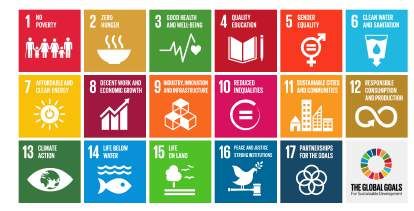
Climate Partnership Guiding Principles

•     Recognise the urgency of the climate and ecological emergency and the need       •   Be transparent and understandable – setting out the basis behind each
      for rapid transformative action.                                                     action point, why it is important and what will be crucial to successful
                                                                                           achievement.
•     Set out the scale of the challenge – where do we need to be on the net zero
      pathway by 2030? What must our priorities be to get to that point? How will      •   Reflect the interconnected nature of climate actions – aiming to
      we measure our progress?                                                             promote understanding of the complex interconnections that exist
•     Set out regular and clear ‘check-in’ points, so that everyone can understand         between different priorities and seeking to achieve a sustainable way
      what progress we are making as a City Region.                                        forward.

•     Adopt a robust, evidence-led approach, building on the strengths of the City     •   Be collaborative in nature, allowing all parts of the community to have
      Region’s academic community to set challenging but achievable goals.                 an input into the development process and fostering a sense of
                                                                                           ownership in the plan.
•     Build in flexibility – so that we can include innovative new technologies, the
      latest scientific thinking and respond to new opportunities as they arise.       •   Contribute to an environmentally beneficial post-COVID recovery
•     Plan for the change to climate and weather patterns that is already                  across the Liverpool City Region.
      inevitable – protecting our most vulnerable residents and businesses from        •   Seek alignment with the Climate Emergency plans of the 6 Local
      harmful impacts.                                                                     Authorities within the Liverpool City Region, whilst respecting their
•     Address issues of inequality and fairness, so that everyone in Liverpool City        unique characteristics and priorities.
      Region benefits from the cleaner, greener future that we are building.
                                                                                       •   Ensure integration with various Combined Authority strategies policies
•     Include actions in multiple spheres of influence, ranging from actions that          and groups, for example; Industrial Strategy, Air Quality Commission,
      we can take ourselves, to the influence we can have on decisions taken by            Transport, Waste, Housing and Energy Strategies, Spatial Development
      others.                                                                              Strategy, Fairness and Social Justice Advisory Board.

Year One Climate Action Plan                                                                                                                                          9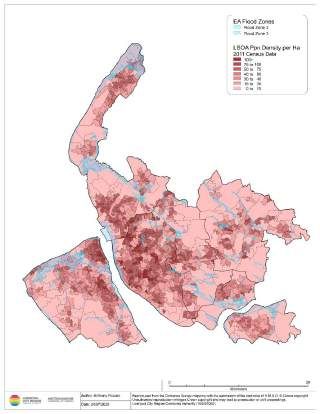
Themes for Action

Nine themes to structure the action plans have been adopted, encompassing the
breadth of environmental concerns across the City Region. The themes are
aligned to the United Nations Sustainable Development Goals (SDG) to enable
reporting against this internationally recognised framework.

Whilst the LCR commitment is to achieve net zero carbon by 2040, the climate
and ecological emergency demands more than just carbon reduction. In reducing
our dependence on fossil fuels we must also seek to address wider environmental
and societal impacts to achieve the best possible future for LCR residents.

The nine themes used to structure the action plan responds to local priorities and
goals and enables clustering of LCR activities whilst fitting within the robust SDG
framework.

Year One Climate Action Plan                                                          11
Climate Change
                                                  and Resilience                                             Climate Action Themes

                                                                                                             Climate Change and Resilience – Combating the effects of climate and
                                                                                                             weather changes that are already built in and will impact our region
               Food and                                                              Air Quality             Air Quality and Transport – Achieve zero carbon mobility with an emphasis on
              Agriculture                                                           and Transport
                                                                                                             active travel and low polluting modes
                                                                                                             Water – Managing our water resources and water infrastructure
                                                                                                             Accessible Green Spaces, Habitats and Biodiversity – Improve LCR's green and
                                                                                                             blue spaces to be thriving biodiverse areas and increase accessibility to
                                             Poverty       Gender                                            existing and new spaces
Sustainable                                                and Racial                          Water
  Energy                                                   Equality                                          Waste and Resources – Reduce the impact that resource consumption and
                                                                                                             end-of-life disposal has both within the City Region and globally, including
                                                                                                             purchasing choices
                                            Reduced        Peace and                                         Health and Wellbeing – Make sure that actions to improve climate are aligned
                                         Inequalities      Justice
                                                                                                             with actions needed to improve the collective health and wellbeing of our
                                                                                                             residents

   Carbon and                                                                             Accessible Green
                                                                                                             Carbon and Environmental Literacy – Providing information, training and
  Environment                                                                             Spaces, Habitats   support to those who want to develop their knowledge to take action
     literacy                                                                             and Biodiversity
                                                                                                             Sustainable Energy – Implement zero carbon energy generation and supply as
                                                                                                             well as reducing the demand for energy in homes, commercial buildings and
                                                                                                             industry
                                                                                                             Food and Agriculture – Take action to support low impact agricultural and
                                                                                                             food production in the LCR including local food growing initiatives
                                Health and                              Waste and
                                Wellbeing                               Resources

          Year One Climate Action Plan                                                                                                                                                      12
Overarching Actions The nine themes provide a basis for collaborative discussion. Whilst they provide a useful framework to articulate action this doesn’t mean that all actions need to fit neatly within these themes. Our aim is to create a ‘climate in all policies’ approach and therefore a number of actions will cut across all themes and areas of the Combined Authority’s work. The framework also includes a vital central section which encompasses themes of poverty, gender and racial equality, reduced inequalities, and peace and justice. The inclusion of these themes at the centre of the framework is intentional, to demonstrate the need for all policies, strategies and actions to address them as a matter of course. Year One Climate Action Plan 13
14
UK Climate Assembly
Following the ground-breaking declaration of a climate emergency by the UK           Recommendations made by the Climate Assembly have been taken into
Government in 2019, it was recognised that any combination of policy actions to      account in this action plan and will be used to structure a conversation with LCR
achieve net zero carbon was going to impact on every person in the UK. It was        citizens as the 2040 action plan is formed. For those who wish to discover more
imperative that people in the UK had their say on the best policy actions to take.   about the Assembly and read the outcomes and recommendations in full, see
Six parliamentary select committees worked together to set up a truly democratic     the Climate Assembly website: Climate Assembly UK (climateassembly.uk)
UK citizens’ assembly on climate change. The UK Climate Assembly included
representatives from all walks of life and a wide range of opinions, ages and
ethnicities to ensure that all voices were represented fairly.

The recommendations made by the Climate Assembly are not binding
on government and they do not provide answers to all of the questions
we might have. Nevertheless this is an incredibly valuable, opinion-based
consensus that provides us with robust and considered opportunities
for change.

Year One Climate Action Plan                                                                                                                                             15
UK Climate Assembly Recommendations

•    Informing and educating everyone (including the public, industry,           •   Enhancing the storage of carbon in the soil.
     individuals and government) was the highest rated principle agreed by       •   Taxes and incentives for reducing food waste (in land use restoring
     the Climate Assembly. This reflects their views that it is imperative for       natural environments).
     everyone to understand the need and justification for action, which will    •   Recommendations were particularly made for the need for knowledge
     help them make changes in their own lives.                                      about personal choices people can make on food, purchasing and waste
•    Ban on sale of new fossil fuel cars.                                            reduction.
•    Reduction in the amount we use cars.                                        •   Providing support to farmers including information and education to
•    Improved public transport.                                                      achieve a ‘managed diversity’ of land use that better absorbs and stores
                                                                                     carbon.
•    Government should tackle water waste and prioritise water conservation.
                                                                                 •   Encourage sustainable local food production and raise awareness of the
•    Information and skills training for people who manage the land to
                                                                                     impact of purchase choices.
     encourage biodiverse and low carbon practices.
                                                                                 •   Planning policy changes to allow space for nature and local low carbon
•    Restoring natural environments.
                                                                                     food production.
•    Increasing forest cover and better forest management.
                                                                                 •   Strong recommendations for local authorities to be involved in setting
•    Restoring and managing peatlands and wetlands.                                  strategies for zero carbon buildings that are appropriate their local area.

Year One Climate Action Plan                                                                                                                                       16
© Steve Samosa
17Liverpool City Region
Where are we now? Emissions in the LCR by Sector 2005 to 2018 (kt CO2)
12000
It is important to understand the Liverpool City Region’s current situation to be
10000
able to understand the issues and where we need to focus interventions. These
indicators will be monitored in future years to evaluate our collective action. All
8000
data is the latest available at the time of writing unless stated otherwise.
6000
In 2018, LCR produced almost 7,000 kilotonnes (kt) CO2; a reduction of
approximately 4,500kt CO2 (40%) since 2005. The sectoral split shows that carbon 4000
emissions have fallen in the industrial and commercial and domestic sectors, but
have remained static in the transport sector. 2000
0
2005
2006
2007
2008
2009
2010
2011
2012
2013
2014
2015
2016
2017
2018
Industry and Commercial Domestic Transport LULUCF*
*Net emissions for Land Use, Land Use Change and Forestry
Year One Climate Action Plan 18Per capita emissions average 4.5 tonnes per annum across the LCR area; lower There are various pathways that the LCR could take to reach the net zero carbon
than the England or North West average, although there is considerable variation target, depending on the technologies available and the preferred local route to
between local authority areas. The reason for this can be seen in the sectoral split decarbonisation. The preferred pathway will also depend on actions and policy
for each local authority, with industrial and commercial emissions higher in interventions that national government enact. Setting interim targets in line with
Liverpool, Sefton and St Helens. the LCR carbon budget will be helpful in planning a carbon reduction trajectory and
to ensure that progress can be monitored over time, to achieve the carbon budget
that would align LCR with the Paris Agreement “well below 2°C and pursuing 1.5°C”
global temperature: Tyndall Centre Setting Climate Commitments for Liverpool City
Emissions in each LCR District and Sector in 2018 (kt CO2)
Region, Local and Regional Implications of the United Nations Paris Agreement on
Climate Change (manchester.ac.uk)
Wirral
St Helens
Sefton
Liverpool
Knowsley
Halton
0 500 1000 1500 2000
Industry and Commercial Domestic Transport LULUCF*
*Net emissions for Land Use, Land Use Change and Forestry
Year One Climate Action Plan 19Energy Flooding
28%
LCR CO2 41%
Emissions by
Fuel 2015 Electricity
Gas
Petroleum
31%
Housing
Energy Performance Certificate Ratings in each LCR District 2019 (% of Properties)
100%
80%
60%
40%
A-C
20%
D-G
0%
Halton Knowsley Liverpool Sefton St Helens Wirral LCR
Average
Year One Climate Action Plan 20Transport Air Quality
Vehicle Miles in the LCR (million)
7000
6000 Cars and taxis Air Quality
Management
Areas
5000
All motor vehicles
4000
2016 2017 2018 2019
Modal Share (indexed to baseline year 2013/14 = 100)
Walking
130 Cycling
Bus
110
Rail
90 Private vehicles
Taxis
70
2013/14 2014/15 2016/17 2018/19 2013/14 baseline
2018/19 locations: Bootle, St Helens, Liverpool & Widnes.
2019/20 figures have not been included as COVID-19 travel restrictions were imposed and only 2
of the 5 surveys were completed.
Year One Climate Action Plan 21Land Use Urban buildings and infrastructure Data Sources
5% 1% Urban habitats
• Emissions in the LCR by Sector and Emissions in Each District and
23% Sector: UK local authority and regional carbon dioxide emissions national
16% Arable land
statistics: 2005 to 2018 - GOV.UK (www.gov.uk)
LCR Natural
Grassland areas • Energy: Liverpool City Region Energy Strategy
5% Capital 2020
Woodland • Flooding Map: Liverpool City Region Combined Authority
7% • Vehicle Miles in the LCR: Road traffic statistics – Local authorities across
28%
Intertidal and coastal fringe Great Britain (dft.gov.uk)
15% • Modal Share: Modal Share Report, MOTT MacDonald
Blue habitat
• Housing: Domestic Energy Map (domesticenergymap.uk)
Other • Air Quality Map: Liverpool City Region Combined Authority
• Land Use: Baseline Natural Capital Assessment for the Liverpool City
Waste Region, Liverpool John Moores University pdf (liverpoocityregion-
ca.gov.uk)
4% • LCR Household Waste Treatment: Waste Data Flow, Merseyside
23% Recycling and Waste Authority data for Merseyside and Halton
Recycled
LCR Household Composted
Waste
Treatment
2019-20 Energy recovery
15%
58%
Landfill
Year One Climate Action Plan 22LCR Climate Action Plan for 2021/22
The actions in this Year One Action Plan lay the foundation of our collective
Accessible Green Spaces, Habitats and Biodiversity
work to reach net zero carbon by 2040; it highlights significant activity that
starts, continues to be implemented or will be completed in 2021/22.
Many of the actions cross multiple Climate Action Themes; the icons highlight Waste and Resources
the main themes of that action, they are:
Health and Wellbeing
Climate Change and Resilience
Carbon and Environmental Literacy
Air Quality and Transport
Sustainable Energy
Water
Food and Agriculture
Year One Climate Action Plan 24Overarching Actions
Reference Action
Deliver a net zero carbon 2040 action plan following engagement across the Liverpool City Region, setting in place a pathway to 2040 and interim targets
OA1
Create and deliver an approach to COP26 global climate change summit in November 2021 that engages business, industry, third sector and citizens of all ages
OA2 across LCR
Create and implement a single framework for the CA whereby social and environmental values are embedded into the assessment of
OA3
policy decisions
Create a mechanism to make sure conditions in line with the 2040 net zero commitment are attached for organisations seeking financial or other support from
OA4
the CA
OA5 Set up a dashboard where progress and achievement of actions can be reported in a transparent and accessible manner
Work with policy leads from all 6 local authorities to align our visions and strategies behind climate action, including dashboard monitoring
OA6
of progress
OA7 Seek opportunities for private funding and lobby government for green public works project investments and leadership
Year One Climate Action Plan 25Reference Action
Develop a pipeline of climate-aligned projects in collaboration with partners that can be brought forward for rapid implementation when funding opportunities
OA8
arise
OA9 Complete next phase of work on the Spatial Development Strategy consultation and draft document which will underpin the future development of the LCR
OA10 58 environmental projects taking place across the LCR in 2021, funded through the Community Environment Fund and across all themes
OA11 10 projects with an environmental focus to complete in 2021, funded through the Future Innovation Fund
Develop a clear understanding of the future green jobs and skills requirements, including a refresh of the Low Carbon Skills for Growth
OA12 Action Plan
Work with colleges, local authorities, independent training providers, universities and the voluntary/community sector to develop locally responsive green
OA13
skills provision
OA14
Work with business partners including the LEP and Growth Platform to understand what support businesses require to take action on the climate agenda,
setting out a strategy with clear responsibilities
Year One Climate Action Plan 26Policy and Action Planning
Reference Action Theme
Complete modelling of LCR carbon descent pathways aligned to the Paris Agreement for
PA1
publication as part of the LCR 2040 Climate Action Plan
The LCR Combined Authority will introduce climate and carbon impact reporting in
PA2
decision making and committee reports
Climate Action Planning is to continue in LCR Local Authorities, for example;
PA3
• CA will write a new Carbon Action Plan to manage and reduce its organisational
carbon emissions from 2020/21 to 2025/26 against a 2019/20 baseline
• Halton Borough Council will develop a Climate Change Action Plan to meet the
objective of the recent Climate Emergency motion approved by the Council
• Knowsley Council will develop a Borough-wide Climate Emergency Action Plan
• Liverpool City Council will complete the detailed review of actions required to deliver
net zero carbon 2030, working with City Plan partners and city stakeholders to agree a
collective approach to delivery
• Wirral Council will introduce a council carbon budget aligned with the corporate
target of net-zero by 2030
Year One Climate Action Plan 27Reference Action Theme
Recognising the importance of the visitor economy to the City Region, participate with
PA4 partners to setup a network to determine a pathway for reducing climate impacts in these
sectors
Continue to engage with all central Government departments to reinforce LCR's
PA5 commitment to achieving a net zero carbon goal, particularly in the period leading to
COP26 in November 2021
Year One Climate Action Plan 28Climate Change and Resilience
Reference Action Theme
Complete an investigation on the resilience of critical infrastructure of the Liverpool City
RES1
Region, identifying principles and actions to address risk
Ensure that resilience risk is embedded in all infrastructure investment risk assessments to
RES2
assist informed decision making
In partnership with LCR stakeholders and agencies, scope out and undertake a climate risk
RES3
and resilience stock take across relevant plans and programmes
Work with partners to bid for funding to implement flood resilience projects across the
RES4 LCR, particularly in areas affecting residential properties and businesses, focussing on
nature-based solutions
Work with partners to identify opportunities for nature based solutions to increase
RES5
resilience across LCR, creating multiple benefits and alleviating flood risk
Year One Climate Action Plan 29Air Quality
Reference Action Theme
Work closely with local authorities whose area experiences particularly poor air quality to
AQ1 support their work, secure common approaches and learn lessons from each other
Map the resources and expertise on air quality across the public sector in the Liverpool
AQ2 City Region so that we can better support each other
Identify and map areas where increased green space and planting will improve air quality
AQ3 and develop a plan to deliver improvements
Set out and publish a plan to improve data on air quality to help prioritisation and decision
AQ4
making
Liverpool City Council will complete the outline business case for Liverpool Clean Air Plan
AQ5
(LCAP), including for the consideration of a charging city centre Clean Air Zone
Sefton MBC will roll out their Clean Air Crew educational resources on air quality across the
AQ6 LCR funded through the Community Environment Fund
With partners Liverpool John Moores University, continue and complete roll out of real
AQ7 time data collection to inform air quality and active travel policy and action
Year One Climate Action Plan 30Active Travel
Reference Action Theme
Continued delivery of the £16m European project Sustainable Urban Development (SUD),
AT1 delivering 52.8km of cycle lanes and 49ha of habitat improvements, match funded from
STEP and Transforming Cities Fund
Implement the Local Walking and Cycling Infrastructure Plan Phase 2, delivering 19.4km of
AT2 continuous cycle route in Halton and to start the route on the Wirral
Complete Liverpool City Centre Connectivity 1, the scheme will improve 2.5km of
AT3 pathways, 0.5km of cycle route, manage traffic in Liverpool City Centre and plant 66 trees
Complete Active Travel Fund Tranche 2 schemes: delivering separated cycle routes, school
AT4 streets and modal filters to reduce traffic in or through high streets of neighbourhood
streets
Initiate the Active Travel Fund Tranche 2 campaign to encourage use of the schemes
AT5
including cycle routes, and launch an active travel website for the LCR
Halton Council to expand existing cycle and walking networks particularly around Runcorn
AT6
Station Quarter
Year One Climate Action Plan 31Reference Action Theme
Ensure new standards set out in Government technical notes for highways and junctions are
AT7 enacted to support and enable cycling and walking
Review findings from e-scooter trials, followed by a publishing of a plan setting out next
AT8 steps
Year One Climate Action Plan 32Transport
Reference Action Theme
Start delivery of the LCR Digital Strategy, to focus on digital accessibility to help employment
T1
and learning at home without travelling
Complete the trial of new electrical battery technology on the newly purchased
T2
Merseyrail fleet
T3 Complete next stage in procurement of 2 new low-carbon Mersey Ferry vessels
Purchase 20 hydrogen fuelled double decker buses, to be used initially on the 10/10A
T4
corridor between Liverpool, Knowsley and St Helens (targeting air quality action areas)
T5 Set out a programme of work to move the bus network towards clean fuel
Improve the 10A bus corridor between Liverpool and St Helens, including signal
T6 technology upgrades, priority lanes, red routes and bus stop upgrades
T7 Halton Council to lead on development of an EV/Hydrogen taxi scheme
Year One Climate Action Plan 33Reference Action Theme
Work with partners including Highways England, Port of Liverpool and major industries to
T8 agree and publish an action plan to move towards zero carbon fuel use
T9 Complete ‘State of Freight’ investigation into a future zero carbon freight solution
Working with financial and investment partners, identify mechanisms to help everyone
T10
transition away from fossil fuel vehicles affordably
Recover patronage of the bus network through the development and implementation of a
T11
Recovery Bus Partnership
Year One Climate Action Plan 34Green/Blue Space, Habitats and Biodiversity
Reference Action Theme
Include environmental requirements (including biodiversity/natural capital, access to nature,
GHB1
water management) in standards for new housing and commercial developments
GHB2 Prioritise areas where natural capital should be enhanced and produce a plan for delivery
Secure gains in biodiversity and the long term storage of natural carbon through strategic
GHB3 tree planting, restoration, re-creation and management of a broad range of habitats
including wetlands and grasslands
Map access to green space/infrastructure to start addressing injustices in accessibility,
GHB4
especially young people
Work with financial partners to create and consult on affordable finance mechanisms for
GHB5 green infrastructure i.e. municipal green bonds
Utilise natural capital baseline work completed to consider how habitat connectivity
GHB6 could be enhanced to improve biodiversity across LCR and set out a plan to achieve
defined targets
Support partners in delivering the LCR Recreation Mitigation Strategy which seeks to protect
GHB7
important biodiverse sites which are being impacted by increased recreational use
Year One Climate Action Plan 35Food and Agriculture
Reference Action Theme
Form links with agricultural sector to understand and manage changes to rural and farm
support programmes to benefit biodiversity and local food production. Join together to
FA1
lobby for funding for sustainable farming through the shared prosperity fund and similar
opportunities
Investigate and map the range of local food and growing projects across LCR
FA2
and seek their views on future support to reduce carbon emissions from food imports
Water
Reference Action Theme
Work with partners including Mersey Rivers Trust, Environment Agency, United Utilities and
Local Authorities to learn lessons from pilot projects in Sefton on water friendly farming,
WT1
creating mechanisms to allow these lessons to be shared with the agricultural sector across
the City Region
Map the network of partners and organisations working in water supply, water management
WT2 and water quality across the City Region, to determine whether there is a need for
additional support in this area
Year One Climate Action Plan 36Waste and Resources
Reference Action Theme
Develop a Zero Waste 2040 strategy for all wastes in the City Region, including action plans
WR1
to reach 55% re-use and recycling by 2025
Move towards a circular economy through improving the effective material resources
WR2 management by all organisations, and the promotion of positive behaviours from
manufacturers and consumers
Conduct a Circular City Region Scan to understand how barriers can be overcome and
WR3 opportunities taken, as well as guidance on how to embed the circular economy in the
region
Conduct a waste composition analysis (What’s in our waste?) to help inform future
WR4
decisions around waste reduction, reuse and recycling
Develop and support the creation of an LCR Reuse Network consisting
WR5
of reuse, repair, upcycling and sharing hubs to support waste reduction
WR6 Implement the National Waste and Resources Strategy at the City Region level
Year One Climate Action Plan 37Climate Literacy and Engagement
Reference Action Theme
Produce a climate engagement strategy that will engage with businesses of all sizes,
CL1 members of the public including young people, the third sector and community
organisations to gather insights and opinions on actions
3 carbon literacy projects will take place across the LCR in 2021, funded through the
CL2 Community Environment Fund, for:
• People of all ages through the Carbon Literate Communities project
• Young people through the PLACED Environmental Academy project
• Schools through the Enhancing the Climate and Environmental Literacy of young
people
Climate and carbon literacy training for staff and Members to be expanded in many LCR
CL3
local authorities, for example:
• Sefton Council will start all-staff climate and carbon training from May/June 2021
• Wirral Council will achieve carbon literate organisation status with a programme of
accredited training for staff and councillors
• Liverpool City Council will complete an elected member training programme this
year
Year One Climate Action Plan 38Reference Action Theme
Climate Emergency and Action Plan local engagement is to start or continue in many LCR
CL4 local authorities, for example:
• Knowsley Council will develop a Climate Emergency Engagement Strategy for
residents, community groups, organisations, young people, schools, businesses and
partners
• Wirral Council will support the Cool Wirral Partnership to encourage local
organisations and the public to take action in support of the Cool 2 strategy
• St Helens Council will launch a Climate Commission to engage widely on climate
matters
• Sefton Council will include climate change impacts in all committee reporting from
May 2021 with training for report writers
• Liverpool City Council will include climate impacts in all reports
Year One Climate Action Plan 39Sustainable Energy
Reference Action Theme
Green Homes Grant Local Authority Delivery 1 & 2: invest £11.38m to retrofit
SE1 approximately 1120 homes across the LCR to high levels of energy efficiency
Define scope of housing energy efficient retrofit required across the City Region including
SE2
all Local Authority partners to reach net zero carbon
Enable and accelerate renewable energy networks/grids in LCR by working in partnership
SE3
with energy suppliers and Network Operators to overcome barriers
Work with financial partners to scope out mechanisms to enable affordable renewable
SE4
energy and efficient products and invest in community energy projects
Complete work to establish the Offshore Energy Alliance as a regional cluster that promotes
SE5 the opportunity for low carbon, renewable energy in the Liverpool Bay and Irish Sea
Progress the Phase 3 development activities related to a Tidal range project in the Mersey
SE6 and Liverpool Bay area to assess viability of a large scale generation close to urban and
industrial demand of the region
Work with industrial and innovation partners to further develop industrial decarbonisation,
SE7
including innovative low carbon technologies and fuels
Form an LCR exchange group to engage with undergraduates and recent graduates on
SE8
sustainable energy
Year One Climate Action Plan 40Sustainable Energy (Public Sector)
Reference Action Theme
Trial innovative low carbon energy projects in all 6 Local Authorities in the LCR, sharing
SE9
outcomes and lessons learnt to enable future roll-out, for example:
• Halton Borough Council will retrofit the DCBL Stadium with electric heat pumps and
LED lighting
• Wirral Council will commission detailed project delivery studies for a potential low
carbon Birkenhead district heat network (subject to Government Heat Network
support)
• Liverpool City Council will lead on development of low carbon heating options for
Paddington Village and Liverpool Waterfront
• Halton Borough Council will develop a renewable micro electrical grid to connect the
existing 1MW solar farm at St Michael’s Golf Course to the Council stadium, office,
leisure centre and depot
• Sefton Council will carry out a solar PV options appraisal with Economic Regeneration
team
• Knowsley Council will implement innovative energy retrofit in historic building settings
Work with public sector bodies across LCR to align energy efficiency and carbon reduction
SE10 projects, sharing lessons and supporting co-ordinated action
Assemble a collaborative project pipeline of energy efficiency and renewable energy
SE11 projects in the public sector, assisted by support from Local Energy North West Hub
Year One Climate Action Plan 41Next Steps
During the timeframe of this Year One Climate Action Plan, we will: At the end of this Year One Climate Action Plan, we will:
• review the CAs and our partners' activities in this action plan to
• engage with the public to find out their views, opinions and monitor progress.
commitments.
• continue to review and report key indicator data to understand the
• engage with businesses of all sizes, industry and the third sector in impact of our collective actions.
LCR to find out their climate priorities, opinions and commitments.
• take these views into account in drafting a plan for the LCR to reach
net zero carbon by 2040.
• publish a net zero carbon 2040 Climate Strategy and Action Plan for
the LCR.
• collect information about our partners' action plans to enable
collective achievements to be reported.
Year One Climate Action Plan 43Year One Climate Action Plan 2021/22 Liverpool City Region Combined Authority PO Box 1976 Liverpool L69 3HN Tel: 0151 330 1005 Email: comments@liverpoolcityregion-ca.gov.uk We welcome your comments and feedback which will help us improve our future planning. If you would like to get involved, share your thoughts or find out more information, please visit: Energy and Environment | Liverpool City Region Combined Authority (liverpoolcityregion-ca.gov.uk) We can provide this information in other formats. Please contact us to discuss your requirements. March 2021 Year One Climate Action Plan 45
Year One Climate Action Plan
You can also read


