2021 Kitchen & Bath Market Outlook-January 2021- Virtual Conference ...
←
→
Page content transcription
If your browser does not render page correctly, please read the page content below

2021 Kitchen & Bath
  Market Outlook
    —January 2021—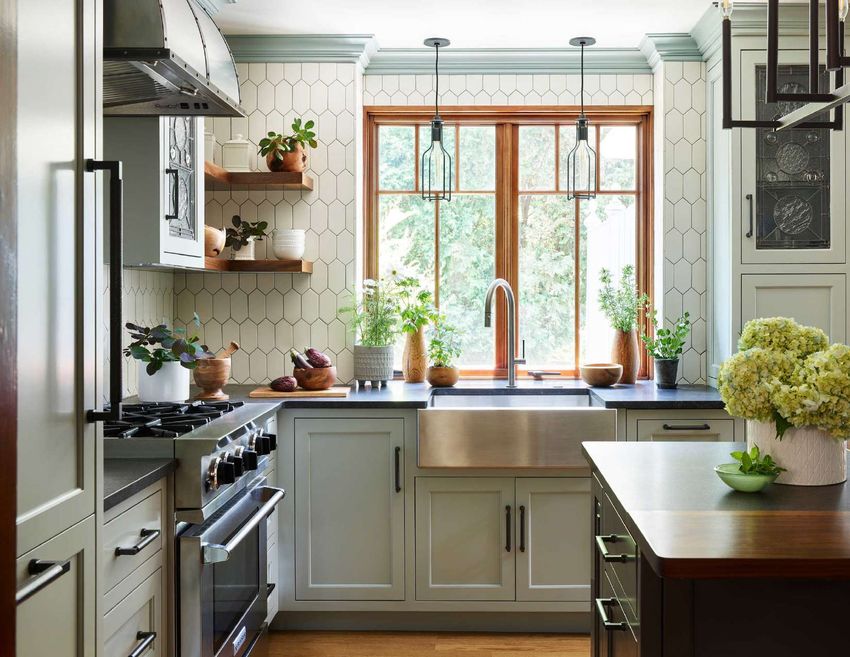
About This Report
The National Kitchen & Bath Association commissioned the highly regarded
John Burns Real Estate Consulting firm (JBREC) to work with them to produce
this report. In addition to quantifying the overall size of the kitchen and bath
market, this analysis reviews the housing industry factors and consumer
preferences and behaviors impacting 2021 industry growth.

JBREC’s analysis employed research from a wide variety of sources: (1)
secondary research (e.g., U.S. Census American Housing Microdata, National
Apartment Association (NAA) Spending, National Association of Realtors,
Moody’s Analytics, Home Innovation Research Labs (HIRL) data), (2) home
improvement estimates and forecasts from John Burns’ proprietary studies and
consultants; and (3) a custom study conducted among 4,732 consumers who
had initiated a home improvement project since the start of the COVID-19
pandemic.

N K B A’ s 2 0 2 0 K i t c h e n & B a t h M a r k e t O u t l o o k p r o v i d e s a c o m p r e h e n s i v e v i e w o f
t h e U . S . r e s i d e n t i a l k i t c h e n a n d b a t h i n d u s t r y. N e w c o n s t r u c t i o n s p e n d i n g
estimates include both single family and multi-family units. Remodeling
spending estimates include improvements to both owner-occupied and rental
properties. All dollar figures cited in this report include both products and
labor (installed costs).

Report Contents
                                                   Impact of COVID-19 on
  4           Study Overview                  31   K&B Projects

  5           Executive Summary               43   Project Motivations/ Inspirations

                                                   Appendix
  7           Industry Size and 2021 Growth   48   • Detailed Methodology
                                                   • Consumer Demographics

              Housing Industry Factors
14            Impacting 2021 K&B Growth

Cover project designed by Jenny Madden,
with photography by Tory Williams.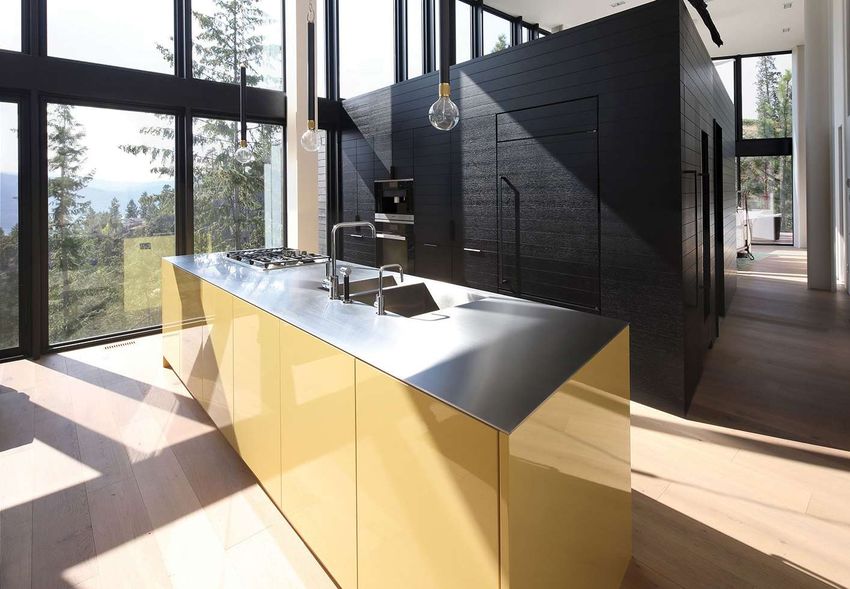
Study Overview

Research Purpose and Objectives
Provide an objective, thorough assessment of how COVID-19 and related economic and housing market trends
are influencing the U.S. kitchen and bath industry. This includes changes in consumer spending patterns and an
estimate of current market size and a forecast for 2021.
The primary objects of this research include:
     • Determining the size of the kitchen and bath industry, including spending by project type (kitchen
       versus bathroom) and end-market application (new construction versus remodeling).
     • Providing market growth estimates for 2021 based on the macroeconomic factors underlying the
       kitchen and bath spending forecasts for new construction and remodeling.
     • Analyzing changes in consumer spending patterns, including changes in the dollar budget of kitchen
       and bath residential remodeling projects, and motivations for DIY versus PRO remodels.
     • Analyzing the perceptions of the importance of areas of the home to determine how COVID-19 has
       changed or reinforced prior views.
     • Identifying how kitchen and bathroom features are remodeled together or in isolation, this
       interaction allows for a better understanding of what features trigger additional remodels.

                                                                                                            4
Executive Summary
The NKBA’s 2021 Kitchen & Bath Market Outlook provides a comprehensive review of current kitchen and
bath industry conditions and the macroeconomic factors that are expected to impact the industry in 2021.

Key Findings:
Residential kitchen and bath remodeling spend is poised for growth in 2021 based on a mix-shift to
bigger, more expensive and PRO-heavy interior remodels. Pent-up demand for more PRO-intensive
projects is a tailwind for spending growth in 2021.
New construction spending to benefit from the timing of starts in 2020 anticipated to dollarize in 2021;
strong housing starts in the latter half of 2020 and longer build times to favorably impact new construction
spending in 2021.
Total residential kitchen and bath spending to increase 16.6% in 2021, from $136.0 billion to $158.6
billion. This is driven by a 9.9% increase in kitchen and bath remodeling spending and a 22.3% increase
in kitchen and bath new construction spending.
Of the total $158.6 billion in total residential kitchen and bath spending, $68.6 billion represents residential
remodeling spending (43%) and $90 billion residential new construction (57%). This represents a two
percentage point mix-shift away from residential remodeling towards new construction spending, driven by
faster growth in new construction.
The overall dollar spend allocation between residential kitchen spending (48%) and residential
bathroom spending (52%) in 2021 is unchanged compared to the 2020 period.

                                                                                                               5
Executive Summary

Homeowners indicate the kitchen and bathroom rank two times more important compared to other parts of
the home. The pandemic has reinforced this perception, as the kitchen slightly gained status since the
pandemic.
Due to COVID-19, budgets for kitchen remodels fell faster than all other areas of home improvement, which is
a unique backdrop for faster growth in 2021, when the health-risks associated with a PRO inside the home
are diminished.
One key learning from the study: Kitchens remodels lead to future bathroom remodels, supporting an
acceleration in bathroom remodeling activity.
In addition, growth in cabinets, drives more widespread spending to other parts of the kitchen: product
attachment cascades from cabinets to the remodeling of other parts of the kitchen.
As COVID-19 behavior diminishes, reverting wallet share to services consumption is not likely to hurt
kitchen and bath; desire to save (given economic uncertainty) and health risks are the most influential
motivations: higher household precautionary savings is a potential source of financing for an anticipated
rebound in 2021 kitchen and bath spending.
These factors support a pronounced rebound in overall industry growth, from -5.9% in 2020 to 16.6% in
2021. Consistent with mix-shift away from less expensive remodels (pent-up COVID-19 related demand), the
high price-point for residential kitchen and bath spending is anticipated to lead growth (+19.8%),
followed by the mid price-point (+18.5%), with the low-price point posting strong, but lower rates of
growth (+9.7%).

                                                                                                          6
Kitchen & Bath Industry Size & Growth

                          Kitchen design by Nyla Free, photography by Ema Peter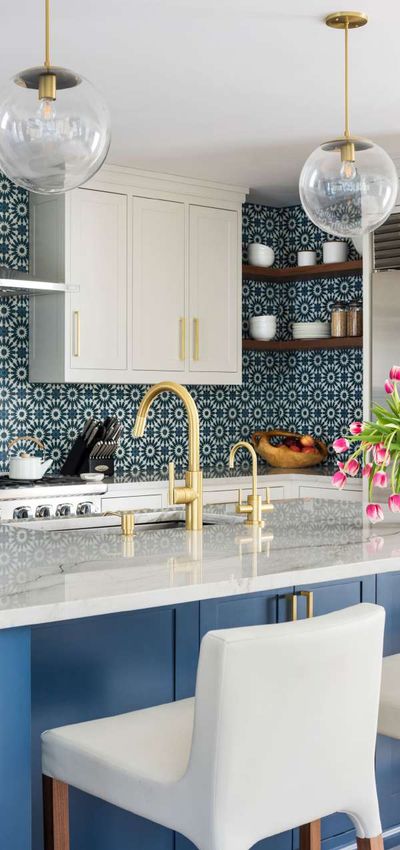
2021 Forecast
 Projected Growth by Construction Type

  Residential Kitchen and Bath Spending                                                            2021 Spending Growth
  (in billions of $U.S. Dollars)                                                                         % change versus prior year

  $158.6                                          Total
                                                   K&B
                                                                                                              16.6%

  New Construction

  $90.0                                                                                                                     22.3%

 Remodel

 $68.6                                                                                            9.9%

Sources: Census AHS Microdata, NAA, HIRL, John Burns Real Estate Consulting LLC (Pub: Dec 2020)
All dollars include both products and labor (installed costs).

                                                                                                                                      8
2021 Forecast
  Projected Value by Segment

   Residential Kitchen and Bath Spending
   (in billions of $U.S. Dollars)

   $158.6                                          Total
                                                    K&B
                                                                                           Kitchens
                                                                                             $76.2
                                                                                                                 Bathrooms
                                                                                                                      $82.4

   Kitchens

   $76.2
                                                                                   New       Residential
                                                                                Construction Remodel
                                                                                   $39.5       $36.7

  Bathrooms

  $82.4
                                                                                                              New         Residential
                                                                                                           Construction    Remodel
                                                                                                              $50.5         $31.9

Sources: Census AHS Microdata, NAA, HIRL, John Burns Real Estate Consulting LLC (Pub: Dec 2020)
Notes: All dollars include both products and labor (installed costs).

                                                                                                                                 9
2021 Forecast
 Projected Value by Segment

  Residential Kitchen and Bath Spending                                                           2021 Spending Growth
  (in billions of $U.S. Dollars)                                                                      % change versus prior year

  Kitchens
                                                                                                        16.3%
  $76.2
 Bathrooms

 $82.4                                                                                                       16.8%

Sources: Census AHS Microdata, NAA, HIRL, John Burns Real Estate Consulting LLC (Pub: Dec 2020)
All dollars include both products and labor (installed costs).

                                                                                                                               10
Kitchen & Bath Activities by Spend Level
$ $$ $$$
LOW MEDIUM HIGH
• Minor "update" • Medium-scale • Major full-service
remodels, often DIY. kitchen and bath remodels, usually
remodels. using a designer
• Low-cost products
and showroom.
often found in new • Products in first or
“starter” homes. second "move-up" • High-end products
homes. in new luxury
• Usually funded out-
homes.
of-pocket. • Partially funded
from cash proceeds • Upgrades financed
from home sale, via bank loan or
investments, etc. HELOC, in addition
to funding from
other sources.
Sources: John Burns Real Estate Consulting, LLC (Data: Nov-20, Pub: Dec-20)
11Spending in Mid-Price and High-Price Point
Tiers to Post Highest Rates of Growth
$ $$ $$$
Residential Kitchen & Low-spend Mid-spend High-spend
Bath Spending Price Point Price Point Price Point
(in billions of $U.S. Dollars)
$158.6 $40.4 $62.3 $55.9
18.5% 19.8%
2021 Growth
16.6%
9.7%
Sources: Census AHS Microdata, NAA, HIRL, John Burns Real Estate Consulting LLC (Pub: Dec 2020)
Note: Low-Spend, Mid-Spend and High-Spend price point estimates were computed using averages based on these project scale definitions: Small scale: $17,700 for kitchens.
12
12The Pandemic Caused a Decline in
Mid- and High-Price Point Spending
Before COVID-19 caused consumer spending to drop in 2020, total residential kitchen and bath
spending grew +9% in 2018 and +1% in 2019.
Residential Kitchen and Bath Spending by Price-Point Spend Level
(in billions of $U.S. Dollars)
2017 2018 2019 2020 2021
$70
$62
$60 $57 $57 $56
$53 $53
$50 $50 $47
$50 $45
$40
$40 $36 $37 $37
$33
$30
$20
$10
$0
Low Mid High
Sources: Census AHS Microdata, NAA, John Burns Real Estate Consulting LLC (Pub: Dec 2020)
Note: Low-Spend, Mid-Spend and High-Spend price point estimates were computed using averages based on these project scale definitions: Small scale: $17,700
for kitchens.
13
13Key Housing Industry Factors Impacting 2021 Kitchen & Bath Industry Growth
Real GDP Declined by 31% YOY in 2Q 2020 and
Rebounded 33% in Q3 2020 (annualized rate)
Real GDP – % Change Quarter-Over-Quarter        Seasonally adjusted (annualized)
                                                real GDP declined 31% in Q2 and
                                                increased 33% in Q3, a sharper
                                                rebound than was anticipated due
                                                to COVID-19.

Sources: BEA (Data: Q32020; Pub: Nov-20)

                                           See Terms and Conditions of Use and Disclaimers.       15
                                                                                                  15
                                              Distribution to non-clients is prohibited. © 2020
Downside Risk to the Economy Greatly Diminished;
Consensus of Continued Economic Growth
WSJ Survey of Economists: Real GDP Forecast Range
+6%
+4%
+2%
0%
Even outlier forecasts indicate
positive economic growth
-2%
Q4 2020 Q1 2021 Q2 2021 Q3 2021 Q4 2021
Sources: Wall Street Journal (Data: Oct-2020; Pub: Nov-2020). Monthly Survey of > 60 Economists
Notes: Dark horizontal line represents survey median; box represents interquartile range (1st to 3rd quartile) of real GDP forecasts
See Terms and Conditions of Use and Disclaimers. 16
16
Distribution to non-clients is prohibited. © 2020Housing & Home Improvement is Leading Economy Out
of the Recession, Like the 2002 Recovery
Housing & home improvement leading
the economy out of recession
Source: BEA (Data: 2Q20, Pub, Aug-20) *Historical Average: 1Q59 through Present
Notes: Grey shaded areas indicate early 2000s recession and COVID-19 recession
See Terms and Conditions of Use and Disclaimers. 17
17
Distribution to non-clients is prohibited. © 2020Total Payroll Employment Growth has Slowed Since August; U.S.
Employment Down 9.8 Million From Cycle Peak
Total US Payroll Employment
153M
151M Job at Cycle High
149M
147M
145M
143M
141M Slowing
Employment
139M Growth
137M
135M
133M
131M
129M
2000
2000
2001
2001
2002
2002
2003
2004
2004
2005
2005
2006
2007
2007
2008
2008
2009
2009
2010
2011
2011
2012
2012
2013
2014
2014
2015
2015
2016
2016
2017
2018
2018
2019
2019
2020
Sources: Bureau of Labor Statistic, John Burns Real Estate Consulting, LLC (Data: Nov-20, Pub: Dec-20)
See Terms and Conditions of Use and Disclaimers. 18
18
Distribution to non-clients is prohibited. © 2020Employment Losses Greatest in Service Sectors with Higher In-
Person Contact; Leisure and Hospitality Down 3.4 Million
Cumulative Job Losses by Employment Sector Since Pandemic Began (in Thousands)
Leisure and Hospitality -3,449
Education and Health Services -1,256
Professional and Business Services -1,061
Manufacturing -599
Retail Trade -550
Other Services -432
Wholesale Trade -281
Information -280
Construction -279
Transportation and Warehousing -123
Financial Activities -115
Mining and Logging -90
Utilities -7
-4,000 -3,500 -3,000 -2,500 -2,000 -1,500 -1,000 -500 0
Sources: Bureau of Labor Statistic, John Burns Real Estate Consulting, LLC (Data: Nov-20, Pub: Dec-20)
See Terms and Conditions of Use and Disclaimers. 19
19
Distribution to non-clients is prohibited. © 20206 Million People Have Dropped Out of The Labor Force Since
February – Loss of Women a Concern for Growth and Productivity
6 million less people in the labor force …the recovery in the participation rate
since the pandemic began… of women has lagged that of men
Population Aged 16+ Not in the Labor Force Participation Rate:
Labor Force Men and Women
104 M 103 M 75
102 M
101 M 70
100 M
Labor Force Participation
65 Rate: Men
98 M
Labor Force Participation
96 M Rate: Women
95 M 60
94 M
55
92 M
50
90 M
Jan-19
Jan-20
Sep-19
Sep-20
Jul-19
Nov-19
Jul-20
Nov-20
May-19
May-20
Mar-19
Mar-20
Sep-19
Sep-20
Jul-19
Nov-19
Jul-20
Nov-20
Jan-19
Jan-20
Mar-19
Mar-20
May-19
May-20
Sources: Bureau of Labor Statistics, John Burns Real Estate Consulting, LLC (Data: Nov-20, Pub: Dec-20)
See Terms and Conditions of Use and Disclaimers. 20
20
Distribution to non-clients is prohibited. © 2020Employment Will Likely Take Longer to Return to Pre-Pandemic
Levels than Real GDP
43% of Economists
Expect Employment Will
Take 3 Years to Recover
See Terms and Conditions of Use and Disclaimers. 21
21
Distribution to non-clients is prohibited. © 2020CARES Act Kept Household Income Growing; More Stimulus
Needed until Economy is on Firmer Footing
Wages and Salary & Disposable Personal Income Growth
Year-Over-Year, 3-Month Moving Average
14%
12% Wages & Salary Disbursements
Disposable Personal Income
10%
8%
6%
4%
2%
Government Stimulus
0% Prevented Declines in
Household Income Growth
-2%
-4%
-6%
2011
2011
2011
2012
2012
2012
2013
2013
2013
2014
2014
2014
2015
2015
2015
2016
2016
2016
2017
2017
2017
2018
2018
2018
2019
2019
2019
2020
2020
Sources: BEA, John Burns Real Estate Consulting, LLC (Data: Oct-20, Pub: Nov-20)
See Terms and Conditions of Use and Disclaimers. 22
22
Distribution to non-clients is prohibited. © 2020~1% Lower Mortgage Rates Than 1 Year Ago Driving
Increased Demand for Homes Across Buyer Segments
Lower mortgage rates will drive home prices
higher in 2021 as more consumers qualify to buy
homes. At current rates, 71% of households
(83.6M) can afford a $200K mortgage, and 26%
(30M) can afford a $600 mortgage.
Source: John Burns Real Estate Consulting LLC (Data: Nov-20, Pub: Dec 2020)
23
23Applications to Purchase a Home Rebounded to Pre-COVID
Levels in June and July After Severe Initial Decline in April
Purchase Mortgage Application Index
Seasonally adjusted weekly values
340
320
300
280
260
240
220
200
180
Jul-18
Nov-18
Dec-18
Jul-19
Nov-19
Dec-19
Jul-20
Jan-18
Jun-18
Jan-19
Jun-19
Jan-20
Jun-20
Aug-18
Sep-18
Aug-19
Sep-19
Apr-18
Apr-19
Apr-20
Oct-18
Oct-19
May-18
May-19
May-20
Feb-18
Mar-18
Feb-19
Mar-19
Feb-20
Mar-20
Note: The index does not capture cash transactions and thus understates actual total home buying activity.
Source: MBA (Data: Jul-20, Pub: Sep-20)
24
24Record Low For-Sale Inventory Indicates Housing Stock is Set
for Price Appreciation – a Tailwind for Large-Scale Remodels
Existing Home Inventory for Sale Existing inventory = 1.53 mil (-20% YOY)
Historical average* = 2.37 mil
3-month average (non seasonally adjusted)
4.0M
3.6M
3.2M
2.7M
2.3M
1.8M
1.4M
1983
1984
1985
1986
1987
1988
1989
1990
1991
1992
1993
1994
1995
1996
1997
1998
1999
2000
2001
2002
2003
2004
2005
2006
2007
2008
2009
2010
2011
2012
2013
2014
2015
2016
2017
2018
2019
2020
Sources: NAR; John Burns Real Estate Consulting, LLC (Data: Jul-20, Pub: Aug-20) *Historical Average: Jun-82 through current
25
25~31% Total House Price Appreciation is Forecast between 2020-
2023; Driven by Supply Shortages and Underlying Demand
Projected Home Price Appreciation
10%
9% 8.7%
8.1%
8%
7%
6.0%
6%
4.9%
5%
4%
3%
2%
1%
0%
2020P 2021P 2022P 2023P
Source: John Burns Real Estate Consulting LLC (Data: Nov-20, Pub: Dec 2020). December year-over-year house price appreciation growth.
26
26At ~29%, Housing Payment to Income Levels are Around the
Historical Median
27
27Strong Single Family Residential Starts Growth Anticipated
in 2020 and 2021
Single Family Starts are anticipated to …this contrasts with ongoing weakness
post strong rates of growth… for Multifamily Starts
U.S. Single Family Residential Starts U.S. Multifamily Residential Starts
2,000K 1,000K
1,800K 2020: +10% 900K 2020: -3%
1,600K 2021: +9% 800K 2021: -36%
1,400K 700K
1,200K 600K
1,000K 500K
1108K
1070K
980K
800K 400K
390K
600K 300K
307K
400K 200K
250K
200K 100K
0K 0K
2020P
2021P
2020P
2021P
Cur.mo.SA*
Cur.mo.SA*
2019
2019
Cur. Mo. SA = Current month (seasonally adjusted annual rate)
Source: U.S. Census Bureau, John Burns Real Estate Consulting, LLC forecasts (Data: Oct-20, Pub. Nov.20)
See Terms and Conditions of Use and Disclaimers. 28
28
Distribution to non-clients is prohibited. © 2020Longer Cycle Times and Product, Labor, Entitlement Causing
Starts to Dollarize in 2021
29
29Strong Single Family Starts Growth and Timing of Starts Dollarizing
to Drive +17% Growth in New Residential Building Materials
Total Spending on New Construction Residential Building Materials
Billions
$160 New construction building material spending will grow
+17% in 2021, boosted by strong starts growth and $149.0B
favorable timing of building product orders.
$140
$126.1B
7%
$120 $113.6B
$107.9B +1
$100
$80
$60
$40
$20
$0
2019 2020P 2021P 2022P
Source: John Burns Real Estate Consulting LLC (Data: Nov-20, Pub: Dec 2020)
30
30Impact of COVID-19 on Kitchen & Bath Projects
The Kitchen and Bathroom Rank More Important Than Other
Areas of the Home; the Pandemic has Reinforced this Perception
A higher share of homeowners indicate the kitchen and primary bathroom are “extremely important” compared to
other areas of the home – nearly two times greater than the average for all rooms.
Share of Homeowners Indicating Area of Home “Extremely Important”
70%
Prior to Pandemic
64% 65% 65% 64% 65%
Since Start of Pandemic
52%
49%
37%
Average 33%
30% 30% 30% 30%
27% 27% 27% 26% 27% 27%
23%
21% 22%
19% 18% 18% 18%
15% 16%
13%
10%
Primary Bathroom
Formal Dining Area
Indoor Kitchen
Exercise Space
Home Office Workplace
Guest Room / suite
Play areas / playroom
Outdoor Kitchen
Guest Bedroom
Indoor Entertainment Area
Primary Bedroom
Formal Living Room
Guest Bathroom
Family Living Area
Outdoor Area
Q1
Source: John Burns Real Estate Consulting LLC (Data: Nov-20, Pub: Dec 2020)
32
32Indoor Kitchens Faced the Specter of Deferral in 2020;
Tailwind for Future PRO-Intensive Projects in 2021
Big interior projects (such as Indoor Kitchen remodels) are more PRO-intensive. Due to the invasive nature of
having a professional in the home since the start of the pandemic, these projects are likely deferred until there is
less health-risk associated with having a professional inside the home.
PRO Share of Remodels by Area of Home
Indoor Kitchen 43%
Guest Room / suite 42%
Formal Living Room 40%
Primary Bathroom 38%
Guest Bathroom 37% Indoor kitchen
remodels have
Formal Dining Area 37% the highest PRO
Play areas / playroom 35% share among
Exercise Space 35% areas of the home
Primary Bedroom 33%
Family Living Area or Great Room 33%
Indoor Entertainment Area 32%
Guest Bedroom 32%
Home Office Workplace 32%
Outdoor Area 29%
Source: John Burns Real Estate Consulting LLC (Data: Nov-20, Pub: Dec 2020)
33
33Mix-Shift Down Positions for a Mix-Shift Up When the Health-
Risks Associated with a PRO Inside the Home are Diminished
The shift away from large invasive PRO remodeling projects since the start of the pandemic has had a
pronounced impact on the average spend of indoor kitchen remodels compared to other areas of the home. This
positions for a rebound in bigger, higher spend PRO-intensive remodels in 2021.
Percent Change in Average Remodeling Project Dollar Budget Since COVID-19 Pandemic
Indoor Kitchen Projects Projects other than Indoor Kitchen
10%
1%
0%
-10%
-20%
-30%
-40%
-50%
-60% -54%
Source: John Burns Real Estate Consulting LLC (Data: Nov-20, Pub: Dec 2020)
34
34Cabinets Frequently Act as an Anchor for the Remodeling
of Other Kitchen Features
Cabinets are frequently remodeled within a basket of other kitchen features. This suggested that cabinets are an anchor for
additional kitchen remodels.
Cabinet Product Attachment
Cabinet remodels anchor
additional kitchen remodels
Note: Includes both indoor and outdoor kitchens.
Source: John Burns Real Estate Consulting LLC (Data: Nov-20, Pub: Dec 2020)
35
35Cabinets Had the Highest Share of “Budget-Friendly” Remodels
Smart home products and water filtration systems were the focus of premium feature upgrades since the start of
the pandemic; cabinets received the lowest share of premium upgrades.
Shift in Price Point of Kitchen Features
100%
90%
33%
80% 44% 43%
49% 46% 45%
54% 51% 51%
70% 57%
60%
50%
40% 52%
32% 38% 37% 39% 42%
31% 37%
30% 30%
32%
20%
10% 16% 18% 19% 16% 18% 16%
11% 12% 15% 15%
0%
Smart home Wa ter filtra tion Appliances Countertops Faucets / Backsplash Range hoods Flooring Lighting Cabinets
products systems plumbing
No upgrade in quality Budget friendly option Premium upgrade
Note: Includes both indoor and outdoor kitchens
Source: John Burns Real Estate Consulting LLC (Data: Nov-20, Pub: Dec 2020)
36
36The Share of Premium Upgrades Rises Across All Kitchen
Features with Higher Household Incomes
Luxury and premium upgrades to kitchen features are more likely to be undertaken by higher income
households (earning more than $120,000).
Share of Households Indicating “Premium Upgrade” to Kitchen Feature
Households Earning Less than $120,000
100%
Households Earning More than $120,000
90%
80%
70% 65%
60% 60%
60% 58%
54% 54% 55%
50% 51% 50% 50% 50%
50% 48%
45% 44% 43%
40% 41%
40% 37%
29%
30%
20%
10%
0%
Smart home Water filtration Appliances Countertops Faucets / Backsplash Range hoods Flooring Lighting Cabinets
products systems plumbing
Note: Includes both indoor and outdoor kitchens
Source: John Burns Real Estate Consulting LLC (Data: Nov-20, Pub: Dec 2020)
37
37In Addition to Household Income, Stage of Life Influences the
Choice of a Premium vs. More Budget-Friendly Kitchen Remodel
Drilling down further within the higher earning household cohort, the “Mature Households” (age 45+ with no
children) have the highest share of premium upgrades to the kitchen. This indicates stage of life and household
income jointly influence kitchen remodel cost considerations.
Share of All Kitchen Features Remodeled: Households Earning more than $120,000
100% 32 percentage point
increase in share of
90% premium upgrades
to kitchen features
Premium upgrade
80% 40% Premium upgrade
Premium upgrade 46%
70% 54%
Premium upgrade
60% 78%
50%
Budget friendly option
40% 40%
Budget friendly option
30% Budget friendly option 40%
33%
20% Budget friendly option
9%
No upgrade in quality
10% 20% No upgrade in quality No upgrade in quality No upgrade in quality
13% 14% 13%
0%
Young single or couple (under age 45) with no Family with childr en in the household, all Family with childr en in the household, some Mature single or couple (age 45+) with no
children in the household under age 12 (or all) older than age 12 (including adult children in the household
children)
Source: John Burns Real Estate Consulting LLC (Data: Nov-20, Pub: Dec 2020)
38
38Kitchen Remodels Inspire Bathroom Remodels; Bathroom
Remodels Inspire Kitchen Remodels to a Lesser Degree
Longer-term kitchen remodels will be followed by future bathroom remodels. Deferred big project, PRO-
intensive kitchen remodels are likely to lead to strong bathroom remodeling activity.
% Respondents Indicating Next Project on the Remodeling “To-Do” list
Households are approximately two times more likely to
remodel their bathroom after an indoor kitchen remodel than
the other way round
18%
9%
B AT H R O O M R E M O D E L KITCHEN REMODEL
Following indoor kitchen remodel Following bathroom remodel
Source: John Burns Real Estate Consulting LLC (Data: Nov-20, Pub: Dec 2020)
39
39Bathroom Remodels Did Not Mix-Shift Down as Did Kitchen
Remodels Since the Start of the Pandemic
The more invasive nature of having a PRO in the home for a large remodel had less of an impact on bathroom
remodels since the start of the pandemic, compared to kitchen remodels. Deferral of kitchen projects is more of
a story of aversion to having a PRO-in-the-home; bathroom remodels more of a DIY story.
Average Remodeling Budget: Primary Bathroom Remodels Since the Start of the Pandemic
$4,500
$4,000
$3,500
$3,000
$2,500
$2,000
$1,500
$1,000
$500
$0
Pre-Pandemic Since the Pandemic
Source: John Burns Real Estate Consulting LLC (Data: Nov-20, Pub: Dec 2020)
40
40Bathroom Remodels Have Less of a Clear Anchor
to a Given Bathroom Feature
Bathroom remodels often touch other areas in the bathroom and have less of a clear anchor to a given bathroom feature
remodeled. Premium bathroom remodels, such as those which include smart home products, are often completed in
isolation and not with the addition of other areas of the bathroom.
Count of Bathroom Features Remodeled Together
Bathroom Remodels often involve multiple areas of
the bathroom; premium upgrades (smart home
products) equally likely to be done in isolation
.
Source: John Burns Real Estate Consulting LLC (Data: Nov-20, Pub: Dec 2020)
41
41Plumbing and Cabinets Were the Focus of “Budget” Remodels
Since the Start of the Pandemic
Premium upgrades are concentrated in smart home products for bathrooms. Consumers are more likely to
choose “budget-friendly” options in their bathroom remodels than in their kitchens.
Bathroom Features Remodeled Since the Start of the Pandemic
100%
90%
33%
80% 43% 42% 42% 42%
47% 46% 45% 45%
70% 58%
60%
50%
40% 38% 36% 52%
35% 35% 35% 39% 43%
38%
30%
31%
20%
10% 19% 20% 20% 18% 20% 22%
11% 15% 16% 15%
0%
Smart home Flooring Lighting Bathtubs Toilets Cabinets Countertops Mirrors Faucets / Cabinets
products plumbing
No upgrade in quality Budget friendly option Premium upgrade
Note: Includes both indoor and outdoor kitchens
Source: John Burns Real Estate Consulting LLC (Data: Nov-20, Pub: Dec 2020)
42
42Project Motivations / Inspirations
The Desire to Save, Time Allocation and Health-Related
Motivations Drive Choice to Do Recent DIY Projects
The pandemic has shifted the focus towards DIY projects for reasons related to saving money, more free time to pursue
projects, the direct health risk of the pandemic (avoiding a PRO in the home) and shifting wallet share. These projects are,
in general, less costly and smaller remodels compared to those requiring a PRO. A vaccine, or other measures to reduce
the public health impact of the virus, is likely to reverse or mitigate these DIY boosting trends.

  Reasons Cited as a “Significant Factor” for Recent DIY Projects

                                                                               Shifting wallet share trails
                                                                               more influential reasons for
        25%                                                                    a DIY project
                                   23%                        22%
                                                                                         15%
                                                                                                                  12%

                                                                                                                                    3%

Desire to save money        More free time to          Health and safety            Availability of          Inability to find an   Other
                           pursue DIY projects            concerns               discretionary funds       industry professional
                                                                                 previously spent on           to do the work
Increased savings                                                                     activities
potentially a source of
financing for larger kitchen
and bath projects in 2021

  Source: JBREC Online Survey Panel, John Burns Real Estate Consulting LLC (Data: Nov-20, Pub: Dec 2020)

                                                                                                                                            44
                                                                                                                                            44
Discretionary Spend Motivations Dominate other Reasons
for a Remodel Since the Pandemic Began
Households indicated that considerations such as improving the home’s aesthetics, maximizing quality and
durability, and increasing the value of the home are primary motivations for both kitchen and bathroom remodels
since the start of the pandemic. Increasing storage appears to be a stronger motivation for kitchen remodels,
compared to bathroom remodels.
Motivations for Kitchen and Bathroom Remodels Since the Start of the Pandemic
Bathroom
18% Discretionary reasons for a
16% remodel lead other categories Kitchen
16% 15%
14%
12%
12% 11% 11%
10% 11% 10%
10% 10%
10% 9%
8%
8% 7% 7% 7% 7% 7% 7% 7%
6% 6% 6%
6%
4%
2% 1% 1%
0%
Improve your Maximize Increase value Increase Replace similar Repair existing Create a more Minimize cost Promote or Add luxury for Improve safety / Other
home's quality / of your home storage existing item products or functional protect our your enjoyment accessibility
aesthetics durability installations floorplan health
Source: NKBA/ JBREC Online Survey Panel, John Burns Real Estate Consulting LLC (Data: Nov-19, Pub: Dec 2020)
45
45Google Search and Social Media are the Primary Inspirations
for Kitchen & Bathroom Remodels
Google Search is the primary inspiration for kitchen and bathroom remodels. This is followed by a variety of
other sources where homeowners find inspiration. Households frequently indicate they rely on more than
one source to inspire them prior to a remodel.
Sources of Inspiration for Kitchen and Bathroom Remodels (% of Responses)
Google search
Kitchen
Instagram
Bathroom
Television show / HGTV
Design professional
Pinterest
Facebook
Other homes I have seen in person
Other
Houzz
Magazine
Design blog
E-design website
0% 5% 10% 15% 20% 25%
Source: John Burns Real Estate Consulting LLC (Data: Nov-20, Pub: Dec 2020)
46
46The Importance of Google and Social Media is Robust Across
Most Life Stages, Particularly Younger Households
Mature adults (45+) put greater weight on “other homes seen in person” than social media. This contrasts
with other Stage of Life categories.
Top Three Sources of Inspiration for Kitchen Remodels by Stage of Life (% of Responses)
30%
25%
Google
Google
Google
20%
Other Homes Seen in Person
Instagram
15%
Instagram
Google
Instagram
Television
Design Pro
Television
10%
FB
5%
0%
Young Single or Couple Family with Young Children Family with Older Children Matures Singles or Couples
YOUNG SINGLE FA M I LY W I T H FA M I LY W I T H M AT U R (45+)
E SINGLES
OR COUPLE YOUNG CHILDREN OLDER CHILDREN OR COUPLES
(45+)
Source: John Burns Real Estate Consulting LLC (Data: Nov-20, Pub: Dec 2020)
47
47Appendix
Kitchen design by Karen Swanson, photography by Jared KuziaDetailed Methodology
New Construction: John Burns Real Estate Consulting (JBREC) analyzed construction costs for new construction spending by
category within new home kitchens and bathrooms. Homes were segmented by size and price point. Due to regional differences in
home price points, segmentation was conducted by nine census divisions, then rolled up. All figures include both products and
labor (installed costs).
Kitchen and Bath Remodel: Spending values are JBREC calculations from tabulations of U.S. Census American Housing Survey
home-improvement projects microdata, NAA spending (rental), JBREC home-improvement estimates, and forecasts of single-
family rental renovation spending. All values include labor and materials, including all major elements within kitchen and bath
spending (plumbing fixtures, faucets, tile, vanities, countertops, lighting, showers and baths, etc.).
To better understand project activity in-light of COVID-19, a total of 4,732 online surveys were conducted in mid-November of 2020
among homeowners who had initiated a home improvement project since the start of the COVID-19 pandemic.
• Target household income distribution to approximate AHS 2019 survey of homeowners
• Target household head age distribution to approximate AHS 2019 survey of homeowners
Respondents were represented across four noncontiguous U.S. regions as defined below:
• Northeast: Connecticut, Maine, Massachusetts, New Hampshire, Rhode Island, Vermont, New Jersey, New York, Pennsylvania
• Midwest: Indiana, Illinois, Michigan, Ohio, Wisconsin, Iowa, Kansas, Minnesota, Missouri, Nebraska, North Dakota, South Dakota
• South: Delaware, District of Columbia, Florida, Georgia, Maryland, North Carolina, South Carolina. Virginia, West Virginia, Alabama, Kentucky,
Mississippi, Tennessee, Arkansas, Louisiana, Oklahoma, Texas
• West: Arizona, Colorado, Idaho, New Mexico, Montana, Utah, Nevada, Wyoming, Alaska, California, Hawaii, Oregon, Washington
Source: NKBA/ JBREC Online Survey Panel; n=4,732
49Consumer Demographics
Age Range
40%
33%
30%
20%
14% 15%
10% 9%
10% 5% 5% 6%
3%
0%
Under 30 30-34 35-39 40-44 45-49 50-54 55-59 60-64 65 or over
Annual Household Income Distribution
30%
23%
20%
7% 9% 8% 8% 6% 8% 7%
10%
4% 6% 6%
3% 4%
0%
< $10K $10K - $20K - $30K - $40K - $50K - $60K - $70K - $80K - $90K - $100K - $110K - > $120K
$19.9K $29.9K $39.9K $49.9K $59.9K $69.9K $79.9K $89.9K $99.9K $109.9K $119.9K
Source: NKBA/ JBREC Online Survey Panel; n=4,732
Notes: Raw data shown. Target sample weights determined according to the 2019 AHS survey; subset of homeowners.
50Limiting Conditions
The conclusions and recommendations presented in this report are based on our analysis of the information available to
us from our research as of the date of this report. We assume that the information is correct and reliable and that we
have been informed about any issues that would affect project marketability or success potential.
Our conclusions and recommendations are based on current and expected performance of the national, and/or local
economy and real estate market. Given that economic conditions can change and real estate markets are cyclical, it is
critical to monitor the economy and real estate market continuously, and to revisit key project assumptions periodically to
ensure that they are still justified.
The future is difficult to predict, particularly given that the economy and housing markets can be cyclical, as well as
subject to changing consumer and market psychology. There will usually be differences between projected and actual
results because events and circumstances frequently do not occur as expected, and the differences may be material. We
do not express any form of assurance on the achievability of any pricing or absorption estimates or reasonableness of the
underlying assumptions.
In general, for projects out in the future, we are assuming “normal” real estate market conditions, and not a condition of
either prolonged “boom” or “bust” market conditions. We do assume that economic, employment and household growth
will occur more or less in accordance with current expectations. We are not taking into account major shifts in the level of
consumer confidence; in the ability of developers to secure needed project entitlements; in the cost of development or
construction; in tax laws that favor or disfavor real estate markets; or in the availability and/or cost of capital and
mortgage financing for real estate developers, owners and buyers. Should there be such major shifts affecting real estate
markets, this analysis should be updated, with the conclusions and recommendations summarized herein reviewed and
reevaluated under a potential range of build-out scenarios reflecting changed market conditions.
We have no responsibility to update our report analysis for events and circumstances occurring after the date of our
report. This analysis represents just one resource that should be considered when assessing a market opportunity.
51All NKBA research reports can be accessed by clicking here and visiting the Market Research page at NKBA.org. About the National Kitchen & Bath Association The National Kitchen & Bath Association (NKBA) is the not-for- profit trade association that owns the Kitchen & Bath Industry Show® (KBIS), as part of Design and Construction Week® (DCW). With nearly 50,000 members in all segments of the kitchen and bath design and remodeling industry, the NKBA has educated and led the industry since the association’s founding in 1963. The NKBA envisions a world where everyone enjoys safe, beautiful and functional kitchen and bath spaces. The mission of the NKBA is to inspire, lead and empower the kitchen and bath industry through the creations of certifications, specialty badges, marketplaces and networks. For more information, visit www.nkba.org or call 1-800-THE-NKBA (843-6522). KBIS ® and NKBA ® are registered trademarks of the National Kitchen & Bath Association. Kitchen design by Sarah Robertson, AKBD, photography by Adam Kane Macchia
You can also read


