2021 Sidewalk Assessment - Joplin, MO
←
→
Page content transcription
If your browser does not render page correctly, please read the page content below
2021 Sidewalk Assessment
How to Develop an ADA Self-
Evaluation & Transition Plan
Required of all entities
Rehabilitation Act of 1973
USDOT Implementing Regulations (49 CFR
27)
Americans w/Disabilities Act of 1990
DOJ Implementing Regulations (28 CFR 35)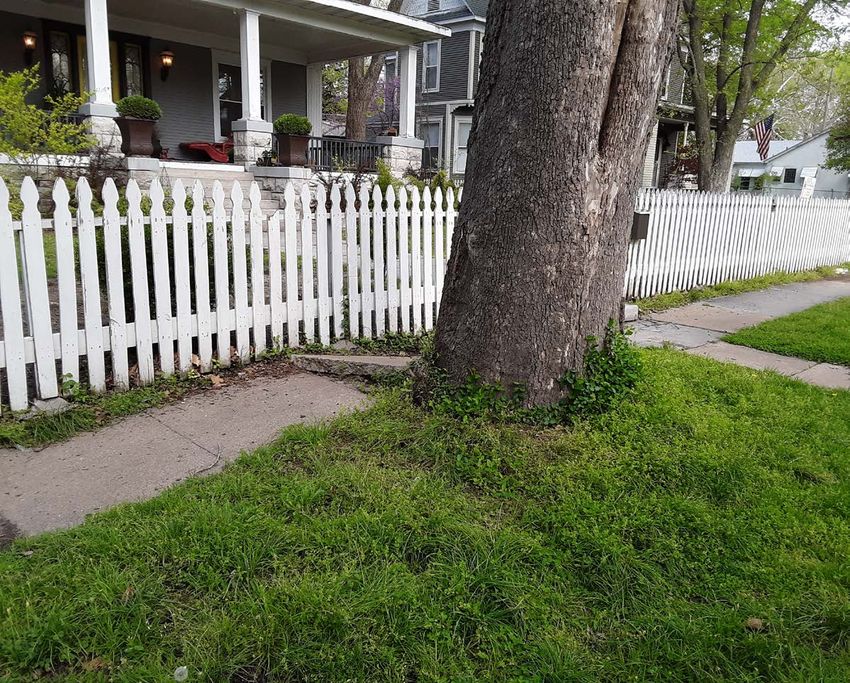
Self Assessment
Purpose & Opportunity
Identify barriers that prevents persons
with disabilities from access (includes
evaluation of policies/practices)
Key – provide equivalent access to the
maximum extent feasible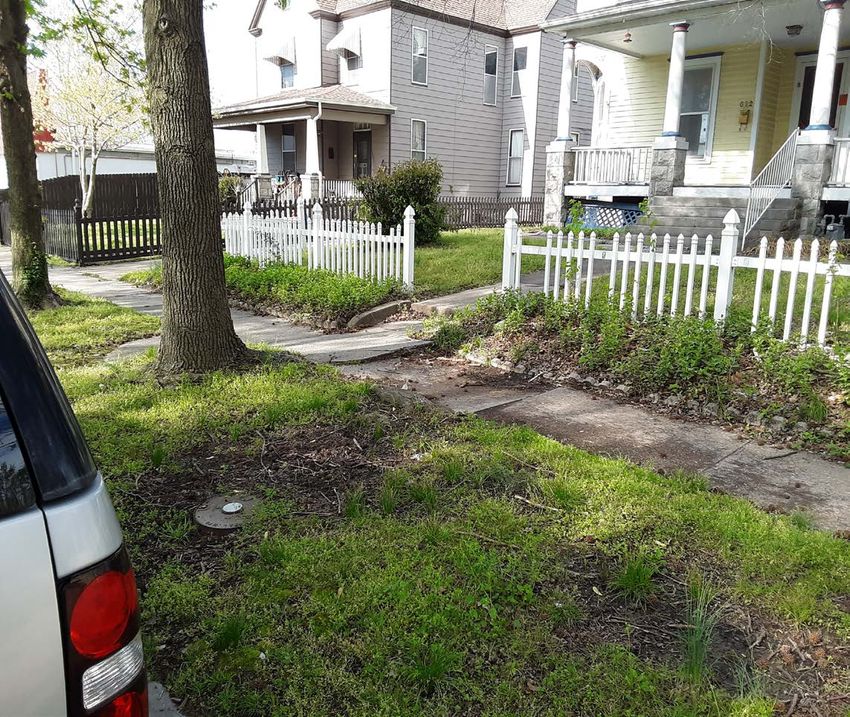
What are Barriers?
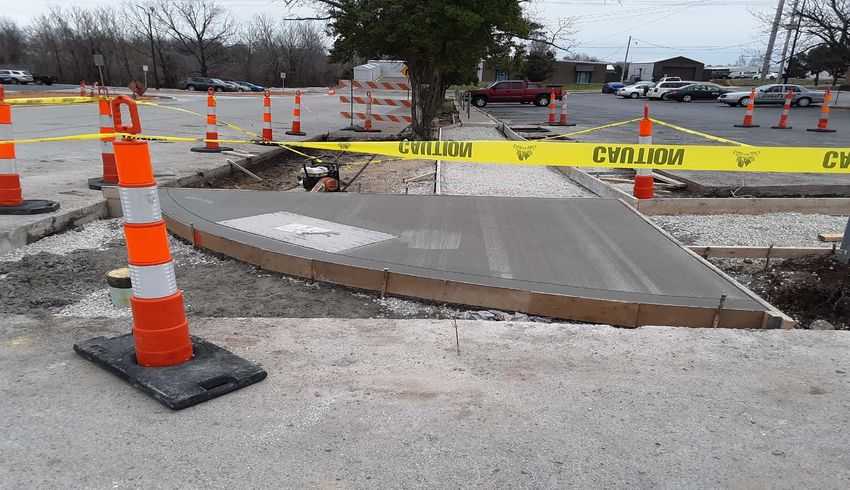
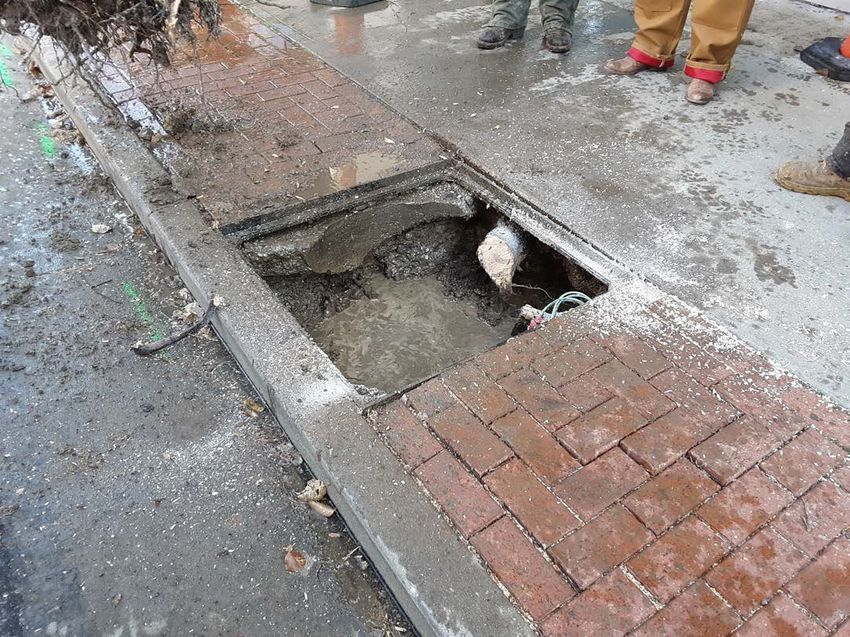
Emergency Point Repairs

Transition Plan
Developing the Evaluation
Agency commitment
Resources
Funding
Staff resources (i.e., survey/maintenance
staff, interns)
Or contract with knowledgeable
consultants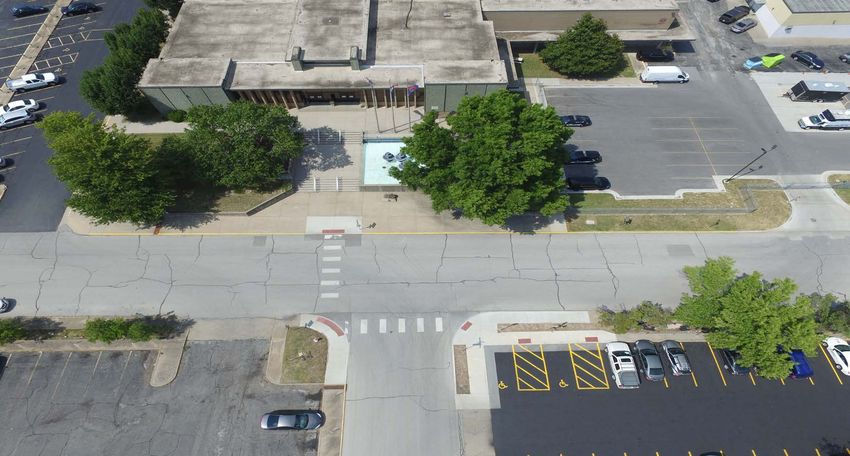
Sidewalk Assessment
Transition Plan
Purpose & Scope
Set forth steps necessary to complete
modifications identified through
evaluation
self-evaluation (those areas not covered
in a previously developed plan)
Provide a schedule for completing
modifications
DOJ reference to Program Access Plan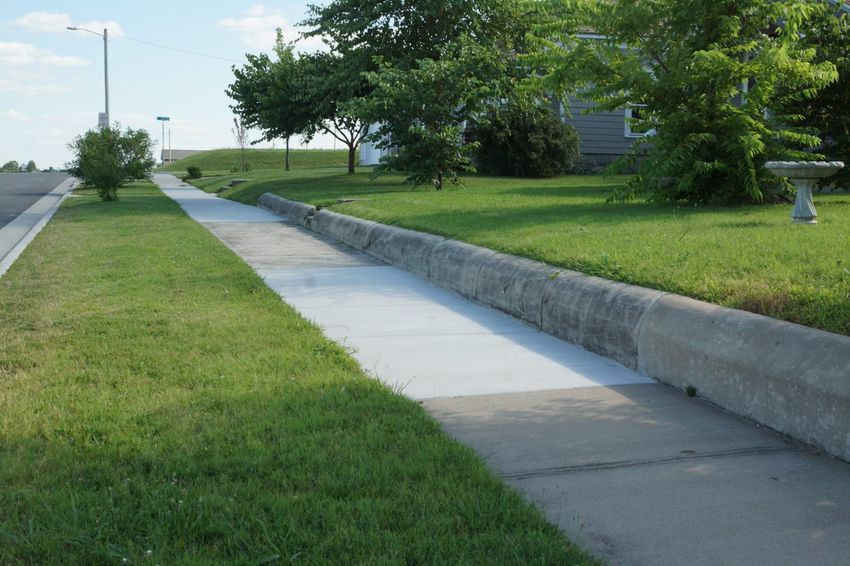
Transitions Plan
Content (at a minimum)
Identify physical obstacles
Describe the methods to
make facilities accessible
Specify the schedule for achieving
completion (if longer than 1 year,
identify steps to be taken each year
but as expeditiously as possible)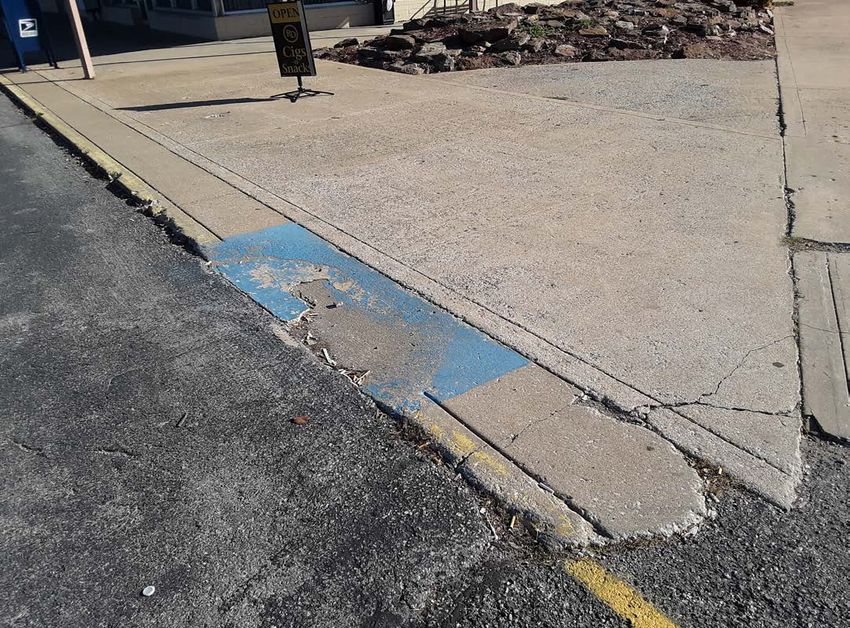
Transition Plan
Content (cont.)
Identify official responsible for
implementation of plan
Estimated Cost of each modification
Status column to record completion
dateTransition Plan
Important things to remember
Prioritize modifications (using same
criteria as self-evaluation)
Coordinate/integrate schedule of
modifications with planned alterations
(paving, building, utility work)
Inform/educate persons with authority
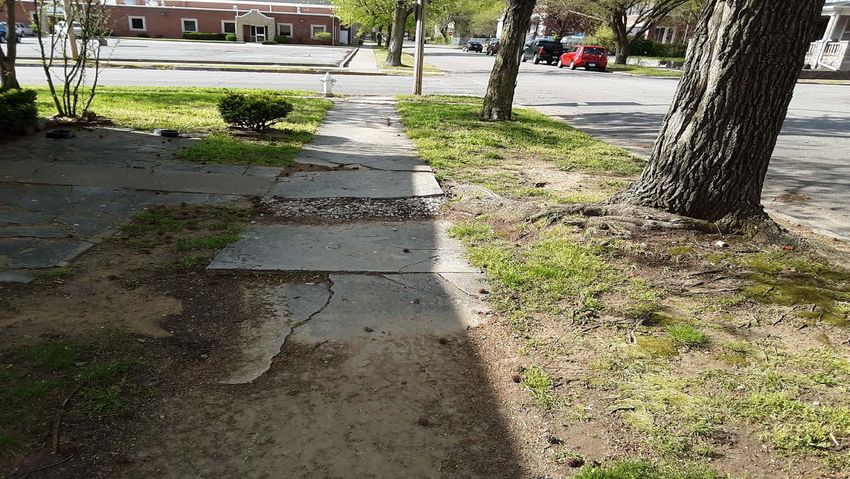
over budget/prioritizing projectsAccessibility Issue
Accessibility Issue
Accessibility Issue
Accessibility Issue
Transition Plan
Important things to remember
Transition Plan is a living document –
evolving planning & monitoring tool
As boundaries grow, so does the need to
incorporate acquired facilities into Self-
Evaluation/Transition Plan process
Special Requests/Complaints & Transition
Plan scheduleTransition Plan
Complaints & Priorities
Analyze & Identify Complaints
Evaluate Area (those areas not covered
in a previously developed plan)
Provide a schedule for completing
modifications and receive public feedback
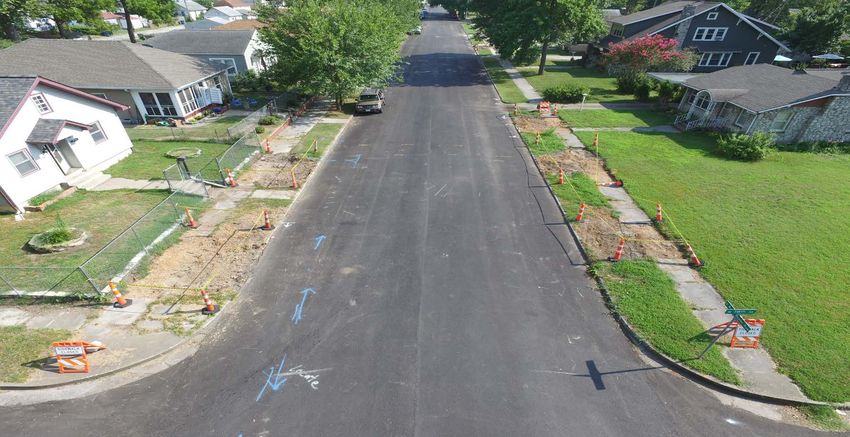
Improve AccessibilityEmergency Point Repair
Accessibility Issue
Accessibility Issue
Transition Plan & Self Assessment

  Ramp Project

  Review Map

  ADA Map
Joplin’s
    Sidewalk
    History
•   At the turn of the last
    Century, like many
    City’s, Joplin included
    sidewalks on both sides
    of the street for new
    subdivisions. The
    subdivisions generally
    had higher population
    density and followed a
    pedestrian centric plan.
Joplin’s
Sidewalk
History
With the popularity of
automobiles, the public began
to move toward lower density
‘open” residential
developments that were
planned in a more automobile
centric way. In the 1960’s
sidewalks were dropped as a
requirement in residential plats.Joplin’s
Sidewalk
History
In the 1990’s Joplin
added a requirement for
sidewalk on one side of
the street for all new
residential subdivisions.2020-21 Sidewalk Assessment Project • In 2019, the City contracted with Olsson and IMS to provide a city-wide sidewalk analysis. • Data was gathered using an ATV with various mounted instruments including LIDAR, GPS, and HD video. • Using the data gathered, a sidewalk inventory was created that includes material and type of sidewalk, grade, cross-slope, types of deficiencies, pictures of the sidewalks, and much more.
Results of the Sidewalk Assessment
Rehabilitation Methods
• Mudjacking – Process in which material
  composed of cement, sand, and soil is injected
  under the sidewalk to lift sunken panels.

• Grinding – Any uneven ledges in the sidewalk
  are ground down to provide a flush surface.
Rehabilitation Methods

• Local Rehabilitation – Localized
  patching or replacing in areas
  of isolated damage or non-
  compliance.
Rehabilitation Methods

• Remove and Replace –
  The complete removal
  and reconstruction of
  areas of sidewalk. This
  includes any necessary
  tree removal, driveway
  reconstruction, ADA
  ramp additions, etc.
Program Options for Sidewalk Repairs &
                      Replacement
•   Option 1 – Full
    repair/replacement of
    infrastructure. This option
    would follow the style of
    the Disaster Recovery
    projects. Fixing damages
    to sidewalk, ADA ramps,
    curb and gutter, roadway,
    etc. and adding ADA
    ramps where they are not
    present.
Program Options for Sidewalk Repairs &
Replacement
• Option 2 – Perform
local rehabilitation
where feasible and full
removal and
replacement where it is
not. This includes tree
removals, driveway
reconstruction, and
construction of new
ADA ramps where
necessary.Trees and
Sidewalks
• City of Joplin became a
member of Tree City
USA in 2007.
• The Council adopted a
new tree ordinance in
2011 that included
appropriate tree
varieties, safe spacing,
and correct
maintenance for trees in
the right of way.Tree Removal With
Sidewalk
Replacement
• This tree was heaving the sidewalk,
the curb & gutter, and posed a
danger to the public.Pavers and Limestone Slab
Sidewalks
• Sidewalks composed of brick pavers or limestone
slabs are not ADA compliant in most cases.
• More maintenance is required for brick pavers to
keep a smooth surface.
• Pavers and stone slabs require a different
approach for utility work and repairs.Pavers and Limestone Slab Sidewalks • The limestone slab and paver sidewalks are often only part of a block with sections of concrete sidewalk on the same block.
Next Steps

• Include a policy for trees and a way to develop a tree inventory for public
  right of way.
• Research Best Practices of other Communities
• Continue evaluation cost
• Prioritize
• Reconsider Property owners to maintain
QUESTIONS????
You can also read


