2022 Curriculum Overview MIDDLE SCHOOL - Fairholme - 2022 (r0)
←
→
Page content transcription
If your browser does not render page correctly, please read the page content below
Curriculum Overview MIDDLE SCHOOL
        Information for Parents & Students
                                             2022
             Fairholme       College
                              TOOWOOMBA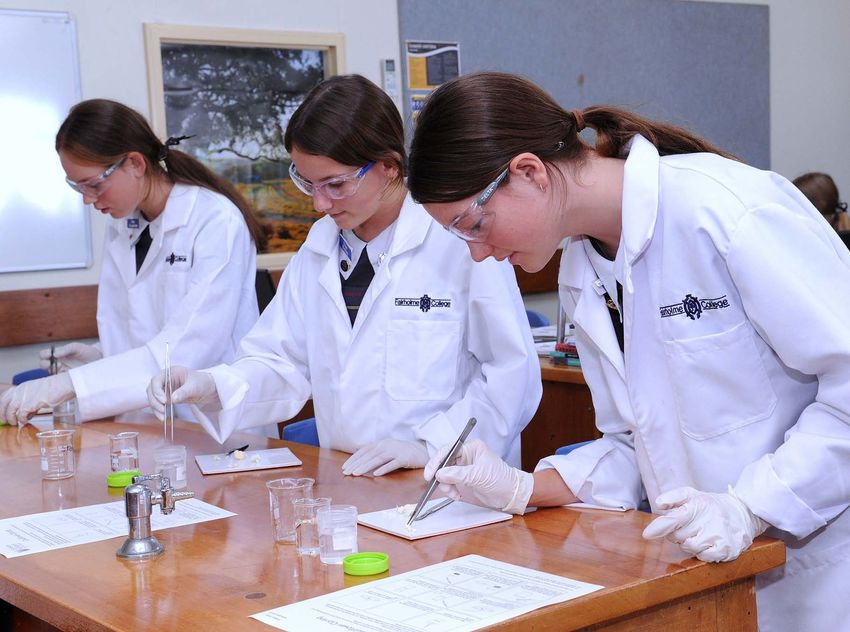
KEY STAFF
                   Head of Middle School                                         Mrs J Ross

                   Head of Teaching and Learning                                 Mr S Peacock

                   Deputy Head Middle School                                     Ms M Middleton

                   Commerce                                                      Mrs K Maher

                   Dance                                                         Ms B Choice

                   Drama                                                         Ms K Wighton

                   English                                                       Mr R Davis

                   Health and Physical Education                                 Mrs N Williams

                   Design Technologies Food and Fibre                            Ms S Campbell and Mrs M-J Meise

                   Humanities                                                    Miss K Scudamore

                   Information Technology                                        Mr C Chuc

                   Languages                                                     Mrs J Friend

                   Learning Enhancement                                          Mrs K Wallis

                   Careers Specialist                                            Mrs L Anderson

                   Mathematics                                                   Dr C Hill

                   Music                                                          Mr R Egerton

                   Performance Music                                              Mr A Dixon

                   Science                                                       Mrs F Brazier

                   Sport                                                         Mr T Tregaskis

                   The Greta Centre                                              Ms L Hobson

                   Visual Art                                                     Mrs K Hayward

                   Learning Pathways                                             Miss A Hollindale

                                              Fairholme College Toowoomba
                                                     T 07 4688 4688
                                                      F 07 4688 4694
                                               E info@fairholme.qld.edu.au
                                                www.fairholme.qld.edu.au

                                        Registered Provider (Queensland): Fairholme College Toowoomba
                                              CRICOS Provider Code: 03726D ABN: 16 917 099 053

2   MIDDLE SCHOOL Curriculum Overview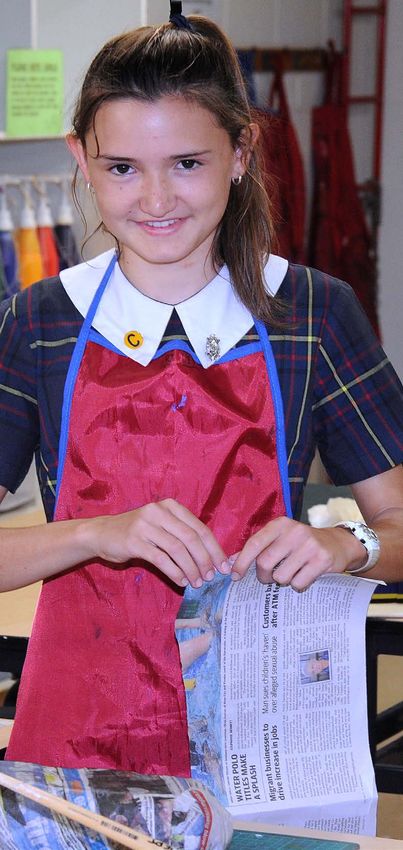
INTRODUCTION
Dear Parents and Students,

The Middle School at Fairholme College is a platform which allows our teachers
to create an exciting new curriculum that addresses the learning needs of this
unique group of students – girls aged between 11 and 14 years.

The principles that underpin the best learning in the Middle School years include
creating a curriculum that is –
•   Focused on literacy and numeracy
•   Relevant to their lives
•   Authentic, not contrived
•   Challenging at every level
•   Intellectually engaging.

Furthermore, Australian and overseas research demonstrates that the Middle
School provides an important bridge between the Junior School and Senior
School and that the students are best engaged in their learning when –

•   They have a small number of teachers with whom they interact and develop
    positive and trusting relationships
•   The amount of assessment is reduced, yet the quality of the assessment
    allows for greater depth of learning and skill building
•   The students are offered choice in subjects (increasing from Year 7 to Year 9)
•   The curriculum encourages negotiation to ensure that students focus on
    areas of personal interest, as well as developing interest in diverse and
    unexplored areas.
At Fairholme College we have endeavoured to create a curriculum in the Middle
School that more than meets the needs of our girls; rather it ‘lights the fire’ of
learning in all our students.

Mr Stewart Peacock | Head of Teaching and Learning

                                                      MIDDLE SCHOOL Curriculum Overview   3
Fairholme Middle School is committed to providing a community that empowers,
                 supports and develops resilient students. All students are unique learners, and
                 each aspect of their academic, spiritual and pastoral development is valued
                 through the provision of an inclusive culture, and an innovative, rigorous
                 curriculum.

                 We understand that the years between 11 and 14 is often the stage where girls
                 lose their enthusiasm for learning, disengage from classroom activities and make
                 little progress. Often, the traditional high school structure does nothing to help
                 these girls who find the challenges too daunting and who have decreasing levels
                 of interest.

                 At Fairholme Middle School we have created a smaller community, within
                 the wider Fairholme community, where girls can be known and cared for as
                 individuals. Our educational environment can be matched to the developmental
                 needs of students in Years 7, 8 and 9. Our contemporary curriculum is
                 underpinned by a strong pastoral care program which allows us to support the
                 ‘whole’ student and not just focus on the academic aspect of schooling.

                 Fairholme Middle School makes every attempt to minimise the number of
                 teachers that work with Middle School girls. This helps to create a sense of
                 belonging where girls feel known and supported by caring staff members.
                 Because our Middle School is part of the wider Fairholme community, our girls
                 also have access to a range of support services through our College Counsellor
                 and Careers Counsellor as well as other attentive staff such as Heads of House,
                 and Head of Department Middle School.

                 The Middle School community encourages close and mutually respectful
                 relationships between staff, parents and students. The intellectual, ethical and
                 social growth of students is nurtured and supported, allowing every student the
                 opportunity to experience success.

                 Mrs Jaye Ross | Head of Middle School

4   MIDDLE SCHOOL Curriculum Overview
MIDDLE SCHOOL
SUBJECT OFFERINGS
YEAR 7                                          YEAR 8                                                YEAR 9
All students in Year 7 complete the following   All students in Year 8 complete the following   All following subjects are completed for the
subjects for the duration of the year.          subjects for the duration of the year.          duration of one year by all Year 9 students.
•   English                                     •   English                                     •   English
•   Mathematics                                 •   Mathematics                                 •   Mathematics
•   Science                                     •   Science                                     •   Science
•   Humanities                                  •   Humanities                                  •   Humanities
•   Languages (two are chosen from              •   Languages (two are continued from Year      •   Health and Physical Education
    Japanese, German and French and are             7 from Japanese, German and French          •   Christian Education
    studied for one semester each)                  and are studied for one semester each)      •   Thrive
•   Health and Physical Education               •   Health and Physical Education
•   Christian Education                         •   Christian Education
                                                •   Thrive                                      Students choose three of the following to
Studied for 1 Semester - 4 lessons per          •   Financial Literacy                          be studied for the entire year.
fortnight cycle                                                                                 •    Japanese
•    Art                                        The following subjects are undertaken for one   •    German
•    Design                                     semester.                                       •    French
•    Drama                                      (4 lessons per fortnight cycle)                 •    Art
•    Music                                                                                      •    Dance
                                                •   Art                                         •    Drama
Studied for 1 Semester 1 lesson per week        •   Dance                                       •    Music
•    Thrive                                     •   Drama                                       •    Design Technologies Food and Fibre
•    Digital Technologies                       •   Design (Food and Fibre)                     •    Business Technology
                                                •   Music                                       •    Launch/Engineering
                                                •   Performing music                            •    Agricultural Science
                                                •   Digital Technologies

                                                                                 MIDDLE SCHOOL Curriculum Overview                             5
English
    The Australian National Curriculum >              creating literature; Literacy, expanding the
    English aims to ensure that students:             repertoire of English usage.                     The potential for self-development, growth
                                                                                                       and discovery through English is vast. The
    •    learn to listen to, read, view, speak,       YEAR 7                                           world can indeed be an oyster which we
         write, create and reflect on increasingly    •    Narrative                                   will open by sharpening our intellect and
         complex and sophisticated spoken,            •    Novel                                       preparedness to learn.
         written and multimodal texts across a        •    Poetry
         growing range of contexts with accuracy,     •    Mythology                                   The pearls within this curriculum are not
         fluency and purpose                                                                           content, but cognitive and learning skills that
                                                      The Years 9, 8, 7 English courses continues      the students will acquire through varied and
    •    appreciate, enjoy and use the English        our focus on language, literature and literacy   real-life learning contexts.
         language in all its variations and develop   through a varied and innovative curriculum.
         a sense of its richness and power to         Critical literacy, Creative writing and Multi-   Through different texts the vitality of
         evoke feelings, convey information, form     literacy are addressed through units of work     cultures and communities is discovered by
         ideas, facilitate interaction with others,   that involve the students in activities that     the students and stories are shared. This
         entertain, persuade and argue                utilise –                                        contributes to the shaping of the students’
                                                                                                       personal identities and facilitates the
    •    understand how Standard Australian           •    Technology                                  development of cultural understandings.
         English works in its spoken and written      •    Purposeful, analytical, creative writing
         forms and in combination with non-                and speaking                                Through this exposure, the opportunity for
         linguistic forms of communication to         •    Functional grammar and text                 students to experience real and imagined
         create meaning                                    construction                                worlds, interact with others and create their
                                                      •    Critical listening, reading and viewing.    own texts is provided.
    •    develop interest and skills in inquiring
         into the aesthetic aspects of texts, and
         develop an informed appreciation of          YEAR 9                                           YEAR 8
                                                      •    Present a Visual Arts Tour                  •    Persuasion
         literature.
                                                      •    Write a Persuasive text                     •    Narrative
                                                      •    Publish a Film Review                       •    Novel
    The Australian National Curriculum: English
                                                      •    Perform a Dramatic Intervention             •    Poetry
    Foundation to Year 10 is organised into three
    interrelated strands that support students’       •    Write an Imaginative Text
    growing understanding and use of Standard         •    Write an Analytical Exposition.
    Australian English. Together the three strands
    focus on developing students’ knowledge,          Strands and sub-strands: Content descriptions
    understanding and skills in listening, reading,   in each strand are grouped into sub-strands
    viewing, speaking and writing. The three          that, across the year levels, present a
    strands are: Language, knowing about the          sequence of development of knowledge,
    English language; Literature, understanding,      understanding and skills. The sub-strands are:
    appreciating, responding to, analysing and        Language, Literature and Literacy.

6        MIDDLE SCHOOL Curriculum Overview
MATHEMATICS
There is no corner of today’s world that is        These are:                                        Measurement and Geometry – working
untouched by mathematics. To be effective          •   Understanding                                 with units of area and volume, areas of
citizens and participants in the economy, girls    •   Fluency                                       parallelogram, rhombus, kite and circles,
should have well-developed numeracy and            •   Problem solving                               volumes of prisms, time calculations,
problem-solving skills. These are developed        •   Reasoning.                                    congruency of shapes and applications
by active participation in the classroom and                                                         thereof.
by involvement in the various Extension and        Broad topics to be covered throughout the
Enrichment activities throughout the year.         year include:                                     Statistics and Probability – complementary
Fairholme College Mathematics is based                                                               events, two-way tables and Venn diagrams,
on The Australian National Curriculum. The         YEAR 7                                            means, medians and the effect of outliers.
aims, as set out in The Australian National        Number and Algebra – real numbers, primes,
Curriculum Document, are as follows.               composites, fractions, decimals, percentages,     YEAR 9
                                                   algebraic expressions, linear and non-linear      Number and Algebra – direct proportion,
The Australian National Curriculum >               relationships.                                    scientific notation, simple interest, index laws,
Mathematics aims to ensure that students:                                                            expansion of algebraic expressions, linear
                                                   Measurement and Geometry – converting             graphs and functions, sketching non-linear
•    are confident, creative users and             units of length and mass, perimeter,              relationships.
     communicators of mathematics, able            area, volume and capacity, location
     to investigate, represent and interpret       and transformations, angles, triangles,           Measurement and Geometry – areas
     situations in their personal and work lives   quadrilaterals, parallel lines and associated     of composite shapes, surface area and
     and as active citizens                        angles.                                           volume of cylinders and right prisms, similar
•    develop an increasingly sophisticated                                                           figures, ratio, scale, Pythagoras’ Theorem
     understanding of mathematical concepts        Statistics and Probability – graphs, mean,        and its applications, trigonometry and its
     and fluency with processes, and can           median, mode, range, tally tables and             applications.
     pose and solve problems and reason in         probability.
     Number and Algebra, Measurement and                                                             Statistics and Probability – one- and two-
     Geometry, and Statistics and Probability      YEAR 8                                            step probability, tree diagrams and arrays,
•    recognise connections between the areas       Number and Algebra – index notation and           collecting, displaying and evaluating data,
     of mathematics and other disciplines and      index laws, rational and irrational numbers,      mean, median and range.
     appreciate mathematics as an accessible       percentage increase and decrease, rates and
     and enjoyable discipline to study.            ratio, profit and loss, algebraic expressions
                                                   including the use of the distributive law,
There are four required proficiency standards      algebraic and graphical solutions of equations,
which will form the basis of assessment across     the Cartesian plane.
all year levels.

                                                                                      MIDDLE SCHOOL Curriculum Overview                                  7
SCIENCE
    The Australian National Curriculum >
    Science aims to ensure that students
    develop:

    •   an interest in science as a means of
        expanding their curiosity and willingness
        to explore, ask questions about and
        speculate on the changing world in which
        they live
    •   an understanding of the vision that
        science provides of the nature of living
        things, of the Earth and its place in the
        cosmos, and of the physical and chemical
        processes that explain the behaviour of
        all material things
    •   an understanding of the nature of
        scientific inquiry and the ability to use
        a range of scientific inquiry methods,
        including questioning; planning
        and conducting experiments and
        investigations based on ethical principles;
        collecting and analysing data; evaluating
        results; and drawing critical, evidence-
        based conclusions
    •   an ability to communicate scientific
        understanding and findings to a range of
        audiences, to justify ideas on the basis      •    Science as a Human Endeavour (SHE) –               and chemical properties
        of evidence, and to evaluate and debate            provides contexts for linking concepts         •   Earth and Space Sciences – rocks,
        scientific arguments and claims                    and learning experiences to applications           minerals and mining
    •   an ability to solve problems and make              that are meaningful to students                •   Physical Sciences – forms of energy,
        informed, evidence-based decisions            •    Science Inquiry Skills (SIS) – describes the       energy transformations and efficiency.
        about current and future applications of           skills, or ‘how’, of Science.
        science while taking into account ethical
        and social implications of decisions          Together the three strands provide the
                                                                                                          YEAR 9
                                                                                                          •   Biological Sciences – Ecosystems, human
                                                      students with understanding, knowledge
    •   an understanding of historical and                                                                    impact and Nervous, Endocrine and
                                                      and skills through which they can develop a
        cultural contributions to science as well                                                             Immune systems
                                                      scientific view of the world.
        as contemporary science issues and                                                                •   Chemical Sciences – atomic structure,
        activities and an understanding of the                                                                radioactivity and types of chemical
                                                      There will be opportunities in each year level
        diversity of careers related to science                                                               reactions
                                                      for students to engage in the Engineering
    •   a solid foundation of knowledge of the                                                            •   Earth and Space Sciences – theory
                                                      Design Process to explore solutions to real
        biological, chemical, physical, Earth and                                                             of plate Tectonics, engineering an
                                                      world Challenges.
        space sciences, including being able                                                                  earthquake proof structure
        to select and integrate the scientific                                                            •   Physical Sciences - energy transfer
        knowledge and methods needed to               YEAR 7                                                  through an electric circuit.
        explain and predict phenomena, to apply       •    Biological Sciences – Habitats and
        that understanding to new situations and           interactions, classification, food chains      Assessment
        events, and to appreciate the dynamic              and food webs and impacts on and               Students will be asked to design and perform
        nature of science knowledge.                       management of ecosystems.                      experiments to produce individual scientific
                                                      •    Chemical Sciences – separating insoluble       reports, construct models, respond to
    At the core of the Fairholme College Science           and soluble substances, mixtures and           stimulus materials and undertake formal
    curriculum is a commitment to challenging,             separating techniques, purifying water         examinations.
    engaging and inspiring young women to             •    Earth and Space Sciences – non-renew-
    see themselves as scientists in action, and            able/renewable resources, energy re-
    as citizens who can contribute to the future           sources, the water cycle, water manage-
    development of their nation. In line with this         ment, positions of objects in space and
    innovative view of the Science curriculum is           their impact on human activities.
    the understanding that our learners’ worlds       •    Physical Sciences – balanced/unbalanced
    are profoundly linked to various technologies.         forces, gravity, magnetic and electric
                                                           fields.
    The Australian National Curriculum >
    Science has three interrelated strands:           YEAR 8
                                                      •    Biological Sciences - cells, microscopes,
    •   Science Understanding (SU) – the
                                                           organs and systems
        knowledge and understanding, or ‘what’,
                                                      •    Chemical Sciences – particle theory,
        of Science
                                                           elements, compounds, chemical changes

8        MIDDLE SCHOOL Curriculum Overview
Agriculture
Agriculture is a dynamic field of science        Projects/Topics include: Hermitage Research
that deals with plant agronomy, animal           Facility - Schools Plant Science Competition
husbandry and the sustainable management         (topic varies), Paddock to Plate - using the
of agricultural production systems to produce    market garden, camembert in the classroom,
food and fibre. Interdisciplinary in nature,     UQ Sunflower Competition and Meat and
the subject, Agricultural Science is suited to   Livestock Australia - the Aussie Hamburger.
students interested in applying science in a
real-world context.                              Assessment
                                                 Students will maintain a portfolio of their
This course enables inquiry-based learning       investigations throughout the year. They will
and collaboration, as students conduct           submit one summative assessment project for
practical and research-based investigations in   grading each semester.
small teams. By comparing research results
and agricultural industry standards, students
simulate the work of agricultural scientists,
managers and producers who attempt to
meet and exceed industry standards. Ag
Industry Tours during the year allow students
to learn more about local industries and
the variety of careers in Agriculture and
Agribusiness.

                                                                             MIDDLE SCHOOL Curriculum Overview   9
HUMANITIES                                        tasks will cover a range of genre and
                                                                                           HISTORY
 Years 7, 8 and 9                                  assessment types.                       History is a disciplined process of inquiry into
 The Key Learning Area of Humanities aims to
                                                                                           the past that develops students’ curiosity and
 develop an understanding of a world that is
                                                   Topics to be covered throughout the     imagination.
 constantly changing. Students develop their
 knowledge about the complex interactions          year include:
                                                                                           Awareness of history is an essential
 between people, and between people and
                                                                                           characteristic of any society, and historical
 their environments, to investigate social,        Year 7                                  knowledge is fundamental to understanding
 political, economic, environmental and
                                                                                           ourselves and others. It promotes the
 cultural ideas and issues.                        •    Ancient Egypt                      understanding of societies, events, movements
                                                   •    Ancient China                      and developments that have shaped humanity
 Through an inquiry approach to learning,          •    Water in our World                 from earliest times. It helps students appreciate
 students will clarify their personal values       •    Place and liveability              how the world and its people have changed,
 and acknowledge others’ values and world
                                                                                           as well as the significant continuities that
 views in a range of contexts and settings.
                                                                                           exist to the present day. As part of the
 It is also fundamental to the course that         Year 8                                  Australian Curriculum: History, the Year 9
 the students develop the ability to critically
                                                                                           History program deals with the making of the
 reflect on their learning and investigations to   •    Medieval Europe
                                                                                           modern world from 1750 to 1918. It was a
 make judgements about different values and        •    Medieval Japan
                                                                                           period of industrialisation and rapid change in
 perspectives.                                     •    Landforms and Landscapes
                                                                                           the ways people lived, worked and thought.
                                                   •    Changing Nations
                                                                                           It was an era of nationalism and imperialism,
 It is also hoped that students will develop
                                                                                           and the colonisation of Australia was part of
 their capacity for effective community
 participation and meaningful responses to
                                                   Year 9                                  the expansion of European power. The period
                                                                                           culminated in World War I, 1914 – 1918, the
 social and environmental issues. Our aim is to
                                                   •   Making a Nation                     ‘war to end all wars’.
 promote dynamic, globally aware
                                                   •   World War 1
 students who can respond to any issue in
                                                   •   Geographies of Interconnections
 enterprising and creative ways. Assessment
                                                   •   Biomes and Food Securities

10      MIDDLE SCHOOL Curriculum Overview
GEOGRAPHY
Geography is a structured way of exploring, analysing and explaining the characteristics of the places that make up our world, through
perspectives based on the concepts of place, space and environment. A study of geography develops students’ curiosity and wonder about the
diversity of the world’s places and their peoples, cultures and environments.
Students examine why places have their
particular environmental and human
characteristics, explore the similarities and
differences between them, investigate their
significance and meanings to people, explain
how they change over time, and evaluate their
futures. As part of the Australian Curriculum:
Geography, the Year 9 Geography program
explores biomes, food security and navigating
global connections. The units examine
the personal and global patterns of food
production and consumption, the impact of
food production on the natural environment
and the potential impacts which related
environmental issues have on food security.
They will also explore the connectedness of
Australia with its region and the world. The
ability of a student to act locally, but with a
regional and global view of the consequences,
is investigated.
BUSINESS
YEAR 9 The business world is fast paced and evolving, Investing in the next term.
and there are always new things to learn.
'While children are earning Knowing how to manage personal finances The ability to adapt, be resilient and
and saving money much is one of the most important and challenging to be innovative are key skills for the
earlier than their parents did, features of everyday life. It is a core skill in next generation. The fundamentals of
today’s world. It affects quality of life, the entrepreneurship delivered in this subject
the virtualisation of money is opportunities individuals and families can aims to facilitate the building of these
making it harder for children pursue, their sense of security and the overall necessary attributes. Therefore, the other
to learn its value.' economic health of Australian society. semester focuses on running small business
ventures and applying the knowledge,
Commonwealth Bank Survey of 1000 parents Financial literacy knowledge and skills will be practices and dispositions needed for
Media Release 3 February 2014 investigated through the study of topics such successful enterprise and ventures. Students
as goal setting, income, budgeting, insurance, generate enterprising ideas, develop business
One semester will focus on Financial Literacy credit, taxation, banking, investing, financial proposals, undertake ventures, and evaluate
and aims to provide students with the planning, mobile phones, scams and online the outcomes.
necessary information and skills to make wise shopping. One term will focus on Earning and
financial decisions. Saving, before moving onto Spending and
MIDDLE SCHOOL Curriculum Overview 11DIGITAL TECHNOLOGIES
Year 7 Year 8
This course is an introduction to fundamental programming concepts This is an elective short course encouraging Year 8 students to develop
and electronics. The course aligns with ‘The Australian Curriculum: their knowledge of computer science through curiosity and innovation.
Digital Technologies’ learning area.
The course aligns with ‘The Australian Curriculum: Digital Technologies’
In an increasingly digitised and automated world, it is critical learning area and follows the ‘Digital Technologies Progression Points’
students gain an understanding of electronics and acquire new skills recommended by the Independent Schools Queensland (ISQ).
such as computational thinking. This course focuses on developing
understanding and skills in design; problem solving and computational Students who elect to complete this course are curious, want to learn
thinking such block based programming, text based programming, and willing to take risks with a new challenge. They will be supported
programming structures, prototyping; and engaging students with and mentored to work in small groups to decide on a computer science
electronics. Digital Technologies provides students with authentic projects they wish to engage in. The aim is for students to further their
learning challenges that foster curiosity, confidence, persistence, confidence in independent and live long learning, design, problem
innovation, creativity, respect and cooperation. solving, persistence, innovation, creativity and team work.
Course Content Description Course Content Description
The focus of the course will be programming (coding). The following This is an elective short course focussed on digital technologies
introductory units of study may be selected, but not limited to: (computer science). The work will be a mix of practical and theory. The
following units of study is will be studied by all students:
• Algorithms and problem solving • Project Management
• History of coding • Design Principles
• Programming control structures
• Block coding Students will choice projects from the following digital technologies
• Text based (script) coding areas, but not limited to:
• Electronics using Arduino • Computer Networks
• Scratch • Coding
• Game Design • Mechatronics
• Blockly • Electronics
• Javascript • Relational Databases
• Python • Hardware Systems
• App Design
Assessment • Web Design
The course will be assessed. Assessment will be criteria based. • 3D Modelling
Assessment items may include: • Game Design
• Short written responses
• Extended written responses Assessment
• Practical tasks The course will be assessed. Assessment will be criteria based.
• Projects Assessment items may include:
• Project outcomes.
• Written reports.
• Presentations.
12 MIDDLE SCHOOL Curriculum OverviewLANGUAGES
The languages program designed for the
Middle School aims to develop students’
language and intercultural competencies.
By learning to use real language in real
situations, students develop their ability
to communicate meaningfully and
productively. At the same time, the course
incorporates cultural awareness and helps
learners to know and understand the
world around them, and to understand
commonality and difference, global
connections and patterns.
Learning a language is an important aspect
of becoming both a lifelong learner and a
good global citizen.
Year 9
In Year 9 students generally choose one
We are fortunate at Fairholme College to
language on which to focus, although it is
be able to offer three languages to students
possible for students to continue with two
in both the Middle and Senior School. The
languages. The language will be studied for
languages offered are French, German and
the two semesters of Year 9 and should be
Japanese.
continued in Year 10 in preparation for Senior
Studies.
Over many years, we have developed
programs and acquired resources that allow
The work in Year 9 further develops students’
us to provide our students with a diverse
language skills and covers various topics.
range of teaching and learning experiences.
Students use computers and interactive
Our exchange and sister-school programs
technology in lessons. The internet provides
enhance these experiences by providing
students with a variety of resources to
opportunities for students to host visiting
enhance cultural understanding, as well as
students and live overseas for a period of time
providing language-specific websites. It is
during their senior years of schooling.
another example of how students are using
real language for real purposes.
YEAR 7 and Year 8
In Year 7 students choose two of the three Students are assessed on their ability to
languages on offer and study each language for analyse texts, create texts and exchange ideas
a semester. This is a program for both first-time and information in the target language. Most
and continuing learners. assessment is done under exam conditions;
however, some assessment is done in the
Students study the same 2 languages in Year 8 students’ own time. By the conclusion of
and cover different topics. the course, students should be able to know
and use the target language features and
Studying the same 2 languages over 2 years understand familiar spoken, written and visual
gives the girls a strong grounding in both texts. They should also be able to create
languages and prepares them well for further spoken and written language and respond in
study. situations relevant to their communication
needs. Their ability to reason and respond to
The target languages are used extensively in attitudes, purposes and cultural meanings will
class and students are encouraged to use the also be developed.
language as much as possible.
Students of French, German and Japanese
Topics covered during the two year course study a range of topics during Year 9. These
include: may include:
• Descriptions • Daily routine and family life
• Family • Shopping and leisure
• Classroom • In and about town
• Leisure activities • School routine
• Routine
MIDDLE SCHOOL Curriculum Overview 13THE ARTS
Dance
(Years 8 and 9 ONLY)
Dance is a human activity of ancient tradition Year 8 Year 9
and an evolving form of expression that is Throughout the Year 8 Dance course, students The units in Year 9 Dance are structured
fundamental to the human condition. Dance will discover that whilst dance is a universal in such a way that students progressively
is a universal language that has the power to language, it is also a method of personal develop their skills in Making (Performance
communicate and convey ideas and images expression. They will explore the way in which and Choreography) and Responding to dance.
using the human body as a medium across dance can be used to communicate ideas, They will undertake a study of a diverse range
different cultures. Dance fulfils numerous themes, emotions, stories and events. of styles including tap, jazz, funk, hip-hop,
functions socially, culturally and artistically. children's dance and contemporary dance.
The focus is on exposing students to dance This serves as a strong basis for future studies
The Middle School Dance course exposes in a classroom setting. Students will have the in Dance.
students to a wide range of dance styles. The opportunity to participate in the creation of a
study of dance is enriched by experiences in dance performance for public viewing. They A variety of creative and inclusive assessment
choreography, performance and responding: will work collaboratively, in small groups, to instruments are implemented in the Middle
choreography – the creative process of choreograph a dance in their preferred style; School Dance course. These instruments are
making dance; performance – the dancer’s learn a teacher-devised dance that will allow able to cater for the individual needs and
demonstration of dance skills; and responding them to experience the rehearsal process; and abilities of each student. Students’ learning
– the communication of a student’s individual research and respond to other forms of move- is assessed via practical performances,
response to dance. ments to evaluate their placement under the presentations of choreography and written
umbrella of dance styles. communication.
Students will learn how to work both
individually and collaboratively, and will have
the opportunity to perform publicly.
14 MIDDLE SCHOOL Curriculum OverviewDRAMA
Performance
Year 7 students enjoy one semester of
Performance in a predominantly practical,
collaborative approach to learning where
their performance skills are developed.
Additionally, literacy, critical and creative
thinking, and personal and social capabilities
are enriched. Students identify the purposes
of drama, building on their understanding
through experiencing the roles both of
performer and audience. Presentation skills
which have broad application are practised
as students plan, structure and rehearse
drama, exploring ways to create and
communicate dramatic action.
Through improvisation, students are
challenged to maintain commitment to
role when performing for an audience.
Regular opportunities are offered to
establish dramatised situations, requiring
the manipulation of voice, movement and
Playmaking and performing skills are
tension to establish situation, space and
Analysis of a scripted playtext and exploration developed with emphasis on physical skills,
time. They develop skills of characterisation,
of its form and themes develops skills in ritual and characterisation. Symbols, mood,
use relevant vocabulary in the creation of
characterisation and staging conventions, irony and multiple subtexts are examined
performance, and refine Presenting skills in
including Realism, Non-Realism and the use in writing, directing and production, and
order to share their ideas meaningfully for an
of digital technology. Through playmaking, understandings shared through performance
audience of their peers.
a performance vocabulary is built, and and play analysis presentation. Skills are
communication, teamwork skills and developed in interpreting, staging and
Students experience drama which explores
performance confidence are fostered. performing to create Dramatic Meaning for an
a range of cultures, times and locations.
audience.
They are required to explore viewpoints with
Broad dramatic styles and their general
empathy, and to consider social, cultural and
characteristics are investigated, utilising
historical influences of drama. In the first term
dialogue, movement and theatricality. Students undertake the study of an Australian
of work, they create an imaginary culture and
Performance opportunities exist for students play and its development, form and dramatic
community to enact and respond to, and in
to devise and share dramatic action for an meaning. The role of symbol, metaphor and
the second unit they convey story and develop
audience of their peers. analogy in conveying meaning is explored
ideas and themes through investigation of
further. They investigate the development of
the Stolen Generations. Students devise and
design and scenography skills and develop
rehearse scenes consistent with the situations Year 9 Drama knowledge and understanding of theatrical
examined, to communicate ideas and convey Through making and responding to dramatic
aspects of technical theatre: its characteristics
status, relationships and intentions for an performance, this year-long course aims to
and dramatic functions.
audience. provide students with the opportunity to
understand their role as artist and refine their
Participation in the Scene Project enables
own creative abilities. Predominantly practical
Year 8 Drama in approach, content allows exploration of
students to create, share and reflect on
The course is predominantly practical in a theatrical performance facilitated by
increasingly complex theatre forms and styles
nature and aims to develop and refine Queensland Theatre. The process involves
from a range of traditions and movements.
creativity, spontaneity and self- expression. planning, rehearsing and presenting
Individually and in small groups, students
Students explore improvisation and the drama through practical experimentation,
experiment with innovative and hybrid forms
elements of drama and develop knowledge workshopping of text, research, and devising
and performance styles to examine different
and understanding of a range of dramatic scenework based on a newly commissioned
techniques and approaches.
conventions. script in a form of their own choice. The
outcome is the opportunity to perform live for
Students develop understanding of the process
They are introduced to theatre making an audience in a professional space.
of theatre production and appreciation of
through participation in role play, process In Drama, students are involved both in
theatre as a collaborative art form, both by
drama, and exploration of text. Working Making drama and Responding to drama,
devising original dramatic action and through
individually and in small groups, students use shaping and reflecting on the creative process
the exploration of scripted forms. Examination
improvised and scripted dramatic action to both in and out of role. Through exploring
is made of a variety of expressive forms suited
devise scenework. They learn to manipulate and expressing their individual and social
to specific audiences, to understand their
focus and develop tension to present identities, students begin to develop and
characteristics and conventions.
dramatically interesting presentations in a articulate a personal framework for critical
diversity of forms and styles. study of their own and others’ values.
MIDDLE SCHOOL Curriculum Overview 15MUSIC
Year 7
Year Seven Music course will be structured
as two classes a week for one Semester only.
For this purpose, the music program will refer
to Term A and Term B.
Students will build an understanding of
fundamental musical elements, through
singing, listening, composing and performing,
through study of the orchestra, some famous
works for orchestra, choir, and chamber
ensembles, and music written especially for
film.
Term A: The Elements, The Instruments of
the Orchestra and Rounds.
Throughout Term A students should:
• acquire knowledge of the concepts of
pitch, time, volume and timbre;
• acquire knowledge of the instruments
Broad learning areas include: techniques and refinement, topics associated
of the orchestra and how an orchestra
• Beat and Rhythmic Notation with performance (e.g. anxiety and etiquette),
functions;
• Pitch, Harmony and Melodic Notation the study of theory, music analysis, aural skill
• develop listening and performance skills
• Timbre & Mood development and composition.
through the study of vocal rounds and
performing their own compositions, and • Ensemble and Solo Performance
• Rhythmic Composition Towards the end of Year 7, interested
• develop basic skills in notation of pitch,
• Melodic Structure students who have obtained an approximate
rhythm and dynamics through their own
• Melodic Composition. performance standard of Third Grade AMEB
simple compositions.
(or equivalent) may apply for a place in
this specially structured class which will
Term B: Film Music and Famous Compositions. Year 8 Performance Music extend their musical talents through music
Throughout Term B, students should: Year 8 Performance Music is for students performance and music-related studies.
• acquire knowledge of the elements who have obtained a high standard of skill These students will have one period of Music
through listening and score reading in either vocal or instrumental music and Performance a week and the course is studied
• develop performance skills while learning a sound understanding of reading music for both semesters of Year 8.
to play famous notation in Year 7. Year 8 Performance Music
• melodies provides the opportunity for students with The musical insights and technical expertise
• develop music literacy by studying identified ability in performance to develop gained through this study may act as a catalyst
different performance their individual potential beyond the scope for further involvement with music within the
• ensembles of the Year 8 Music program. The course of school environment. It is therefore hoped that
• acquire knowledge and understanding of study is at a more challenging and exacting most of these students would continue their
the development of themes for particular level than that offered in the core Year 8 music studies by choosing the elective subject
characters Music course. Students will aim for excellence Music in Year 9.
in their performance of music and strive for
Year 8 cognitive, affective and psychomotor skills
In Year 8 Music, a more thorough exploration of a high order. Year 8 Performance Music
of the basic elements of music will be operates for those students who have chosen
undertaken. Initially, students will establish to have individual lessons with a Specialist
familiarisation with rhythmic and melodic Teacher in their principal instrument of study
notation, concepts of organisation of scales (e.g. trumpet, singing and piano) and to
and chords, and the performance of these participate in a co-curricular music activity
skills on classroom percussion instruments as at the College. These two components are
well as guitar and keyboard. assessed as a part of the course, and whilst
performance opportunities are provided,
Classroom ensemble performance will and skill refinement is taught in class, the
provide an opportunity to realise these skills teacher of Year 8 Performance Music acts as
in a practical way. Students will be given the a facilitator between the student’s Specialist
tools to create original compositions using Teacher and Ensemble Director. Other areas
computer software on their laptops. covered in the course include performance
16 MIDDLE SCHOOL Curriculum OverviewzzYear 9 Music
Music pervades all cultures and evokes a wide Each semester unit is assessed in a variety of
range of human responses. As one of the Arts, ways. Every unit contains a formal examination
it makes a profound contribution to personal, that includes analysing music that students
social and cultural identity. It forms a unique have studied in class either aurally or visually.
means of expression and of communicating Aural musicianship is assessed via an aural
experiences. Music offers its own language, skills test similar to those given in Year 8
using predominantly our sense of hearing. Music or Performance Music. Students learn
to compose their own music and these pieces
Music contributes to learning through the are examined twice each year. Finally, students
development of memory, co-ordination, are assessed, individually and in groups, on
concentration and inventiveness. It develops singing and playing instruments.
skills such as logical and critical thinking,
decision-making and formation of concepts. Music, or indeed any of the performing arts,
Music enhances our celebration of life by is the ideal subject to encourage and develop
enlightening, inspiring, relaxing, entertaining confidence in individual or group situations.
and enriching our lives. Music has the capacity
to cross national borders and assist cross- If Music is correctly termed, ‘The Universal
cultural understanding. Language’, then it should encourage tolerance
and appreciation of many cultures and their
means of artistic expression.
The Year 9 Music course consists of the
following four topic areas:
• Brief History of Western Music
• The Musical
• Music’s Greatest Hits
• World Music.
MIDDLE SCHOOL Curriculum Overview 17VISUAL ART
Visual Arts in the Middle School focuses on Year 7 Year 8
students making, displaying, reflecting on and The Year 7 Art course explores the Elements Offered for one semester, the Year 8 Visual Arts
appraising images and objects with a focus of Design through a selection of expressive art subject provides an introduction to Visual Art.
on skills development. Students develop experiences.
an understanding of visual language, and
perception is nurtured, enabling them to be Units of study (sample):
visually literate in the visual communication of Units of study (sample): • Design – Logos, layout & presentation
cultures and societies, past and present. They • Design – Exploring the Elements • Drawing – Realism to Abstraction
will engage in a variety of Art experiences • Drawing – Stylisation of Form • Colour Theory
that will encourage them to develop personal • Painting – Major Task.
expression and aesthetic awareness, as well Sculpture and Installation
as gain a sense of satisfaction and enjoyment • Mixed Media – manipulation and 3D Learning experiences:
from making artworks. Artworks • Create, present and reflect on art works with
• Art Appreciation – Looking into the Past confidence, skill, enjoyment and aesthetic
Students will be given the opportunity to (Sculptors and Installation Artists) awareness.
engage in the making of images and objects • Express, present and communicate ideas,
by designing and creating two-dimensional Learning experiences: feelings and experiences through forms and
and three-dimensional forms using a variety • Create, present and reflect on art works processes of Visual Art.
of materials, processes and techniques. They with confidence, skill, enjoyment and • Understand and critically appreciate the
will learn and apply knowledge of visual art aesthetic awareness. impact of art works and how they construct
and design elements and concepts in order to • Express, present and communicate ideas, meaning.
construct meaning through problem solving, feelings and experiences through forms
and will communicate their ideas, feelings, and processes of Visual Art. Assessment:
experiences and observations about the • Understand and critically appreciate • Visual Process Diary containing resolved
world. The suggested learning experiences the impact of art works and how they exercises, design tasks and practical activities
that students will make and appraise will be construct meaning. • Major Painting
selected from a variety of two-dimensional • Theory test
and three-dimensional forms.
Assessment:
• Visual Process Diary containing
Broad topic areas include: preliminary work and documentation of
• Drawing and Design practical activities and exercises.
• Painting and Printmaking • Major Work.
• Sculpture and Ceramics
• Installation and Performance Art
• Fibre Art
• Time-based Media and Digital
Photography.
18 MIDDLE SCHOOL Curriculum OverviewYear 9 Visual Arts
The Year 9 Visual Arts Course is an elective
subject that develops students’ skills in
understanding the visual world by making
and appreciating images and objects.
Emphasis is placed on experimentation, skill
development and enjoyment of the art-
making process.
Units of study (sample):
• Drawing – Pastel Portraiture
• Sculptural ceramics – Themed Teapot/
Shoe Design
• Painting – Reflecting Life
• Printmaking – Intaglio Etching.
Learning experiences:
• Create, present and reflect on art works
that incorporate Visual Art techniques,
technologies, processes and language.
• Understand and use the elements and
principles of Art and Design in formal
and informal contexts.
• Critically appreciate and evaluate art
works in appraising and theory classes.
Assessment:
• Visual Process Diary containing
preliminary work and documentation of
practical activities and exercises.
• Making folios of Resolved Work
• Appraising tasks including Written
Research Assignments, Oral
Presentations or Theory examinations
MIDDLE SCHOOL Curriculum Overview 19DESIGN
TECHNOLOGIES
Year 7 Design Technologies They trial different materials including Food
Year 7 Design Technologies builds on concepts, sustainable considerations and techniques in Unit 1
skills and processes developed in earlier years, the process of determining the most suitable Year 8 Food explores healthy eating and
revisiting, strengthening and extending these design solution for the brief. Students evaluate healthy living and provides students with the
as needed. Students will have the opportunity the advantages and disadvantages of their basic skills associated with food preparation
to create designed solutions in response to design ideas and the technologies used. and production. It aims to give students a
a design brief using a range of symbols and basic range of skills that will inspire them to
technical skills to produce annotated concept Assessment continue to cook simple, healthy meals for
sketches, drawings and final product. By the Term 1 their friends and families.
end of Unit 2 students will have the acquired Unit 1 – Formative
Design Project Folio: with Styling Board and
the skills to identify the sequences and steps
annotated steps applied, followed developed
Fibre (Fashion)
involved and develop plans to manage and Unit 2
work through a design task independently. in class.
Year 8 Fibre introduces students to
'Aesthetic and Functional Designed Elements'
fundamental design solutions in response to a
Design Term 2
specified brief that highlights the needs of the
Students in Year 7 undertake one semester of client. Students investigate how shape, space,
Unit 2 - Summative
design within the context of Fashion (Fibre). line, textures, pattern and properties of fabrics
Design Project Folio: with a Written Response
impact the design solution. They trial different
100-400 words
Unit 1 hand sewing techniques in the process of
'Aesthetic and Functional Apron'
Year 7 Fashion introduces students to basic determining the most suitable design solution
design solutions in response to a specified for the brief. This Unit aims to develop
brief. Students investigate how shape, space, greater autonomy and criteria for success
line, pattern, texture and properties of fabrics Years 8 & 9 Design wherein students are able to apply, evaluate
and technologies impact the design solution. and implement leant skills confidently and
They become familiar with specialised
Technologies independently.
Year 8 & 9 Design Technologies is split into
machinery, establishing safety procedures two focus areas of study namely Food and
that minimise risk with safety and efficiency Fibre. Within these focus areas students Assessment
in mind when making designed solutions. This develop their design thinking skills to generate Food
Unit aims to develop greater autonomy and and produce creative designed solutions Unit 1 – Formative
criteria for success wherein students are able for authentic needs and opportunities. Multimodal Presentation
to apply and implement leant skills confidently Year 8 & 9 are important years as many 3 - 4 mins
and independently within the next unit of of the fundamental skills and techniques
study. are reinforced and new key concepts are Supervised Written: Summative
introduced and developed. 45 - 60 mins
Unit 2 up to 350 words
Unit 2 builds on concepts acquired, they Yr8 Food and Fibre (Fashion)
respond to feedback from others and evaluate Students in Year 8 undertake in one term Food Fibre (Fashion)
design processes used and designed solutions and one term of Fibre within the context of Unit 2 - Formative
for preferred futures in response to a specified Fashion. Design Project Folio: with a Written Response
brief that highlights the needs of the client. 100 - 400 words
20 MIDDLE SCHOOL Curriculum OverviewYr9 Food and Fibre
(Fashion)
Students in Year 9 undertake in one semester
Food and one semester of Fibre within the
context of Fashion.
Food
Unit 1
Year 9 Food Technology aims to stimulate
students to think about their food choices,
examine basic theory about nutritional
quality and the importance of variety.
Students will examine sustainability and
ethics and how the food we buy and produce
impacts on the globe. They will look into
processes of food production and have
the opportunity to explore food marketing
and advertising and the impact this has on They look more closely at the drafting and
consumers. styling process, making judgement from
the specifications developed to determine
Unit 2 the most suitable production outcomes.
In Term 2 students examine in detail fast food They establish detailed criteria for success,
options and how to make healthy selections including sustainability considerations, and
for preferred futures. They look more closely use these to evaluate their designed solutions
at how consumers can be aware of their and process.
choices and how outside influences have
strong impacts on food choices. Students Assessment
cooking skills are further enhanced and the Food
concept of altering recipes for healthy choices Unit 1 – Formative
is introduced. Supervised Written
Fibre (Fashion) 45-90 mins up to 400 words
Unit 3
In this unit students make ethical judgements Unit 2 – Summative
about their design solutions in response to Design Project Folio and Multimodal
a specified brief that highlights the needs Presentation: Oral and Written Response
of the client. Students investigate how the 3 - 5 mins 200 - 800 words
characteristics and properties of fabrics
impact the design solution. They gather and Fibre (Fashion)
trial different fabric samples and techniques Unit 3 - Formative
in the process of determining the most Design Project Folio: with a Written Response
suitable design solution for the brief. 200 - 800 words
Unit 4 Unit 4 – Summative
In this unit students continue to develop and Design Project Folio: with a Written Response
add to their design thinking skills, through 200 - 800 words
the specialisations of combined technologies
in the design process and production stage.
MIDDLE SCHOOL Curriculum Overview 21LAUNCH/ENGINEERING
Year 9 It’s collaborative and the views of multiple components. Students will work individually
Launch/Engineering is a design-thinking perspectives informs the process, with peers and in teams to design for problems relevant
subject that will introduce students to a working together to bolster each other’s to Year 9 Fairholme girls and will be required
methodology for solving problems. Students creativity. Hence, students will have the to access ICT technologies.
will have the opportunity to design solutions opportunity to collaborate on projects and
for real-world issues, spaces and to create build teamwork skills.
and enhance products. It is designed to
develop creative abilities in all levels and It’s experimental and allows for iterations of
build student efficacy in transforming difficult failure and subsequent success. Students are
challenges into exciting opportunities. encouraged to learn from their mistakes.
The focus will be on human-centred design, It’s optimistic because it’s based on the
which requires students to empathise with fundamental belief that we all can create
the needs and wants of end-users and change—no matter how big a problem, how
ensure their proposed design solutions will little time or how small a budget.
meet these design requirements. Students
will learn tools and techniques to be able to It turns out that creativity isn’t some rare gift
work through the design thinking process, to be enjoyed by the lucky few – it’s a natural
which includes identifying a problem, part of human thinking and behaviour. In
collecting empirical data, brainstorming, too many of us it gets blocked. But it can
prototyping, testing and communicating to be unblocked. And unblocking the creative
achieve a design solution. Some knowledge spark can have far-reaching implications for
and skills learnt include sketching, visual yourself … and your community. T & D Kelley,
communication, using digital technologies Creative Confidence.
and low-fidelity methods to create
prototypes, critical thinking, creativity, Assessment
lateral thinking and visual, written and oral Assessment will be project based (no
communication. examinations) which may have a combination
of visual, written and oral presentation
22 MIDDLE SCHOOL Curriculum OverviewHEALTH and
PHYSICAL EDUCATION
Health and Physical Education reflects the dynamic and diverse nature of health and recognises
Year 9
Students in Year 9 have five HPE lessons
the significance of physical activity in the lives of individuals and groups in Australian society. per fortnight. Of their five HPE lessons, four
This subject offers students the opportunity to develop the knowledge, processes, skills and will be of a practical nature and one lesson
attitude necessary for making informed decisions about their health. Students will experience will cover the theory topic for the semester.
the challenge and fun of physical activity while developing skills necessary for lifelong Theory units for Year 9 run for a semester
participation. and two practical activities per semester will
be covered. Practical lessons will include:
Year 7 Year 8 Badminton, Lifesaving, Rhythmic Gymnastics
Students in Year 7 have five HPE lessons Year 8 students have four HPE lessons per and Volleyball. Theory topics include:
each fortnight. Of their five HPE lessons, fortnight. Of their four HPE lessons, three Sports Medicine Awareness Course (SMAC)
four will be of a practical nature and one will be of a practical nature and one lesson Lifesaving, and Components of fitness.
lesson will cover the theory topic for the will cover the theory topic for the semester.
semester. Practical units covered will include: Practical lessons include: Swim and Survive, In the assessment program in all three year
Swimming and swimming technique, Athletics, Athletics, Gymnastics and Touch. Knowledge levels, practical elements have a mixture of
Traditional and Indigenous Games, and New gained through theory units focuses on body performance tests and subjective assessment.
Games. The Health component of Year 7 HPE systems and health issues. Theory units Theory units are assessed by short
focuses on the development of knowledge of work will be studied for a semester and examinations and assignments. Years 7, 8 and
and understanding of personal, social and practical units for a term. 9: 65% practical results and 35% theory result.
community health.
MIDDLE SCHOOL Curriculum Overview 23You can also read


